Butterfly Garden
July 30, 2017

There were butterflies galore during a visit to the flower beds that the Craighead County Master Gardeners maintain at Arkansas State University near the farmer’s market area.


There were butterflies galore during a visit to the flower beds that the Craighead County Master Gardeners maintain at Arkansas State University near the farmer’s market area.
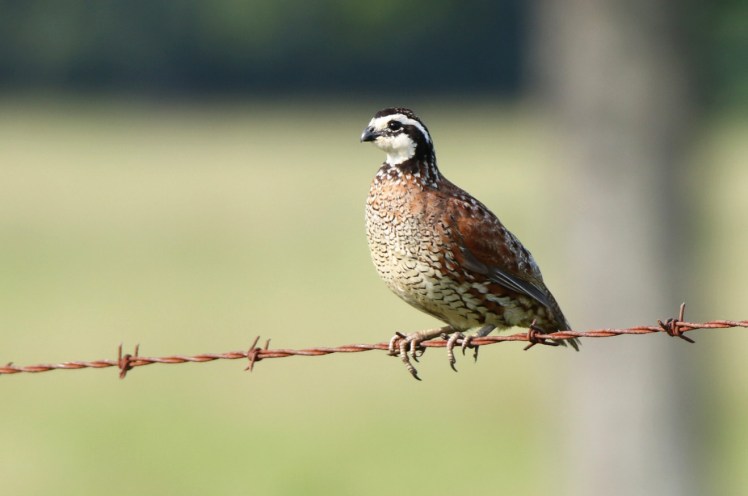
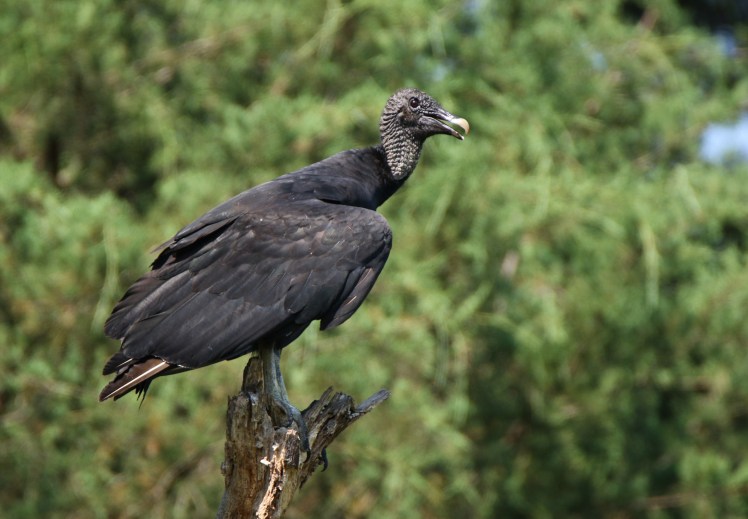
During a recent drive back from Greenbrier, I stumbled across a Northern Bobwhite just hanging out on a fence. It was a pleasant surprise, especially since I had just spotted my first Black Vulture as well! Below are photos of the Black Vulture and other birds I found. 🙂
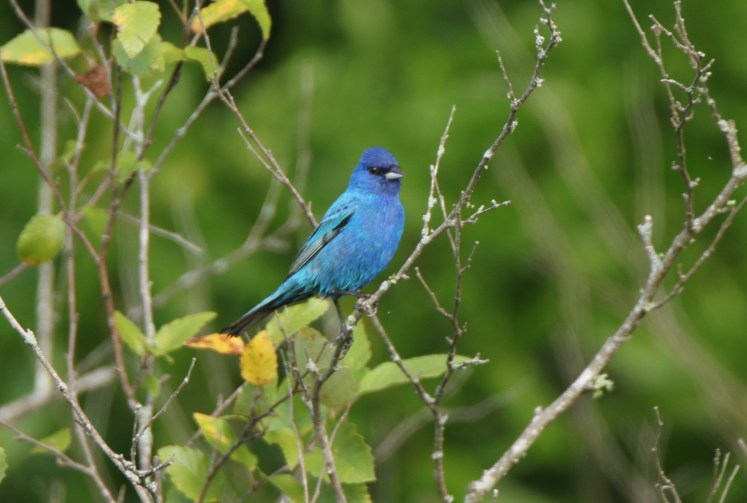


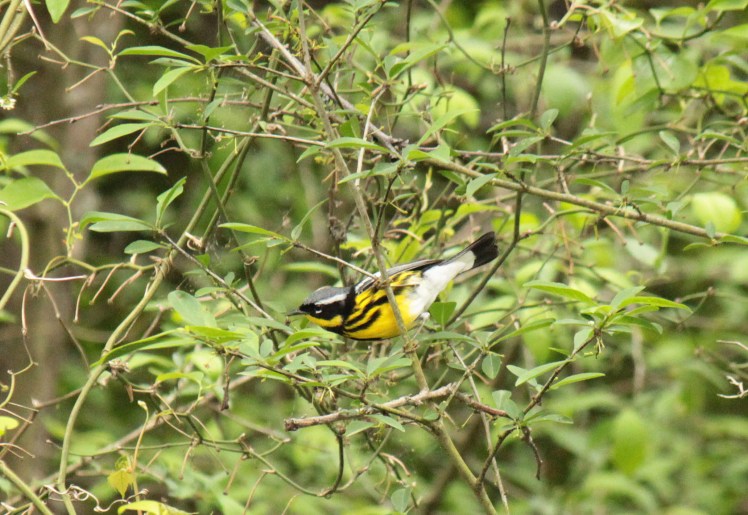
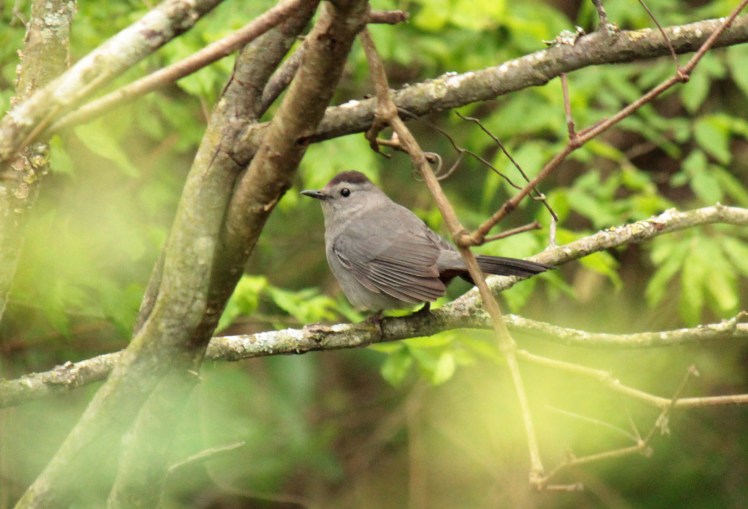
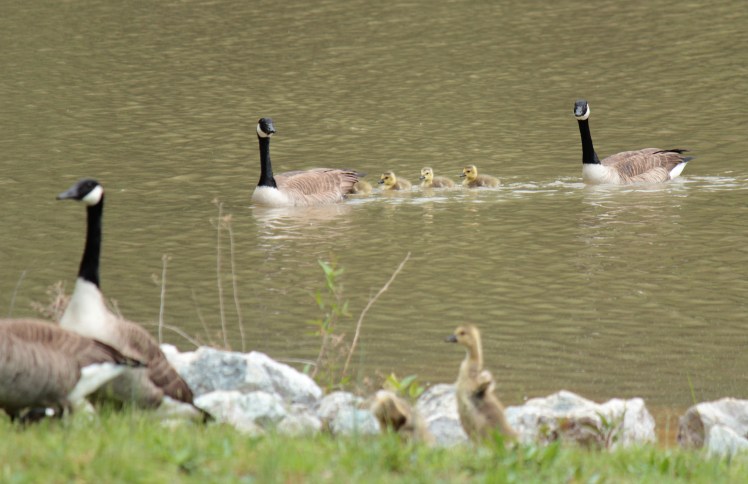
I was excited to find my first Magnolia Warbler today at the nature center in Jonesboro. Also found: a Grey Catbird. I also visited Craighead Forest where there’s plenty of baby Canada Geese right now. So cute!
My aunt has lived in Marion since I was a little girl. My sister and I would stay with her to make cookies at Christmastime and to visit the Memphis Zoo. I have tons of memories of visiting her house, however, none of them include Wapanocca National Wildlife Refuge in Turrell.
Wapanocca is about 15 minutes north of her house and, apparently has a long history with my family. My grandmother and dad both visited the refuge from time to time. I was just introduced this year.
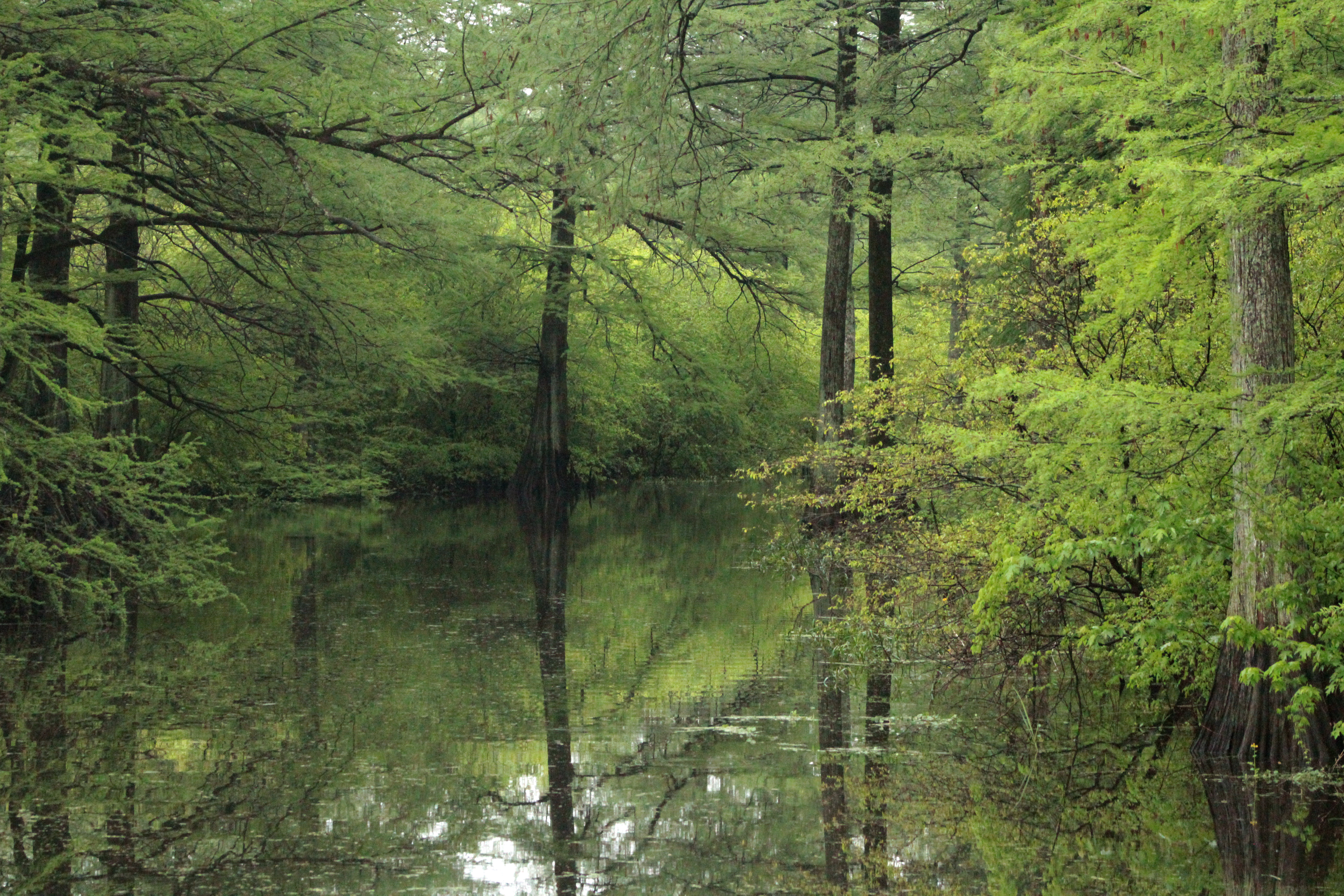
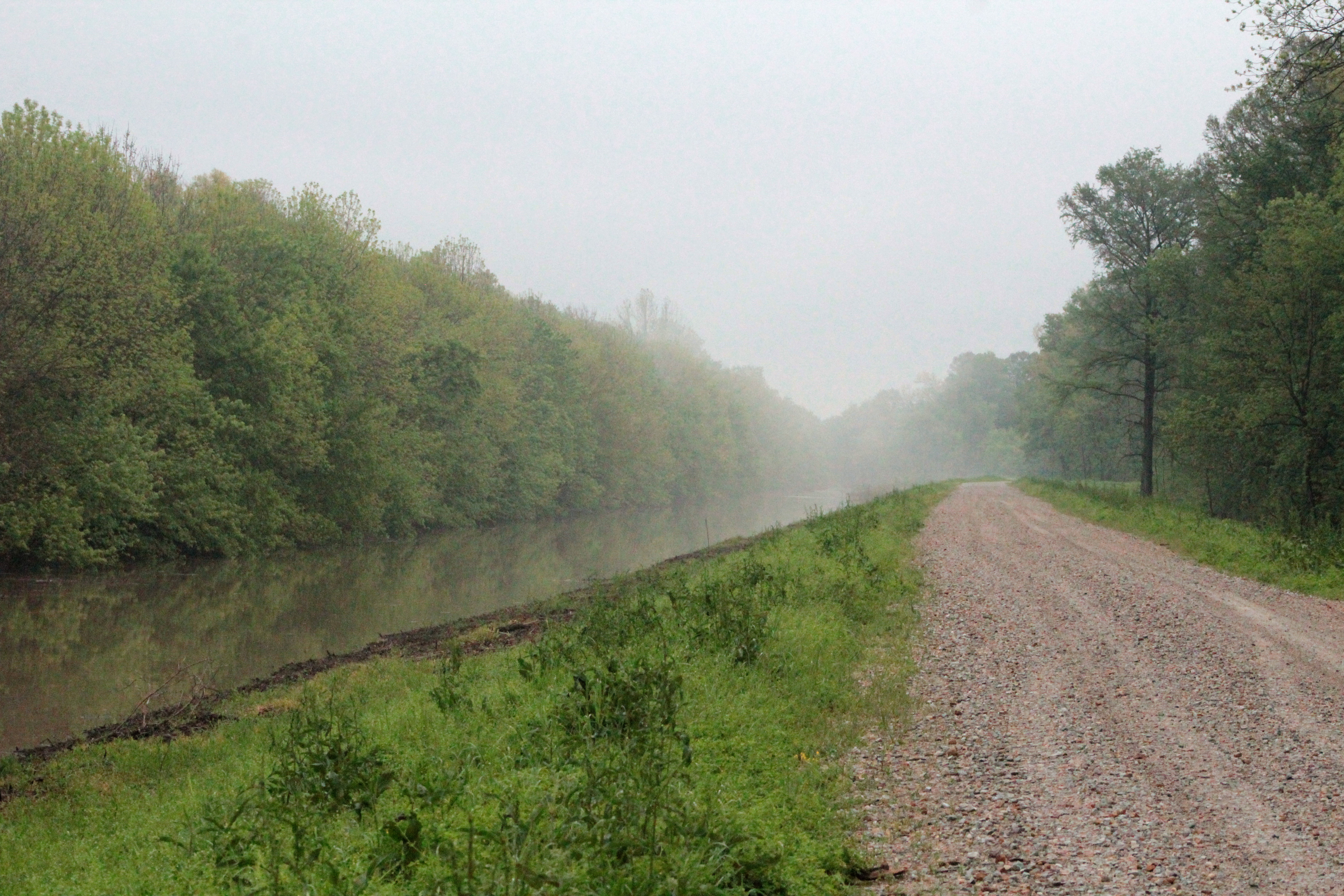
Previously the site of the Wapanocca Outing Club (a hunting club), the 5,485-acre refuge was established in 1961 to provide habitat for migrating and wintering waterfowl and consists of mainly agricultural land, bottomland hardwood forest, reforested hardwoods, open water and flooded cypress/willow swamp.
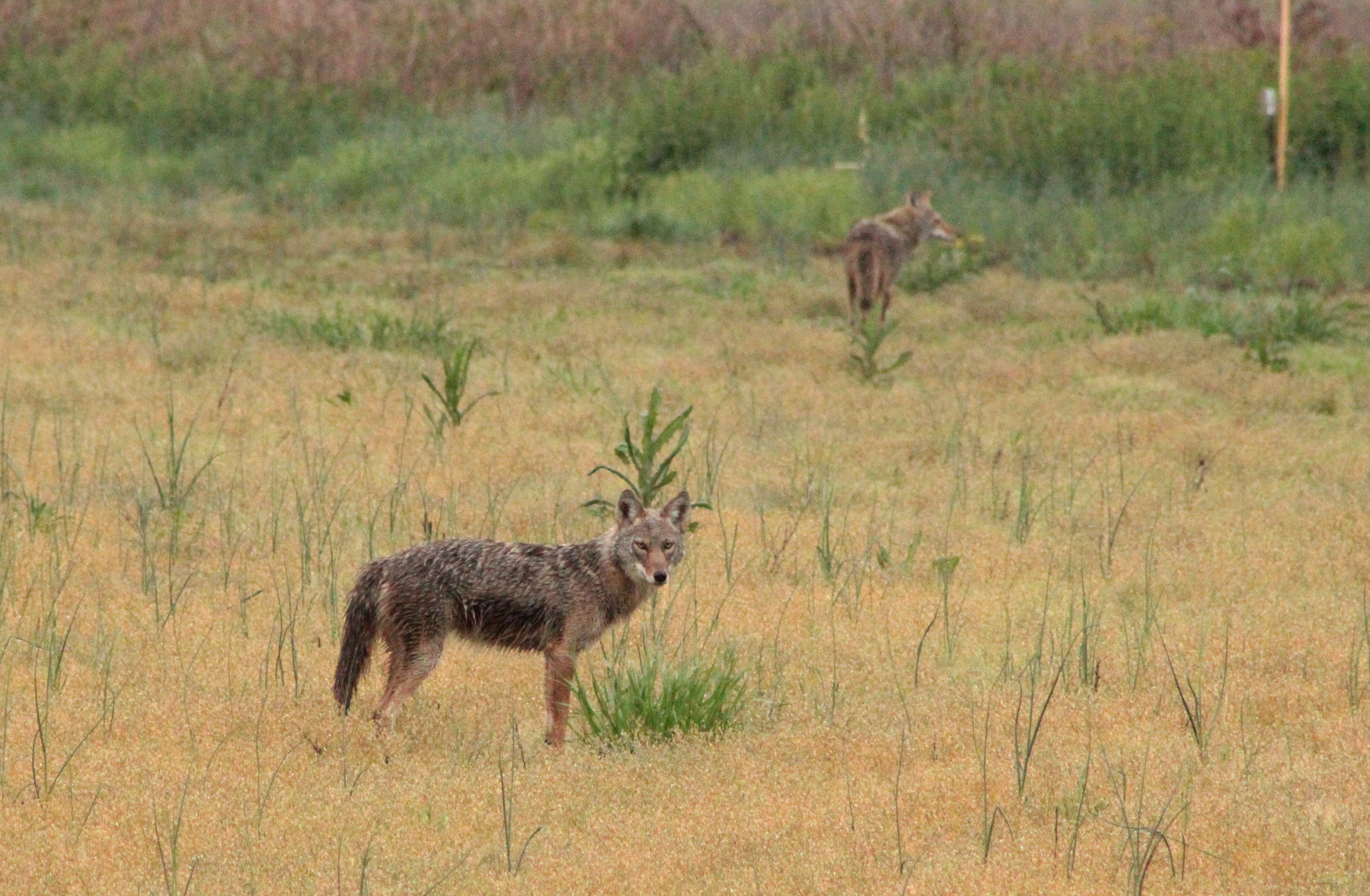
My first visit there was with fellow birders. I spent the night with my aunt and slowly made my way to the refuge to meet the others. I knew it was going to be a great trip when I spotted the below coyotes (oddly, my first viewing) just outside of the refuge.
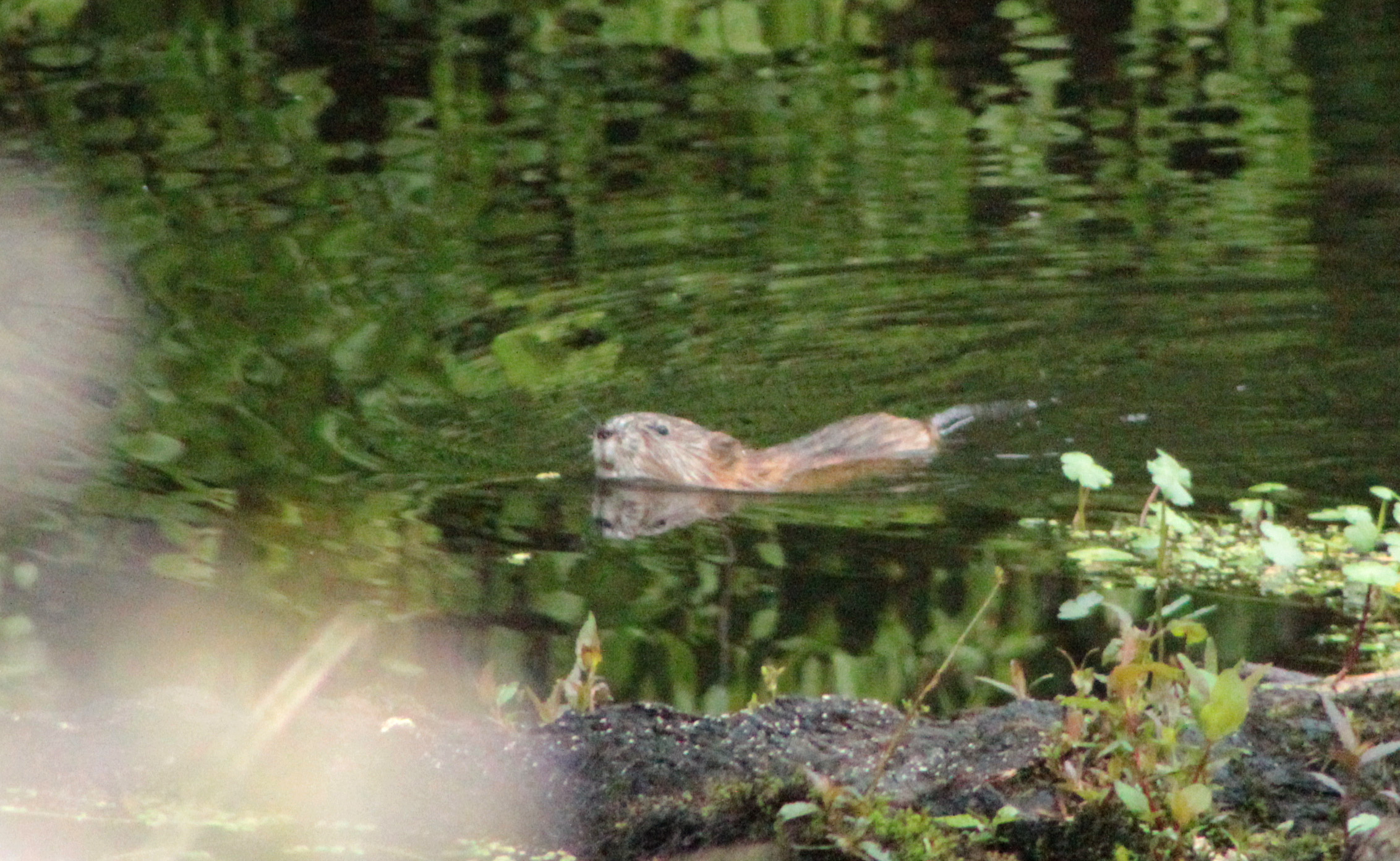
Here’s some more of my non-bird sighting:




Arkansas Freshwater Pearls. The little beauties brought me to Jacksonport State Park where I attended a pearl-stringing workshop with my mother and two aunts. Jacksonport is located on the White River in Newport with a rich history tied with the Civil War. It was the former Jackson County seat and was overrun with Union soldiers in 1962. It was eventually recaptured by the Confederate.
Still, trouble persisted in the once vibrant community after the war. The community built the above $80,000 courthouse in 1872 but refused the Iron Mountain and Southern Railroad’s request for a land grant. It eventually went to Newport aiding that town’s growth instead. A fire would then burn 12 businesses with homes followed by a flood ruining more.
In 1892, the county seat moved to Newport with the courthouse standing empty for years. According to the state park, it became home to a number of community operations and businesses over the years starting with a public school. It later housed, at separate times, a cotton gin, a poorhouse, a granary and eventually wild animals.
The Jackson County Historical Society purchased it in 1962 to refurbish it and it now houses the community’s history including artifacts from its pearl-diving heritage.
It was in the late 1980s that pearls were discovered. According to the state park, the pearls were worn by the Indians as beads and locals scoured the White River for as many as they could find. A button factory opened in Newport with locals providing the mussel shells.
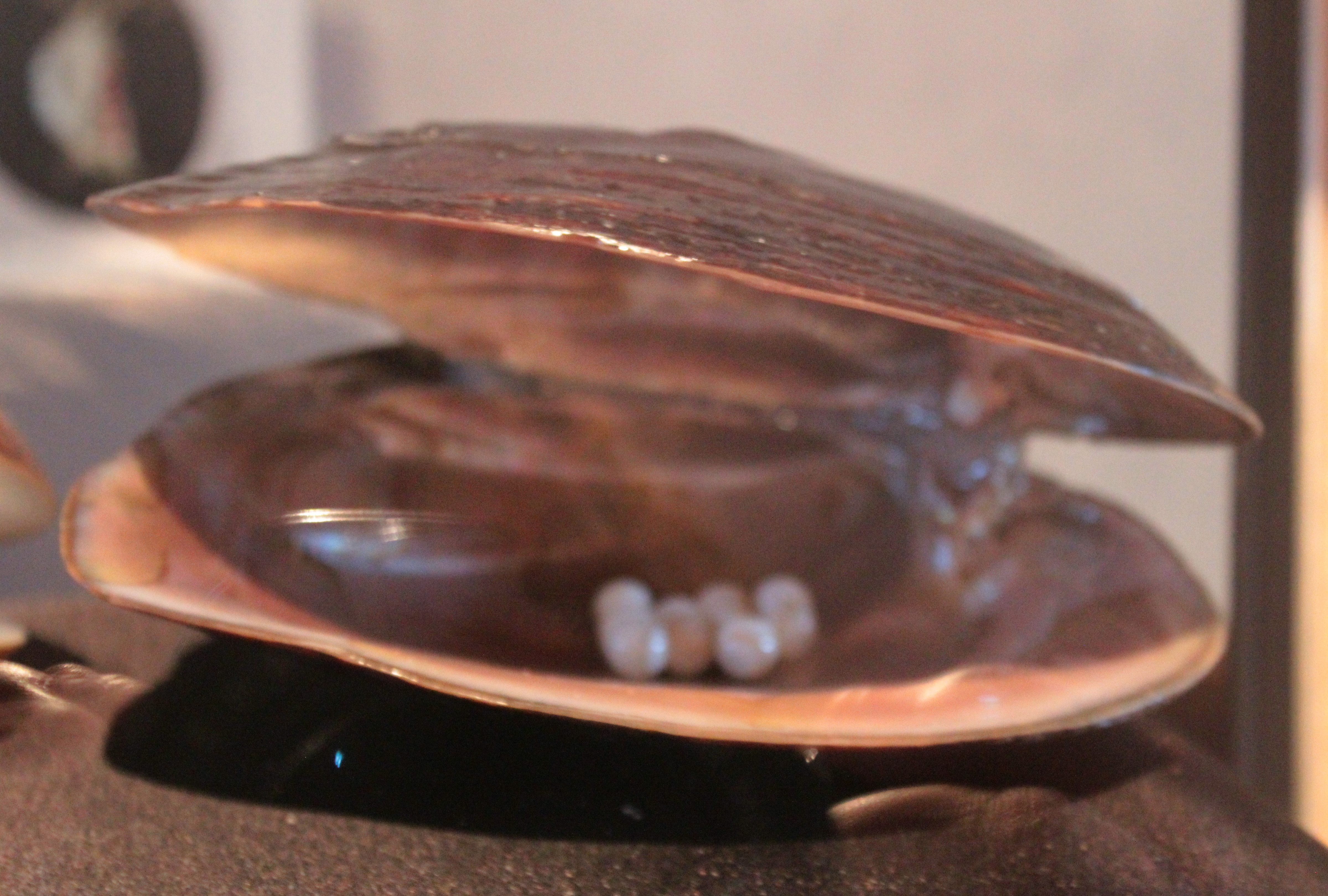
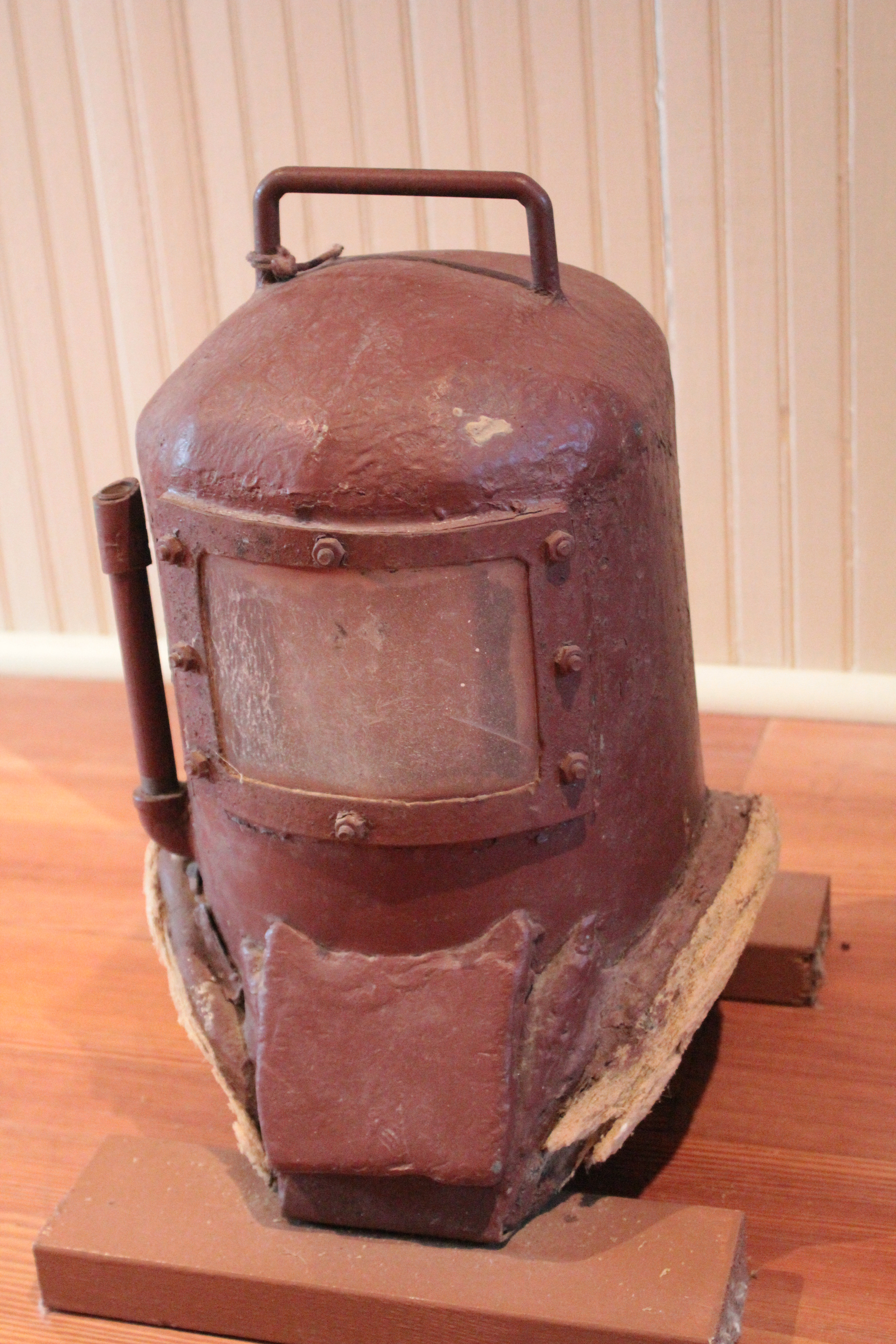
What’s interesting is how residents looked for the freshwater mussels holding the pearls. Arkansans know a thing or two about making do with what you have. People would use garden hoses to breathe through while under water along with diving helmets (above) made out of old fire extinguishers, hot water tanks and even an old torpedo casing (according to the Encyclopedia of Arkansas). The discovered pearls fetched about $10 each during the depression era, which was about a week’s worth of wage.
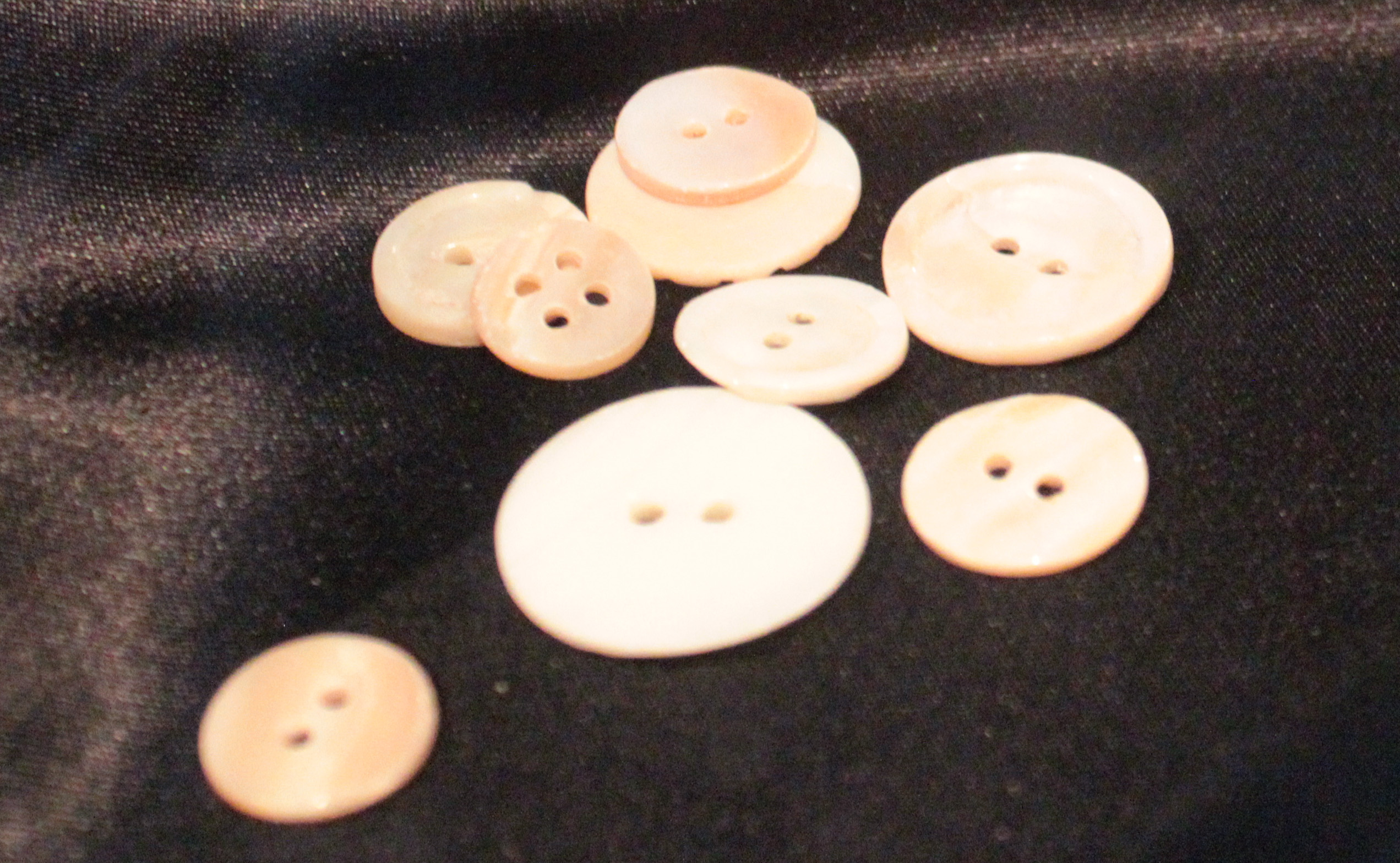

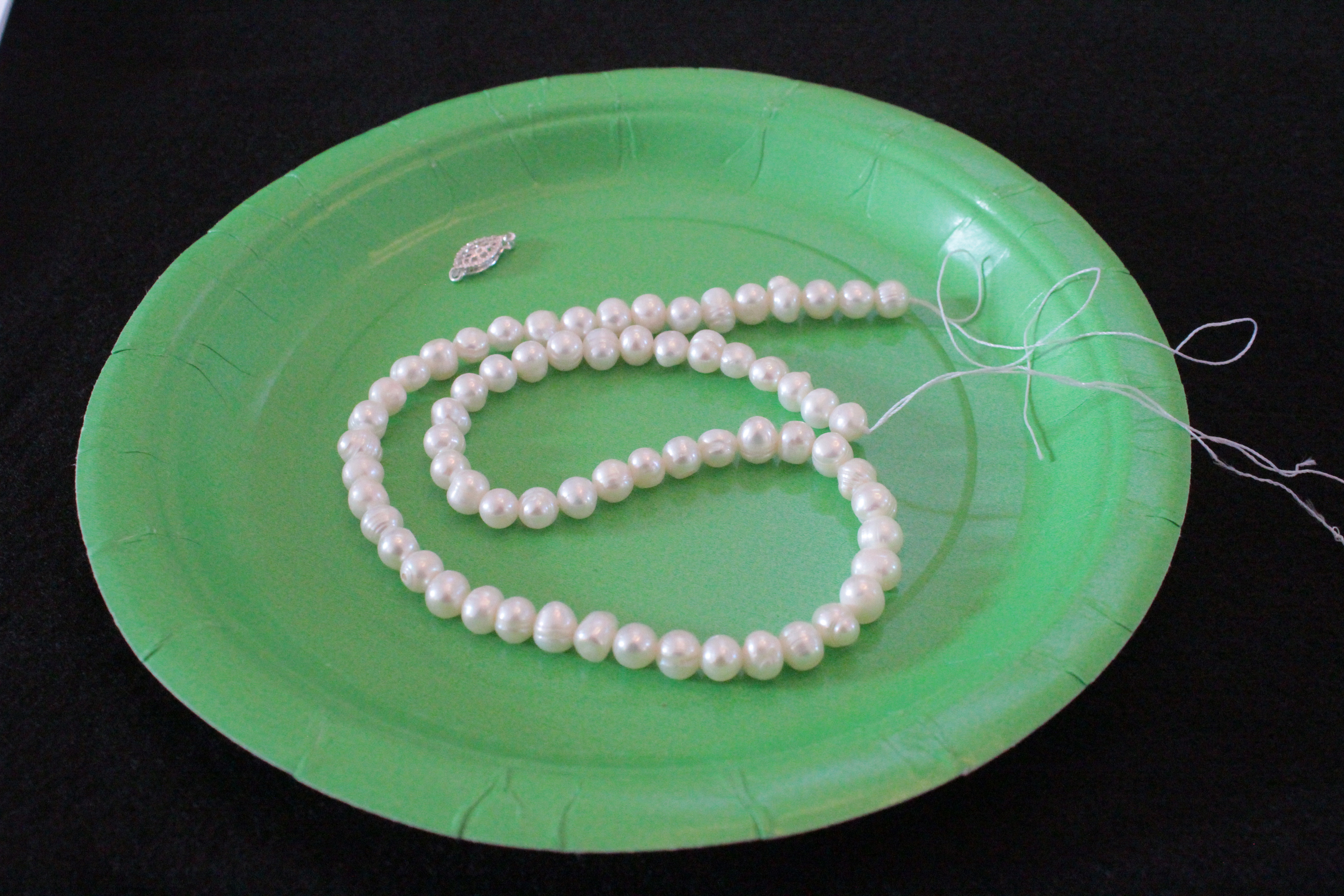
We didn’t use local pearls for our pearl-stringing workshop. We discussed the community’s history with freshwater pearls before heading upstairs to our work station.
For our necklaces (or in my case bracelet), we used a 12×7 mm filigree oval fish hook clasp; white lotus cultured pearls; size E white silk thread; flexible beading needles, a metal yard stick, needle nose pliers, and scissors. It was also extremely handy to have two experienced park rangers on hand to correct our mistakes. We were among the first to arrive and the last to go (by 30 minutes).

Luckily, the park rangers had a cheat sheet for us explaining each of the 13 steps. The steps, as written, are:
STEP 1: The first being to determine the length of the necklace we wanted;
STEP 2: Cutting the length of thread 4-times the determined finished length. Size E silk thread.
STEP 3: Thread your needle. At the end of the threads, tie an overhand knot, securing the two ends together;
STEP 4: Thread on two beads and the clasp. Slide them down toward the knot.

STEP 5: Pass the needle back through the bead closest to the clasp.
STEP 6: Pull the working thread until the clasp is snug against the first bead and 1″ of thread remains between the first and second bead. Tie an overhead knot using the tail end and the working thread. Pull the knot tight so it rests against the pearl closest to the clasp.
STEP 7: Pass the working thread through the second bead then slide it against the first knot.
STEP 8: Make an overhead knot using the tail thread and working thread. Slip the knot over the nail. Work the knot while it’s still on the nail down to the bead. Then slowly work the knot off the nail and using your fingernails to push the knot tight against the pearl. Try not to tighten the knot until it’s touching the pearl.
STEP 9: Thread on the rest of your beads. (Optional — put the pearls on 2-3 at a time) Space the beads 8-10″ from the beads that are already knotted. Slide the bead next in line up against the last knot. Repeat Step 8 until placed knots between all of the beads except for the last two.
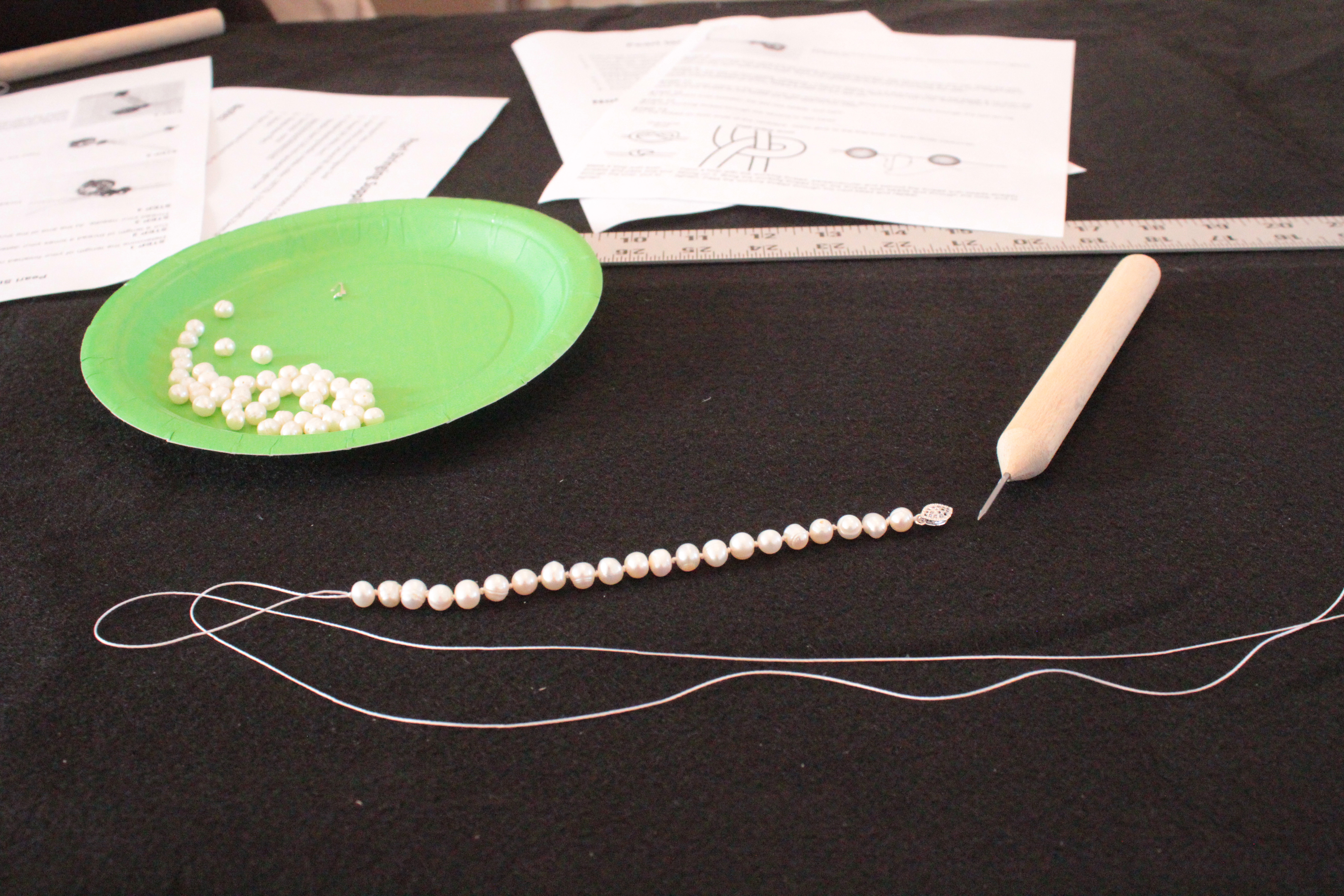
STEP 10: Thread the other piece of the clasp onto the working thread. Bring the thread back through the last strung brad. Pull the thread so the beads are tight against the clasp.
STEP 11: Tie a half-hitch knot between the last two beads. Pull tight.
STEP 12: Bring the working thread through the second to last bead.
STEP 13: Trim the thread on both ends of the necklace (or bracelet). Optional: Apply glue to the first knot on both ends.

The above is my finished project — yes, I was too lazy to make a full necklace. It still turned out great with one exception. It was too large (see below).

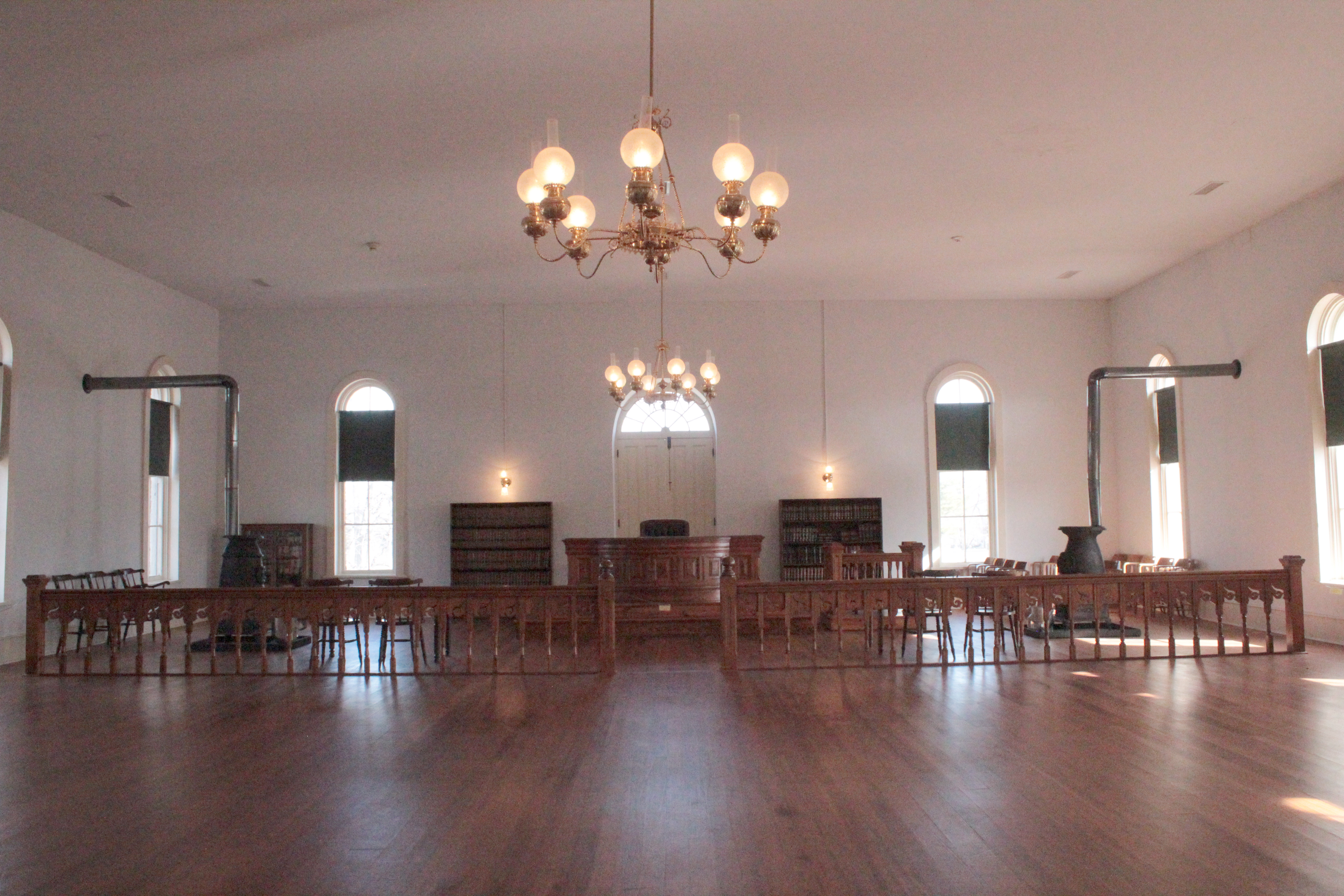
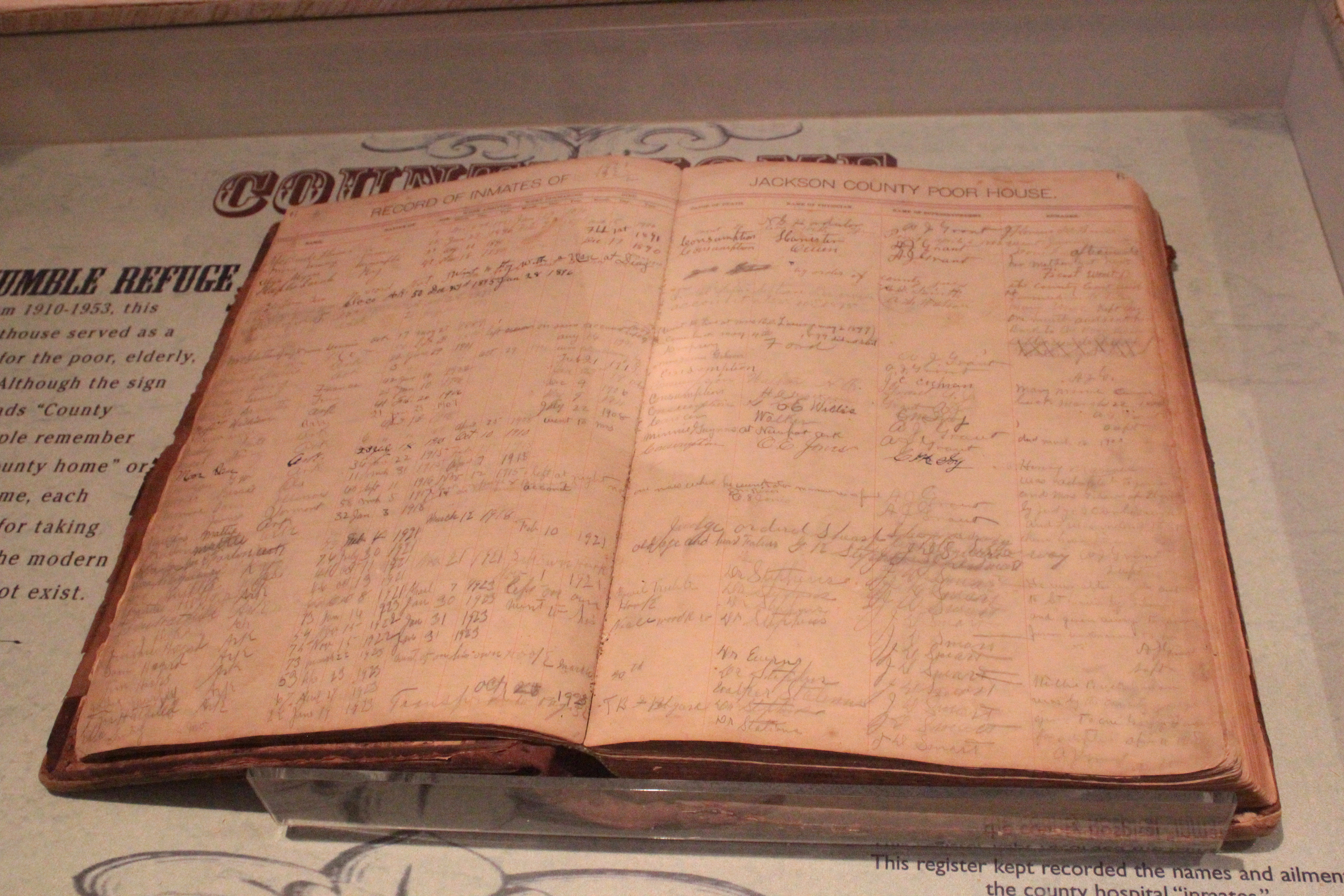
I spent a good while reworking the clasp before handing it over first to a park ranger to fix and eventually my mother. My mother was the one to finally correct my overlarge bracelet. And it looks great! 🙂 I ended up finishing first so I toured the upstairs courtroom. Below, are more pictures:




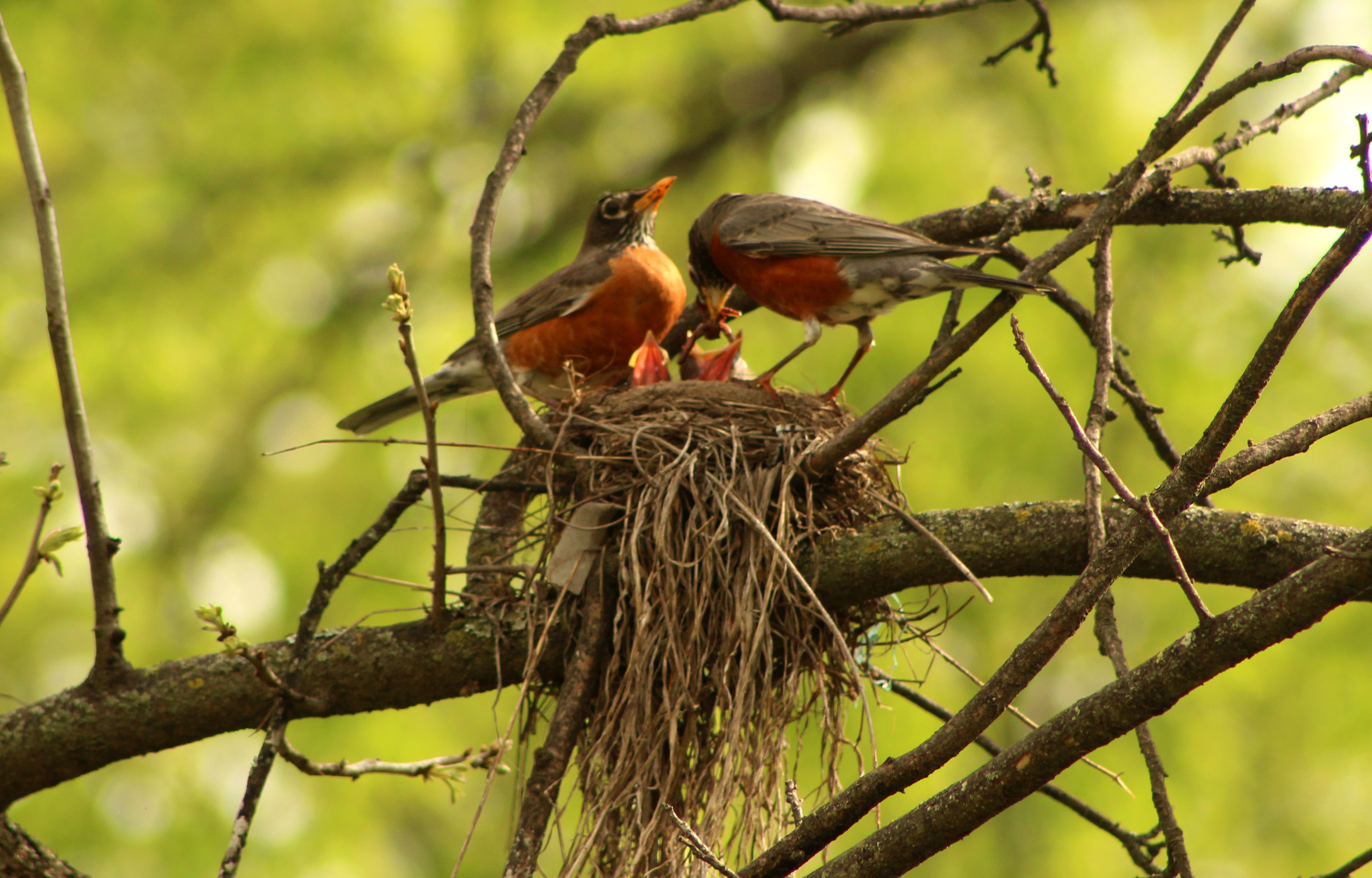
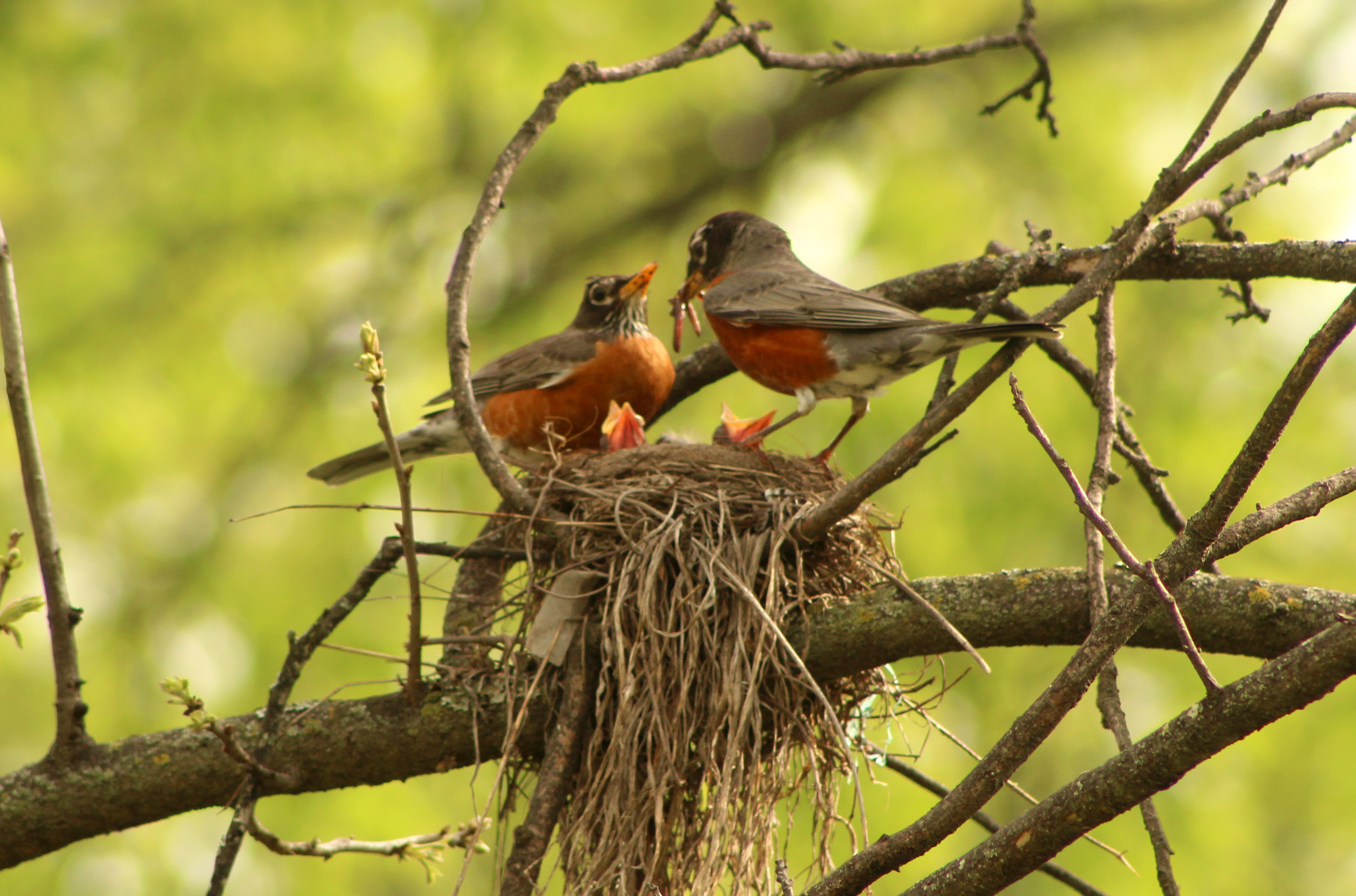
A Stuttgart woman called my newsroom this morning to report that a pair of American Robins had a nest in her backyard and were feeding their babies. Did we want to go take a picture? She didn’t have to ask me twice.

A sunny, warm weekend in Arkansas is finally here! Don’t be a slow poke in taking advantage of the 75-degree weather!


On Friday, word went out that a Mountain Bluebird was in Arkansas — the second sighting in Arkansas on the books. The Mountain Bluebird is pretty common on open woodlands … in the west. But, Arkansas is just east of its range.
So, naturally, I went searching for it on Sunday. It was found in an open field off of Hwy. 113 in Oppelo and, at first, I went to the wrong location. I reached out on the Arkansas bird listserv and immediately got help in getting to the right location.
It was great timing — I immediately spotted the Mountain Bluebird resting in the grass just below an Eastern Bluebird. The only difference between the two is that the Eastern has a deeper blue with red chests. The Mountain Bluebird eventually moved closer to us. Here’s some other pictures:


Overtime. It’s a great word, especially since it allowed me to get out of the office early Thursday afternoon. Izzie and I headed to the Bayou Meto Wildlife Management Area to see what we could find. We got pretty lucky — the highlight of the trip was a Barred Owl (above). It was my first time to see one and, I must admit, March is turning out to be a great month for spotting owls!
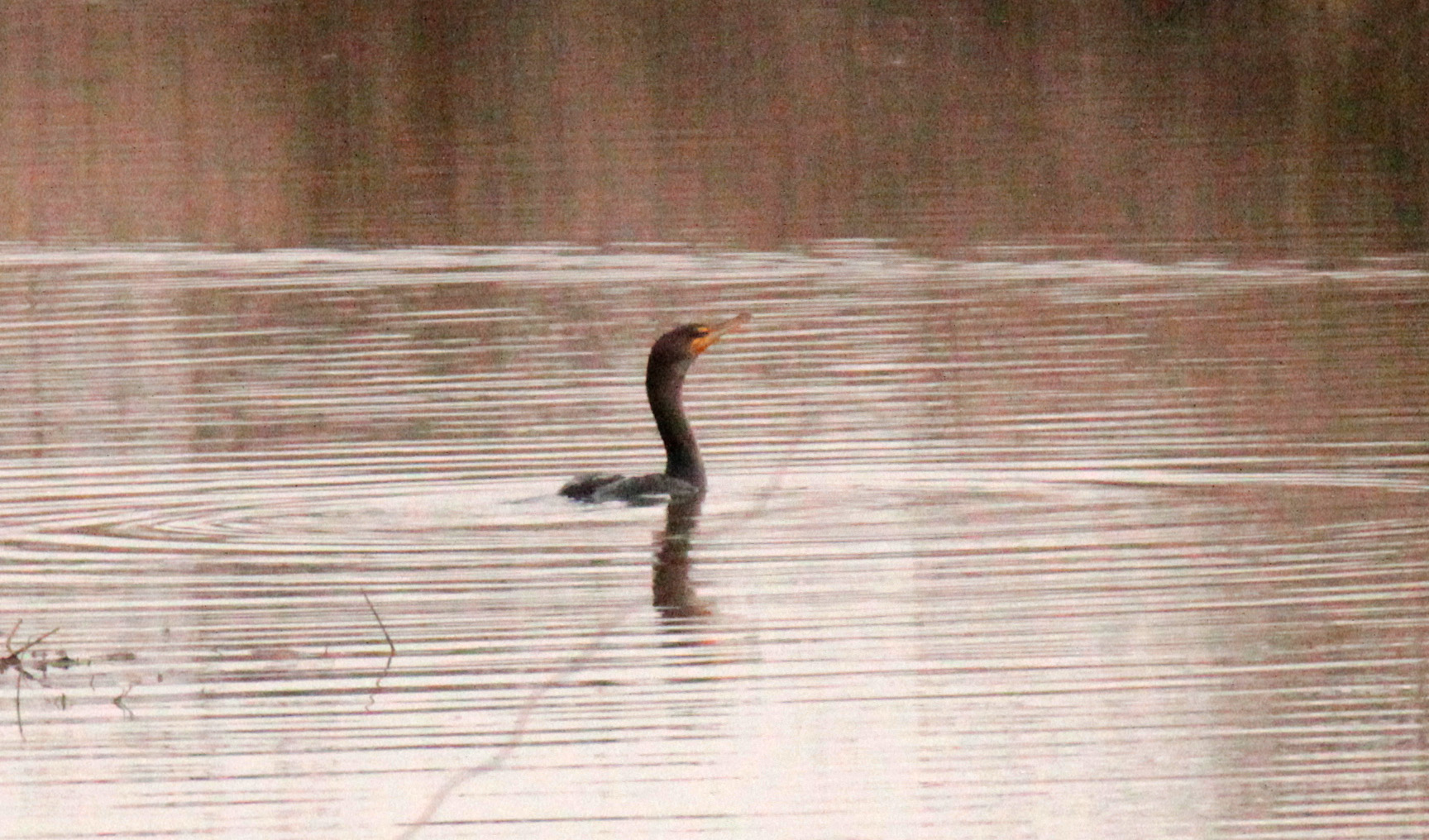
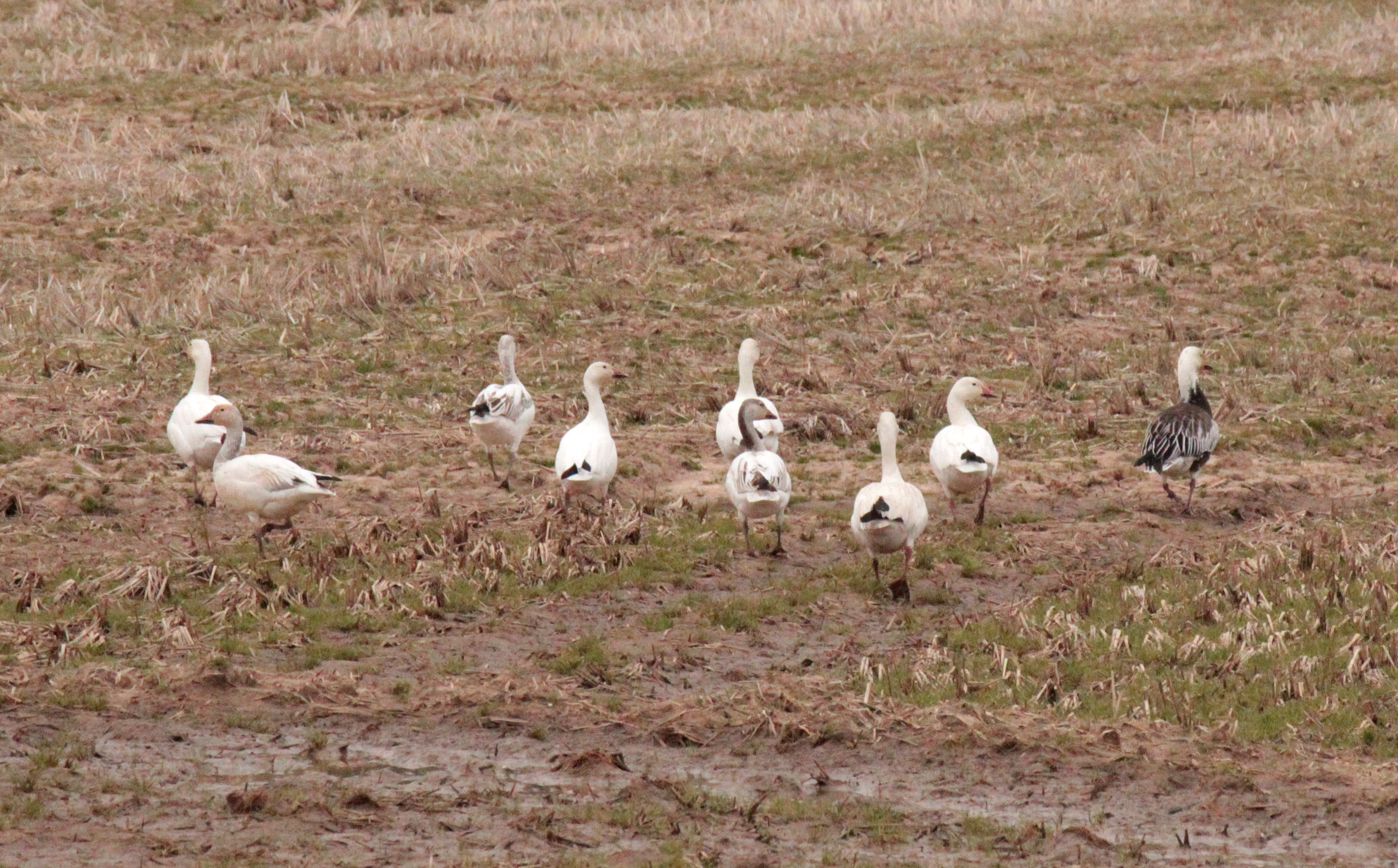
Besides the owl, we also spotted Blue-winged Teal, Double-crested Cormorants, snow geese, sparrows, Tufted Titmouse, Northern Cardinals and plenty of Wood Ducks. Here’s some pictures:



Rediscovering Arkansas with a few detours.
We preserve, conserve, and study the native plants of Arkansas
Our Nicaraguan Journey
Rediscovering Arkansas with a few detours.
Think left & think right & think low & think high. Oh, the thinks you can think up if only you try!" -Dr. Seuss
I previously worked as a news and sports photographer. Recently I have been enjoying wildlife photography. My approach toward bird photos is similar to sports photography. I attempt to capture mostly action and hopefully a unique perspective.
Urbanites in the woods, doing all our own stunts.
WILD IN FLORIDA: Exploring and Photographing Florida's Threatened Ecosystems, Wildlife, and More
by Jo Woolf
Rediscovering Arkansas with a few detours.
Rediscovering Arkansas with a few detours.
Rediscovering Arkansas with a few detours.
 Memos for Me