A Rafinesque's Big-eared bat that is in a state of torpor (similar to hibernation) at the top of the Arkansas Post National Memorial visitor center's entrance way.
One of the many reasons I love working at a rural newspaper is the various assignments you receive. Sure, there are several you might not want to do but there are more that you do want to cover. I absolutely love it when my job means heading out to a local park or refuge. For an ongoing project, I headed out to Arkansas Post where I was lucky enough to be the first visitor to spot the above bat. The bat’s called Arkansas Post’s visitor center home for more than a month now. I think it’s pretty cool.
However, it’s not the only wildlife I saw:
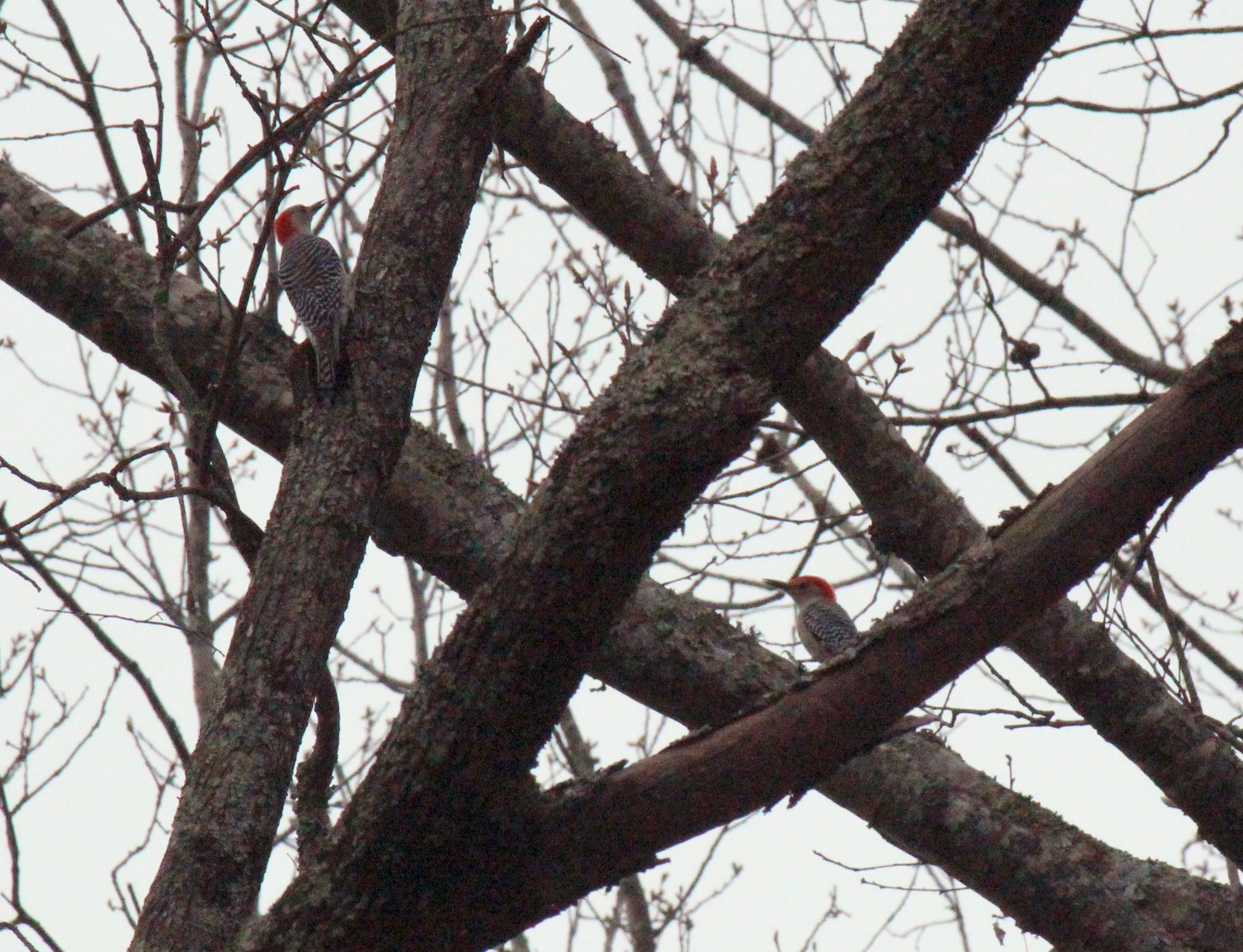
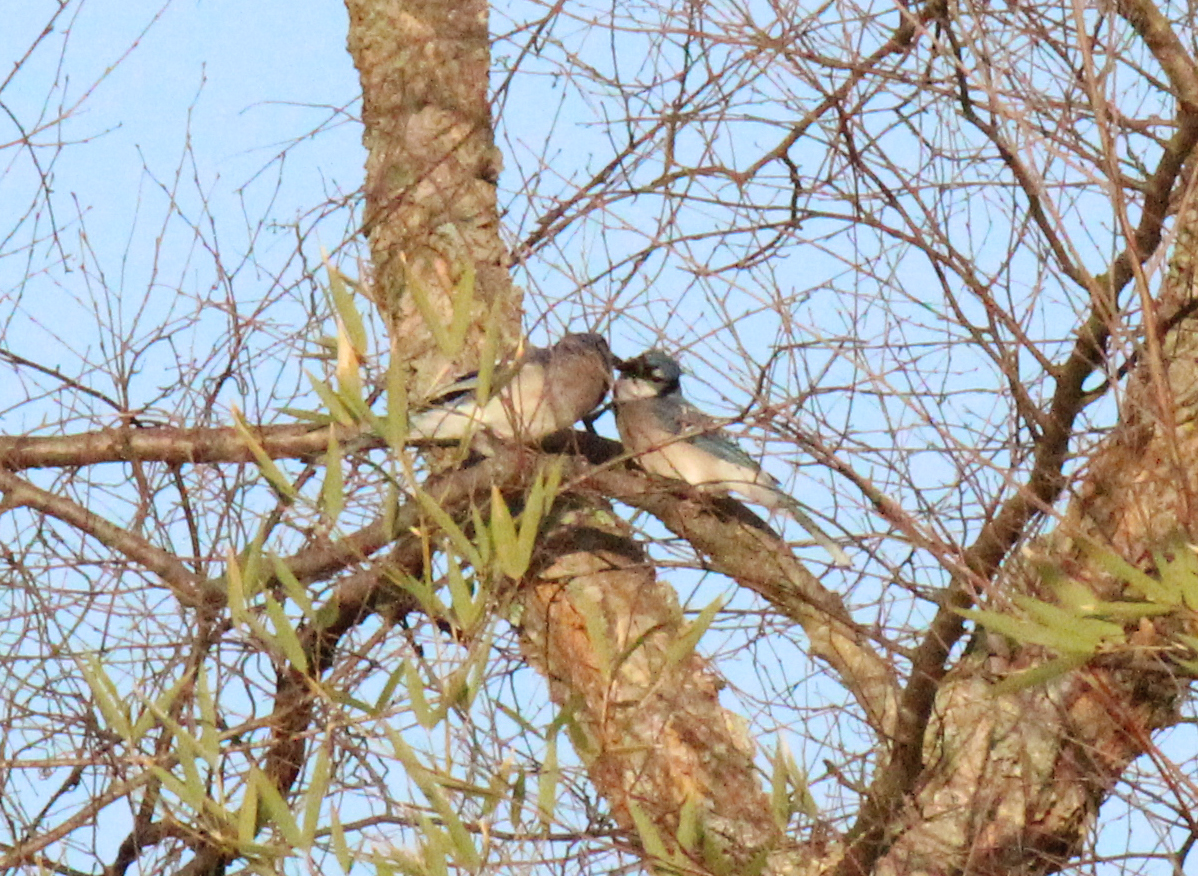
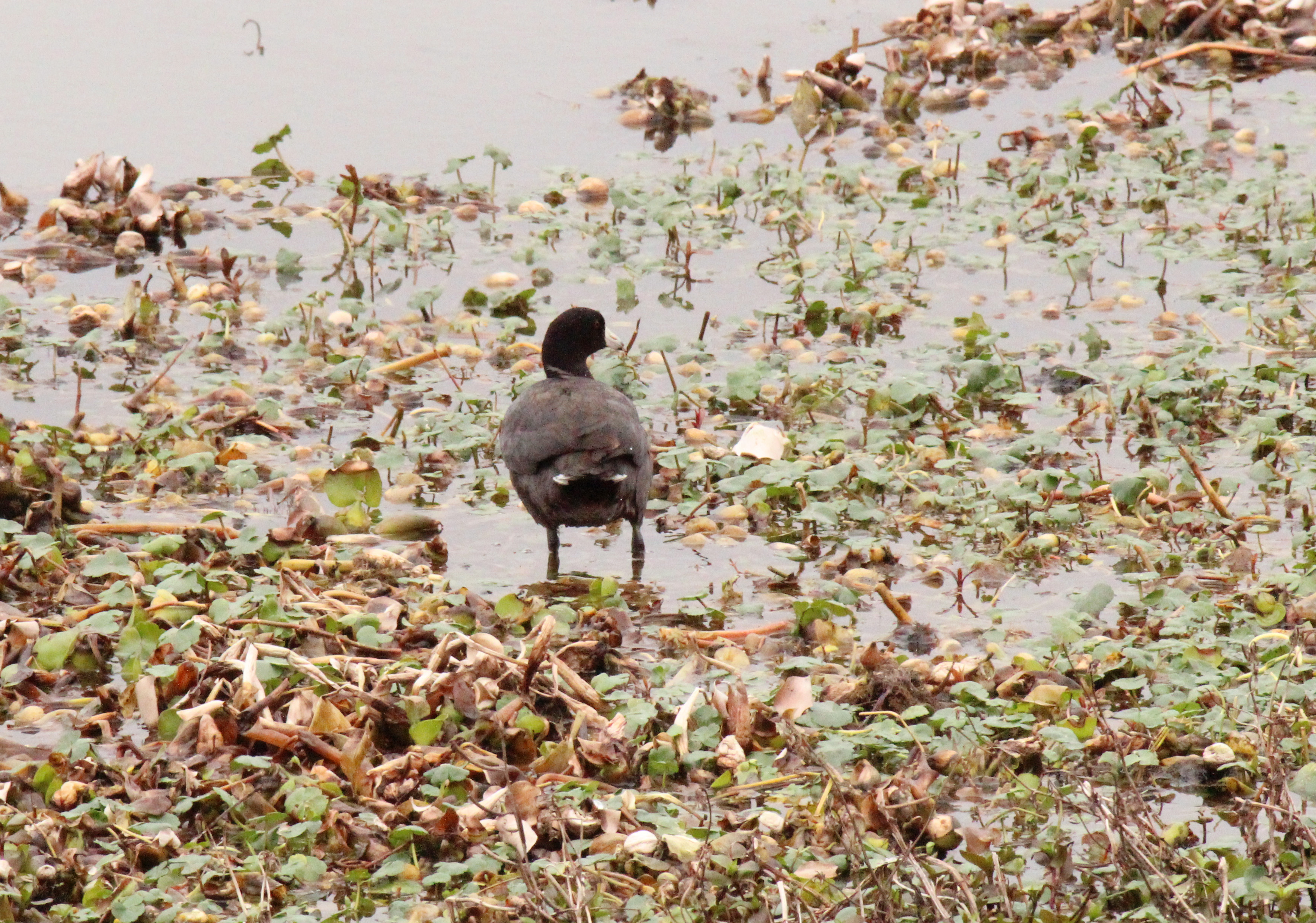
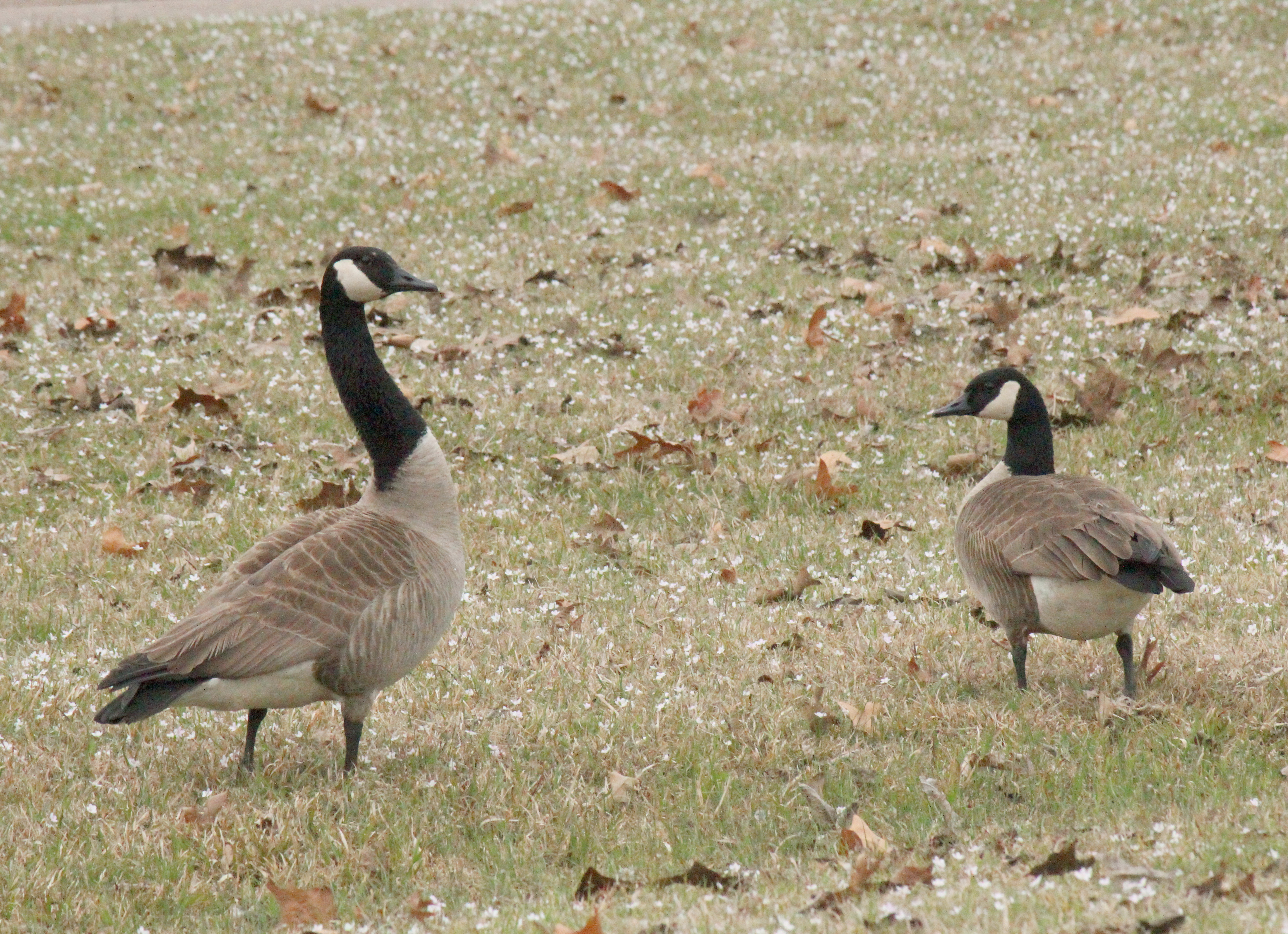
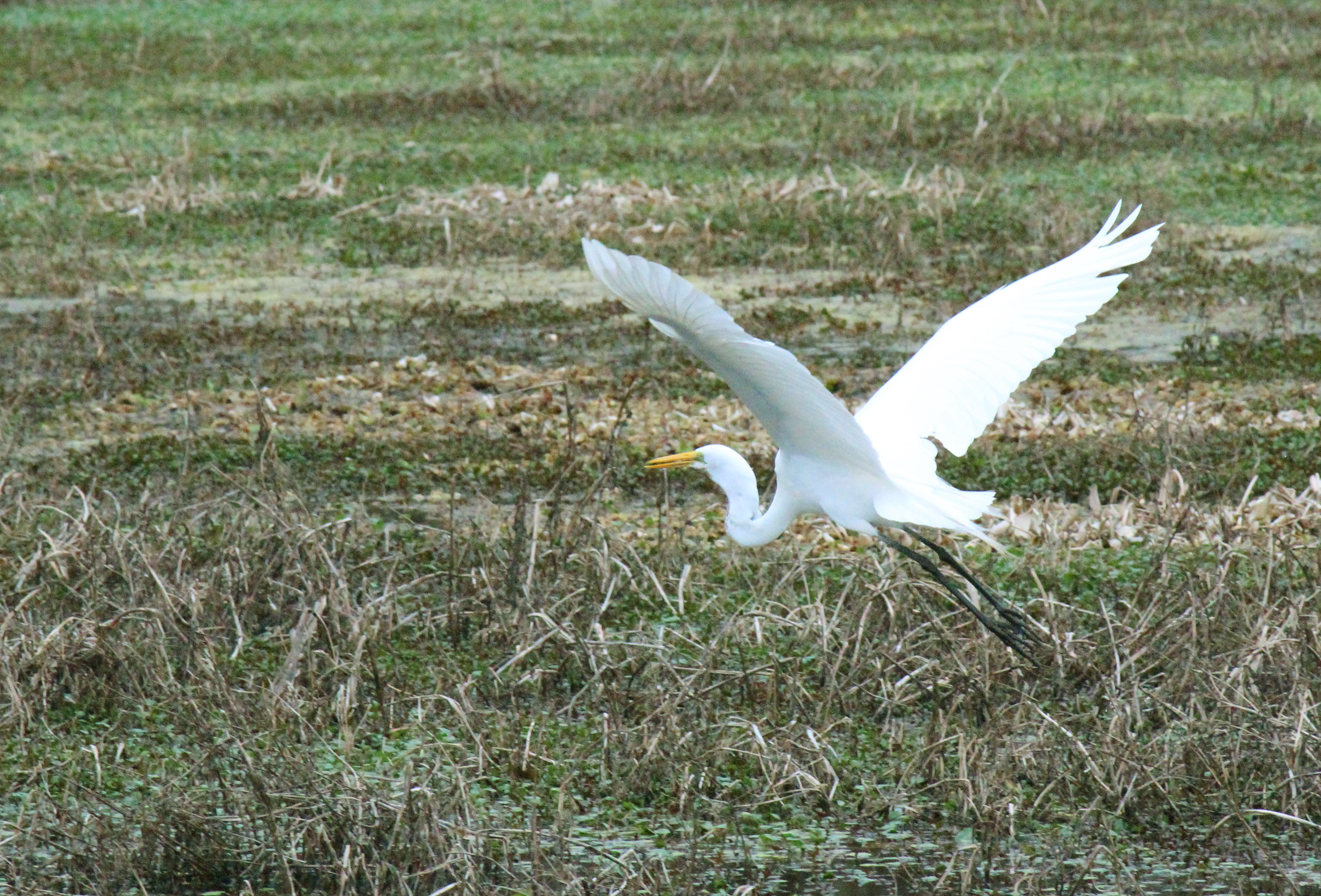
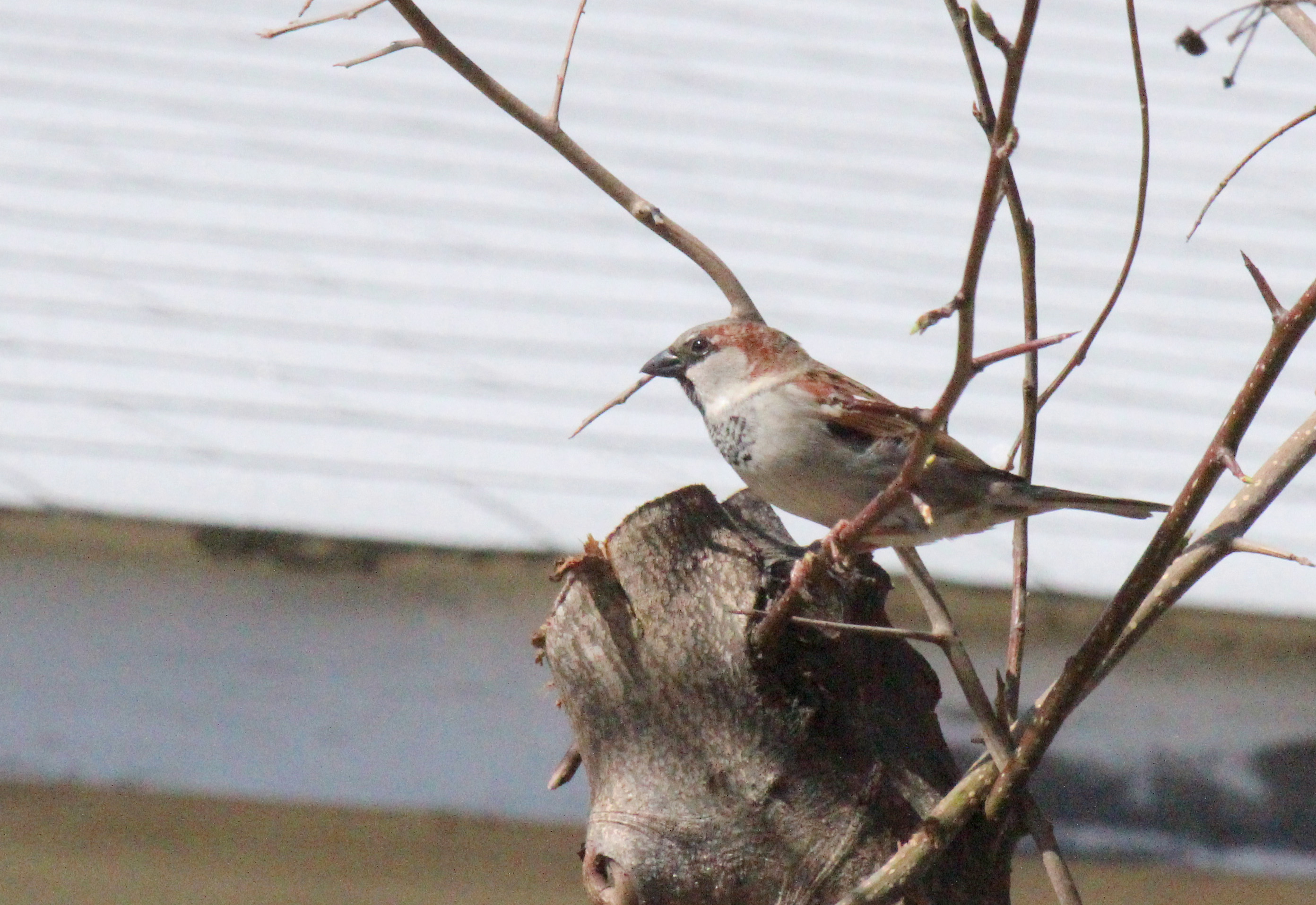
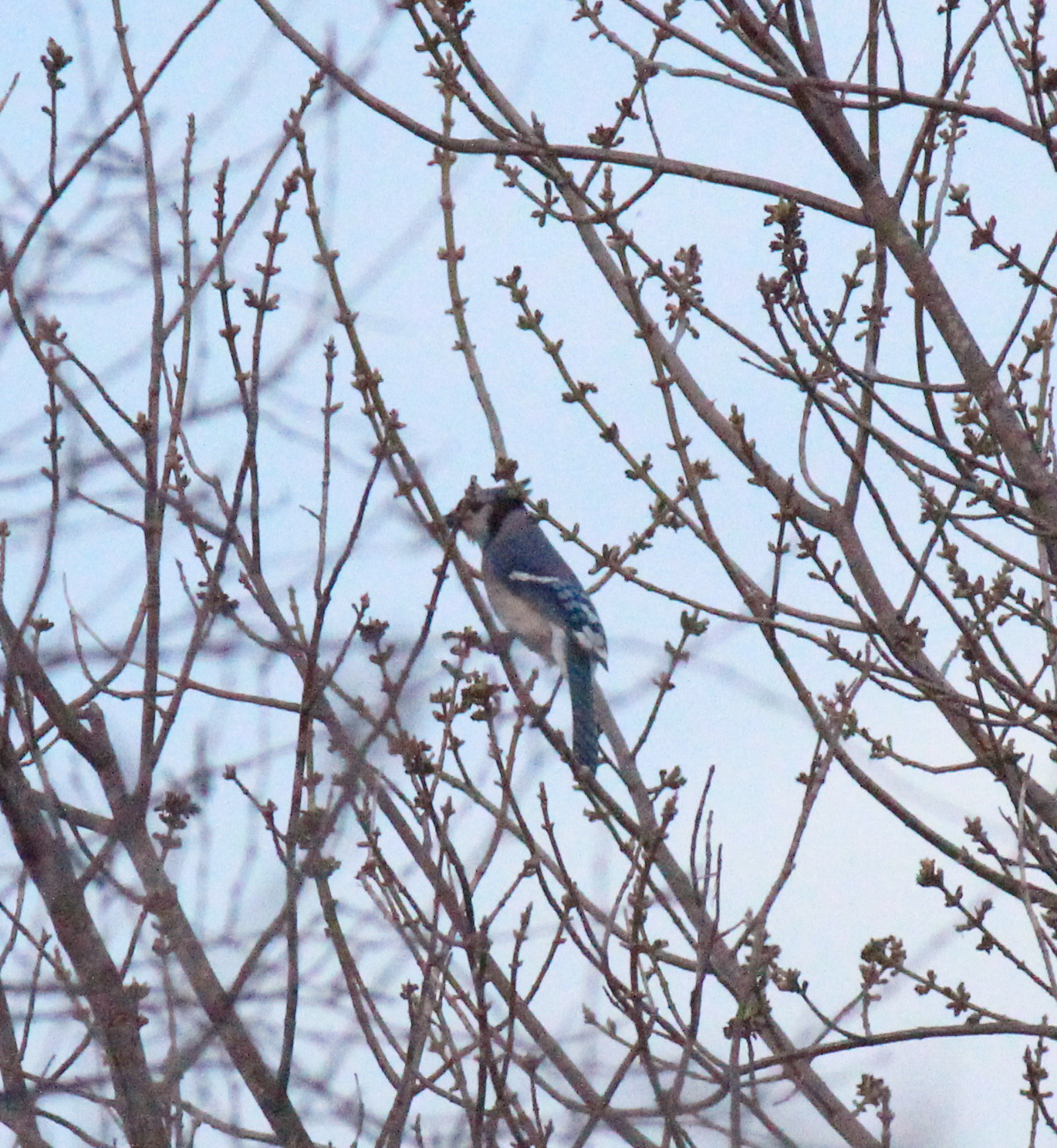
A couple of Red-bellied WoodpeckersBlue JaysHouse Sparrow by my office.Got nuts? This squirrel does.American Coot (the water chicken)Canada GeeseGreat Egret
Female and male Hooded Mergansers with a Great Blue Heron flying in the background. My cousin's husband was especially excited after I asked him to identify the ducks for me. I thought he was going to run out and grab his gun. Yep, I do believe I'm one of the few non-hunters in my family.
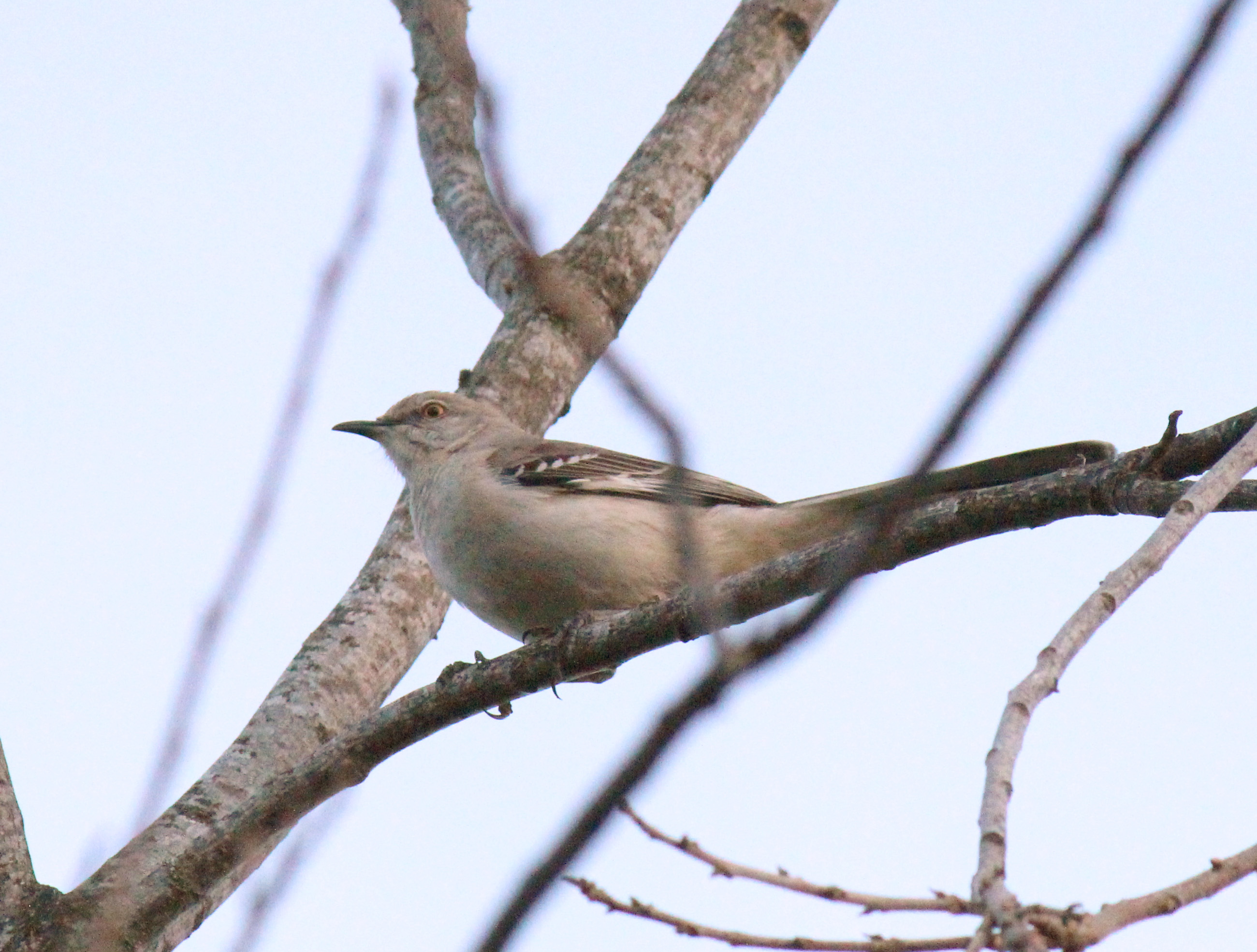
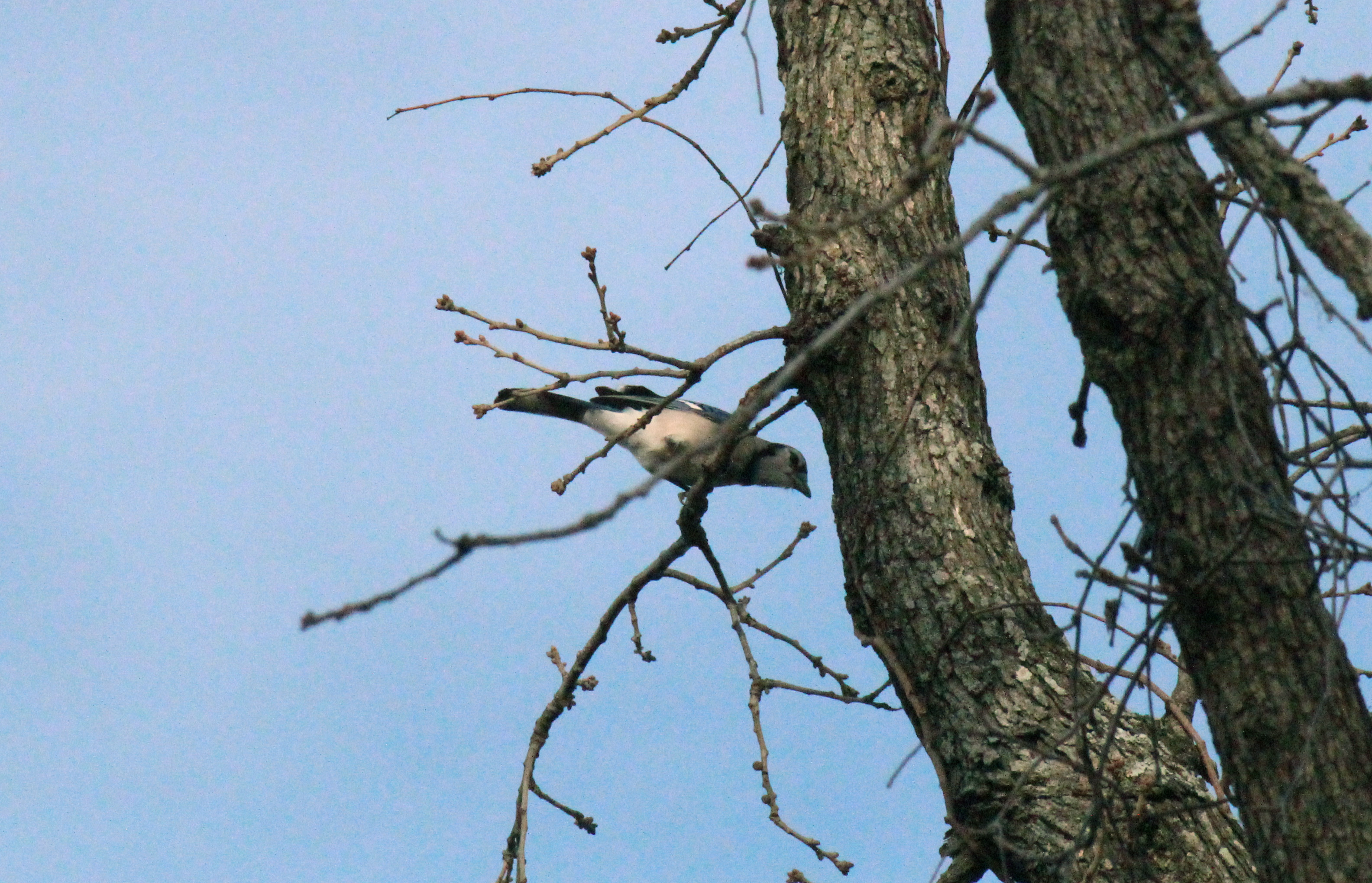
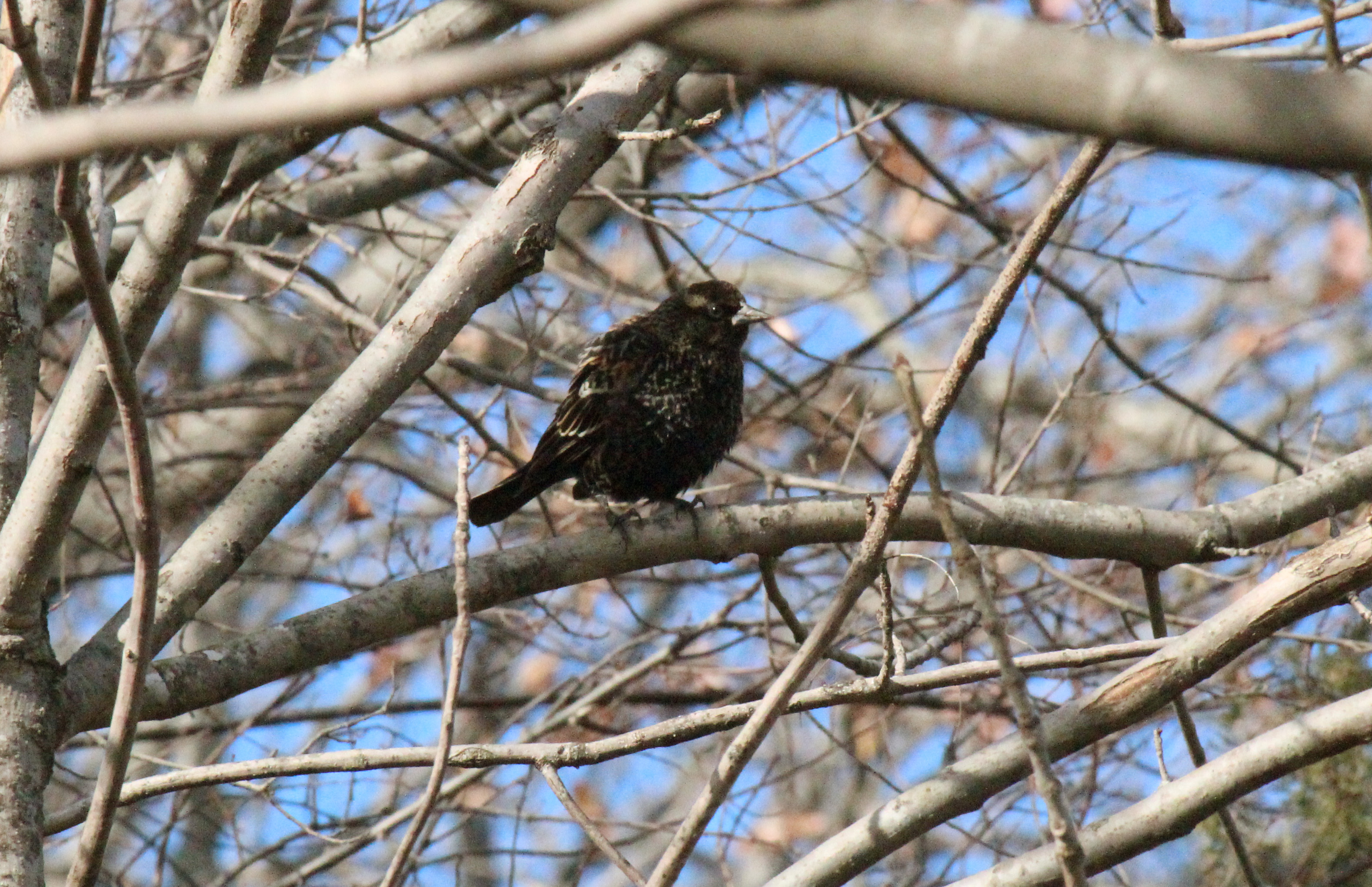
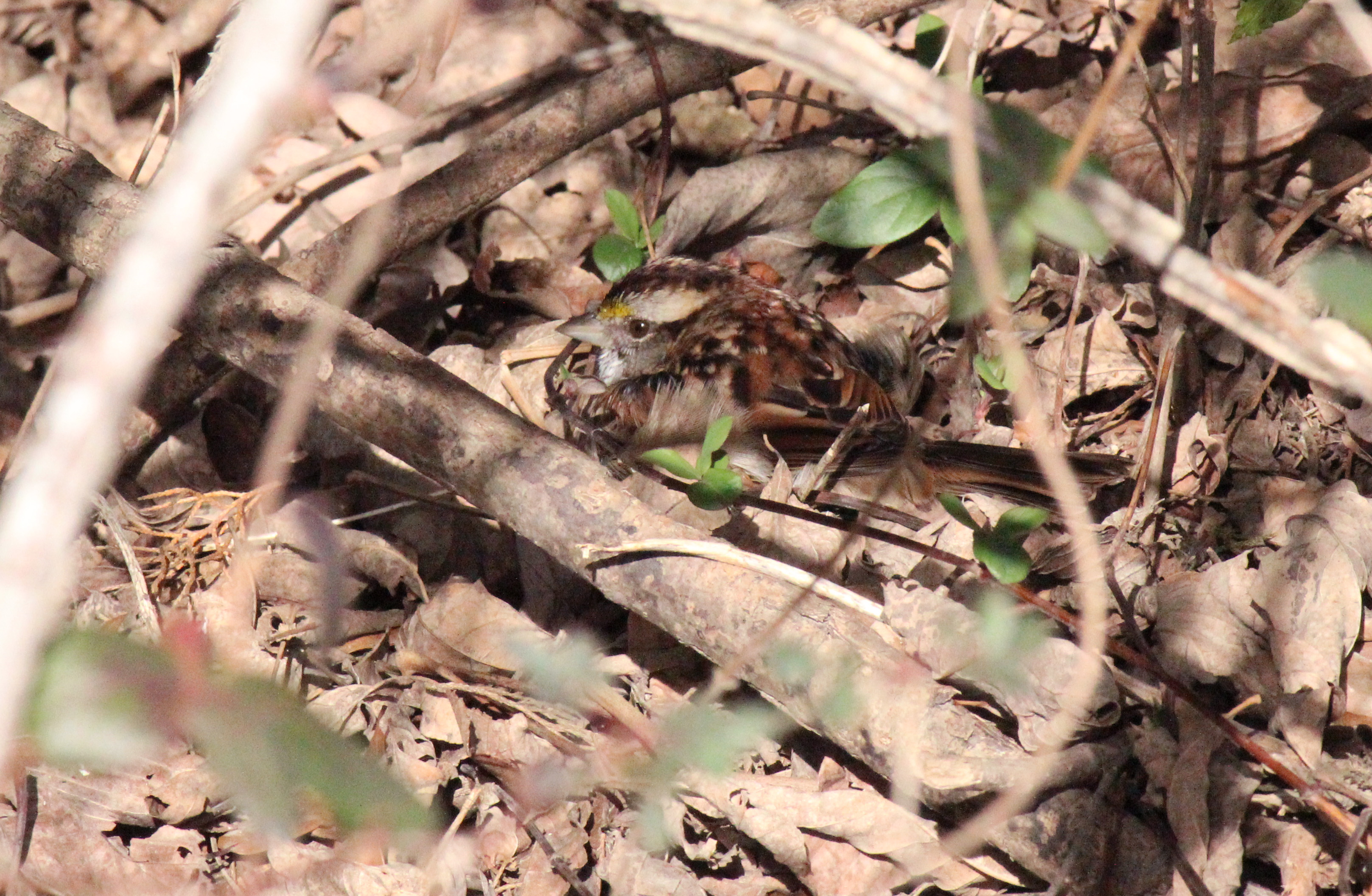
I’ve started organizing my photo archive, something I should have begun ages ago. I found many folders that I never posted so over the next few days I’ll post more pictures of past trips I’ve taken and birds I’ve seen during the past few months. Here are some birds I saw on Christmas Day while visiting my grandparents’ farm in Wynne.
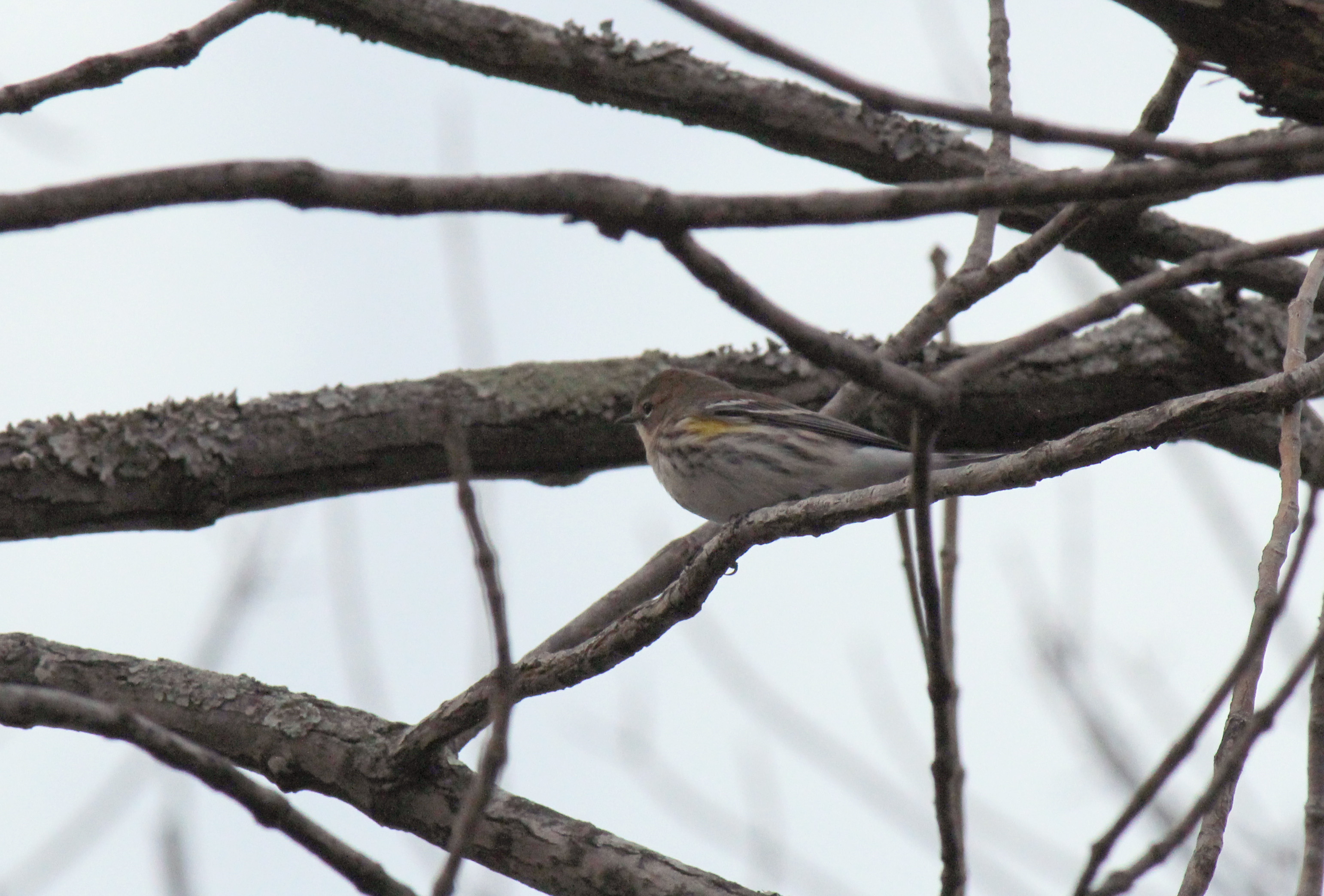
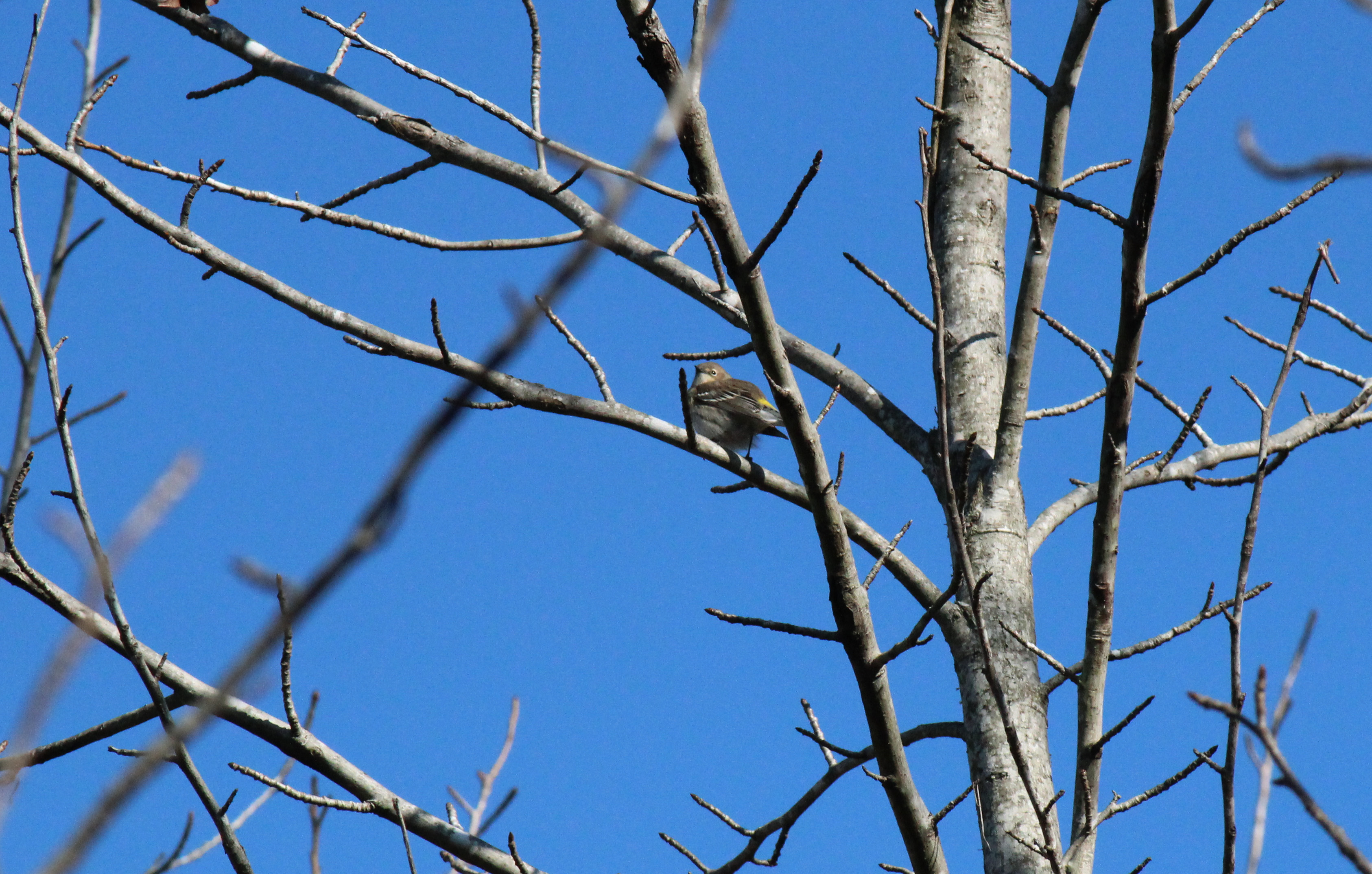
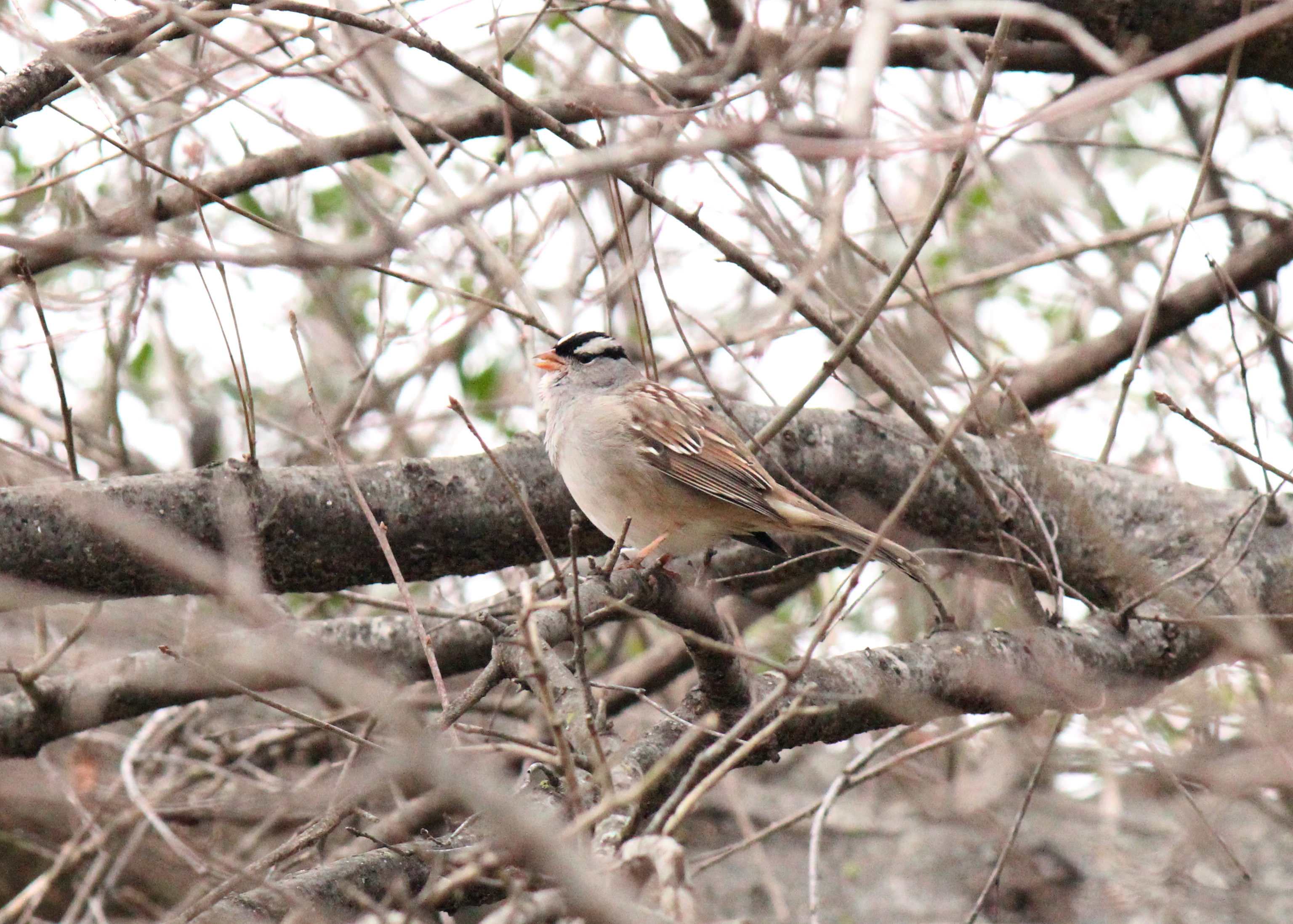
Blue Jayfemale Red-winged BlackbirdWhite-throated SparrowYellow-rumped Warbler
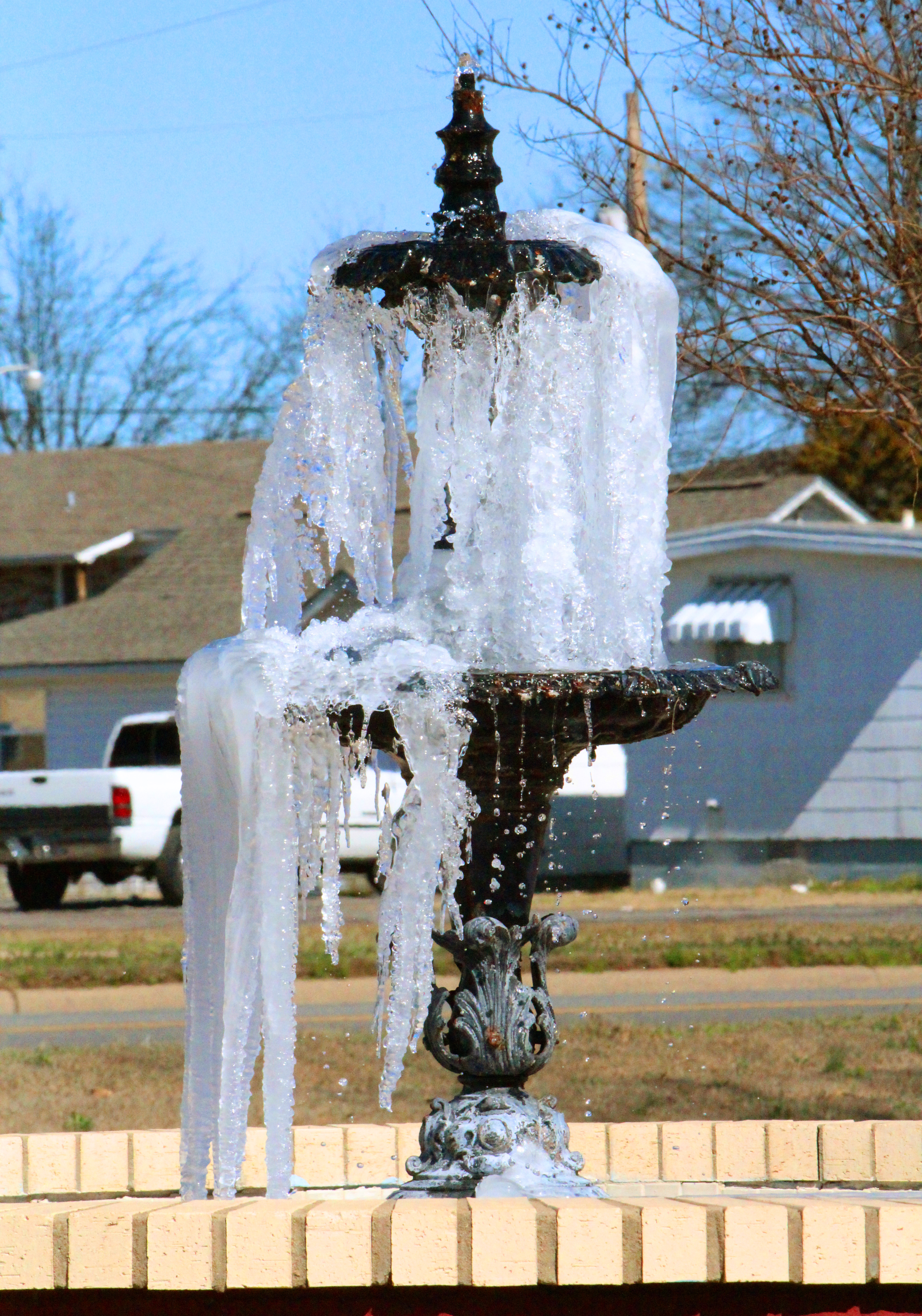
La Nina’s presence is definitely being felt. Lately, the weather has been unpredictable with 60-degree weather one day, followed by snow the next. I’ve loved the warmer winter — I hate being cold — but I’m ready for a more steady climate.
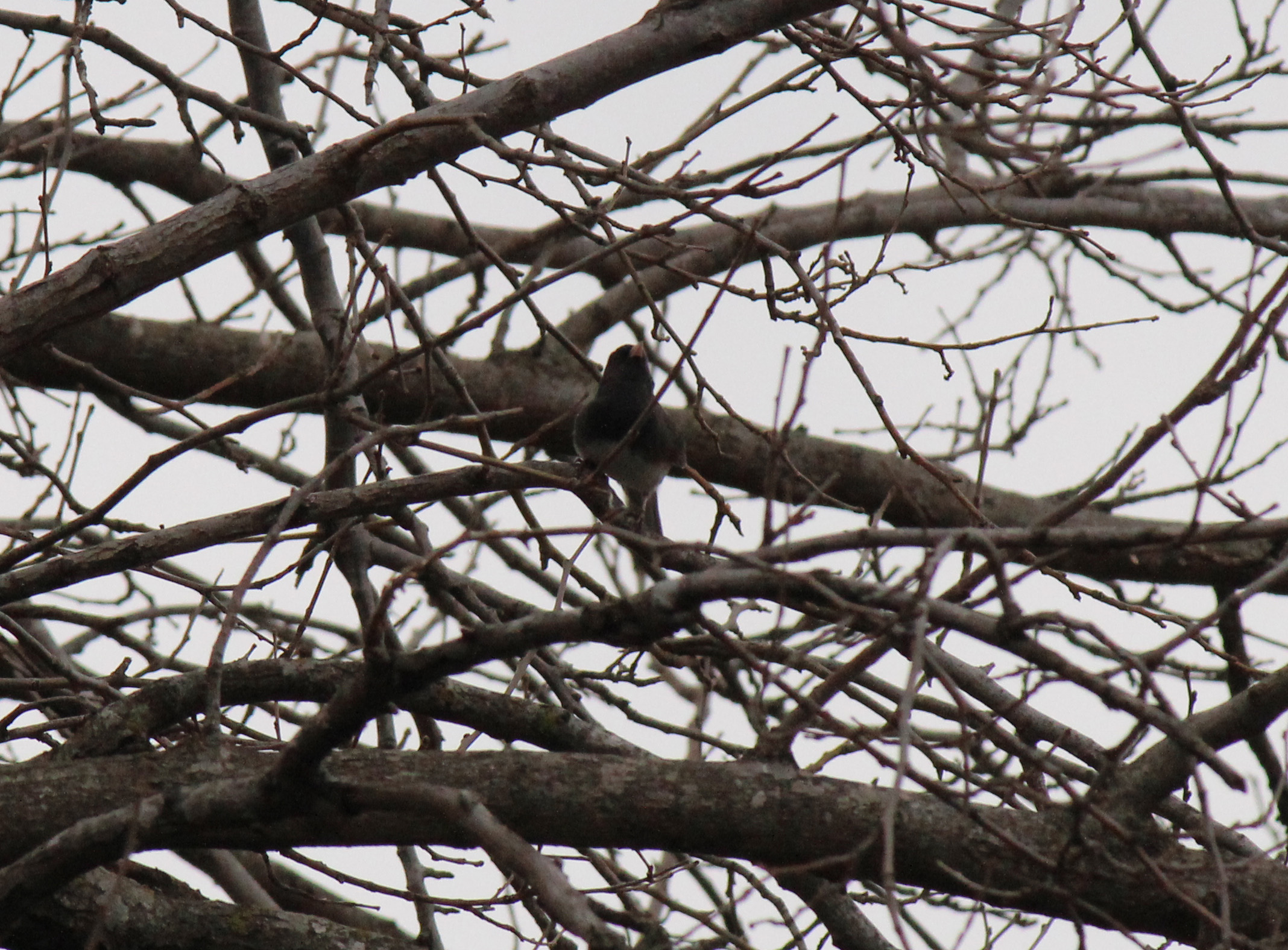
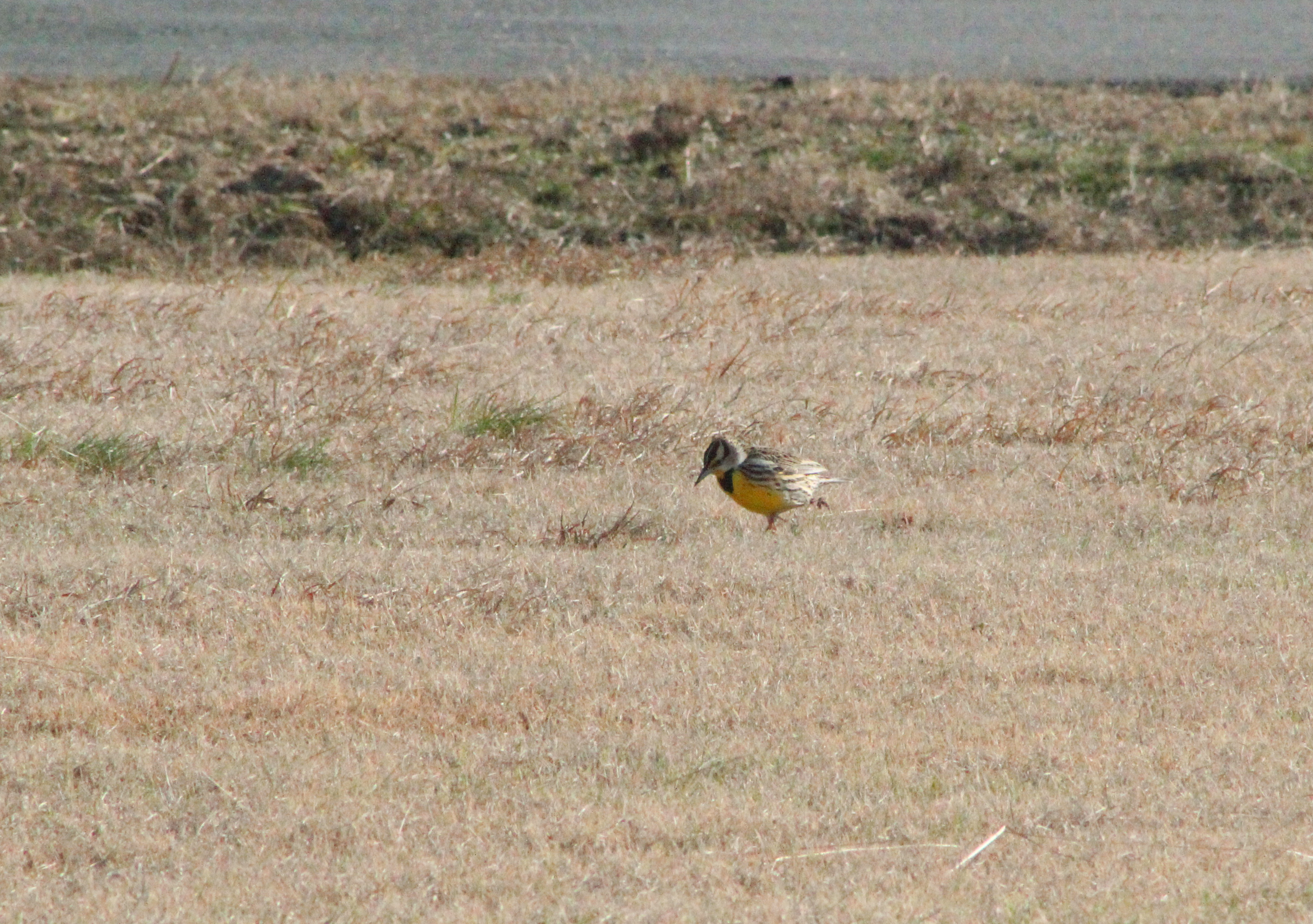
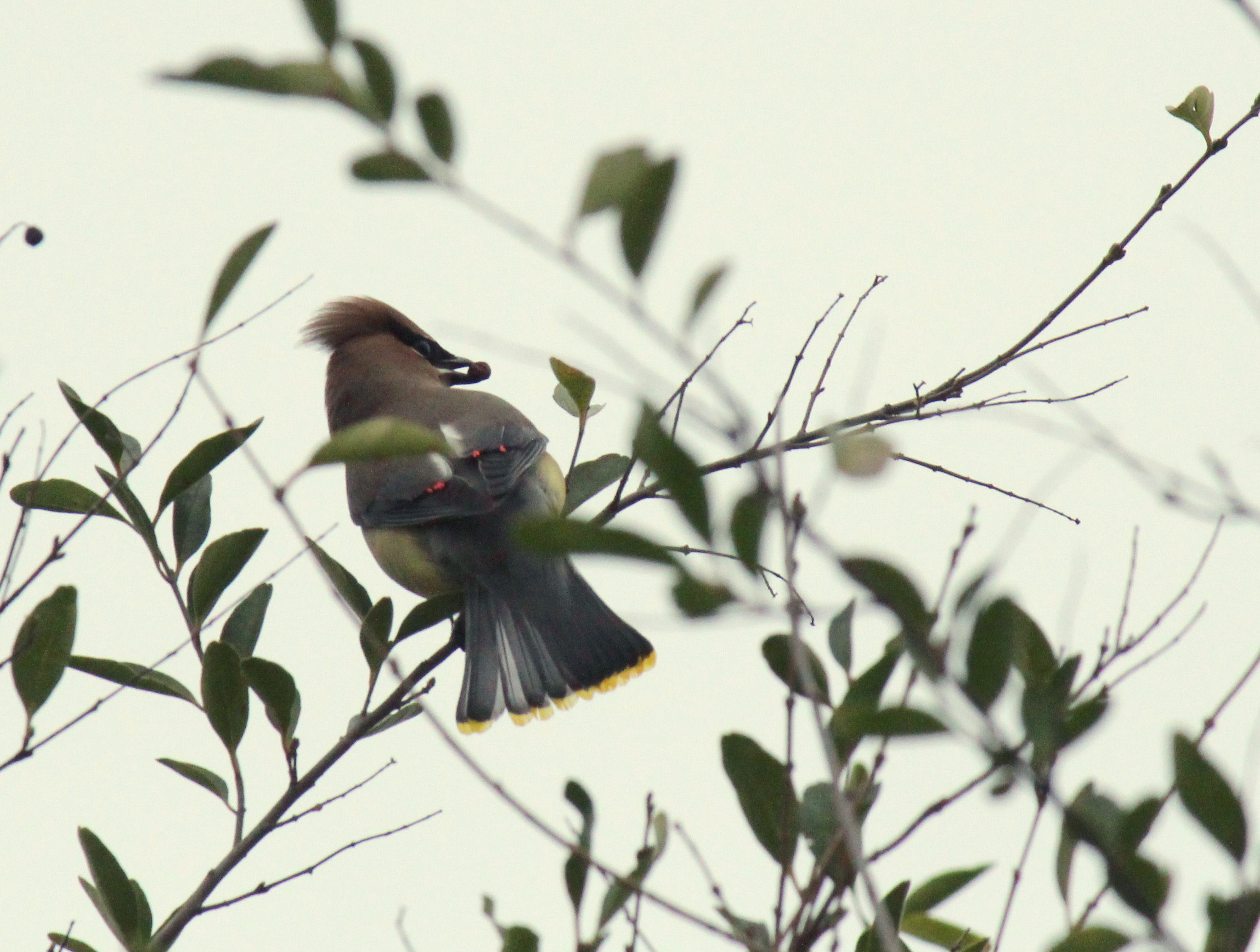
The local high school fountain.Cedar WaxwingDark-eyed JuncoEastern MeadlowlarkCedar Waxwing
Gillett, Ark. — Spanish explorer Hernan de Soto passed through what is now known as Arkansas County in 1542 followed by French missionary and explorer Father Marquette nearly 160 years later.
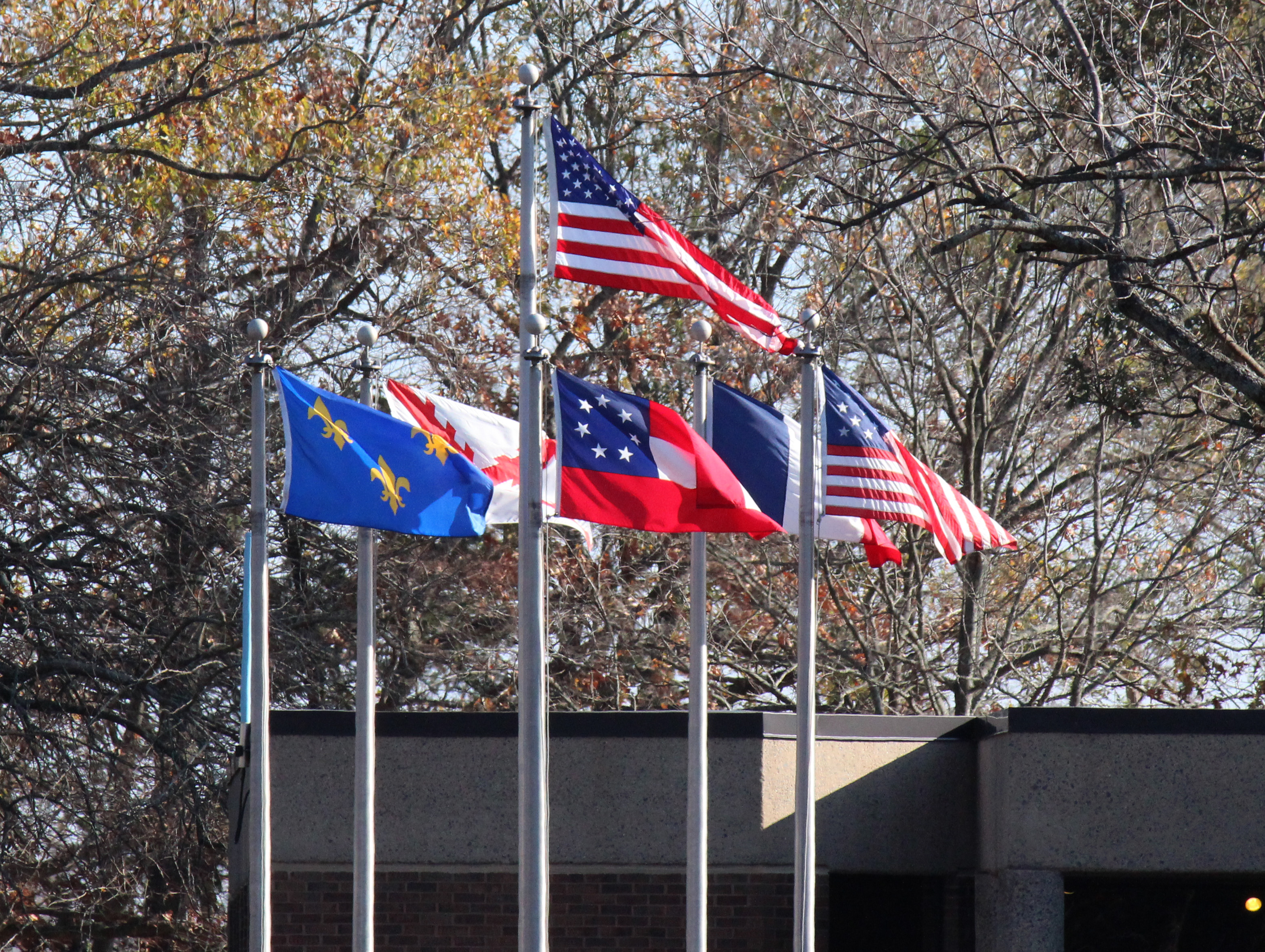
Later, five nations would all fly their flags within this same area. Frenchman Henri de Tonti founded the initial Arkansas Post in 1686 — the first European settlement in the lower Mississippi Vally (it predated New Orleans by 32 years). The area has since flown flags belonging to the French House of Bourbon, Castillian Spain, Republican Spain, Republican France, the United States and the Southern Confederacy.
Arkansas Post became a part of the United States in 1804 and, 15 years later, would become the Arkansas Territory capital. It wouldn’t last though. In 1821, the capital was moved to the newly founded city, Little Rock. Arkansas Post had about 1,000 residents at the height of its political importance in the 1820s and 1830s.
In January 1863, Union forces would capture the Confederate fort at Arkansas Post and destroy much of its town. The Arkansas Post is located along the Arkansas River and is now part of the national park system.
"This stone was taken from ruins of old bank, built at Arkansas Post, 1839. Arkansas Post State Park. Created by Act of Legislature 1929..."One of the trails.A Great Egret greeted me as I entered the Arkansas Post National Memorial.White-breasted Nuthatch.Tufted Titmouse.Yellow-rumped Warbler.
It’s been gorgeous weather for the most part this week. The temperatures are in the 60s, the sun is shining and the first flowers are blooming. What’s not to love — well, excluding the mosquitoes now biting me?
Here’s 5 reasons this week was so interesting:
1. There’s storm chasers, then there’s us — damage chasers.
A rainbow appears after the storm.
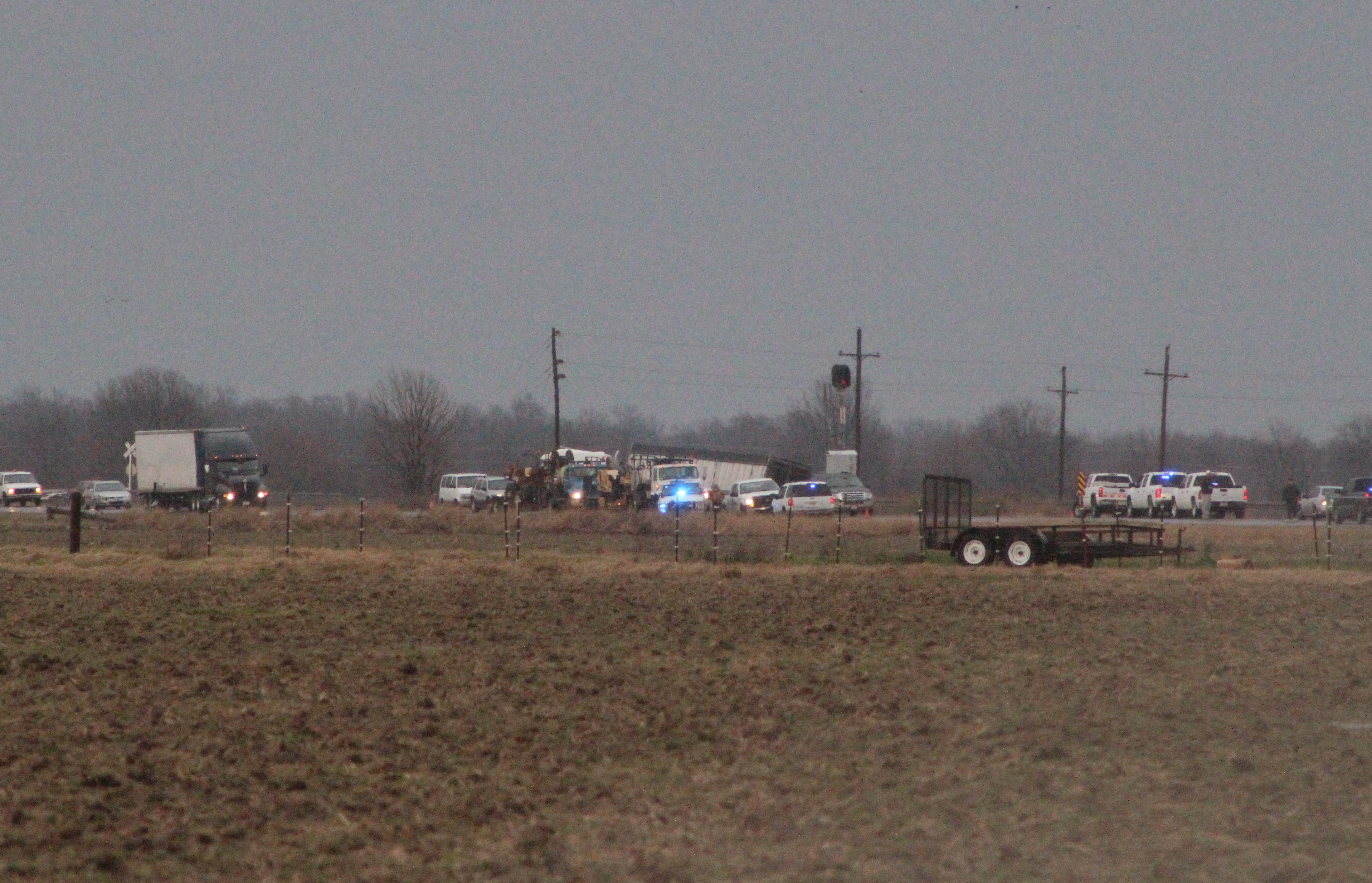
A severe thunderstorm passed through Arkansas County on Wednesday causing power outages to more than 1,000 people. There was not a lot of damage but there were a few accidents including a tractor trailer blown off the road. My co-worker and I teamed up (she drove since I hate to and I took pictures) to get damage pictures.
We first headed to take pictures of the tractor trailer and fallen power lines on a nearby busy highway. However, we got stuck in traffic.We eventually snapped a picture with our long lens and tried to take a short cut. However, we barely made it through one flooded section of the gravel road before we saw the above. We turned around.
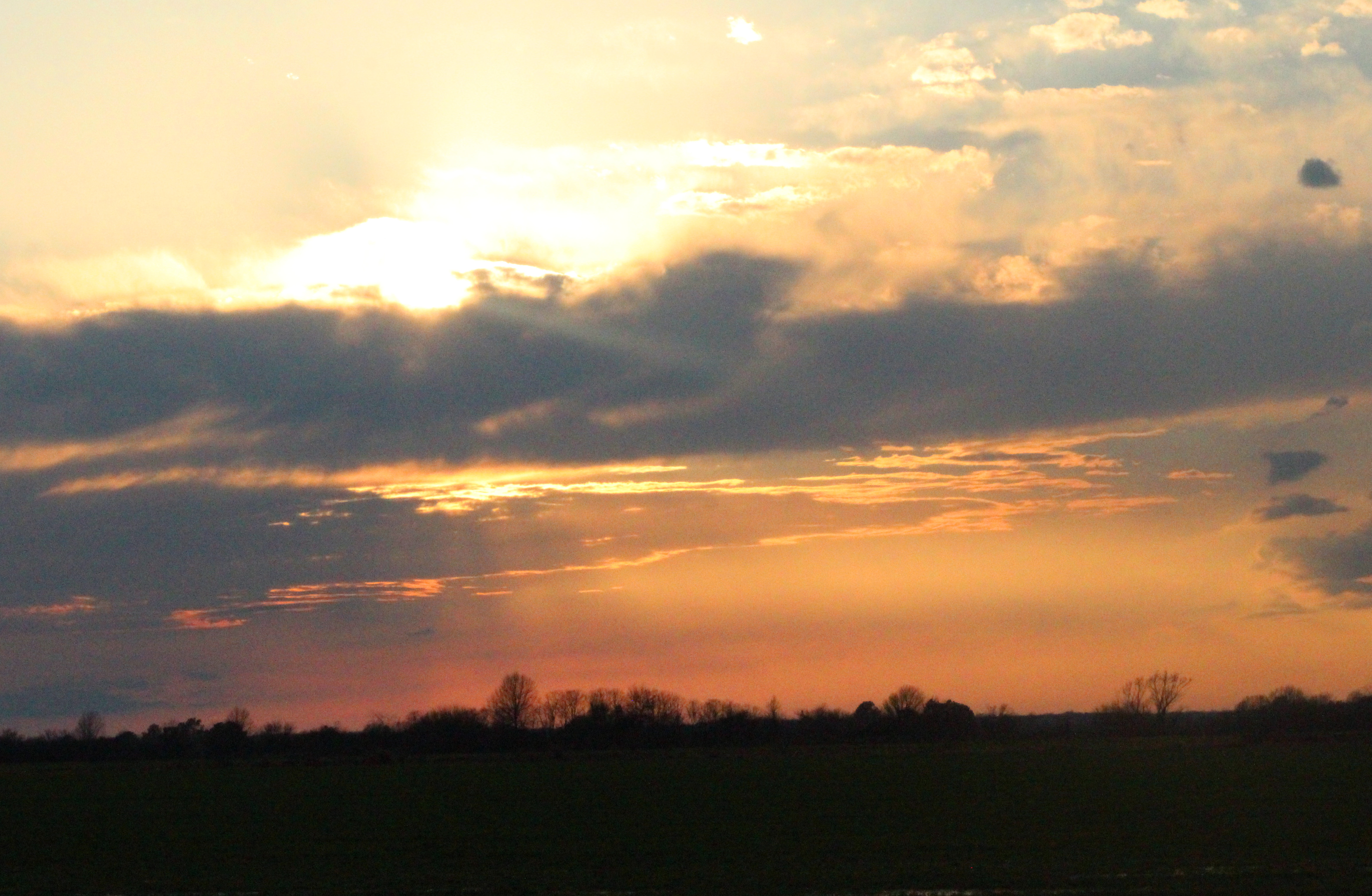
This skunk apparently didn't like the flooded gravel road either. We saw him scurrying away as well.We snapped a picture of this busy Entergy worker.Finally, we had this amazing view to our right as we headed back to the office with the rainbow on our left. Not a bad way to end our storm damage trip.
2. Salvaging airplanes
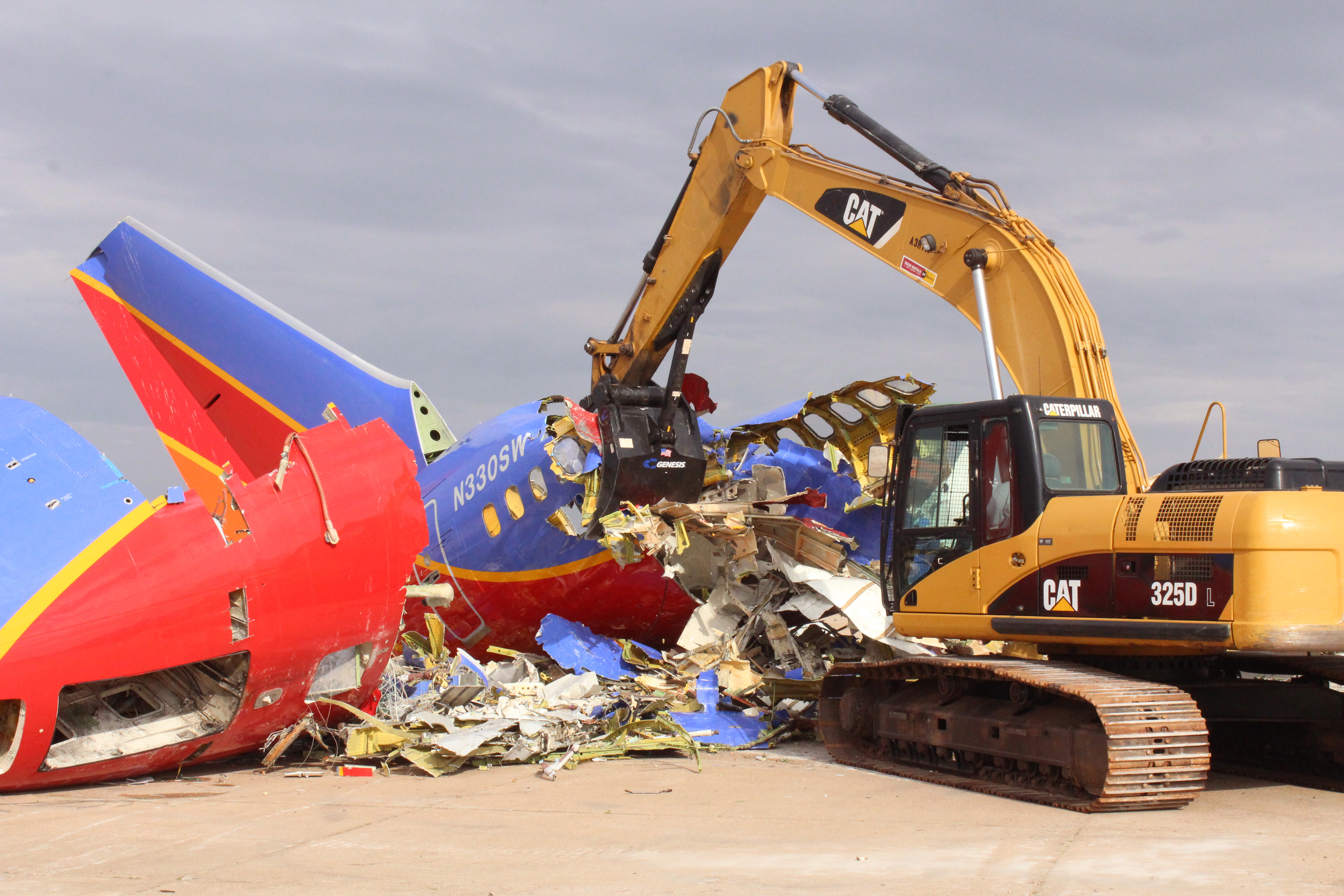
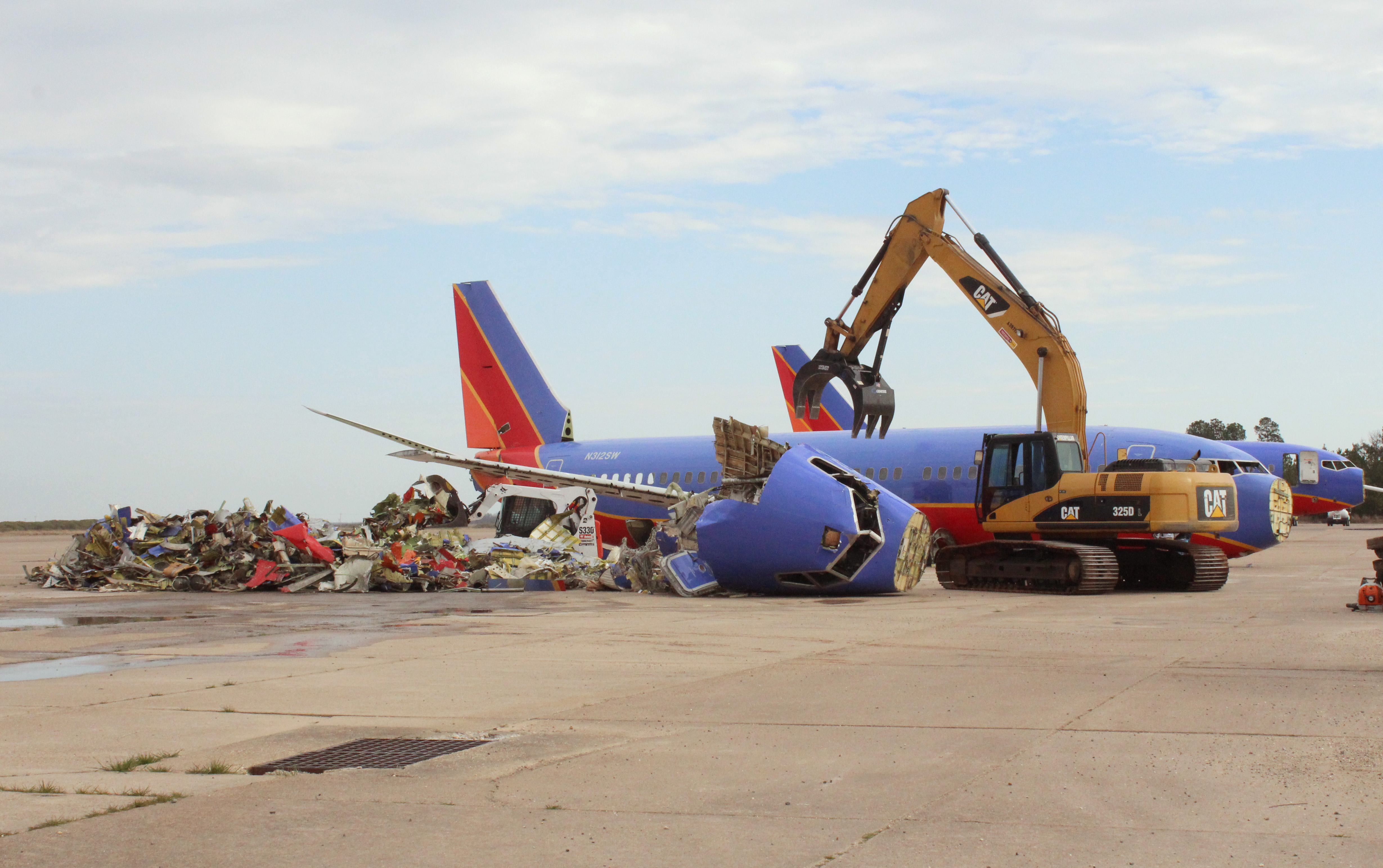
A former Southwest commercial airplane is dismantled.
For work, I visited a local business on Tuesday to snap pictures of the last stage in their work. The company is a parts distribution company that dismantles commercial aircrafts at the end of their life cycle before repairing and reselling the parts. The stripped plane is then sold for recycling. On Tuesday, the recycling company was in town to tear the stripped plane into smaller pieces. Why is destruction so fascinating?
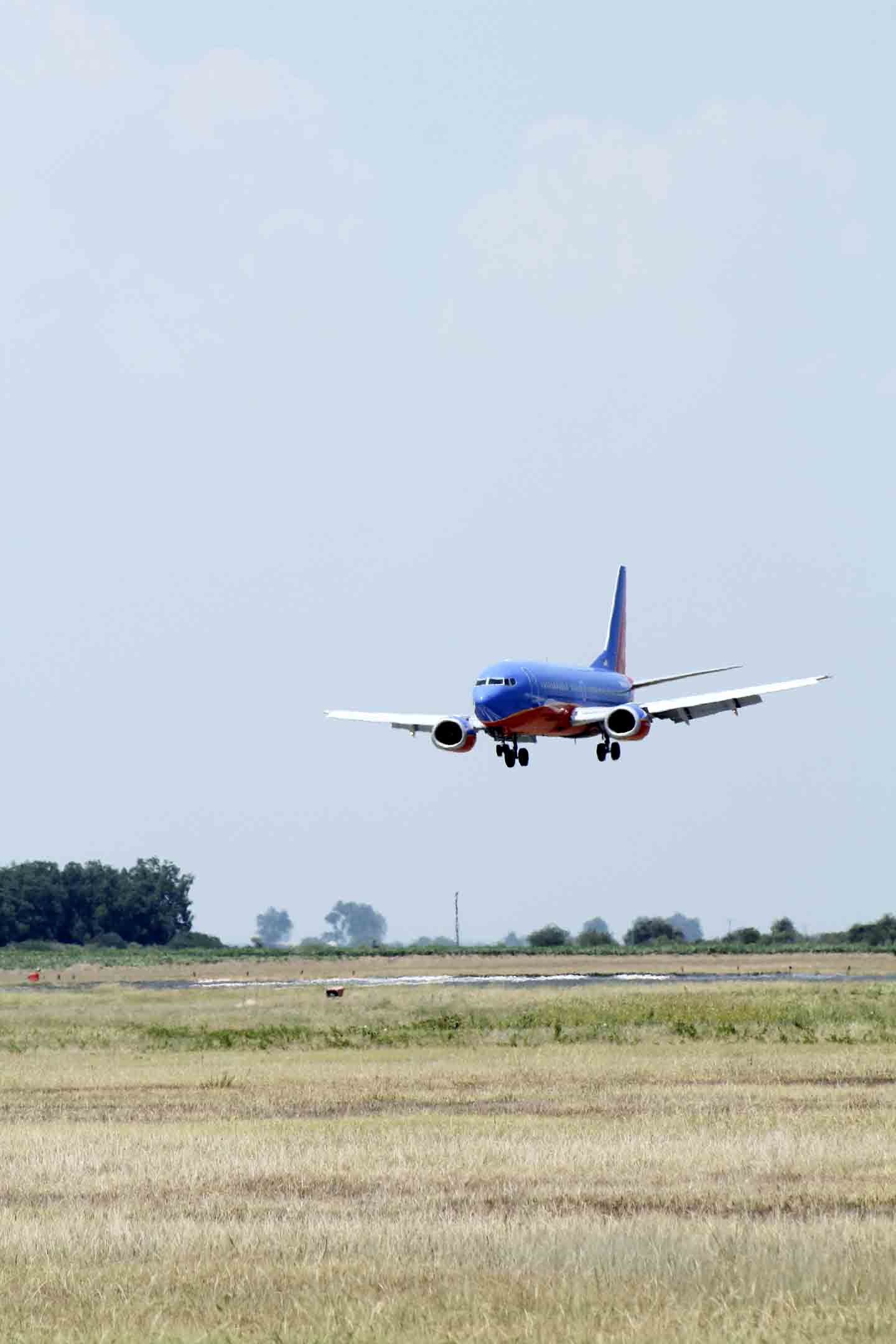
In this photo, Southwest pilots land a commercial plane in 2011. The plane was one of the three taken apart on Tuesday.One plane nearly complete with two left to go.
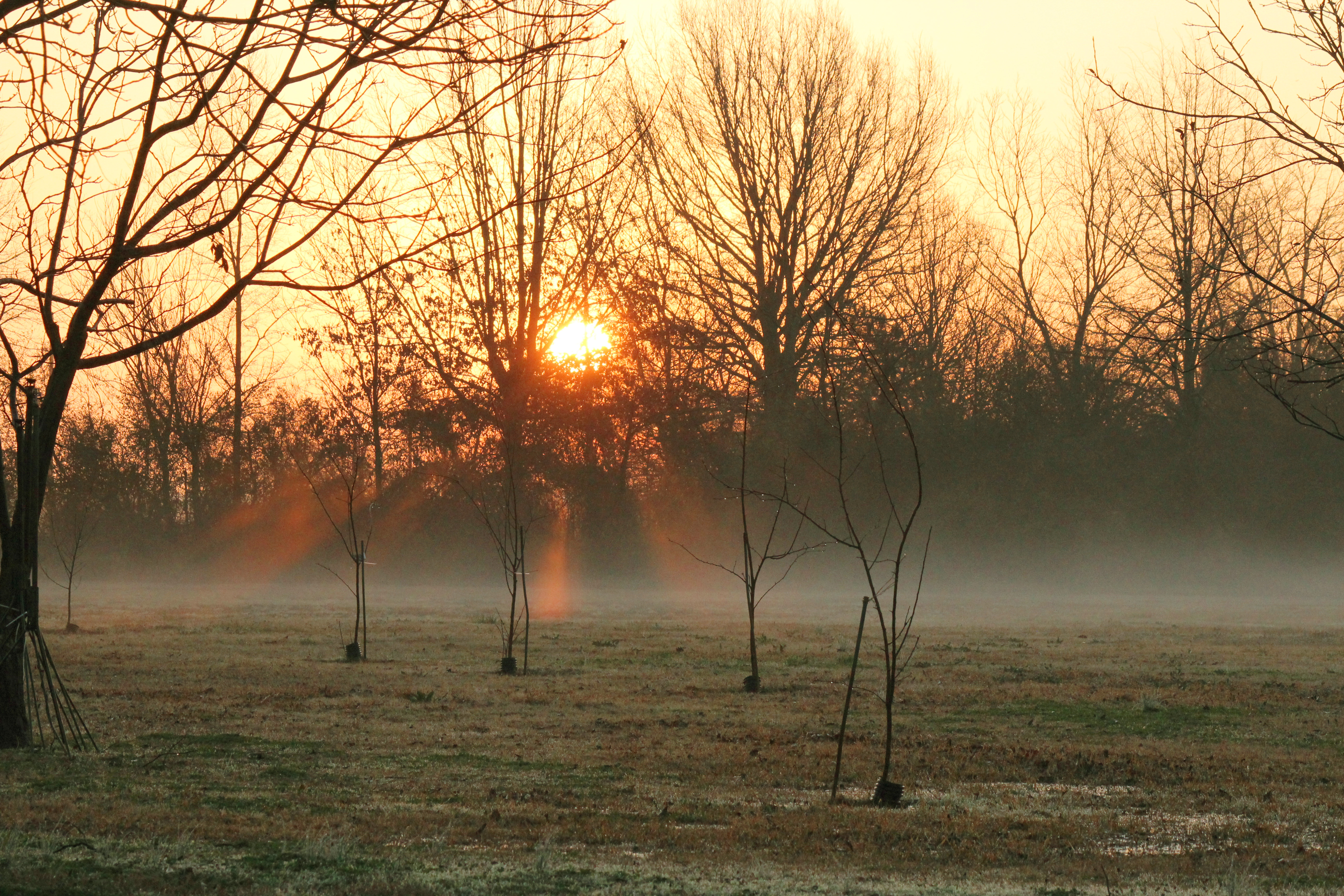
3. Watching the sun set.
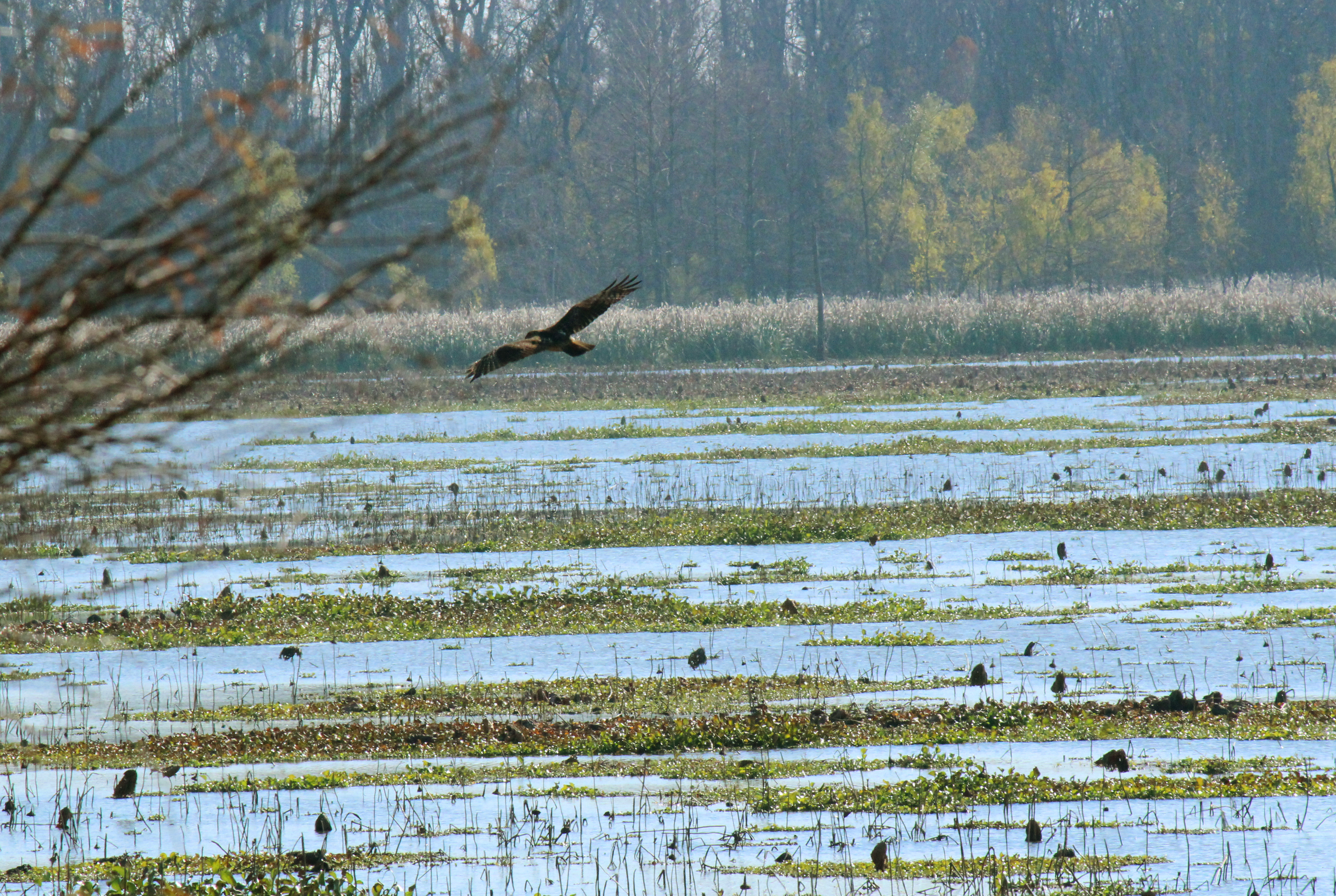
Ducks rest near Stuttgart as the sun sets in late January.A red-tailed hawk flies high in the sky.
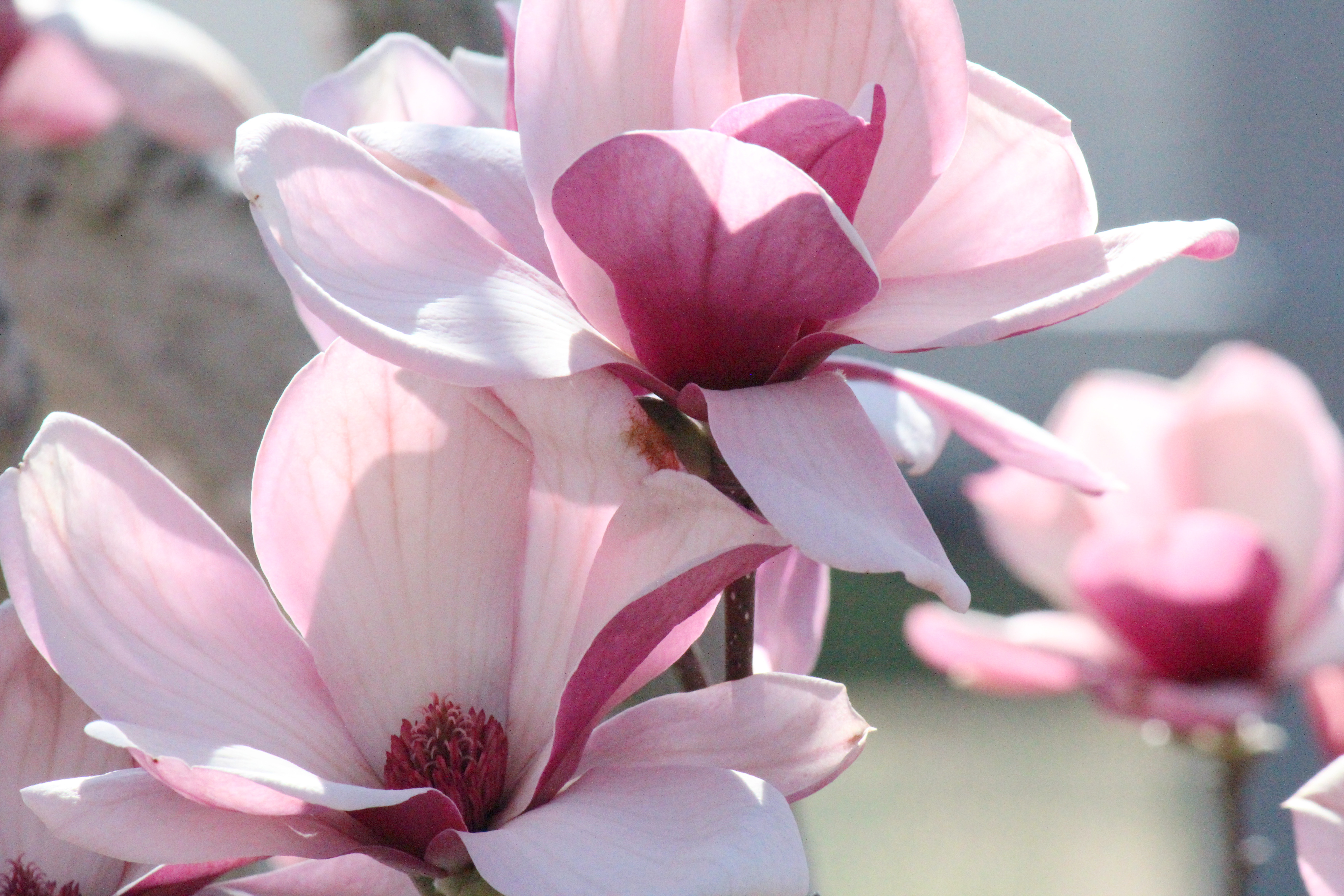
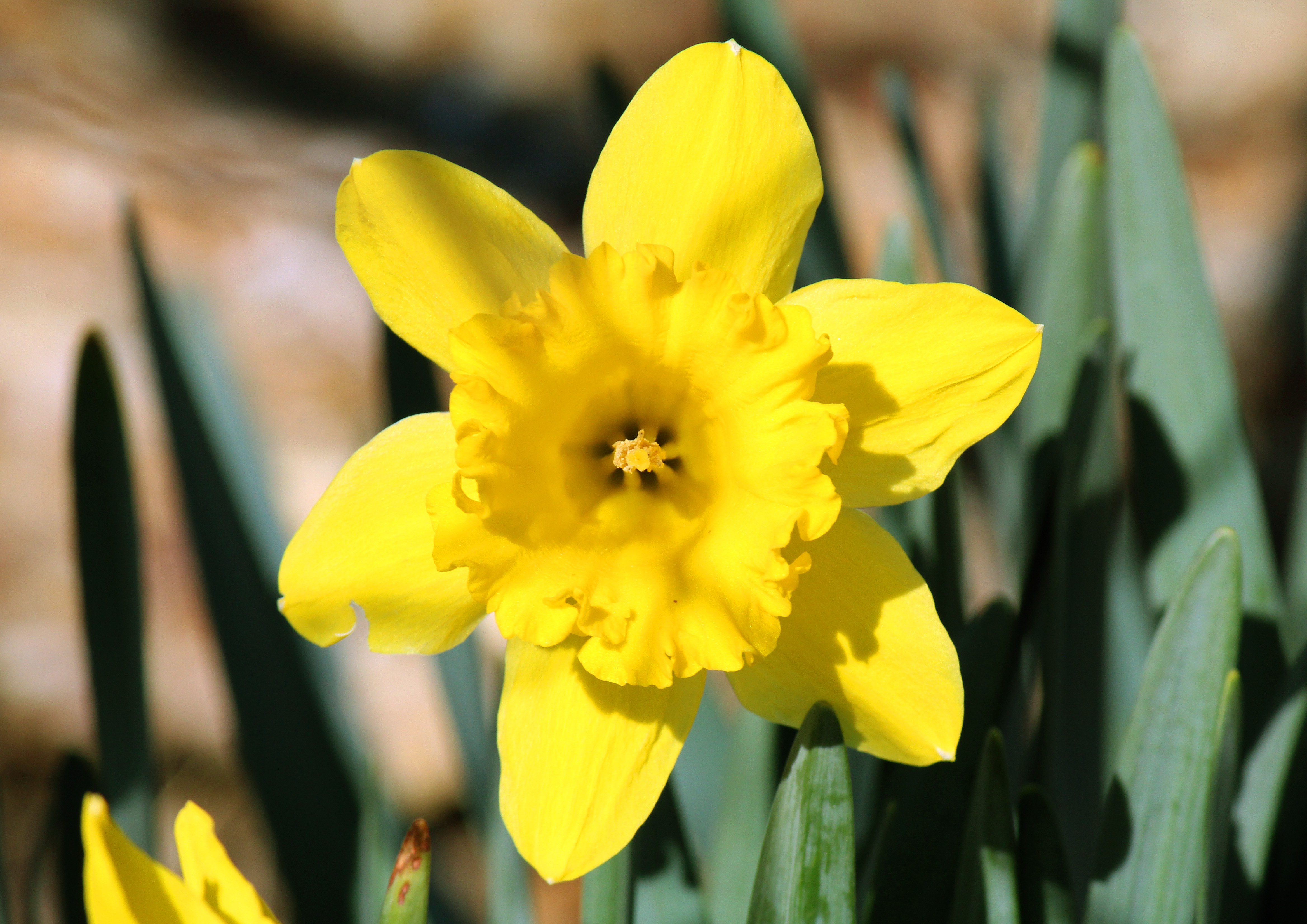
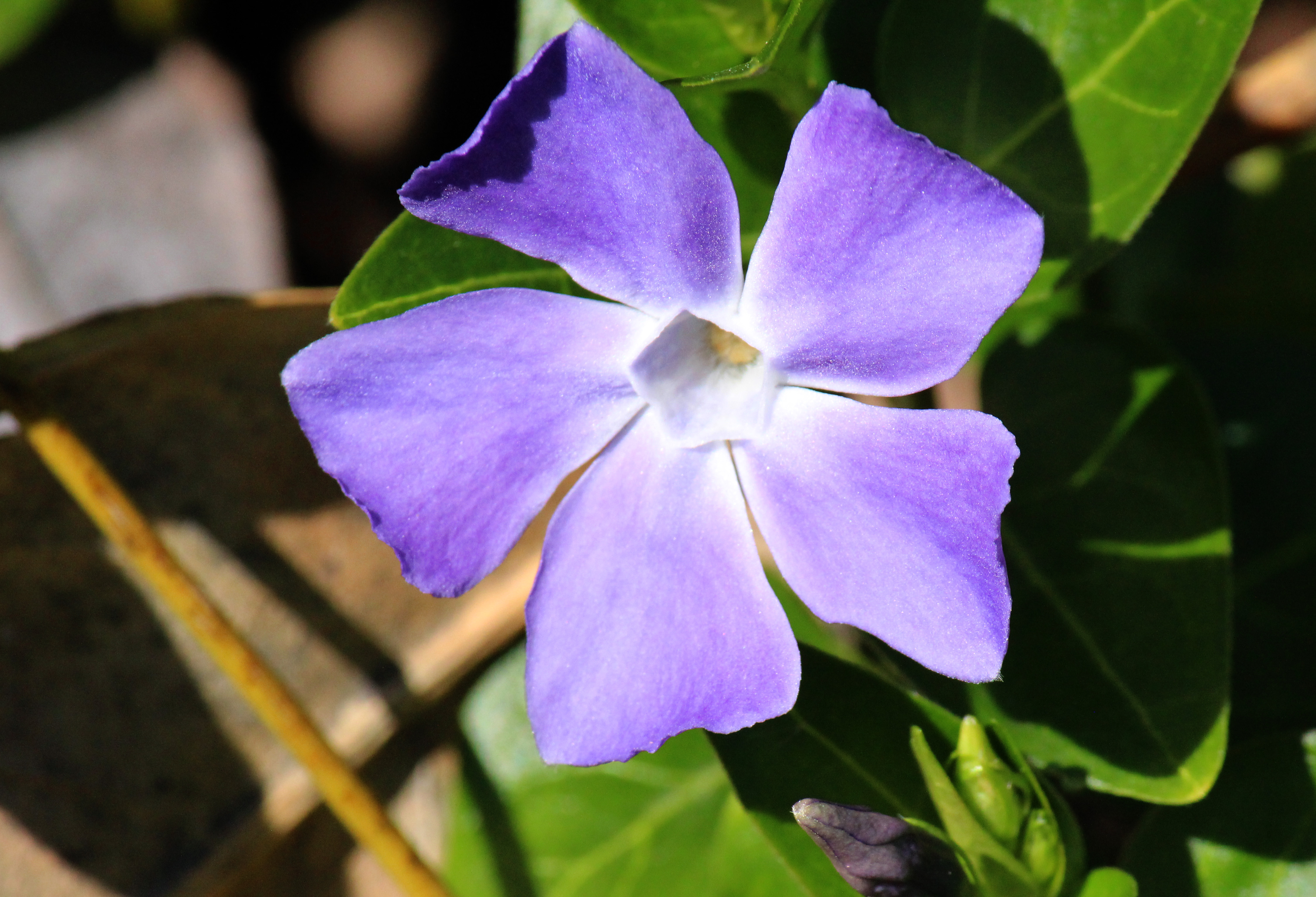
4. Blooming flowers.
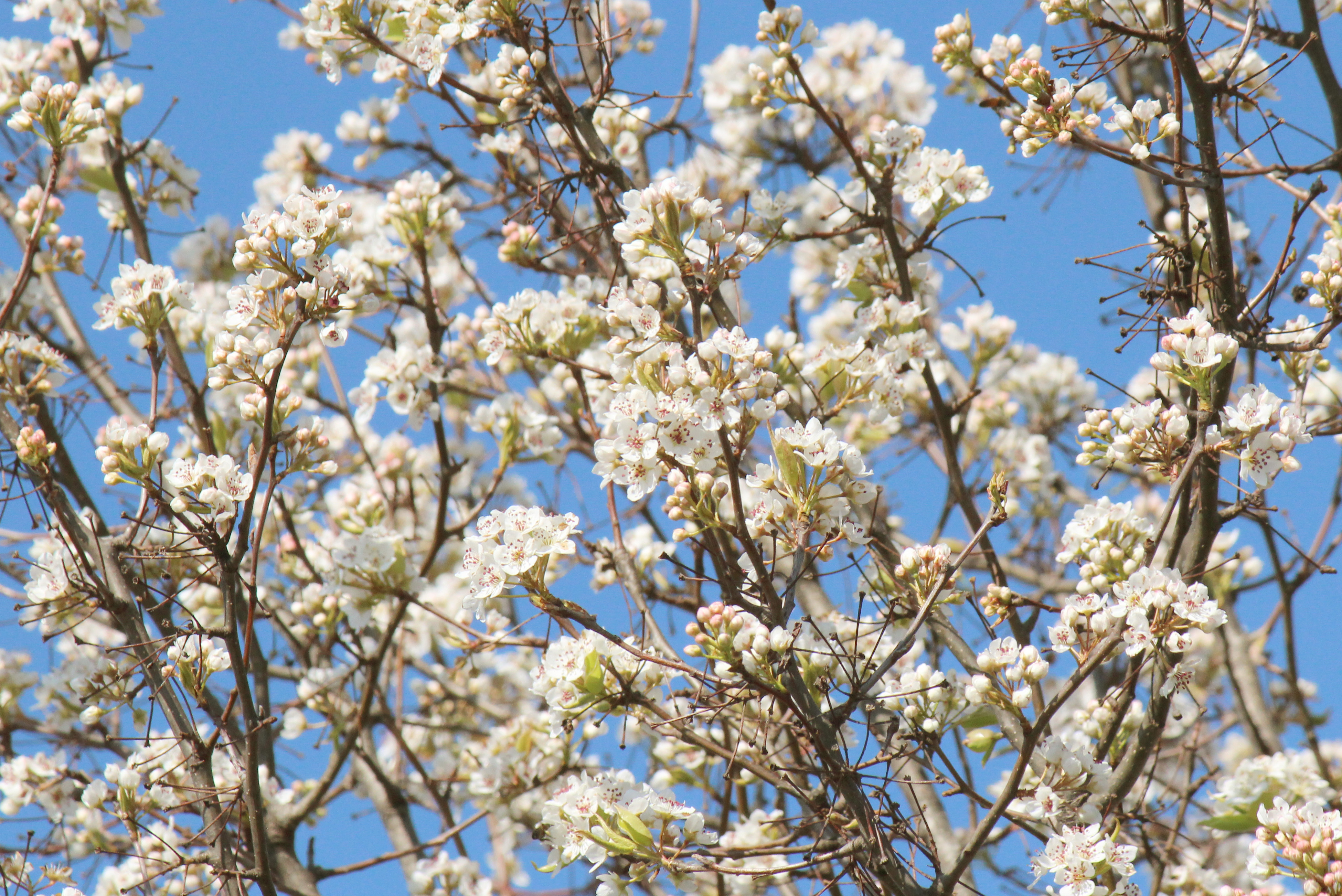
One of my favorite times in the year is when the flowers begin blooming.
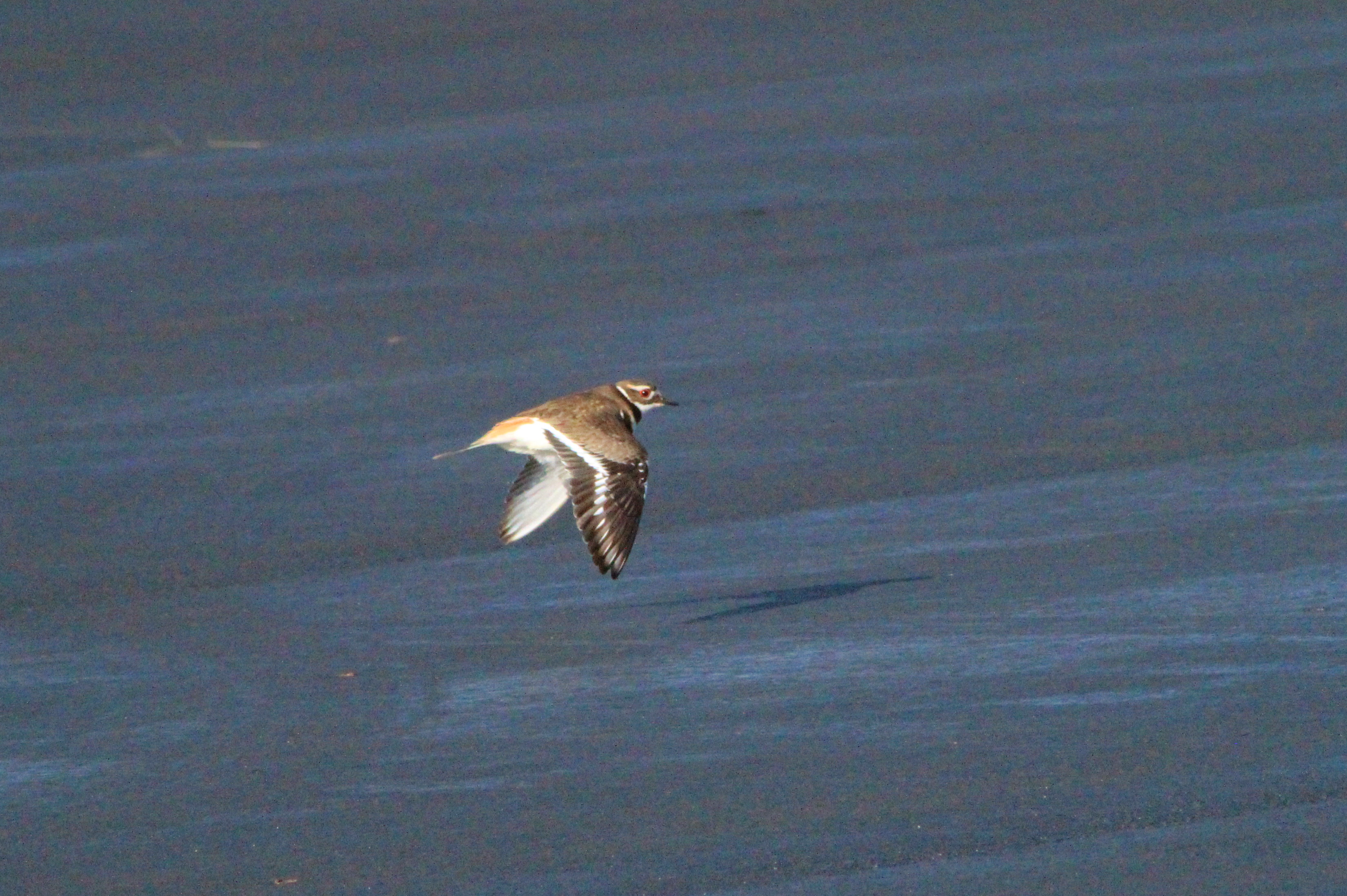
5. Photographing new birds.
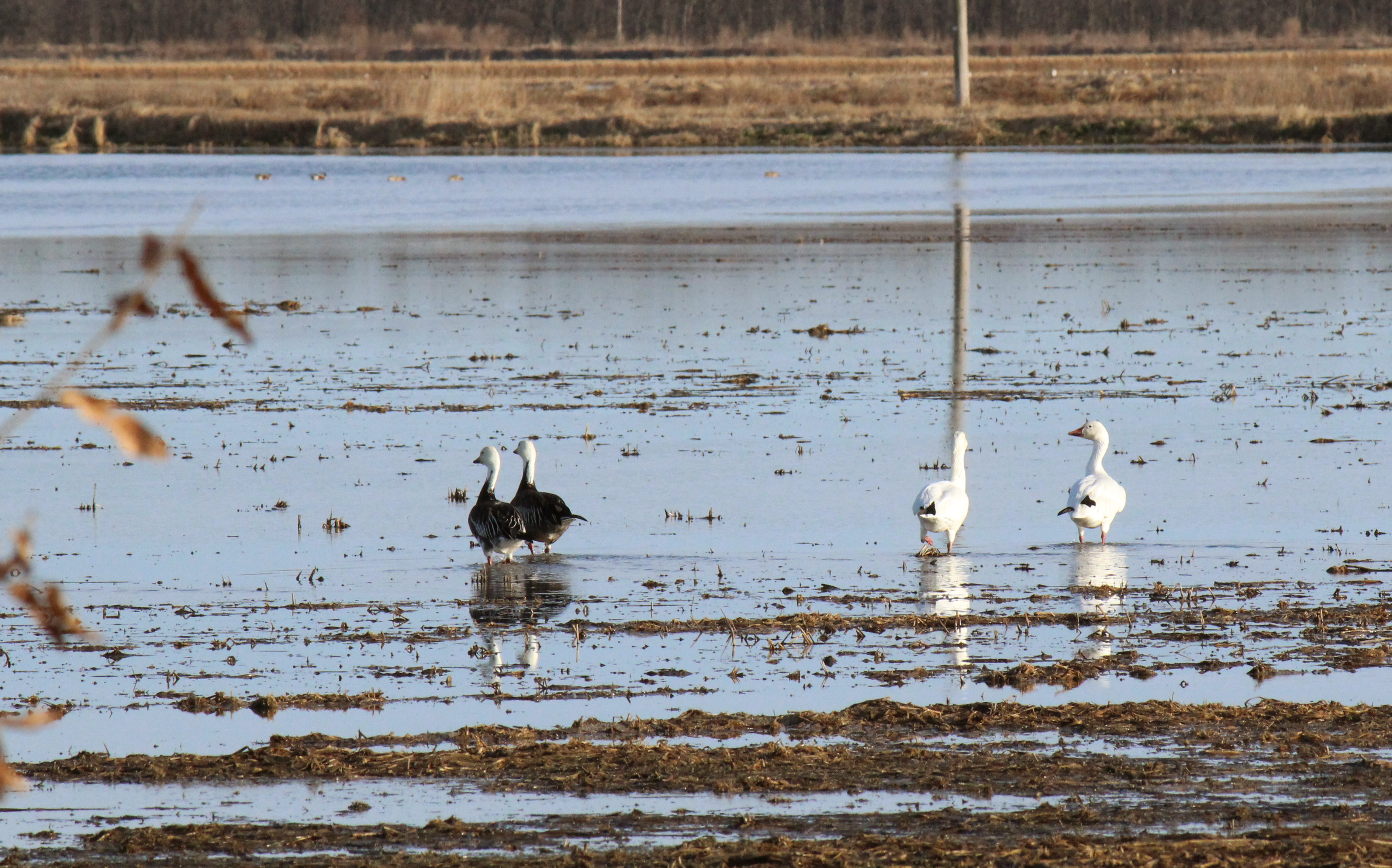
Belted KingfisherCommon GrackleOK, I've already crossed Snow Geese off my bird list but these coupling birds were too cute.
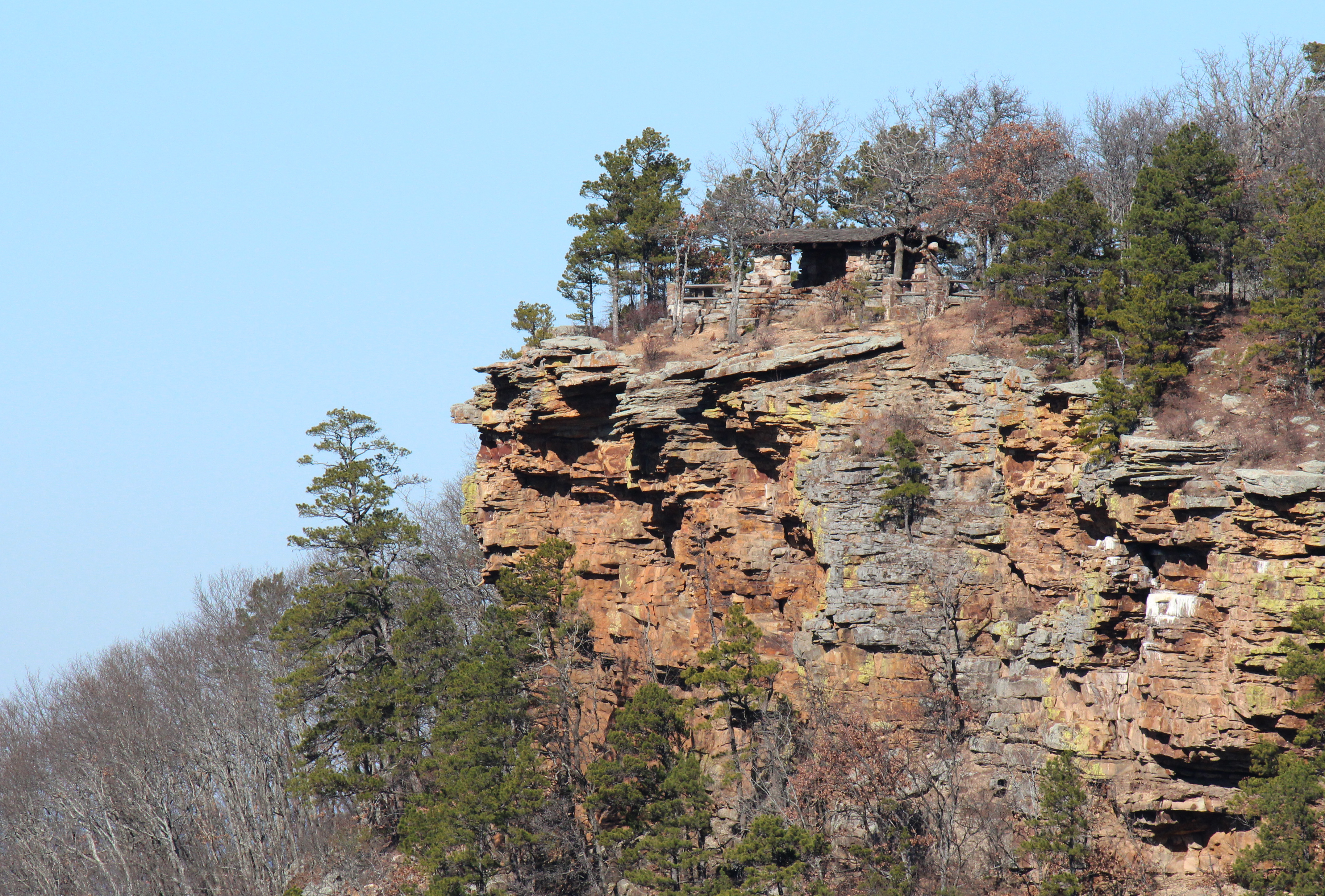
We stopped at a Petit Jean State Park overlook on our way back from Holla Bend National Wildlife Refuge. It’s gorgeous even during the height of winter.
Petit Jean, established in 1923, is the first state park in Arkansas. It covers 2,658 acres on Petit Jean Mountain between the Oark and Ouachita Mountain ranges in west-central Arkansas. It includes woods, ravines, streams, springs, amazing views and neat geological formations.
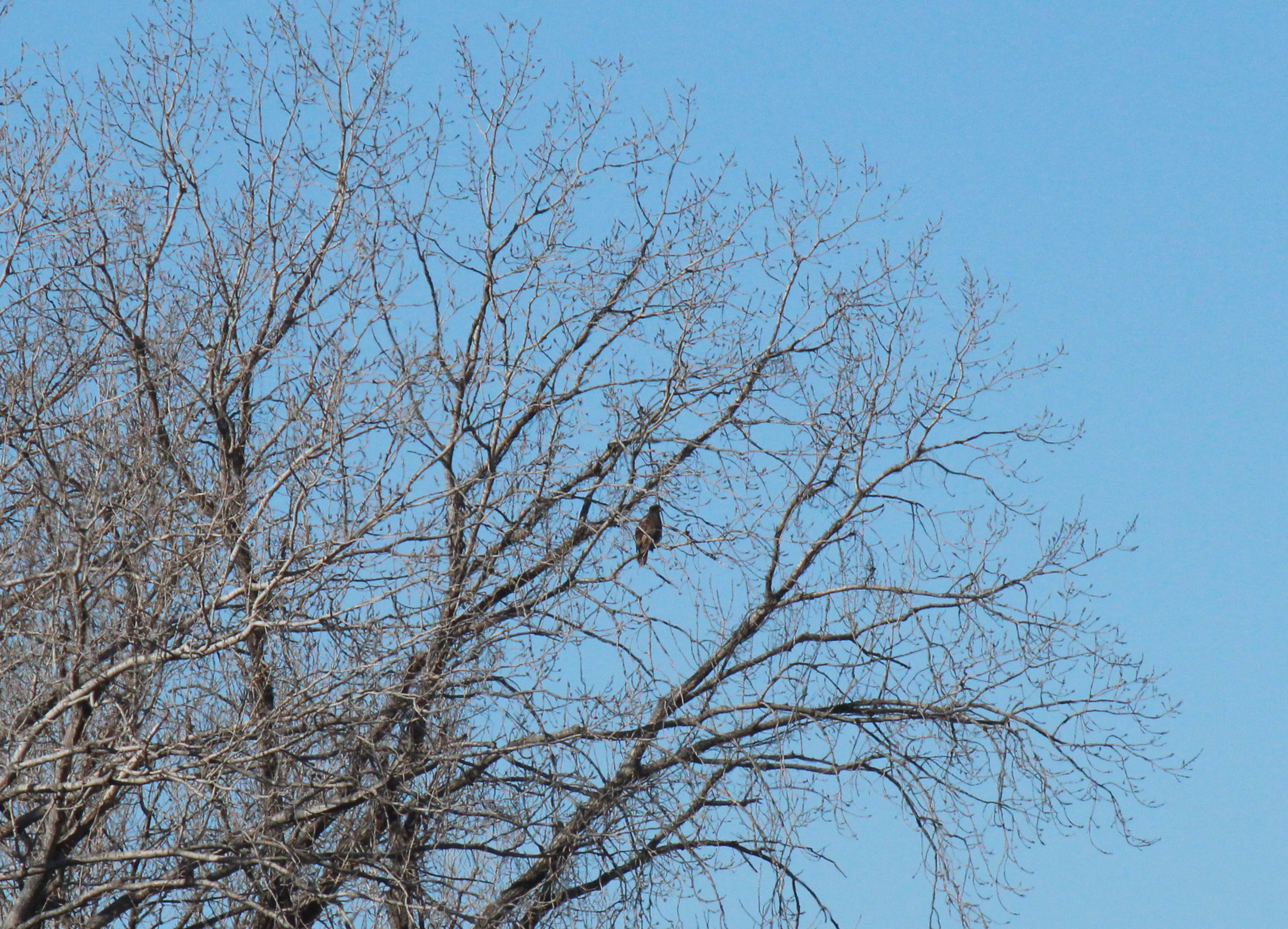
January is Eagle Awareness Month in Arkansas. To celebrate, I attended the Eagle Awareness Weekend at Petit Jean State Park. Bald Eagle numbers in the lower 48 states have now increased from 417 nesting pairs in 1967 to more than 10,000 nesting pairs in recent years. However, this still hasn’t helped me reach my goal of seeing an adult Bald Eagle.
The Bald Eagle gained federal protection in 1940 and its population was severely threatened by the widespread use of the pesticide DDT after World War II. DDT caused Bald eagles to lay eggs with weakened shells.
The U.S. Fish and Wildlife Service changed the Bald Eagle’s status from endangered to threatened in 1995. In 2007, the Bald Eagle was taken off the Federal List of Endangered and Threatened Wildlife and Plants.
One of the two juvenile Bald Eagles spotted within feet of each other. The second of two juvenile Bald Eagles that we saw. I was unable to get closer.
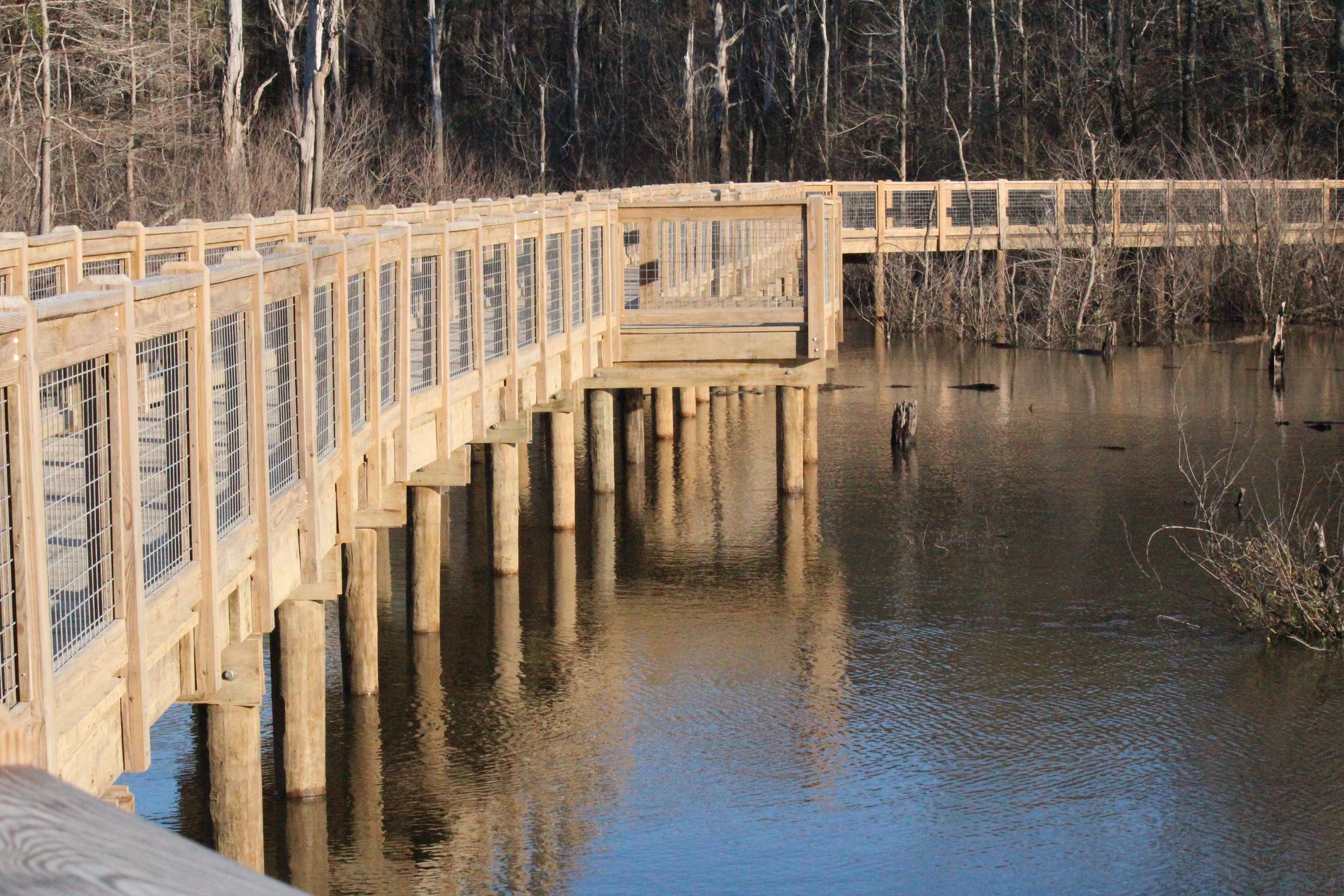
There’s been water underneath White River National Wildlife Refuge boardwalk within the past month. Recent rainfall had the White River above its 26-foot flood stage and flowing into the refuge. It’s back down now at 23.7 feet this morning. Here’s some pictures from my trip to see how flooded it was.
My dog Izzie.
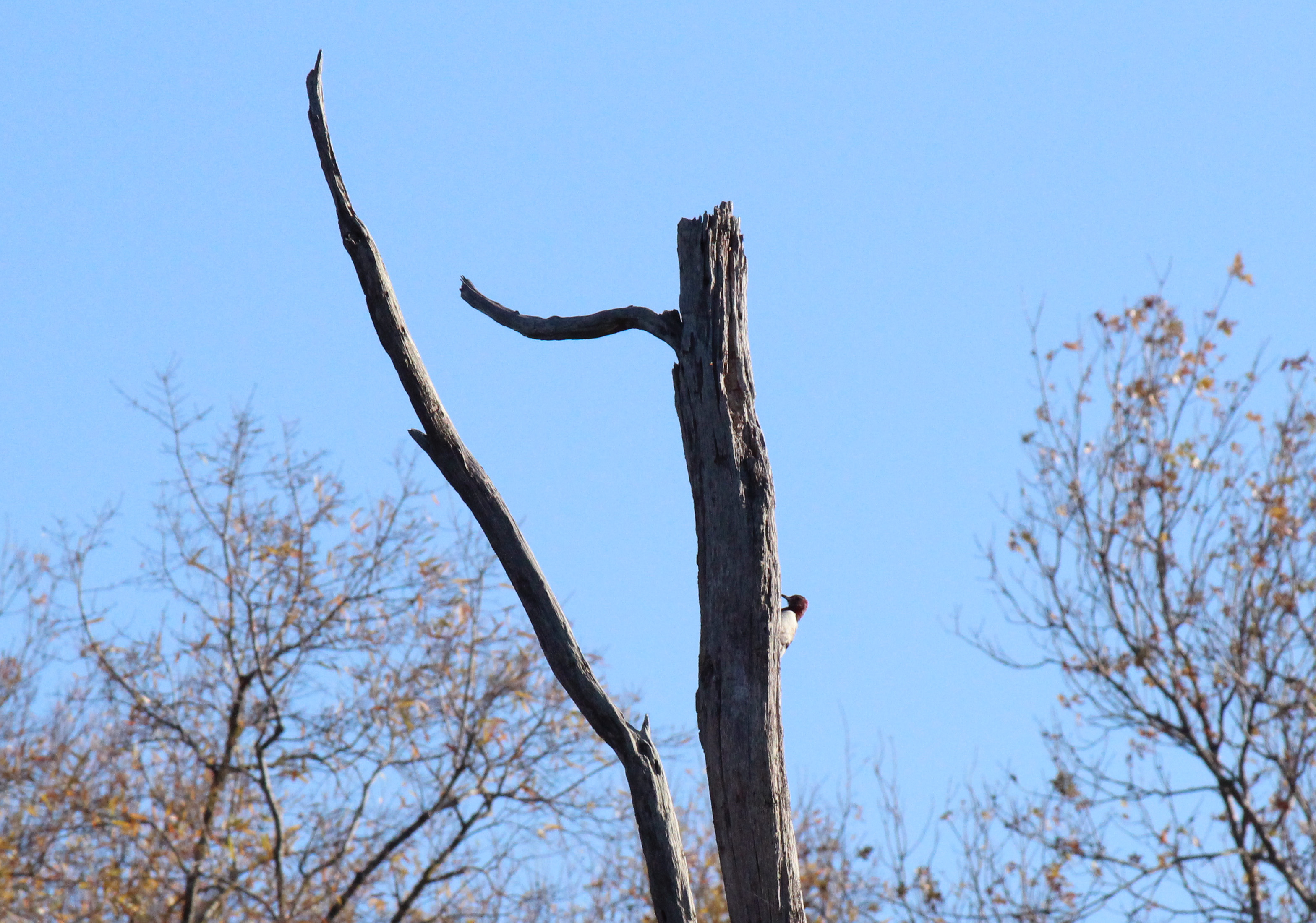
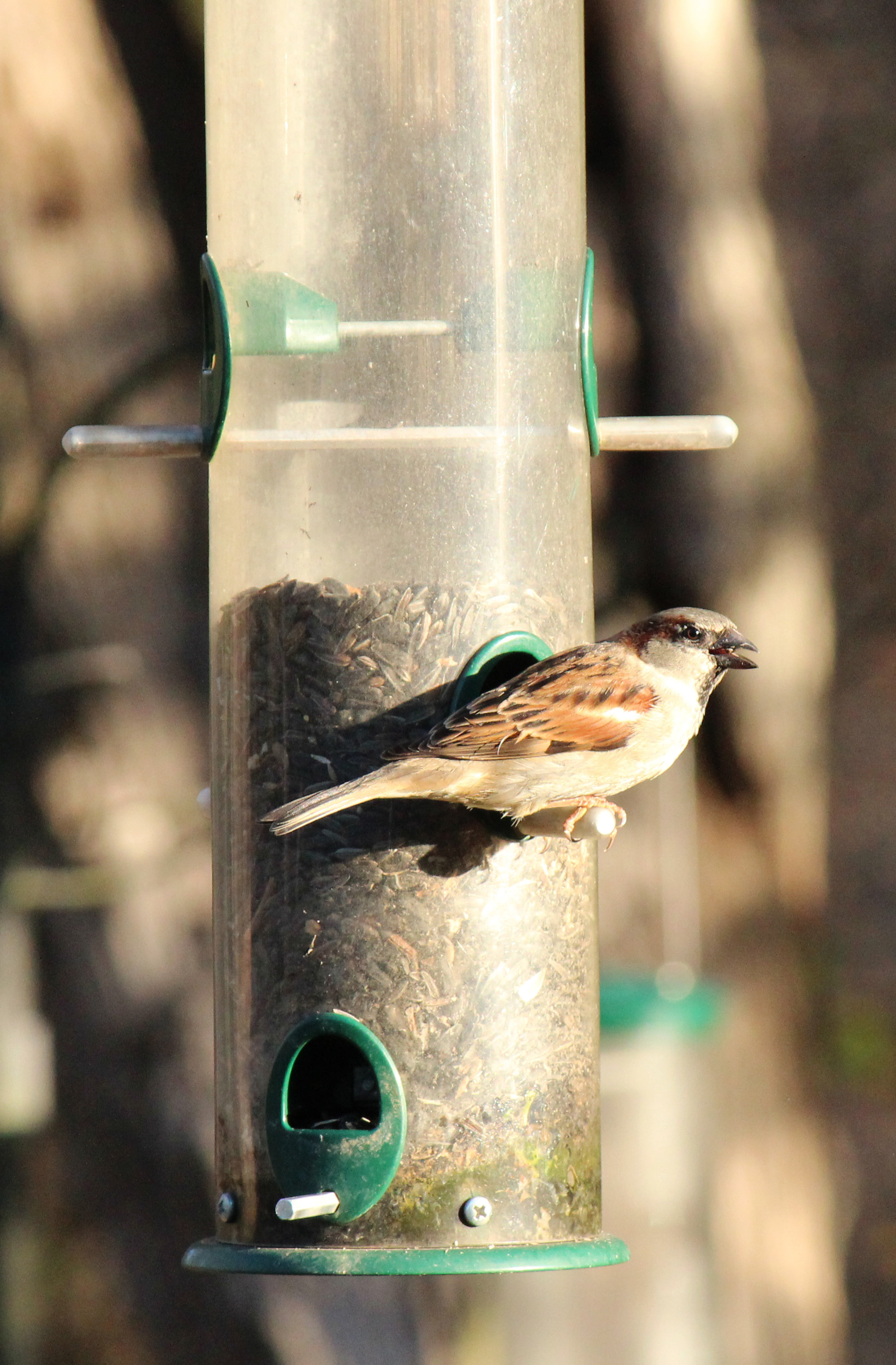
A leucistic Red-Headed Woodpecker (I had to email the Arkansas Game and Fish Commission for help on this one)A House Sparrow lounges on a bird feeder outside of the visitor's center.
I previously worked as a news and sports photographer. Recently I have been enjoying wildlife photography. My approach toward bird photos is similar to sports photography. I attempt to capture mostly action and hopefully a unique perspective.
























 Memos for Me