Butterflies galore
April 5, 2012

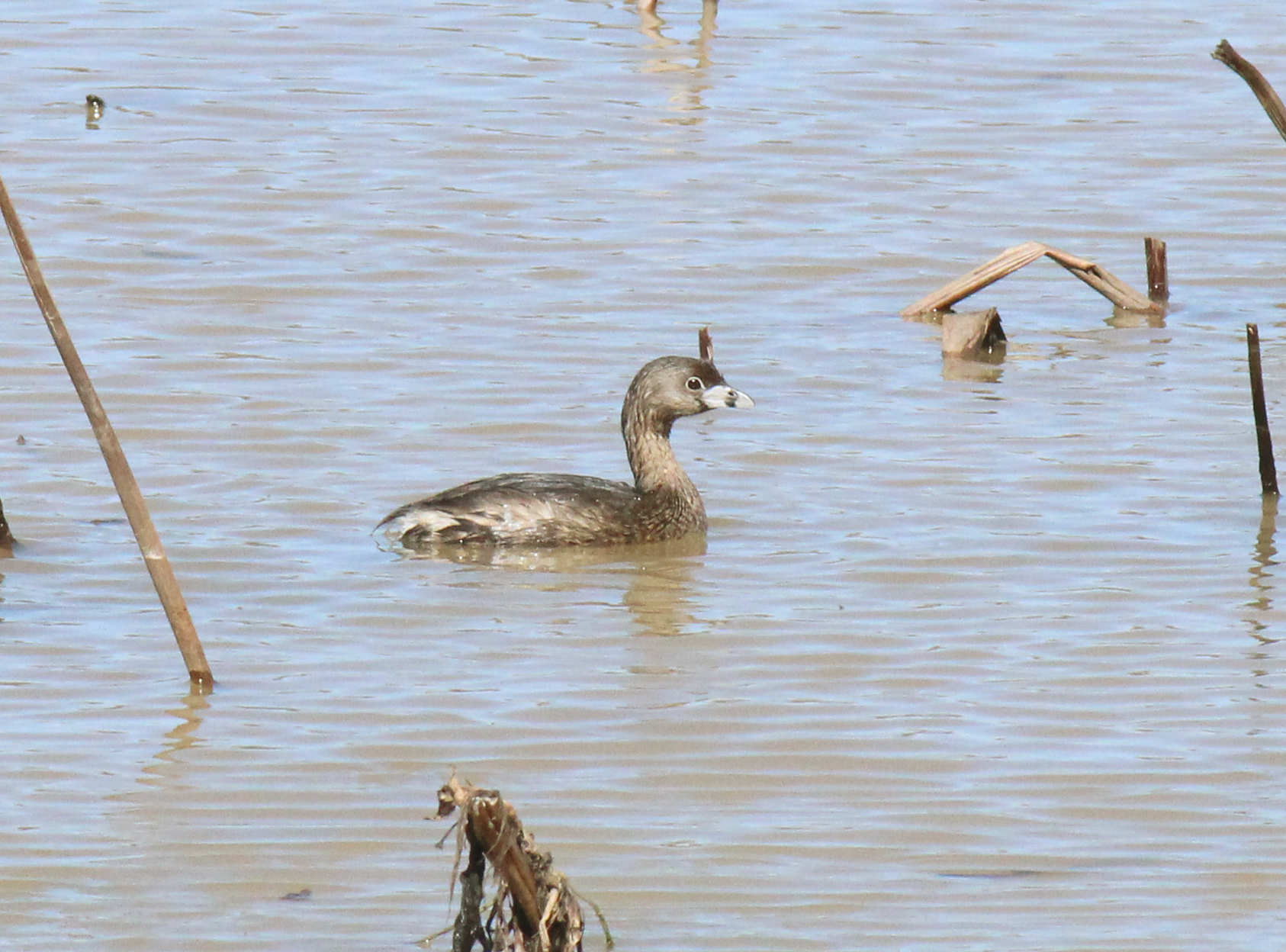 Pied-billed Grebe
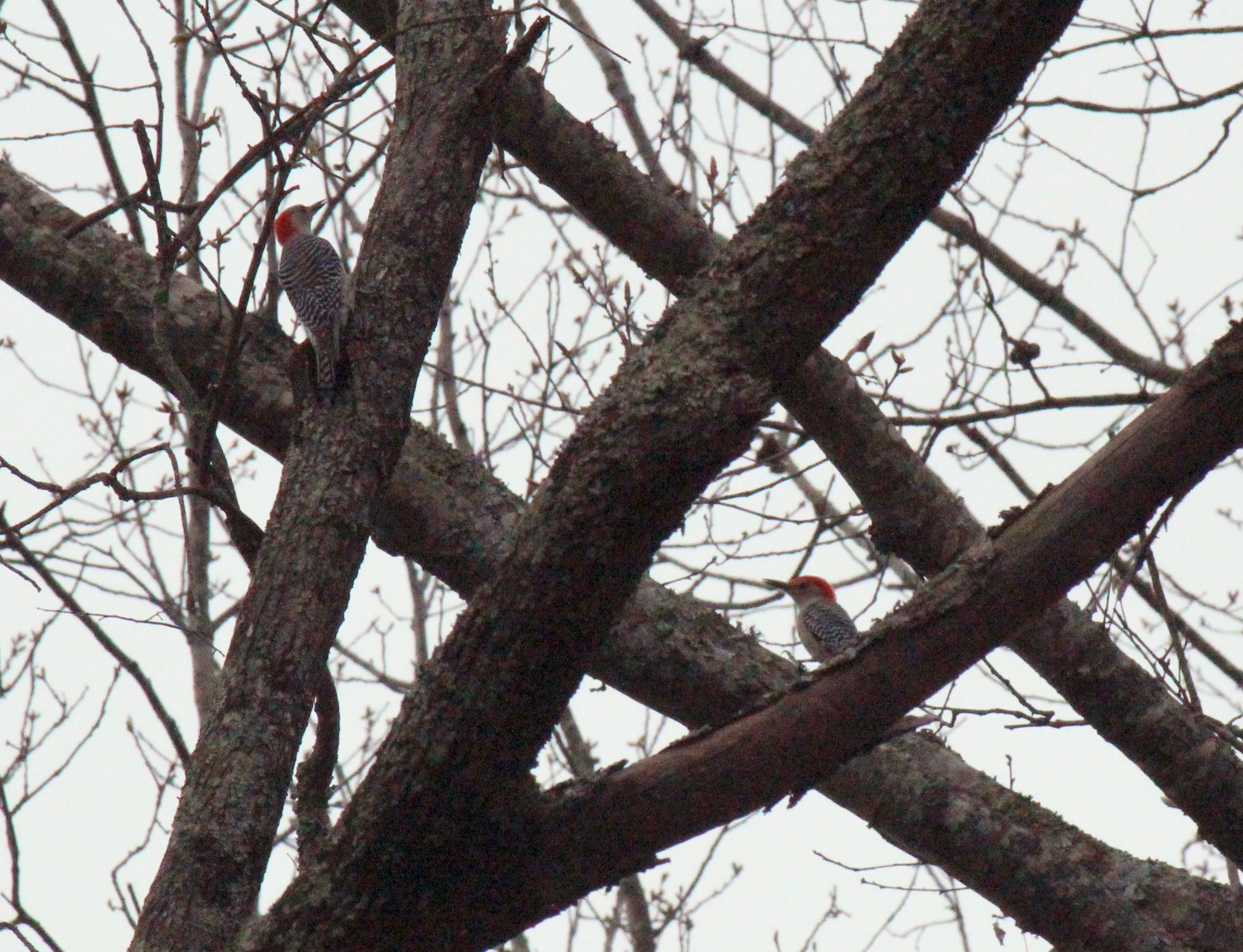
After the bayou float, I had to walk about Arkansas Post to find the red-bellied woodpecker. I found the awesome bird and more.
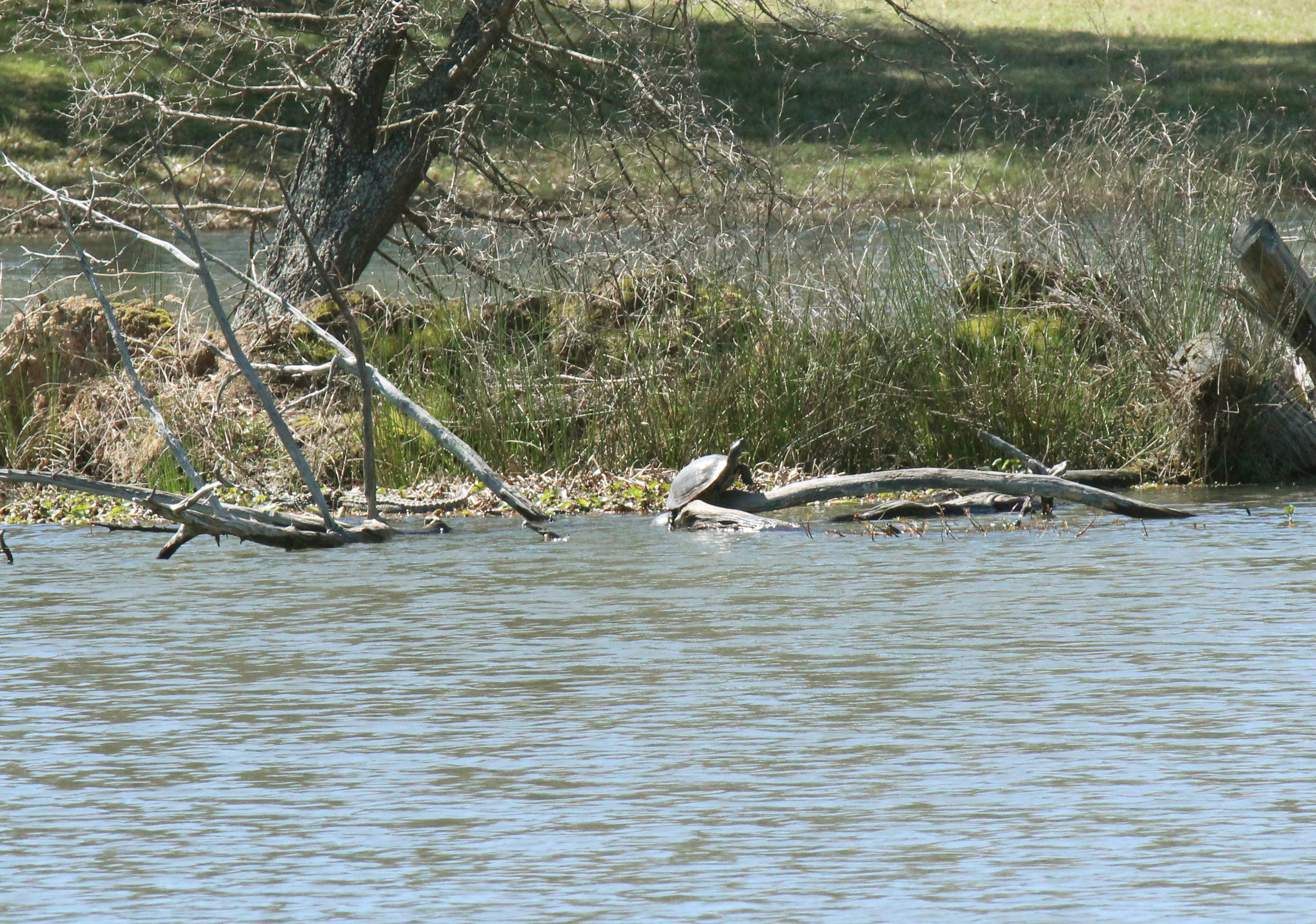 Do you see the American Alligator?
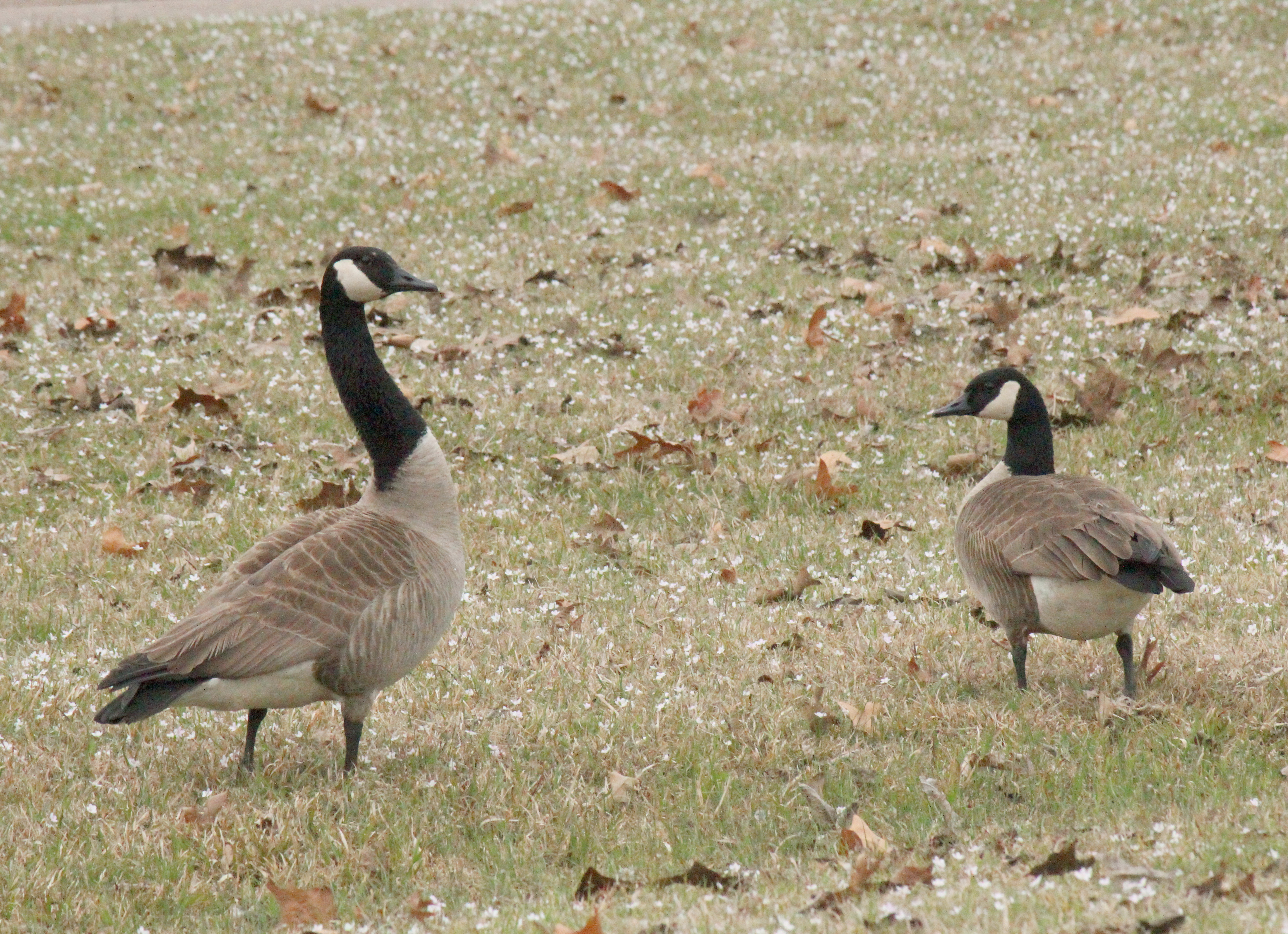
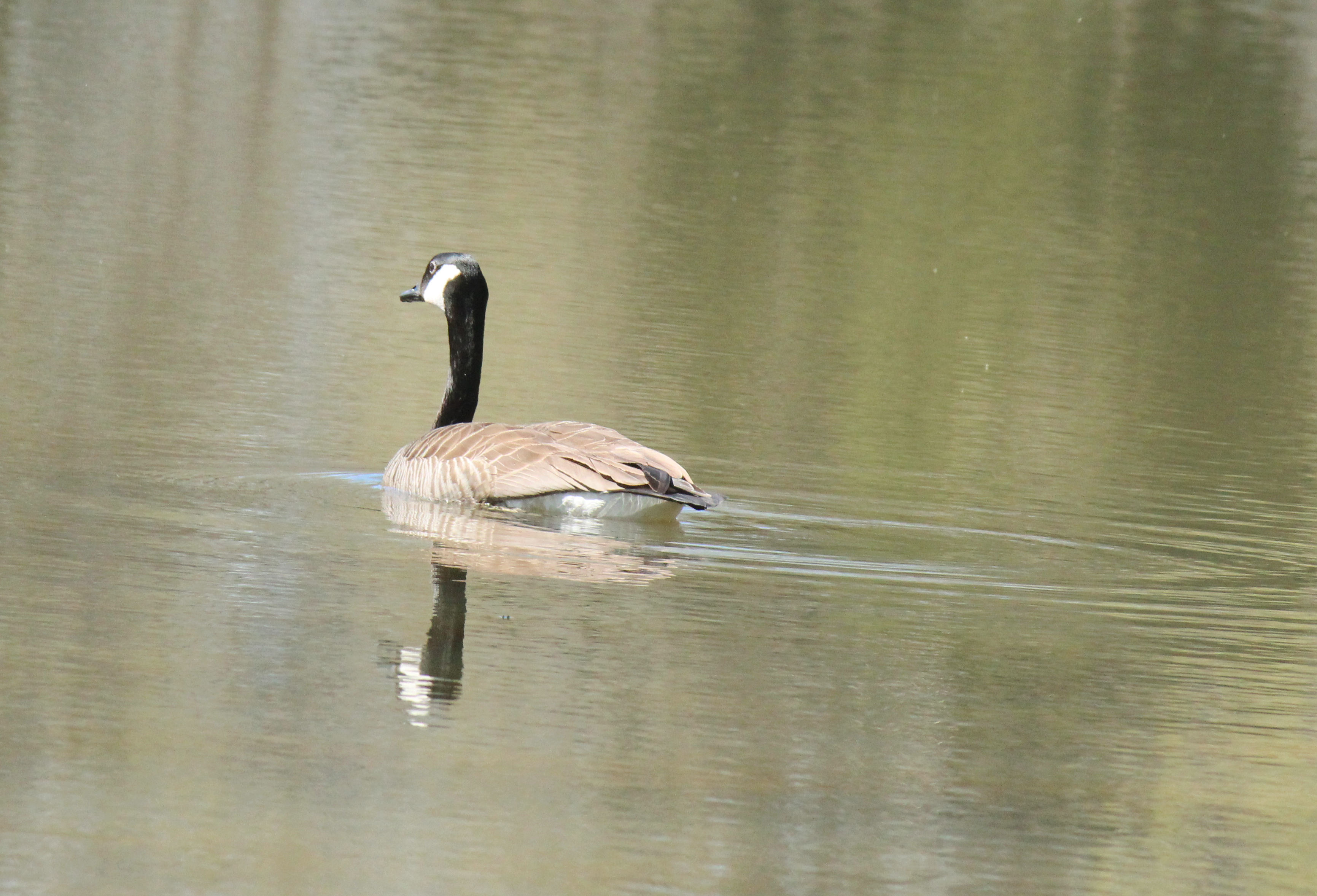 Canada Goose
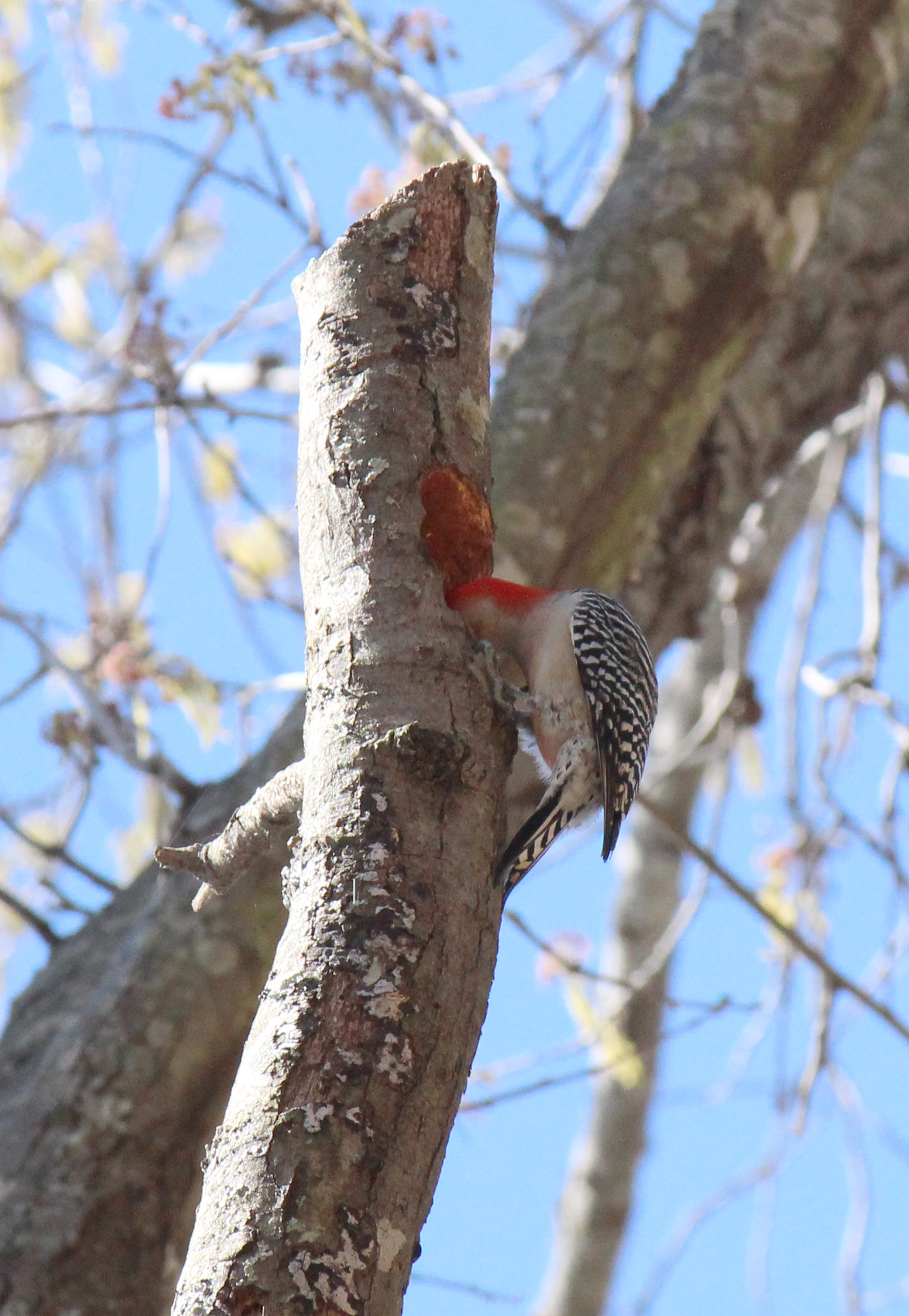 Red-Bellied Woodpecker
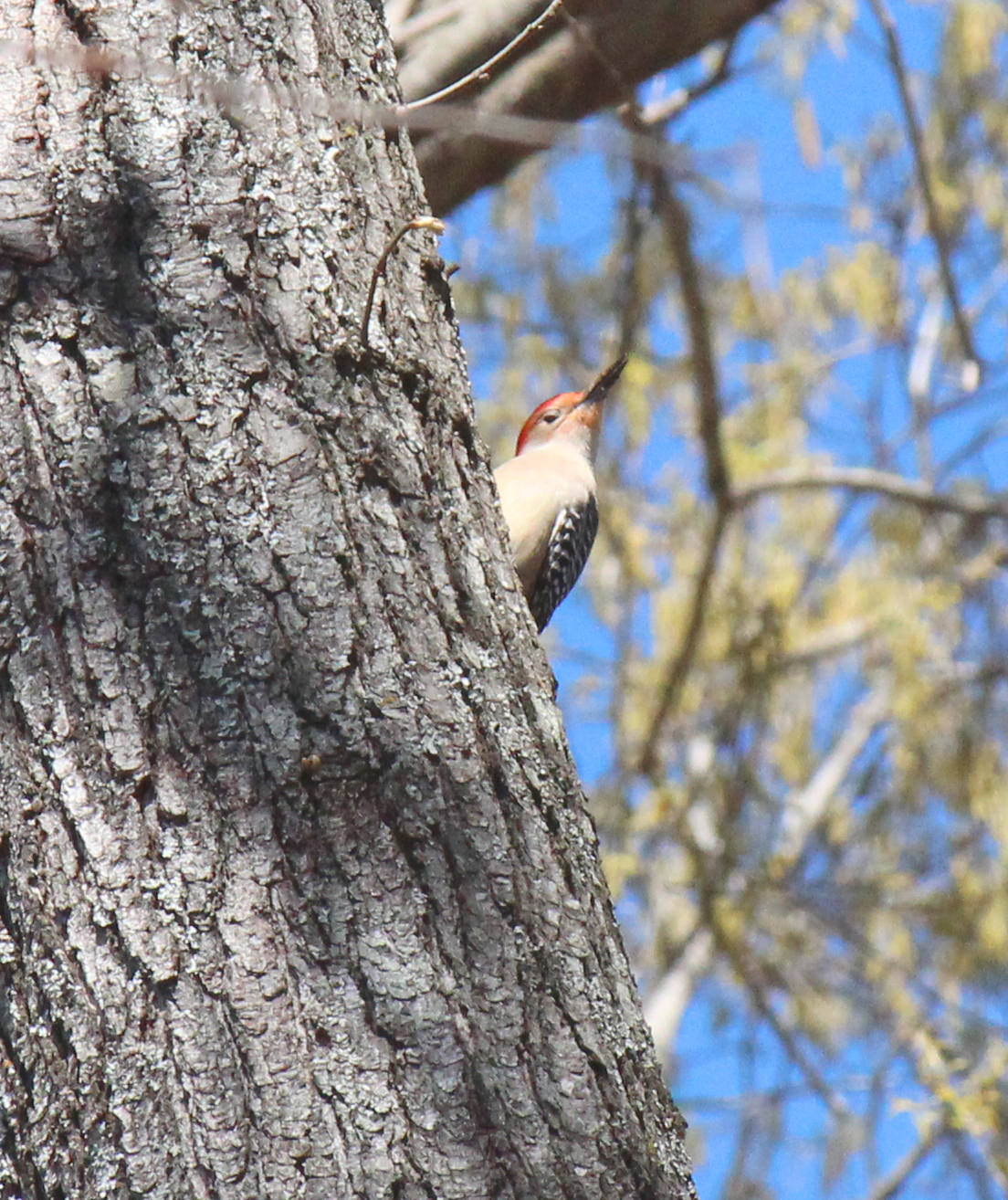 Red-bellied Woodpecker
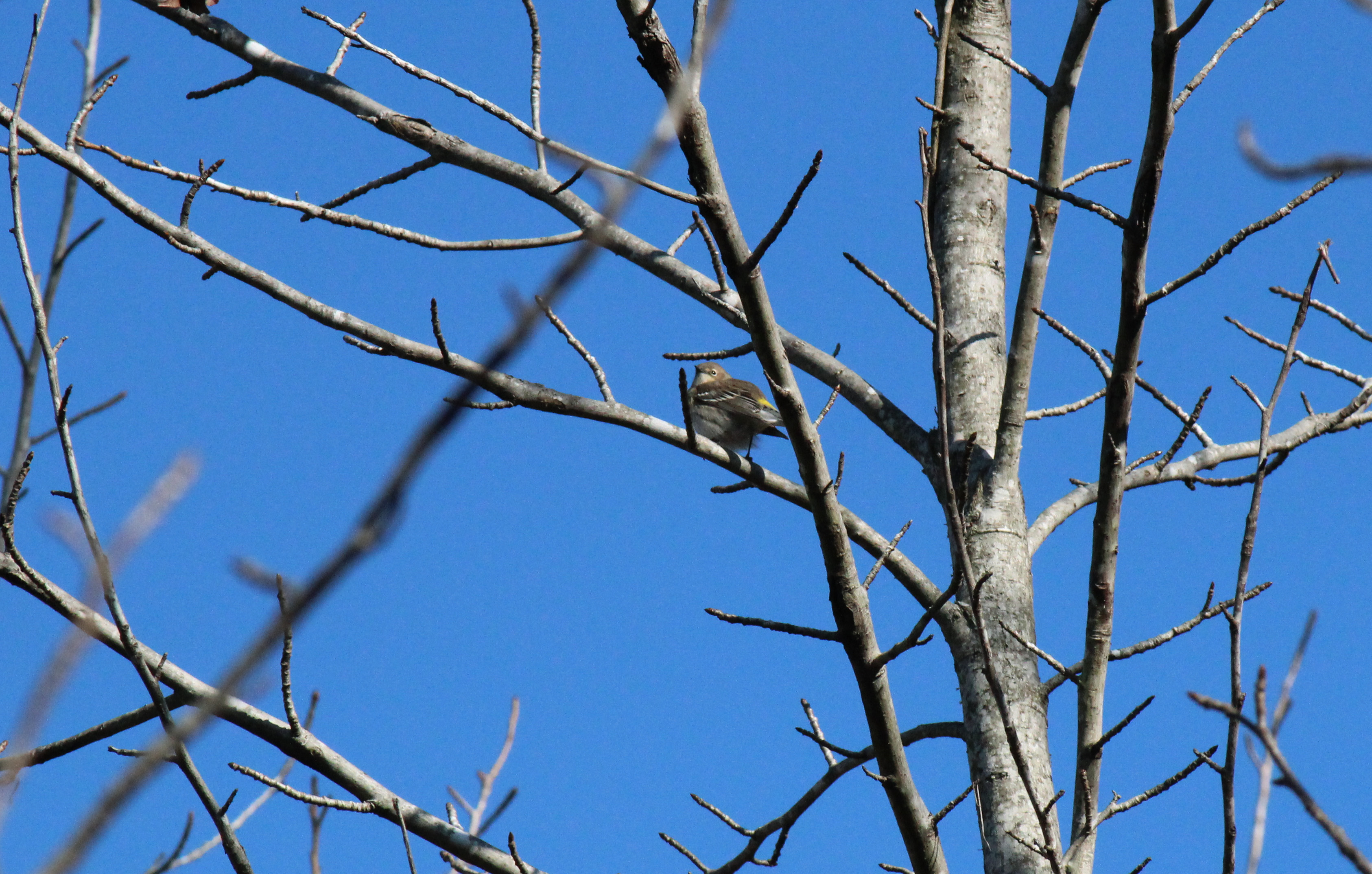
 Yellow Rumped Warbler
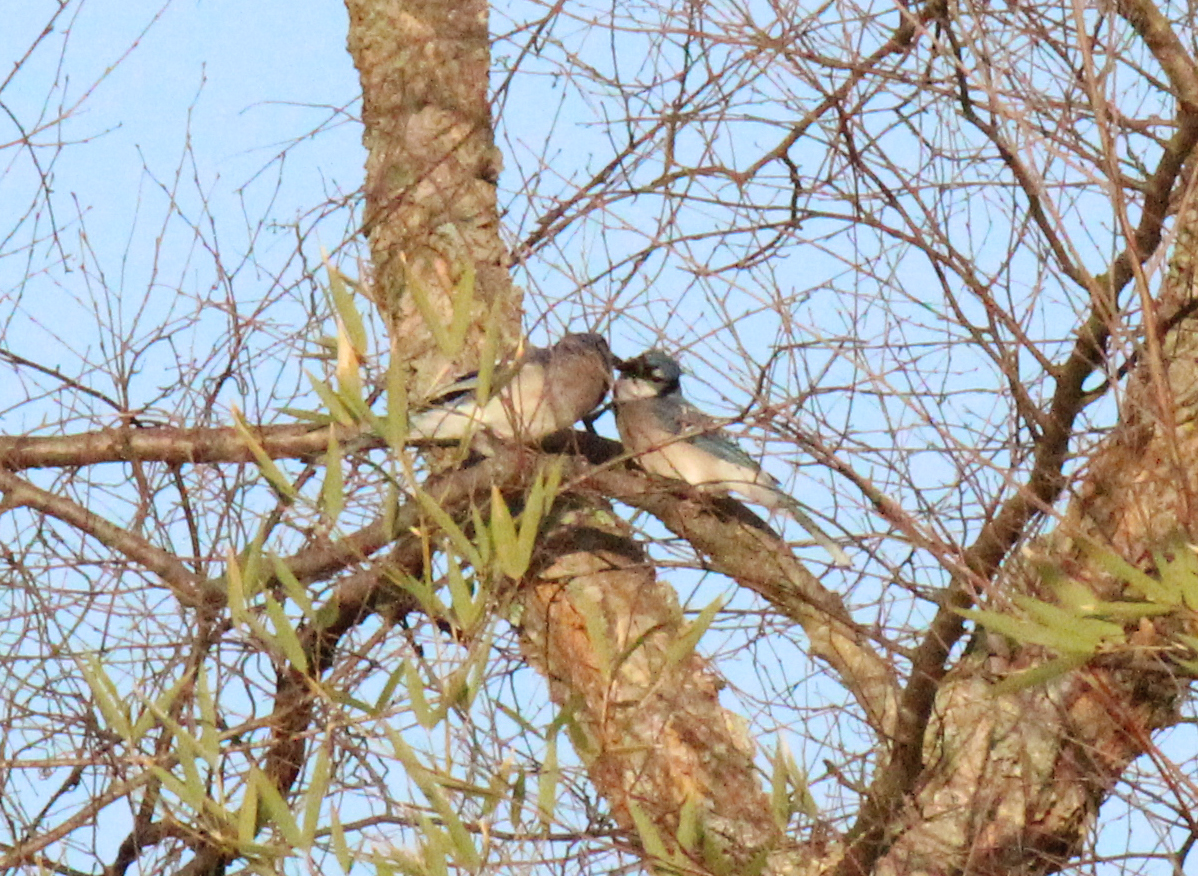
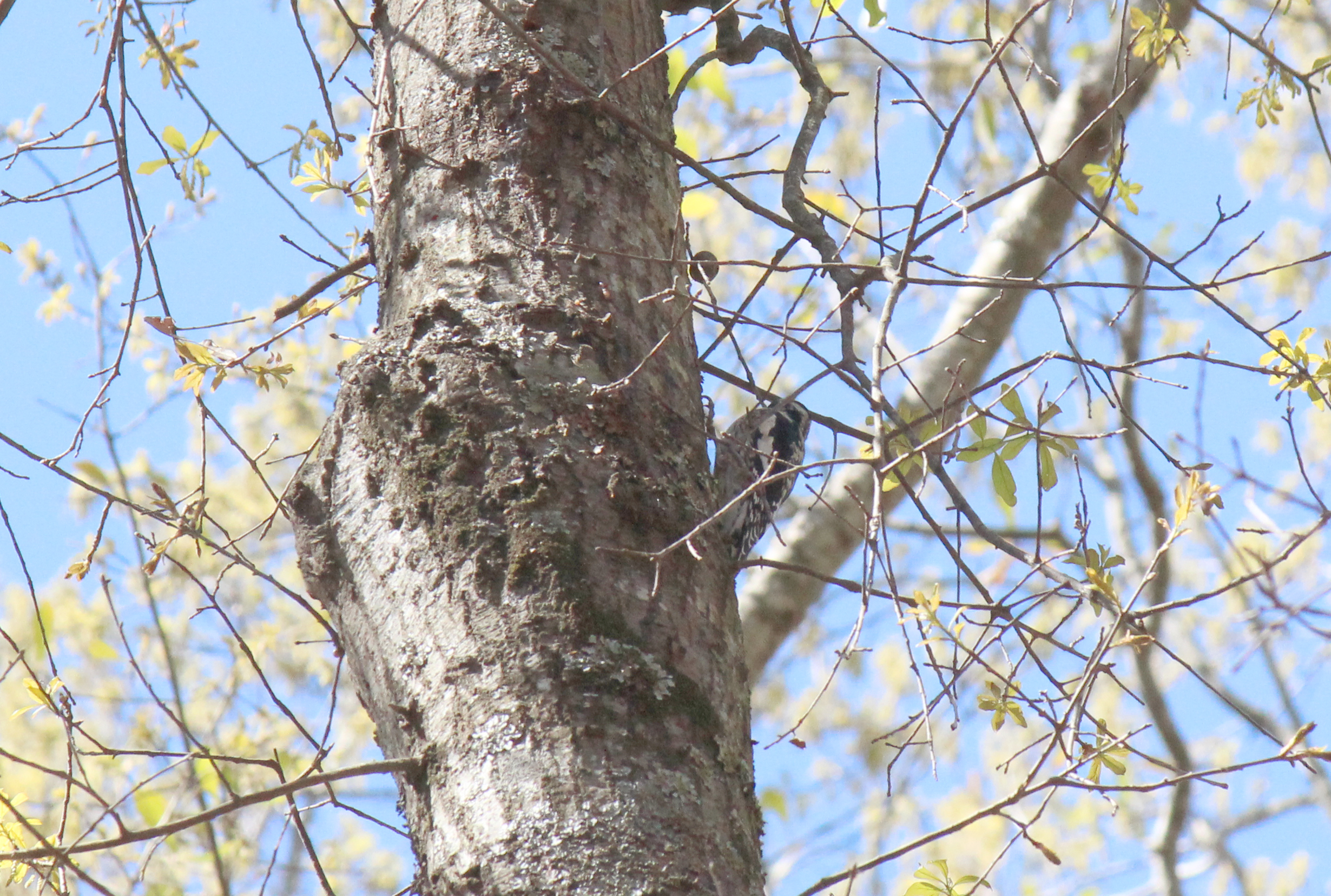 Hairy or Downy Woodpecker
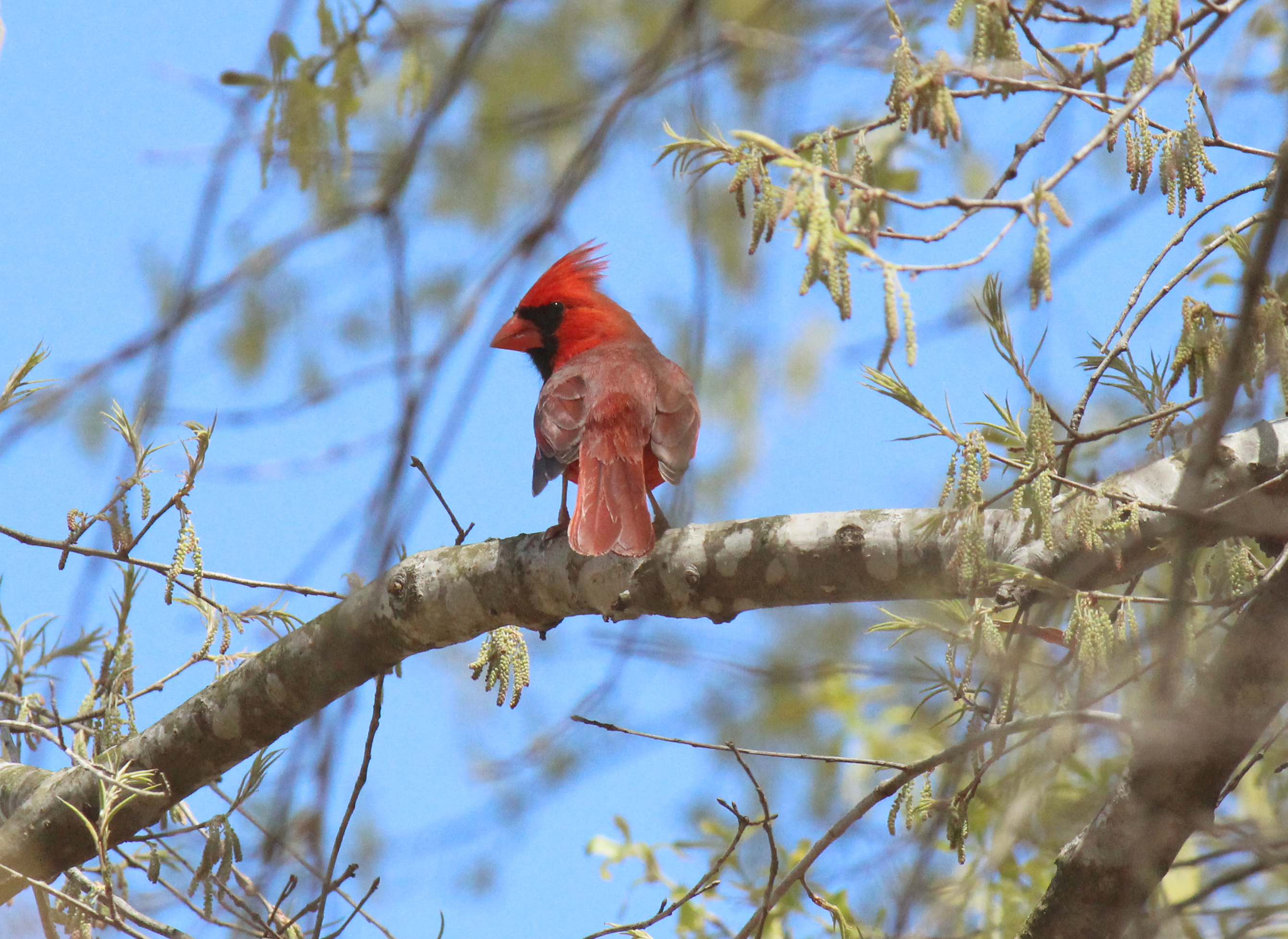 Northern Cardinal
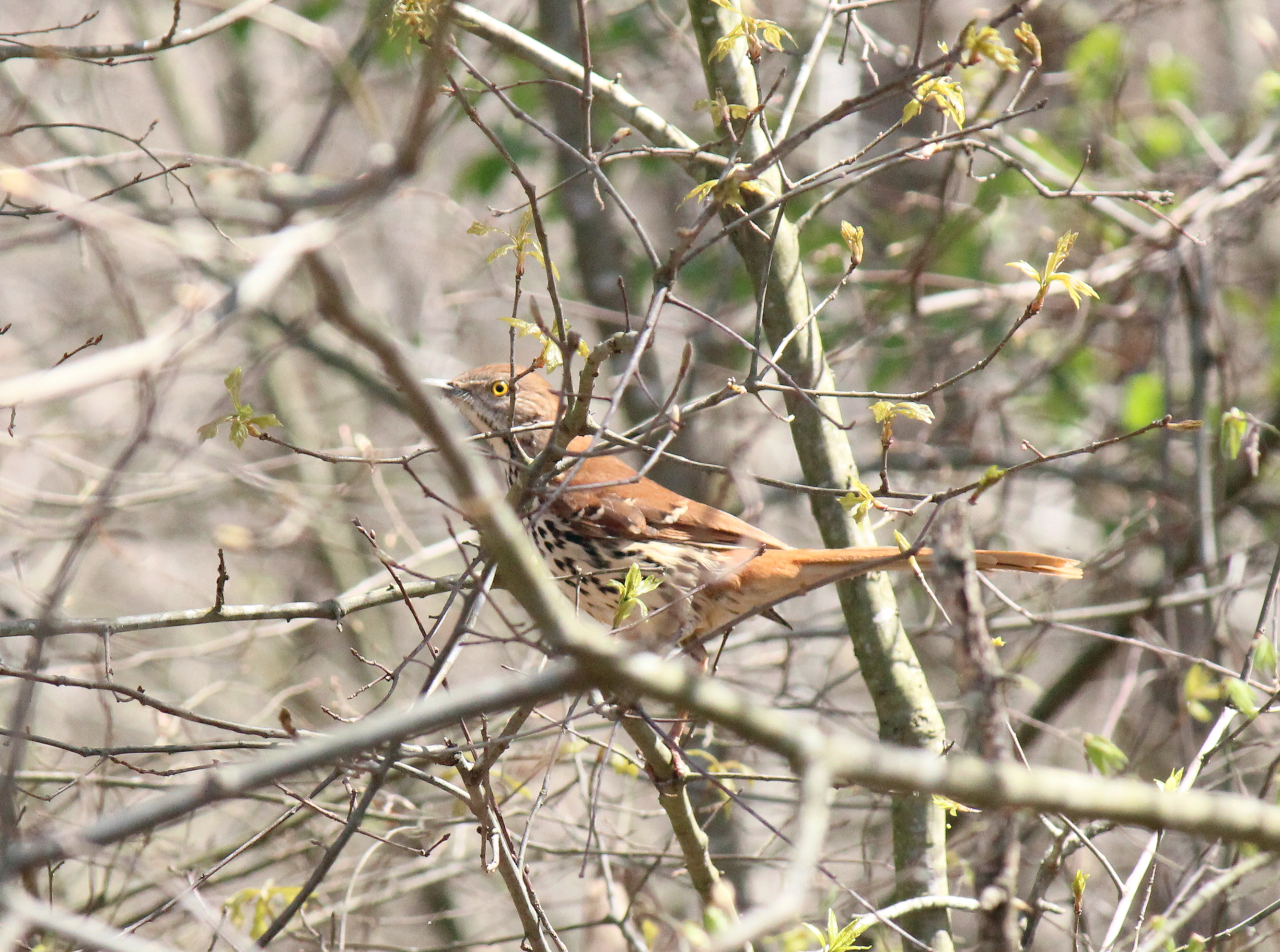 Brown Thrasher
 White-throated Sparrow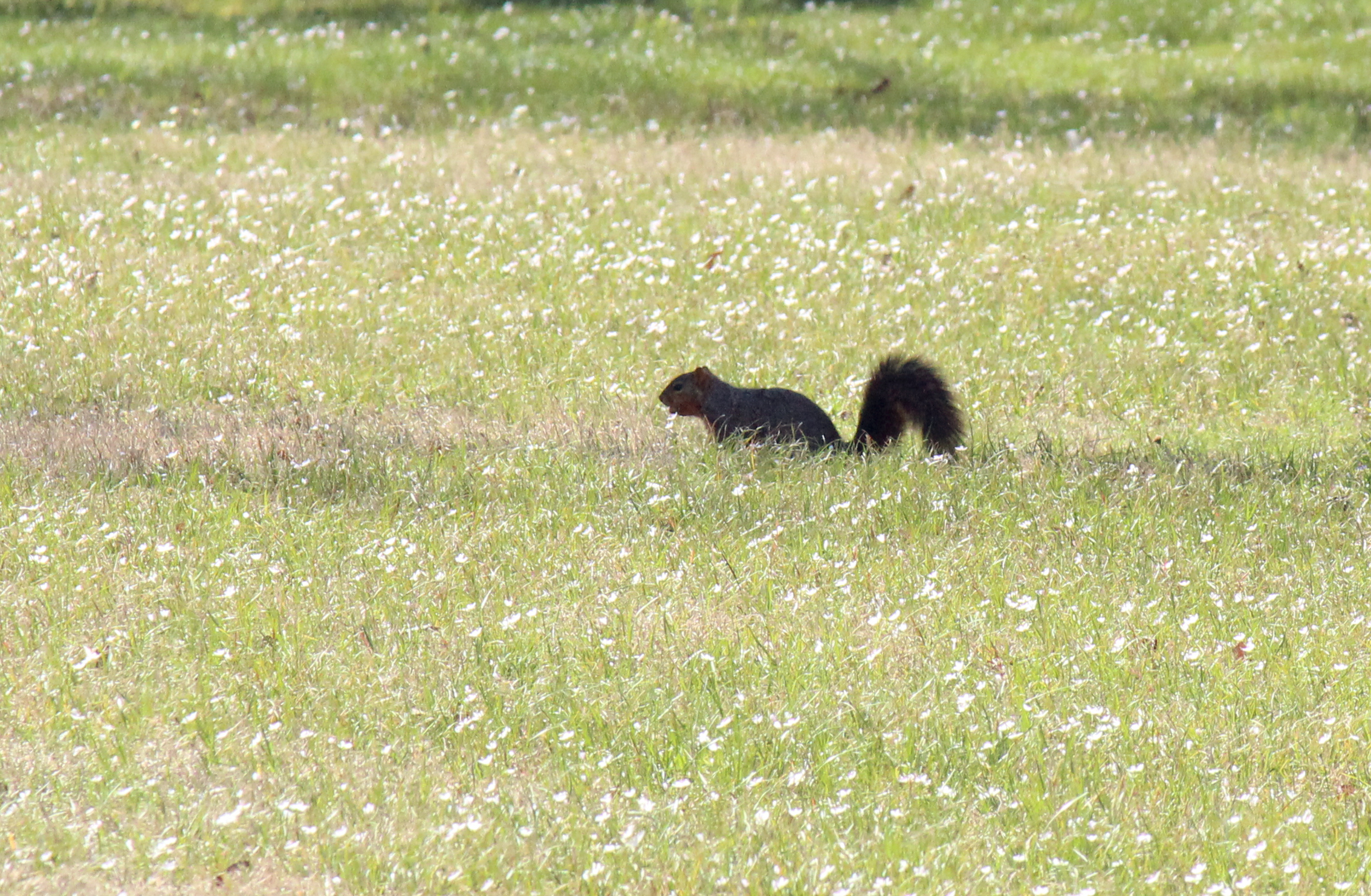

There was plenty of wildlife while canoeing around Moore’s Bayou and the Arkansas Post National Memorial. I was finally able to view an adult Bald Eagle and so much more.

I didn’t fall in.
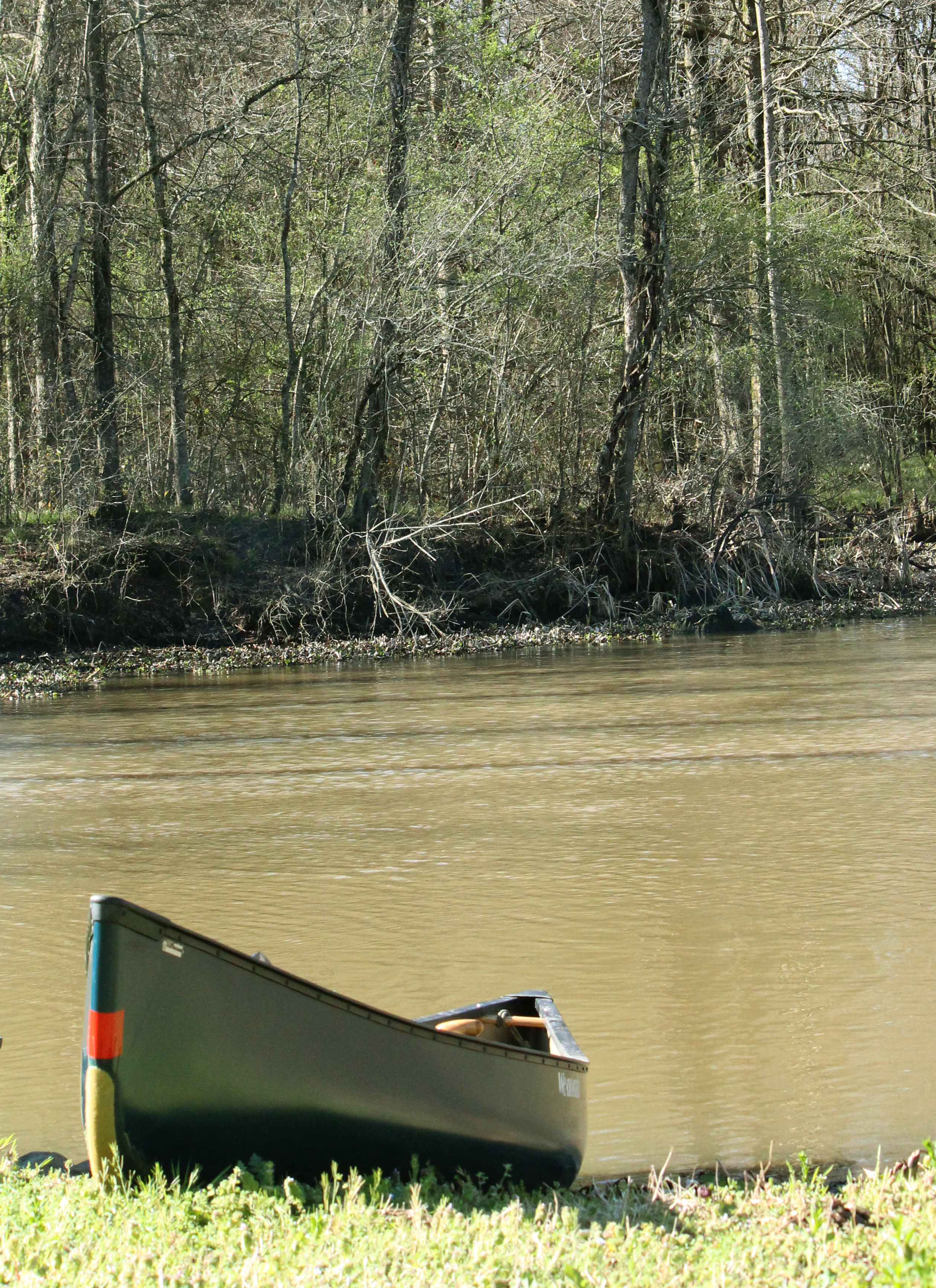
More importantly, I didn’t totally ruin my months-old camera like I feared I would when I first unsteadily got into my canoe for the annual Arkansas Post National Memorial spring bayou float.
Park rangers talked the float up beforehand saying “see Arkansas the way explorers like Marquette and Joliet did, from the bow of a canoe.” I’ll admit, I couldn’t resist.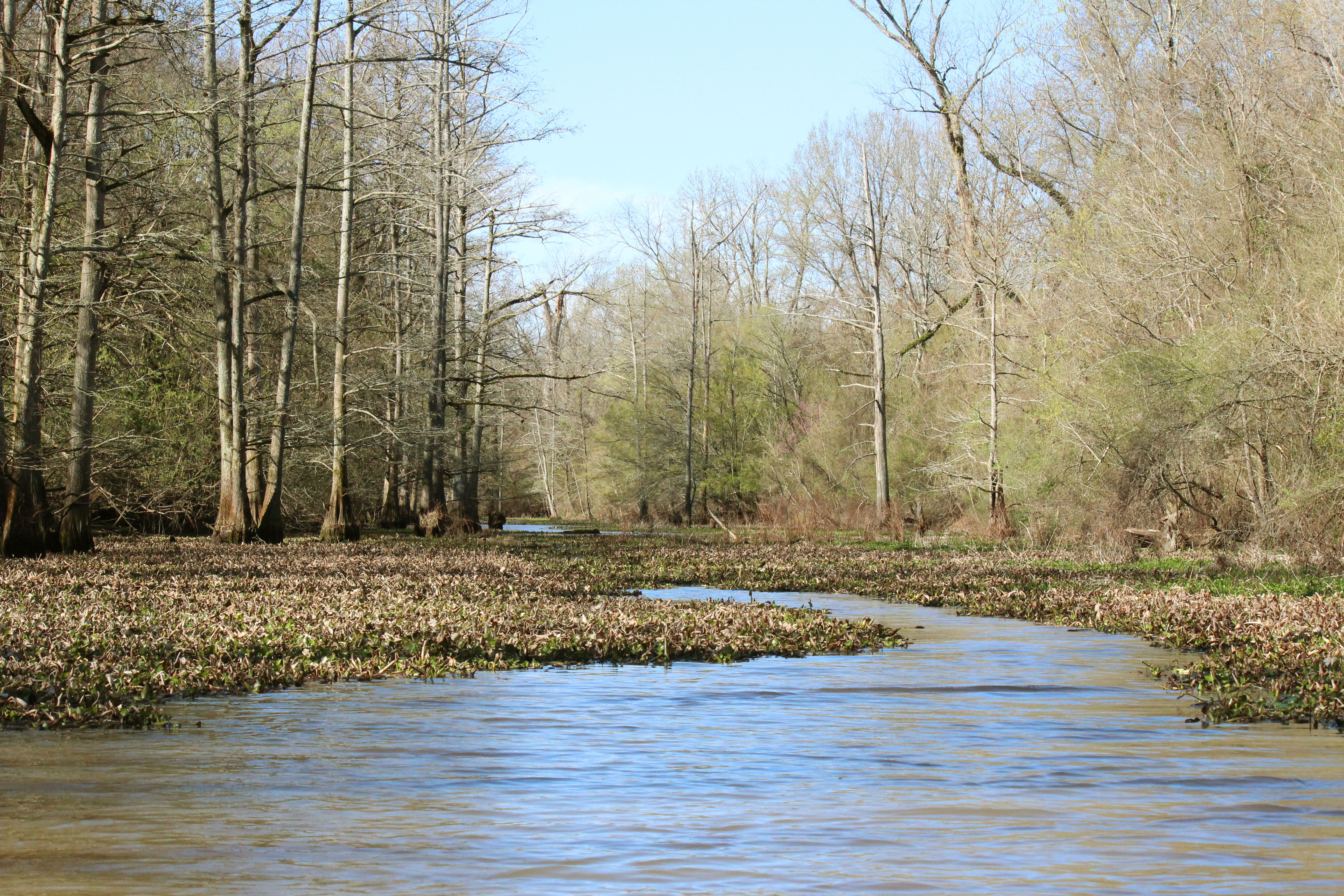
First, they must have had some muscle because pushing through the debris, both natural and man-made, was tough at times. Our seven-person group began at Moore’s Bayou (which you have to pass to get to Arkansas Post) and worked our way north.

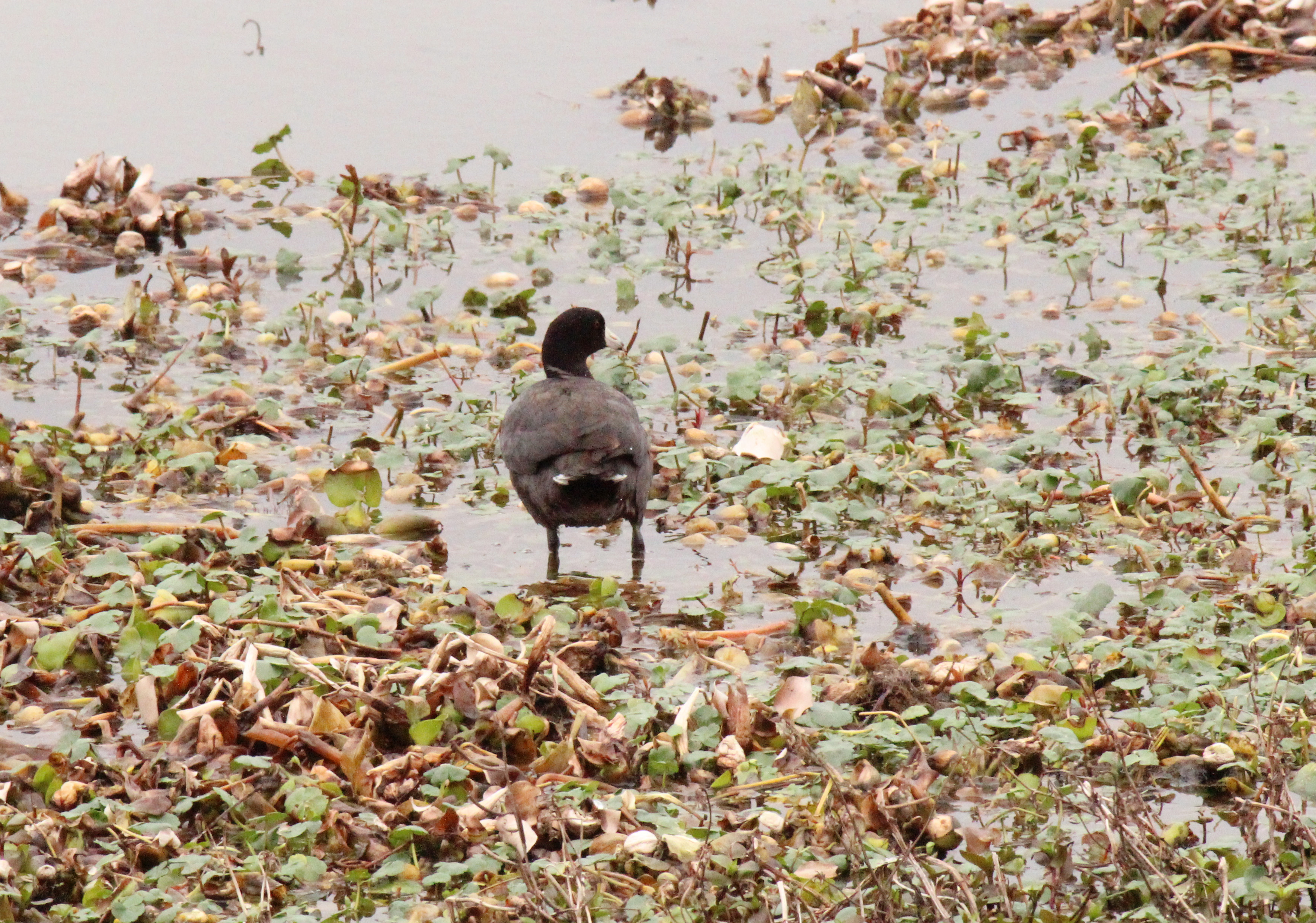
We were fine for a while – I got to take pictures, watch for wildlife and silently plead for the ducks and American Coots up a head of us to just slow down so I could get a good picture. However, we were finally halted by four or five logs that blocked our path completely. We might have still made it by if the water was just a little higher, however, the water level was just too low to get past the logs.
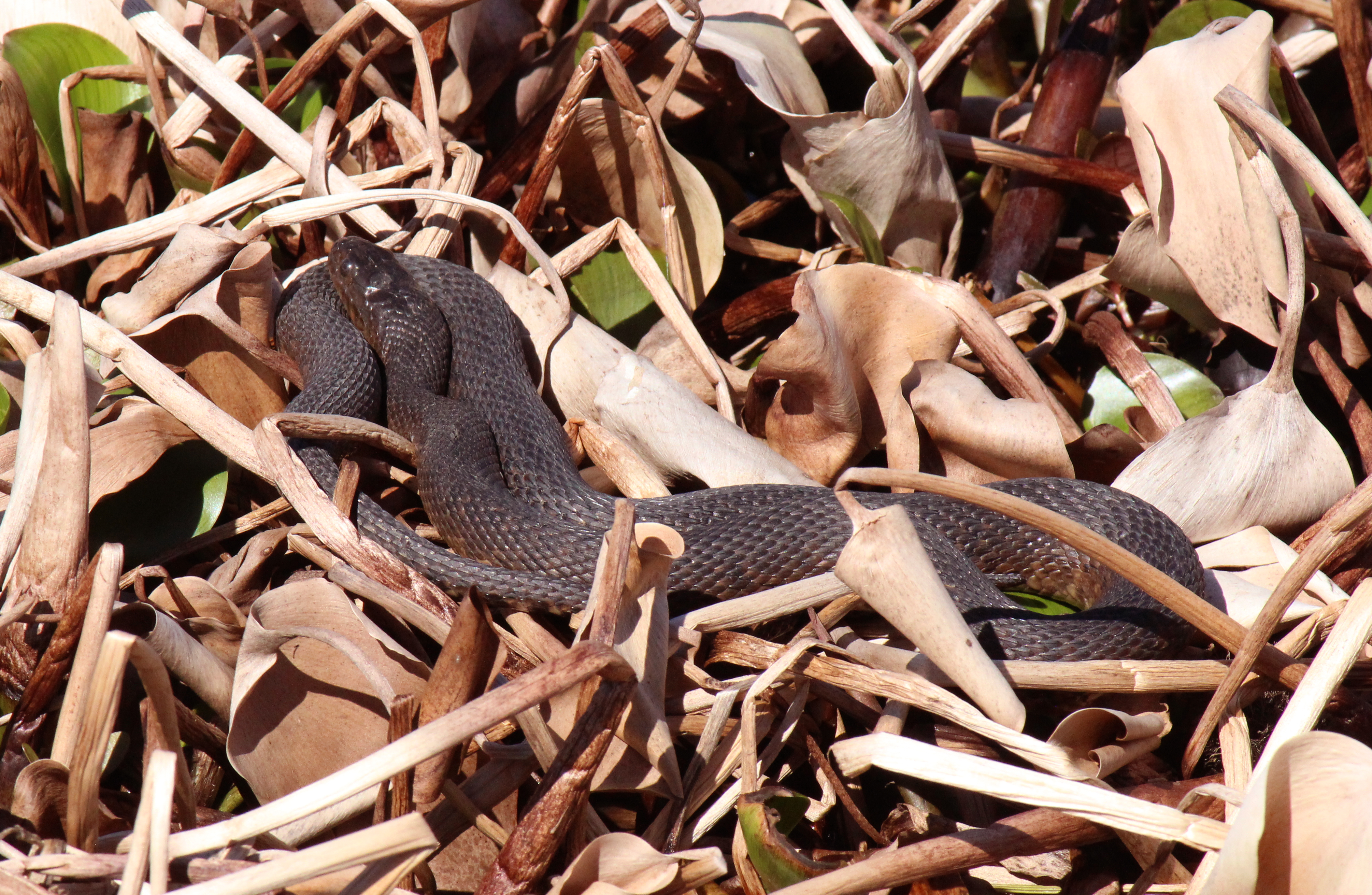
So, we headed back south past the Moore’s Bayou boat ramp and into Arkansas Post territory. Our list of animal sightings grew as we went — we passed a beaver’s dam (hut?), nutria and a mated pair of Bald Eagles that use a local nest annually. The two children of the group — sisters age 7 and 9 — were enchanted. They were more excited, though, to see an American Alligator. Unfortunately, we only got to see the gator’s backside.
Still, it was a pretty great adventure overall for a free two-hour event. I’m now counting down until the next float — a late fall bayou float that will be given in the afternoon since it’s during duck season. Woo hoo!


Last night, I was sorting through pictures from the Arkansas Post and stumbled across this picture.

I love turtles, which probably stemmed from my sorority days (Delta Zeta = turtles). So when I took the above picture, I focused solely on the turtles sunbathing. Not once, did I not the little guy right beside them. Do you see him? Look a little closer…

It’s funny that I got this picture. Just 20 minutes earlier I was telling a park ranger how I really wanted to see an alligator. Well, I got my wish, sort of.

One of the many reasons I love working at a rural newspaper is the various assignments you receive. Sure, there are several you might not want to do but there are more that you do want to cover. I absolutely love it when my job means heading out to a local park or refuge. For an ongoing project, I headed out to Arkansas Post where I was lucky enough to be the first visitor to spot the above bat. The bat’s called Arkansas Post’s visitor center home for more than a month now. I think it’s pretty cool.
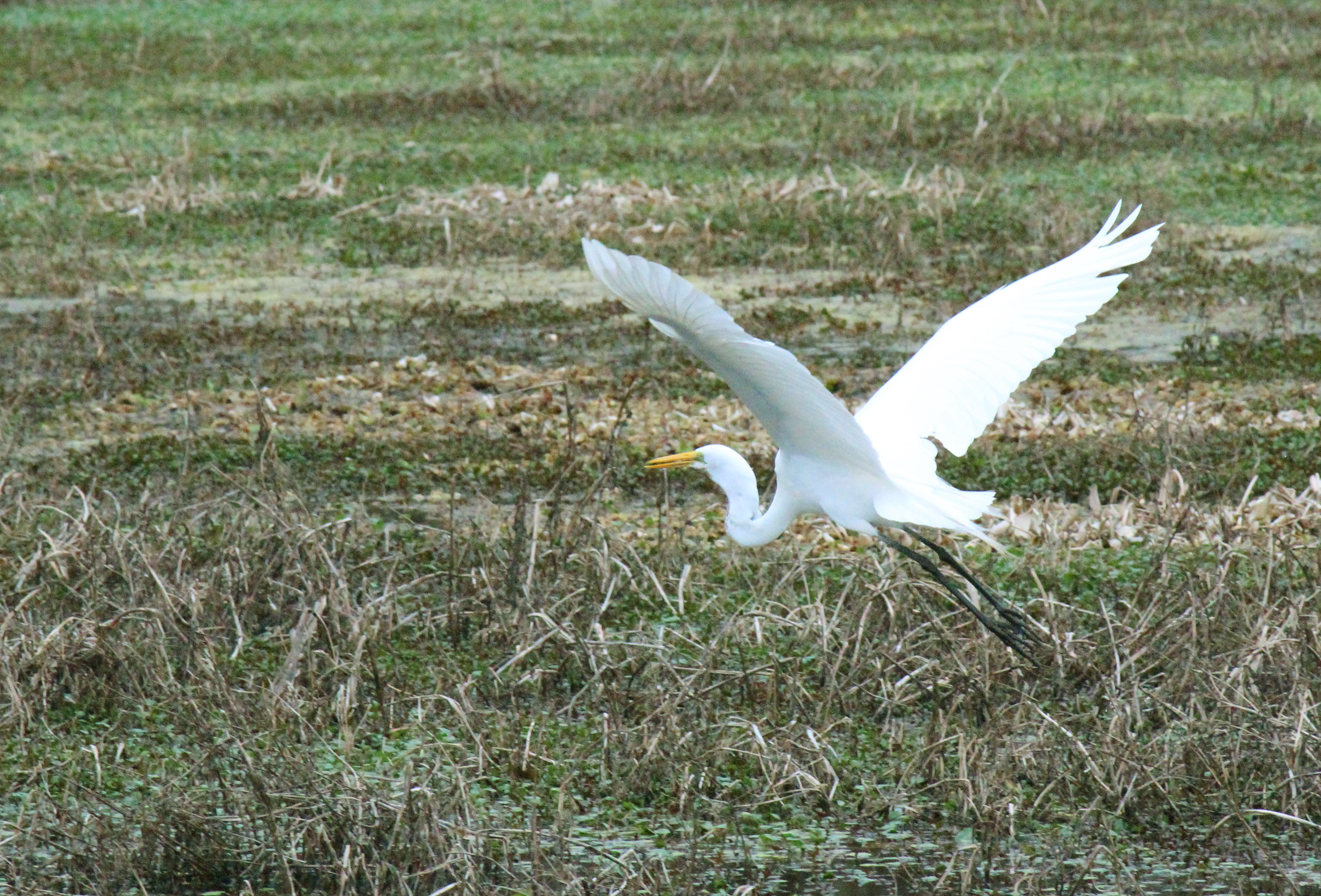
However, it’s not the only wildlife I saw:


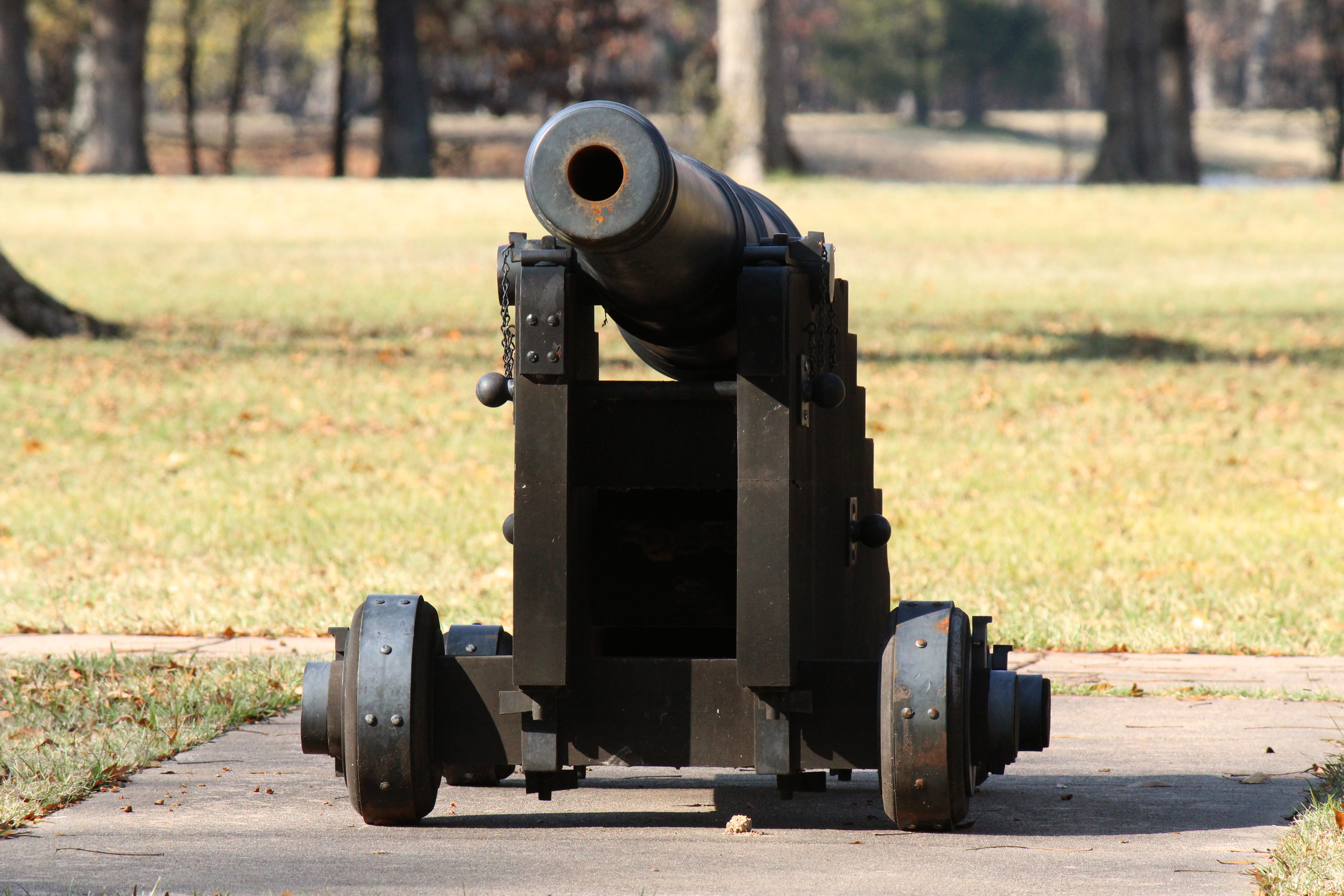
Gillett, Ark. — Spanish explorer Hernan de Soto passed through what is now known as Arkansas County in 1542 followed by French missionary and explorer Father Marquette nearly 160 years later.
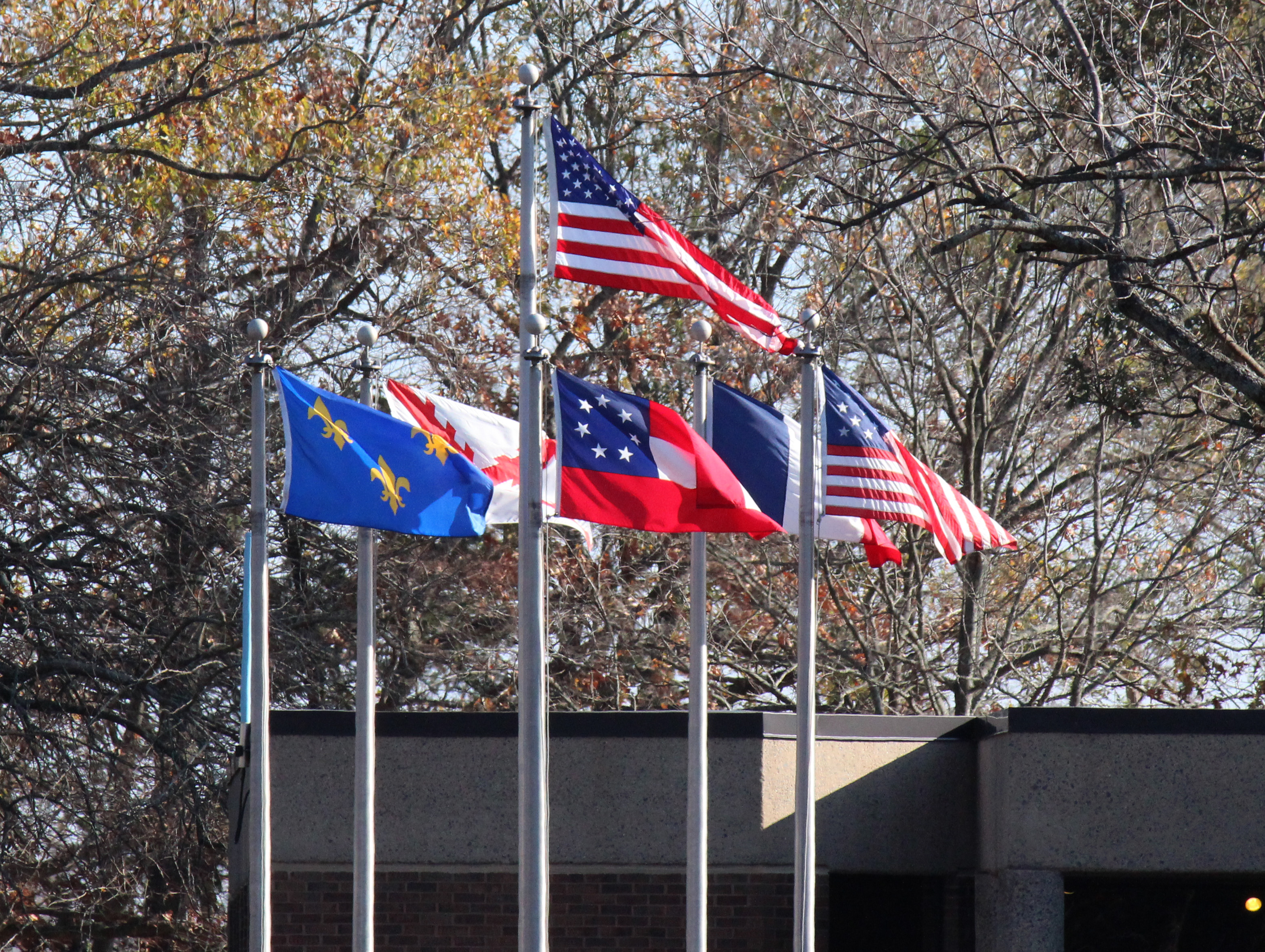
Later, five nations would all fly their flags within this same area. Frenchman Henri de Tonti founded the initial Arkansas Post in 1686 — the first European settlement in the lower Mississippi Vally (it predated New Orleans by 32 years). The area has since flown flags belonging to the French House of Bourbon, Castillian Spain, Republican Spain, Republican France, the United States and the Southern Confederacy.
Arkansas Post became a part of the United States in 1804 and, 15 years later, would become the Arkansas Territory capital. It wouldn’t last though. In 1821, the capital was moved to the newly founded city, Little Rock. Arkansas Post had about 1,000 residents at the height of its political importance in the 1820s and 1830s.
In January 1863, Union forces would capture the Confederate fort at Arkansas Post and destroy much of its town. The Arkansas Post is located along the Arkansas River and is now part of the national park system.


Rediscovering Arkansas with a few detours.
We preserve, conserve, and study the native plants of Arkansas
Our Nicaraguan Journey
Rediscovering Arkansas with a few detours.
Think left & think right & think low & think high. Oh, the thinks you can think up if only you try!" -Dr. Seuss
I previously worked as a news and sports photographer. Recently I have been enjoying wildlife photography. My approach toward bird photos is similar to sports photography. I attempt to capture mostly action and hopefully a unique perspective.
Urbanites in the woods, doing all our own stunts.
WILD IN FLORIDA: Exploring and Photographing Florida's Threatened Ecosystems, Wildlife, and More
by Jo Woolf
Rediscovering Arkansas with a few detours.
Rediscovering Arkansas with a few detours.
Rediscovering Arkansas with a few detours.
 Memos for Me