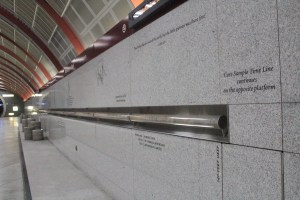
We woke up bright and early today to take the TriMet MAX train to the Oregon Zoo. The zoo’s station was actually an interesting start to our visit. First off, I learned that the station is 260 feet underground and 450 feet above sea level.
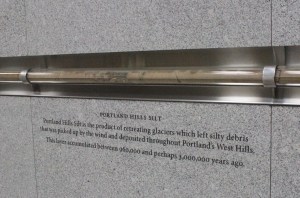
It also had a core sample time line (see above) that told a history of the city’s soil.
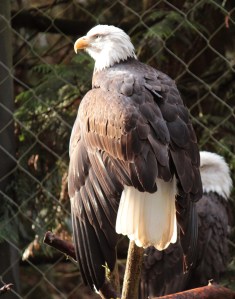
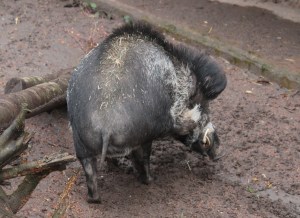
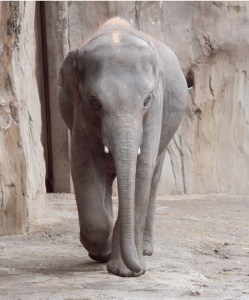
My main attraction at the zoo was the days-old Asian elephant, Lily. However, Lily wasn’t ready to meet the public yet so we visited the other animals. Here’s a few of the ones that interested me:
OtterBald EaglesSheep — apparentlyVisayan Warty PigsA Babirusa, although I personally think it looks like a mini-elephant.Asian Elephant.
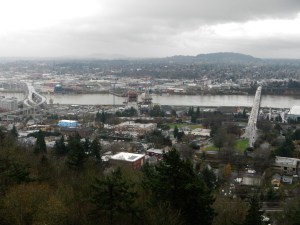
The view from the Portland aerial tram that takes people from the Oregon Health and Science University (OHSU) to OHSU’s hospital.
We began the second leg of our trip today with a tour of downtown Portland. It’s my Aunt’s 50th birthday spent in our 50th state. Here’s some pictures from the day:
A signpost at Pioneer Courthouse Square that lets visitors know how far they are from landmark destinations and cities.
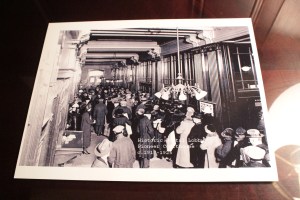
The Pioneer Courthouse was established in 1875 as the U.S. Court of Appeals for the Ninth Circuit.The courthouse used to serve as the post office as well. This hallway used to be filled with people waiting to get their mail or send mail.An old picture with the post office inside the courthouse.
An old courtroom inside the courthouse.A courtroom with a fire place … nice!A U.S. Flag with 33 stars.A Christmas tree at the town’s square.
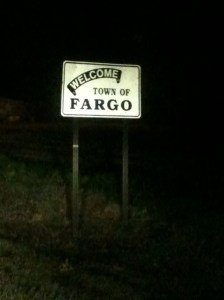
My aunt and I spent less than 24 hours in Fargo, N.D. (with the slight detour into Minnesota). It was my aunt’s 49th state to travel to and we spent the last day she was 49-years-old in the state. We had just enough time to accomplish all we wanted to.
Fargo is a great town and I actually have family who live there. It was fabulous to be able to have lunch with my grandpa’s sister and her daughter. I was even able to catch part of a holiday concert with Majorie Schlossman and Margie Bailey at the Plains Art Museum before walking to downtown to dine at Toscana, which has fabulous Tiramasu and tortellini pasta.
It was only during lunch that we remembered that Fargo was home to Federal District Judge Ronald Davies, who presided over the 1957 integration of Central High School in Little Rock. He was assigned after Arkansas’ judge asked to be relieved. My aunt now works as an interpreter for the school, which is now a national historic site. It was during a discussion of Central High that we learned that Fargo has recently named their newly built high school after Judge Davies. We had to go see it.
Davies High School for 9th-12th grade students.
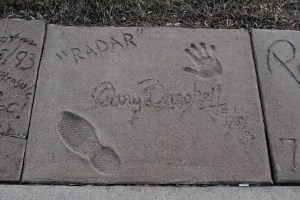
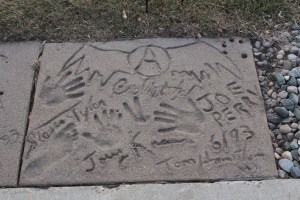
The other main item(s) of interest involved the Celebrity Walk of Fame where we also found the above painted buffalo. Pretty cute! It was neat to see who all the city had sign — it included government officials, children’s performers, athletes, actors, authors, sports announcers, musicians and sports legends. Here’s some of the ones I found interesting:
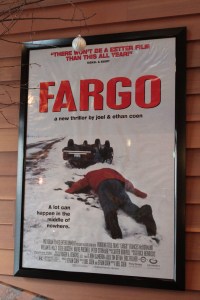
The Celebrity Walk of Fame is at the Fargo-Moorhead Convention and Visitors Bureau so we were also able to catch a glimpse (OK and a picture with) the famous wood chipper from the movie “Fargo.” They even had a copy of the movie for purchase since we have never watched it.
In a nutshell, Fargo, population 105,549, is a great city. However, I will always think of the Fargo as the 98ish-member community in between Stuttgart and my hometown of Wynne.
“So it will go, the dream will move from dream to reality to memories.” – Robert Asp
Our first stop Wednesday was to see how one man’s dream translated into a reality and inspiration for others.
We traveled to Moorhead, Minn., to the Hjemkomst Historical Heritage Center to view Robert Asp’s ship, Hjemkomst (Norwegian for Homecoming).
Asp, a Fargo teacher, dreamed of building a Viking ship and sailing it back to the home of his Norwegian forefathers. It became a reality in 1972 when he began building the ship in a former potato warehouse in Hawley, Minn.
However, Asp was soon diagnosed with leukemia and was unable to complete his dream. He died in December 1980 just months after sailing his completed ship on Lake Superior for its first sail.
His dream still moved forward with family and friends sailed the 16-ton ship 6,100 miles from Duluth, Minn., to Bergen, Norway. The 12-man crew arrived on July 19, 1982.
The Hjemkomst is now housed inside the center, while nearby is the Moorhead Stave Church — the dream of a South Dakota man who donated the church to the Hjemkomst Center and the City of Moorhead.
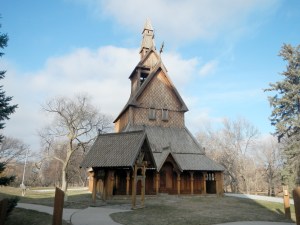
The Moorhead stave church.
Guy Paulson built the church as a replica of the Hopperstad stave church in Vik, Norway, which was across the fjord from the farmstead where his father was born and his ancestors lived.
The Hopperstad stave church is believed to be the second oldest remaining stave church, built around 1140 at the end of the Viking age.
The church served the Vik community until 1877. It was eventually sold to the Society for the Preservation of Norwegian Ancient Monuments. There are now only 28 remaining stave churches.
For Paulson, construction began in January 1997. It took Paulson a year and a half to raise the structure, although the finishing touches would take another three years.
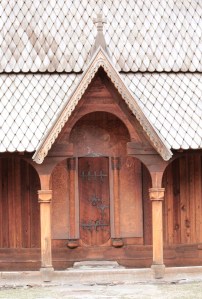
An intricately detailed door to the church.
A walkway of stones curve up to the church since it was believed that evil spirits could only walk in a straight path. The curved stone pathway knocked the evil spirits off course.
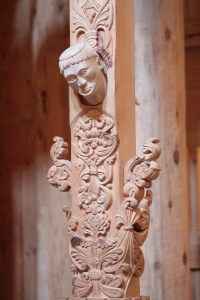
It also has 25,000 rectangular shingles and a window for leprosy victims. According to the center, it uses the Urness Style of using complex patterns of intertwined dragons, plants and other animals. Since the Hopperstad stave church was used for centuries, Paulson also had to recreate patterns from three different periods.
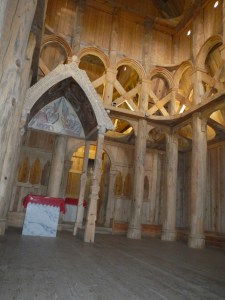
The medieval wooden church did get few modern details — nails were used during construction and it has a reinforced concrete foundation covered with a stone veneer to match the appearance of a Vik, Norway, structure. It also is handicap access, electric lighting, a sprinkler system, thermometers and motion sensors. Here are some more pictures from the church:
Pictures from the stave church in Vik, Norway.The door people with leprosy used.
It’s finally time: We are now at the airport to head to Fargo, N.D. All is going well.
Should I be leery that our trip has gotten off to a really smooth start?
It’s never happened before. We checked in online and was able to go straight to security since we are only bringing carry-on luggage.
There was absolutely no line at security and we breezed through. The only real trouble was when I dropped my drivers license on the escalator and nearly lost it in the darn thing. Plus our gate changed, although that’s not a problem when you are a hour early.
Either way, I’m on the plane and have already ran into a former high school classmate. Pretty interesting!
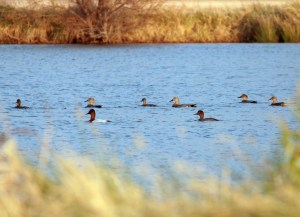
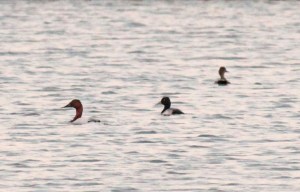
Canvasbacks and a Redhead Duck on my grandparents’ pond.
I wasn’t back home in Wynne long before my parents told me there were ducks on my grandparents’ pond. My grandparents live just a mile down the road from us so, of course, my parents had to drive down to show me.
It was pretty cool — I am pretty sure they are Canvasbacks and a Redhead in the above picture while the below picture has Redheads with a Lesser Scaup.
Rose-Tu has finally given birth to a 300-pound calf at the Oregon Zoo! It’s great news, but you must be asking “why am I, an Arkansas girl, so excited about this?”
It’s easy: I’ll be heading to Portland in less than a week and I really want to see the baby Asian elephant. This is the second birth for 18-year-old Rose-Tu.
She first gave first four years ago and, despite difficulty adjusting, that baby was introduced to the public within a week. I’m hoping for a similar, if not quicker, time-frame for the new baby.
Rose-Tu gave birth to her second calf at 2:17 a.m. today. The Oregon Zoo announced the birth on its blog earlier today, releasing this adorable picture!
It’s actually a pretty fascinating event. The birth came after more than 30 hours of labor and 22 months of pregnancy. Yikes!
The new addition is the 28th baby elephant born at the Oregon Zoo, which is recognized for its successful breeding program for Asian elephants. According to the zoo, Asian elephants are considered highly endangered in their range countries due to habitat loss and conflict with humans. It’s estimated that fewer than 40,000 elephants remain from India to Borneo.
In 2013, Arkansas County will celebrate its 200th anniversary. It was named a county in 1813 by the Territorial Legislature of Missouri after an American Indian settlement, the Arkansas. Yes, it’s older than the state. According to arkansas.com, the Arkansas Territory was organized in 1819 and Arkansas was admitted to the Union as a state in 1836.
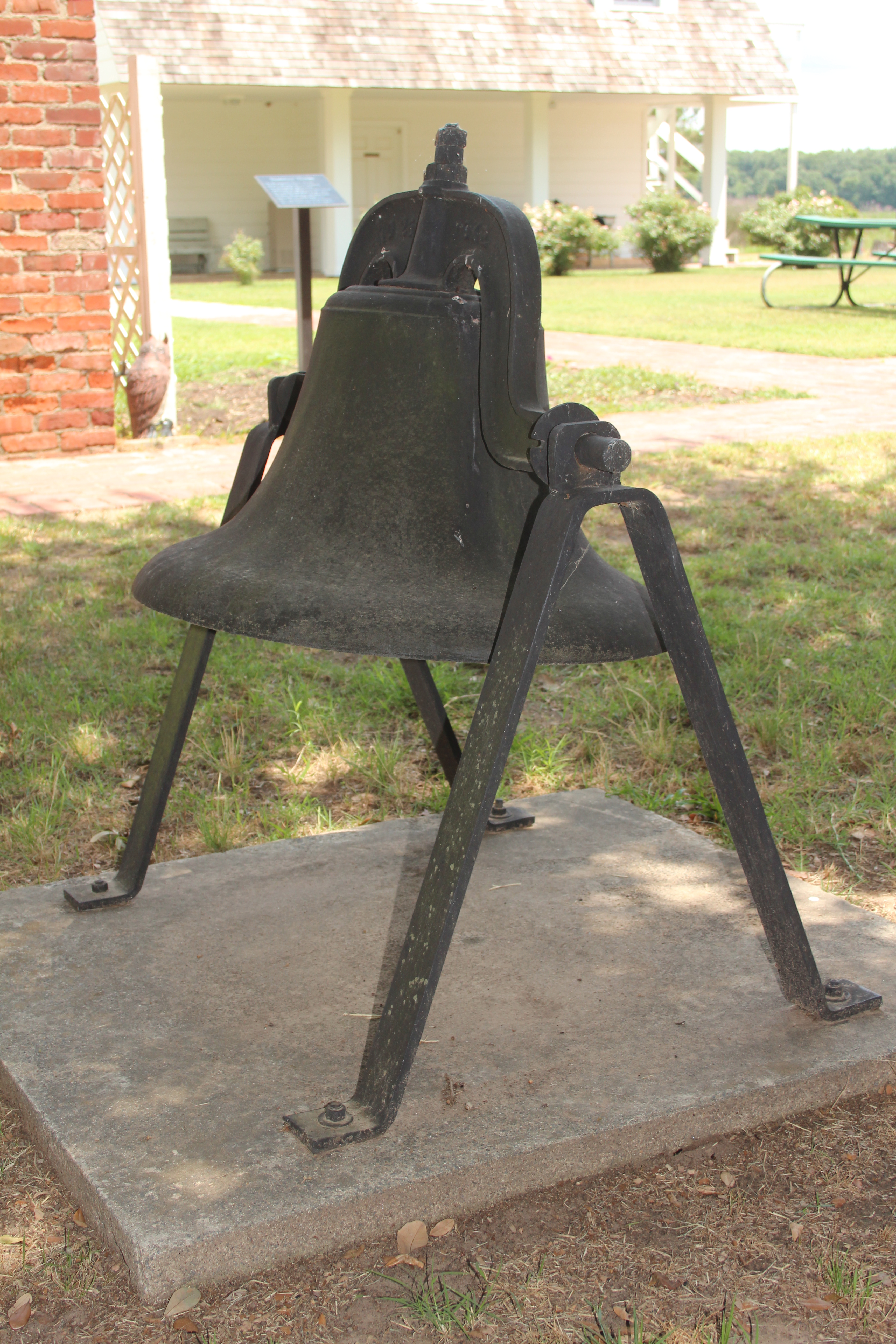
To celebrate, I decided to look back at pictures from my visit to the Arkansas Post Museum. This year marked my first visit to the museum, although I frequently visit the nearby Arkansas Post National Memorial. The museum, established in 1960, is the first county museum in Arkansas.
It focuses on the Arkansas Delta cultural and biological heritage with an emphasis on the Grand Prairie. I’m fascinated with the gallows — the iron piece was built in 1908 and stored in the Arkansas County Jail’s rafters in DeWitt to use as needed for capital punishment. It was never used since the electric chair was invented in 1913.
I also love the historical and cultural artifacts that the museum has displayed, especially the below dollhouse. The dollhouse was built in 1933 for Harriet Jane Carnes Bonner and is life-size. It even has the original toys and furniture as well as a fire place, electric lights and a screened porch.
Nearby are:
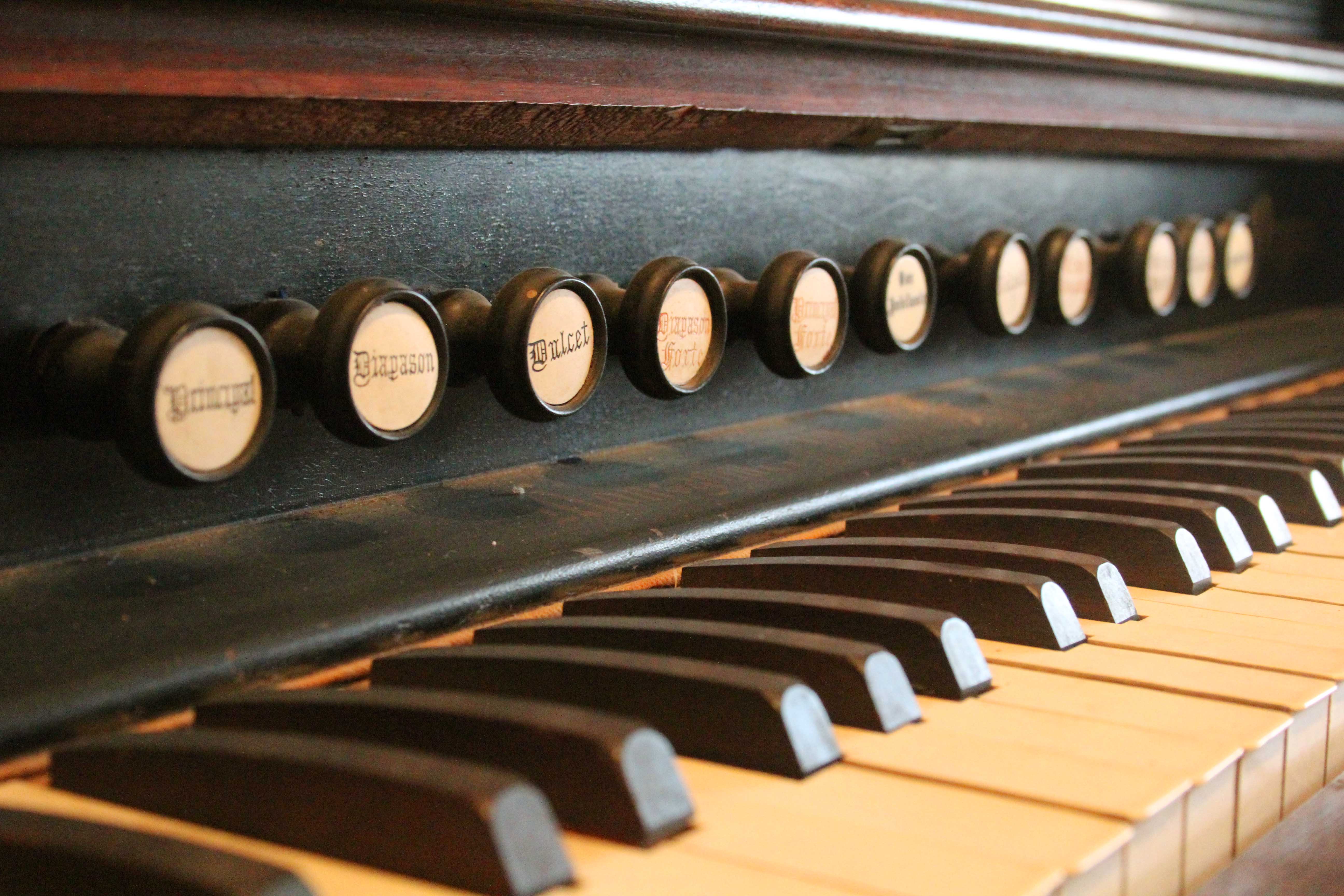
WWI clothing worn by an Arkansas County residentThe main house actually had three pianos/organs in a room. The pieces were gorgeous with great details.
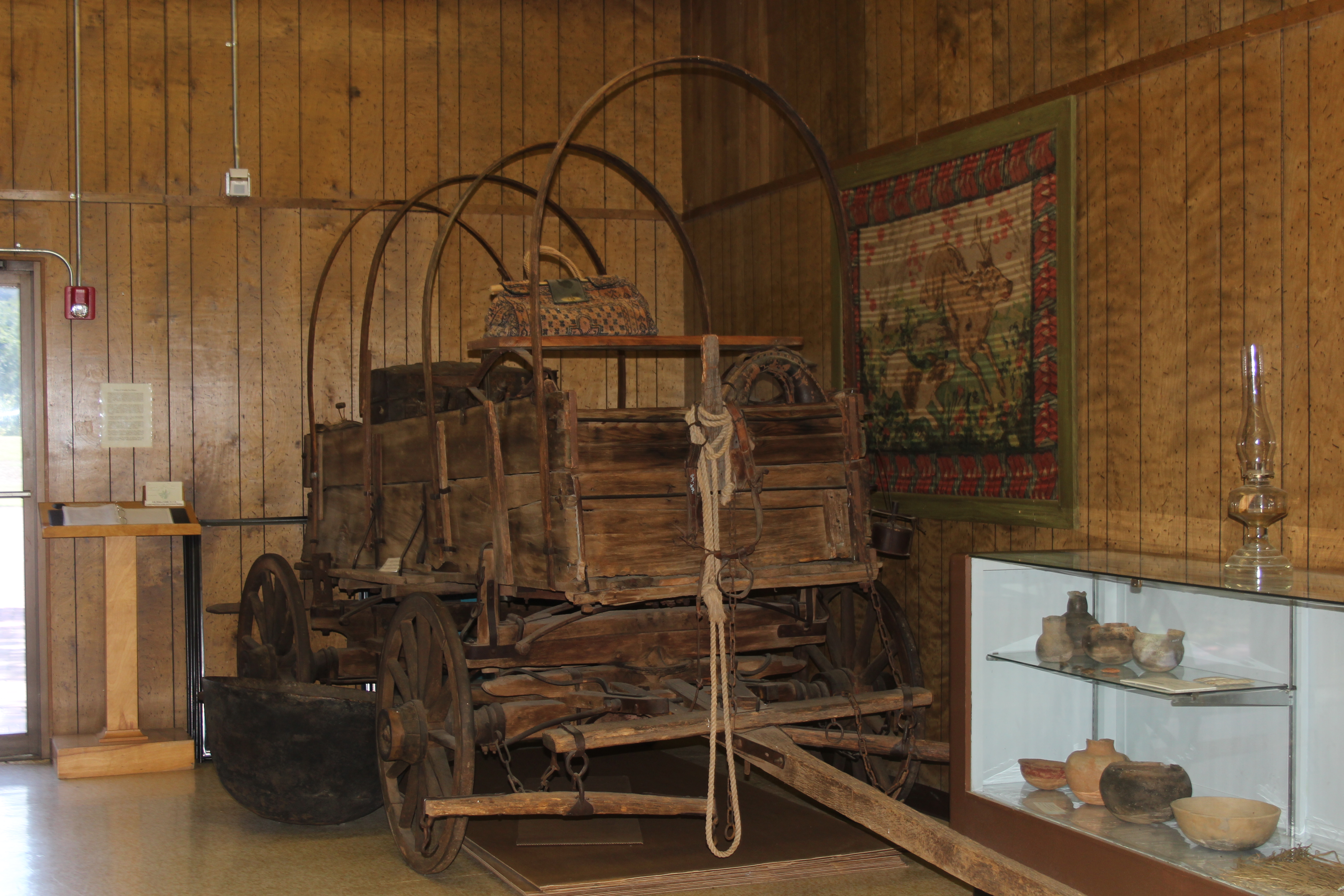
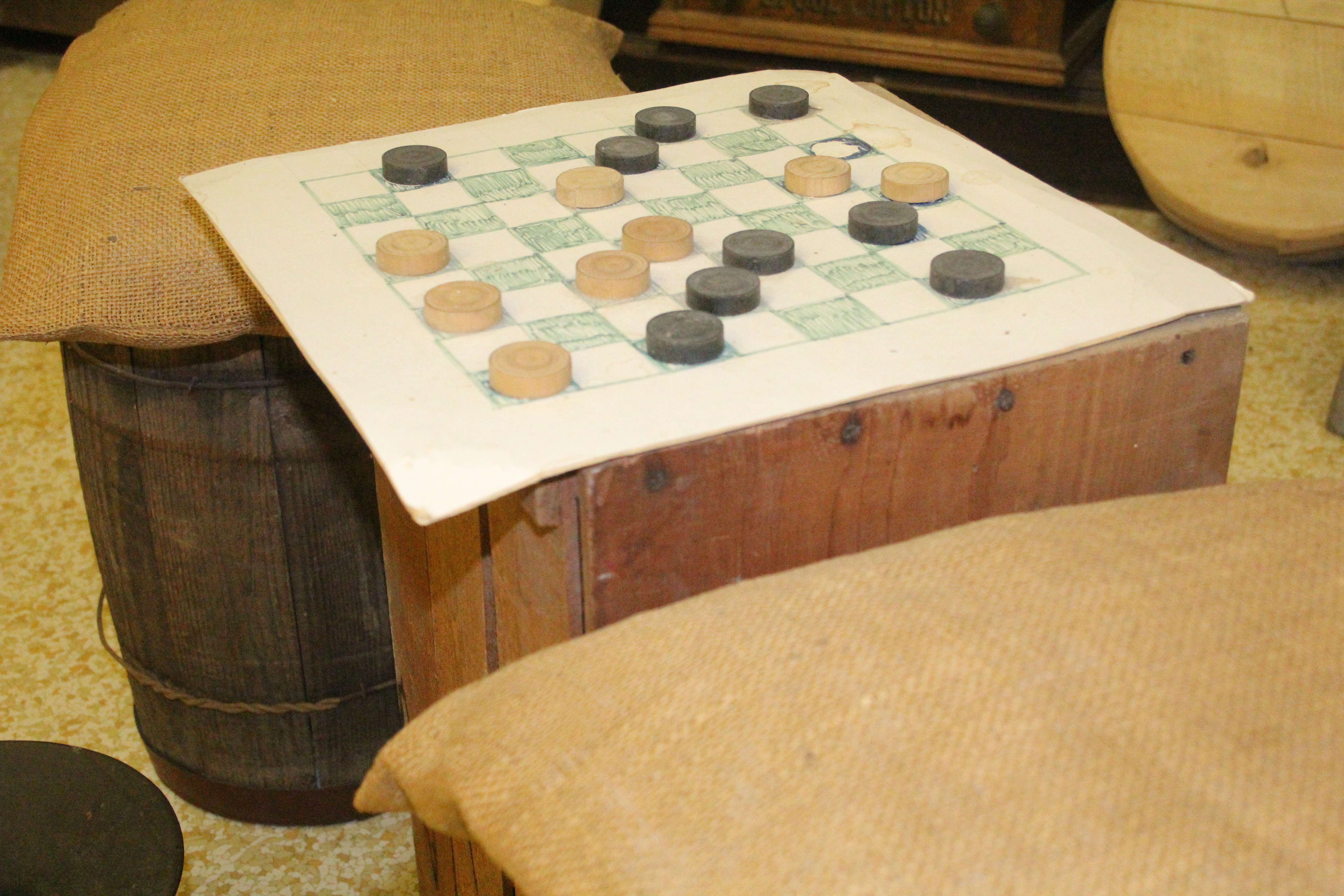
The museum, as the above pictures show, is filled to the brim with fascinating objects relating to the county’s history. It’s worth stopping by to help kickoff the county’s anniversary with a lesson on its history.
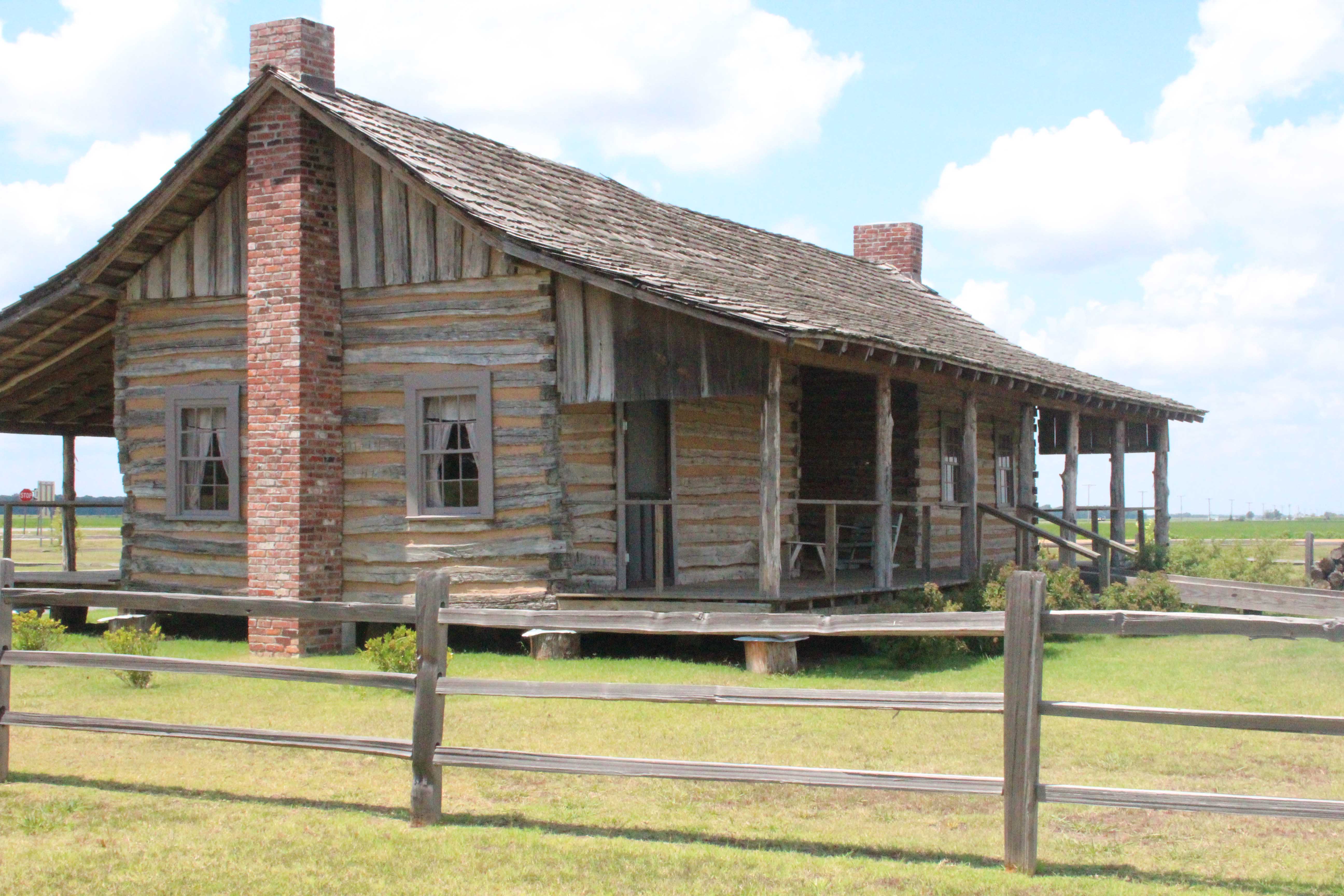
If you do go, don’t forget the Refeld-Hinman Log House! It was built for Amelia Haller Refield in 1877 and the widow actually went on to marry one of the men who helped build it. The house was eventually sold to Curtis Hinman in 1884 and was later restored in the 1930s to serve as the headquarters for the Arkansas Post State Park. The house was moved to the museum once the state park became a national memorial.
I previously worked as a news and sports photographer. Recently I have been enjoying wildlife photography. My approach toward bird photos is similar to sports photography. I attempt to capture mostly action and hopefully a unique perspective.























 Memos for Me