Yellow-bellied Flycatcher

Yesterday, I joined some bird-watching friends visiting Stone Prairie Wildlife Management Area near Mayflower. It was my first time hiking this WMA, which consists of 989 acres with seven miles of gravel roads. It is known for its restored prairies, savannas, and oak-hickory forests. It was previously part of Camp Robinson’s World War II-era field training area.
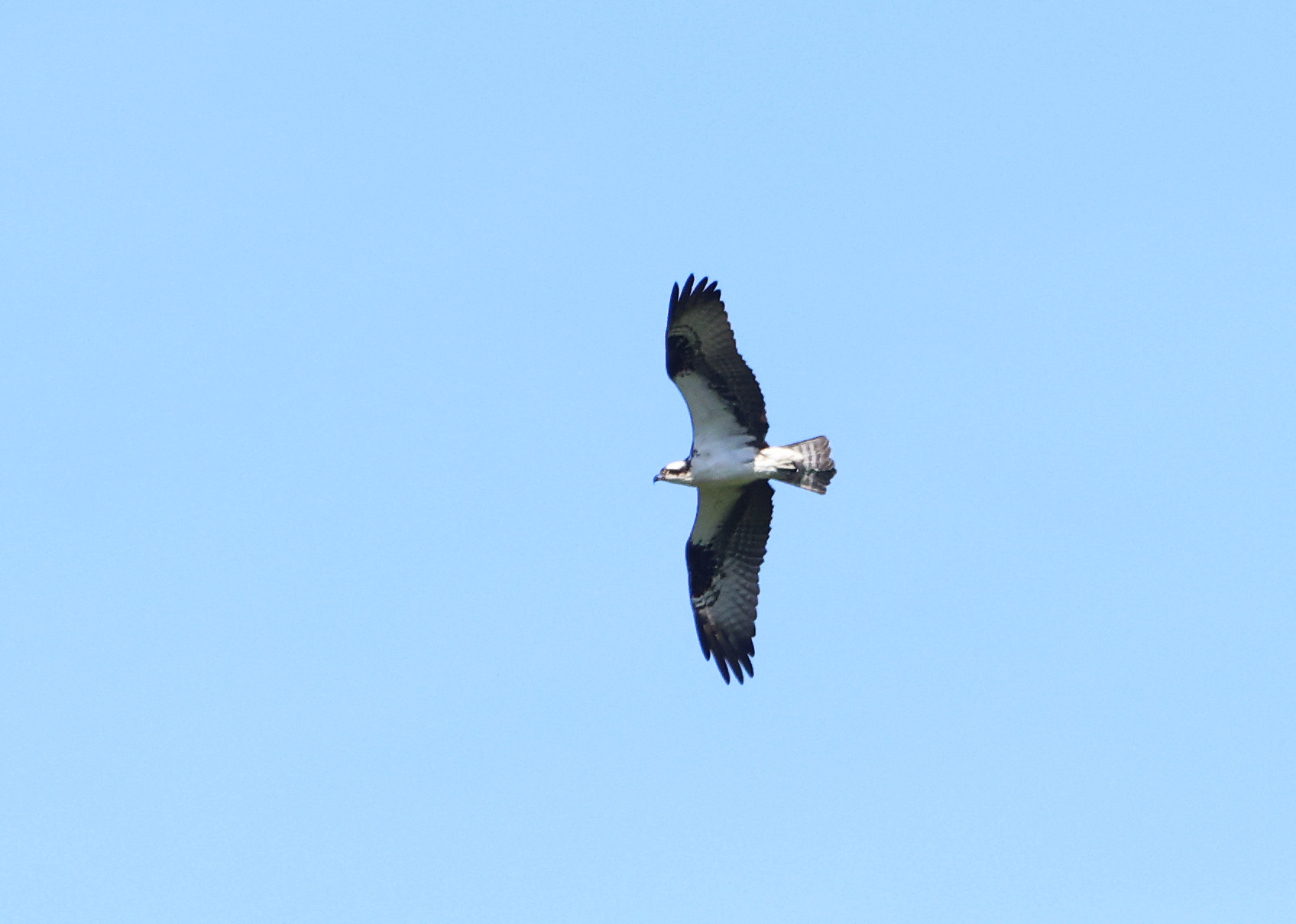
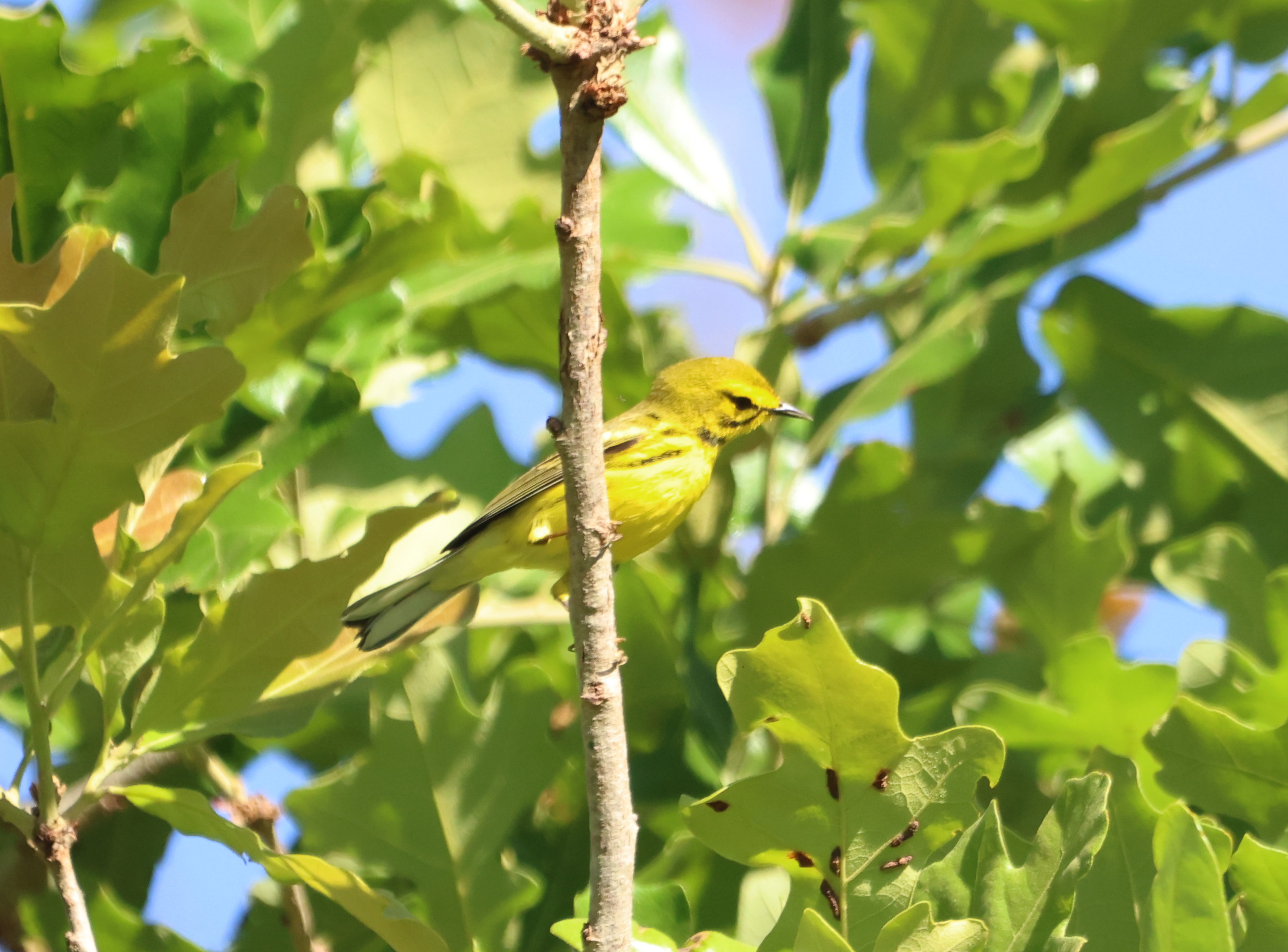
While it will likely never become my favorite WMA to visit, it was a peaceful walk that netted us sightings of several interesting birds, such as a Painted Bunting, Prairie Warblers, an Osprey, and a Broad-winged Hawk.
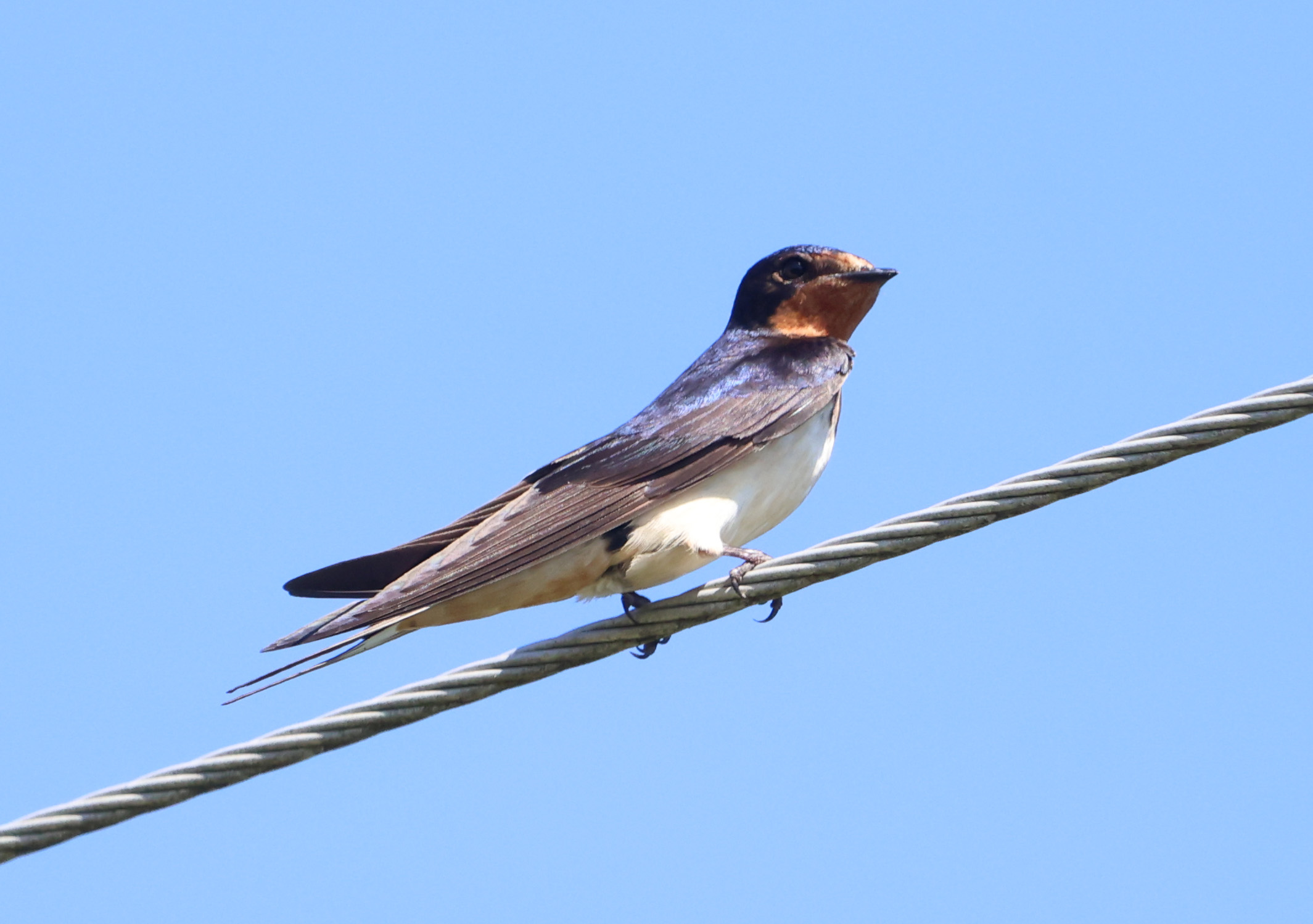
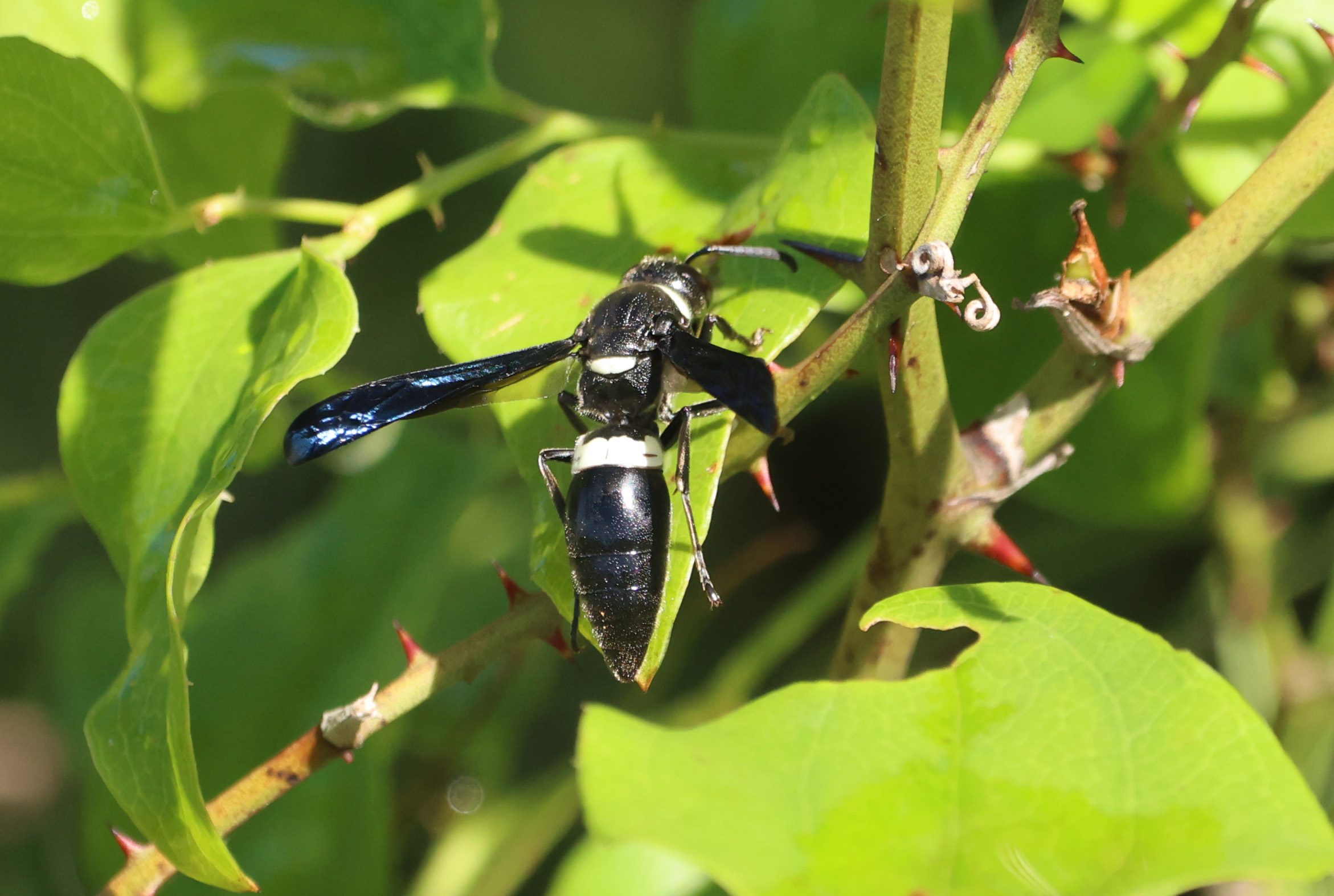
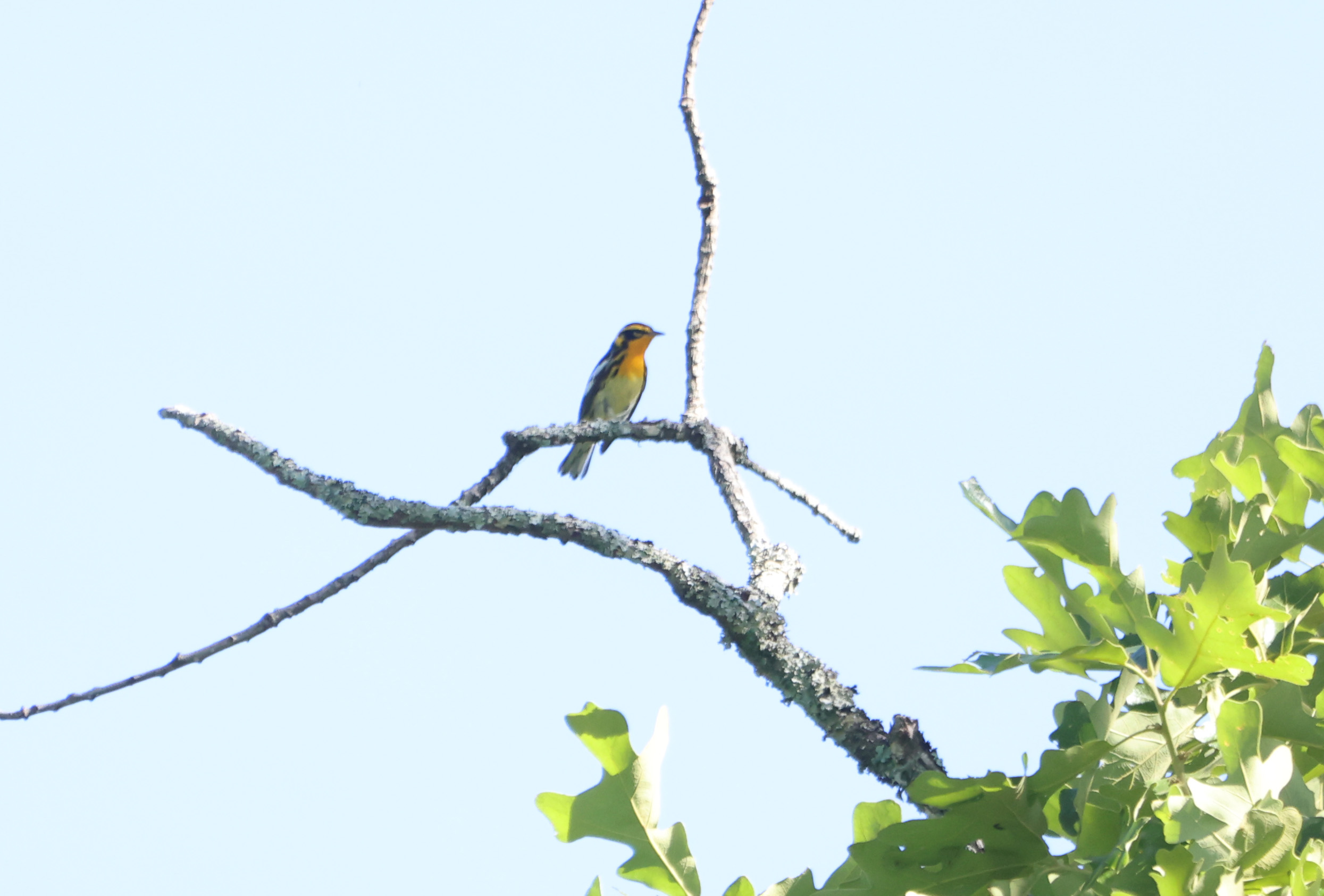

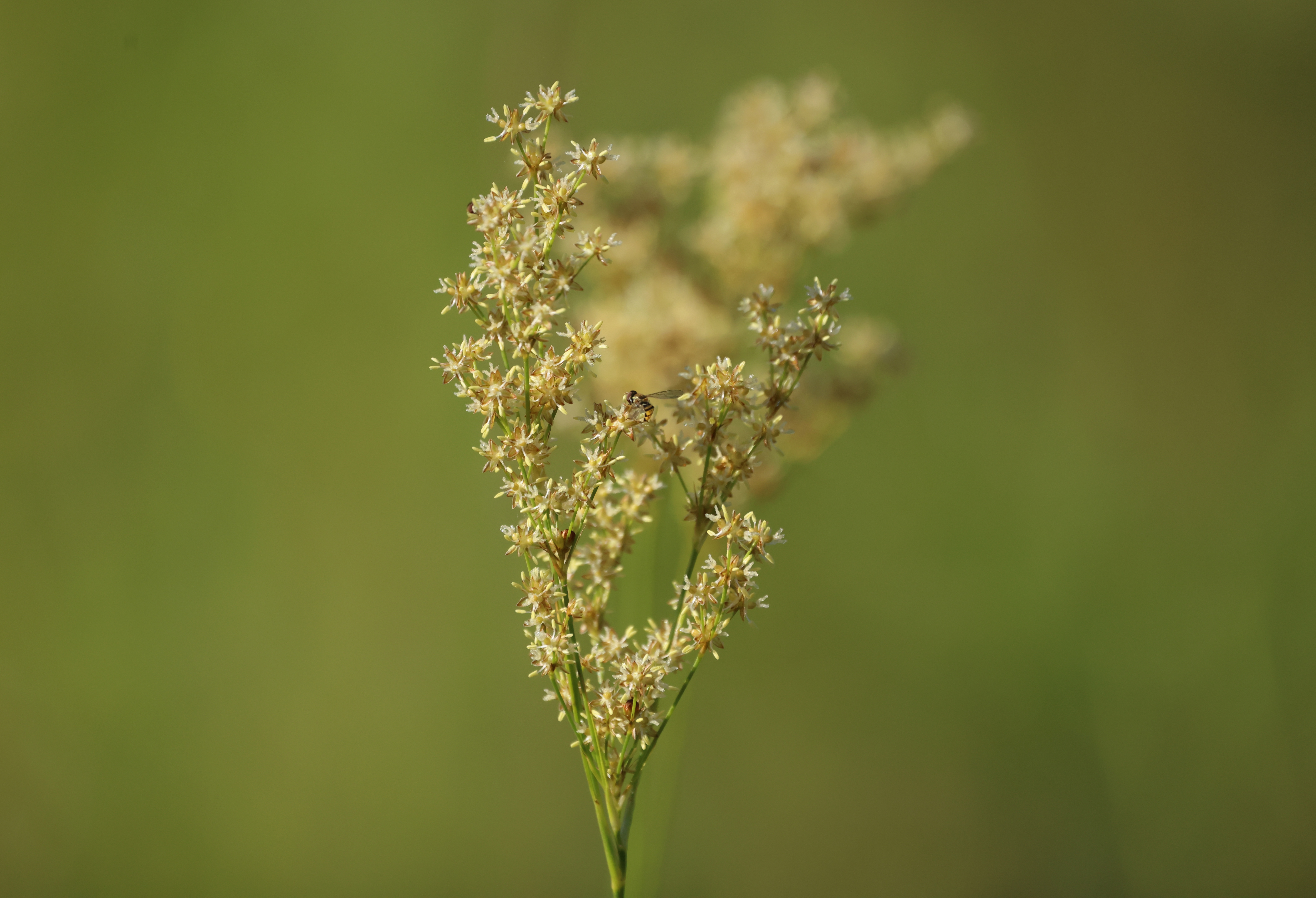

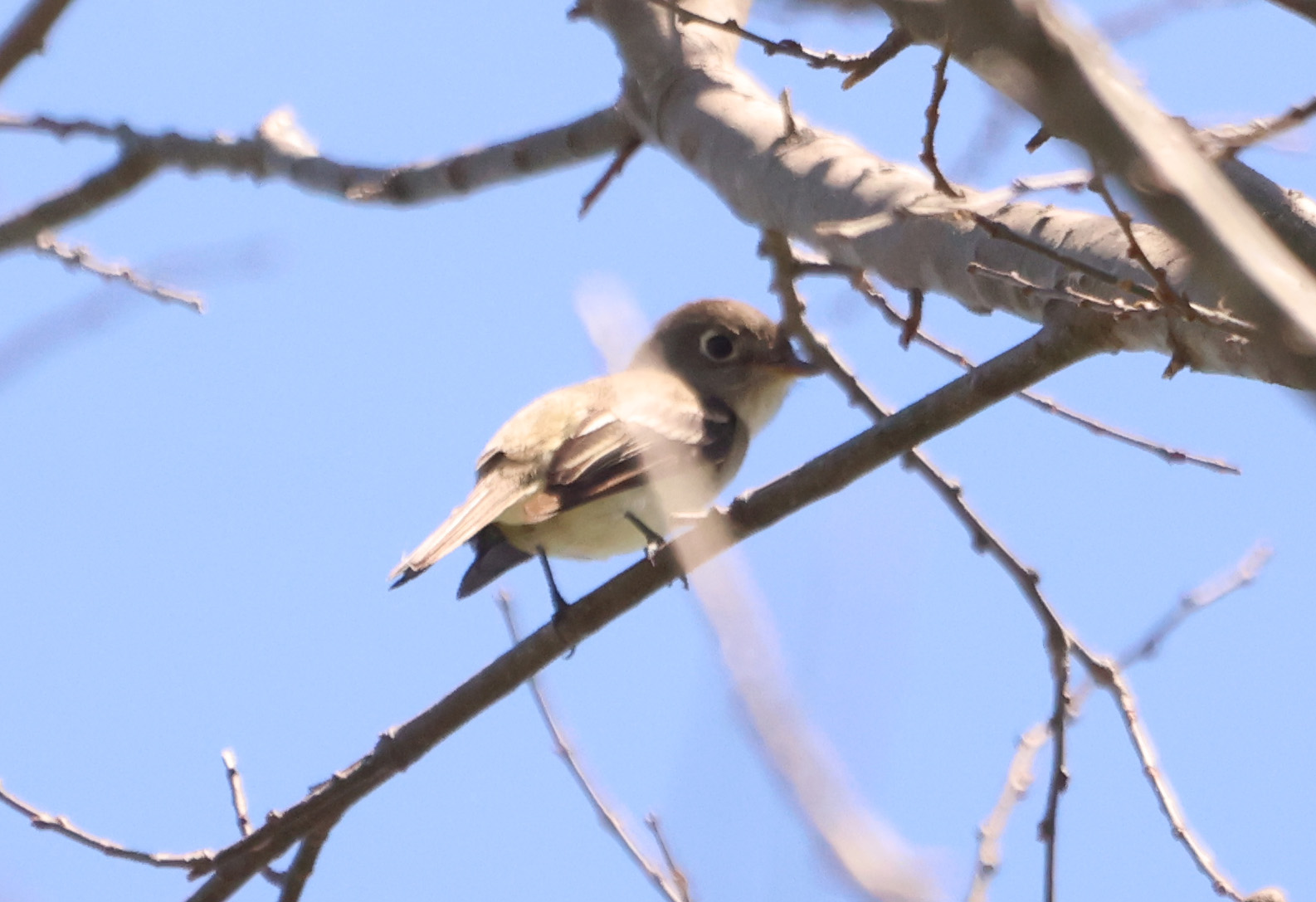
We later ventured across the road to the Camp Robinson WMA and Camp Robinson Special Use Area. I’m always excited to find Northern Bobwhites here, and we discovered my first Yellow-bellied Flycatcher (pictured above).
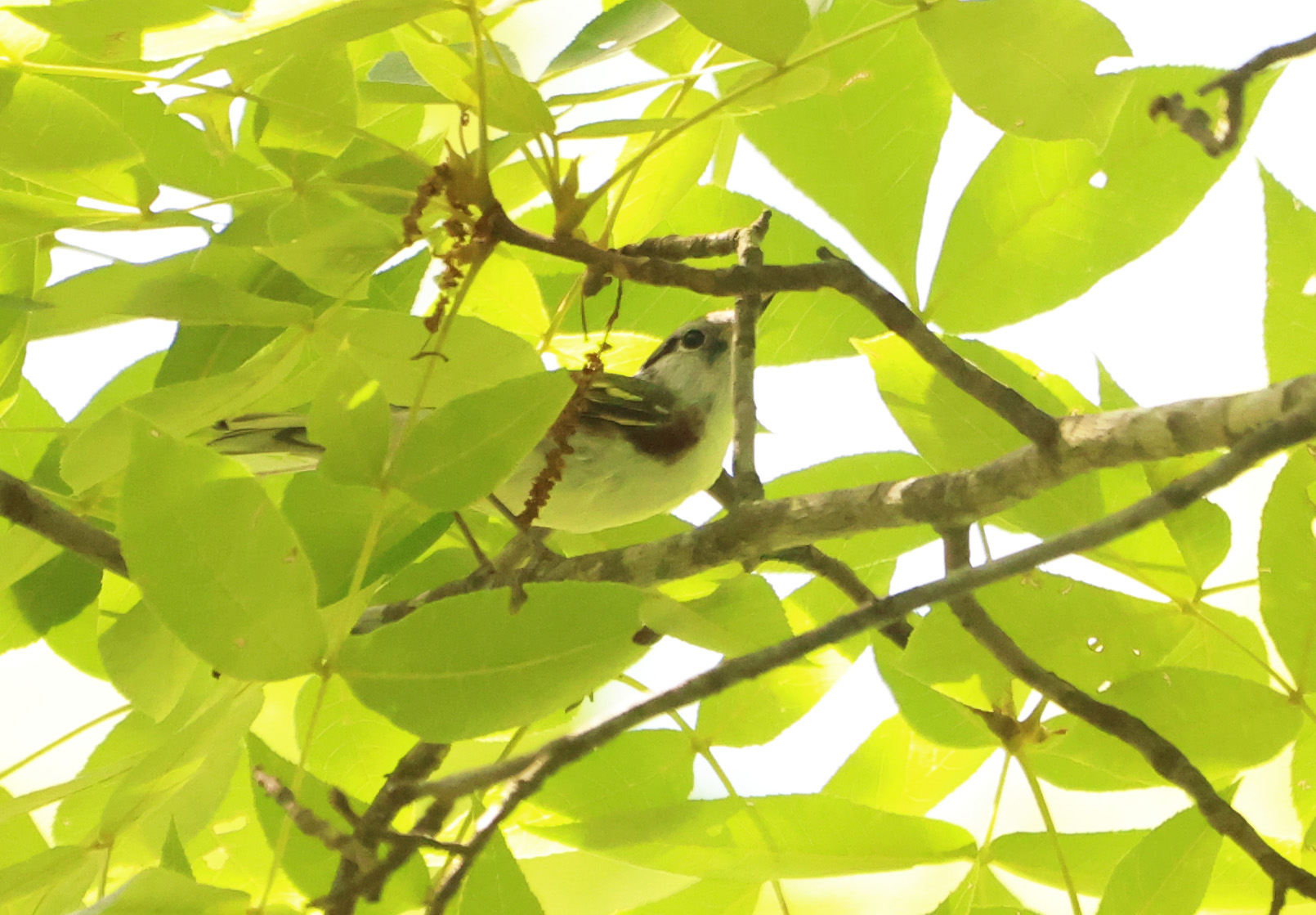
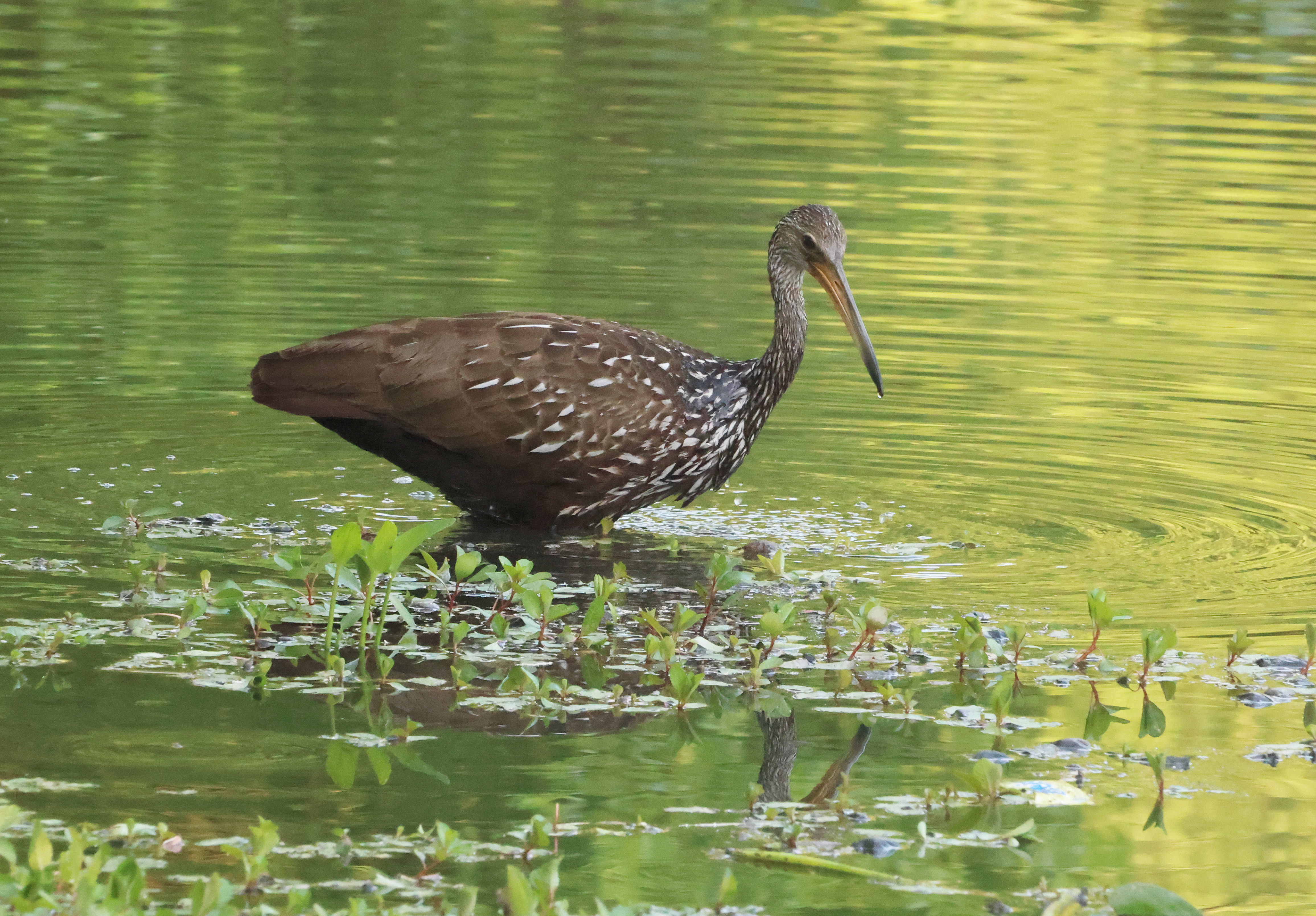
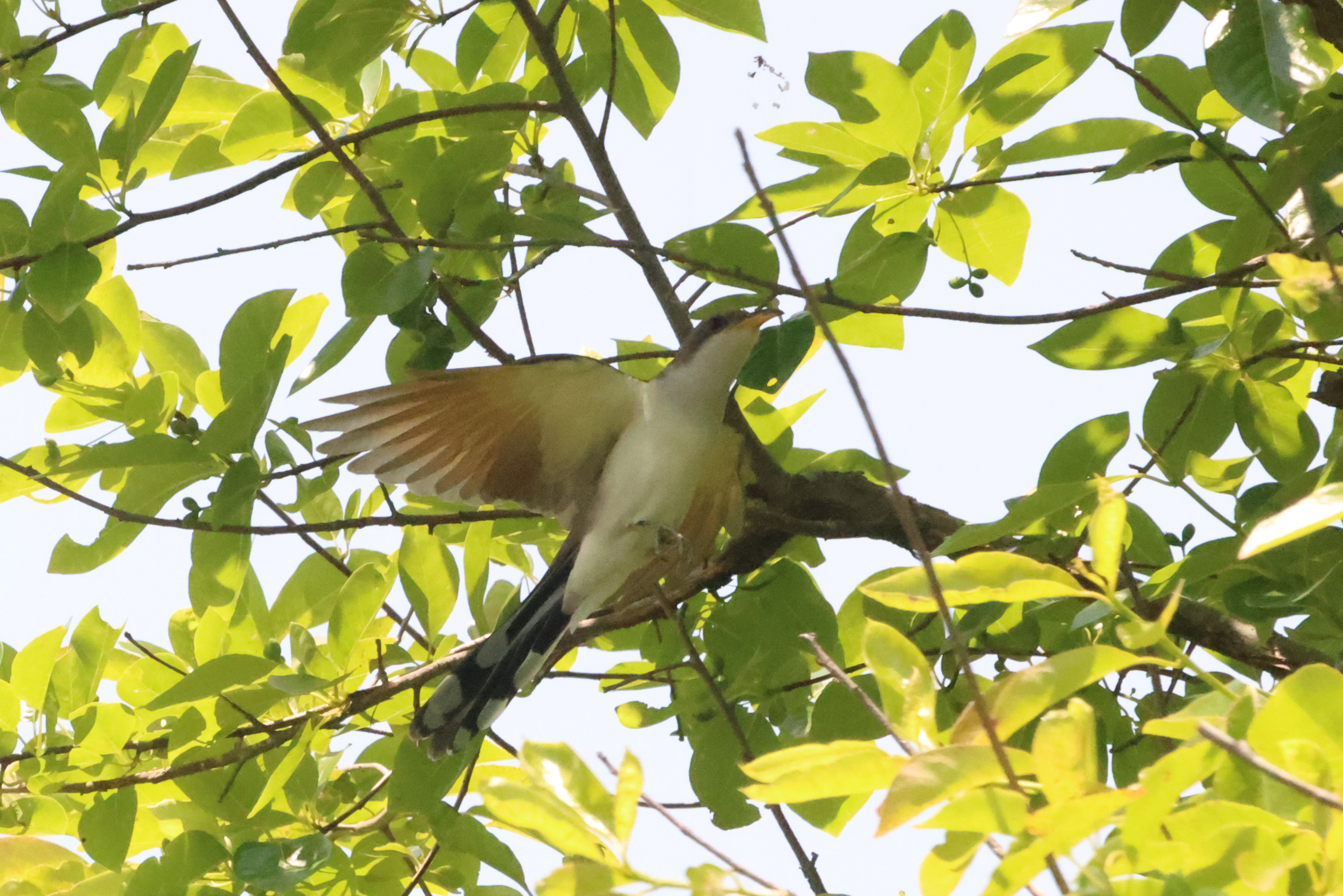
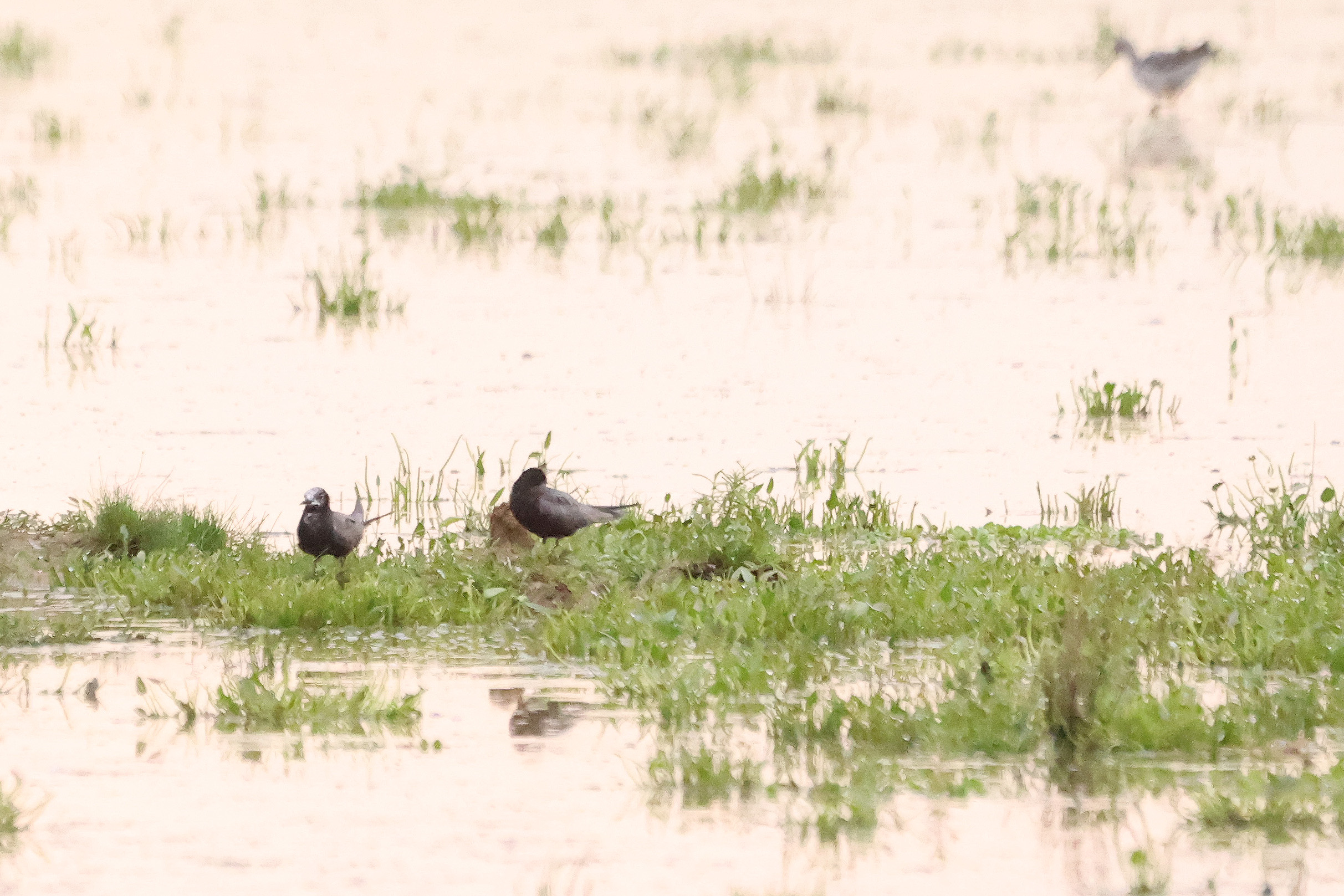
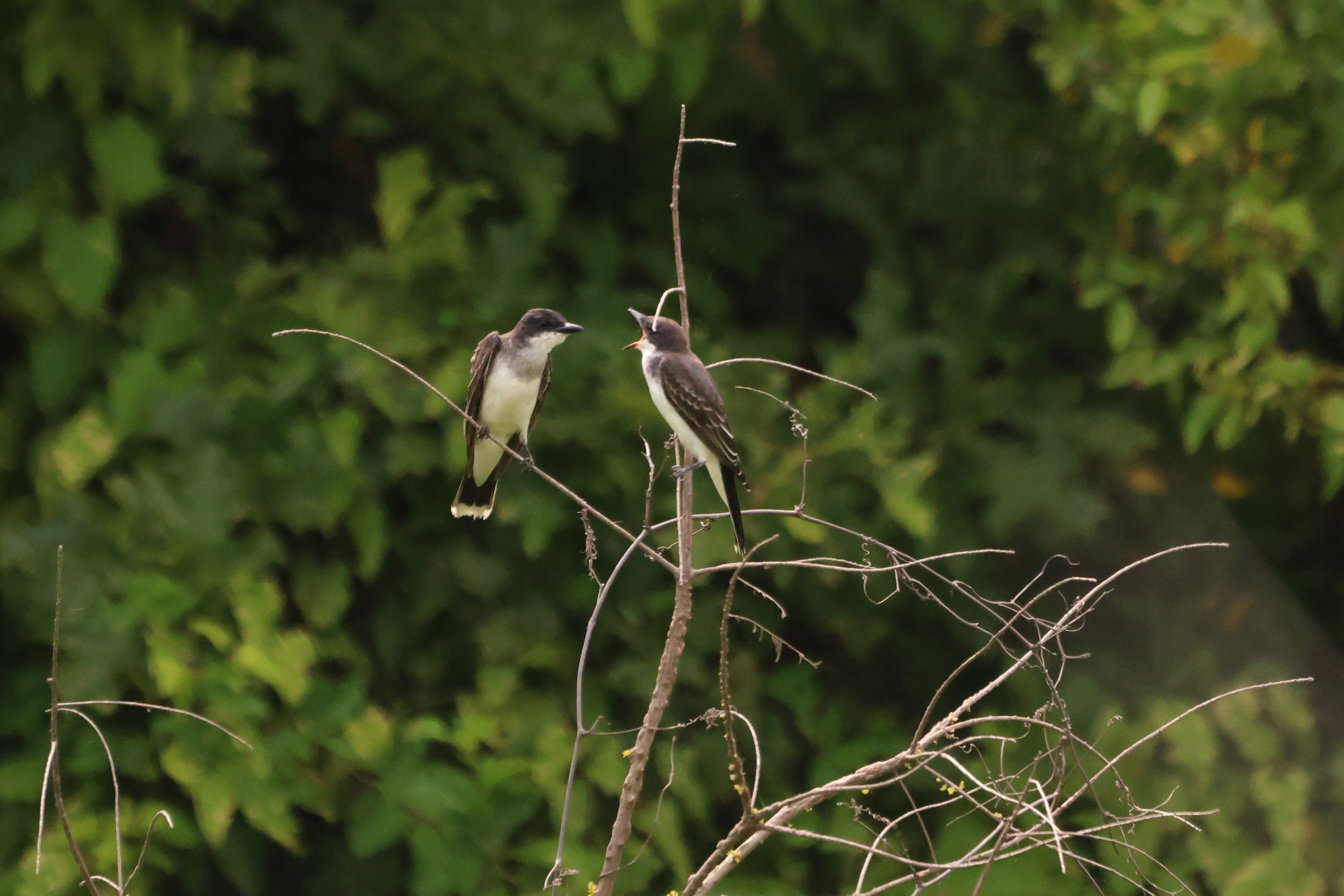
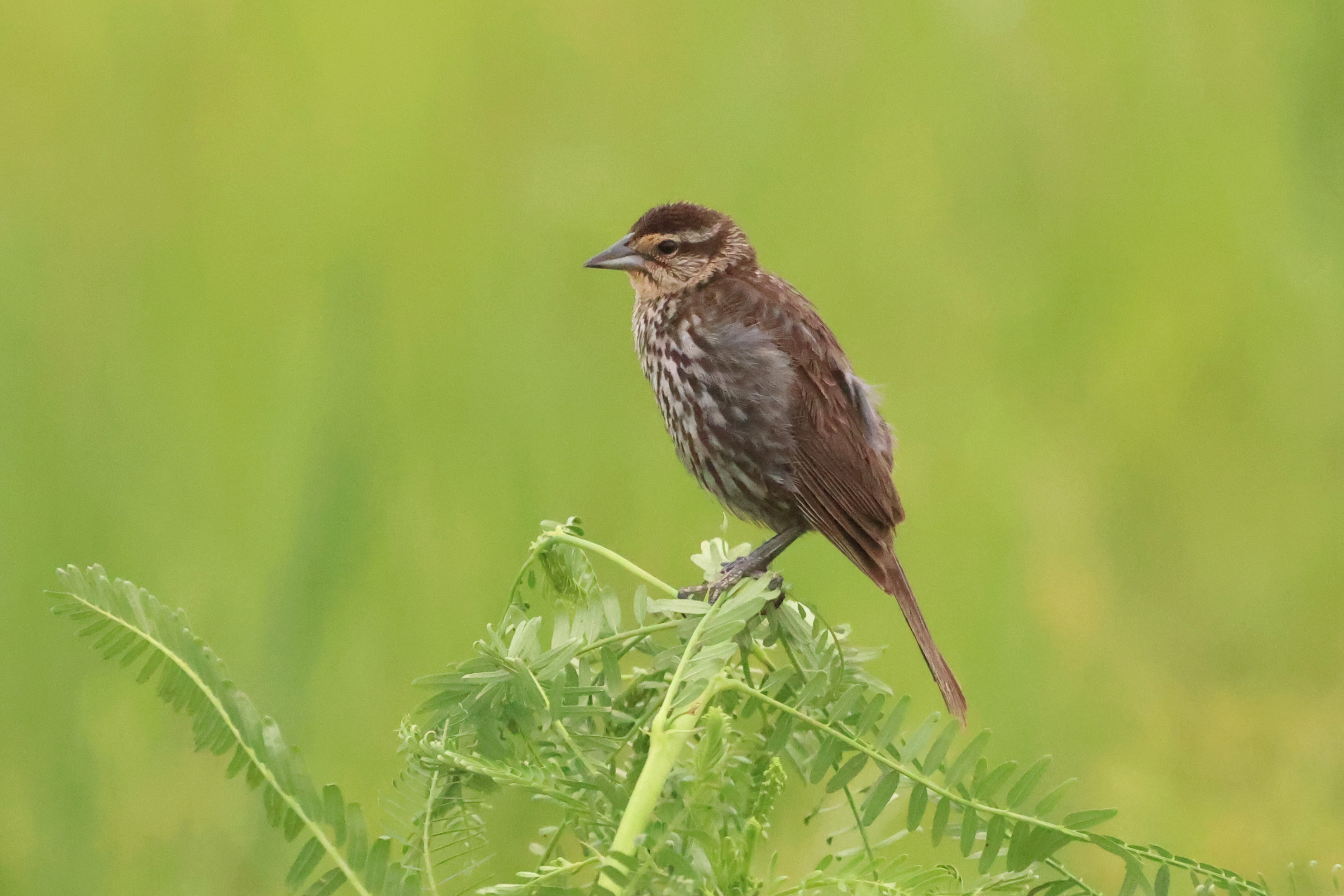
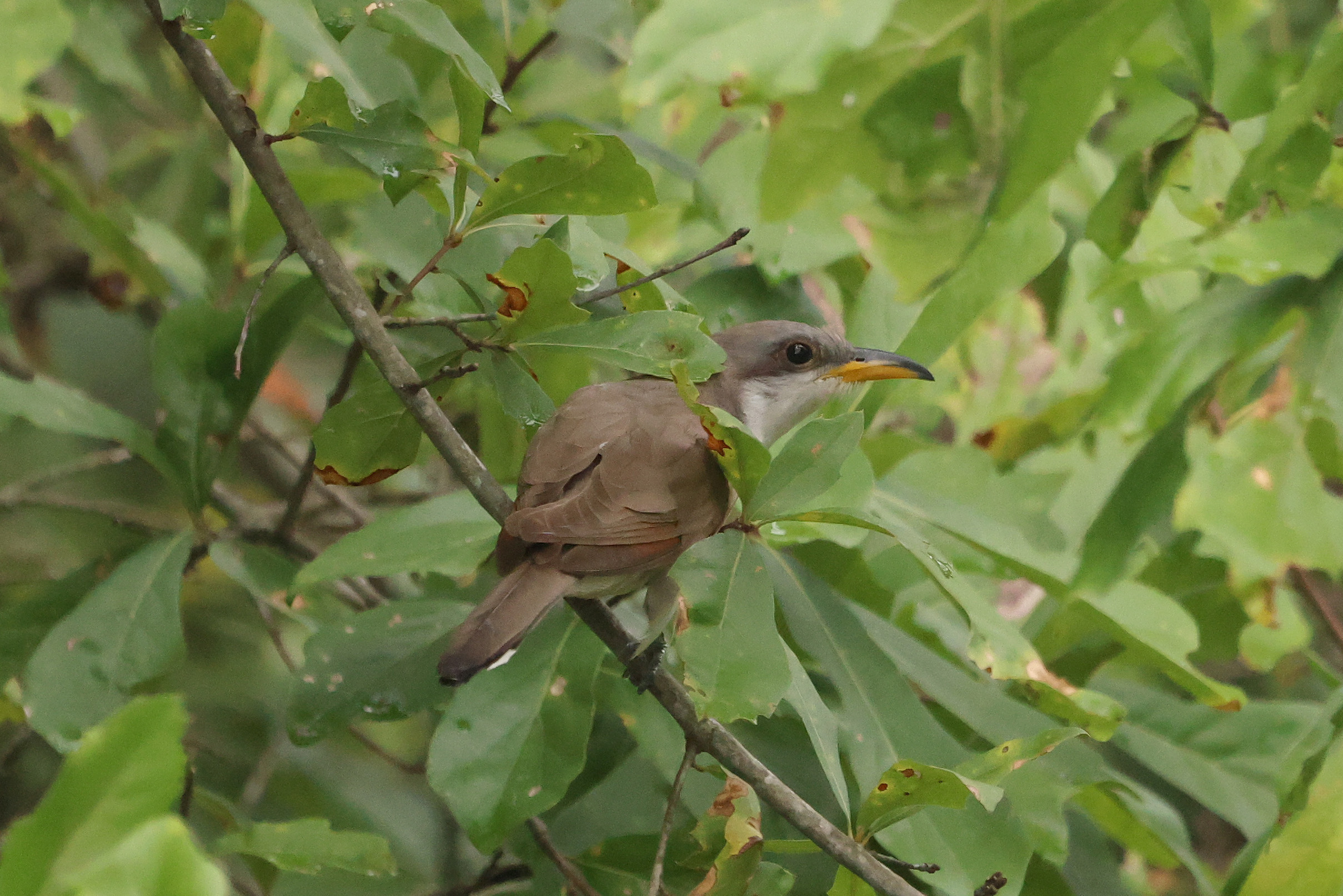
Flycatchers in the Empidonax genus are notoriously hard to identify, but the Yellow-bellied is one of the easier ones due to its yellowish underparts and bold eyering. It helped that two of the people in our group excel at identifying them. The Yellow-bellied Flycatcher migrates through Arkansas. While common, it was my first time seeing this flycatcher, so it was my bird of the day. That was saying something because we continued to hear and see an interesting assortment of birds, such as those below.
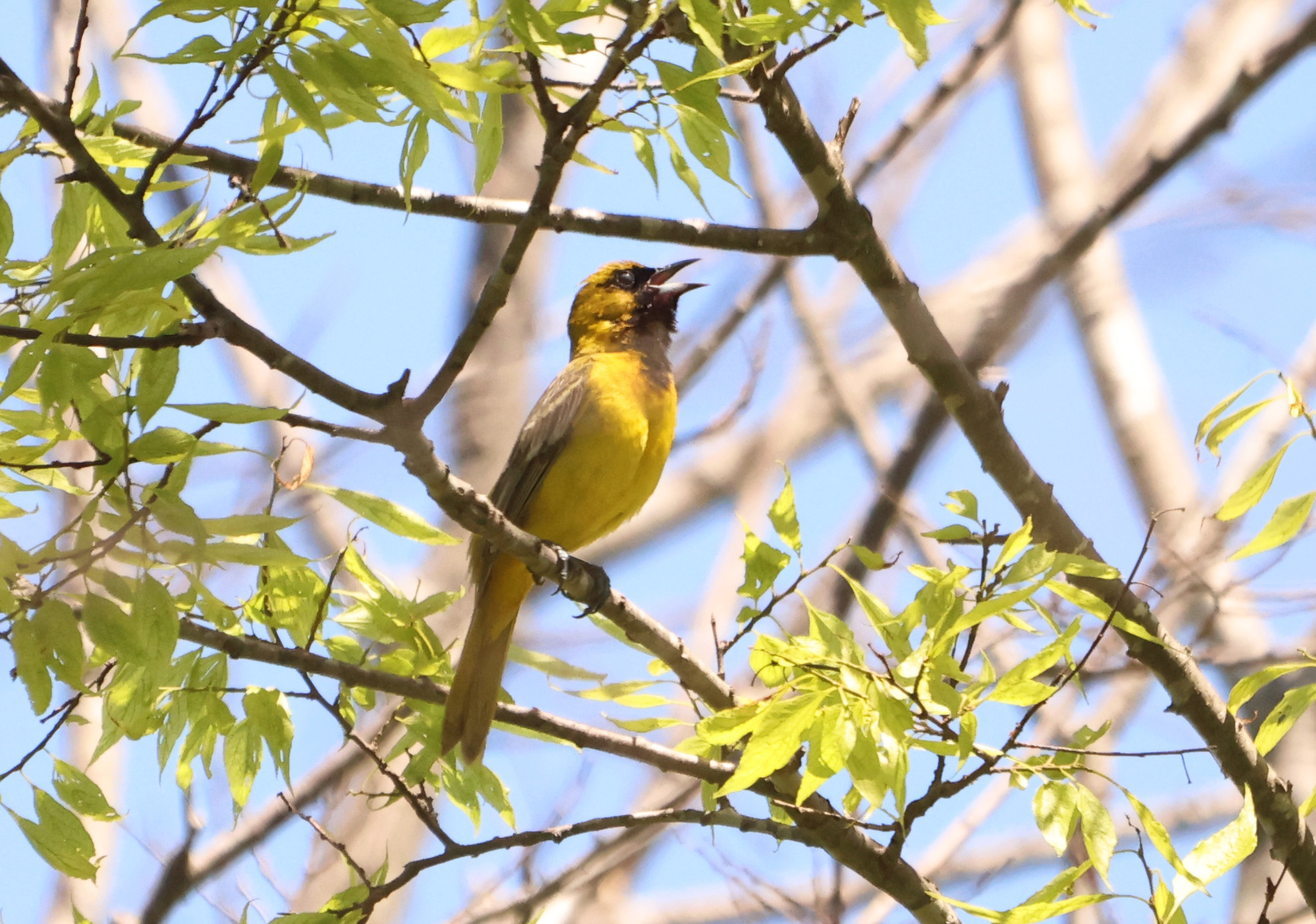
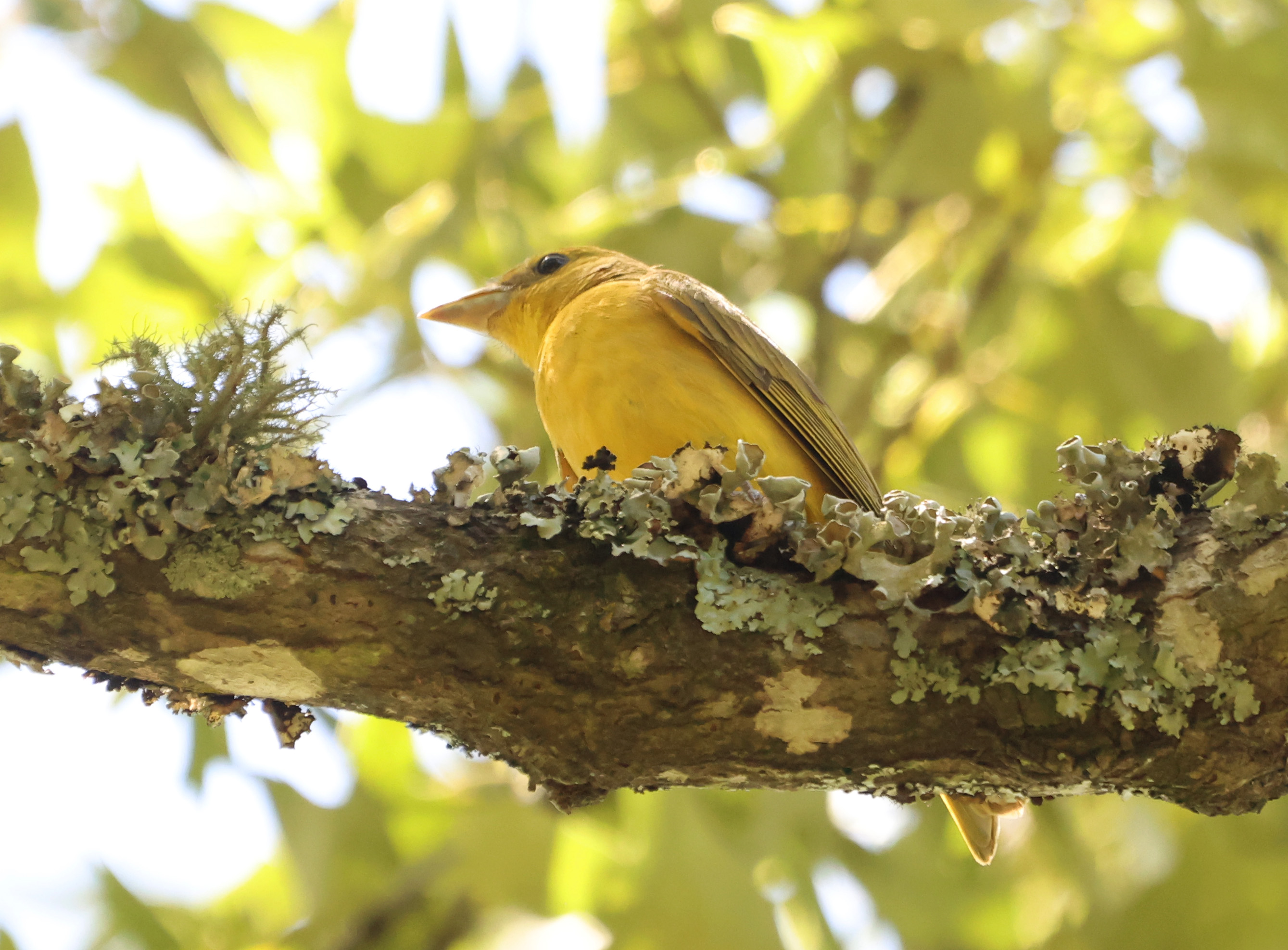


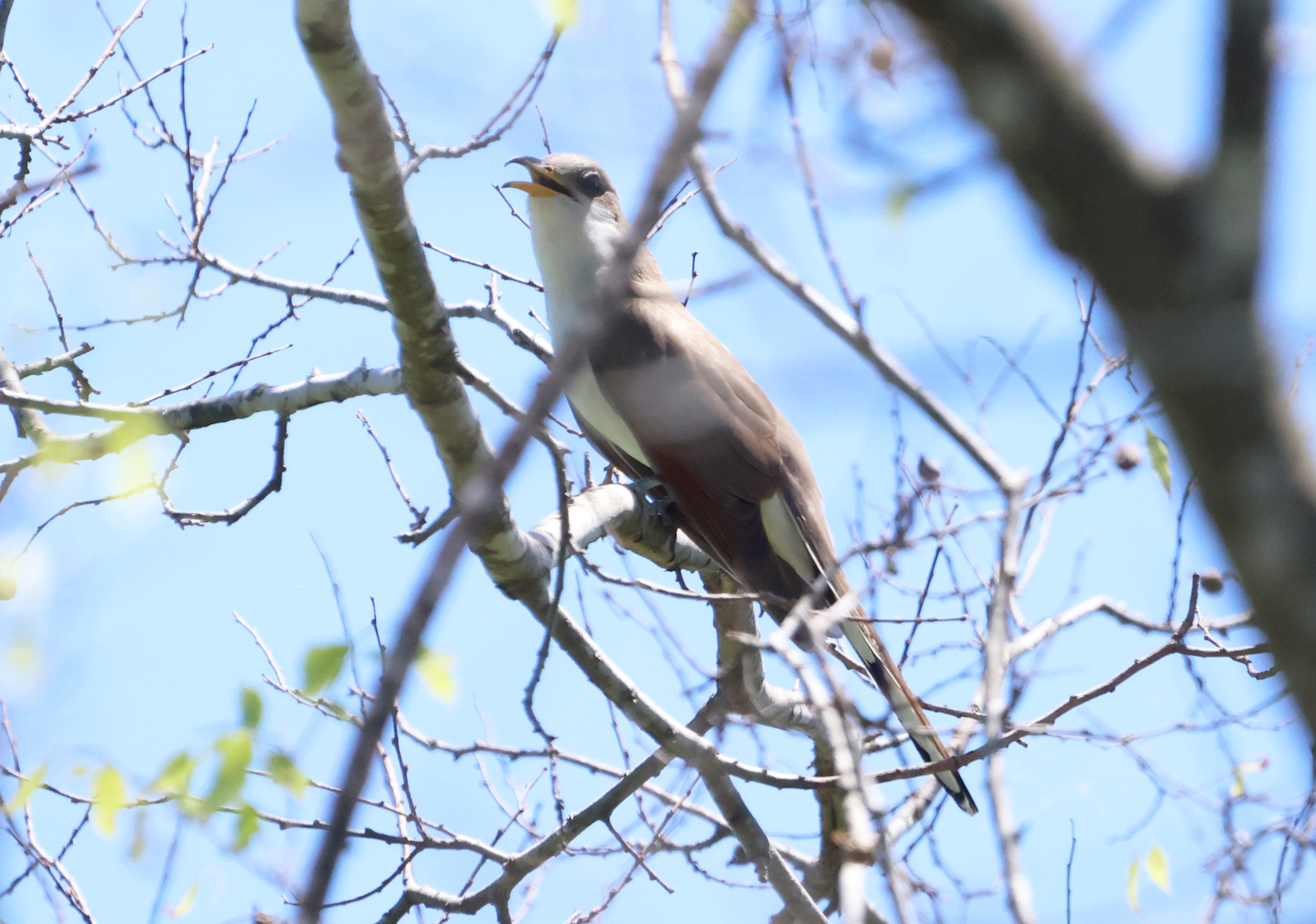
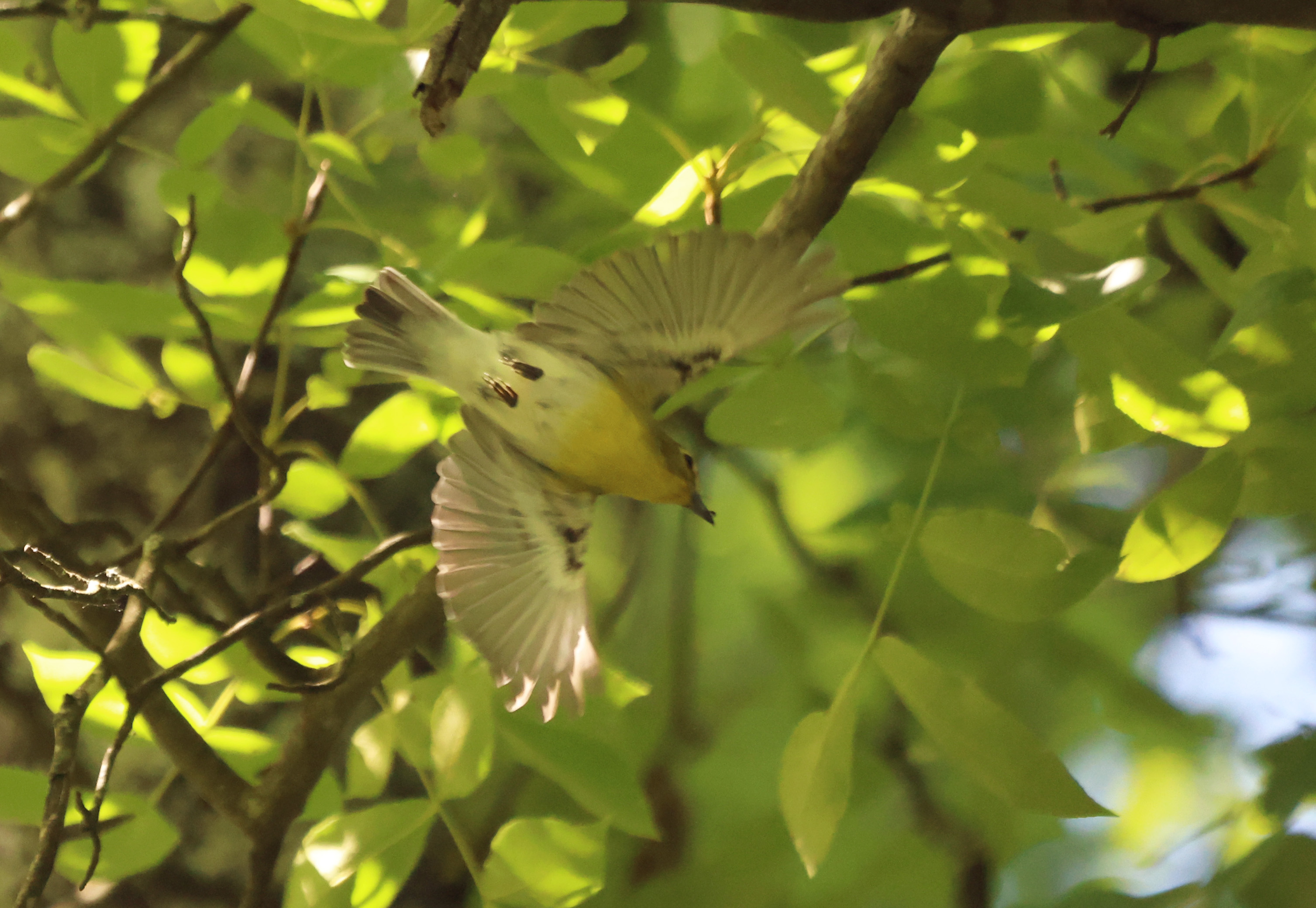
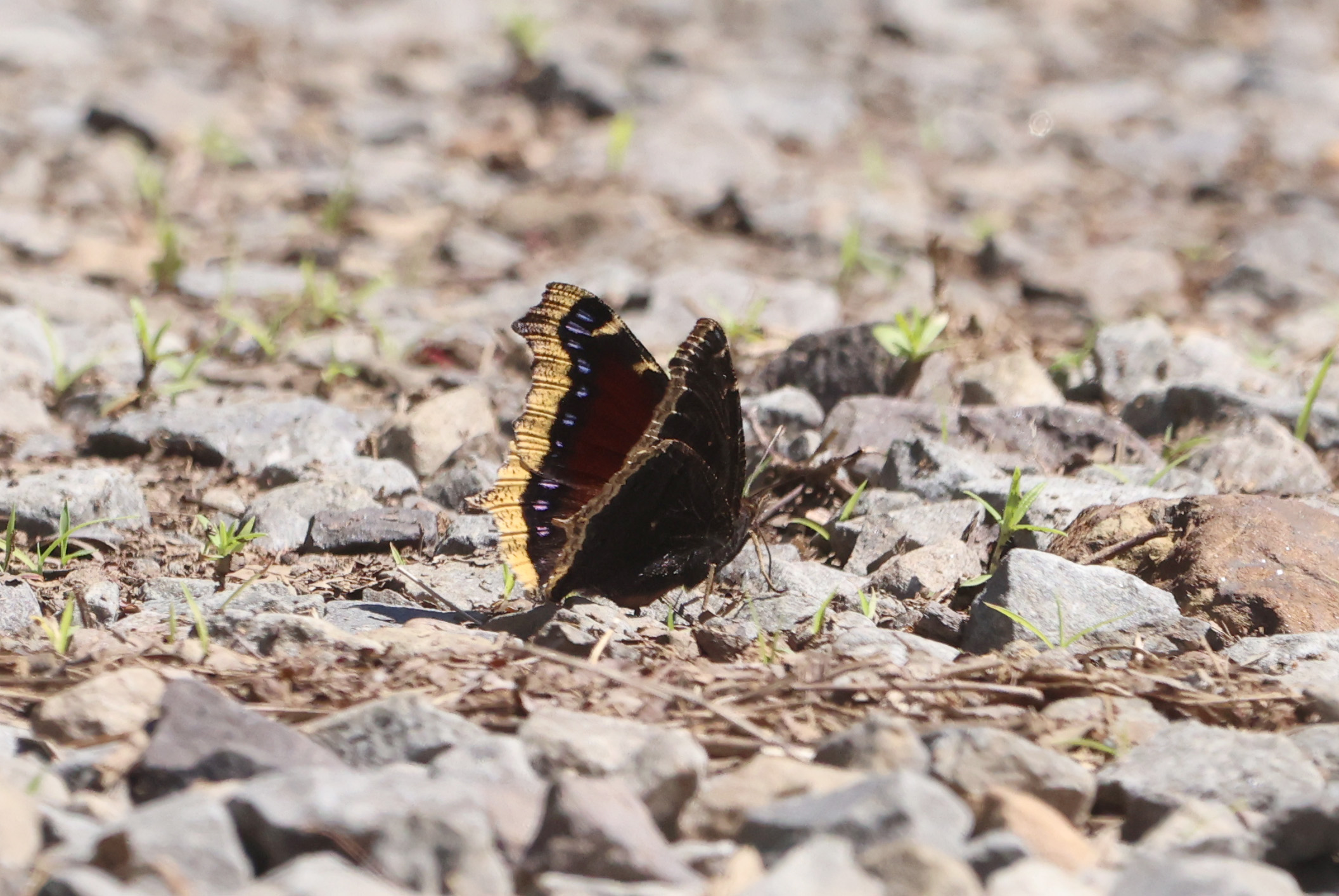
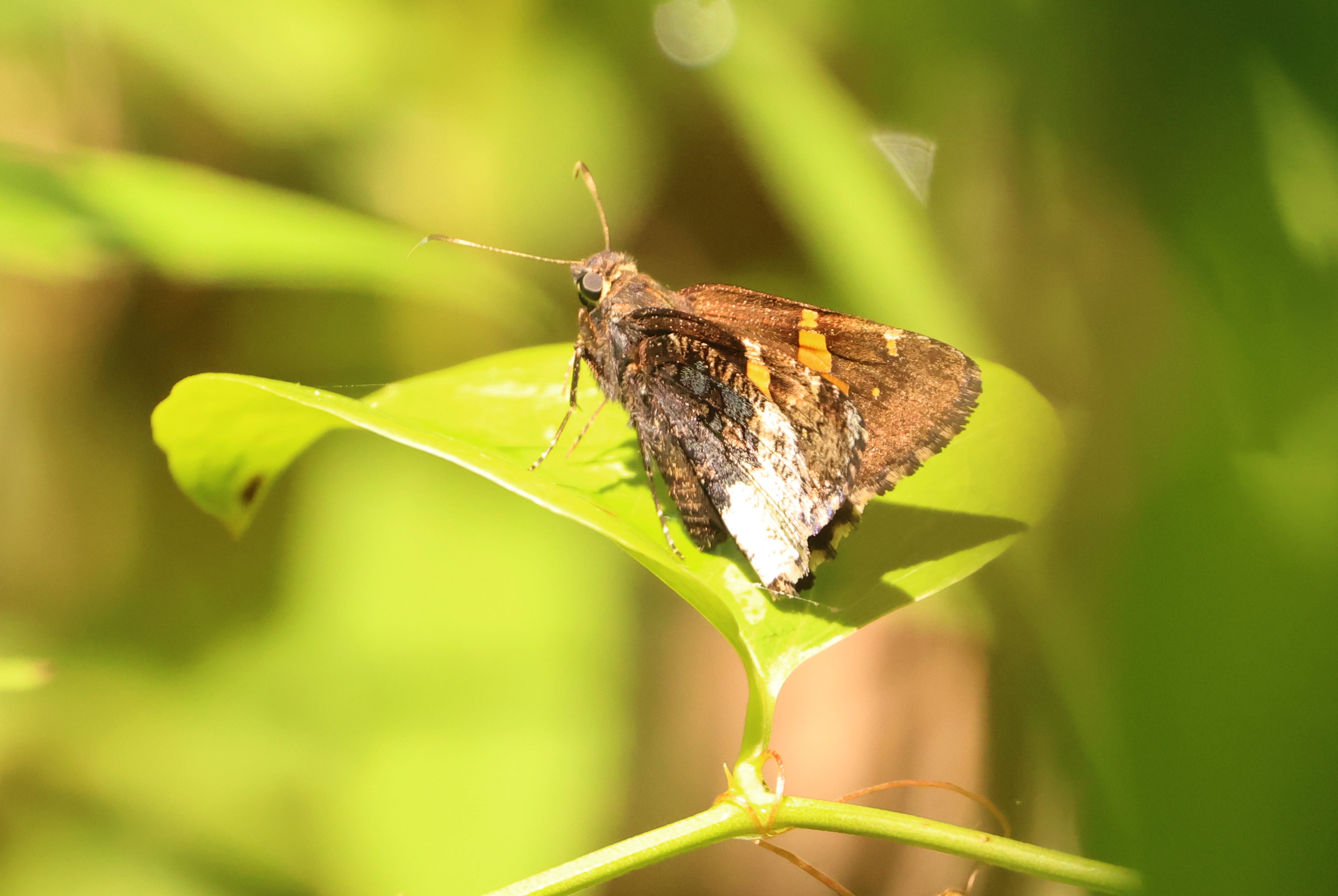
We also found the cutest Rough Greensnake and butterflies.













 Memos for Me