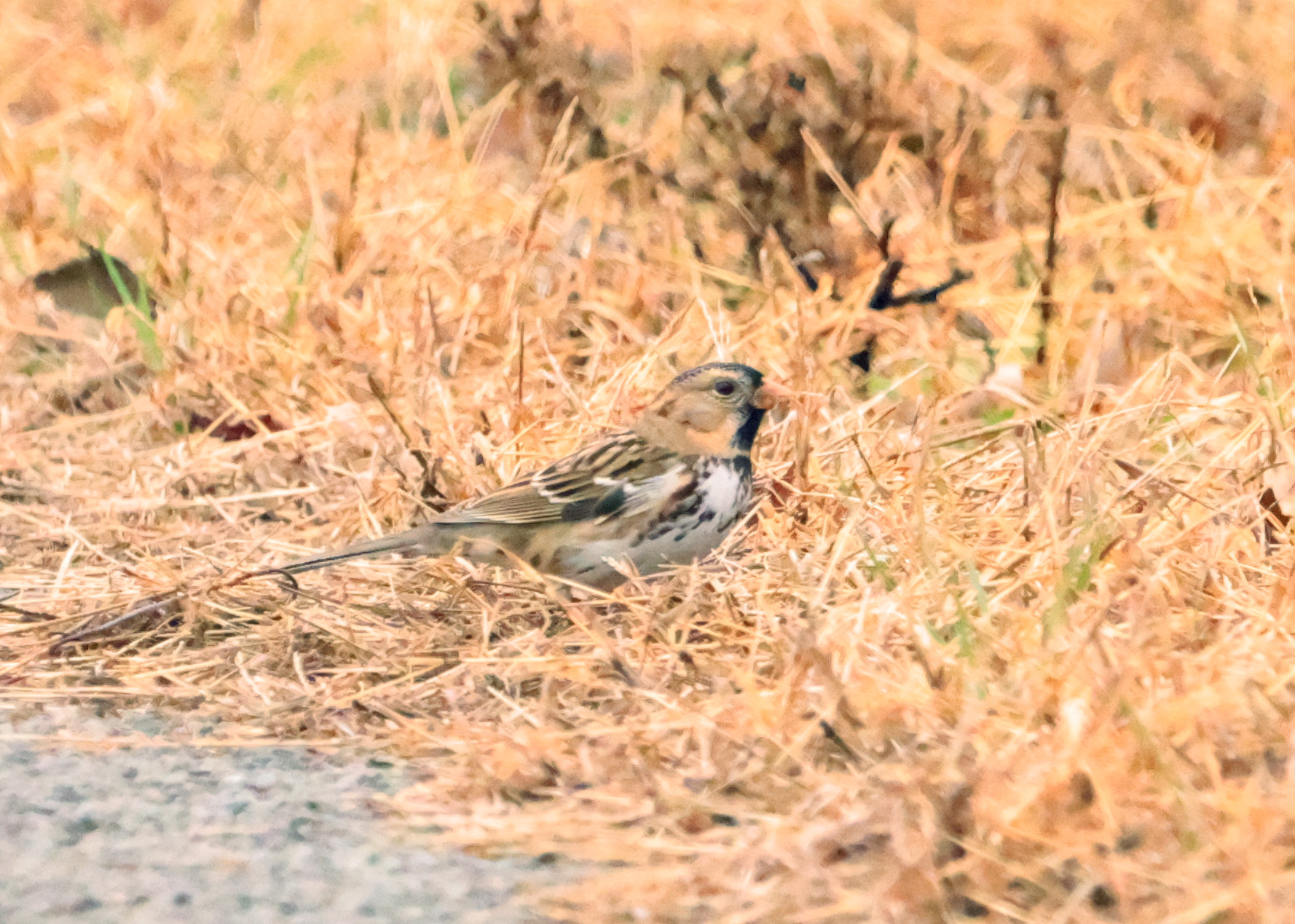
I’m fascinated with Harris’s Sparrows. They have a unique look (has a black bib and pink bill), and while common in Arkansas, they are not easy to find. At least for me.
I got my first look at one during the recent Lonoke County Christmas Bird Count. We were driving down a narrow country road when we spotted a flock of sparrows on the road and ditchway ahead of us. That flock included one lone Harris’s Sparrow.
The Harris’s Sparrow is North America’s largest sparrow except for towhees. AllAboutBirds.org reports that it is the only songbird that breeds in Canada and nowhere else in the world. It breeds in the tundra/boreal zones of northern Canada, while wintering from Nebraska to Texas and migrating through the central United States.
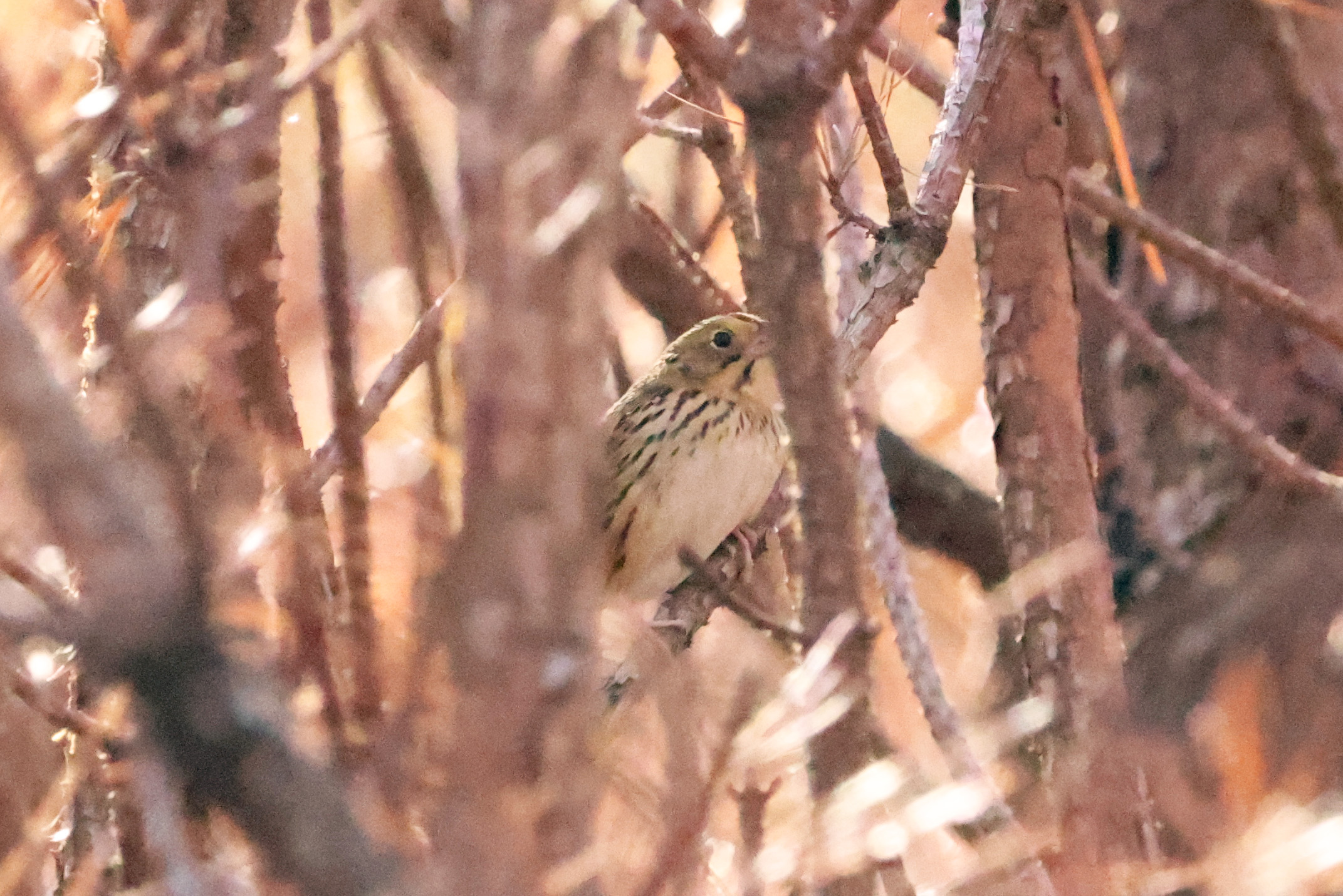
I traveled to the southeast region of Arkansas with a conservation biologist with the Arkansas Natural Heritage Commission in search of the Henslow’s Sparrow.
The biologist was studying the presence of the Henslow’s Sparrow at Warren Prairie Natural Area. Warren Prairie consists of salt slicks, saline barrens, Delta post oak flat woods, mound woodlands, pine flat woods and woodlands, and bottomland hardwood forest communities, according to ANHC. It is one of the few consistent places to find the declining Henslow’s Sparrows, which prefers thick, weedy grasslands and wetlands.
We went back and forth a flooded grassland to flush the Henslow’s sparrows. According to the biologist, these sparrows are rarely vocal so the best chance to find them is when they are flushed from the ground to nearby trees.
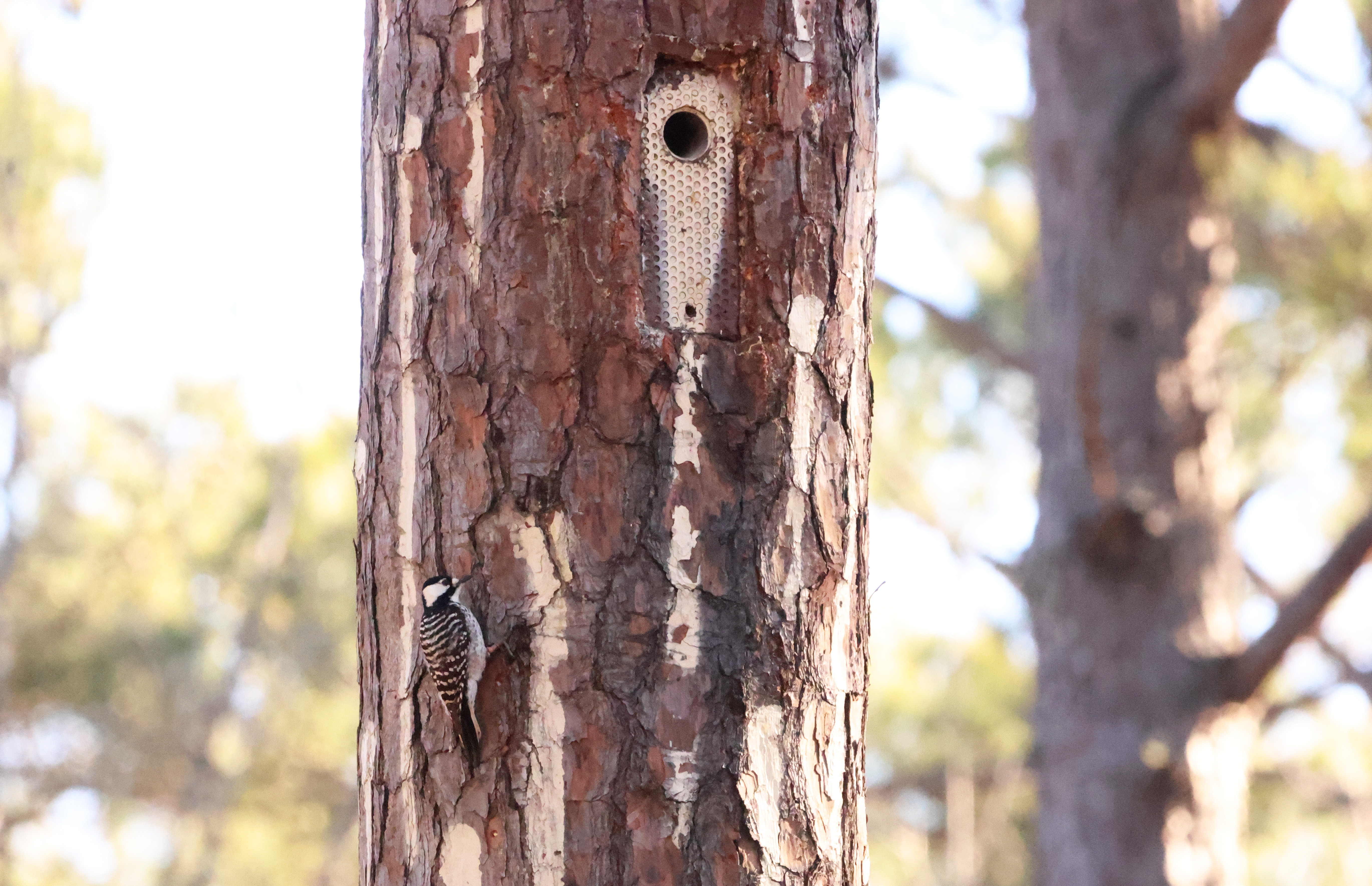
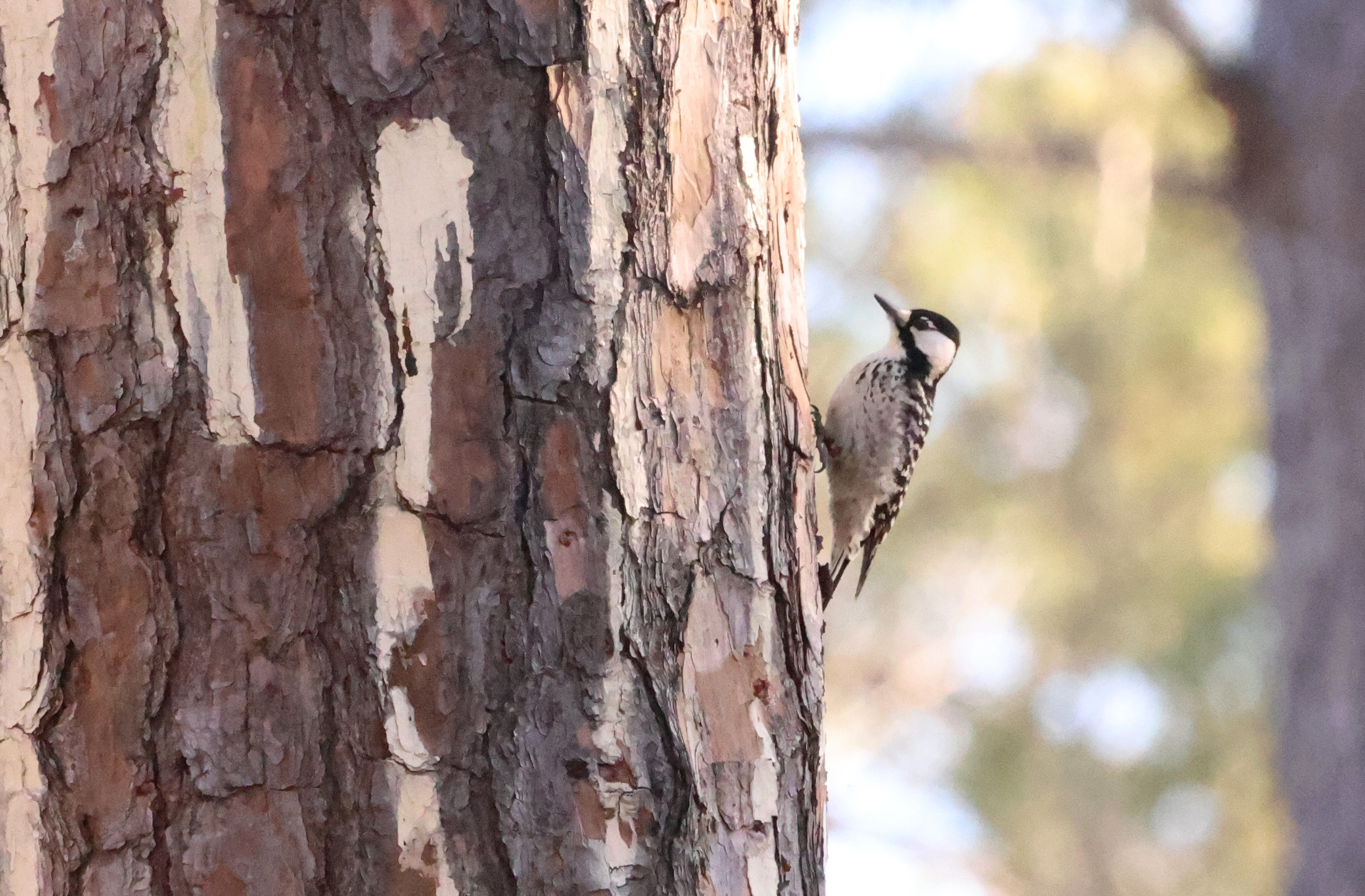
Warren Prairie is also home to several colonies of Red-cockaded Woodpeckers, which the Continental Concern Score indicates is a species of highest conservation concern. Our first stop at Warren Prairie had us watching a Red-cockaded Woodpecker busy pecking at a tree just near a cavity.
The Red-cockaded Woodpecker used to fairly common in the southern United States, but the species is now endangered and only remain mostly in large populations on federal lands due to their dependance of old-growth southern pine forests for food and habitat.
They live in family groups that work together to dig cavities and raise young, according to AllAboutBirds.org. Breeding pairs are monogamous and often stay together for life. They live in family groups of two to five adults usually with only one female. Females will leave during their first winter. It’s neat: sons from previous breeding seasons typically stay with the parents to help incubate, brood and feed the young. When the parents finally leave, these sons will then take over the cavity and the tradition continues.
For roosts and nests, they only live in live pines, preferably ones infected with red heart fungus. The fungus softens the wood making the work of creating the cavity easier. AllAboutBirds.org reports it may take two years or more for the Red-cockaded Woodpecker to completely dig out one cavity. Due to this, family groups rarely colonize new areas.
On Monday, I got up early to visit the Stuttgart Municipal Airport in hopes of seeing Barn Owls. I didn’t spot the Barn Owls by their known roost, but I did find this Vesper Sparrow that was singing from a hiding spot within tall brush. I was searching for a while before I got lucky: the sparrow flew up to a nearby power line where I was able to get a good look at it.
Vesper Sparrows are typically found in Arkansas from late September through mid-May, according to eBird. According to All About Birds, they are often hidden from sight in grasslands and fields. There are two unique features on the streaky brown sparrow: a thin white eyeing and flashes white tail feathers inflight. It also has a small chestnut patch on the shoulder.
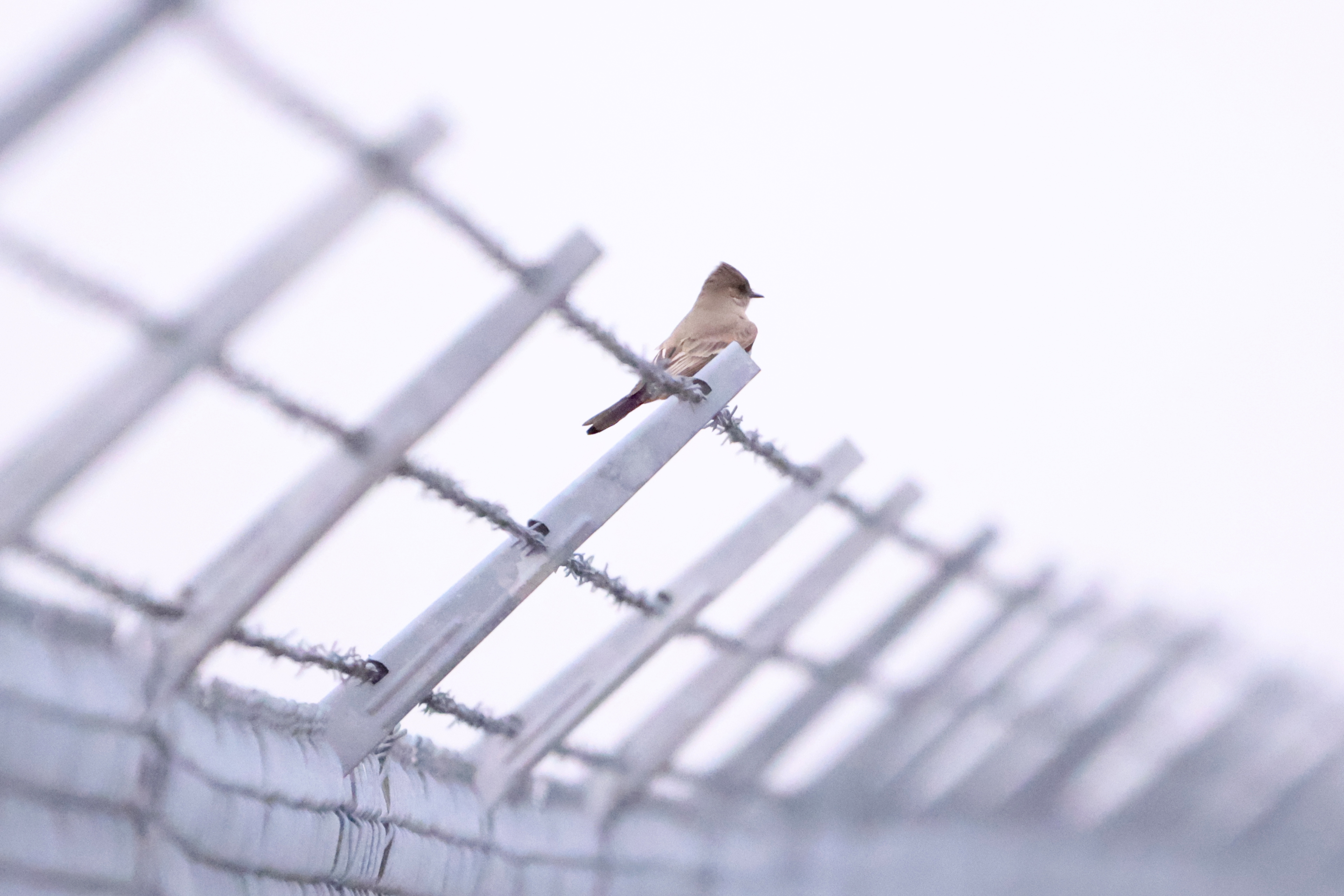
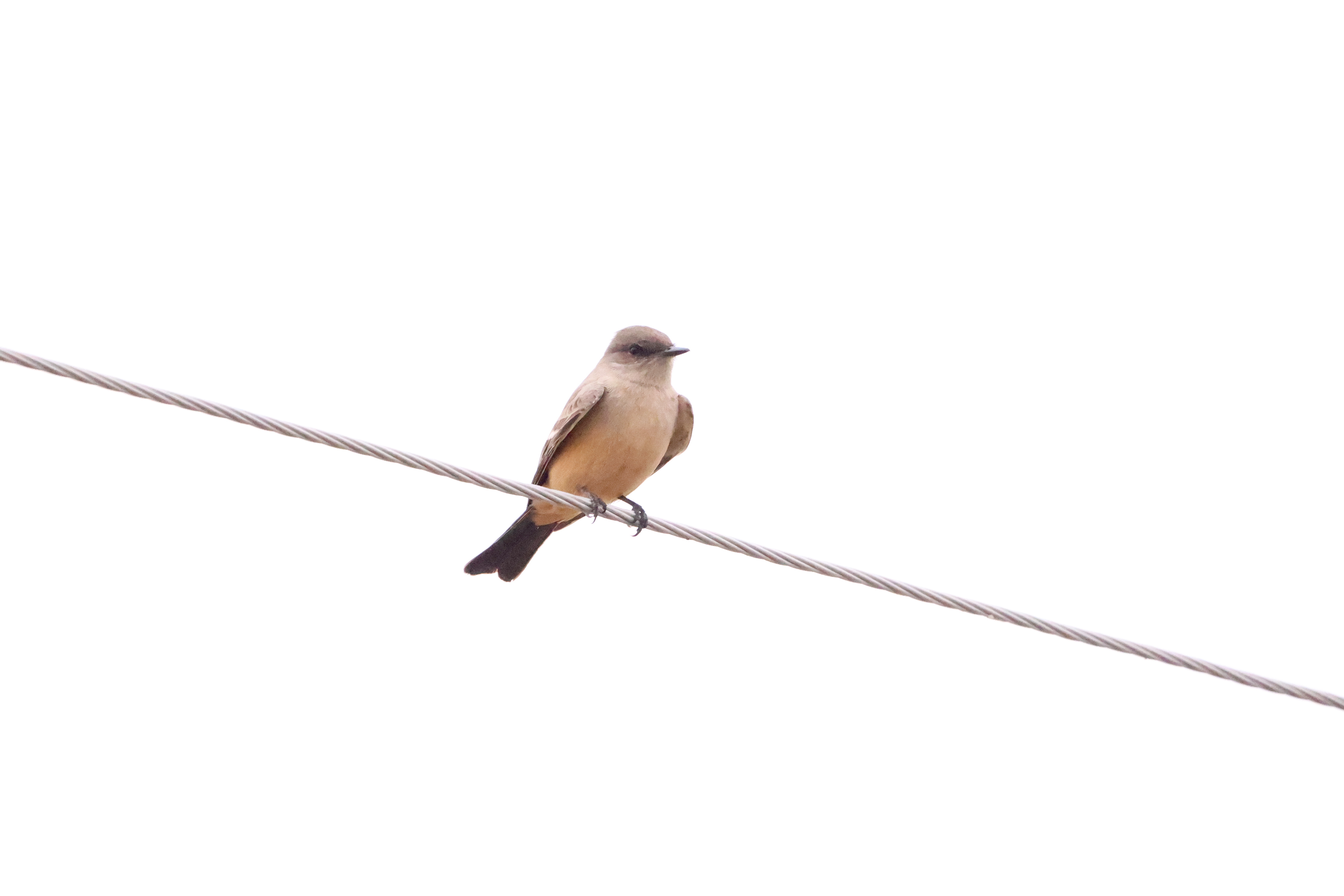
I also spotted a Say’s Phoebe, a rare find in Arkansas, although many have been spotted in the state recently. Another birder had spotted this bird at the airport a few days before me so I was curious to see if it was still hanging around. It was.
Say’s PhoebeSay’s Phoebe
Say’s Phoebes are typically found more west of Arkansas. They differ from the common Eastern Phoebe in having a cinnamon-colored belly. Both phoebes are brownish gray above, although the Eastern Phoebe has a pale belly.
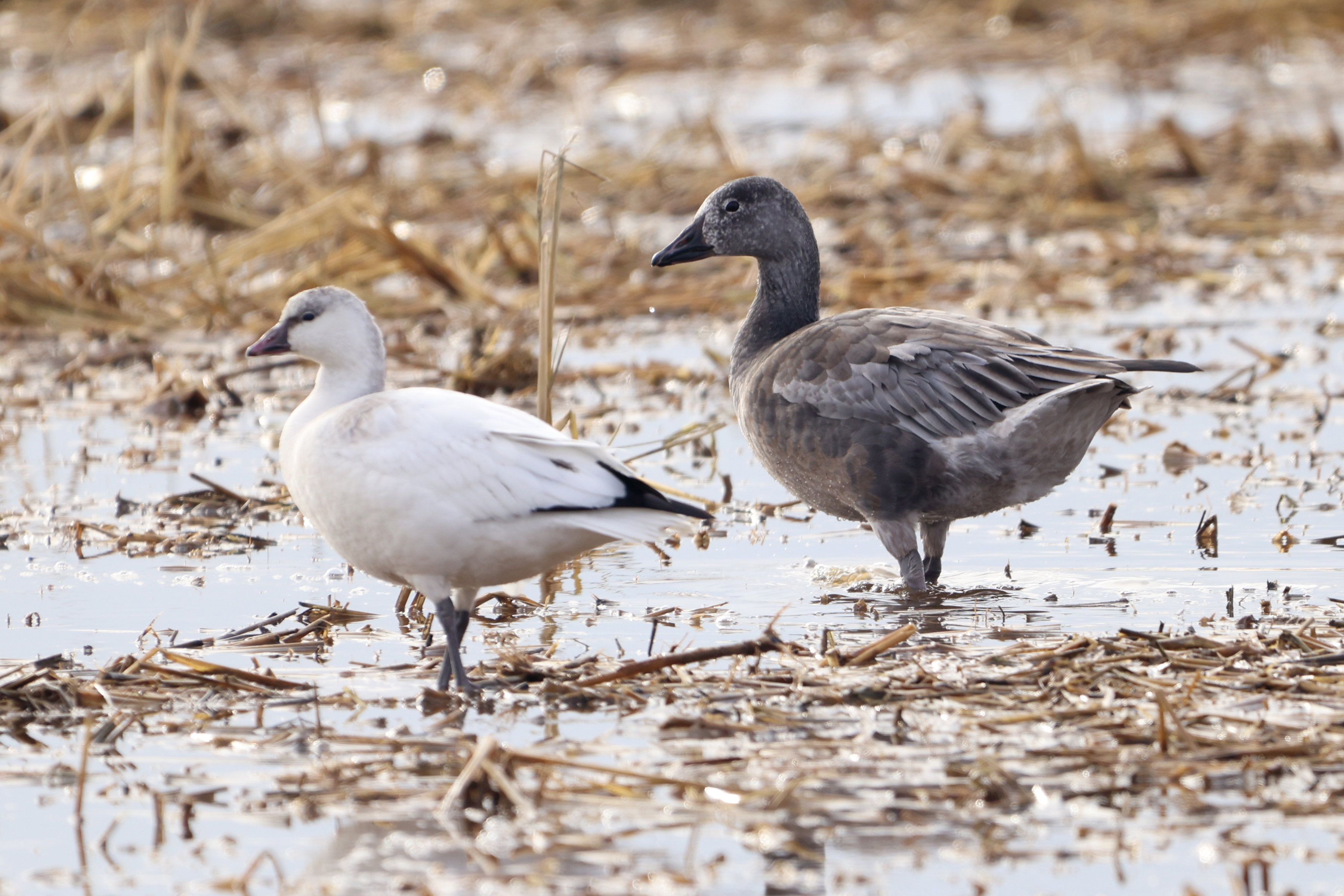
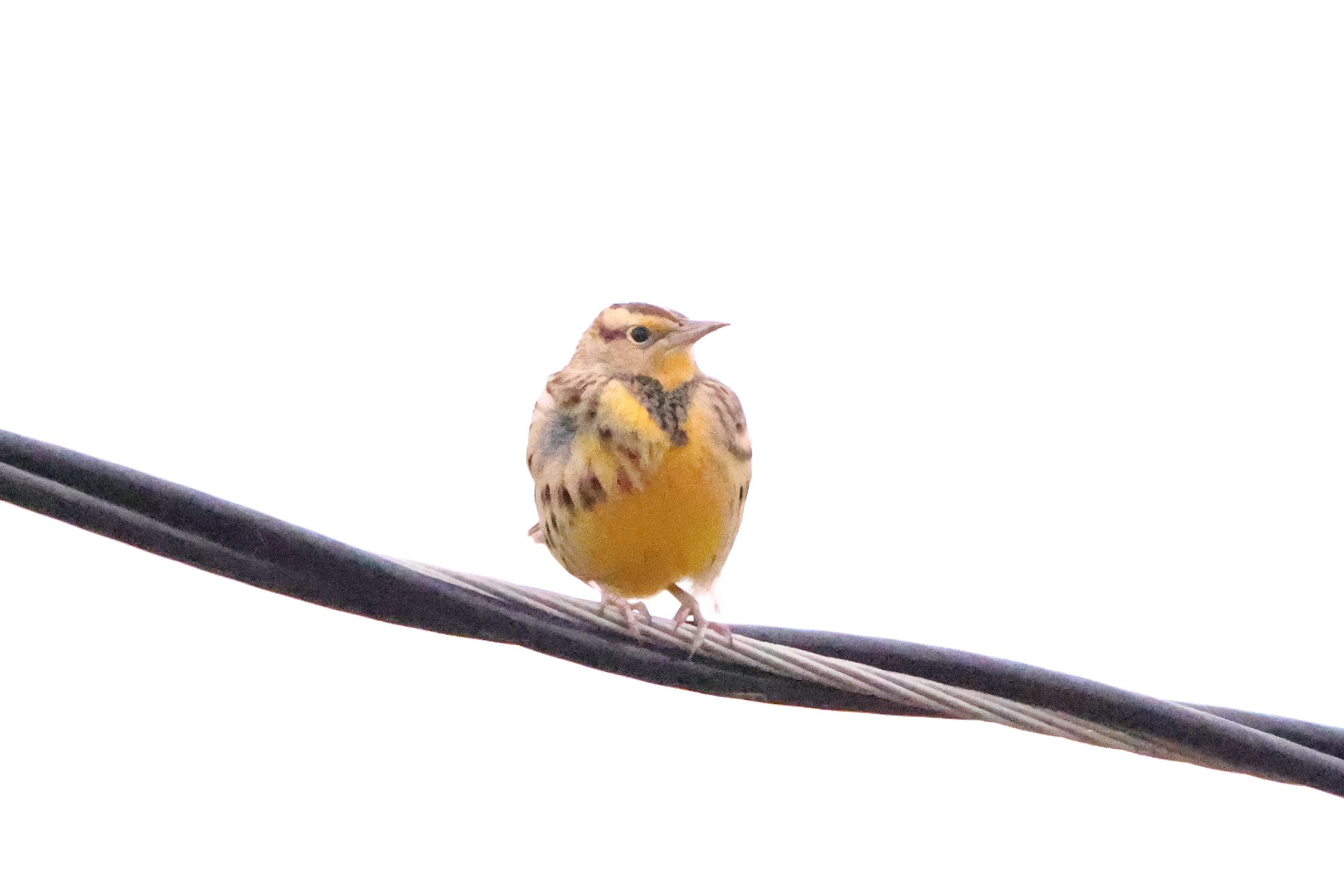
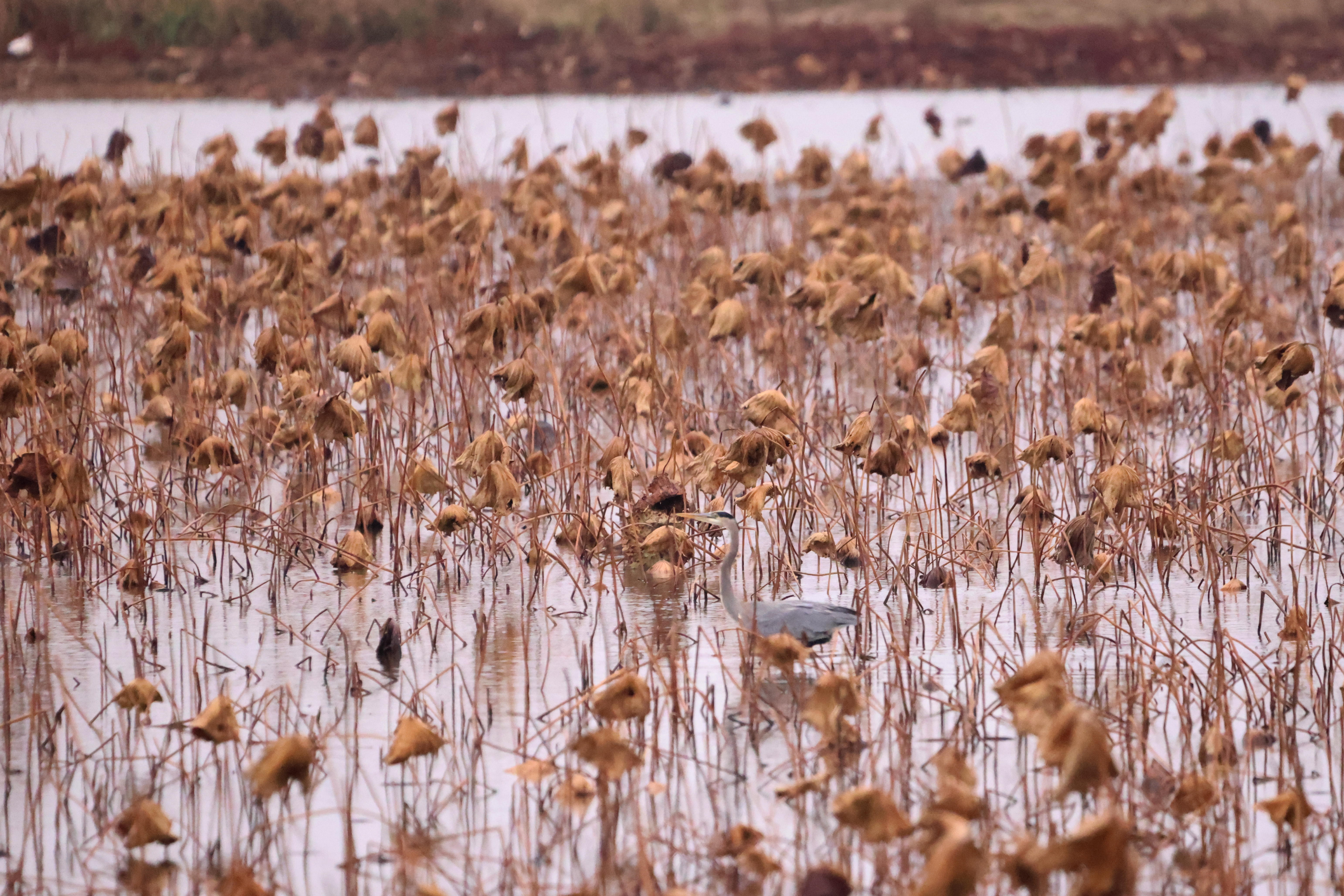
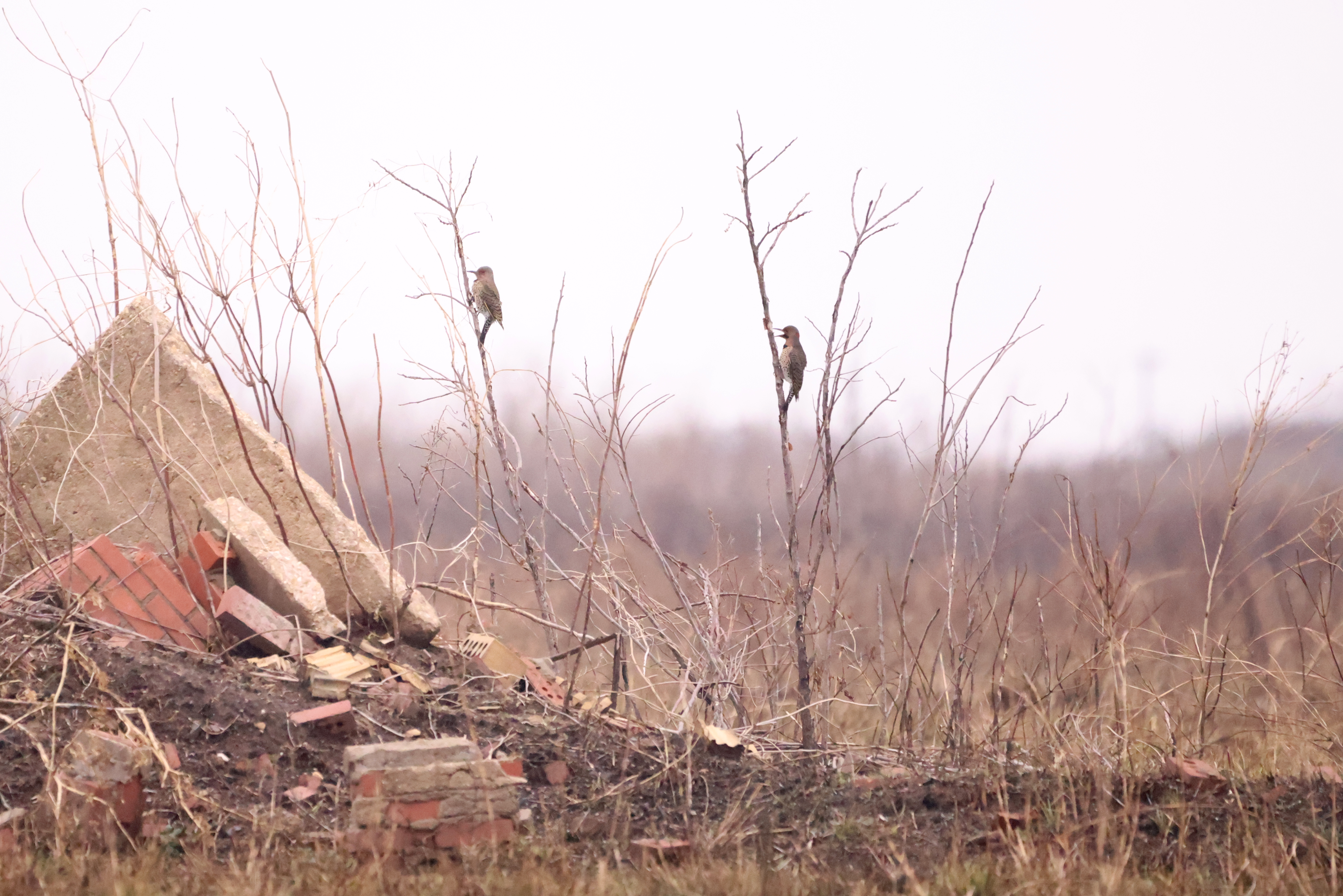
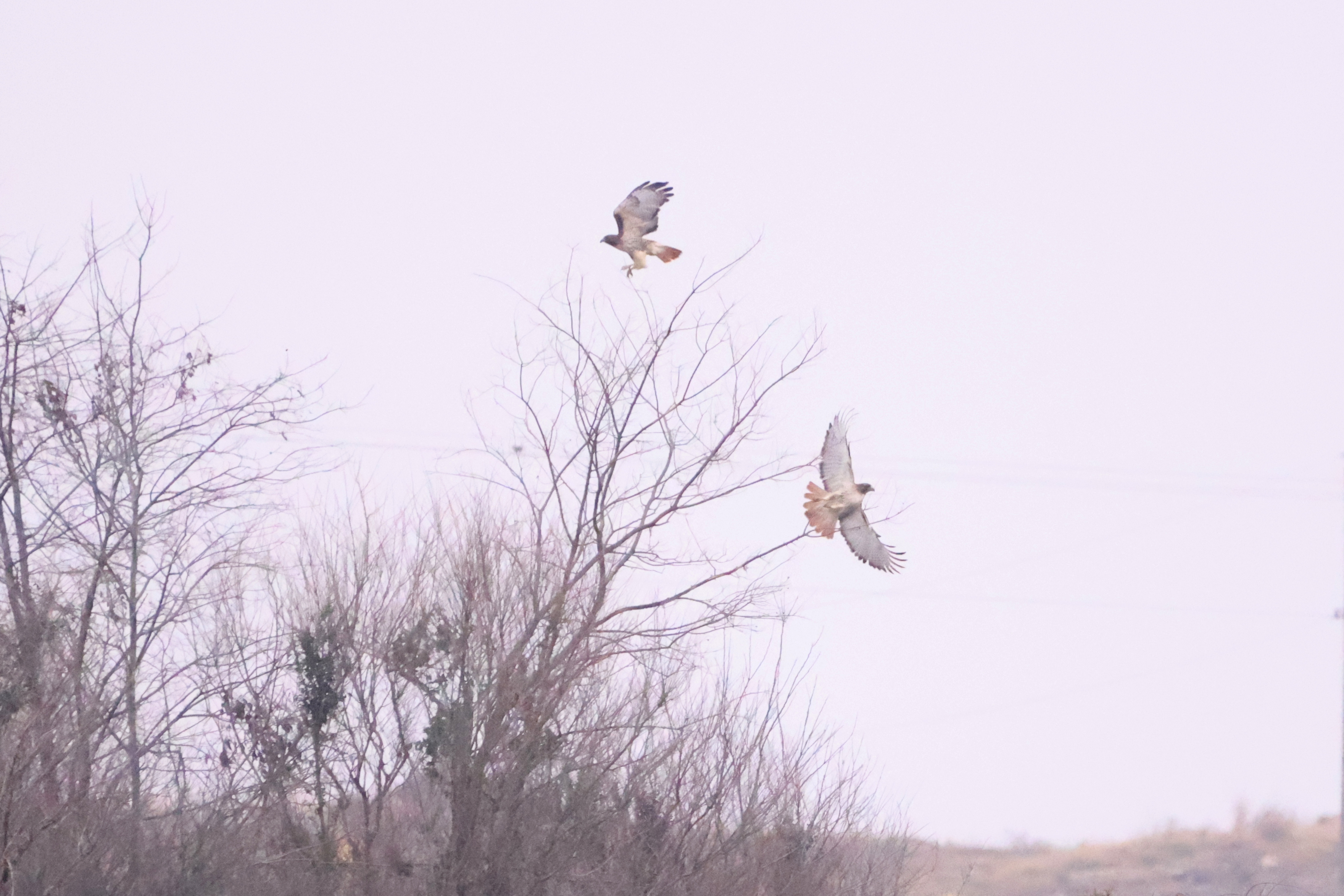
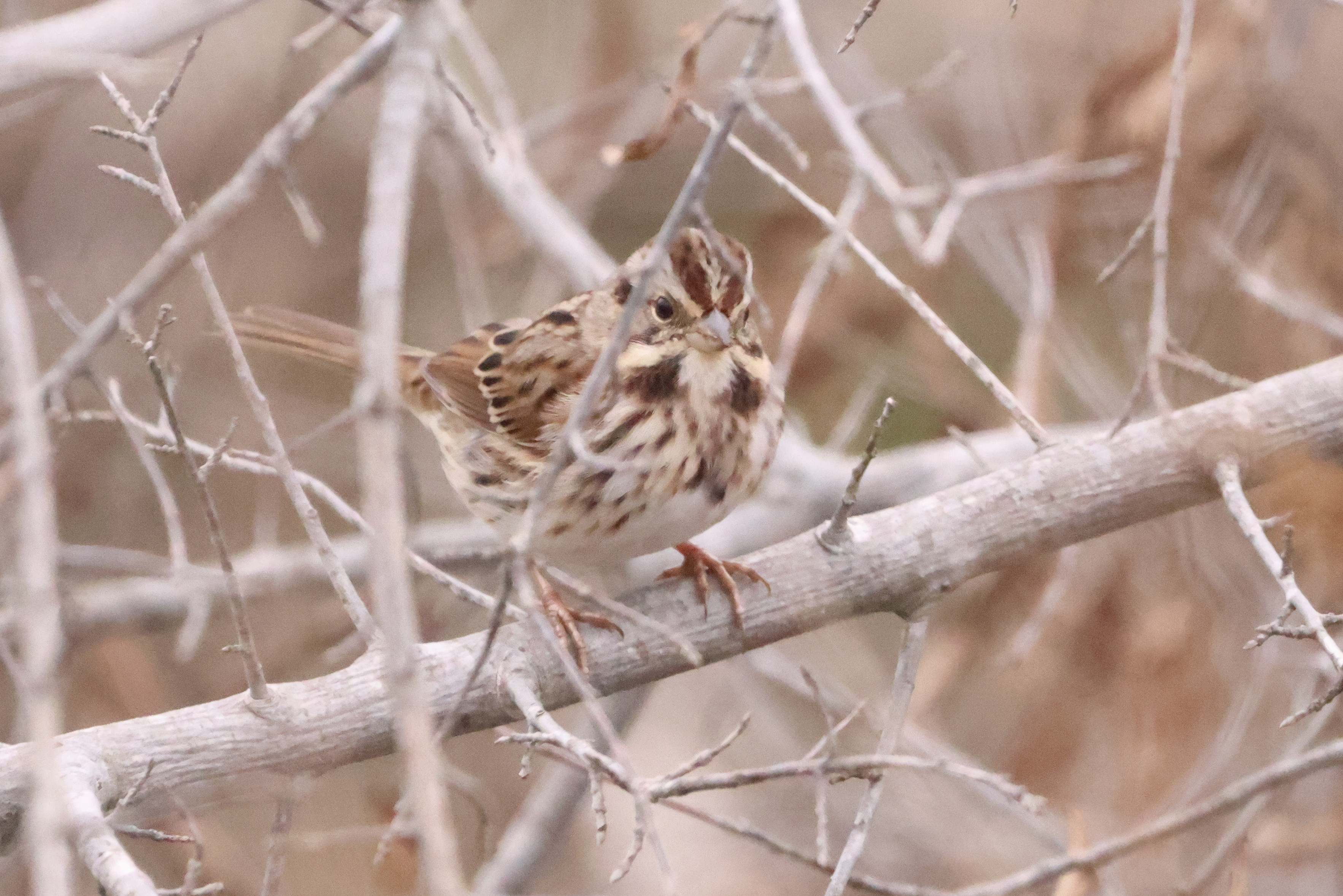
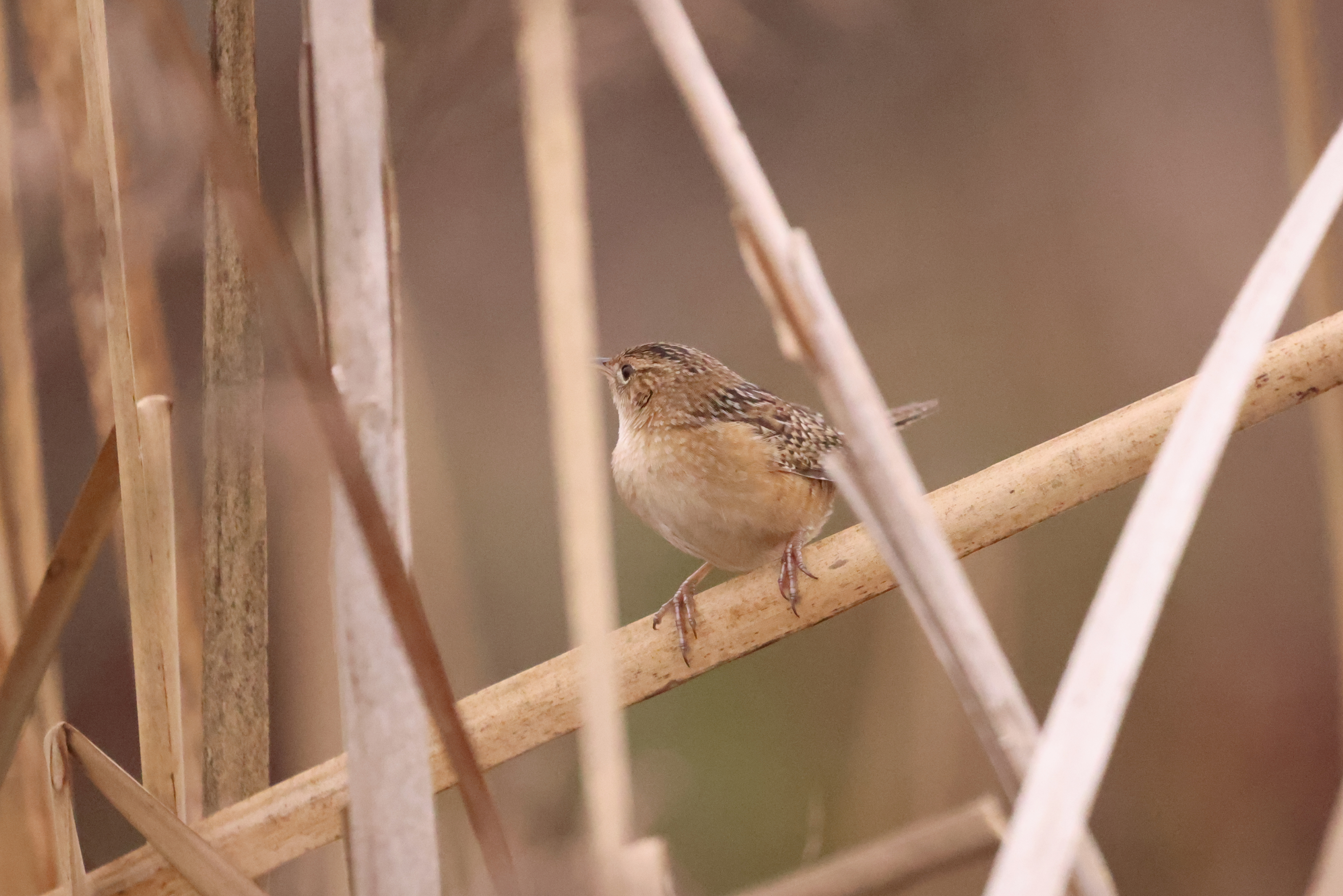
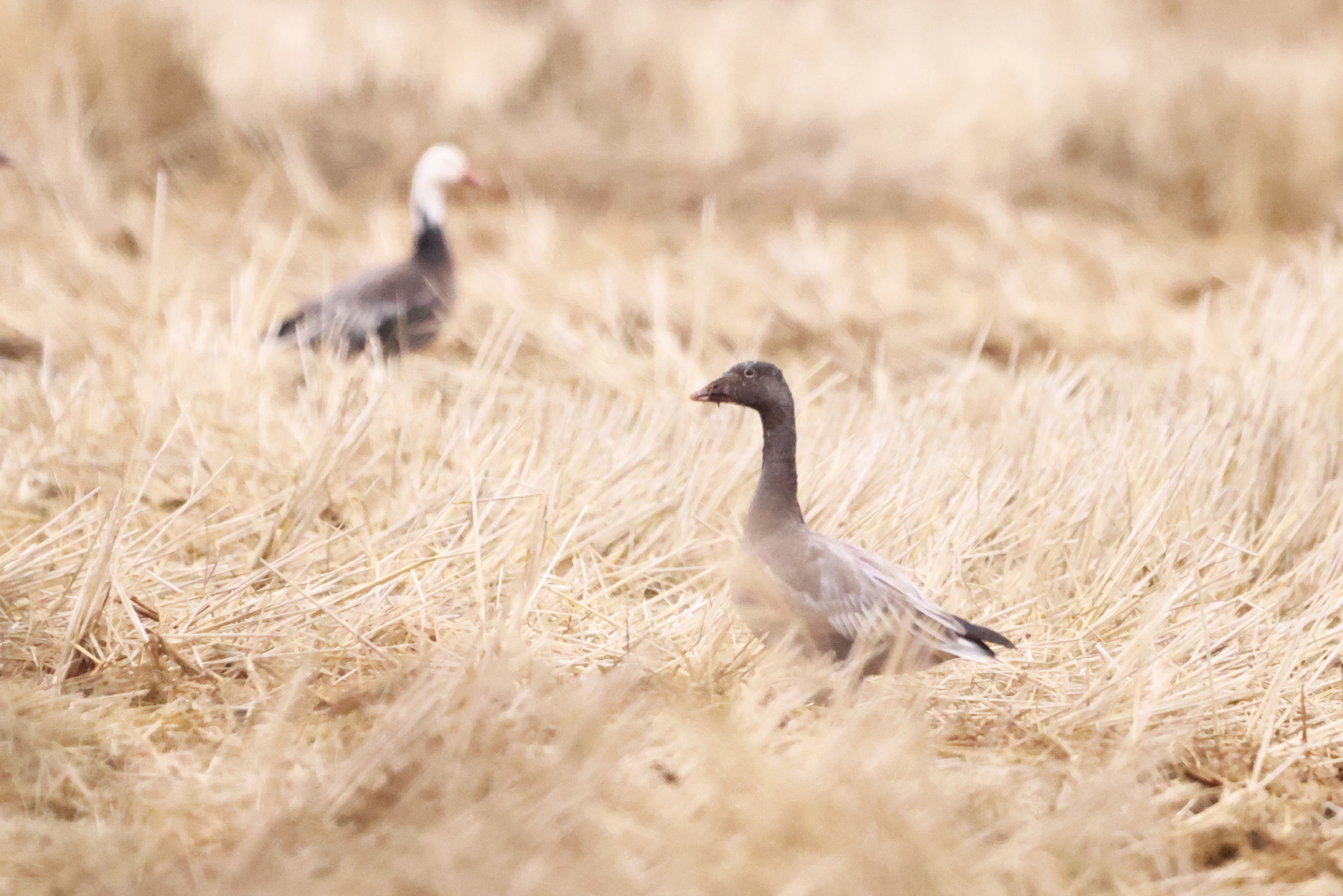
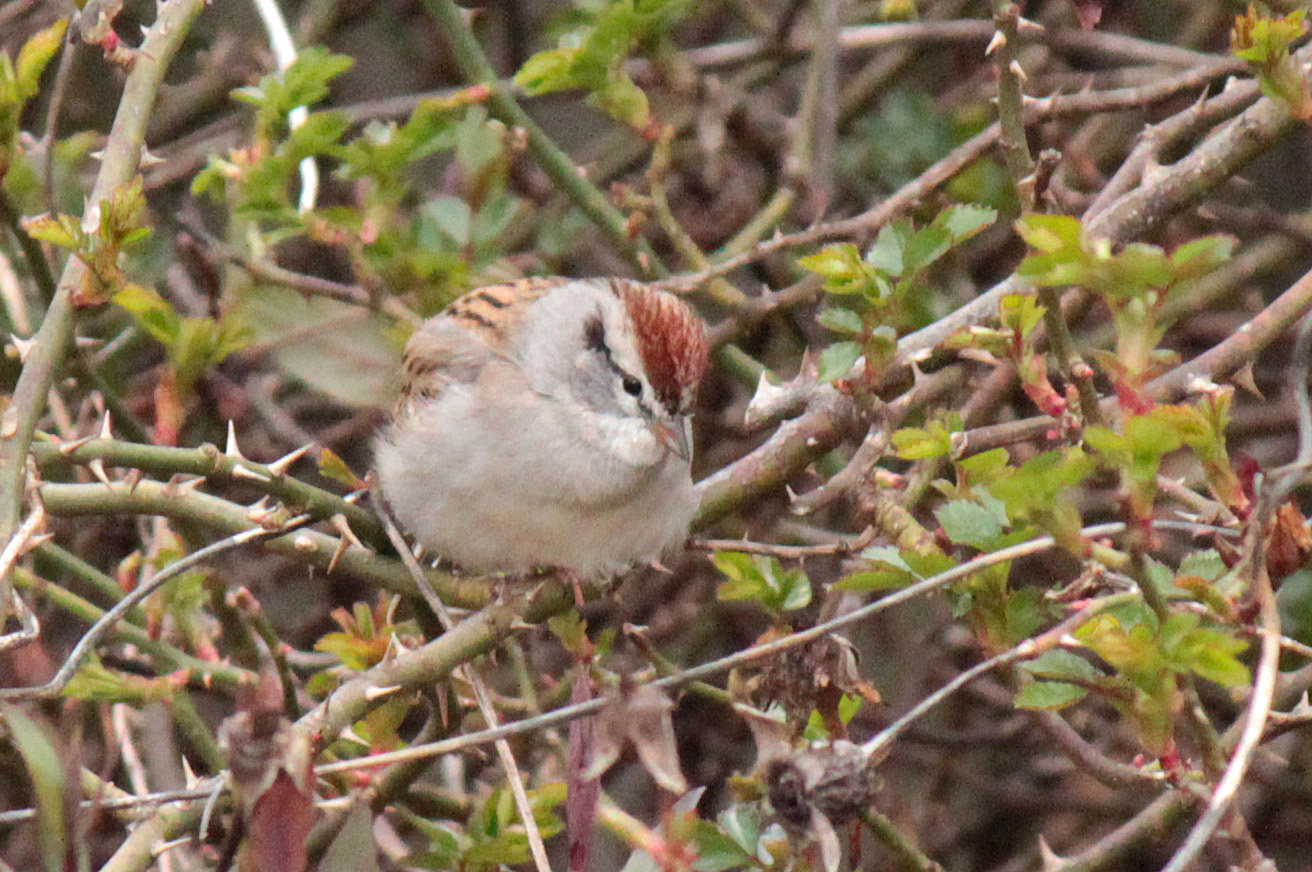
Besides visiting the airport, I also traveled to the nearby Bayo Meto Wildlife Management Area. Here are a few other birds I saw:
I previously worked as a news and sports photographer. Recently I have been enjoying wildlife photography. My approach toward bird photos is similar to sports photography. I attempt to capture mostly action and hopefully a unique perspective.









 Memos for Me