We recently discovered 19 Forster’s Terns at Boyd Point Water Treatment Plant during a recent birding field trip with a local Audubon society. Forster’s Terns are found in Arkansas during the migration season, and are medium-sized terns with a longer tail and, in nonbreeding plumage, a black eye patch (which we saw during this sighting). The terns were mixed in with Bonaparte’s Gulls and Ring-billed Gulls.
Forster’s Tern along with Bonaparte’s Gulls and Ring-billed Gulls
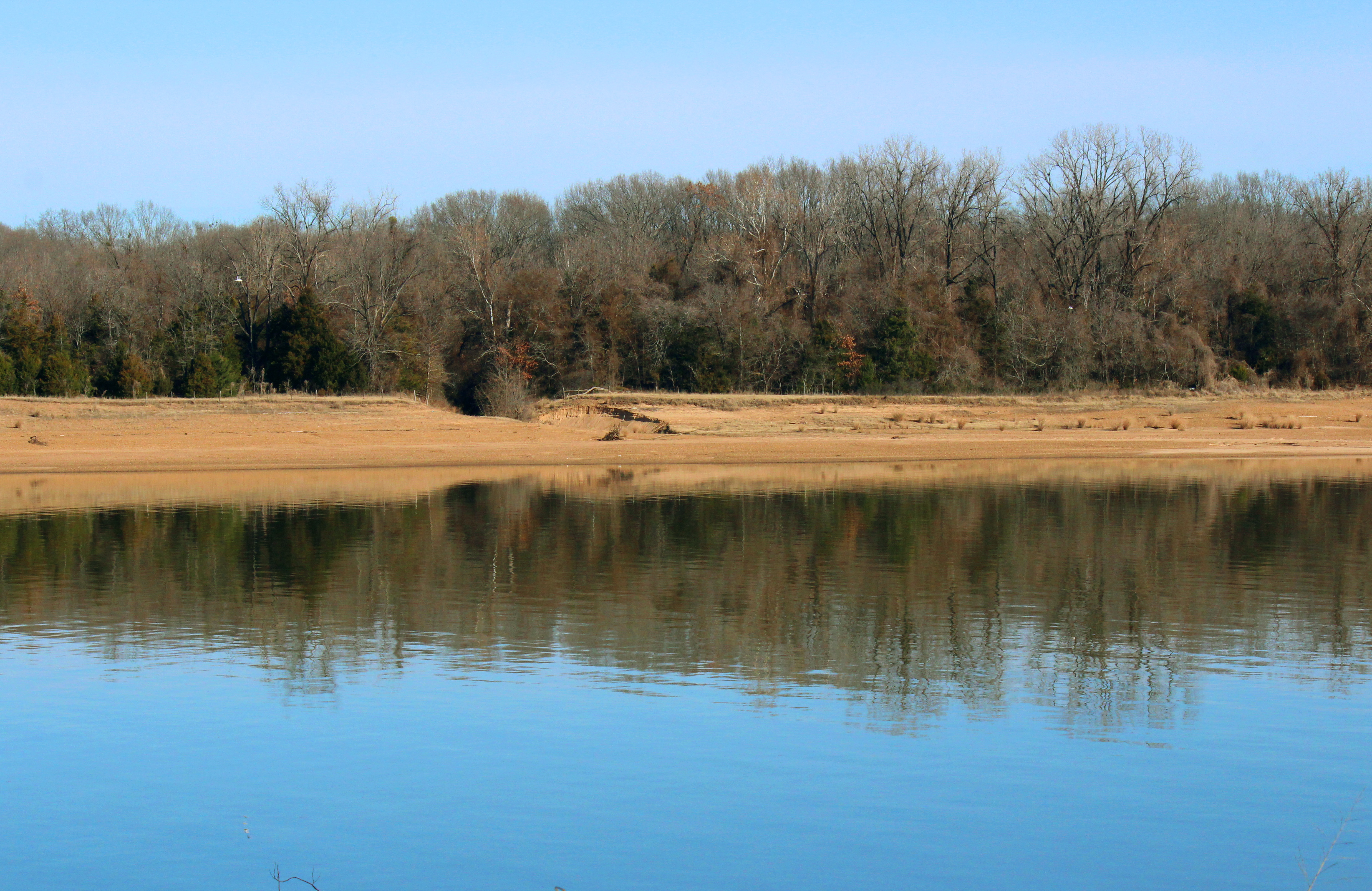
I dove straight into 2020 with a birding trip to Lake Hamilton in Hot Springs. My goal was simple – knock off at least one bird from my “Birds still left to be found” list.
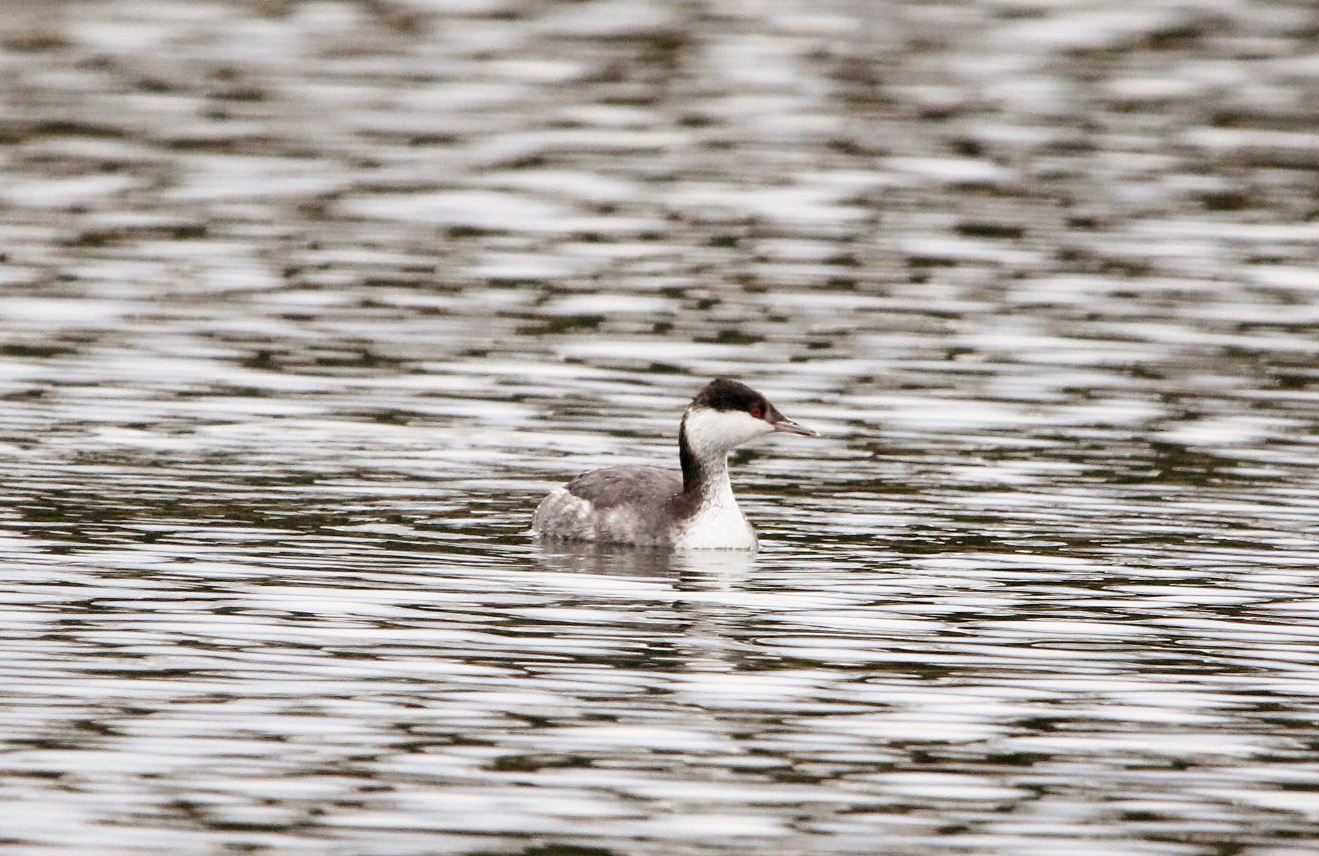
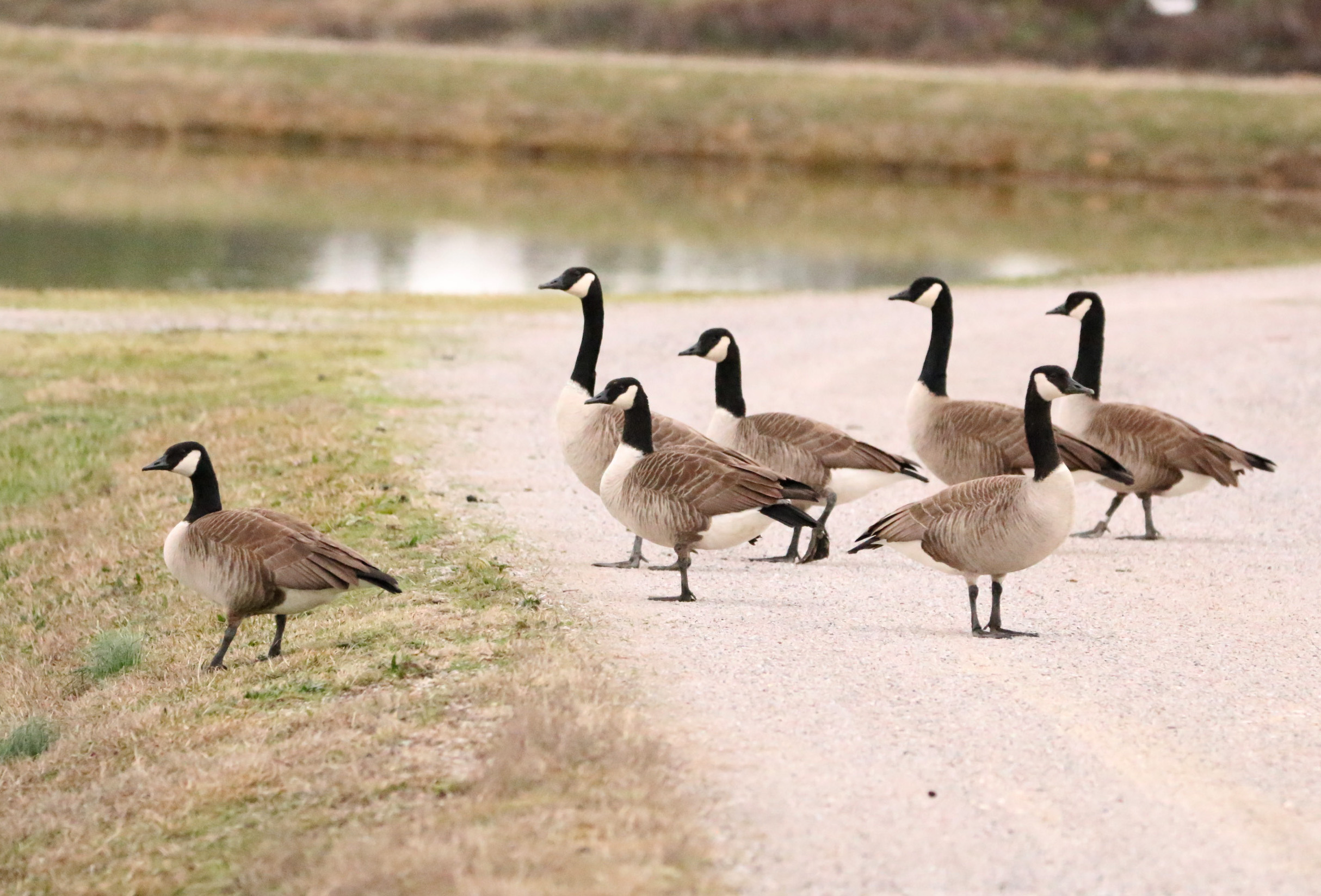
I succeeded with good looks of Cackling Geese, Horned Grebe and Common Goldeneye Ducks. Not bad for a quick Jan. 1 trip!
January is Eagle Awareness Month in Arkansas. To celebrate, I attended the Eagle Awareness Weekend at Petit Jean State Park. Bald Eagle numbers in the lower 48 states have now increased from 417 nesting pairs in 1967 to more than 10,000 nesting pairs in recent years. However, this still hasn’t helped me reach my goal of seeing an adult Bald Eagle.
The Bald Eagle gained federal protection in 1940 and its population was severely threatened by the widespread use of the pesticide DDT after World War II. DDT caused Bald eagles to lay eggs with weakened shells.
The U.S. Fish and Wildlife Service changed the Bald Eagle’s status from endangered to threatened in 1995. In 2007, the Bald Eagle was taken off the Federal List of Endangered and Threatened Wildlife and Plants.
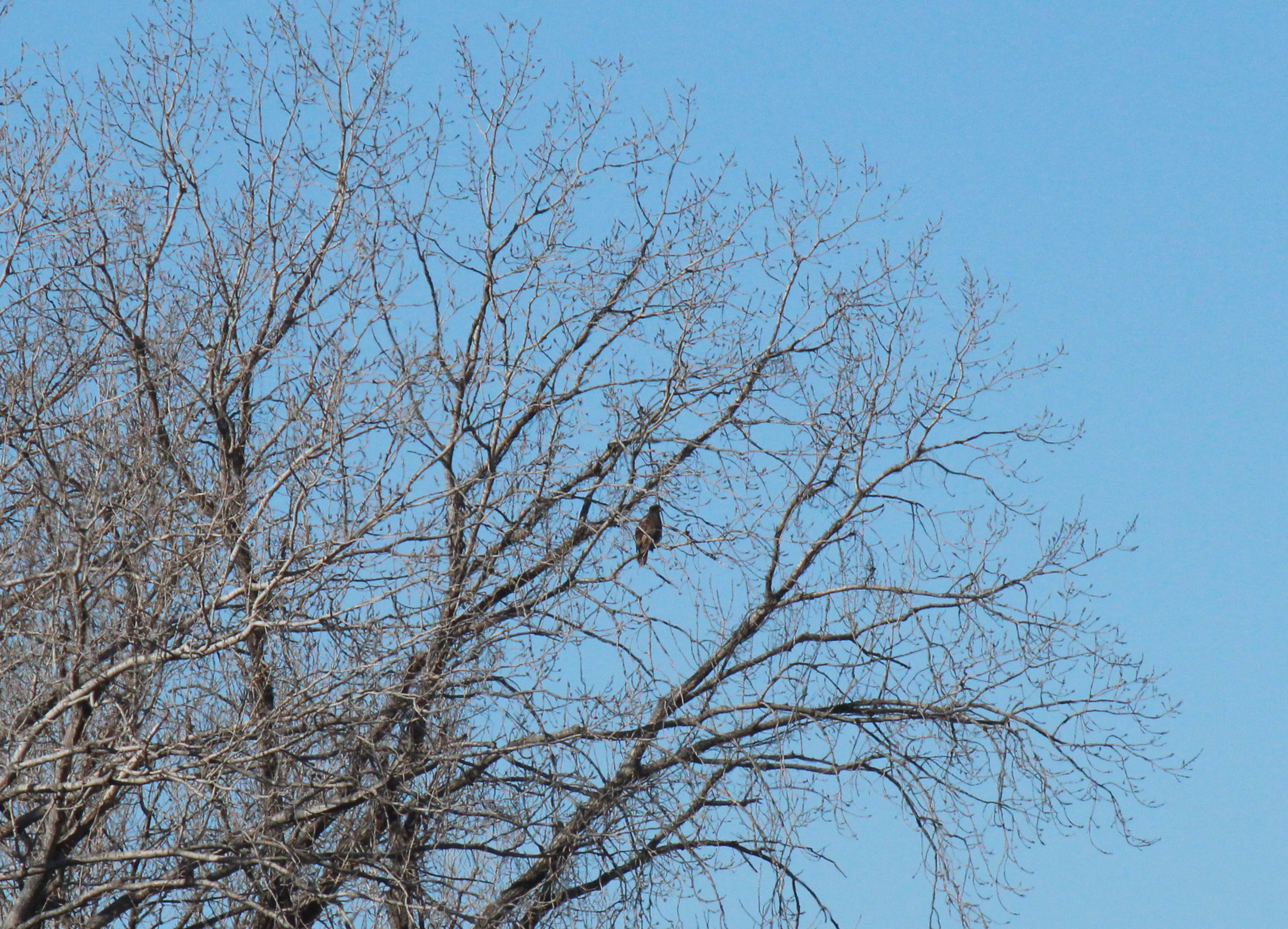
One of the two juvenile Bald Eagles spotted within feet of each other. The second of two juvenile Bald Eagles that we saw. I was unable to get closer.
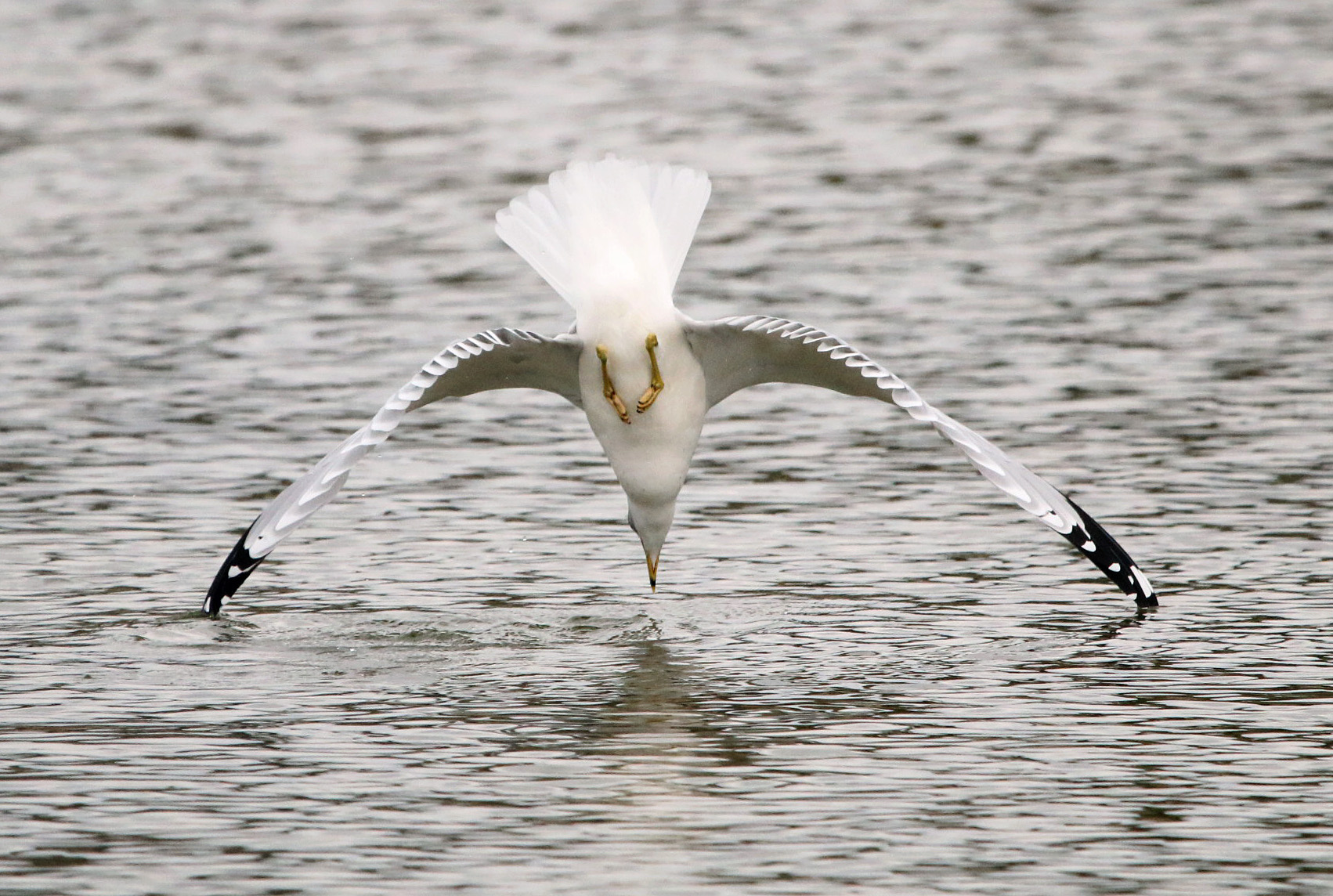
I previously worked as a news and sports photographer. Recently I have been enjoying wildlife photography. My approach toward bird photos is similar to sports photography. I attempt to capture mostly action and hopefully a unique perspective.




 Memos for Me