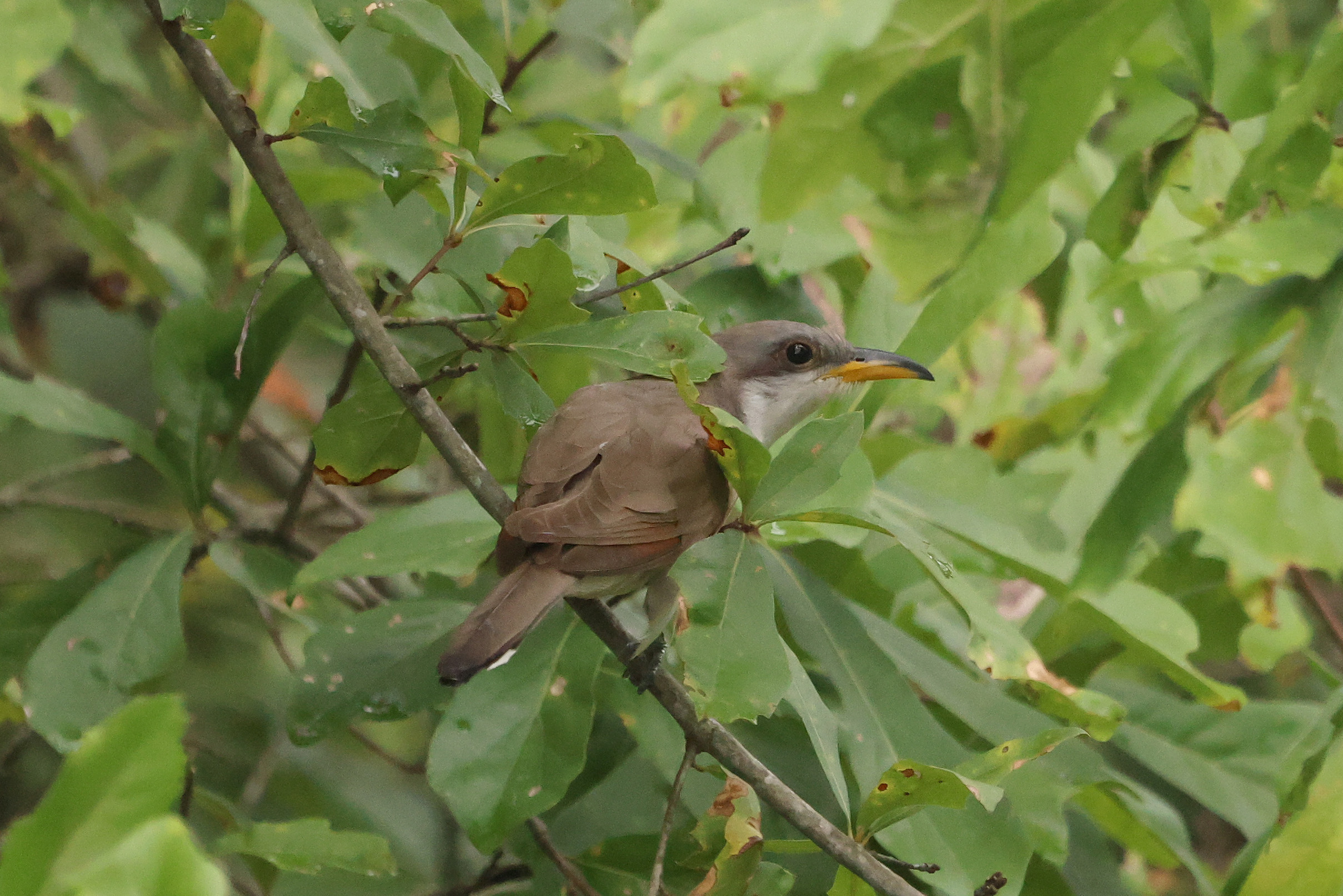
Photos: Lorance Creek Natural Area
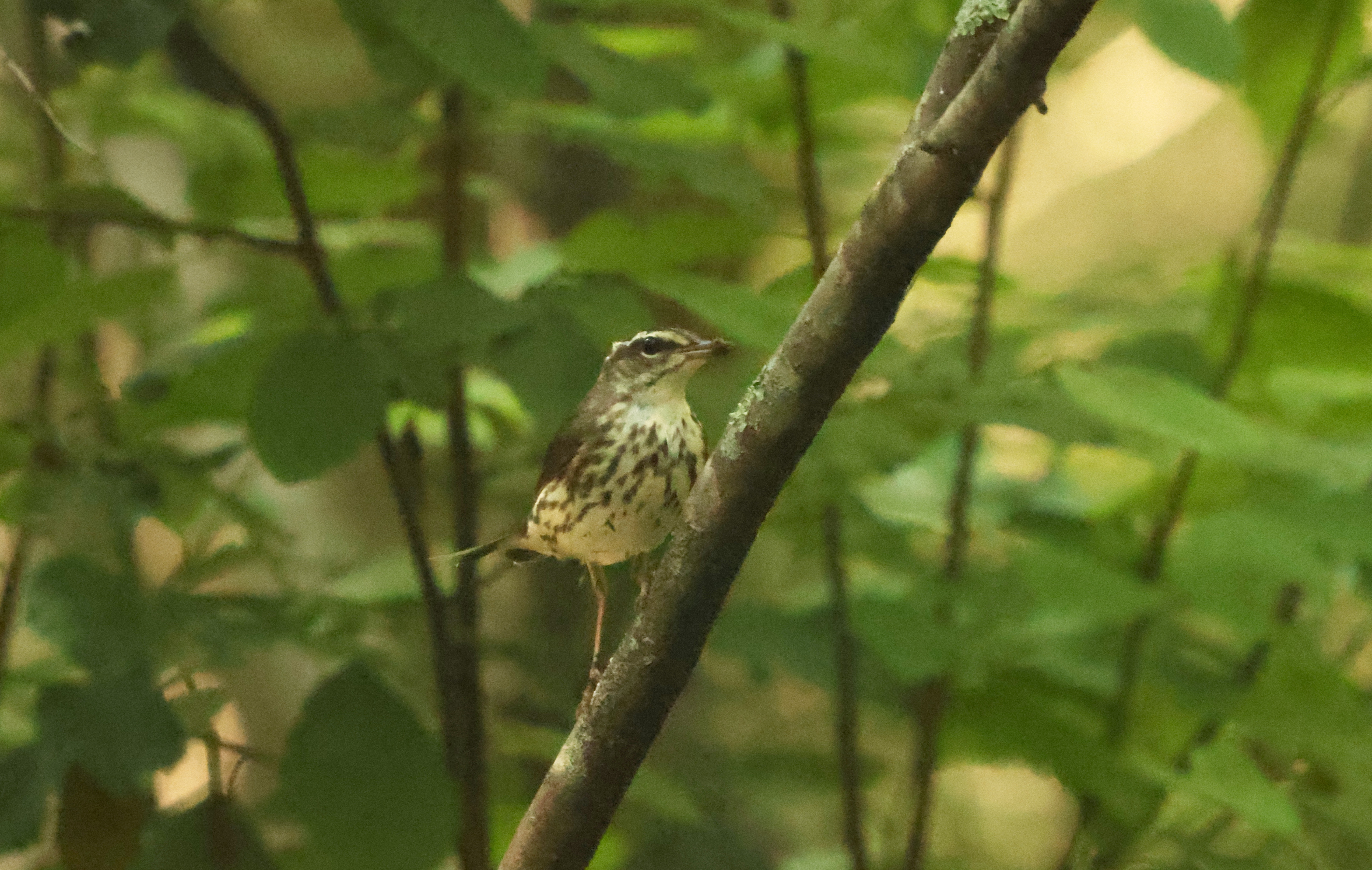
Louisiana Waterthrush

I’ve been on the hunt to spot and photograph a Louisiana Waterthrush, a member of the warbler family that stays close to moving water and is among the earliest migrating warblers.

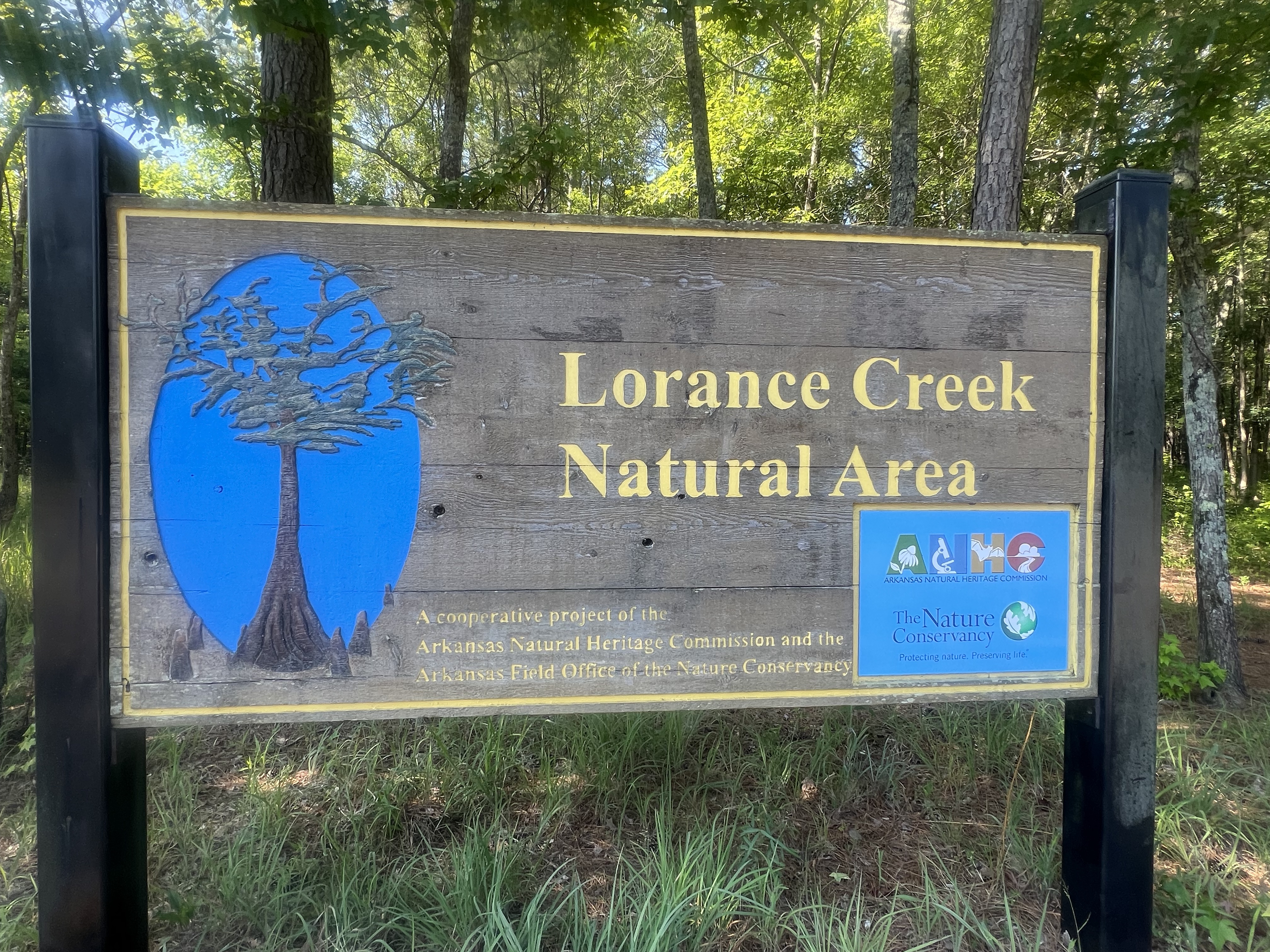
I finally spotted my first Louisiana Waterthrush today at the Lorance Creek Natural Area. It was also my first trip to the this natural area, which has a .5 mile roundtrip trail that starts in an upland pine-oak forest and ends with a boardwalk through an open water tupelo-bald cypress forest. Added in 1990, Arkansas Heritage describes the natural area as primarily a shallow, groundwater-fed swamp that spreads out along both sides of Lorance Creek. It is situated at the transition zone between the sandy uplands of the Coastal Plain and the flat lowlands of the Mississippi Alluvial Plain.
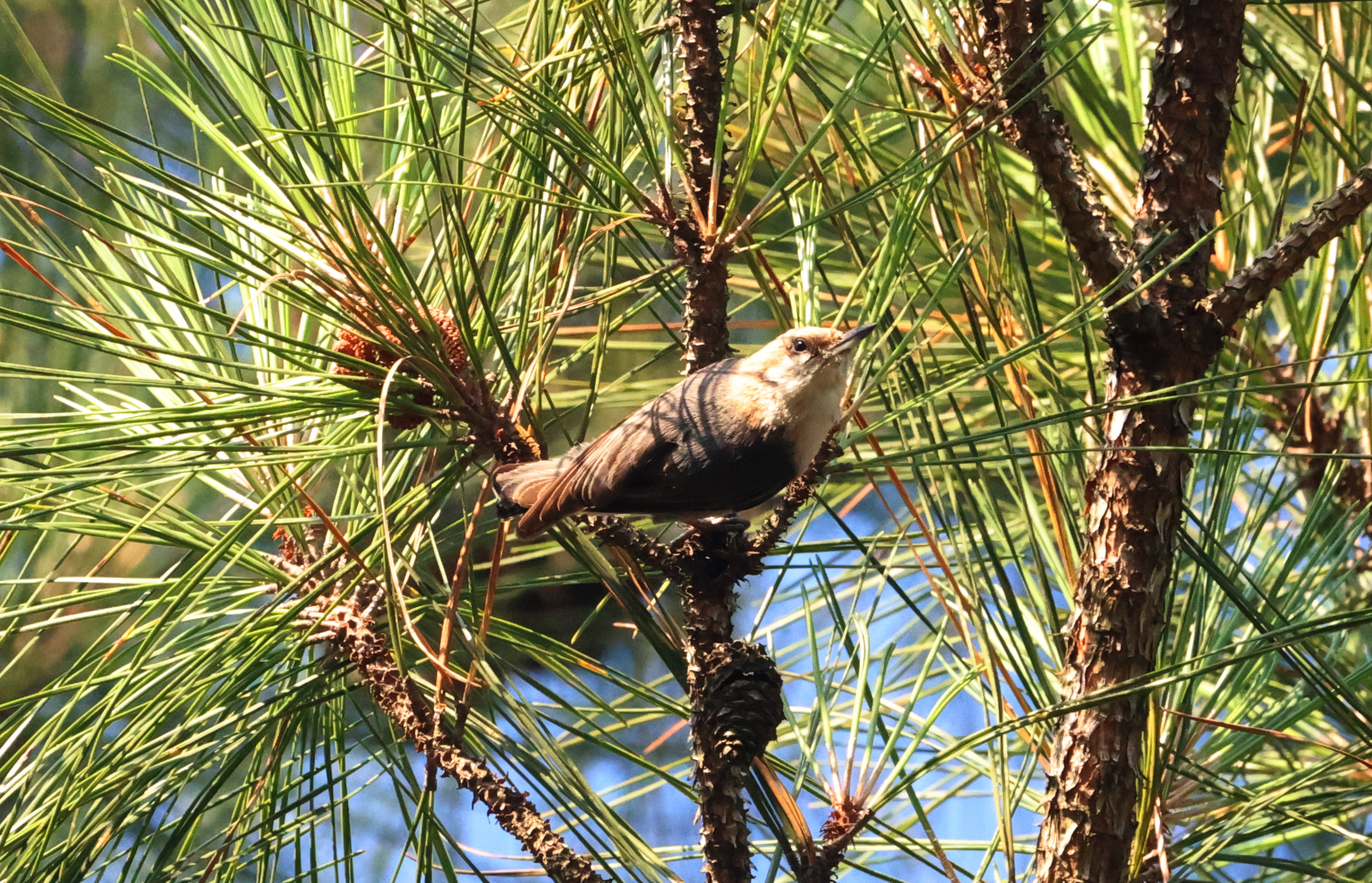
I got there at 7:51 a.m. and spent the next almost two hours searching for birds. I found 31 species and was actually greeted in the parking lot by a Black-and-White Warbler and a Brown-headed Nuthatch.

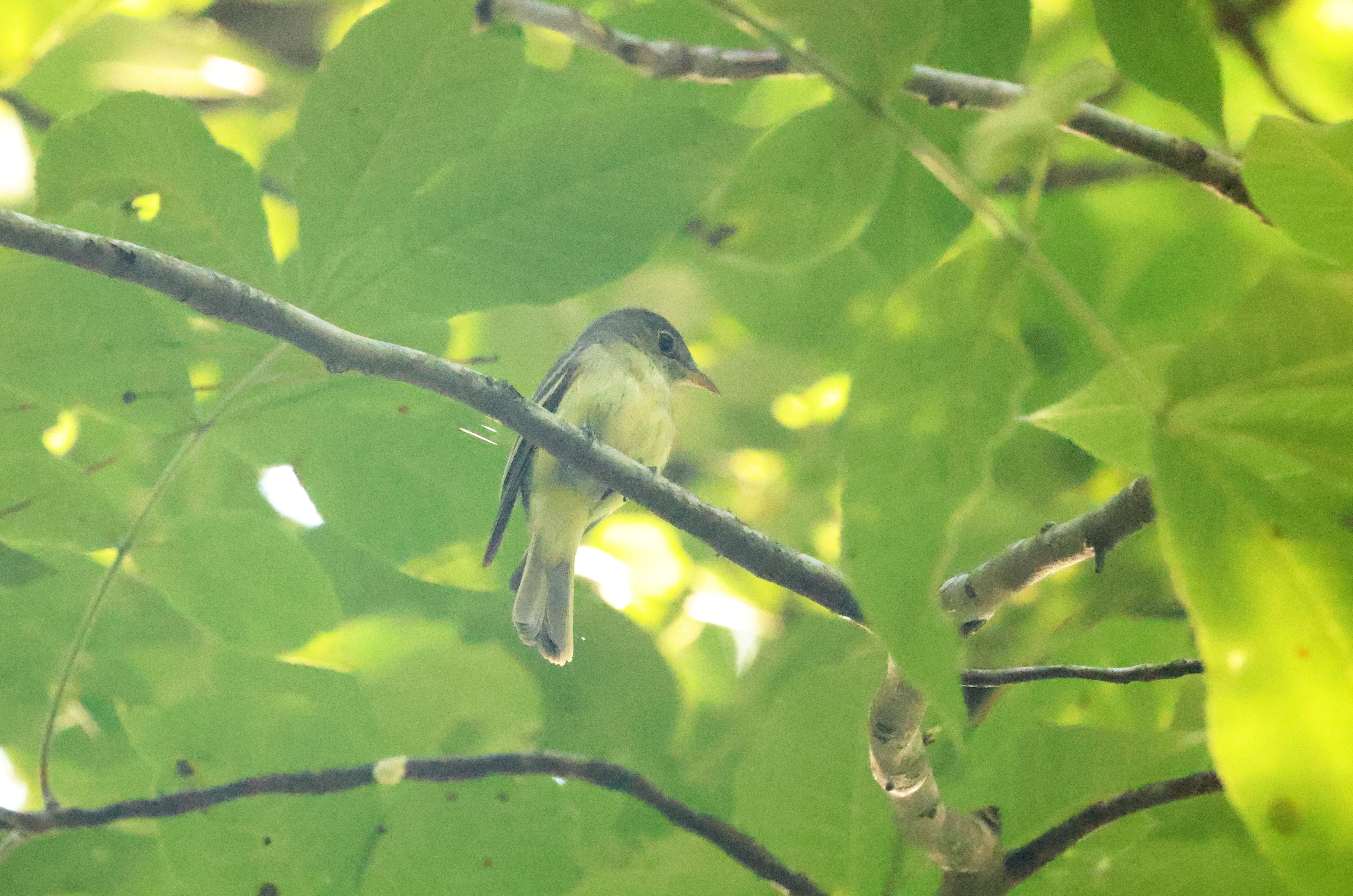
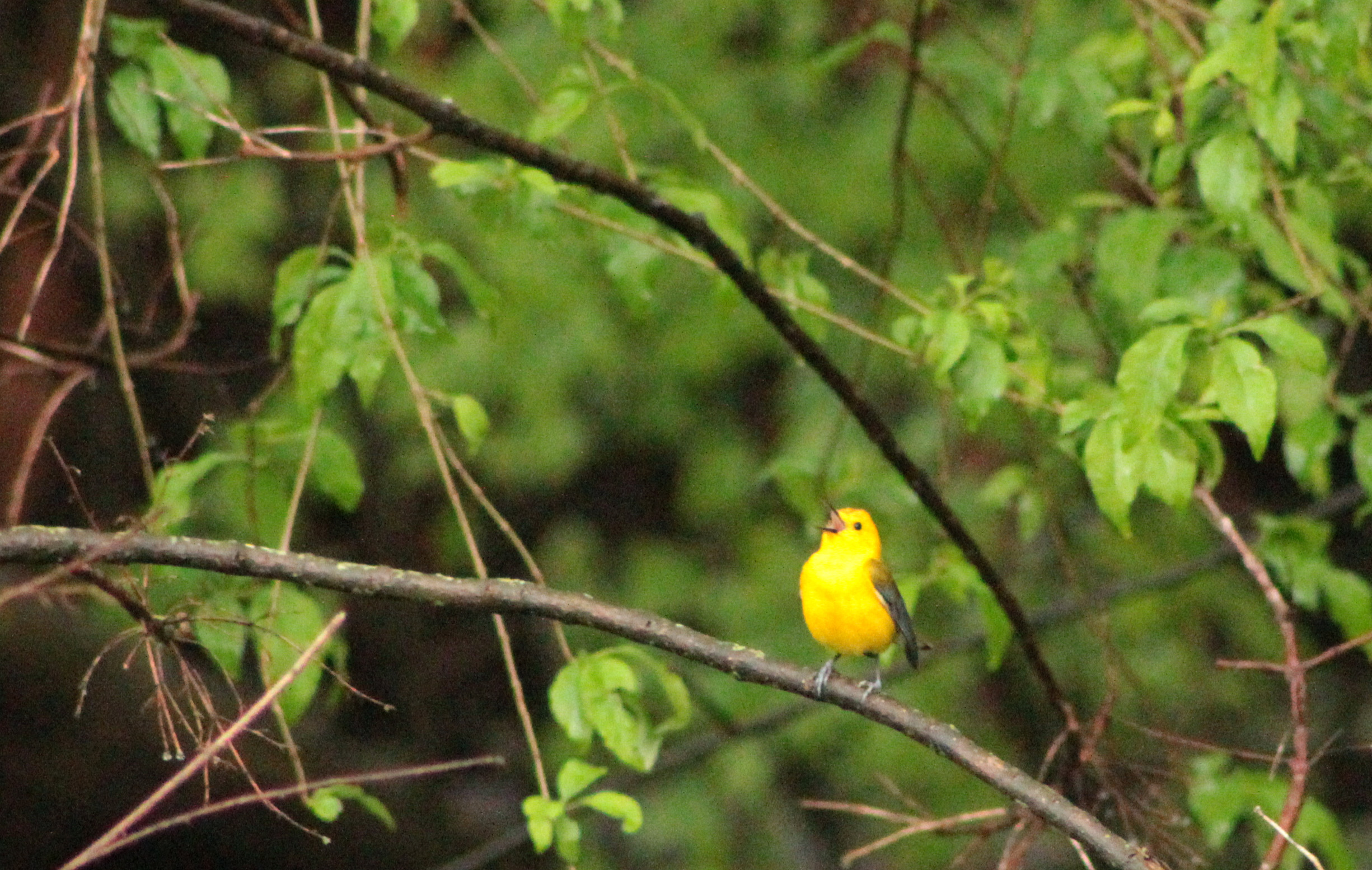
I’m looking forward to coming back later when migration picks back up to see What other warblers I can find. Until then, I’m happy with my sightings so far, which include an Acadian Flycatcher, Indigo Buntings and Prothonotary Warblers.

Acadian Flycatcher

Photos: Bald Knob WMA Revisited

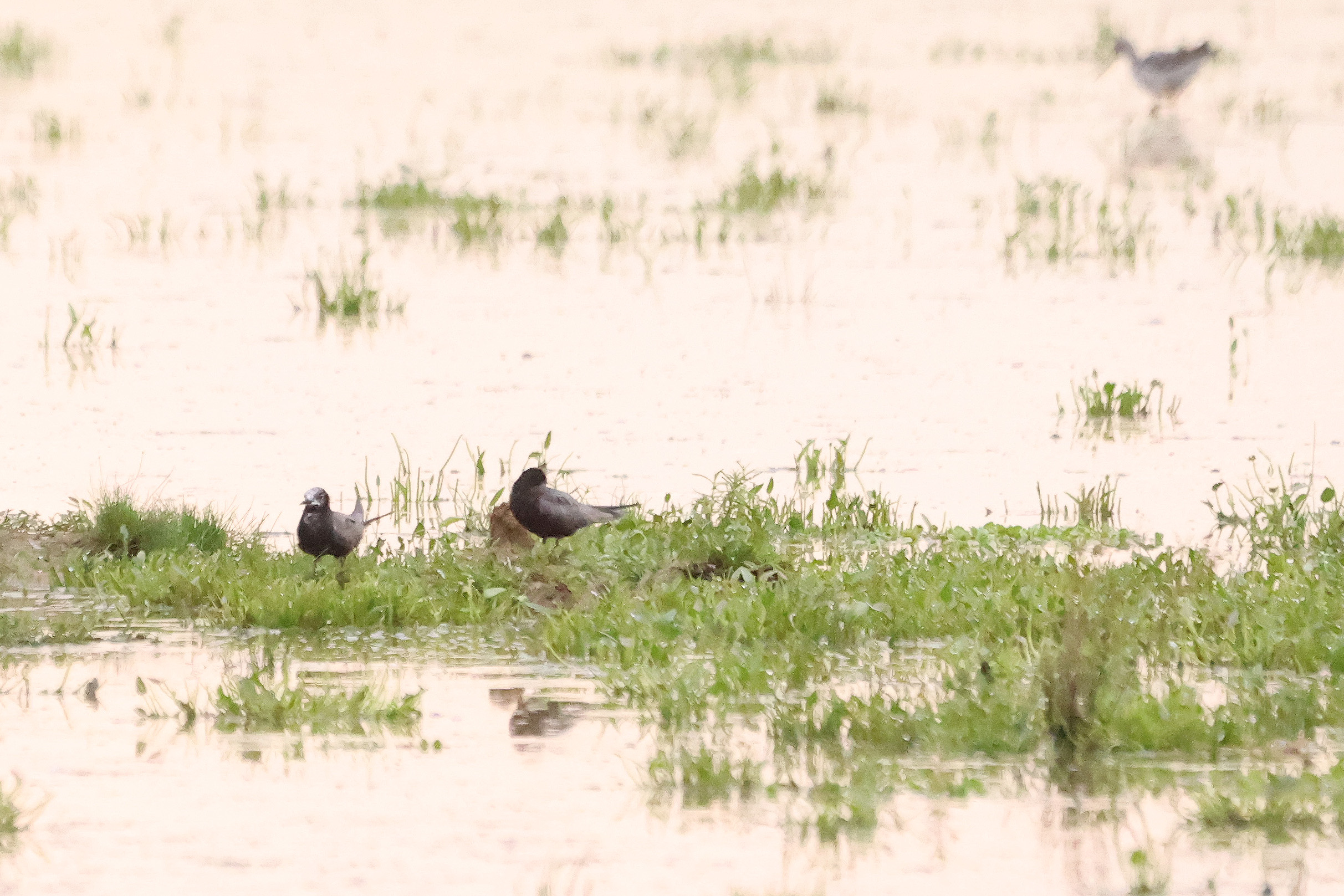
Black Tern

The Bald Knob National Wildlife Refuge never disappoints. I never know what I am going to find, and the latest visit didn’t disappoint. This visit included four Black Terns (including one molting adult) flying above and sitting in the fields neighboring Coal Chute Road. Black Terns migrate through most of the United States, with some of their breeding range including the very northern part of the nation. Its non breeding range is along the coast of Central America and the top part of South America.

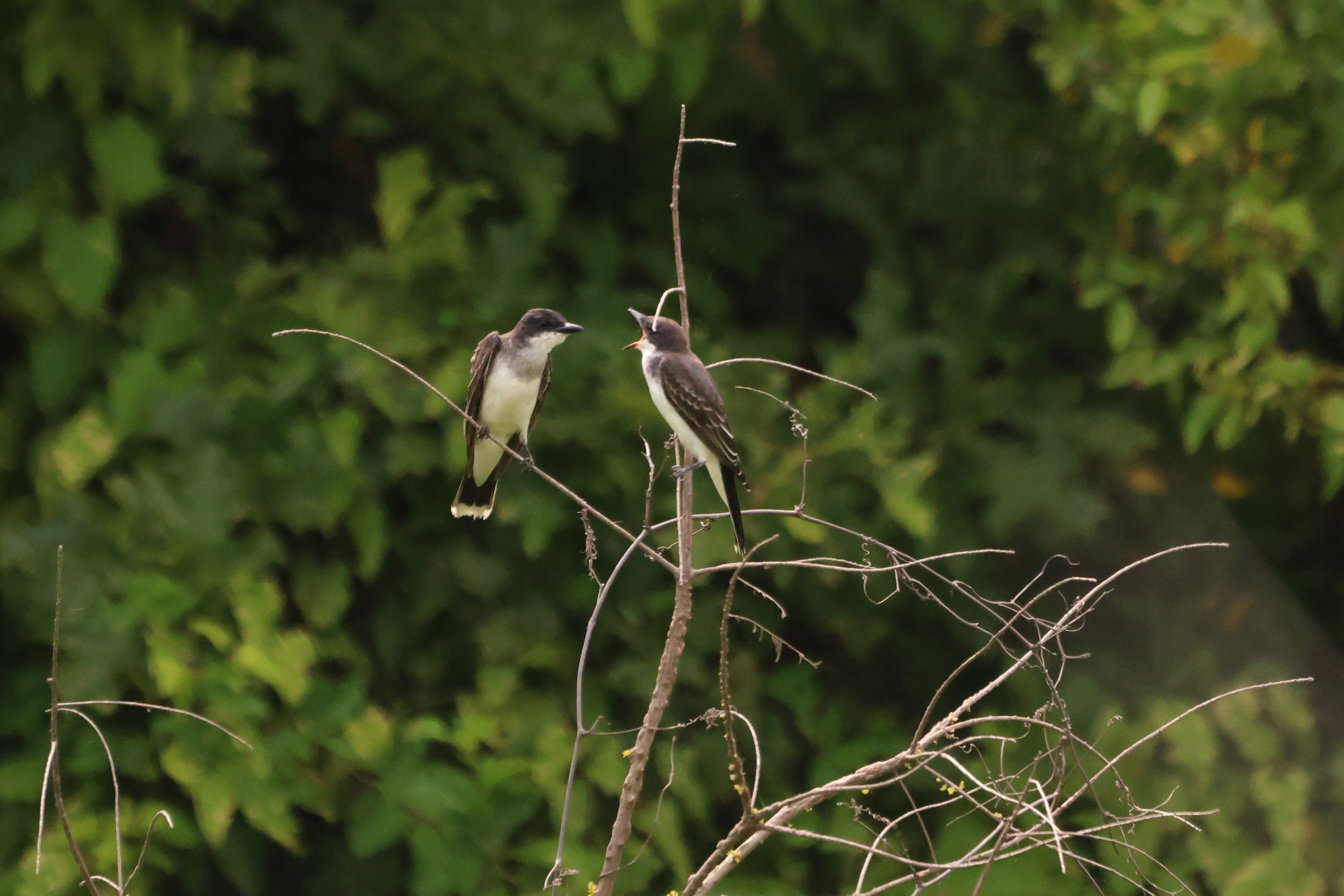
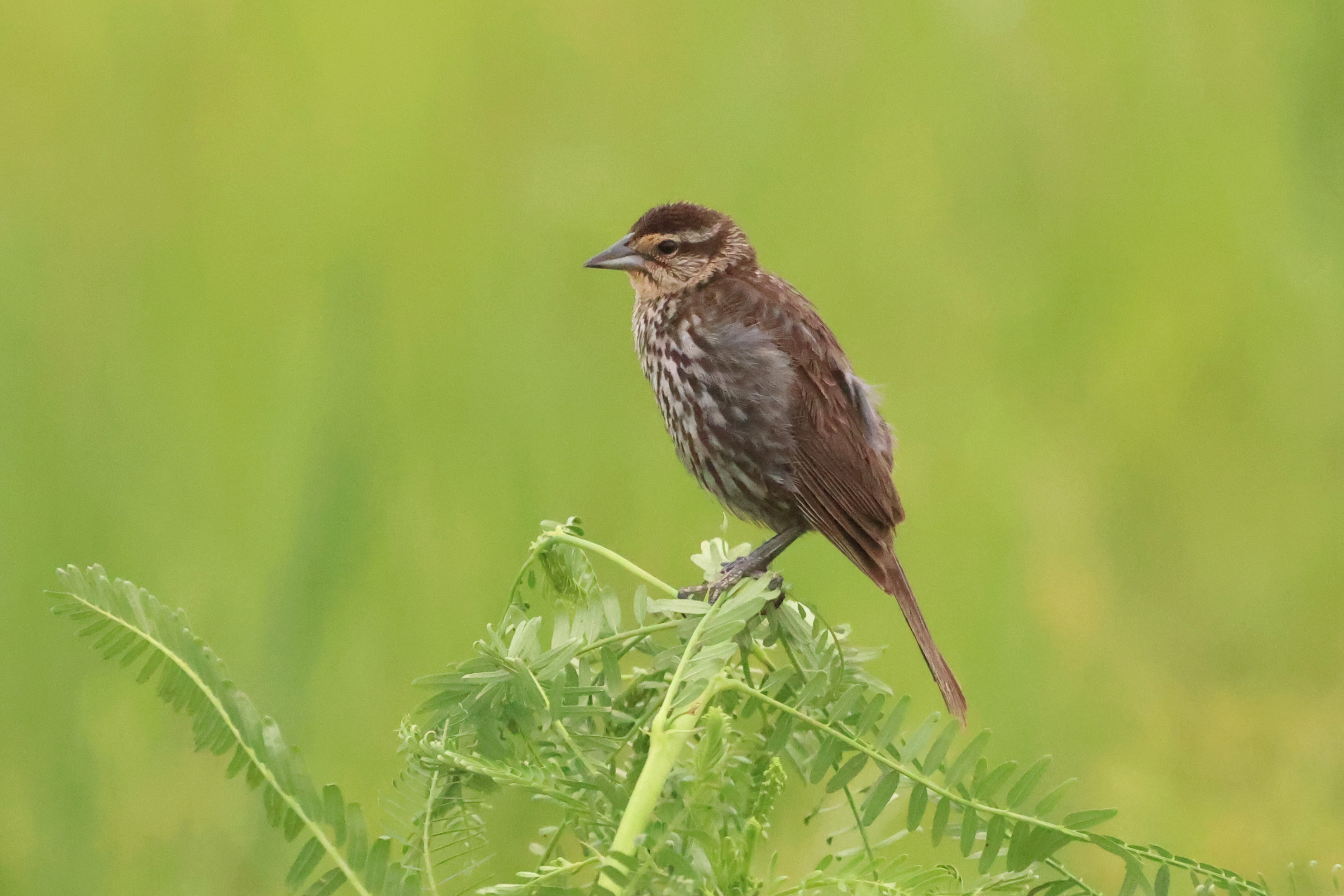
This was my first time to see Black Terns. While they were the only firsts for me today, there were plenty of other birds who were very cooperative in being photographed:

Birding at Bell Slough WMA

Kentucky Warbler1 04252020 Bell Slough Wildlife Area
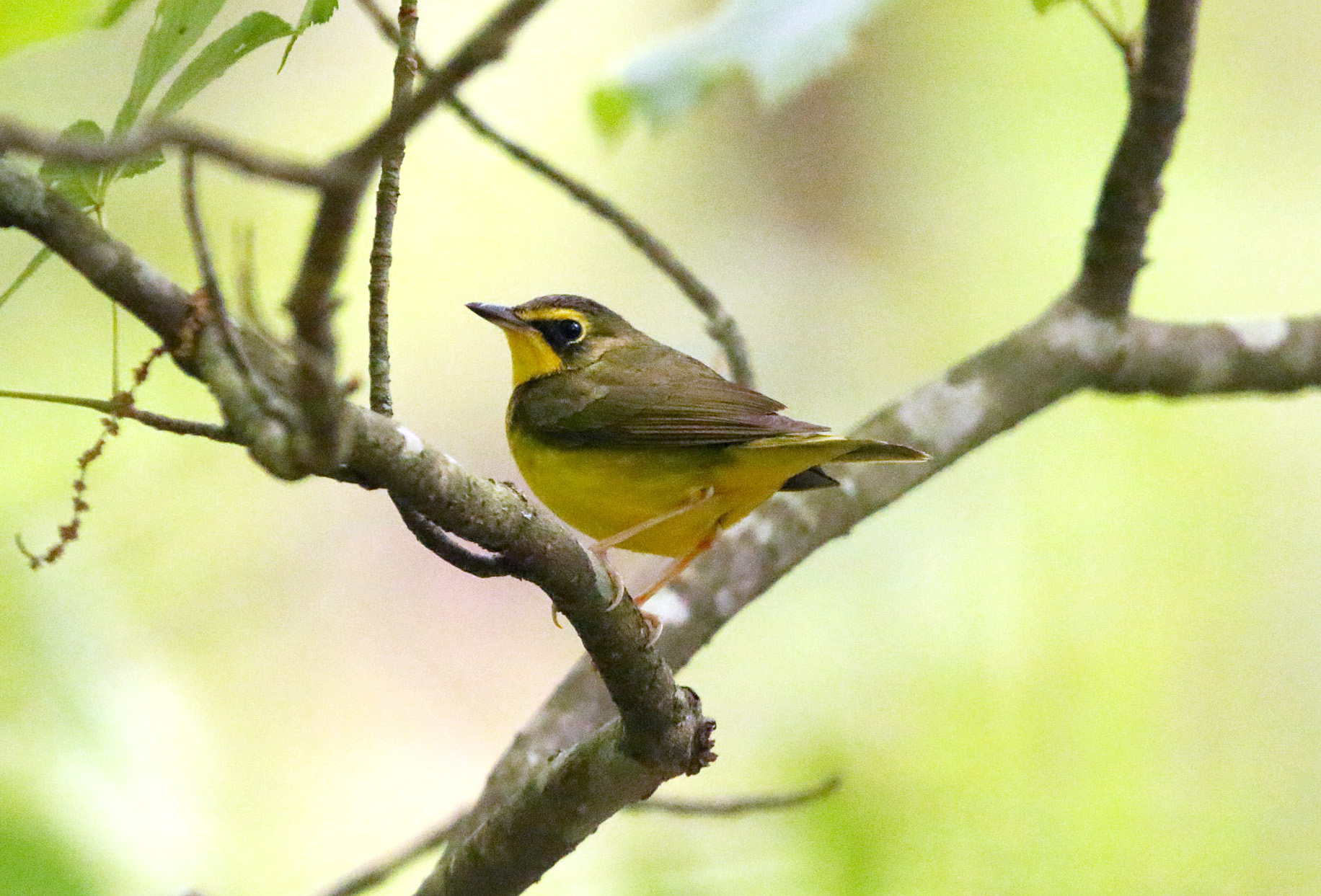
Kentucky Warbler

A few weeks back – okay April, I’m just now getting to these photos – I visited Bell Slough Wildlife Management Area near Mayflower. It was my first time there, and I took the Kenny Vernon Nature Trail. It’s a 2.25 mile trail, and includes a variety of habitats such as flood fields, an area with a shale surface, and woods as well as elevation changes.

IMG_0941

There is a boardwalk at the start of the trail, which was actually flooded so I went back to town and bought rain boots to go through the water in. But, it was worth it – the day was beautiful and there were tons of birds singing. Prothonotary Warblers were actually all over this section of the trail.

IMG_0940

My most exciting find was a Kentucky Warbler (a first for me!!) that allowed me to get a really good look. Below are a few of my other finds:

Black-and-white Warbler 04252020 Bell Slough Wildlife Area
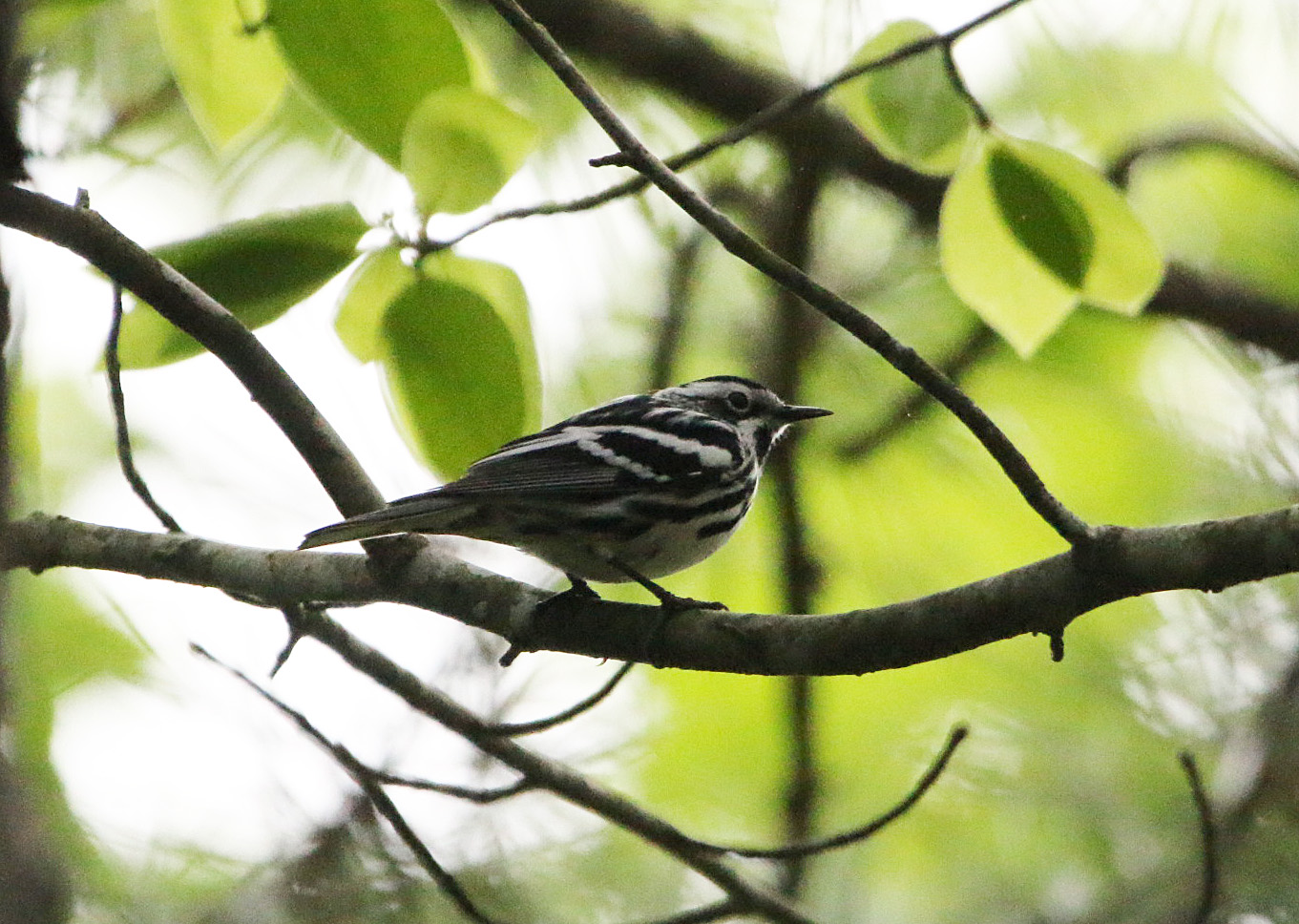
Black-and-white Warbler

Prothonotary Warbler3 04252020 Bell Slough Wildlife Area
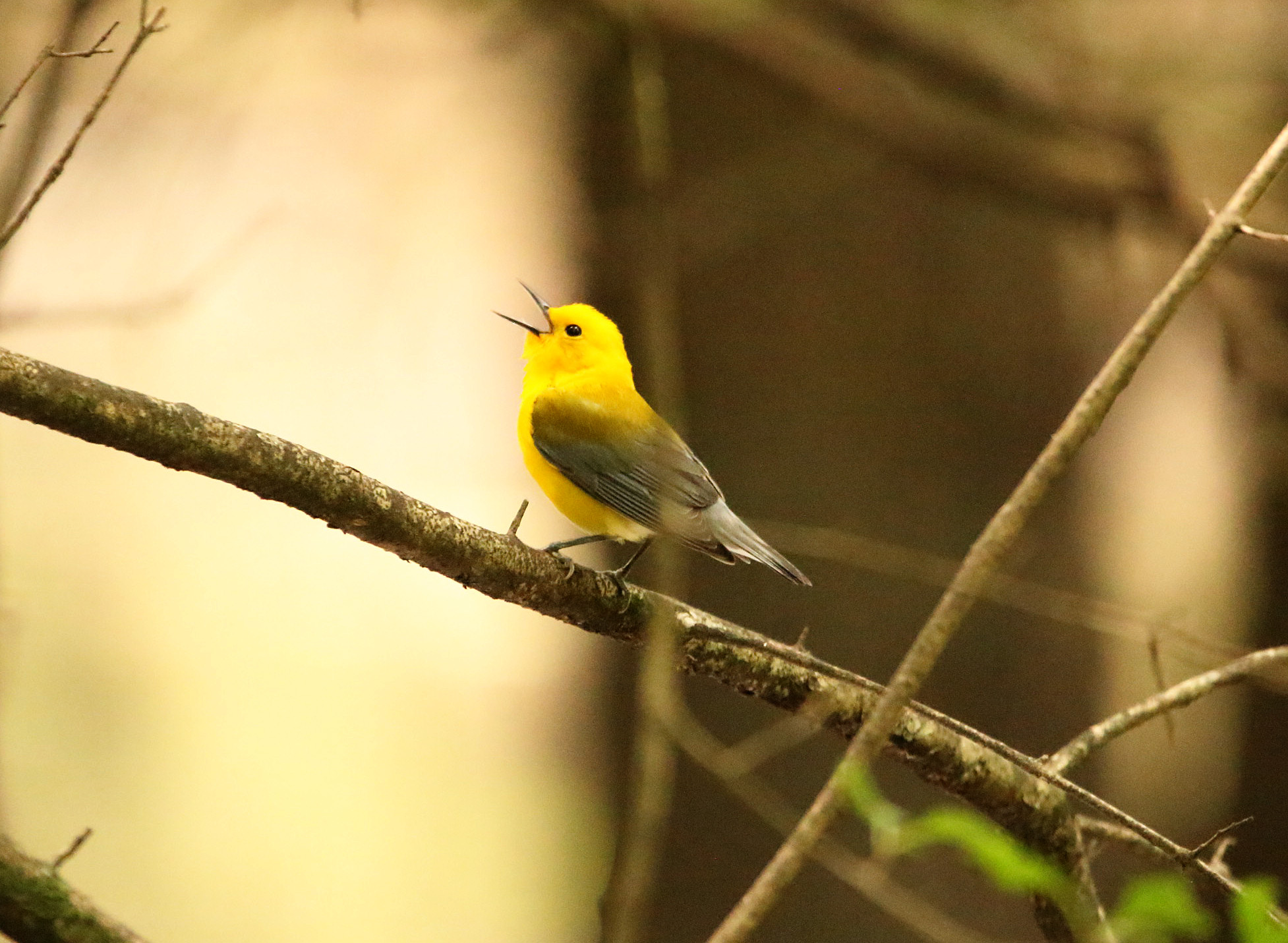
Prothonotary Warbler

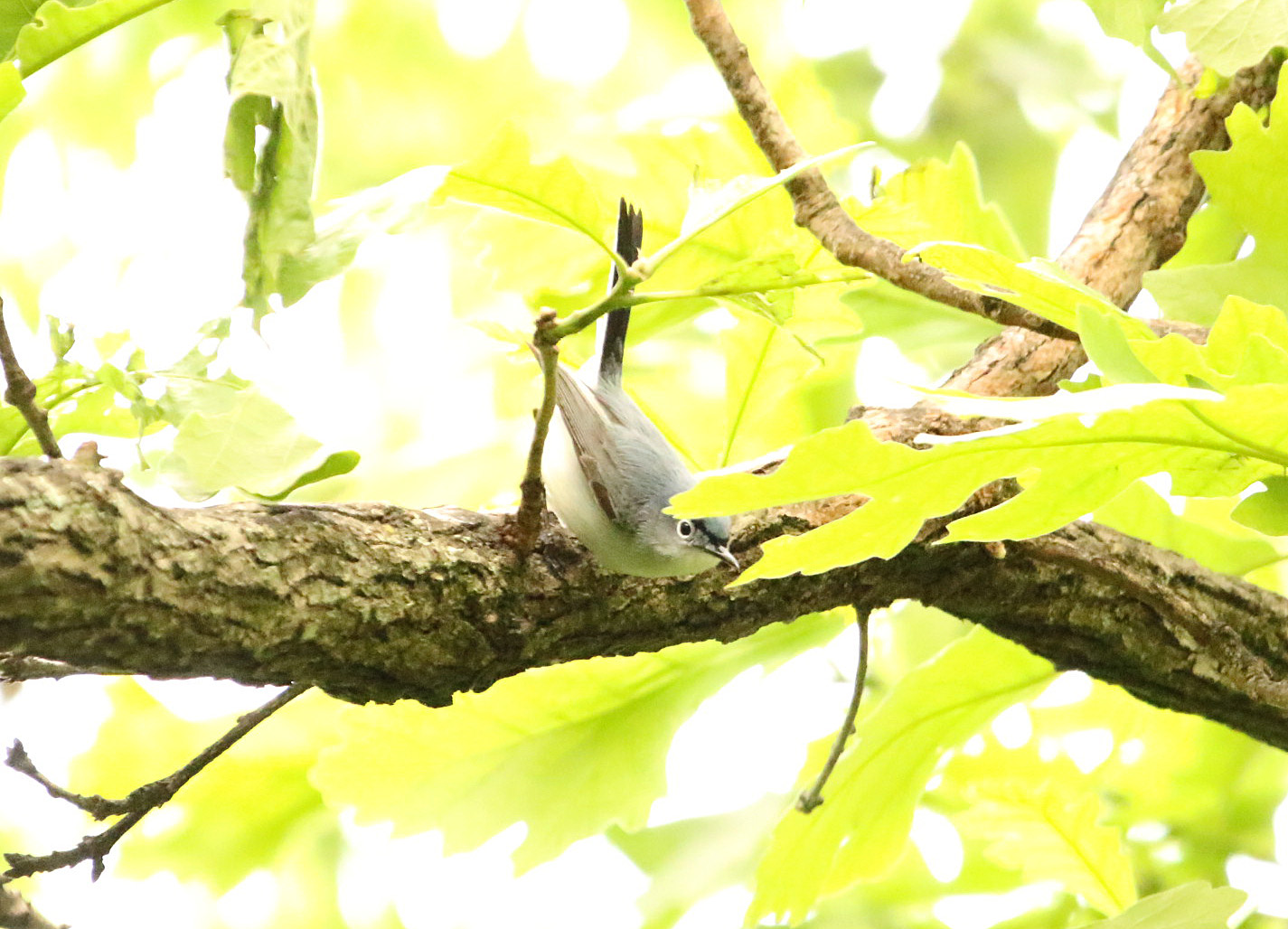
Blue-gray Gnatcatcher2 04252020 Bell Slough Wildlife Area
Blue-gray Gnatcatcher

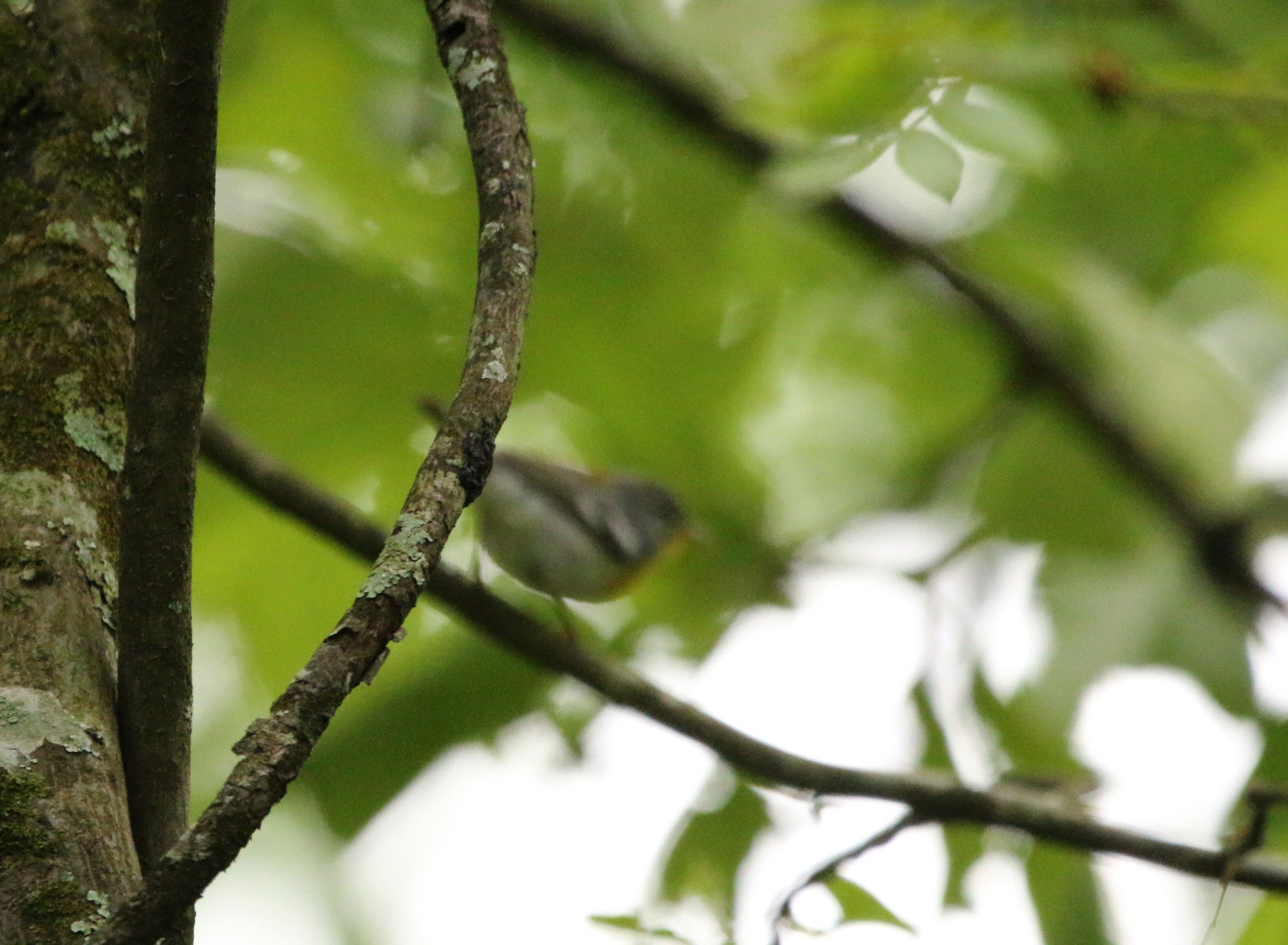
Northern Parula 04252020 Bell Slough Wildlife Area
Northern Parula

Ruby-throated Hummingbird2 04252020 Bell Slough Wildlife Area
Ruby-throated Hummingbird

Hairy Woodpecker1 04252020 Bell Slough Wildlife Area
Hairy Woodpecker

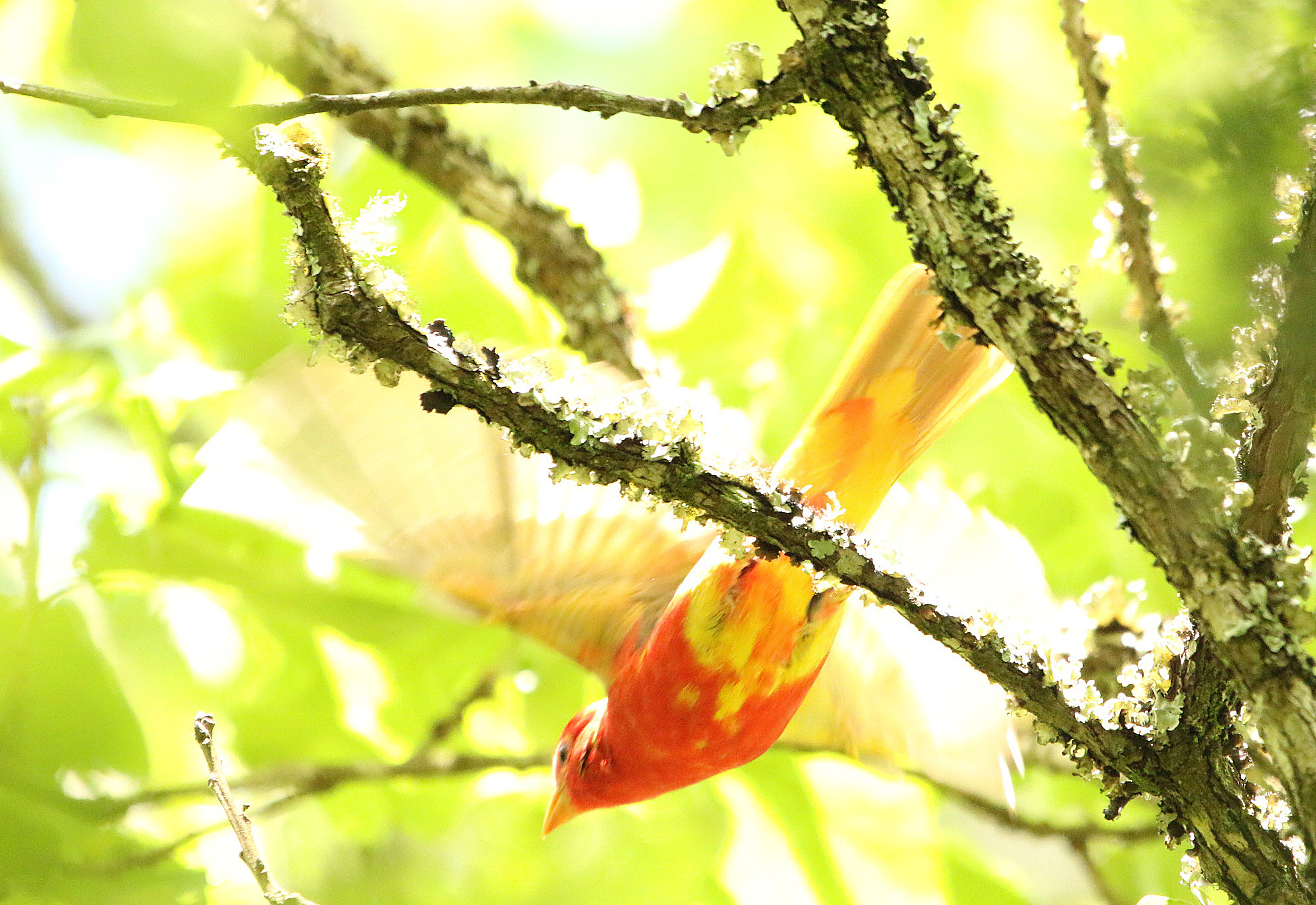
Summer Tanager1 04252020 Bell Slough Wildlife Area
Summer Tanager

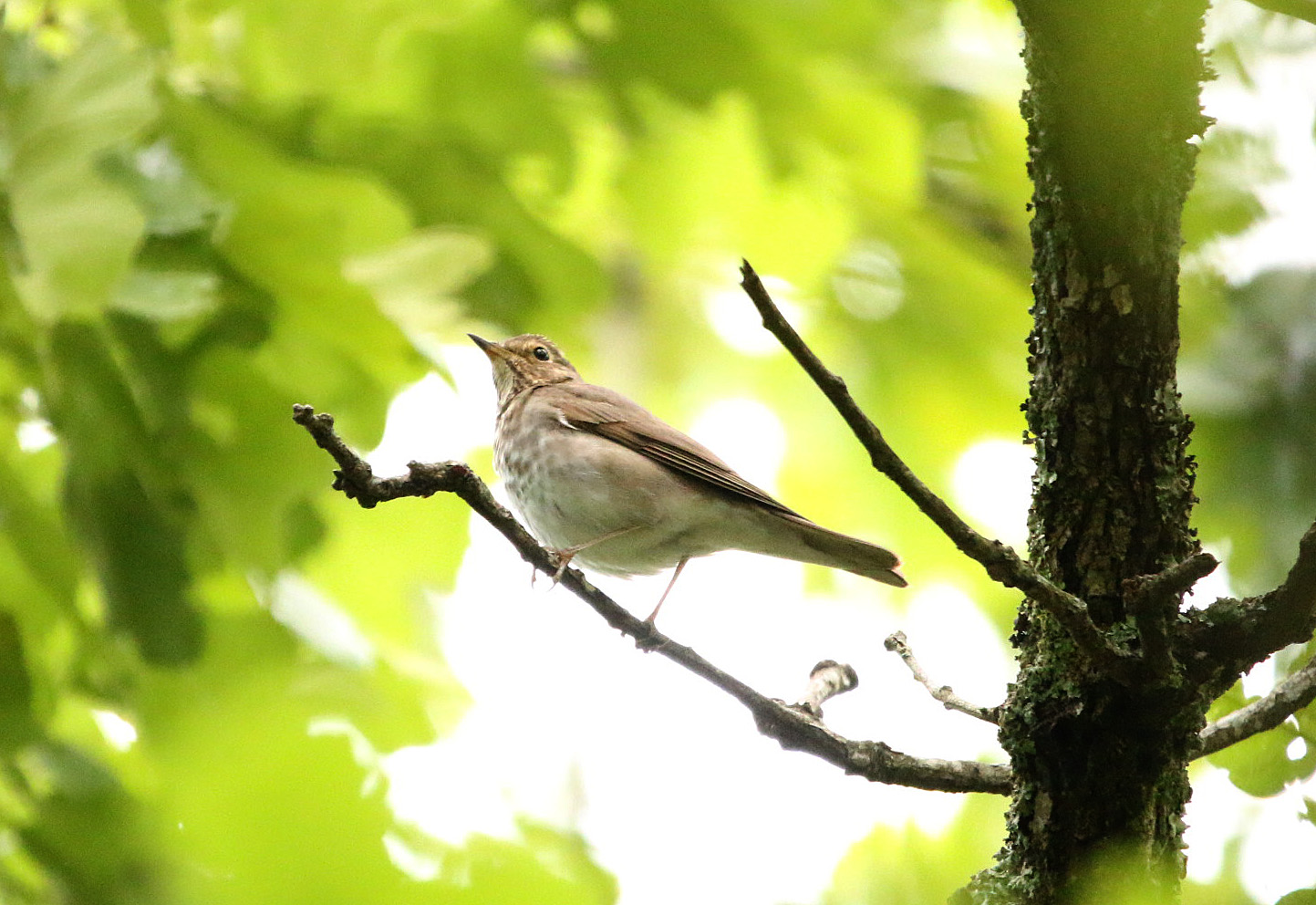
Swainson's Thrush 04252020 Bell Slough Wildlife Area
Swainson’s Thrush

Bald Knob NWR

Prothonotary Warbler 2 042819 BKNWR
Prothonotary Warbler

I visited the Bald Knob National Wildlife Refuge on April 28, and luckily got my first snapshots of a Prothonotary Warbler, Bobolink and Field Sparrow.

Photos: Killdeer (top, right), Field Sparrow (center right), Common Grackle (center, left), female Bobolink (bottom, left), and Barn Swallow (bottom, right).


Wapanocca NWR II

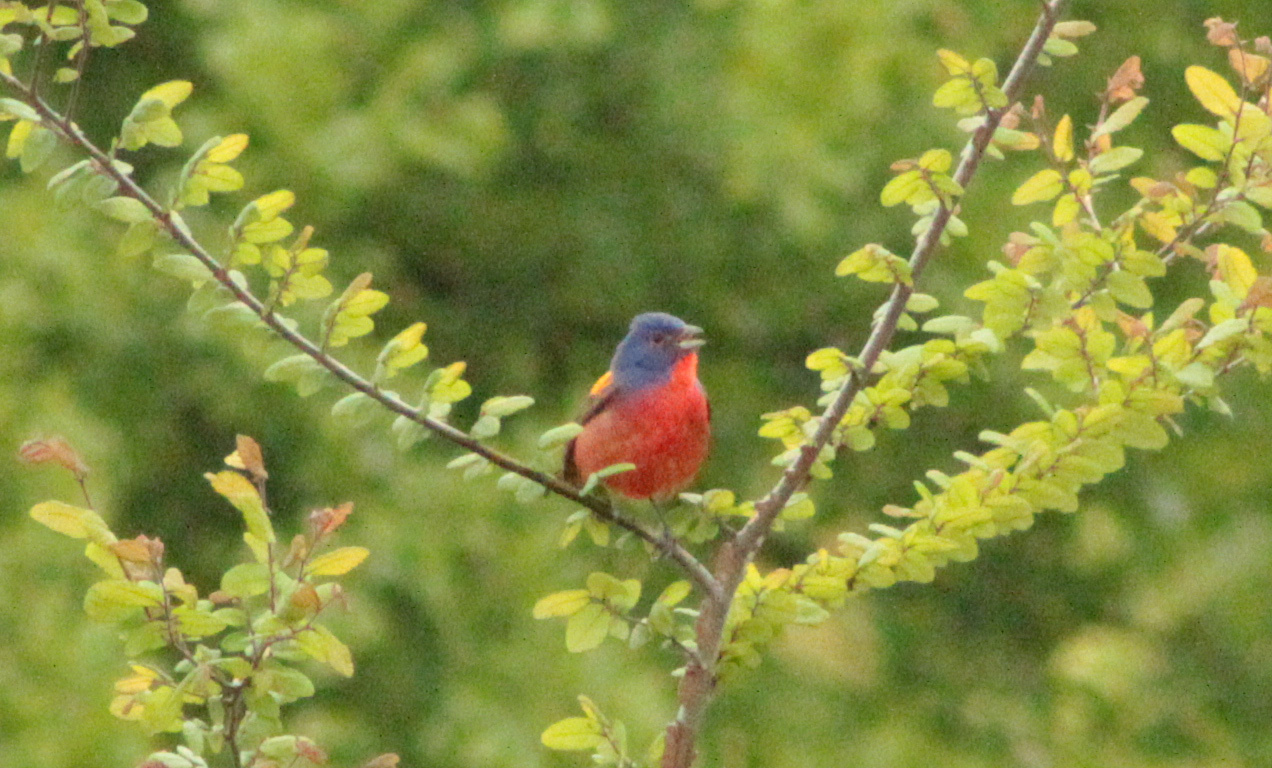
Painted Bunting
Painted Bunting

My trek to Wapanocca National Wildlife Refuge was a complete success in bird-terms. I have always wanted to see a Painted Bunting to see if they were as gorgeous as the Indigo Buntings. They are.

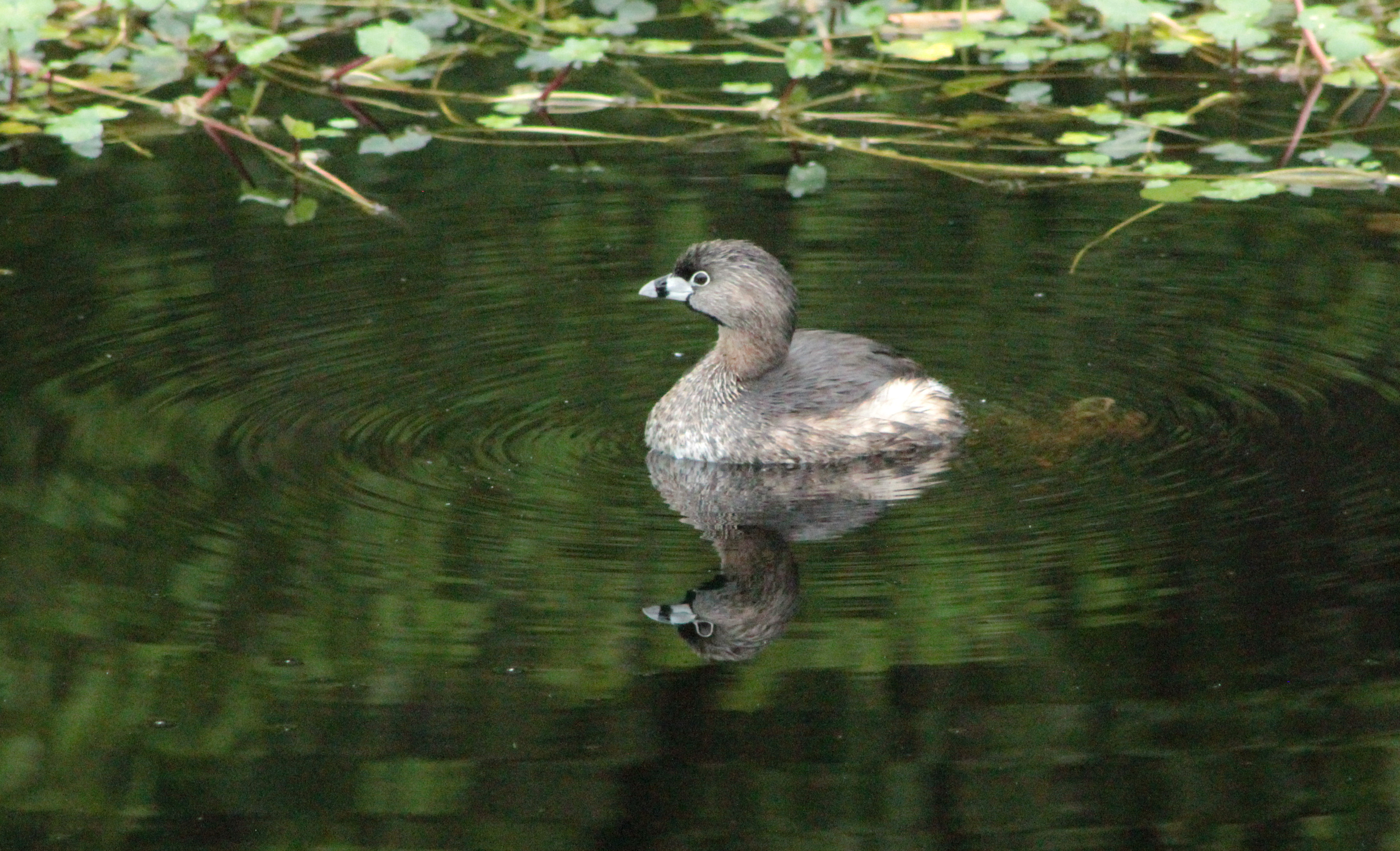
We started at the visitor’s center where an Indigo Bunting and a Prothonotary Warbler greeted us separately and walked down the gravel road for about a mile before half of us went back to get our cars. We ended up driving the rest of the way with plenty of stops to see the Indigo Buntings, Blue Grosbeaks, Palm Warblers, and a Pied-billed Grebe as we heard/saw the birds.
We ended up in an open field with a lot of tall grass and shrubbery where we saw the Painted Buntings and eventually at the observatory outlook to look at a Western Grebe through a scope. Not bad for a morning tour.
I ended up leaving at lunch to race back for a family function. Here’s another picture of the Indigo Bunting as well as pictures of other birds we saw:

Painted Bunting
Painted Bunting

Solitary Sandpiper
Solitary Sandpiper

Pied-billed grebe
Pied-billed grebe

Pied-billed Grebe
Pied-billed Grebe

Prothonotary Warbler

Swamp Sparrow
Swamp Sparrow

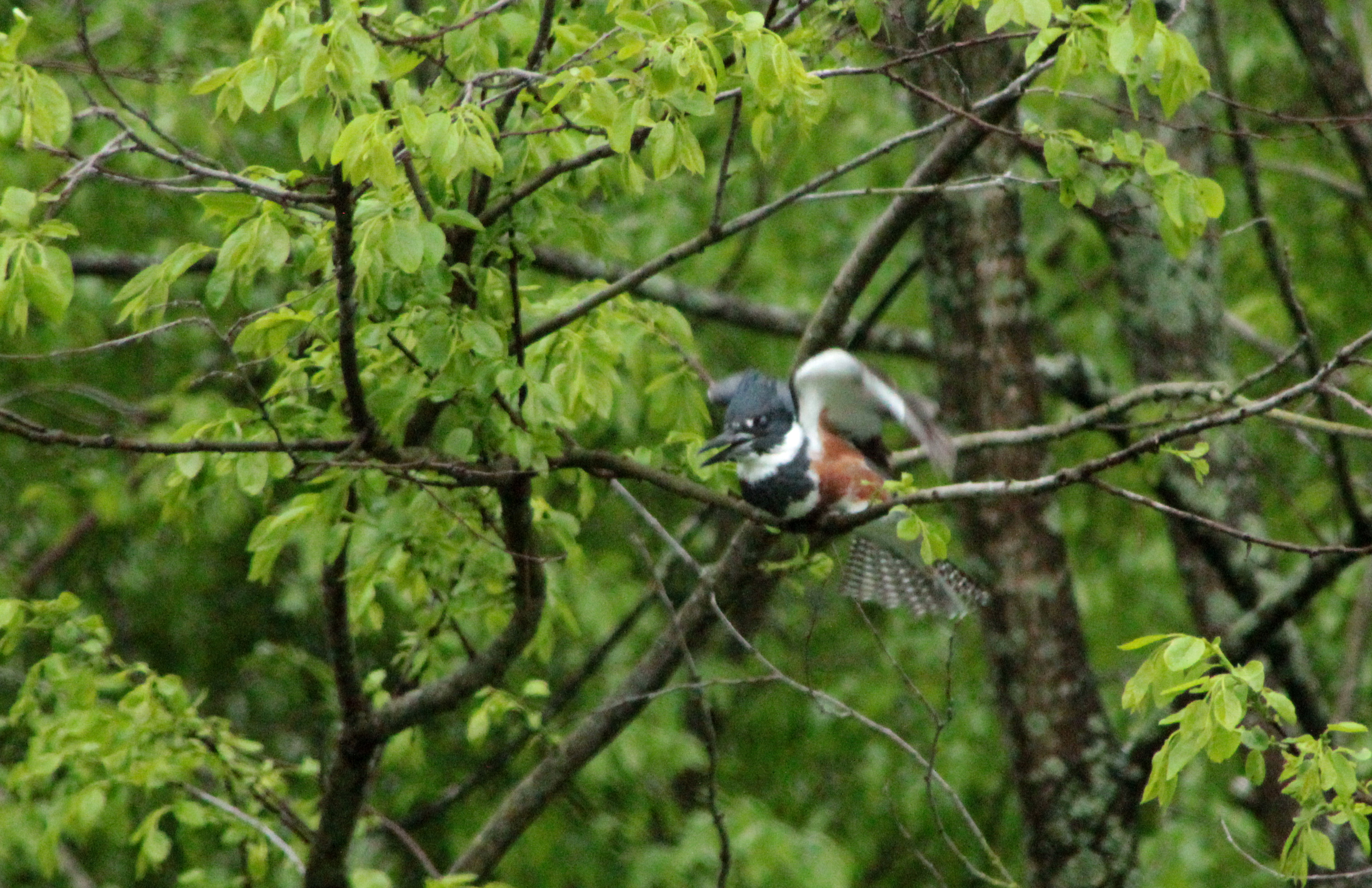
Belted Kingfisher
Belted Kingfisher

Western Grebe
Western Grebe (a crappy picture, I know)

Palm Warbler
Palm Warbler