Healing Springs Natural Area
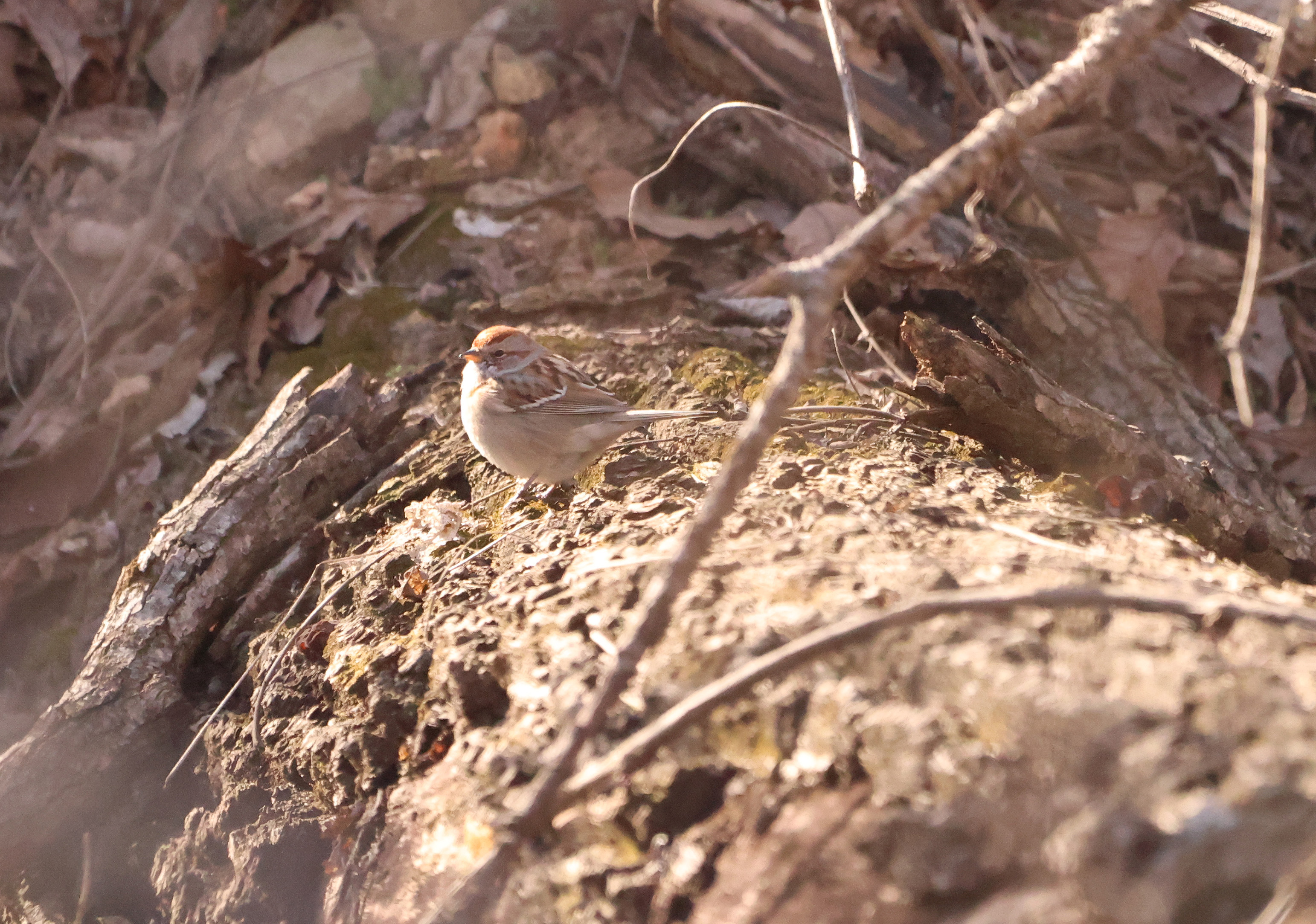
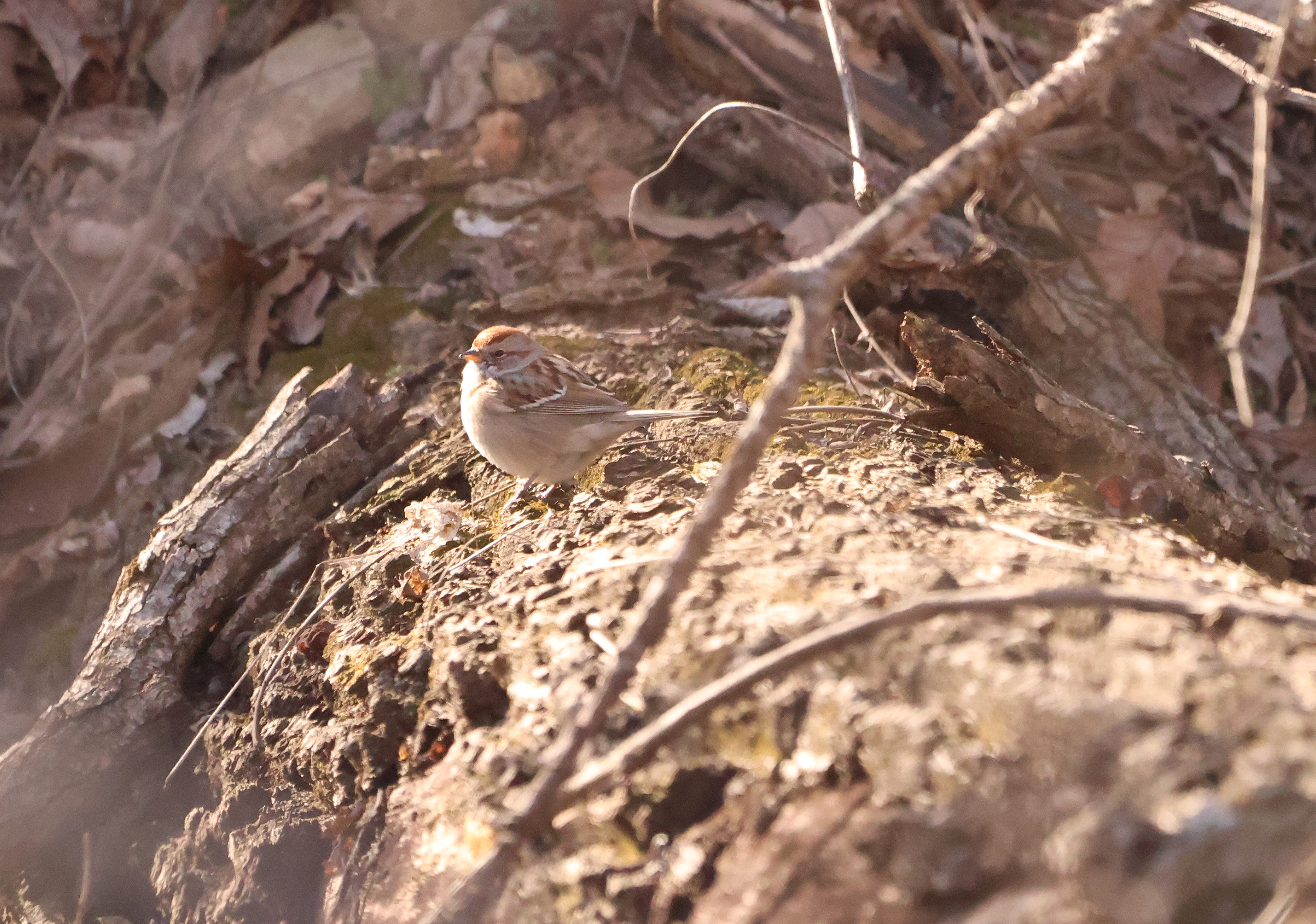
American Tree Sparrow

While in Northwest Arkansas on Tuesday, I decided to search for American Tree Sparrows. These small sparrows have gray faces with rusty caps and eyeline marks along with a bicolored bill.

While found each year in Arkansas, the American Tree Sparrow is not a common sparrow you find just anywhere within the state. Their population is in steep decline. It took us a bit, but we eventually ran across four of these sparrows as they steadily made their way through a brushy area. One neat fact I learned through All About Birds is the American Tree Sparrow has to eat 30% of its weight each day.

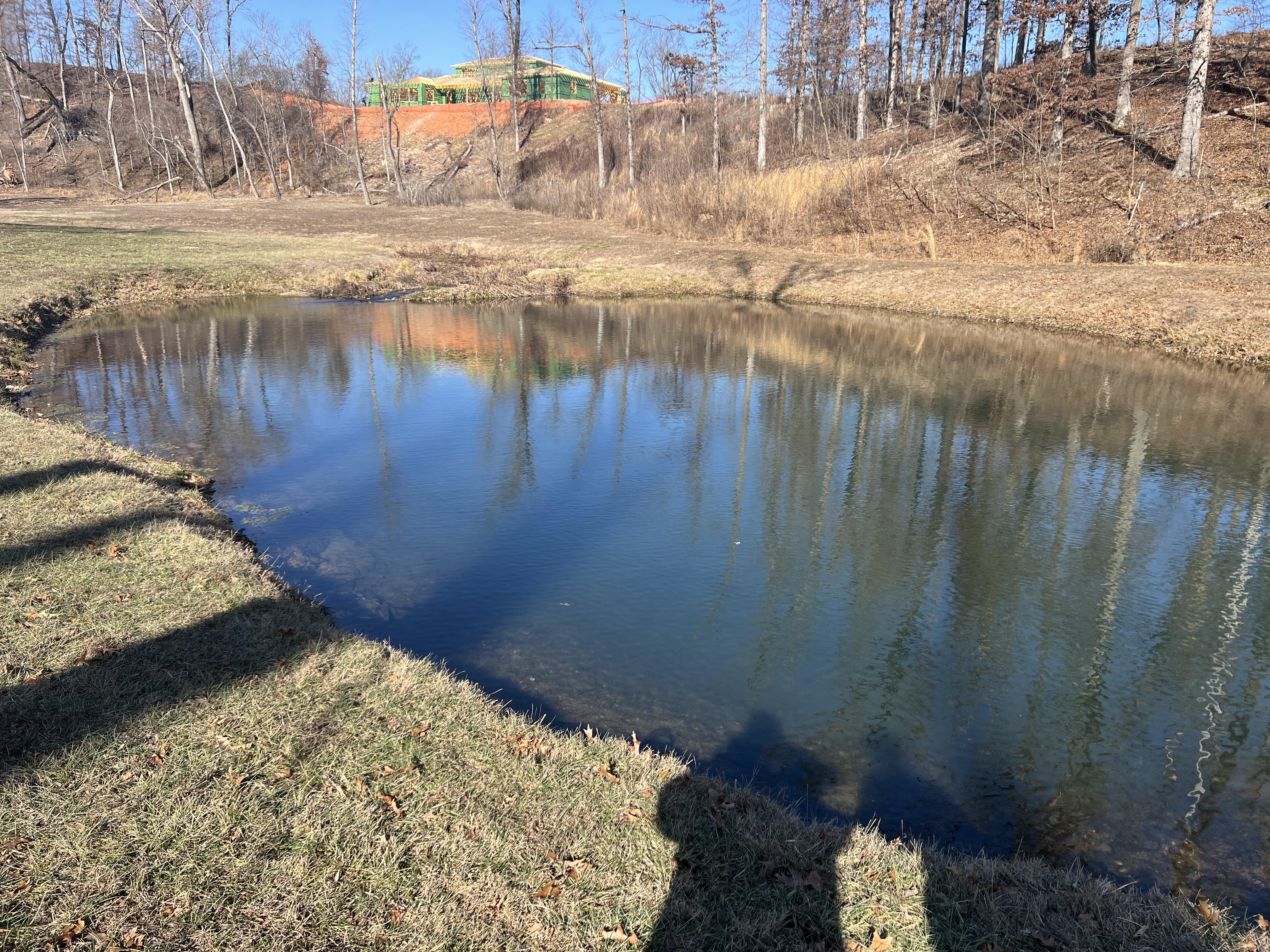
We found these sparrows – as well as lots of Eastern Bluebirds – at the Healing Springs Natural Area maintained by the Arkansas Natural Heritage Commission since 2020. I wasn’t sure what to expect from the natural area. It is located within the Ozark Highlands of the Springfield Plateau Ecoregion where Oak-hickory forests, oak-hickory-pine forests and, before the 19th century, savanna or tall grass prairies are common and maintained by fire. The small entrance to the natural area from the highway is just large enough to park about two vehicles. A locked gate and fence keeps people from driving into the natural area, which at first sight, contains several large fields that are being restored to native grassland and woodland habitat.

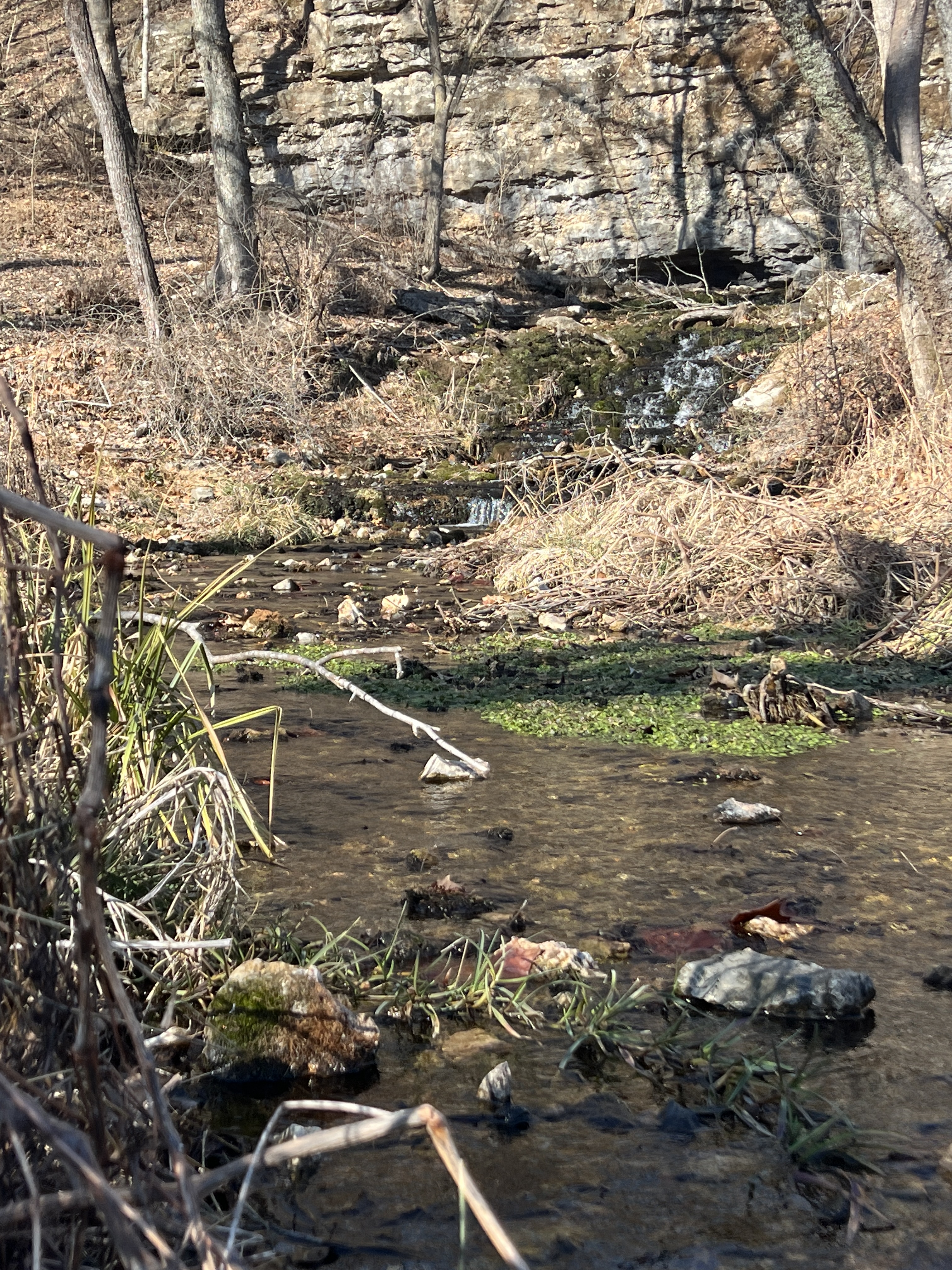
The natural area consists of several large fields separated by high fences with no gates so you can wander for nearly a mile to the springs and spring-fed streams at the back of the property. These springs and spring-fed streams support several fish and crayfish species of conservation concern, including the Arkansas Darter and Least Darter. Both are very rare to Arkansas and require a specific habitat type that is disappearing.
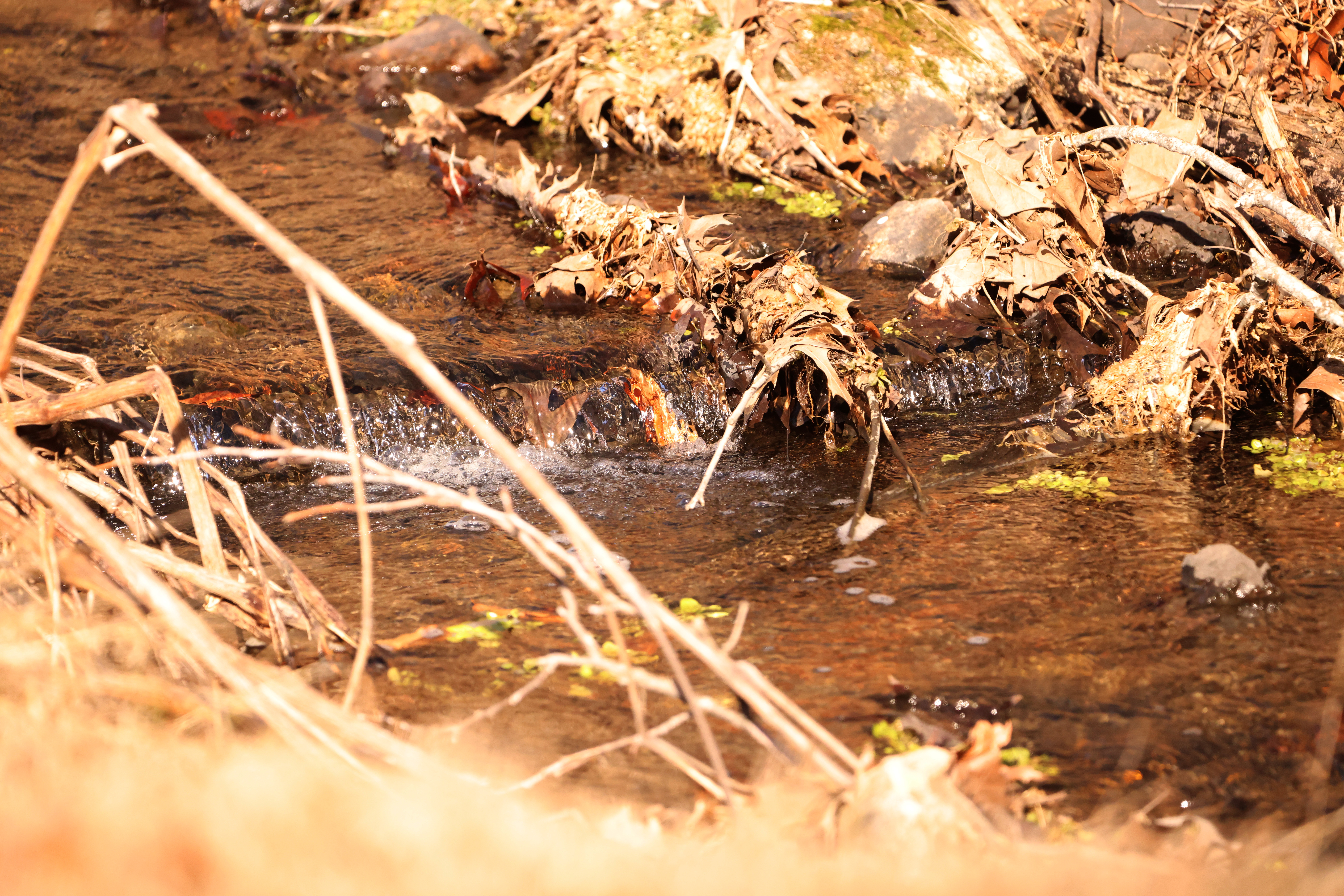
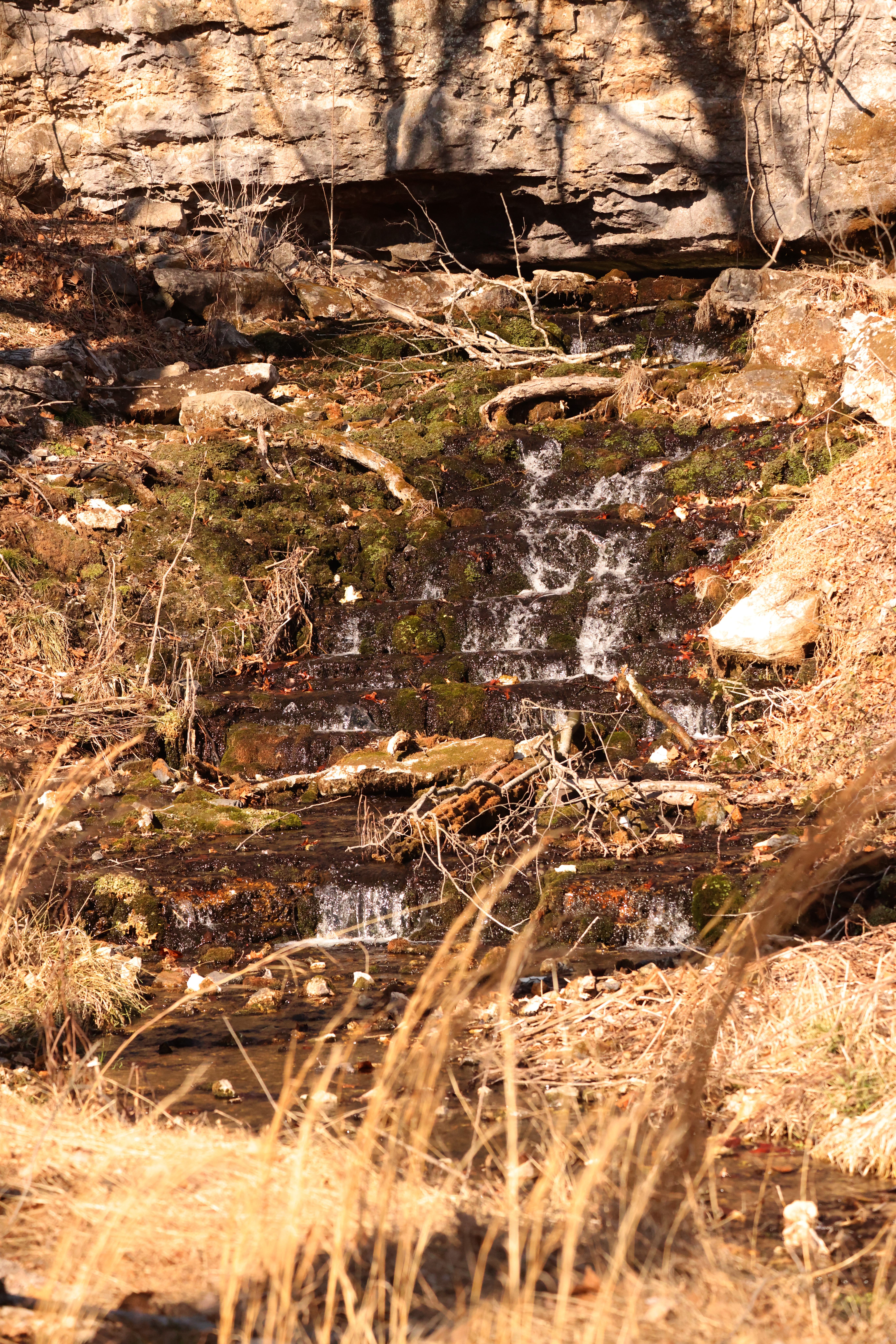
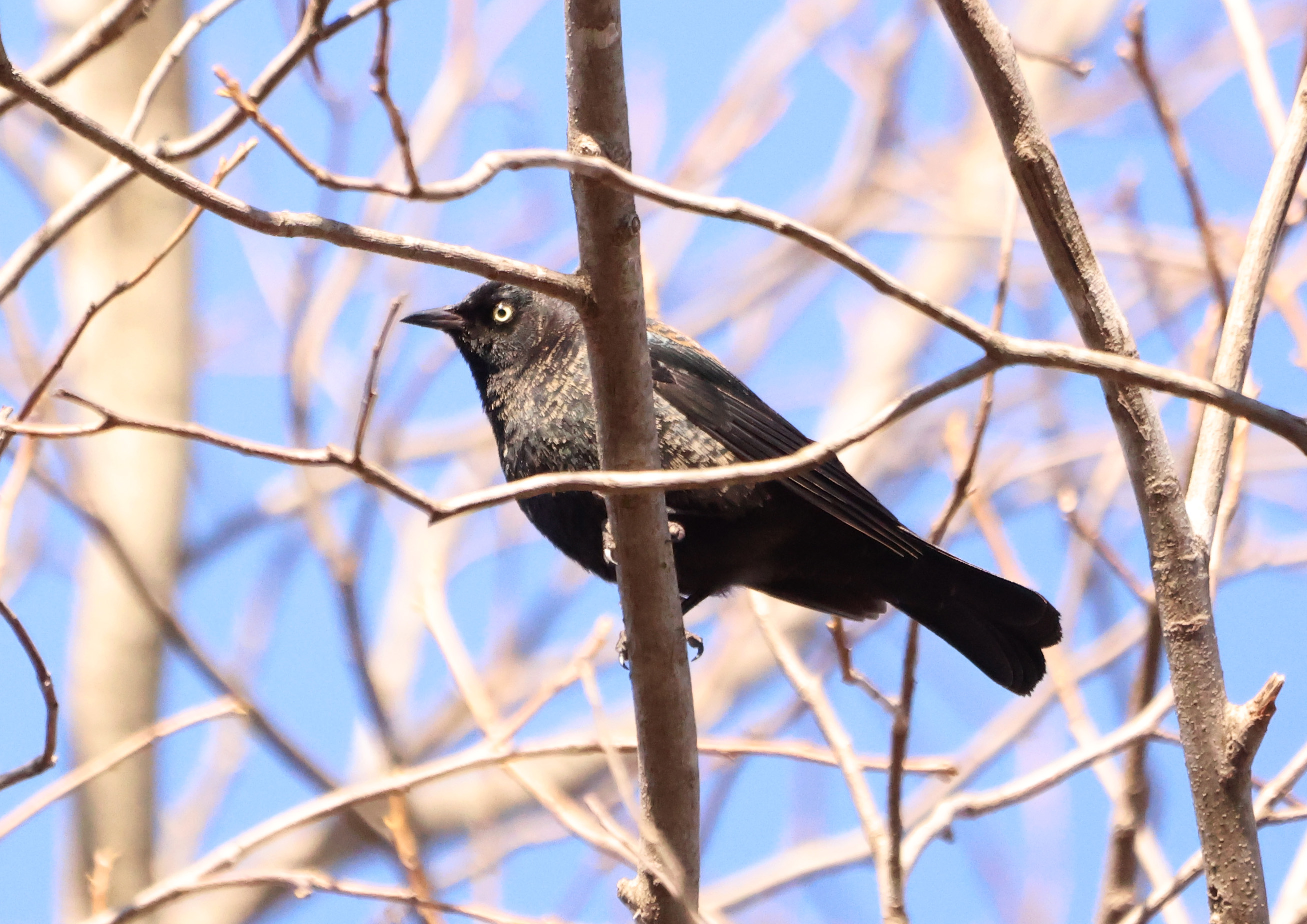
We couldn’t find a map of the property so we initially walked a wooded path the width of the natural area, before traveling further back into the natural area in search of the springs. We weren’t too impressed with the place until we got further back into the area where we began seeing white-tailed deer and an abundance of birds, including our target bird – the American Tree Sparrow. One surprise was the rusty blackbirds discovered in a tree near water.
Picture it: 300 bird species in Arkansas

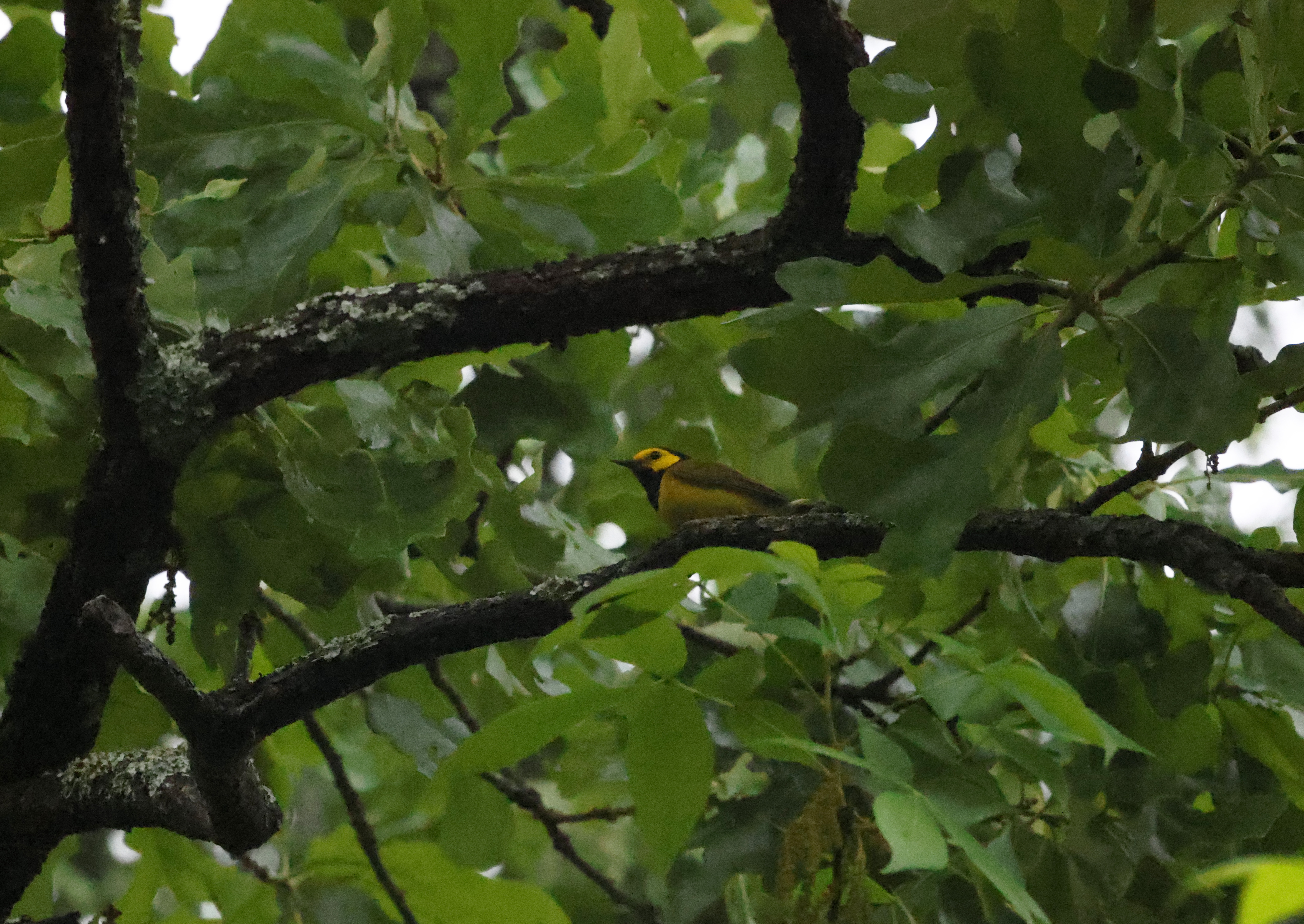
I finally saw the elusive-to-me Hooded Warbler this morning, and photographed my 300th bird species in Arkansas.

I actually got my first great look at a Hooded Warbler in Marion over 10 years ago. I was walking down the steps of my aunt’s back patio and came face to face with one. I think it shocked both of us because I just stood there with the bird fluttering just inches from my face.

But I never got a photo of it. That remained true, even after I took up birdwatching in 2012 and began my attempt to photograph as many bird species in Arkansas as I could. I heard it, but never saw it.

That luck changed Friday when a friend mentioned seeing it at the entrance of the Arkansas Game and Fish Commission headquarters. Around 7:30 a.m., I made it to the AGFC entrance and I didn’t even have to get out of my car to hear two calling to each other. While I never saw one, the second was constantly on the move and easy to spot.

Hooded Warblers breed in Arkansas and most of eastern United States, and winters in Central America. It generally hands out in the understory of forests, according to AllAboutBirds.org. While I do not see them often, the Hooded Warbler is pretty common with low conservation concern.

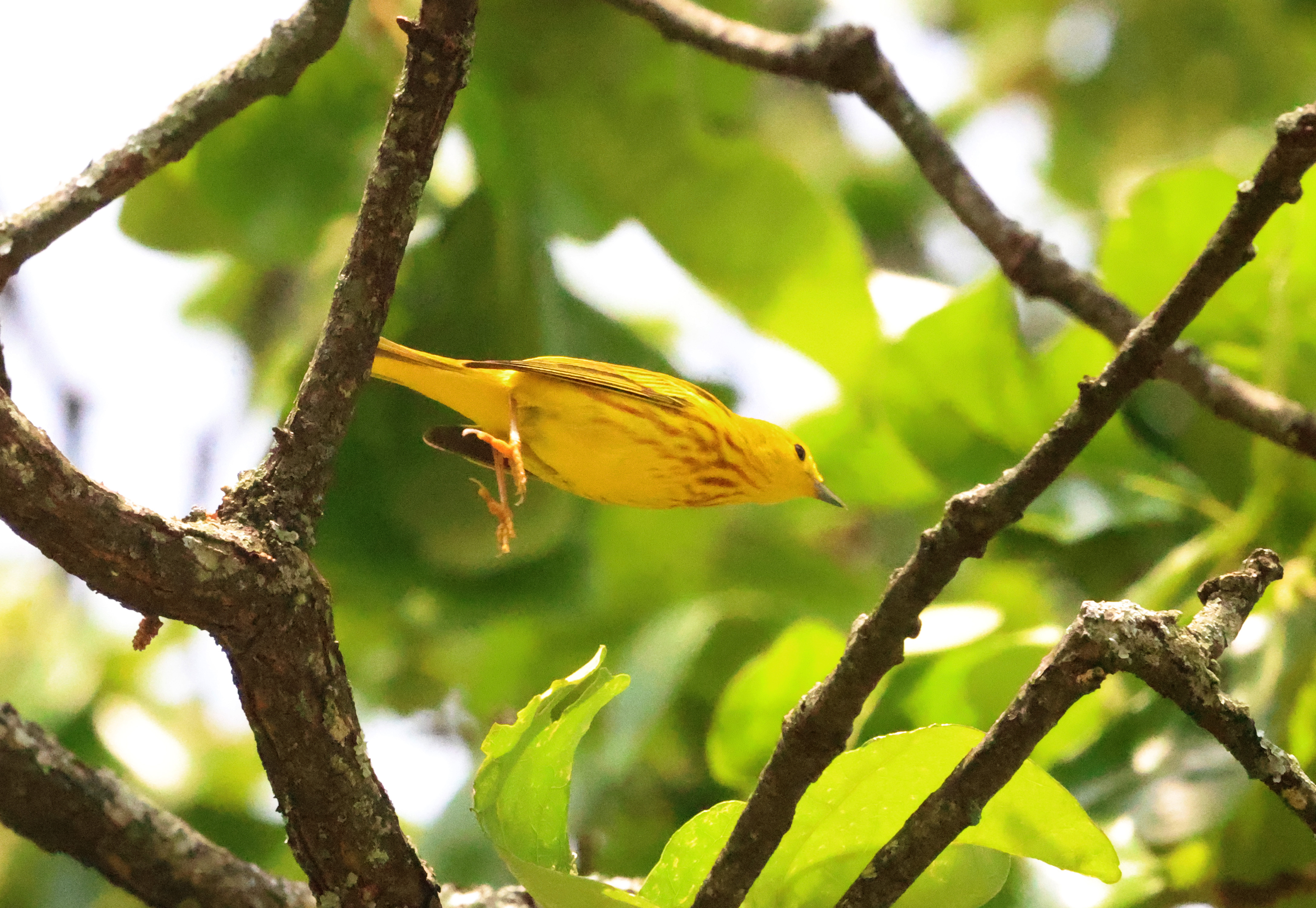
It’s the same for Yellow Warblers, which also breeds in Arkansas in the northern part of the state. It’s not uncommon for me to see these warblers, but today did mark the first time I saw one at home. They eat mostly insects and don’t come to backyard feeders, but it seemed perfectly happy in the large oak tree in my front yard.

Photos: Red-necked Grebe

Red-necked Grebe

For the past few days now, a Red-necked Grebe has been spotted at the city park in Jonesboro, Ark. Today marked my fourth visit to find this rare-to-Arkansas grebe. It was actually becoming frustrating because people would see it right before and right after I was there – I just wouldn’t see it.

This visit started off on a good note. I parmed near the entrance to the park with the plan to walk around the lake and not leave until I saw it or it got dark. With minutes, I found Eastern Bluebirds and Yellow-rumped Warblers flinging in the trees overhead while Mallards, Canada Geese and American Coots scrambled after the food a family was tossing to them. I walked the gravel trail along the water for a minute or two to discover Ruddy Ducks in the water and a Red-breasted Nuthatch in a nearby tree.

Ruddy Ducks
Red-breasted Nuthatch

Immediately after these sightings, I found a Horned Grebe. This grebe is common in the state during its non breeding season especially in October when it’s migrating, according to All About Birds.

Non breeding Horned Grebe

I sat and watched the Horned Grebe for a little bit before deciding to move on. But, I only took a few steps before I saw a water bird fly in just ahead of me. It was the Red-necked Grebe and it swam along the shoreline toward me so I just sat back down.

Red-necked Grebe

Red-necked Grebes are not common to most of the United States – their range crosses a little over the nation’s northern border, according to All About Birds. They typically are found in Canada and Alaska. The last time one was found in Arkansas was two years ago, and this is probably the 11th time one has been spotted in the state.

I was at the park for 30 minutes max, but it turned out highly successful.

Surprising find: Soras

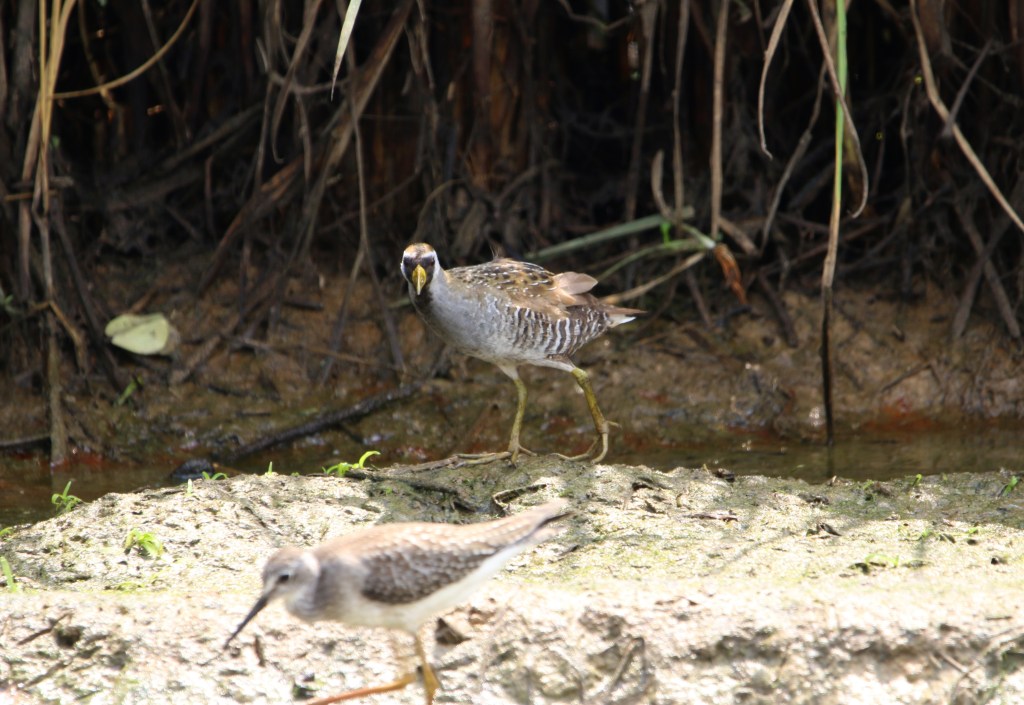
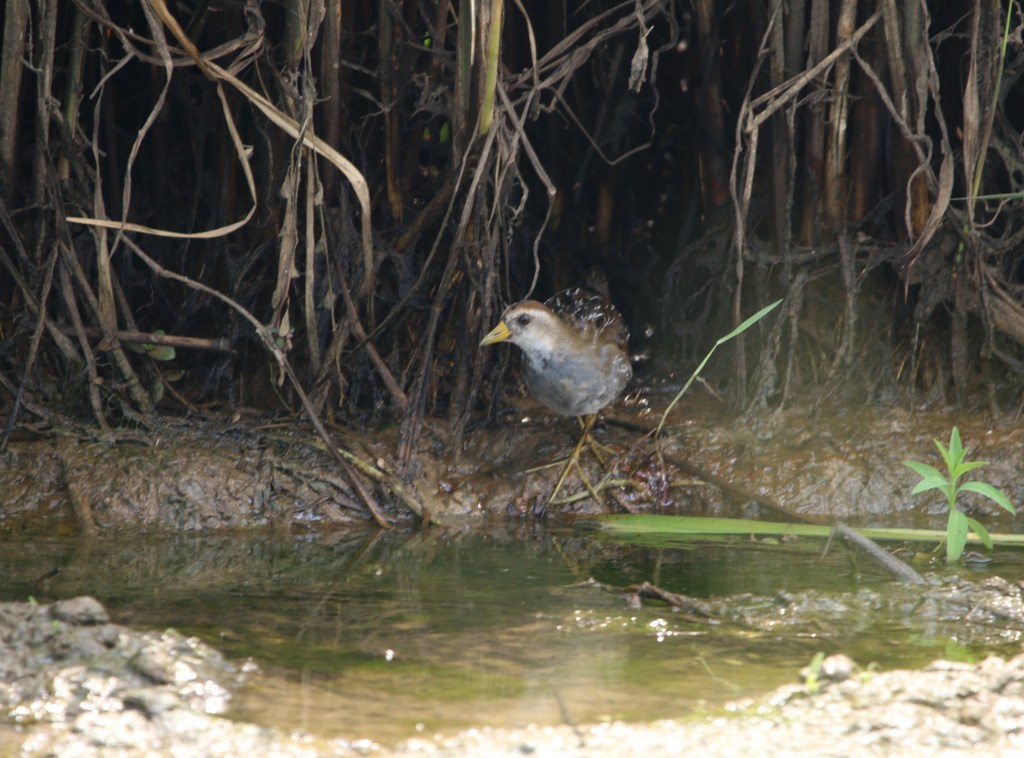
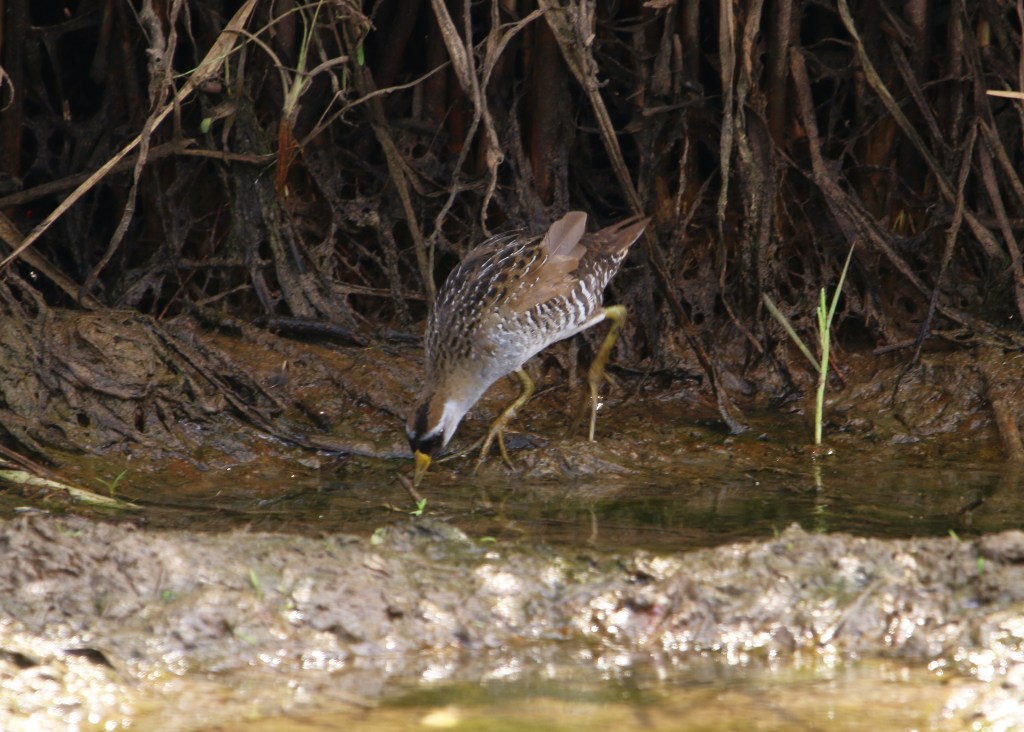
Sora

I was taking a photo of a Greater/Lesser Yellowlegs (pictured at the bottom of the above photo) when a Sora casually walked out of the rice and began walking around. I definitely wasn’t expecting that to happen. I was snapping photos when, all of a sudden, a second one appears.

Soras are a secretive marsh bird that can be found throughout the United States at various points in the year, according to AllAboutBirds.org. They can be found in Arkansas during migration season. However, they aren’t expected to be sighted at the moment in Arkansas.

Snowed in

“You’re in my spot!” American Goldfinch, Pine Warbler

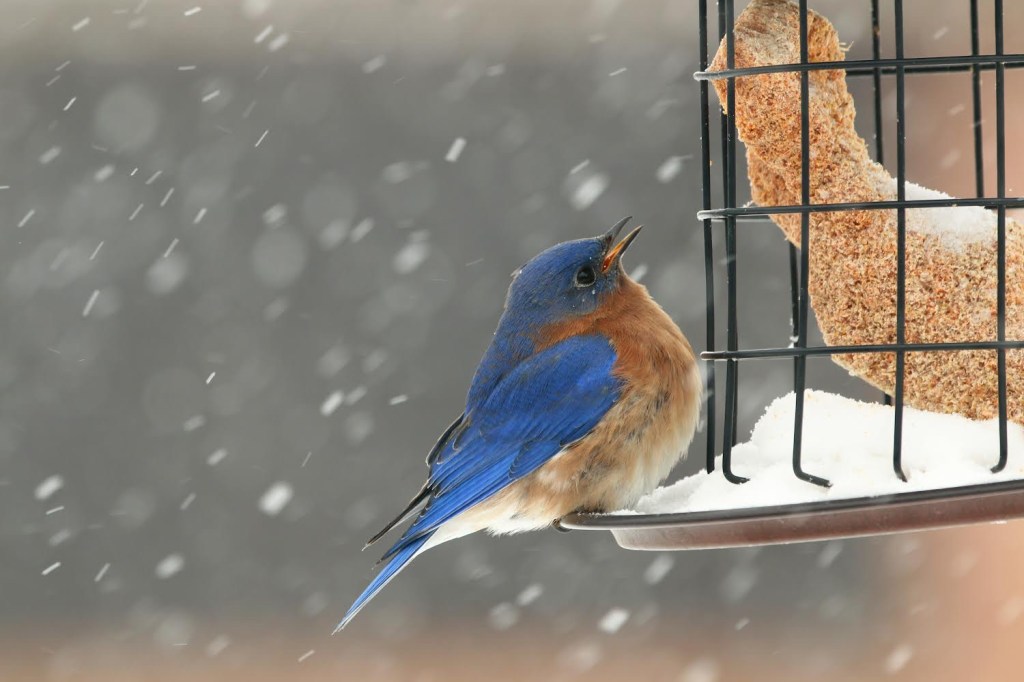
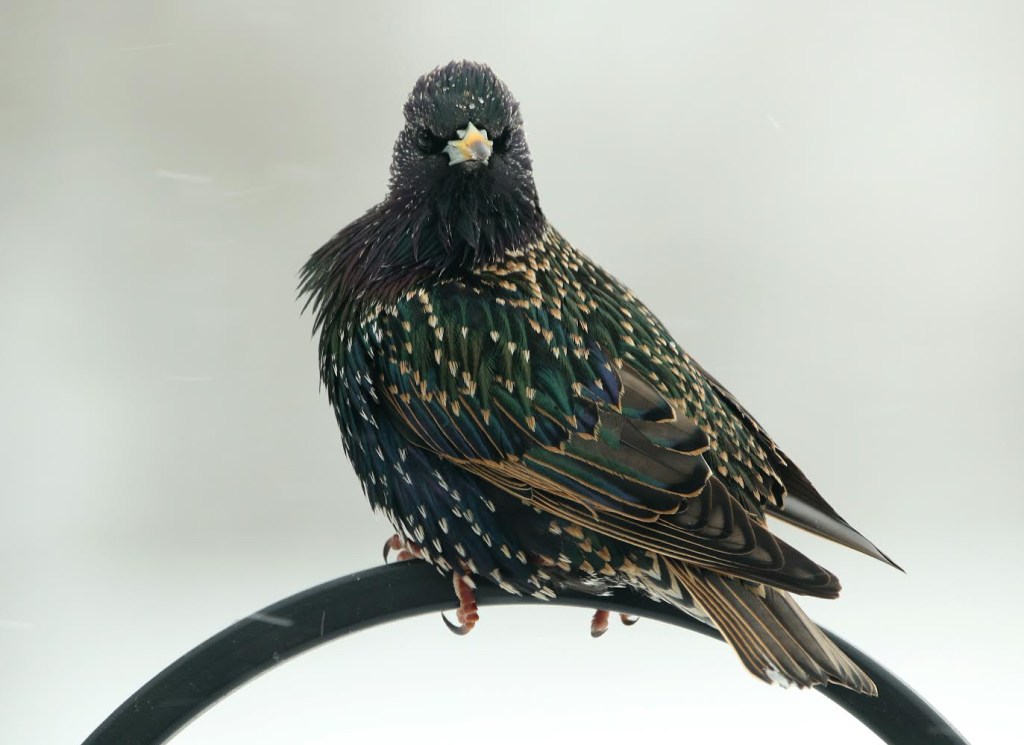
Today’s a state holiday and we’re snowed in. So, it was the perfect day to birdwatch. We had 23 total bird species visit our feeders today – and that doesn’t include some birds we typically see like the American Crow and White-breasted Nuthatch (both were present yesterday but not today 🤷🏼‍♀️). Here’s a few of my favorite visitors today:

Red-bellied Woodpecker, Northern Flicker
Eastern Bluebird
Northern Flicker
European Starling
Northern Cardinal

No, I didn’t spend all day simply watching my feeders. There was also tax work and a walk around the neighborhood. I’ll let you guess which one was my favorite.

Photo essay: Great Horned Owls

Great Horned Owl1

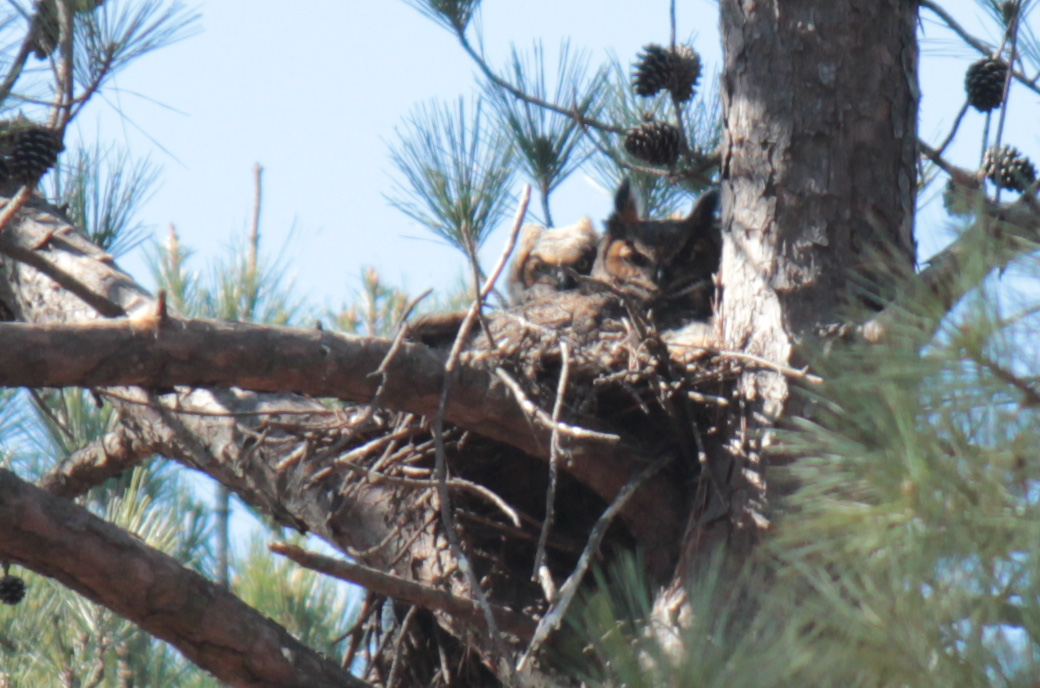
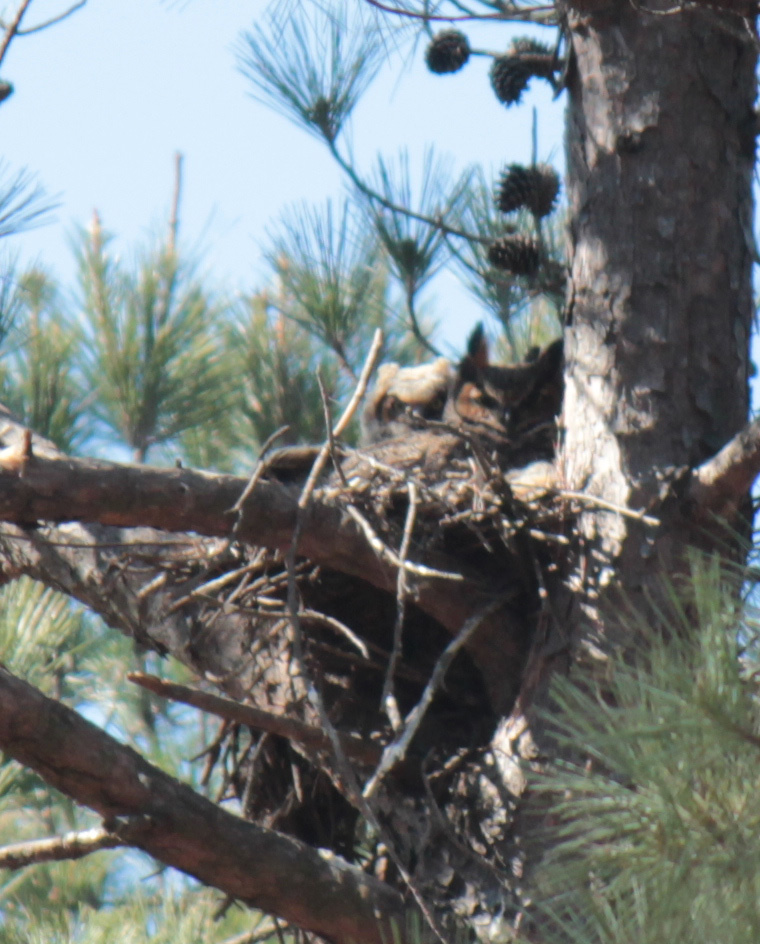
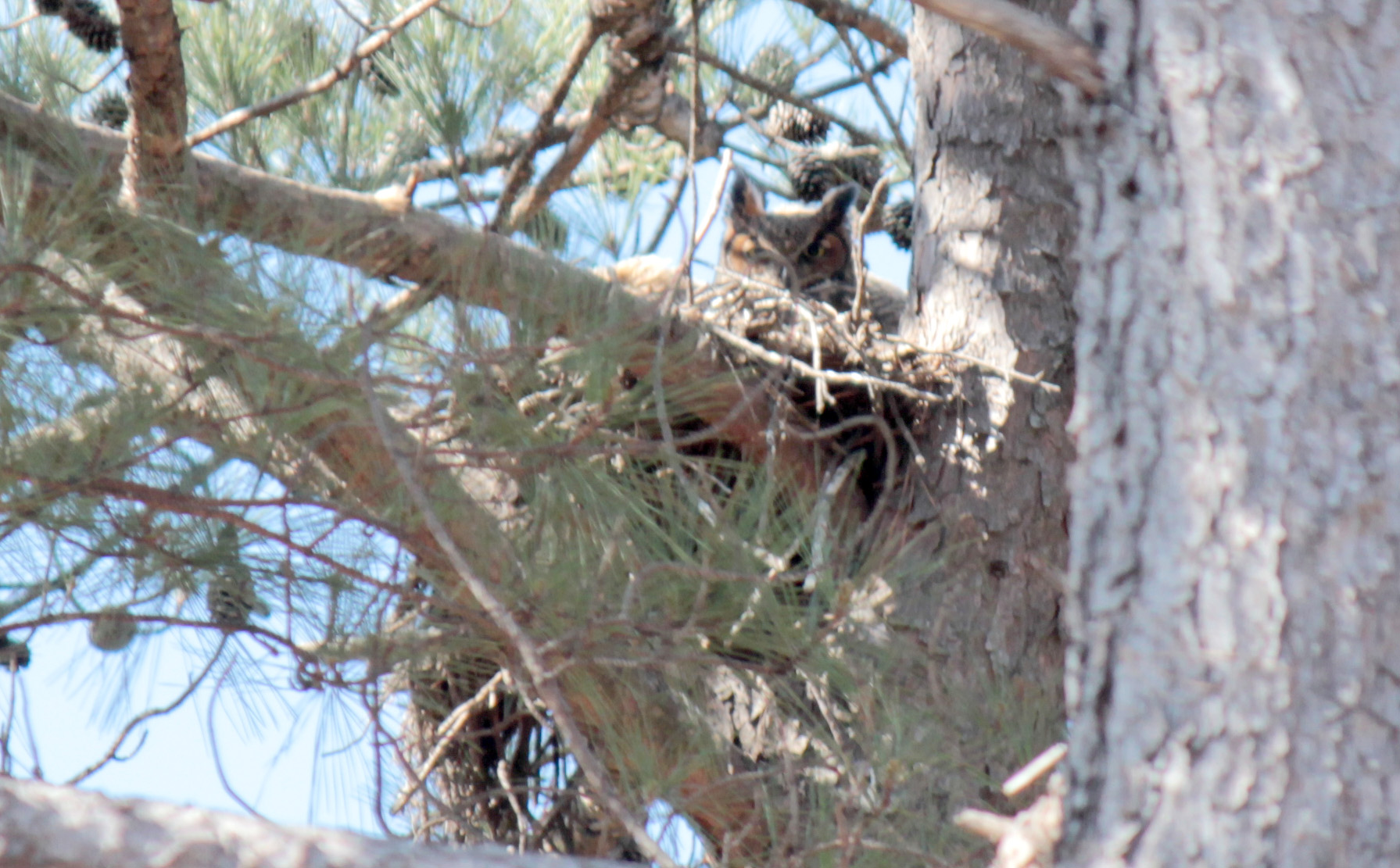
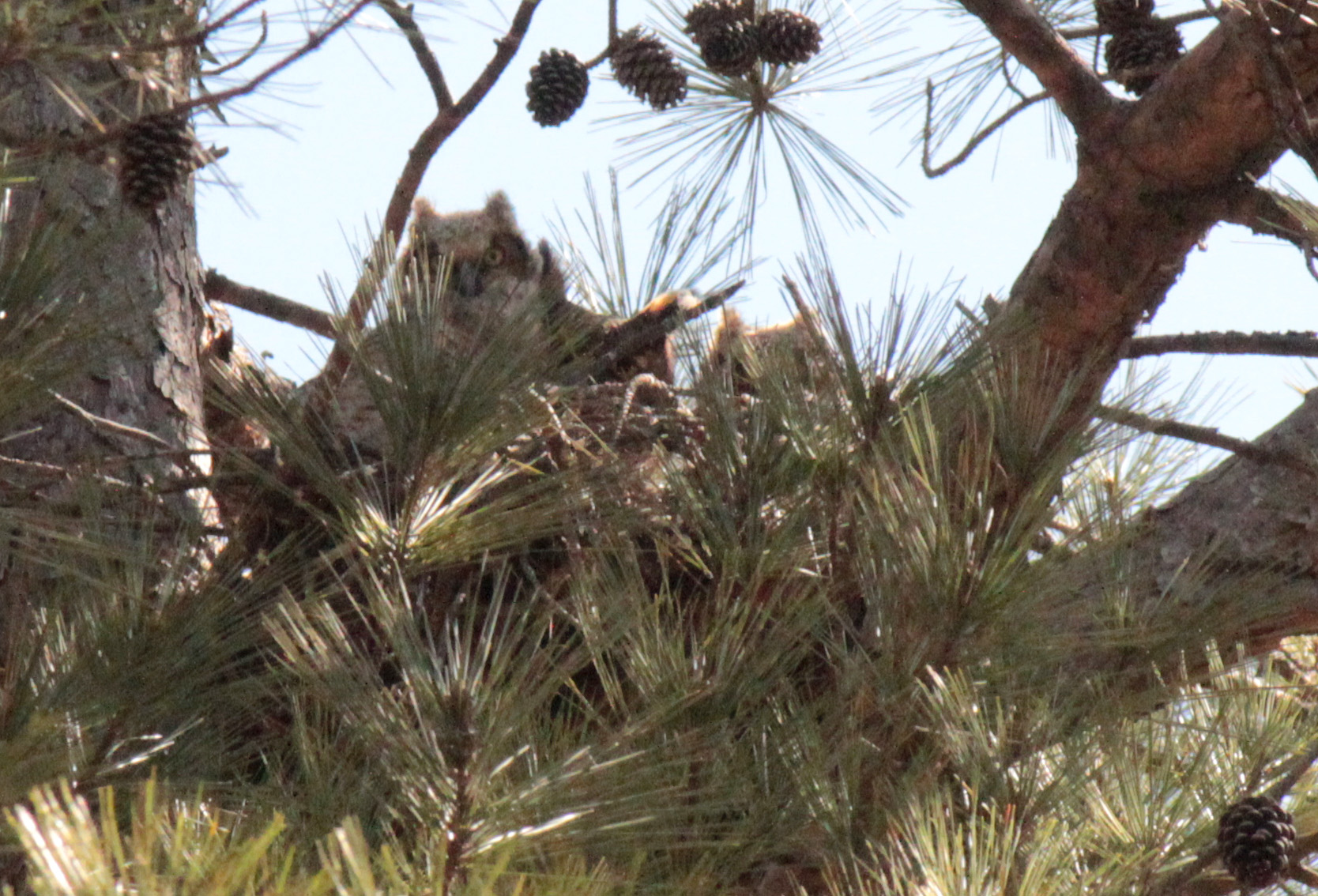
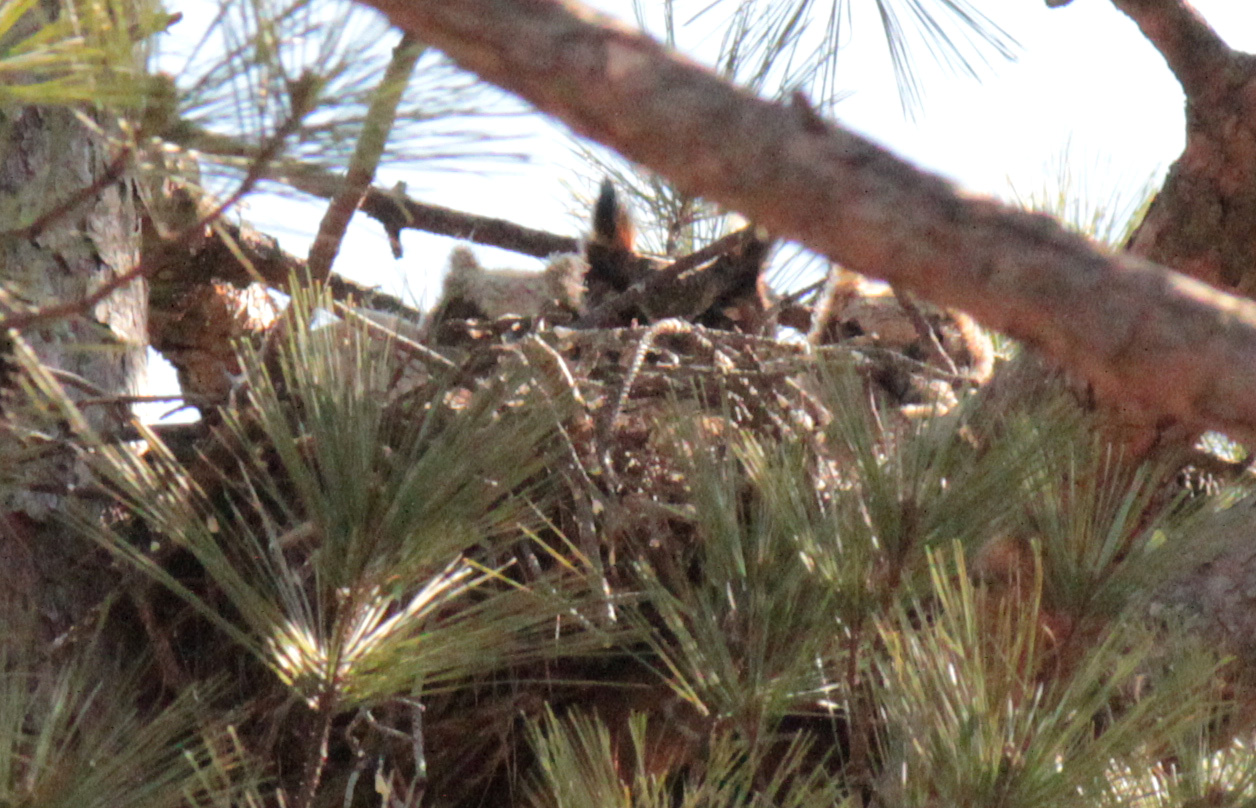
I finally saw my first owl. Well, actually it was three Great Horned Owls — a mother and two juveniles nesting near the top of a pine tree. I visited the area twice, taking pictures from across the street before I finally saw the first baby. I was pretty excited.

Great Horned Owls are common to the United States year-round. However, it was still my first time to clearly see an owl in the wild. I visited the nest mid-morning and late afternoon and, surprisingly, the mid-morning visit yielded the best results.

After the sighting, I had to go to allaboutbirds.org to read up on the Great Horned Owl. It was neat to learn that it is the “only animal that regularly eats skunks” and that they often take large prey, such as other owls, nesting Osprey and falcons.

The Great Horned Owl is also regularly harassed by flocks of American Crows that mob owls and “yell” at them for hours. According to allaboutbirds.org, “the enmity of the crows is well earned, however, as the owl is probably the most important predator on adult crows and nestlings.”

Here’s some more pictures of the Great Horned Owl nest:

Great Horned Owl2

Great Horned Owl3

Great Horned Owl4

Great Horned Owl5

Great horned Owl6

Great Horned Owl7