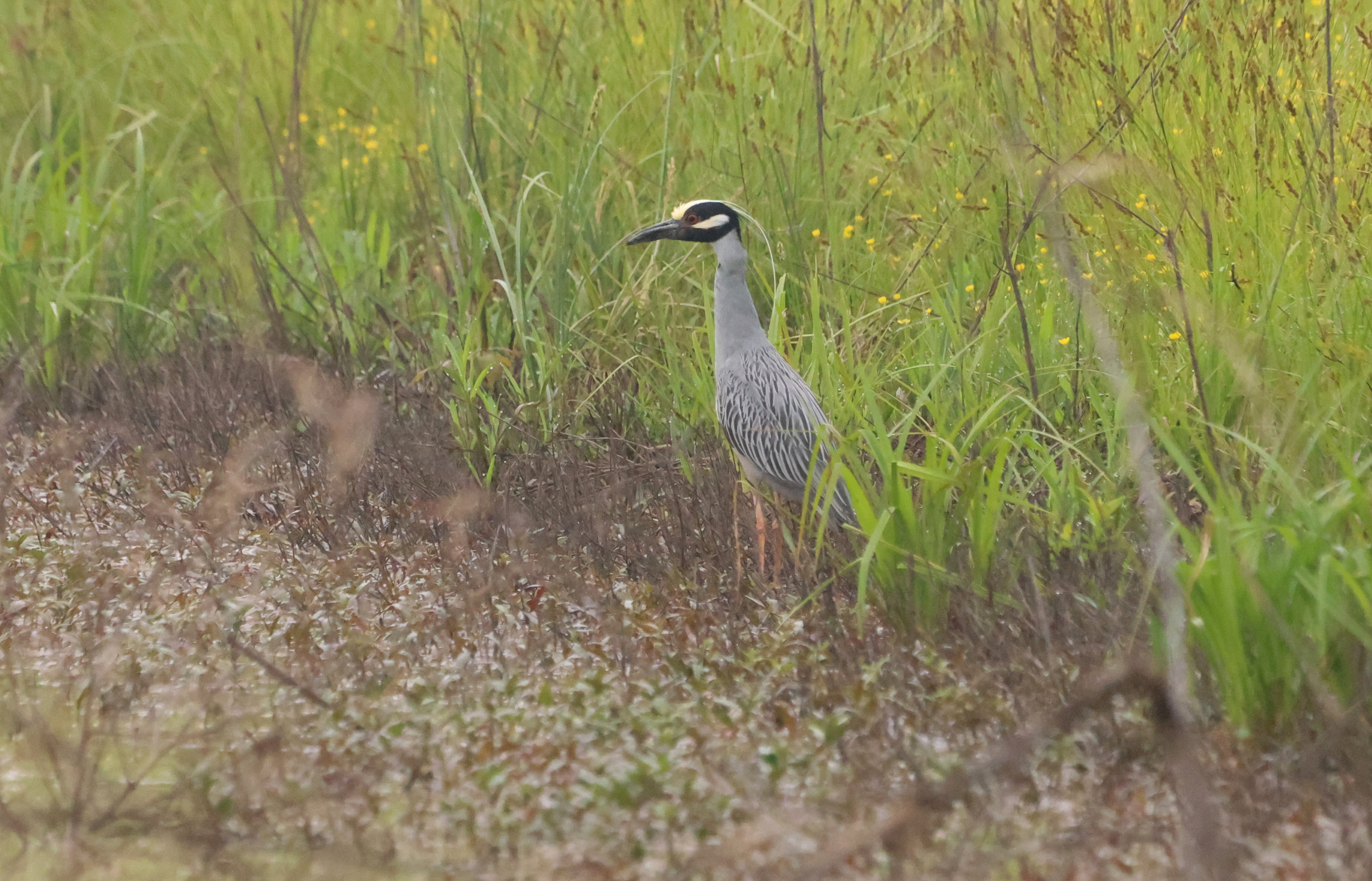
Photo: American Bittern

The American Bittern has been my goal bird for 2023. And for weeks I kept missing it despite other birders seeing it just minutes before or after I visited a spot. Heck, a person I bird with spotted one flying across the road while in the same car as me. I saw it land in the field but I did not get a good enough view of it for the sighting to count (at least for me). That bittern landed by another vehicle of birders who confirmed its identity.

I finally spotted the above American Bittern earlier tonight. It was an especially great sighting because it happened on my 500th day of submitting a daily eBird checklist.

American Bitterns are heard more often than seen, and pass through Arkansas during migration, according to AllAboutBirds.org. Another birder actually told me to not expect to get a photo of one because they are hard to spot, much less photograph. The American Bittern is found in marsh areas, and typically are found with their necks stretched and bill pointed upward (which helps them hide better among the reeds they are usually found in). Mine was found on the edge of a ditch at Bald Knob National Wildlife Refuge in the same spot that other birders reported finding one in several times over the past few weeks.

Now that I’ve found and photographed an American Bittern, I haven’t decided what my next goal bird will be.
Photos: Alcoa Bottoms

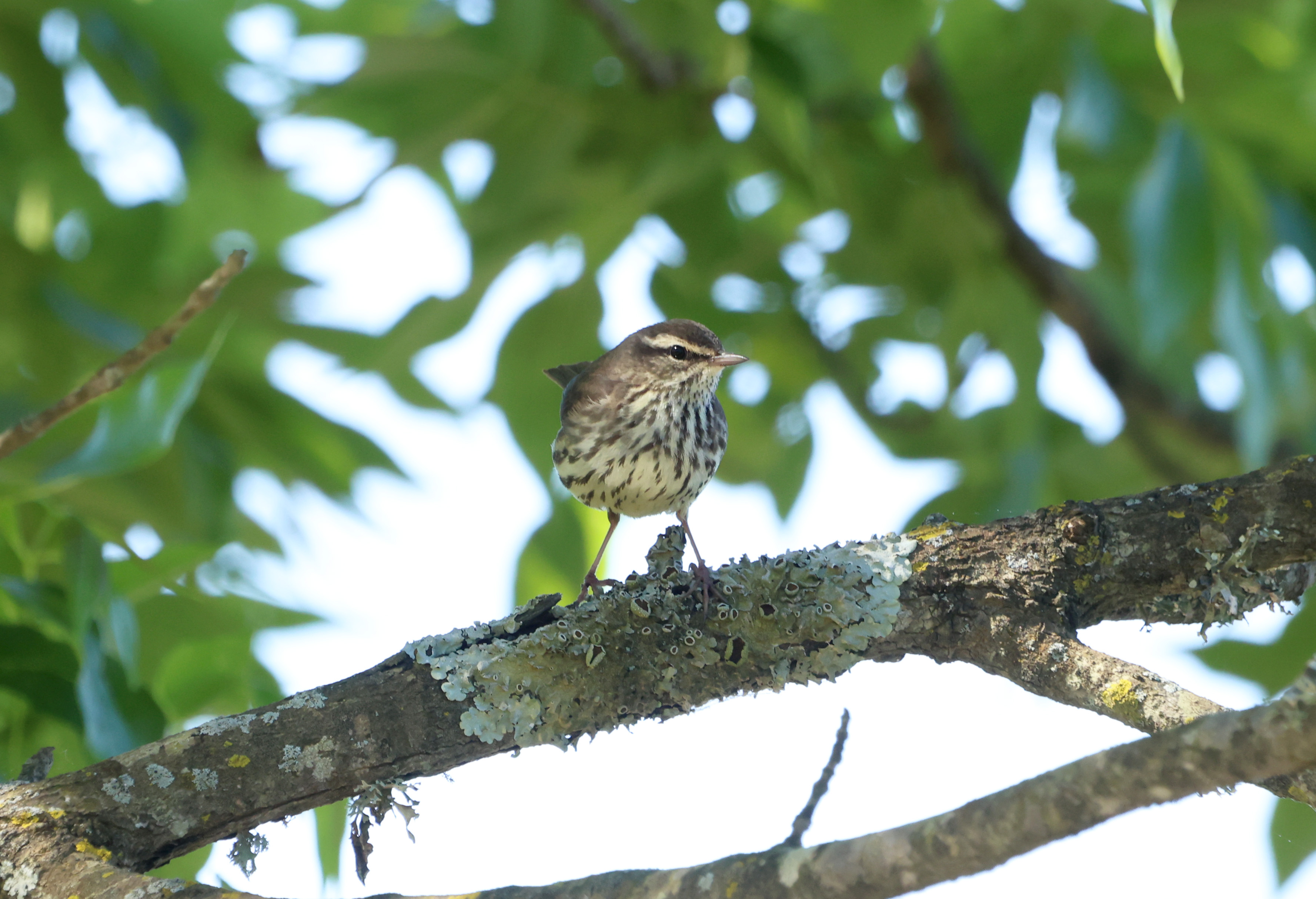
Northern Waterthrush

I recently visited Alcoa Bottoms near Arkadelphia to see if the Couch’s Kingbird was still there. It wasn’t. But here’s a highlight of what I did find, including my first Northern Waterthrush.
Photos: Migration Season

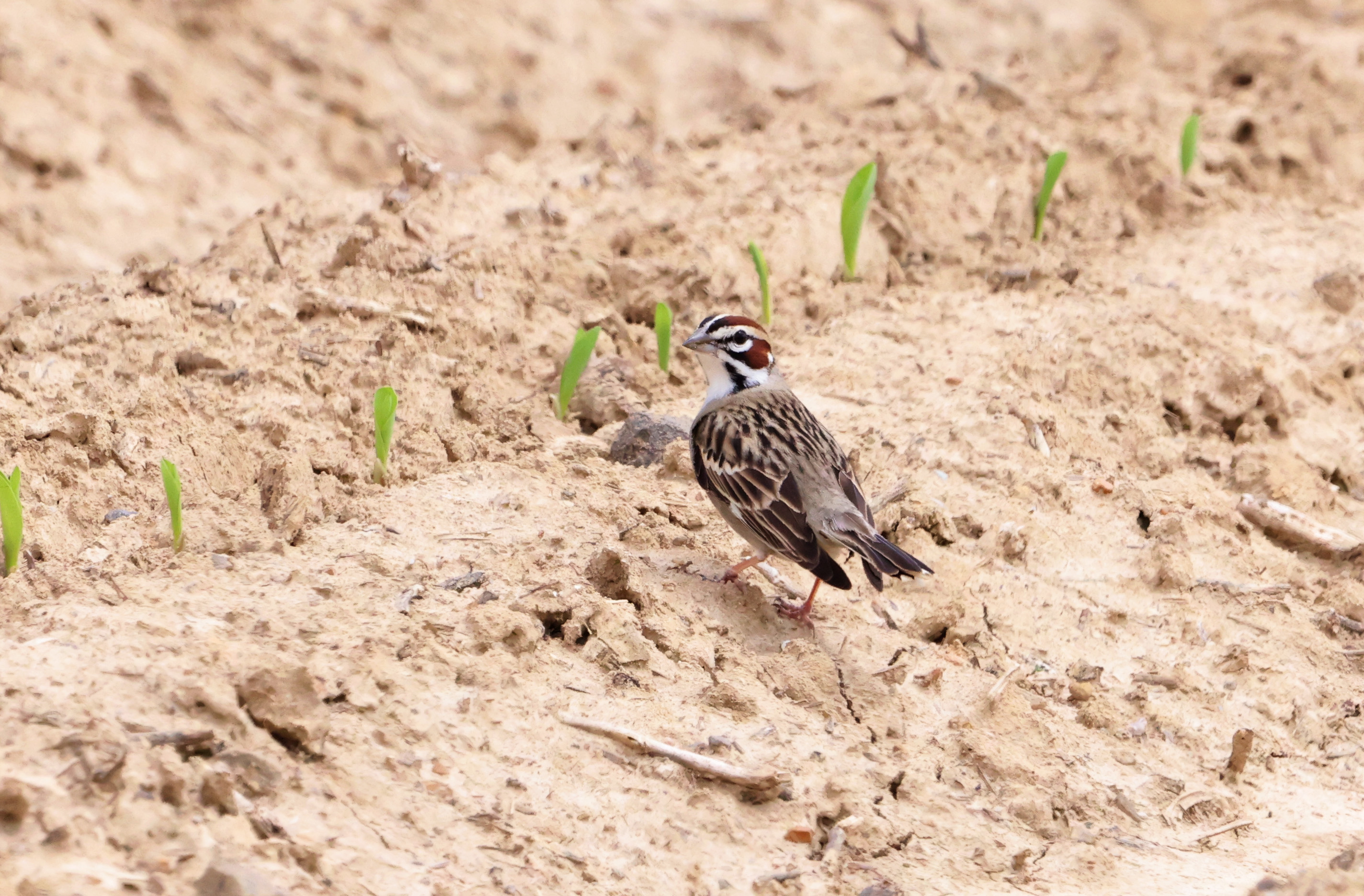
Lark Bunting

I’ve been heavily birding the past few weekends to take advantage of the birds passing through Arkansas. And I’ve gotten lucky with my sightings so far. This past weekend, a Lark Bunting was spotted in Bald Knob National Wildlife Refuge. Luckily, I was able to head that way about an hour or two after it was first reported. Boy, am I glad I headed that way. I went back the next morning and the bird could not be refound.
Lark Buntings are not common for Arkansas, but more to the mid-west of us. Think Texas, New Mexico, Colorado, and moving up from there to parts of North Dakota, Montana, and Canada during the breeding season. Nonbreeding season is spent in Central Arkansas and parts of Texas, New Mexico and Arizona.

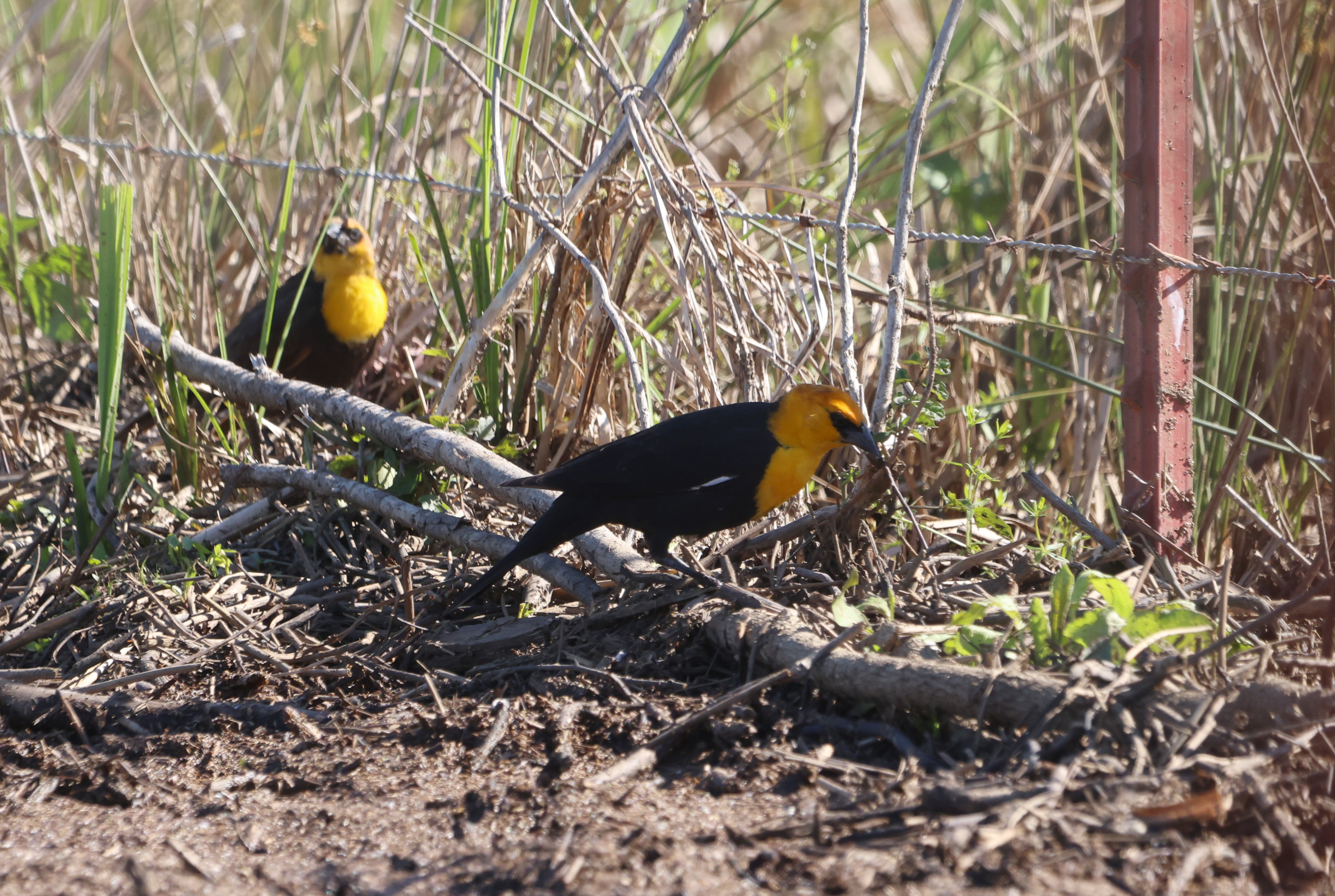
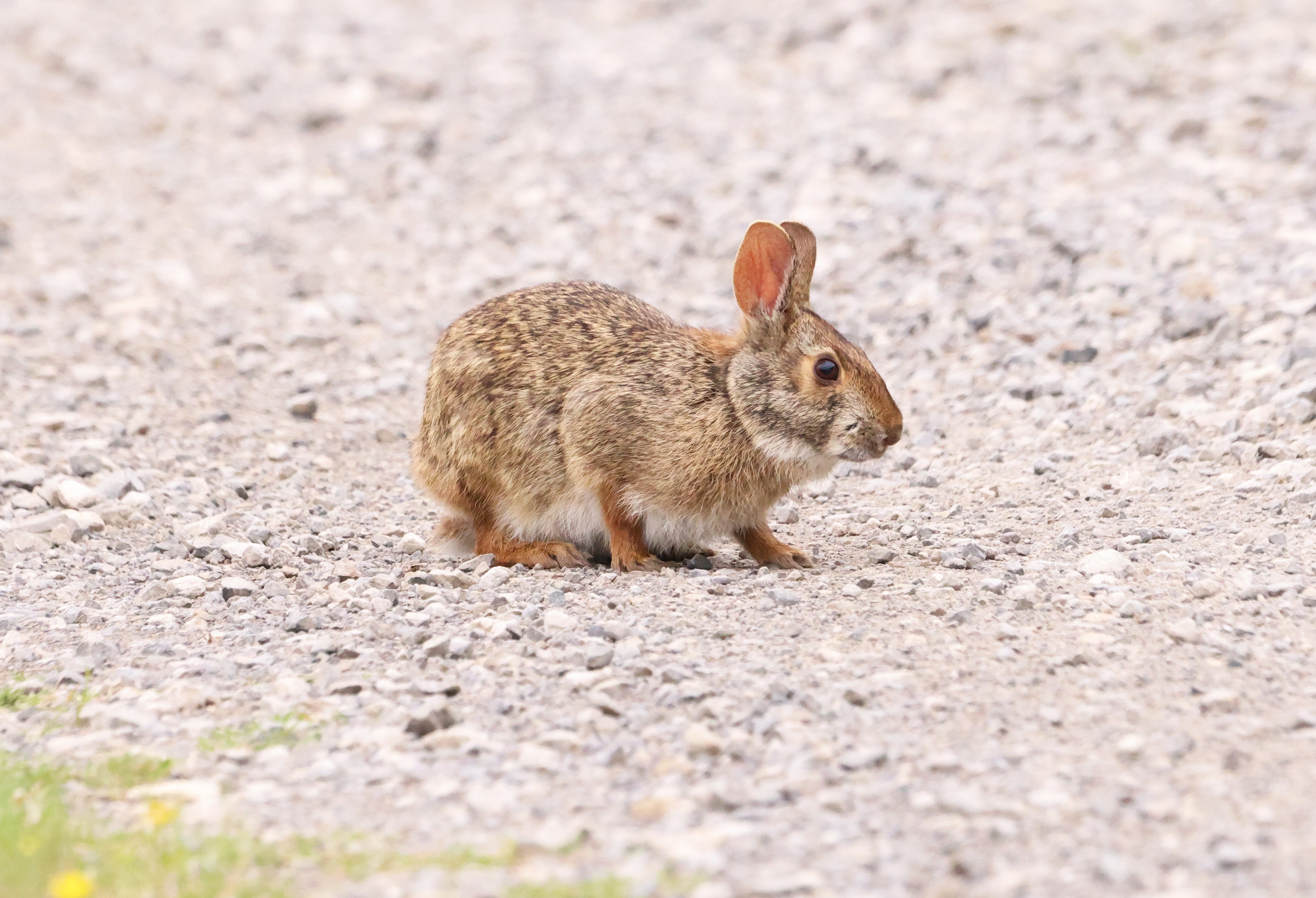
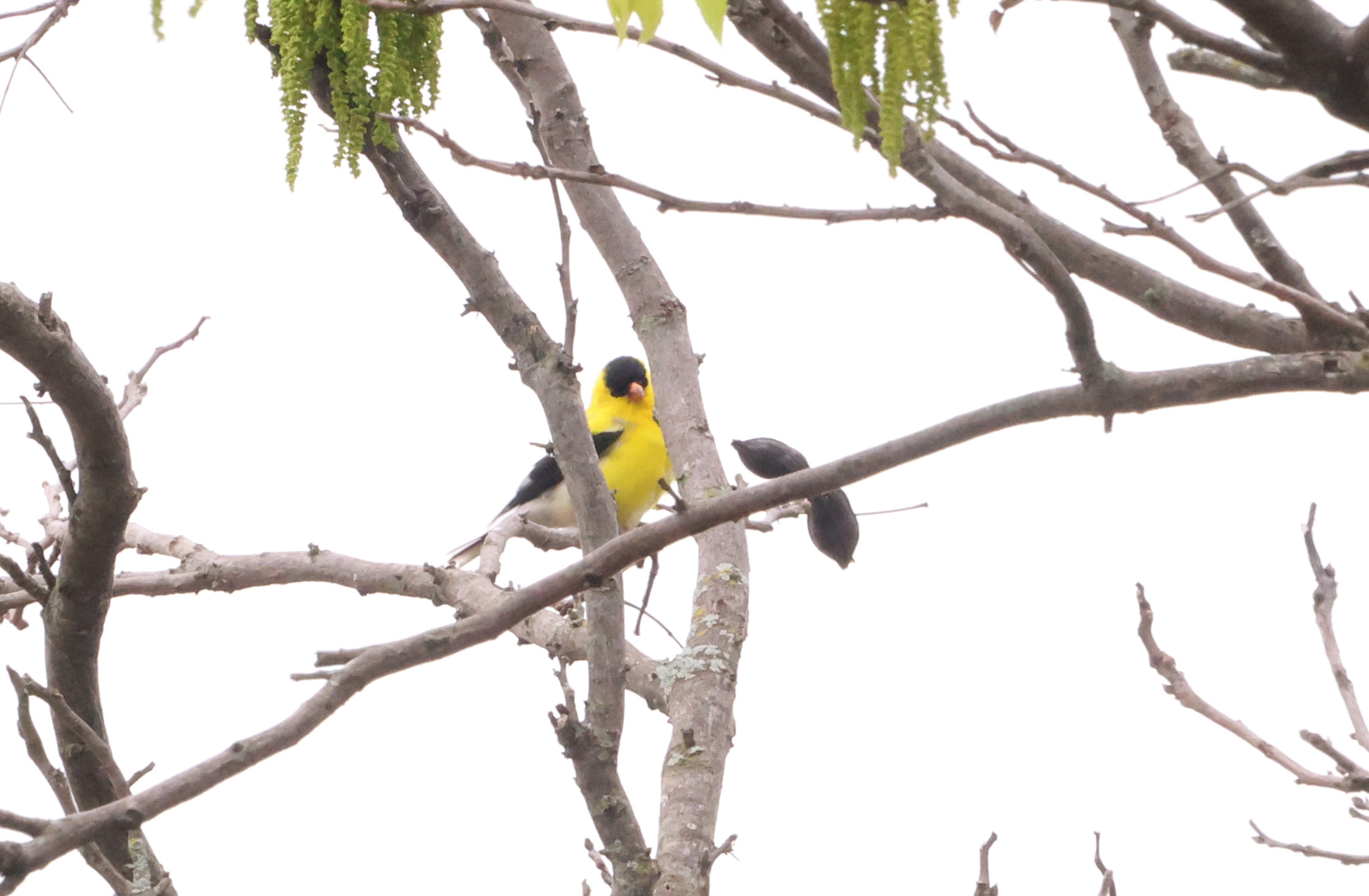
Here are a few other birds – and animals – I was excited to find:

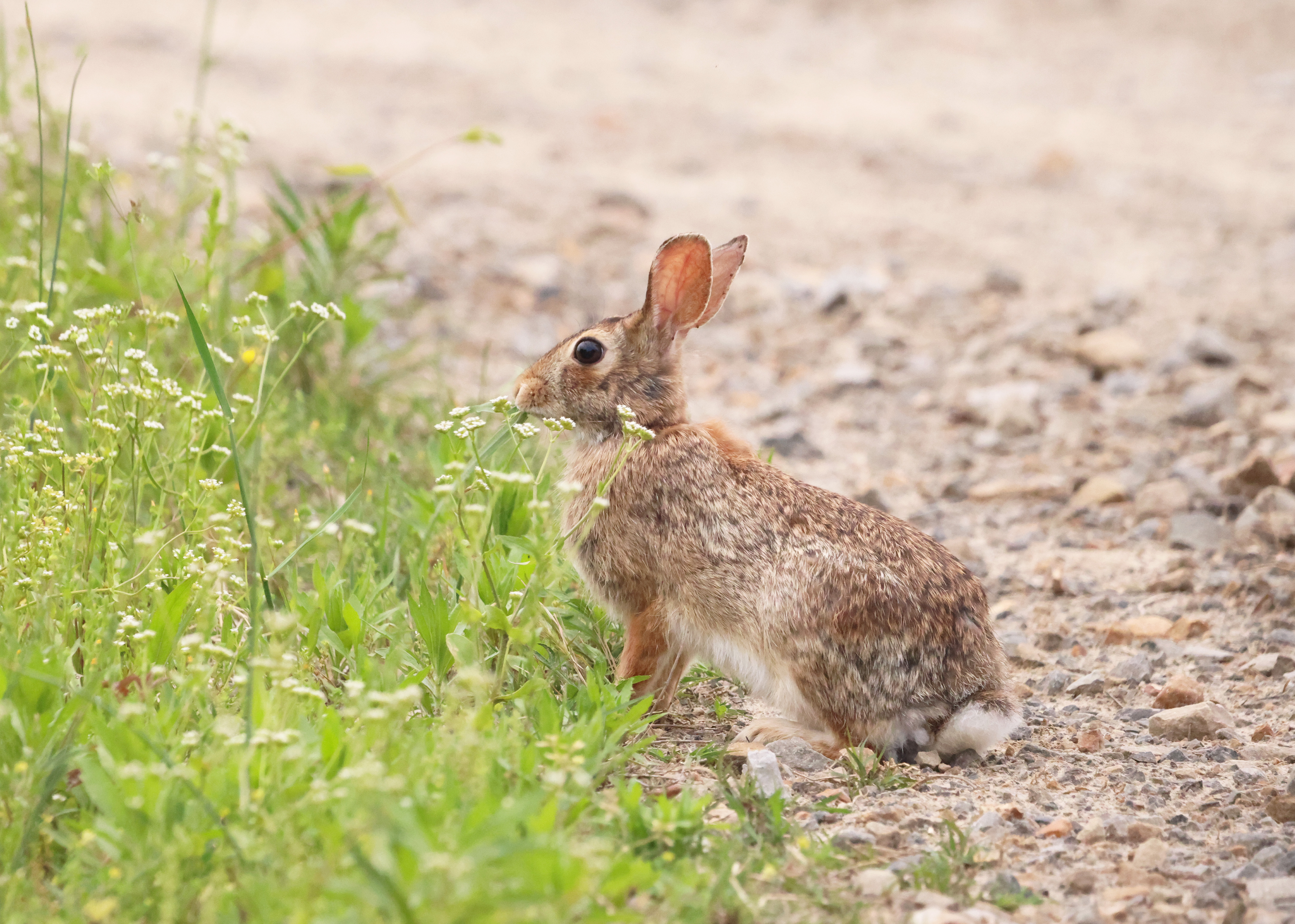
Swamp Rabbit
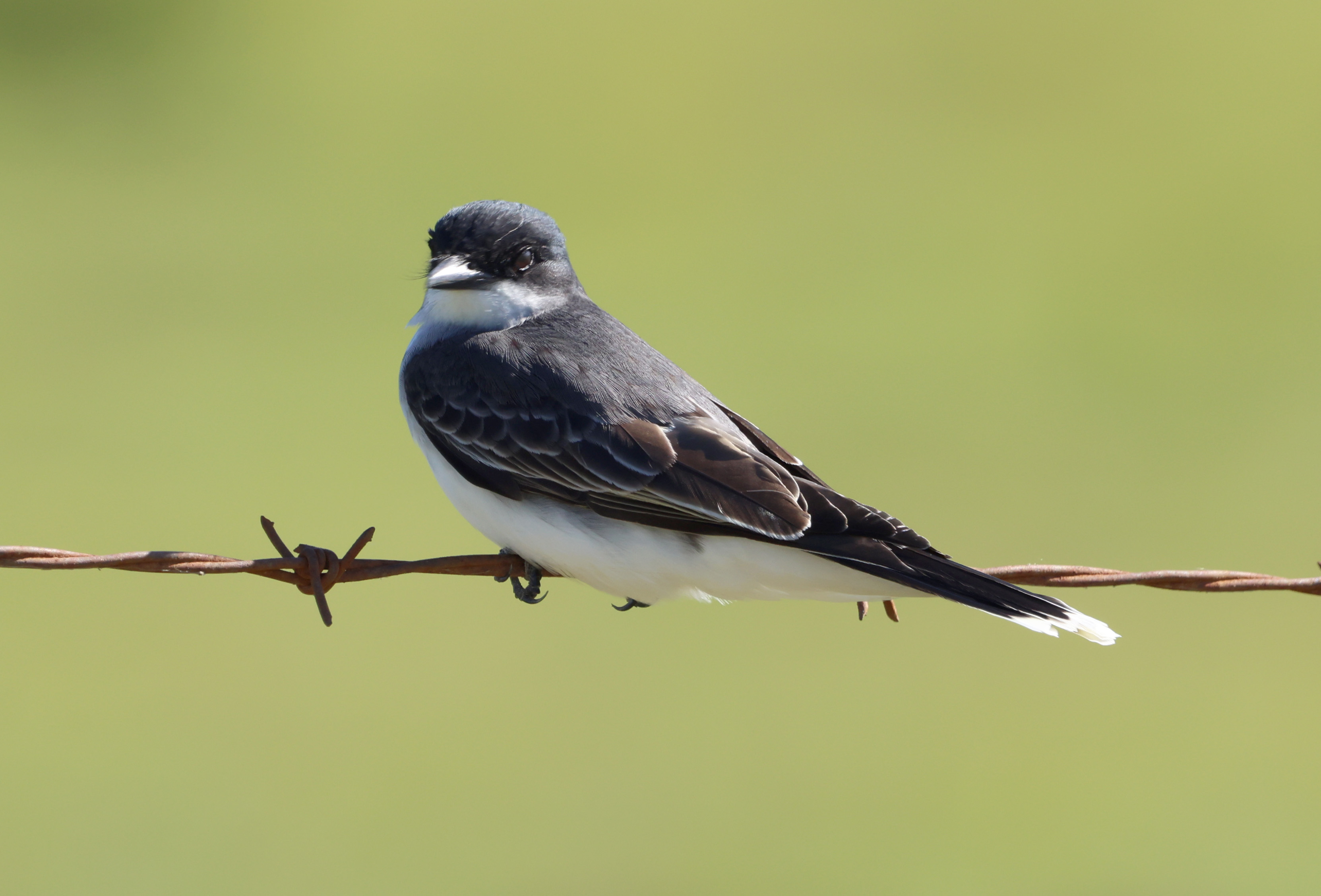
Western Kingbird

Photos: Lollie Bottoms

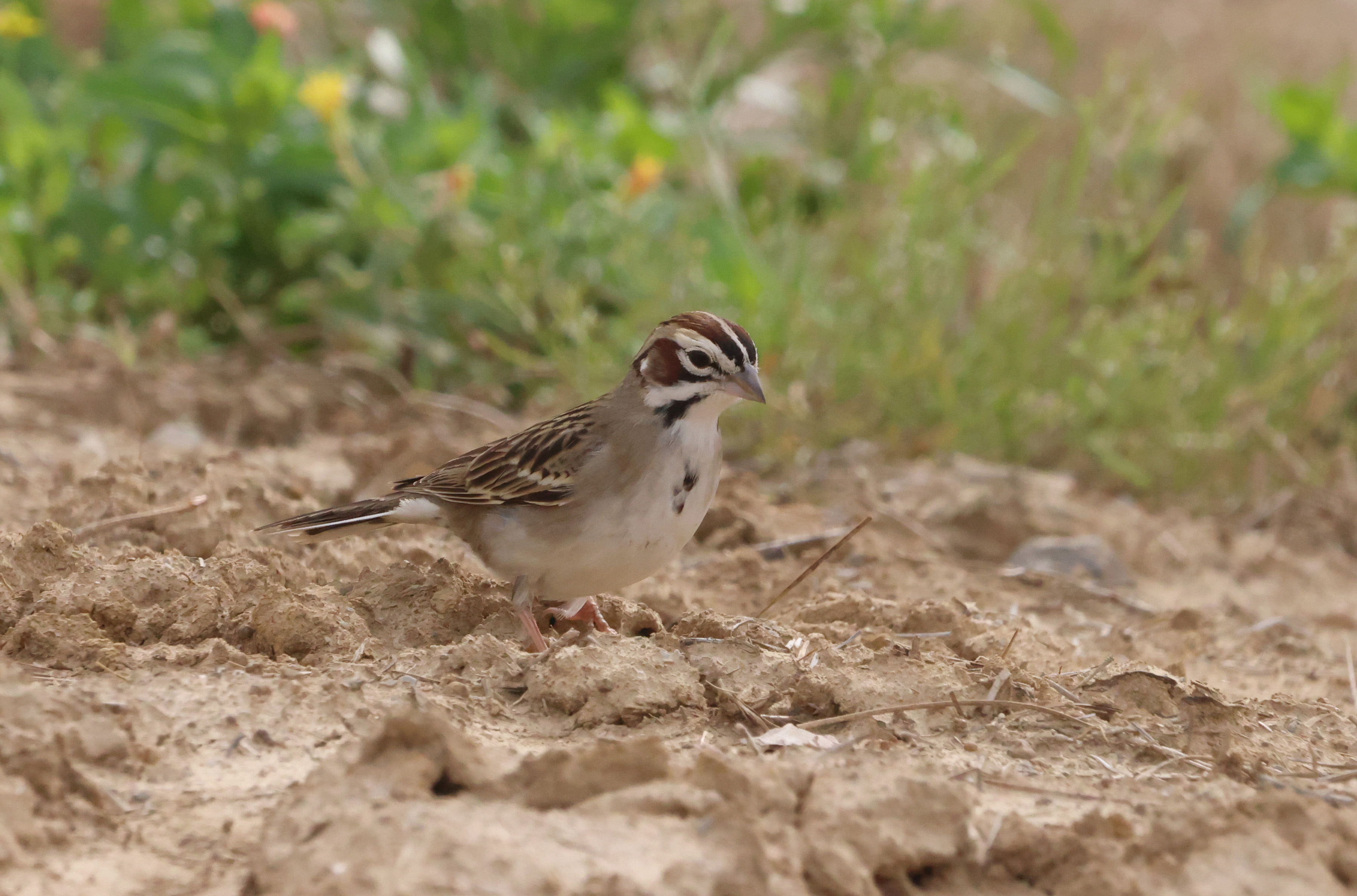
Lark Sparrow

One bird I’ve wanted to see this year has been the Lark Sparrow. Lark Sparrows, which have a harlequin facial pattern and white tail spots, breed in Arkansas. I finally saw several Lark Sparrows on Sunday when I joined five other birders to visit Lollie Bottoms near Mayflower and Conway. Lollie Bottoms winds through agricultural fields and the area circling the Conway airport. It’s an eBird hotspot during winter and the spring/fall migration.

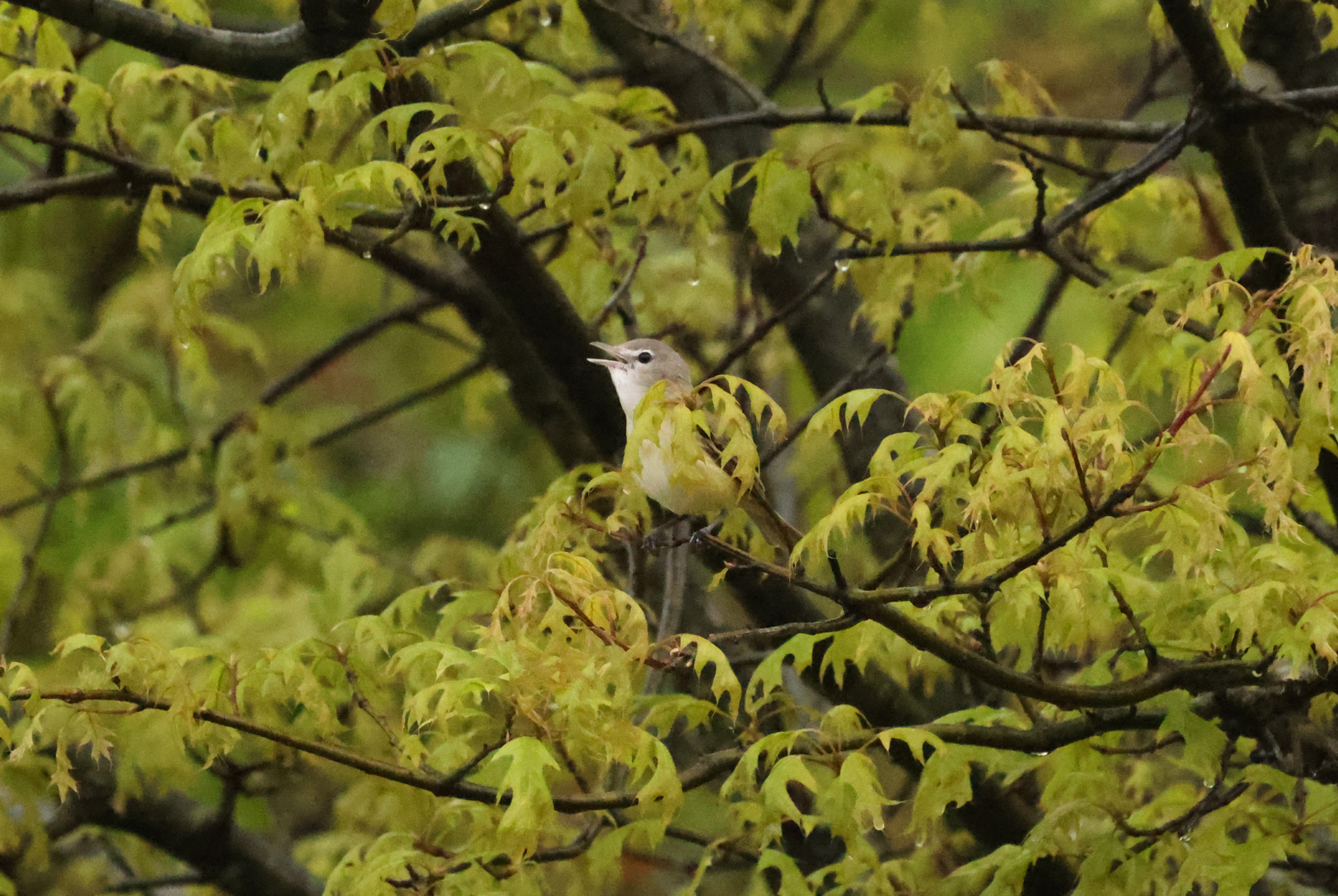
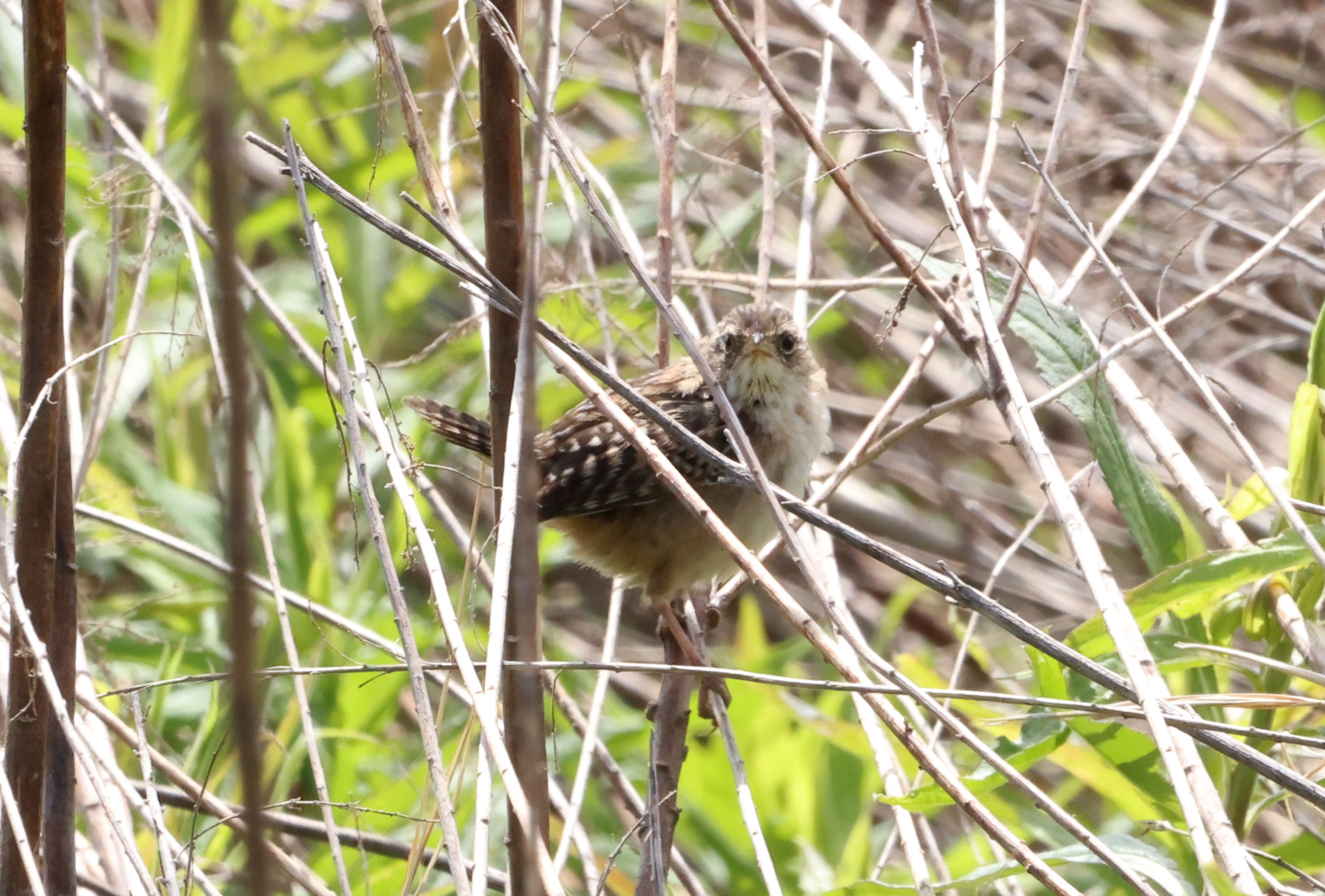
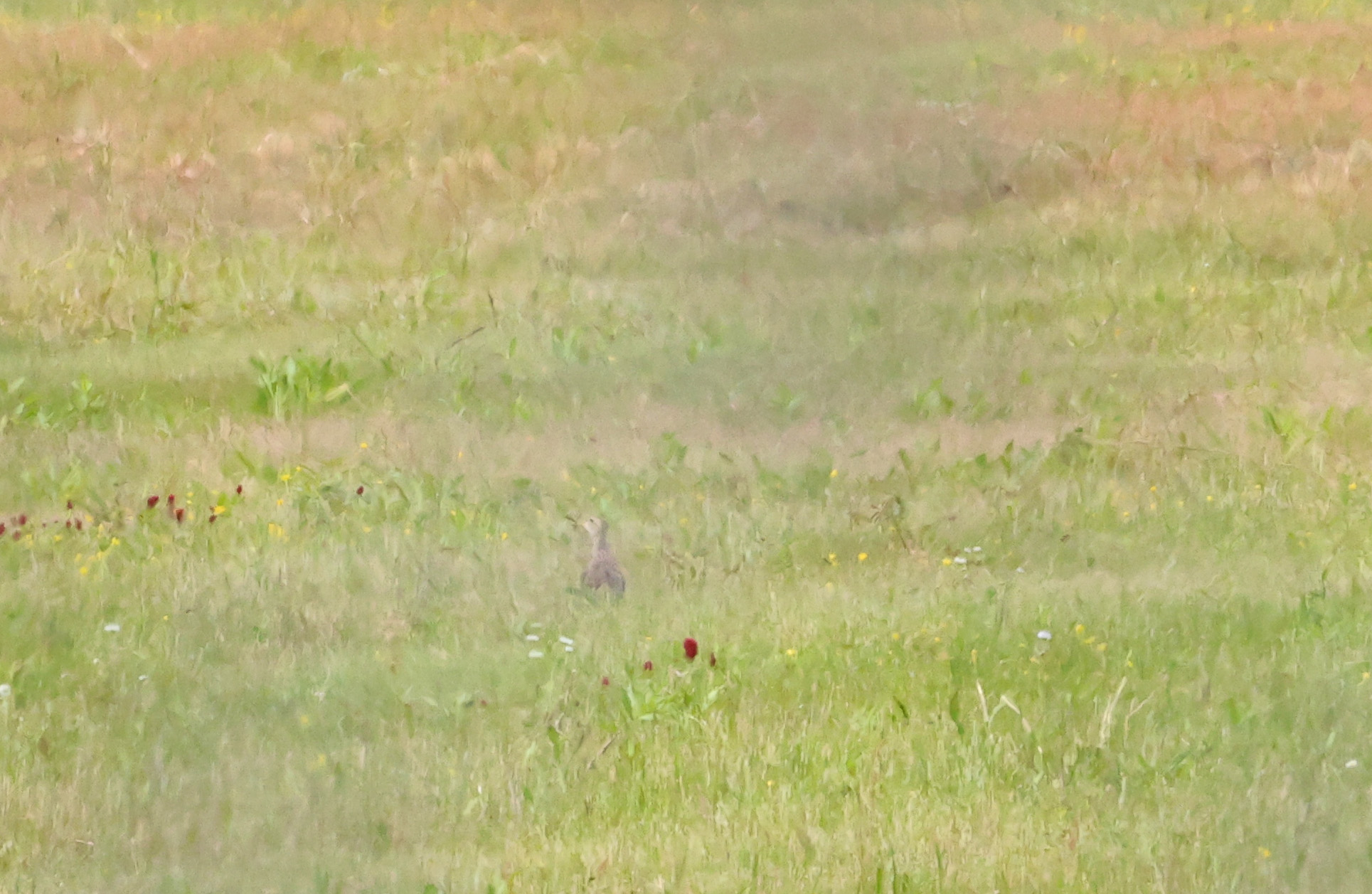
The trip turned out to be extremely birdy with us finding 433 birds of 45 different species. Some firsts for me were Brewer’s Blackbirds and Upland Sandpipers. We thought we’d found a Piping Plover, which would have been another first but it later turned out to be a Semipalmated Plover instead. I also saw some birds I don’t see often like a Lincoln’s Sparrow, a Sedge Wren and a Warbling Vireo. The Warbling Vireo was actually found in a spot that we typically don’t expect to find one so that was interesting. The Warbling Vireo is typically found in deciduous forest, and we found our bird in a patch of trees/brush on the corner of an agricultural field.

Warbling Vireo

Photos: Kibler Bottoms

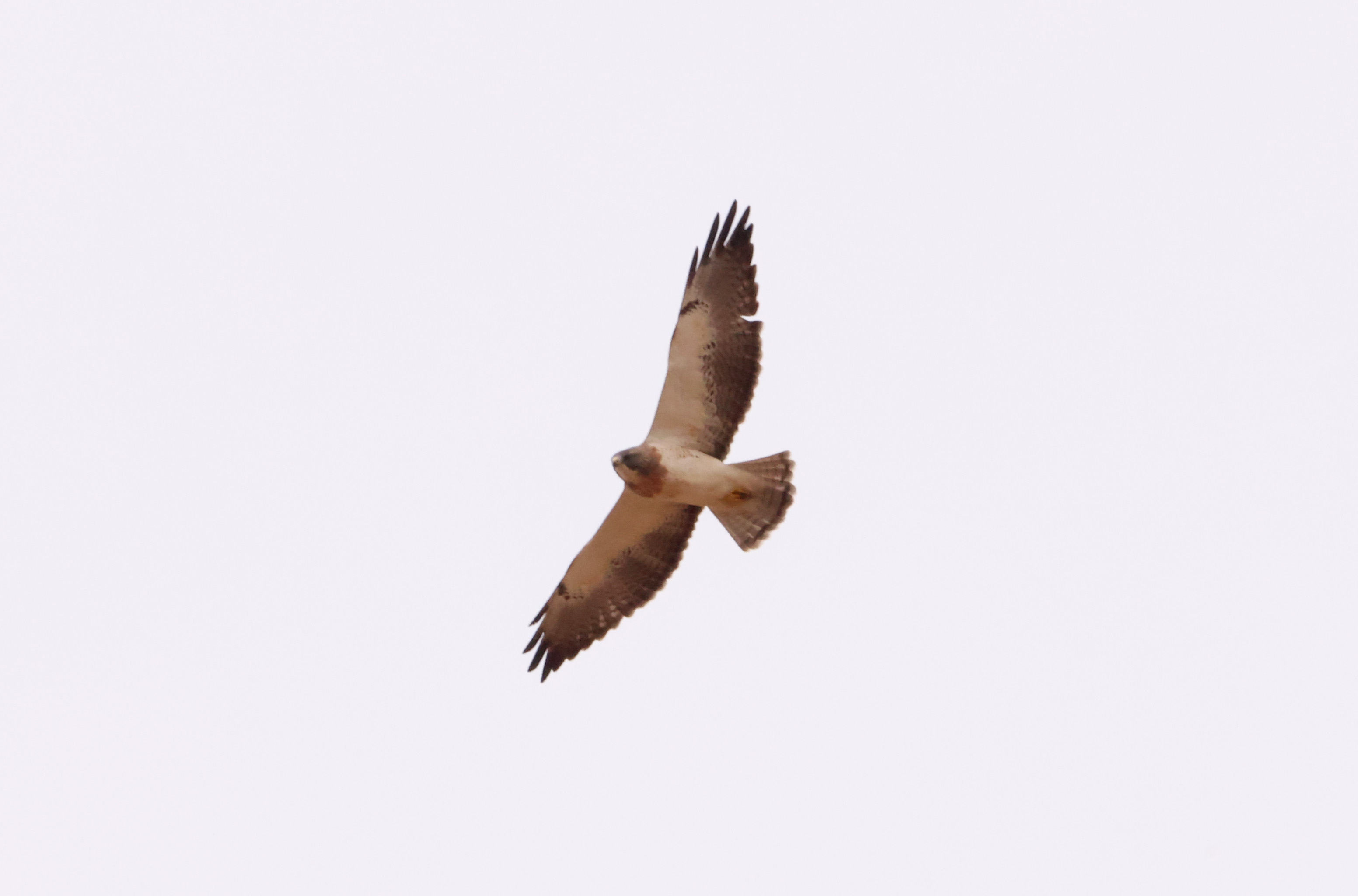
Swainson’s Hawk

Saturday marked my first time to Kibler Bottoms in Crawford County. Kibler Bottoms is a roughly loop drive that goes south into agriculture fields in the bottoms of the Arkansas river Valley.

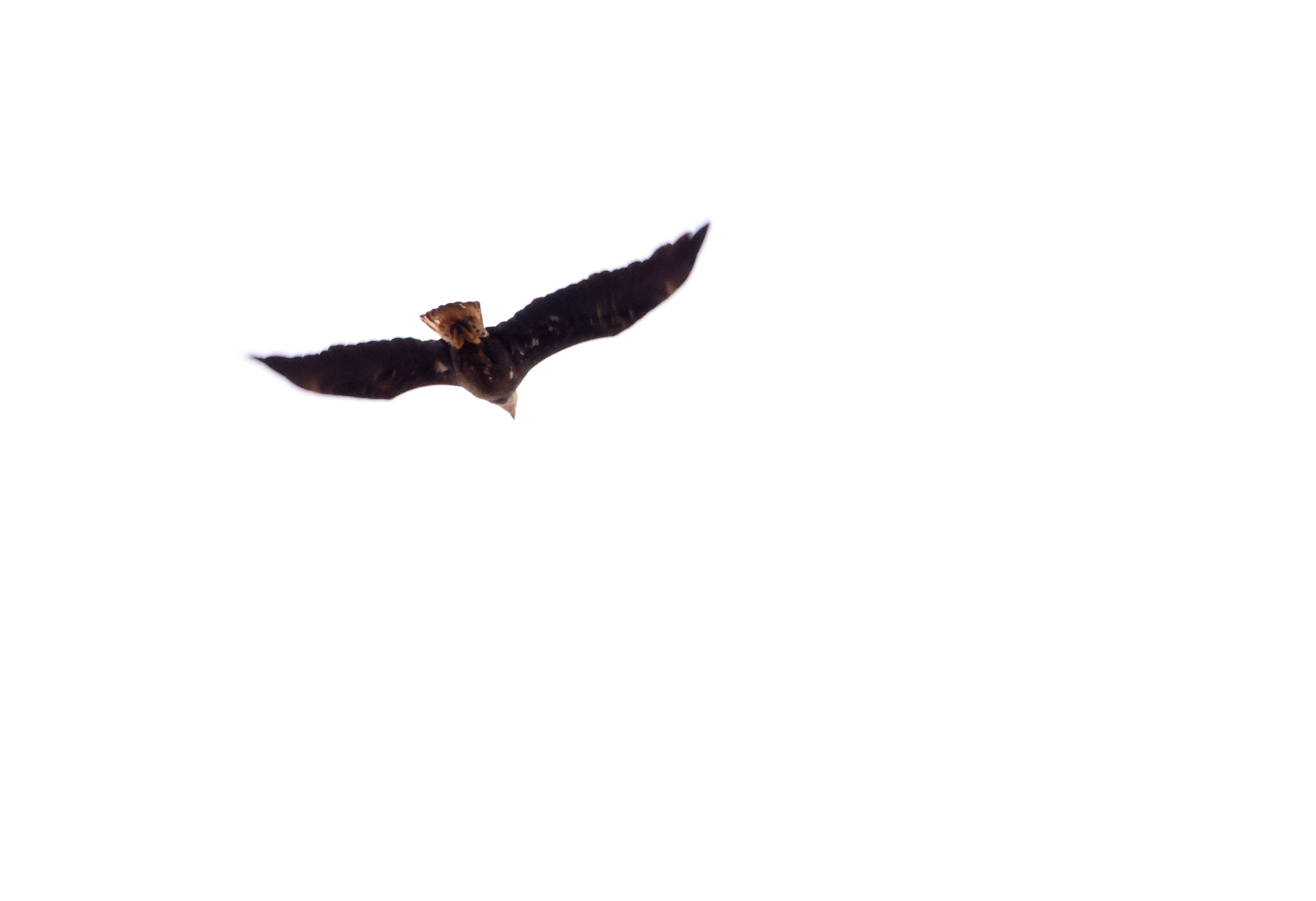
While there, I got my first glimpses of Swainson’s Hawks. The three Swainson’s Hawks we found were in adult light morph, meaning they had darker heads, white on the upper part of the underwings. The underwings were darker moving down and out. Typically found in grasslands, range maps on allaboutbirds.org show they are typically found in the United States during breeding season. Their breeding season range is more west of Arkansas, but I’m told Kibler Bottoms is a great place to spot them around this time in Arkansas.

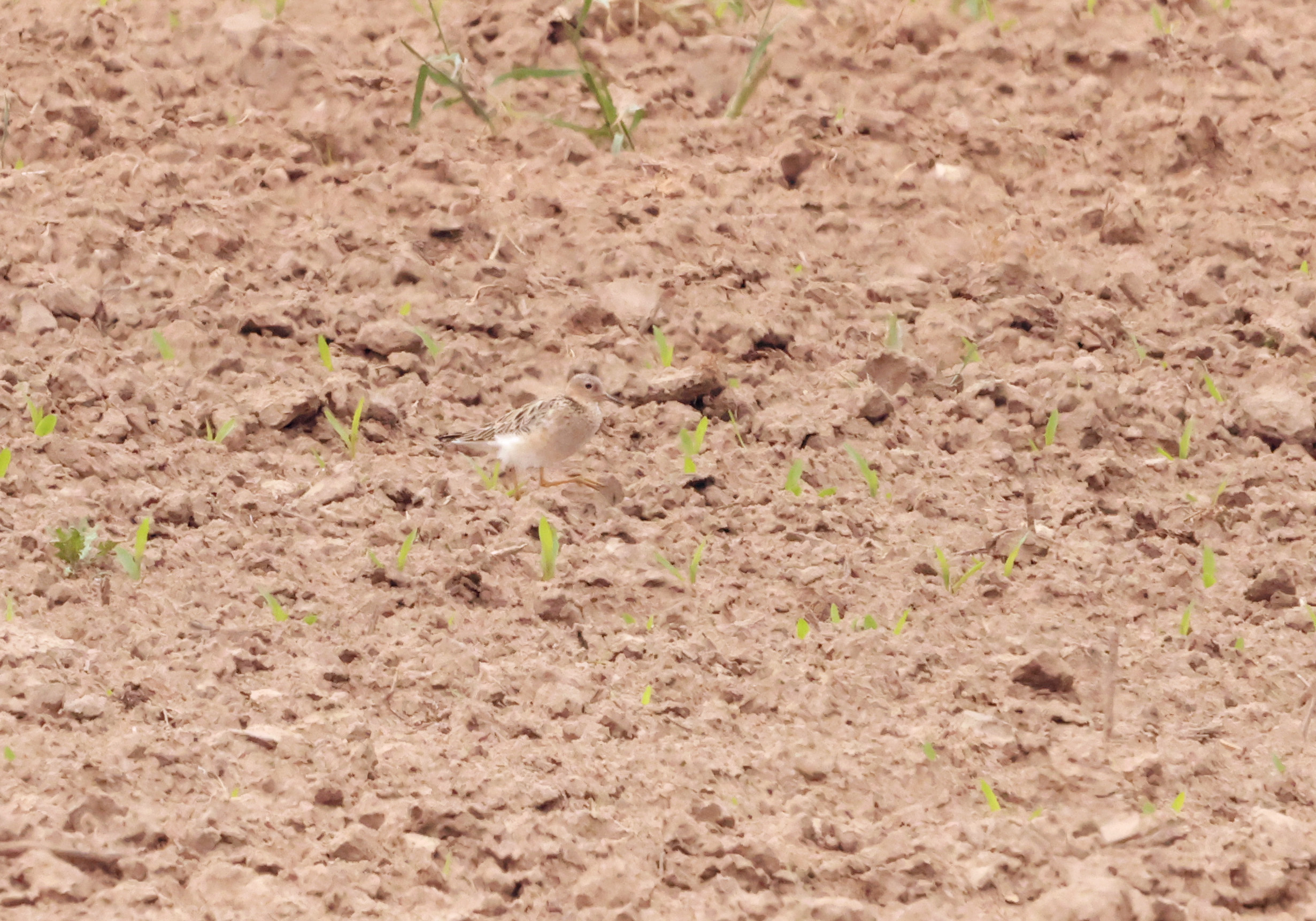
Buff-breasted Sandpiper

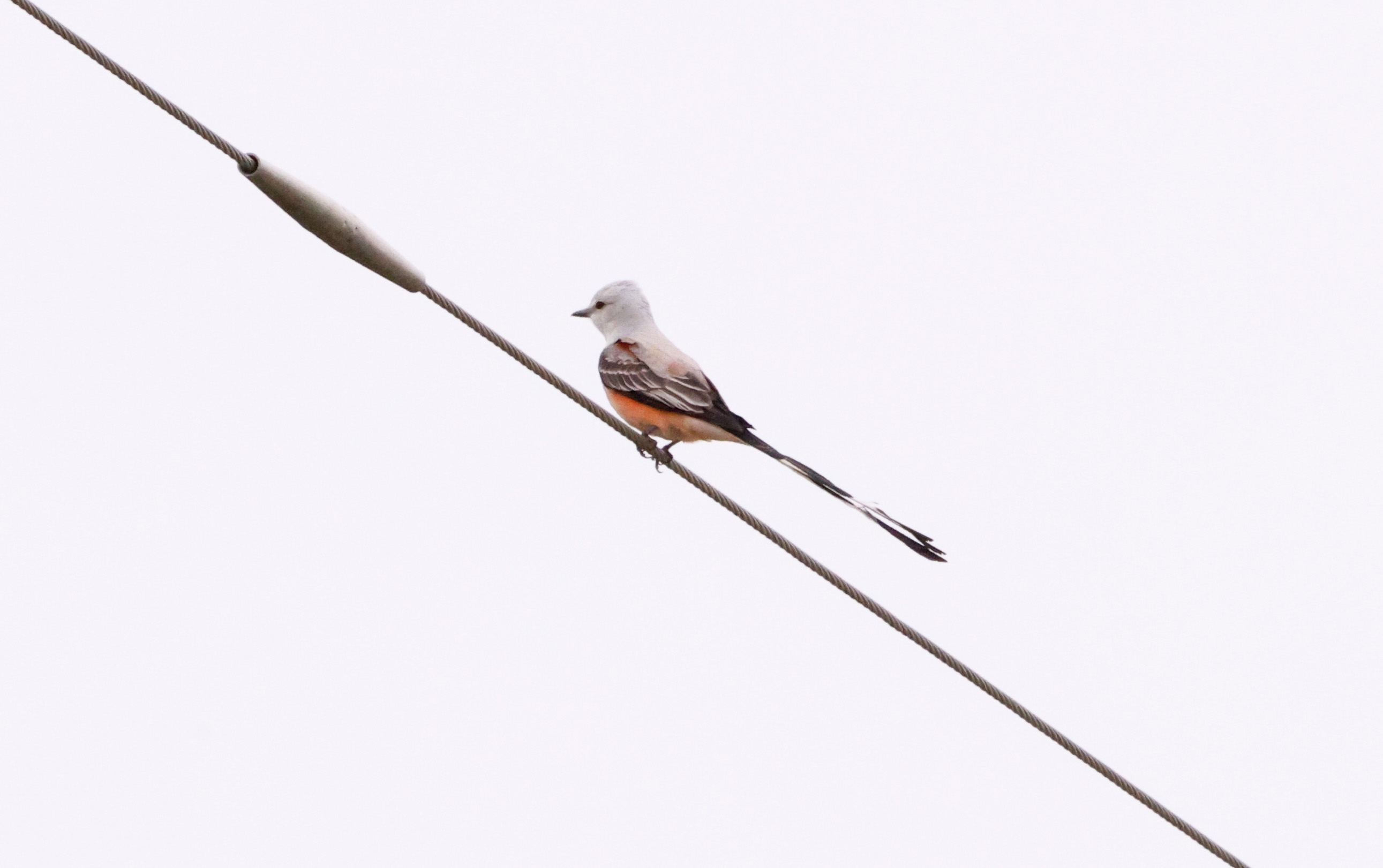
Another rare bird found was a Buff-breasted Sandpiper that foraged in a field alongside American Golden-Plovers, a Horned Lark. A Scissor-tailed Flycatcher was also sitting in the field nearby. The migration range of the Buff-breasted Sandpiper just passes through western Arkansas so we didn’t expect to see one Saturday. This sandpiper is typically found in dry, grassy habitats according to allaboutbirds.org. They nest only in the High Arctic of northernmost Alaska and Canada and then migrate to South America.

Overall, we found 218 birds of 24 species. Here’s photos of some of the other birds spotted:

Photo: Forster’s Tern

We recently discovered 19 Forster’s Terns at Boyd Point Water Treatment Plant during a recent birding field trip with a local Audubon society. Forster’s Terns are found in Arkansas during the migration season, and are medium-sized terns with a longer tail and, in nonbreeding plumage, a black eye patch (which we saw during this sighting). The terns were mixed in with Bonaparte’s Gulls and Ring-billed Gulls.

Forster’s Tern along with Bonaparte’s Gulls and Ring-billed Gulls

American Wigeon

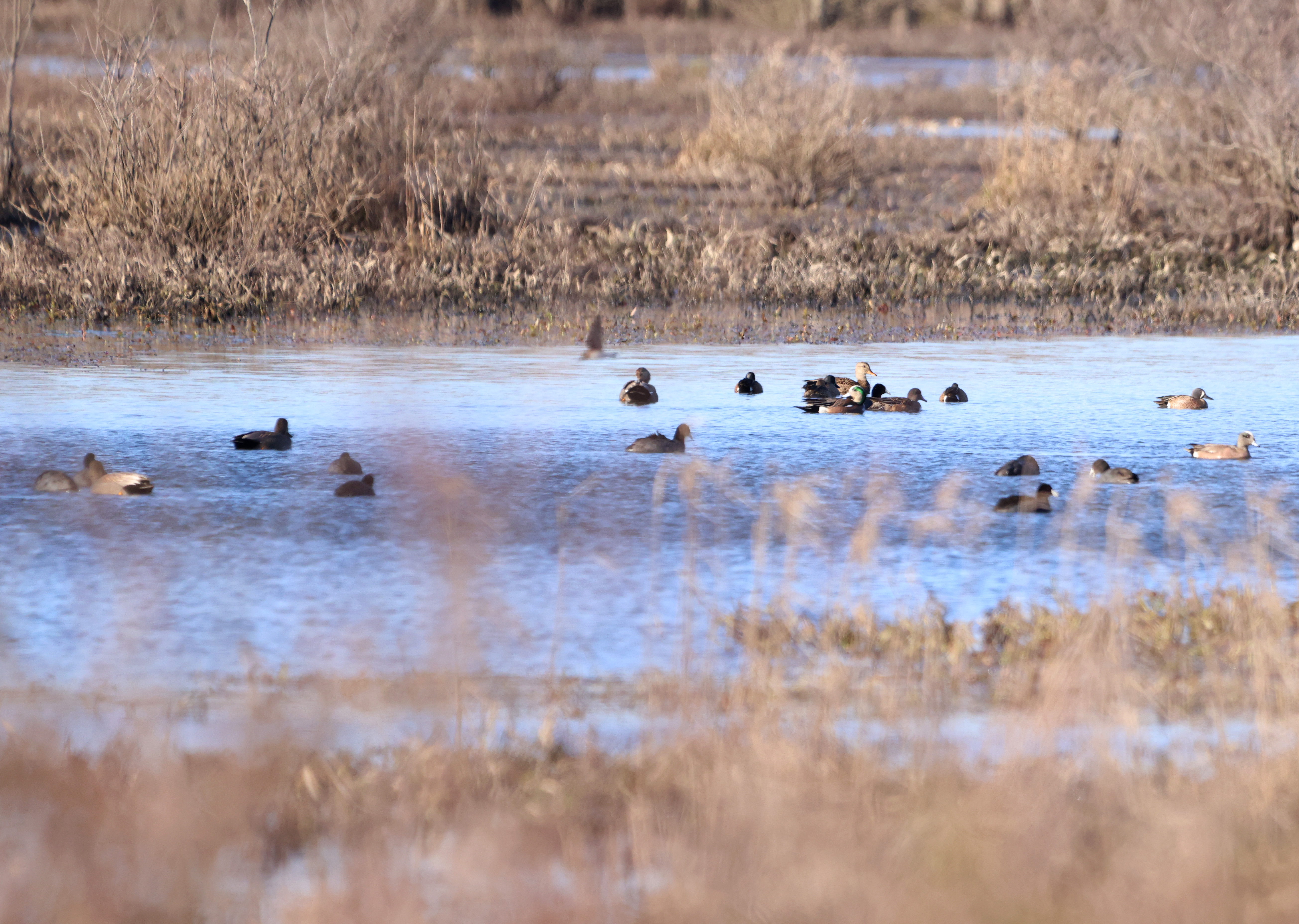
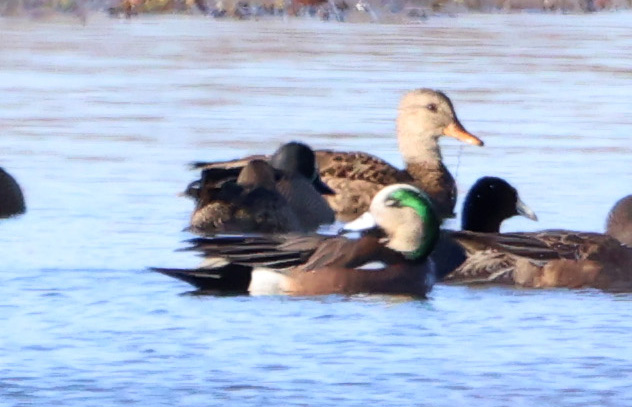
This winter, my “goal bird” was the American Wigeon. It was the bird I wanted to see. It took me until the end of winter to meet that goal – and even then I didn’t realize what I had actually seen until I got home and reviewed my photos.

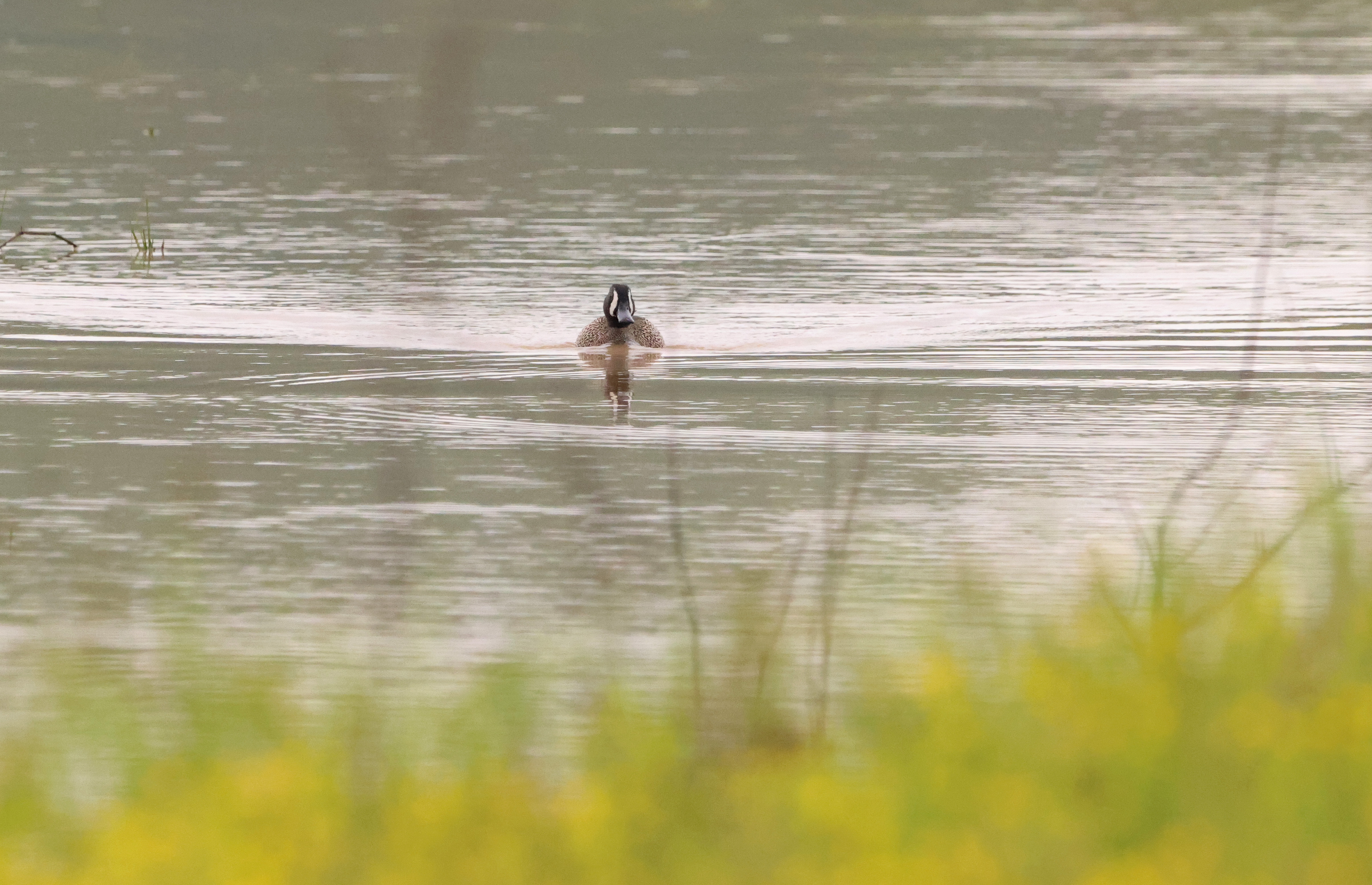
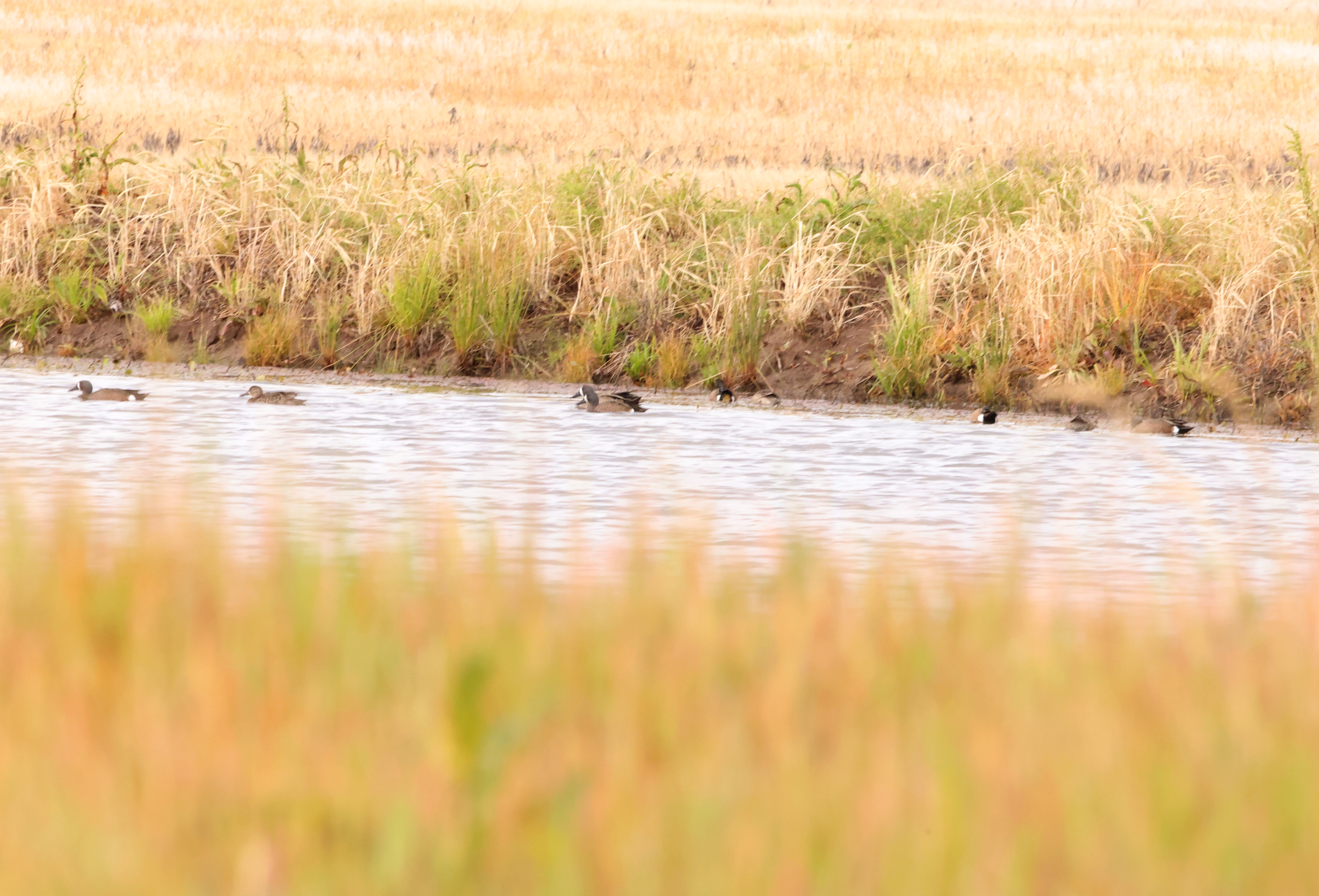
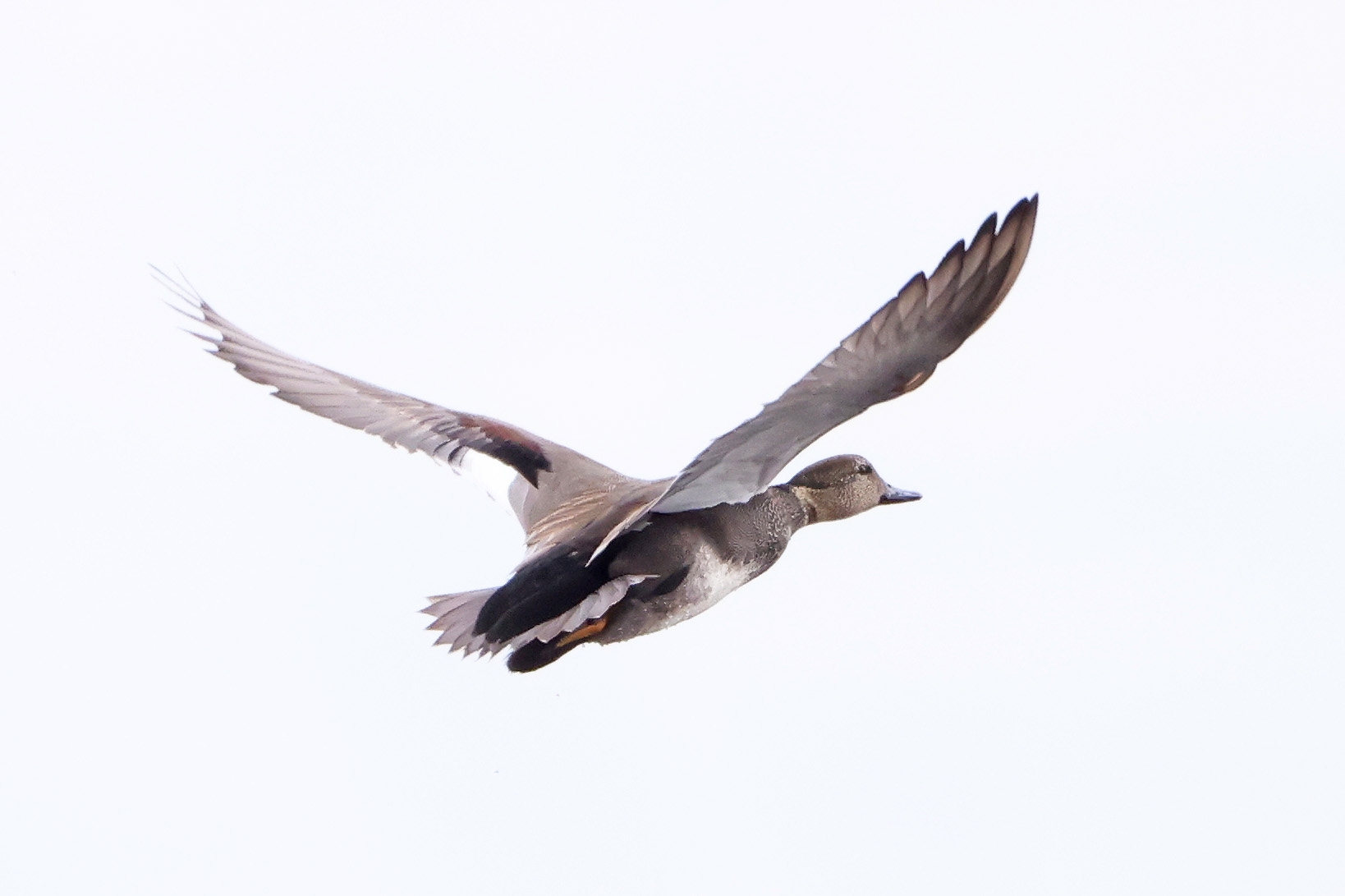
The American Wigeon is a pretty duck. The male has brown-gray head with a bright green stripe behind the eye and white cap. It has a short, pale bill. I’ve zoomed in close to the male below for a better (if blurry) view. While I saw reports of them across Arkansas (they winter in the state), I saw my first two American Wigeons at Bald Knob National Wildlife Refuge. They were mixed in with Gadwalls, American Coots, Blue-winged Teal and Northern Shovelers.

Photos: Atkins Bottoms

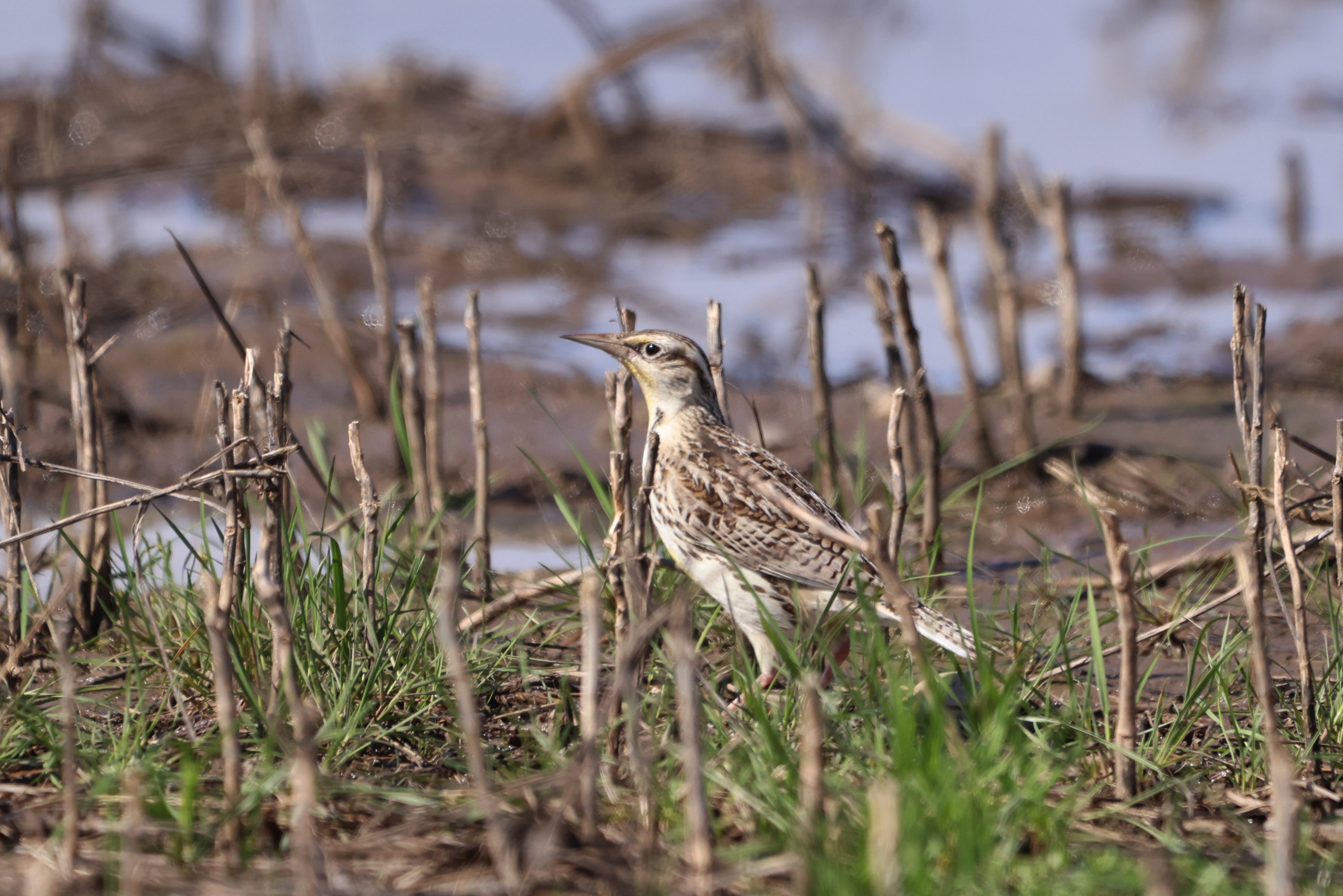
Western Meadowlark

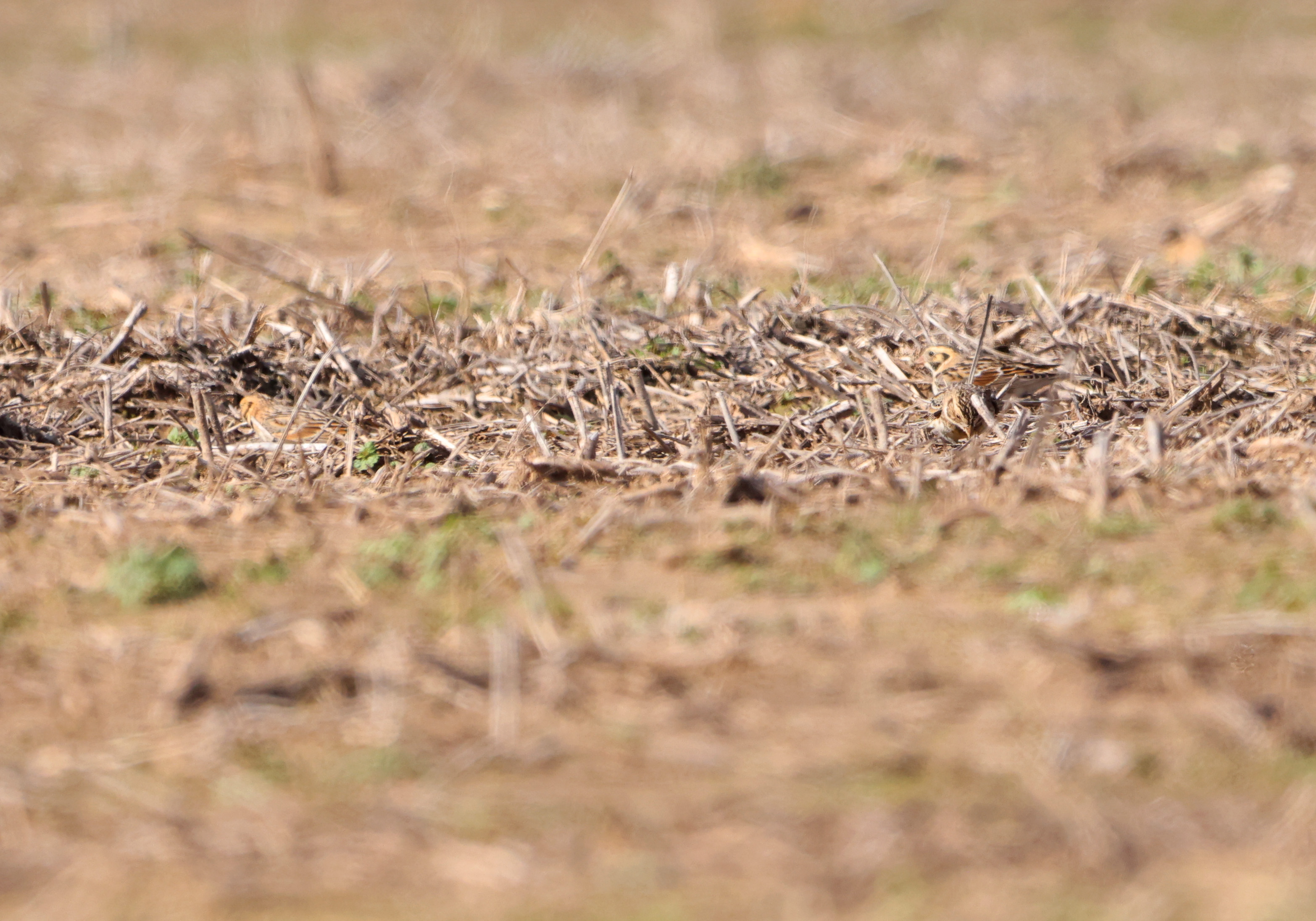
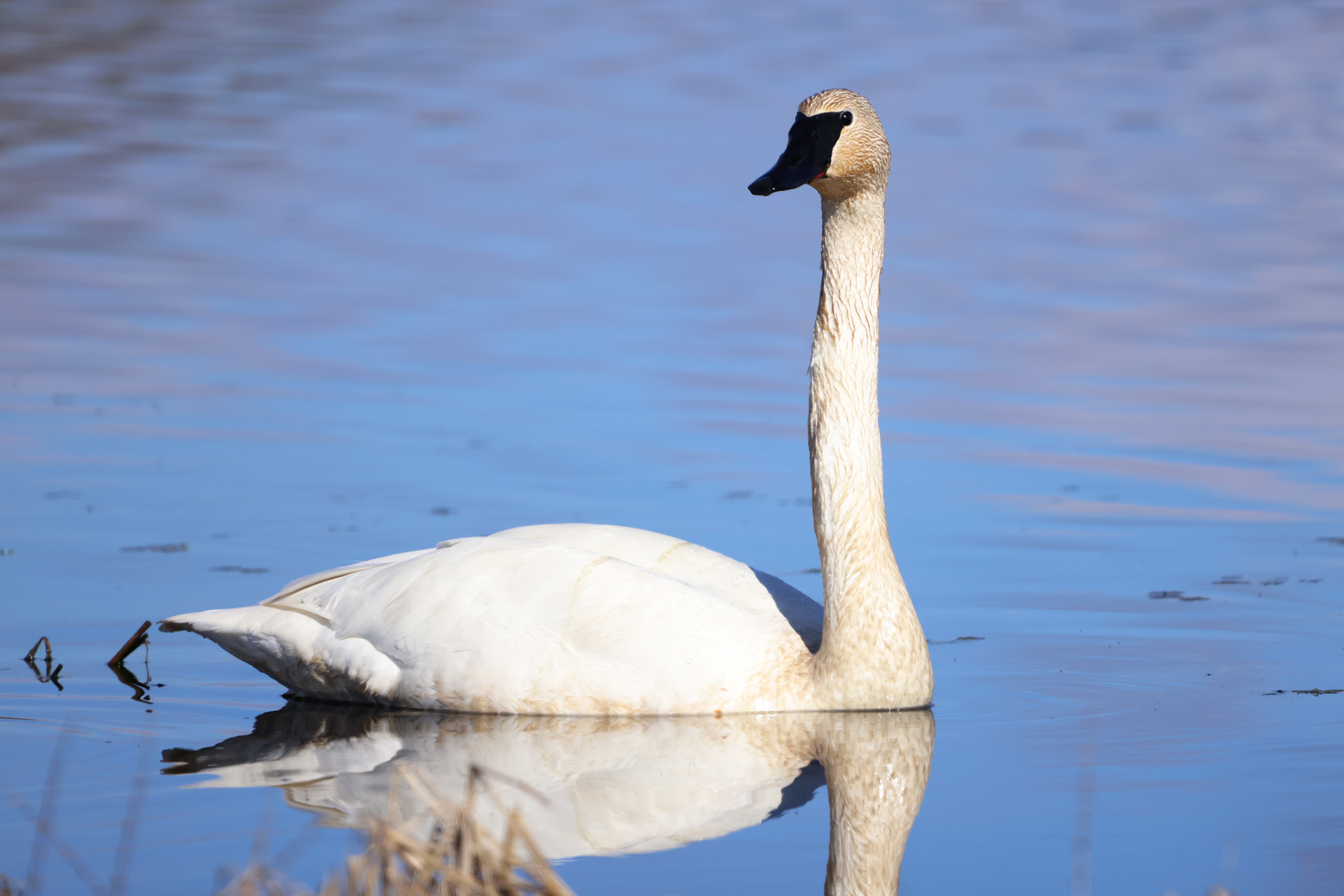
This winter, I began visiting the Atkins Bottoms area in Pope County. My goal was to find Tundra Swans. While I haven’t found a Tundra, I did come across a Western Meadowlark during a recent trip. I’m more used to the Eastern Meadowlark, which have darker head stripes. It helped that the Western Meadowlarks were very vocal, making identification easier. Recent trips have been filled with birds, including Horned Larks, Lapland Longspurs and even a Merlin. I especially excited to see Lapland Longspurs – a first for me.

Lapland Longspur

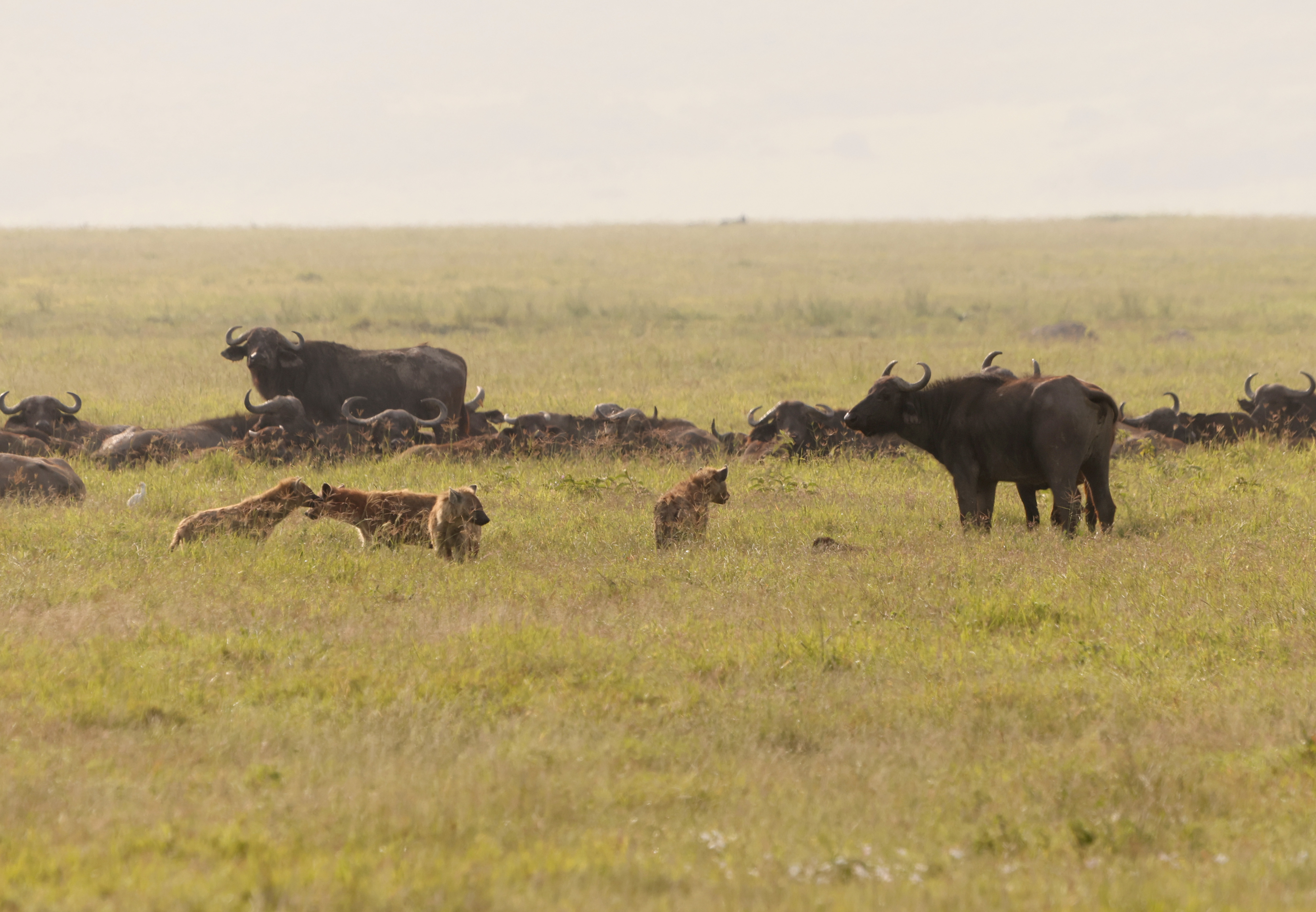
Day 6: Buffalo vs. Hyena

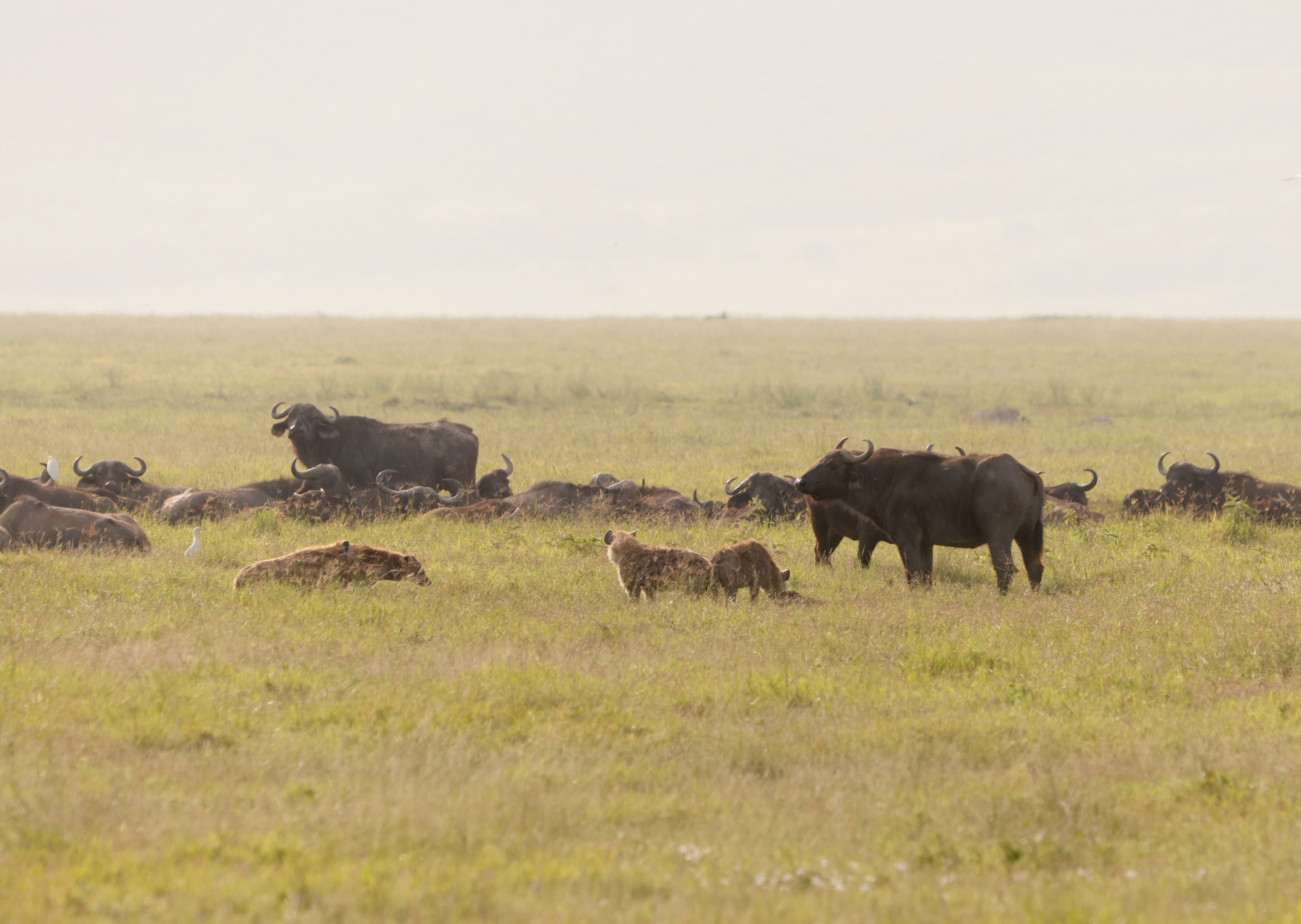
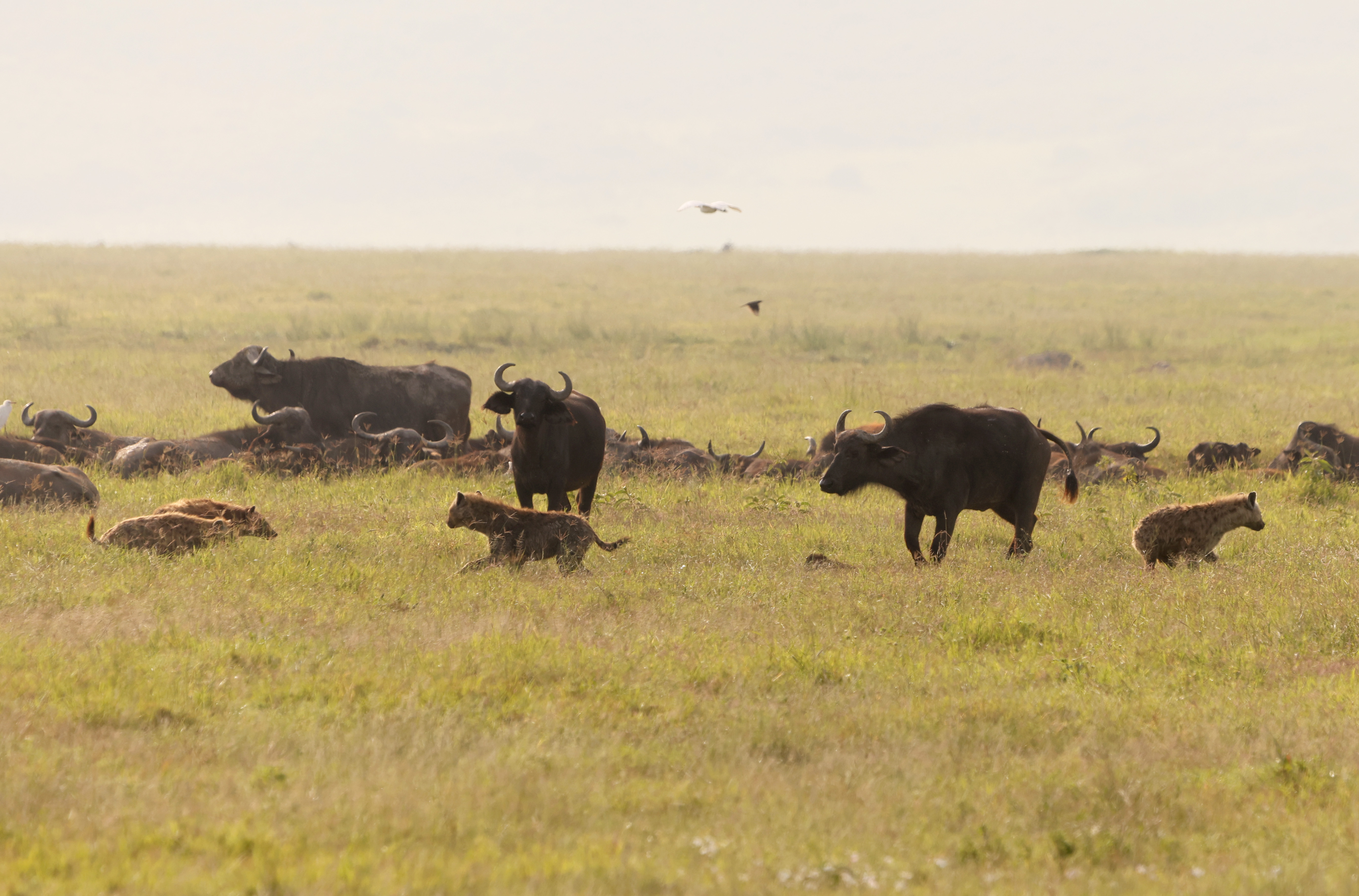
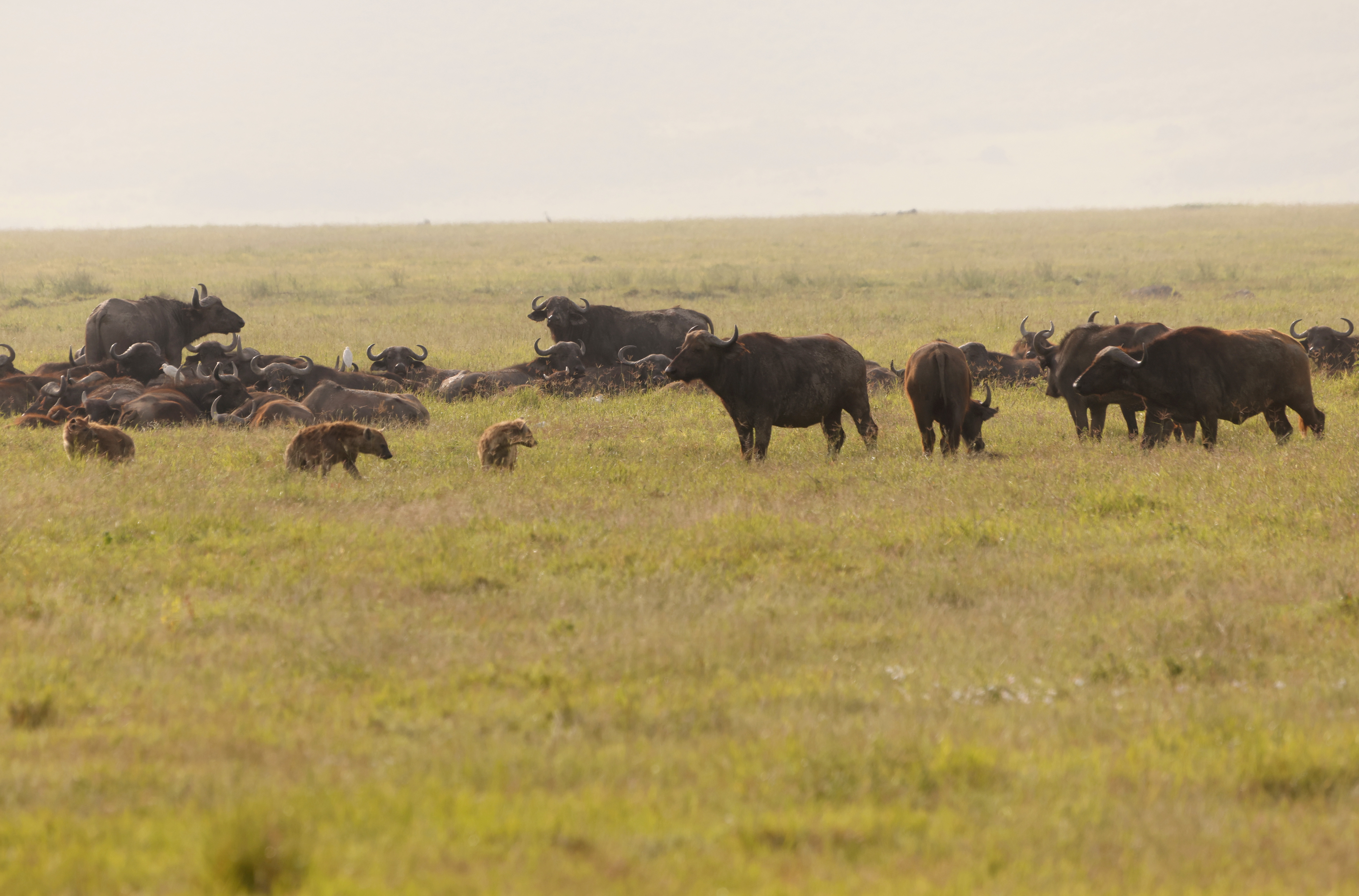
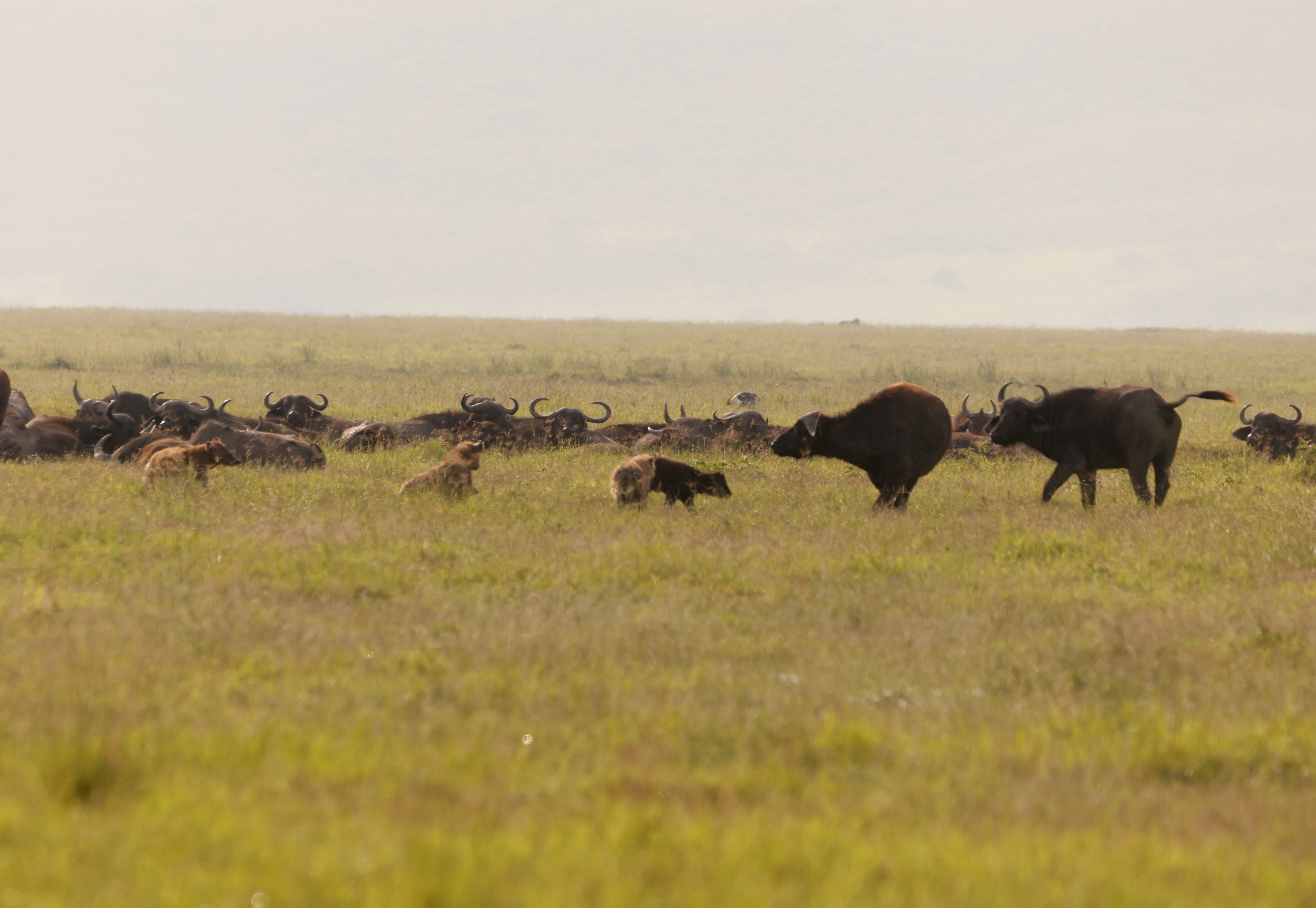
We witnessed a heck of a stand-off on Day 6 between a mother buffalo and hyenas in the Ngorongoro Crater.

We first noticed the hyenas nosing around a herd of buffalos. It was then we noticed the unmoving small brown mound that the hyenas seemed laser focused on. The baby’s mother alternated between standing guard, charging the hyenas back and then walking away, thus letting the hyenas closer.

At one point, we thought the hyenas would win. The mother was walking off and we saw a hyena bite and pull on the baby. It was heartbreaking until, suddenly, the mother came rushing back with others from the herd. They stood guard and, then, the baby slowly stood. I’ll admit we screamed at that point. It was a happy, but completely unexpected turn of events. 

The hyenas were, obviously, not happy and still tried to take the baby. But, other buffalo guided both mother and baby back into the herd and the hyenas slowly moved on.