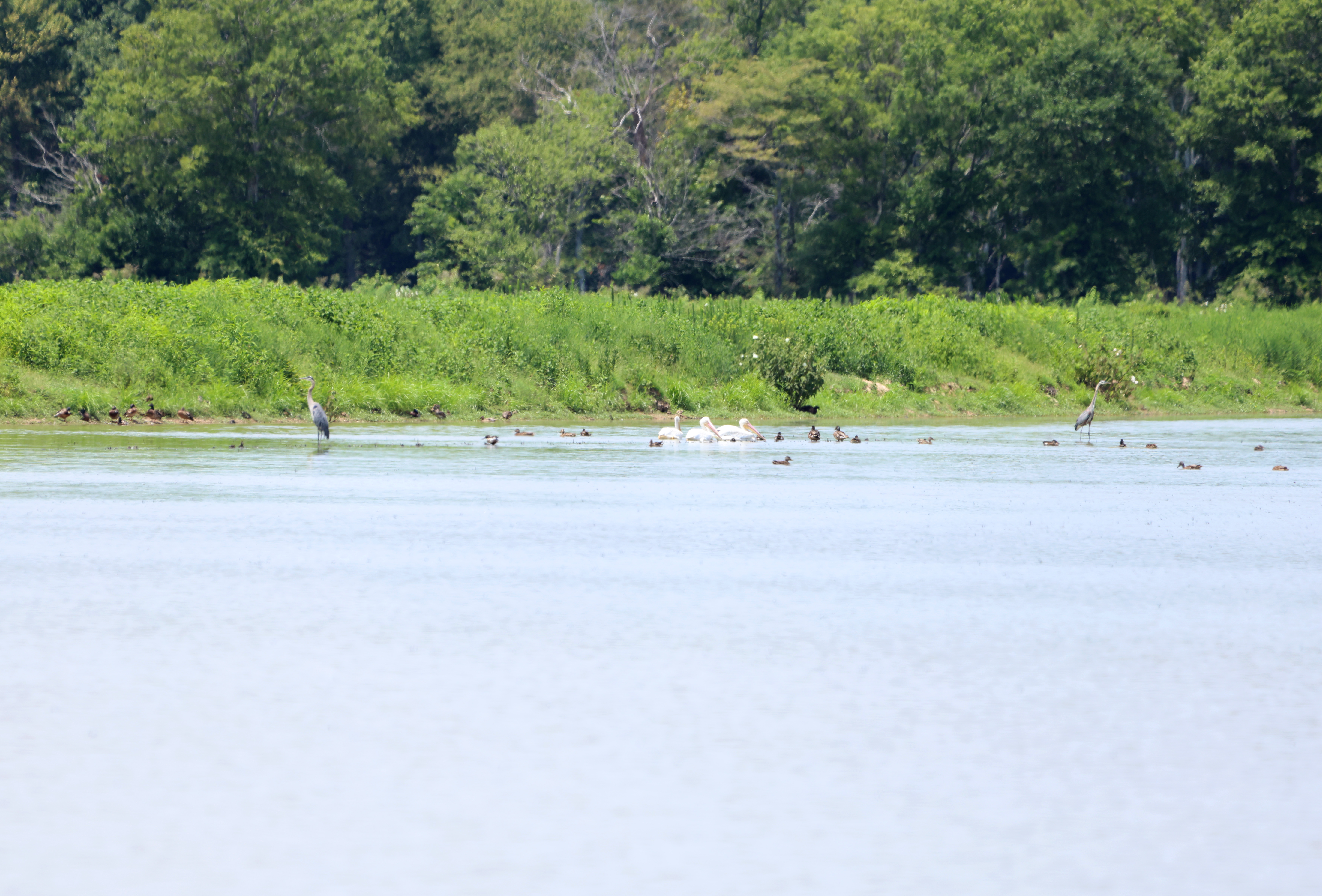
Mottled Duck

Mottled Ducks have been spotted at Bald Knob National Wildlife Refuge, and this is the best view I’ve gotten so far – with the exception of a few looks through a scope.

Mottled Ducks are frustrating for me. They are a dark brown, medium-sized duck with a bright yellow bill and a black spot at the gape (the spot where the bill meets feathers/head). They also closely resemble a female Mallard duck – and when they are far from view, it’s hard to tell which is which.

Mottled Ducks are on the watch list. They are commonly along the Gulf of Mexico coast and favor open marshy country, wet prairies and rice fields.

At the refuge, they’ve been spotted in a flooded field that refuge staff maintain for migrating shorebirds. I was lucky to arrive when more experienced birders were already set up. They were able to quickly point them out to me, and even let me peek through their scopes to get a better view.

Willets

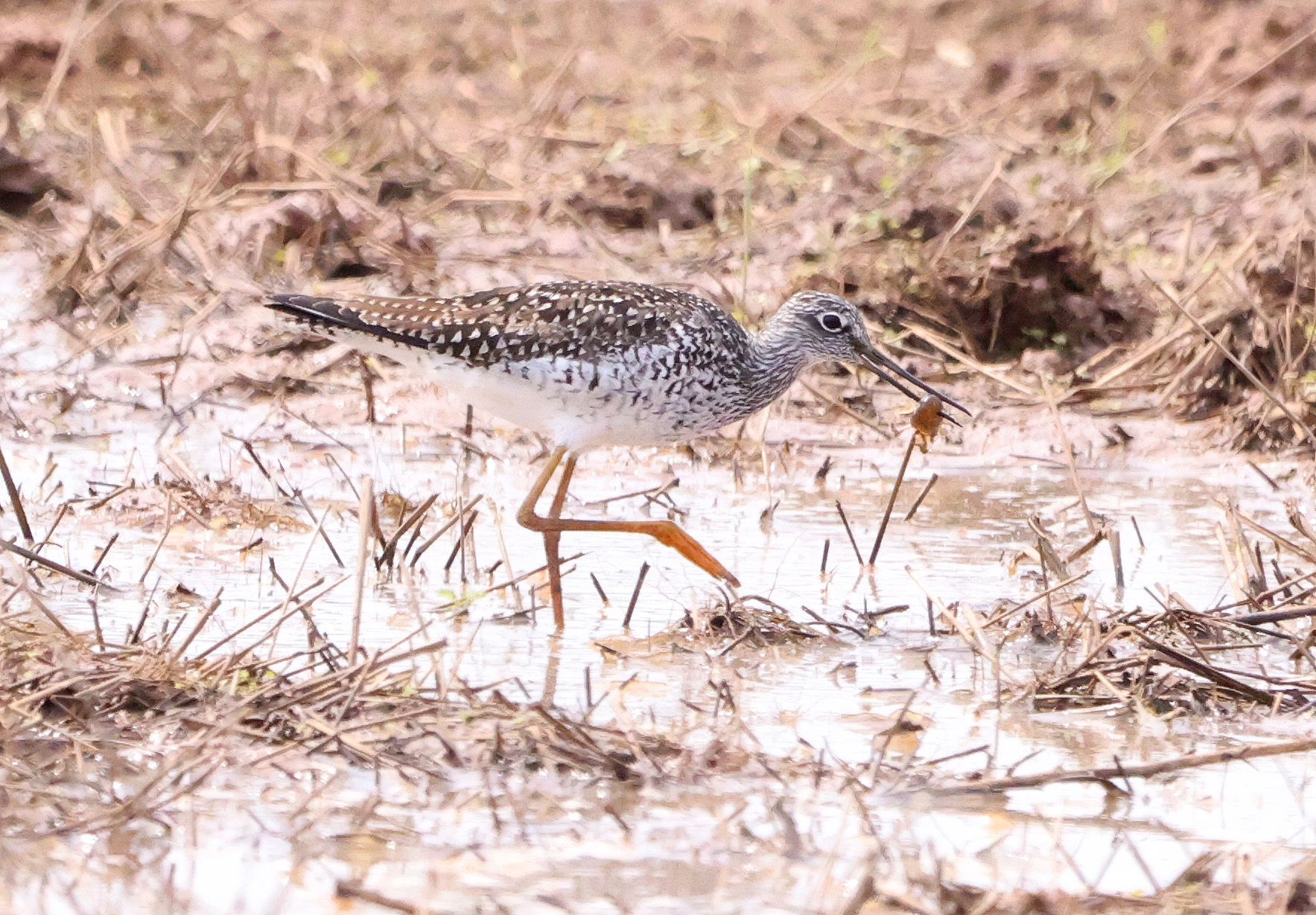
Willets, a large, stocky shorebird with a black-and-white wing pattern, are not common in Arkansas, but have been spotted frequently this summer. I saw my first three Willets this weekend at Bald Knob National Wildlife Refuge. They were making their way through a flooded rice field.

Willets are typically found along the U.S. coastline. One fun fact: like Killdeers, Willets pretend to be disabled by a broken wing to draw attention to themselves and way from their eggs or chicks.

Unfortunately, Willets are listed on bird watch lists as one of the bird species at risk of becoming threatened or endangered without conservation action.

Taking A Break

Least Bittern

I took a few days off because I needed a break. One of the first things I did was head to south Arkansas to visit the Overflowed National Wildlife Refuge (specifically the North Sanctuary section) in Ashley County.

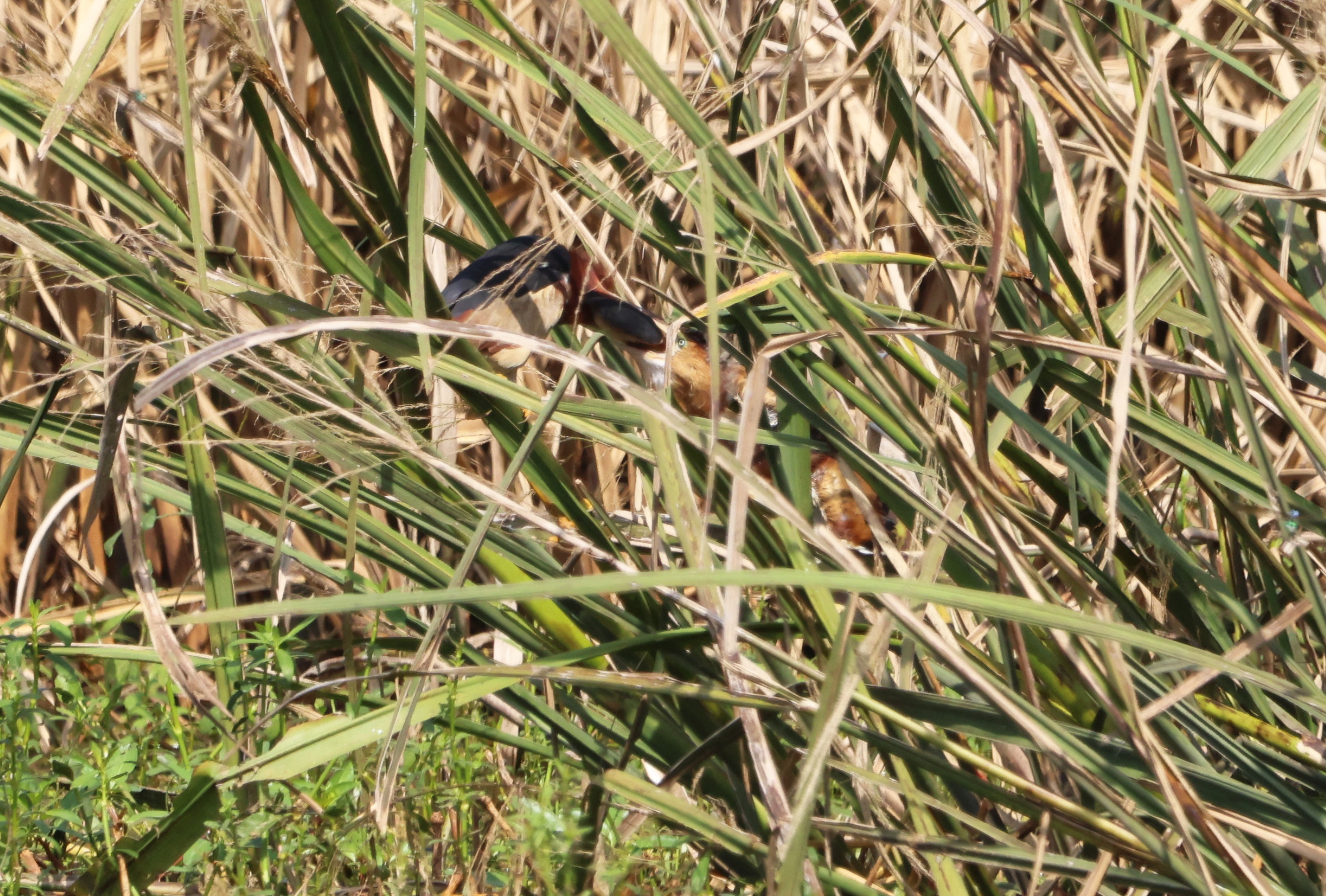
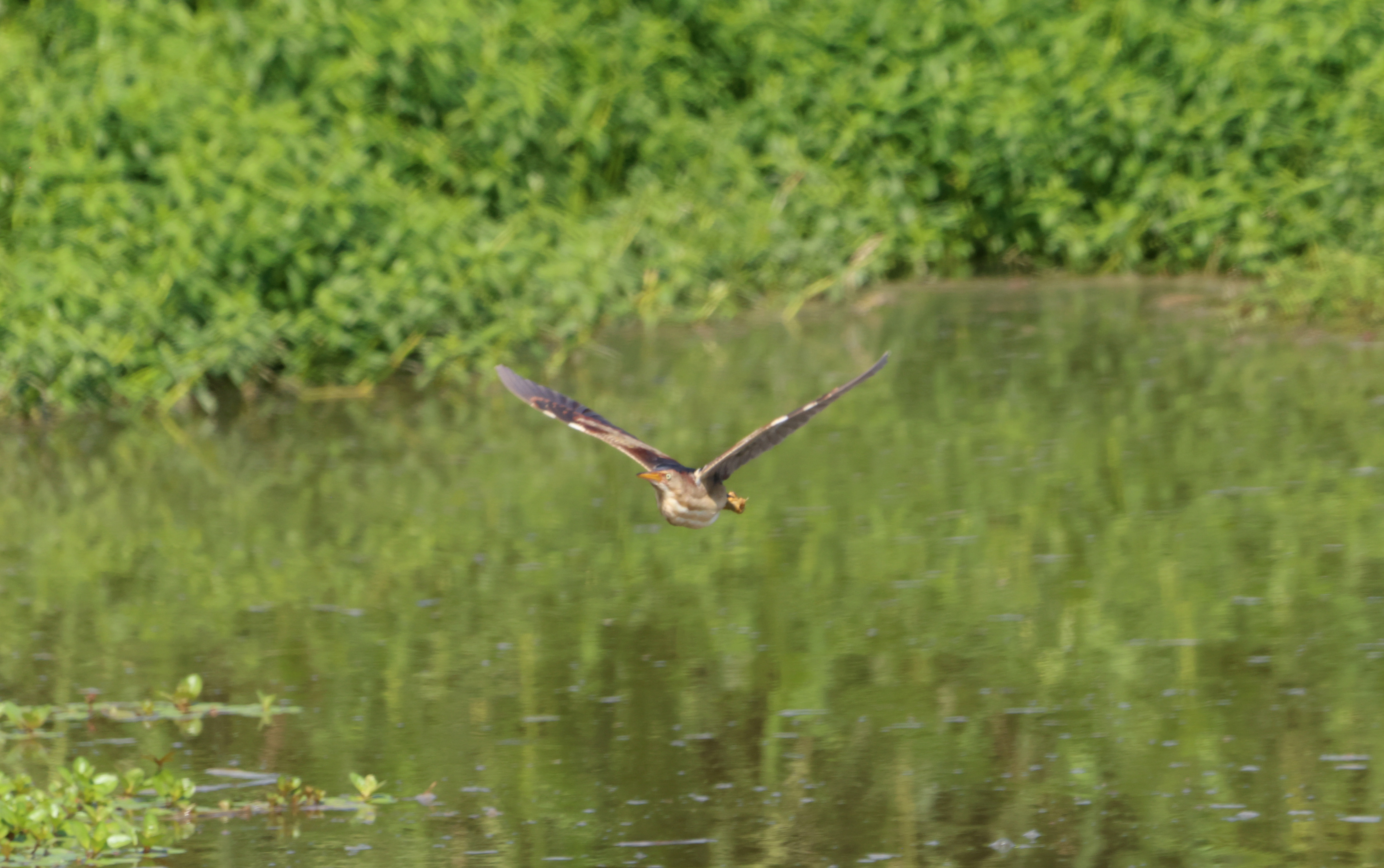
My goal was to spot, and photograph, Least Bitterns. It was a success, although I really did not expect to be successful on my first attempt. Least Bitterns are very small herons found in wetland areas, although they can be difficult to find. They are found in Arkansas during breeding season. I actually found five with the most active Least Bittern being the one feeding its young.

It was a great trip with plenty of findings – including my first look at a Broad-winged Hawk. Here’s some of what I found at the refuge and in the nearby area:

The Struggles to Identify

Bay-breasted Warbler

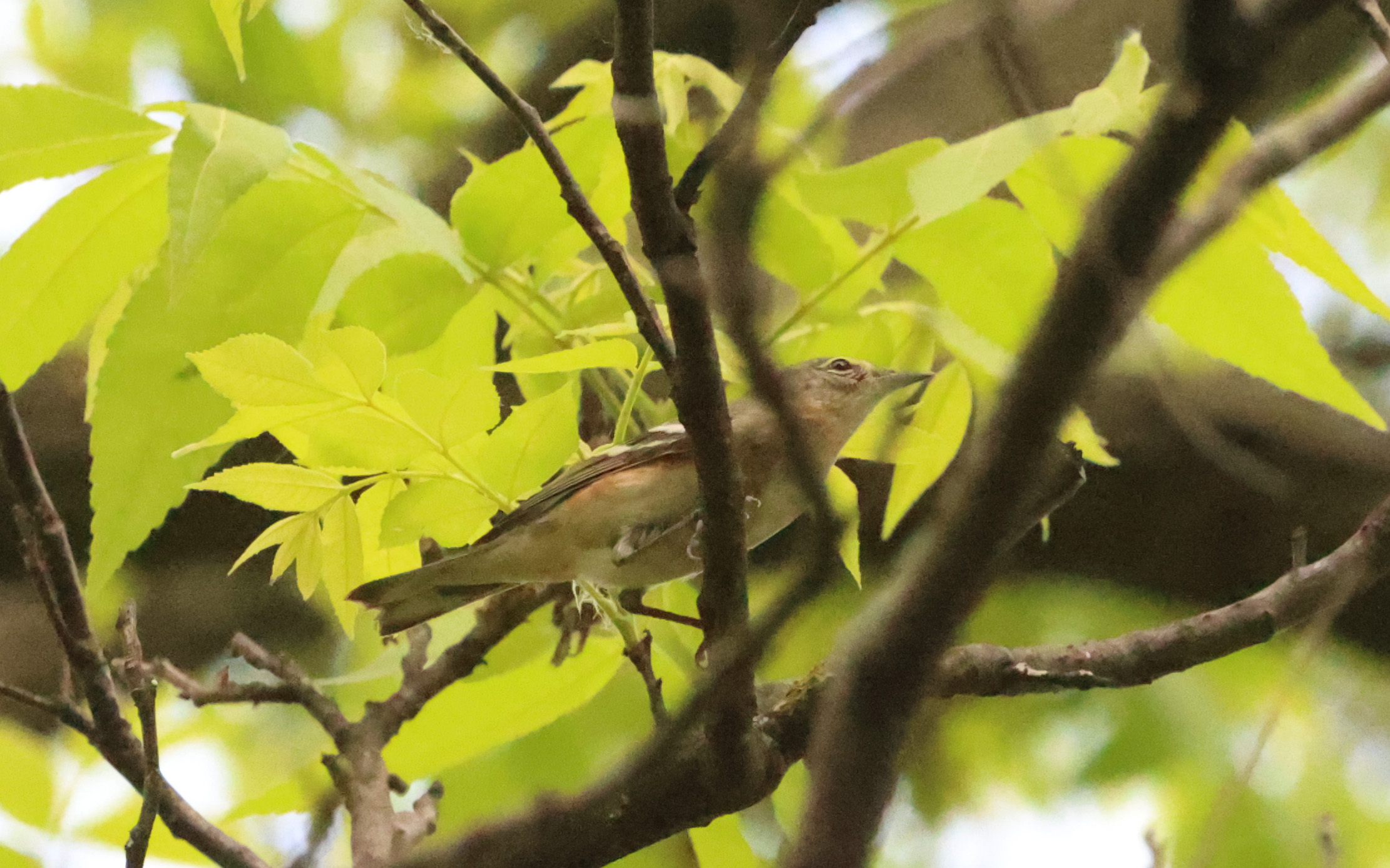
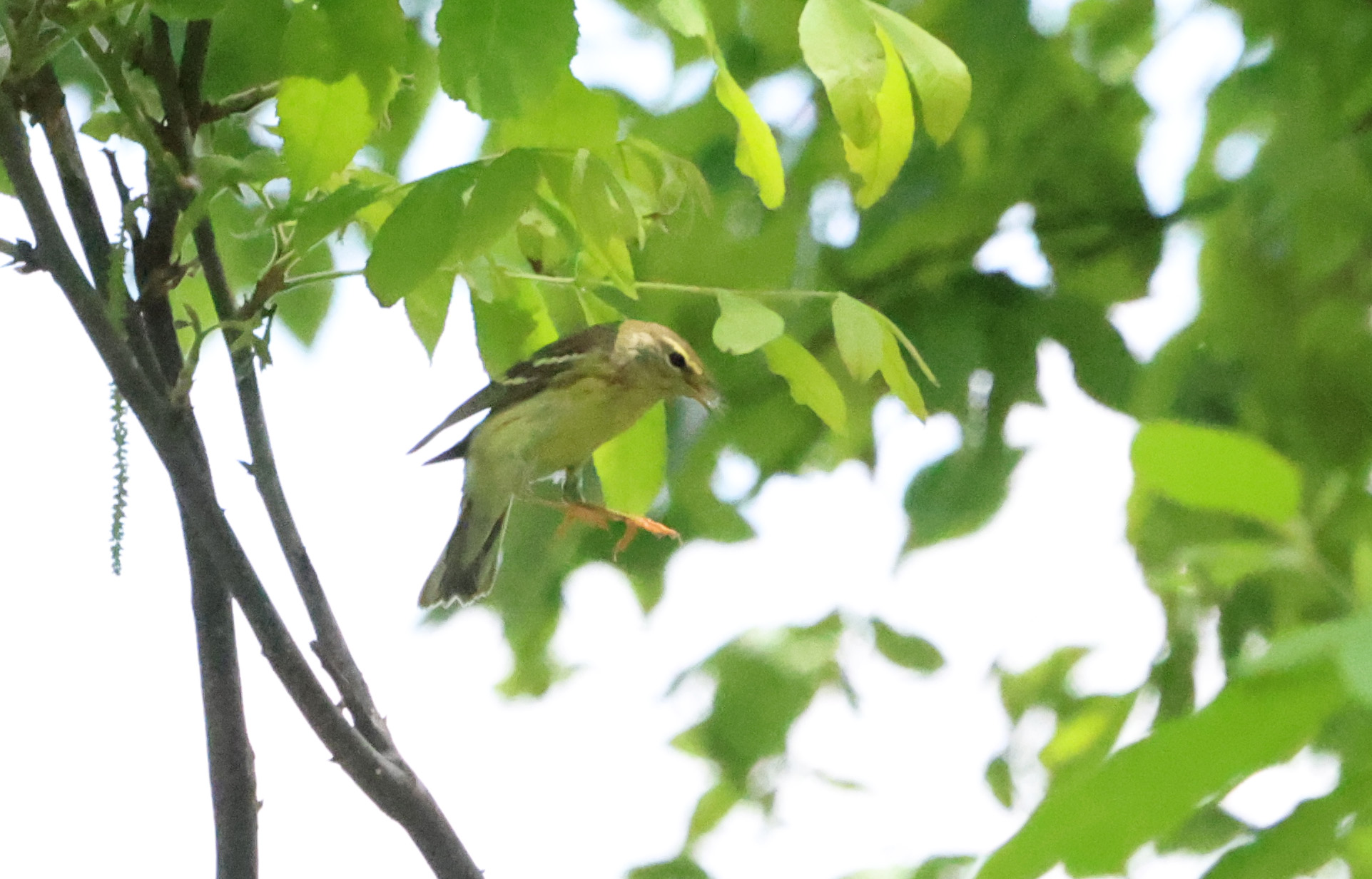
In mid-May, I joined a birding field trip to the David D. Terry Lock and Dam. It was really enjoyable – both in company and birds found. However, I’ve spent the days since trying to figure out the identity of two warblers photographed. I finally broke down and emailed another birder who’s been willing to help me with my identification with needed. While I was correct in identifying the above Bay-breasted Warbler, I learned my other mystery warbler was in fact a Blackpoll. I’m pretty excited to have seen both – especially since it appears I was the only one of the group to have seen them. I snapped the photos while we were looking at some other warblers.

Both warbler species have been migrating through Arkansas for the past few weeks. The Bay-breasted Warbler winters in South America and breeds in northern Canada. According to All About Birds, the Blackpoll Warbler has the longest overwater journey of any songbird – nearly 1,800 miles nonstop over the Atlantic Ocean. It winters in South America and breeds in the boreal forests of Canada.

While common, the Blackpoll’s population is in a steep decline with reports indicating it has lost about 88% of its population in the last 40 years. The Bay-breasted Warbler is of low concern, conservation wise.

Blackpoll Warbler

Photos: Inca Doves

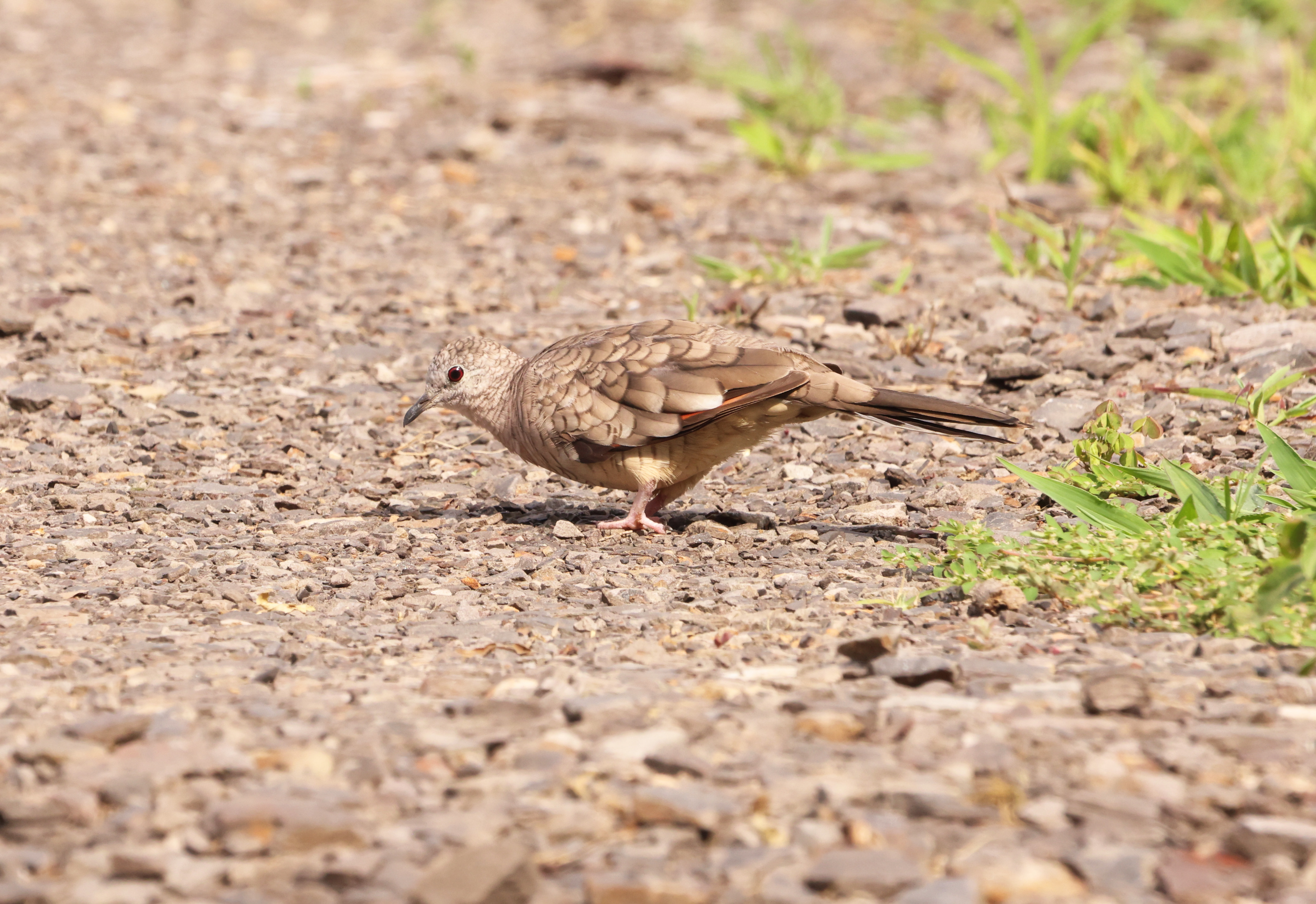
I’ve seen Inca Doves in Costa Rica, but not in Arkansas. I chased reports of this rare dove in the state for years with no success to the point I stopped trying when I saw random reports of one being spotted.

However … I’ve been seeing reports of an Inca Dove being spotted at Lake Atkins in Pope County for over a week. I was piddling around the house Saturday when I saw a report of one being spotted at Lake Atkins roughly an hour before I saw the report. I couldn’t resist – and, well, I wanted out of the house.

At Lake Atkins, I slowly drove down the streets in the reported area for close to 30 minutes with no success (at least with an Inca Dove spotting). I was on my final loop and prepared to leave when two doves landed in the driveway I was passing. It was two Inca Doves.

Inca Doves are pretty common from the southwestern United States to far western Panama. There are reports of sightings within Arkansas each year. Inca Doves are ground doves with red eyes, a long tail and scaly-looking feathers. They blend in well with the gravel roads and lots I’ve always seen them walking on. One interesting tidbit: their call sounds like they are cooing “no hope.”

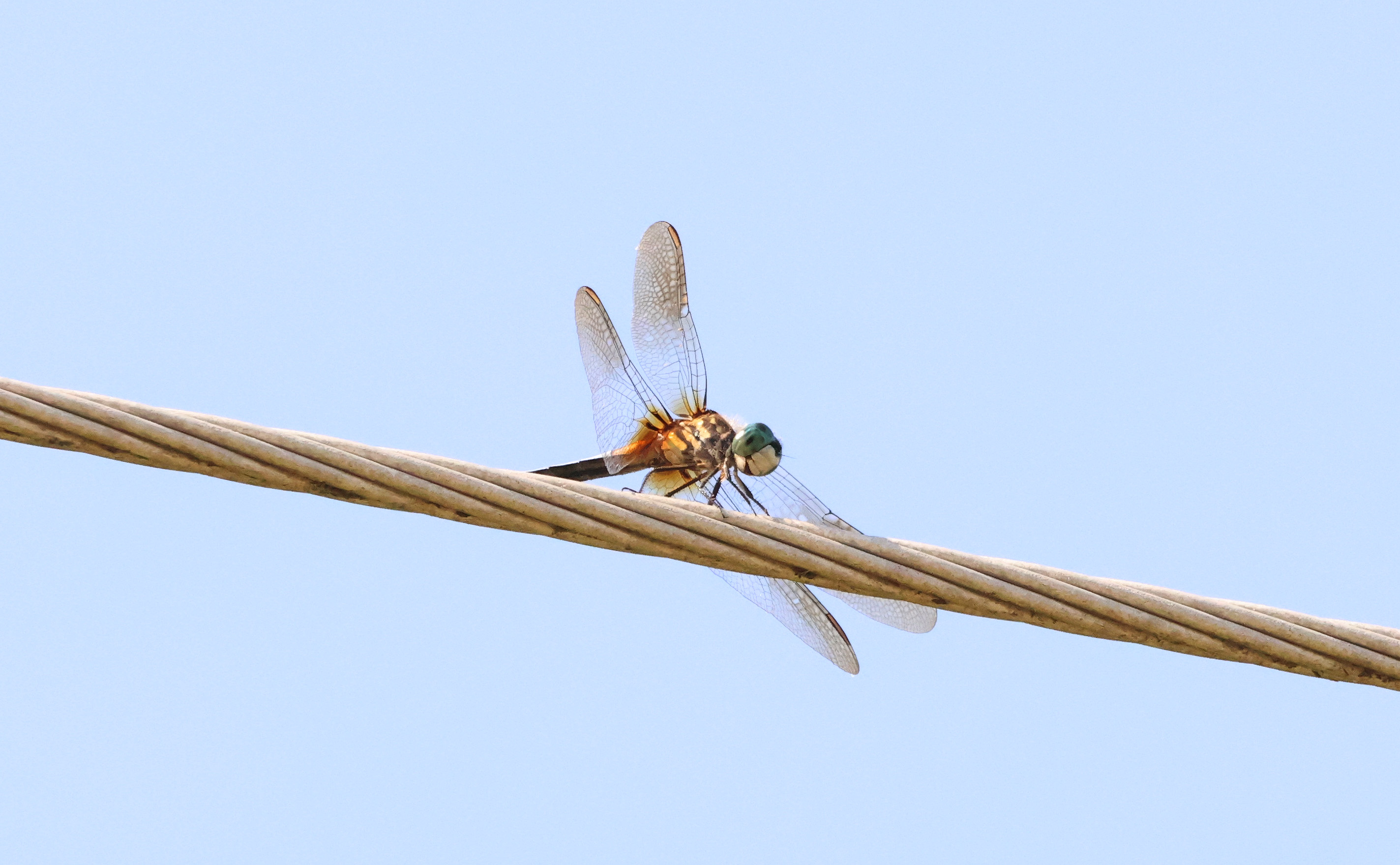
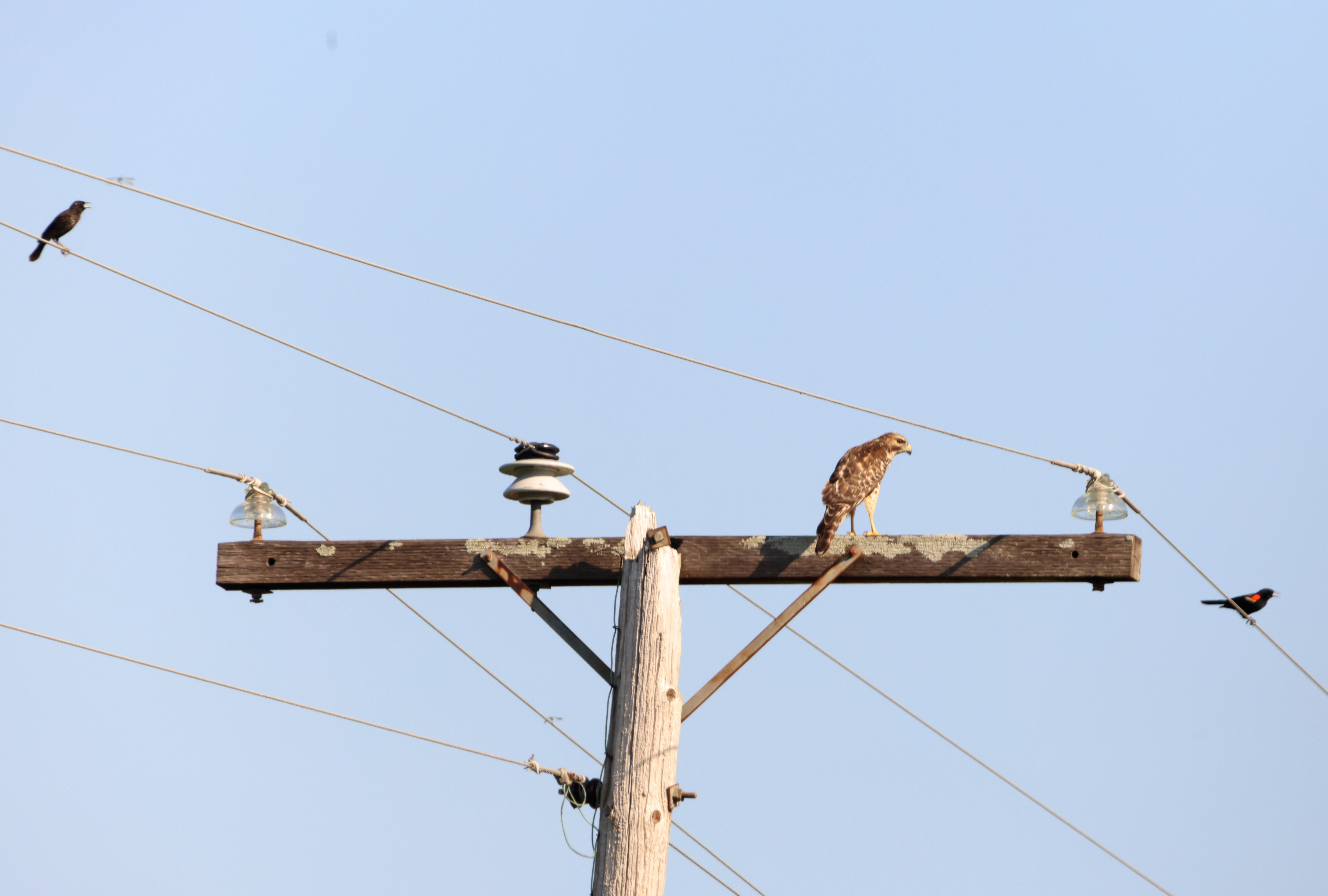
While searching for the Inca Doves, I also found:

Photos: Lorance Creek Natural Area

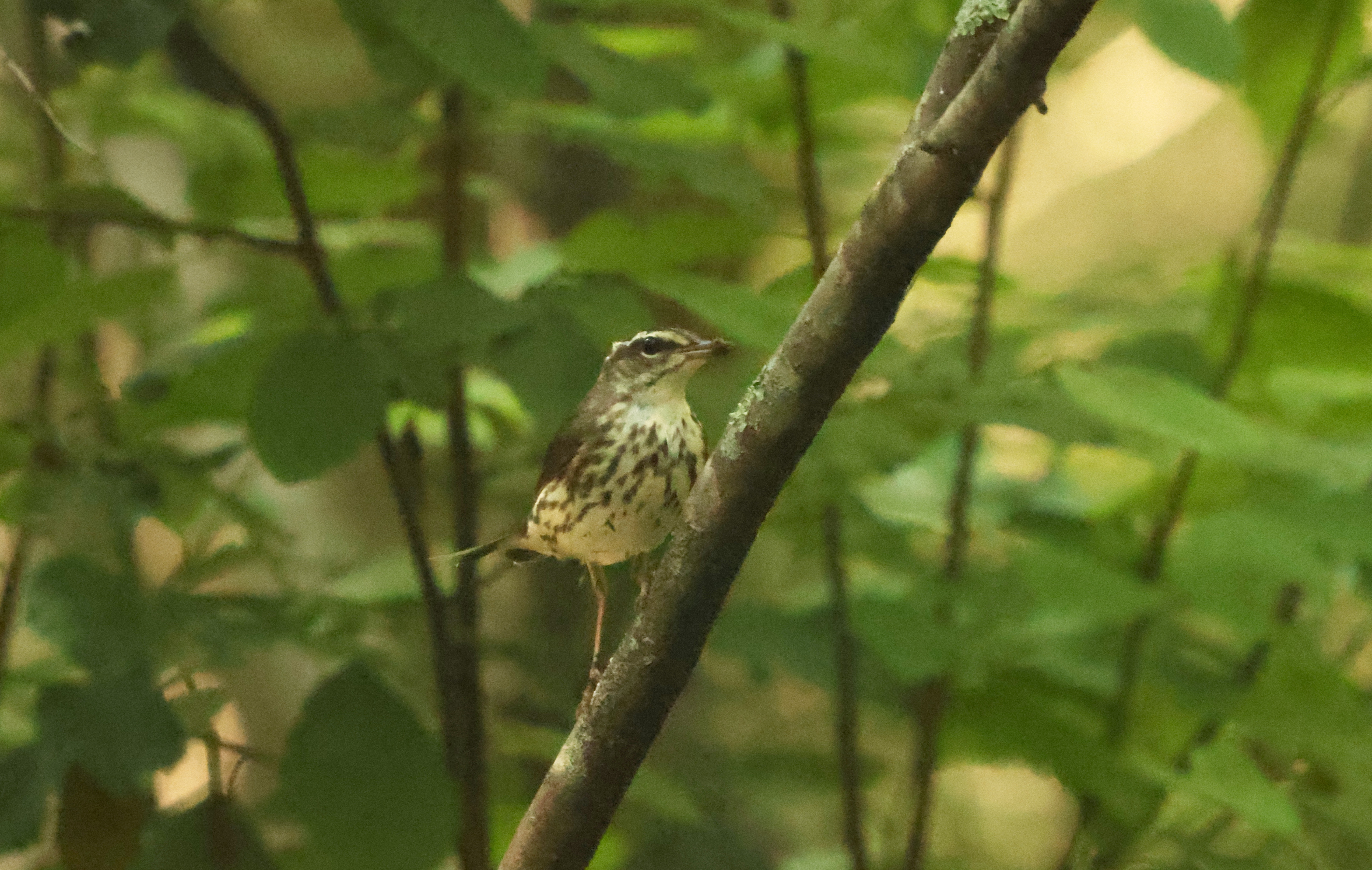
Louisiana Waterthrush

I’ve been on the hunt to spot and photograph a Louisiana Waterthrush, a member of the warbler family that stays close to moving water and is among the earliest migrating warblers.

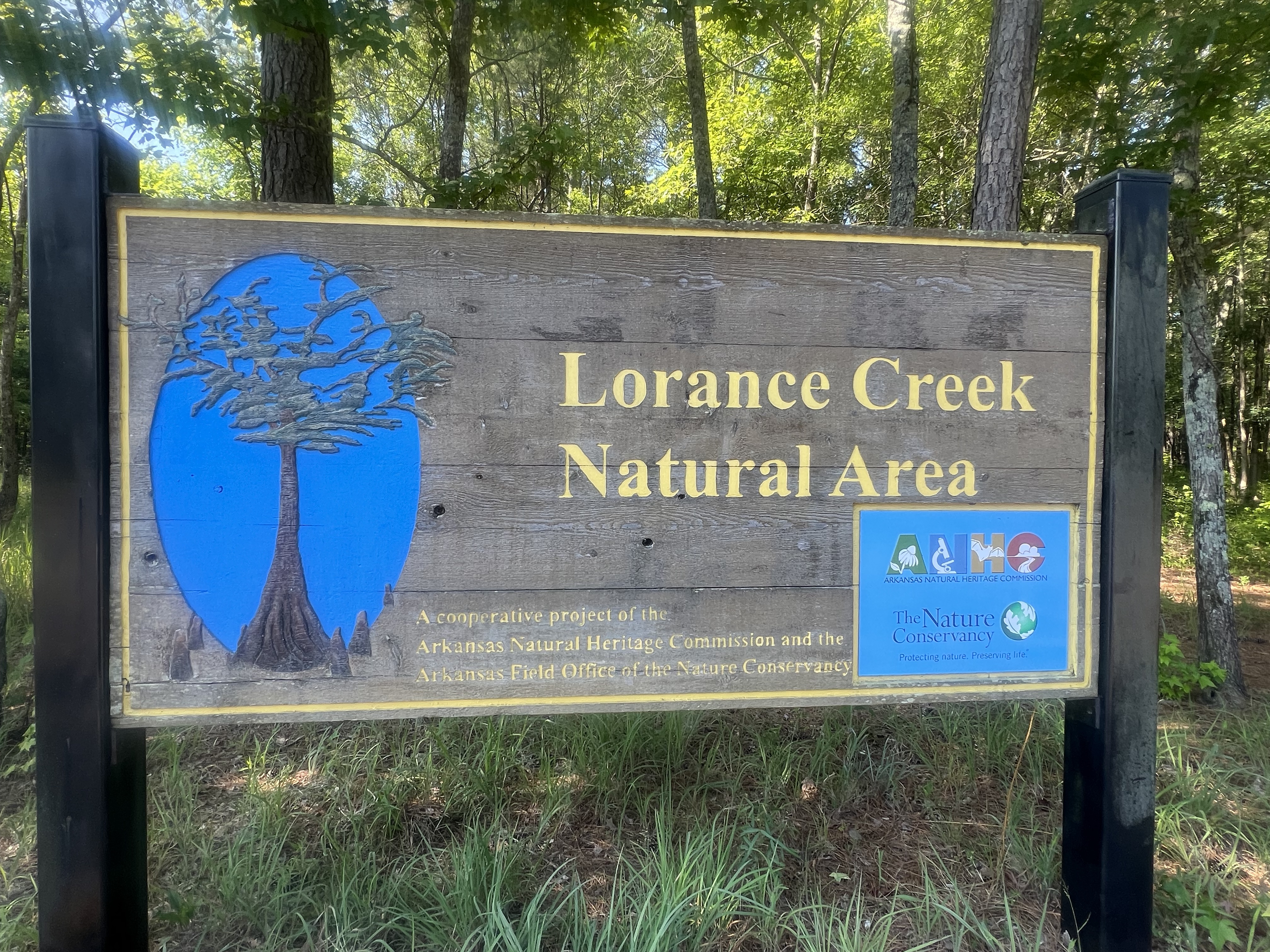
I finally spotted my first Louisiana Waterthrush today at the Lorance Creek Natural Area. It was also my first trip to the this natural area, which has a .5 mile roundtrip trail that starts in an upland pine-oak forest and ends with a boardwalk through an open water tupelo-bald cypress forest. Added in 1990, Arkansas Heritage describes the natural area as primarily a shallow, groundwater-fed swamp that spreads out along both sides of Lorance Creek. It is situated at the transition zone between the sandy uplands of the Coastal Plain and the flat lowlands of the Mississippi Alluvial Plain.

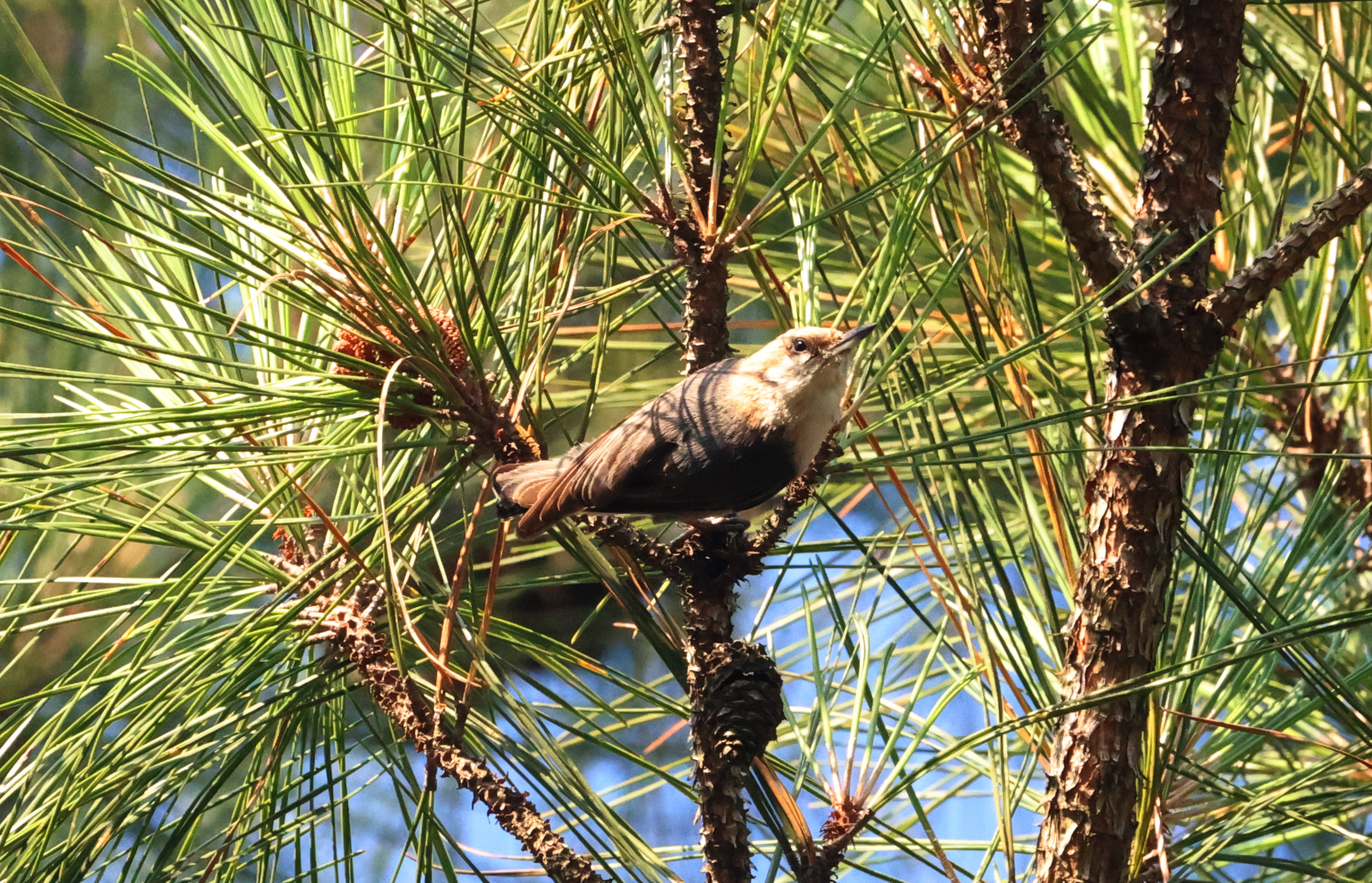
I got there at 7:51 a.m. and spent the next almost two hours searching for birds. I found 31 species and was actually greeted in the parking lot by a Black-and-White Warbler and a Brown-headed Nuthatch.

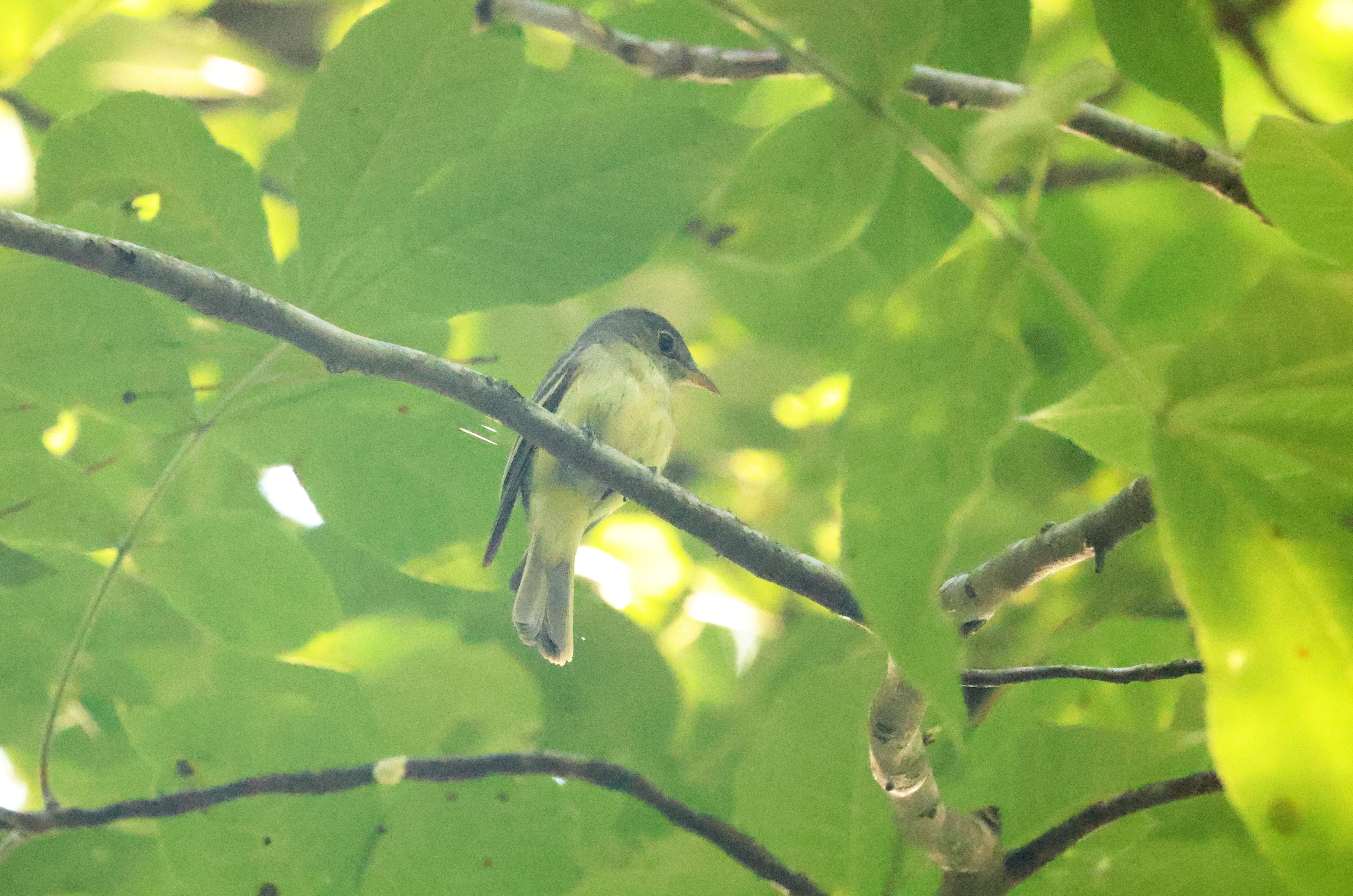
I’m looking forward to coming back later when migration picks back up to see What other warblers I can find. Until then, I’m happy with my sightings so far, which include an Acadian Flycatcher, Indigo Buntings and Prothonotary Warblers.

Acadian Flycatcher

Photos: Dowitchers

Long-billed Dowitcher on May 7 at Bald Knob National Wildlife Refuge

This month, I was able to get a better look at long-billed and short-billed dowitchers. I consider that a great feat for me. The two species are very similar in appearance – AllAboutBirds.org notes you tell them apart by the short-billed dowitcher having a shorter bill (although there can be an overlap in bill size) and a slimmer underbelly. The best way to tell them apart is by their call.

Short-billed Dowitcher on May 14 at Bald Knob National Wildlife Refuge

Photos: Birding around Conway/Mayflowers

Prairie Warbler

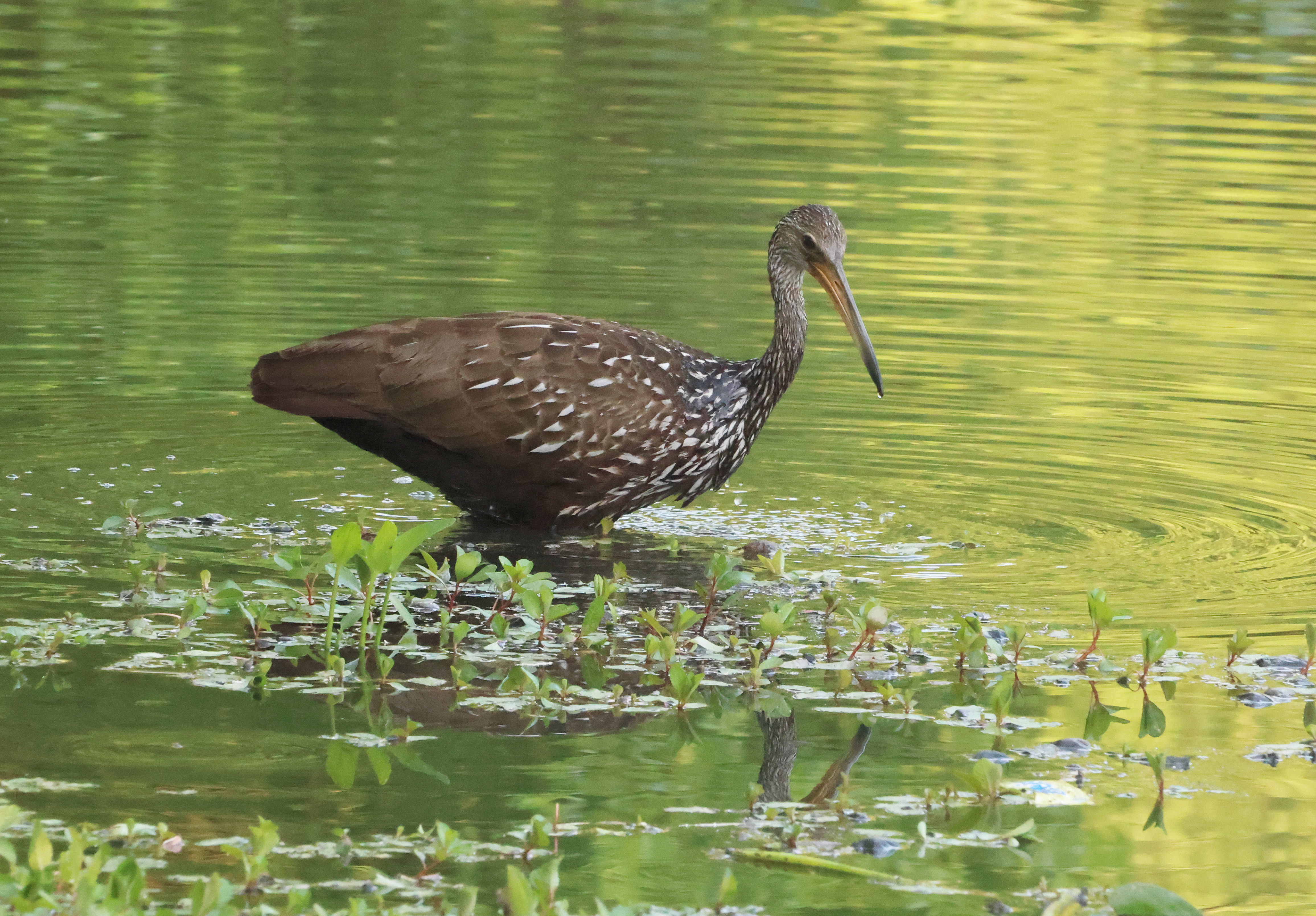
On Sunday, I decided to revisit the Hendrix Creek Preserve in Conway to find the visiting rare Limpkin, and ended up stopping in Mayflower on my way home to tour through Bell Slough Wildlife Management Area, Lake Conway and Camp Robinson Special Use Area.

It was a birdy trip with my most exciting sight being the above Prairie Warbler. I’ve heard them before but it was the first time I was able to see and then photograph one. Here are a few others found:

Photos: Migration Craziness

Dunlin

My birding trips have picked up recently. I’ve found a birding buddy to go on weekly birding trips to different parts of the state, and we’ve been taking advantage of the current bird migrations to see as many birds as we can. Here’s a few of what we have seen so far:

I also spotted this adorable turtle.

Photos: Identifying Falcons

Prairie Falcon

Earlier this year, my winter bird to find was the Prarie Falcon. It look me months but I finally spotted the above one on February 11 in Atkins Bottoms. Prairie Falcons are typically found more west of Arkansas; the non breeding season has them in the states bordering Arkansas to the west. Several are still typically found in Arkansas each year – with the one photographed being reported at Atkins Bottoms off and on for weeks.

I got lucky. I just happened to spot it flying toward me before it disappeared. A fellow birder who was just minutes away from me could not relocate it.

My next goal was to find a Peregrine Falcon. No such luck. That is until May 16 when I got an email from an eBird reviewer. A person looking through eBird photos had reported my photo of a Red-shouldered Hawk taken on May 1 at Alcoa Bottoms in Clark County. What was wrong with the photo? Well, it wasn’t a Red-shouldered Hawk. It was a Peregrine Falcon.

Peregrine Falcon

So, basically, I found my target bird without even realizing it. Peregrine Falcons are found in Arkansas during migration season. Did you know they can fly up to 25-34 mph when traveling and up to 69 mph when pursuing prey? The falcon can be found on all continents except Antartica, and was also eradicated from eastern North America due to pesticide poisoning. Recovery efforts have allowed the falcons to make a incredible rebound, according to AllAboutBirds.org/guide/Peregrine_Falcon/overview.