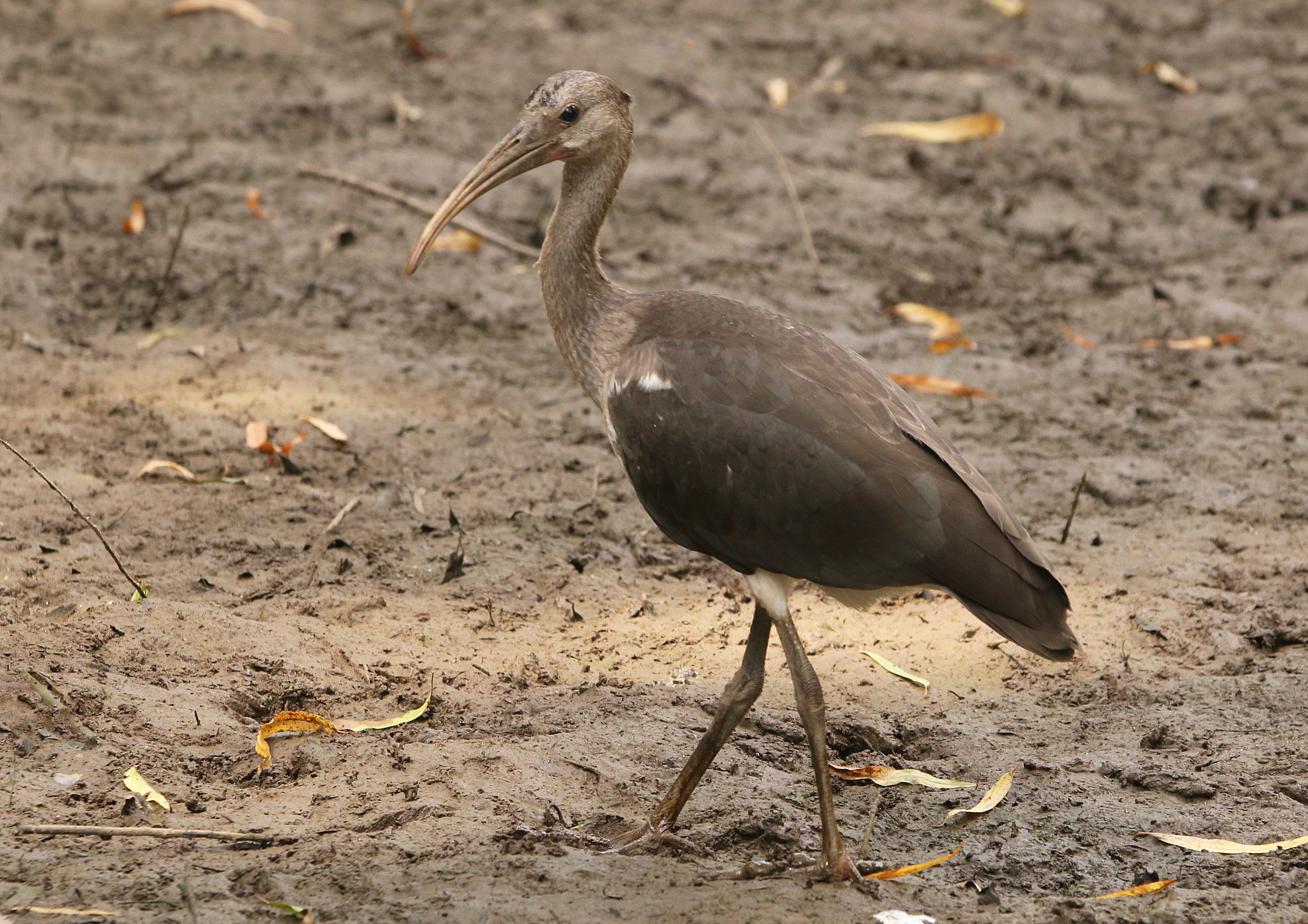
Photos: Birding in Southeast Arkansas

Alder Flycatcher

On Saturday, I joined friends to visit a fellow birder’s private land in Southeast Arkansas for a fun birding trip. I hoped to add to my life list and the trip didn’t disappoint. I finally got a great look at several Neotropic Cormorants.
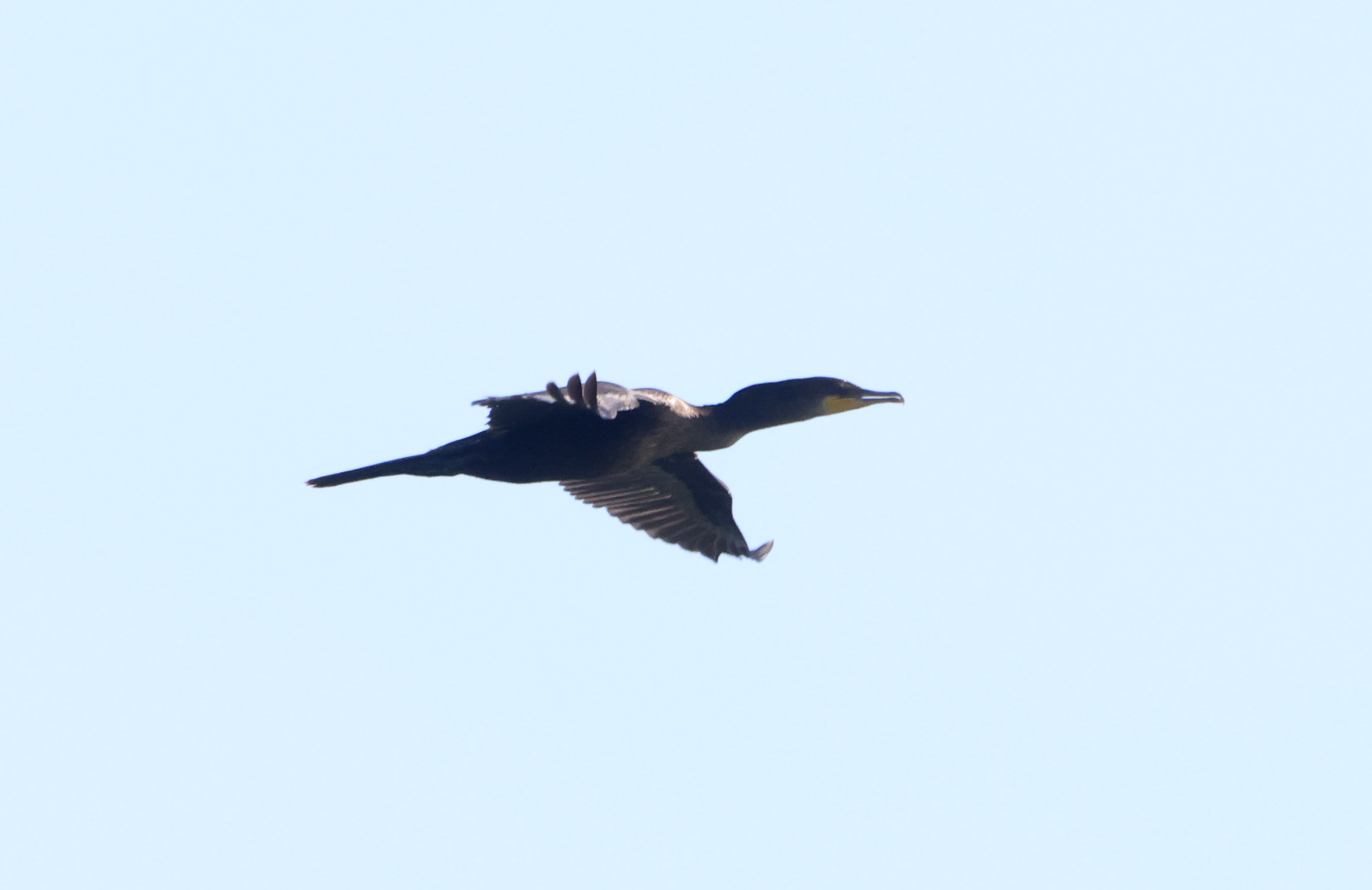
Neotropic Cormorants look similar to the Double-crested Cormorant, but is smaller and longer-tailed. It’s often found in southern United States, the Caribbean and Latin America. After getting confirmation of the bird, I actually think I’ve seen it before but misidentified it.

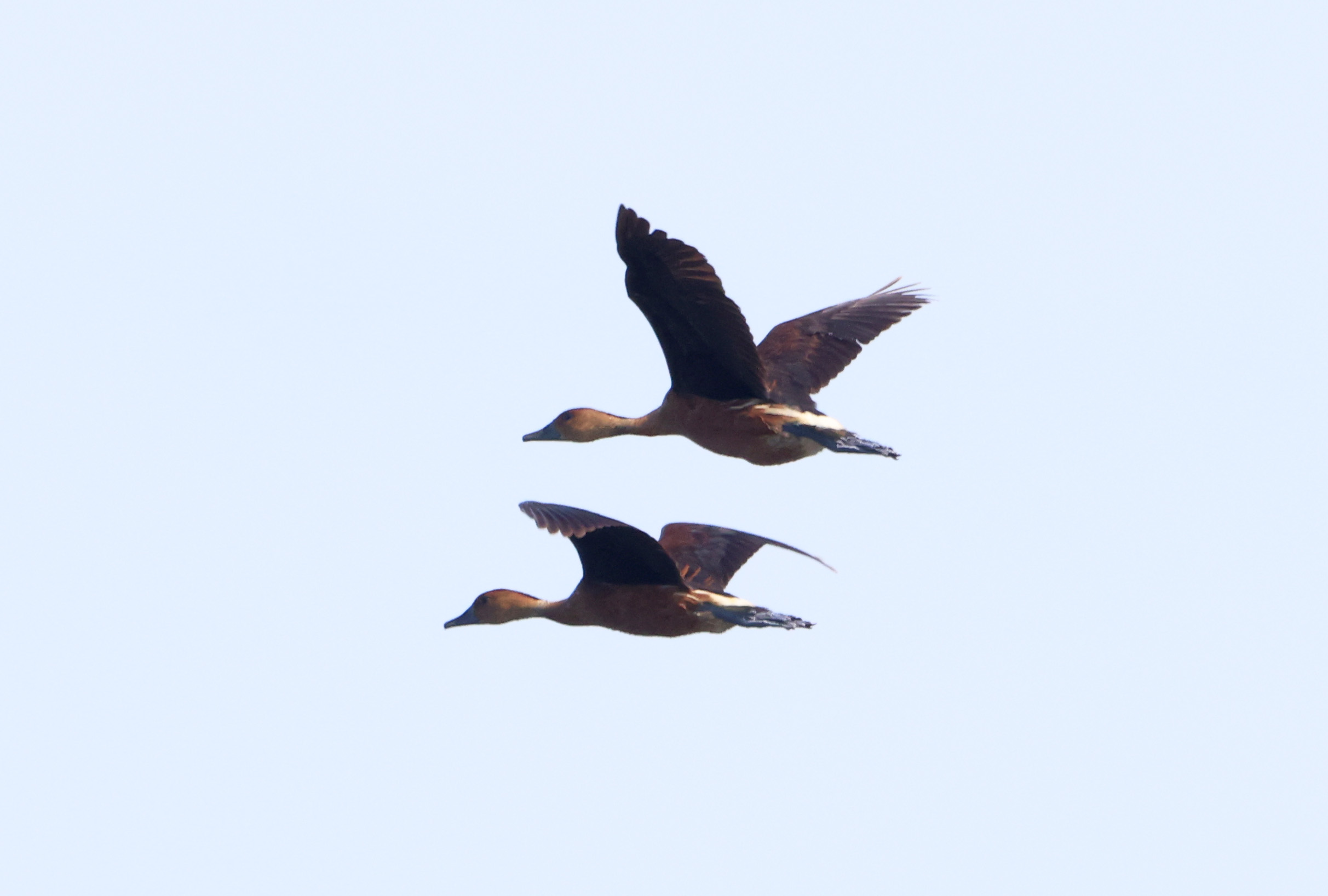
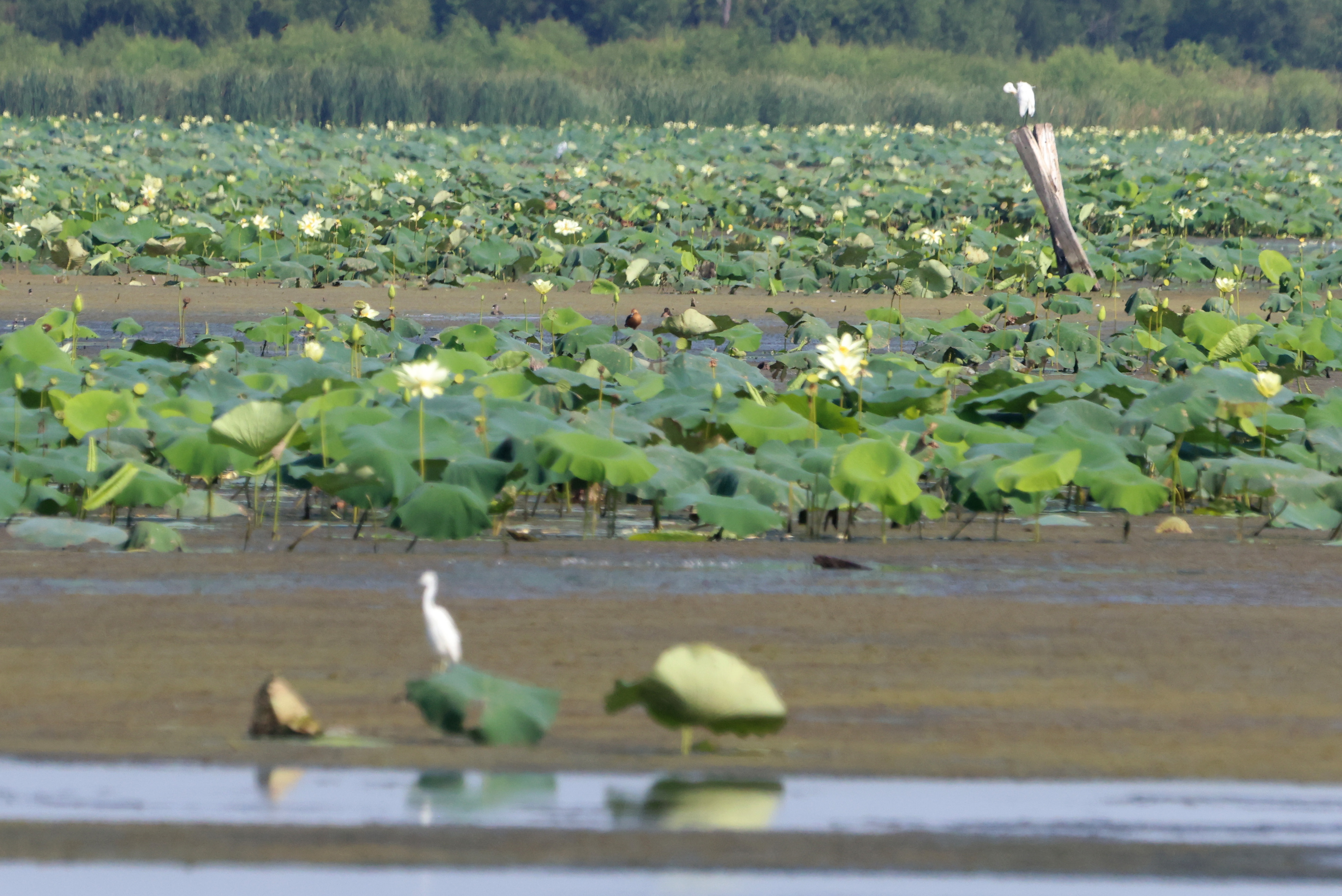
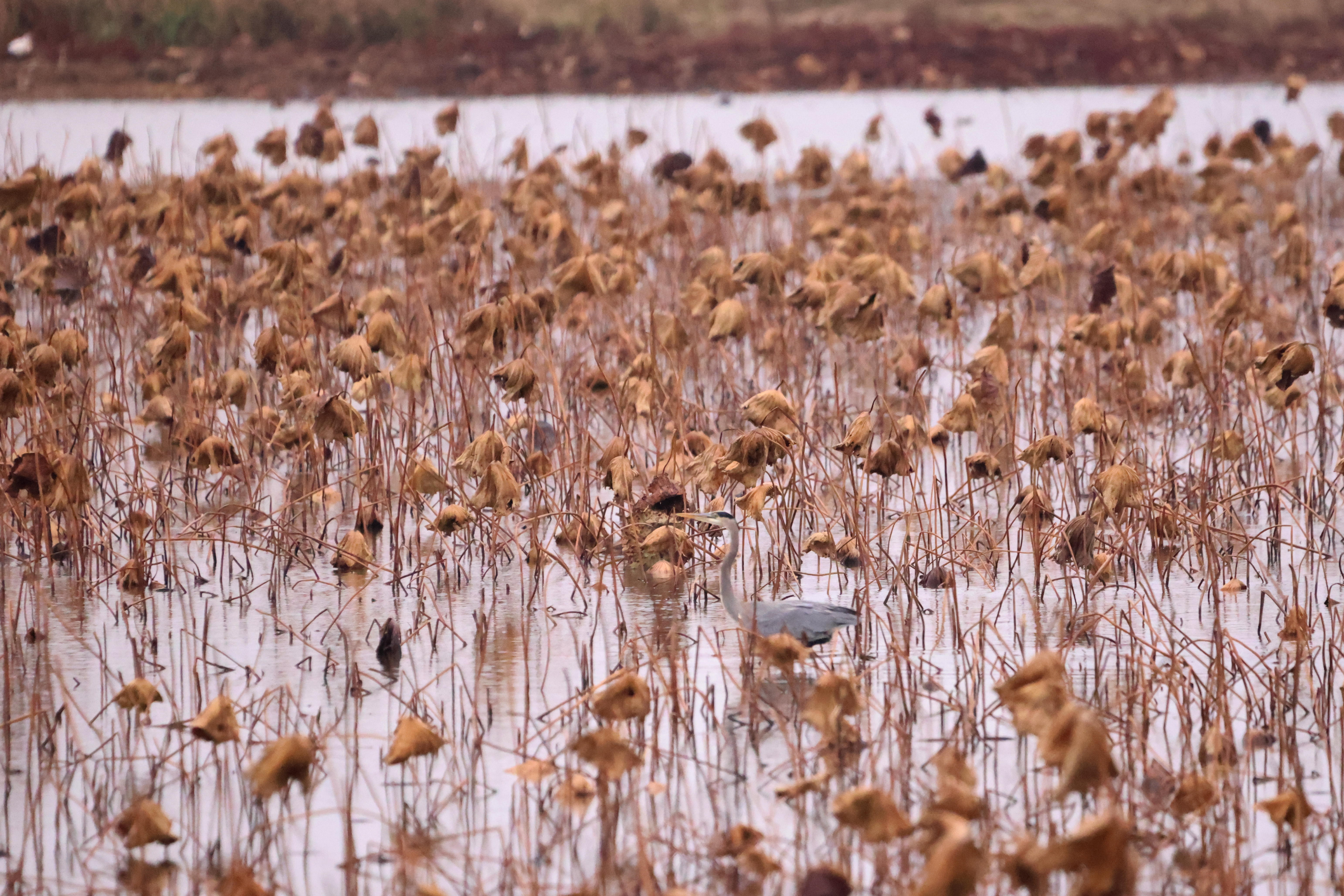
We spent just over an hour looking out over a marsh filled with Lilly pads and birds. Here’s a few other species we saw:
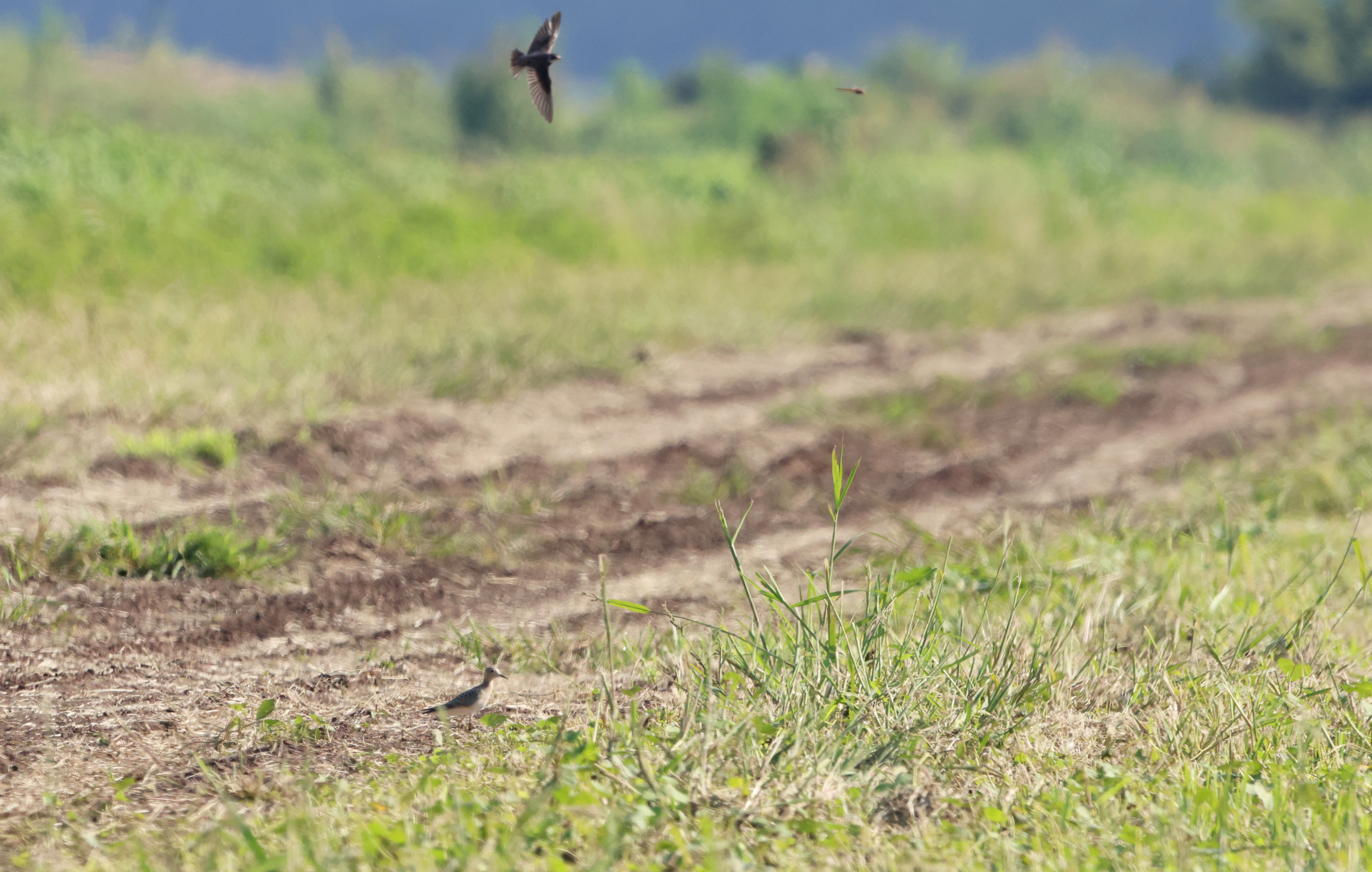
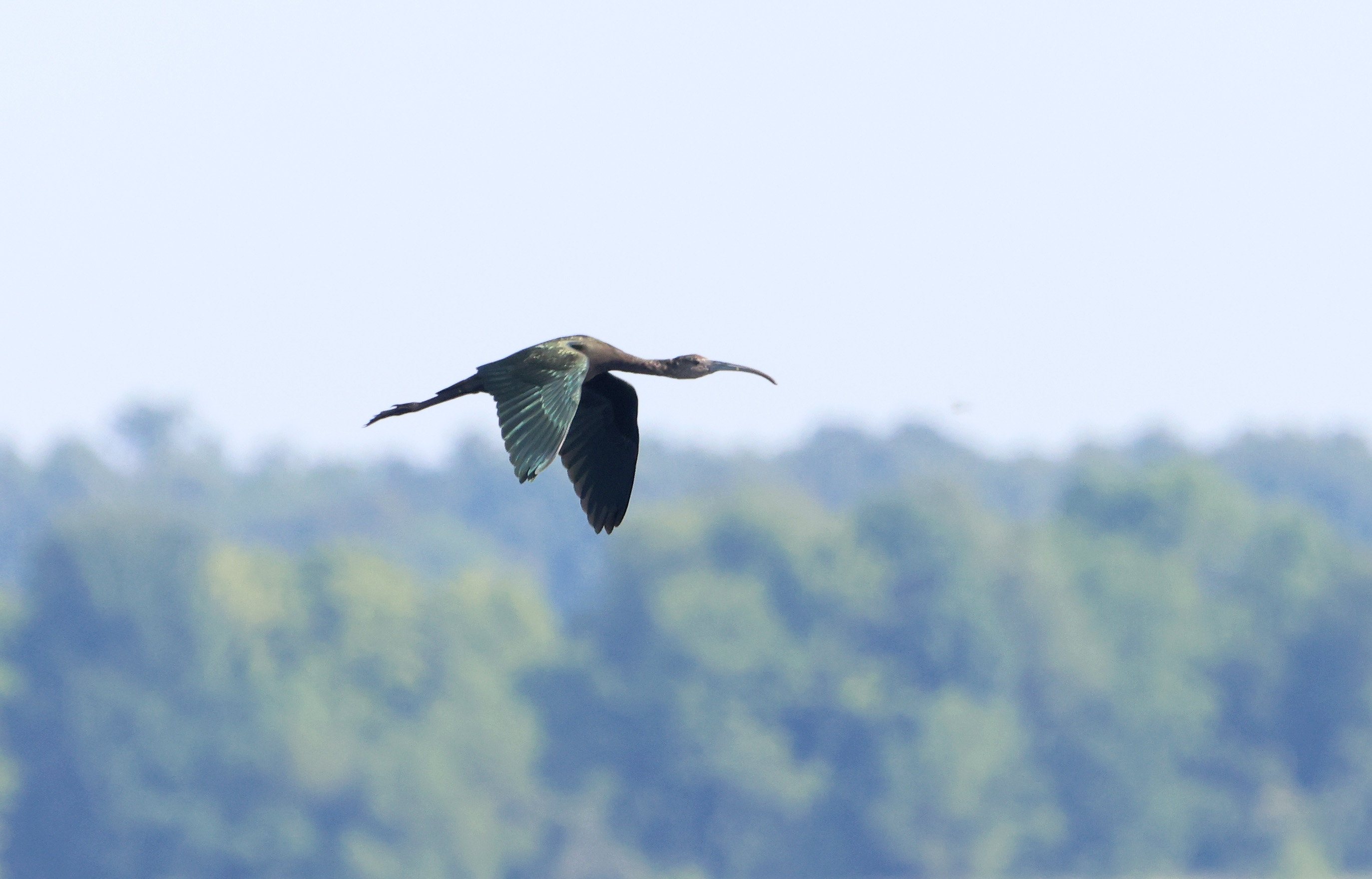
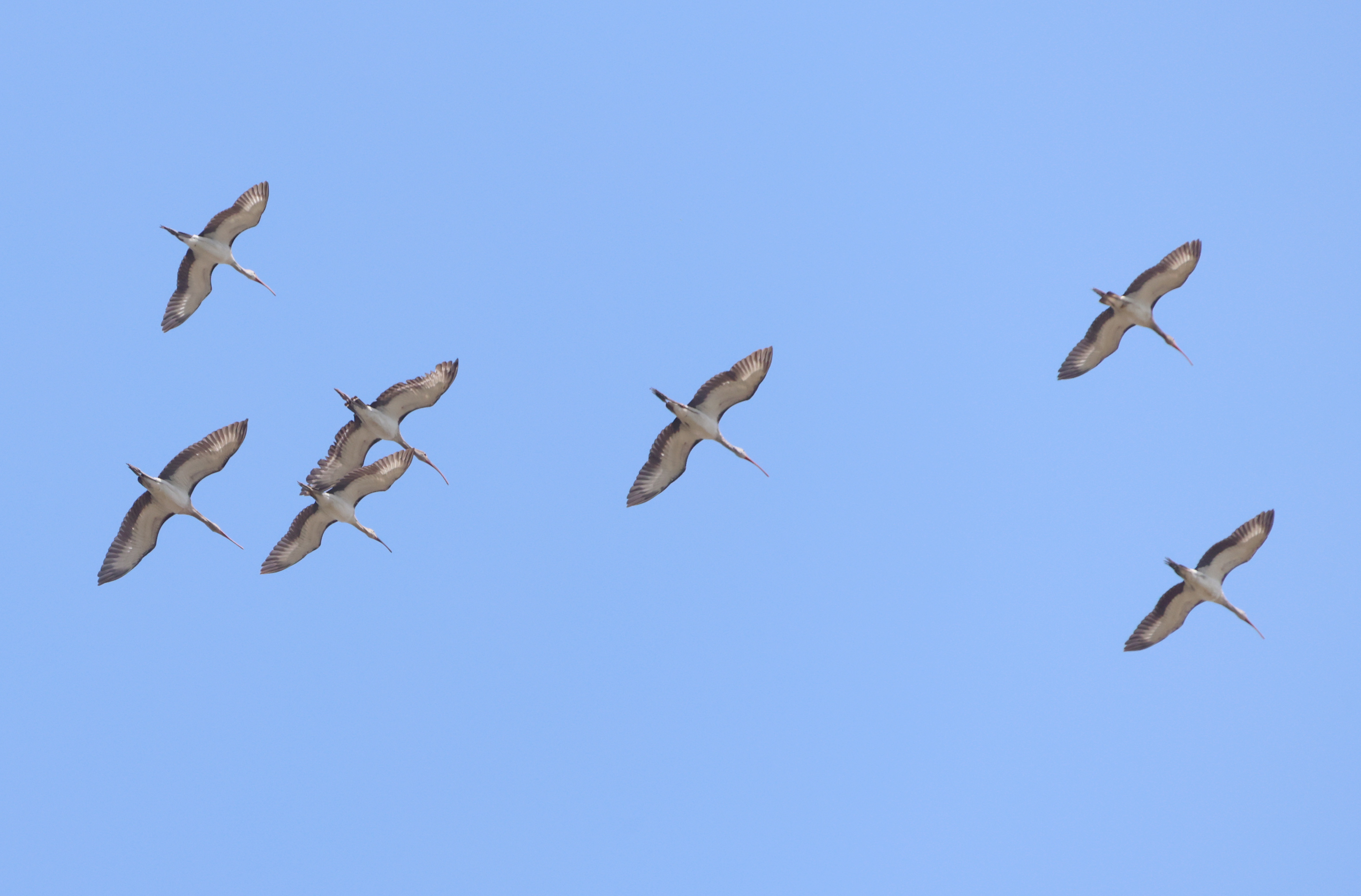
It was a fun but, it was hot and with few new birds spotted, we decided to move on. We drove along the levee by the Mississippi River to the McCallie Access in Desha County. We spotted 27 bird species including a Least Tern diving for food. We also got better looks of White Ibis flying overhead. That’s always a welcome sight.

We ended the day at Freddie Black Choctaw Island WMA Deer Research Area East Unit. It was here we finally heard then saw two Alder Flycatchers calling to each other – a first for me. Alder Flycatchers are heard to distinguish from other flycatchers. You need to hear their call as well to make the identification, which also throws me off. They migrate through Arkansas, and thrive in open settings such as bogs and beaver ponds, according to All About Birds.

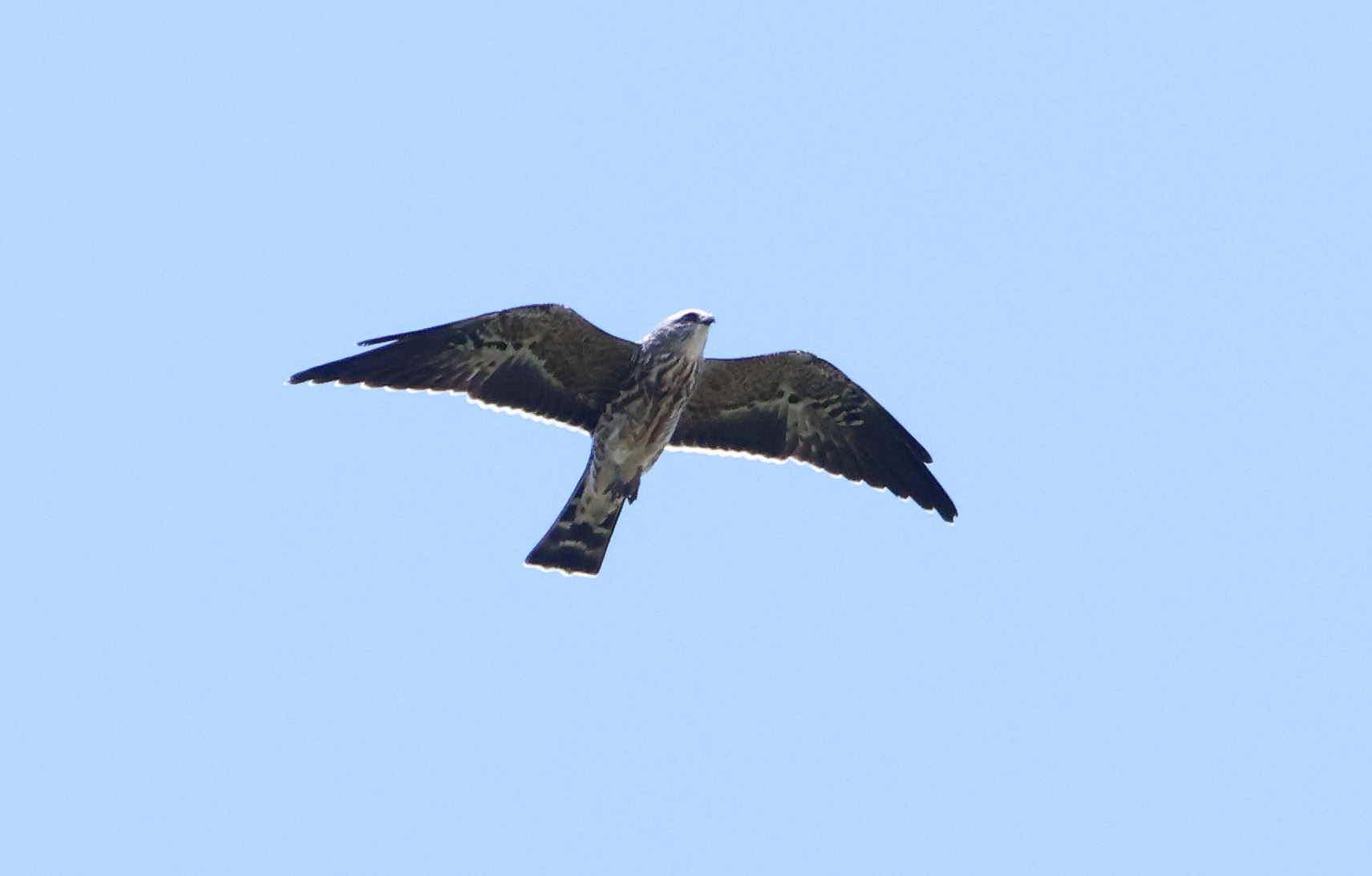
We also saw plenty of Mississippi Kites, which never gets old.

To top off the day, we passed an immature Yellow-crowned Night-Heron as we headed home.

Photos: Revisiting Old Stomping Grounds

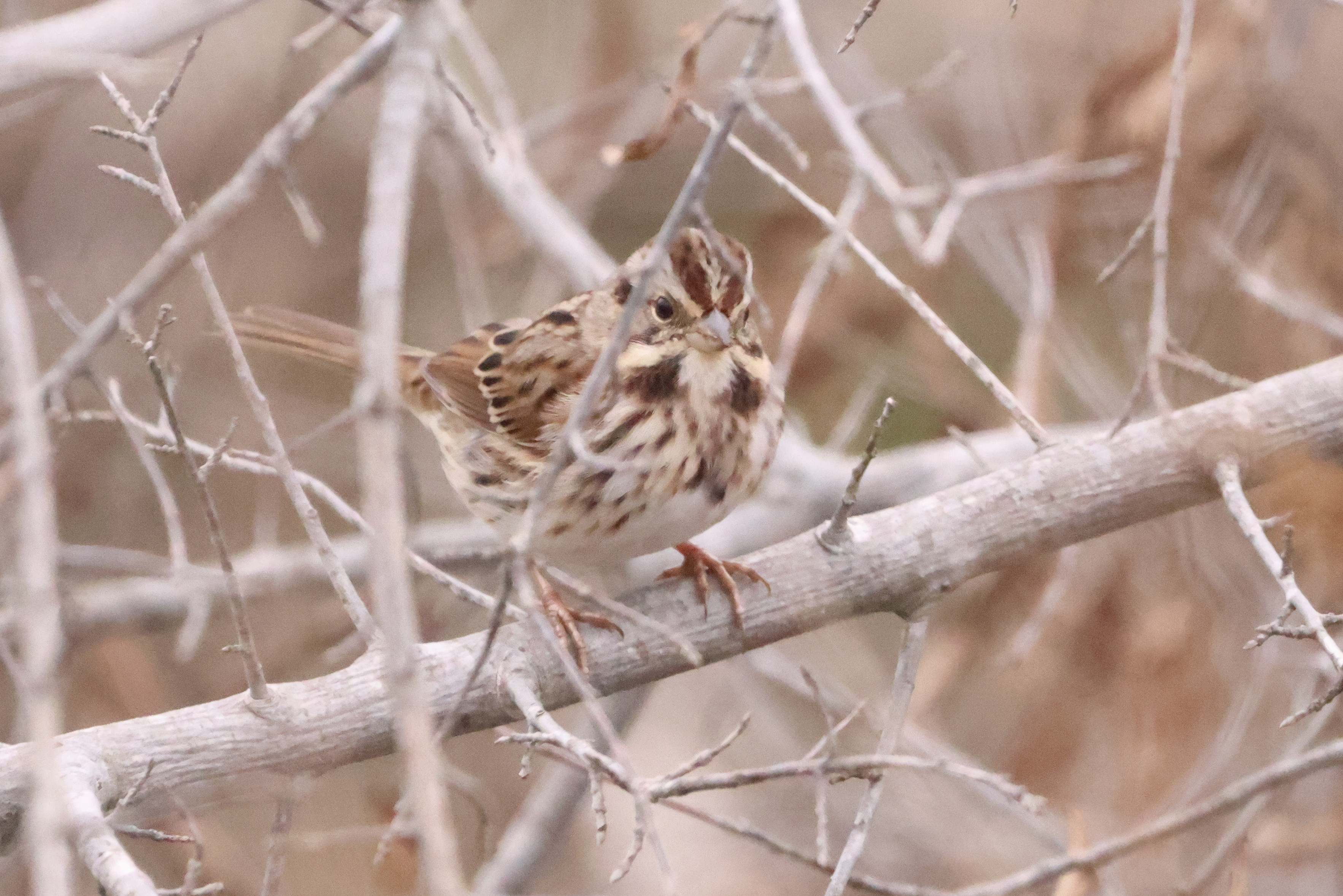
Vesper Sparrow

On Monday, I got up early to visit the Stuttgart Municipal Airport in hopes of seeing Barn Owls. I didn’t spot the Barn Owls by their known roost, but I did find this Vesper Sparrow that was singing from a hiding spot within tall brush. I was searching for a while before I got lucky: the sparrow flew up to a nearby power line where I was able to get a good look at it.

Vesper Sparrows are typically found in Arkansas from late September through mid-May, according to eBird. According to All About Birds, they are often hidden from sight in grasslands and fields. There are two unique features on the streaky brown sparrow: a thin white eyeing and flashes white tail feathers inflight. It also has a small chestnut patch on the shoulder.

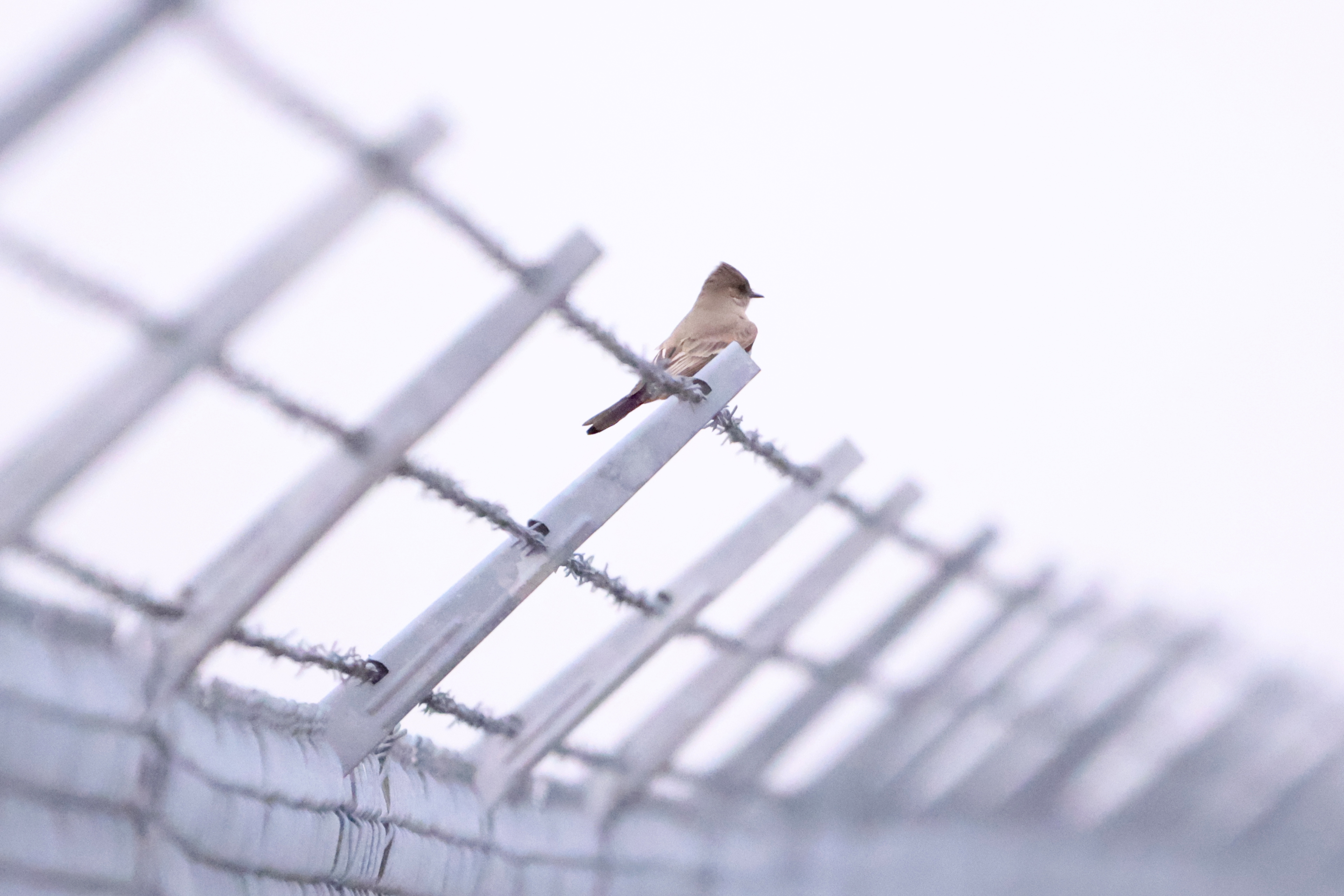
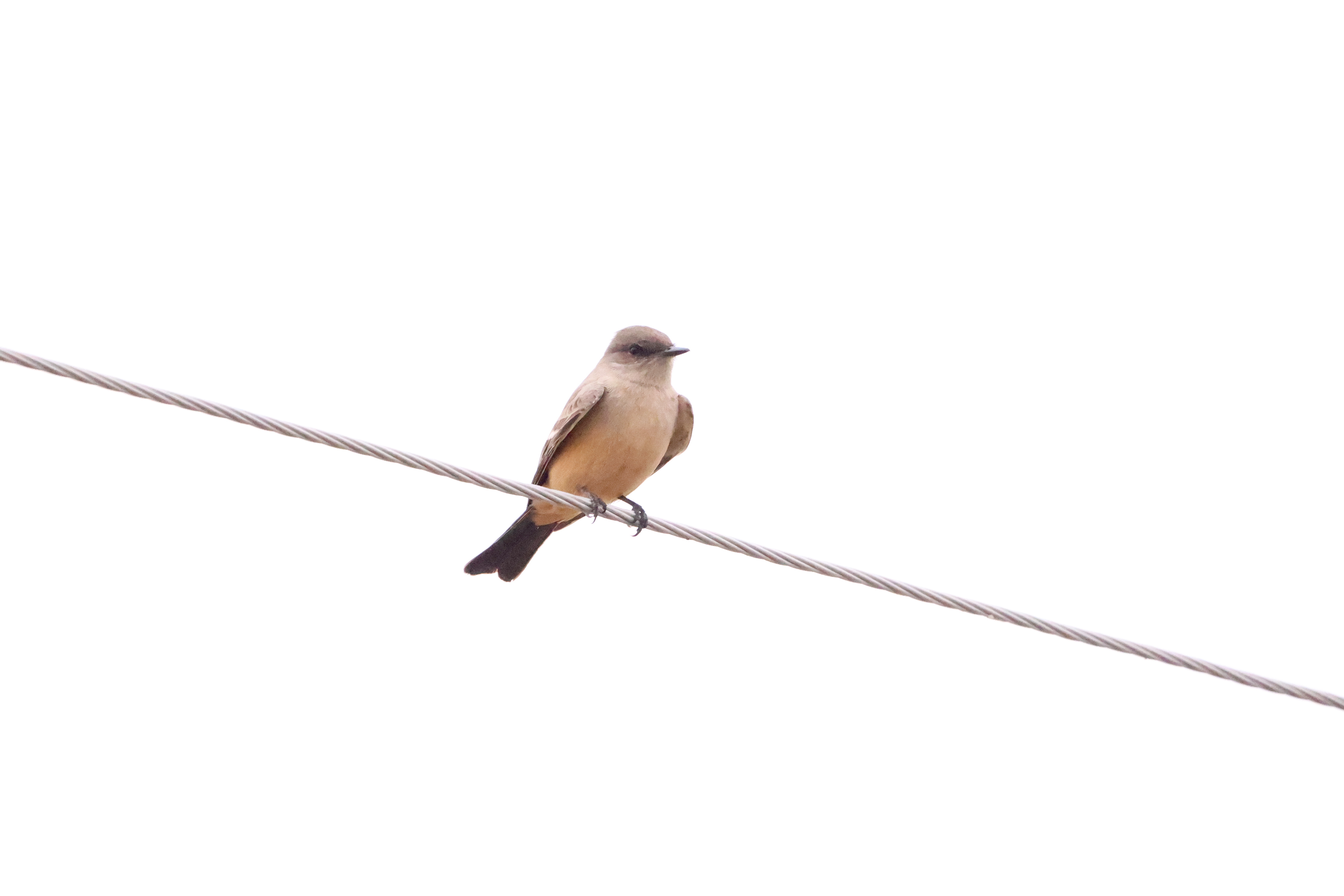
I also spotted a Say’s Phoebe, a rare find in Arkansas, although many have been spotted in the state recently. Another birder had spotted this bird at the airport a few days before me so I was curious to see if it was still hanging around. It was.

Say’s Phoebes are typically found more west of Arkansas. They differ from the common Eastern Phoebe in having a cinnamon-colored belly. Both phoebes are brownish gray above, although the Eastern Phoebe has a pale belly.

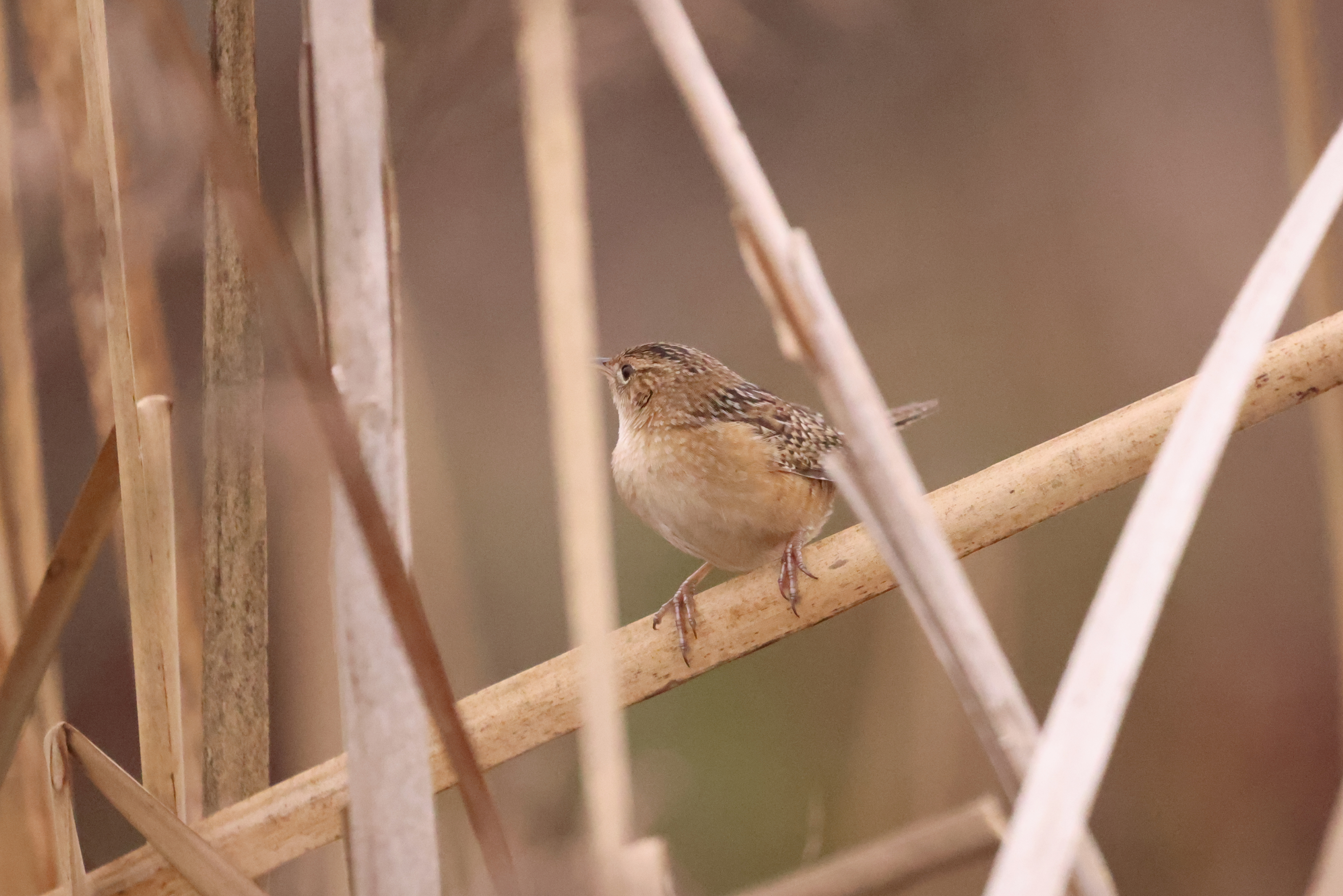
Besides visiting the airport, I also traveled to the nearby Bayo Meto Wildlife Management Area. Here are a few other birds I saw:

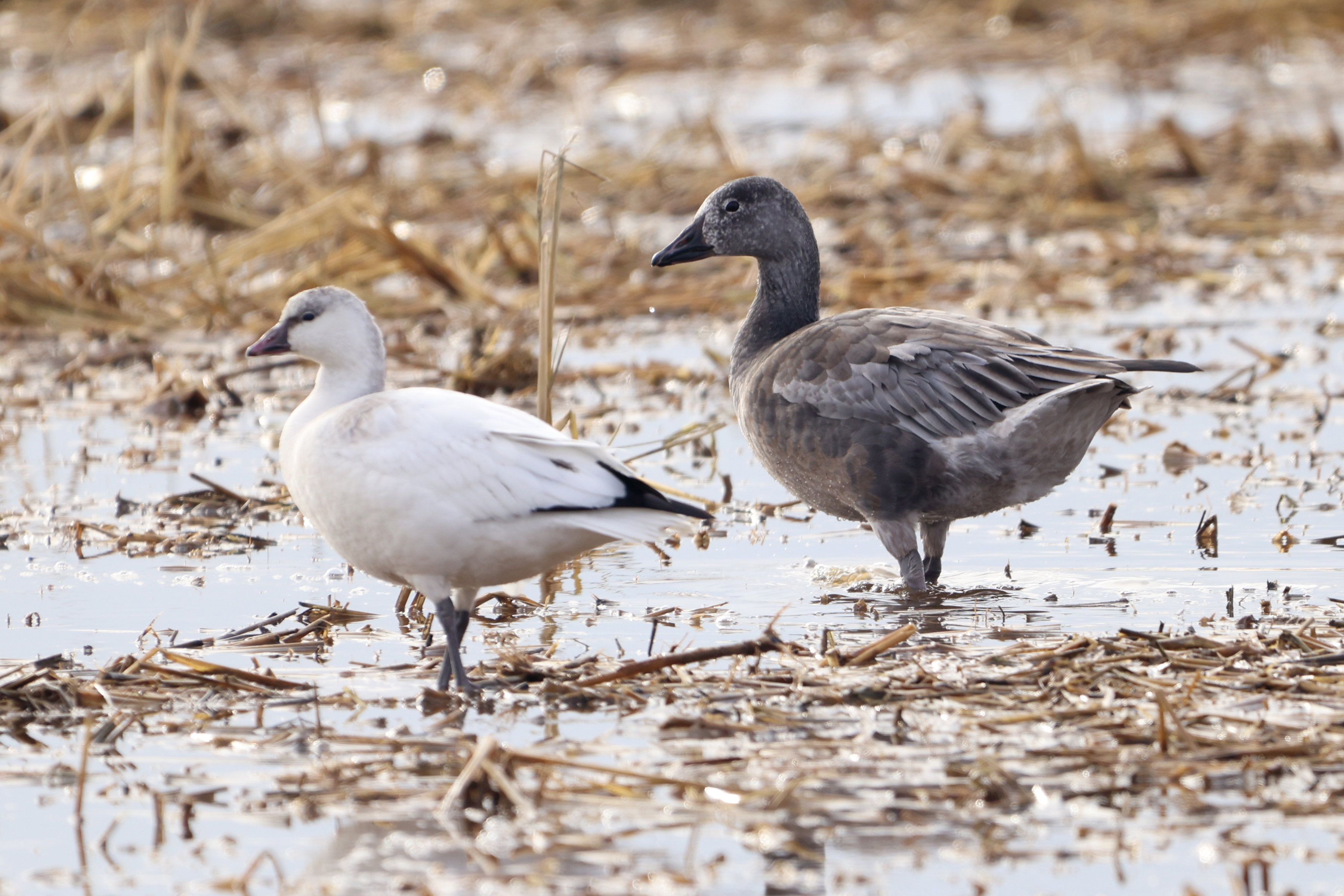
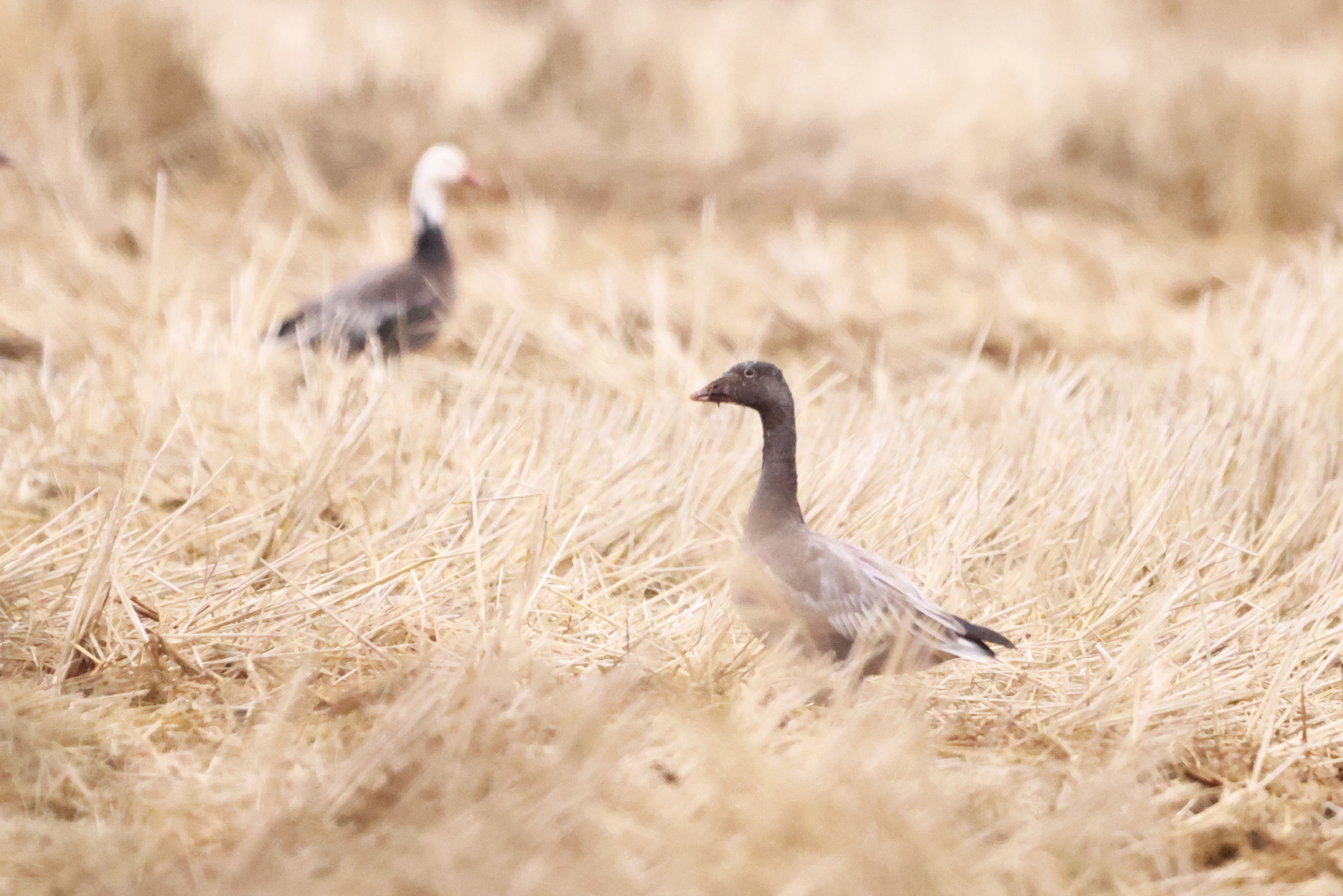
Ross Goose (left) and Snow Goose

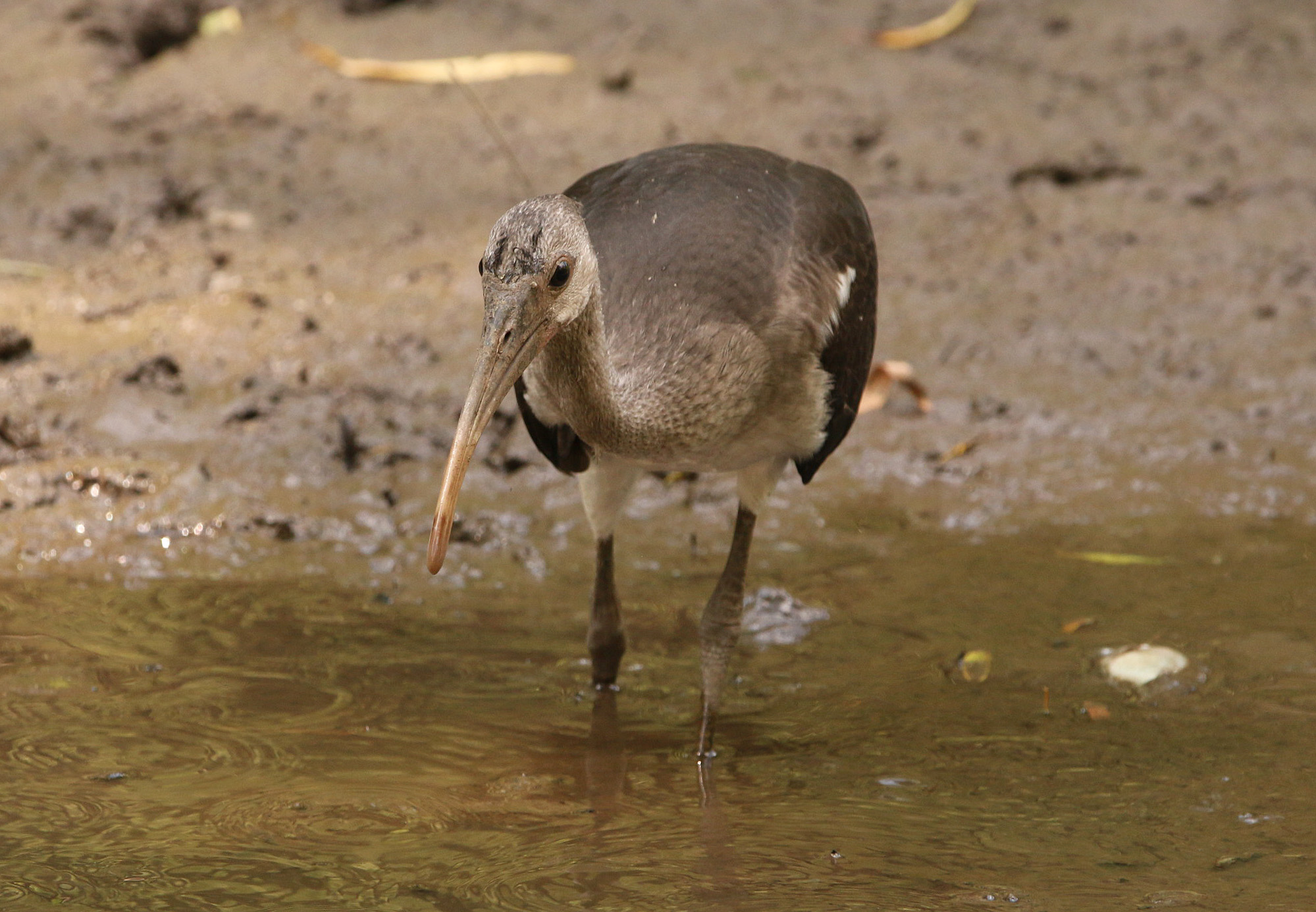
White Ibis

White Ibis

At Two Rivers Park in West Little Rock, there is a swampy section that I enjoy visiting just to see what I will find. In this visit, it was a juvenile White Ibis. White Ibises typically gather in groups in shallow wetlands in southeastern United States. They are not common in Arkansas, although they make a random appearance each year.