Healing Springs Natural Area
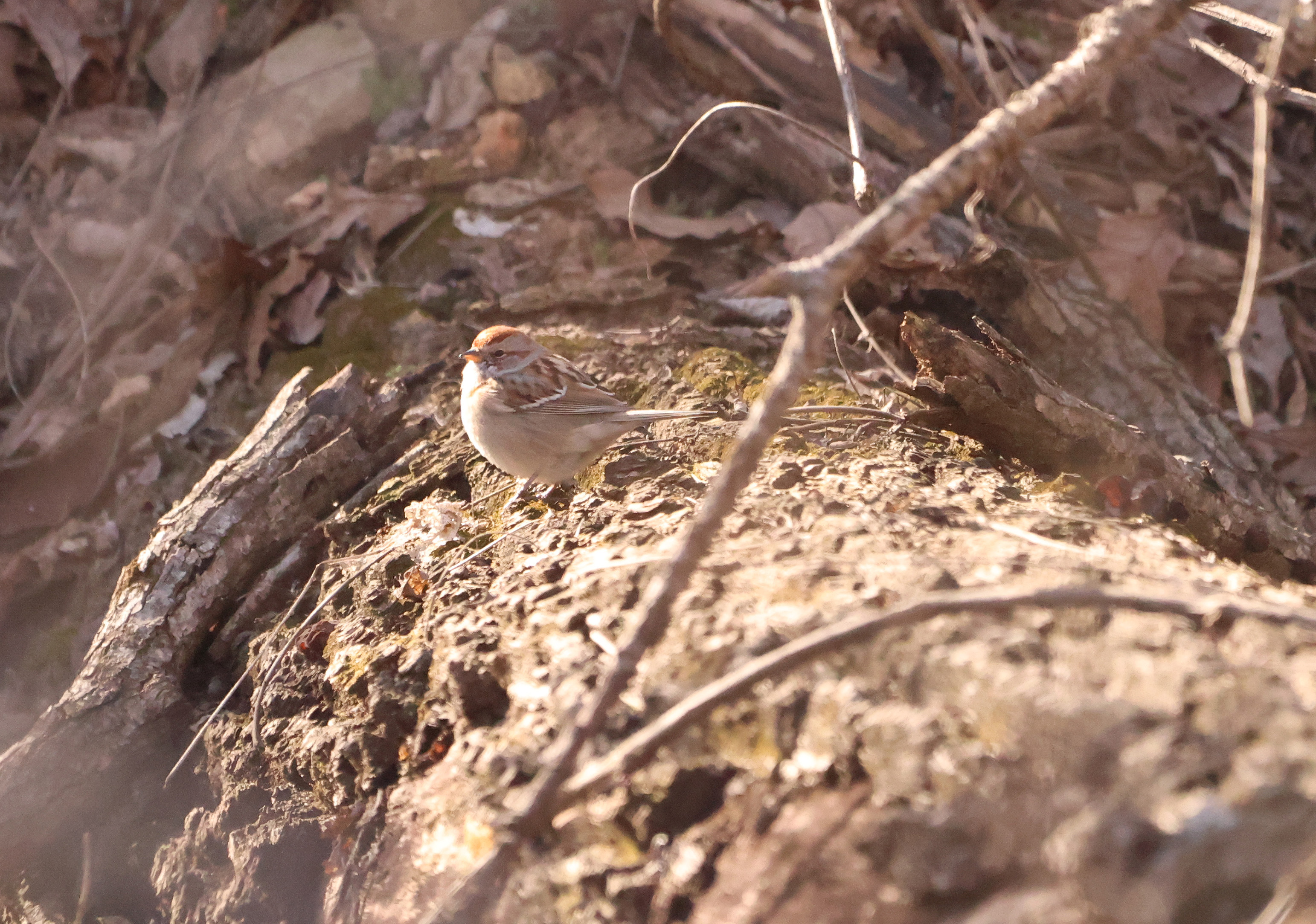
American Tree Sparrow

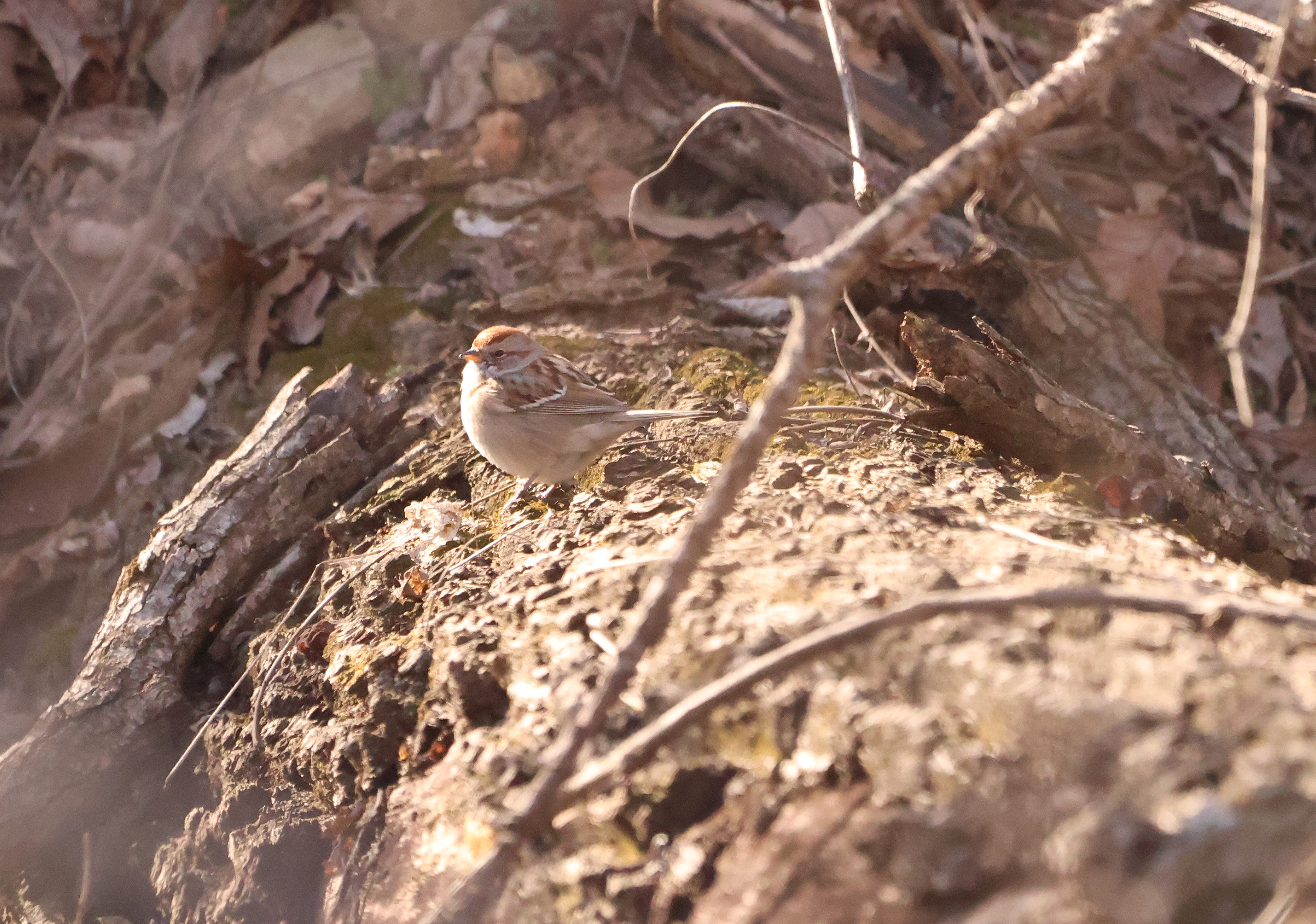
While in Northwest Arkansas on Tuesday, I decided to search for American Tree Sparrows. These small sparrows have gray faces with rusty caps and eyeline marks along with a bicolored bill.

While found each year in Arkansas, the American Tree Sparrow is not a common sparrow you find just anywhere within the state. Their population is in steep decline. It took us a bit, but we eventually ran across four of these sparrows as they steadily made their way through a brushy area. One neat fact I learned through All About Birds is the American Tree Sparrow has to eat 30% of its weight each day.

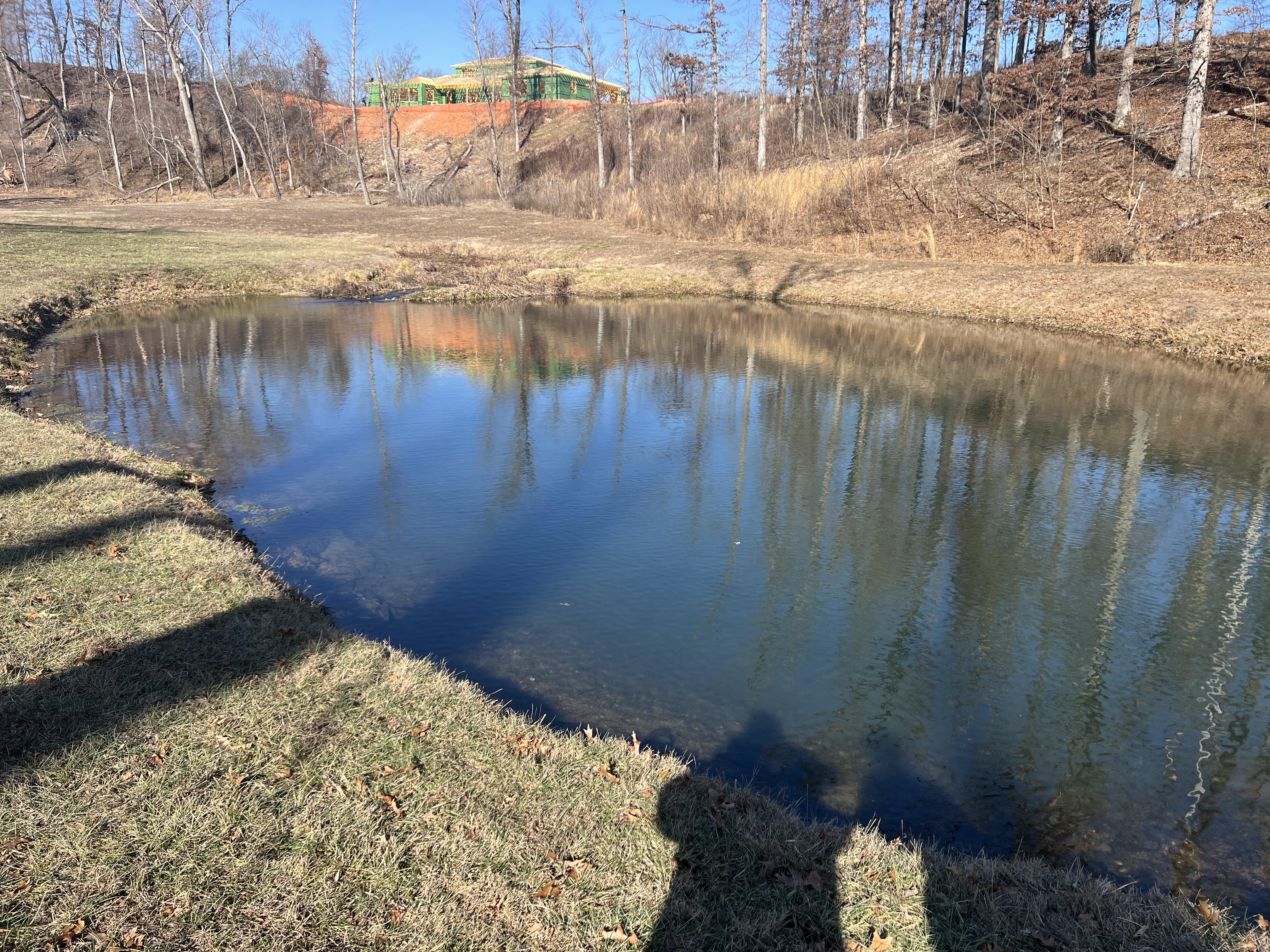
We found these sparrows – as well as lots of Eastern Bluebirds – at the Healing Springs Natural Area maintained by the Arkansas Natural Heritage Commission since 2020. I wasn’t sure what to expect from the natural area. It is located within the Ozark Highlands of the Springfield Plateau Ecoregion where Oak-hickory forests, oak-hickory-pine forests and, before the 19th century, savanna or tall grass prairies are common and maintained by fire. The small entrance to the natural area from the highway is just large enough to park about two vehicles. A locked gate and fence keeps people from driving into the natural area, which at first sight, contains several large fields that are being restored to native grassland and woodland habitat.

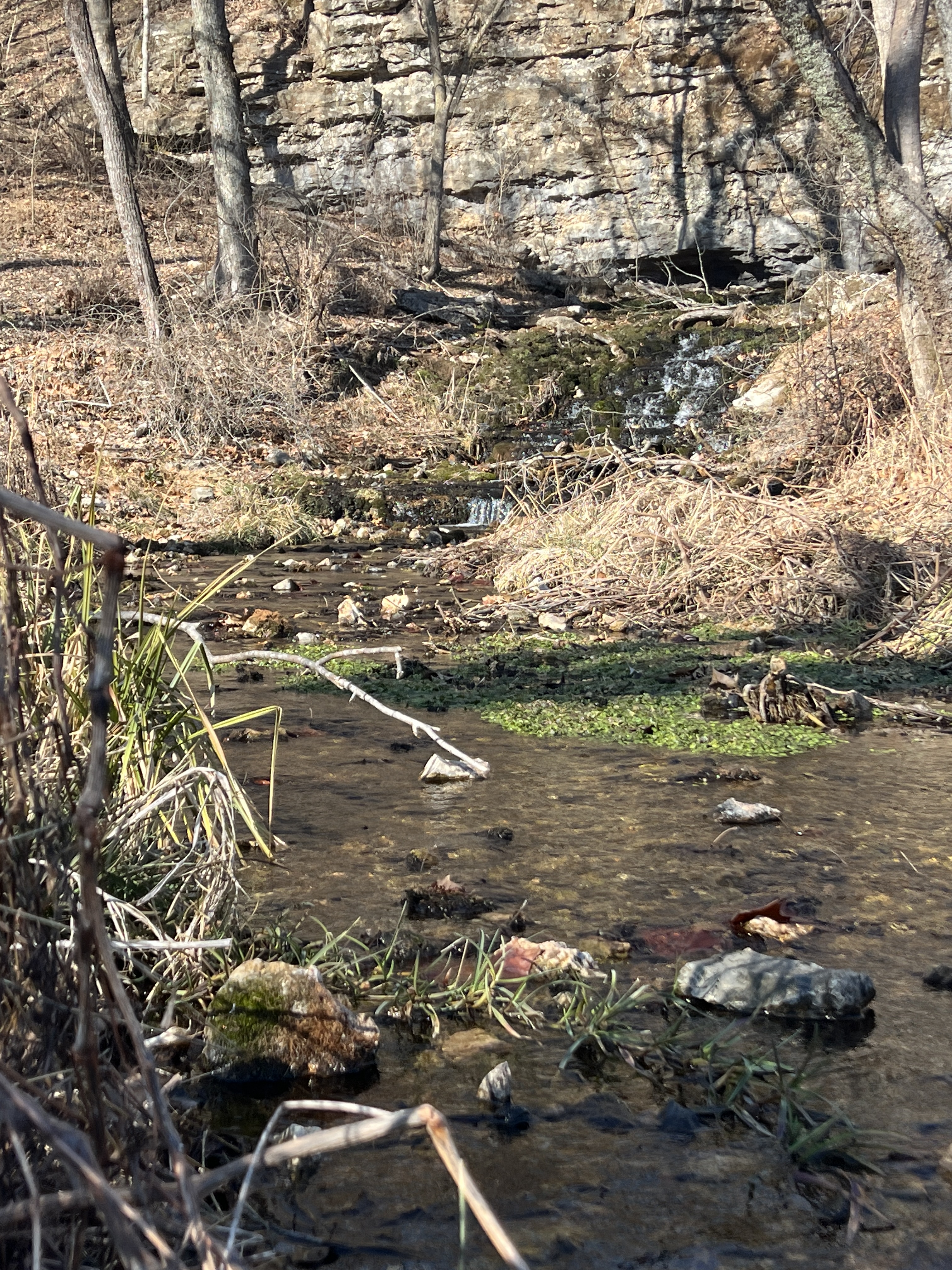
The natural area consists of several large fields separated by high fences with no gates so you can wander for nearly a mile to the springs and spring-fed streams at the back of the property. These springs and spring-fed streams support several fish and crayfish species of conservation concern, including the Arkansas Darter and Least Darter. Both are very rare to Arkansas and require a specific habitat type that is disappearing.
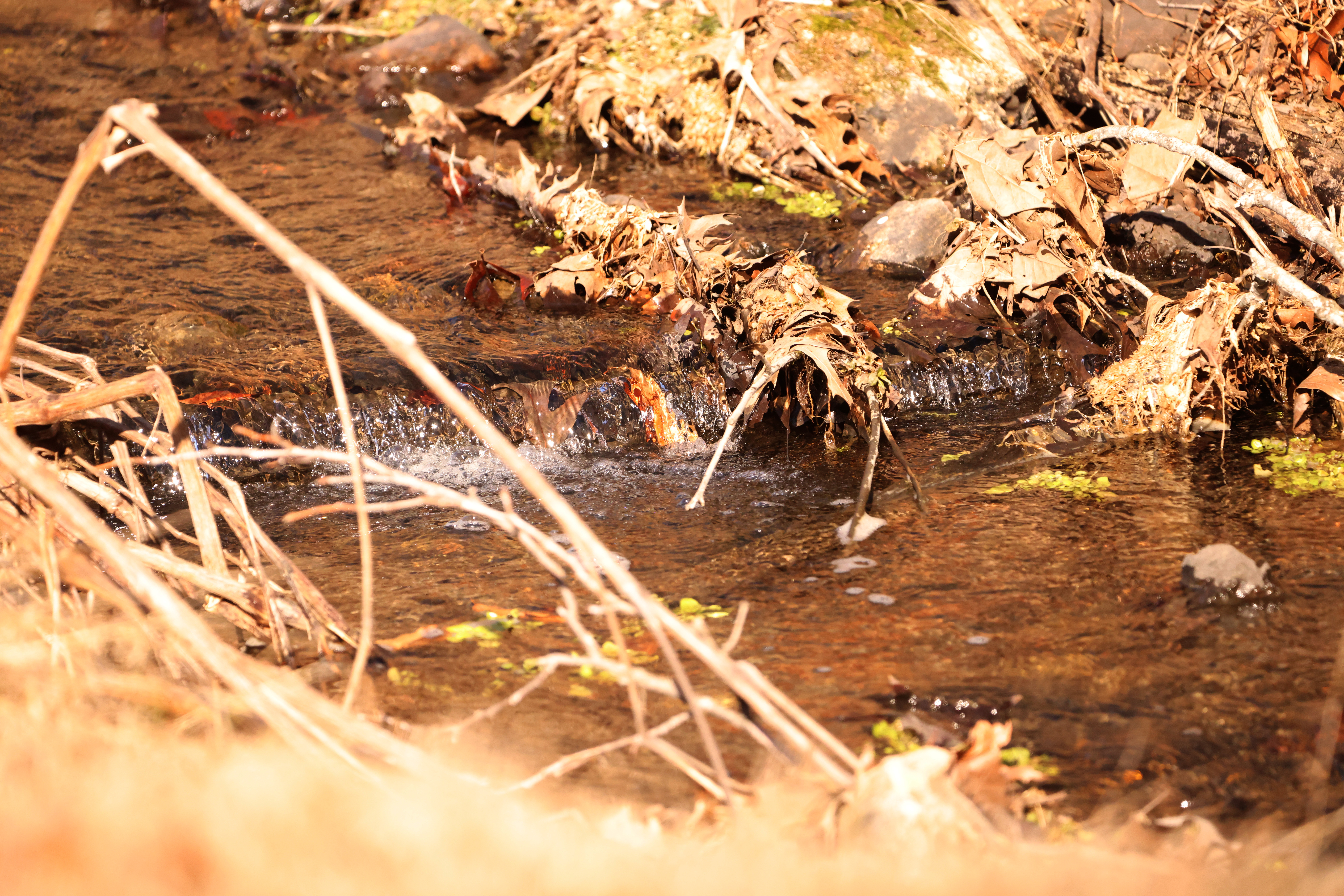
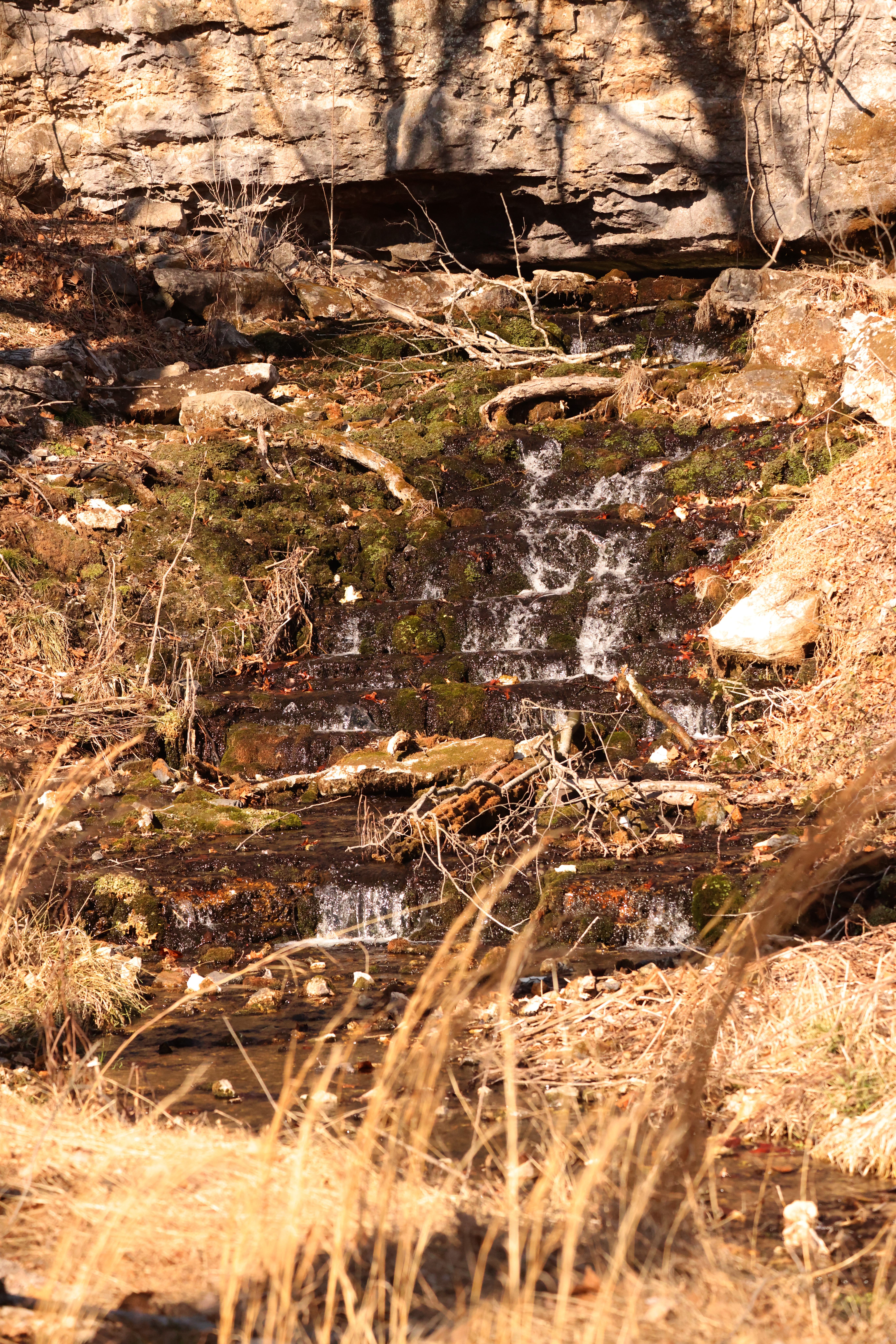
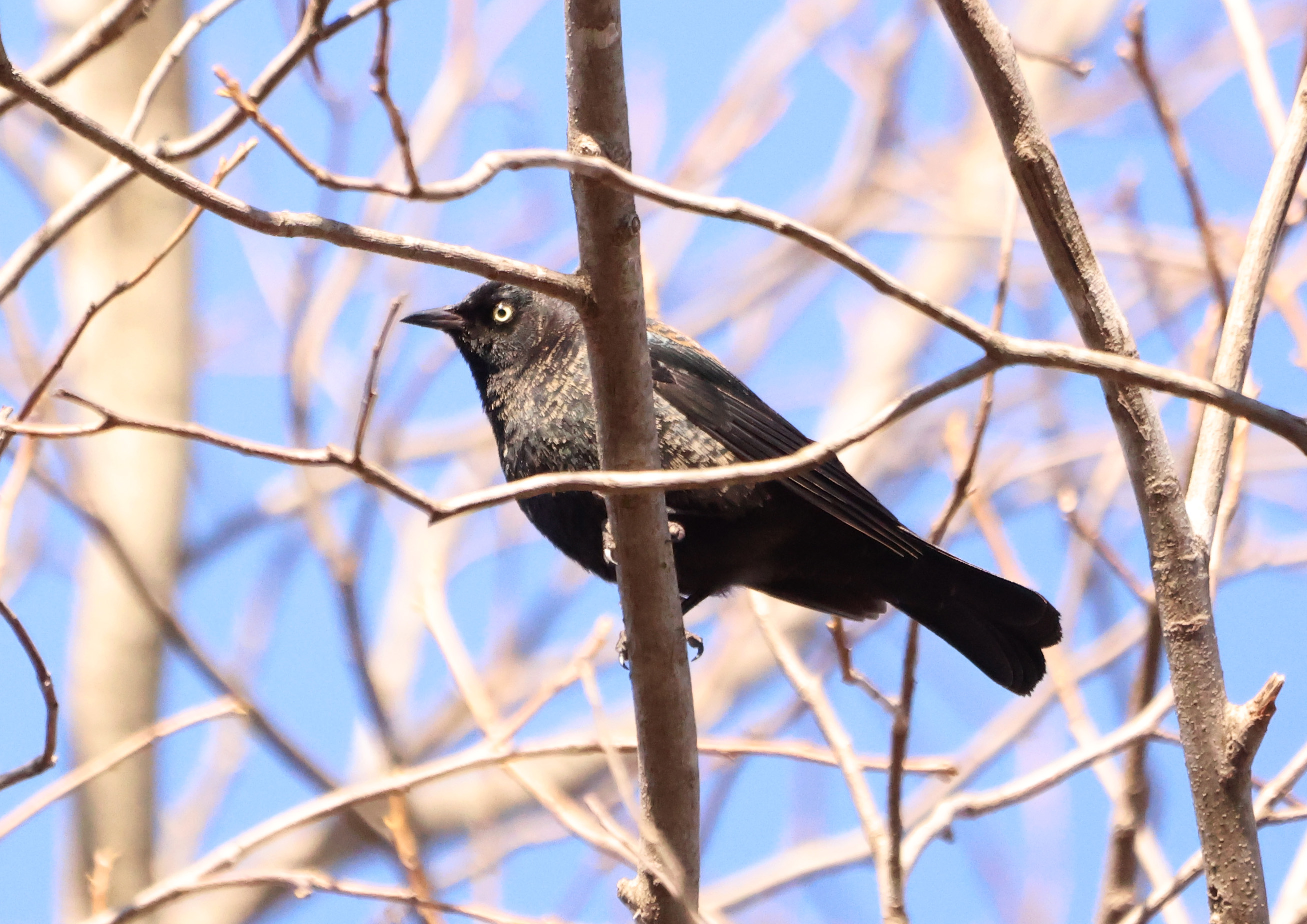
We couldn’t find a map of the property so we initially walked a wooded path the width of the natural area, before traveling further back into the natural area in search of the springs. We weren’t too impressed with the place until we got further back into the area where we began seeing white-tailed deer and an abundance of birds, including our target bird – the American Tree Sparrow. One surprise was the rusty blackbirds discovered in a tree near water.
Birding at Bell Slough WMA

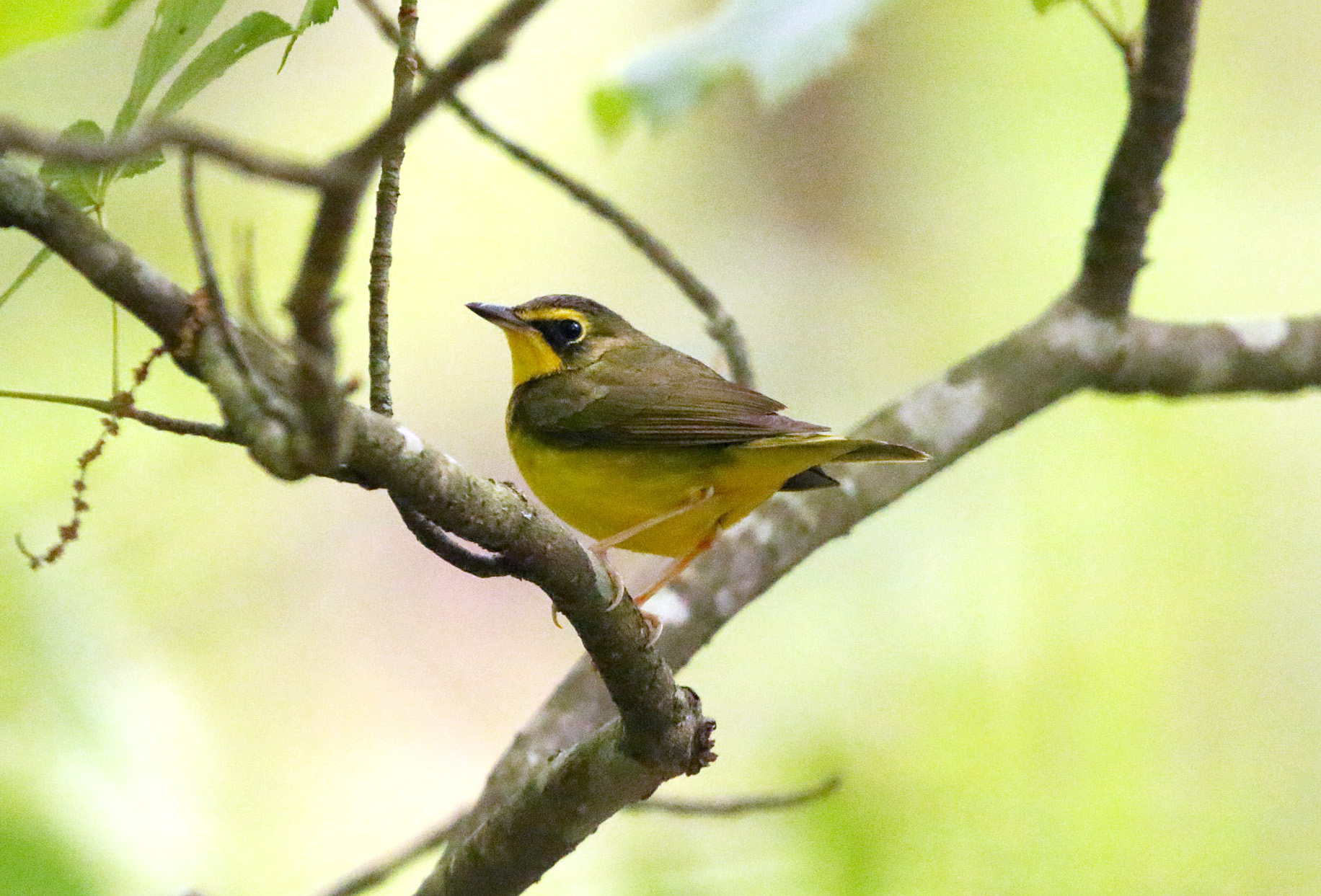
Kentucky Warbler1 04252020 Bell Slough Wildlife Area
Kentucky Warbler

A few weeks back – okay April, I’m just now getting to these photos – I visited Bell Slough Wildlife Management Area near Mayflower. It was my first time there, and I took the Kenny Vernon Nature Trail. It’s a 2.25 mile trail, and includes a variety of habitats such as flood fields, an area with a shale surface, and woods as well as elevation changes.

IMG_0941

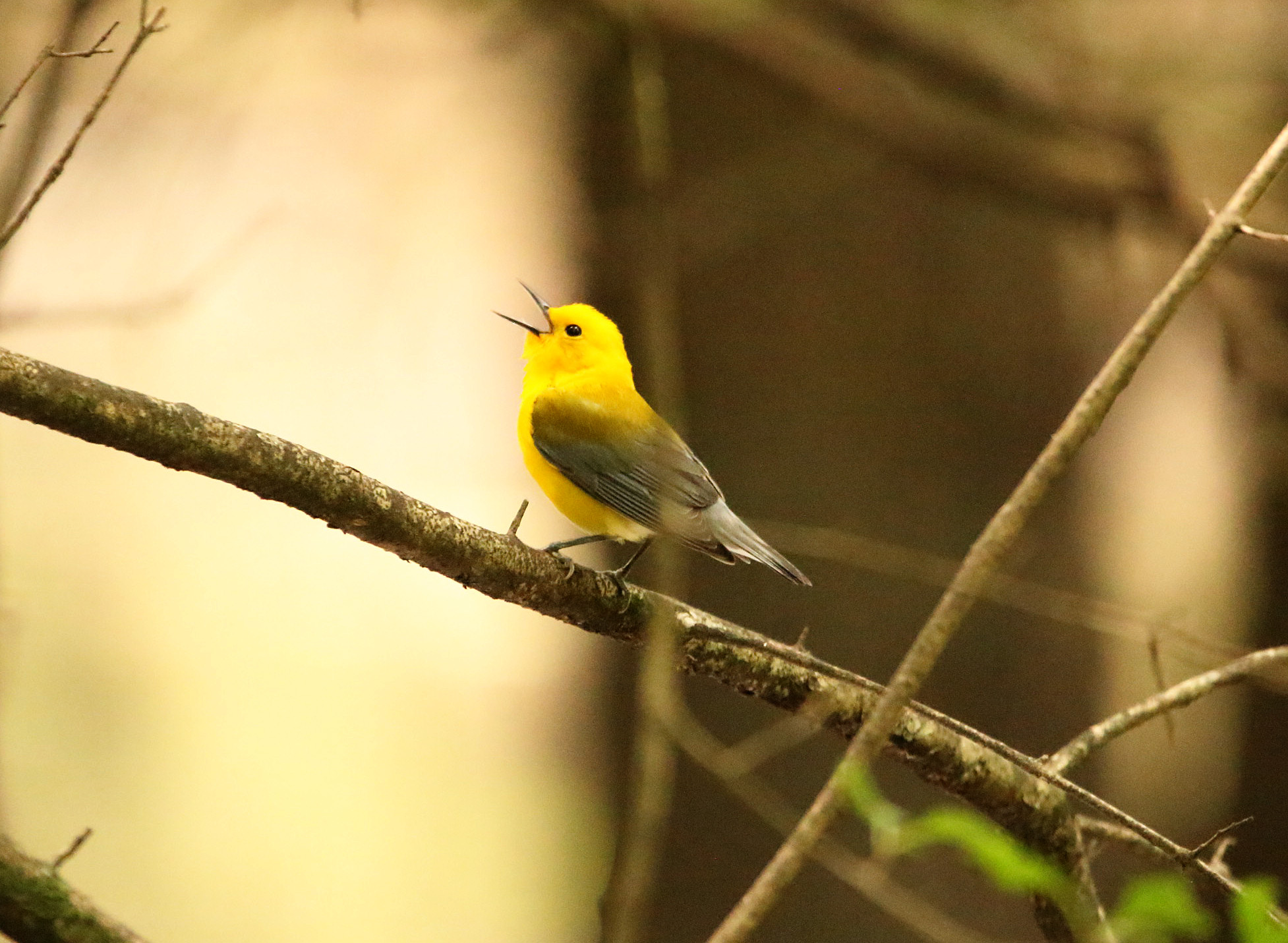
There is a boardwalk at the start of the trail, which was actually flooded so I went back to town and bought rain boots to go through the water in. But, it was worth it – the day was beautiful and there were tons of birds singing. Prothonotary Warblers were actually all over this section of the trail.

IMG_0940

My most exciting find was a Kentucky Warbler (a first for me!!) that allowed me to get a really good look. Below are a few of my other finds:

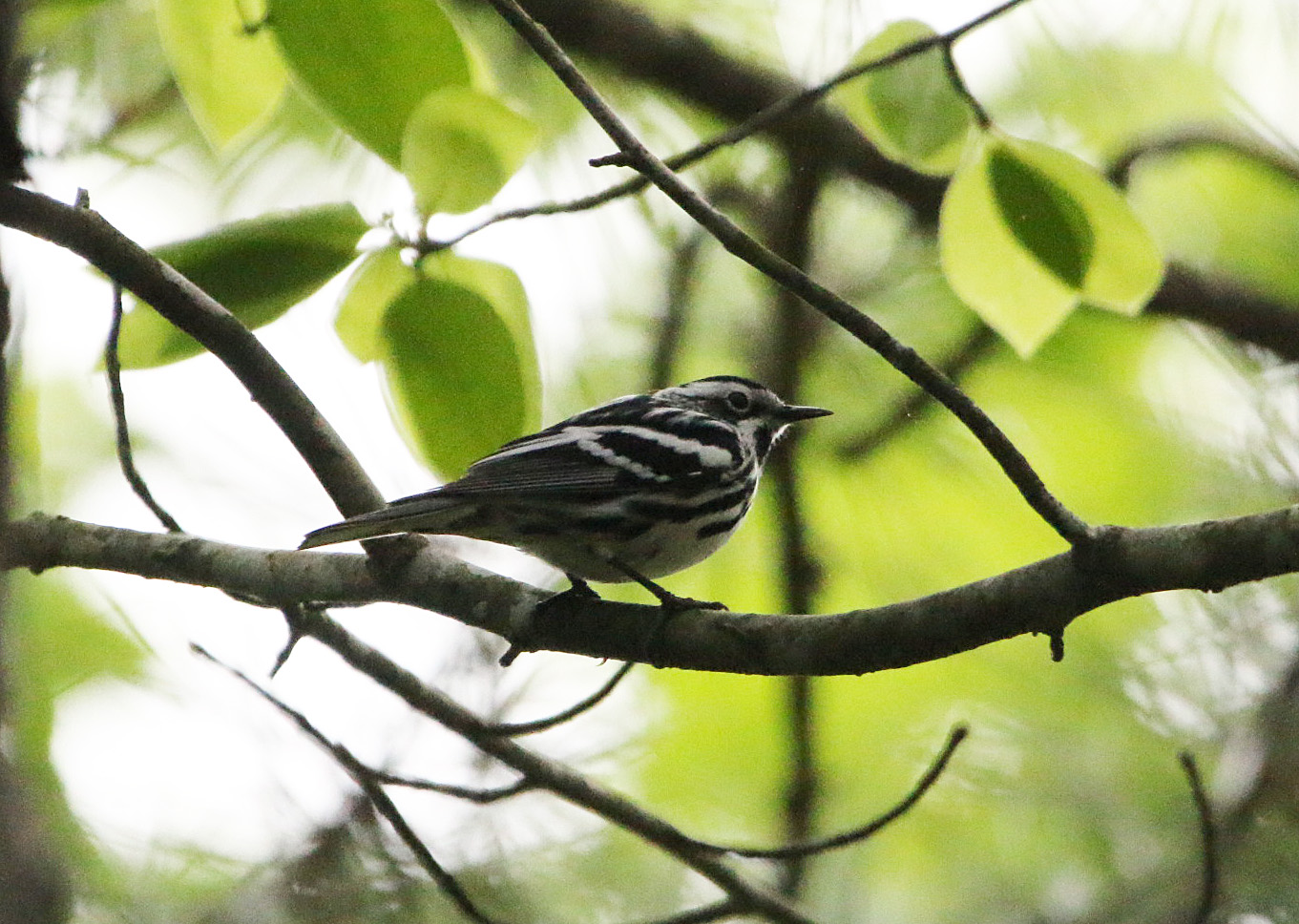
Black-and-white Warbler 04252020 Bell Slough Wildlife Area
Black-and-white Warbler

Prothonotary Warbler3 04252020 Bell Slough Wildlife Area
Prothonotary Warbler

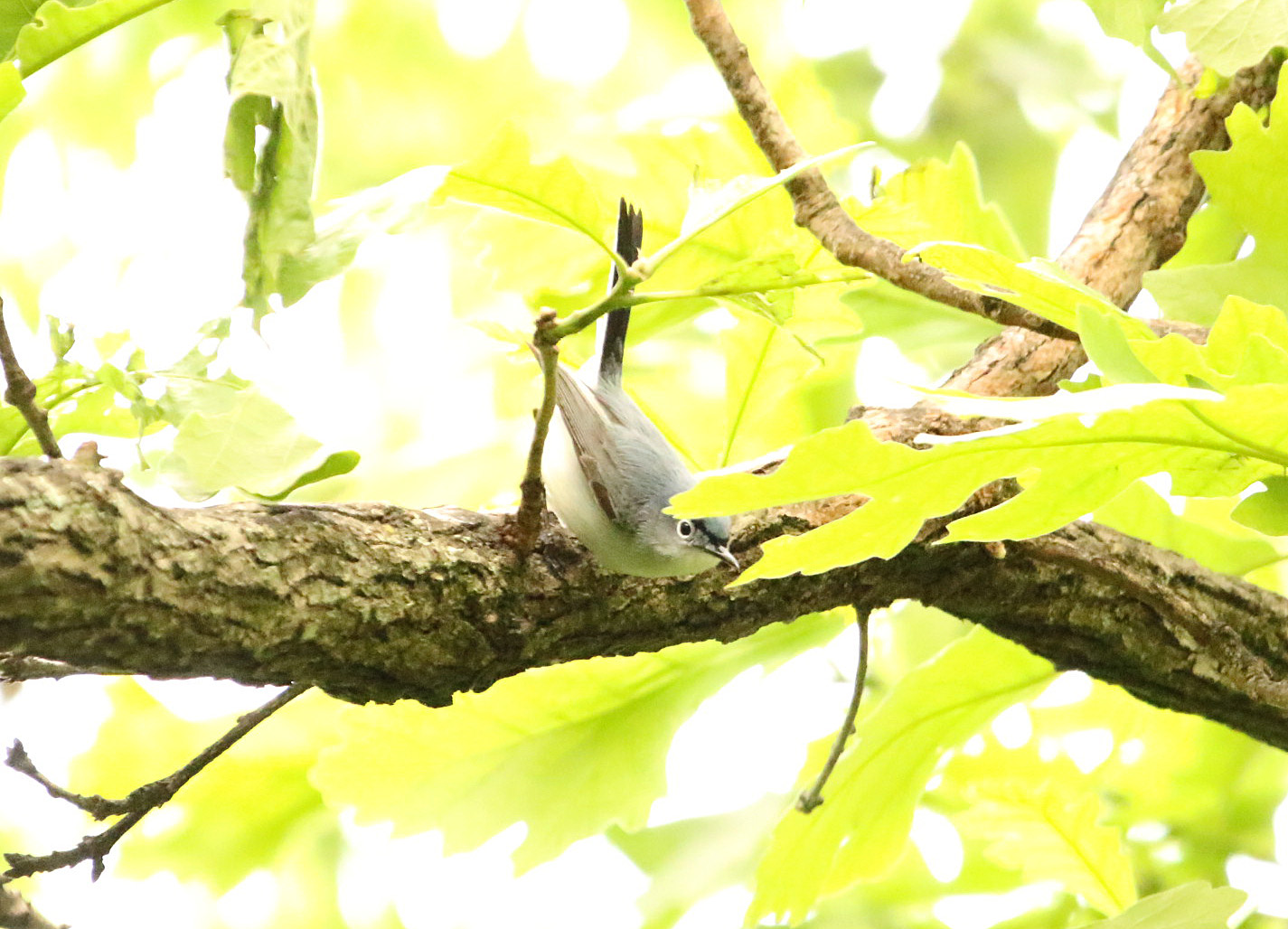
Blue-gray Gnatcatcher2 04252020 Bell Slough Wildlife Area
Blue-gray Gnatcatcher

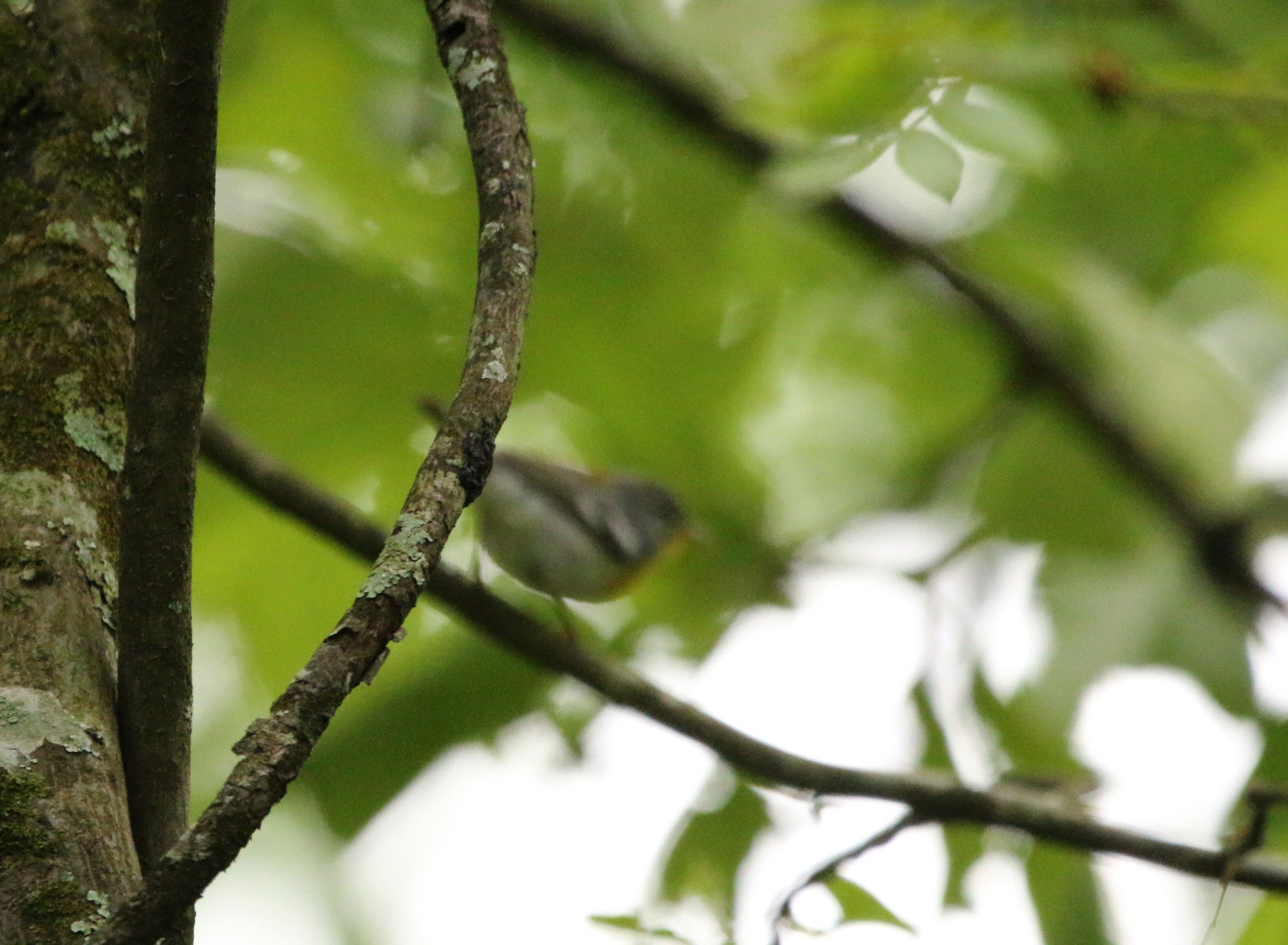
Northern Parula 04252020 Bell Slough Wildlife Area
Northern Parula

Ruby-throated Hummingbird2 04252020 Bell Slough Wildlife Area
Ruby-throated Hummingbird

Hairy Woodpecker1 04252020 Bell Slough Wildlife Area
Hairy Woodpecker

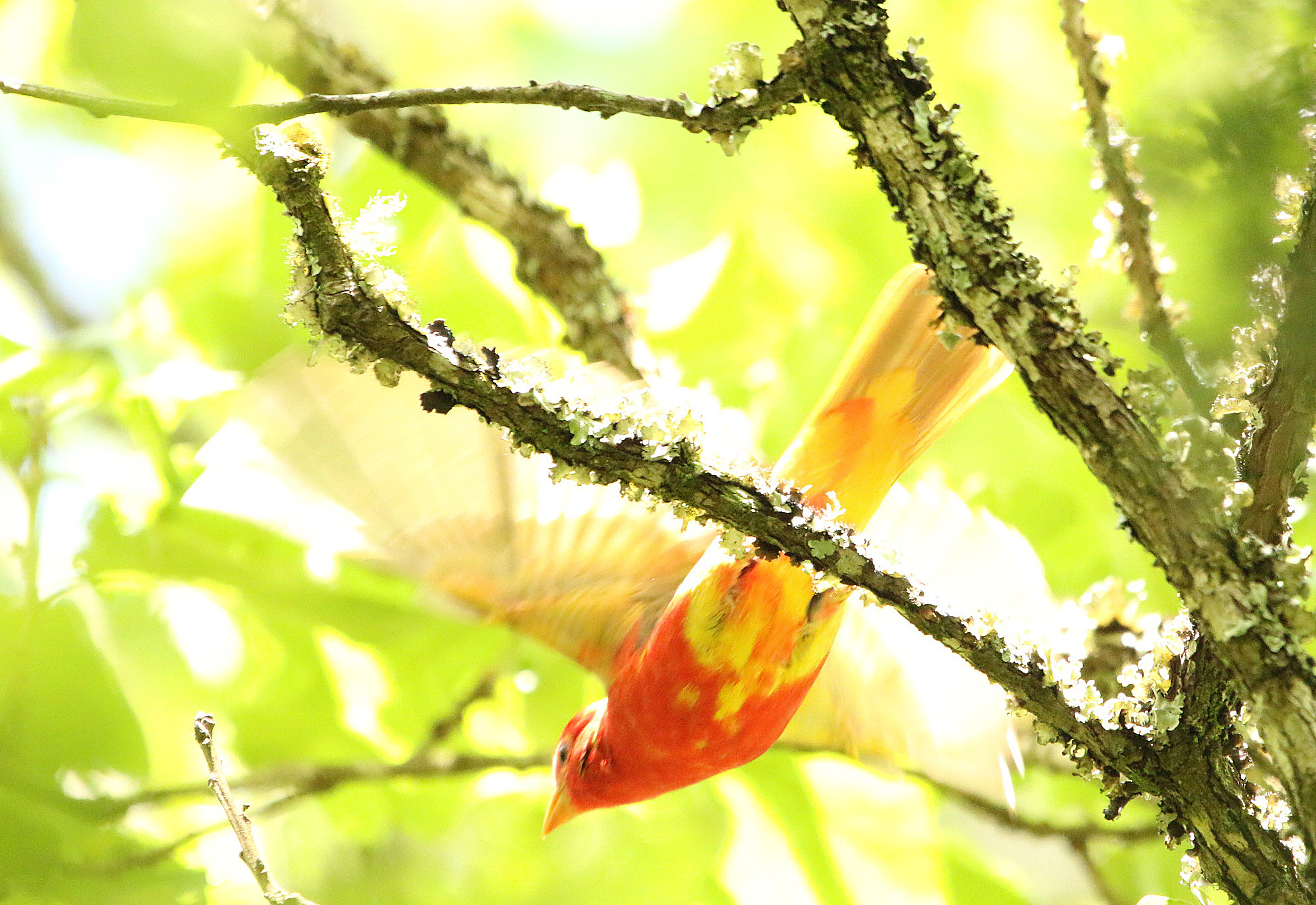
Summer Tanager1 04252020 Bell Slough Wildlife Area
Summer Tanager

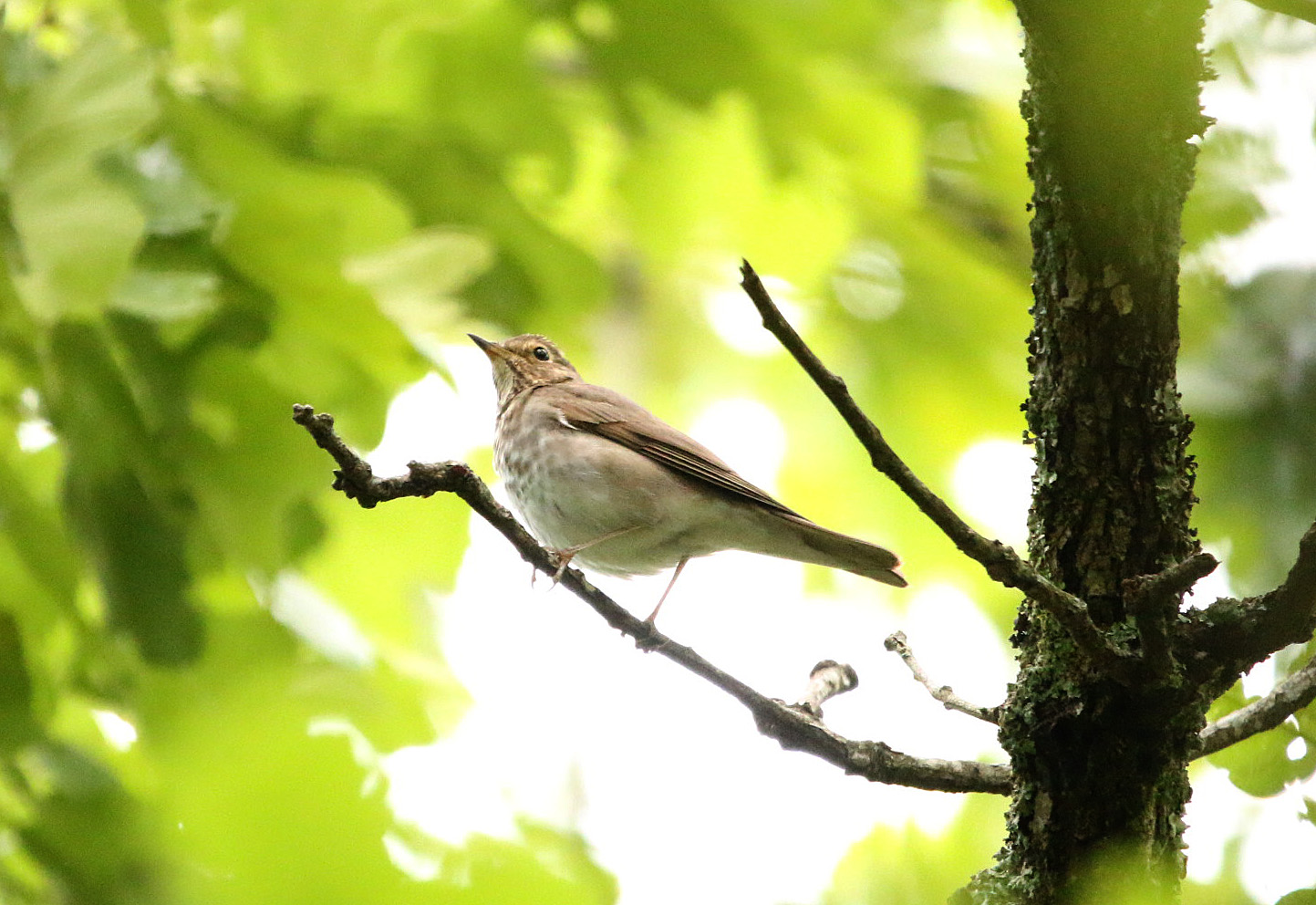
Swainson's Thrush 04252020 Bell Slough Wildlife Area
Swainson’s Thrush

Woodpeckers: Downy vs. Hairy

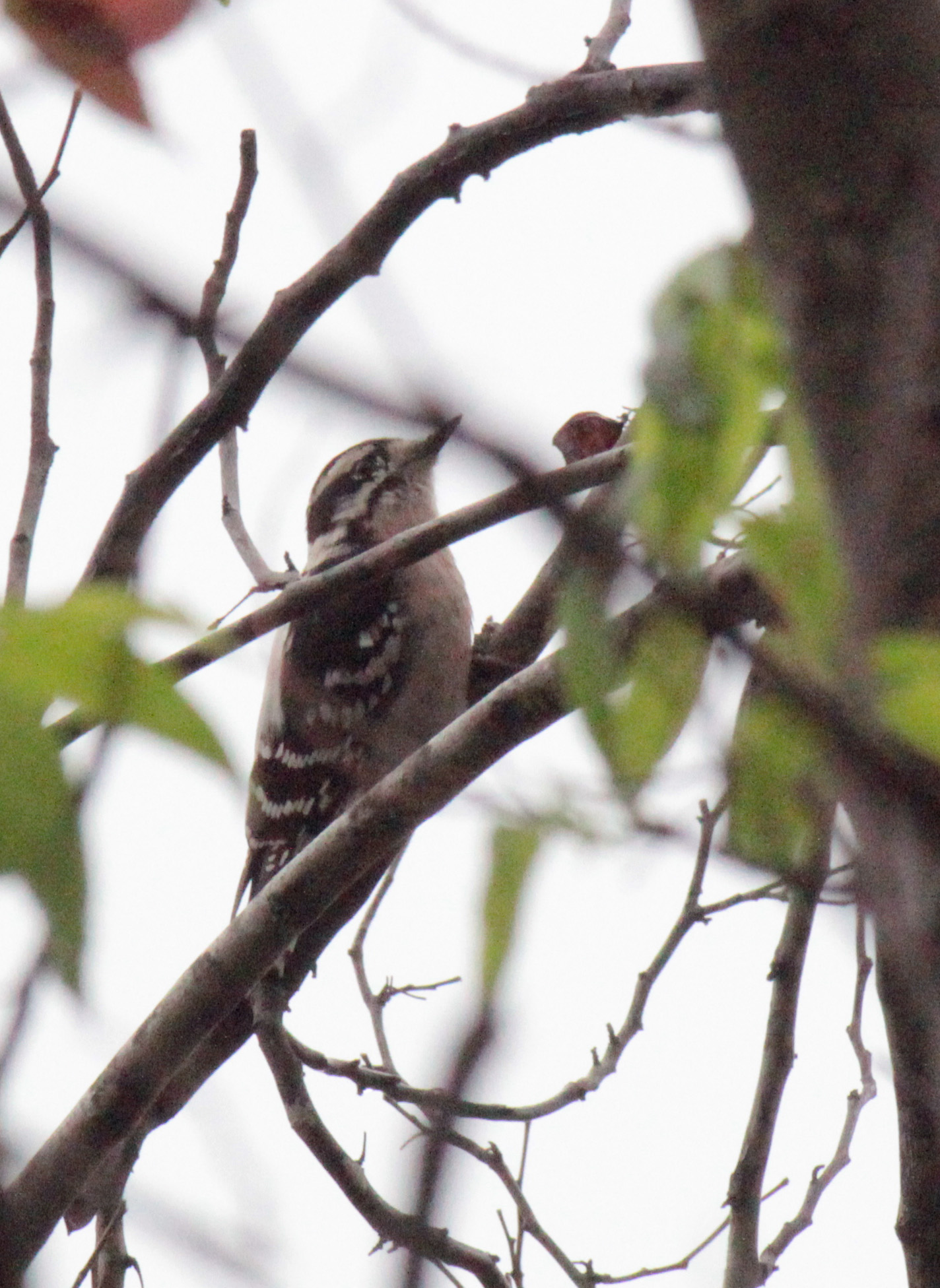
Downy Woodpecker

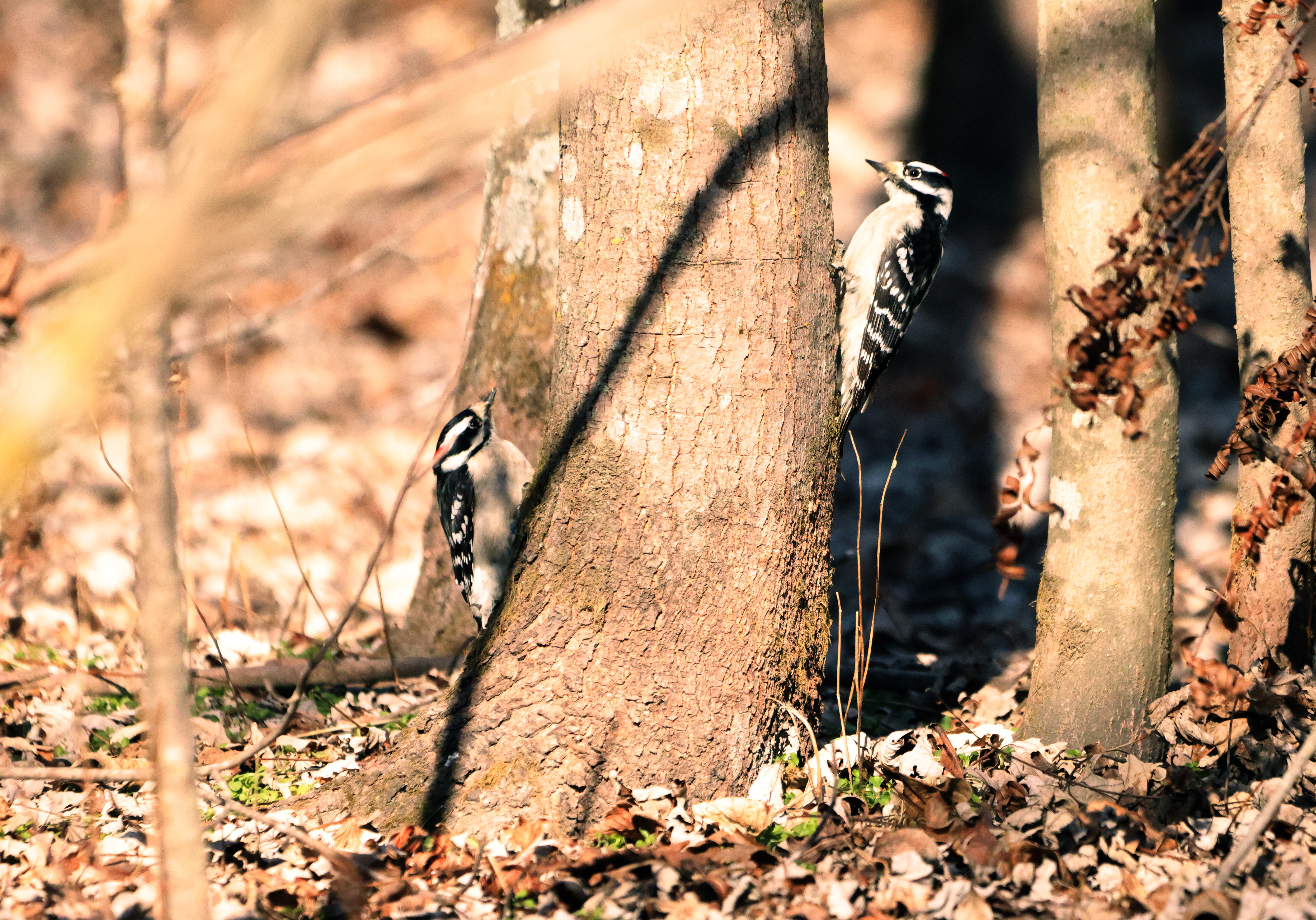
I finally saw my first Downy Woodpecker at my aunt’s house in Little Rock. OK, I might have seen it before but its hard to distinguish from the Hairy Woodpecker. Both are the only common woodpeckers to have vertical white strips on the back. They also have black and white wings with a comma-shaped black mark, although the mark is more obvious on the Hairy.

According to The Cornell Lab of Ornithology’s Project FeederWatch, the easiest way to tell which one you are looking at is by the size — the Downy has a short, about one-third long bill and is smaller at about 6.5″ long while the Hairy has a long, chisel-like bill about the size of its head and is about the size of a robin, 9-13″ long.

It also helps that Downys are more likely to be found in suburban areas. The Downys have weaker, squeakier  calls with a slower drum than the Hairys, which have louder, more powerful calls and a faster drum.