Healing Springs Natural Area
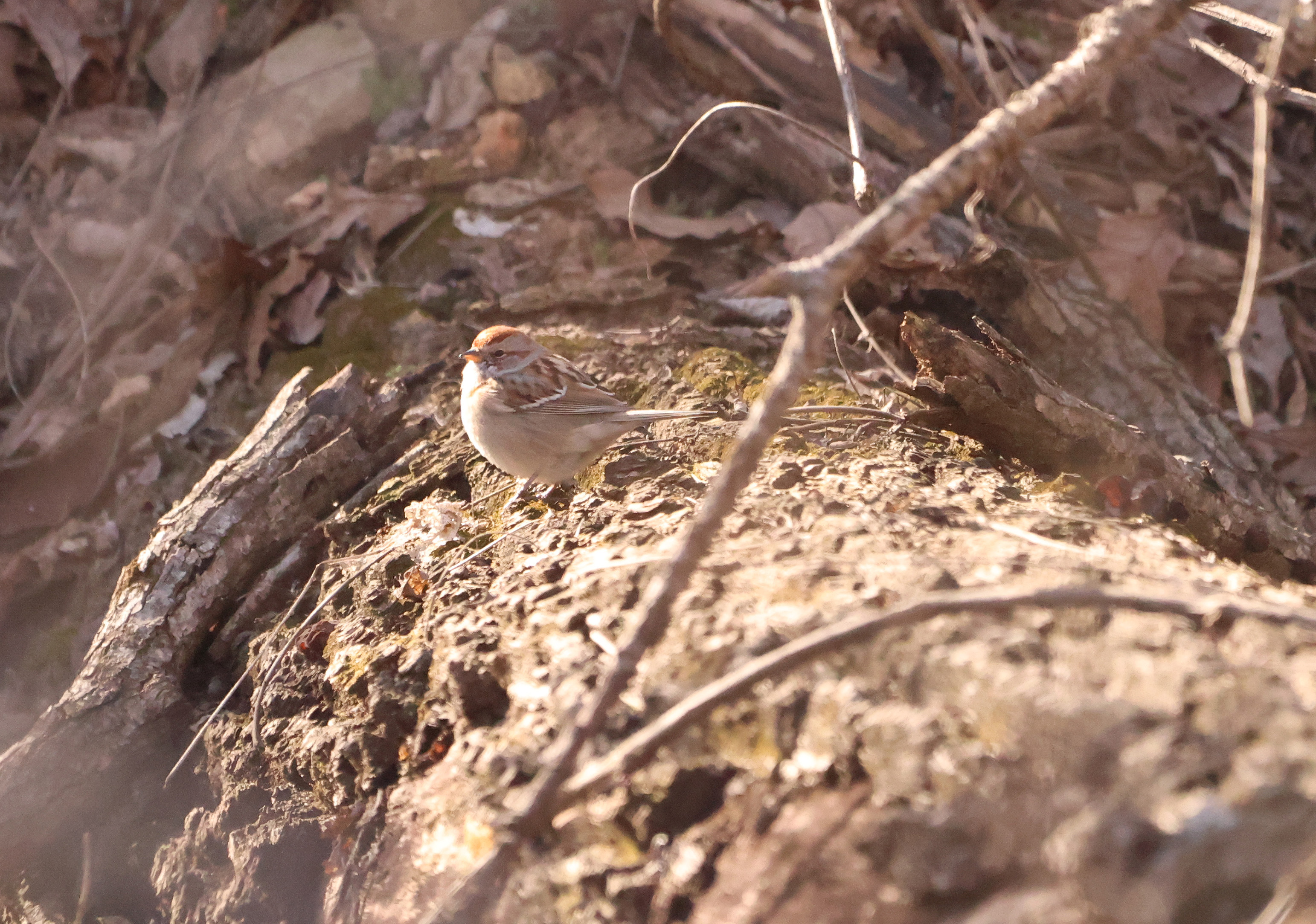
American Tree Sparrow

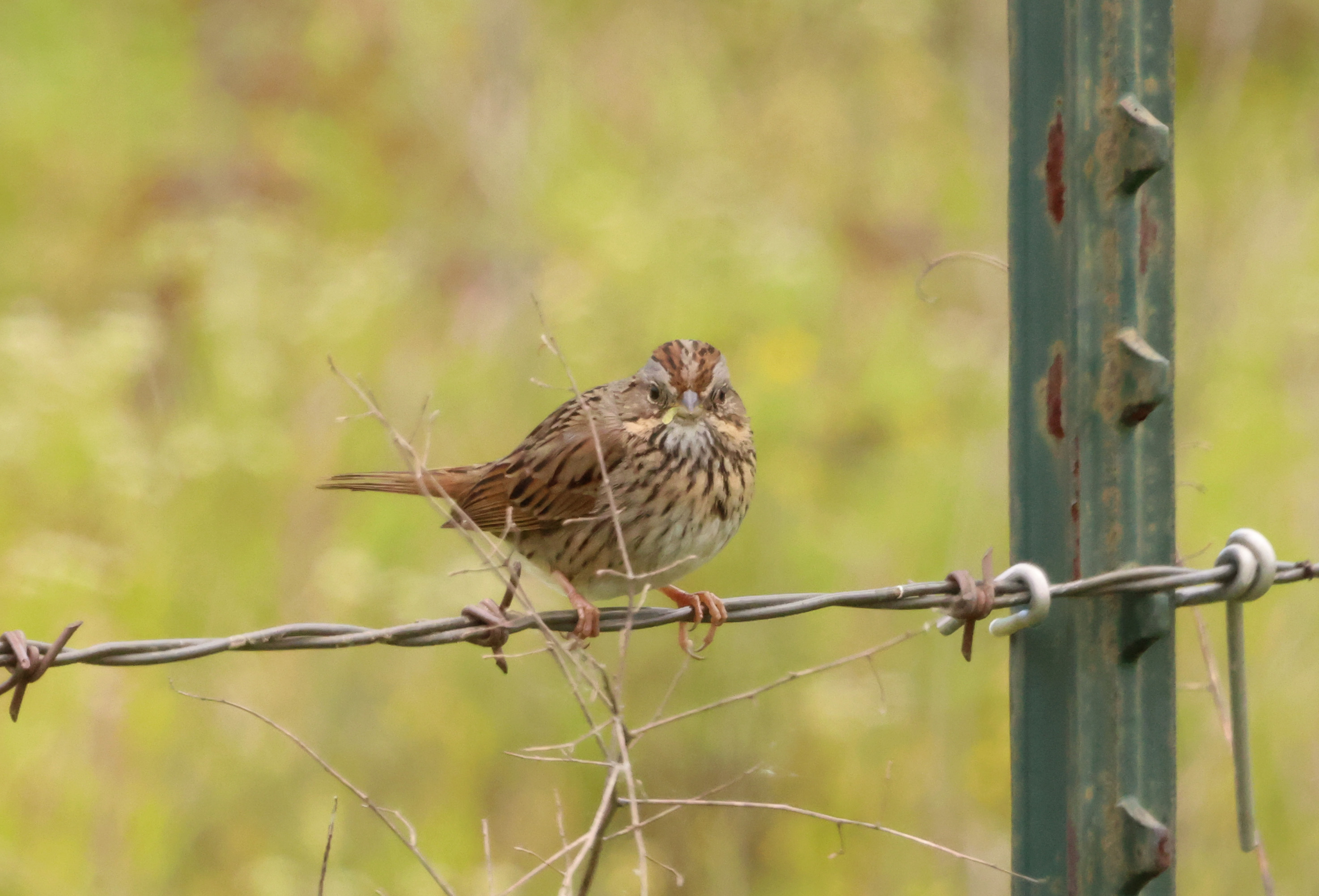
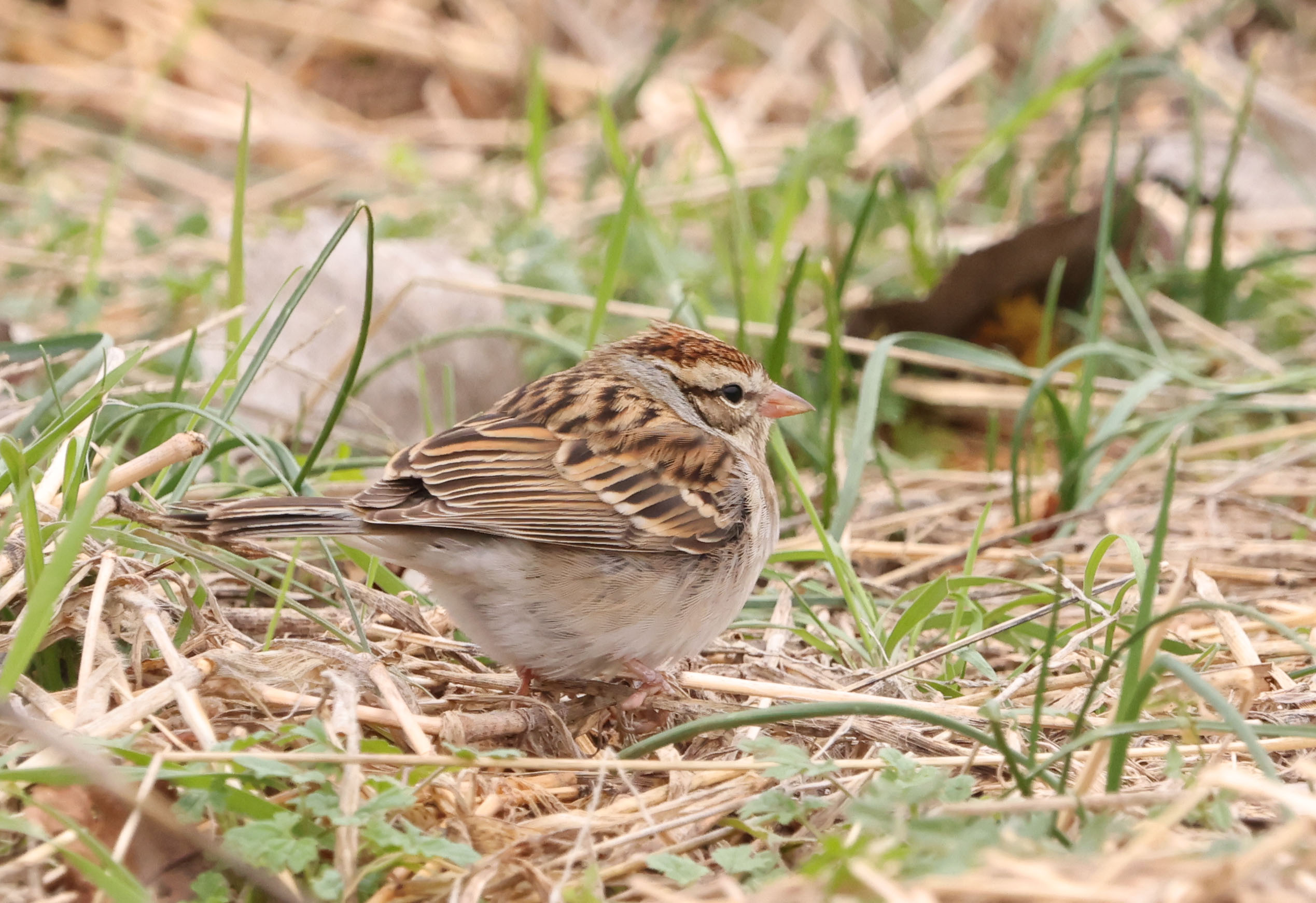
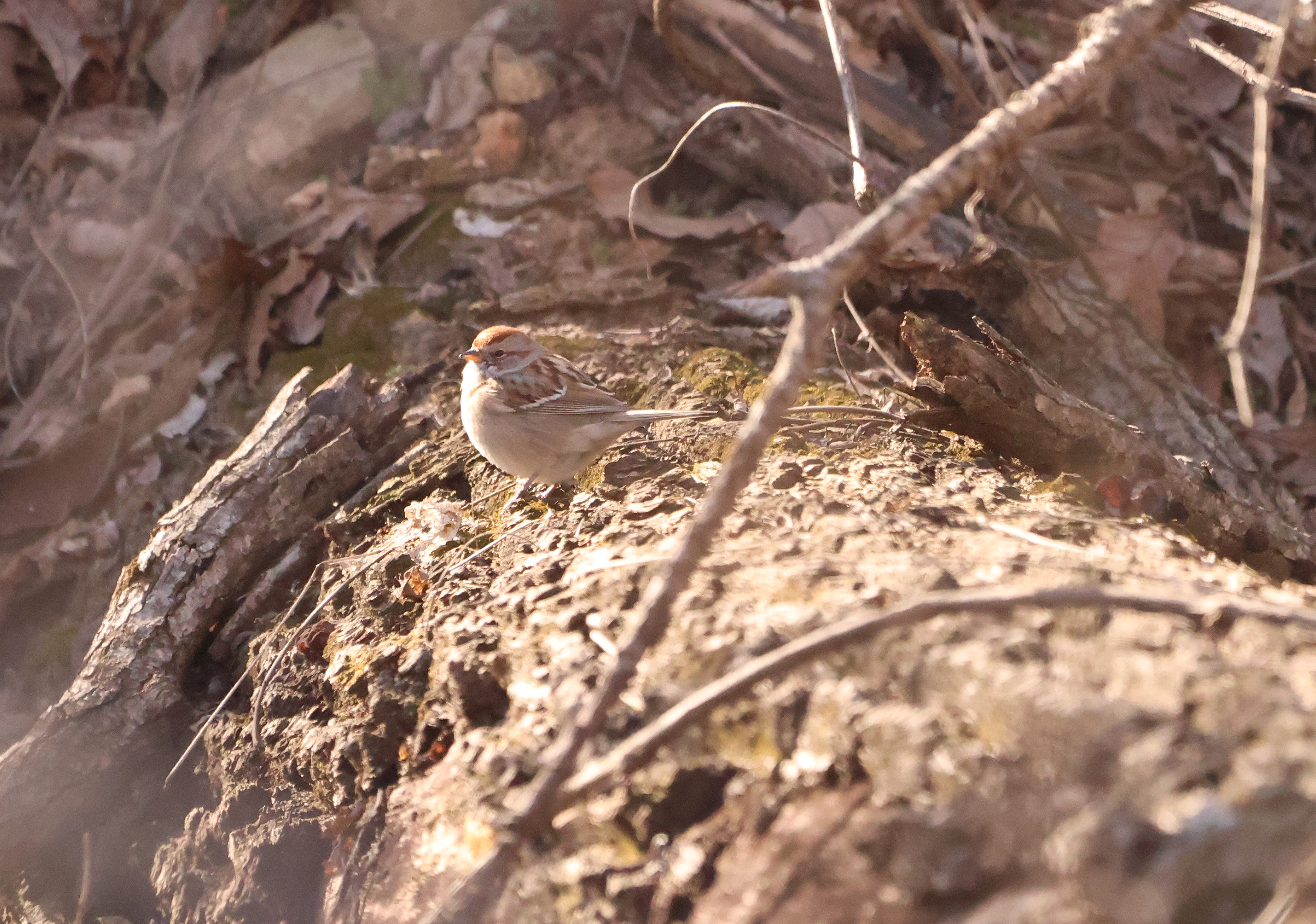
While in Northwest Arkansas on Tuesday, I decided to search for American Tree Sparrows. These small sparrows have gray faces with rusty caps and eyeline marks along with a bicolored bill.

While found each year in Arkansas, the American Tree Sparrow is not a common sparrow you find just anywhere within the state. Their population is in steep decline. It took us a bit, but we eventually ran across four of these sparrows as they steadily made their way through a brushy area. One neat fact I learned through All About Birds is the American Tree Sparrow has to eat 30% of its weight each day.

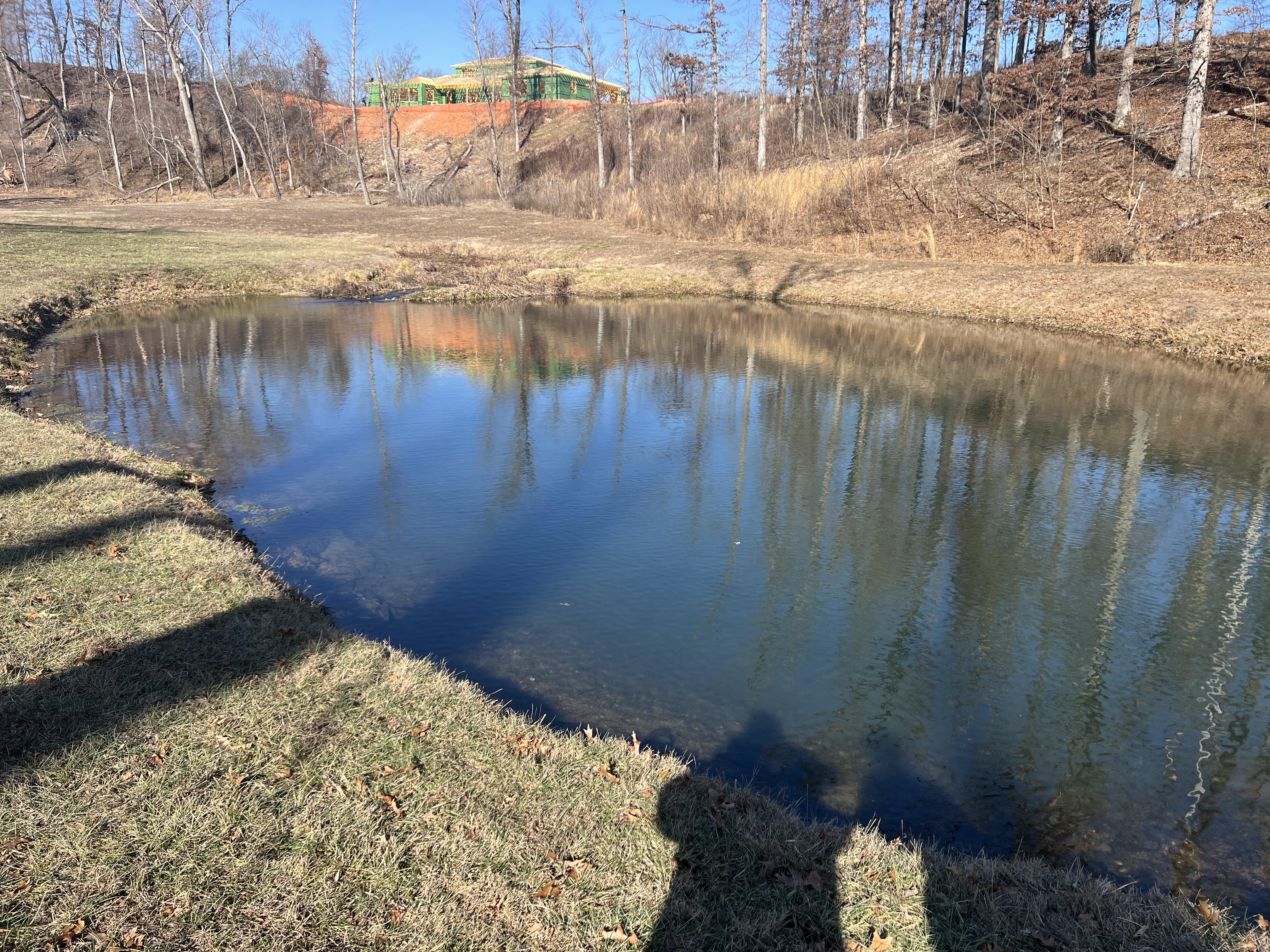
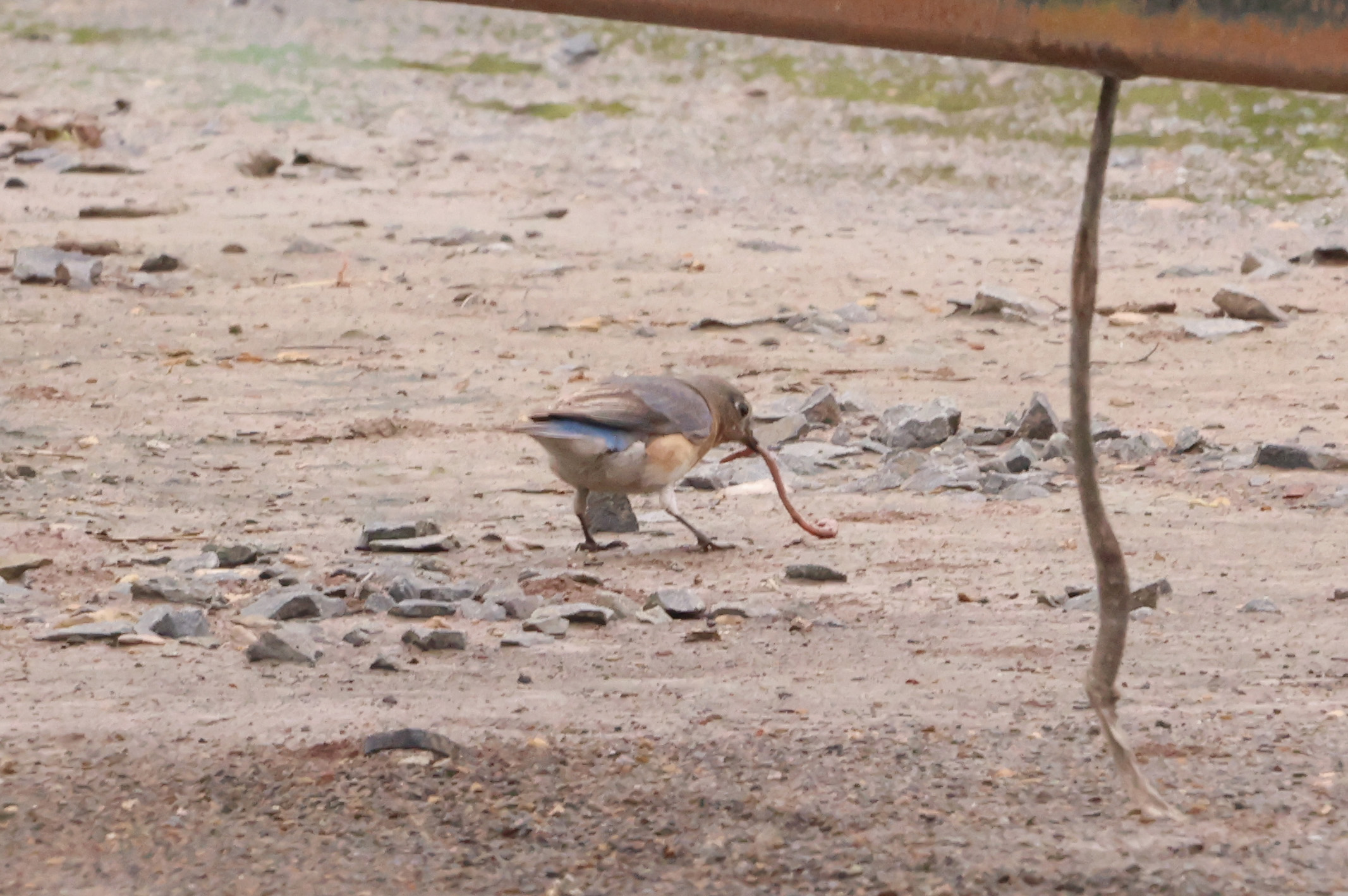
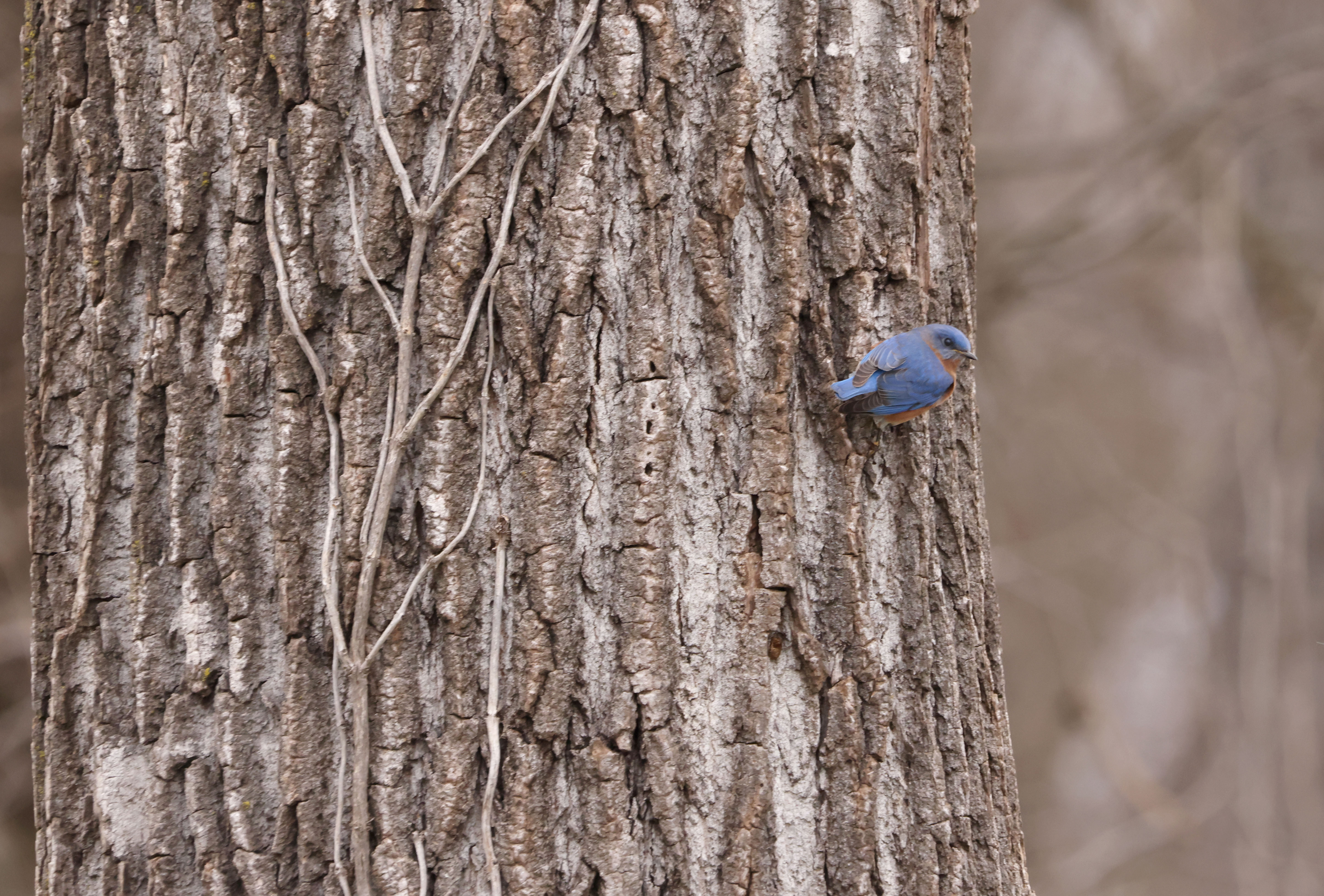
We found these sparrows – as well as lots of Eastern Bluebirds – at the Healing Springs Natural Area maintained by the Arkansas Natural Heritage Commission since 2020. I wasn’t sure what to expect from the natural area. It is located within the Ozark Highlands of the Springfield Plateau Ecoregion where Oak-hickory forests, oak-hickory-pine forests and, before the 19th century, savanna or tall grass prairies are common and maintained by fire. The small entrance to the natural area from the highway is just large enough to park about two vehicles. A locked gate and fence keeps people from driving into the natural area, which at first sight, contains several large fields that are being restored to native grassland and woodland habitat.

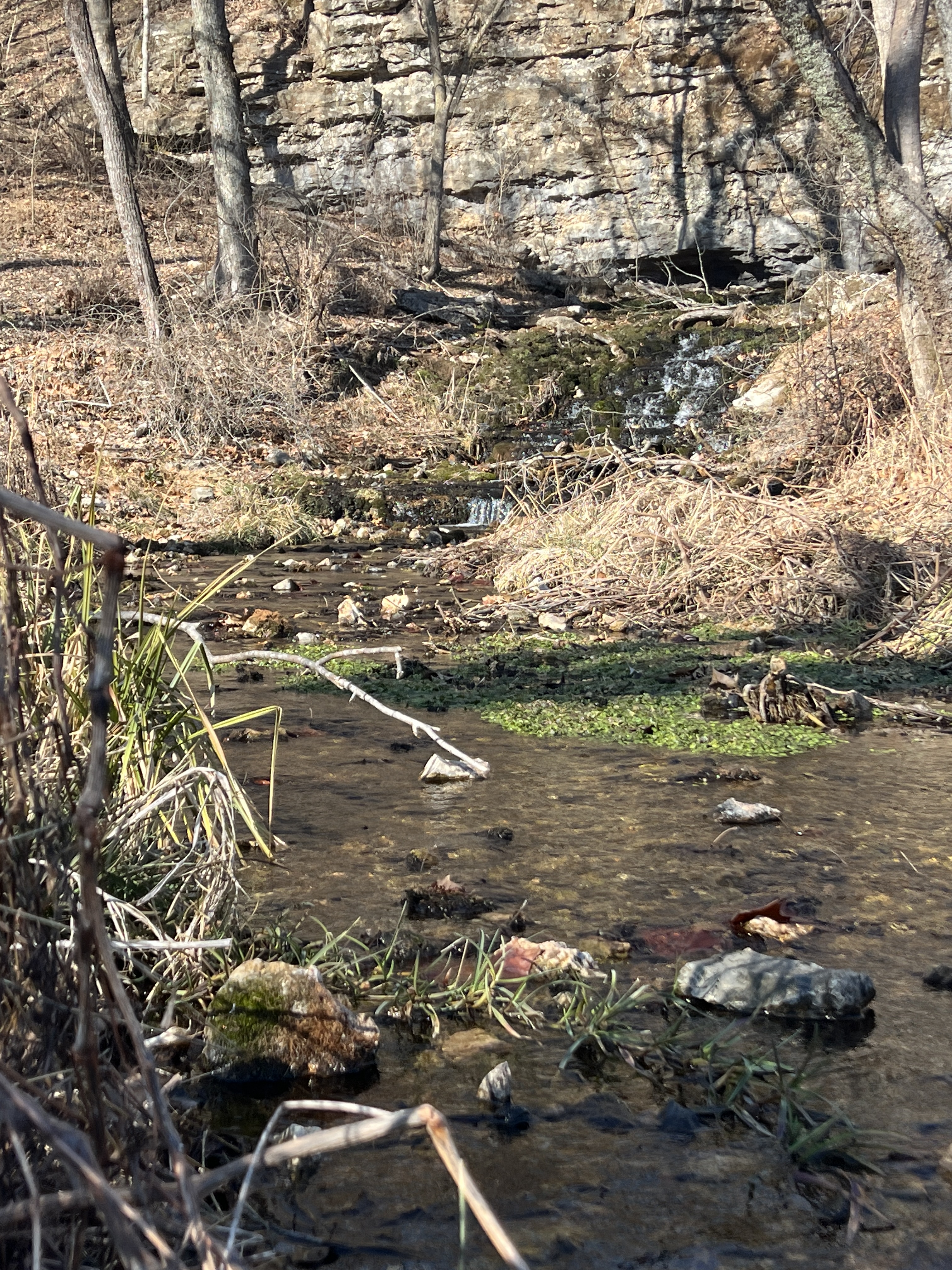
The natural area consists of several large fields separated by high fences with no gates so you can wander for nearly a mile to the springs and spring-fed streams at the back of the property. These springs and spring-fed streams support several fish and crayfish species of conservation concern, including the Arkansas Darter and Least Darter. Both are very rare to Arkansas and require a specific habitat type that is disappearing.
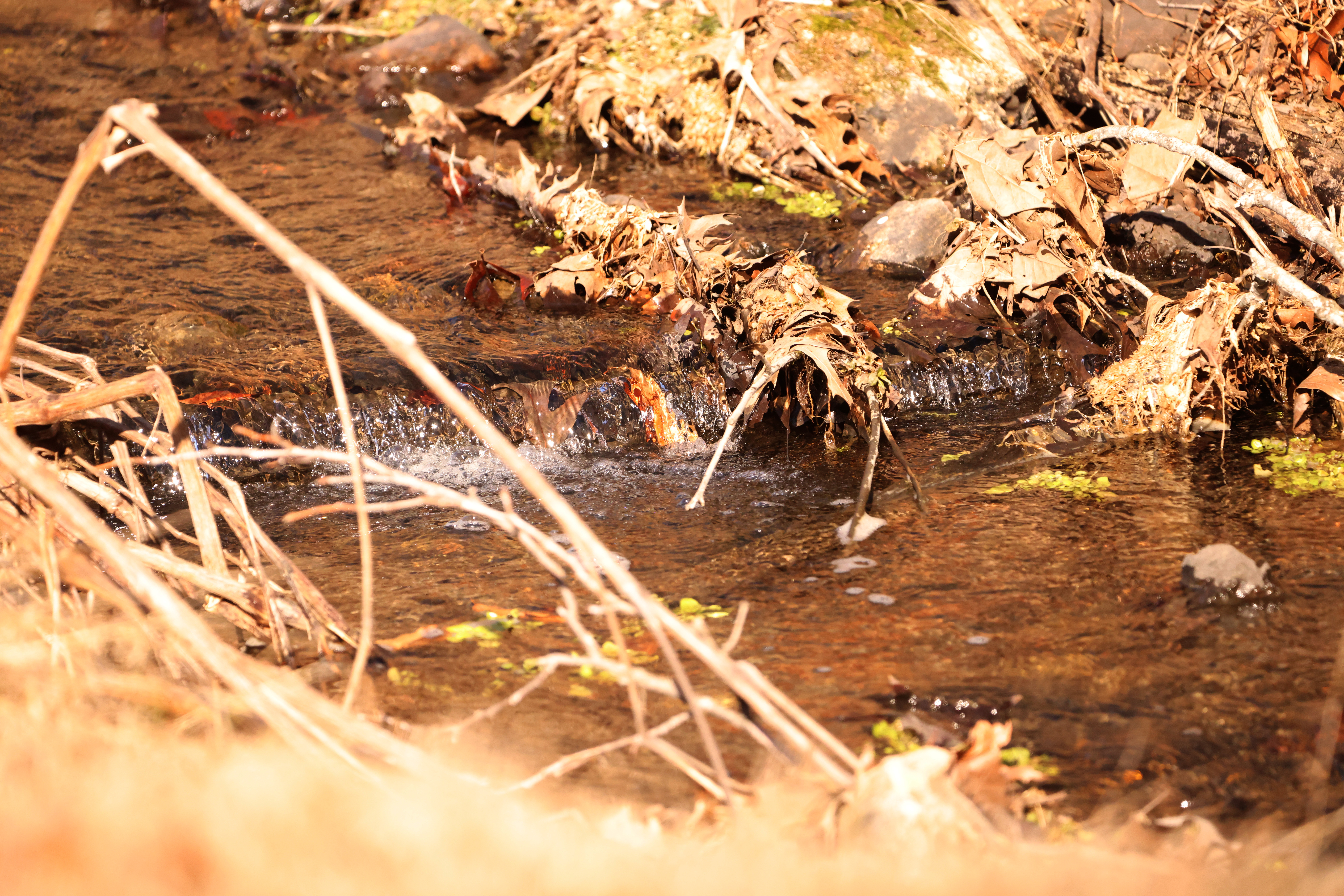
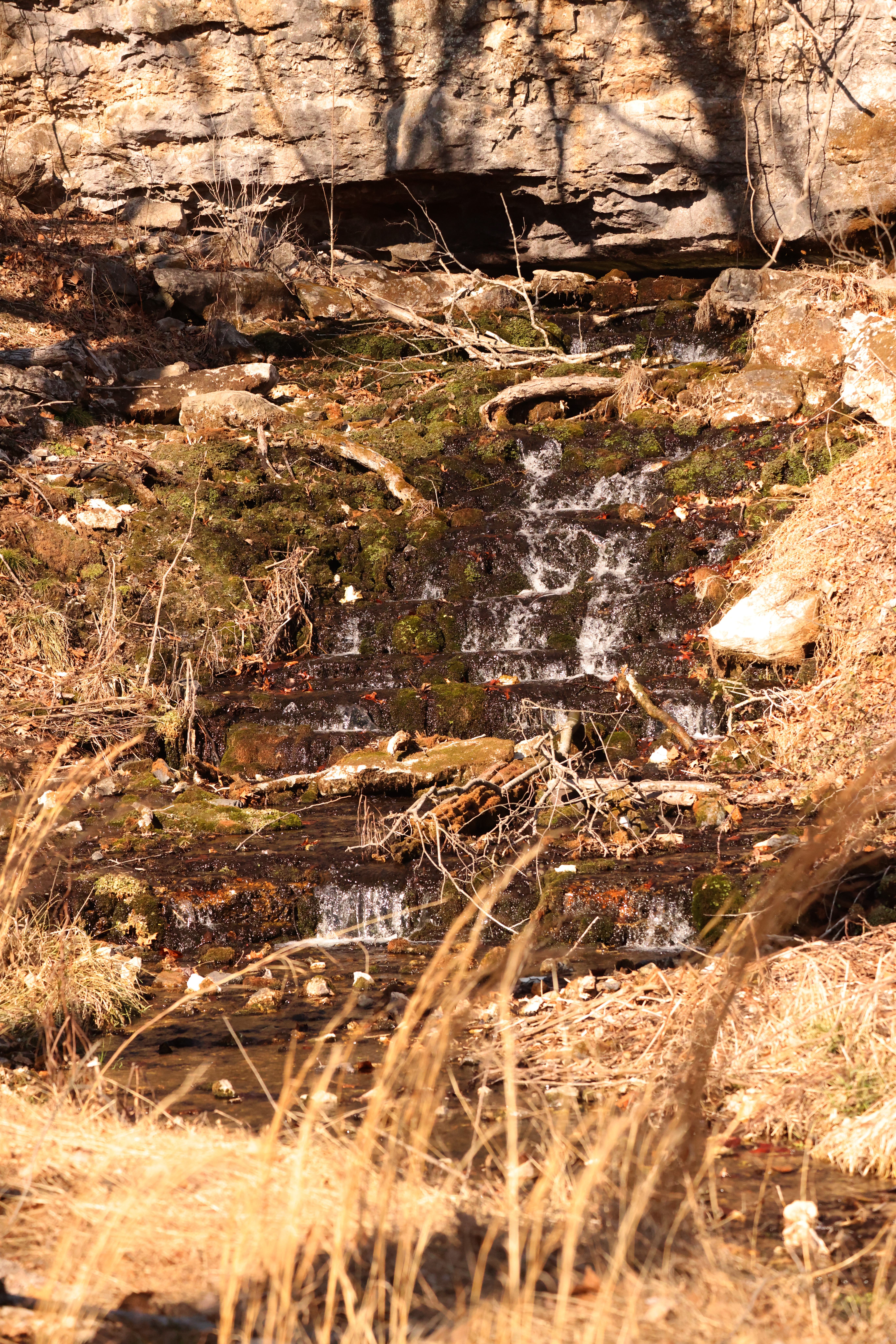
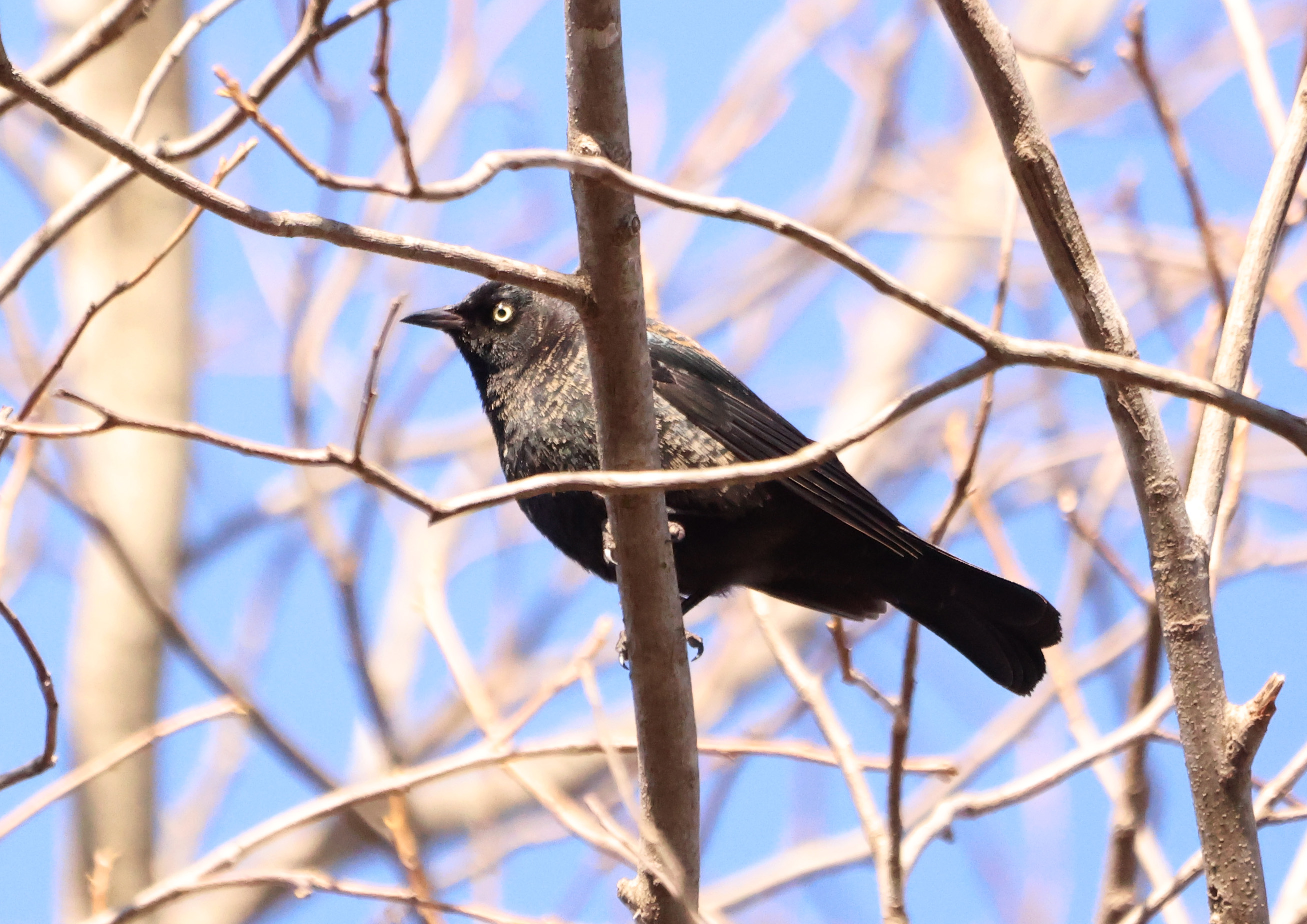
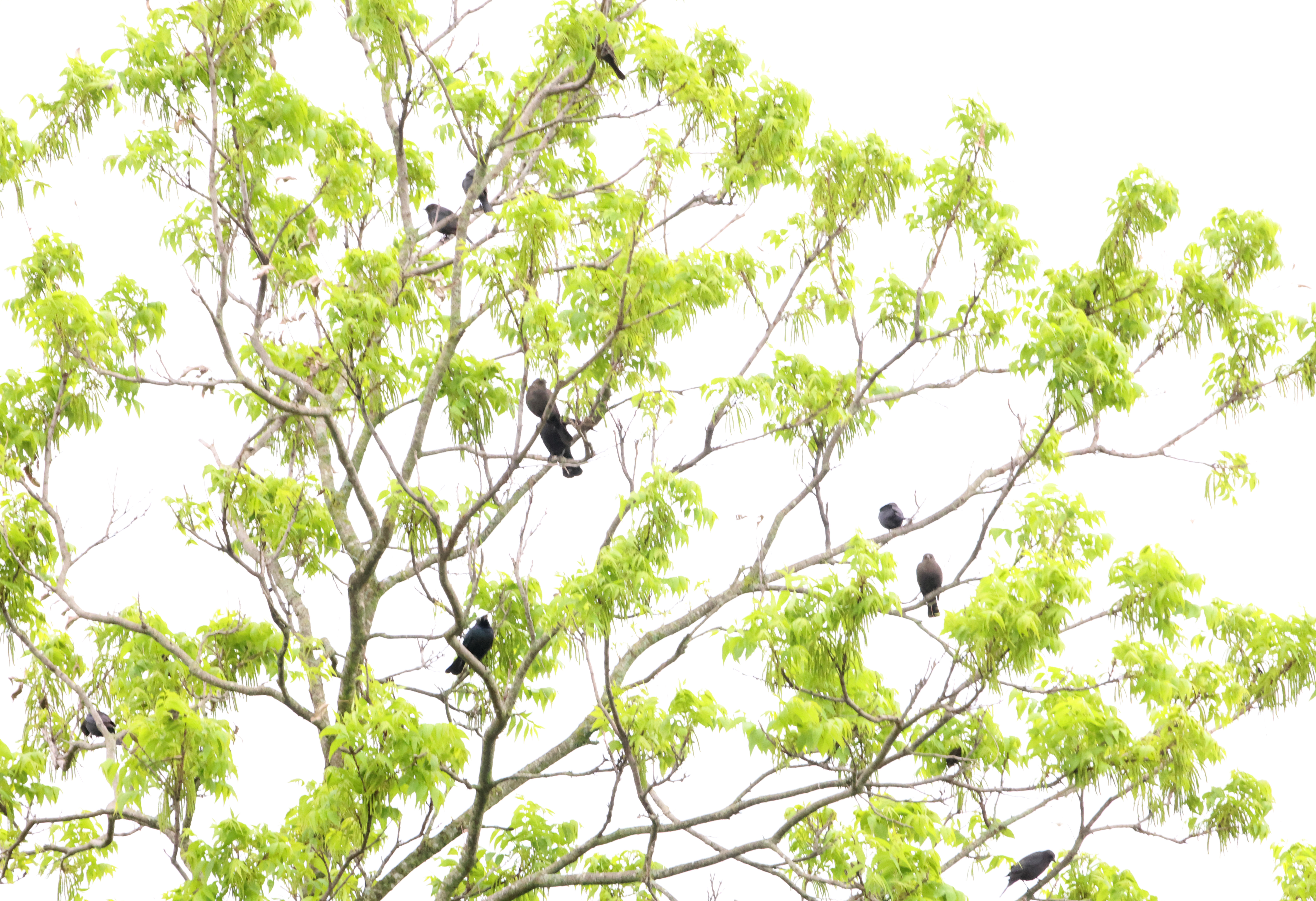
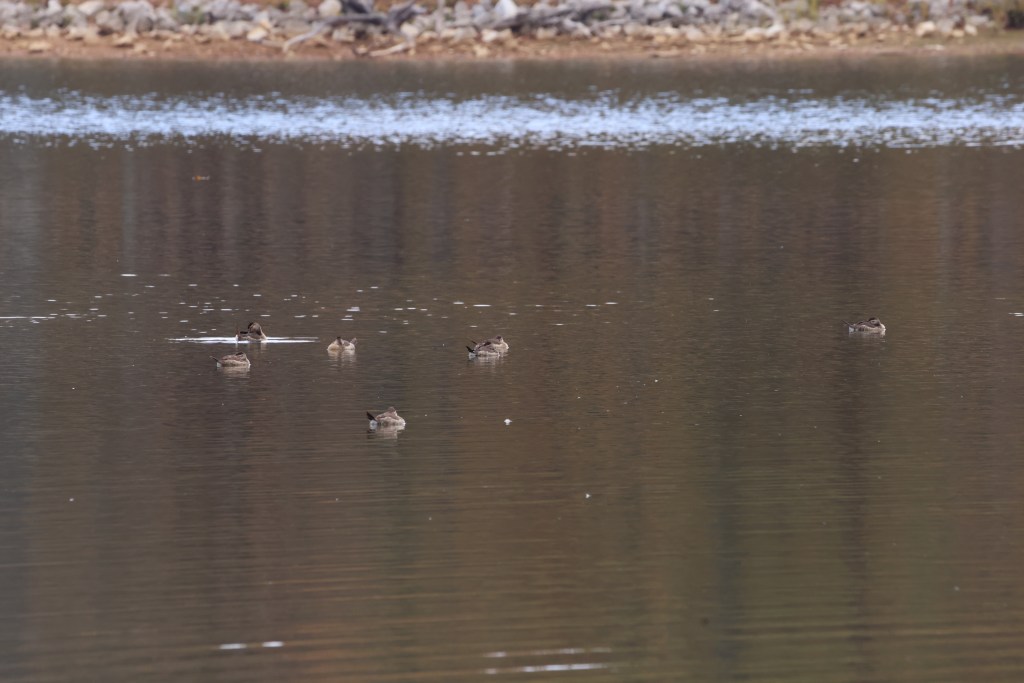
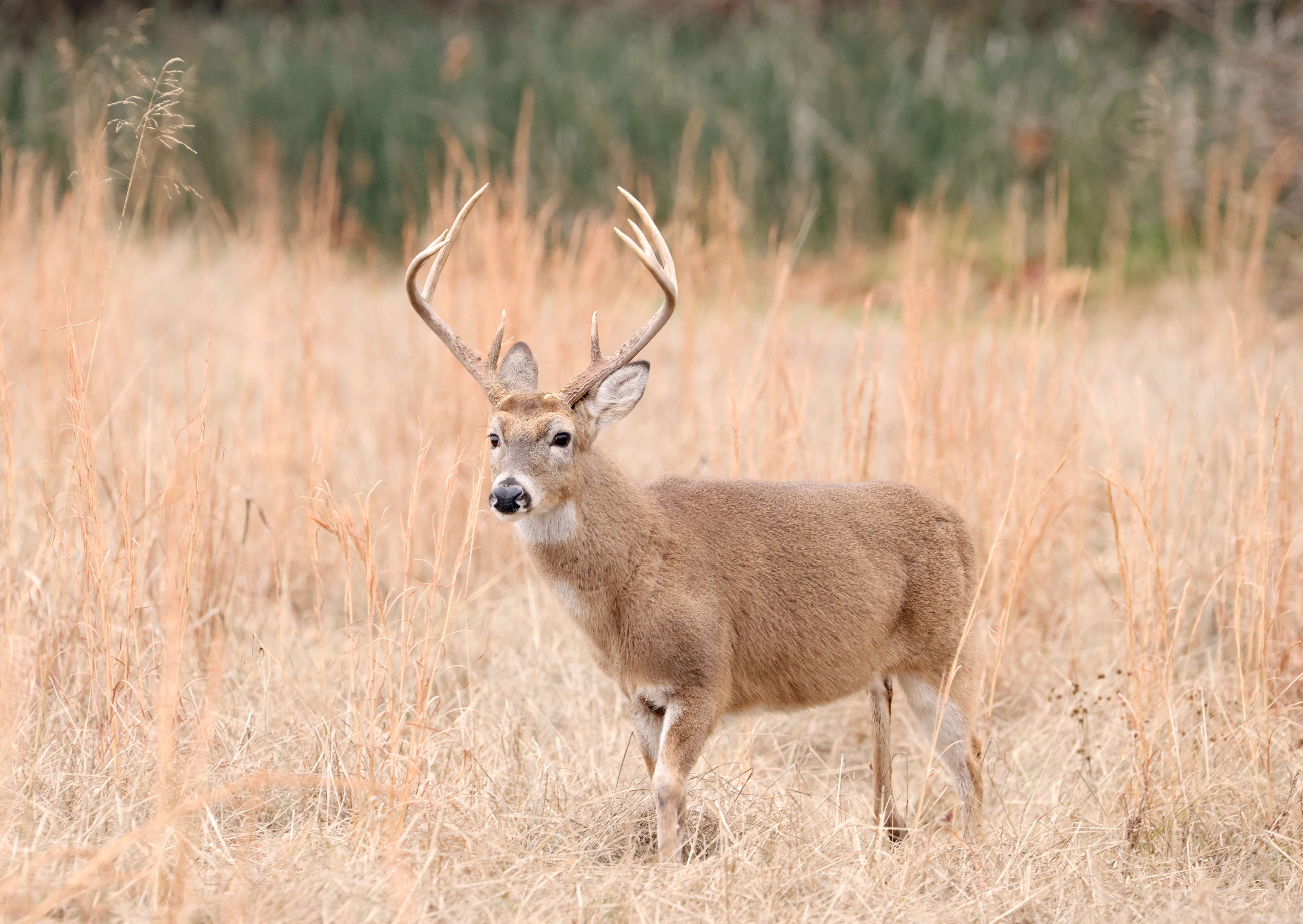
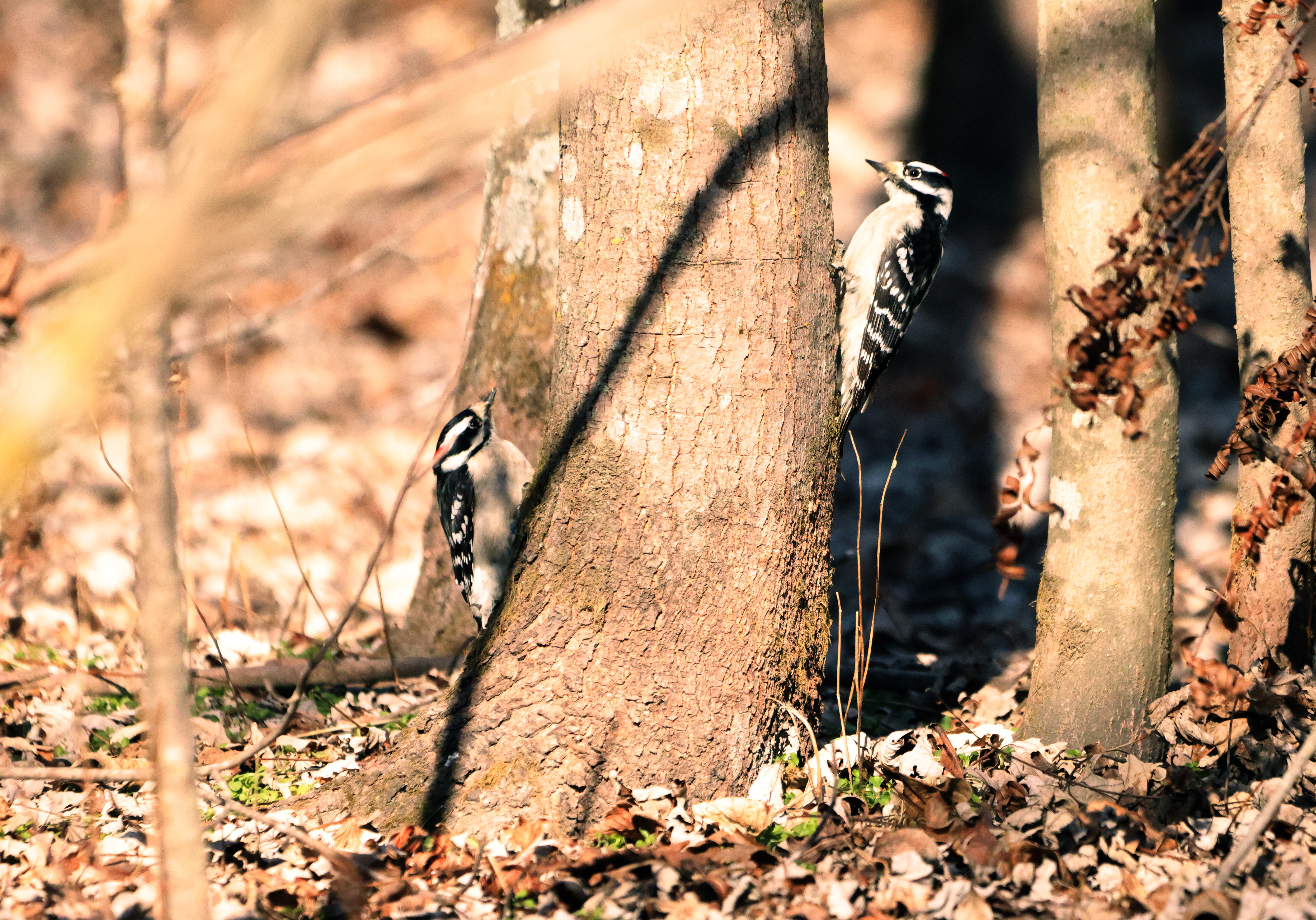
We couldn’t find a map of the property so we initially walked a wooded path the width of the natural area, before traveling further back into the natural area in search of the springs. We weren’t too impressed with the place until we got further back into the area where we began seeing white-tailed deer and an abundance of birds, including our target bird – the American Tree Sparrow. One surprise was the rusty blackbirds discovered in a tree near water.
Rainy Day

American Goldfinch

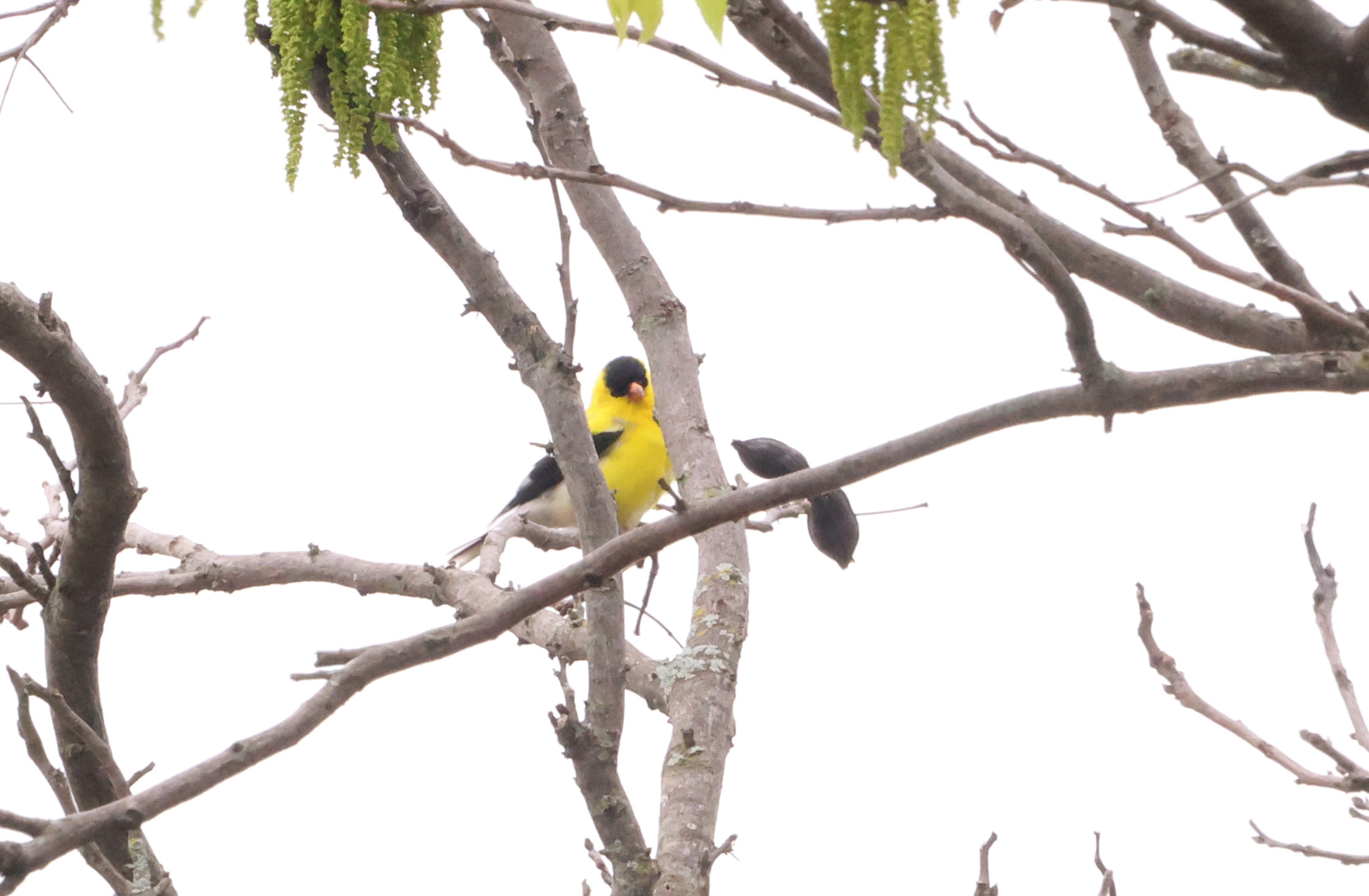
It was overcast and raining all weekend but that didn’t stop the constant flow of birds at my feeders. The newest visitors are American Goldfinches and a Pine Warbler. Here’s hoping to see more.

Photos: Lollie Bottoms

Lark Sparrow

One bird I’ve wanted to see this year has been the Lark Sparrow. Lark Sparrows, which have a harlequin facial pattern and white tail spots, breed in Arkansas. I finally saw several Lark Sparrows on Sunday when I joined five other birders to visit Lollie Bottoms near Mayflower and Conway. Lollie Bottoms winds through agricultural fields and the area circling the Conway airport. It’s an eBird hotspot during winter and the spring/fall migration.

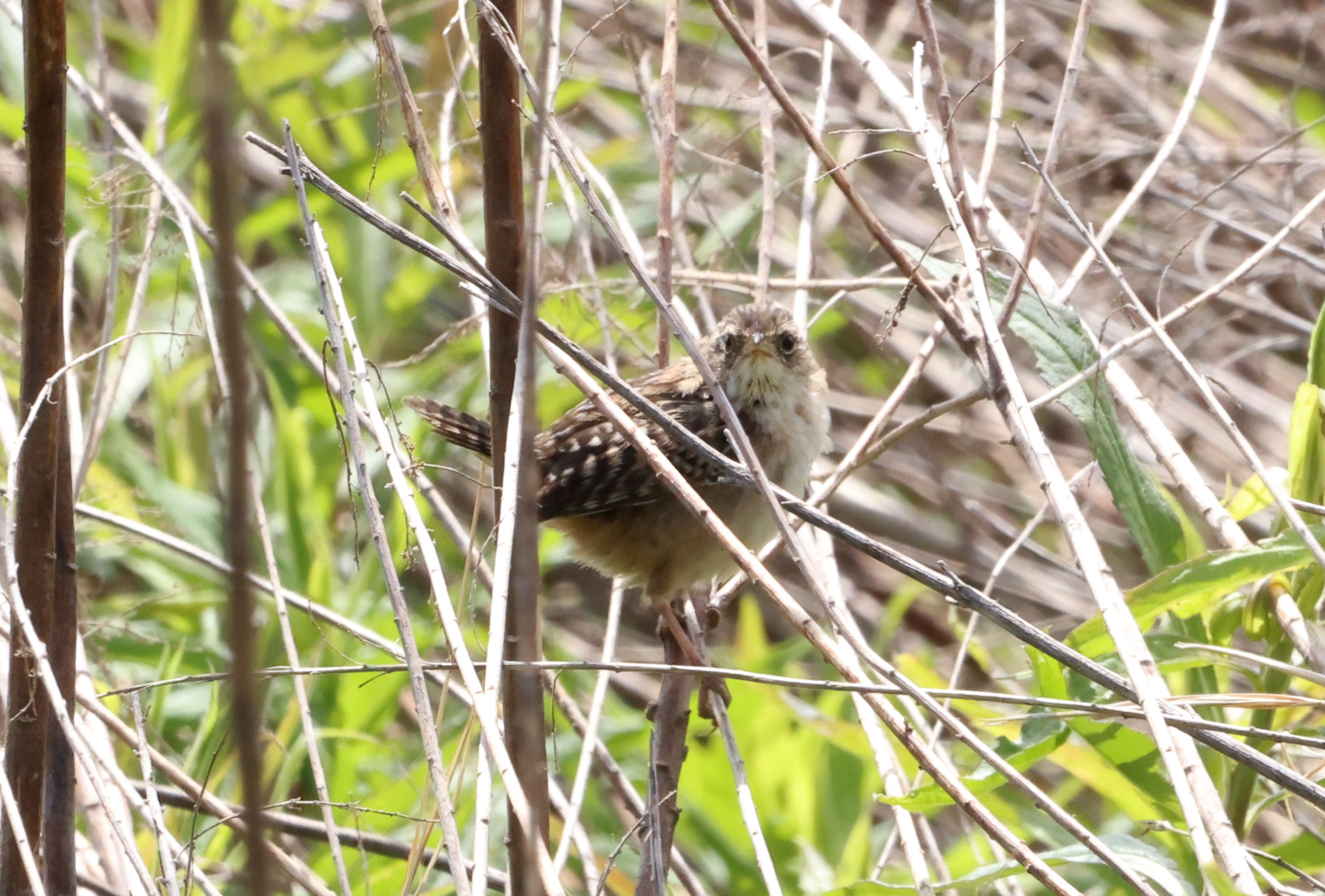
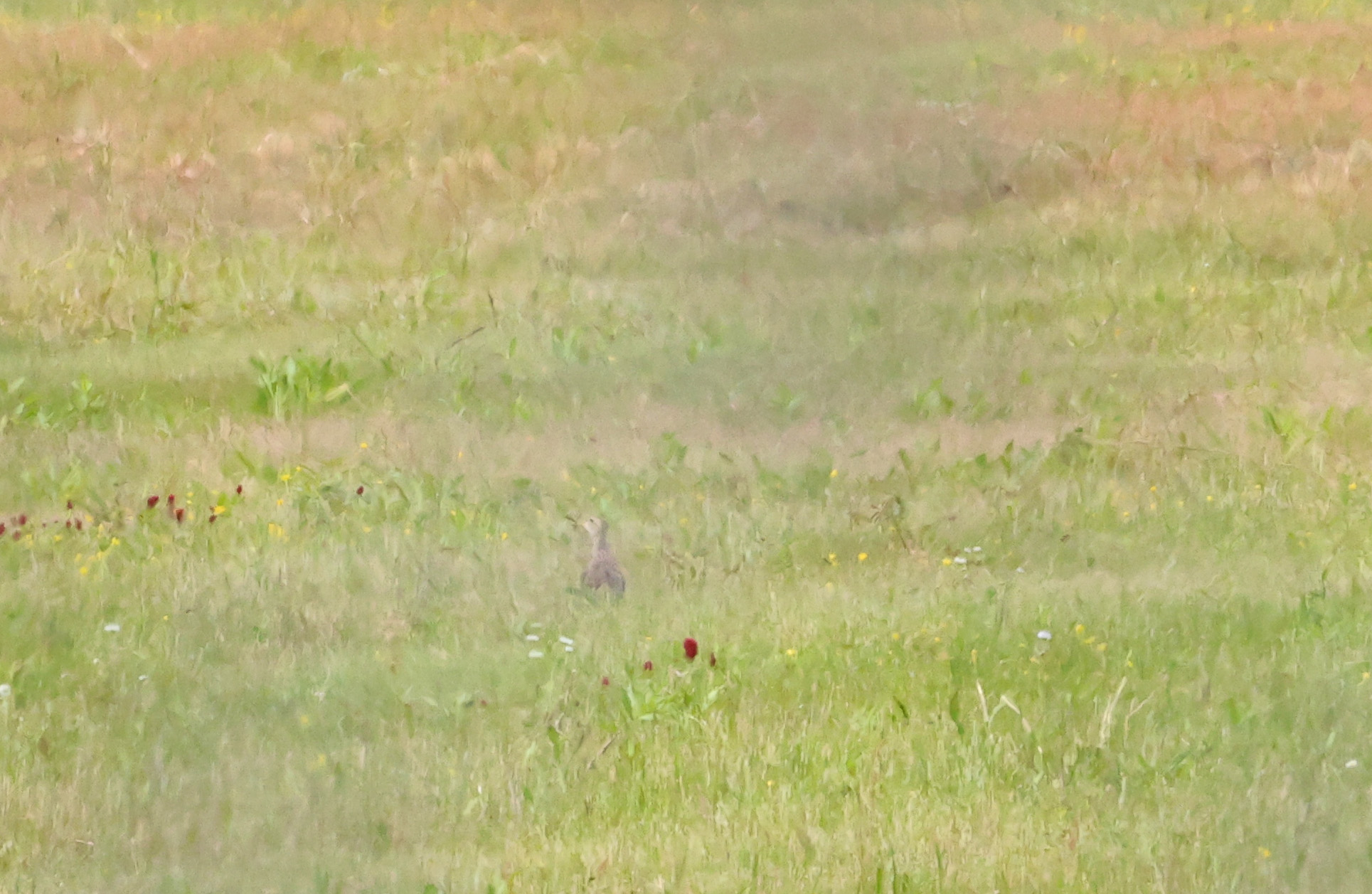
The trip turned out to be extremely birdy with us finding 433 birds of 45 different species. Some firsts for me were Brewer’s Blackbirds and Upland Sandpipers. We thought we’d found a Piping Plover, which would have been another first but it later turned out to be a Semipalmated Plover instead. I also saw some birds I don’t see often like a Lincoln’s Sparrow, a Sedge Wren and a Warbling Vireo. The Warbling Vireo was actually found in a spot that we typically don’t expect to find one so that was interesting. The Warbling Vireo is typically found in deciduous forest, and we found our bird in a patch of trees/brush on the corner of an agricultural field.

Warbling Vireo

Photos: Red-necked Grebe

Red-necked Grebe

For the past few days now, a Red-necked Grebe has been spotted at the city park in Jonesboro, Ark. Today marked my fourth visit to find this rare-to-Arkansas grebe. It was actually becoming frustrating because people would see it right before and right after I was there – I just wouldn’t see it.

This visit started off on a good note. I parmed near the entrance to the park with the plan to walk around the lake and not leave until I saw it or it got dark. With minutes, I found Eastern Bluebirds and Yellow-rumped Warblers flinging in the trees overhead while Mallards, Canada Geese and American Coots scrambled after the food a family was tossing to them. I walked the gravel trail along the water for a minute or two to discover Ruddy Ducks in the water and a Red-breasted Nuthatch in a nearby tree.

Ruddy Ducks
Red-breasted Nuthatch

Immediately after these sightings, I found a Horned Grebe. This grebe is common in the state during its non breeding season especially in October when it’s migrating, according to All About Birds.

Non breeding Horned Grebe

I sat and watched the Horned Grebe for a little bit before deciding to move on. But, I only took a few steps before I saw a water bird fly in just ahead of me. It was the Red-necked Grebe and it swam along the shoreline toward me so I just sat back down.

Red-necked Grebe

Red-necked Grebes are not common to most of the United States – their range crosses a little over the nation’s northern border, according to All About Birds. They typically are found in Canada and Alaska. The last time one was found in Arkansas was two years ago, and this is probably the 11th time one has been spotted in the state.

I was at the park for 30 minutes max, but it turned out highly successful.

Starting 2022 off right with birding

I started 2022 off with a birding trip around west Little Rock on Sunday. It went pretty well 30 species spotted so far this year. Here’s a few of my favorites:

I also found four deer – one of which was a buck – that were not spooked by humans at all. For a moment, I thought they would walk right up to me.

Snowed in

“You’re in my spot!” American Goldfinch, Pine Warbler

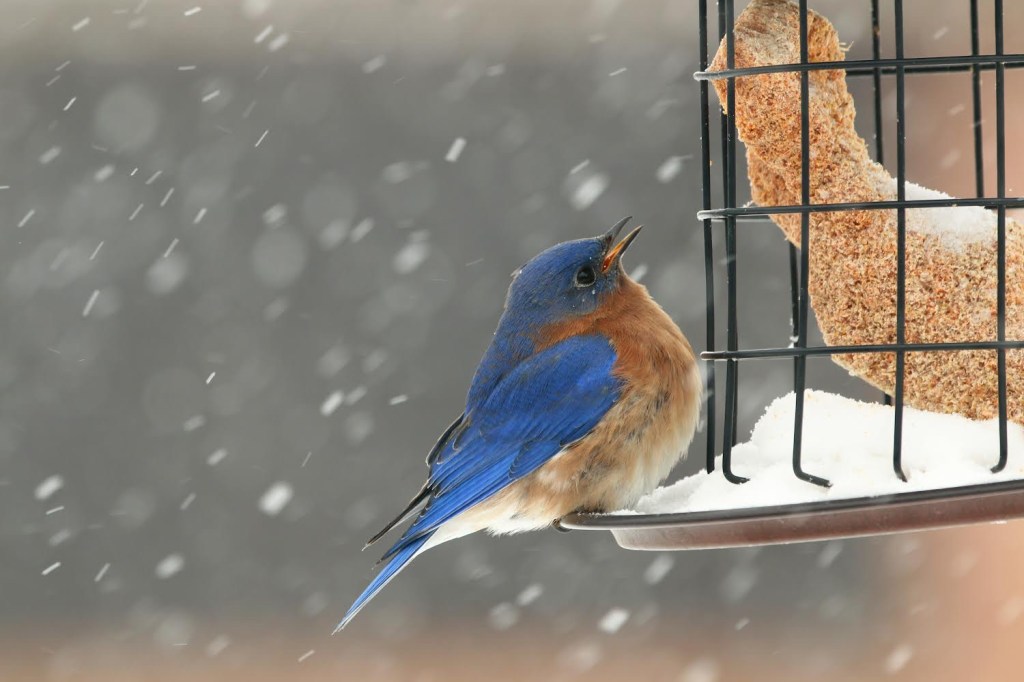
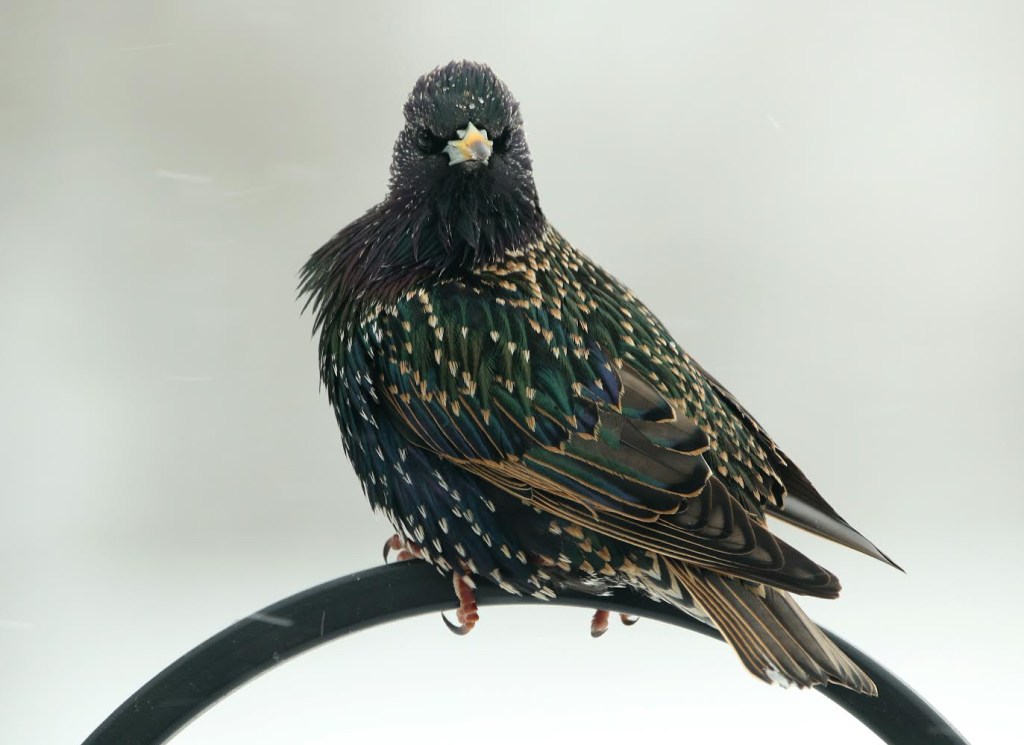
Today’s a state holiday and we’re snowed in. So, it was the perfect day to birdwatch. We had 23 total bird species visit our feeders today – and that doesn’t include some birds we typically see like the American Crow and White-breasted Nuthatch (both were present yesterday but not today 🤷🏼‍♀️). Here’s a few of my favorite visitors today:

Red-bellied Woodpecker, Northern Flicker
Eastern Bluebird
Northern Flicker
European Starling
Northern Cardinal

No, I didn’t spend all day simply watching my feeders. There was also tax work and a walk around the neighborhood. I’ll let you guess which one was my favorite.

Front-row seat

Eastern Bluebird2 BKNWR 04182020.JPG

Two Eastern Bluebirds have been feeding their young right outside of my front window for the past few days. Tonight, they sat in a feeder filled with mealworms and fed the youngster.

Eastern Bluebird1 BKNWR 04182020.JPG

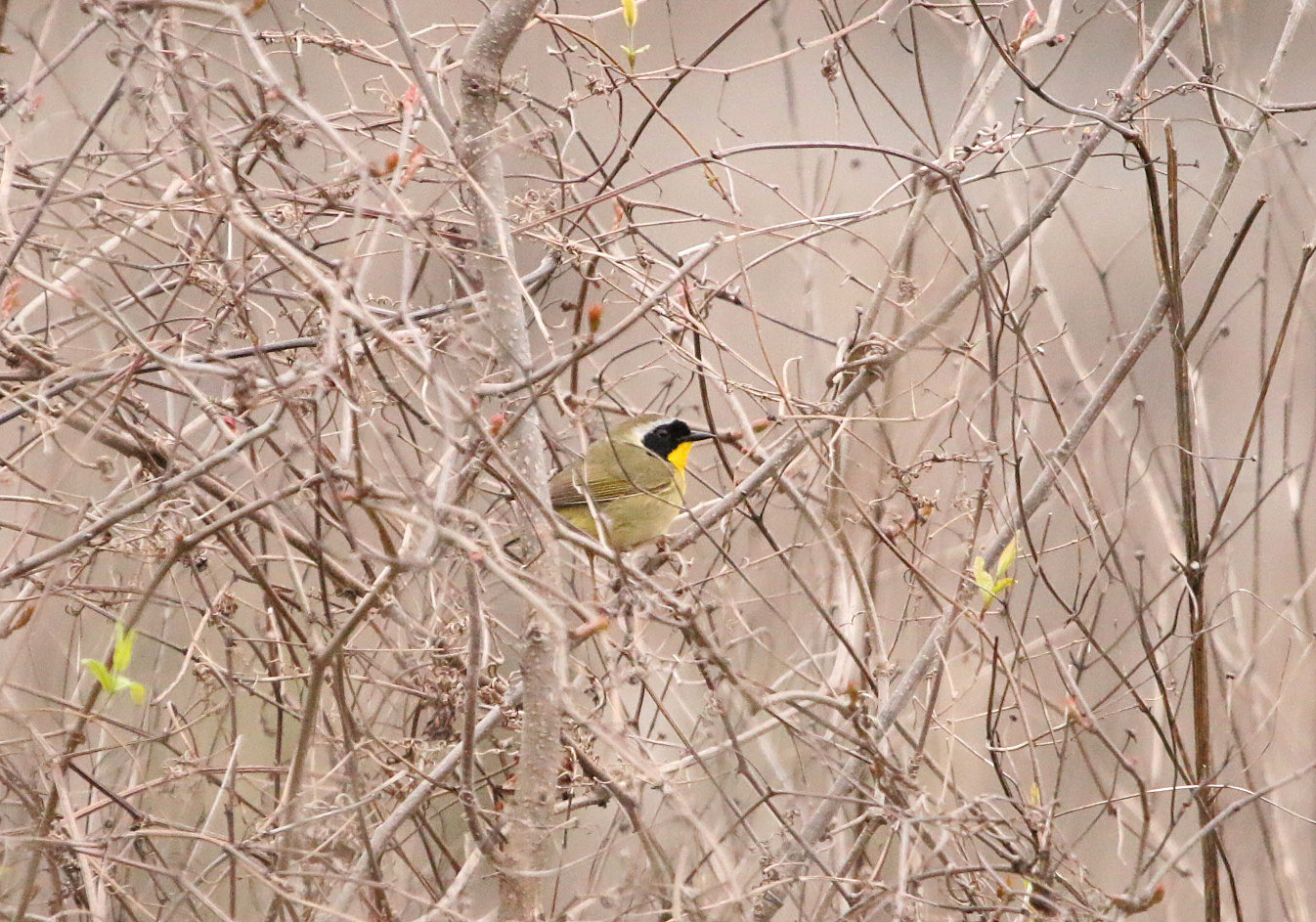
Currently loving: Common Yellowthroat

Common Yellowthroat3 BKNWR 040420
Common Yellowthroat

I stumbled across a Common Yellowthroat during a recent trip to Bald Knob National Wildlife Refuge. Not going to lie, it took me a good 20-ish minutes to finally spot/identify this little guy. I could see two birds sprinting around in the shrubs across a huge ditch from me, but they were moving too fast for me to see clearly at first. I finally caught the one pictured above just resting in a bush.

This morning trip fielded about 28 different species of birds for me. Some of my highlights are below:

Blue-gray Gnatcatcher1 BKNWR 040420
Blue-gray Gnatcatcher

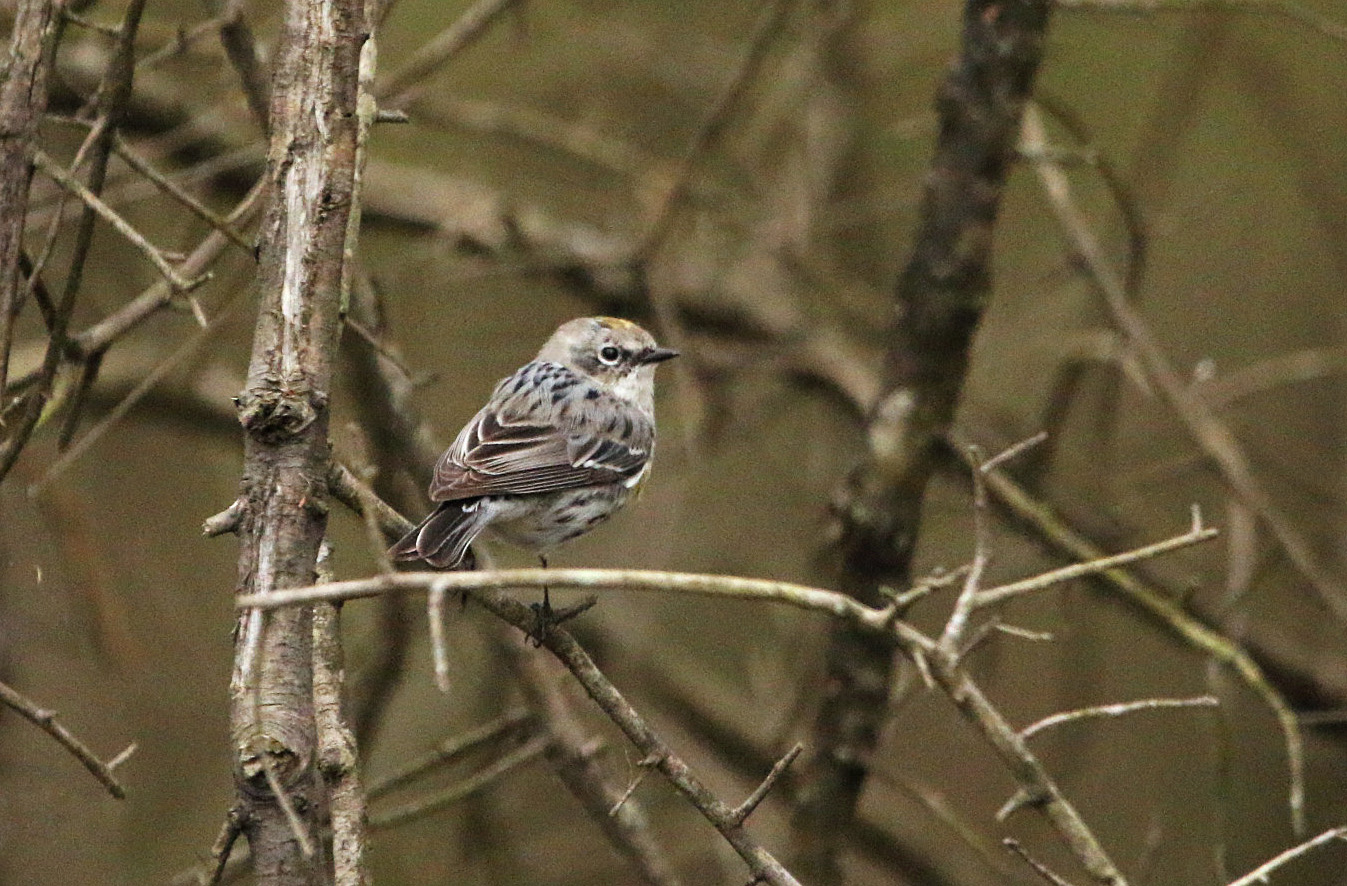
Yellow-rumped Warbler3 BKNWR 040420
Yellow-Rumped Warbler

Blue-gray Gnatcatcher5 BKNWR 040220
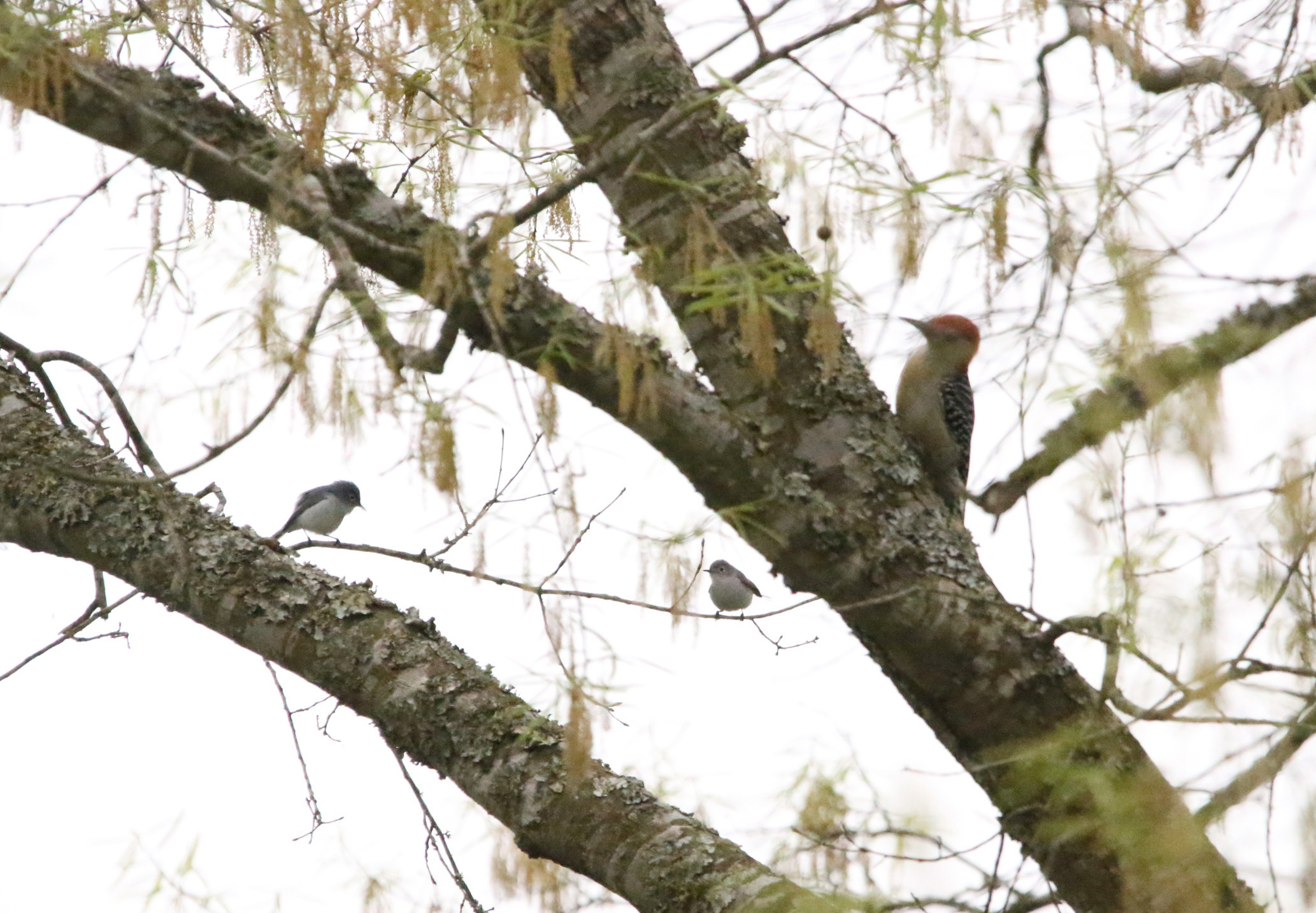
Blue-gray Gnatcatchers and a Red-bellied Woodpecker

Double-Crested Cormorant BKNWR 040420
Double-crested Cormorant

Eastern Bluebird BKNWR 040420
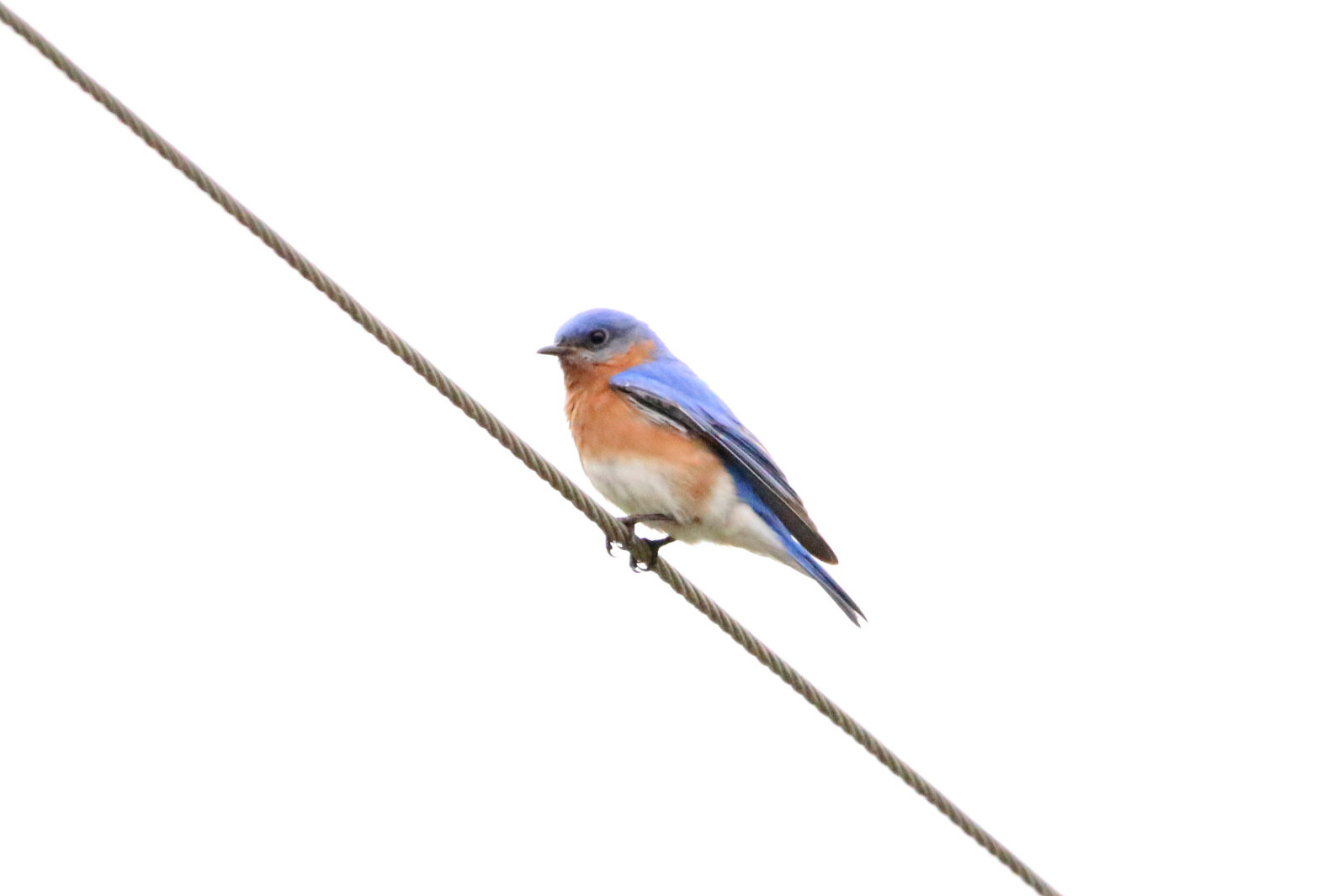
Eastern Bluebird

Photos: Little Rock CBC

White-eyed Vireo1 121419 LR CBC_Russenberger Road
White-eyed Vireo (Russenberger Road)

This past Saturday, I participated in my first Christmas Bird Count held in Little Rock. It was pretty fun, and awesome in the fact that I got paired with one of the state’s best birders. I also visited some birding areas that I’ve never been to before. We found 59 different species in the eastern section of Little Rock that included the Arkansas Audubon Center and the nearby Gilliam Park. Here’s a few of the birds we saw:

Winter Wren 121419 LR CBC_Fourche Bottoms_Borrow Ponds
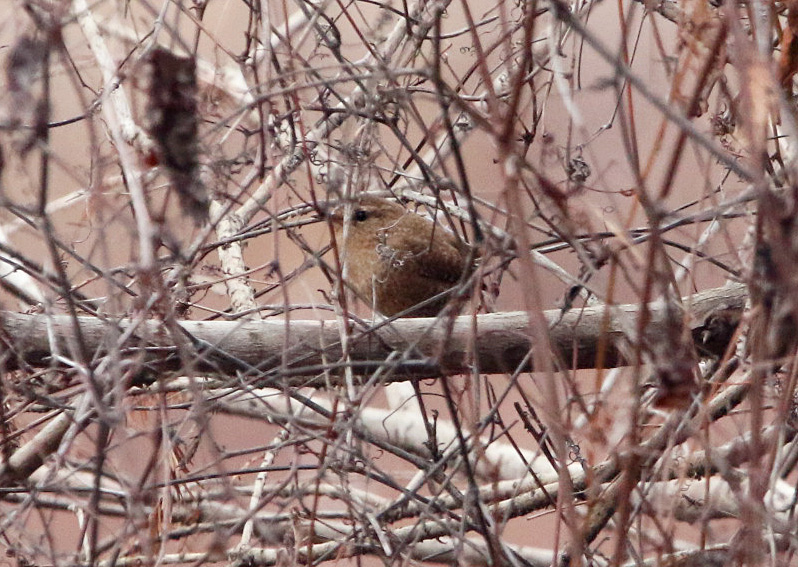
Winter Wren (Fourche Bottoms – Borrow Ponds)

House Wren 121419 LR CBC_Audubon Center
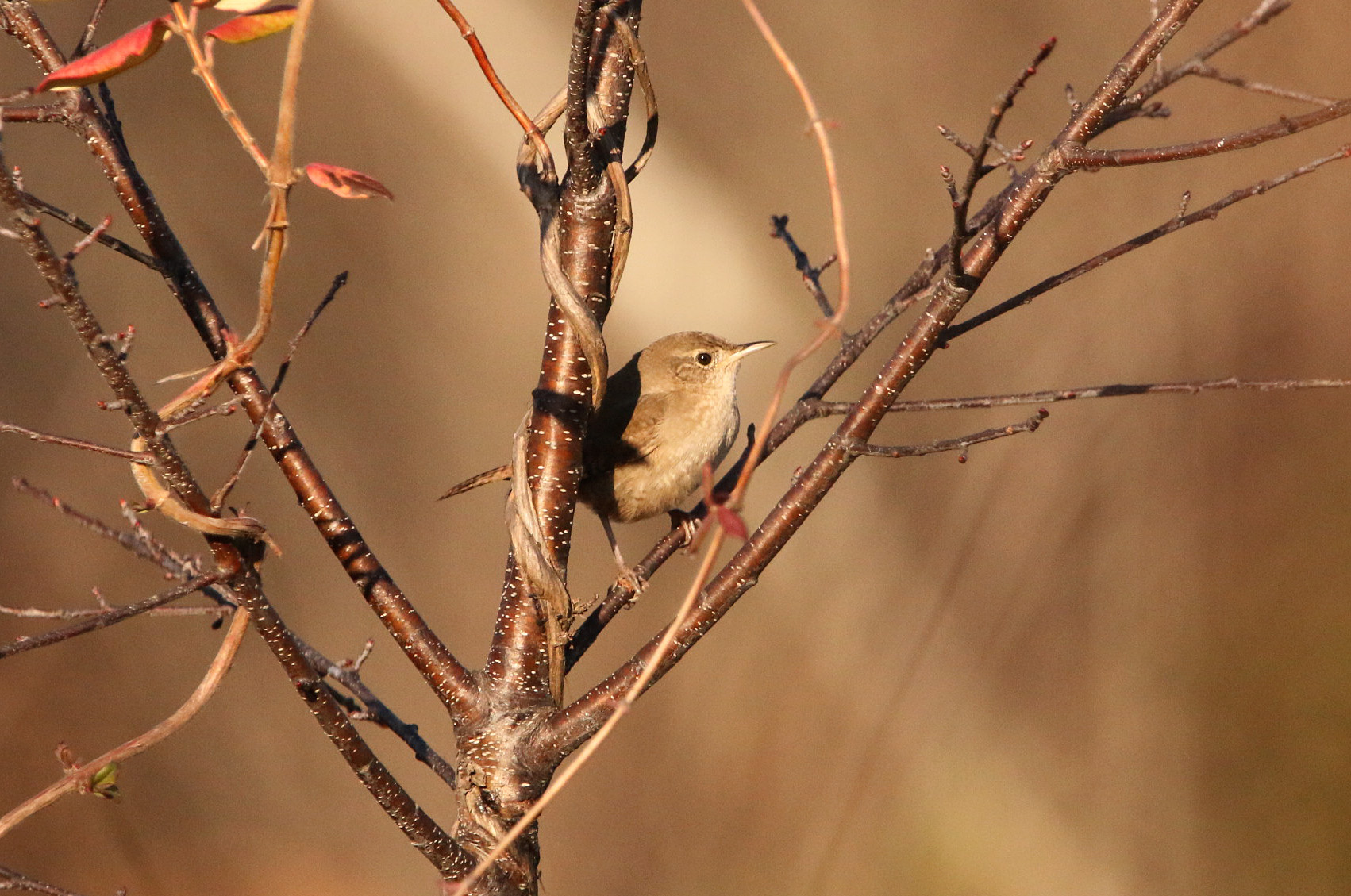
House Wren (Arkansas Audubon Center)

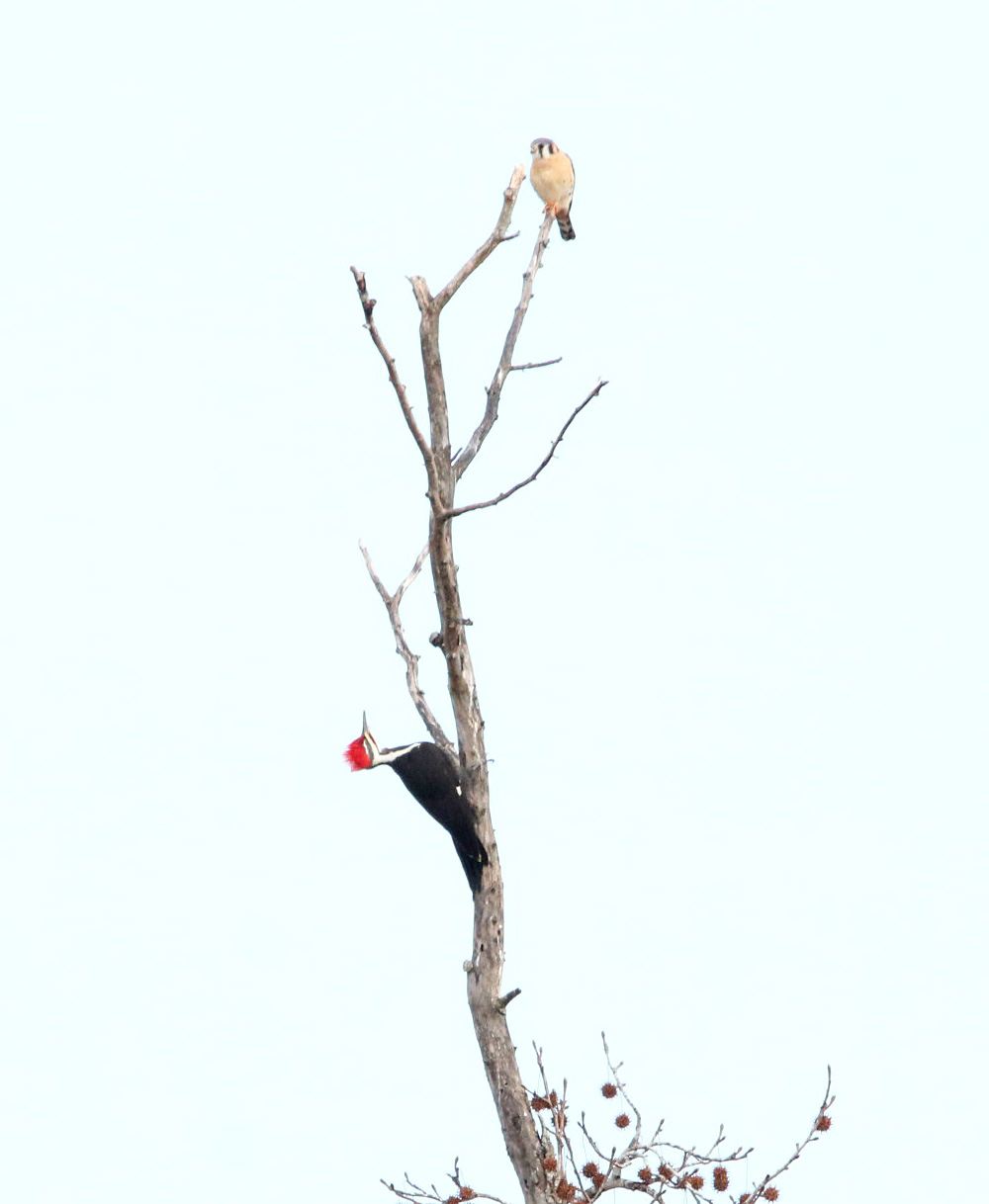
American Kestrel, Pileated Woodpecker 121419 LR CBC_Russenberger Road
Pileated Woodpecker, American Kestrel (Russenberger Road)

Brown-headed Nuthatch1 121419 LR CBC_Russenberger Road
Brown-headed Nuthatch (Russenberger Road)

Orange-crowned Warbler1 121419 LR CBC_Benny Craig Park
Orange-crowned Warbler (Benny Craig Park)

Tufted Titmouse2 121419 LR CBC_Russenberger Road
Tufted Titmouse (Russenberger Road)

Swamp Sparrow 121419 LR CBC_Russenberger Road
Swamp Sparrow (Russenberger Road)

Pine Warbler 121419 LR CBC_Fourche Bottoms_Borrow Ponds
Pine Warbler (Fourche Bottoms – Borrow Ponds)

Eastern Towhee 121419 LR CBC_Russenberger Road
Eastern Towhee (Russenberger Road)

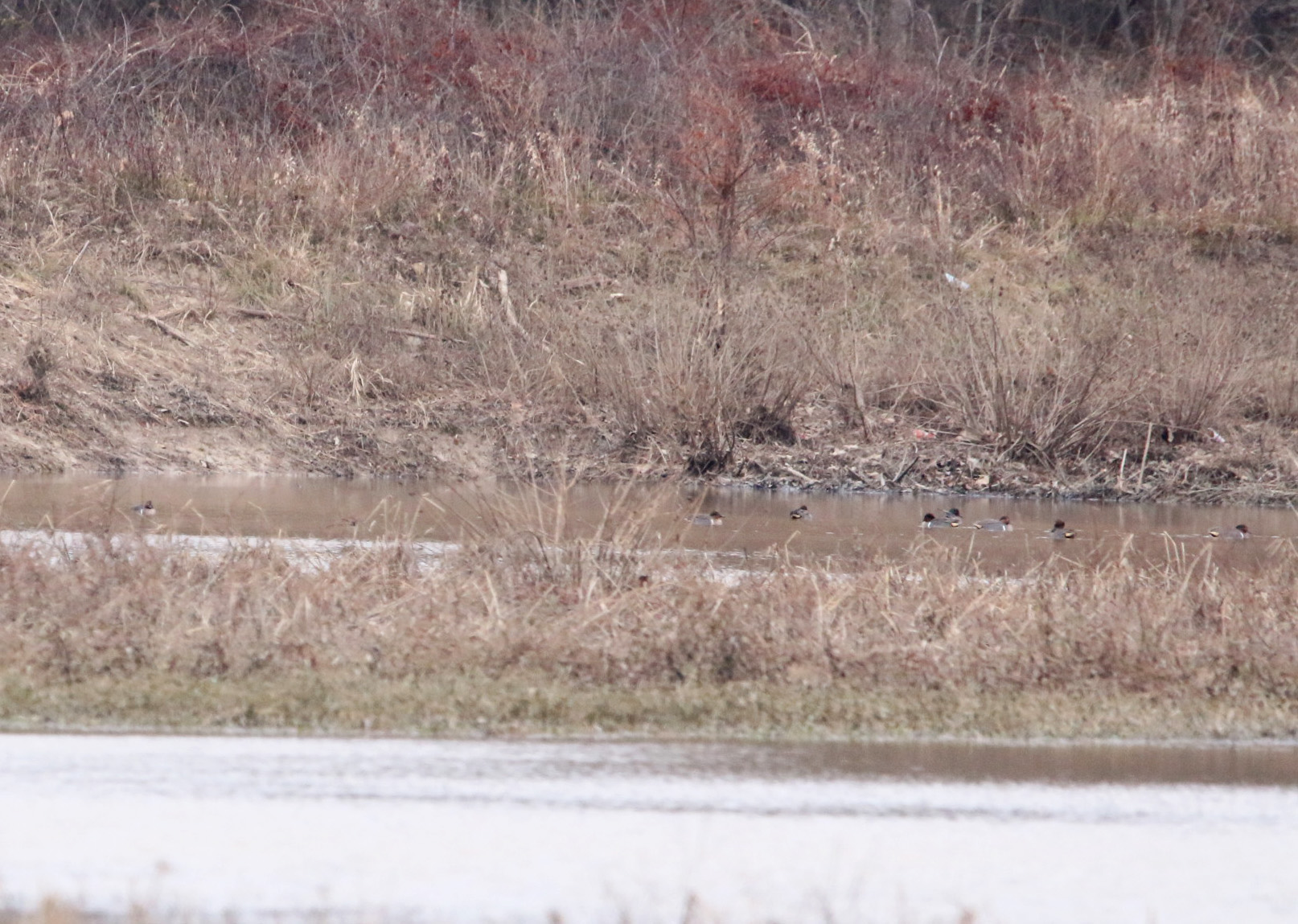
Green-winged Teal 121419 LR CBC_Fourche Bottoms_Borrow Ponds
Green-winged Teal (Fourche Bottoms – Borrow Ponds)

Eastern Bluebird, Pine Warbler 121419 LR CBC_Russenberger Road
Eastern Bluebird, Pine Warbler (Russenberger Road)

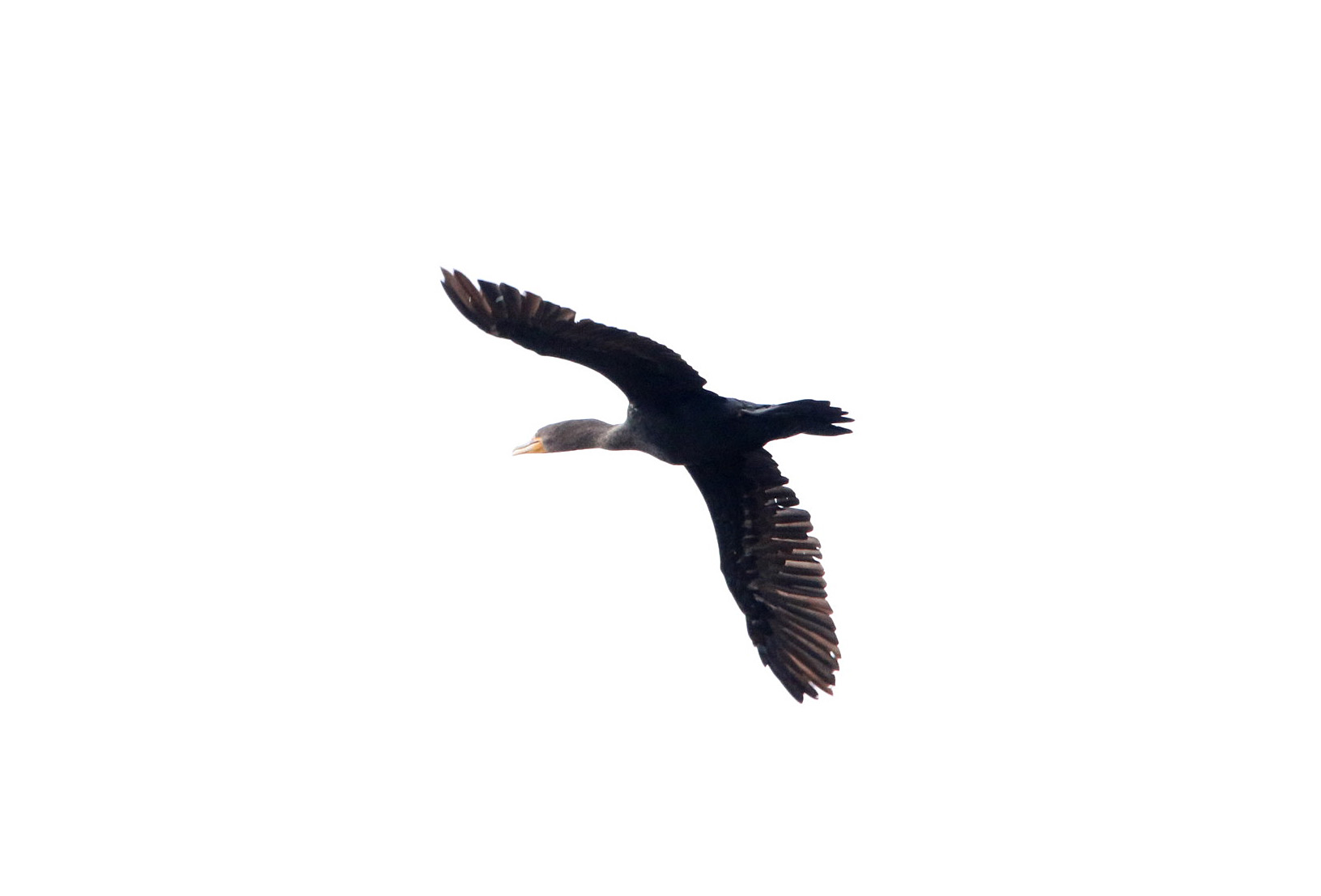
Double-crested Cormorant 121419 LR CBC_Fourche Bottoms_Borrow Ponds
Double-crested Cormorant (Fourche Bottoms – Borrow Ponds)