Healing Springs Natural Area
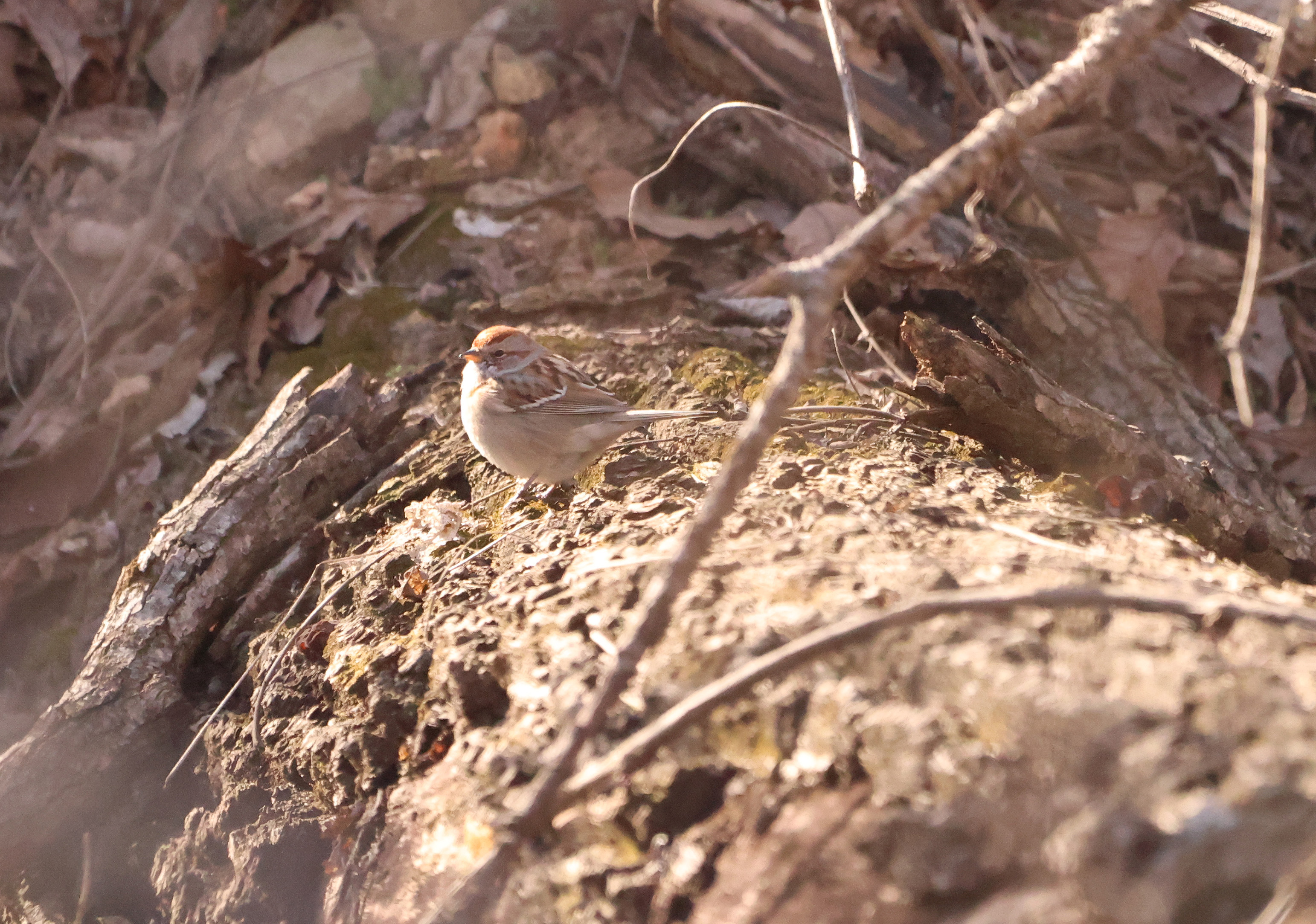
American Tree Sparrow

While in Northwest Arkansas on Tuesday, I decided to search for American Tree Sparrows. These small sparrows have gray faces with rusty caps and eyeline marks along with a bicolored bill.

While found each year in Arkansas, the American Tree Sparrow is not a common sparrow you find just anywhere within the state. Their population is in steep decline. It took us a bit, but we eventually ran across four of these sparrows as they steadily made their way through a brushy area. One neat fact I learned through All About Birds is the American Tree Sparrow has to eat 30% of its weight each day.

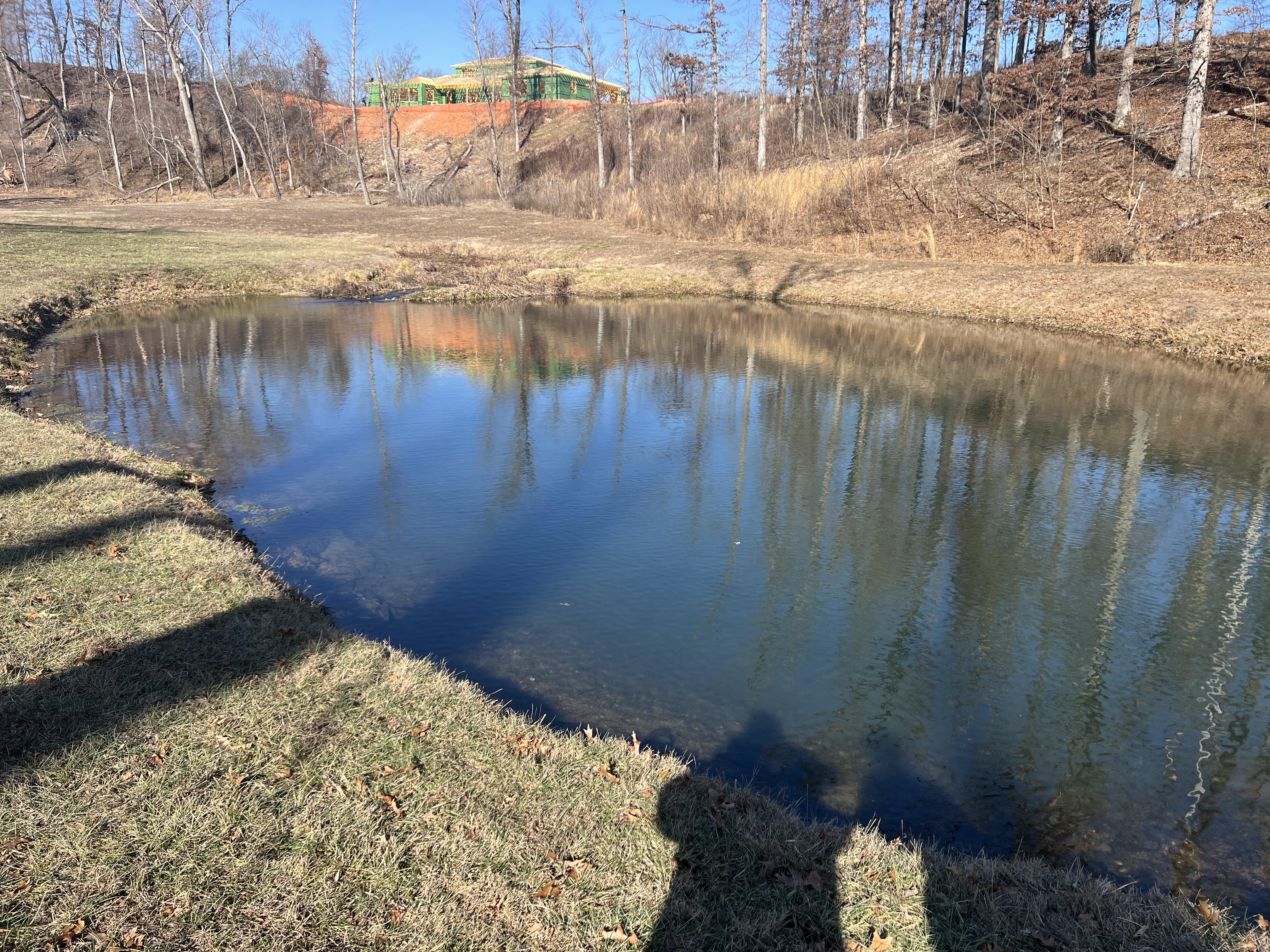
We found these sparrows – as well as lots of Eastern Bluebirds – at the Healing Springs Natural Area maintained by the Arkansas Natural Heritage Commission since 2020. I wasn’t sure what to expect from the natural area. It is located within the Ozark Highlands of the Springfield Plateau Ecoregion where Oak-hickory forests, oak-hickory-pine forests and, before the 19th century, savanna or tall grass prairies are common and maintained by fire. The small entrance to the natural area from the highway is just large enough to park about two vehicles. A locked gate and fence keeps people from driving into the natural area, which at first sight, contains several large fields that are being restored to native grassland and woodland habitat.

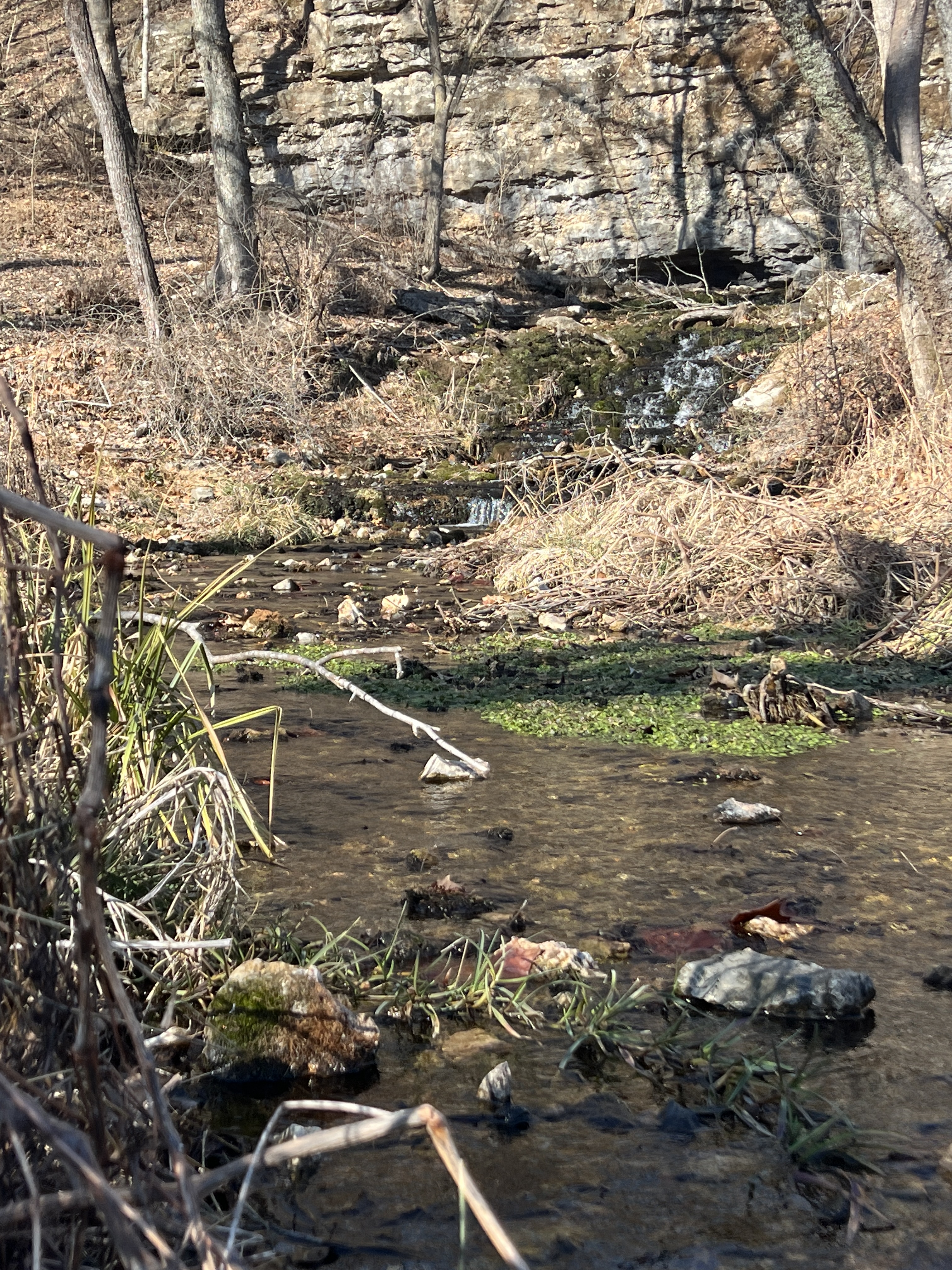
The natural area consists of several large fields separated by high fences with no gates so you can wander for nearly a mile to the springs and spring-fed streams at the back of the property. These springs and spring-fed streams support several fish and crayfish species of conservation concern, including the Arkansas Darter and Least Darter. Both are very rare to Arkansas and require a specific habitat type that is disappearing.
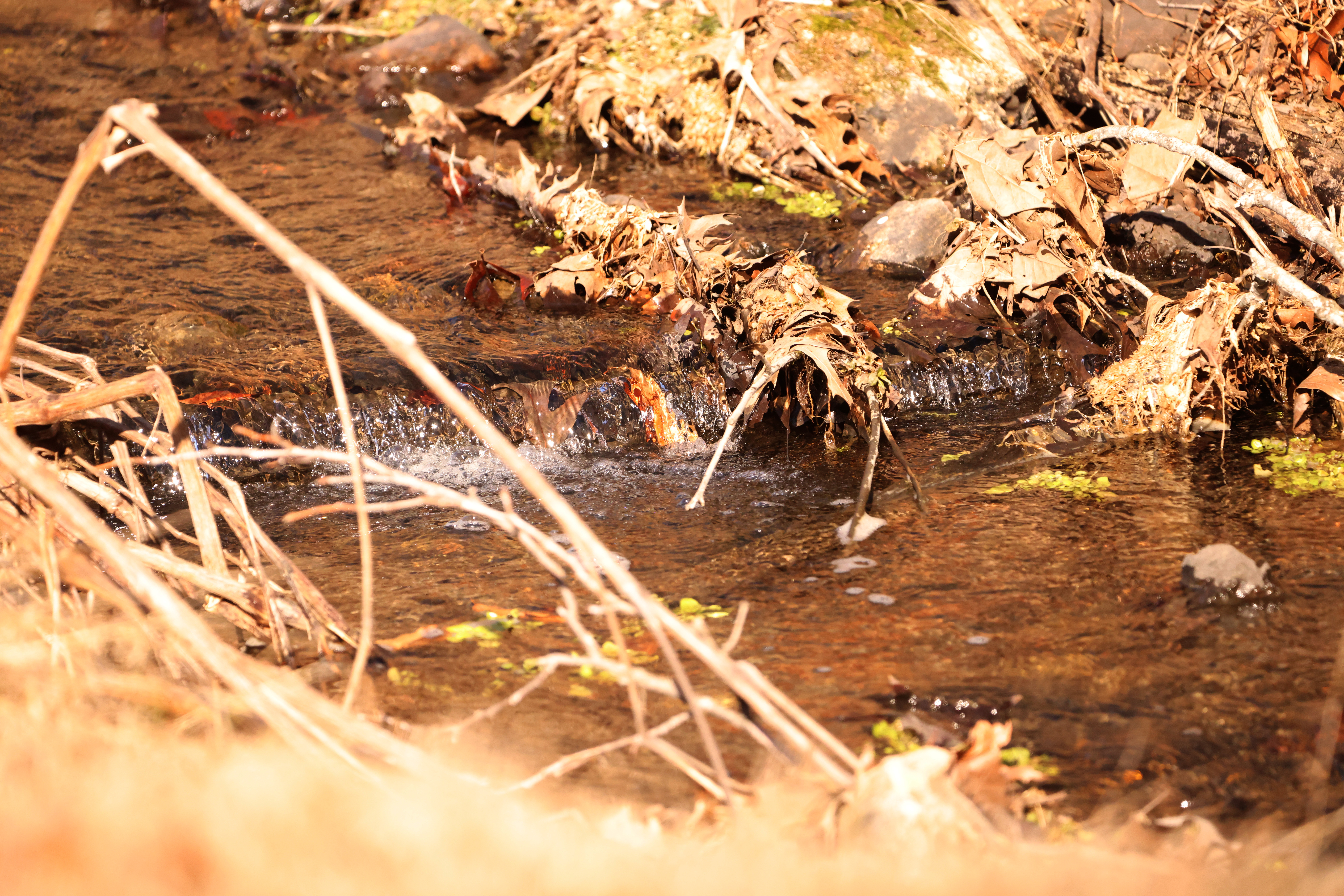
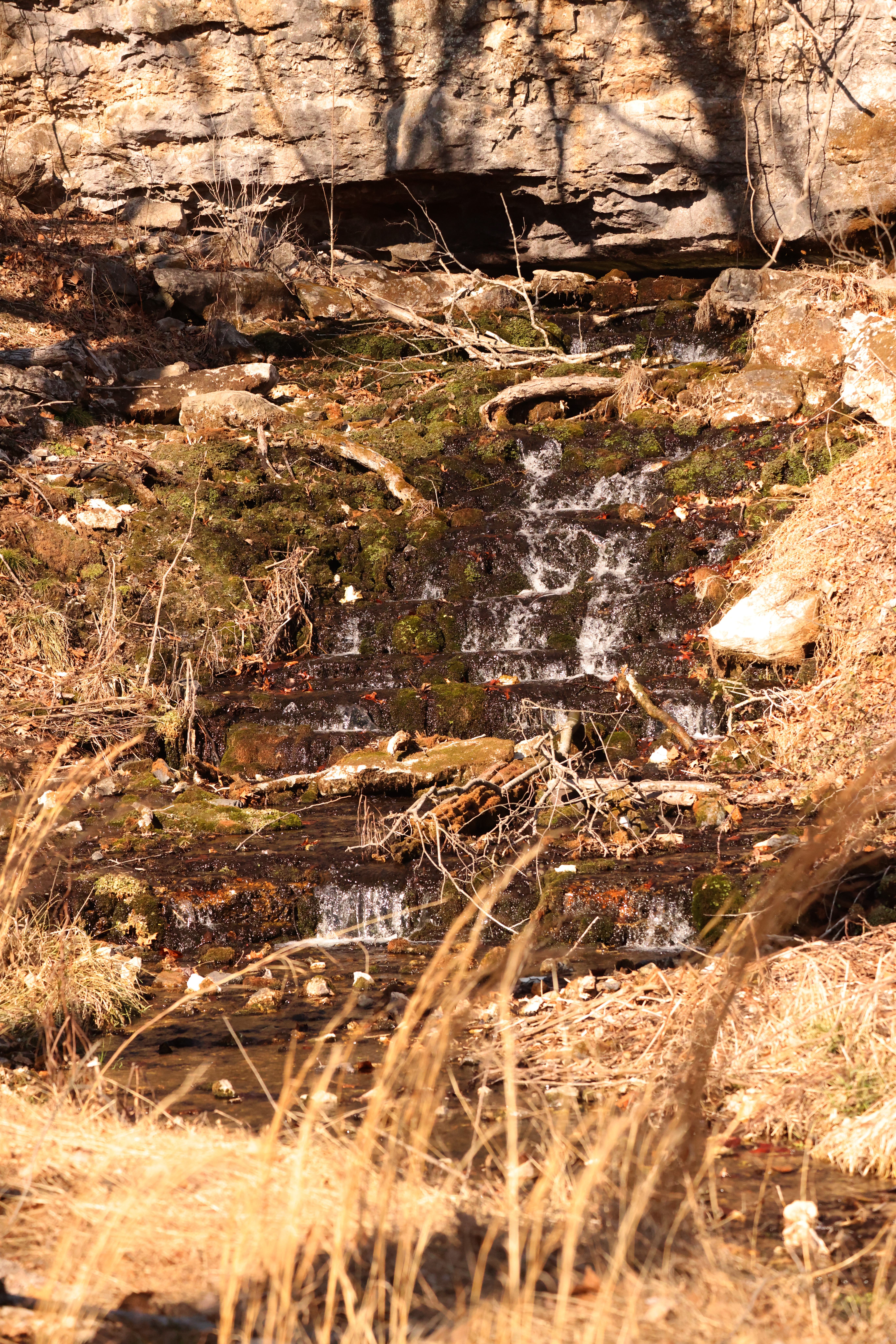
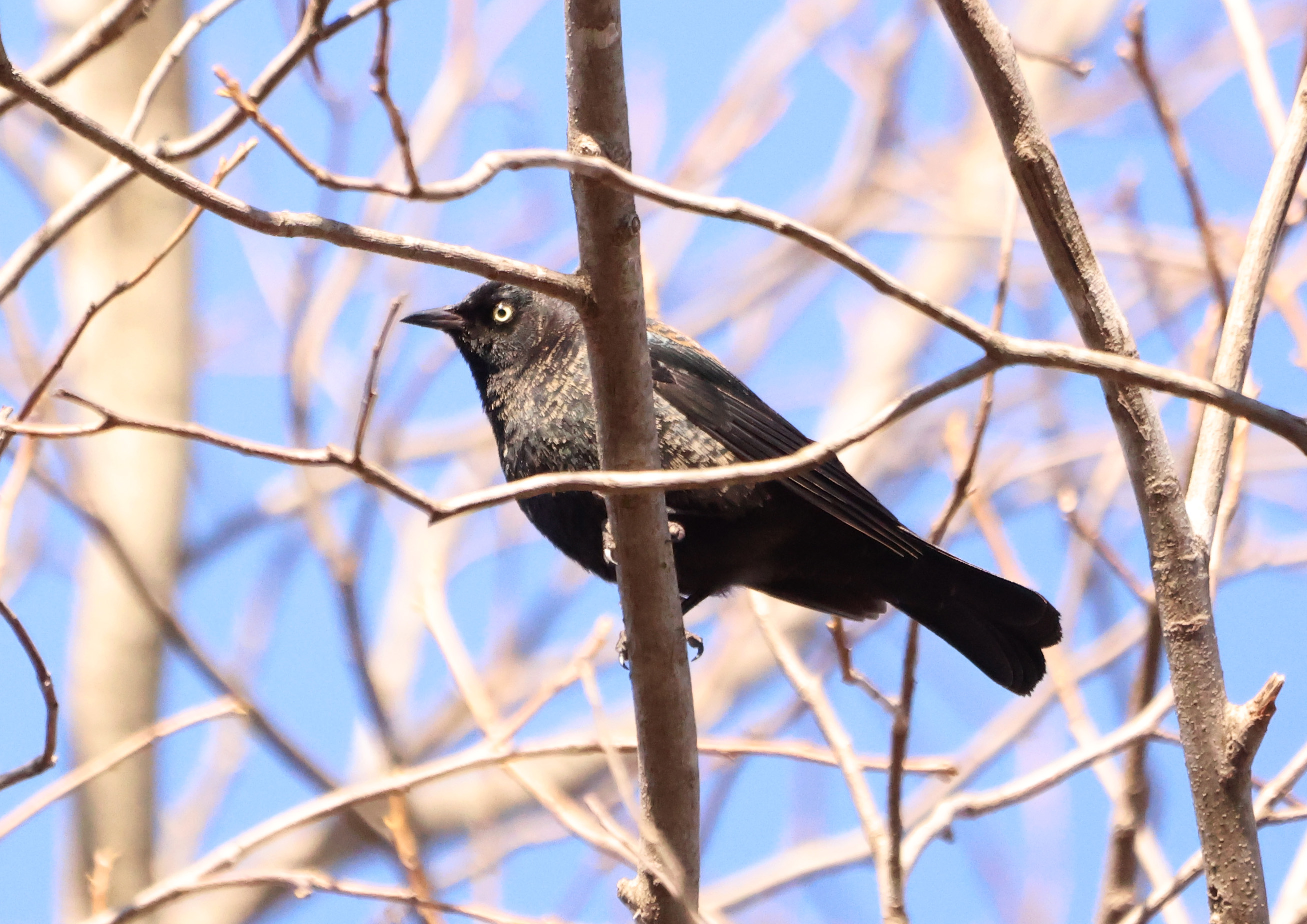
We couldn’t find a map of the property so we initially walked a wooded path the width of the natural area, before traveling further back into the natural area in search of the springs. We weren’t too impressed with the place until we got further back into the area where we began seeing white-tailed deer and an abundance of birds, including our target bird – the American Tree Sparrow. One surprise was the rusty blackbirds discovered in a tree near water.
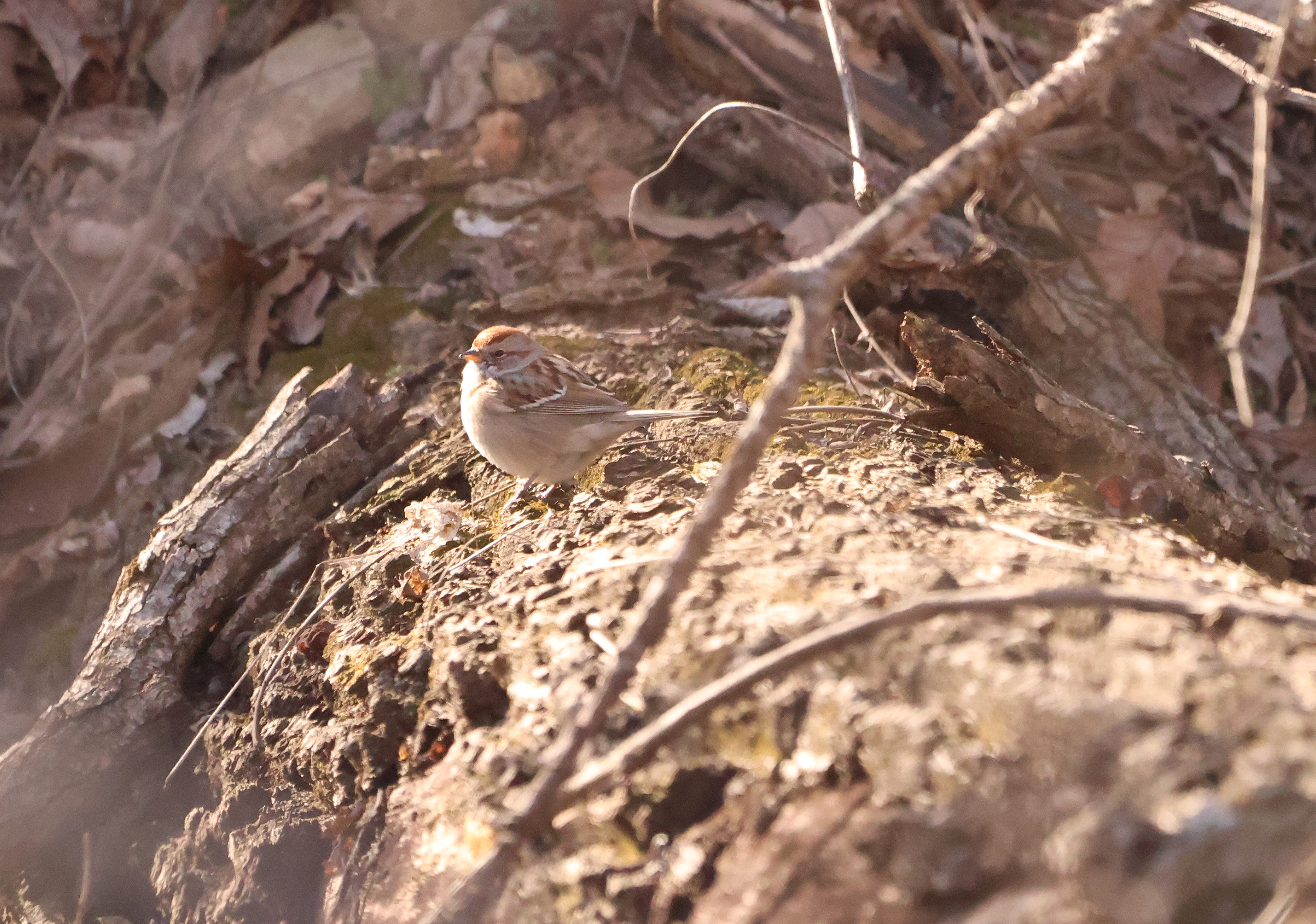
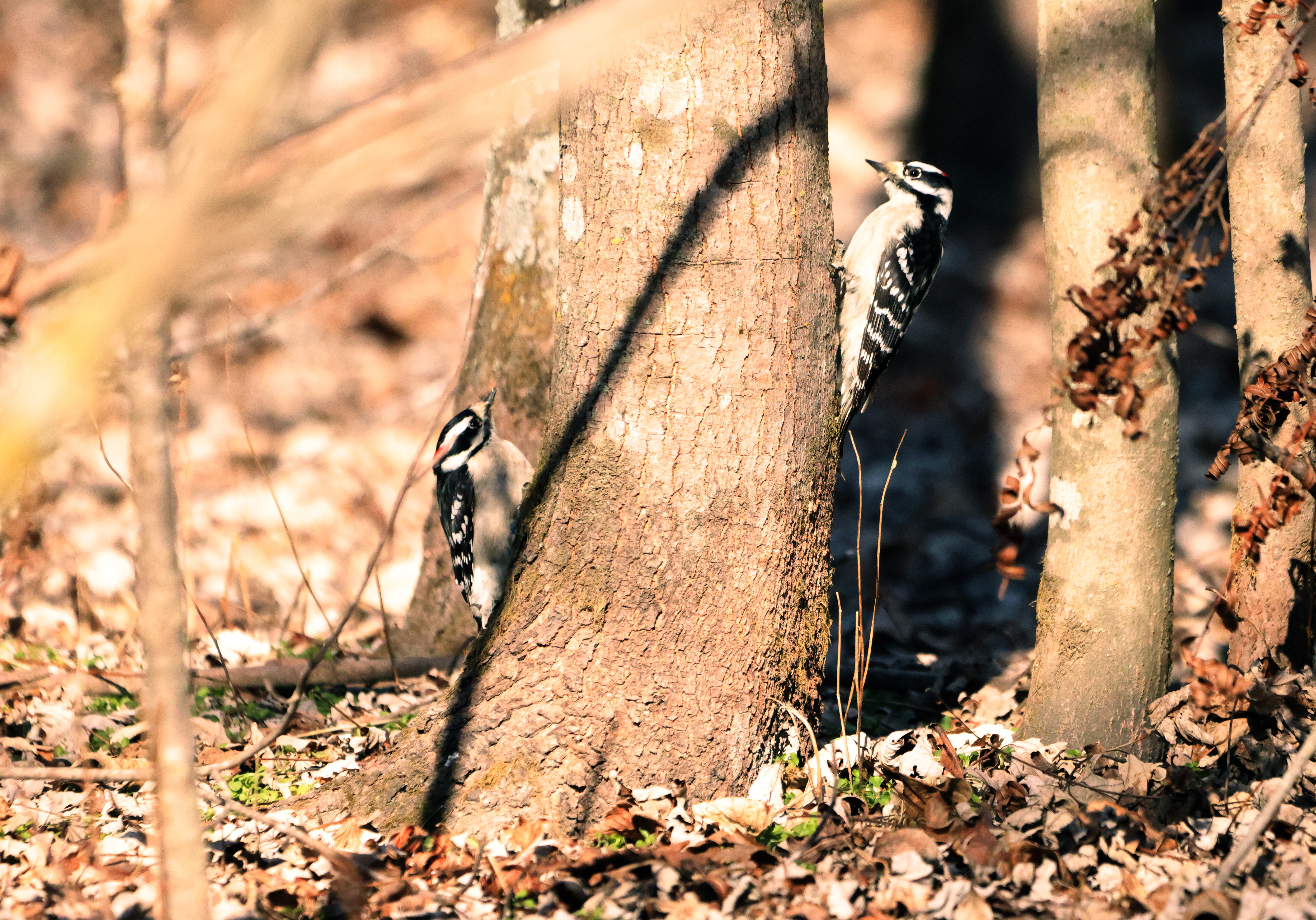
Photo essay: Cooperative birds

1-Stuttgart-Killdeer1
Killdeer

Arkansas birds were out in force this past weekend when I participated in my first Great Backyard Bird Count (GBBC). I’ve just completed entering the 26 bird species I viewed into the GBBC database.

The GBBC only calls for at least 15 minutes of birdwatching. Well, I decided to spend my birdwatching time on Saturday in Wynne at Village Creek State Park. Later, I visited my grandparent’s farm to walk their woods. I got lucky in both spots, however, my best find was when I drove from Wynne to Stuttgart on Hwy. 306. (See pictures below).

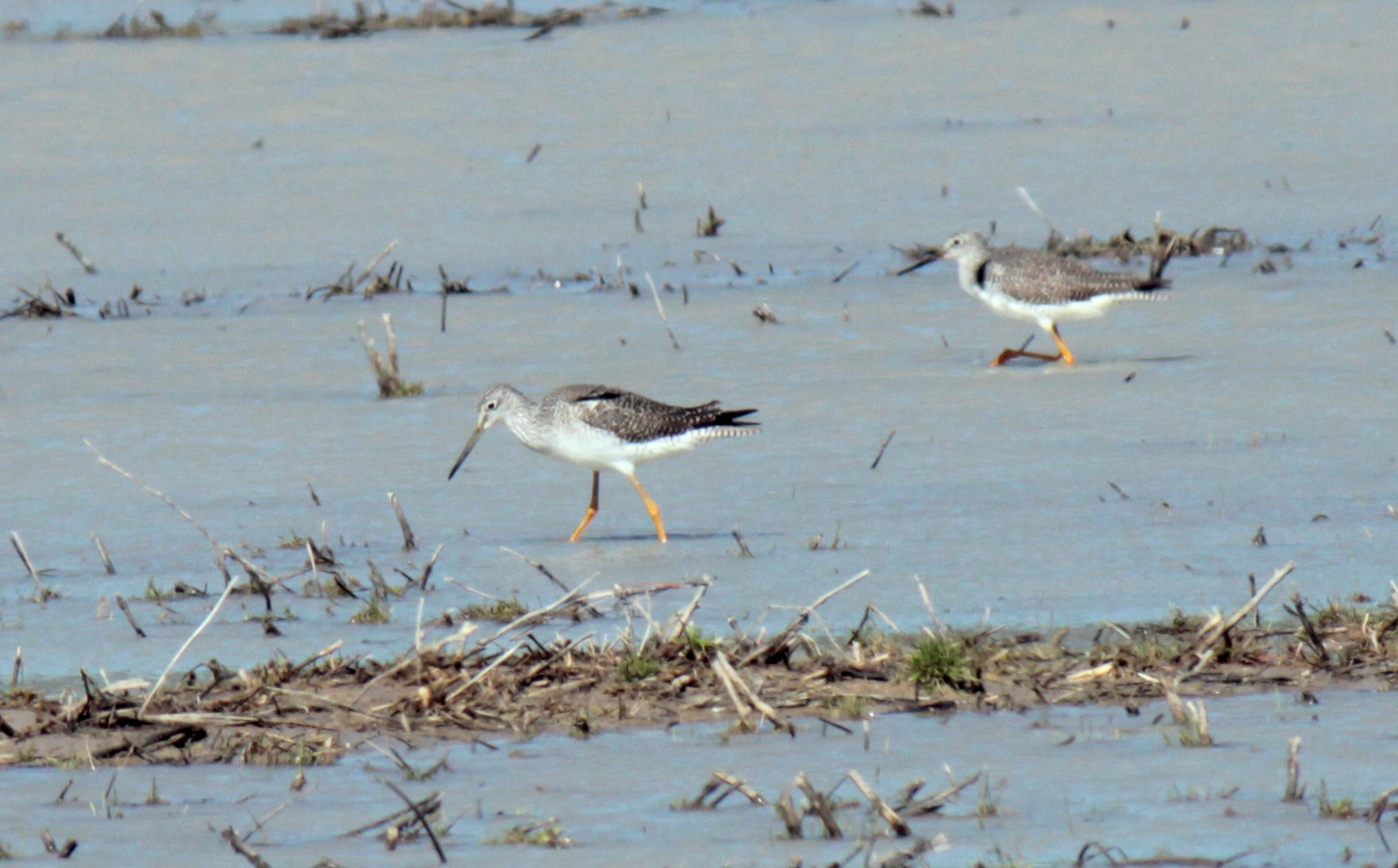
2-306-Greater Yellowlegs1
Greater Yellowlegs

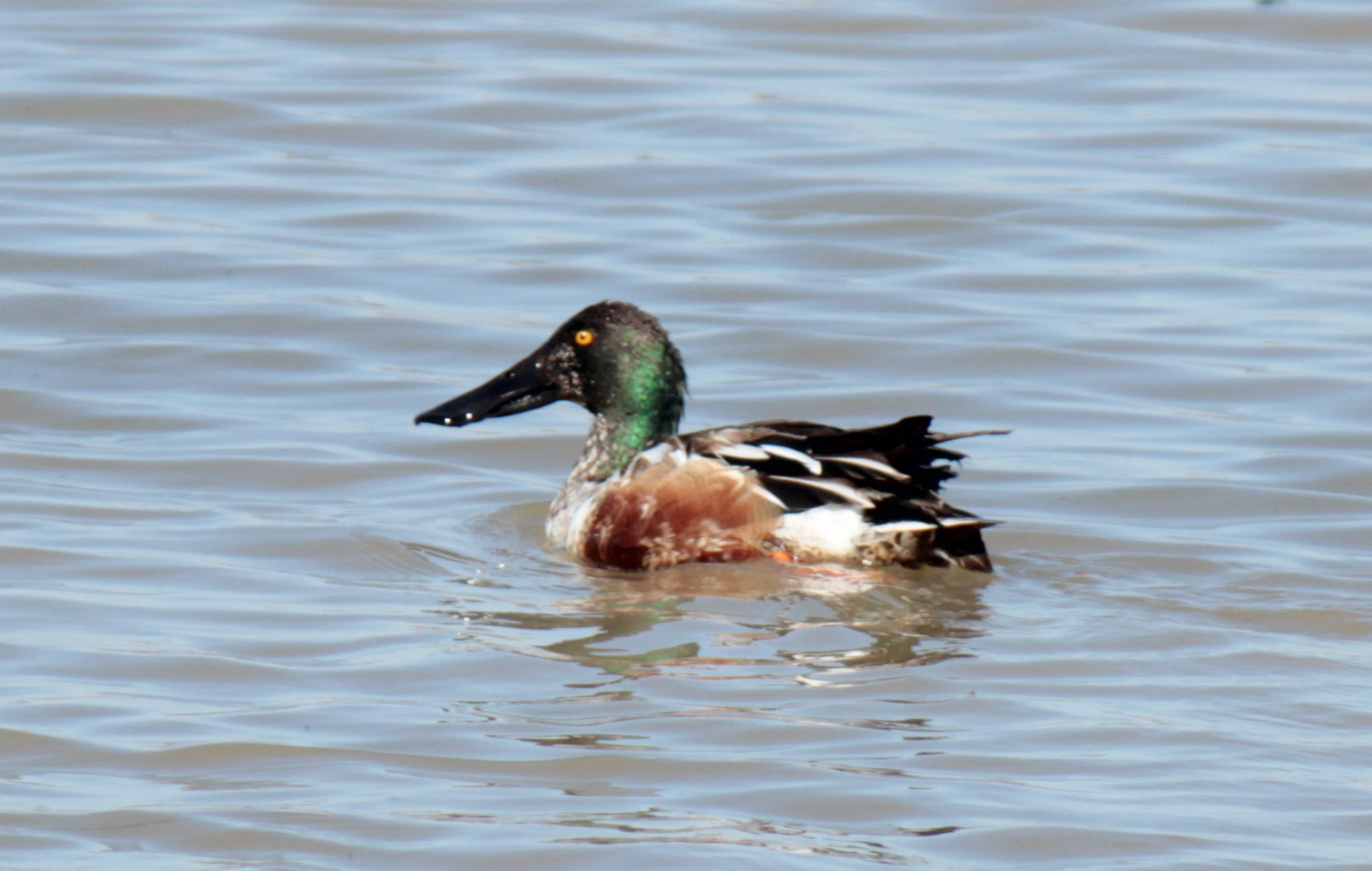
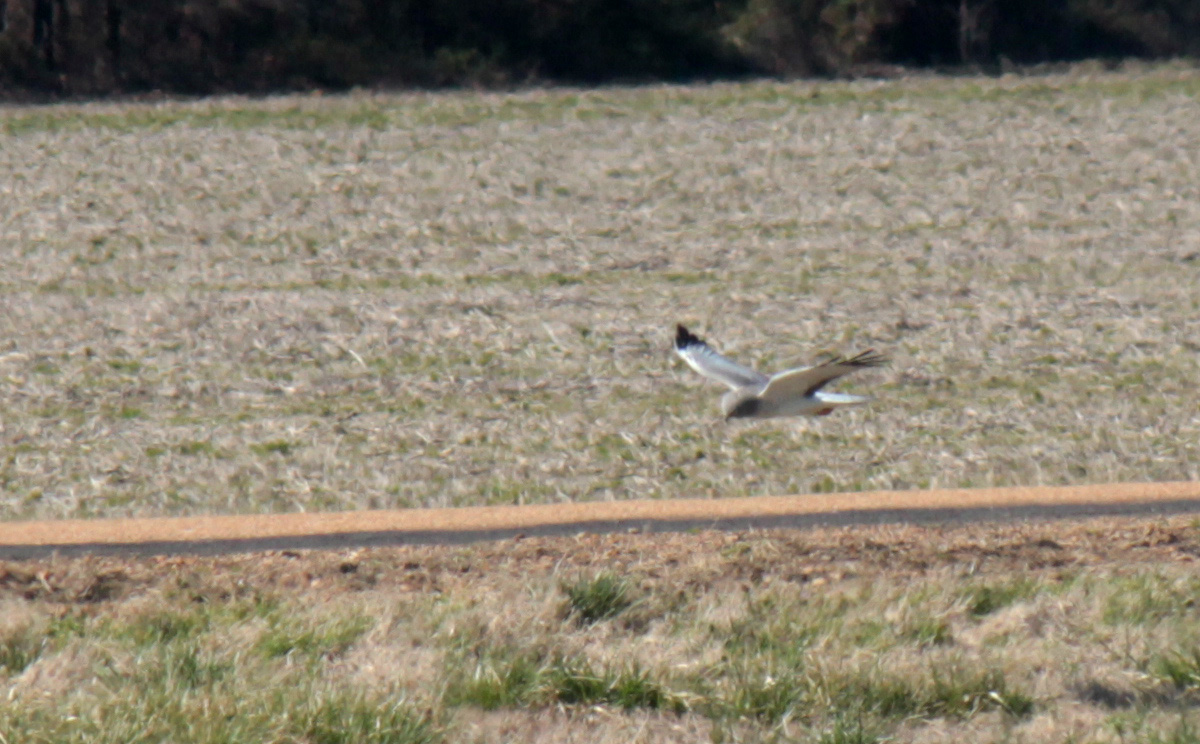
I say Hwy. 306 was my best find because I discovered the above Greater Yellowlegs and the below Northern Pintails. I also discovered a lazily circling Northern Harrier (third picture below).

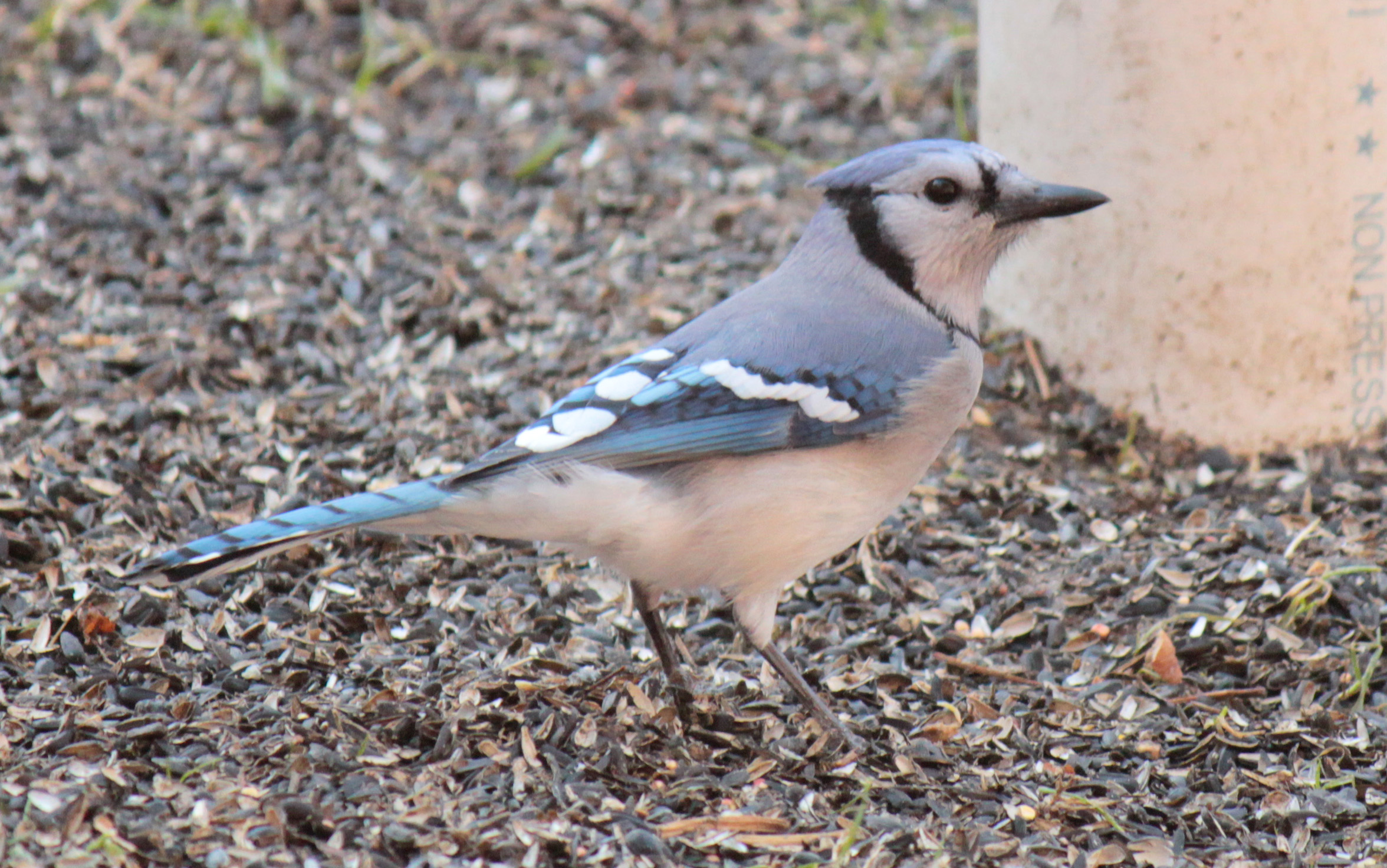
In all, my weekend list had American Kestrels, American Robins, blackbirds, Blue Jays, Canadian Geese, Crows, Downy Woodpeckers, Eastern Bluebirds, Gadwells,  Greater Yellowlegs, Hermit Thrush, House Sparrow, Mallards, Northern Cardinals, Northern Harrier, Northern Pintails, Northern Shovelers, Pileated Woodpecker, Red-bellied Woodpeckers, Red-tailed Hawks, Slated Juncos, Tufted Titmouse, White-Fronted Geese, White-Throated Sparrows, Yellow-bellied Woodpecker and Yellow-Rumped Warbler.

Here’s some more pictures:

3-306-Northern Pintail2
Northern Pintails

4-306-Eastern Red-tailed Hawk1
Eastern Red-tailed Hawk flying above mallards and northern shovelers.

5-306-Northern Harrier1
Northern Harrier

6-2-15 Eastern Bluebird
Eastern Bluebird

7-2-15 Pileated Woodpecker
Pileated Woodpecker

8-306 Gadwells
Gadwells


Woodpeckers: Downy vs. Hairy

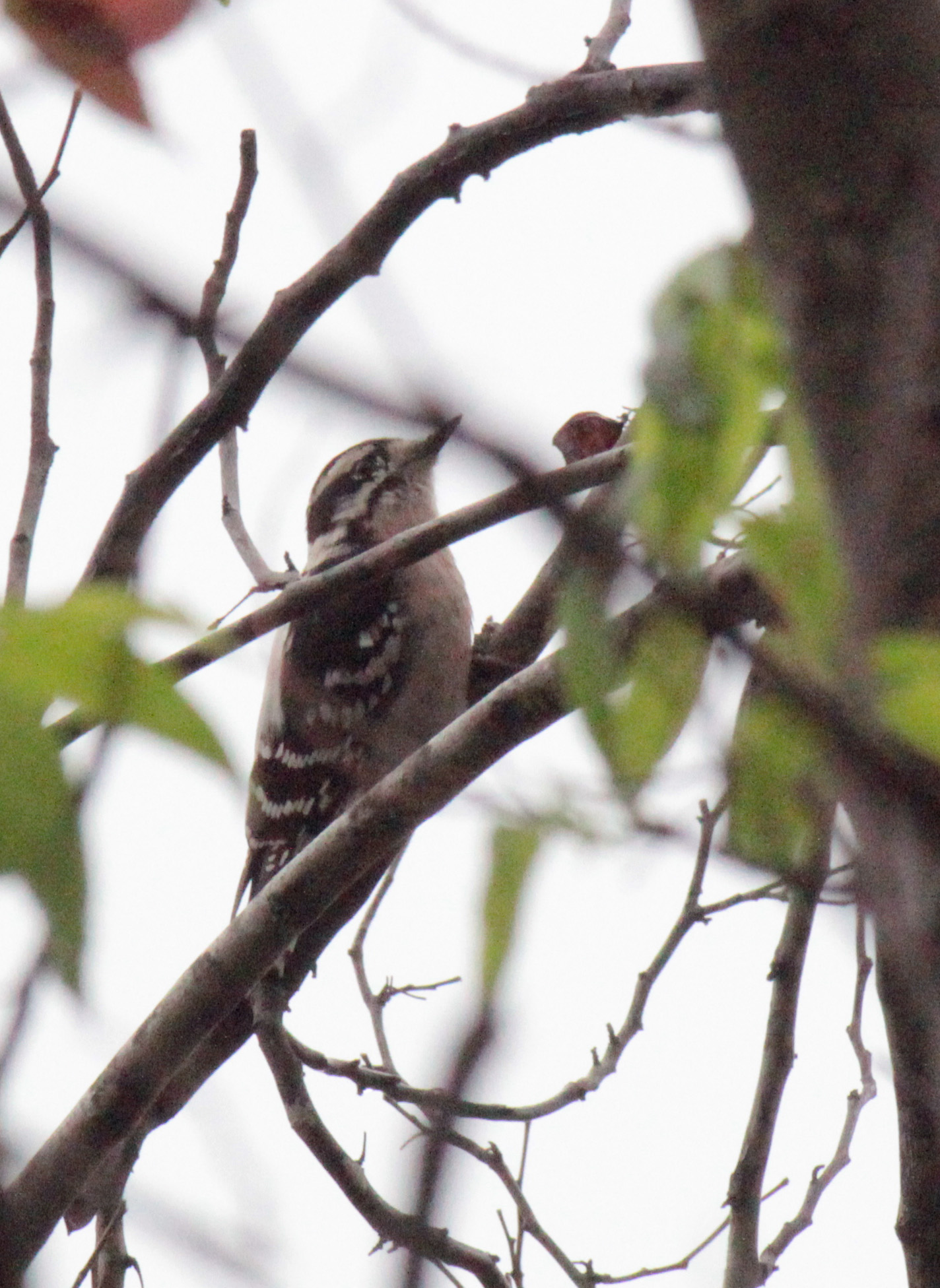
Downy Woodpecker

I finally saw my first Downy Woodpecker at my aunt’s house in Little Rock. OK, I might have seen it before but its hard to distinguish from the Hairy Woodpecker. Both are the only common woodpeckers to have vertical white strips on the back. They also have black and white wings with a comma-shaped black mark, although the mark is more obvious on the Hairy.

According to The Cornell Lab of Ornithology’s Project FeederWatch, the easiest way to tell which one you are looking at is by the size — the Downy has a short, about one-third long bill and is smaller at about 6.5″ long while the Hairy has a long, chisel-like bill about the size of its head and is about the size of a robin, 9-13″ long.

It also helps that Downys are more likely to be found in suburban areas. The Downys have weaker, squeakier  calls with a slower drum than the Hairys, which have louder, more powerful calls and a faster drum.