Photos: Birding in Southeast Arkansas

Alder Flycatcher

On Saturday, I joined friends to visit a fellow birder’s private land in Southeast Arkansas for a fun birding trip. I hoped to add to my life list and the trip didn’t disappoint. I finally got a great look at several Neotropic Cormorants.
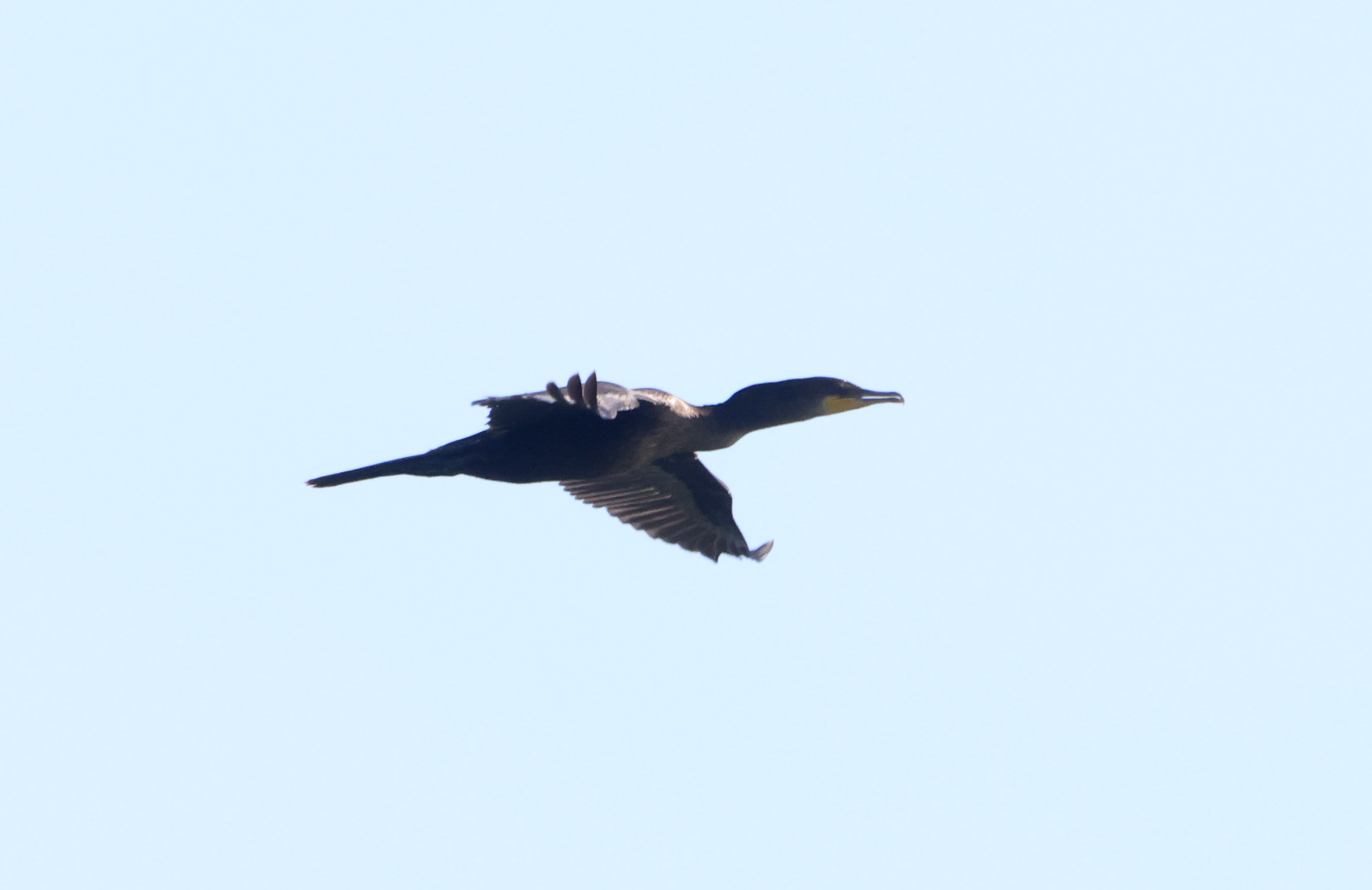
Neotropic Cormorants look similar to the Double-crested Cormorant, but is smaller and longer-tailed. It’s often found in southern United States, the Caribbean and Latin America. After getting confirmation of the bird, I actually think I’ve seen it before but misidentified it.

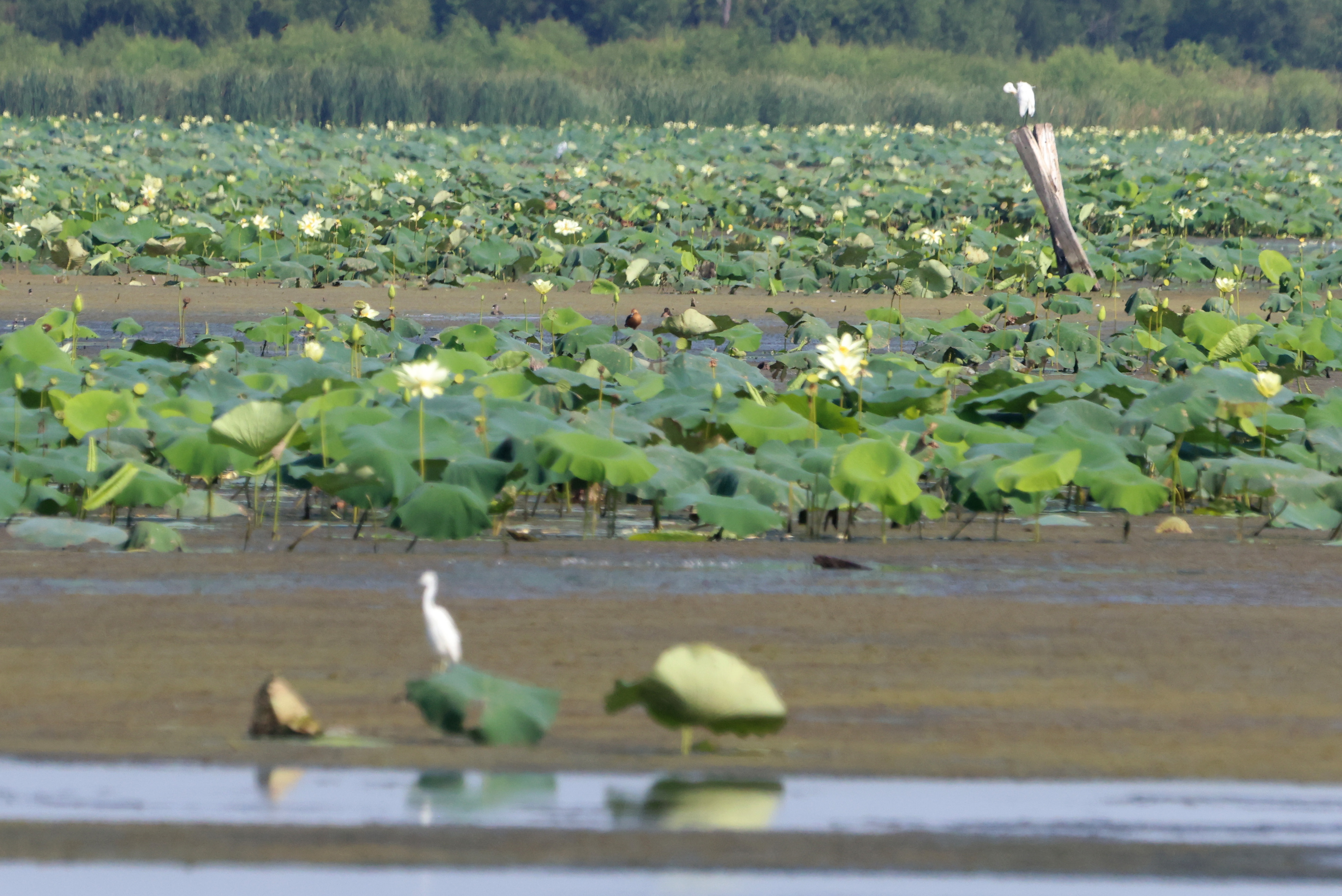
We spent just over an hour looking out over a marsh filled with Lilly pads and birds. Here’s a few other species we saw:
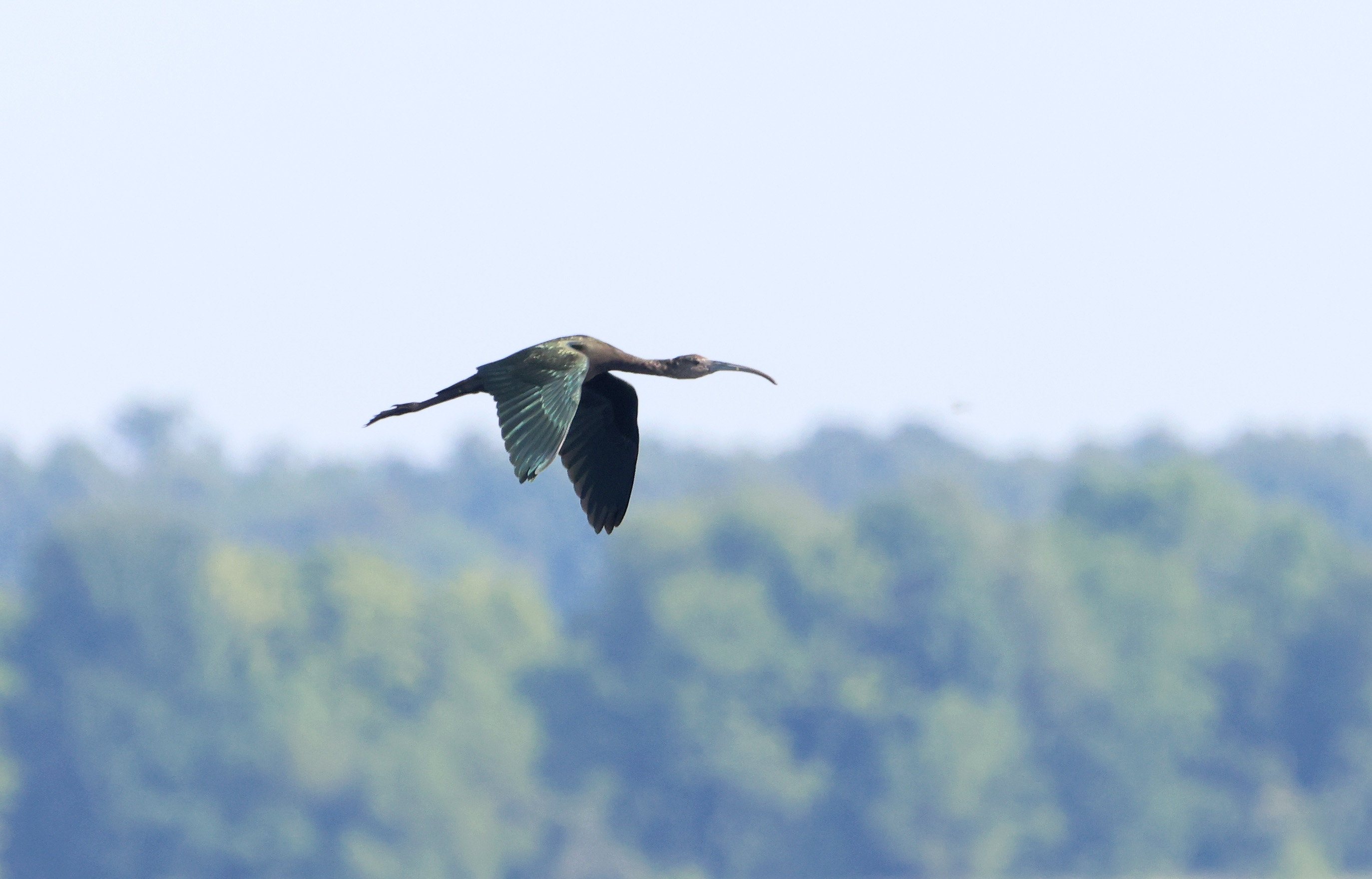
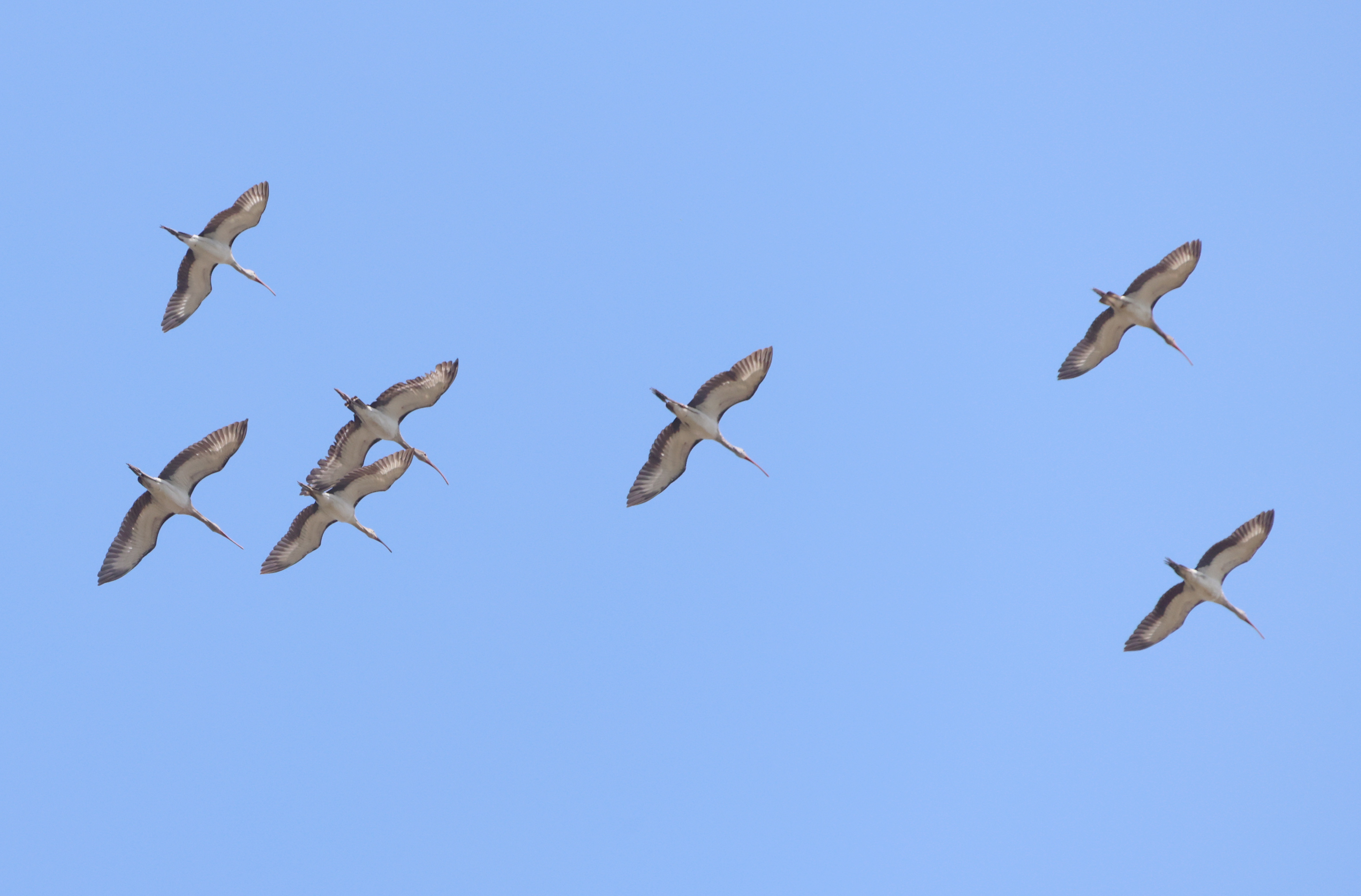
It was a fun but, it was hot and with few new birds spotted, we decided to move on. We drove along the levee by the Mississippi River to the McCallie Access in Desha County. We spotted 27 bird species including a Least Tern diving for food. We also got better looks of White Ibis flying overhead. That’s always a welcome sight.

We ended the day at Freddie Black Choctaw Island WMA Deer Research Area East Unit. It was here we finally heard then saw two Alder Flycatchers calling to each other – a first for me. Alder Flycatchers are heard to distinguish from other flycatchers. You need to hear their call as well to make the identification, which also throws me off. They migrate through Arkansas, and thrive in open settings such as bogs and beaver ponds, according to All About Birds.

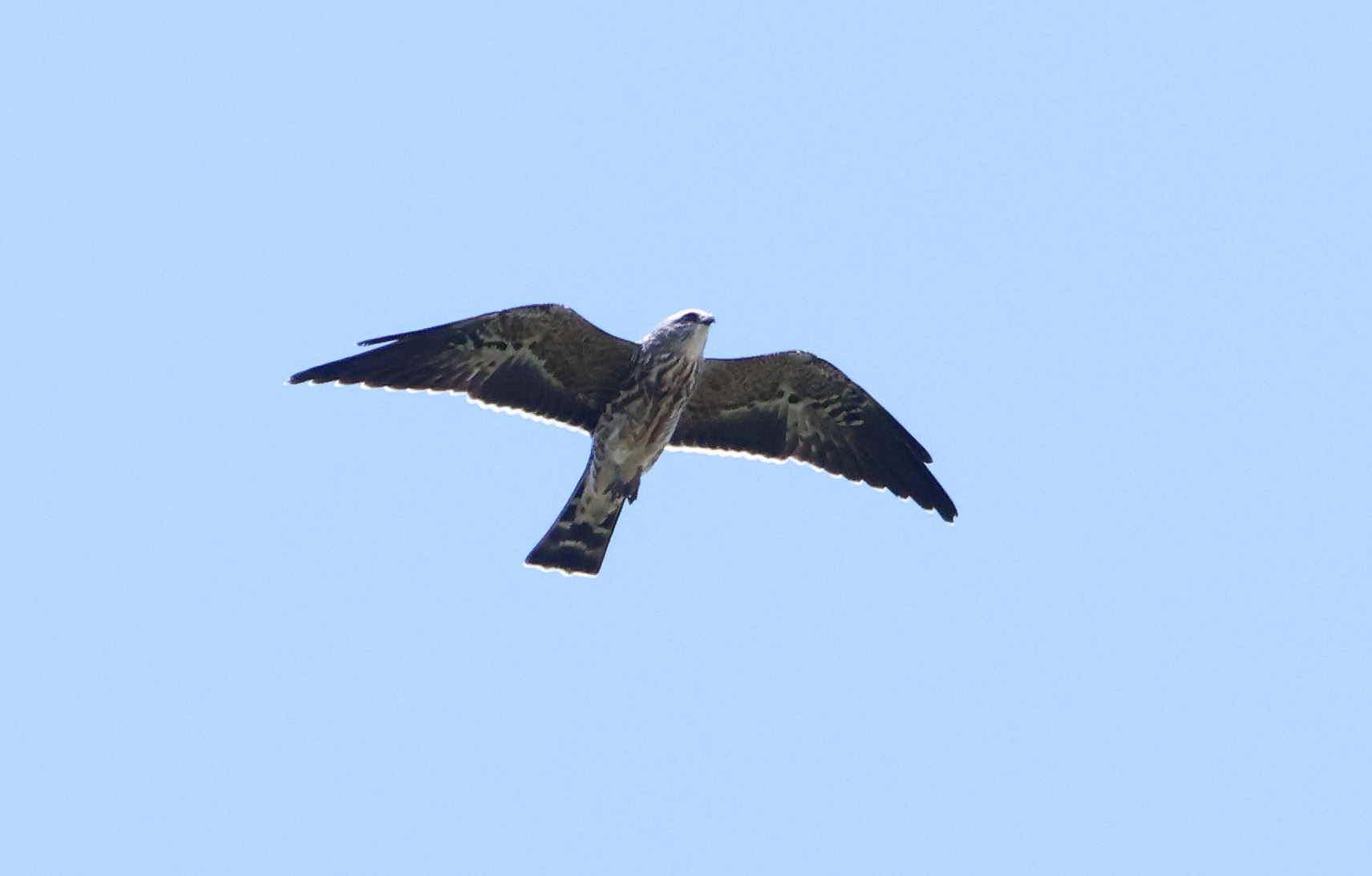
We also saw plenty of Mississippi Kites, which never gets old.

To top off the day, we passed an immature Yellow-crowned Night-Heron as we headed home.

Photos: Kibler Bottoms

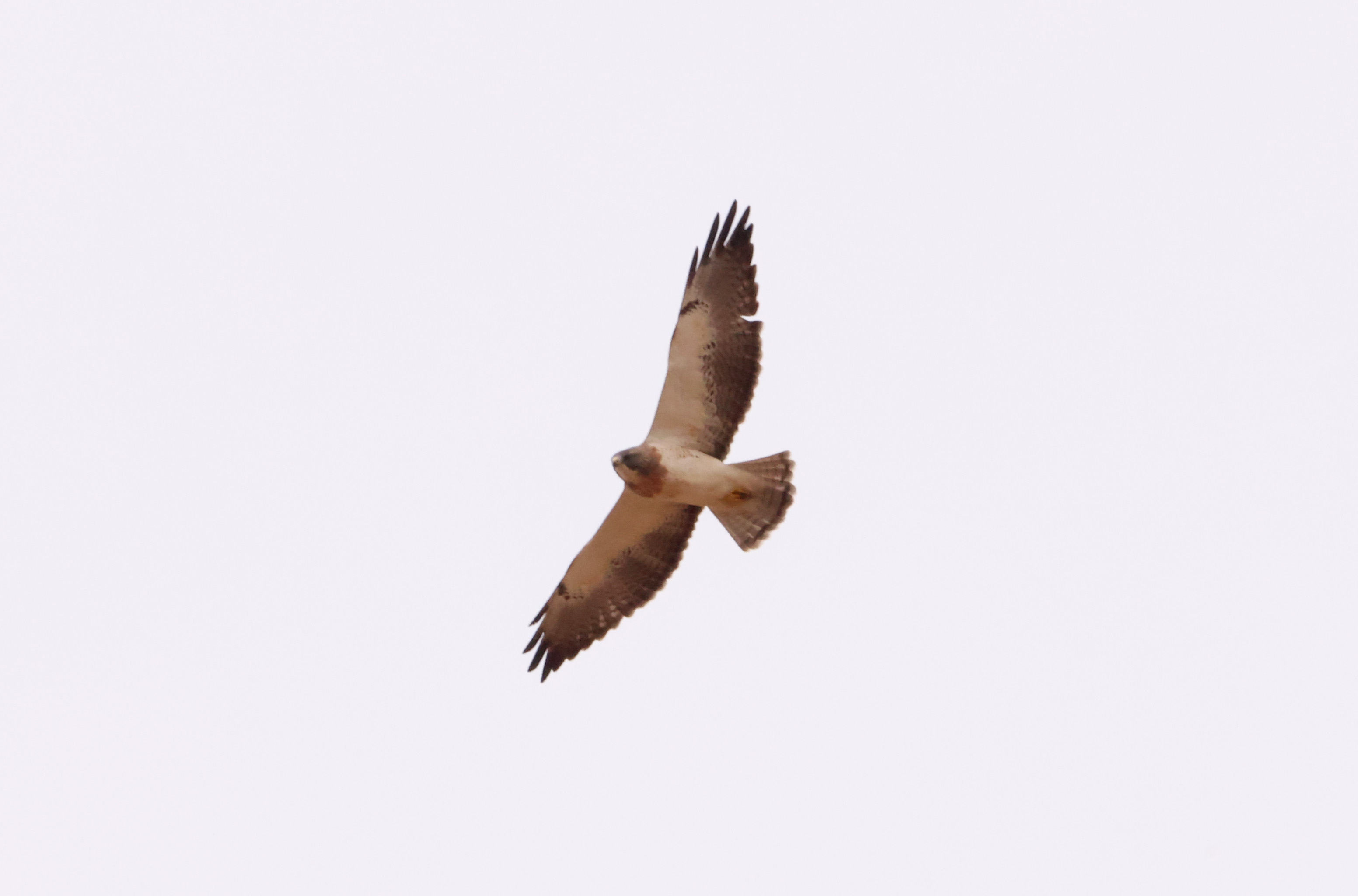
Swainson’s Hawk

Saturday marked my first time to Kibler Bottoms in Crawford County. Kibler Bottoms is a roughly loop drive that goes south into agriculture fields in the bottoms of the Arkansas river Valley.

While there, I got my first glimpses of Swainson’s Hawks. The three Swainson’s Hawks we found were in adult light morph, meaning they had darker heads, white on the upper part of the underwings. The underwings were darker moving down and out. Typically found in grasslands, range maps on allaboutbirds.org show they are typically found in the United States during breeding season. Their breeding season range is more west of Arkansas, but I’m told Kibler Bottoms is a great place to spot them around this time in Arkansas.

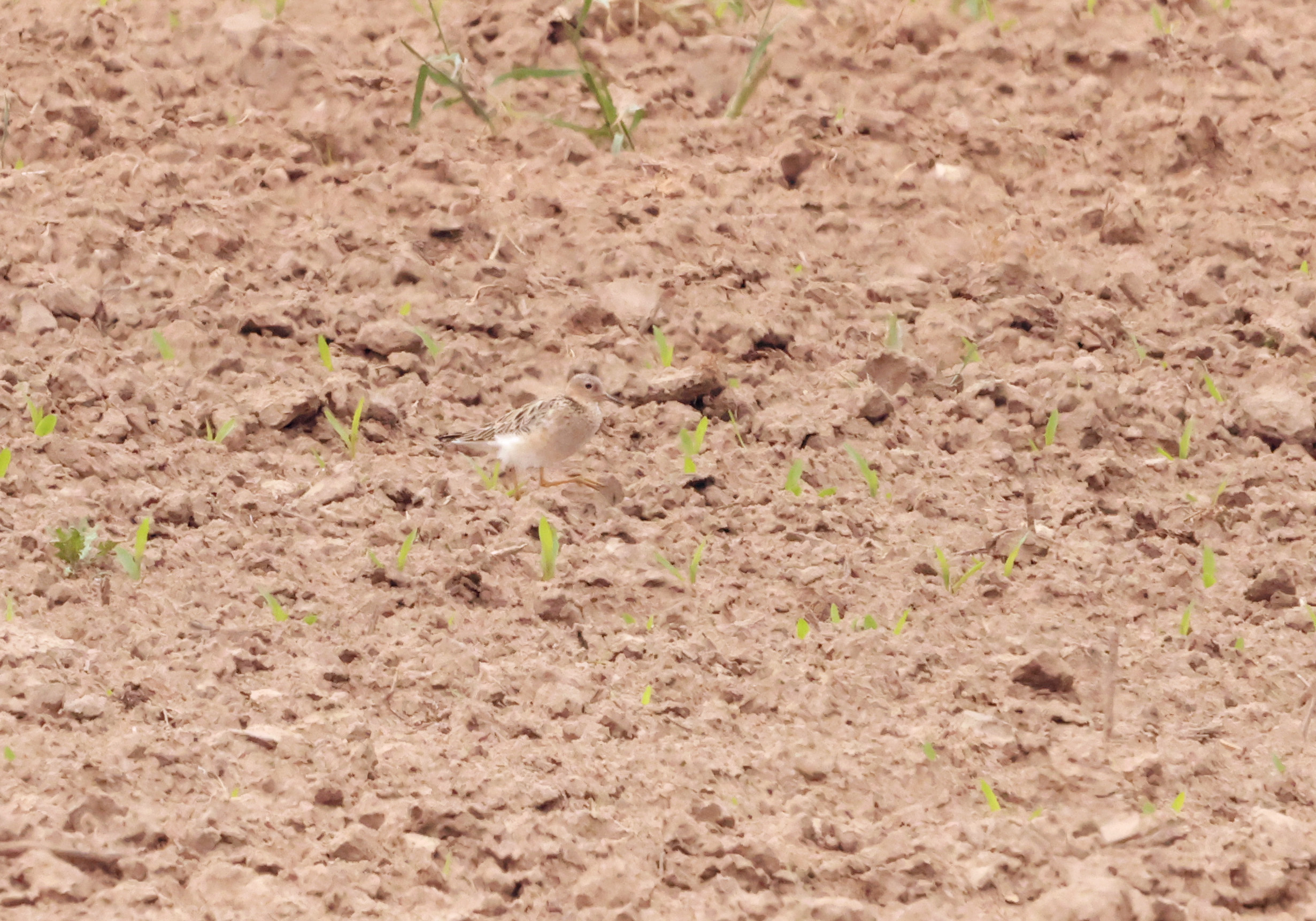
Buff-breasted Sandpiper

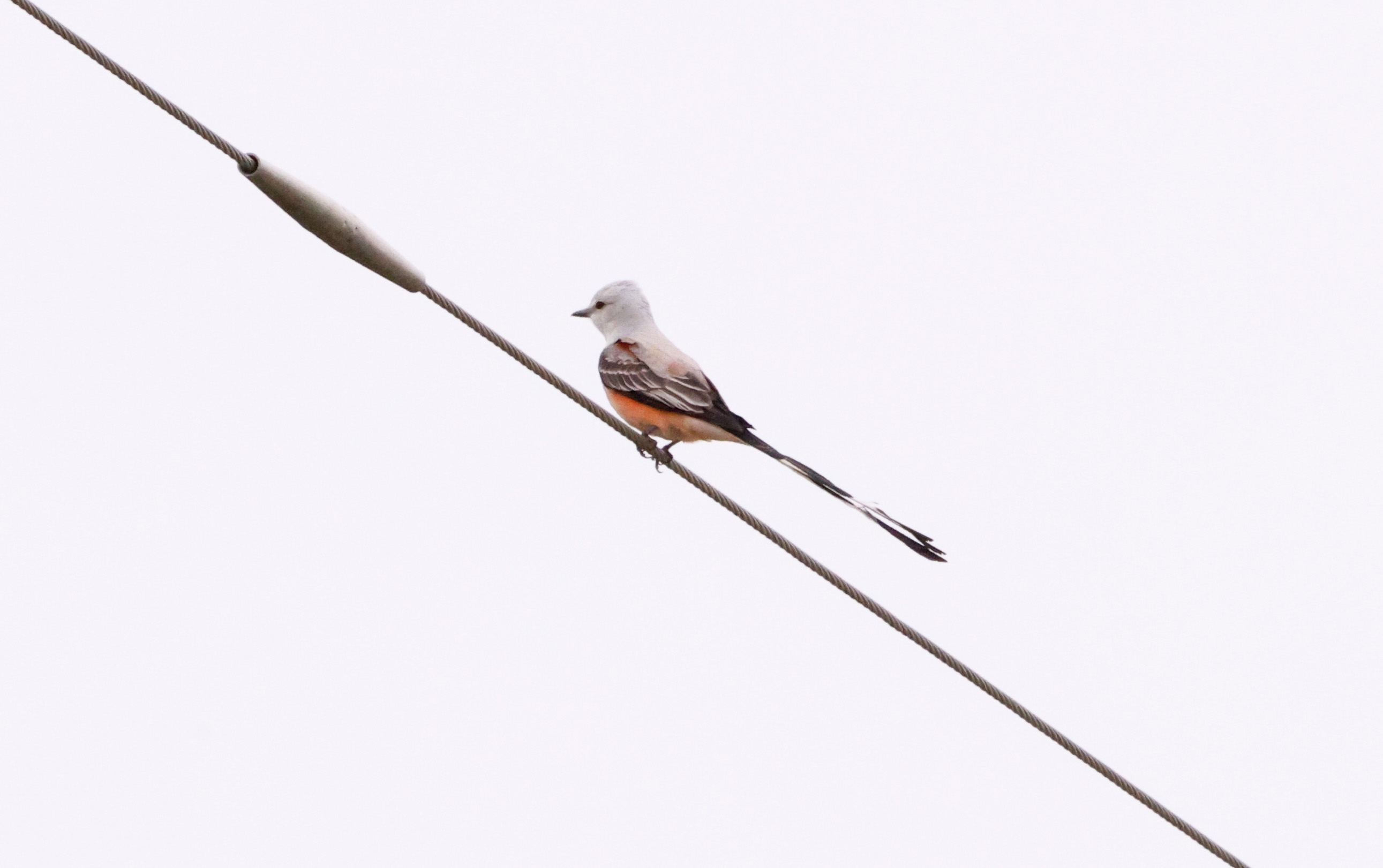
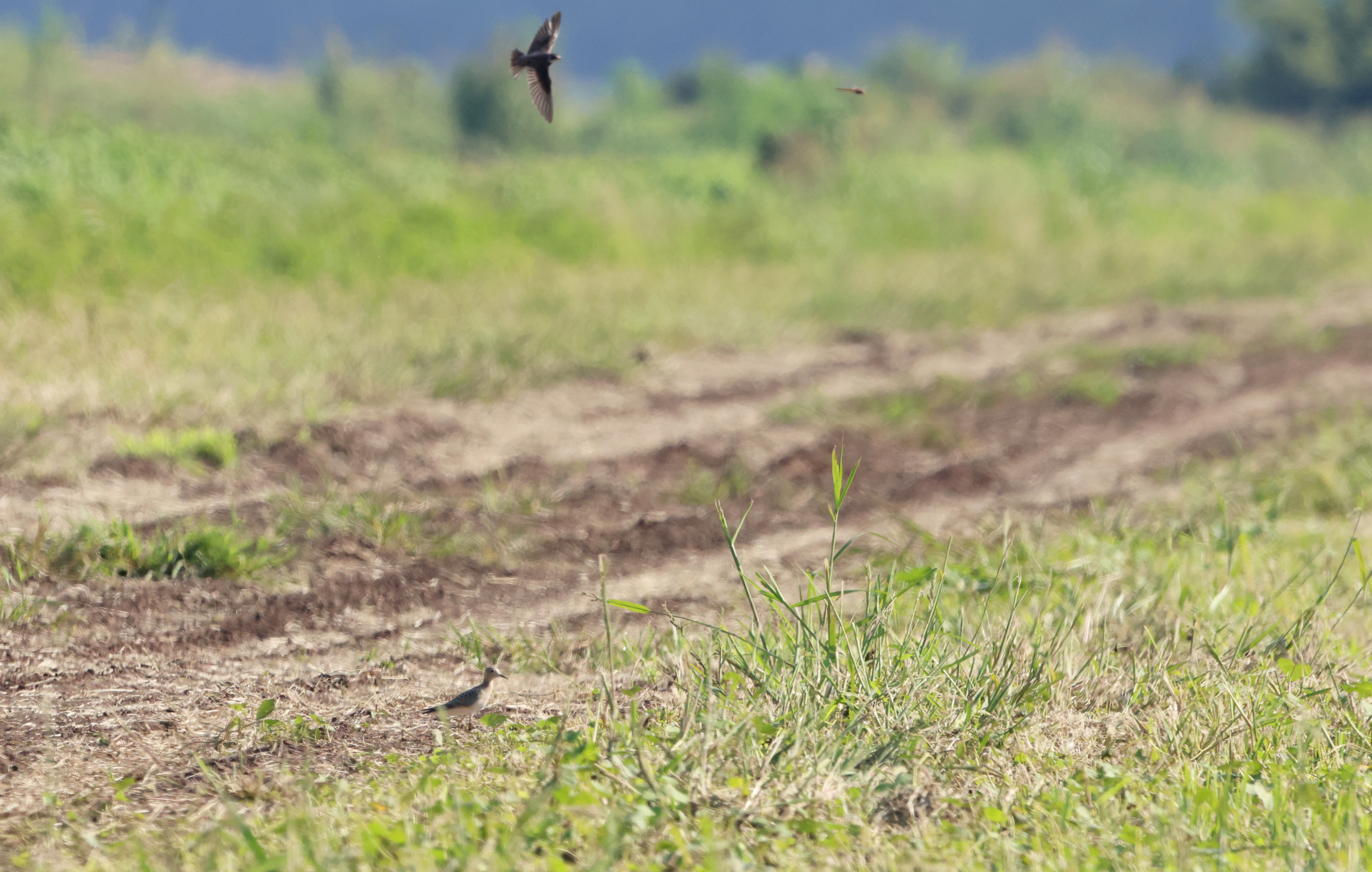
Another rare bird found was a Buff-breasted Sandpiper that foraged in a field alongside American Golden-Plovers, a Horned Lark. A Scissor-tailed Flycatcher was also sitting in the field nearby. The migration range of the Buff-breasted Sandpiper just passes through western Arkansas so we didn’t expect to see one Saturday. This sandpiper is typically found in dry, grassy habitats according to allaboutbirds.org. They nest only in the High Arctic of northernmost Alaska and Canada and then migrate to South America.

Overall, we found 218 birds of 24 species. Here’s photos of some of the other birds spotted:

A long way to go…

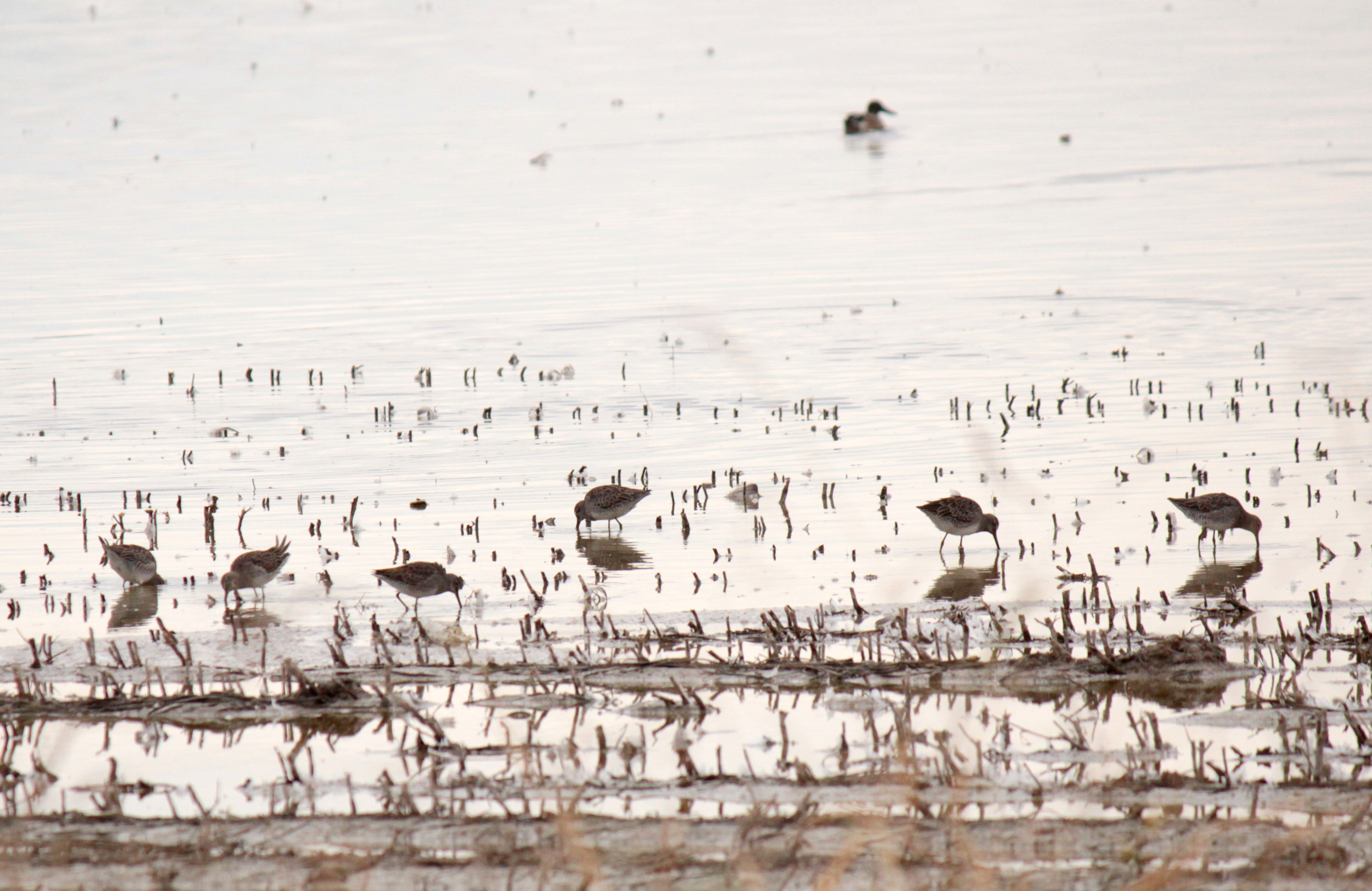
Short-Billed Dowitchers off of Hwy. 306 near Wynne

I shot this picture of Short-billed Dowitchers in a flooded field last Sunday. It was overshadowed when I went on to see Bald Eagles, mallards and Cooper’s Hawk in the following 48 hours. I began attempting to identify the Short-Billed Dowitchers this week and remembered I had similar looking birds in an Aug. 25 picture.

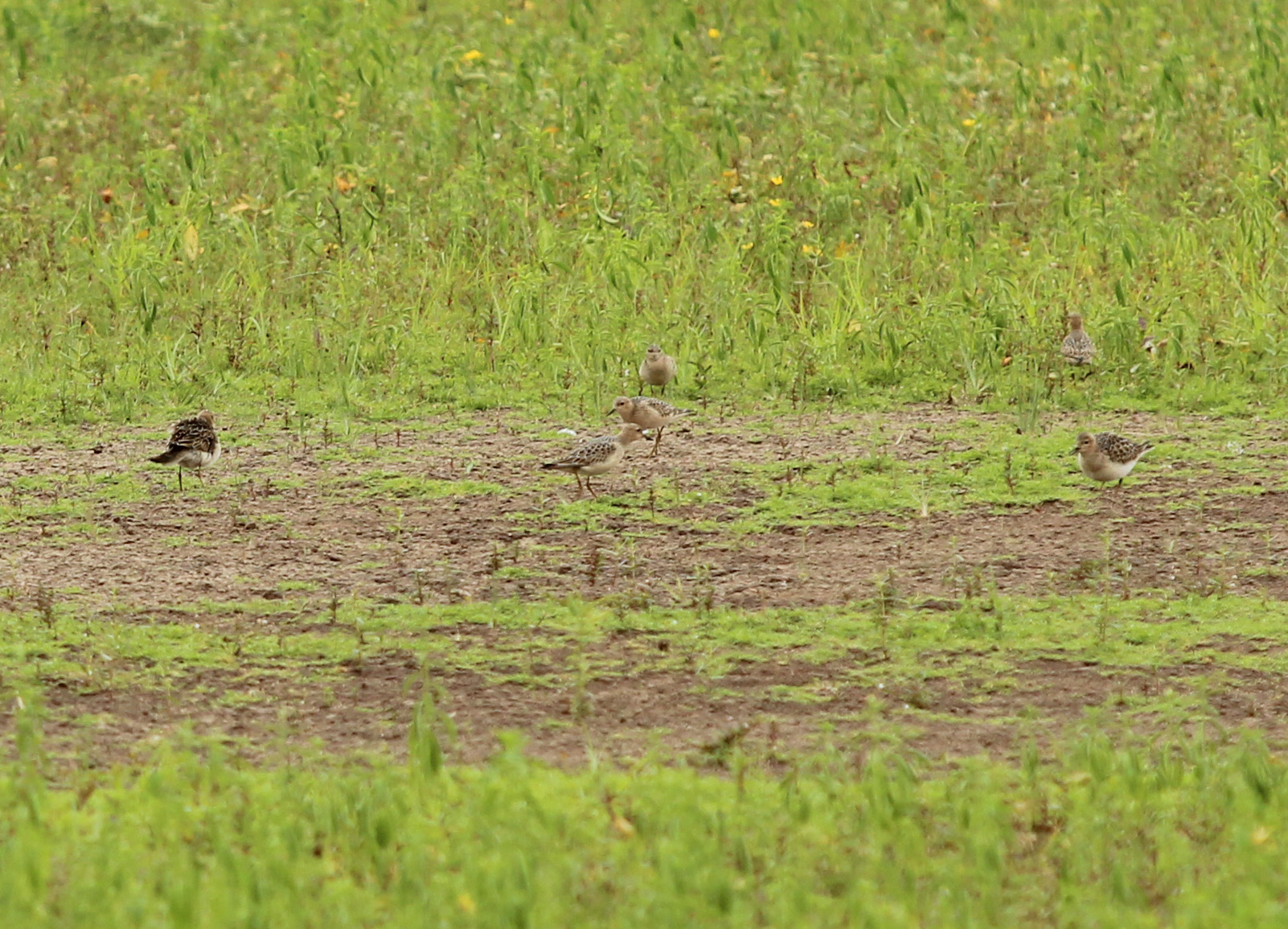
Silly me. I found the August picture and, well, the birds in both pictures really looked the same to me.  They’re not, although I was somewhat right in my assessment that they were sandpipers. I successfully begged for help on the Arkansas Bird Listserv today to learn that the below picture is apparently of Buff-Breasted Sandpipers.

Buff-Breasted Sandpipers at the Bald Knob National Wildlife Refuge

Overall, I learned two key things today. The first is that I’m horrible at identifying birds if its not absolutely obvious (re: me thinking the birds in the above pictures were the same). The final fact is, well, I’ve photographed two new birds in Arkansas for my state bird list. Yay for me! 🙂