Photos: Birding in Southeast Arkansas

Alder Flycatcher

On Saturday, I joined friends to visit a fellow birder’s private land in Southeast Arkansas for a fun birding trip. I hoped to add to my life list and the trip didn’t disappoint. I finally got a great look at several Neotropic Cormorants.
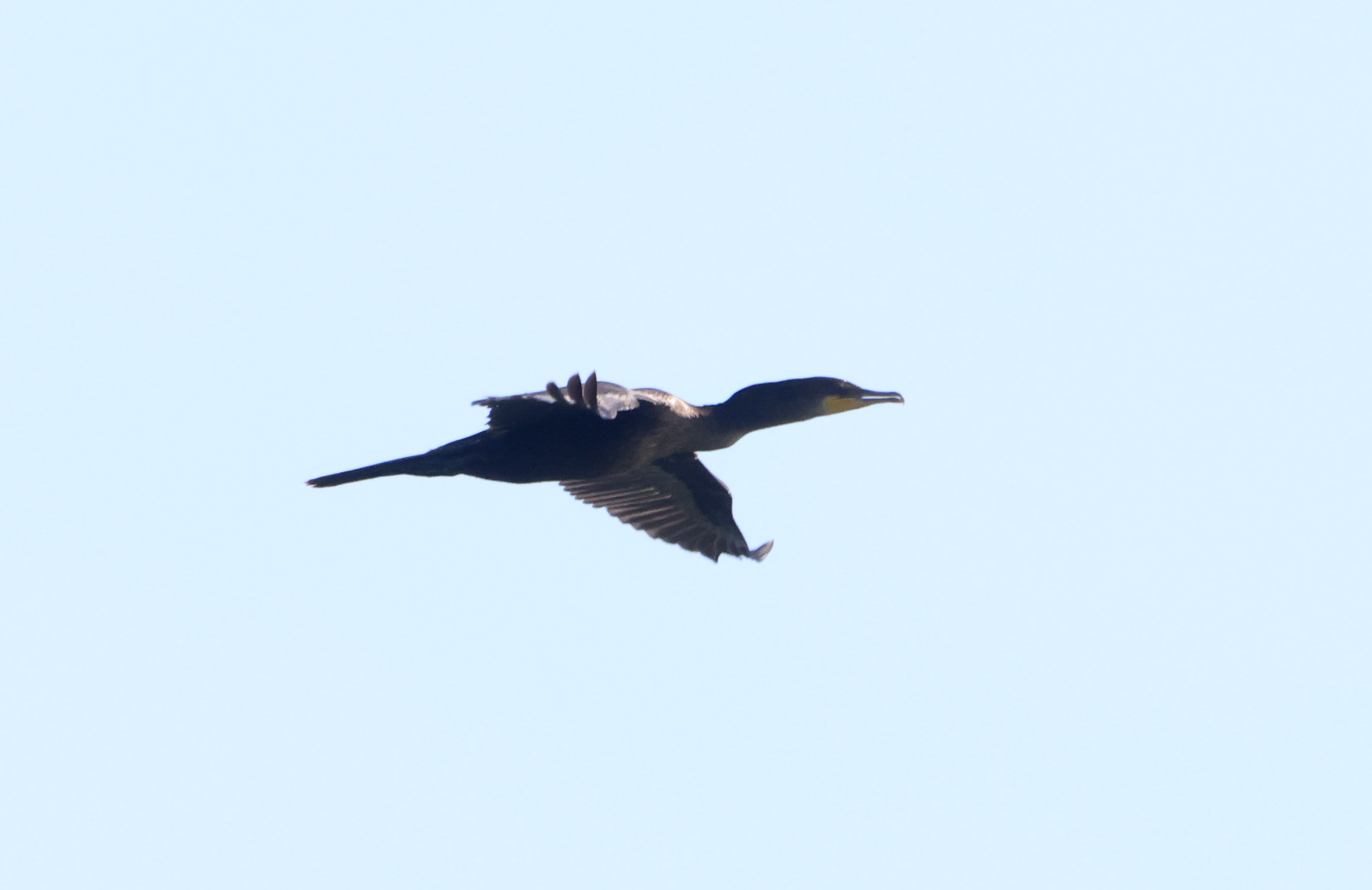
Neotropic Cormorants look similar to the Double-crested Cormorant, but is smaller and longer-tailed. It’s often found in southern United States, the Caribbean and Latin America. After getting confirmation of the bird, I actually think I’ve seen it before but misidentified it.

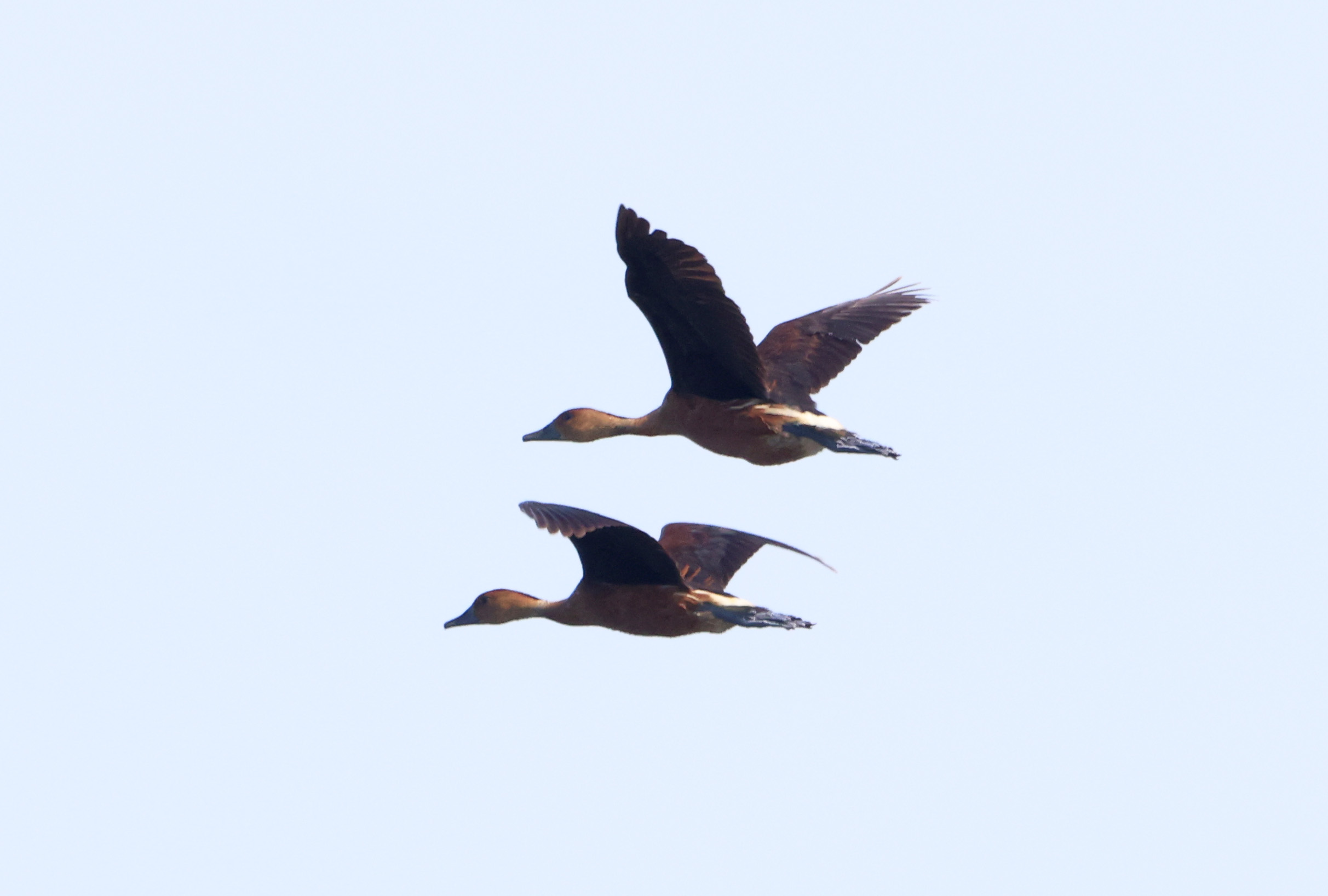
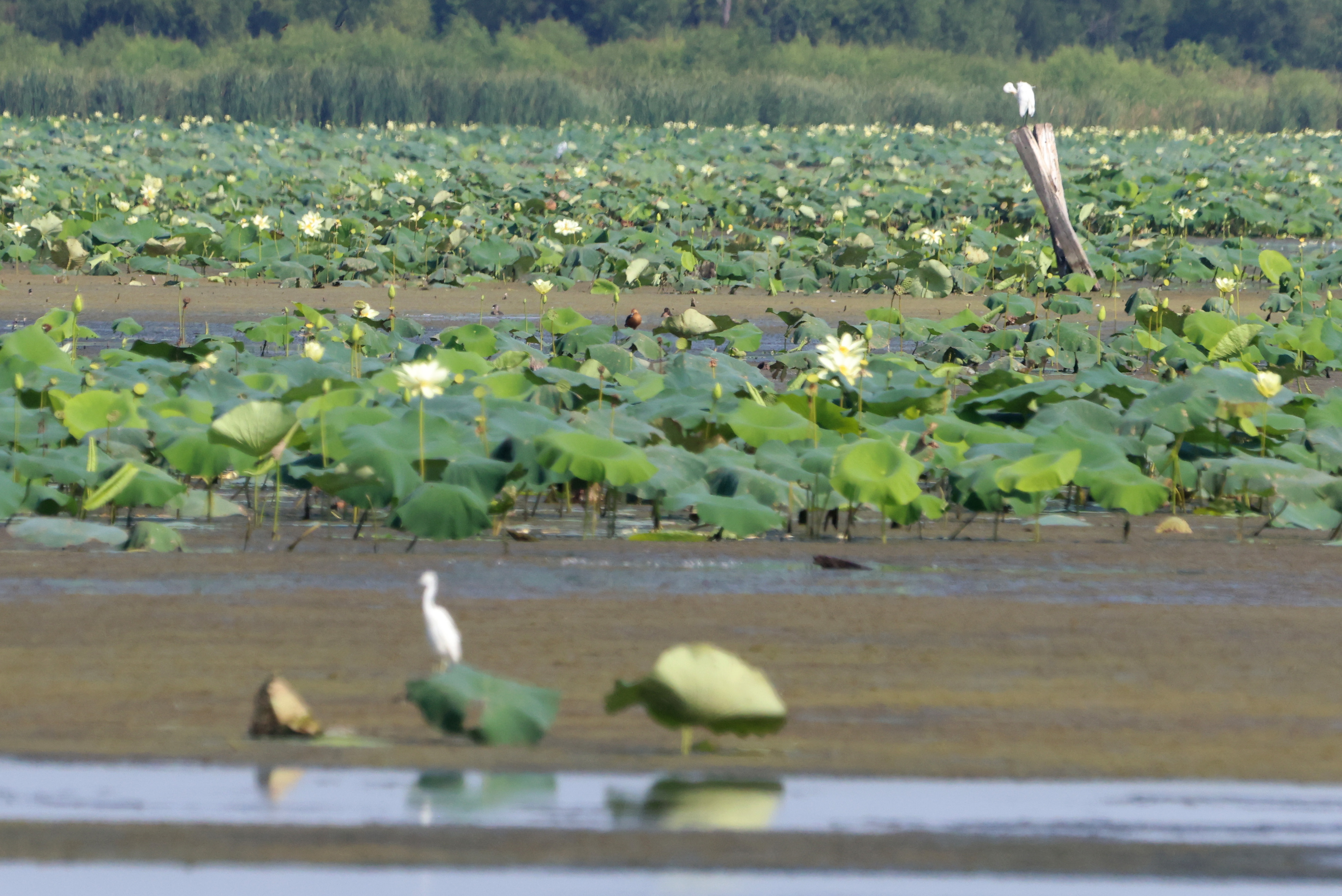
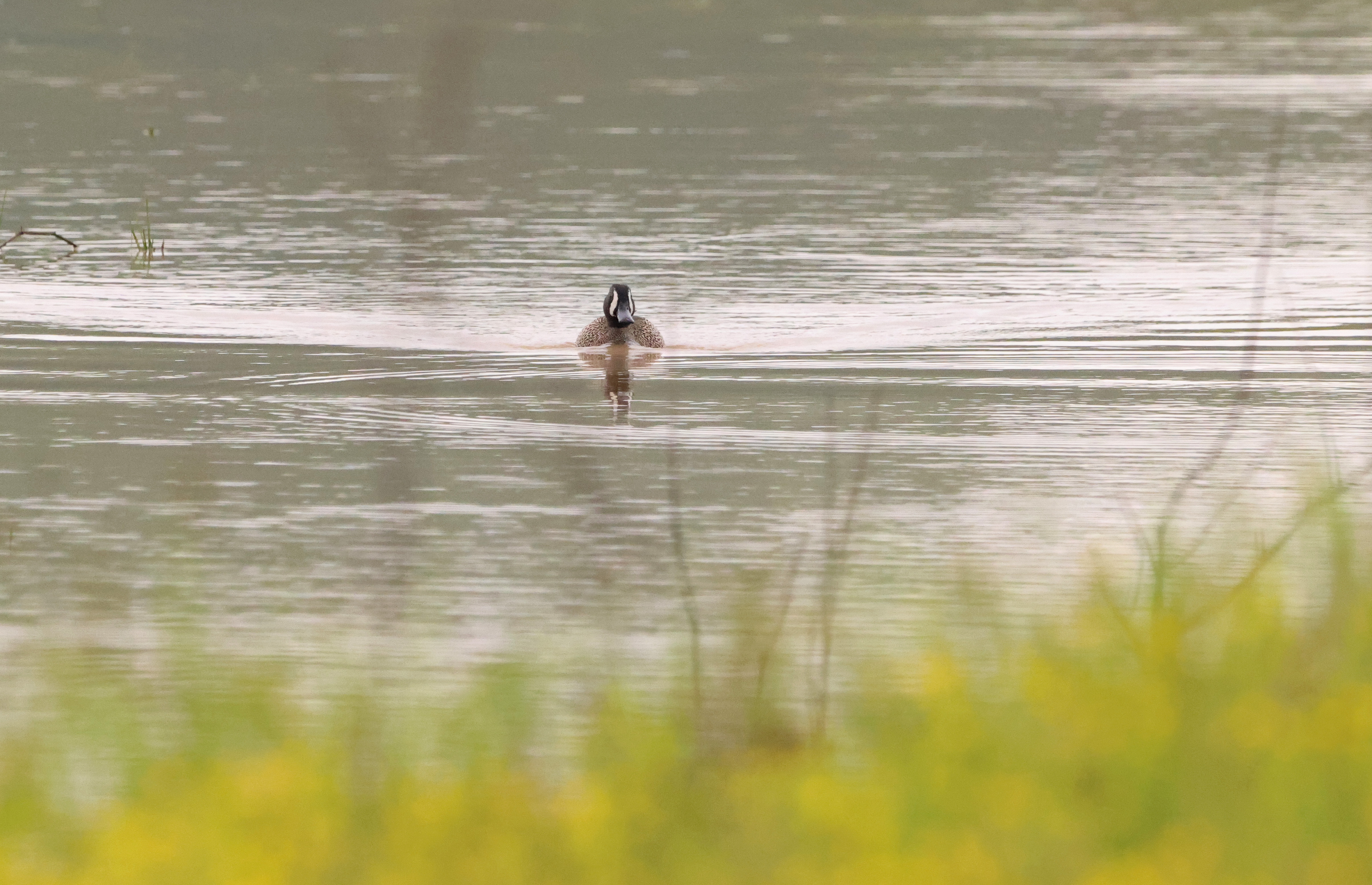
We spent just over an hour looking out over a marsh filled with Lilly pads and birds. Here’s a few other species we saw:
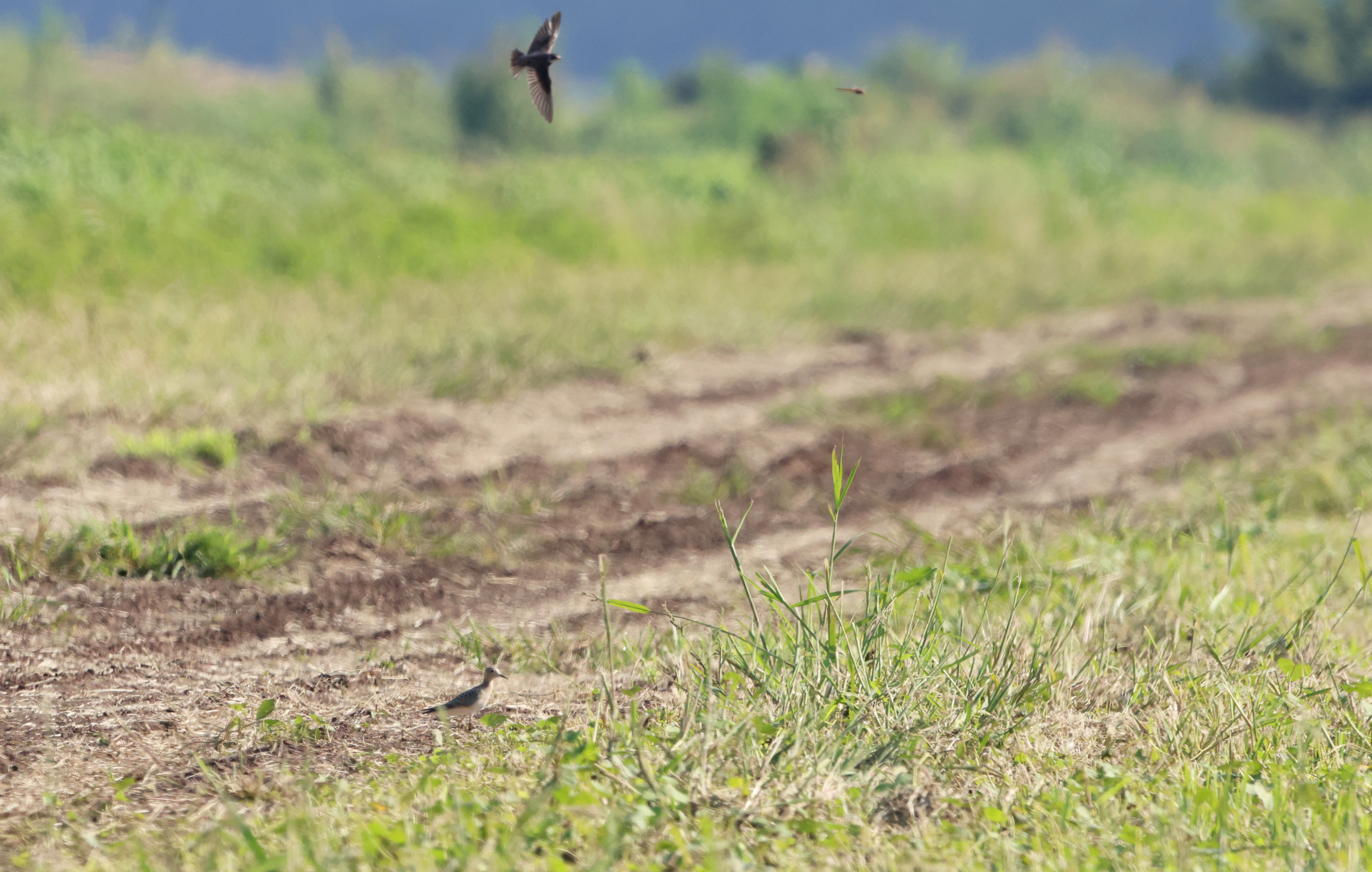
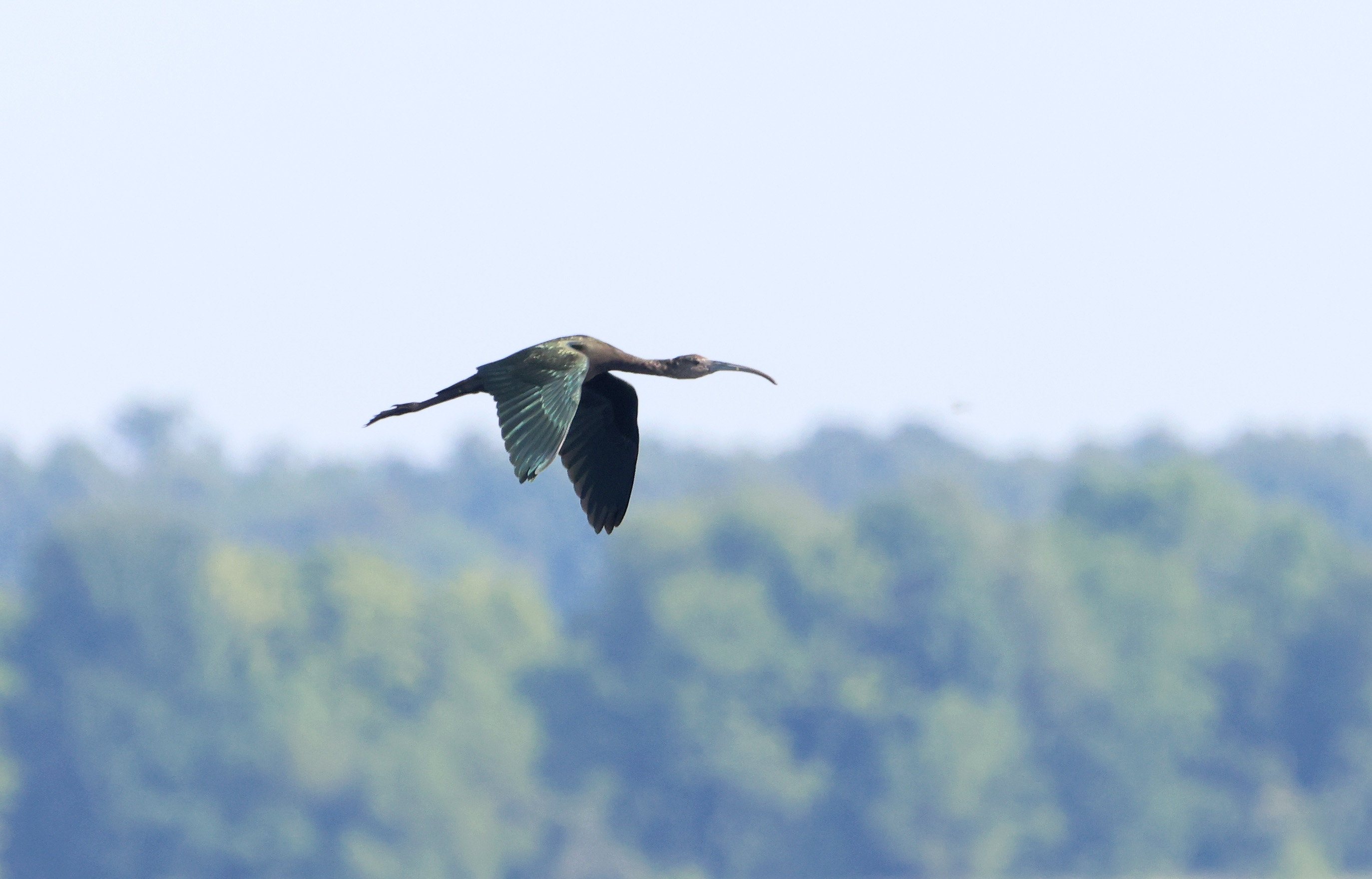
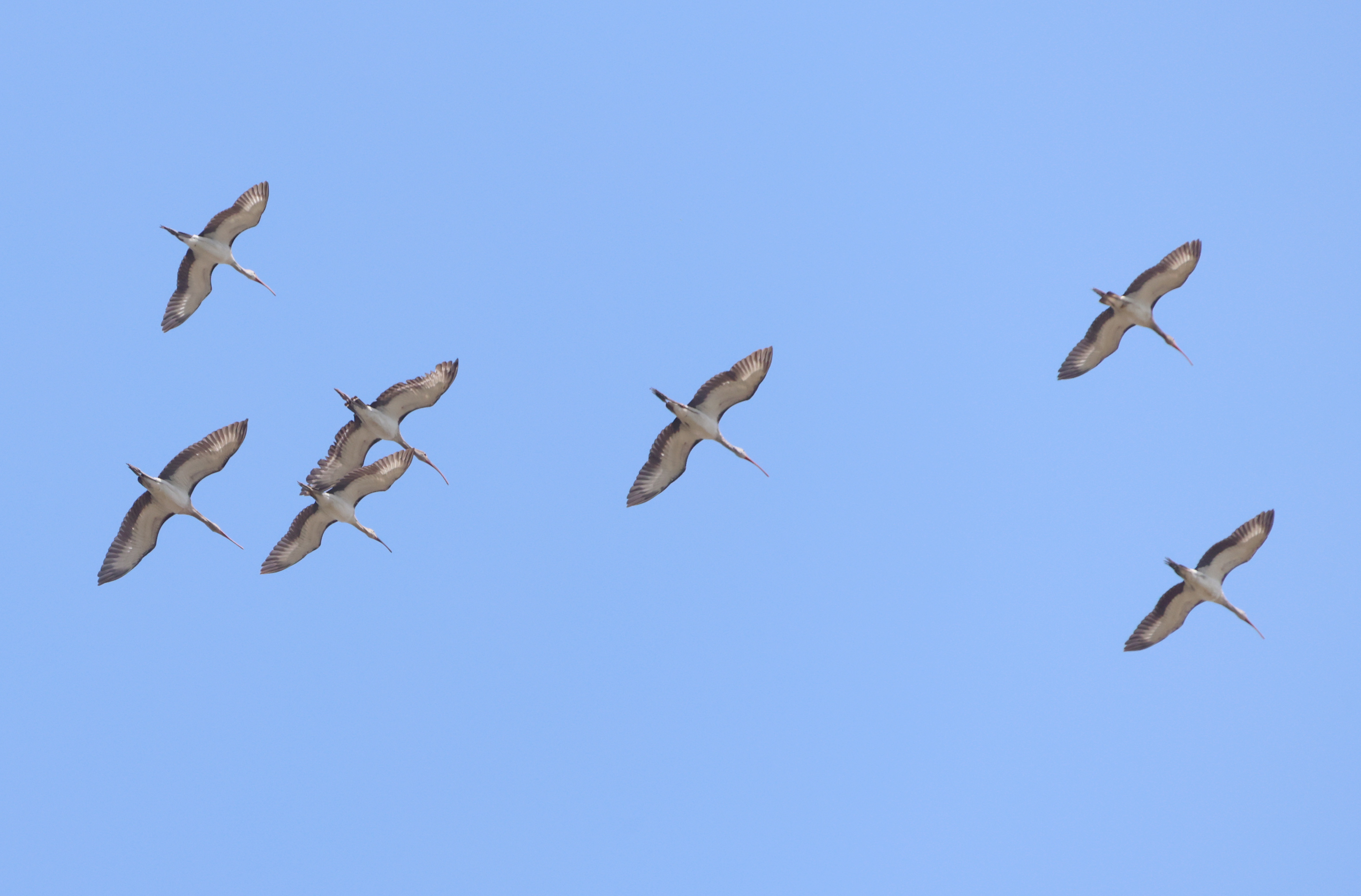
It was a fun but, it was hot and with few new birds spotted, we decided to move on. We drove along the levee by the Mississippi River to the McCallie Access in Desha County. We spotted 27 bird species including a Least Tern diving for food. We also got better looks of White Ibis flying overhead. That’s always a welcome sight.

We ended the day at Freddie Black Choctaw Island WMA Deer Research Area East Unit. It was here we finally heard then saw two Alder Flycatchers calling to each other – a first for me. Alder Flycatchers are heard to distinguish from other flycatchers. You need to hear their call as well to make the identification, which also throws me off. They migrate through Arkansas, and thrive in open settings such as bogs and beaver ponds, according to All About Birds.

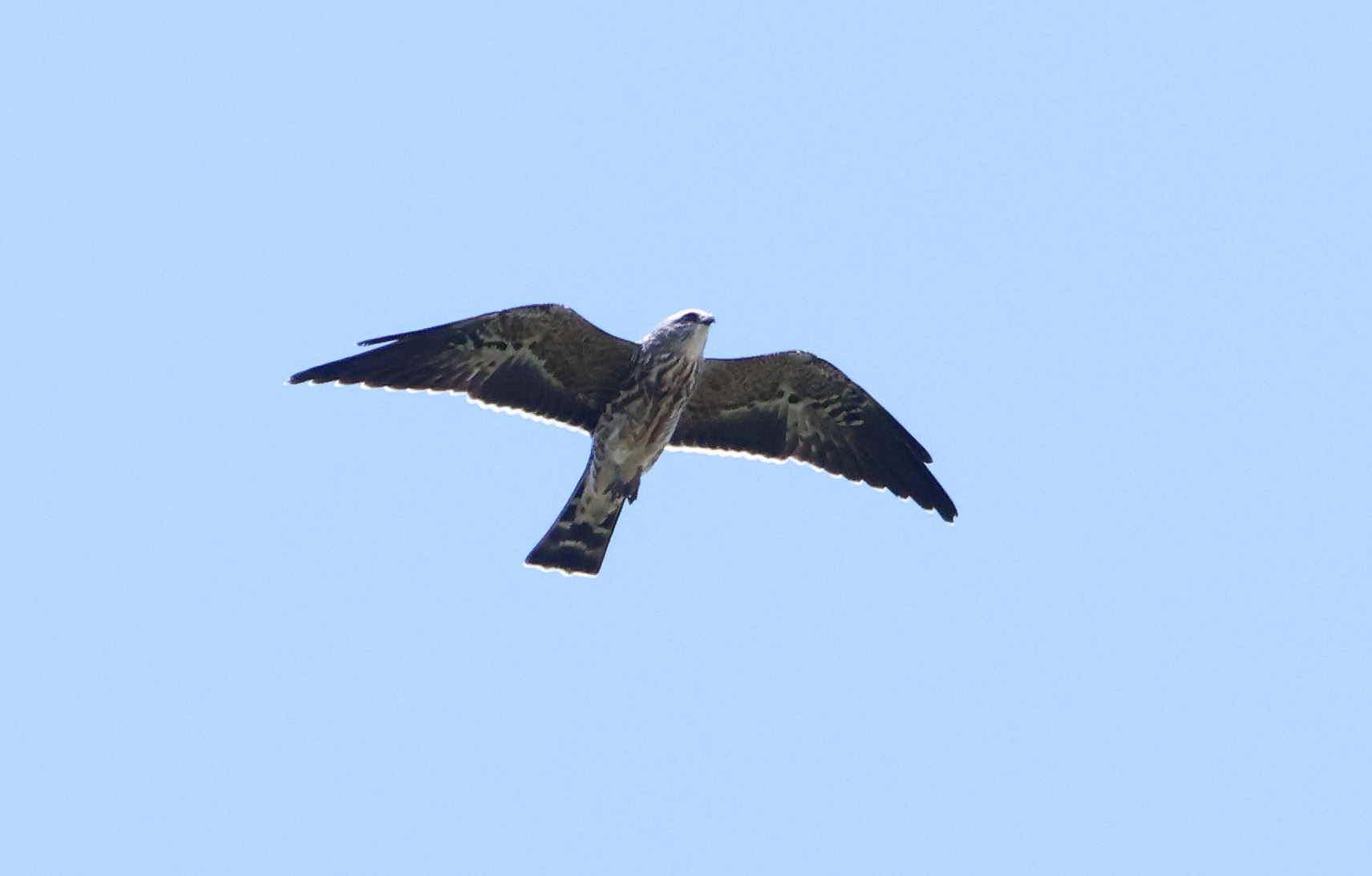
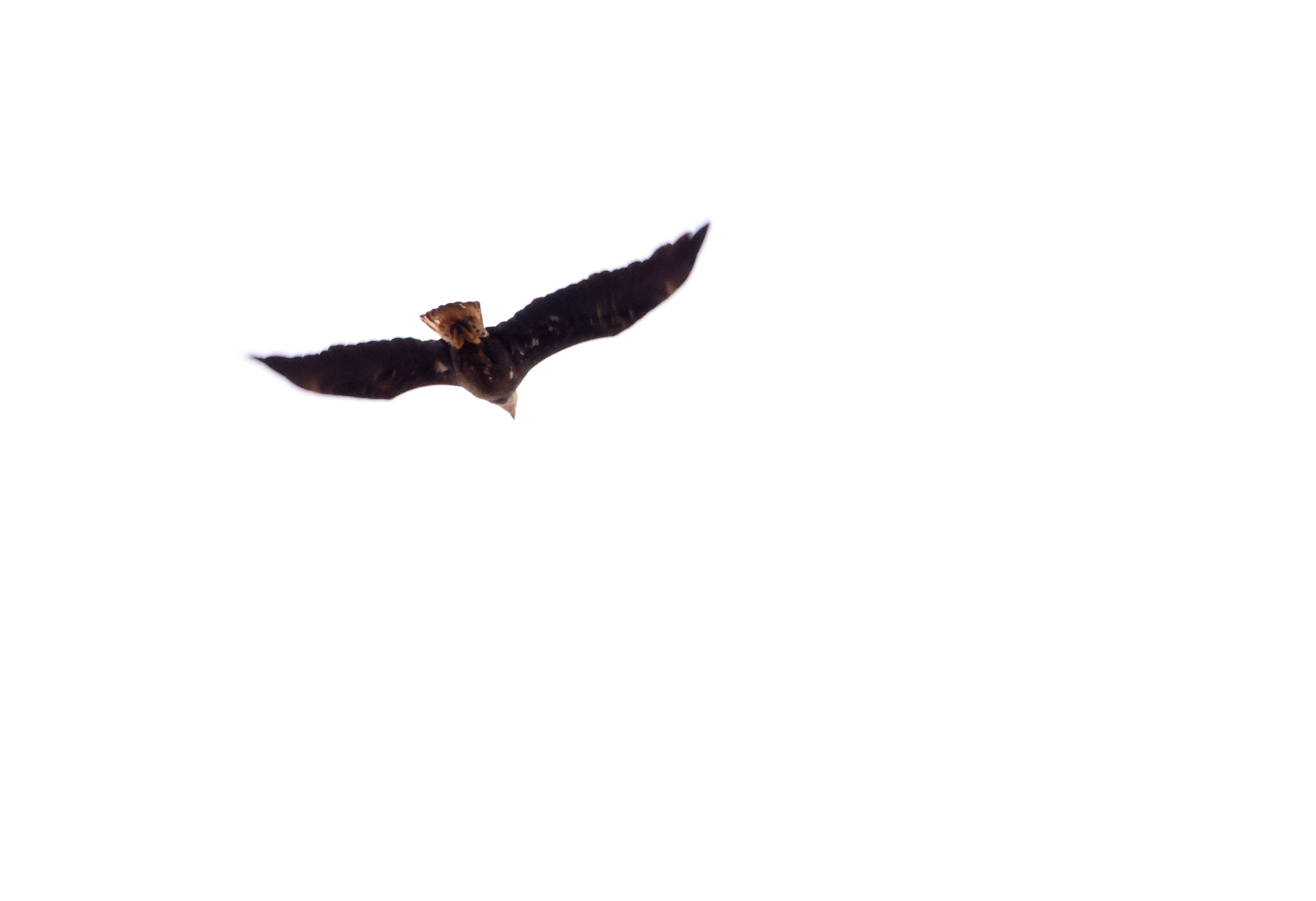
We also saw plenty of Mississippi Kites, which never gets old.

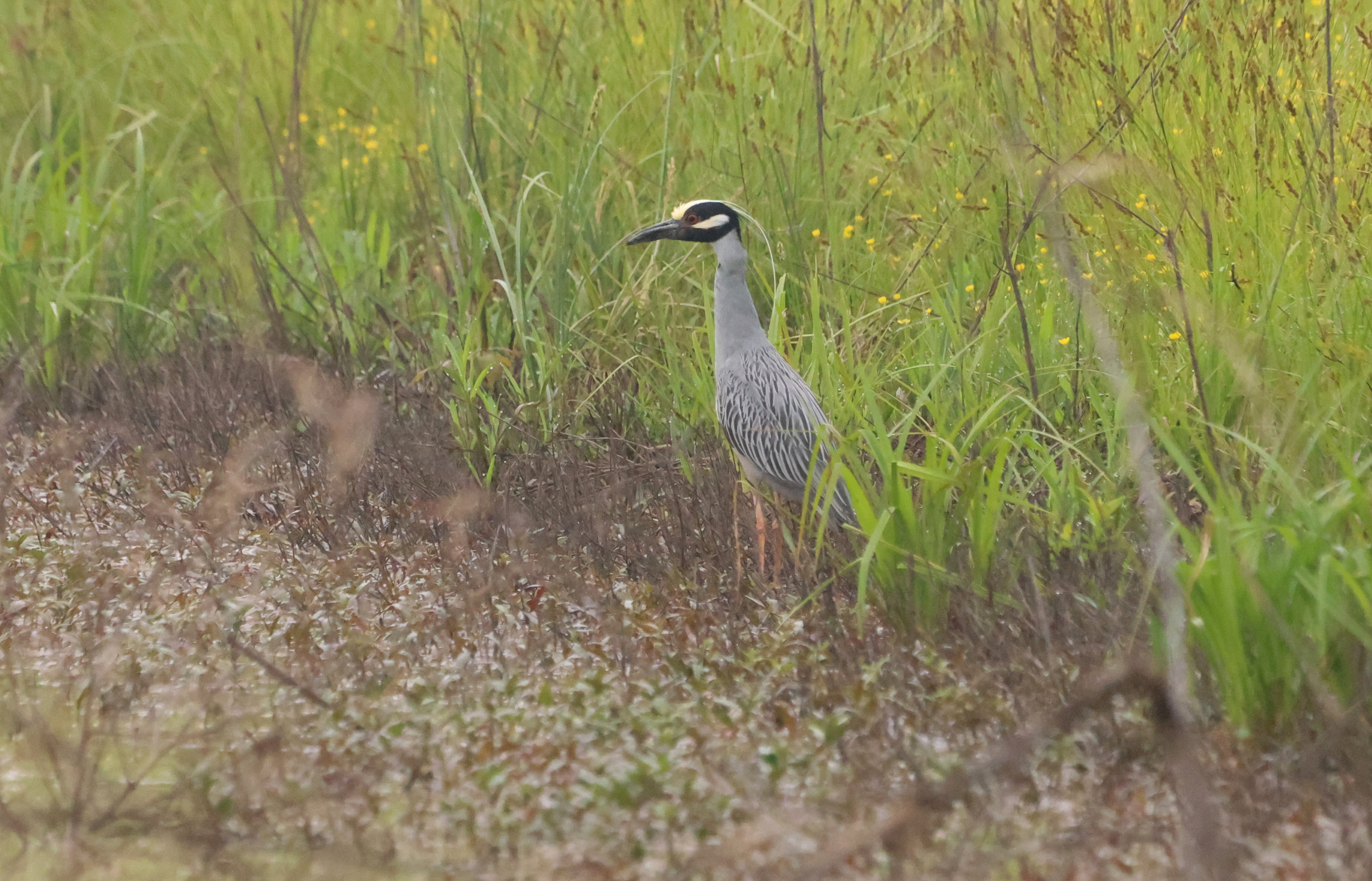
To top off the day, we passed an immature Yellow-crowned Night-Heron as we headed home.

Photos: Migration Season

Lark Bunting

I’ve been heavily birding the past few weekends to take advantage of the birds passing through Arkansas. And I’ve gotten lucky with my sightings so far. This past weekend, a Lark Bunting was spotted in Bald Knob National Wildlife Refuge. Luckily, I was able to head that way about an hour or two after it was first reported. Boy, am I glad I headed that way. I went back the next morning and the bird could not be refound.
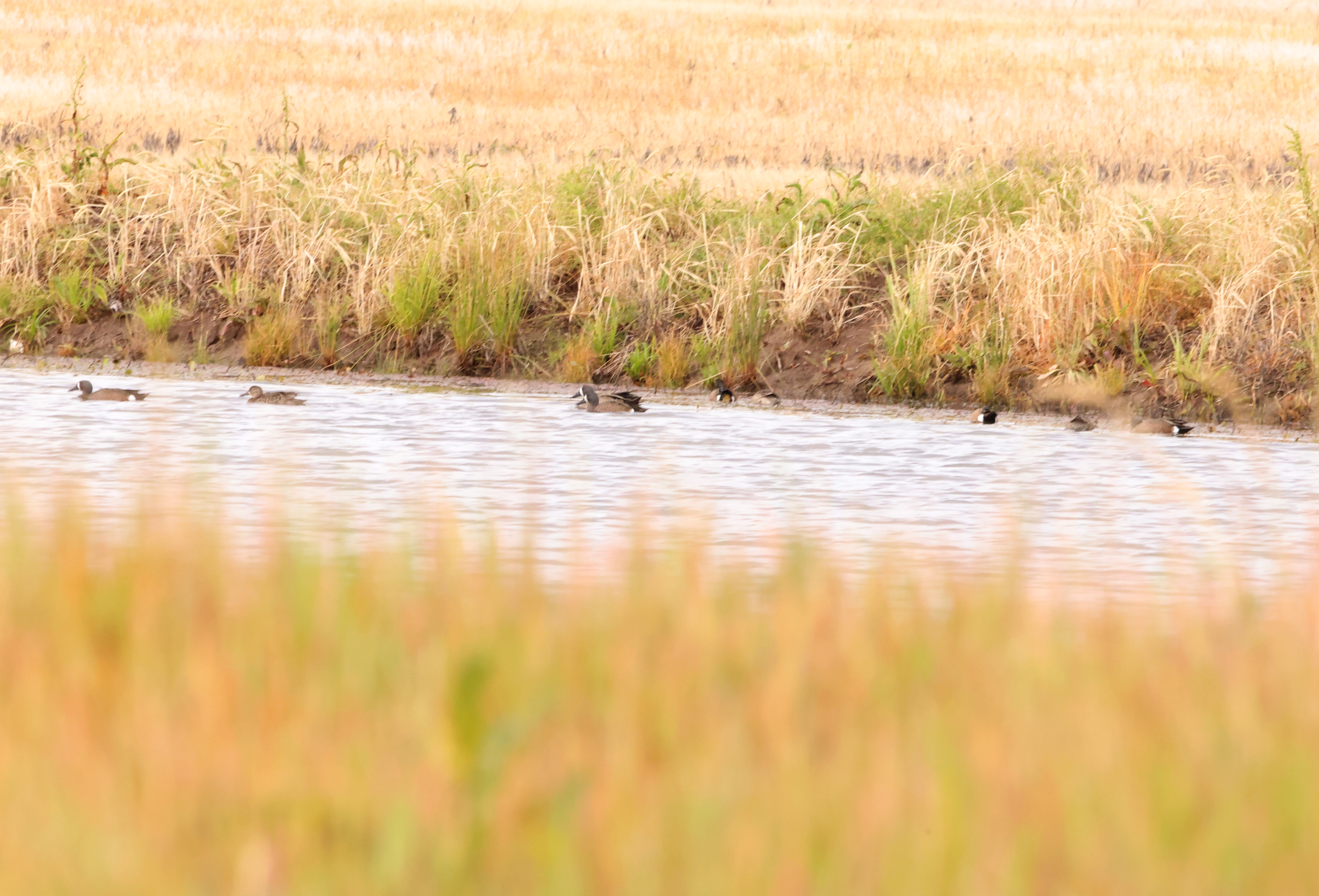
Lark Buntings are not common for Arkansas, but more to the mid-west of us. Think Texas, New Mexico, Colorado, and moving up from there to parts of North Dakota, Montana, and Canada during the breeding season. Nonbreeding season is spent in Central Arkansas and parts of Texas, New Mexico and Arizona.

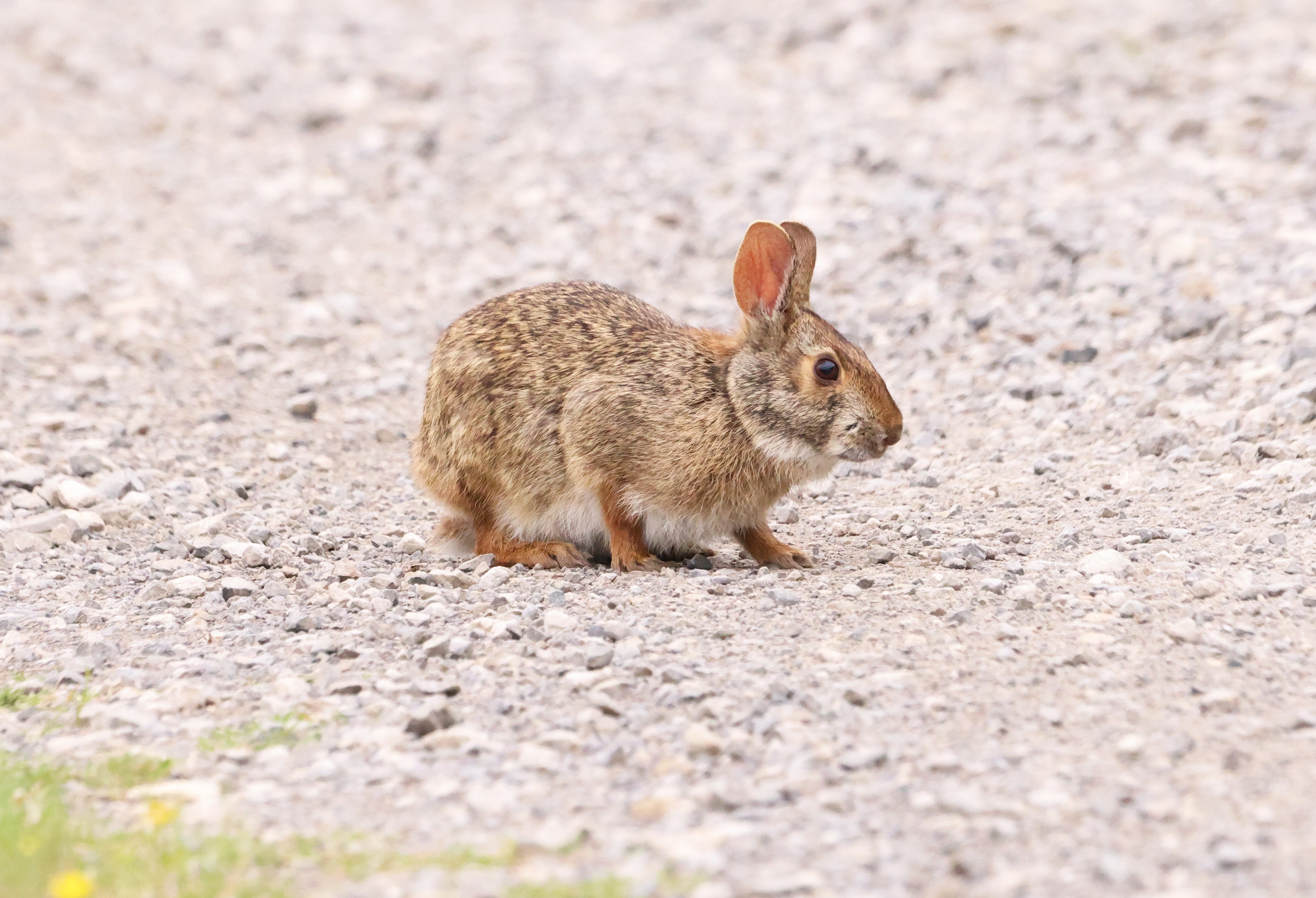
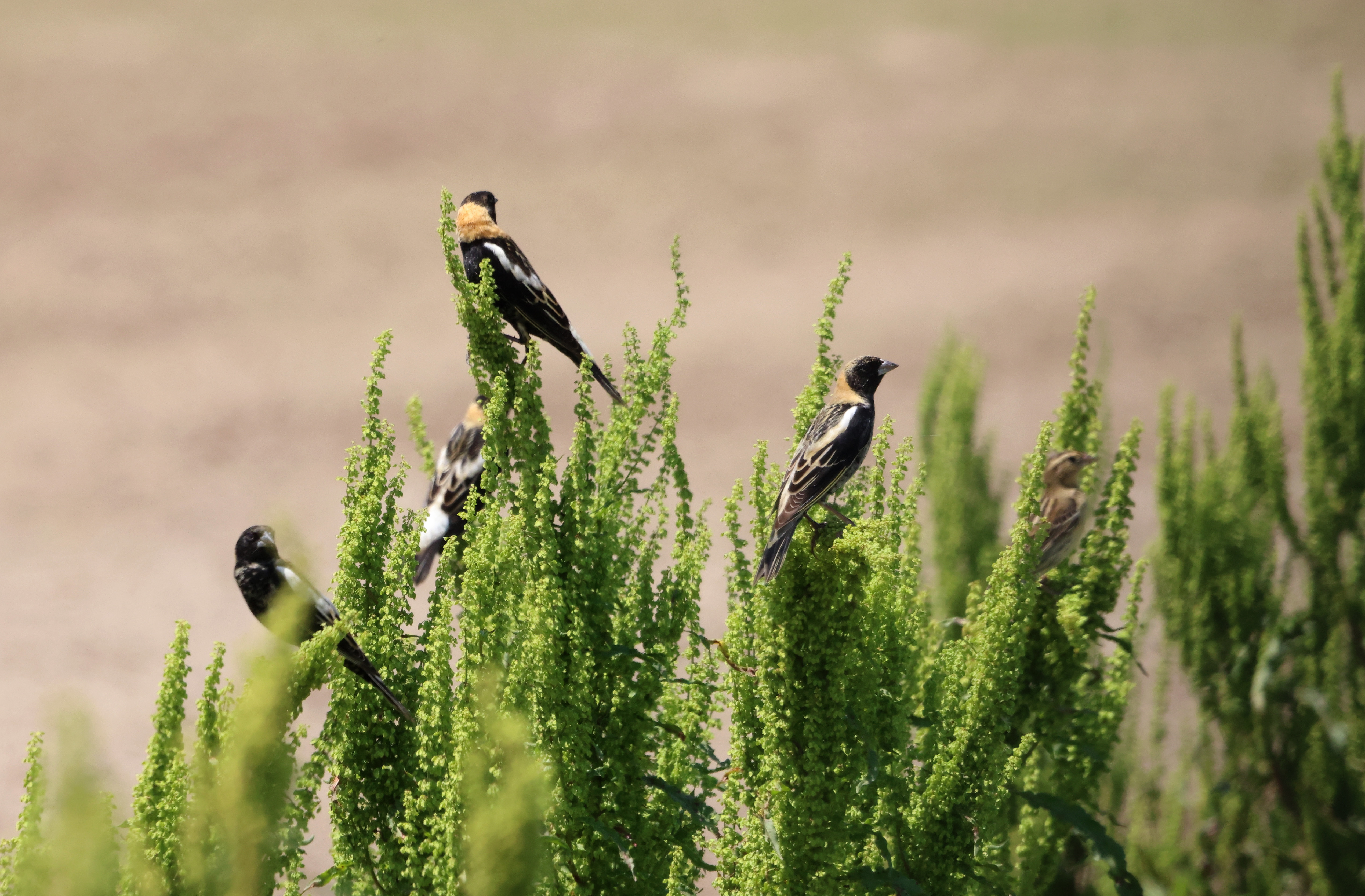
Here are a few other birds – and animals – I was excited to find:

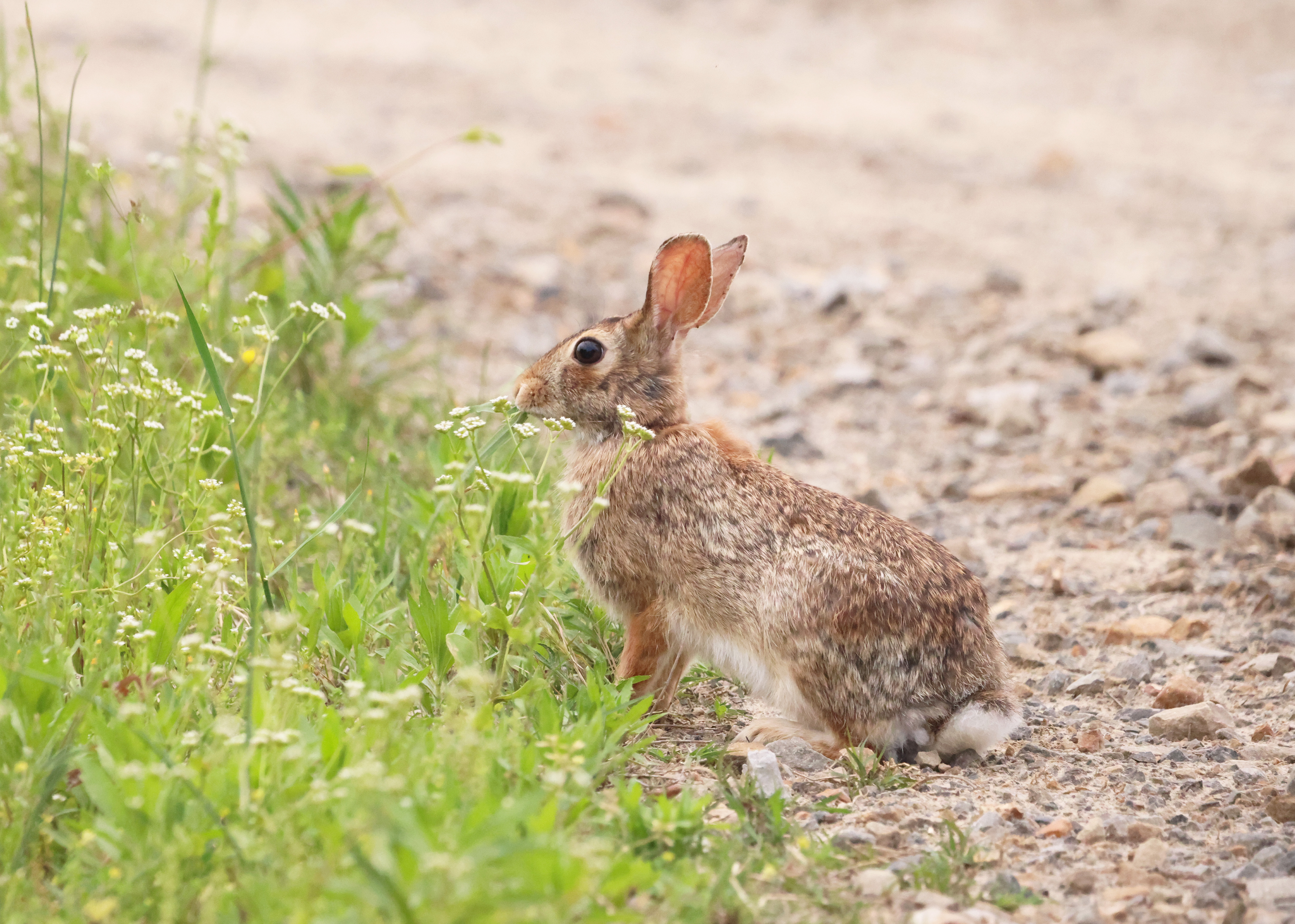
Swamp Rabbit
Western Kingbird

Photos: Lollie Bottoms

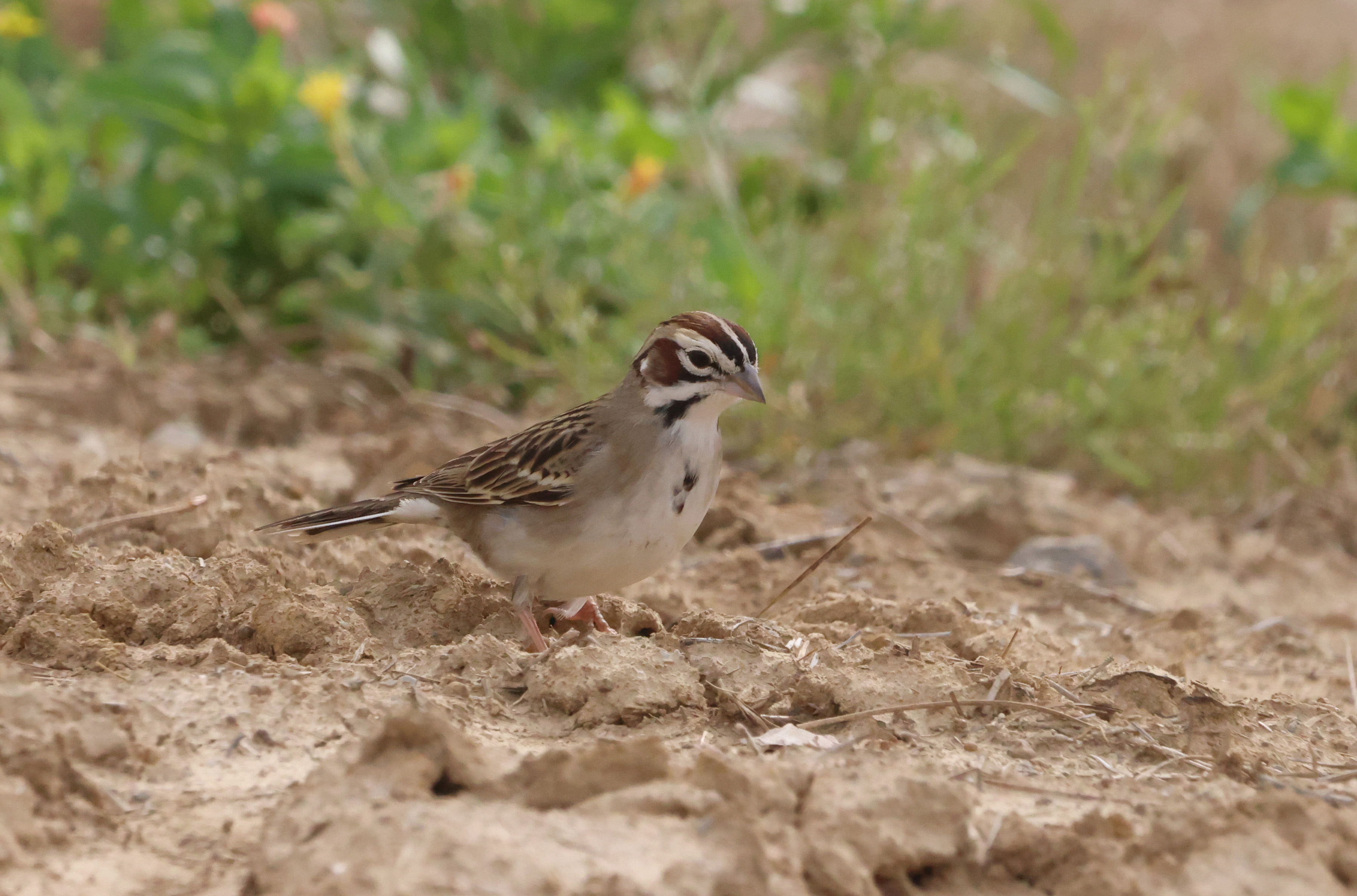
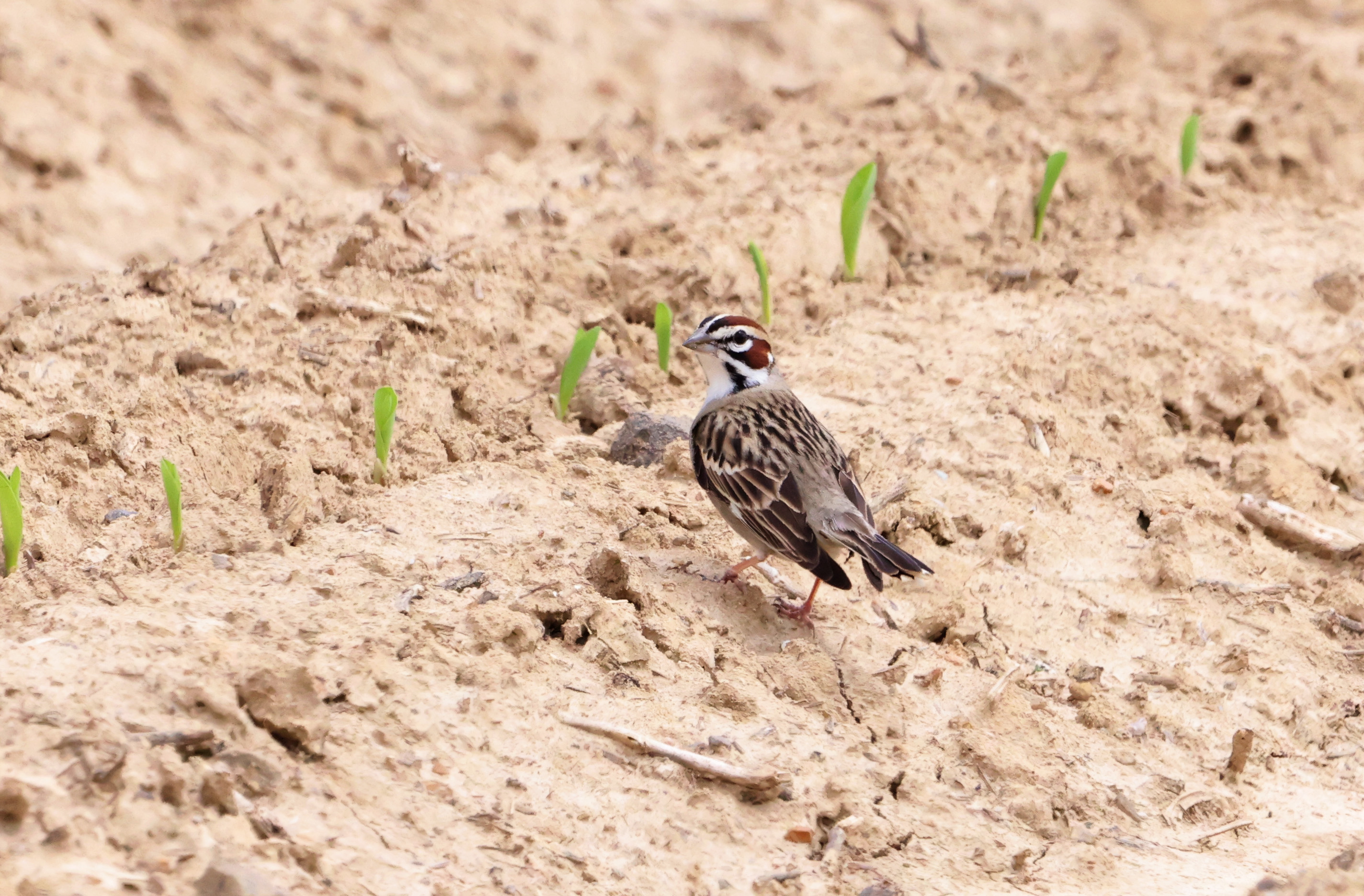
Lark Sparrow

One bird I’ve wanted to see this year has been the Lark Sparrow. Lark Sparrows, which have a harlequin facial pattern and white tail spots, breed in Arkansas. I finally saw several Lark Sparrows on Sunday when I joined five other birders to visit Lollie Bottoms near Mayflower and Conway. Lollie Bottoms winds through agricultural fields and the area circling the Conway airport. It’s an eBird hotspot during winter and the spring/fall migration.

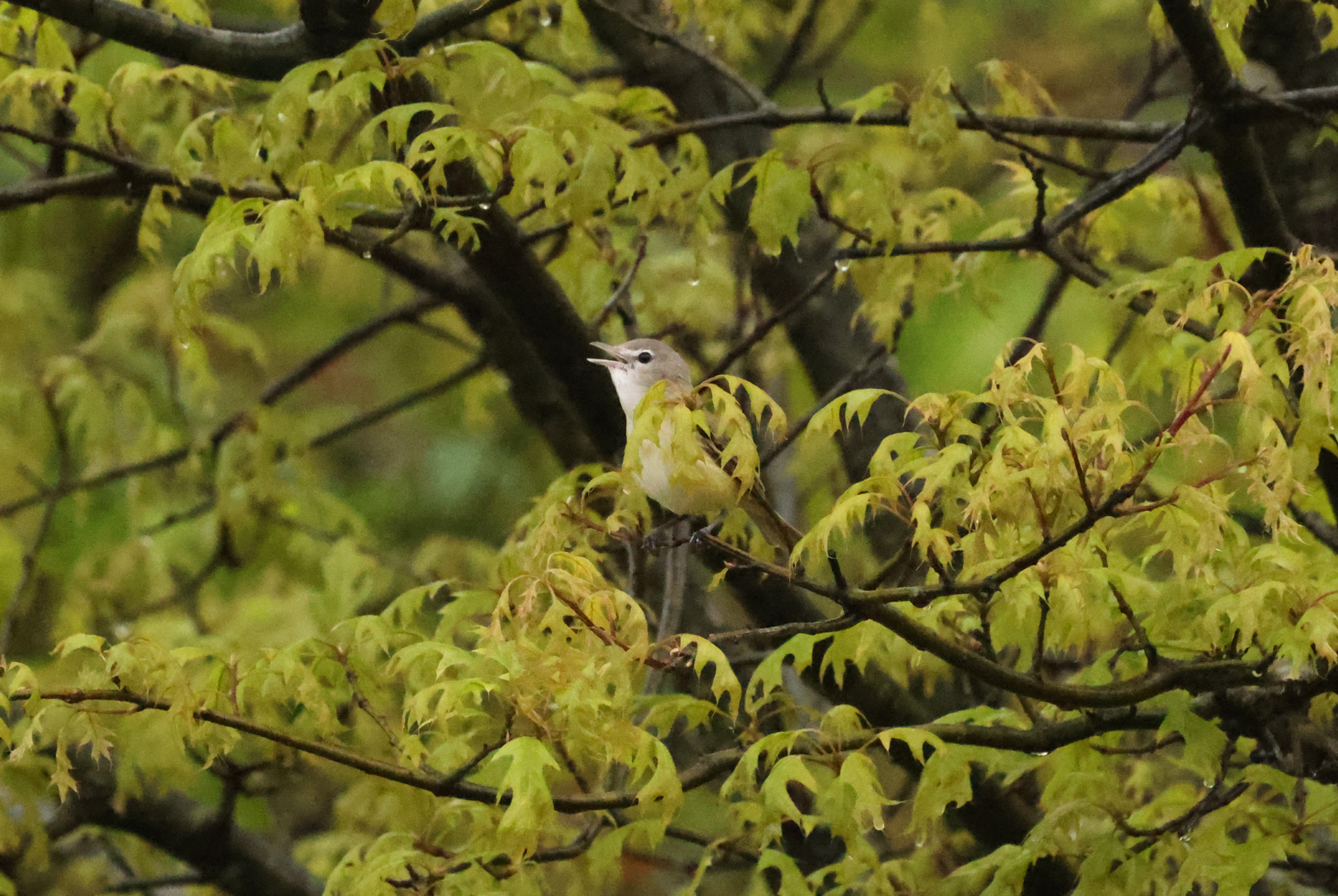
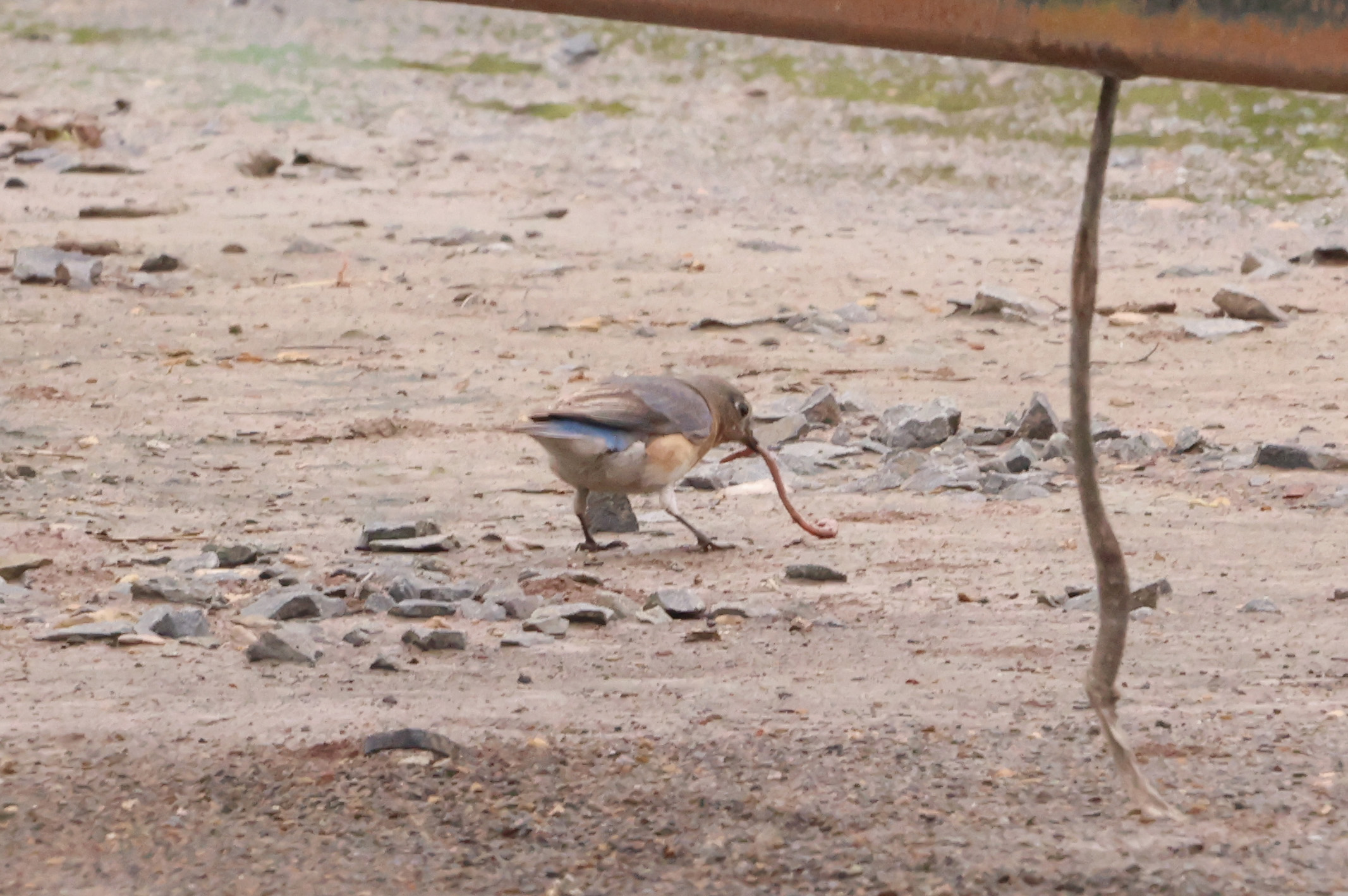
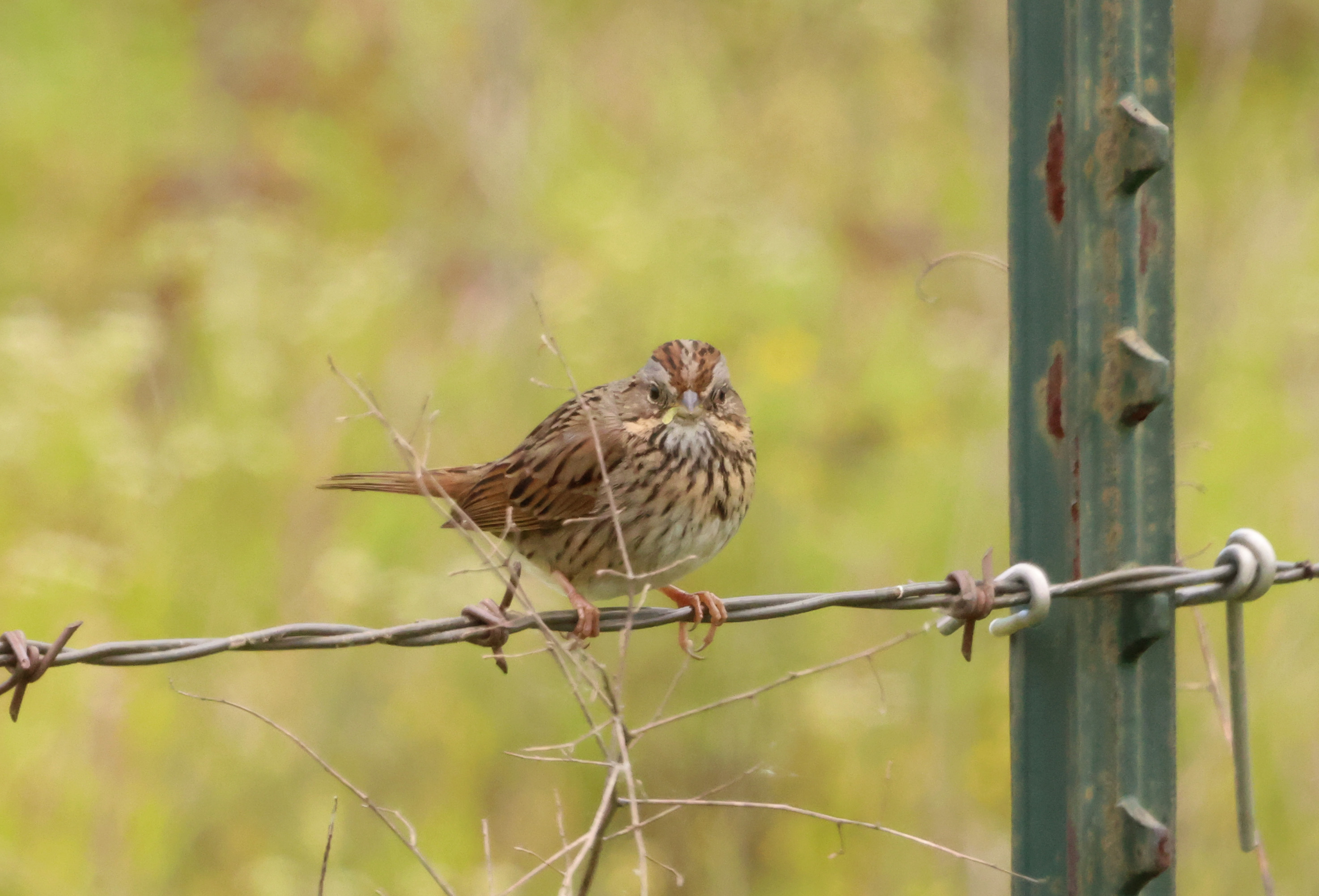
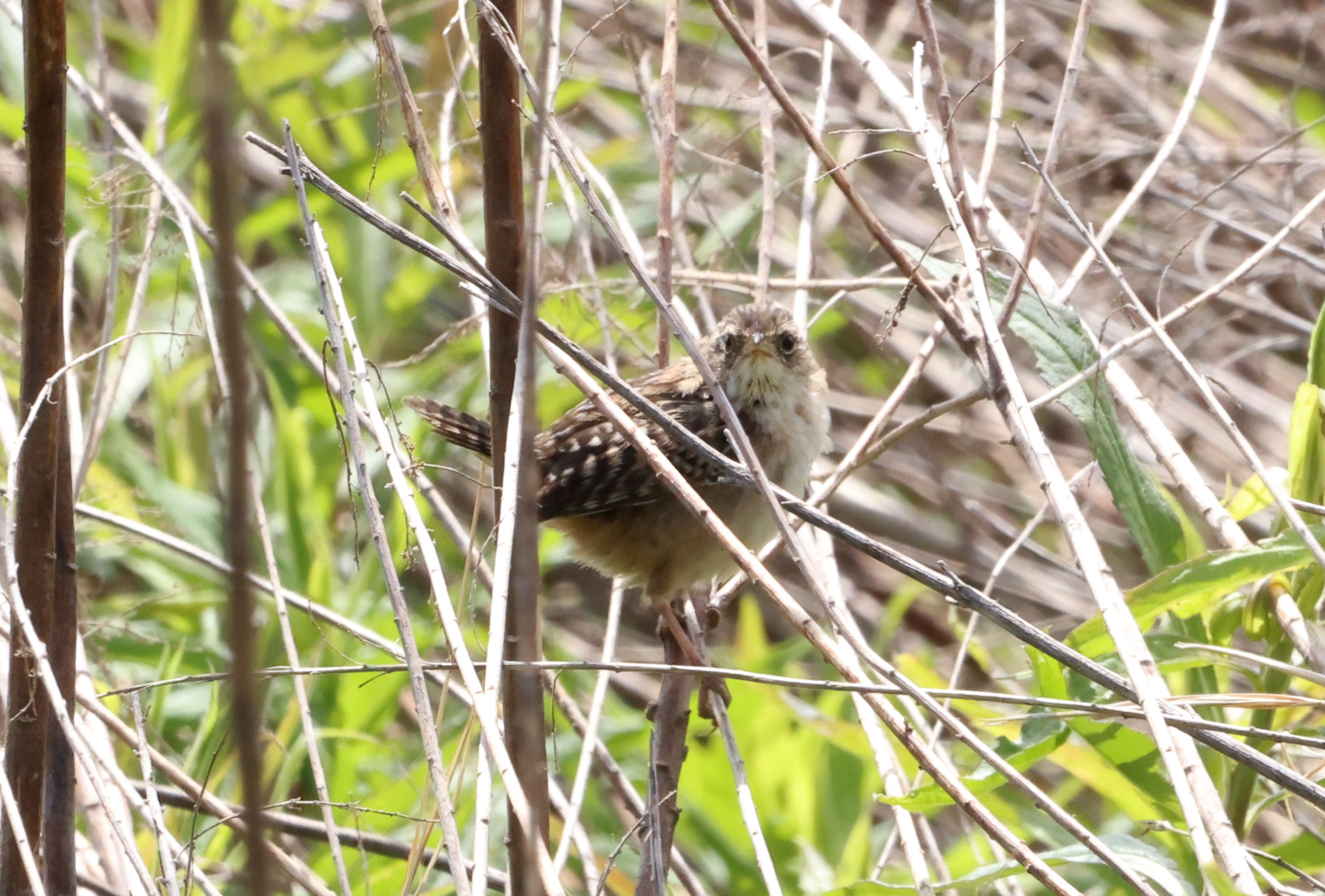
The trip turned out to be extremely birdy with us finding 433 birds of 45 different species. Some firsts for me were Brewer’s Blackbirds and Upland Sandpipers. We thought we’d found a Piping Plover, which would have been another first but it later turned out to be a Semipalmated Plover instead. I also saw some birds I don’t see often like a Lincoln’s Sparrow, a Sedge Wren and a Warbling Vireo. The Warbling Vireo was actually found in a spot that we typically don’t expect to find one so that was interesting. The Warbling Vireo is typically found in deciduous forest, and we found our bird in a patch of trees/brush on the corner of an agricultural field.

Warbling Vireo