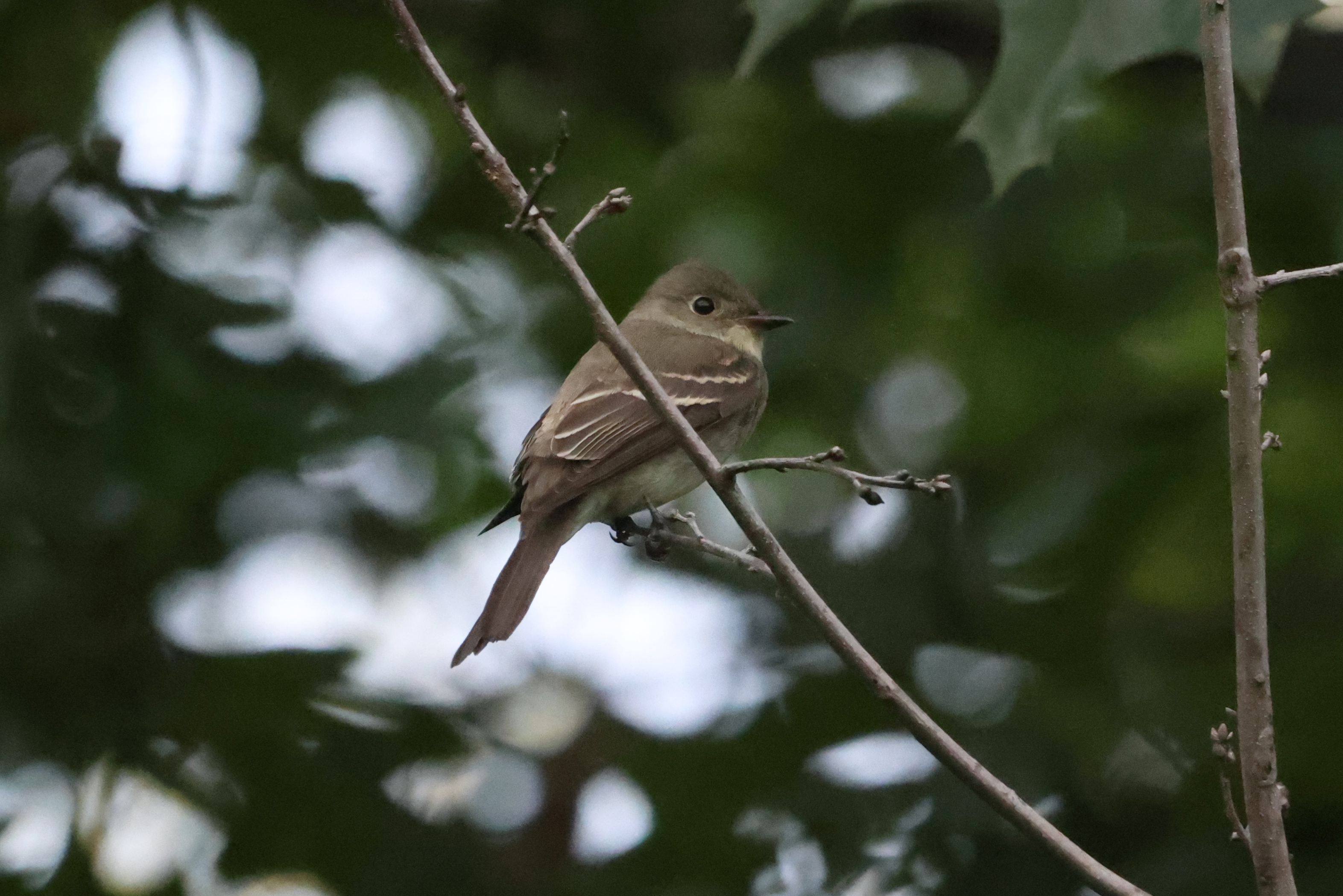
Acadian Flycatcher

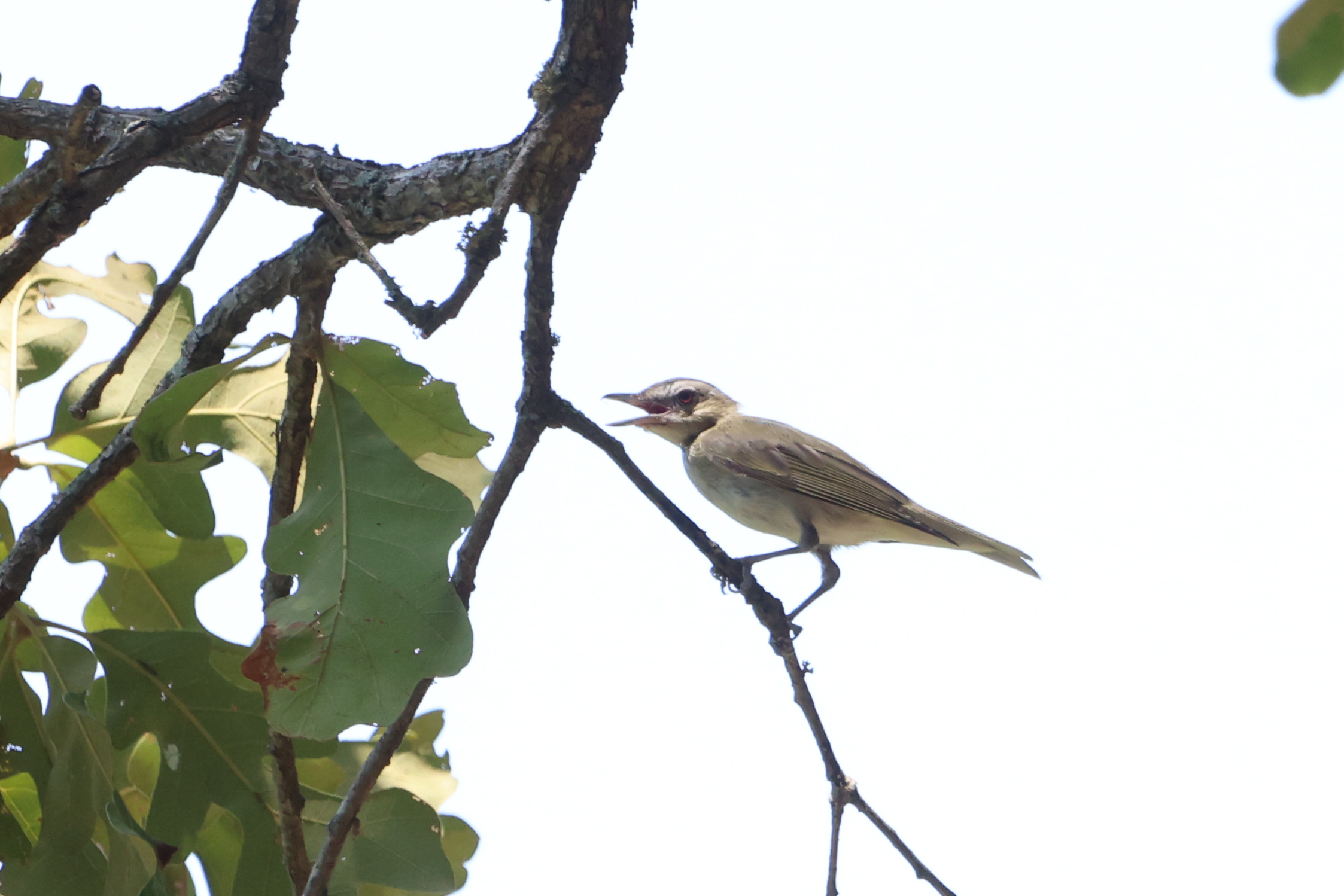
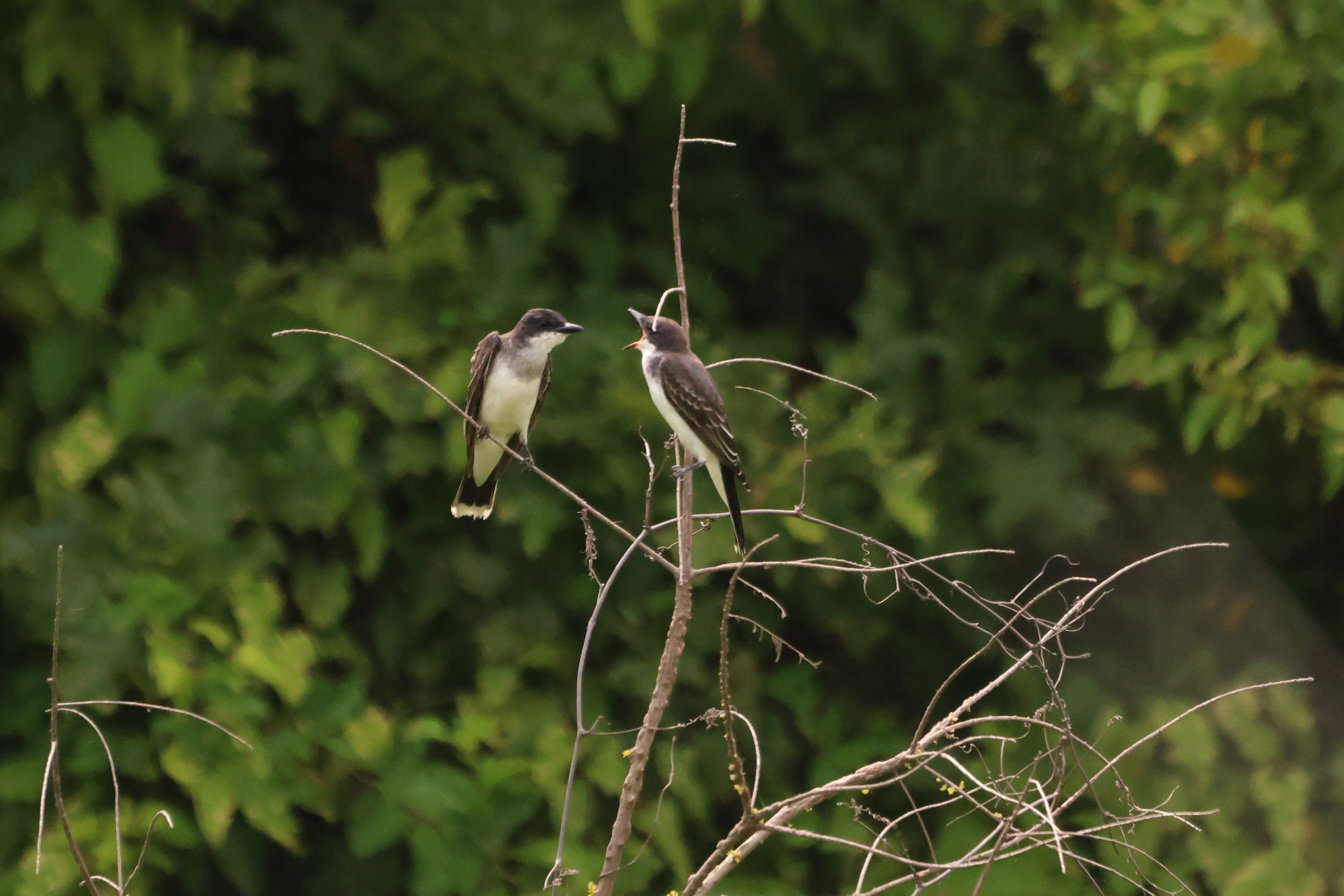
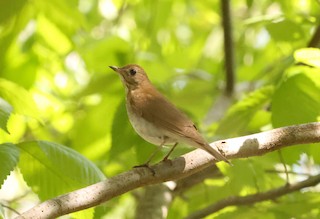
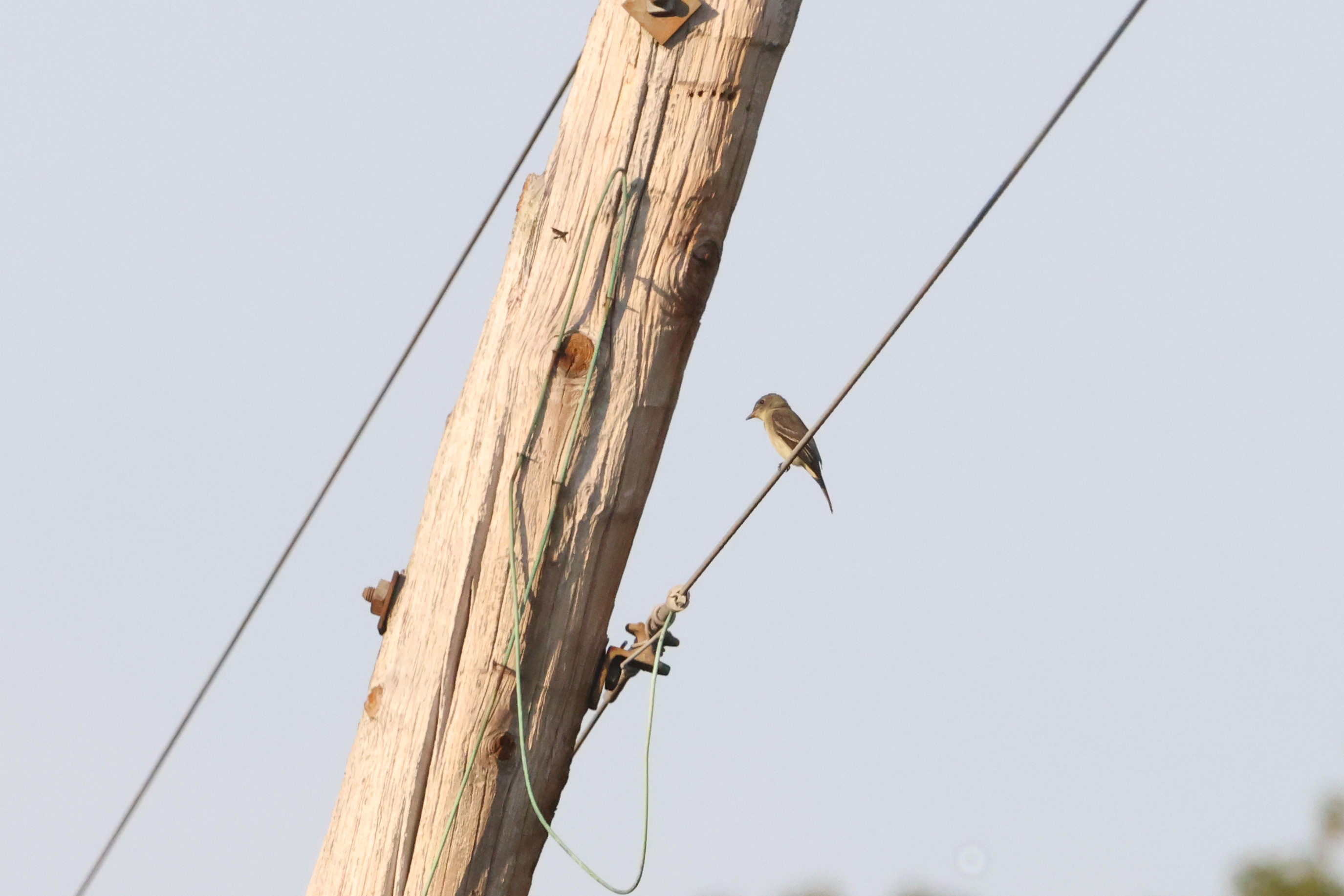
I’ve been hearing Acadian Flycatchers for a while at Bald Knob National Wildlife Refuge, but I haven’t been able to spot one until today. This one finally responded to call playbacks and showed up so I could get a good look.

Acadian Flycatchers are sparrow-sized and are olive-green above with a whitish eye ring and underparts. They can be found in Arkansas during breeding season before migrating to Central America and spending their non breeding season in the upper parts of South America.

One cool fact from AllAboutBirds.org: they “are such adept fliers that they sometimes take a bath not by wading into water but by diving at it, hitting the surface with its chest, and then returning to a perch to preen and shake.”
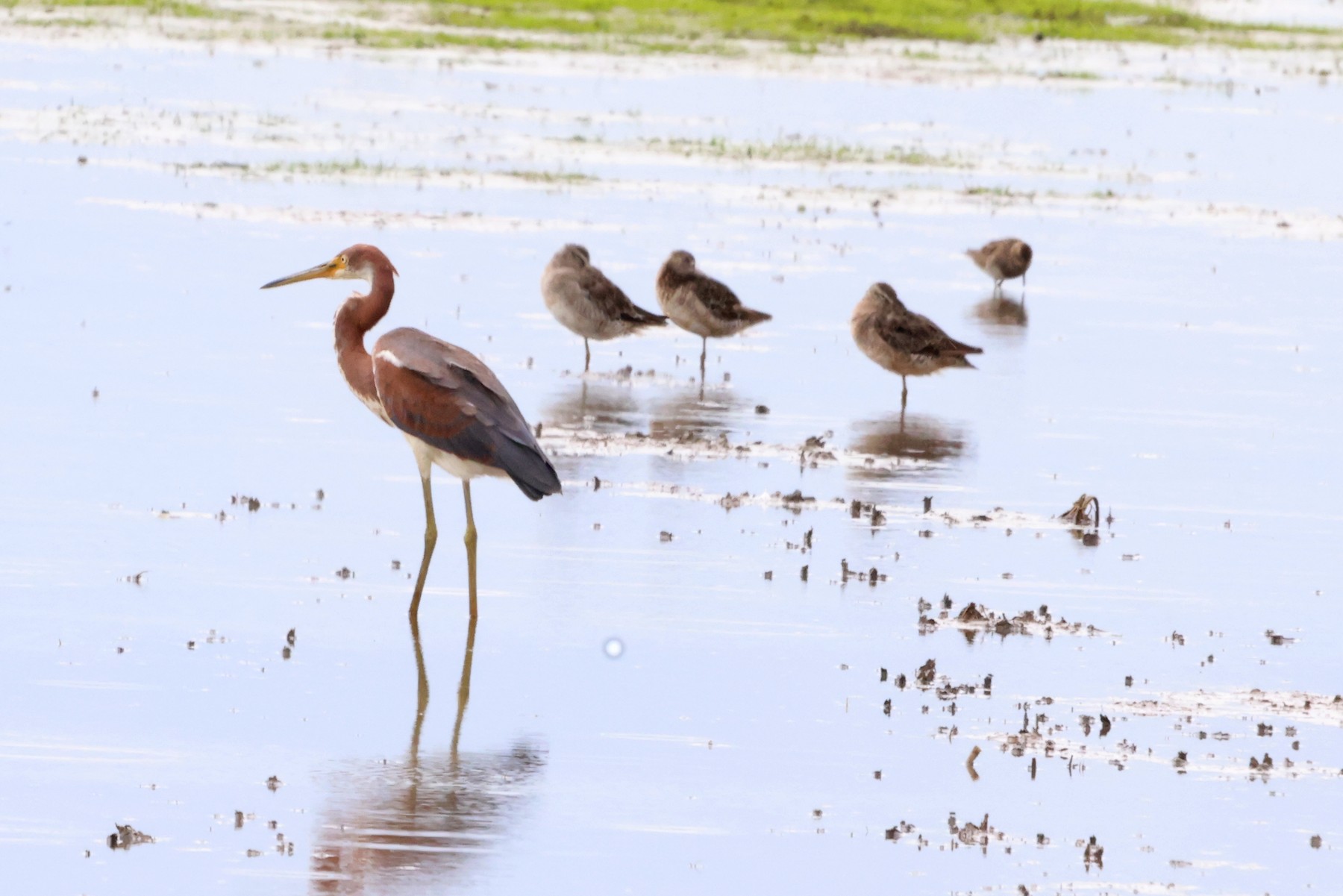
Tricolored Heron

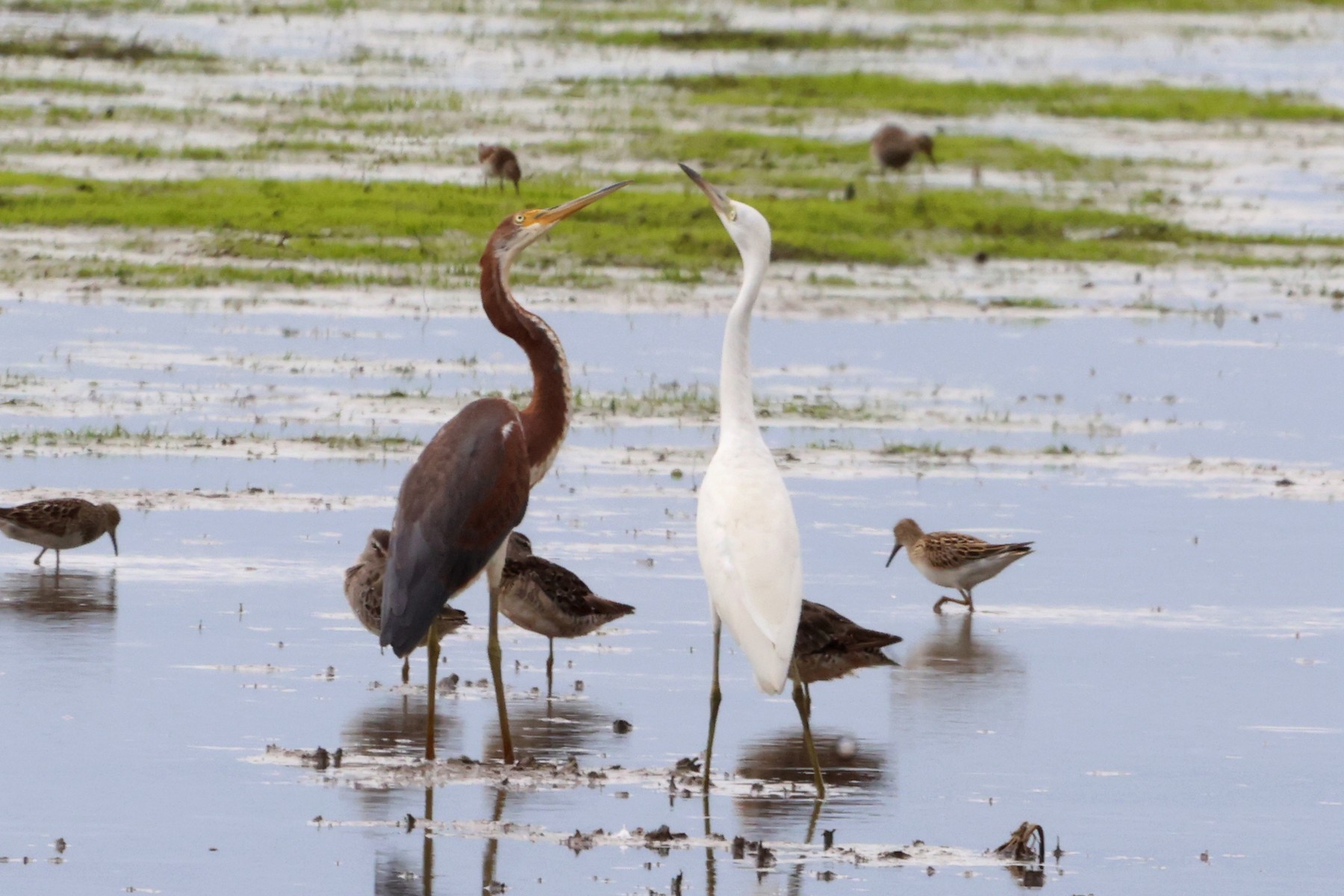
I saw my first Tricolored Heron at Bald Knob National Wildlife Refuge. It looks similar to a Great Blue Heron except it has a white belly, a stripe down the neck, and a yellow section that runs from the beak to around the eyes. According to allaboutbirds.org, the Tricolored Heron is common in southern saltmarshes although its range is along the eastern and southern coastline of the United States.

Two neat facts I found on All About Birds: “Tricolored Herons sometimes follow behind Double-crested Cormorants and Pied-billed Grebes snapping up fish that they stir up.” The oldest one recorded was 17 years and 8 months old.

Tricolored Herons can be found in Arkansas each year but rarely.

Great-tailed Grackle

I recently stopped at a Prescott truck stop in southwest Arkansas, and found Great-tailed Grackles. These blackbirds are beautiful with sharp yellow eyes, black bills and legs, and a super long tail. Their feathers are iridescent.

Great-tailed Grackles are not as common in Arkansas, although they can be found year-round in the western part of the state near the border by Oklahoma, Texas and Louisiana.

Photos: Dr. Lester Sitzes III Bois d’Arc WMA

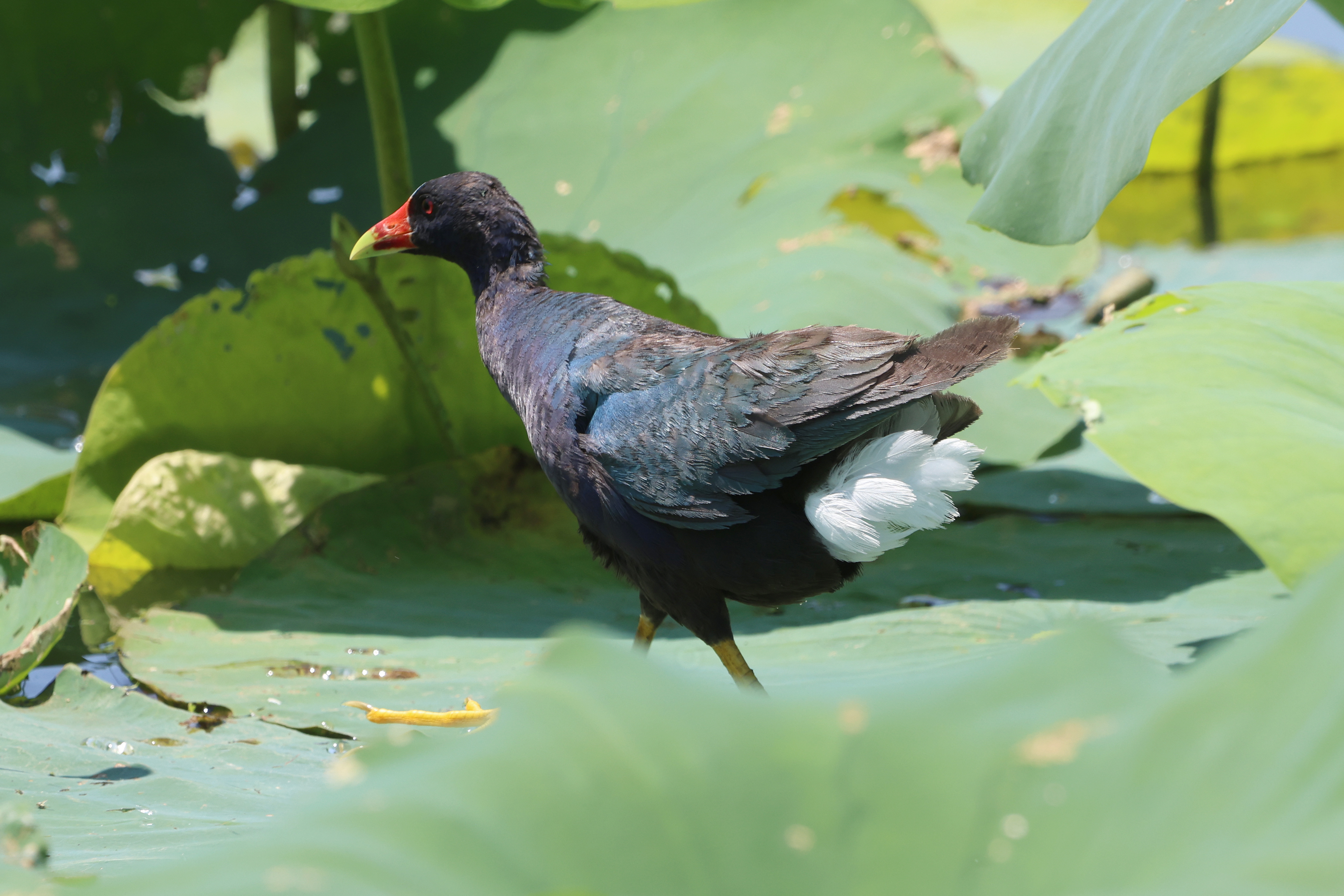
I recently visited the Dr. Lester Sitzes III Bois d’ Arc Wildlife Management Area outside of Hope in Hempstead County. Established as a WMA in the 1950s, my goal was to find a Purple Gallinule.

Similar to the Common Gallinule, this marsh bird is chicken sized. I’ve seen the common Gallinule plenty before, but not the Purple Gallinule. This visit had me seeing plenty as they walked across vegetation on the water. They are typically found in pockets of Arkansas during breeding season.

The visit was enjoyable, and I was happy to get a better photo and look of an Anhinga.

Anhinga

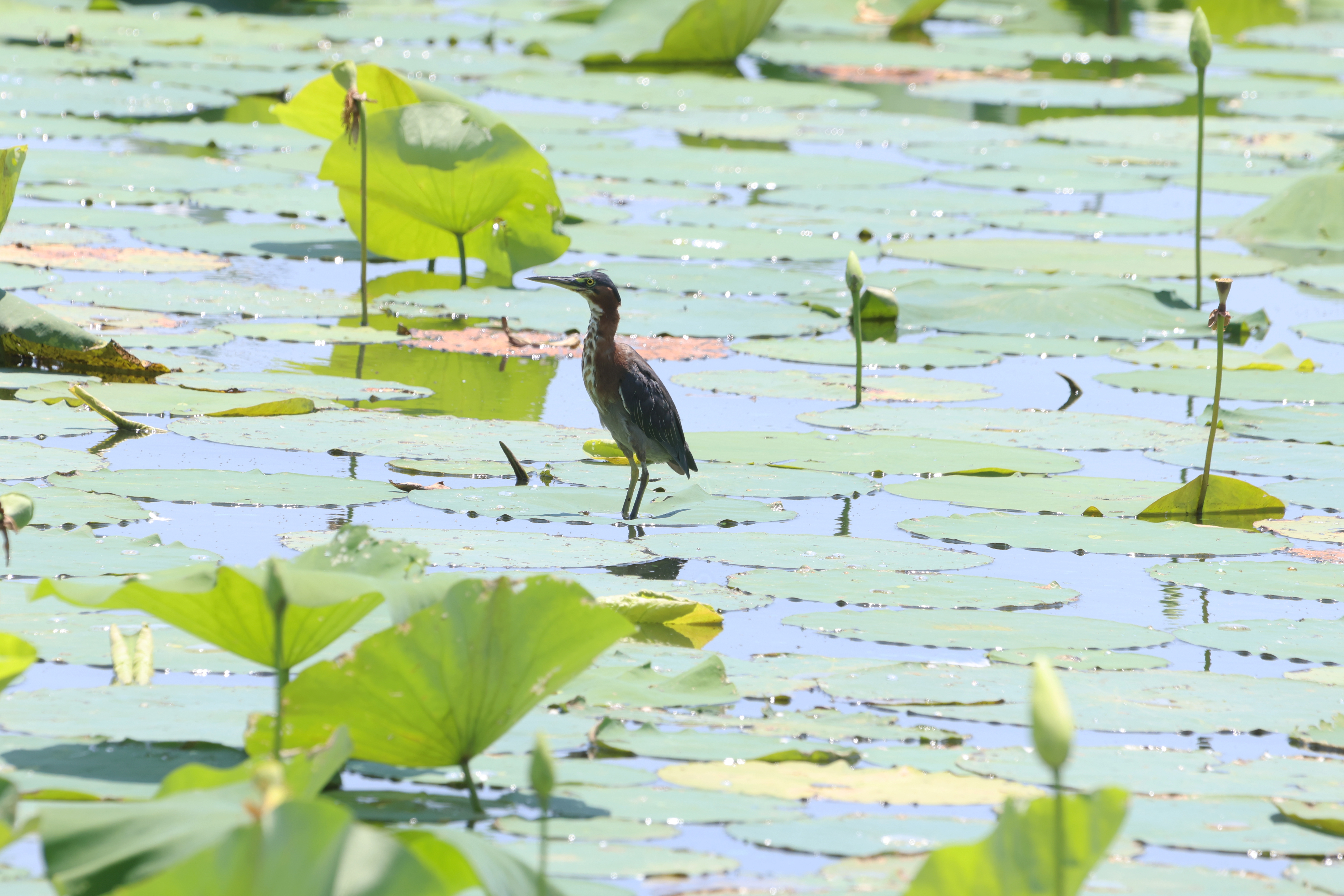
Here’s some other photos of what I saw:

Photos: Bald Knob WMA Revisited

Black Tern

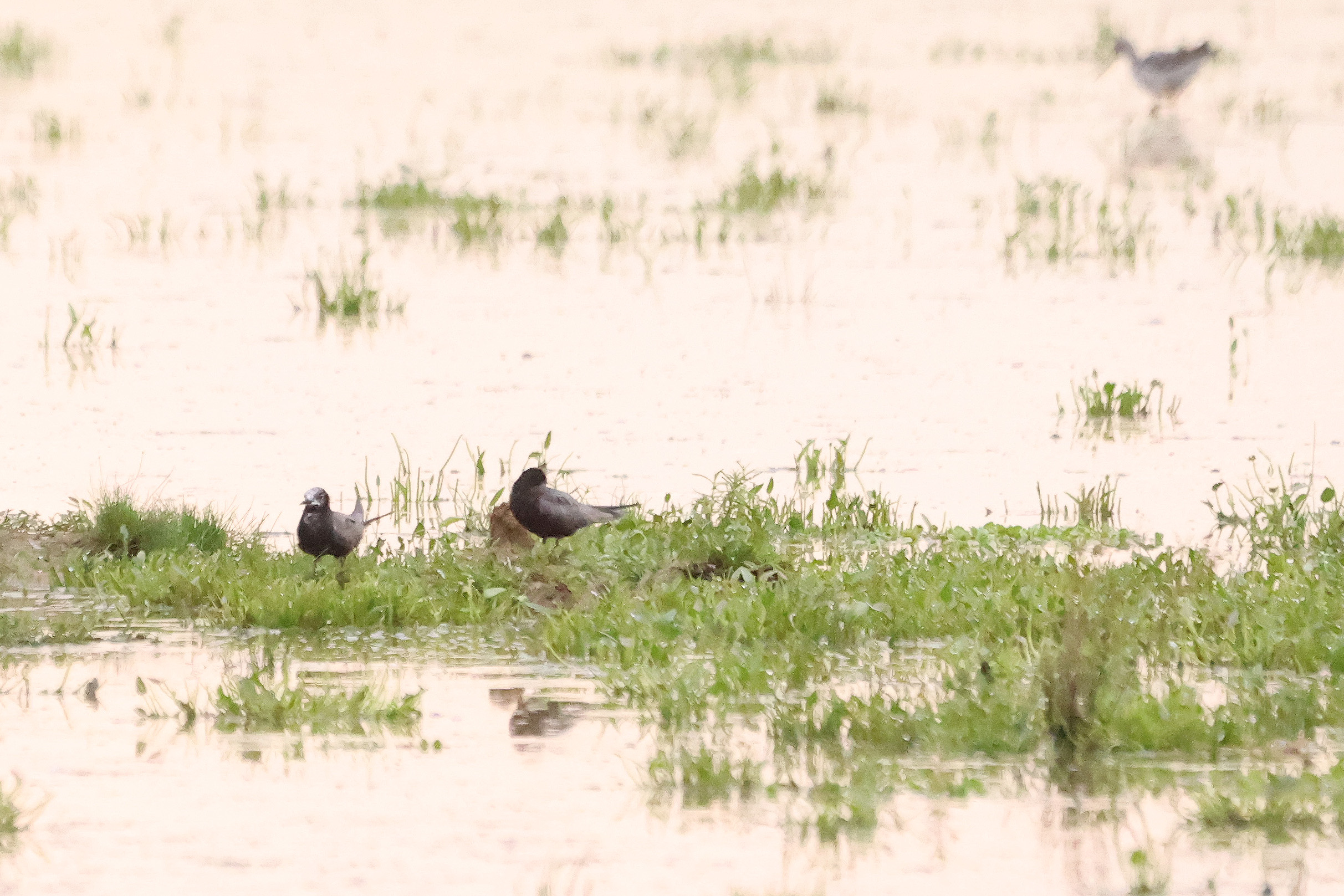
The Bald Knob National Wildlife Refuge never disappoints. I never know what I am going to find, and the latest visit didn’t disappoint. This visit included four Black Terns (including one molting adult) flying above and sitting in the fields neighboring Coal Chute Road. Black Terns migrate through most of the United States, with some of their breeding range including the very northern part of the nation. Its non breeding range is along the coast of Central America and the top part of South America.

This was my first time to see Black Terns. While they were the only firsts for me today, there were plenty of other birds who were very cooperative in being photographed:

Mexican Violetear

I was trying to decide how to spend the day when I opened an email about a rare hummingbird in Arkansas. Decision made.

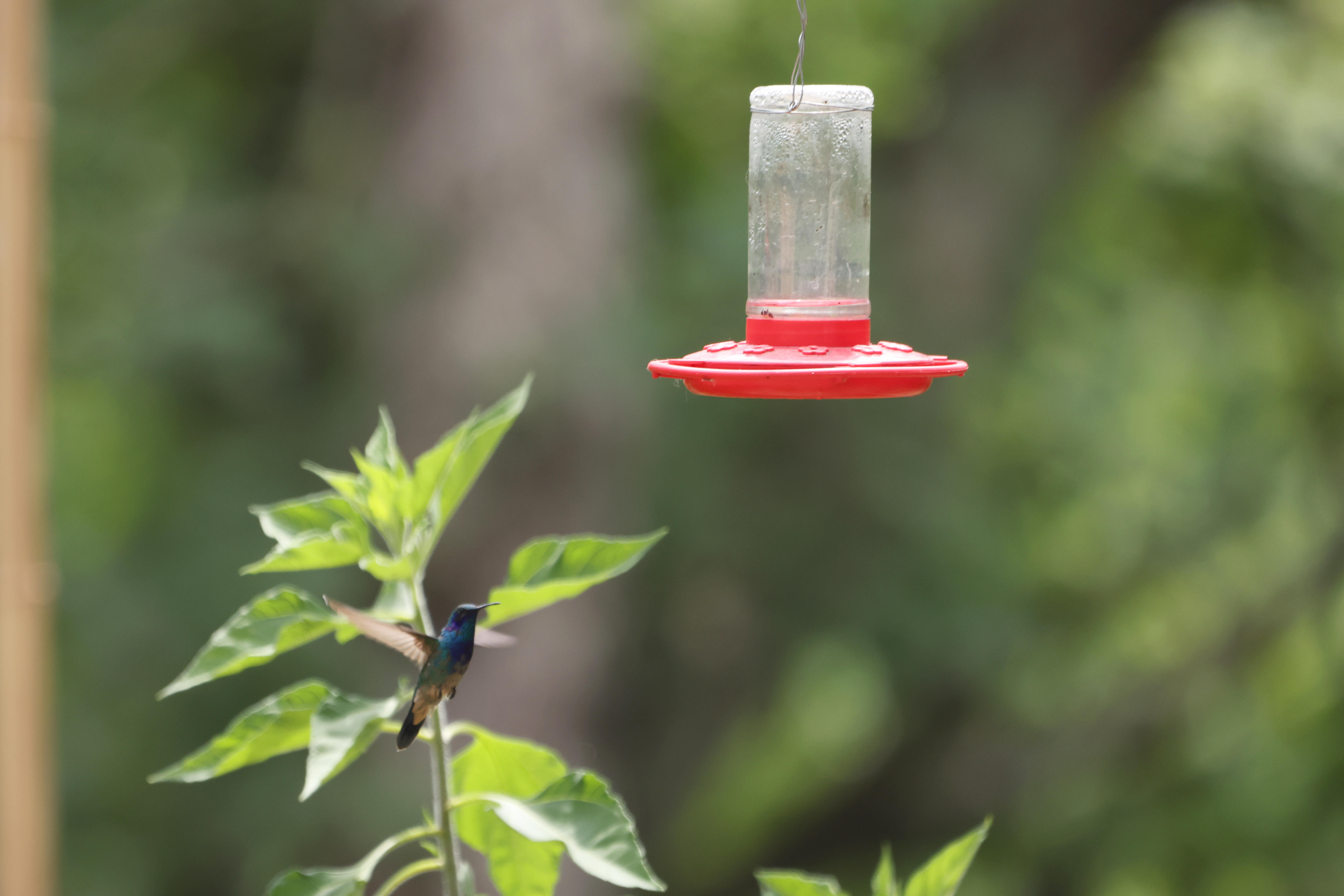
A Mexican Violetear was spotted in Eureka Springs for four days – I saw it on Day 4. These hummingbirds are larger than the state’s more common Ruby-throated Hummingbird, and is bright green with a dark violet cheek and breast patches. They are typically found in Mexico and Nicaragua, although it has been found across the United States over the years. After the Arkansas visitor was found, another one was reported in Oklahoma (more experienced birders than me speculate they are different ones due to coloring).

Either way, the Eureka Springs hummingbird was a beautiful sight although a little skittish and fast moving for good photo taking (at least for me). But, it was definitely a great sighting and trip.

Photo: Limpkin

Limpkin

I’ve heard about Limpkin sightings within the state; however, I didn’t expect to stumble across one myself while birding on the nature trail at Bell Slough Wildlife Management Area in Mayflower. I was walking along a dirt trail between a wooded area and a field when the limpkin just walked across the road with its head down, looking for food.

Limpkins are found year-round in South America. Limpkins look similar to herons and are typically found in tropical wetlands.

Veery

Veery

I discovered a Veery, a medium-sized thrush, in the St. Francis Sunken Lands Wildlife Management Area in Craighead County. I had just left a levee road when I heard birds singing in a swampy patch of woods.

A Veery is a small forest thrush, according to All About Birds. They migrate through Arkansas, and I hadn’t paid much attention to the species until I saw this singing one. Until I looked the bird up on All About Birds, I hadn’t realized that its population declined by about 28% between 1966 and 2019.

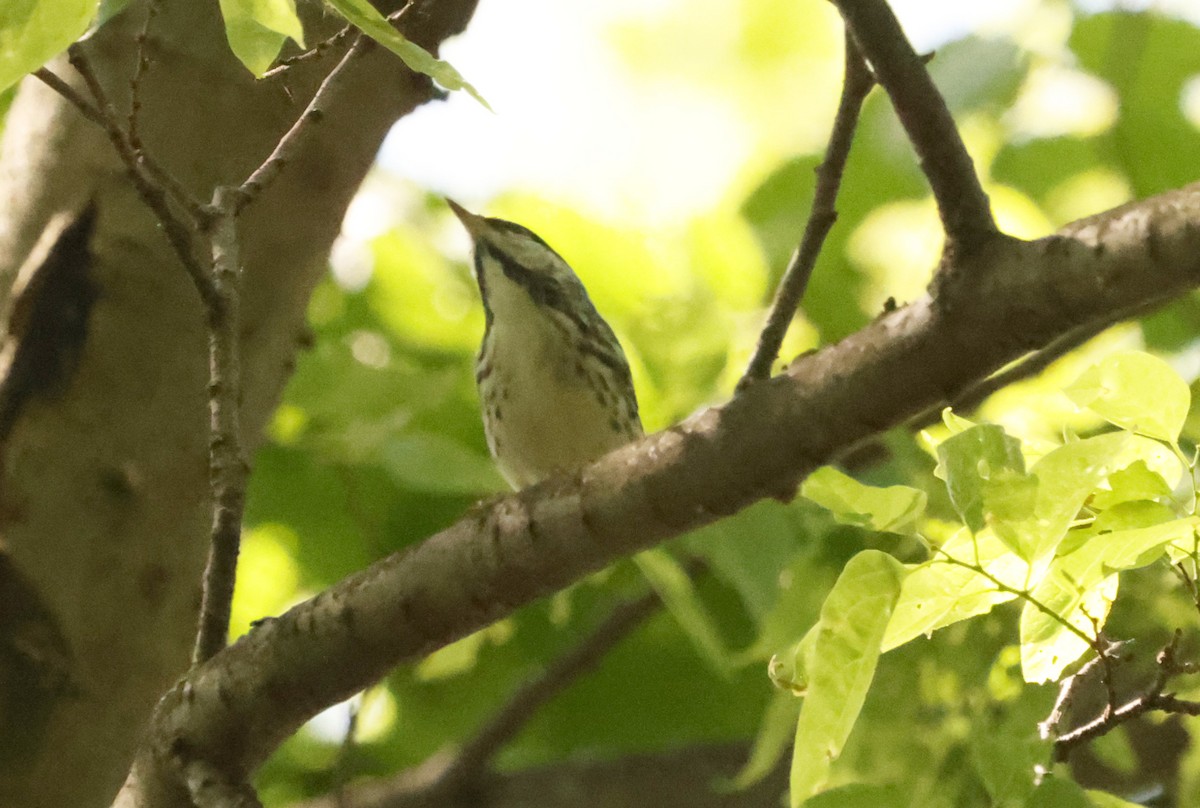
Alongside the Veery at the WMA were very vocal Blackpoll Warblers. These songbirds migrate through most of Arkansas from the eastern seaboard to where they winter in northern South America and the Caribbean.

Blackpoll Warbler

Photo: Snowy Owls in Arkansas

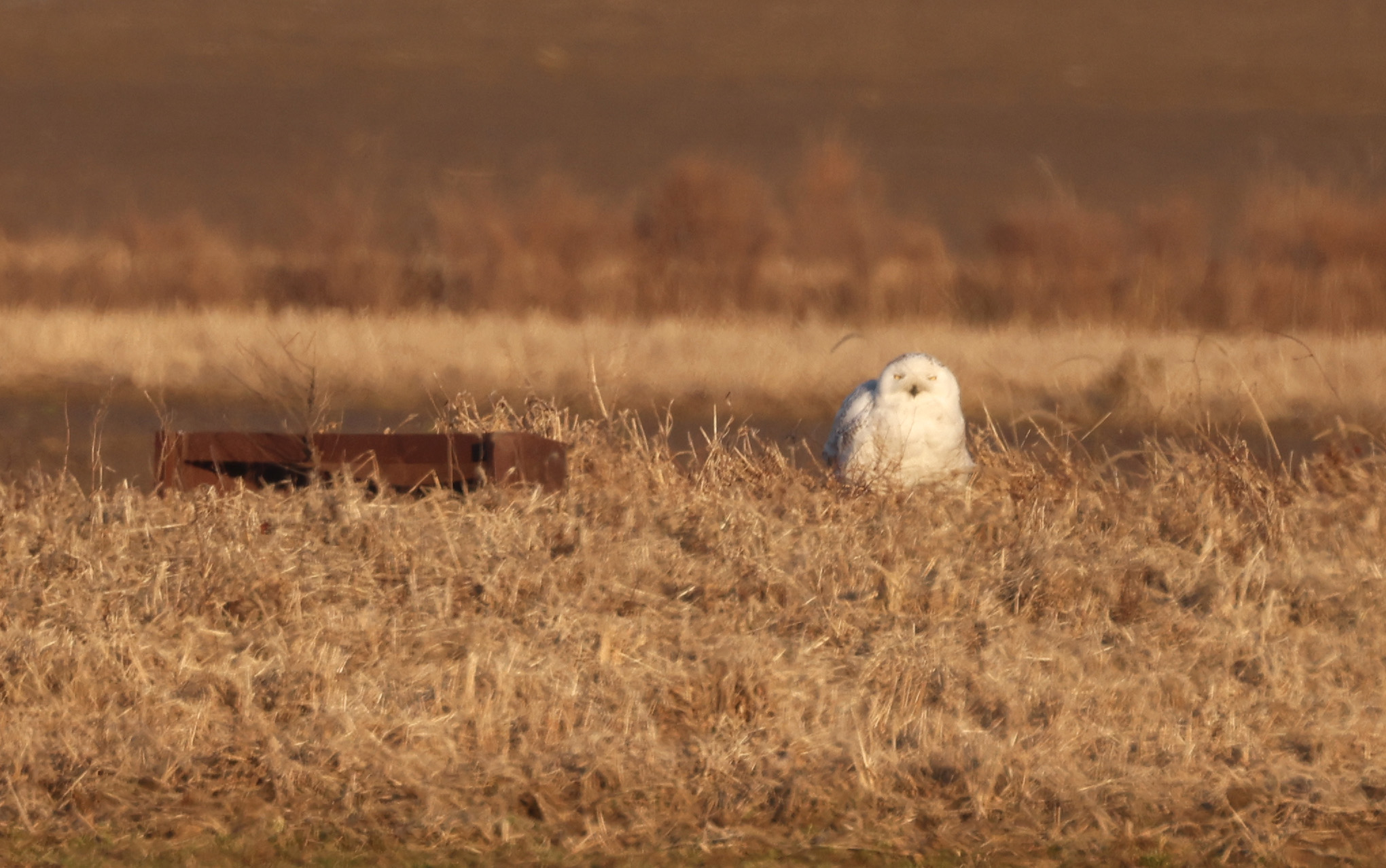
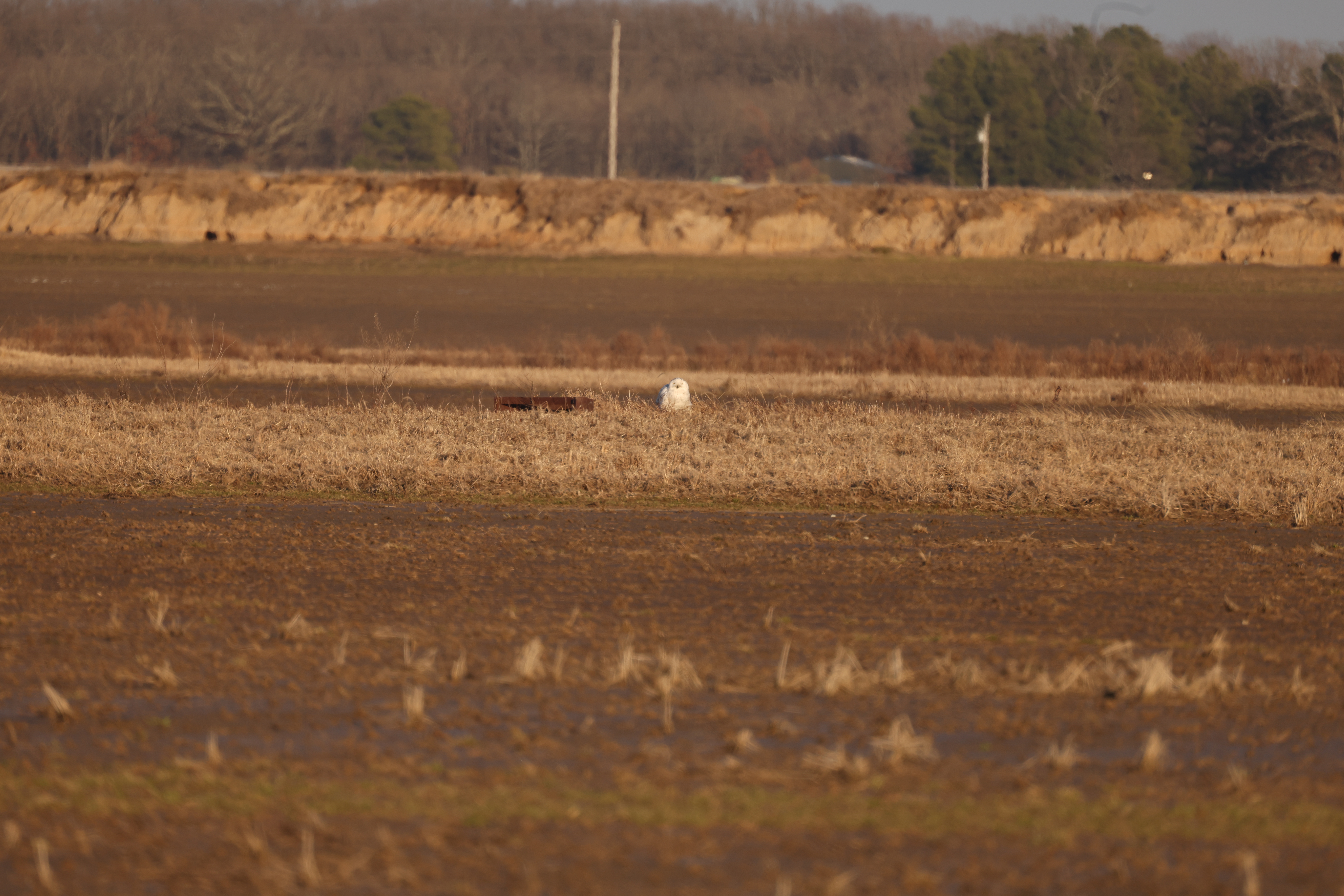
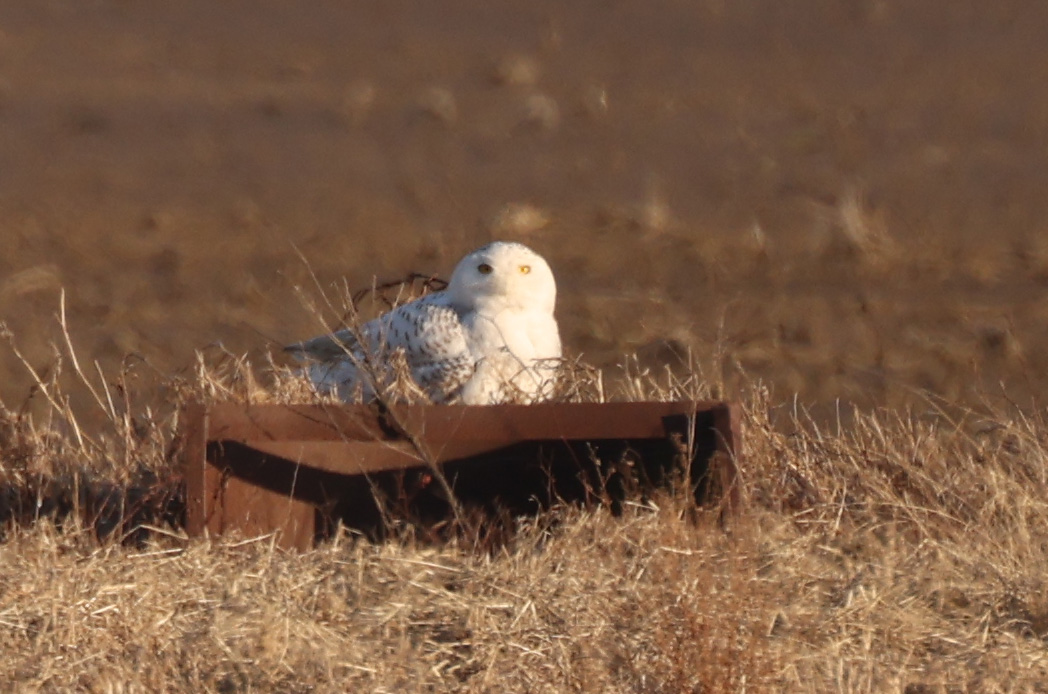
I’ve always wanted to see a Snowy Owl. It was the #1 bird on my birds-to-see list. I finally got the chance earlier this month. A pair of Snowy Owls visited a farm in Northeast Arkansas. During my visit, the pair were in different fields separated by a county road. I could see both where I was parked, although one was further from the road than the other.

Snowy Owls are the largest North American owl by weight. According to allaboutbirds.org, they spend summers far north of the Arctic Circle. Some might migrate in the winter to southern Canada and the very northern parts of the United States.

One neat fact about the Snowy Owl is that, unlike most owls, they hunt at all hours, according to All About Birds. I saw the pair mid-afternoon. They were extremely skittish, but below are a few more photos.