Close up

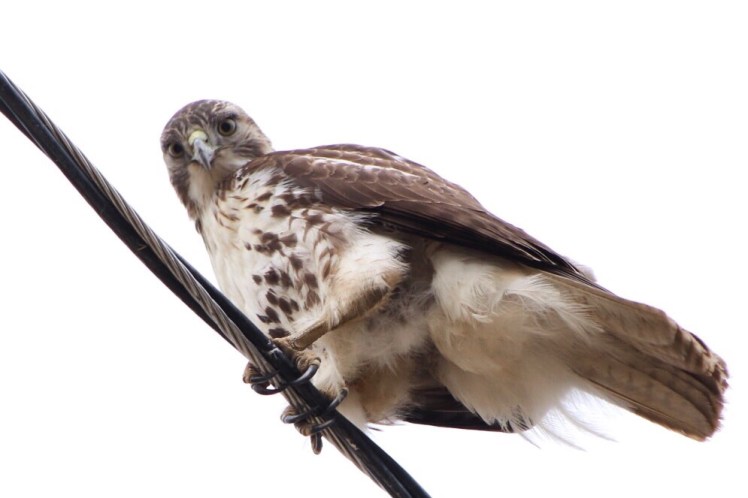
This red-tailed hawk hung out at my parents’ house Christmas Day. At one point, it was sitting directly above the road on a power line. My dad had the bright idea of opening his truck’s sunroof so I could get a picture as we drove underneath the hawk. The hawk kind of seemed scandalized by the ordeal but it still remained nearby for the rest of the day.

A kinglet for Grandpa

Golden-Crowned Kinglet 02 toned

I recently visited my grandma at the farm in Wynne. And anytime I visit, I have to walk to the pond to see what I can find. This trip’s golden find was a golden-crowned kinglet, which always reminds me of my late grandpa.

Photos: Bird Banding Station

I got to attend a bird banding station at Arkansas State University. They put up misting nets to catch various birds, then worked to measure and weigh the birds caught. There were several cool finds: American Redstart, Gray Catbird, Magnolia Warbler and Wilson’s Warbler.

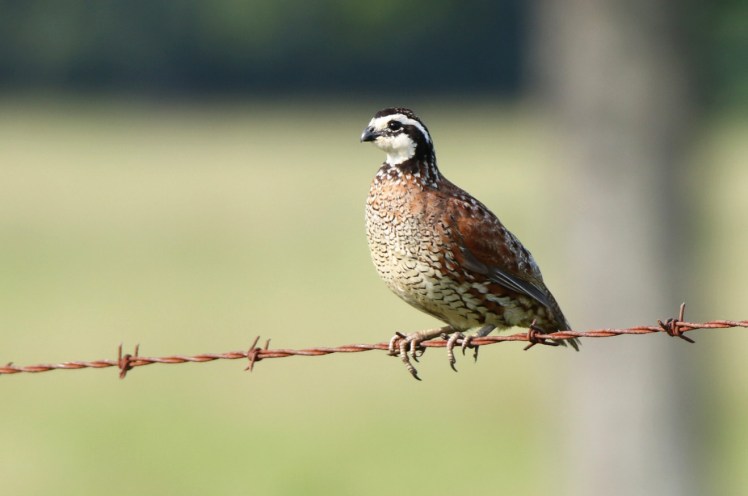
New Finds: Northern Bobwhite, more

Northern Bobwhite1 071017 Greenbrier.JPG
Northern Bobwhite

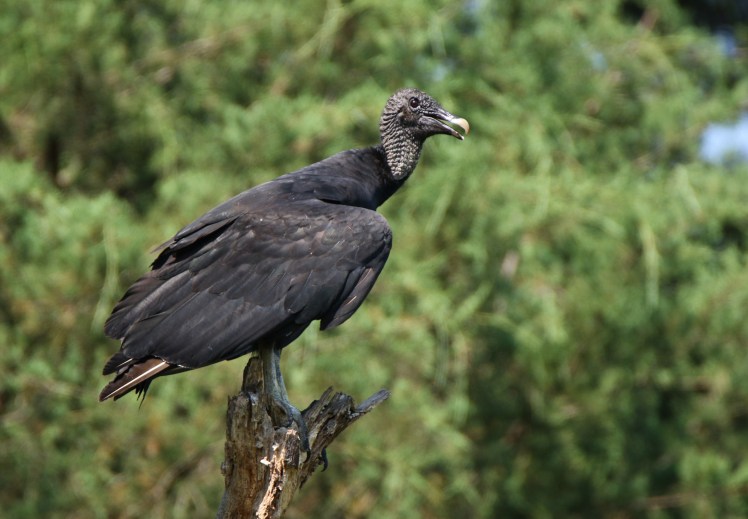
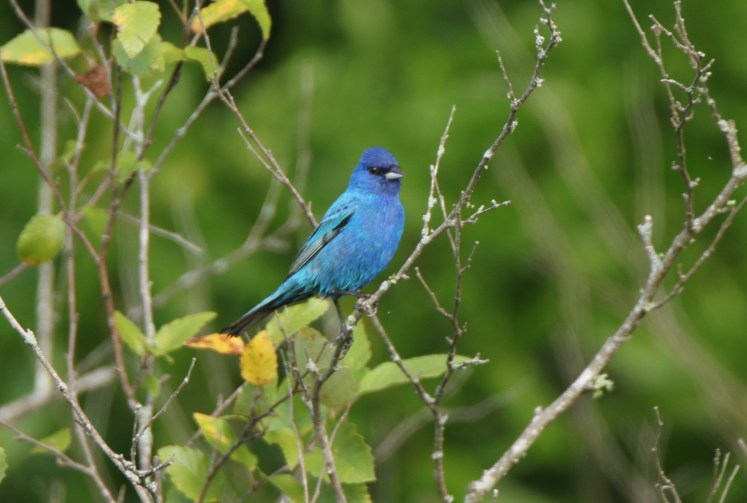
During a recent drive back from Greenbrier, I stumbled across a Northern Bobwhite just hanging out on a fence. It was a pleasant surprise, especially since I had just spotted my first Black Vulture as well! Below are photos of the Black Vulture and other birds I found. 🙂

black vulture 071017 Greenbrier.JPG
Black Vulture
Indigo Bunting 071017 Greenbrier.JPG
Indigo Bunting
Least Sandpiper 071017 Greenbrier.JPG
Least Sandpiper
Blue-gray Gnatcatcher 071017 Greenbrier.JPG
Blue-gray Gnatcatcher (male)

Photo essay: Great Horned Owls

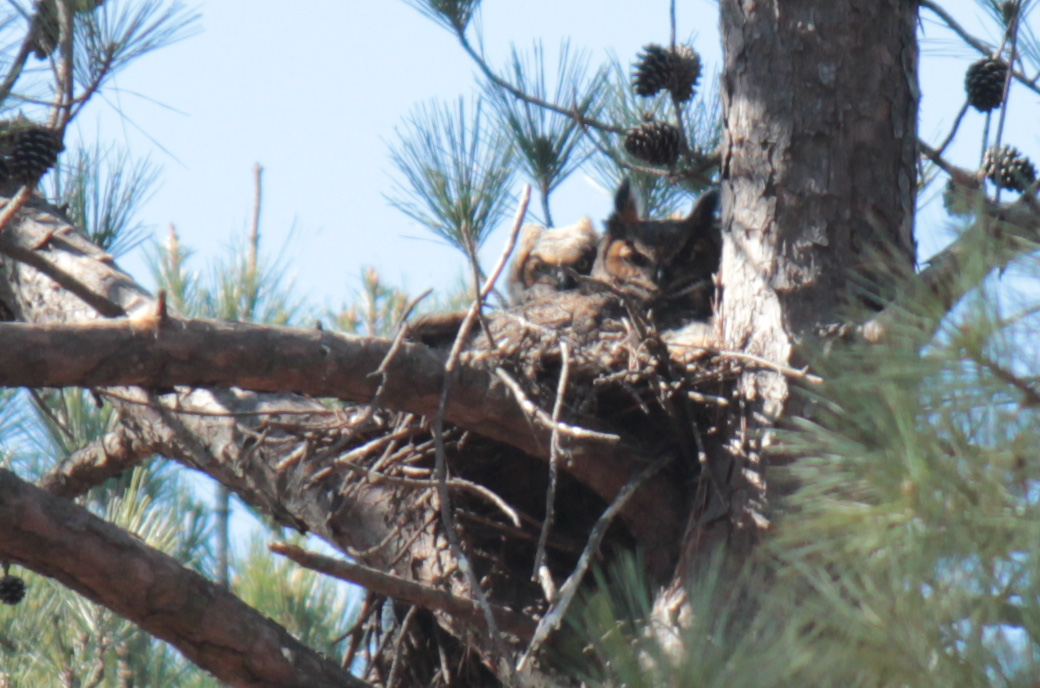
Great Horned Owl1

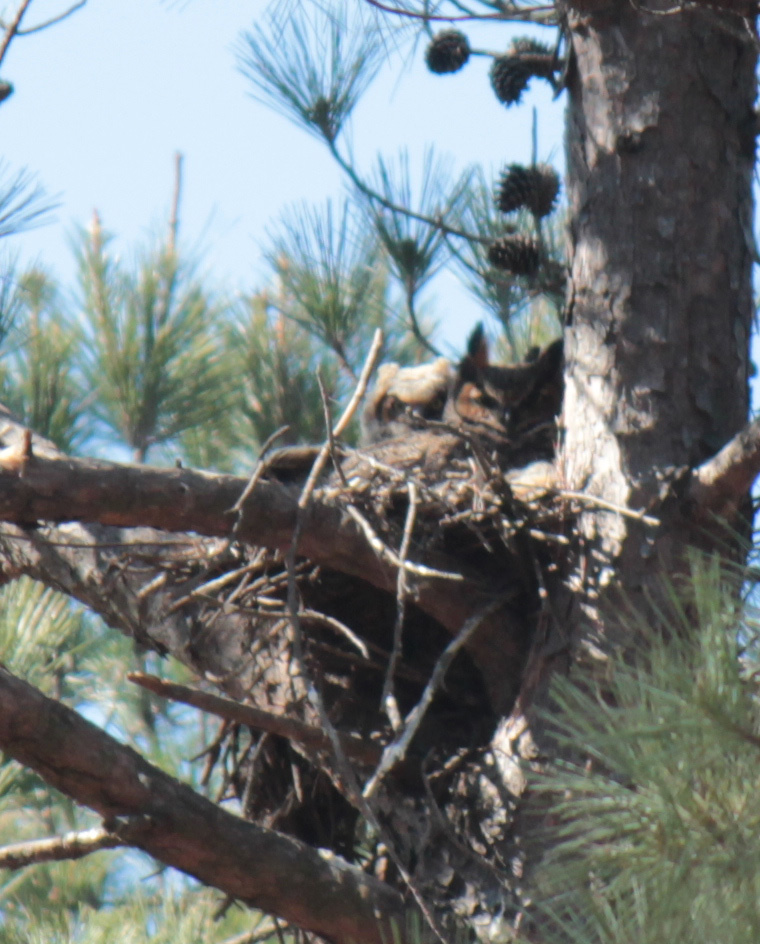
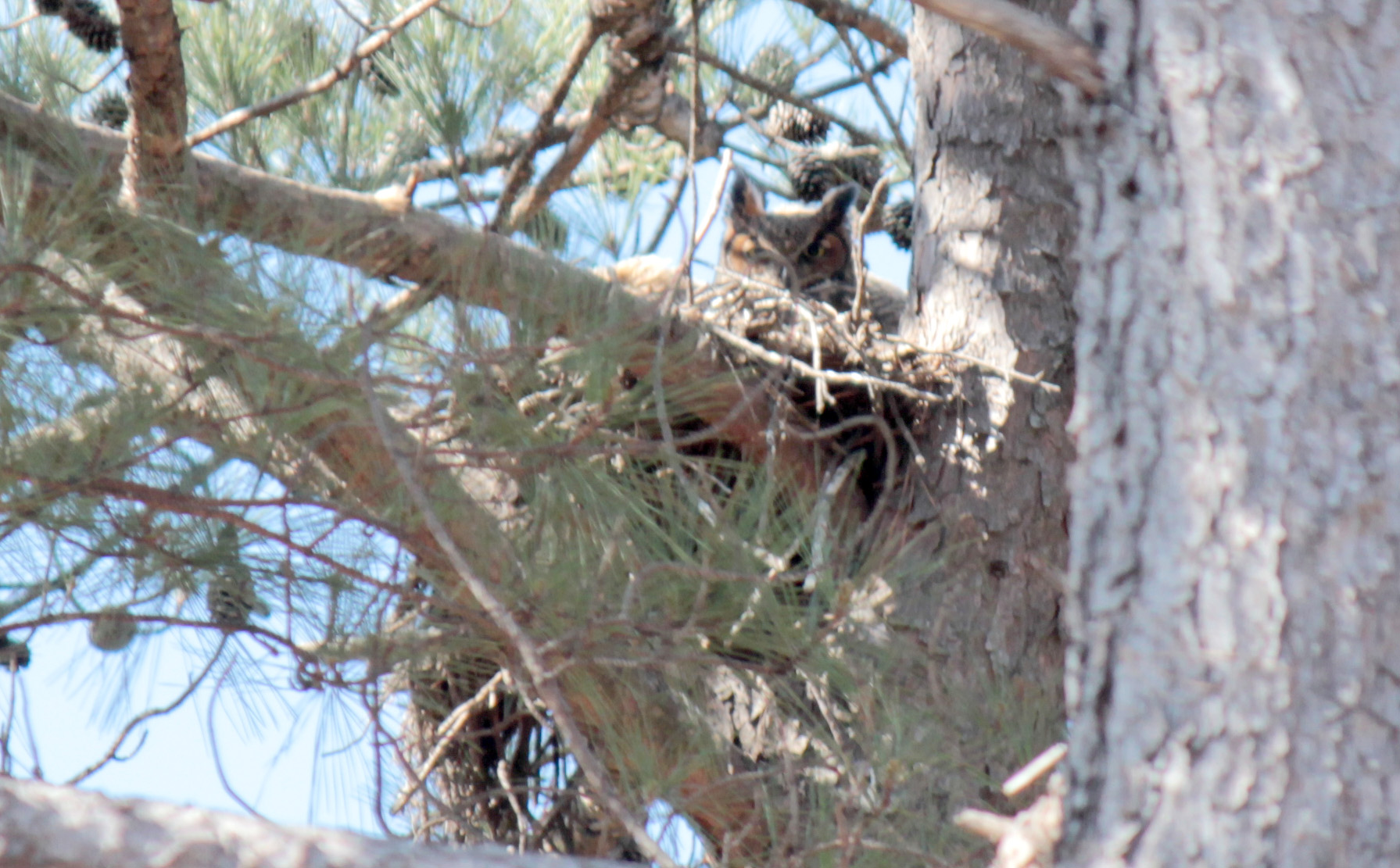
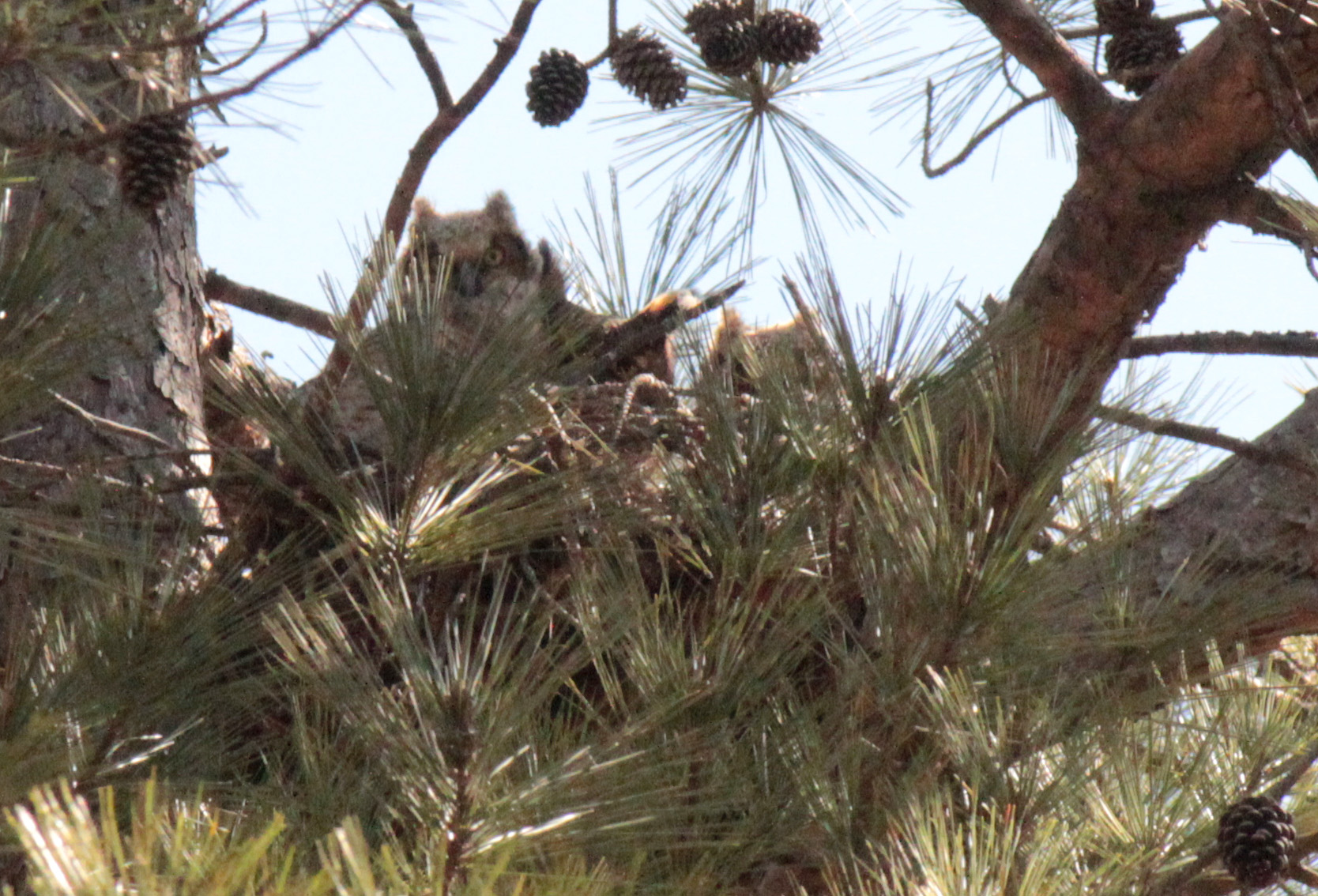
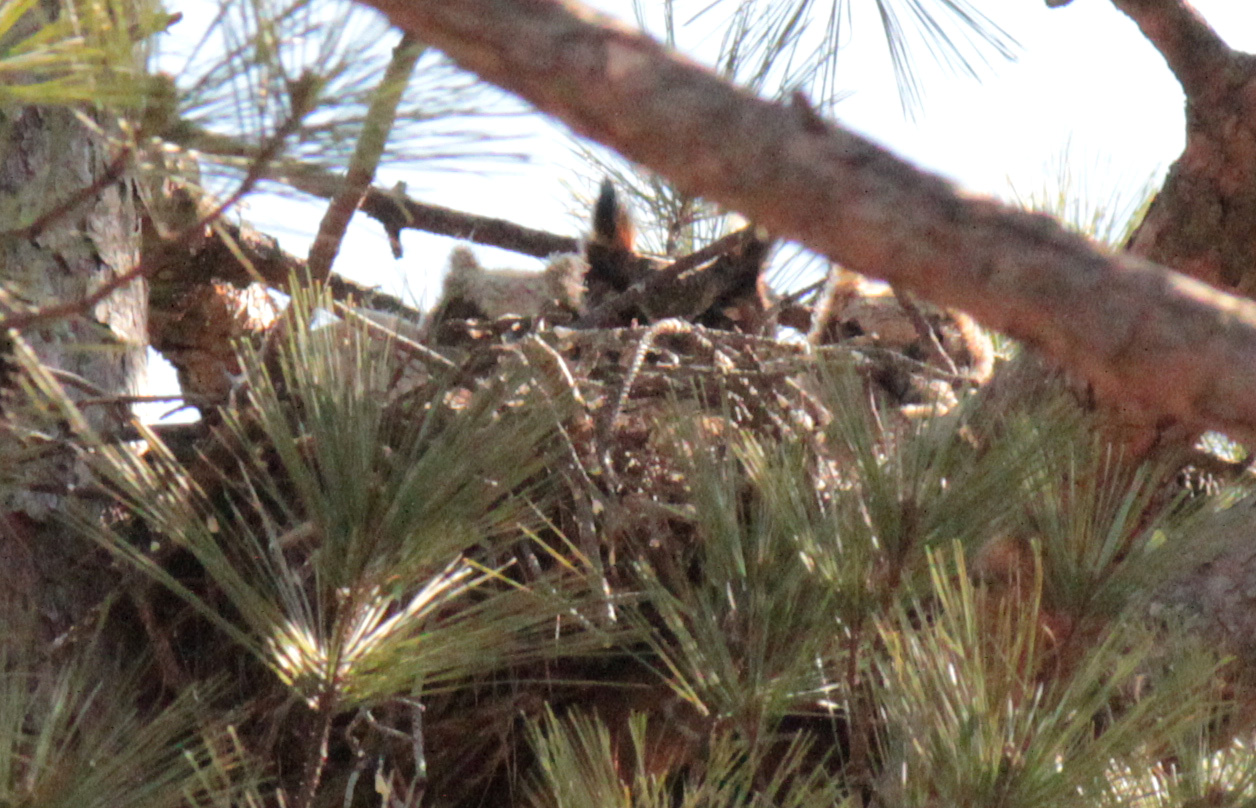
I finally saw my first owl. Well, actually it was three Great Horned Owls — a mother and two juveniles nesting near the top of a pine tree. I visited the area twice, taking pictures from across the street before I finally saw the first baby. I was pretty excited.

Great Horned Owls are common to the United States year-round. However, it was still my first time to clearly see an owl in the wild. I visited the nest mid-morning and late afternoon and, surprisingly, the mid-morning visit yielded the best results.

After the sighting, I had to go to allaboutbirds.org to read up on the Great Horned Owl. It was neat to learn that it is the “only animal that regularly eats skunks” and that they often take large prey, such as other owls, nesting Osprey and falcons.

The Great Horned Owl is also regularly harassed by flocks of American Crows that mob owls and “yell” at them for hours. According to allaboutbirds.org, “the enmity of the crows is well earned, however, as the owl is probably the most important predator on adult crows and nestlings.”

Here’s some more pictures of the Great Horned Owl nest:

Great Horned Owl2

Great Horned Owl3

Great Horned Owl4

Great Horned Owl5

Great horned Owl6

Great Horned Owl7

A Brown Booby and a Mute Swan.


It’s been a while since I’ve been on here — this heat has kept me lazy and indoors. However, that’s slowly changing. Yesterday, I headed only an hour away to Lake Norrell, located just outside of Alexander in Saline County to photograph an unusual visitor.

According to the American Birding Association, Vickie and Pat Martin first photographed this new comer at their Lake Norrell home a week ago on Aug. 9 and sent the picture to a friend to help ID.

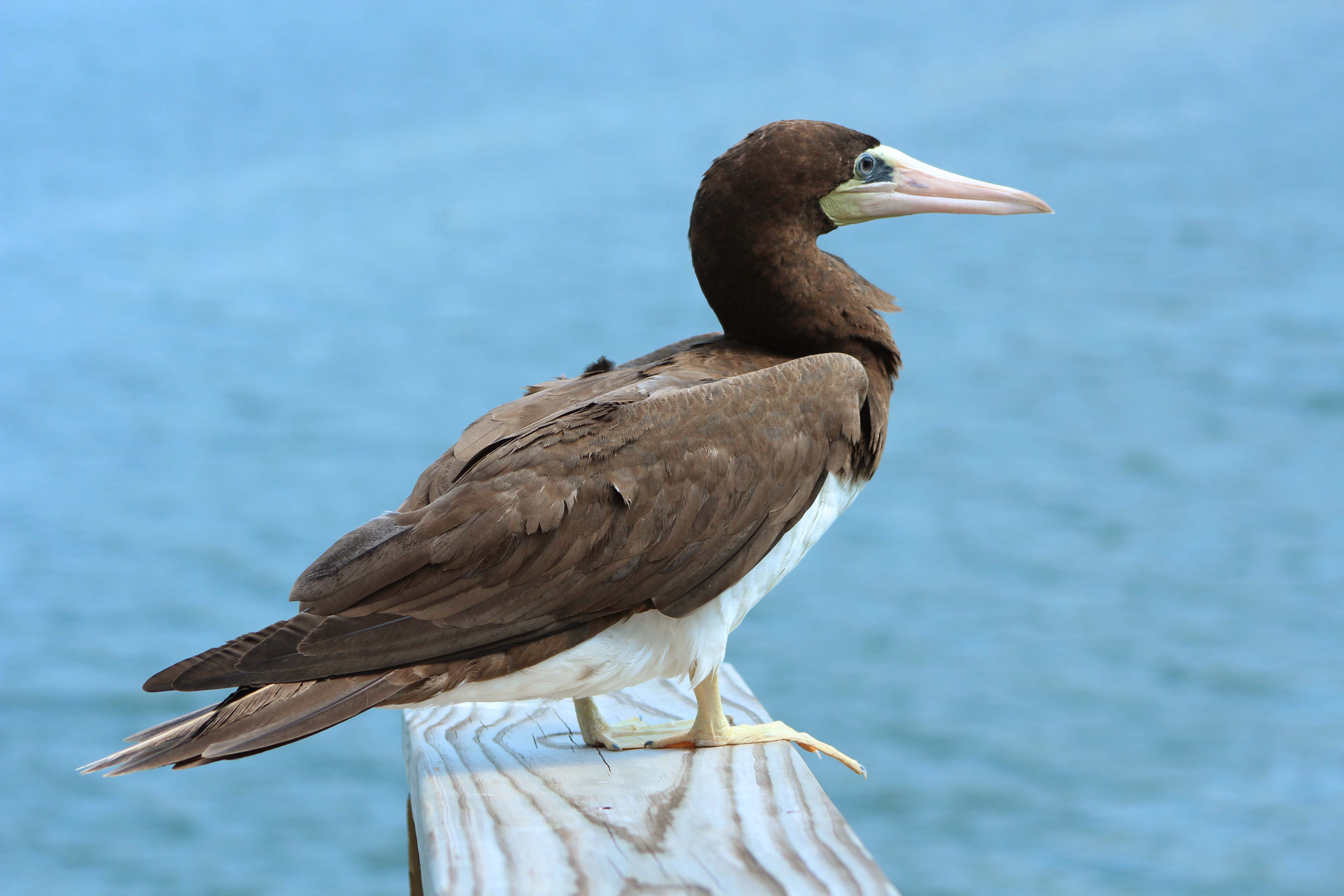
Who was it? An adult female Brown Booby, according to their friend, birder Dottie Boyles. It’s the first record of a Brown Booby in Arkansas (pending acceptance) and hundreds of birders had already flocked to Alexander by the time I arrived mid-afternoon Wednesday.

Lake Norrell is a municipal water supply lake for the City of Benton that is located on Bushy Creek, a North Fork Saline River tributary. The lake is released into surrounding streams as well to protect the Fat Pocketbook, a nearby endangered specie. The lake is surrounded by private property, although the city and Arkansas Game and Fish Commission has since provided public access in April 2000.

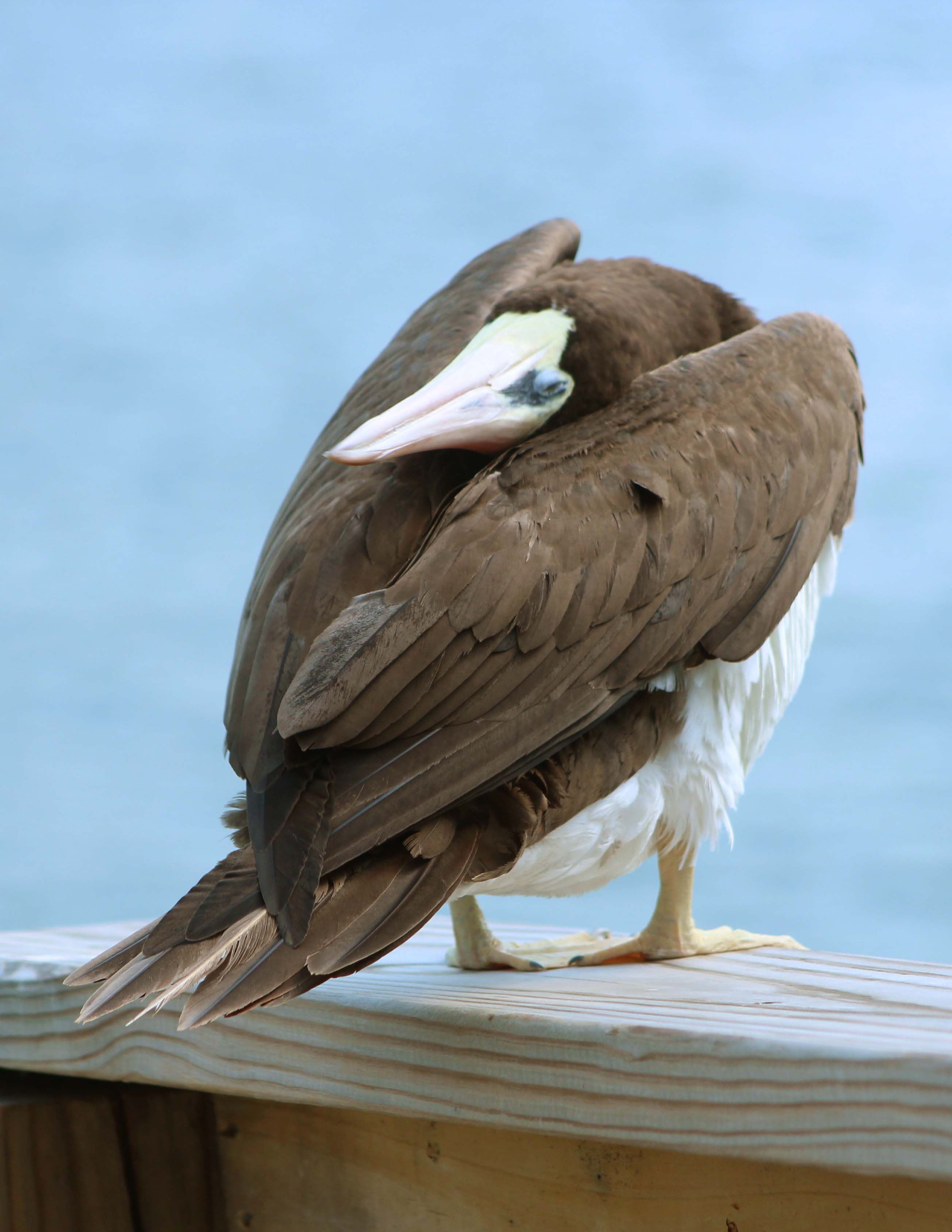
Presently, water levels are extremely low — at some points its down 15 feet. The low water level didn’t seem to bother this Brown Booby. She spent most of my visit preening.
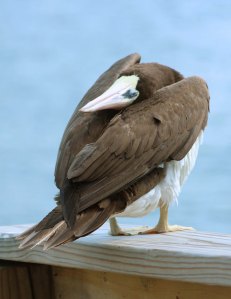
The All About Birds website describes the Brown Booby as a tropical waters seabird that ranges as far north as the Gulf of California, although it is rarely seen on both coasts of the United States.

A Lake Norrell couple (who had an awesome boat flag-see below) offered me a boat ride to see the bird as well as a detour to see a Mute Swan that first joined the lake’s duck and geese population earlier in the year. The swan appeared without its life-long mate.

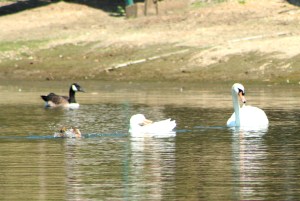
Mute swans are native to both northern and central Eurasia. They were introduced to North America to inhabit ponds in parks and estates, according to All About Birds. This swan’s aggressive behavior is already known among Lake Norrell’s residents as well as its fierce protectiveness of its’ surrounding goslings and ducklings.