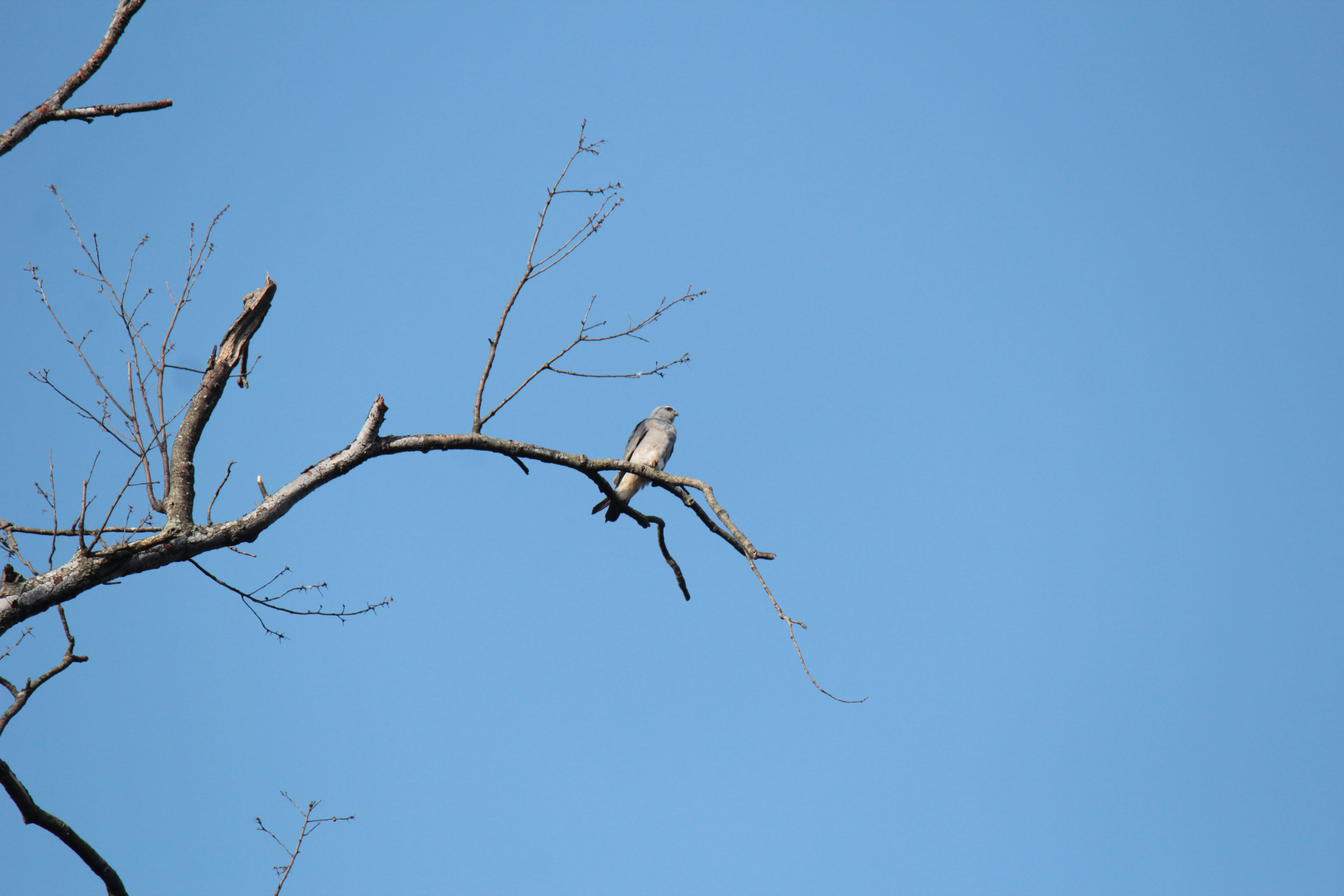
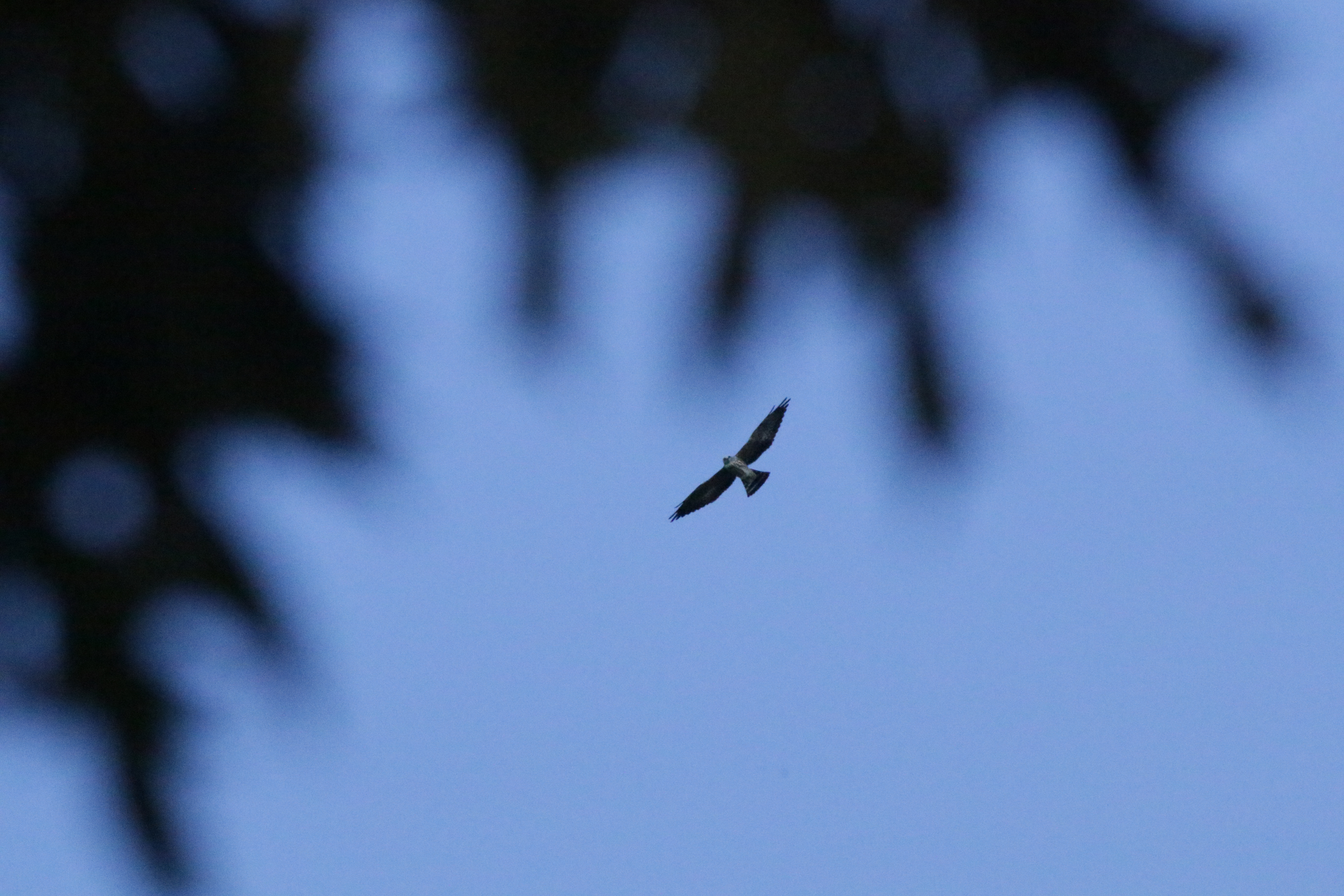
For the past eight years, I’ve had Mississippi Kites nest near my home. In Jonesboro, the kites could be found in trees in my front yard and my neighbor’s back yard. In Little Rock, the kites can be found soaring leisurely above our house. Mississippi Kites are one of my favorite birds – and I look forward to seeing them again in a few months. Cool fact about Mississippi Kites: the oldest one was at least 11 years old. It was banded in Kansas in 1984 and was later found in Texas in 1995, according to AllAboutBirds.org.
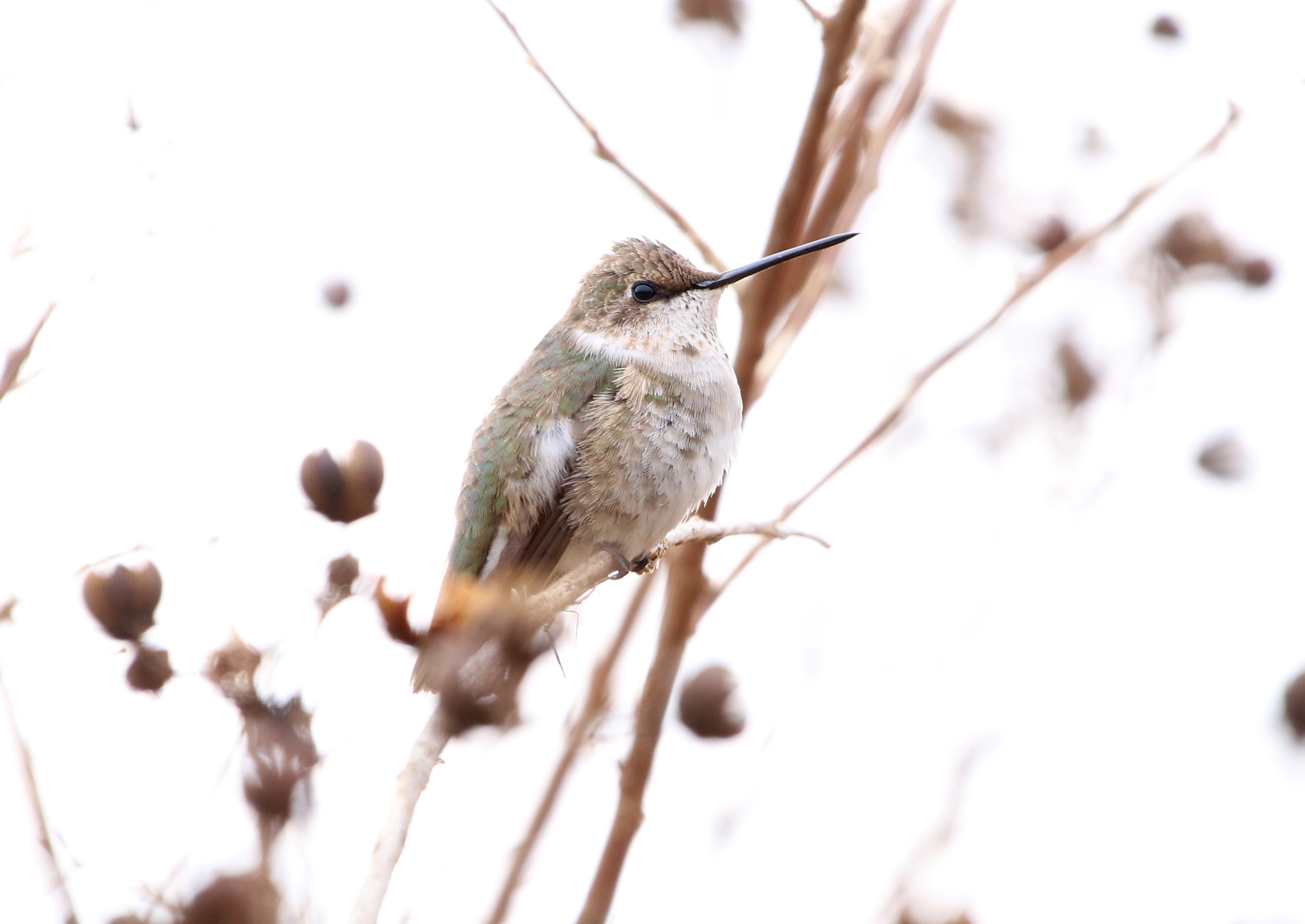
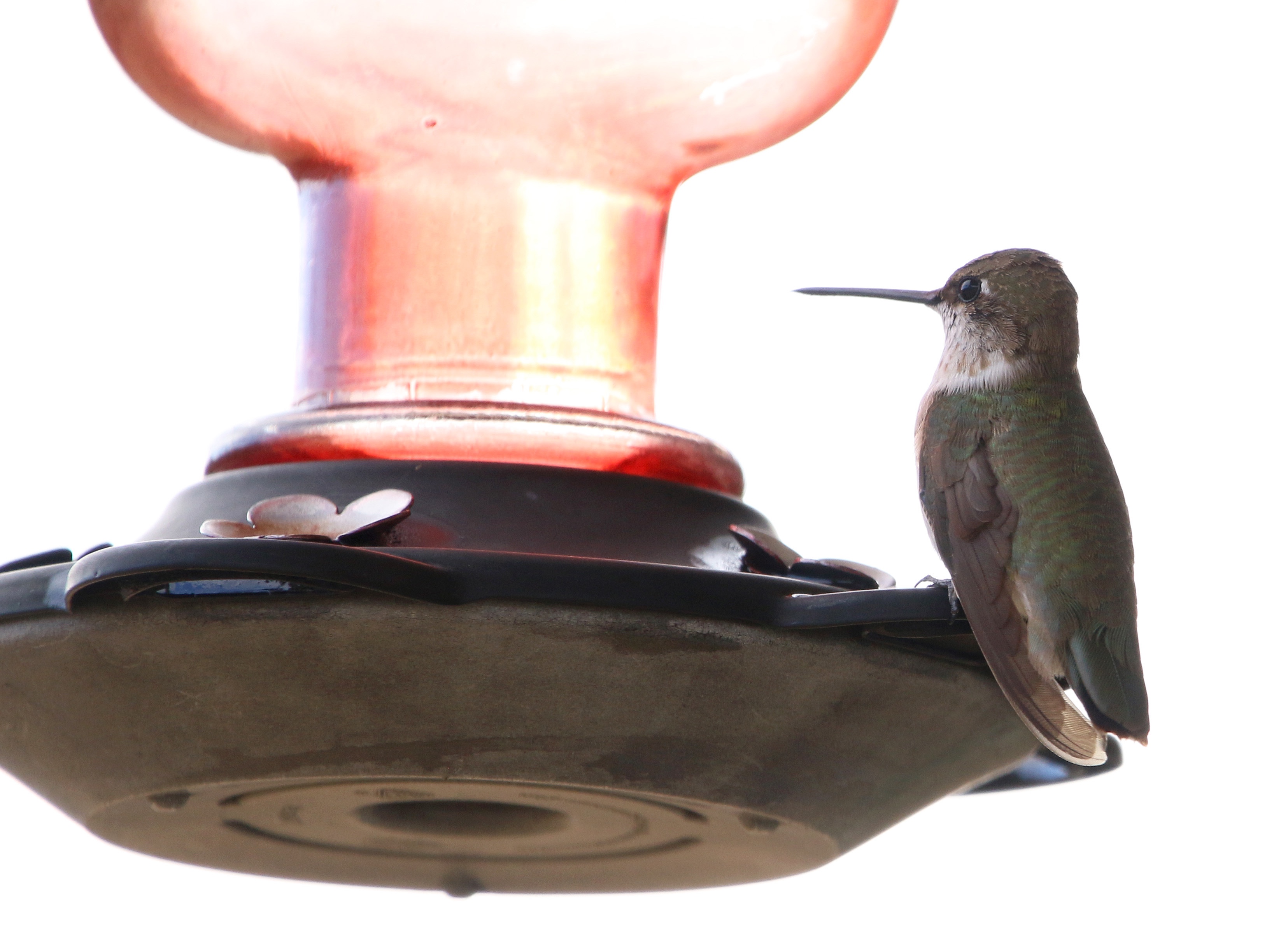
Earlier this week, an immature Black-chinned Hummingbird was reported to be in Austin, Ark. Today was the first day I could make the about 30 minute trip. I got lucky: the owners were gracious and let me visit, the weather was nice and the hummingbird was very active. It came to the feeder within five minutes of my arrival.
This was my first time to see a Black-chinned Hummingbird in Arkansas. This species (the male has an iridescent purple throat) is typically found further west, although AllAboutBirds.org reports more are starting to pass through the southeast and winter along the Gulf coast than was once believed. Most winter in western Mexico. For this specific hummingbird, the homeowners told me they just happened to spot it at one of their bushes that currently has yellow flowers blooming. They were quick to put up a feeder once they realized it was definitely a hummingbird in their backyard. A retired couple who travels and birdwatches later confirmed it was a rare species to Arkansas.
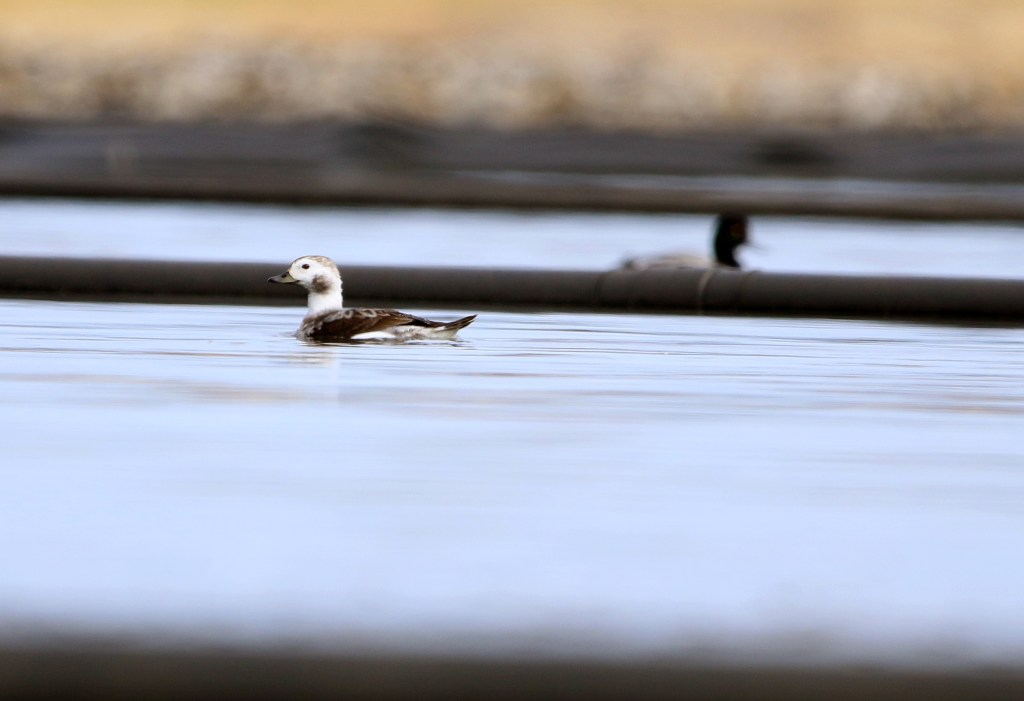
On Monday, I visited the Alma Water Treatment Plant to search for the rare Long-tailed Duck (above) that others had reported seeing there for several days. The plant was closed due to the holiday so I traveled the two hours hoping I could spot the bird from the road based off of the locations given by other birders. I started the trip off by spotting a Greater Roadrunner (below) while grabbing a drink at McDonalds in Conway so I felt pretty lucky.
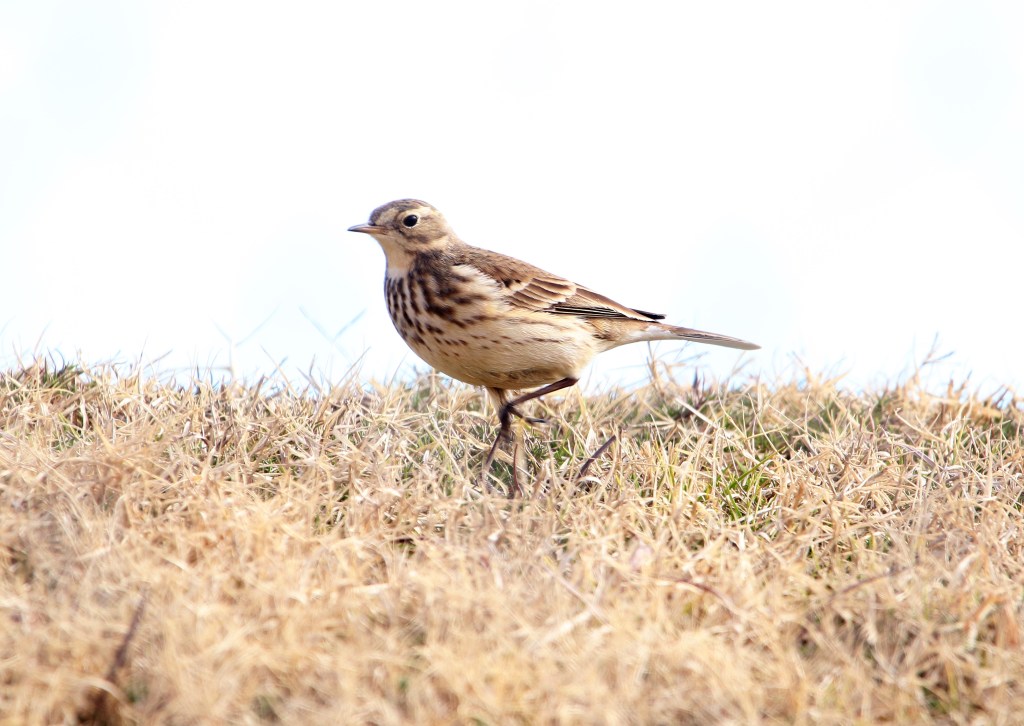
Upon arriving at the Alma WTP, I immediately found my first American Pipit (pictured below). American Pipits are not rare to Arkansas – just me. All About Birds reports that they can be found in the state during the migratory and no breeding seasons. They are actually among the few American songbirds that nest in both Arctic tundra and alpine meadows.
I stayed for an hour looking among the various ducks for a white headed one. No luck. I was just preparing to leave when a fellow birder arrived. (Side note: this birder, who lives nearby, and I actually met on an international birding trip we both went on that was arranged by the Arkansas Audubon Society Trust.) Within minutes of her arrival, she took me to the corner she had spotted the bird in before and we immediately found the bird. Yes, I realize how lucky I am that she showed up when she did.
Long-tailed Ducks breed in the high Arctic and spend winters mostly along ocean coasts, according to AllAboutBirds.org. Fun fact: they are divers and can feed on small fish and invertebrates as deep as 200 feet. They actually spend 3-4 times as long underwater as on the surface.
I recently visited Rattlesnake Ridge Natural Area for the first time. Located just west of Pinnacle Mountain State Park, Rattlesnake Ridge consists of 373 acres in the Ouachita Mountains and the ridge is the watershed divide between the Big Maumelle and Little Maumelle rivers.
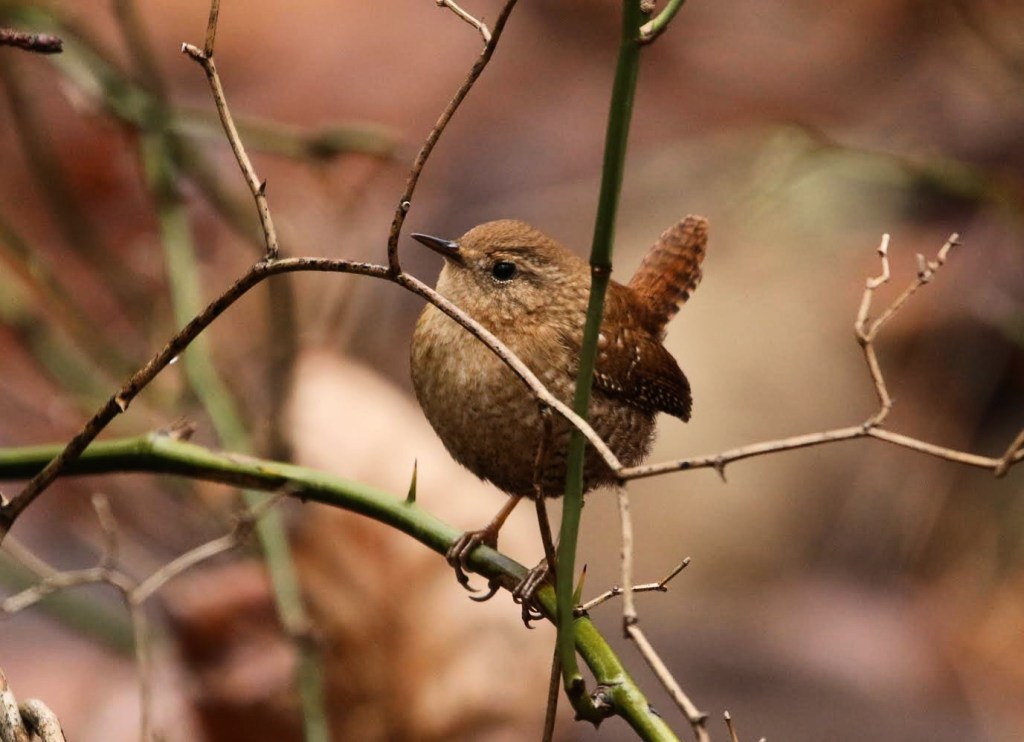
It is also home to three species of state conservation concern: the southeastern bat, the western diamondback rattlesnake and the Wright’s cliffbrake, a western desert fern. While I didn’t spot any of the above species, I did photograph my second Winter Wren. The only downside to my hike: I didn’t have enough time to hike to the top of the ridge.
I stumbled across this Sharp-shinned Hawk (the smallest hawk in the United States) earlier today. Did you know songbirds make up about 90 percent of this hawk’s diet, according to AllAboutBirds.org?
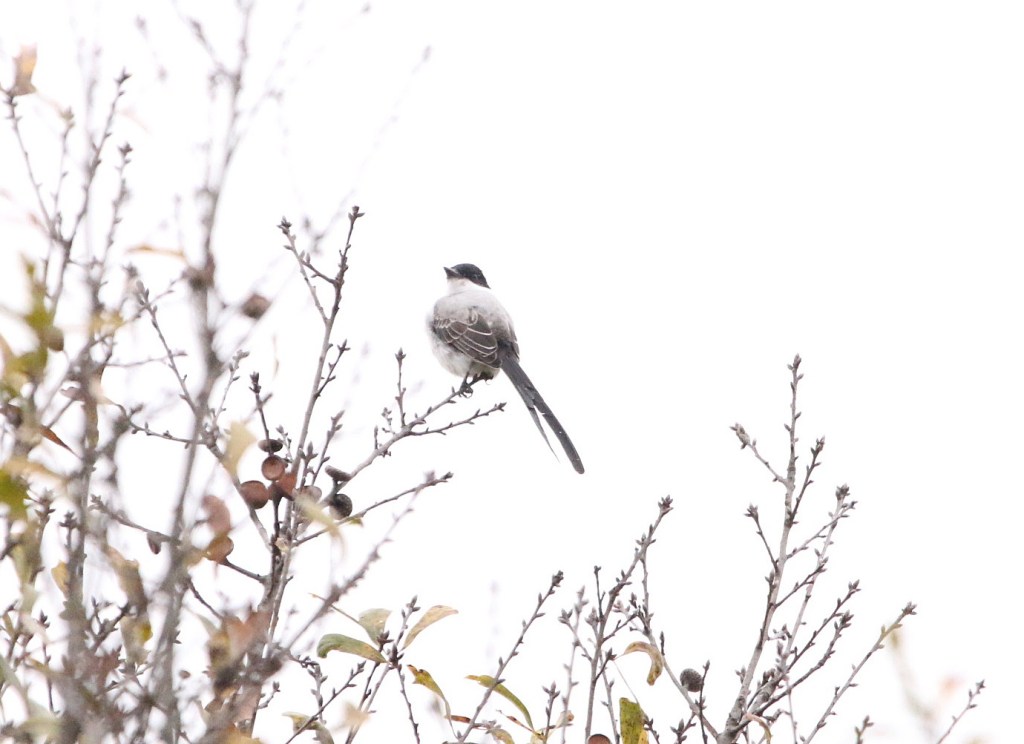
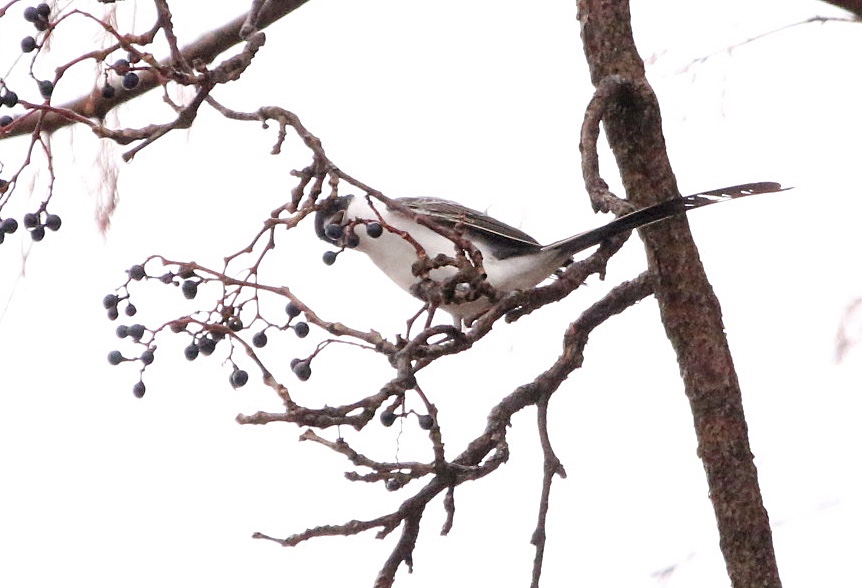
A Fork-tailed Flycatcher – only the second of its kind documented in Arkansas – has been spotted in Desha County. Fork-tailed Flycatchers are typically found along the Atlantic Coast and migrate from southern South America. They can be found in savanna’s, grasslands and other open country with scattered bushes and trees, according to eBird. The one in Arkansas has been hanging out around a bridge over Boggy Bayou. It is an agricultural area with a paper manufacturing plant nearby. While I was there, the bird was easy to spot and, even when it flew away, it returned to the same trees. Others said it perched on a power line although it never did while I was there. Here’s some more photos (plus some of other birds I love):
A Swallowtail Kite has been spotted flying above Interstate 440 North just outside of Little Rock. I was headed out of town when I heard the news. So, naturally, I had to swing by. I got lucky. Two others had arrived just before me so we all searched together. I was about to leave about 20 minutes later when it finally flew over the road ahead.
I see Mississippi Kites each year – a pair lives in my neighborhood. But this was the first Swallowtail Kite I have ever seen. They are usually found in the southeast along the coastal states, and while they are spotted in Arkansas, it is not as frequent. According to All About Birds, the Swallowtail Kite is called the “coolest bird on the planet.” (I disagree – I would reserve that title for hummingbirds 😁) These birds have a deeply forked tail along with a black and white plumage. They are usually found above swamps where they chase dragonflies, frogs, lizards, snakes and nestling birds. They migrate to South America for the winter.
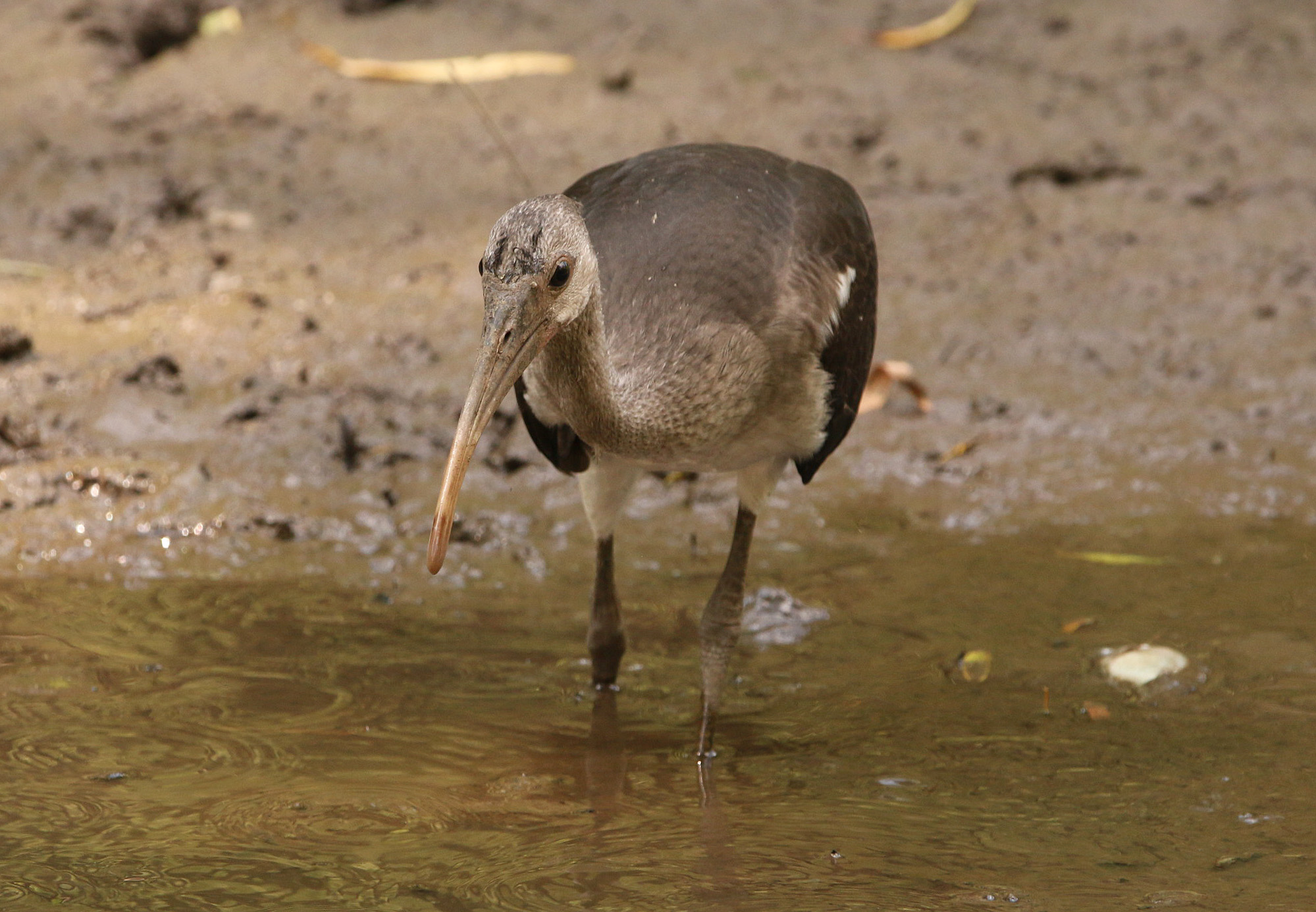
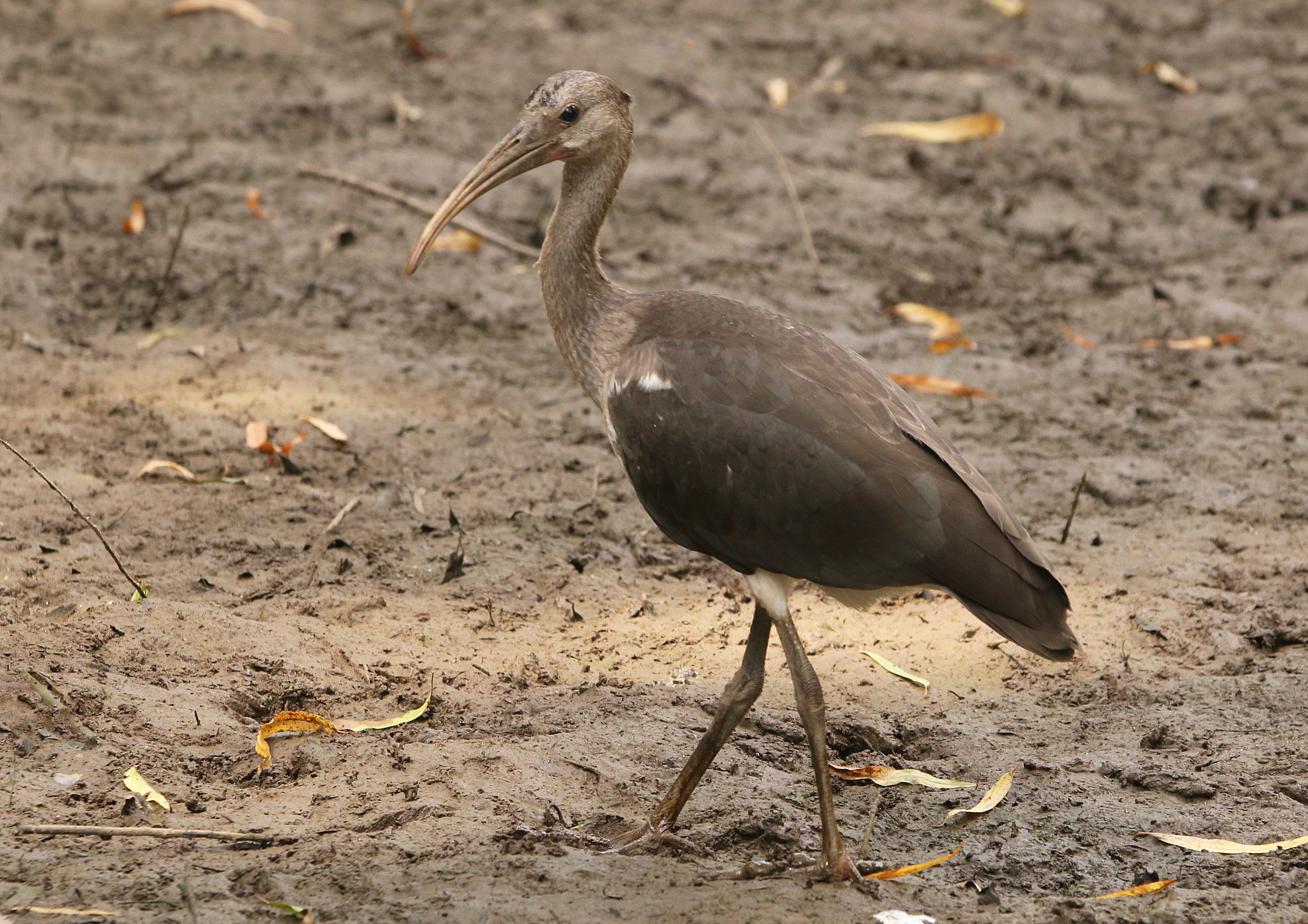
At Two Rivers Park in West Little Rock, there is a swampy section that I enjoy visiting just to see what I will find. In this visit, it was a juvenile White Ibis. White Ibises typically gather in groups in shallow wetlands in southeastern United States. They are not common in Arkansas, although they make a random appearance each year.
I previously worked as a news and sports photographer. Recently I have been enjoying wildlife photography. My approach toward bird photos is similar to sports photography. I attempt to capture mostly action and hopefully a unique perspective.













 Memos for Me