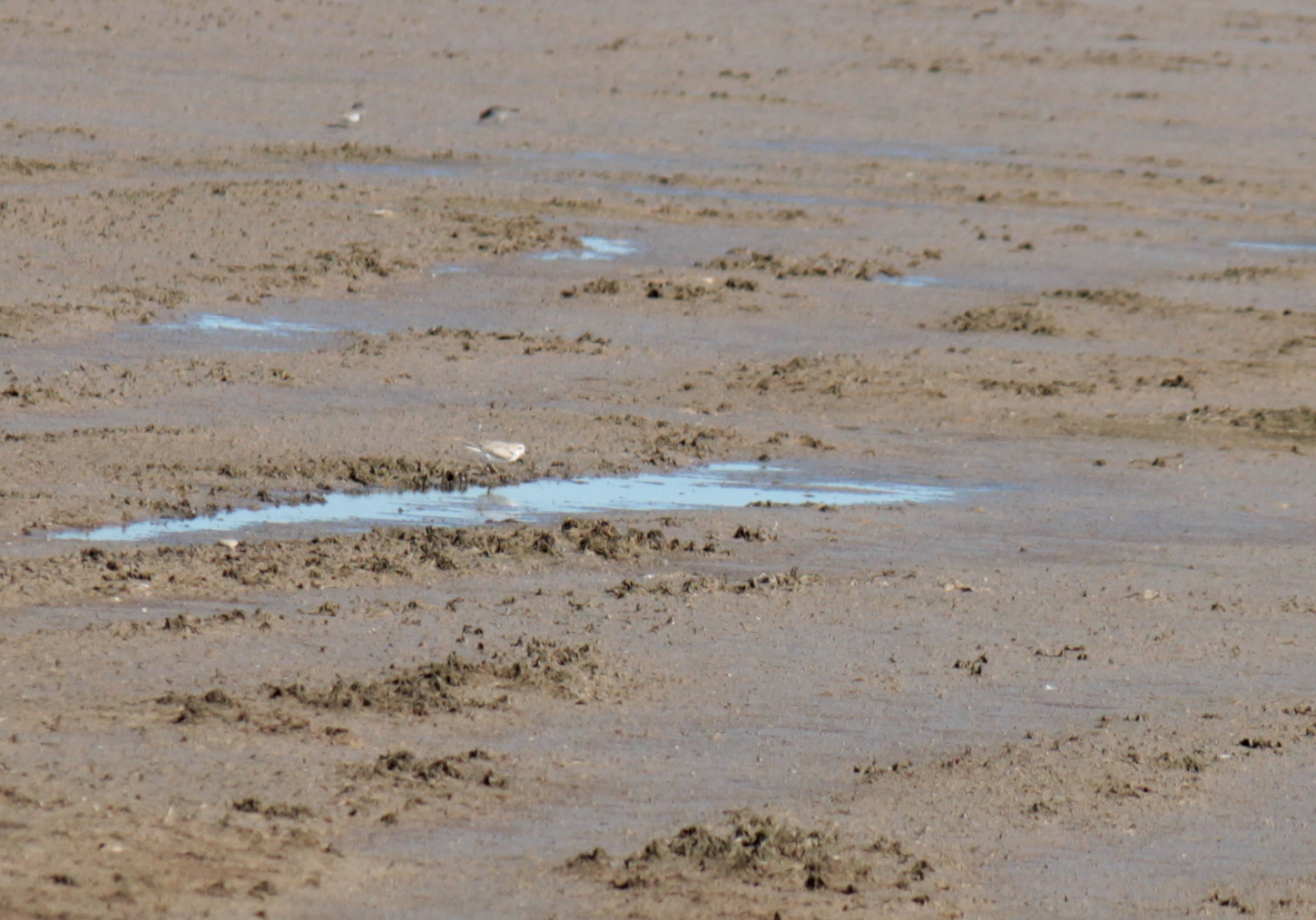
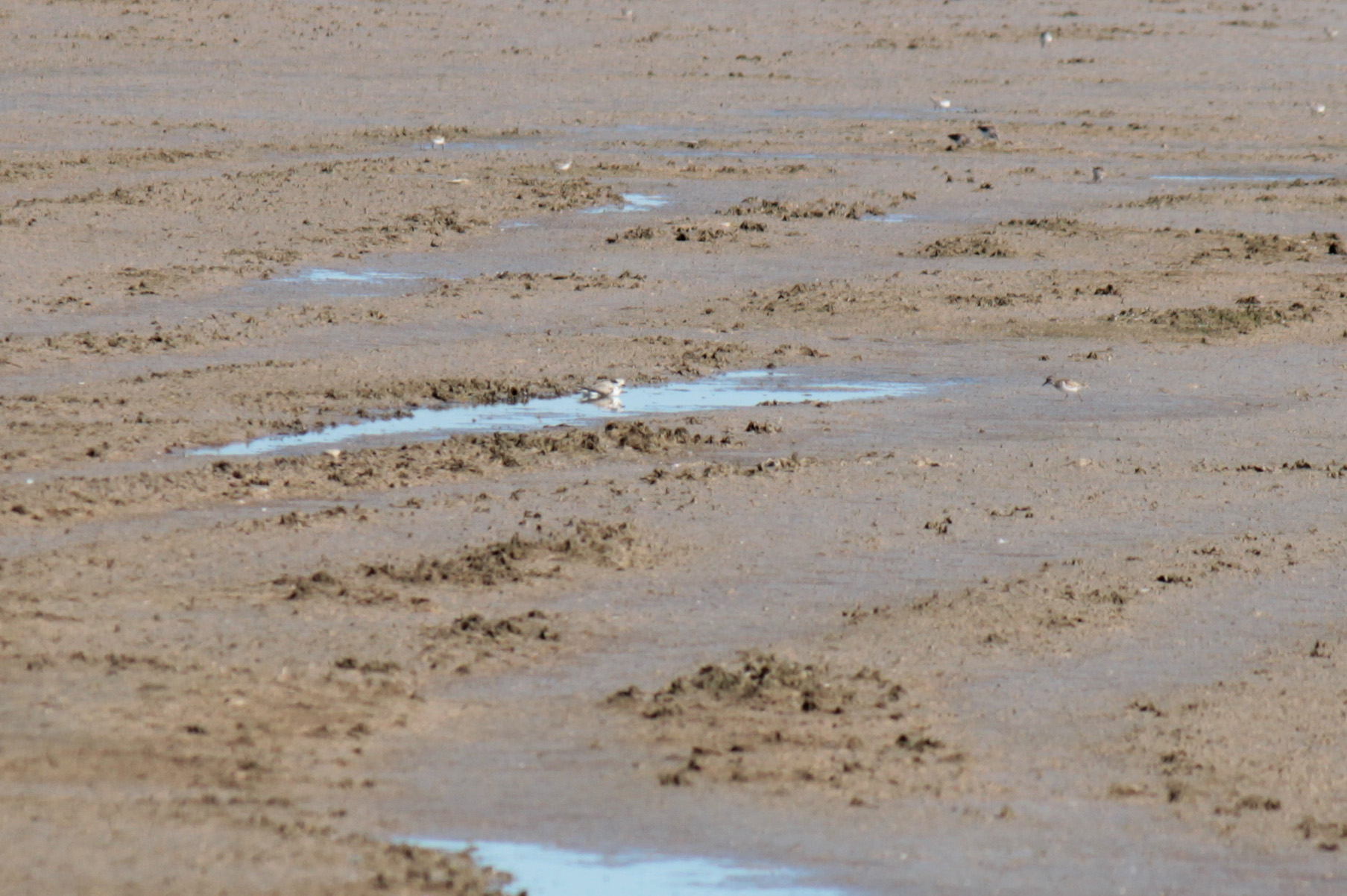
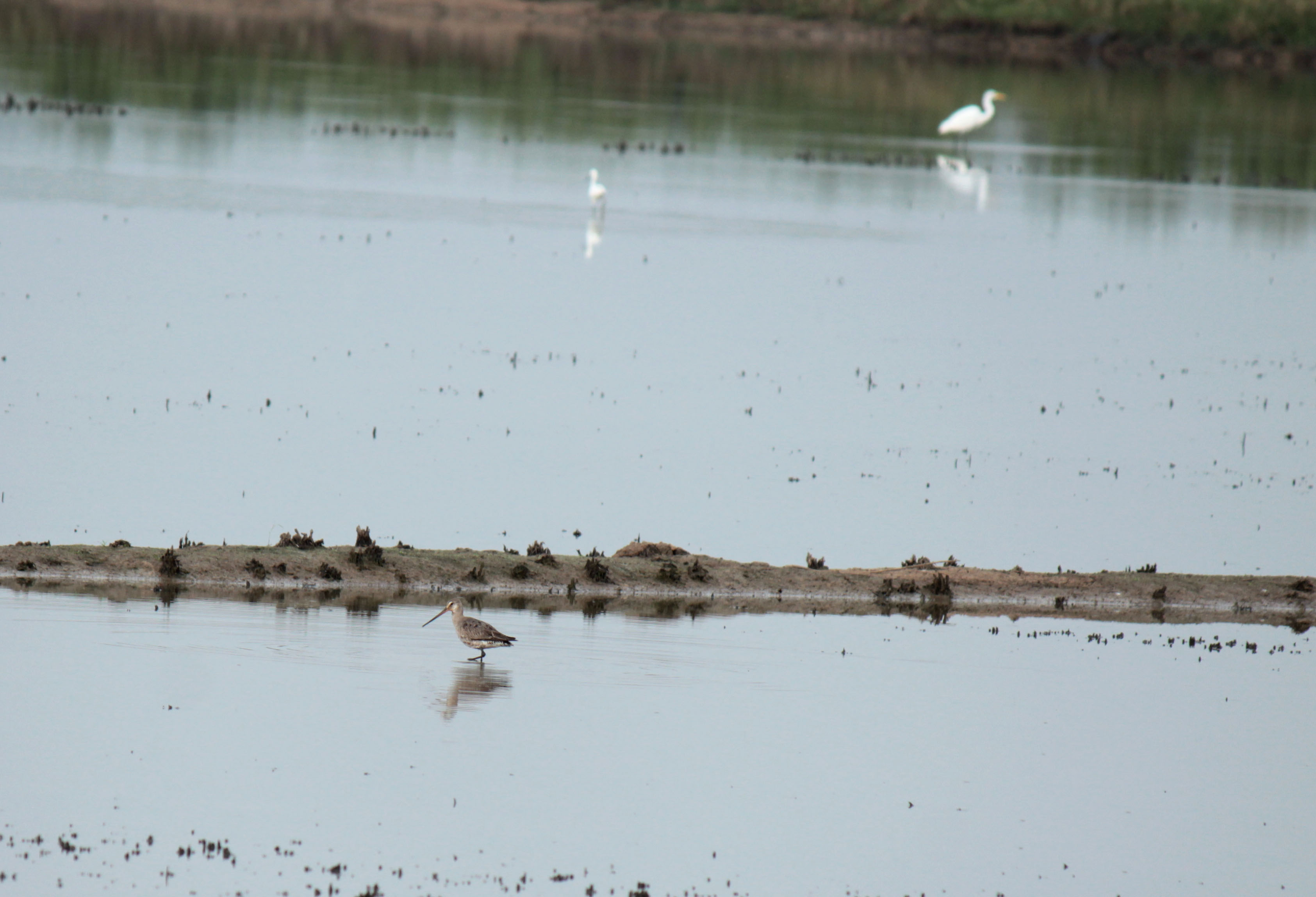
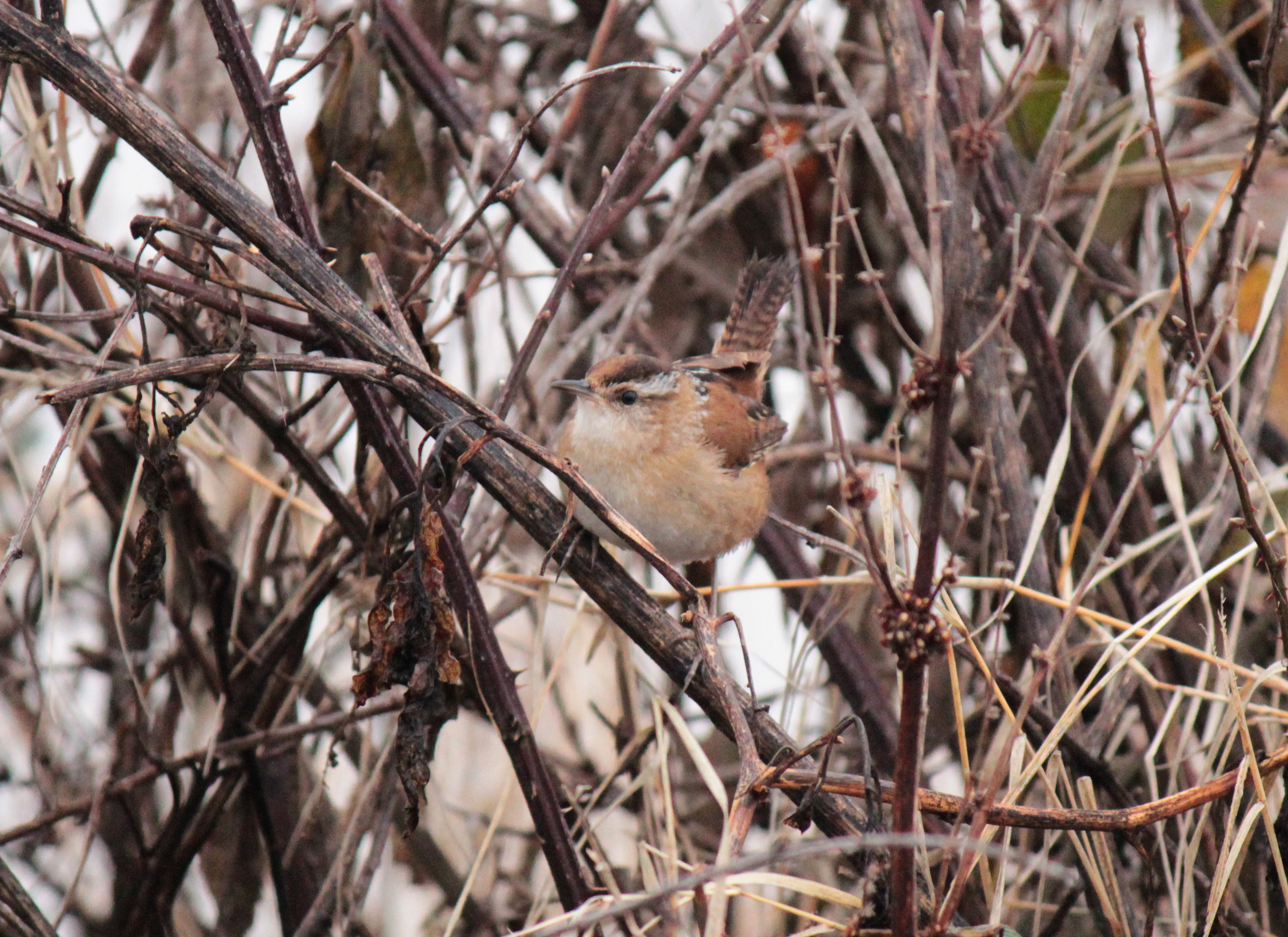
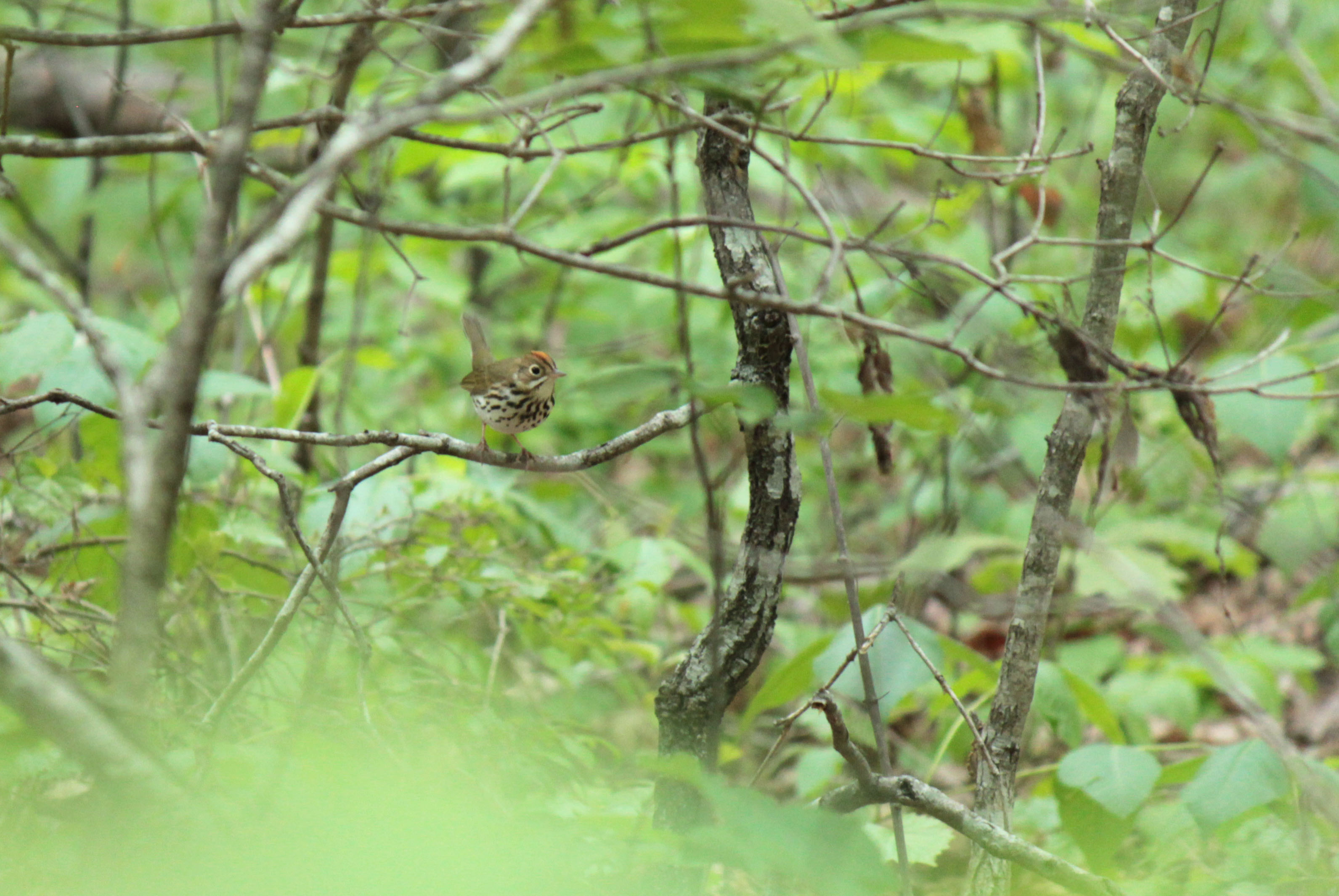
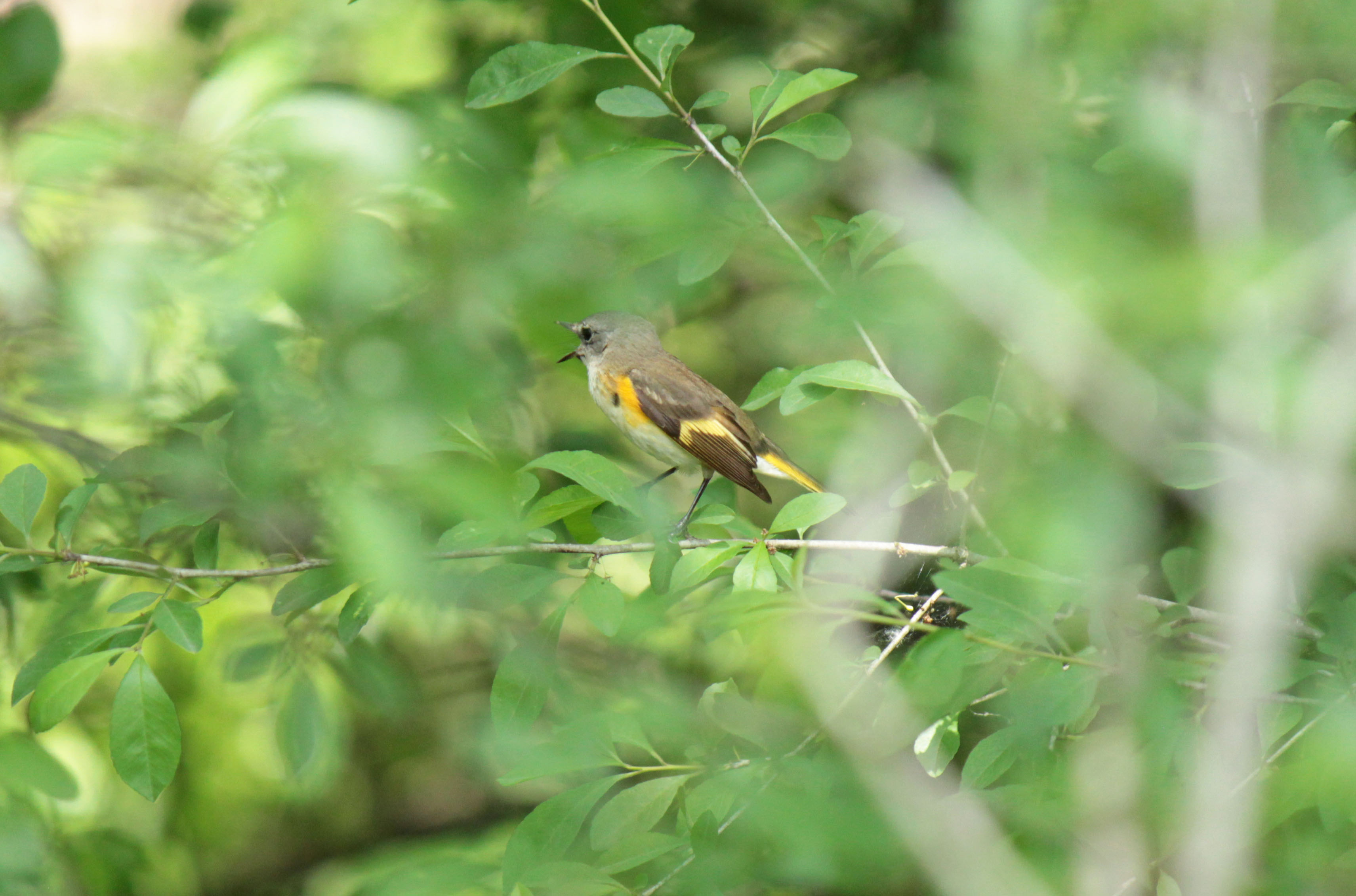
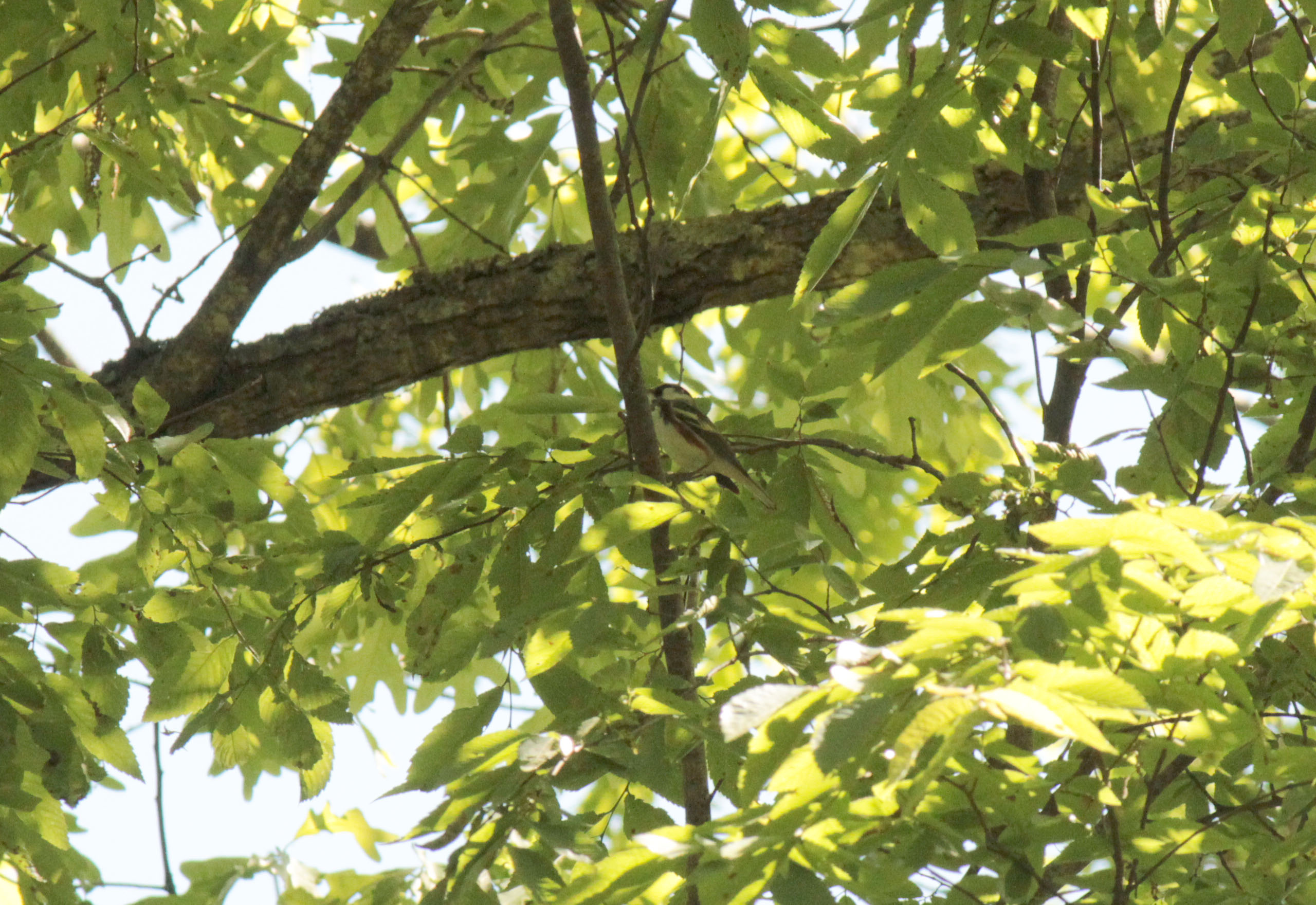
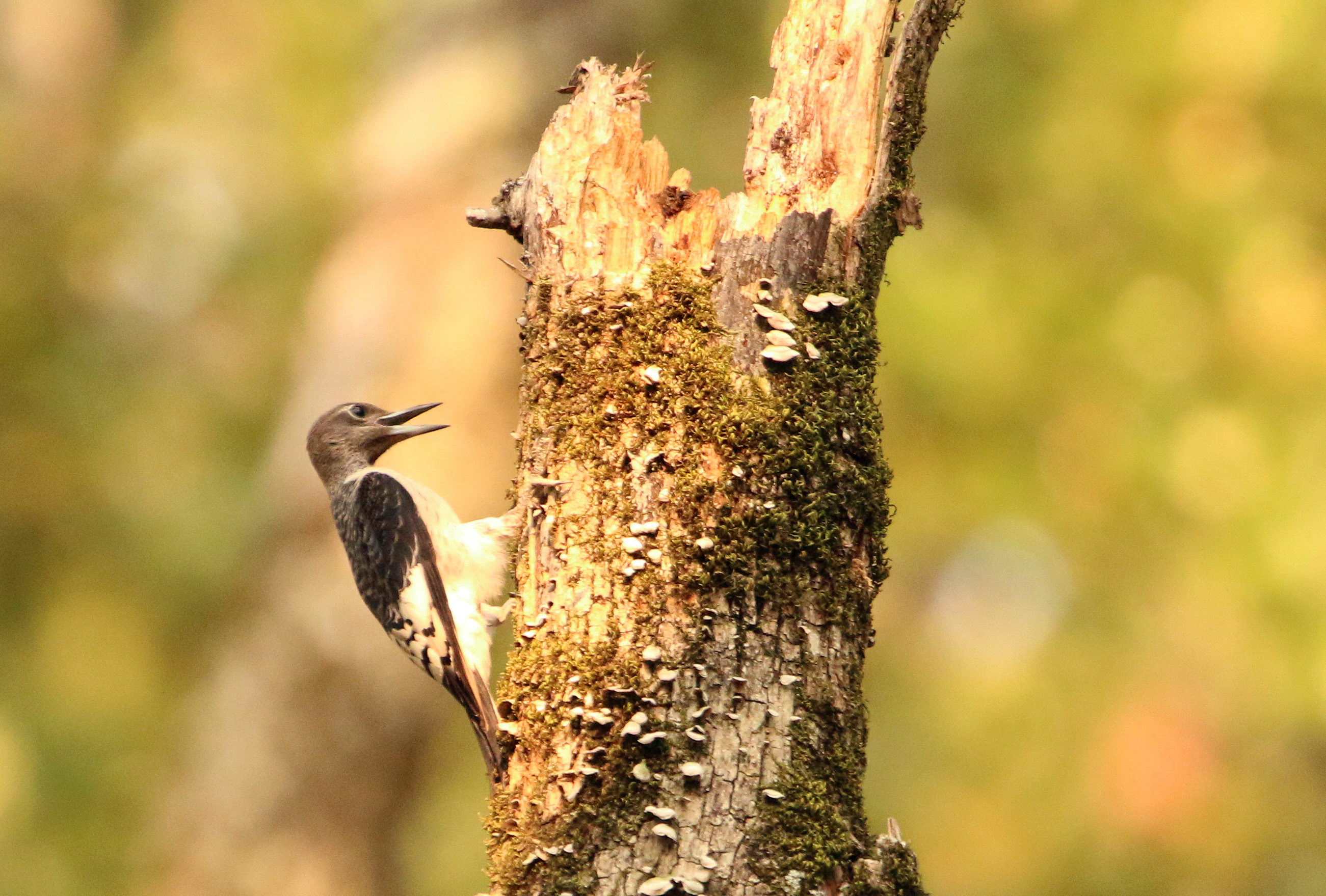
One of my ongoing projects has been to reorganize my photo archives and to go through my folder of birds I needed to identify. I finally got that “need to identify” folder cleaned out. There were a few rare birds in there from 2013 to 2015 that I am now able to check off my bird list. Besides the above pictured Sanderling, here’s a few more: a Lapland Longspur, a Snowy Plover, a Least Flycatcher, a Hudsonian Godwit, a Black-bellied Plover, an Orchard Oriole, a Marsh Wren, a Philadelphia Vireo, a Blackburnian Warbler, an Ovenbird and an American Redstart.
Can you spot the Lapland Longspur? It blends in well. This one was one of 65 Lapland Longspurs spotted during the 2013 Christmas Bird Count in Lonoke.
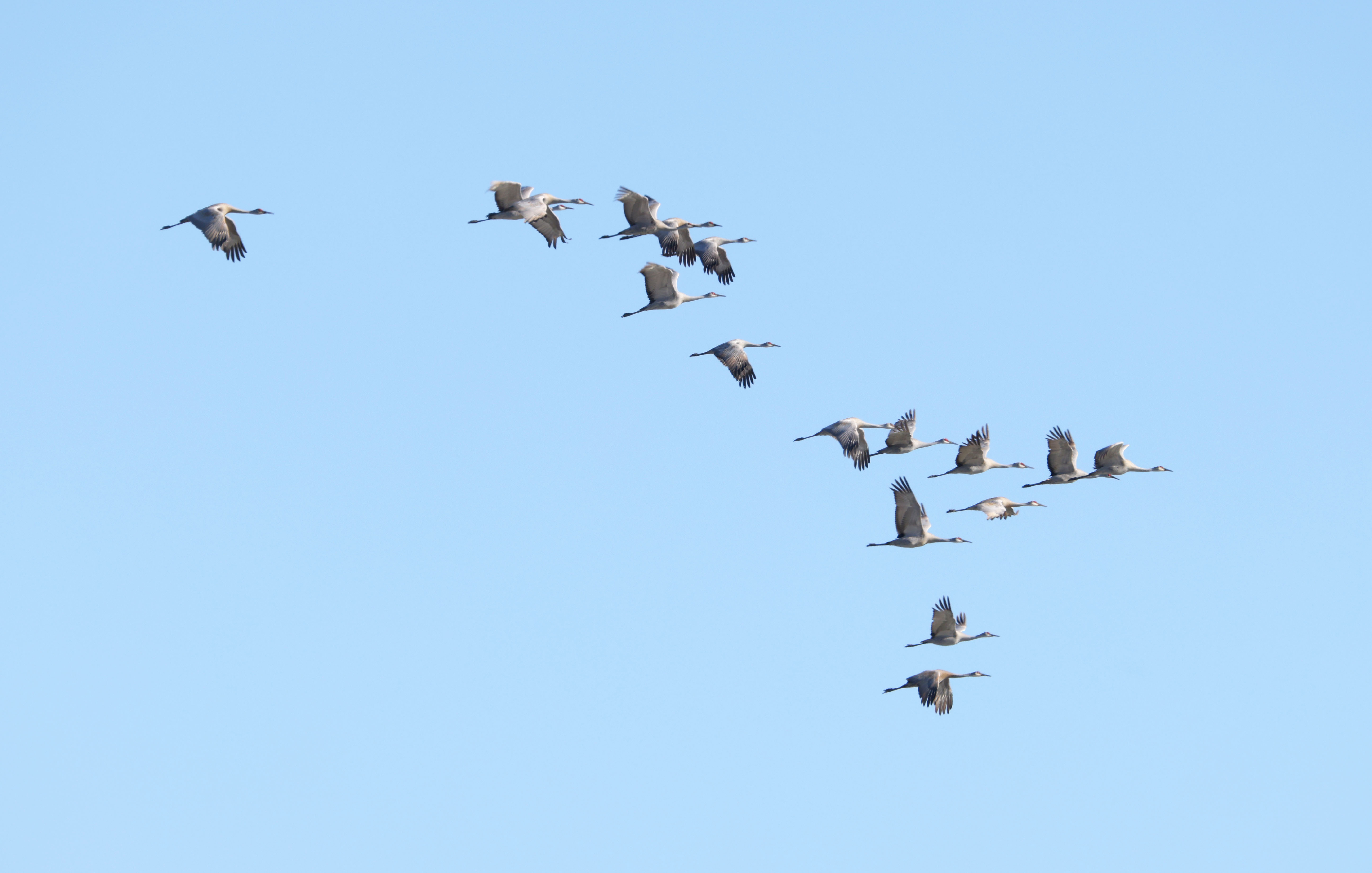
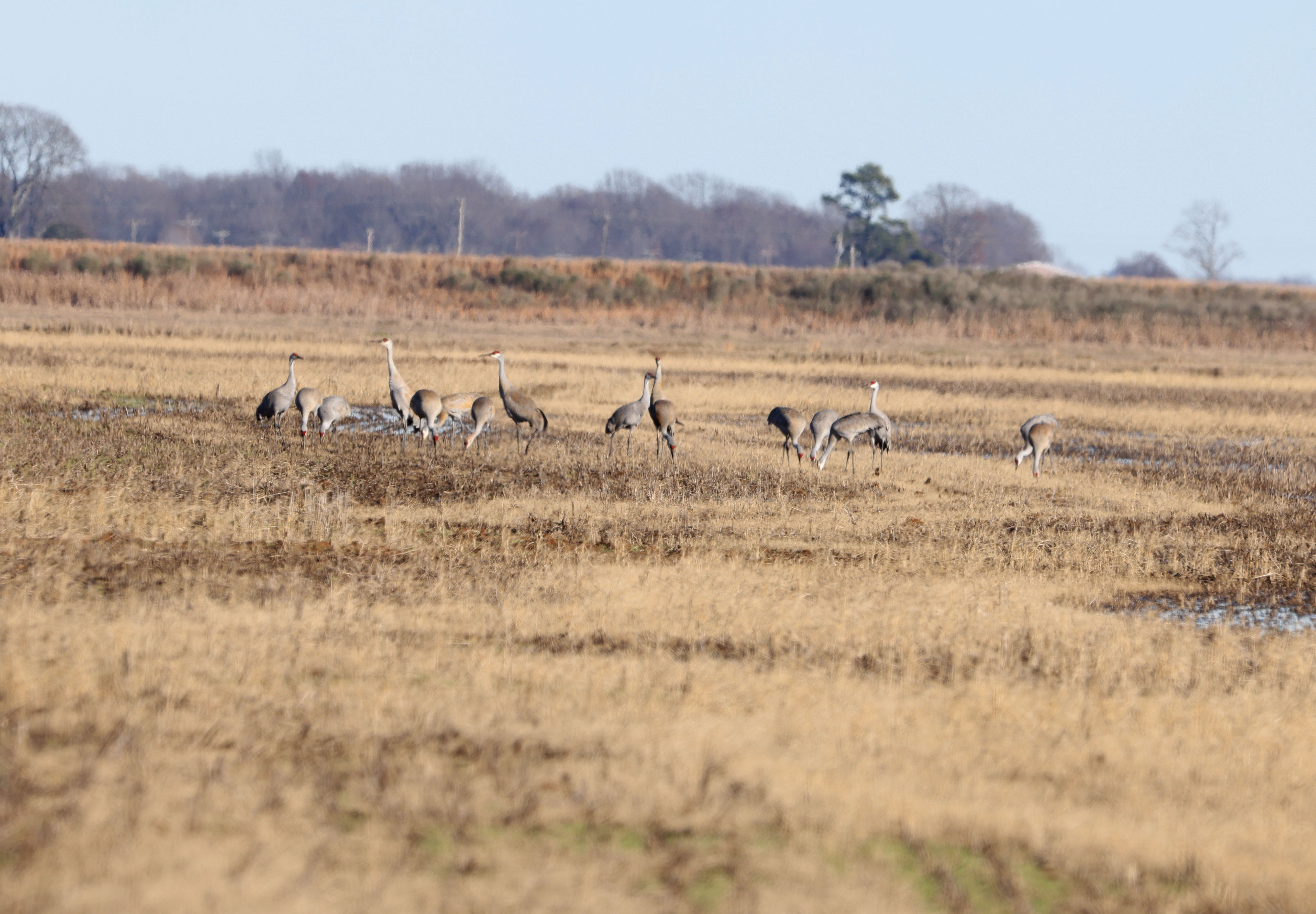
I saw my first Sandhill Cranes in Arkansas this week. The 17 cranes (which have a red crown) were found in Lonoke so it was too close to Little Rock not to go in search of them. Sandhill Cranes are rare to Arkansas, but it is not uncommon for them to be spotted in Arkansas each year. They are more common up north. They breed along the eastern border of the United States and in Canada and migrate through Colorado and Texas just east of Arkansas. I actually first saw them on a trip to Nebraska.
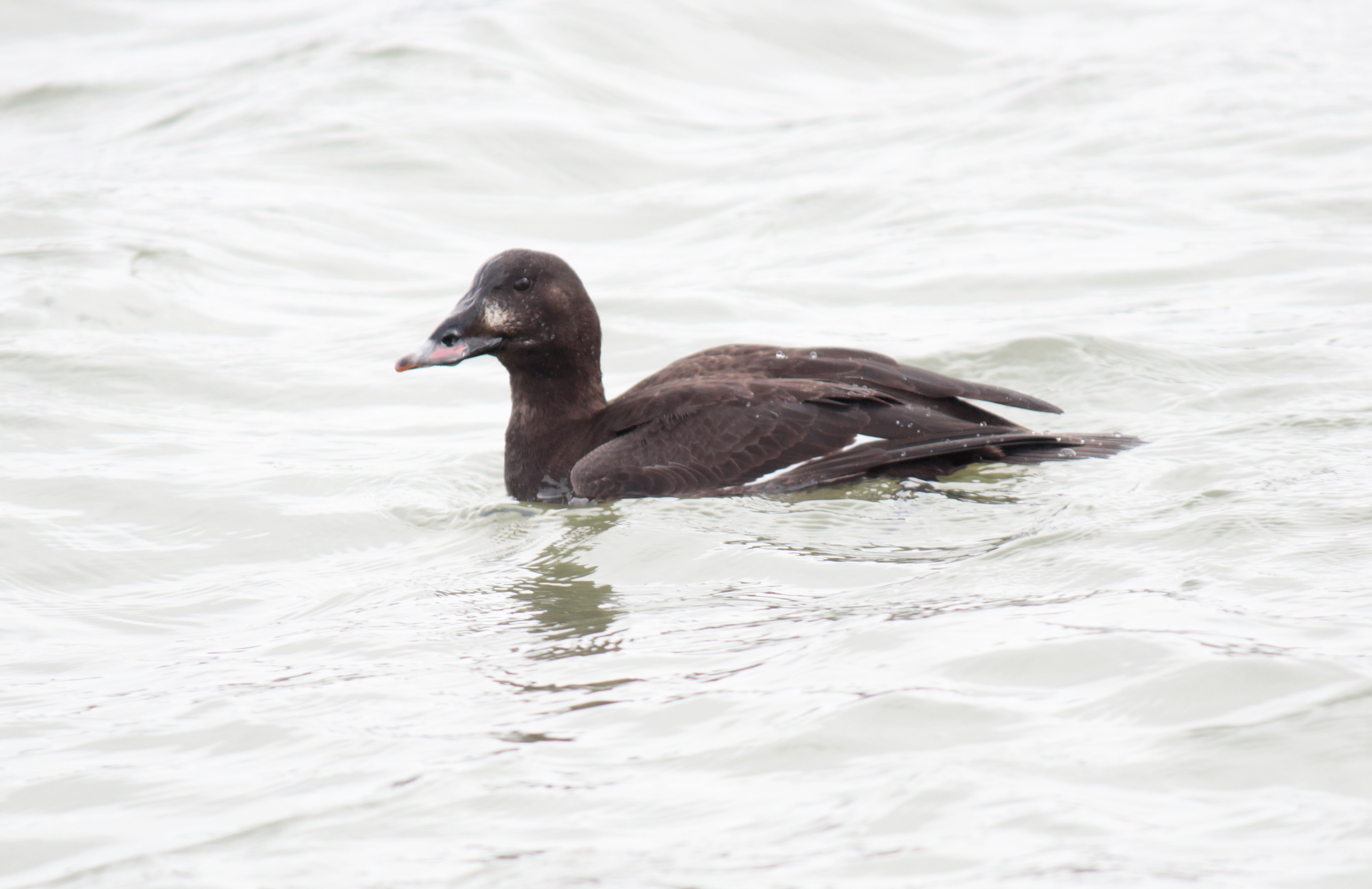
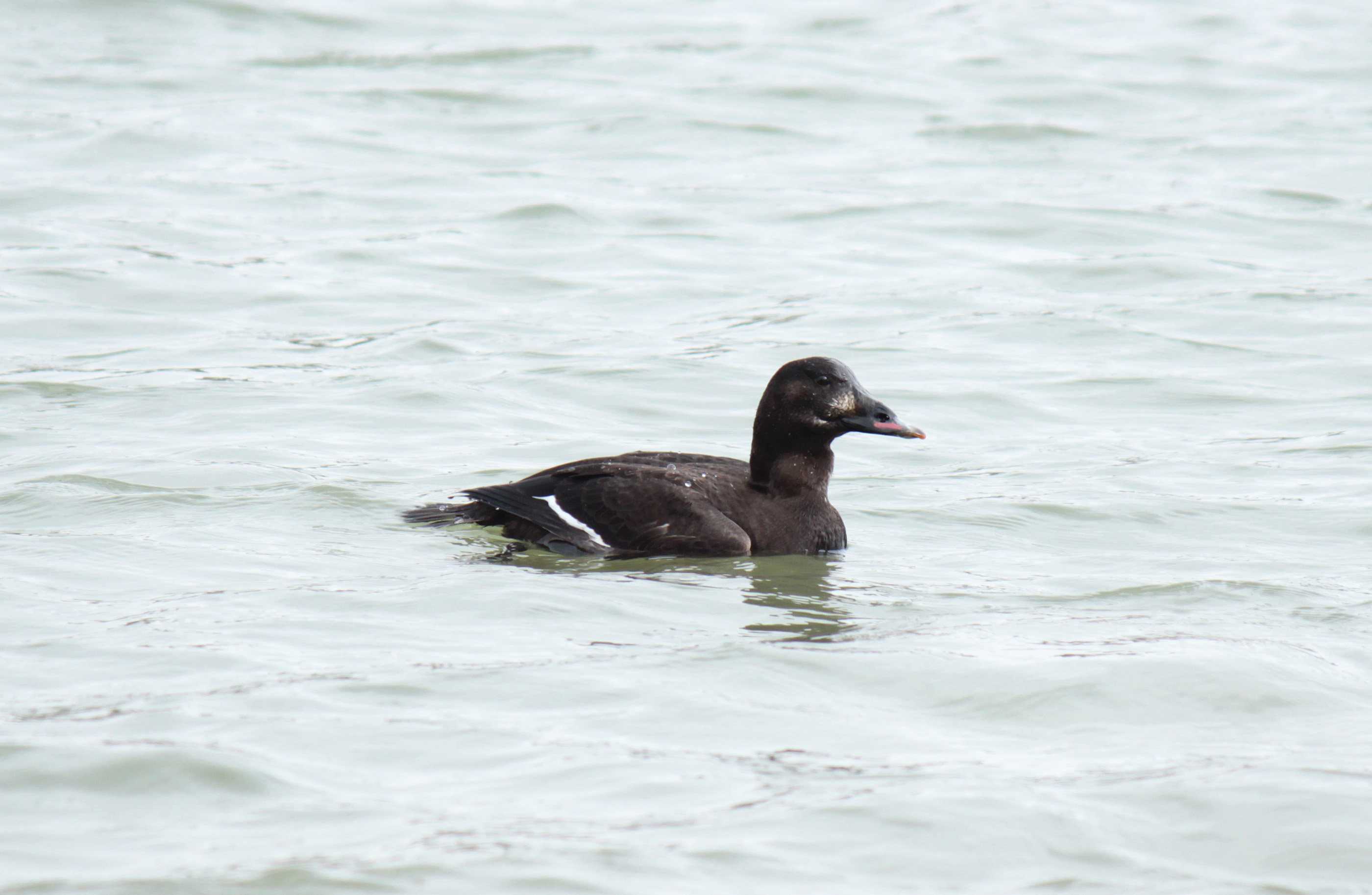
A white-winged Scoter was the first rare bird I have ever found. White-winged Scoters are large sea ducks that can hold their breath for a minute or more as they dive deep underwater for food. In the winter, they are found along the Atlantic and Pacific coasts. They are typically found in the upmost part of the United States and most of northern Canada and Alaska.
My bird was found on February 9, 2014, at Craighead Forest Park. Interestingly, it was not the first white-winged scoter found in Arkansas that year. Several others were found across the state in Northwest Arkansas.
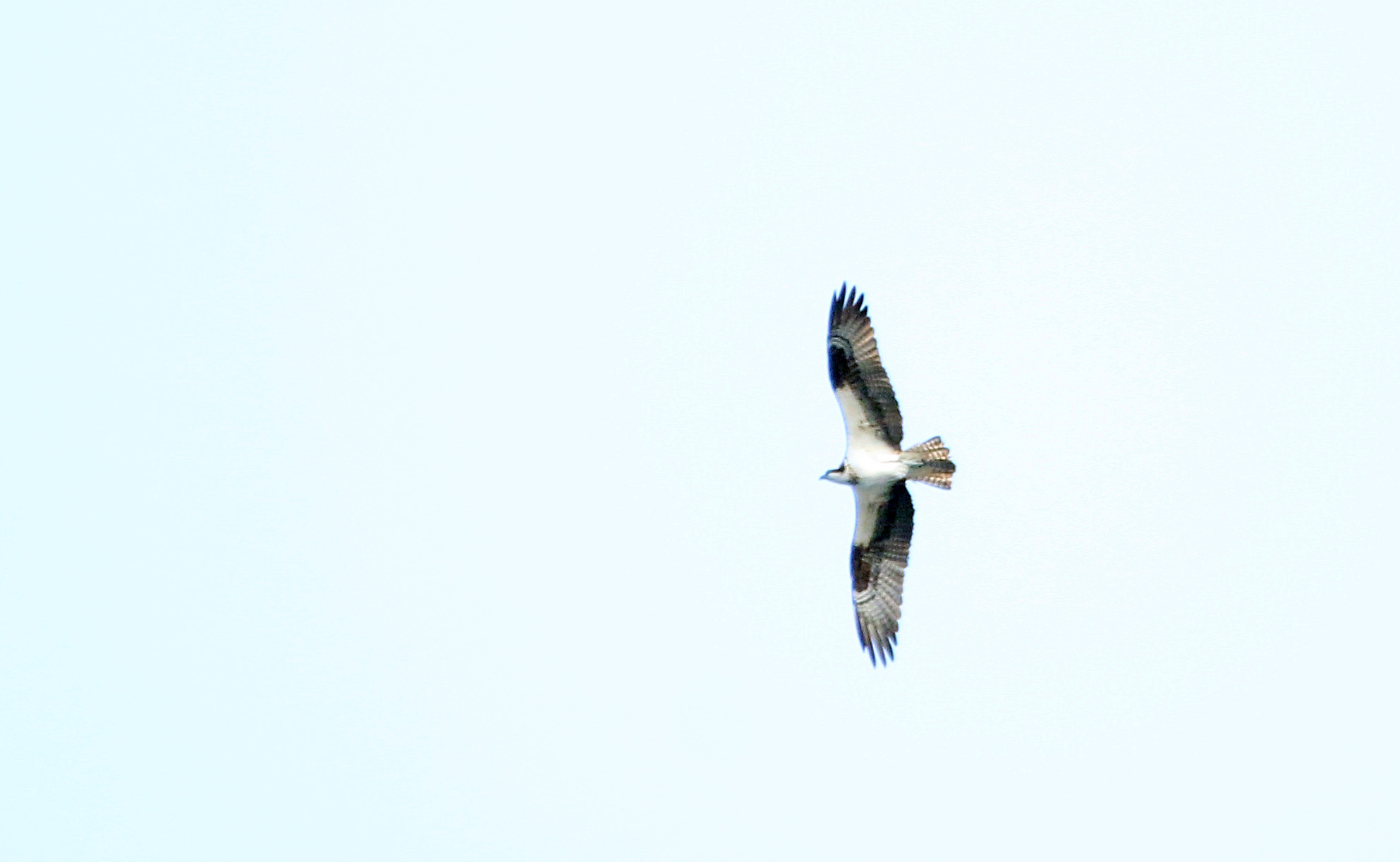
Earlier this week, I took advantage of a free morning to take a hike on a new, roughly 2.5-mile trail off Lake Maumelle. Not only was the hike relaxing, there were tons of birds singing along the way. My most exciting find wasn’t actually on the trail but soaring above it. I happened to look up just as the above pictured Osprey was circling above. I’ve never actually seen an Osprey in Arkansas, although these hawks are pretty common in central part of the state. I actually thought this one was a Mississippi Kite until I took a photograph and zoomed in closer to take a better look.
While the Osprey was a first for me, I also enjoyed practicing my bird call recognition. I’ve started using the sound ID section of the Cornell Lab’s Merlin Bird ID app. While it has listed a few birds as calling that I know are not found in Arkansas, the sound ID app has correctly ID’d quite a few birds that I didn’t recognize the calls of. Two such birds on this trip were the White-eyed Vireo and Yellow-throated Vireo.
White-eyed Vireo
Yellow-throated Vireo
The above-pictured Yellow-throated Vireo is actually the third one of its species that I have seen period. I found all three Yellow-throated Vireos within the past week – all thanks to the app’s Sound ID. I would record bird calls, the app would ID the bird call correctly as the Yellow-throated Vireo, and the bird would then respond when I played callbacks (each one has come out in the open, allowing me to get a picture). It’s pretty exciting. The Yellow-throated Vireo may be one of the most colorful members of the vireo family, but it can blend it pretty darn well.
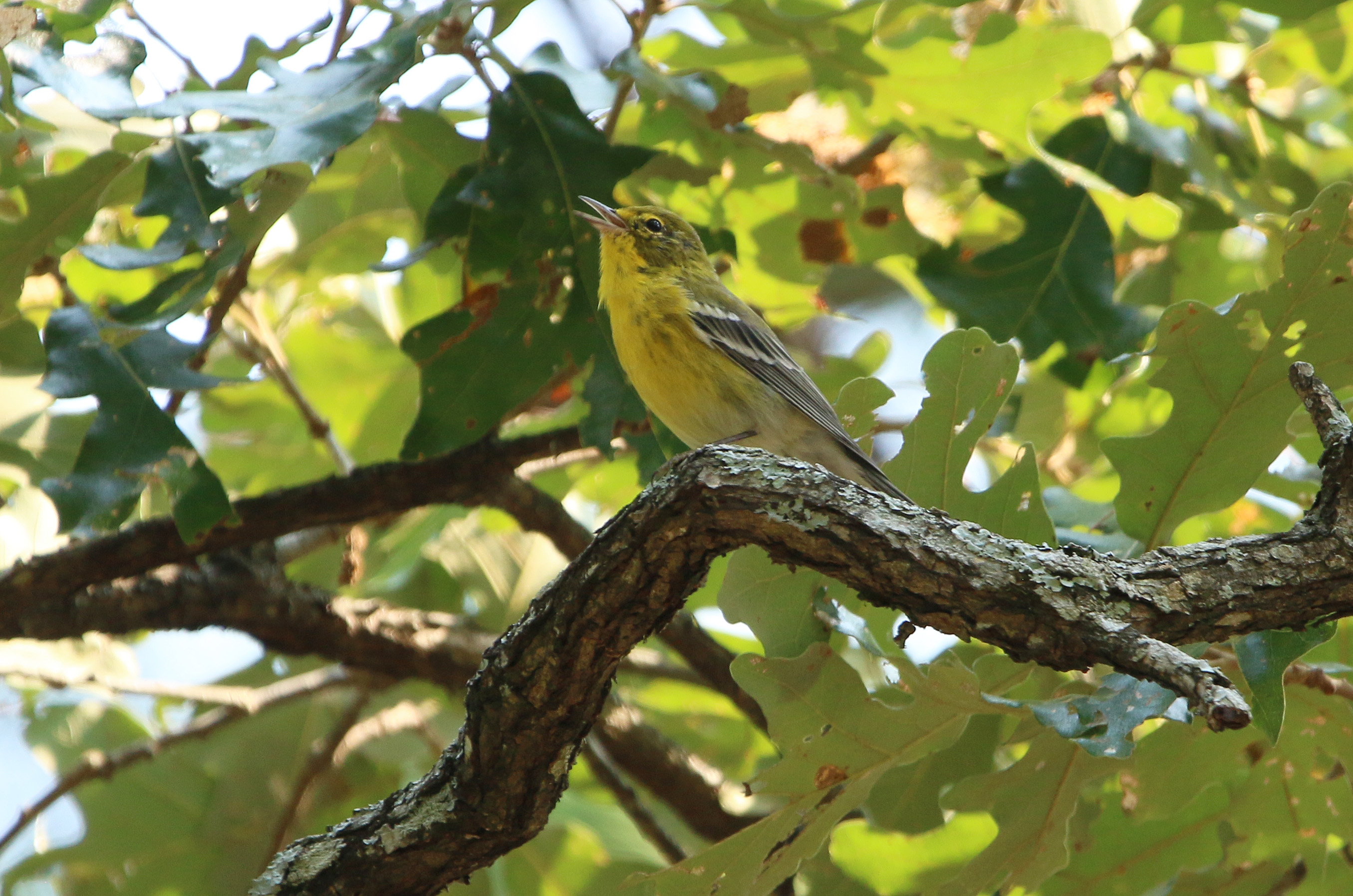
I saw my first Blue-winged Warbler today at Dale Bumpers White River National Wildlife Refuge in Saint Charles.
The Blue-winged Warbler migrates through Arkansas each year. Cool fact per All About Birds: the oldest recorded Blue-winged Warbler was a male that lived at least 9 years and 11 months. The data was collected during banding operations in Ontario that had the captured, banded, and released.
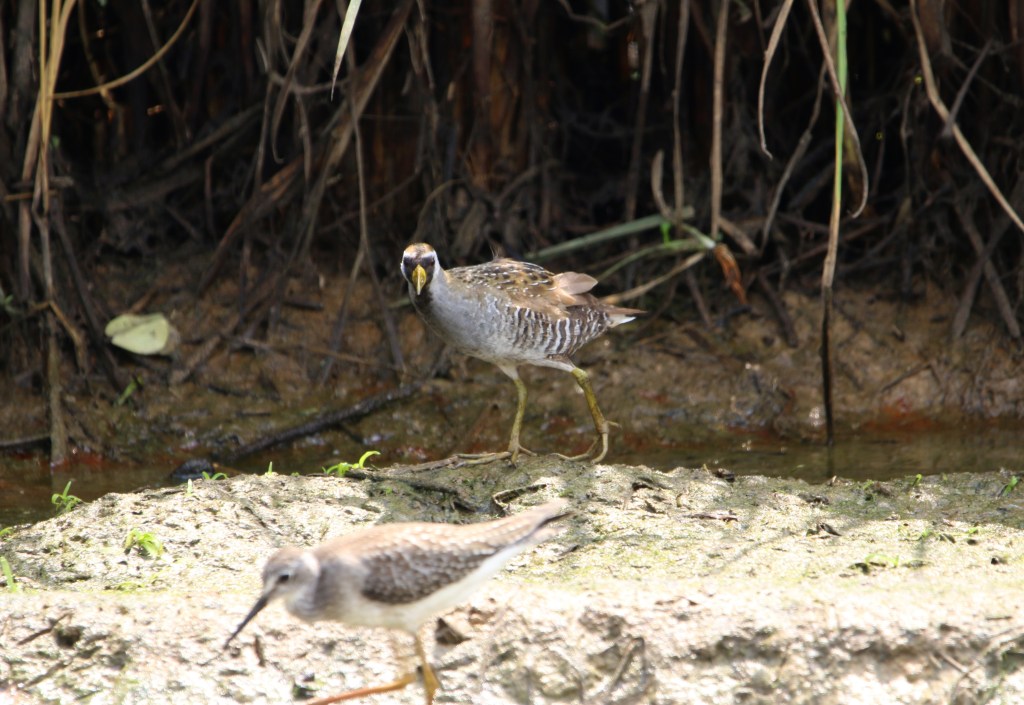
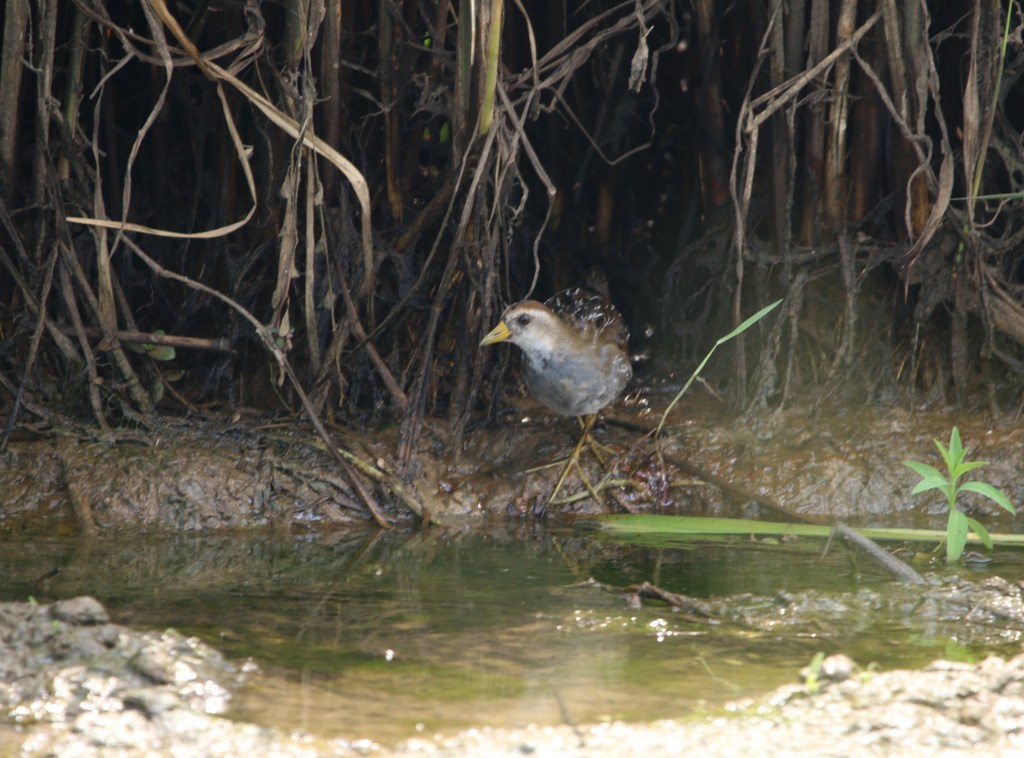
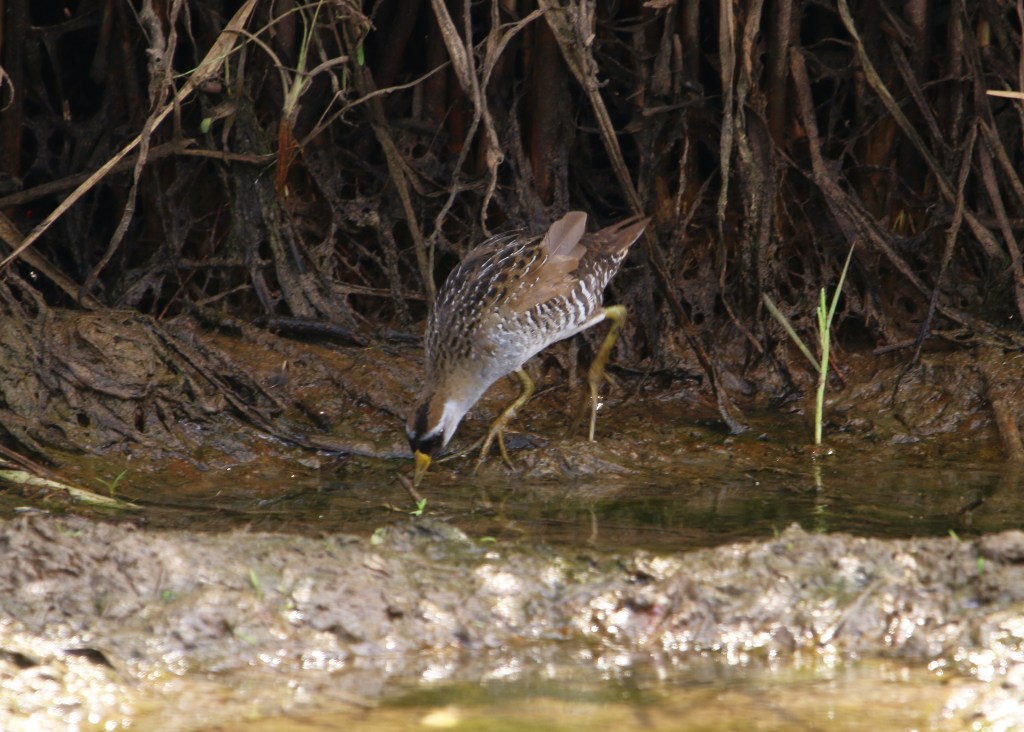
I was taking a photo of a Greater/Lesser Yellowlegs (pictured at the bottom of the above photo) when a Sora casually walked out of the rice and began walking around. I definitely wasn’t expecting that to happen. I was snapping photos when, all of a sudden, a second one appears.
Soras are a secretive marsh bird that can be found throughout the United States at various points in the year, according to AllAboutBirds.org. They can be found in Arkansas during migration season. However, they aren’t expected to be sighted at the moment in Arkansas.
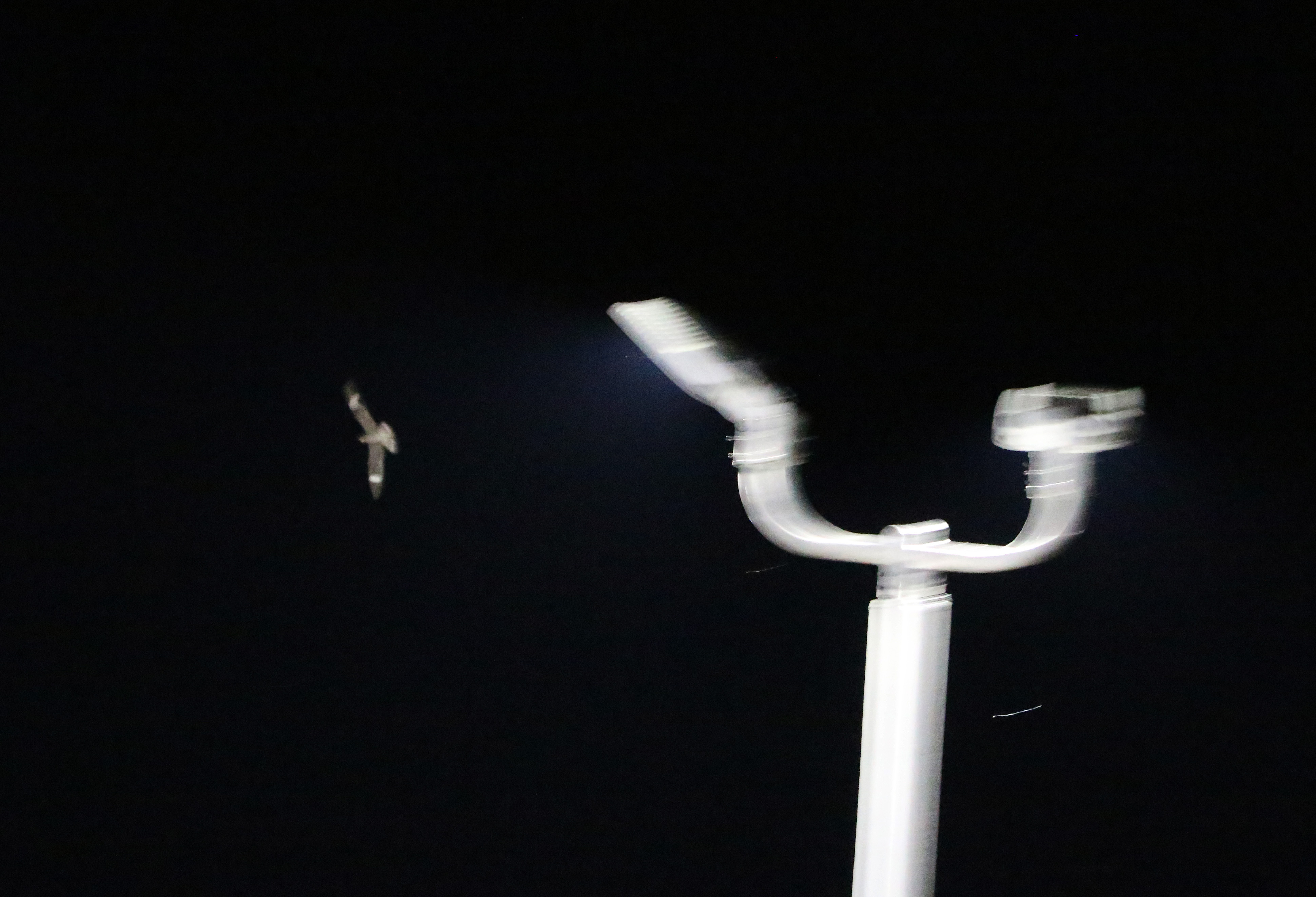
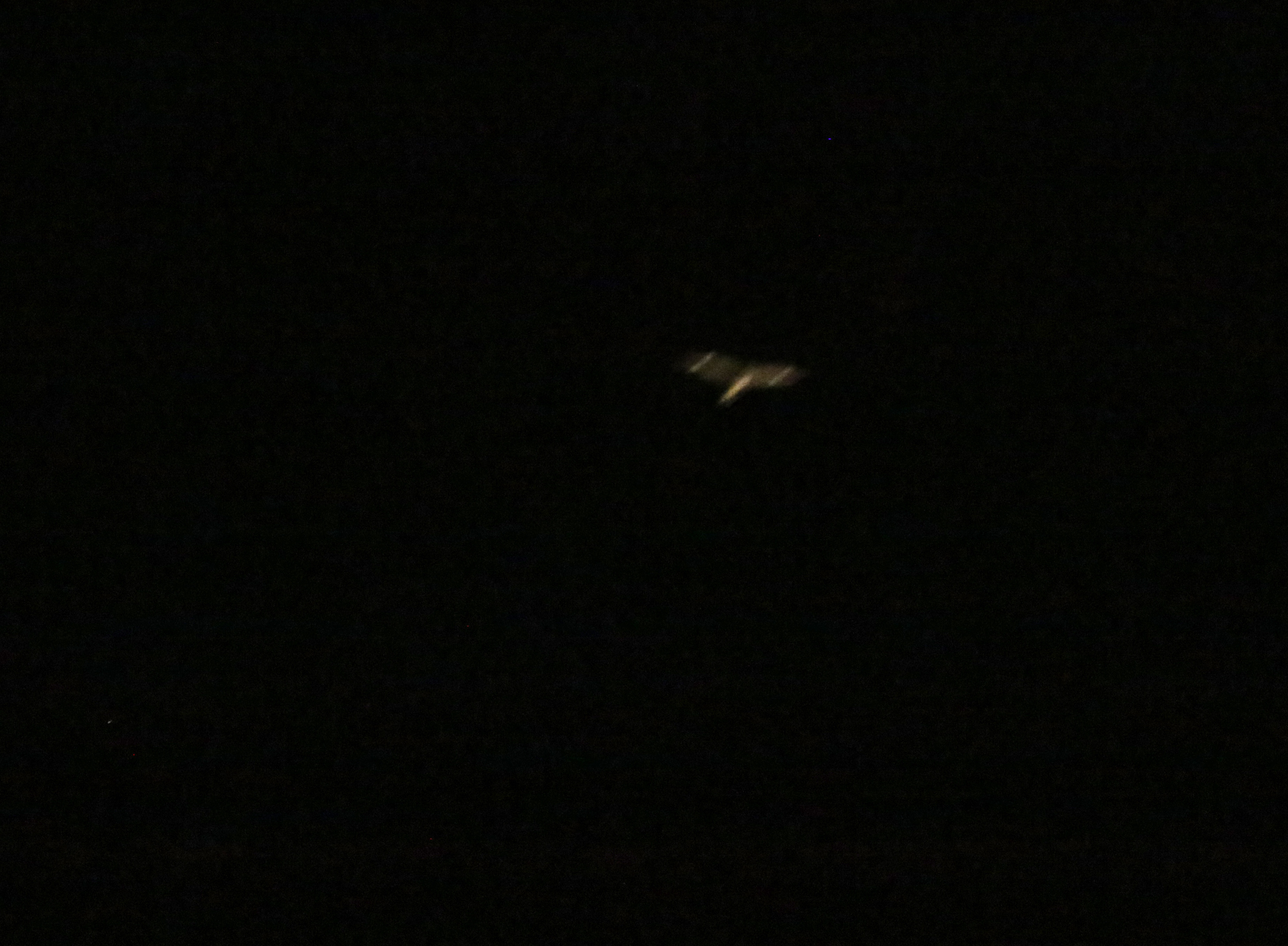
I was waiting for food to be delivered to my car when I happened to spot several birds flying overhead. Since it was nighttime, it kind of threw me off. Those birds turned out to be Common Nighthawks. A swarm of them – eight in total – flew overhead, catching flying insects drawn to the nearby street lights.
Common Nighthawks roost during the day, and can typically be found in the early mornings and evenings. According to Arkansas bird experts, I likely caught a migrating group as they passed through Little Rock. I best recognized the birds by the white patch close to the bend of their wings.
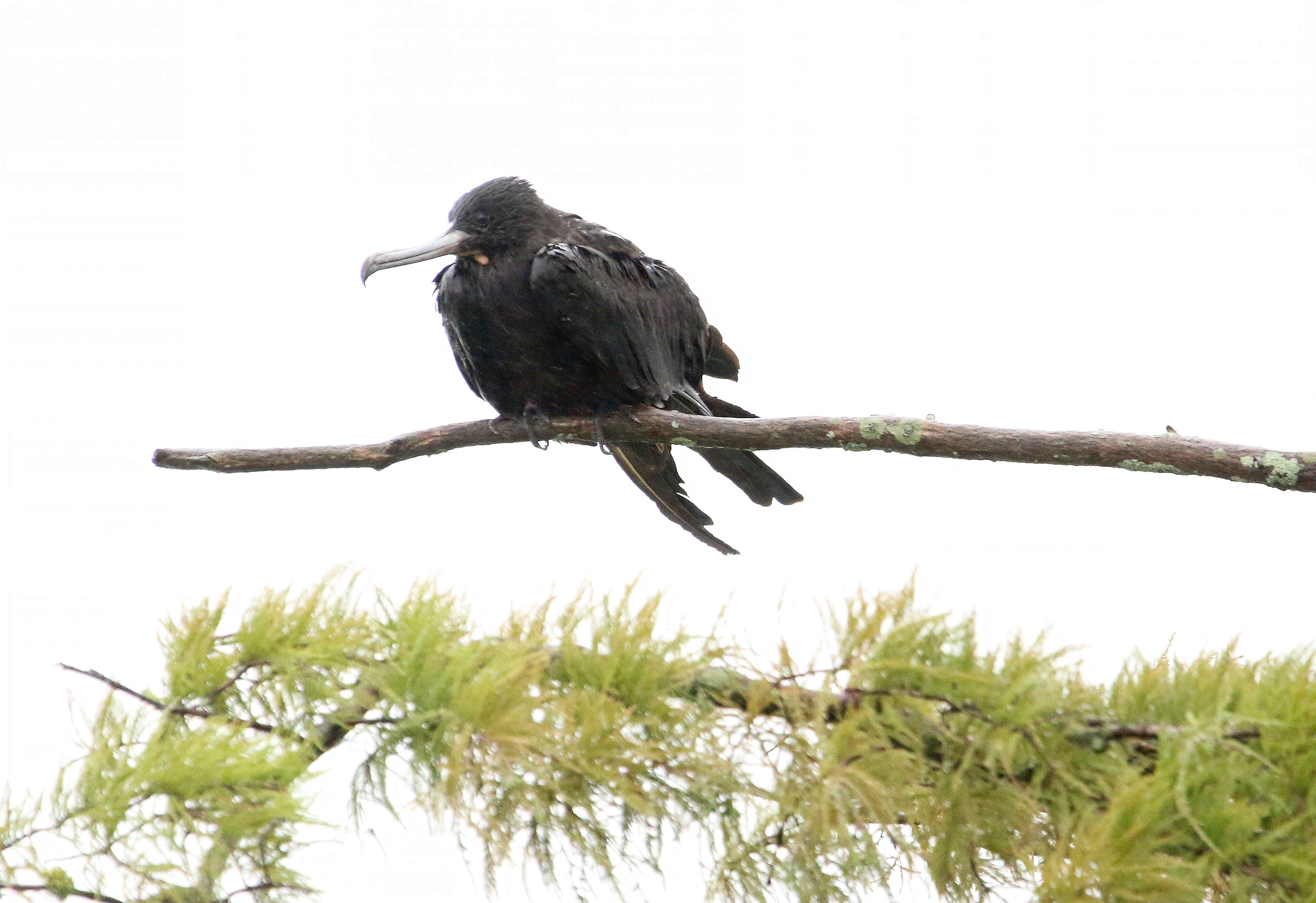
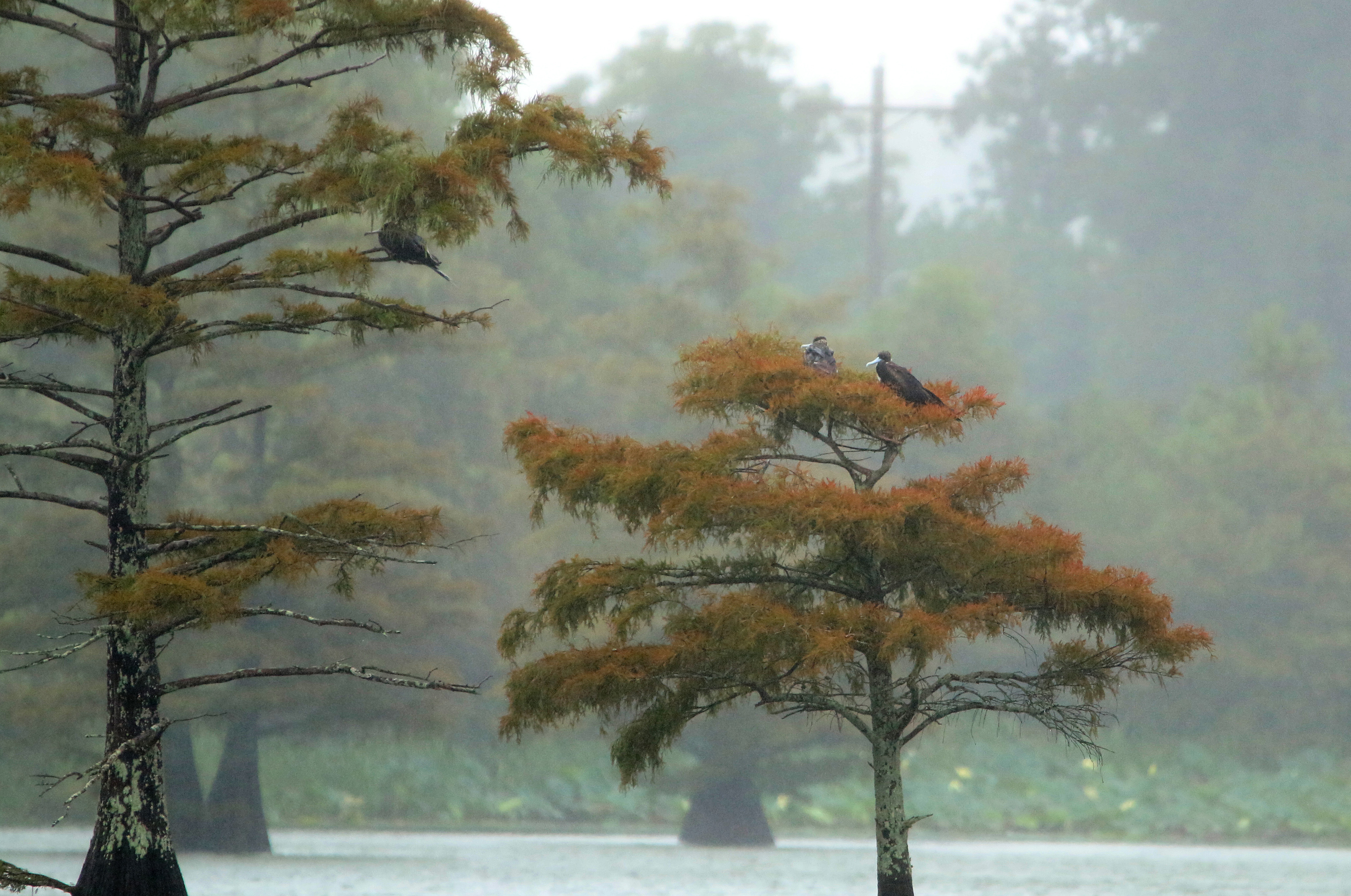
Seven Magnificent Frigatebirds have been found in Arkansas as Hurricane Ida continues to head through. Magnificent Frigatebirds are large seabirds that skim fish from the surface of the water or chase other birds to steal food. They are typically founding around the Gulf of Mexico and Caribbean Sea. I wasn’t taking any chances of missing them so I took off to find them at Lake Grand in Chicot County. I got lucky.
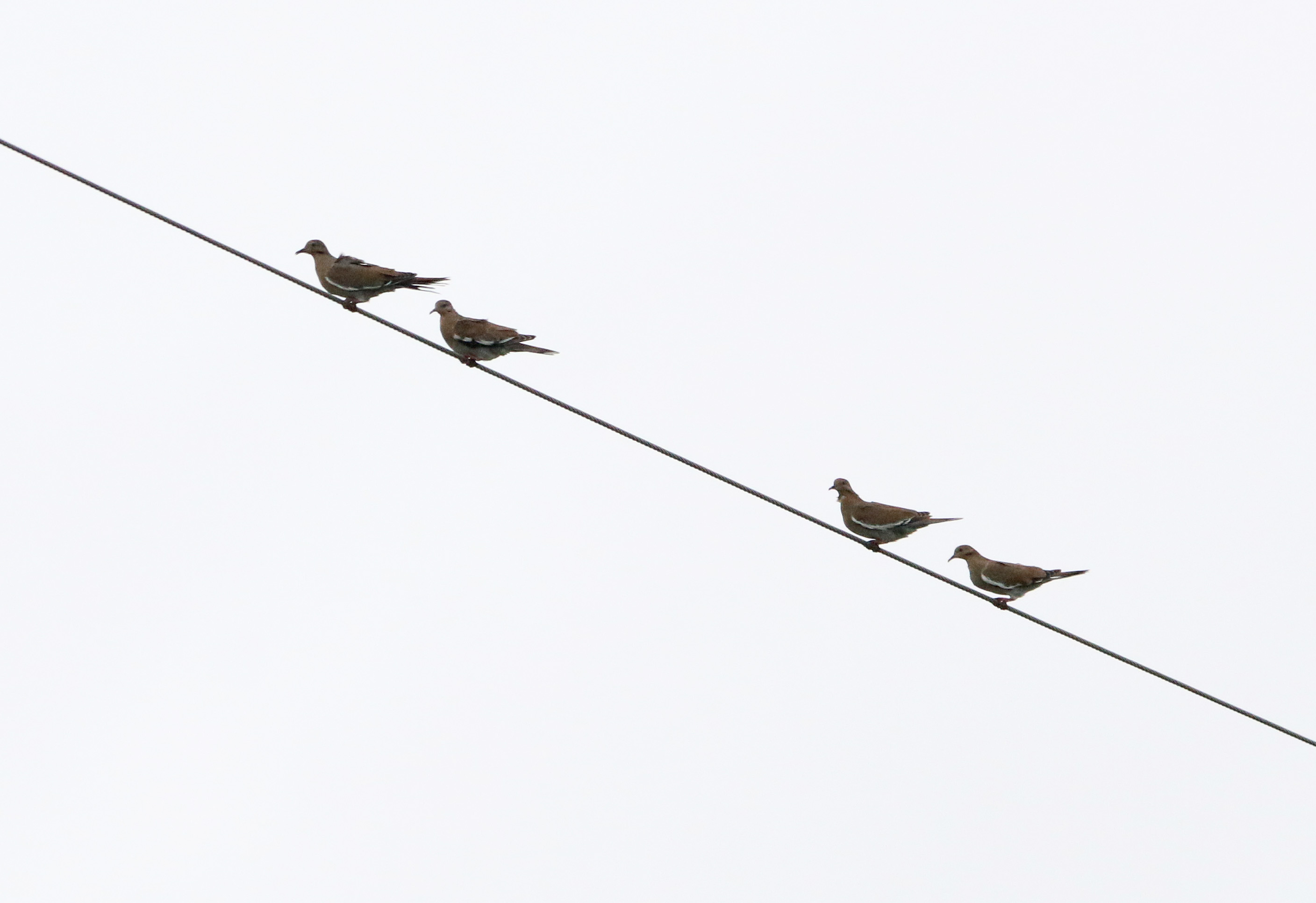
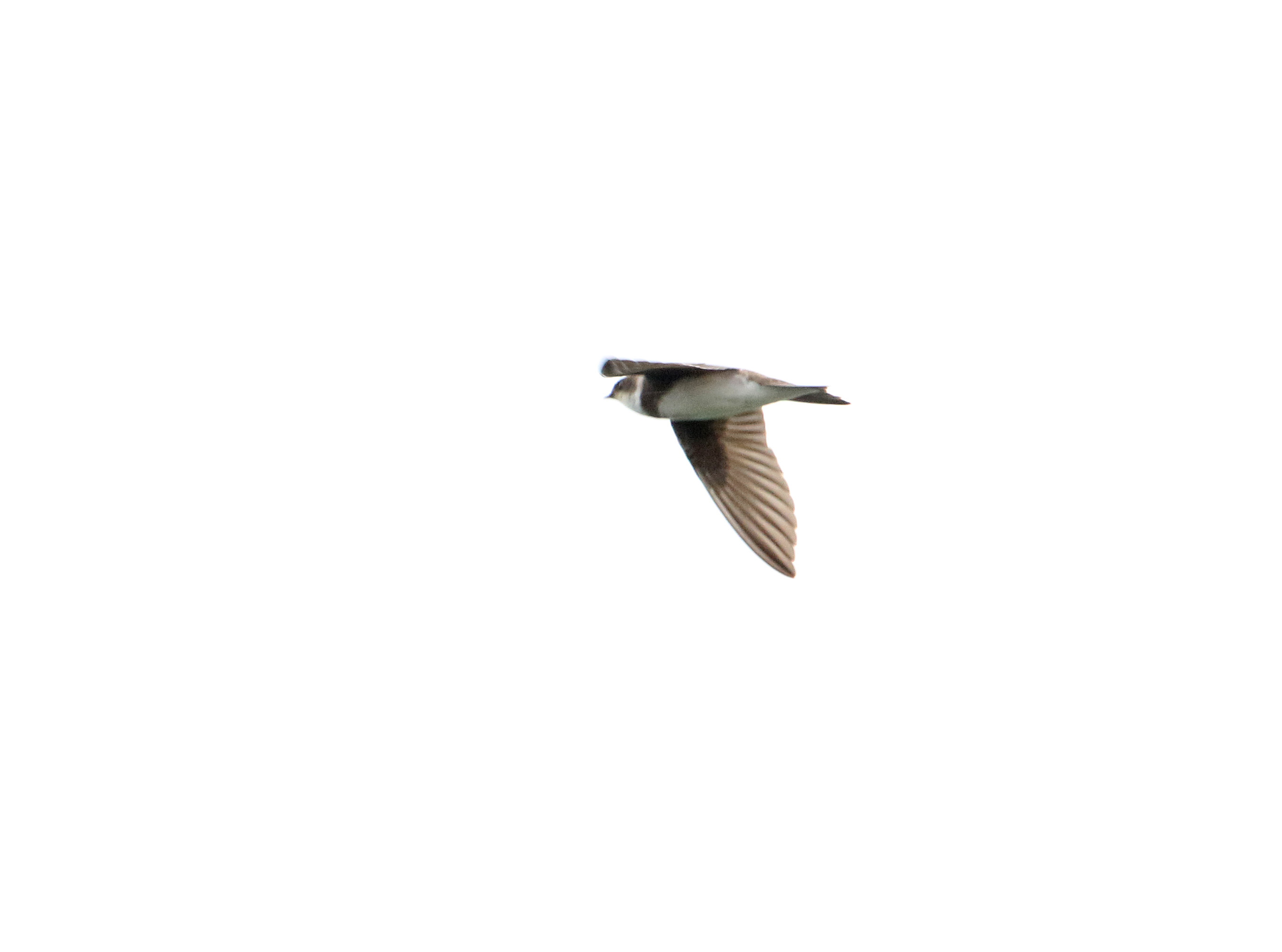
Despite it being a cloudy and rainy day, there were quite a few birds, like the below Bank Swallows, to be found. I also got lucky and found four rare White-winged Doves as well. White-winged Doves are typically found in desert habitat in the Southwest and in cities and suburbs of Texas and the coastal Southeast, according to AllAboutBirds.org. They have been turning up in Arkansas more and more.
We currently have an Eastern Bluebird family visiting our feeders. Bluebirds are one of our favorite birds and we have 3-4 at our feeders typically year-round. (Yay!)
There are two types of crows – the American and the Fish. They look alike so they way to tell them apart is by their call. It’s easy to hear and then photograph the American Crow. Not so much the Fish Crow, but I was finally able to do so recently at the Bald Knob National Wildlife Refuge.
I previously worked as a news and sports photographer. Recently I have been enjoying wildlife photography. My approach toward bird photos is similar to sports photography. I attempt to capture mostly action and hopefully a unique perspective.
















 Memos for Me