Photos: Alcoa Bottoms
May 12, 2023
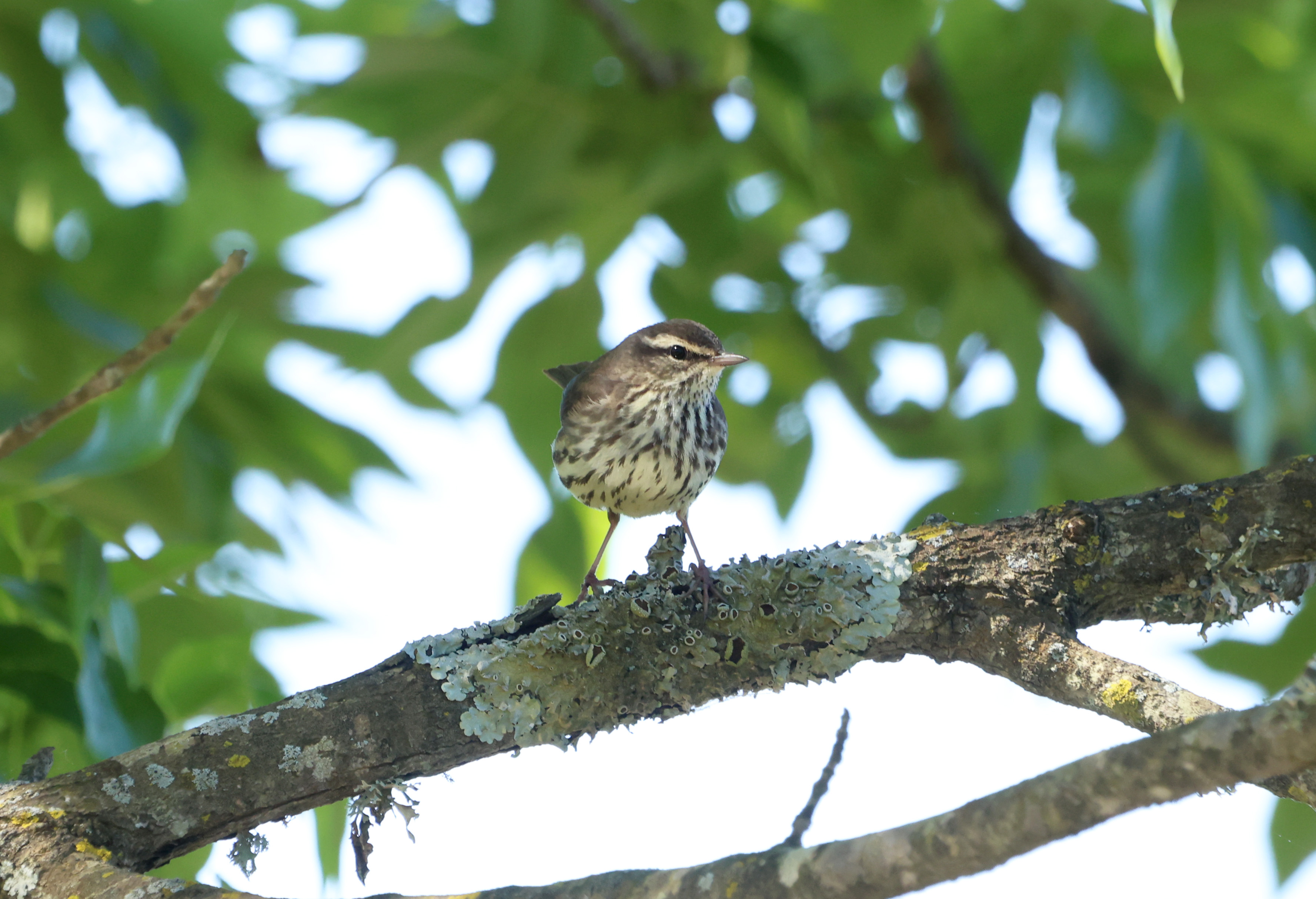
I recently visited Alcoa Bottoms near Arkadelphia to see if the Couch’s Kingbird was still there. It wasn’t. But here’s a highlight of what I did find, including my first Northern Waterthrush.
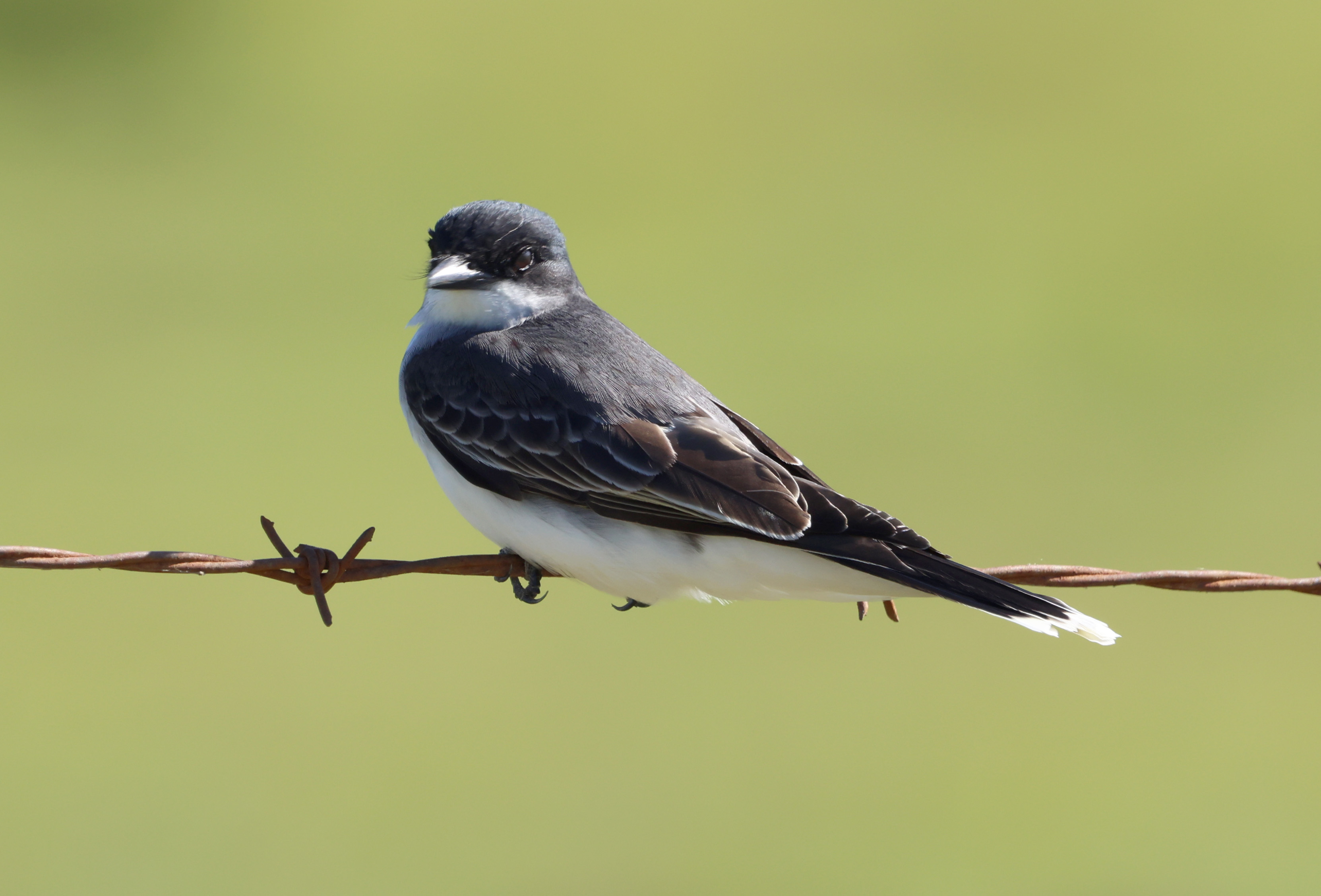

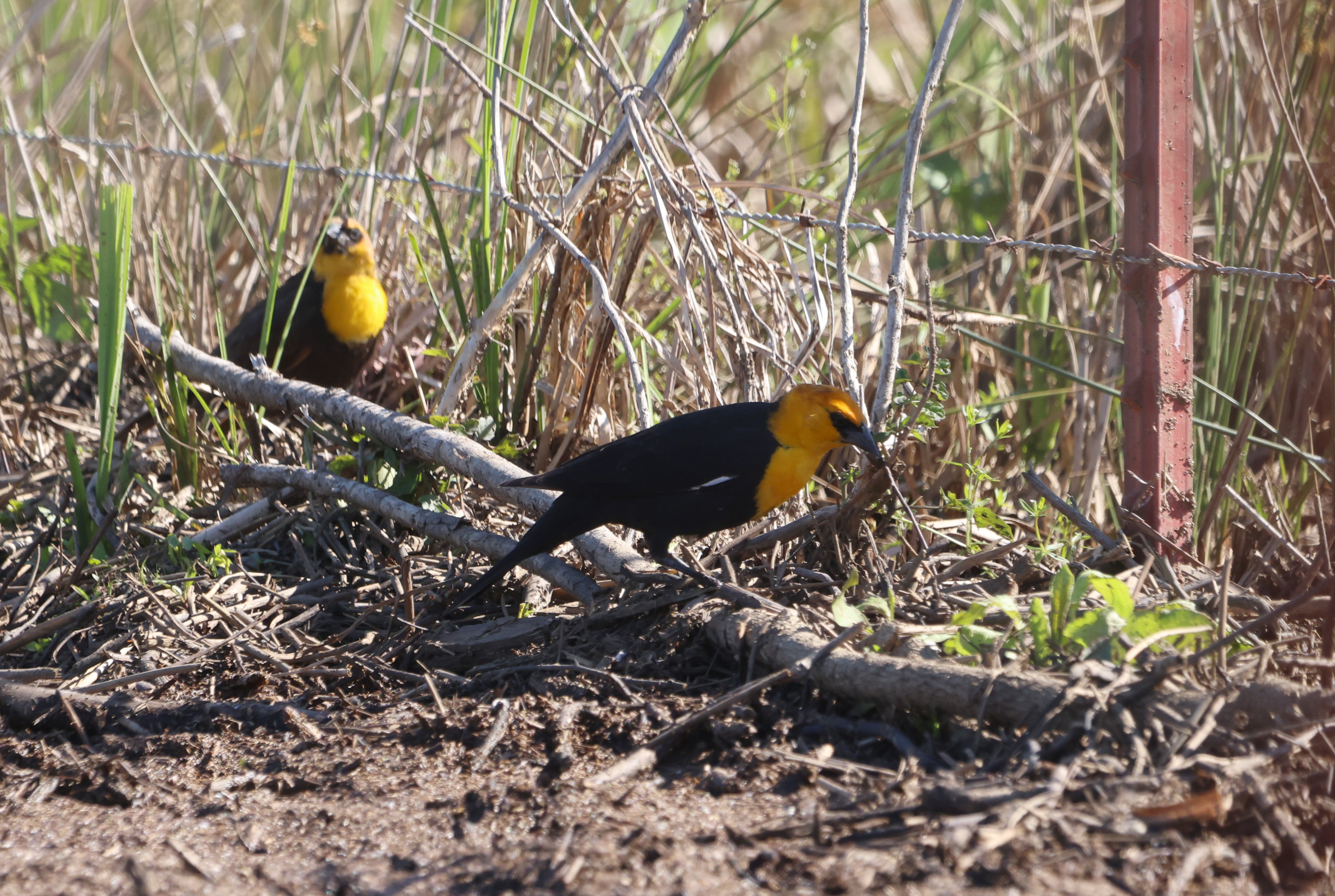
I recently visited Alcoa Bottoms near Arkadelphia to see if the Couch’s Kingbird was still there. It wasn’t. But here’s a highlight of what I did find, including my first Northern Waterthrush.

I’ve been heavily birding the past few weekends to take advantage of the birds passing through Arkansas. And I’ve gotten lucky with my sightings so far. This past weekend, a Lark Bunting was spotted in Bald Knob National Wildlife Refuge. Luckily, I was able to head that way about an hour or two after it was first reported. Boy, am I glad I headed that way. I went back the next morning and the bird could not be refound.
Lark Buntings are not common for Arkansas, but more to the mid-west of us. Think Texas, New Mexico, Colorado, and moving up from there to parts of North Dakota, Montana, and Canada during the breeding season. Nonbreeding season is spent in Central Arkansas and parts of Texas, New Mexico and Arizona.
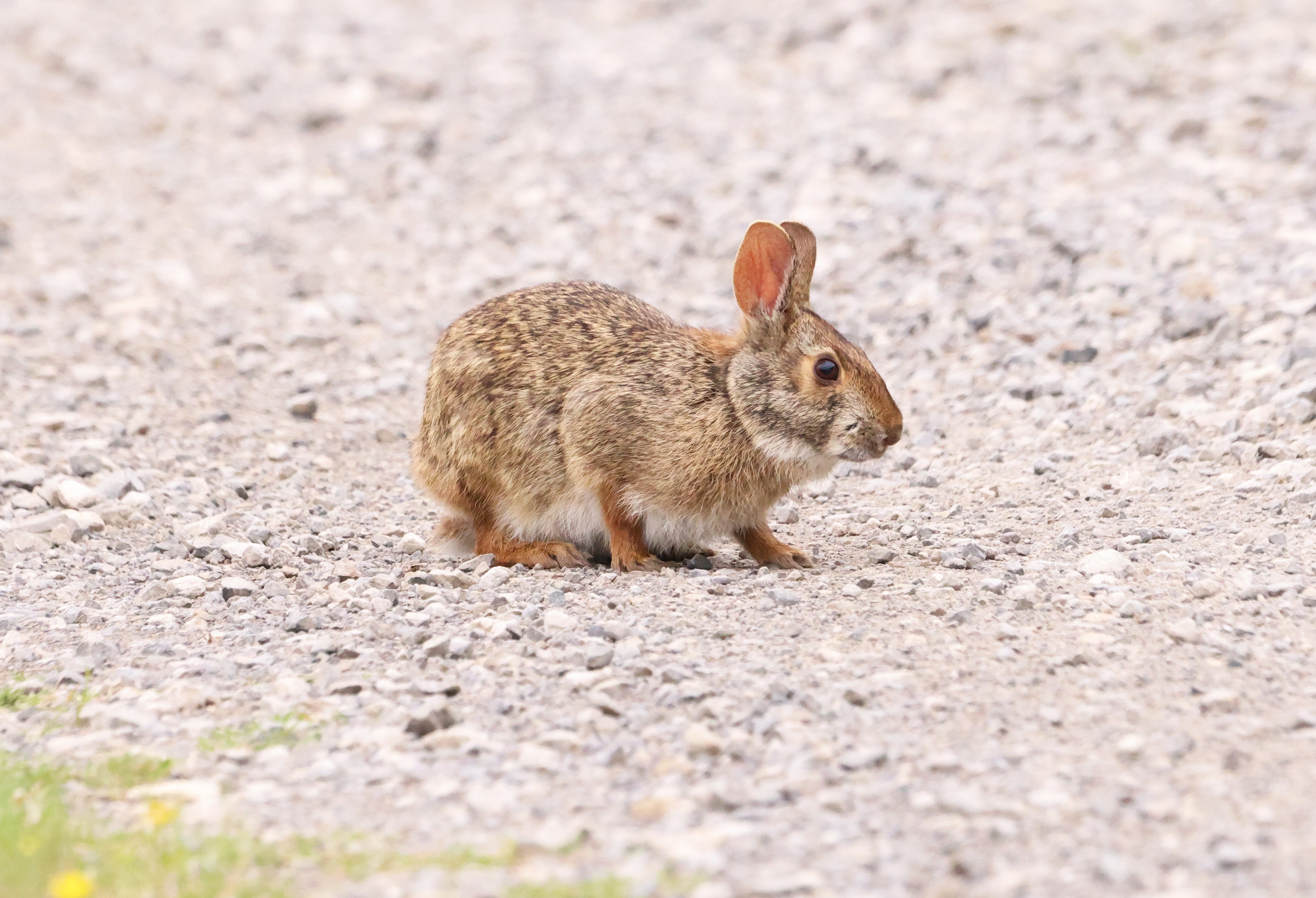
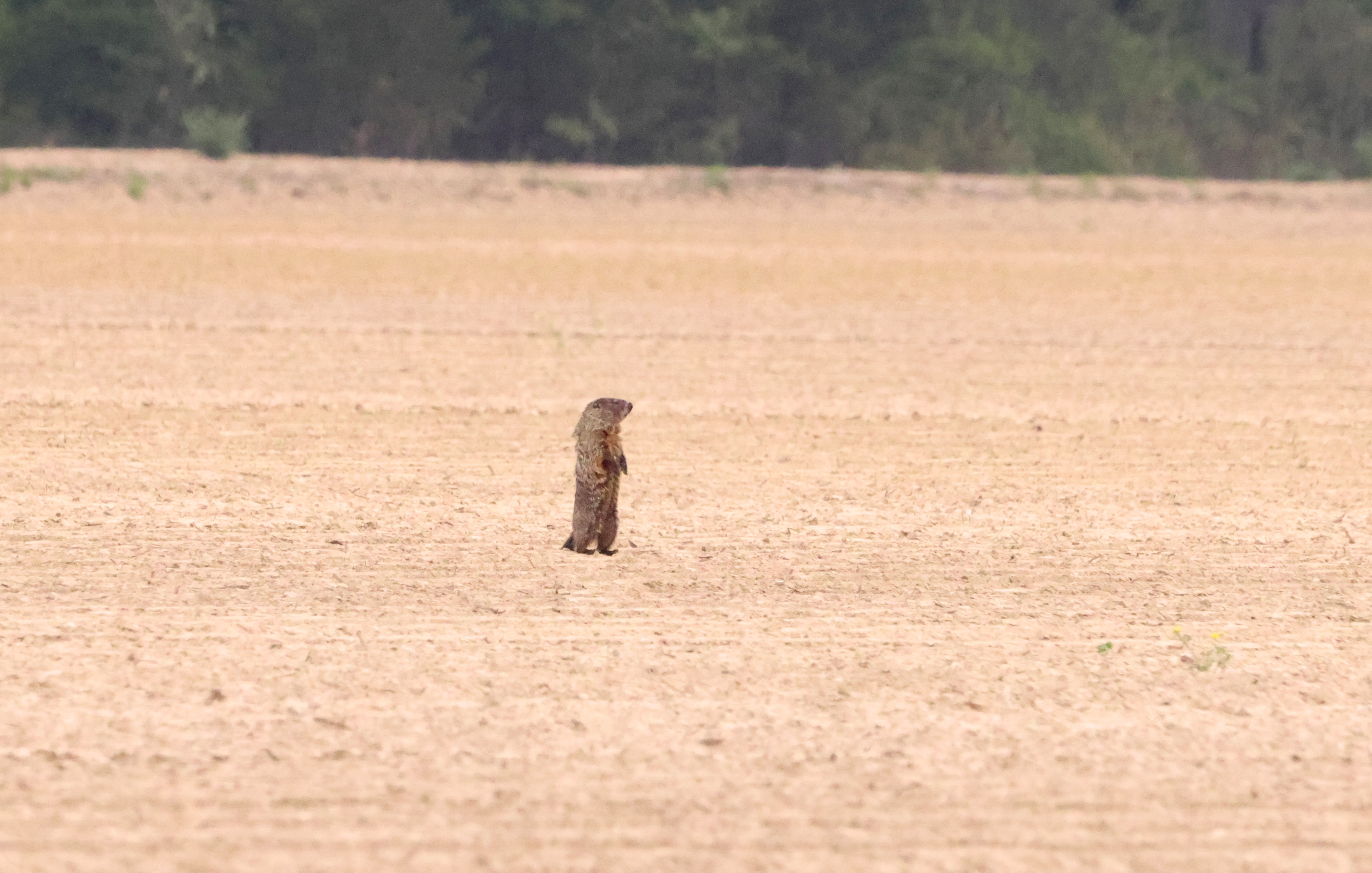
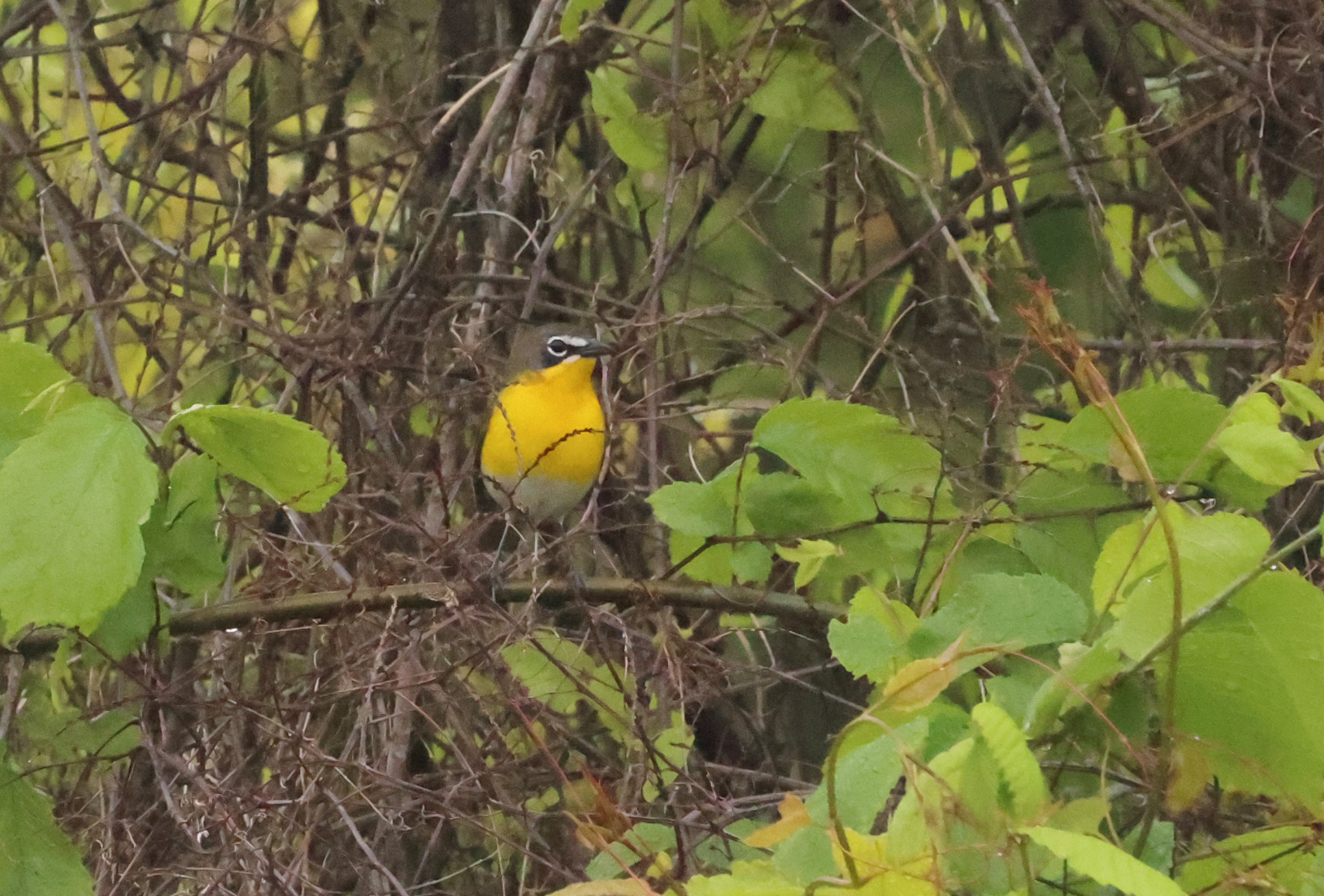
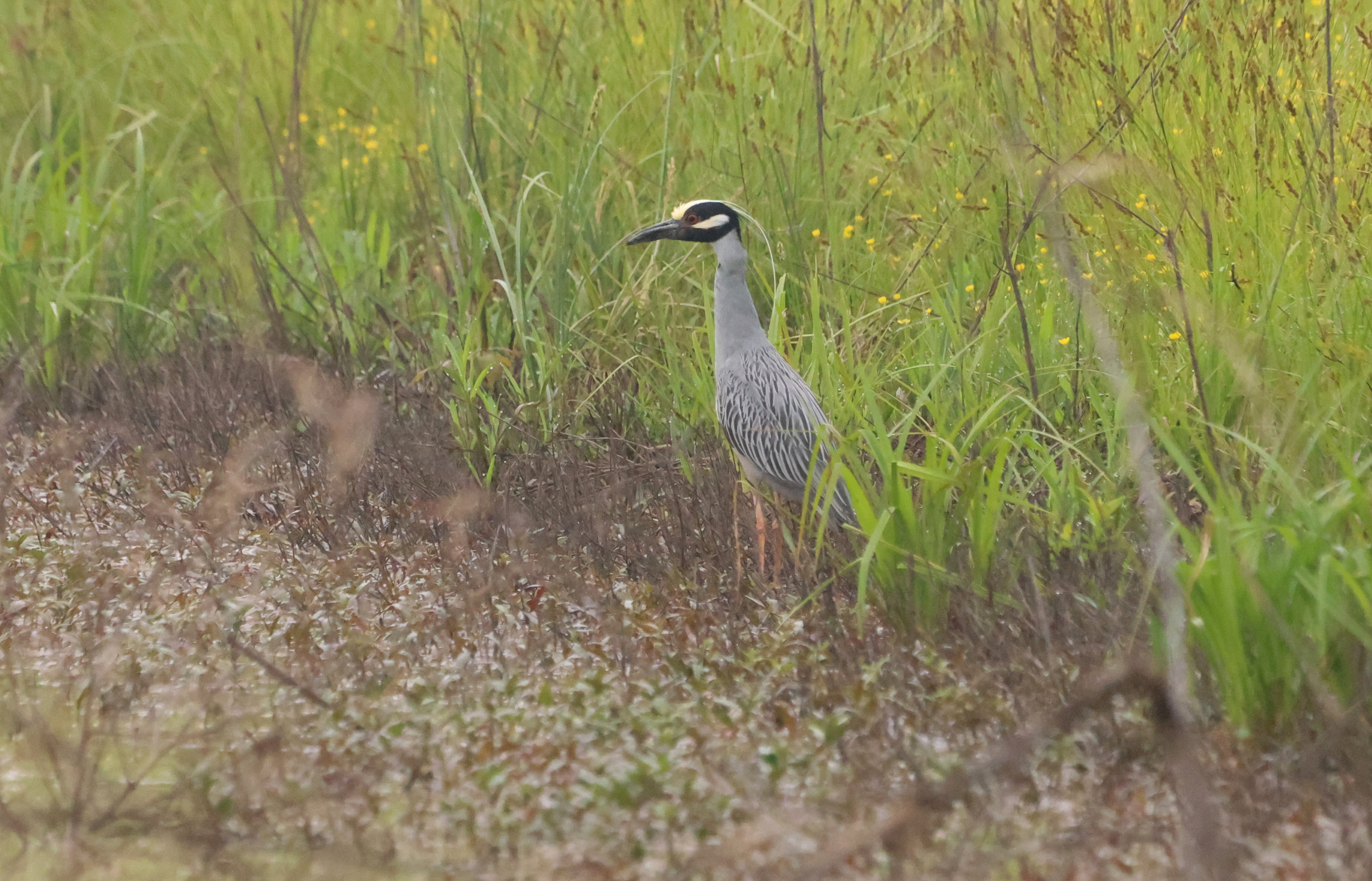
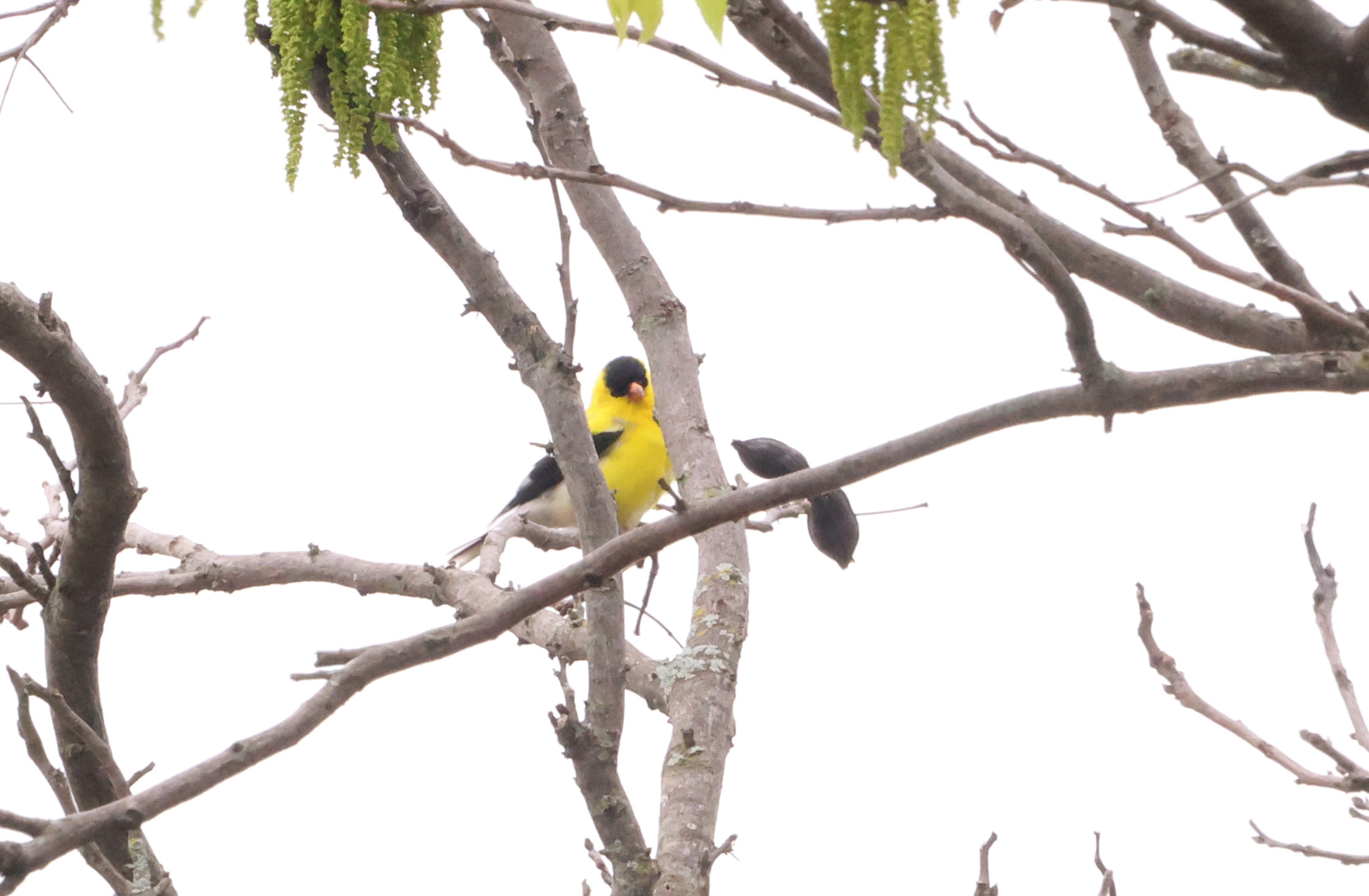
Here are a few other birds – and animals – I was excited to find:
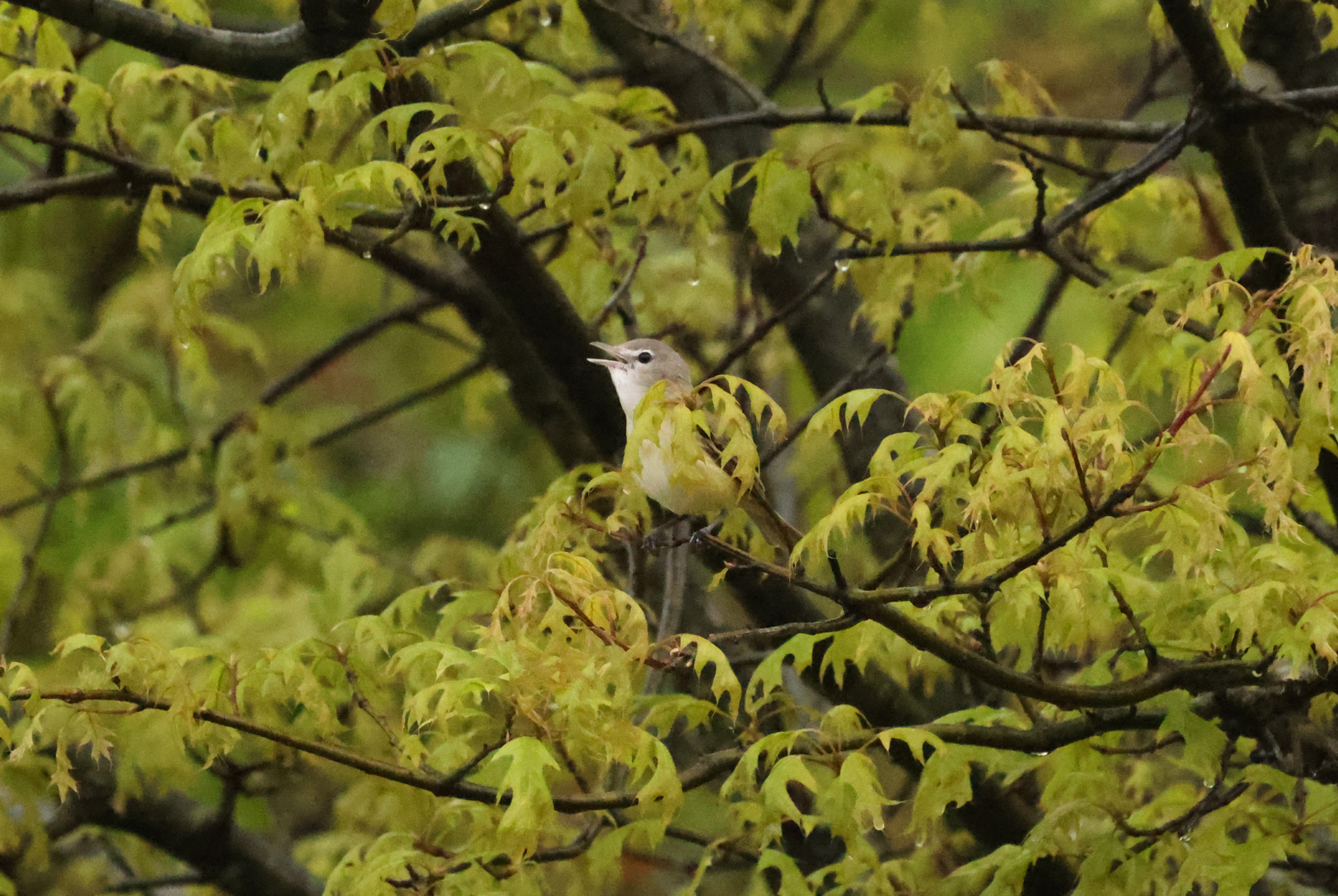
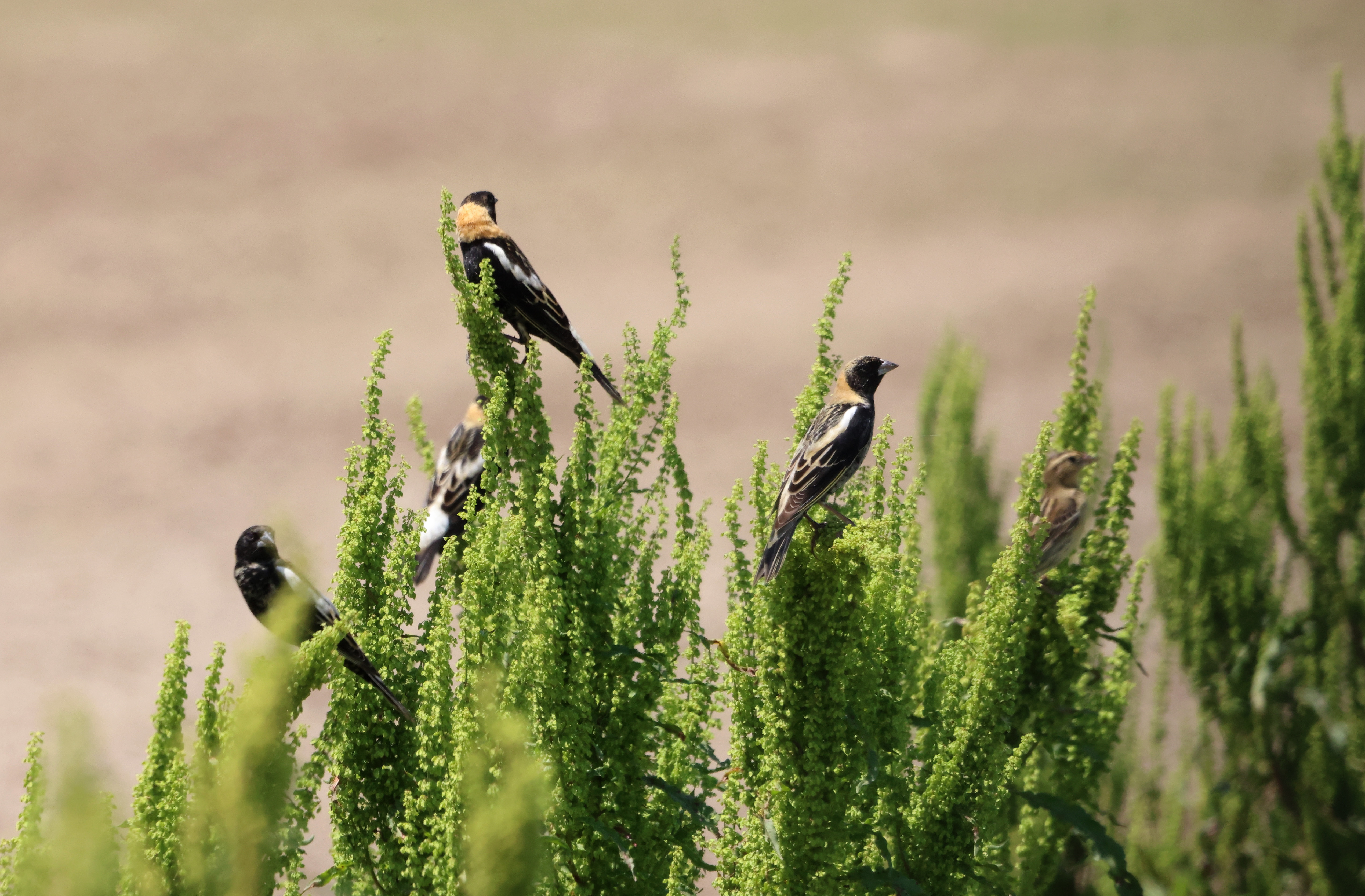
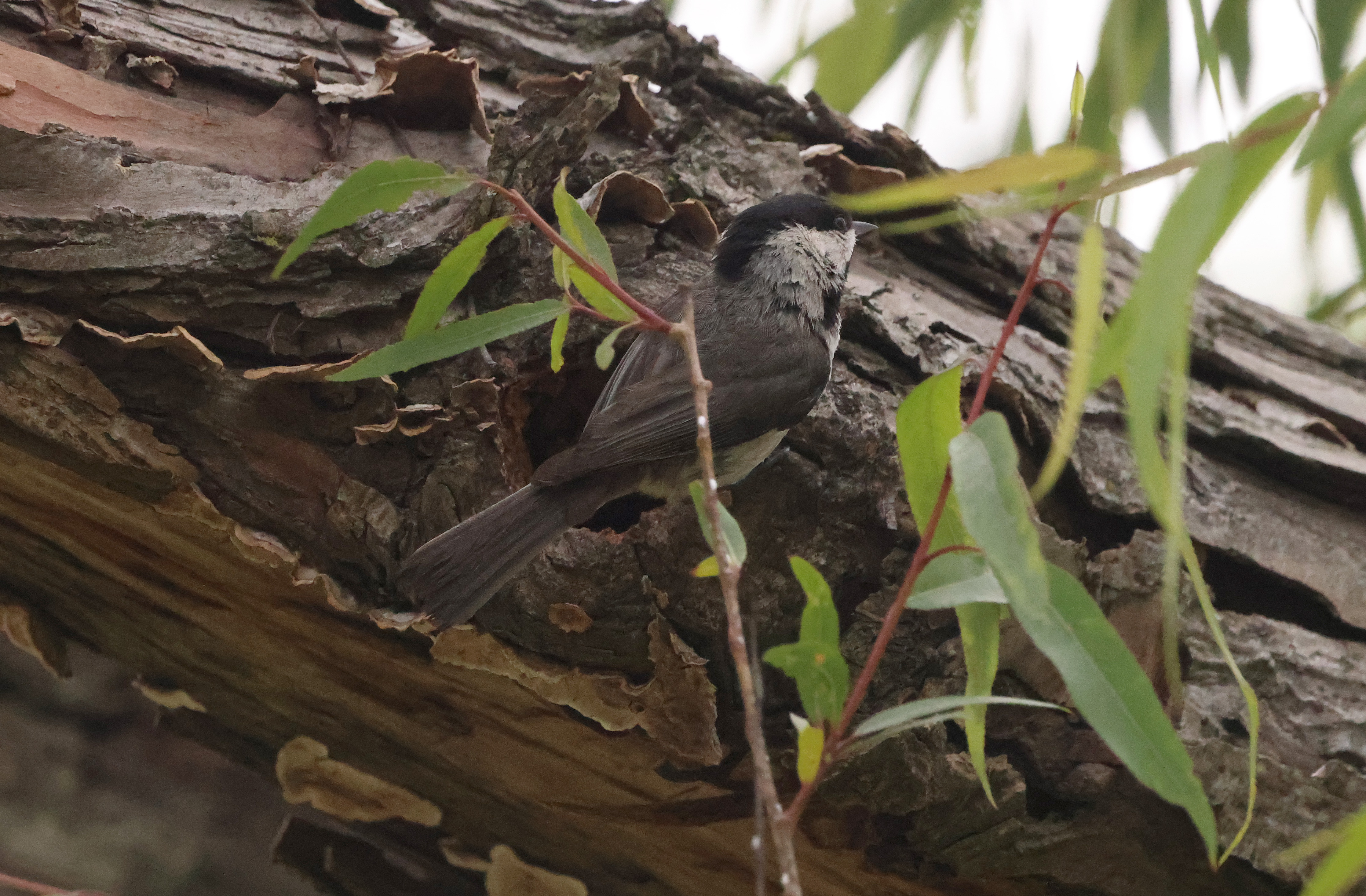

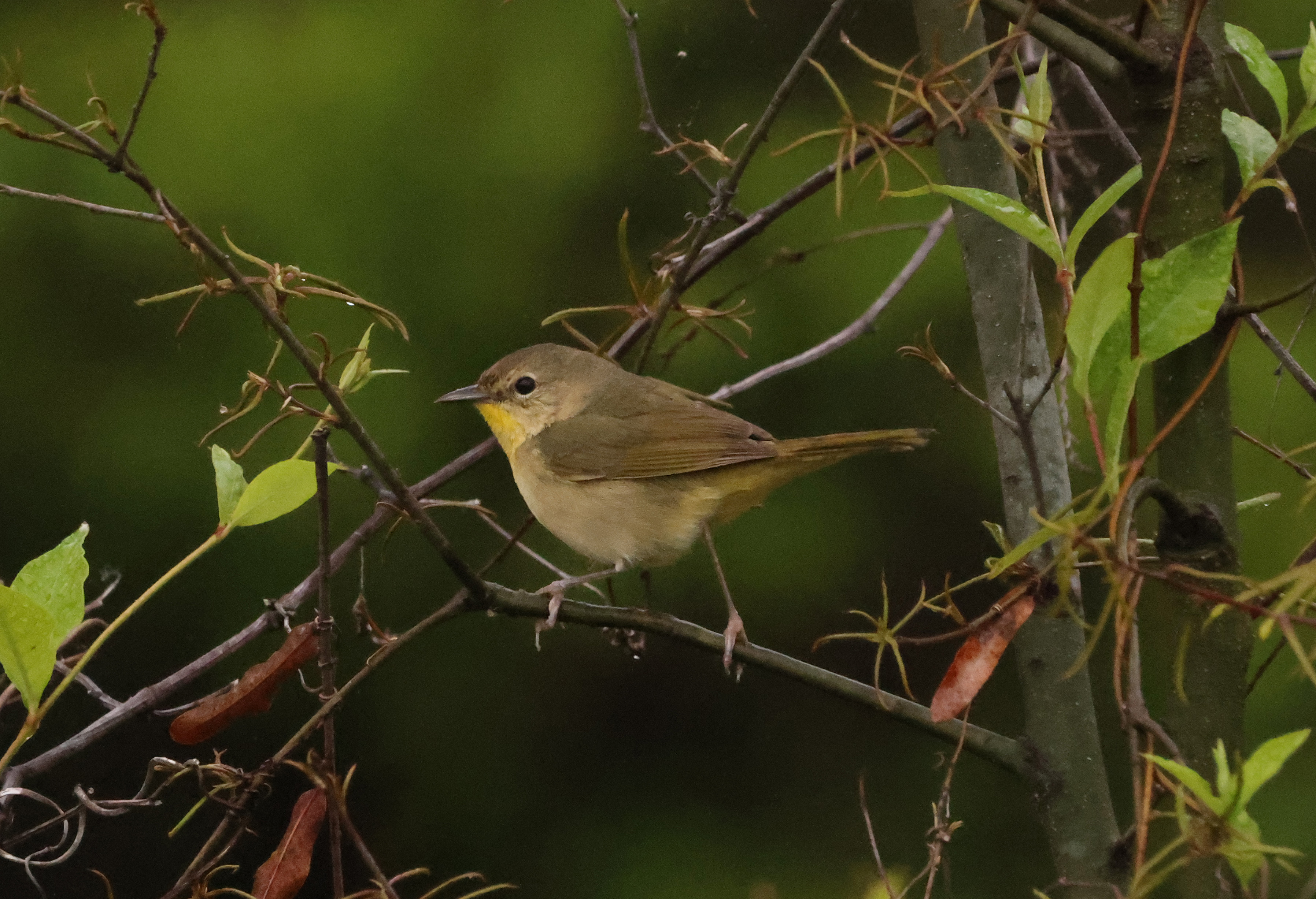

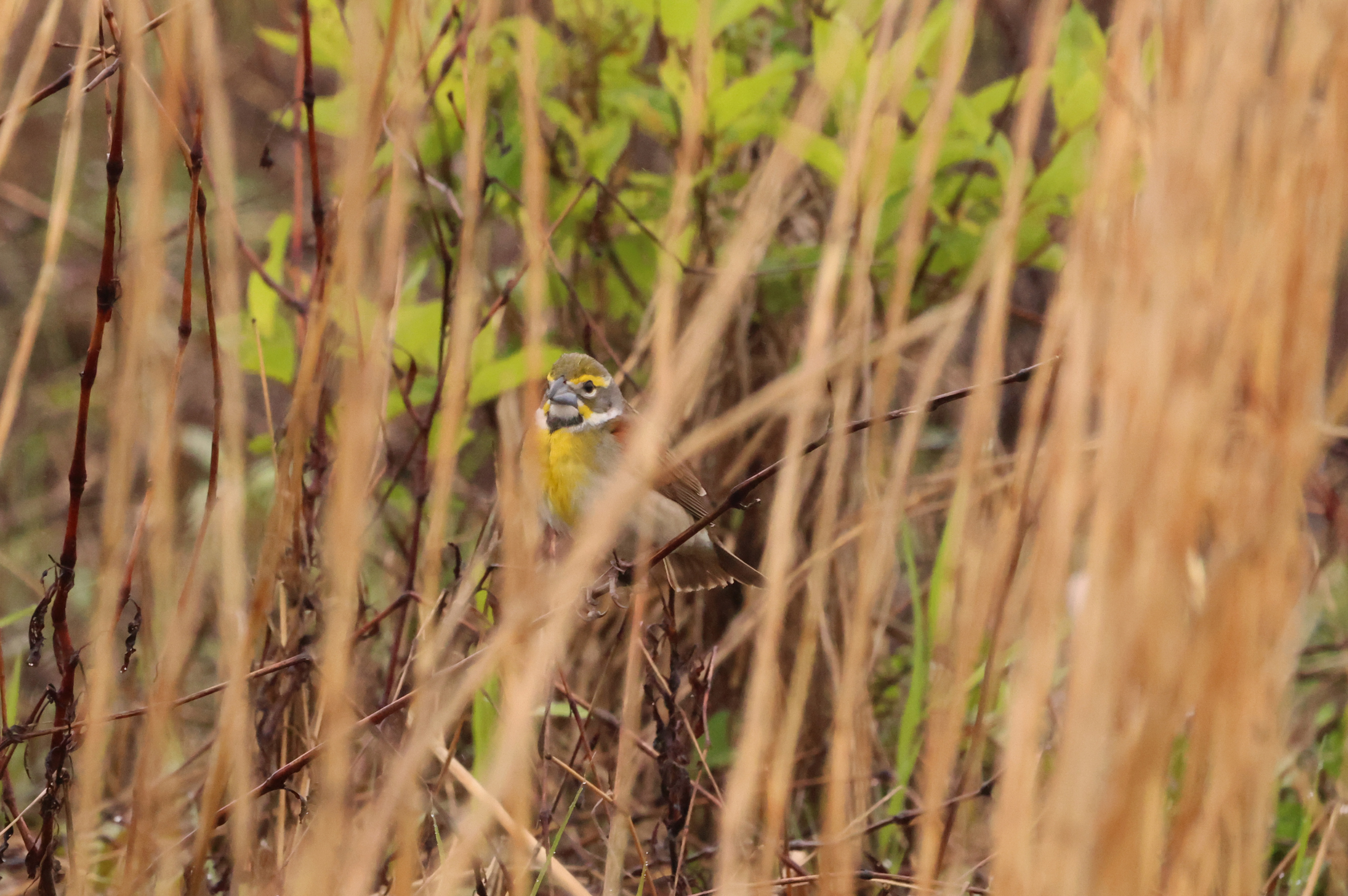
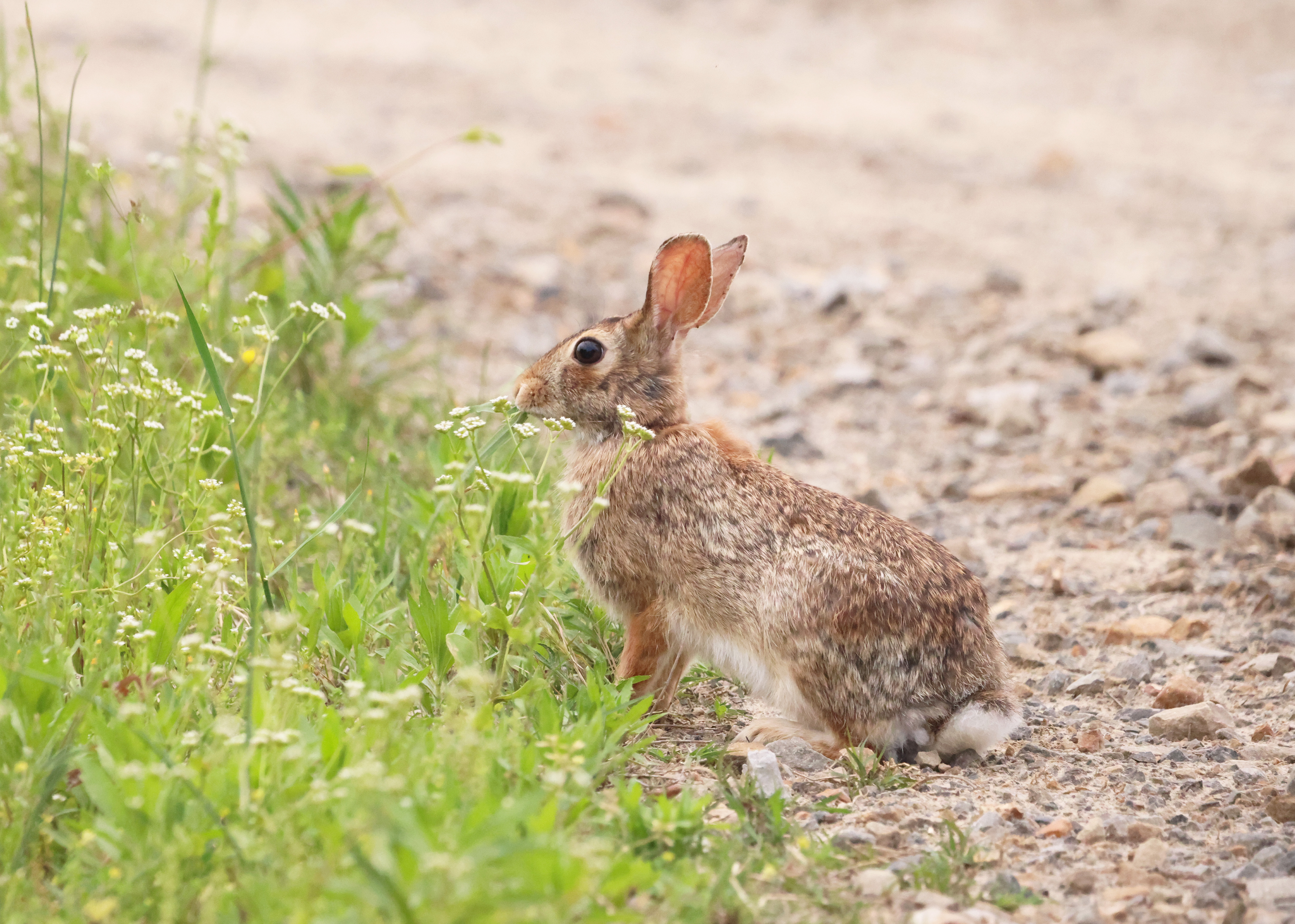


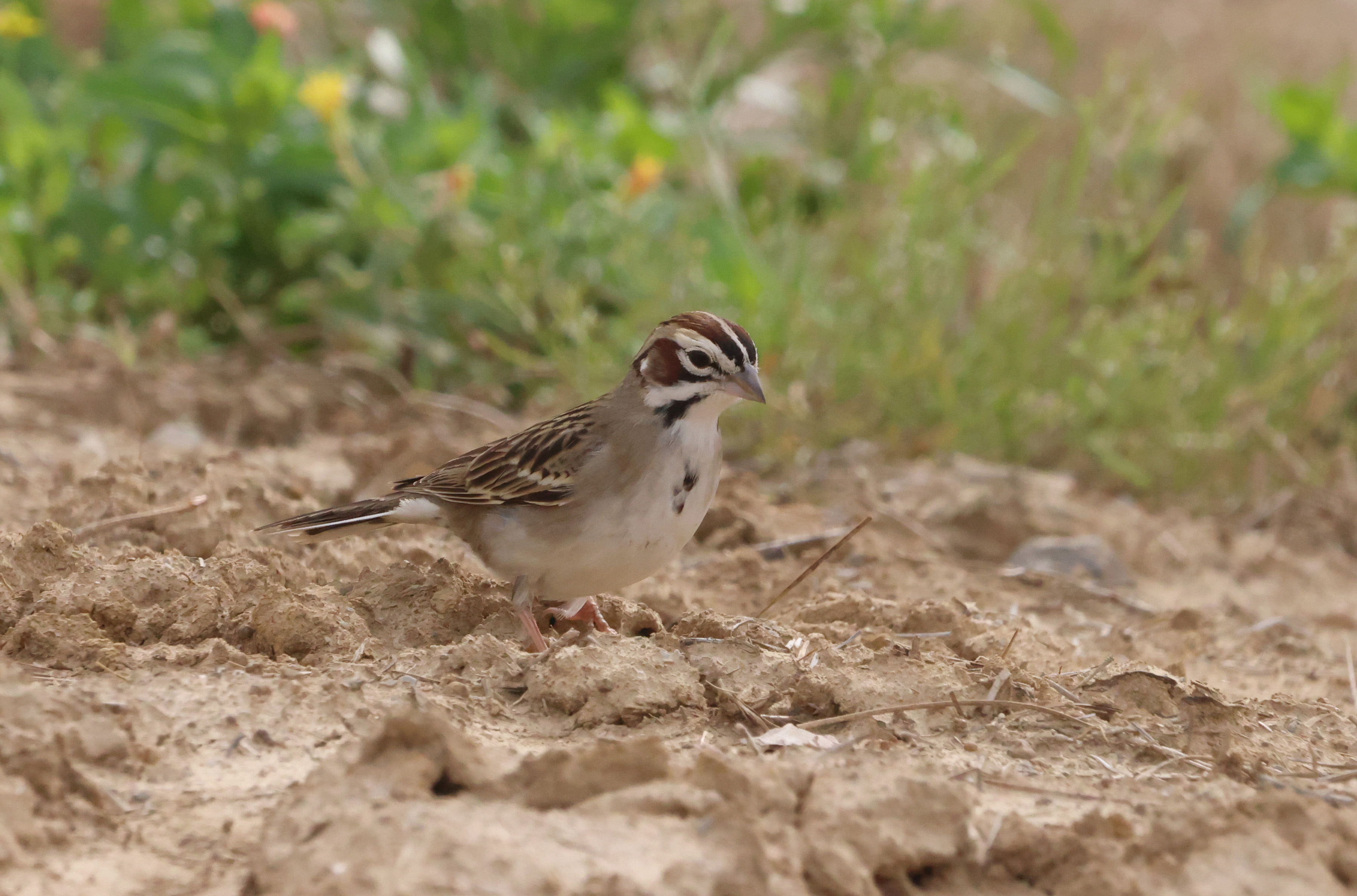
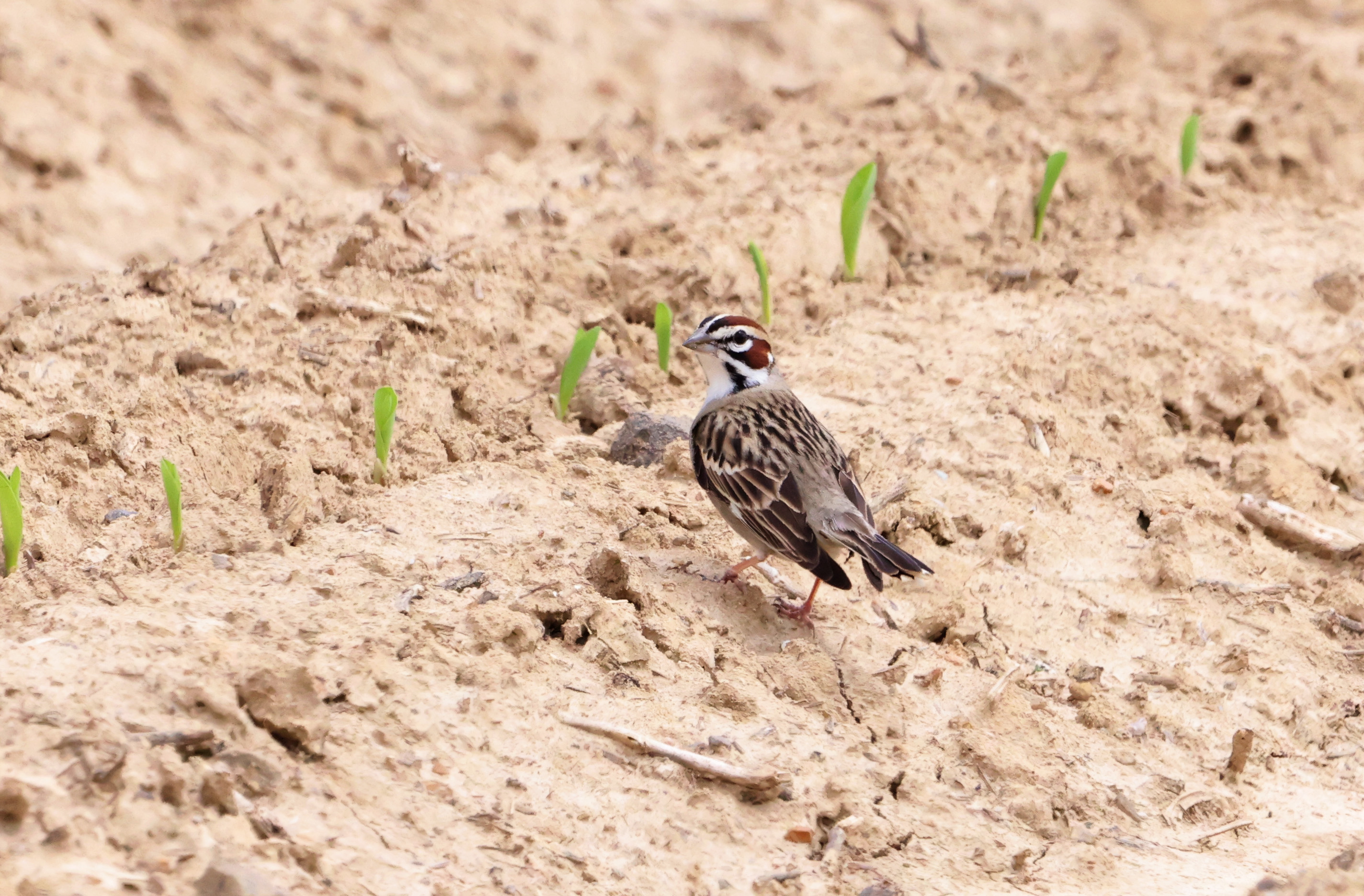
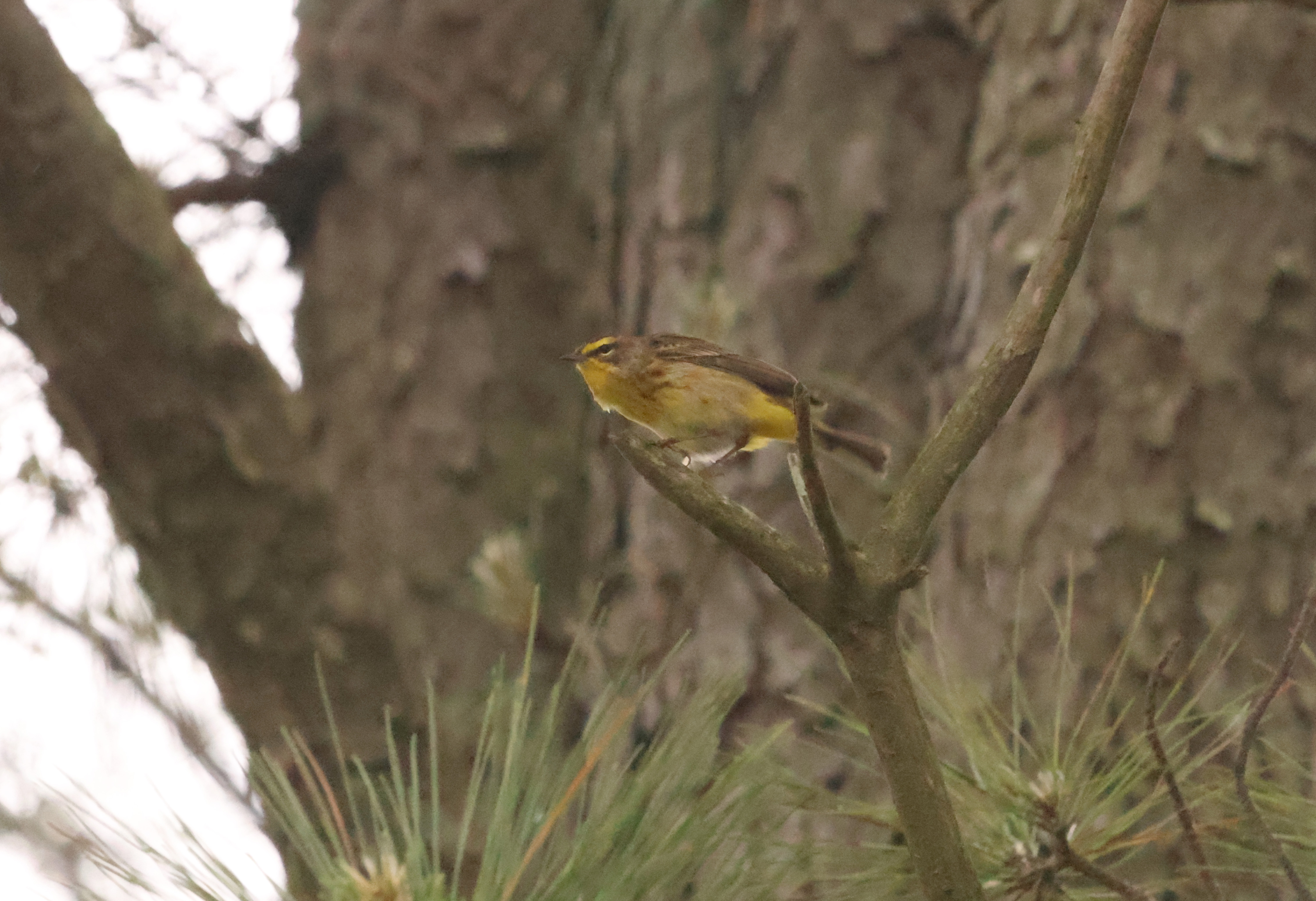
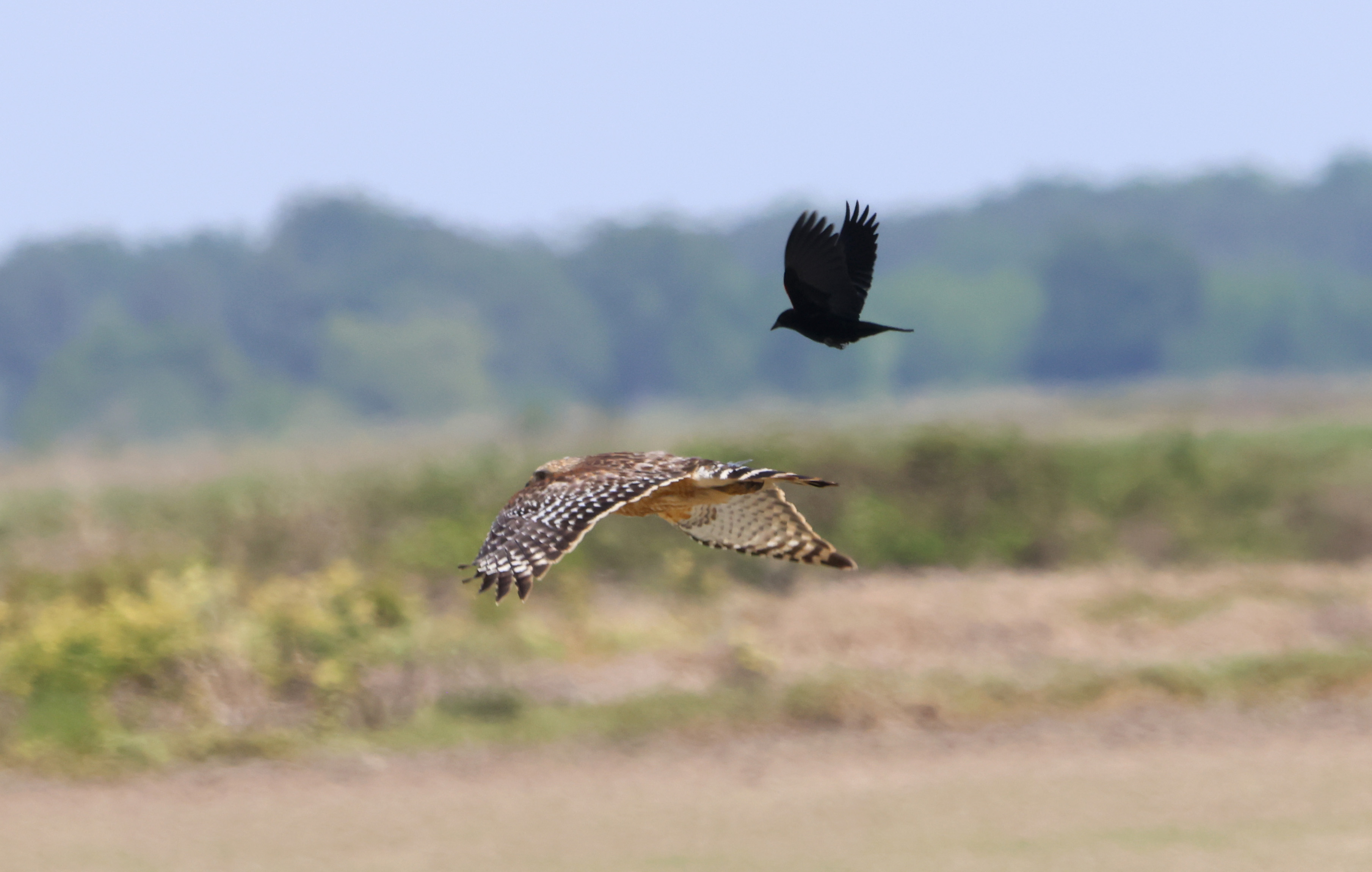


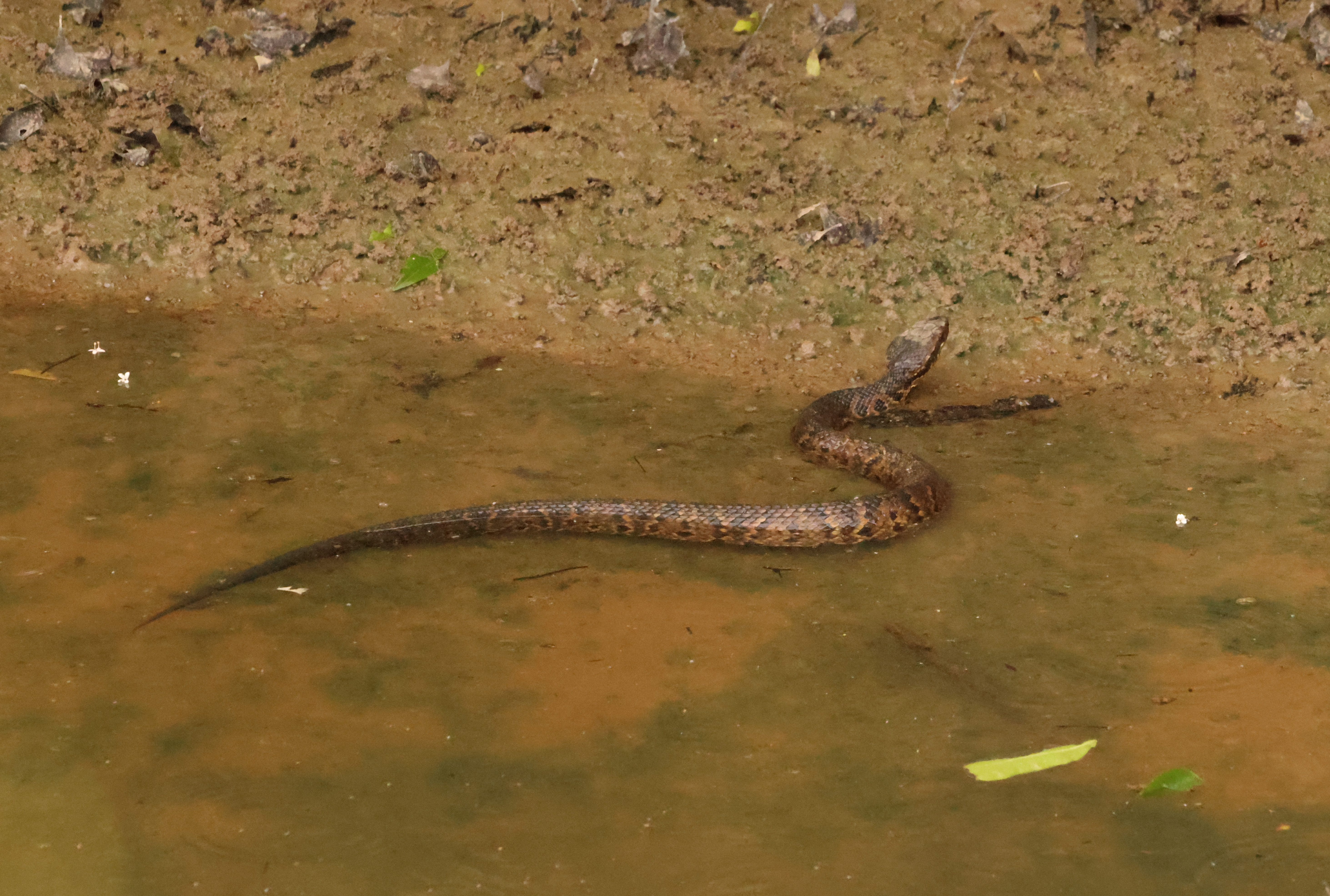




One bird I’ve wanted to see this year has been the Lark Sparrow. Lark Sparrows, which have a harlequin facial pattern and white tail spots, breed in Arkansas. I finally saw several Lark Sparrows on Sunday when I joined five other birders to visit Lollie Bottoms near Mayflower and Conway. Lollie Bottoms winds through agricultural fields and the area circling the Conway airport. It’s an eBird hotspot during winter and the spring/fall migration.
The trip turned out to be extremely birdy with us finding 433 birds of 45 different species. Some firsts for me were Brewer’s Blackbirds and Upland Sandpipers. We thought we’d found a Piping Plover, which would have been another first but it later turned out to be a Semipalmated Plover instead. I also saw some birds I don’t see often like a Lincoln’s Sparrow, a Sedge Wren and a Warbling Vireo. The Warbling Vireo was actually found in a spot that we typically don’t expect to find one so that was interesting. The Warbling Vireo is typically found in deciduous forest, and we found our bird in a patch of trees/brush on the corner of an agricultural field.



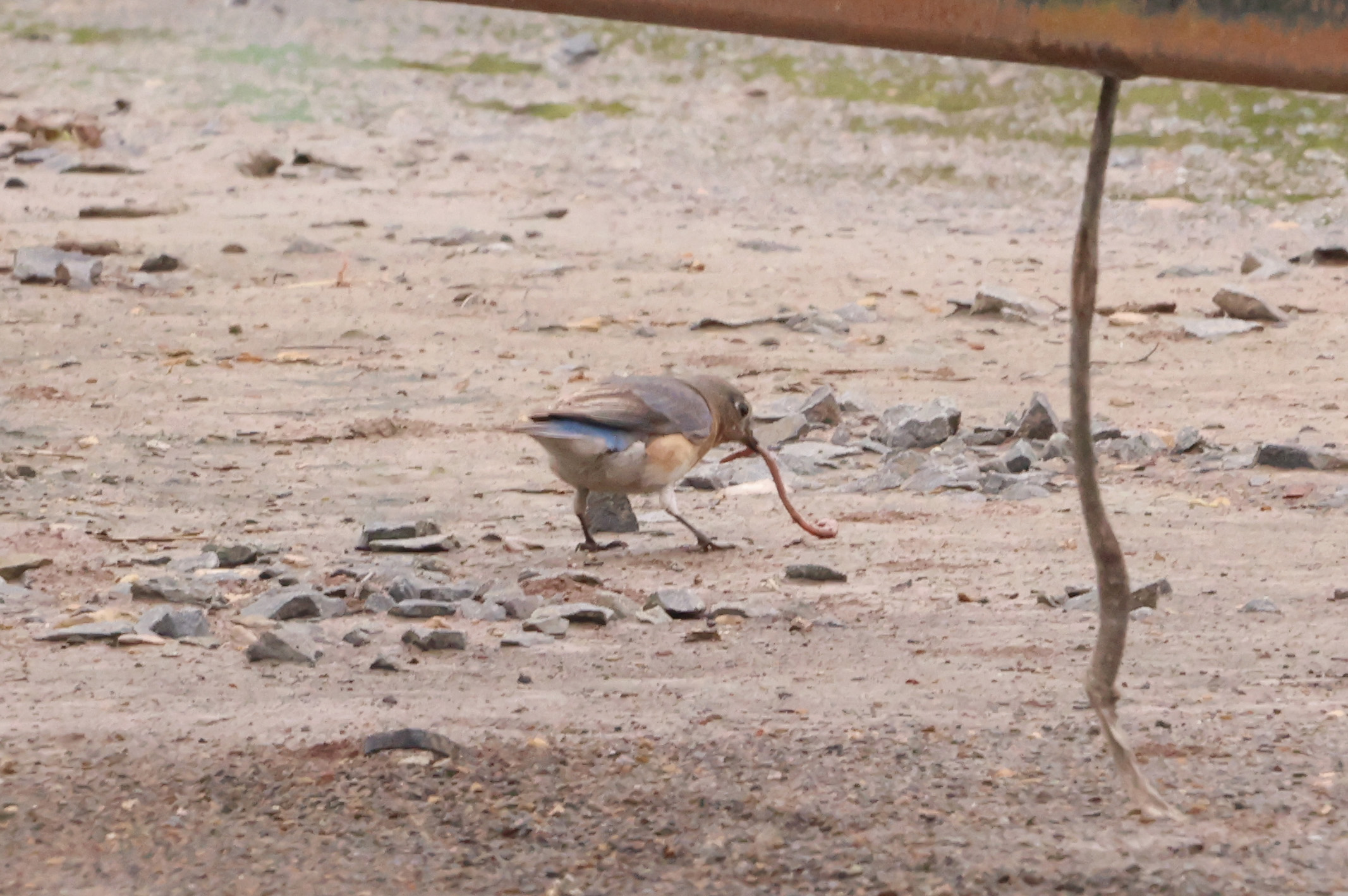

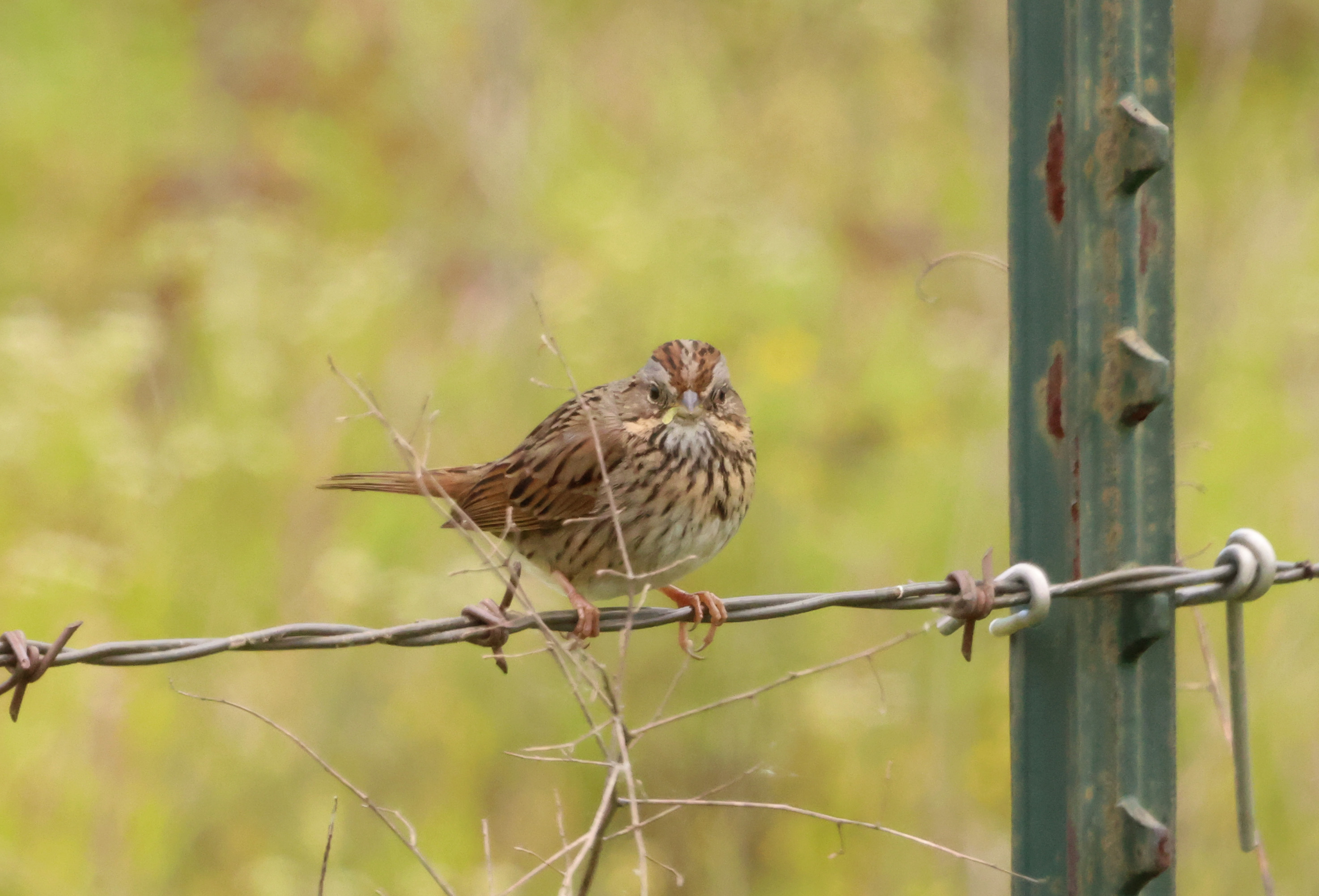


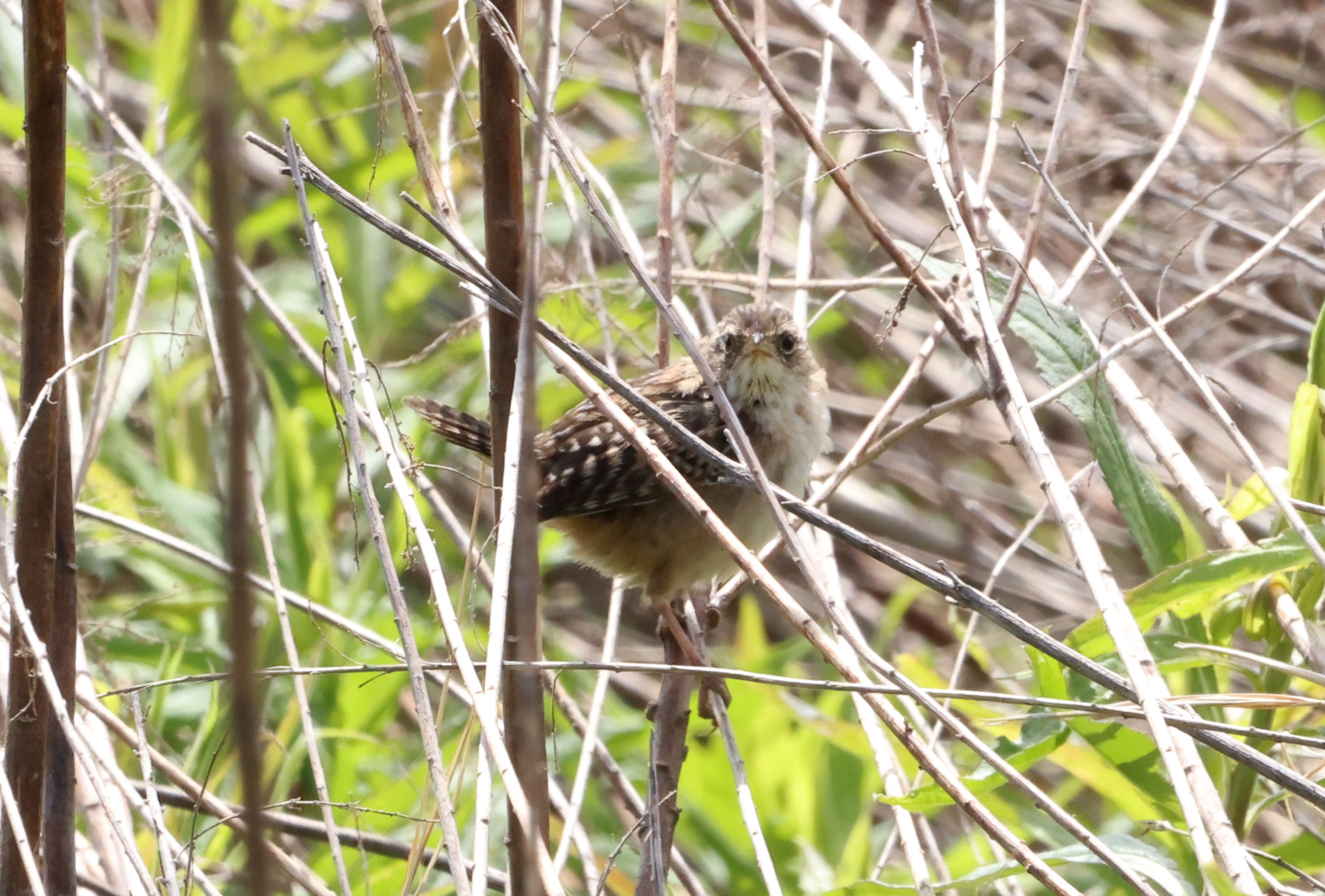
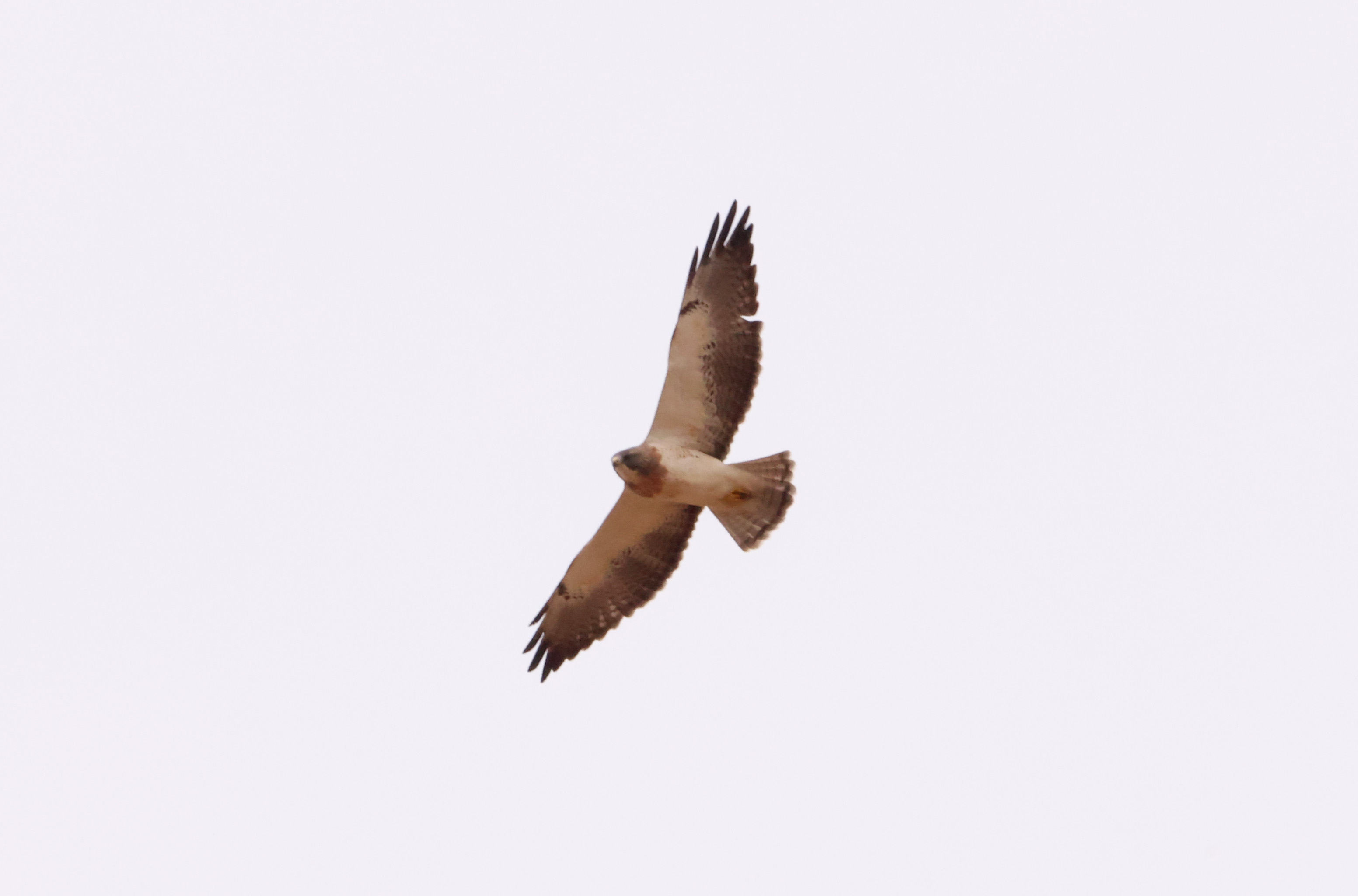
Saturday marked my first time to Kibler Bottoms in Crawford County. Kibler Bottoms is a roughly loop drive that goes south into agriculture fields in the bottoms of the Arkansas river Valley.
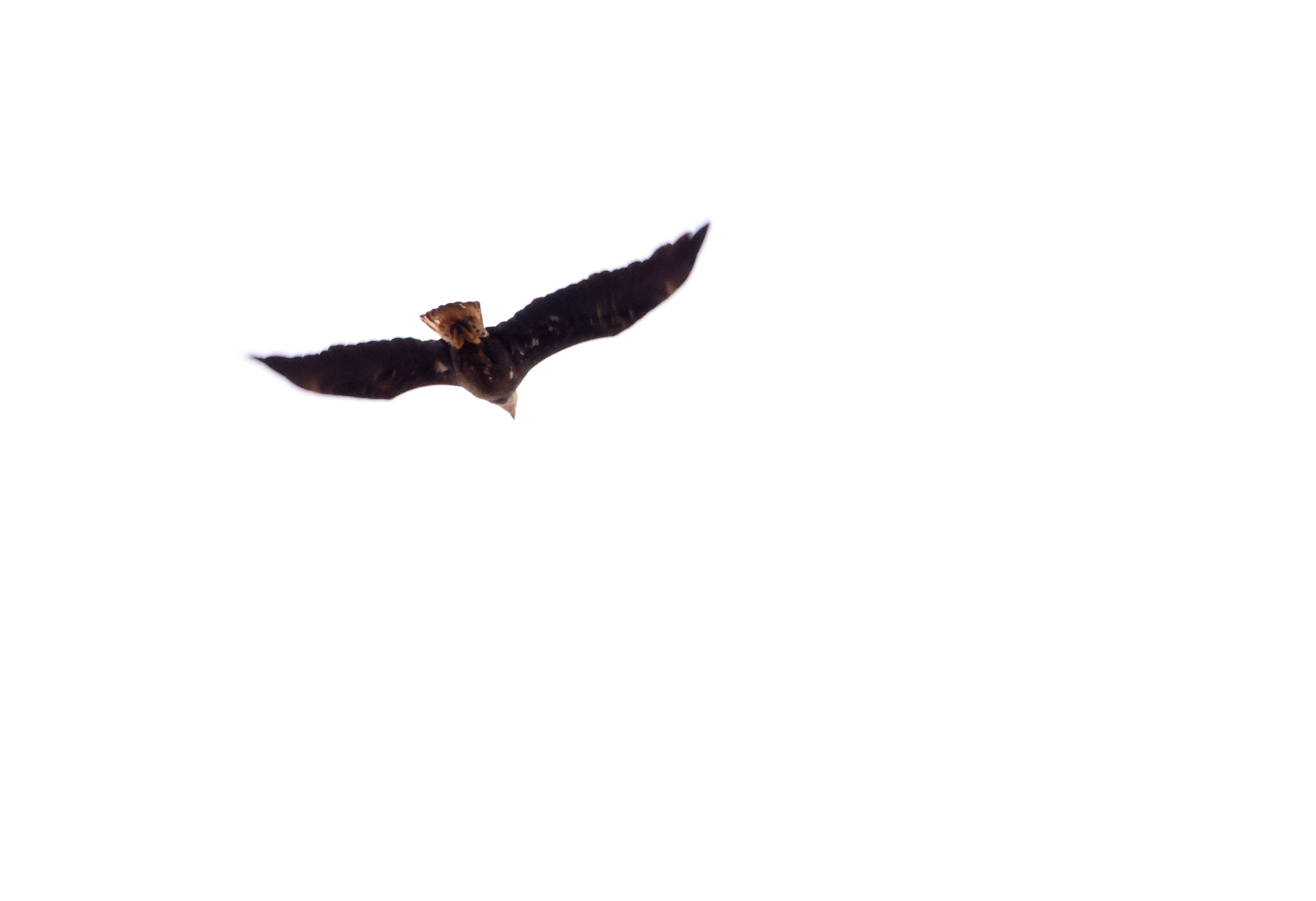
While there, I got my first glimpses of Swainson’s Hawks. The three Swainson’s Hawks we found were in adult light morph, meaning they had darker heads, white on the upper part of the underwings. The underwings were darker moving down and out. Typically found in grasslands, range maps on allaboutbirds.org show they are typically found in the United States during breeding season. Their breeding season range is more west of Arkansas, but I’m told Kibler Bottoms is a great place to spot them around this time in Arkansas.
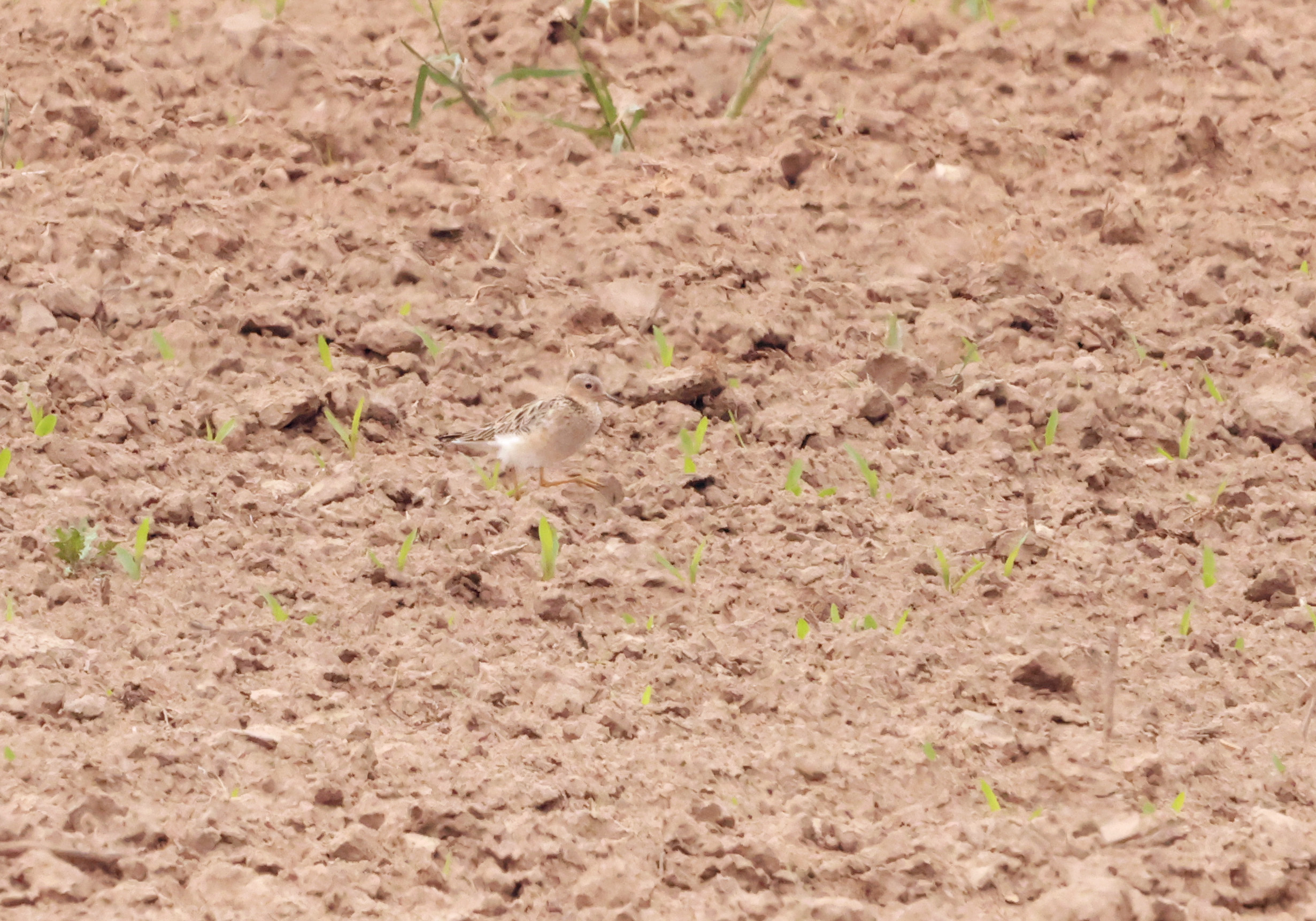
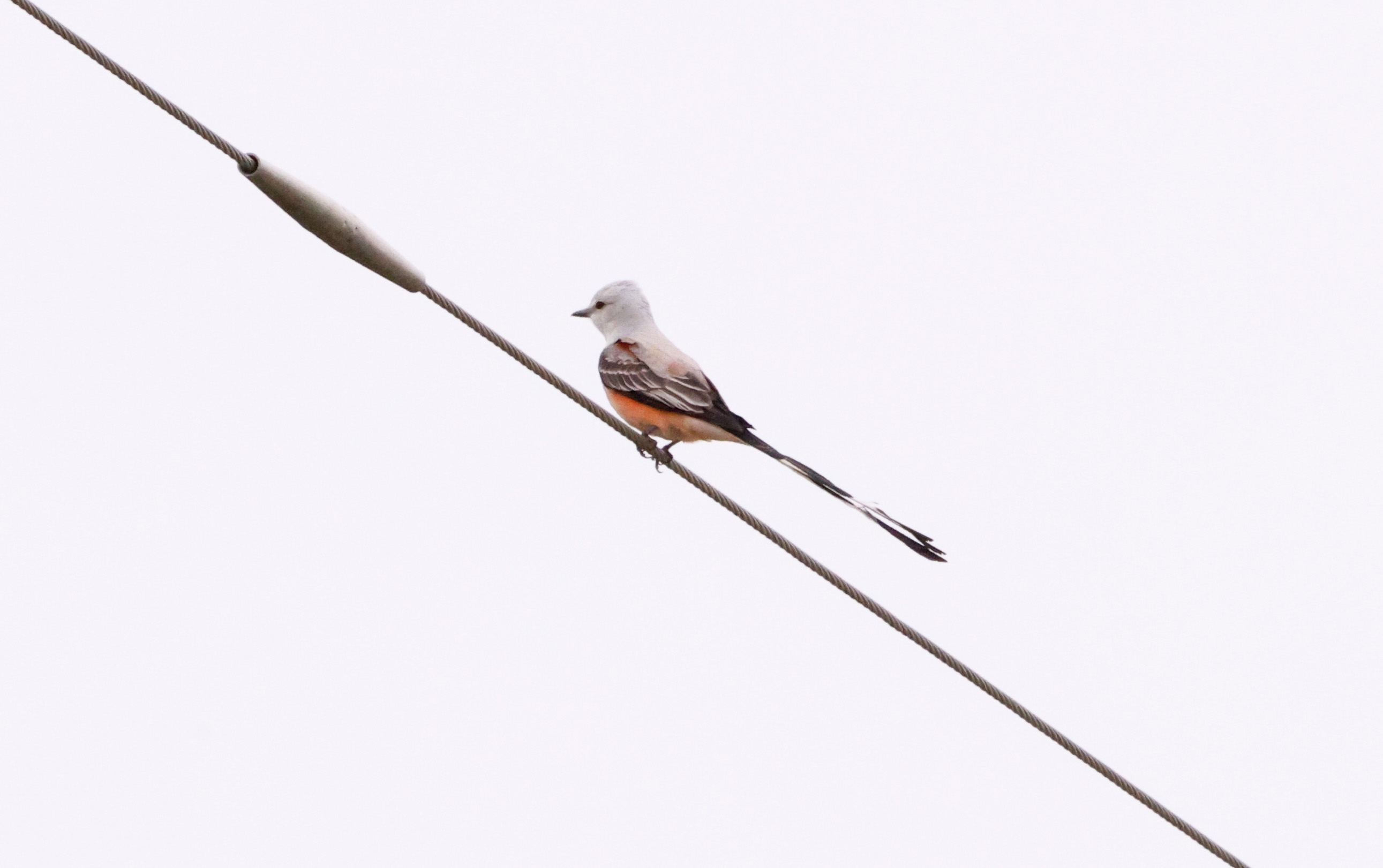
Another rare bird found was a Buff-breasted Sandpiper that foraged in a field alongside American Golden-Plovers, a Horned Lark. A Scissor-tailed Flycatcher was also sitting in the field nearby. The migration range of the Buff-breasted Sandpiper just passes through western Arkansas so we didn’t expect to see one Saturday. This sandpiper is typically found in dry, grassy habitats according to allaboutbirds.org. They nest only in the High Arctic of northernmost Alaska and Canada and then migrate to South America.
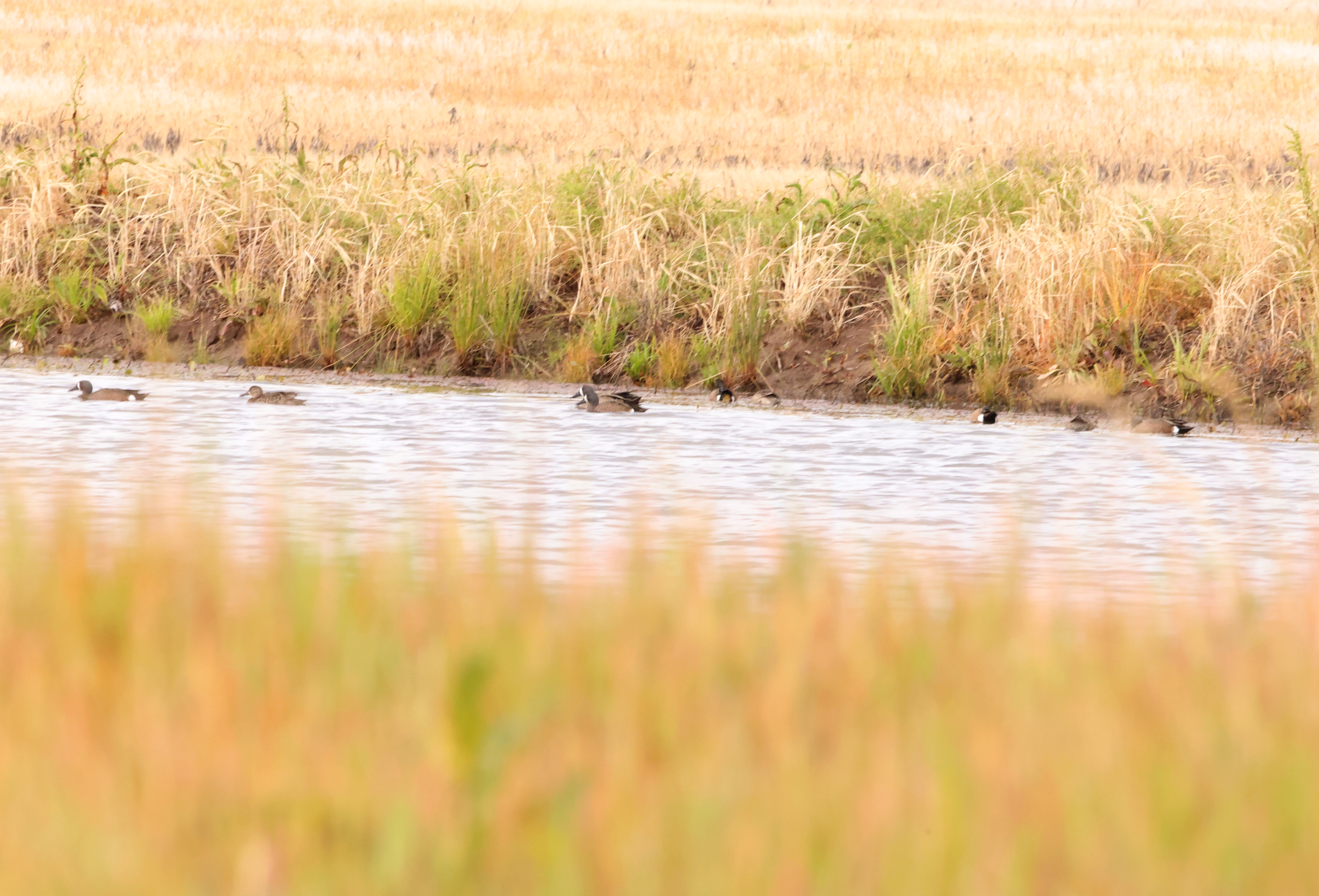
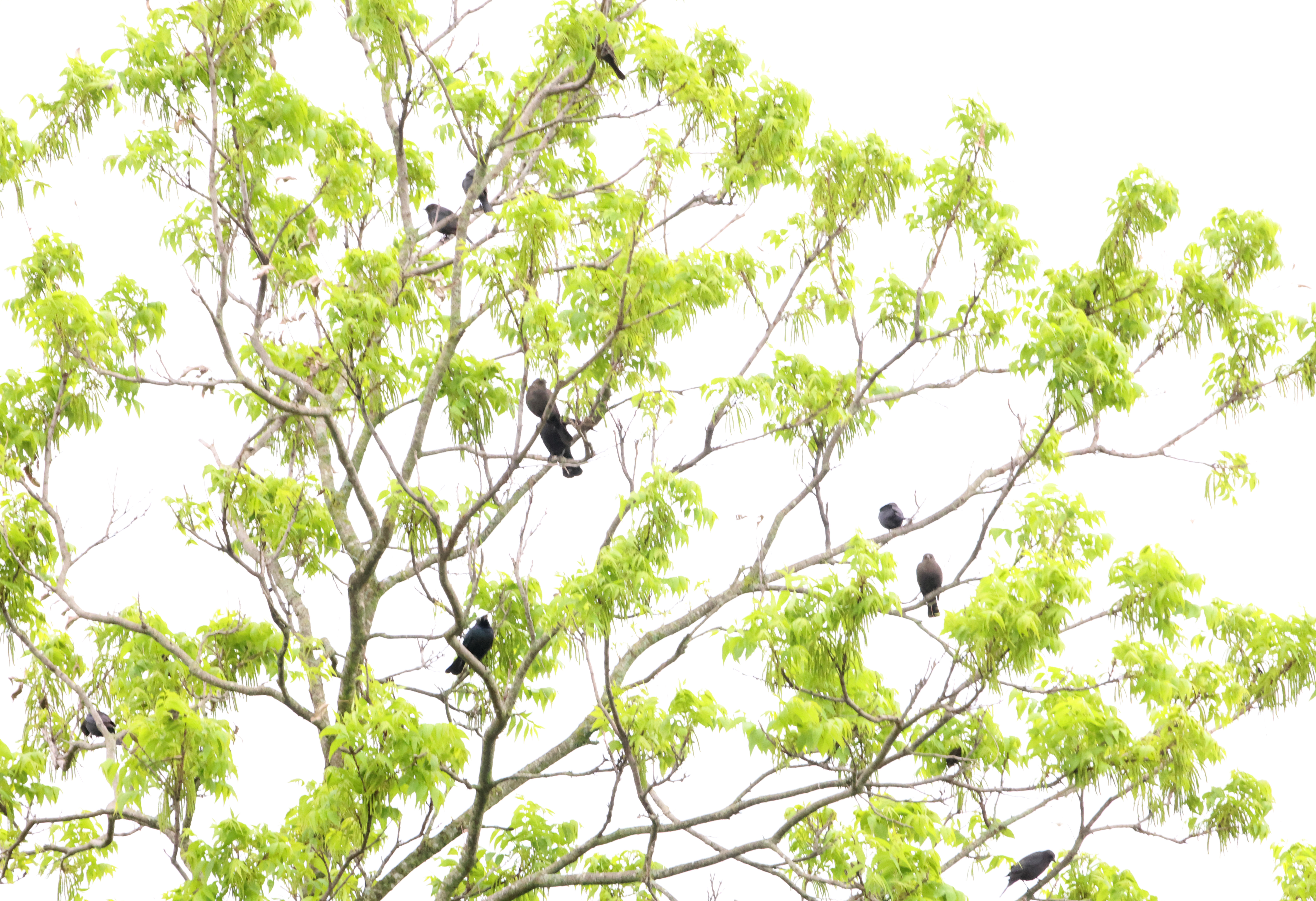
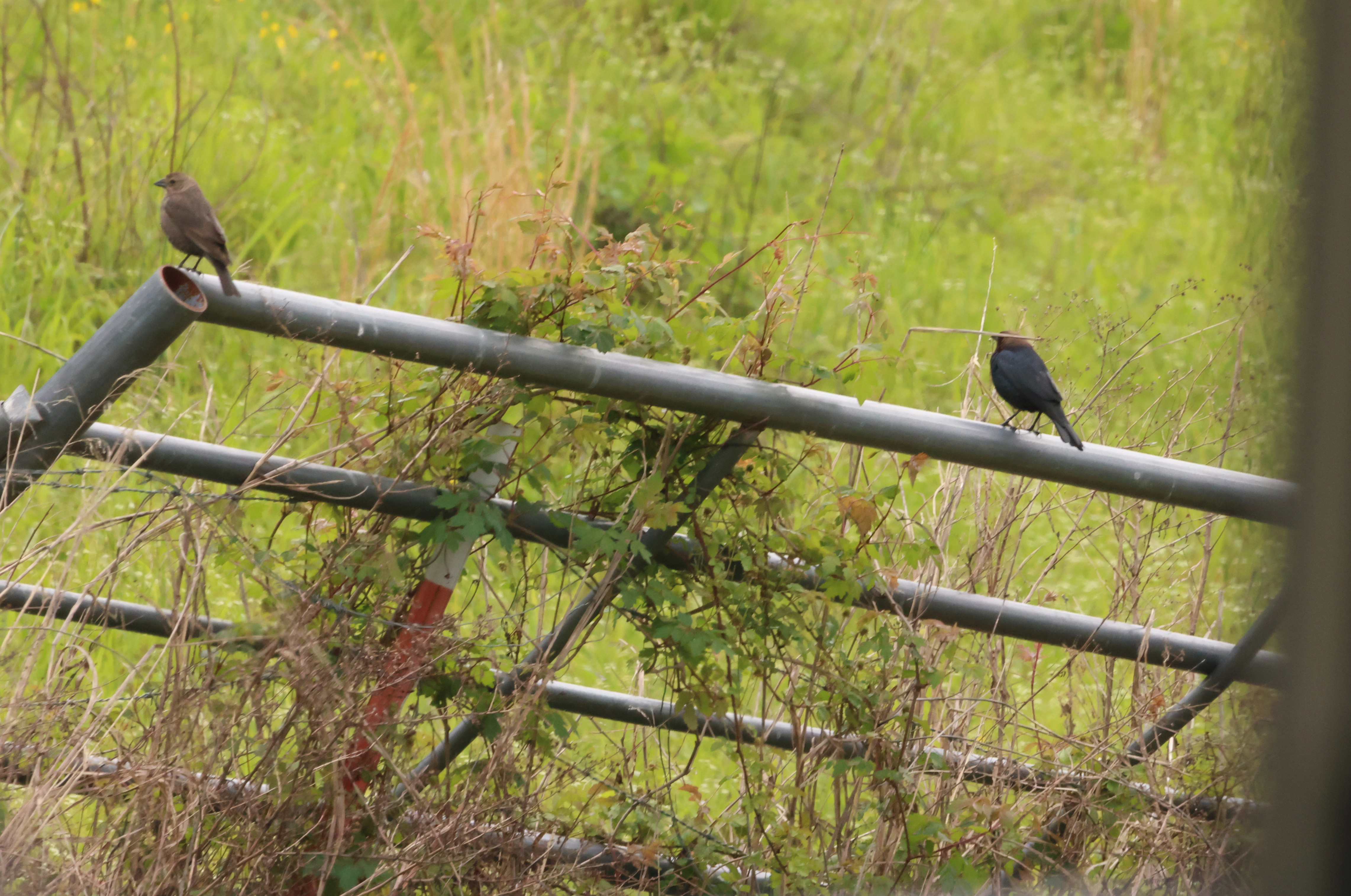
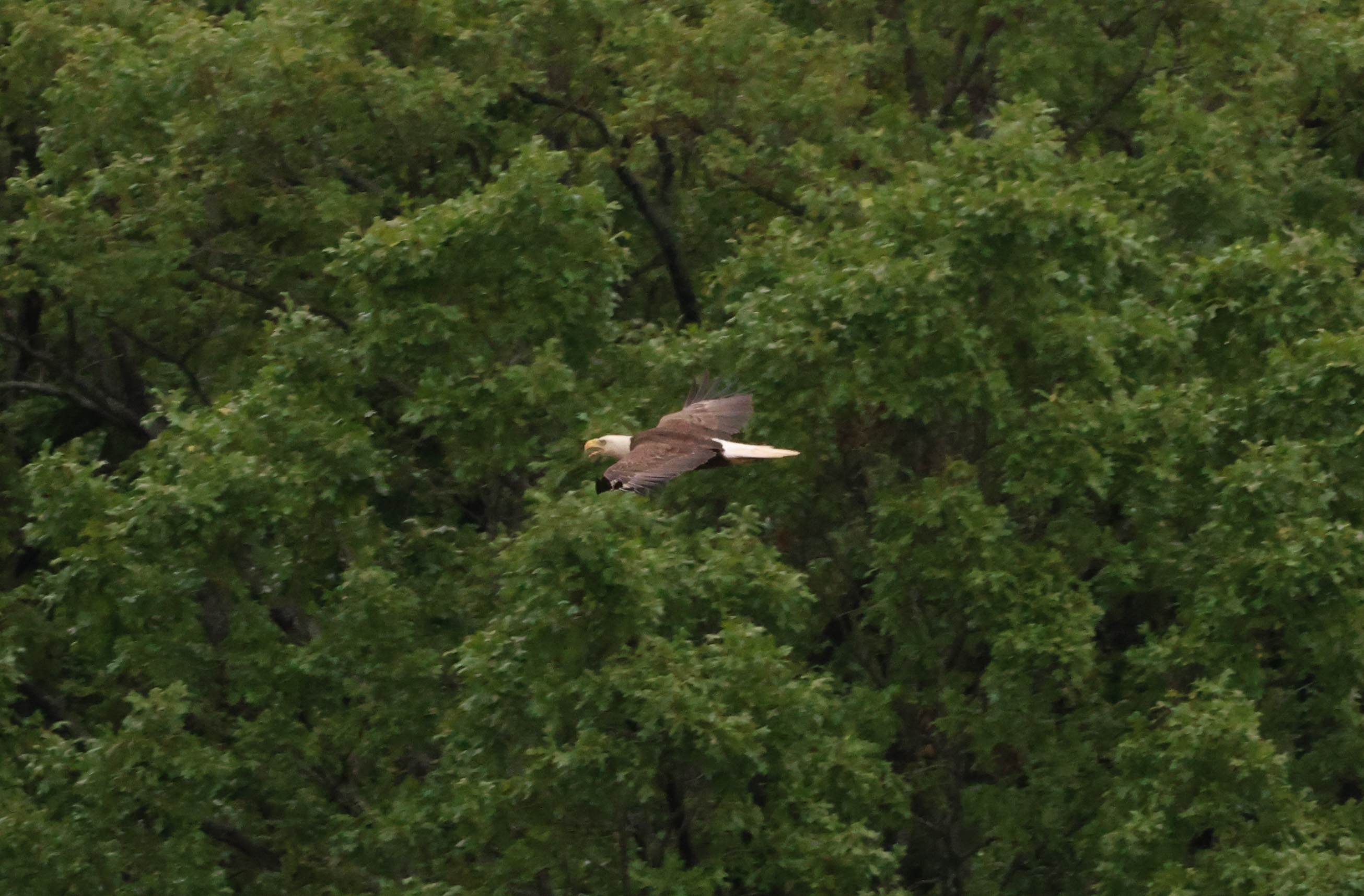
Overall, we found 218 birds of 24 species. Here’s photos of some of the other birds spotted:





We recently discovered 19 Forster’s Terns at Boyd Point Water Treatment Plant during a recent birding field trip with a local Audubon society. Forster’s Terns are found in Arkansas during the migration season, and are medium-sized terns with a longer tail and, in nonbreeding plumage, a black eye patch (which we saw during this sighting). The terns were mixed in with Bonaparte’s Gulls and Ring-billed Gulls.

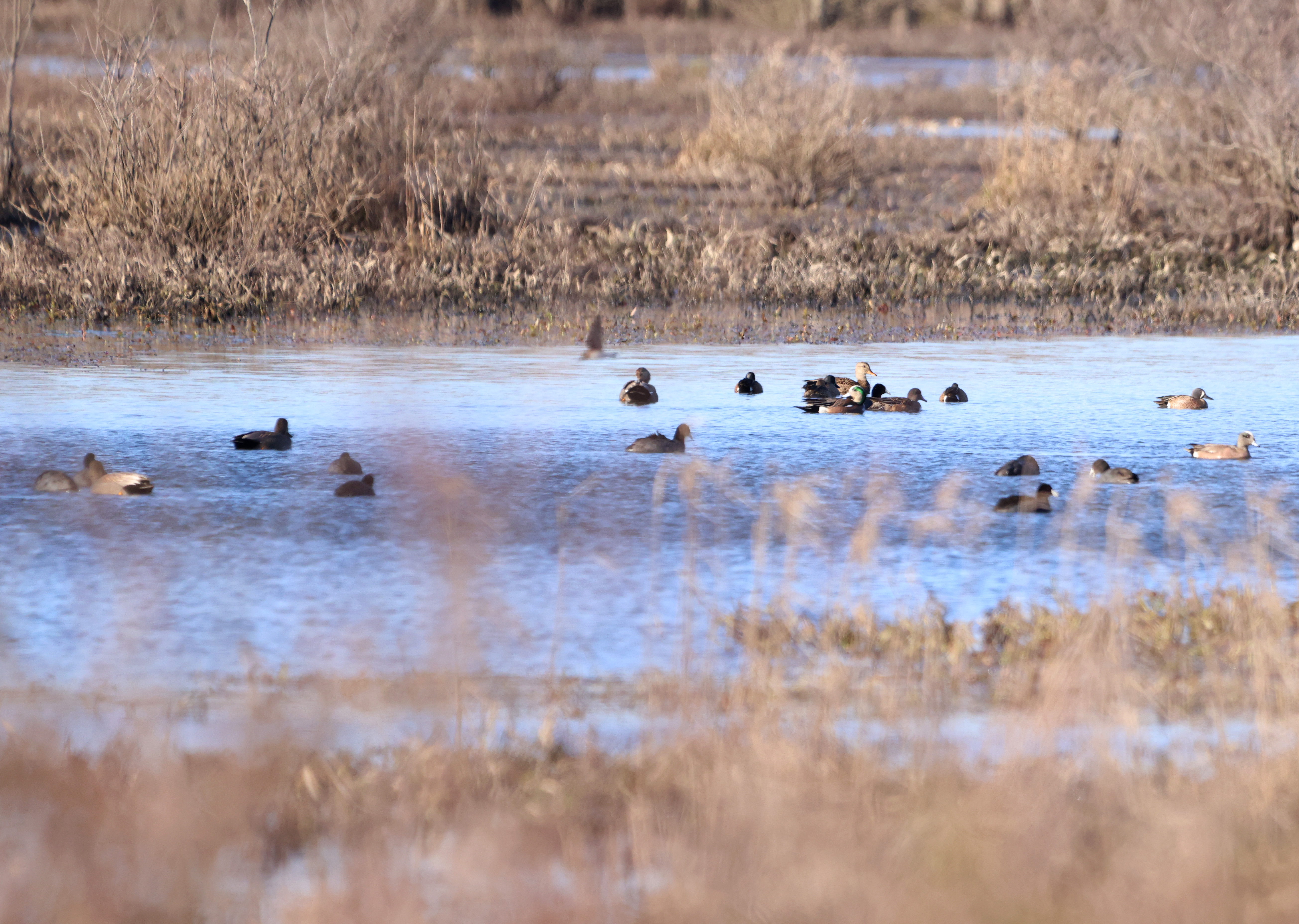
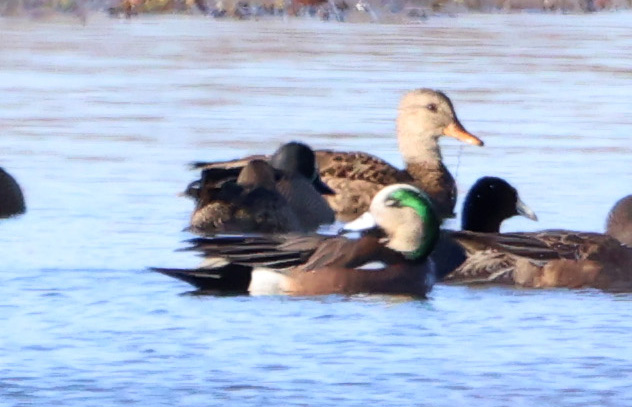
This winter, my “goal bird” was the American Wigeon. It was the bird I wanted to see. It took me until the end of winter to meet that goal – and even then I didn’t realize what I had actually seen until I got home and reviewed my photos.
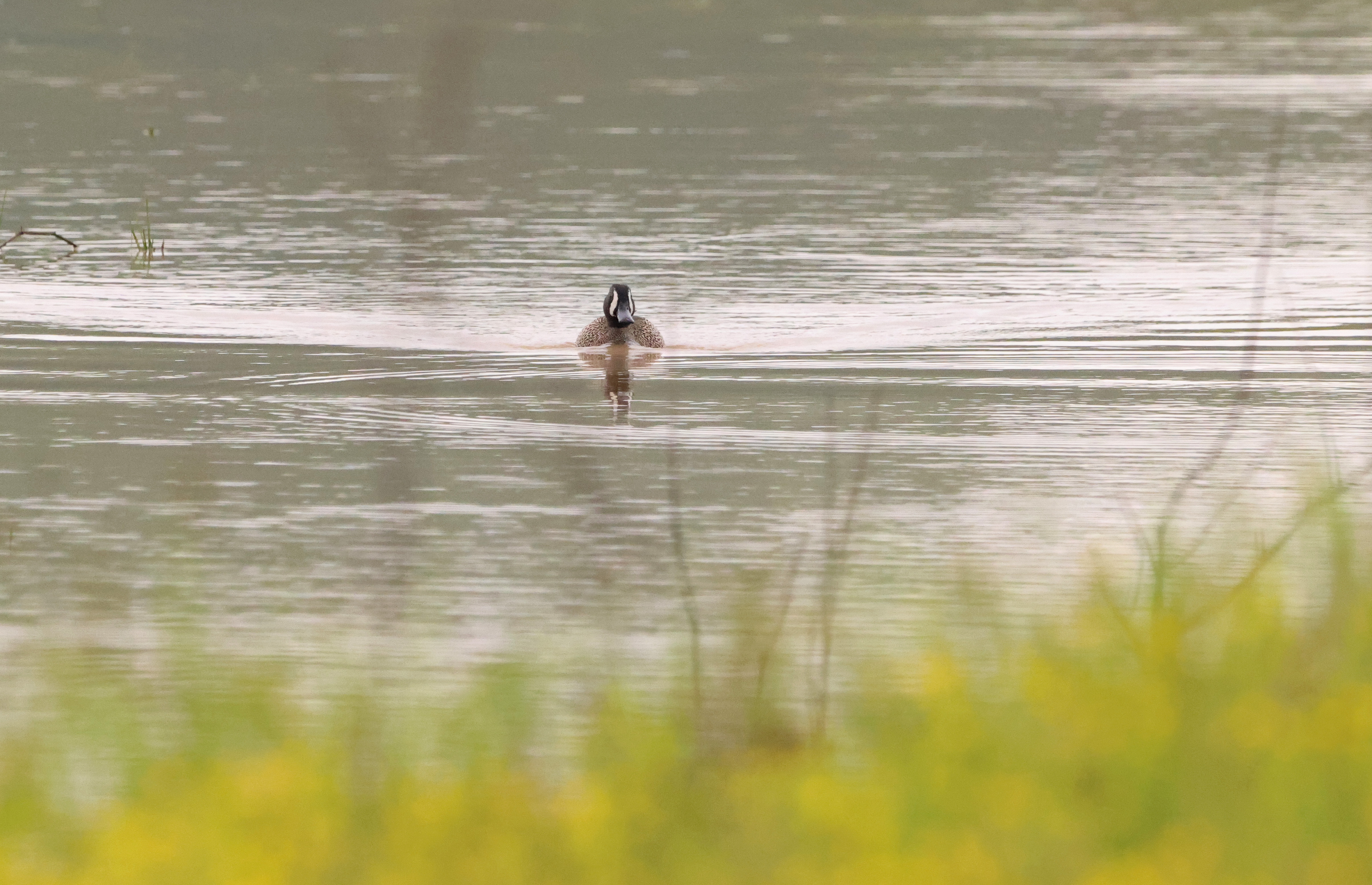
The American Wigeon is a pretty duck. The male has brown-gray head with a bright green stripe behind the eye and white cap. It has a short, pale bill. I’ve zoomed in close to the male below for a better (if blurry) view. While I saw reports of them across Arkansas (they winter in the state), I saw my first two American Wigeons at Bald Knob National Wildlife Refuge. They were mixed in with Gadwalls, American Coots, Blue-winged Teal and Northern Shovelers.

Day 5 began with us preparing to leave Tarangire Safari Lodge where we stayed the last two nights. It was basically glamping and I can definitely say I didn’t expect it to be this wonderful but it was.
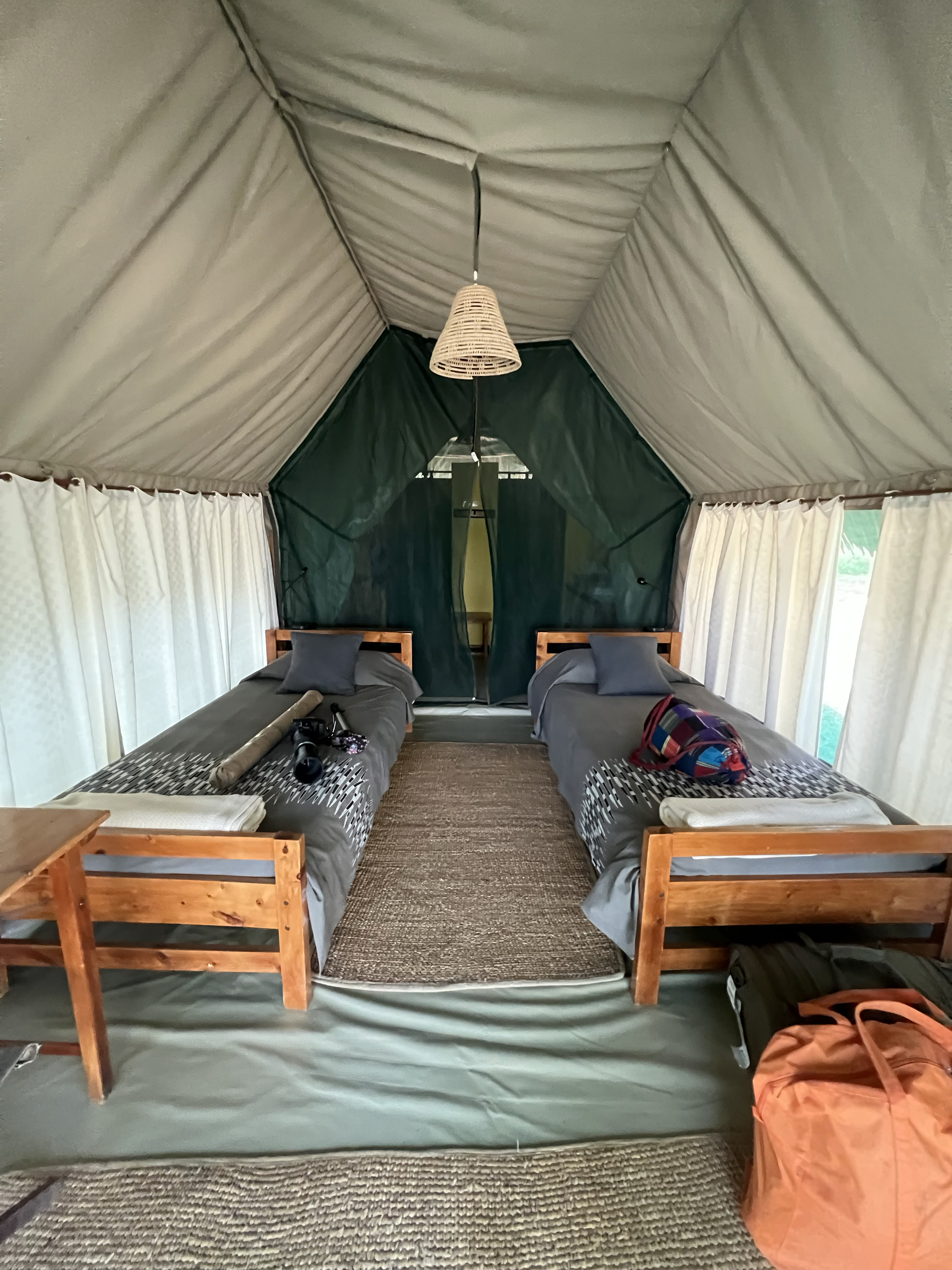
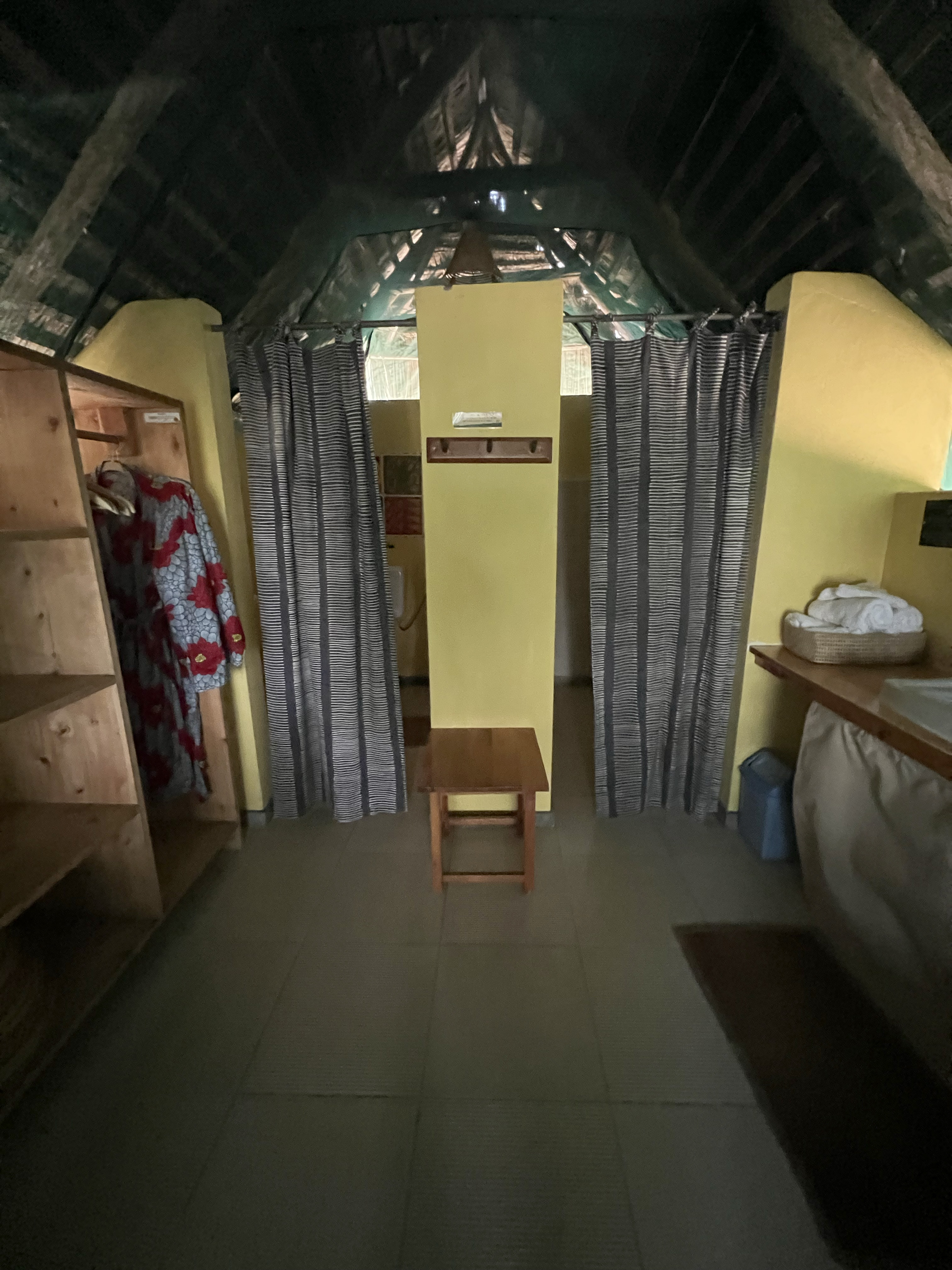

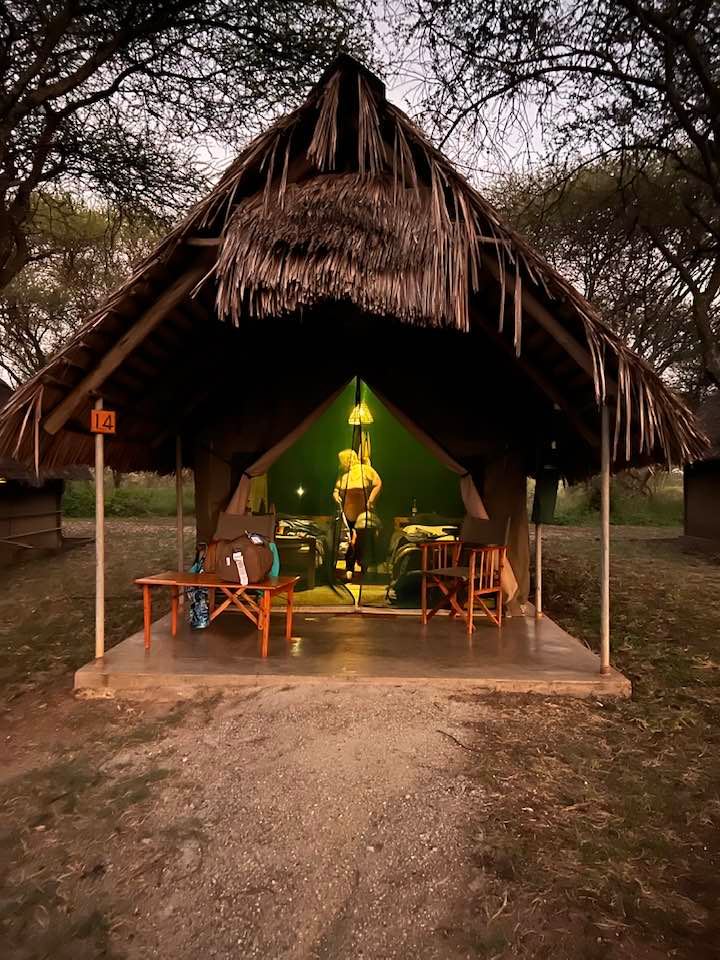
It was interesting that electricity was only on for certain hours each day, and we had to have a guide to go back to our cabin after dark due to presence of wild animals. And we definitely had visitors that included monkeys, Dik-diks and giraffes. Can you spot the giraffe in the below picture?

As we finished breakfast, one of the lodge workers asked if we’d seen the African Scops-Owl that sleeps in a tree just outside of the lodge’s front entrance. Naturally, I had to go find it and he was kind enough to point it out.

Day 3 began early as we left Arusha and headed to Tarangire National Park.
Our first stop on the road was at Shanga, a social enterprise in Arusha that employs people with disabilities to create handmade jewelry, glassware and home wares out of recycled materials. I bought several pieces of jewelry and other items there that I still enjoy today. The tour was very informative. I loved learning how they made the various items and the employees were friendly. They encouraged us to be hands-on in learning how they completed their work. Also, their final products were simply wonderful.

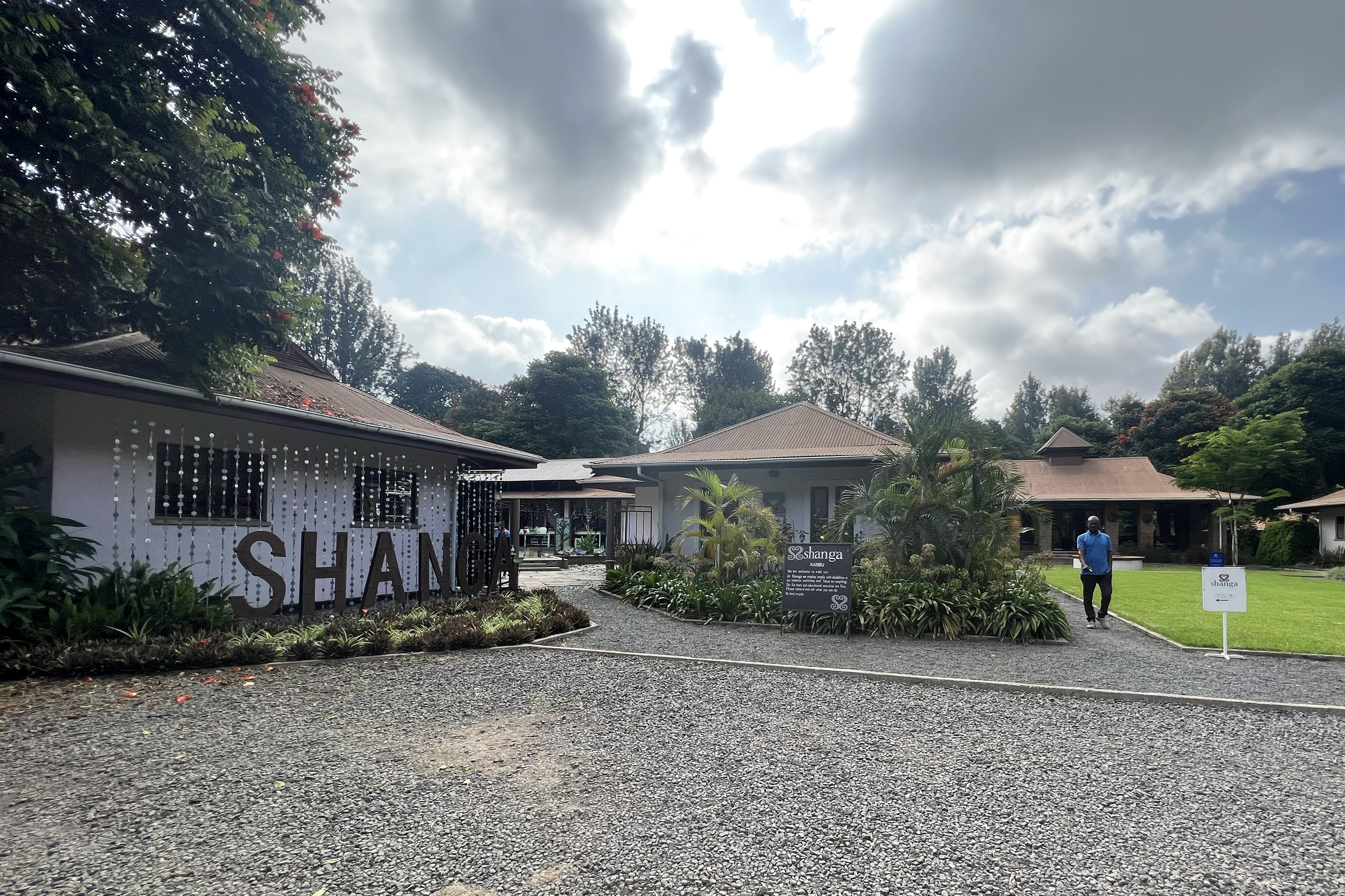
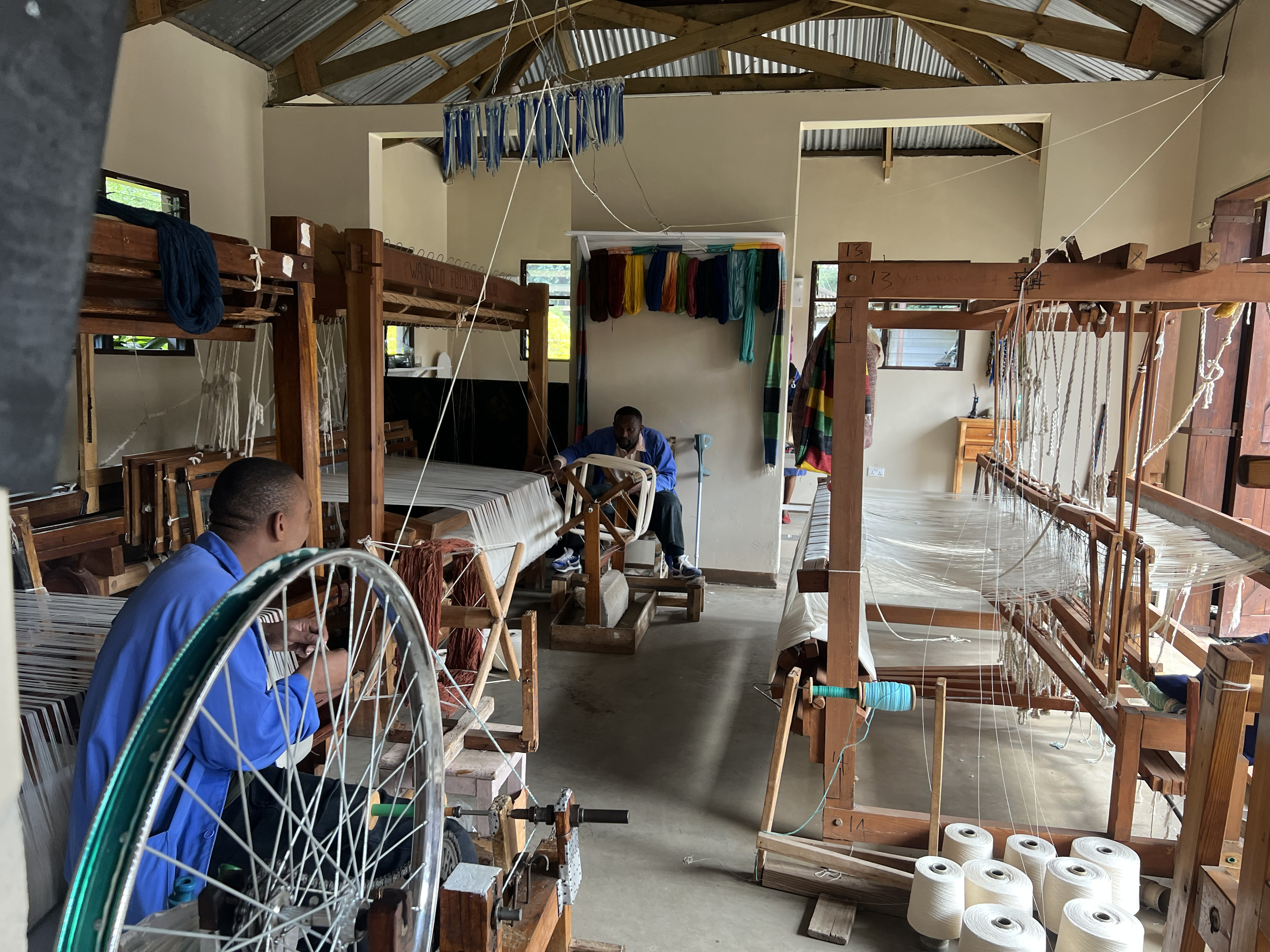
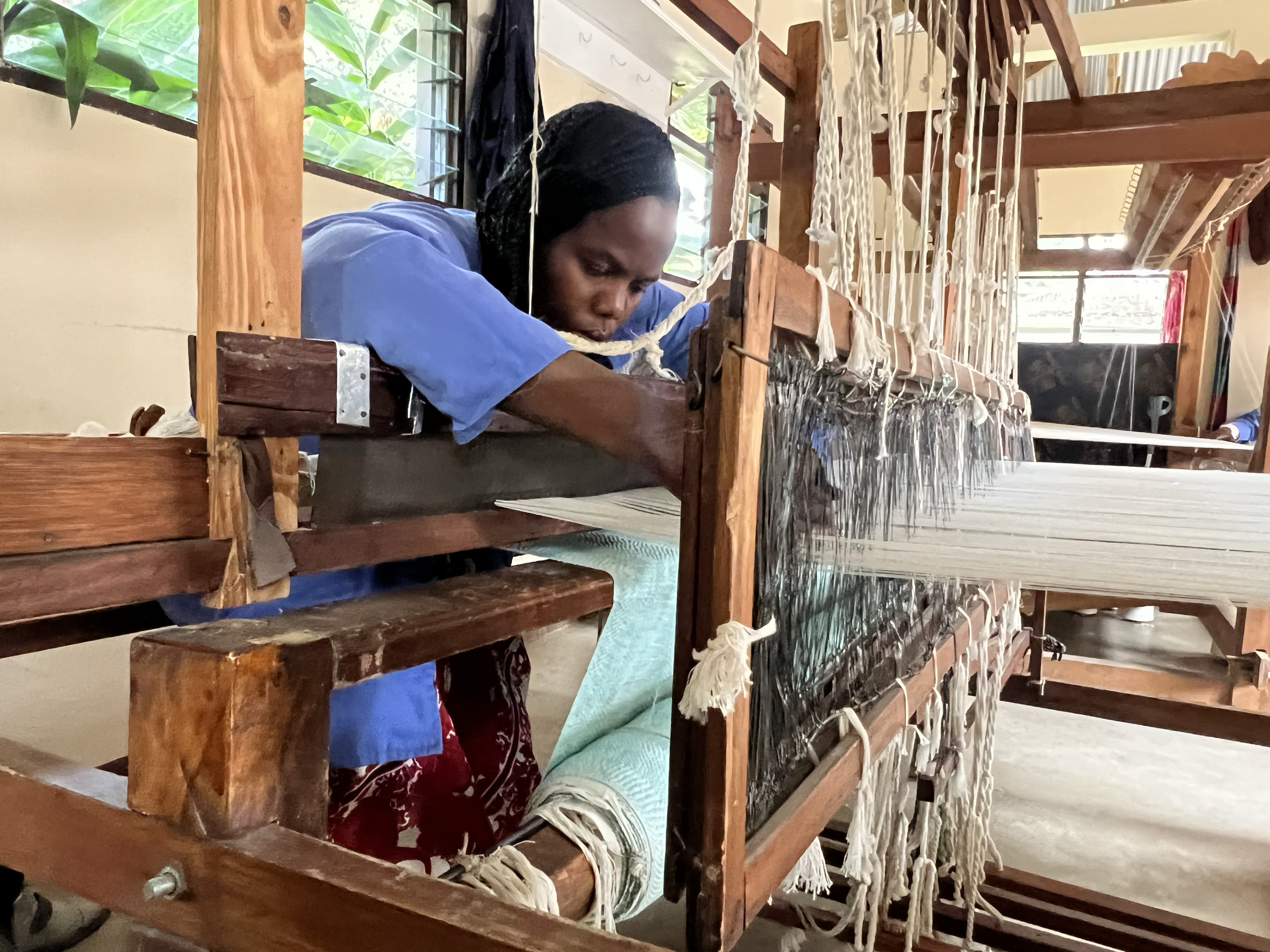


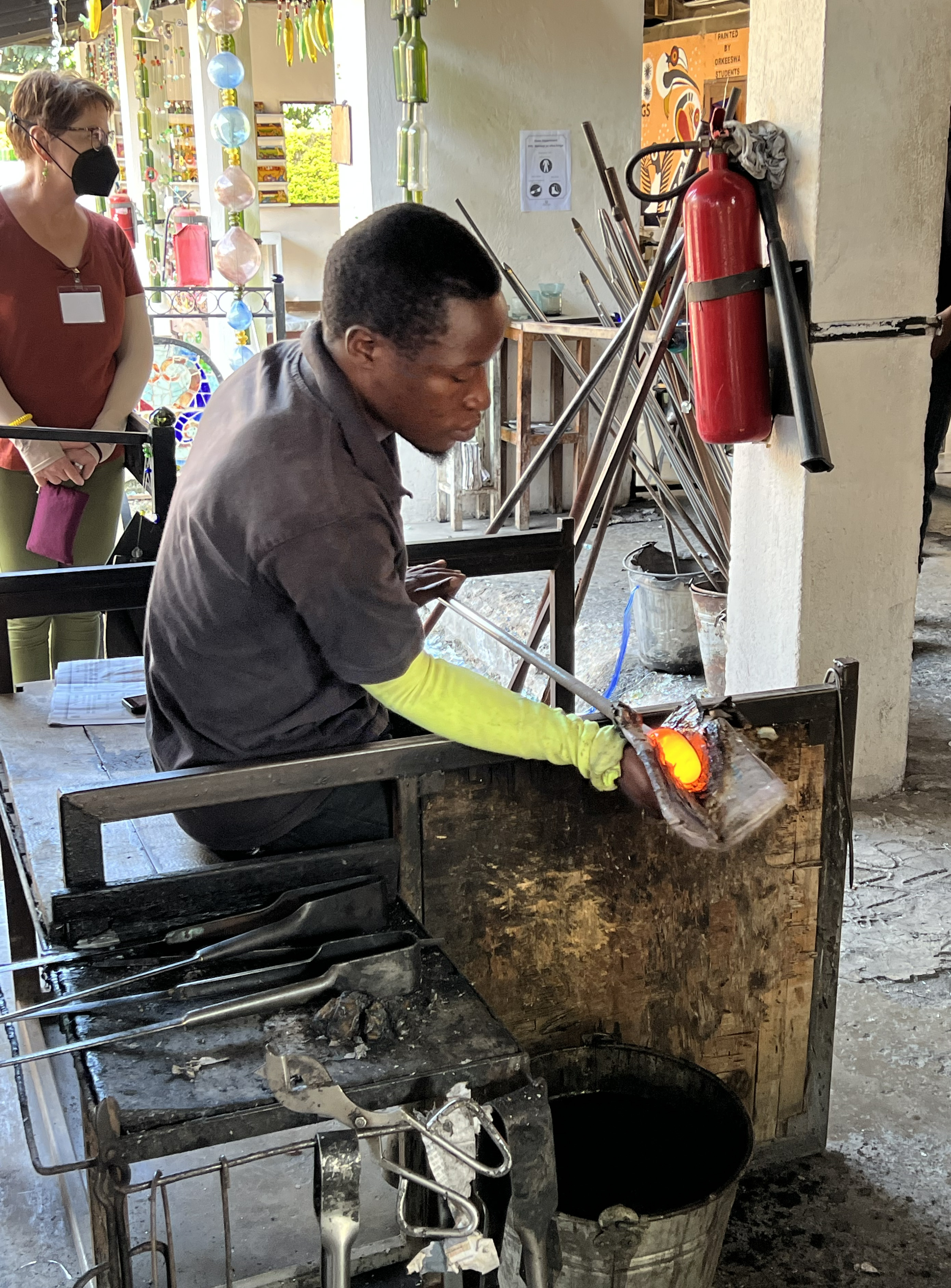
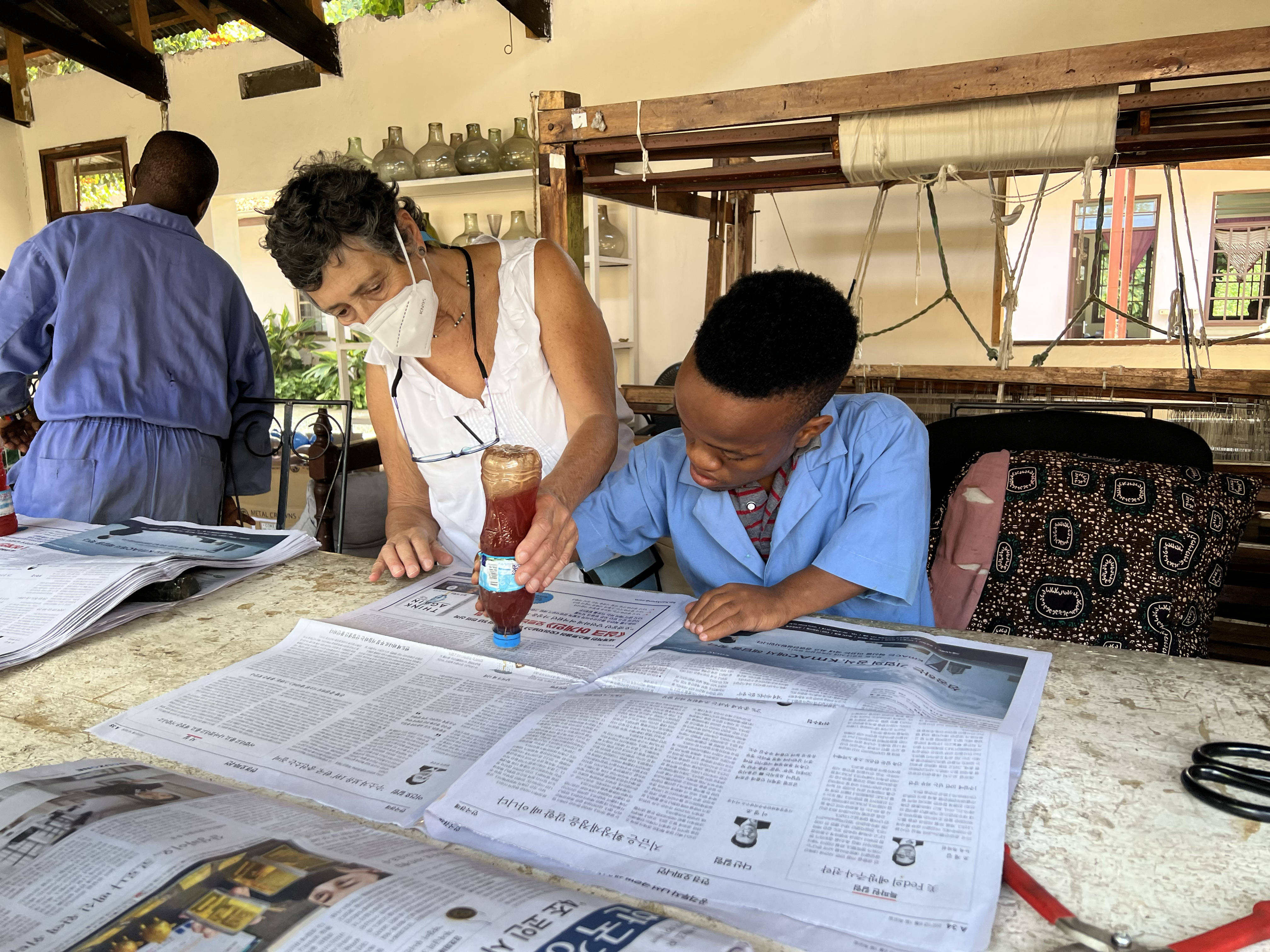
The journey itself from Arusha to Tarangire National Park was interesting. We passed groups of women headed to the airport to celebrate the return of an oppositional party leader after the courts threw out the criminal charges against him.
We also made a quick stop to tour a meat auction where our tour guides said cattle went for $500 to $800. We also stopped to look out at another local market to observe it.
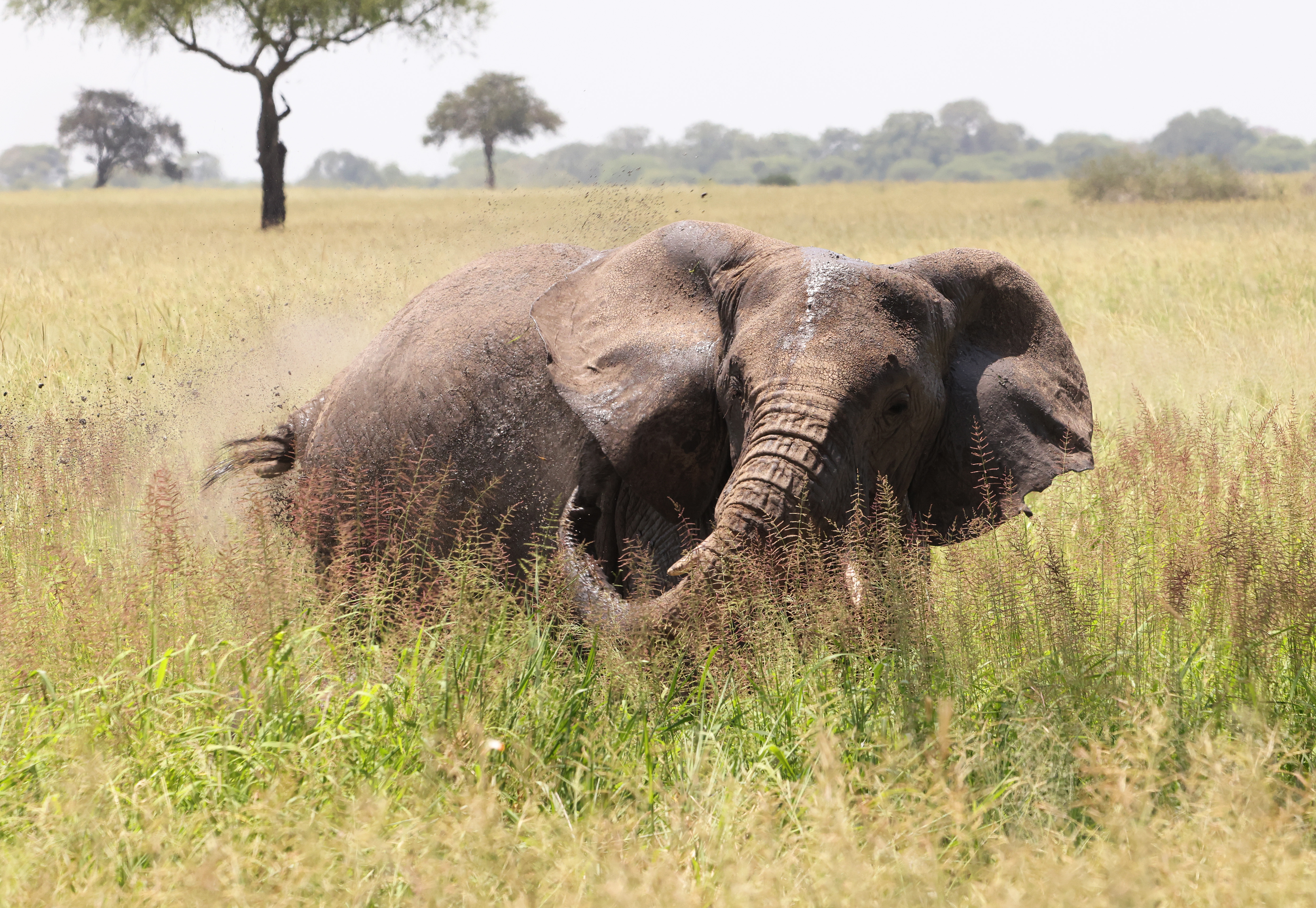
We began to see more wildlife as we neared, then entered Tarangire National Park. I absolutely loved this park.
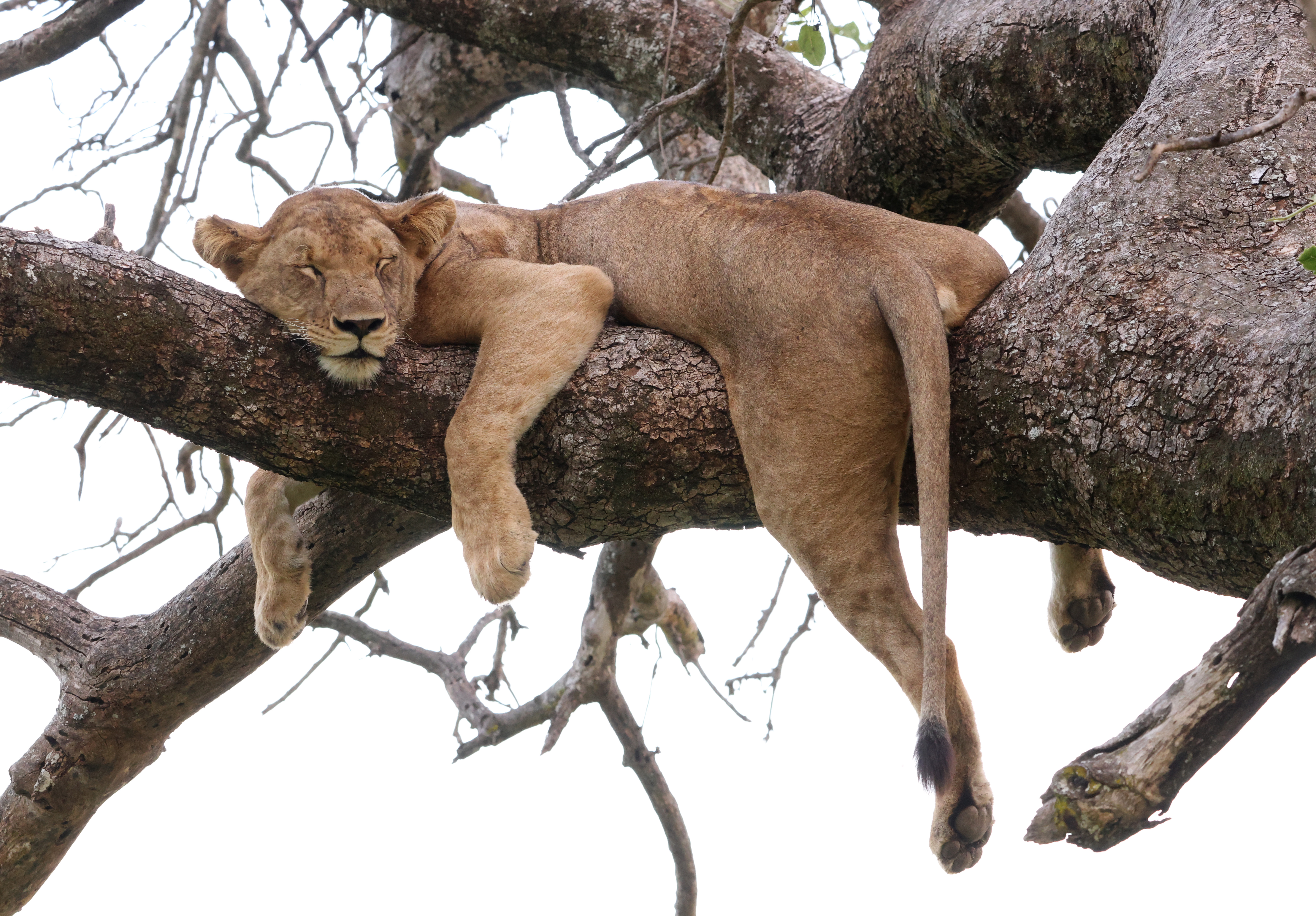


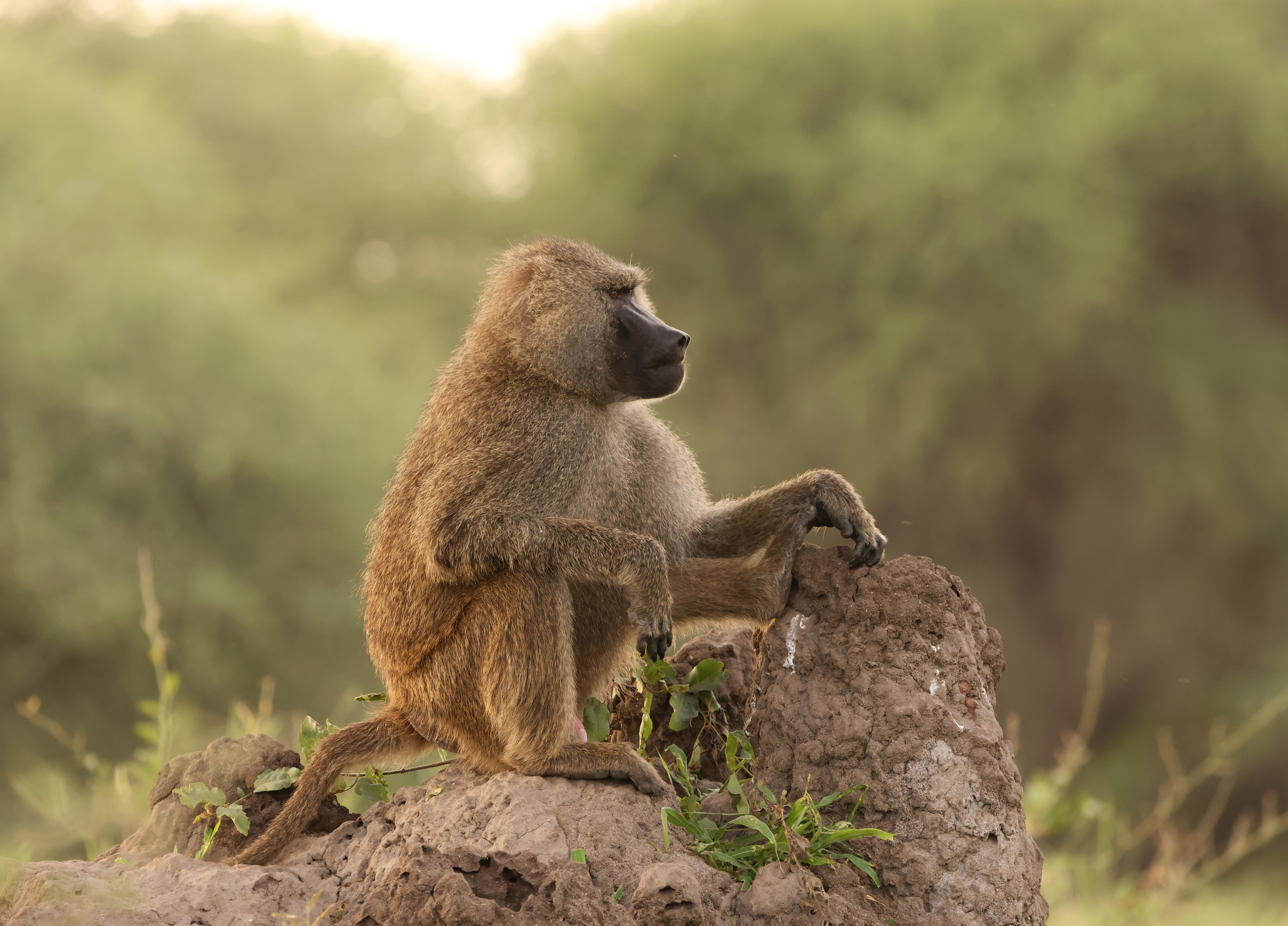
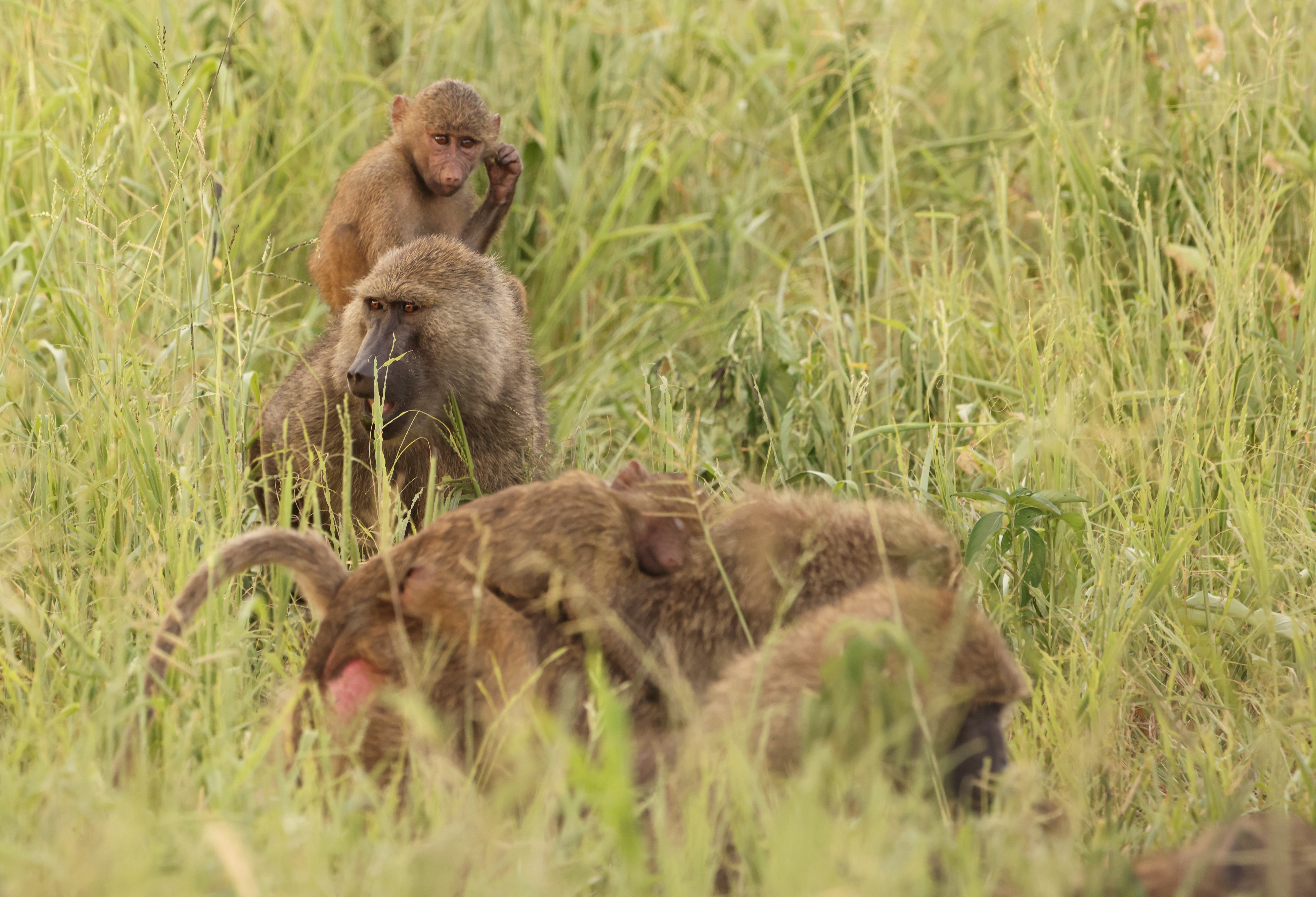


Tarangire is the third largest national park in Tanzania and is best known for its large herds of elephants. We quickly found on why.


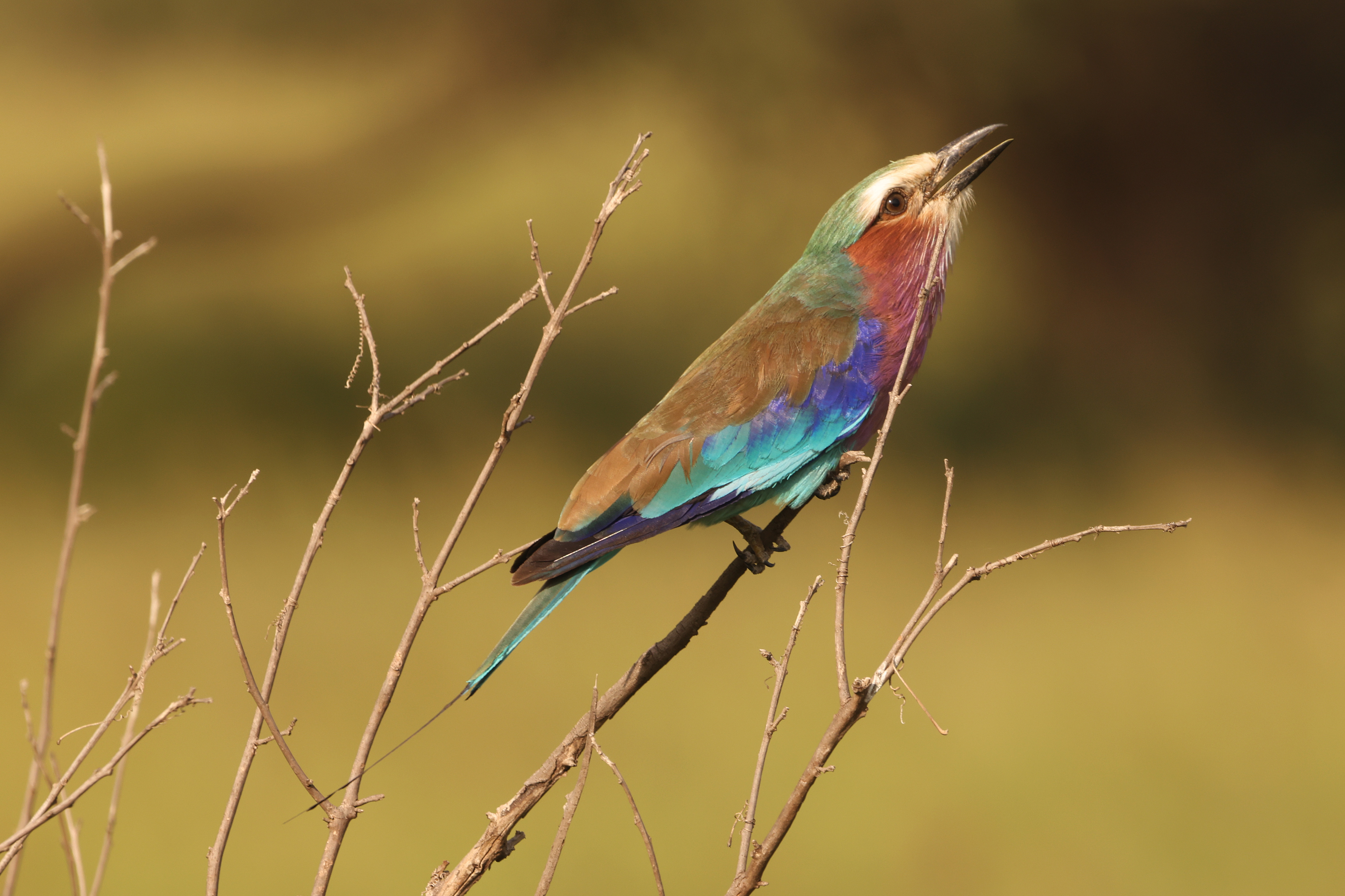
One animal I really wanted to see was the Lilac-breasted Roller. As I was preparing for my trip, a coworker (who lived in Africa and knew that I loved birds) told me her favorite bird in Africa was the Lilac-breasted Roller. She said it was the prettiest bird she had ever seen. When I arrived in Tanzania, I told my tour guides how I really wanted to see one and asked what my chances were? They just laughed and see I would definitely see the Lilac-breasted Roller. In fact, they said I would see the bird so often that I would get tired of it. They were right I would see the bird often, but I never got tired of it.


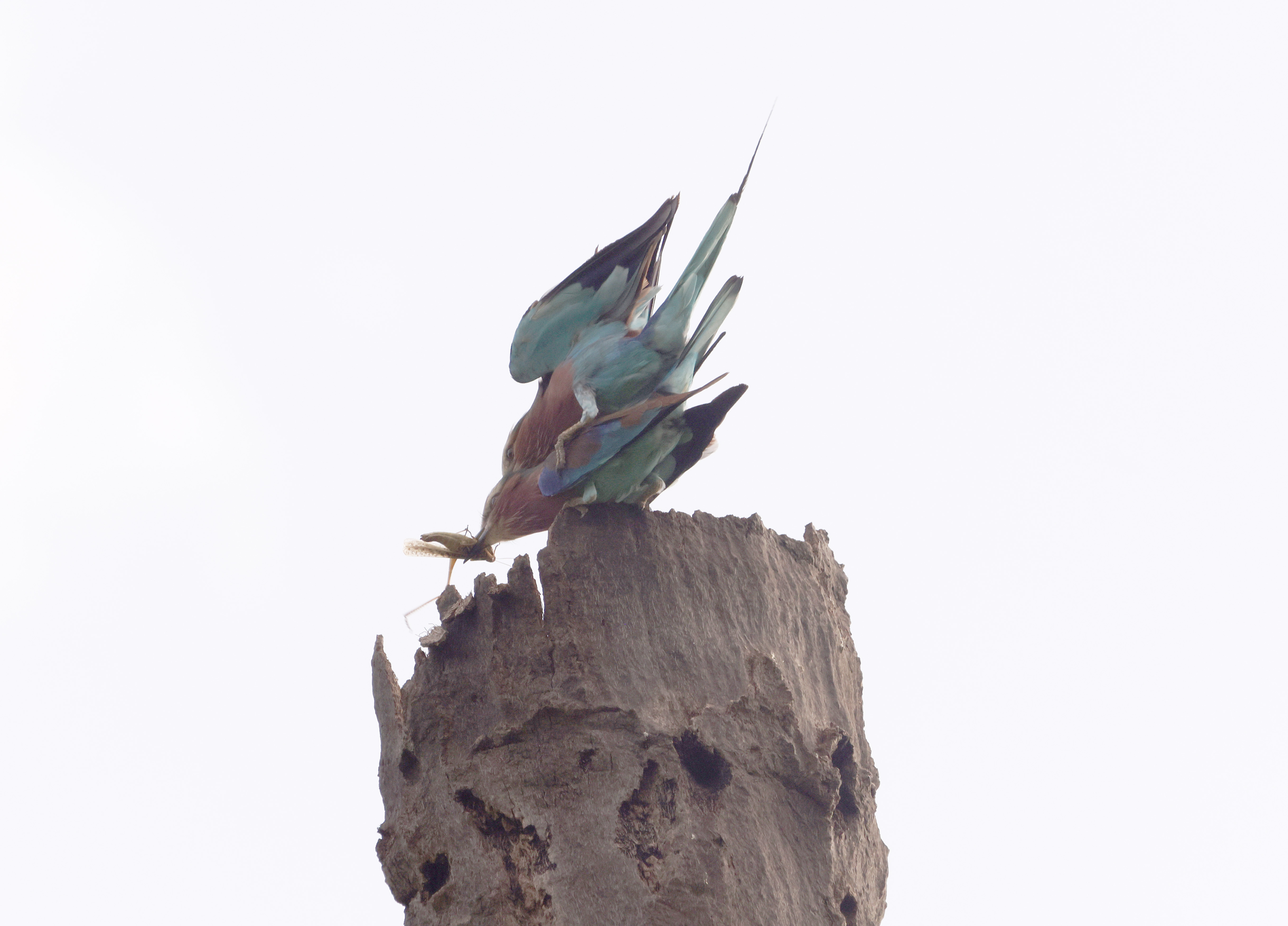

While the Lilac-breasted Roller was a highlight, the bird was not the only one seen. Below’s a highlight of the birds spotted that day.

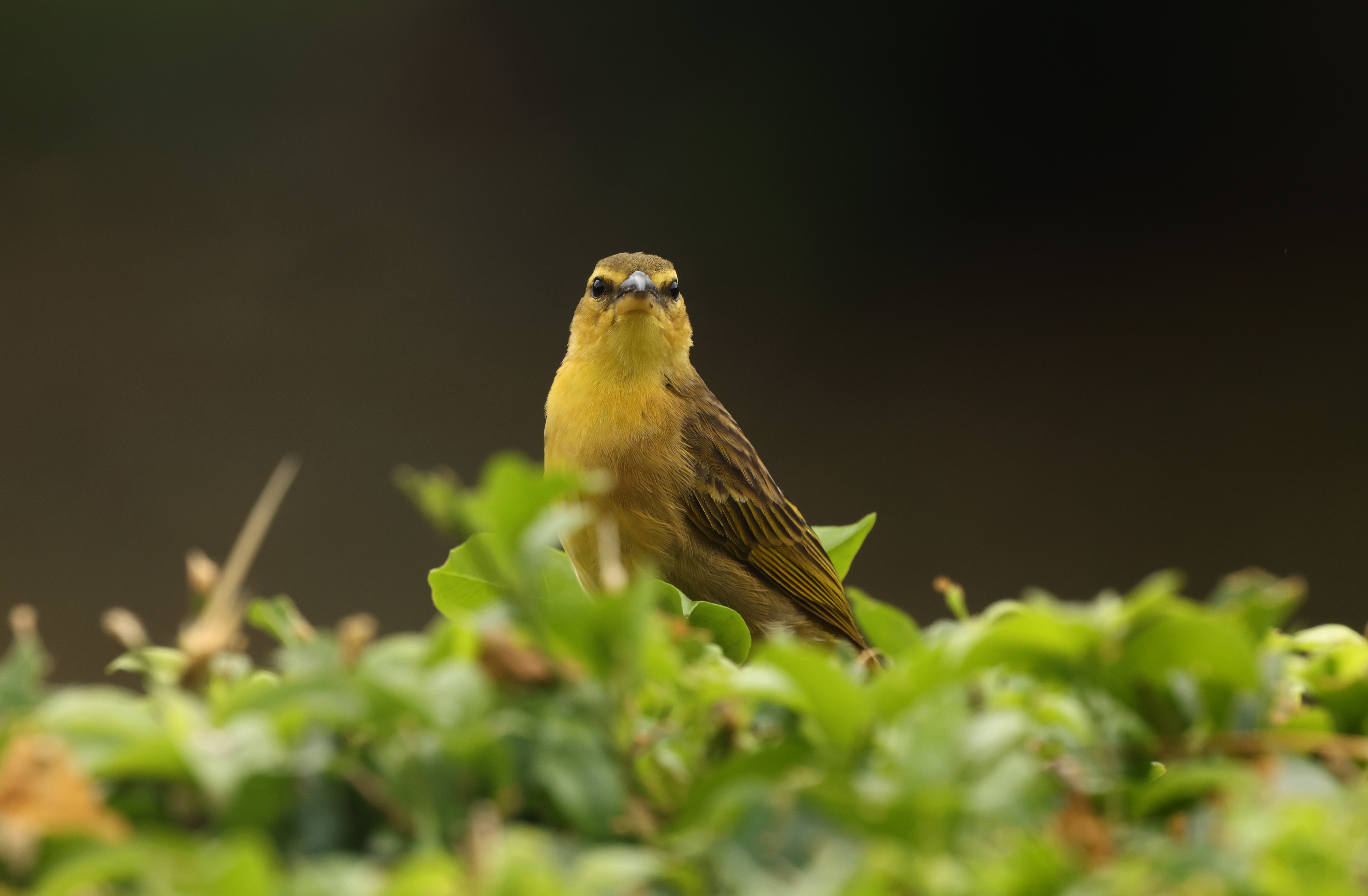
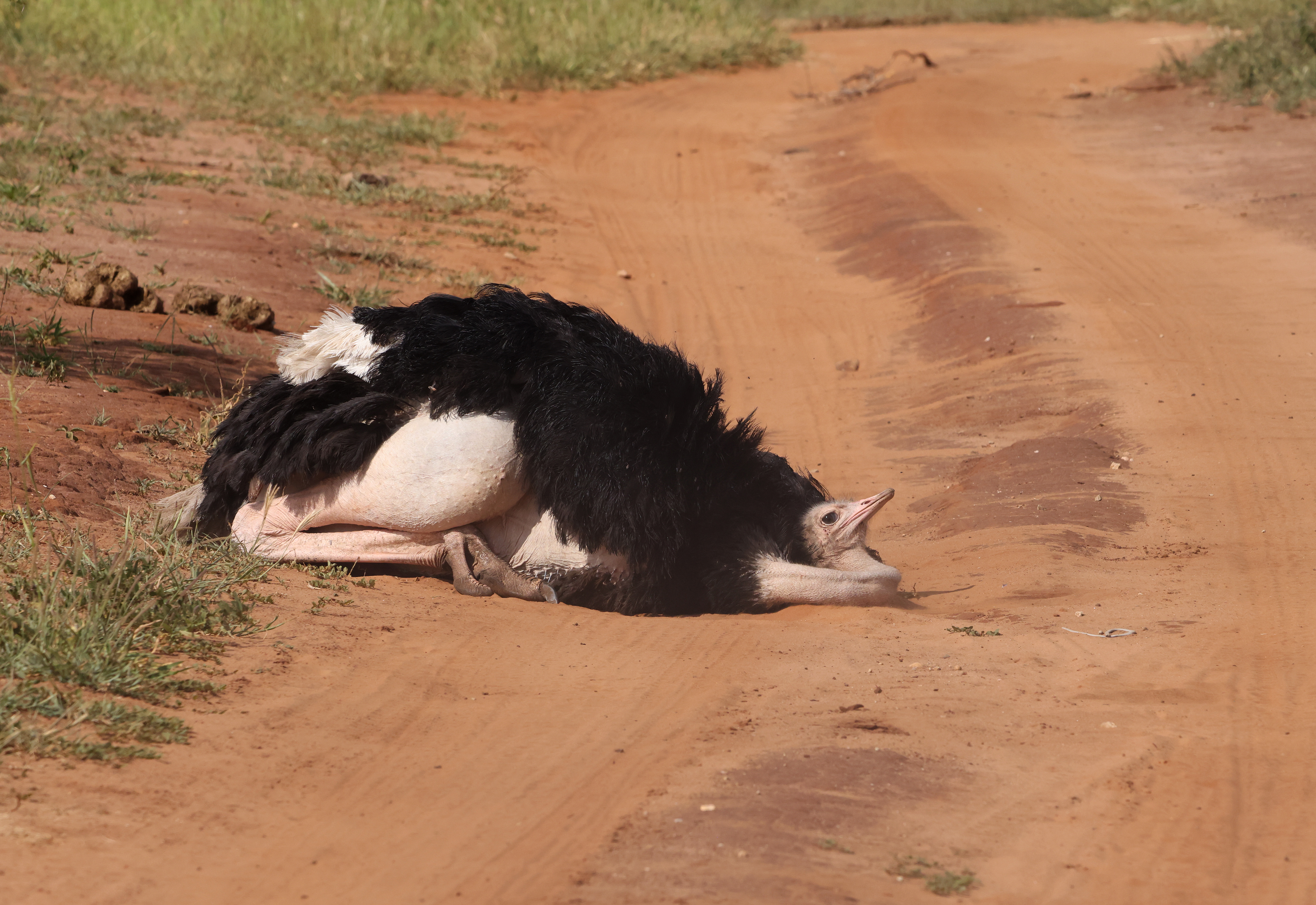

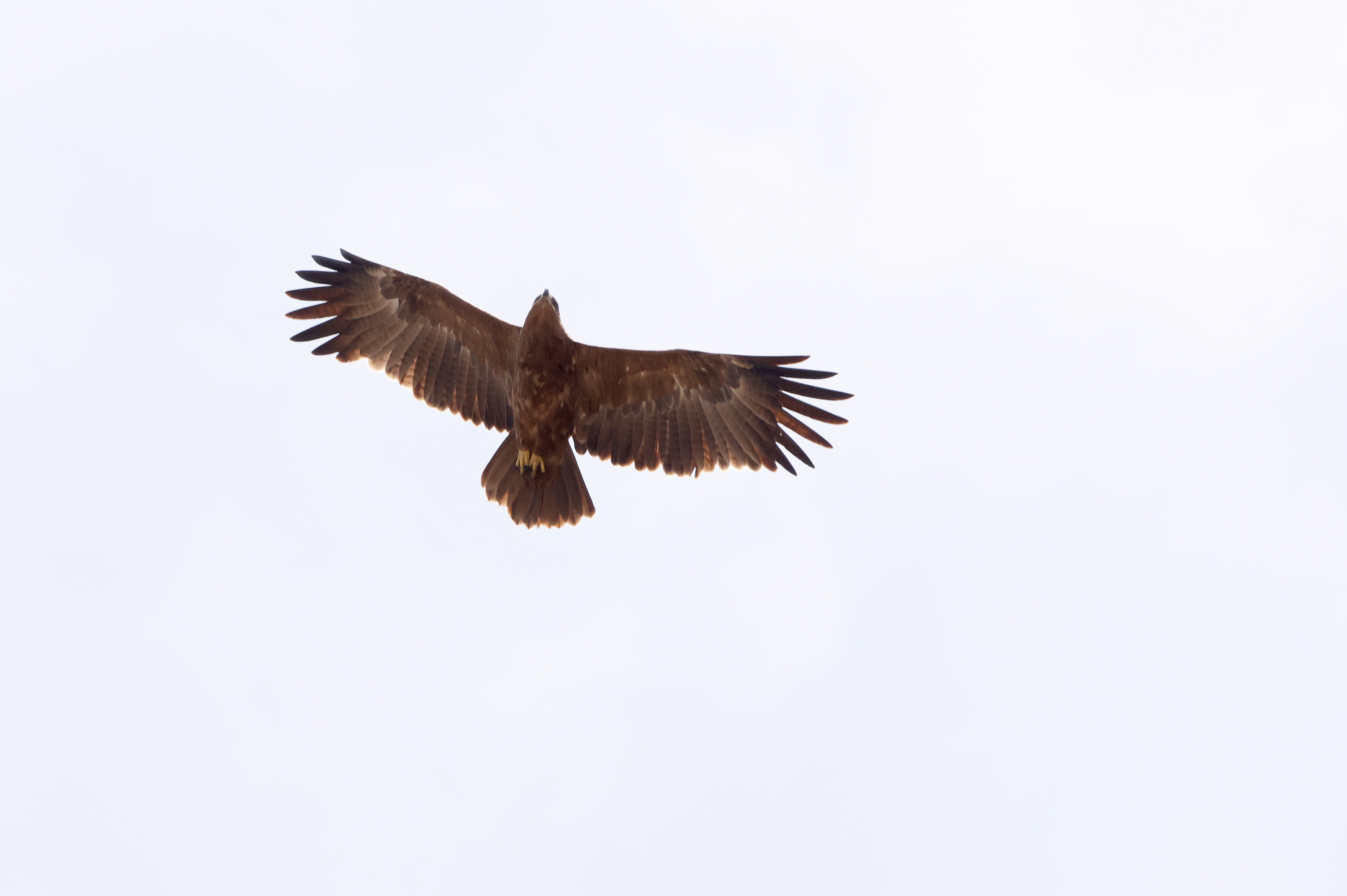


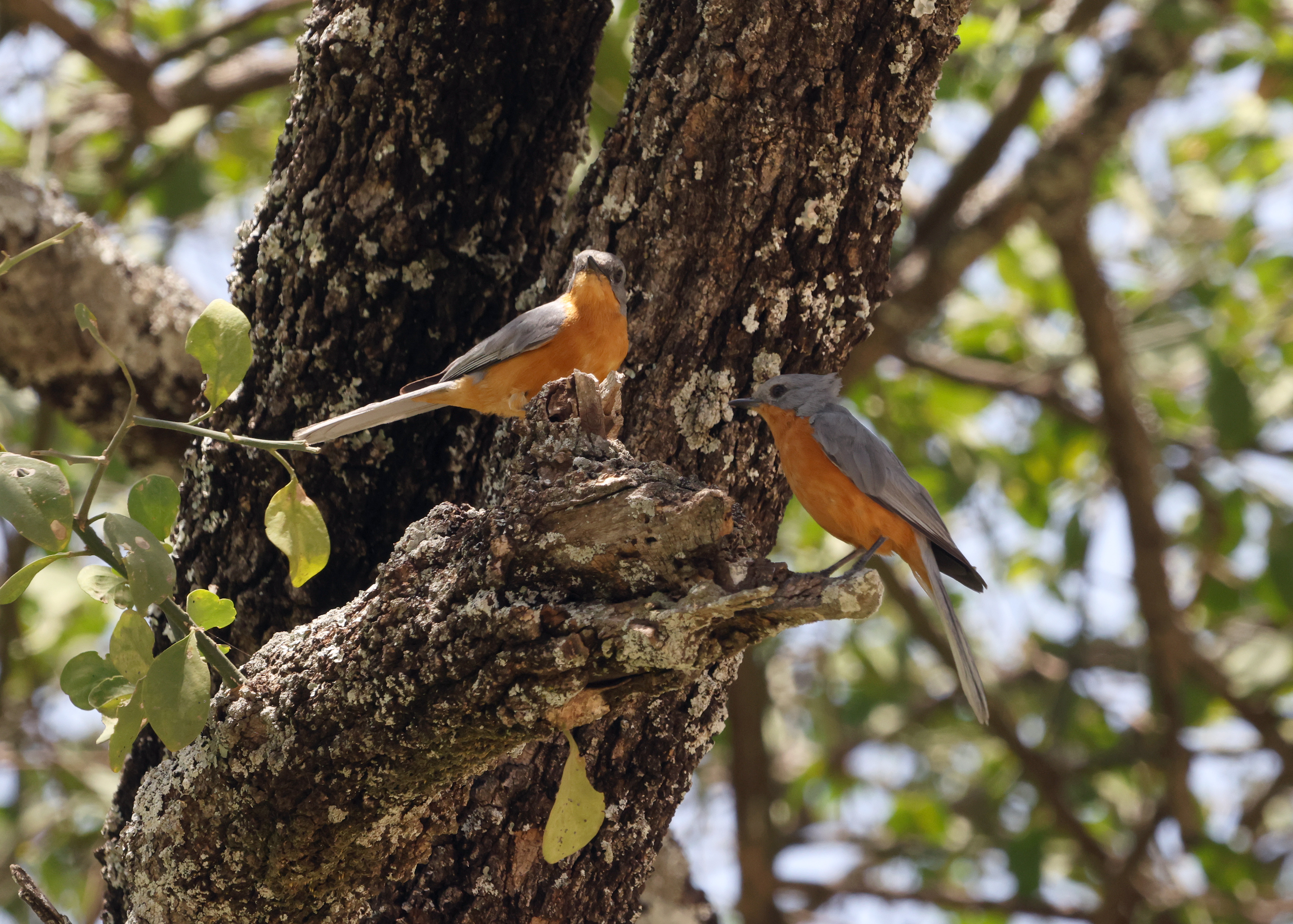
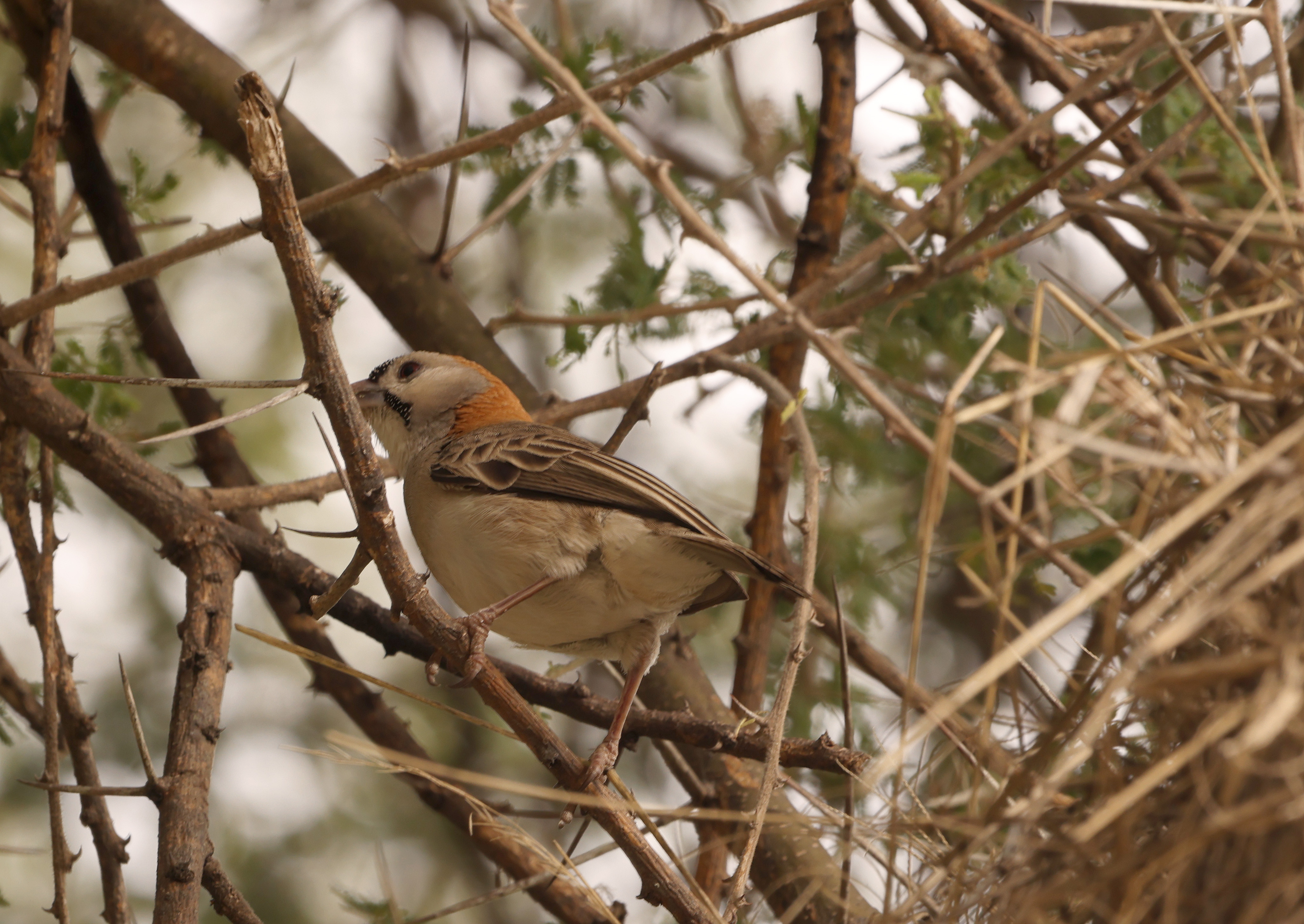


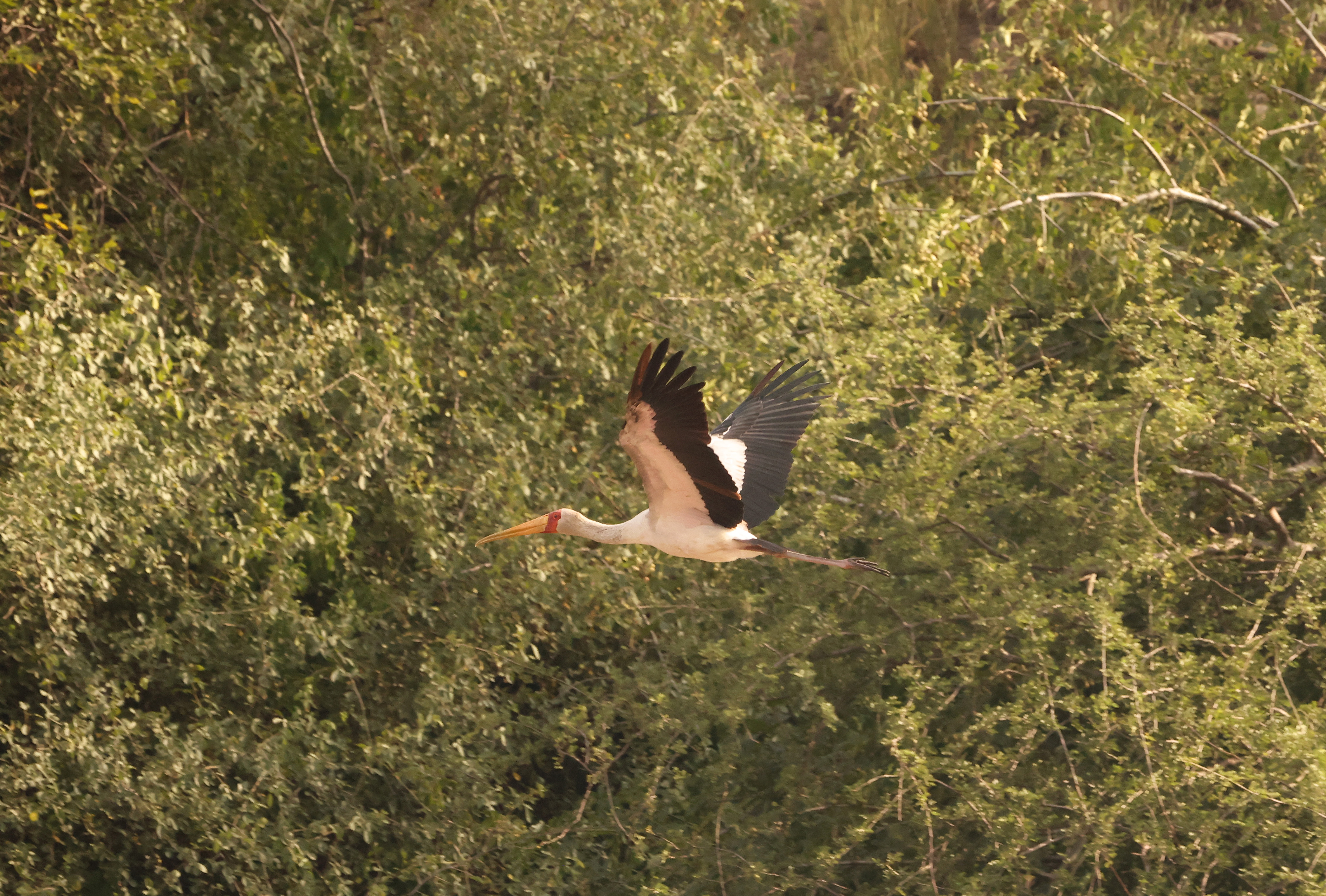
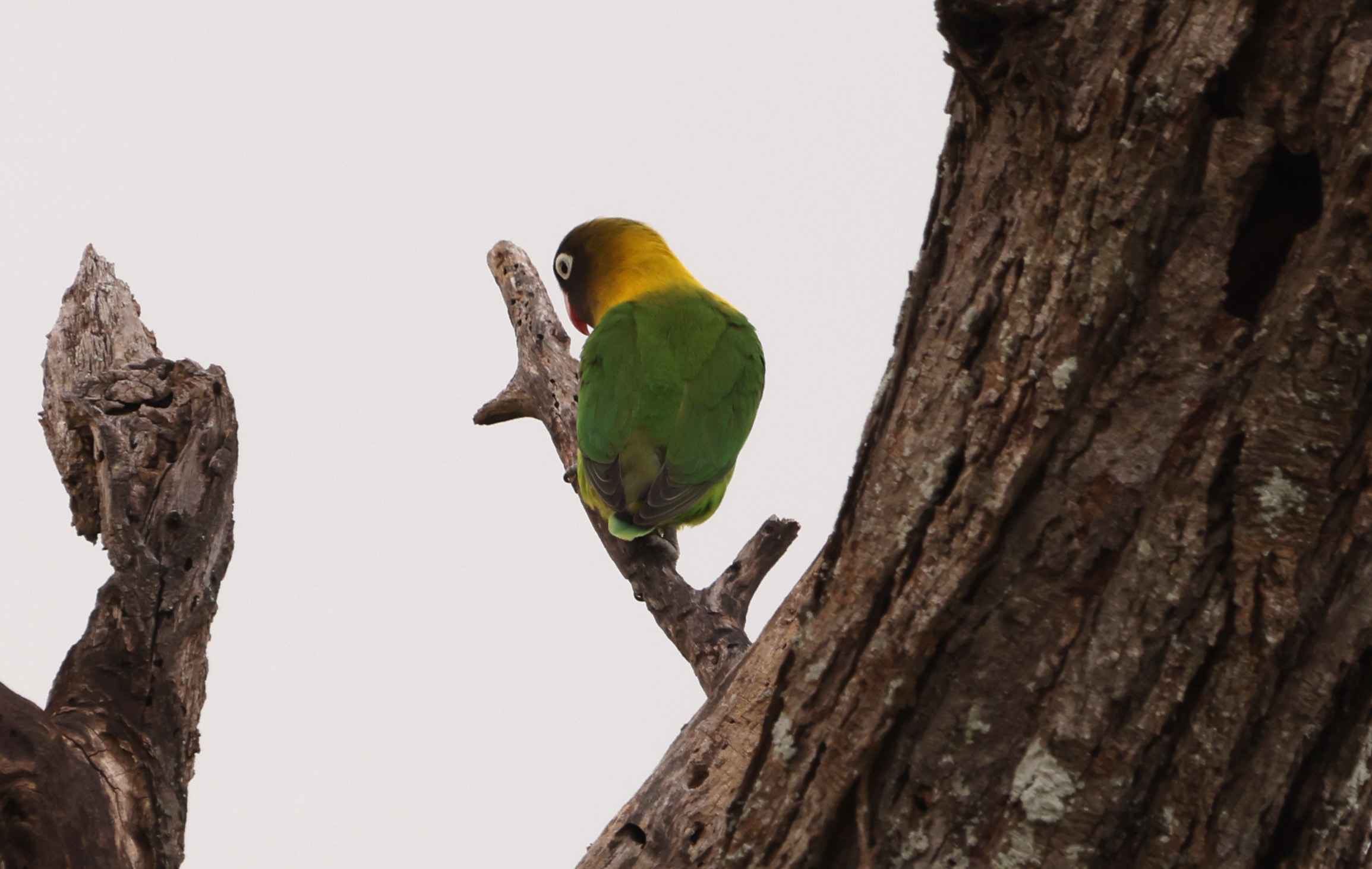
Day 2 was mostly a lazy day. We met for a hot breakfast at 7 a.m. and then spent the morning on the hotel grounds as we waited for the last four members of our 10-person group to arrive.


Once everyone arrived, we had lunch at the Cultural Heritage Center where we also listened to performers, shopped and toured its art gallery.


The rest of the afternoon/night was spent back at the hotel where several of us hung out on the hotel grounds to drink, chat and (at least for me) birdwatch.




The Belted Kingfisher was one of my aunt’s favorite birds. She always got excited when we spotted one and I now think of her every time I see one. On January 1, I passed this cooperative kingfisher sitting on a powerline almost eye level next to the bridge I was crossing. This time, I was the one who got excited to see it.
Belted Kingfishers can be found year-round in Arkansas. I typically find them close to water, whether that be a lake, a big ditch or even a swampy area with lots of big ditches nearby.
Rediscovering Arkansas with a few detours.
We preserve, conserve, and study the native plants of Arkansas
Our Nicaraguan Journey
Rediscovering Arkansas with a few detours.
Think left & think right & think low & think high. Oh, the thinks you can think up if only you try!" -Dr. Seuss
I previously worked as a news and sports photographer. Recently I have been enjoying wildlife photography. My approach toward bird photos is similar to sports photography. I attempt to capture mostly action and hopefully a unique perspective.
Urbanites in the woods, doing all our own stunts.
WILD IN FLORIDA: Exploring and Photographing Florida's Threatened Ecosystems, Wildlife, and More
by Jo Woolf
Rediscovering Arkansas with a few detours.
Rediscovering Arkansas with a few detours.
 Memos for Me