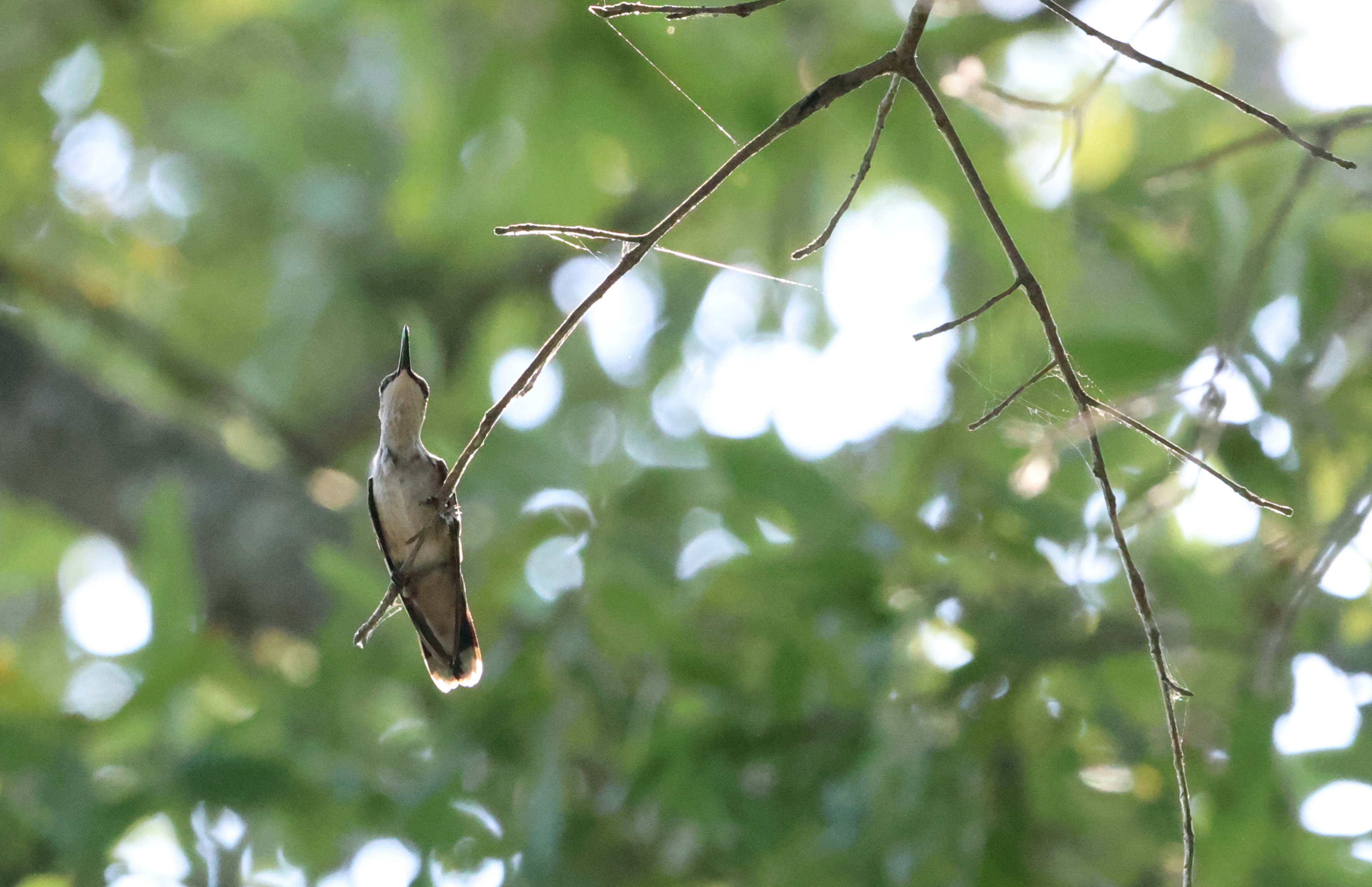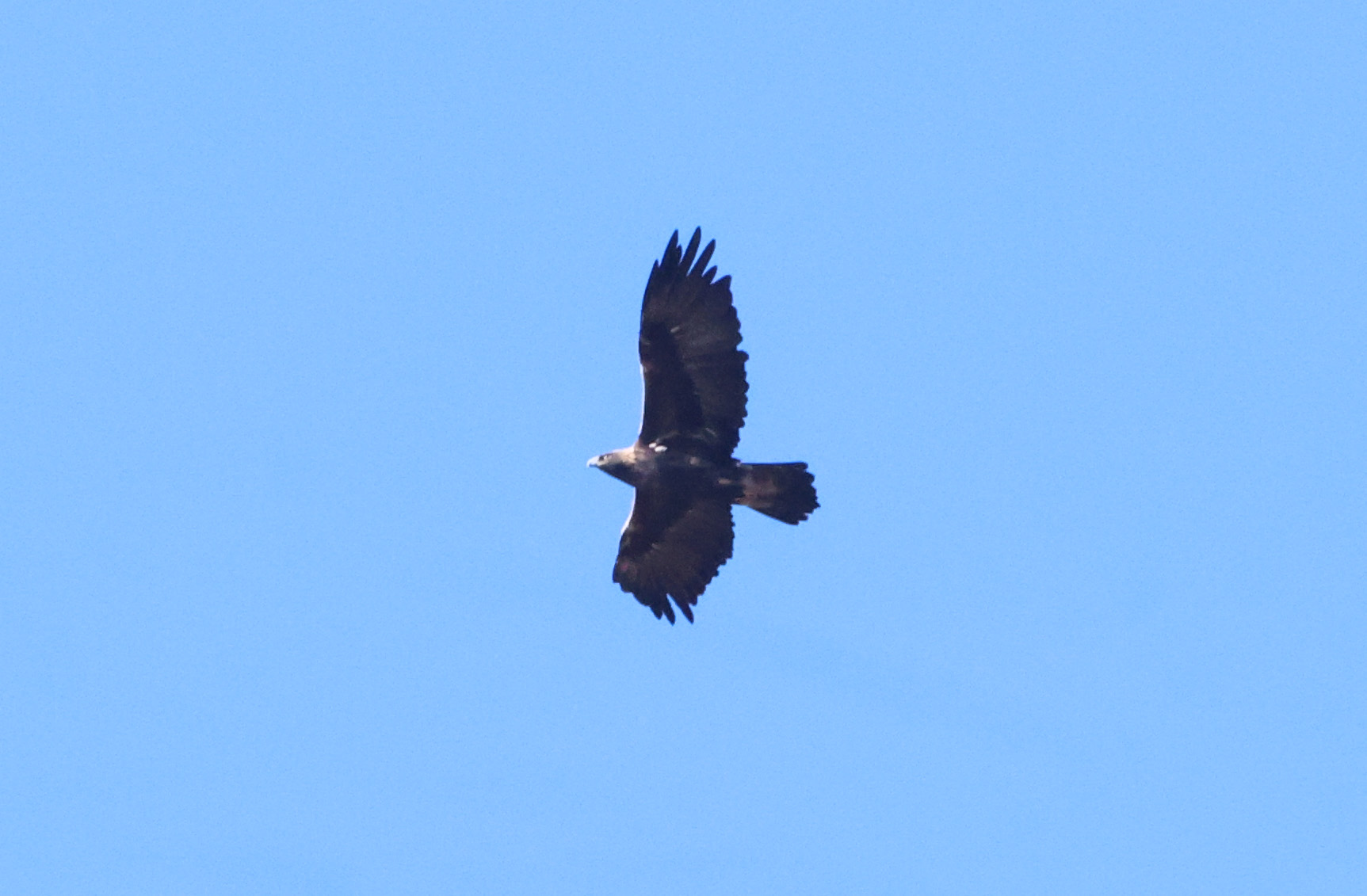
A Golden Eagle

It took about a decade but I finally saw my first Golden Eagle.

While Golden Eagles are spotted in Arkansas every year, these sightings are not plentiful and the eagle is typically long gone by the time another birder arrives to get a look. They are more common out west.

That is until this winter. A Golden Eagle has been hanging around Atkins Bottoms with regular sightings since January 1. After a local shared a great photo of the eagle on Facebook, a friend and I decided to make today our day to see a Golden Eagle.

Arriving early morning, we finally caught up to our Golden Eagle as it was lazily soaring high above fields and stirring up a great flock of Red-winged Blackbirds. We watched it for a good 10 minutes before it finally disappeared from sight.

The Golden Eagle, which has gold feathers on the back of its head and neck, is the largest raptor in North America. It looks similar to a juvenile Bald Eagle so you have to look closely for those gold feathers as well as study the amount of white on the wings. Golden Eagles have less white on the wings than juvenile Bald Eagles.

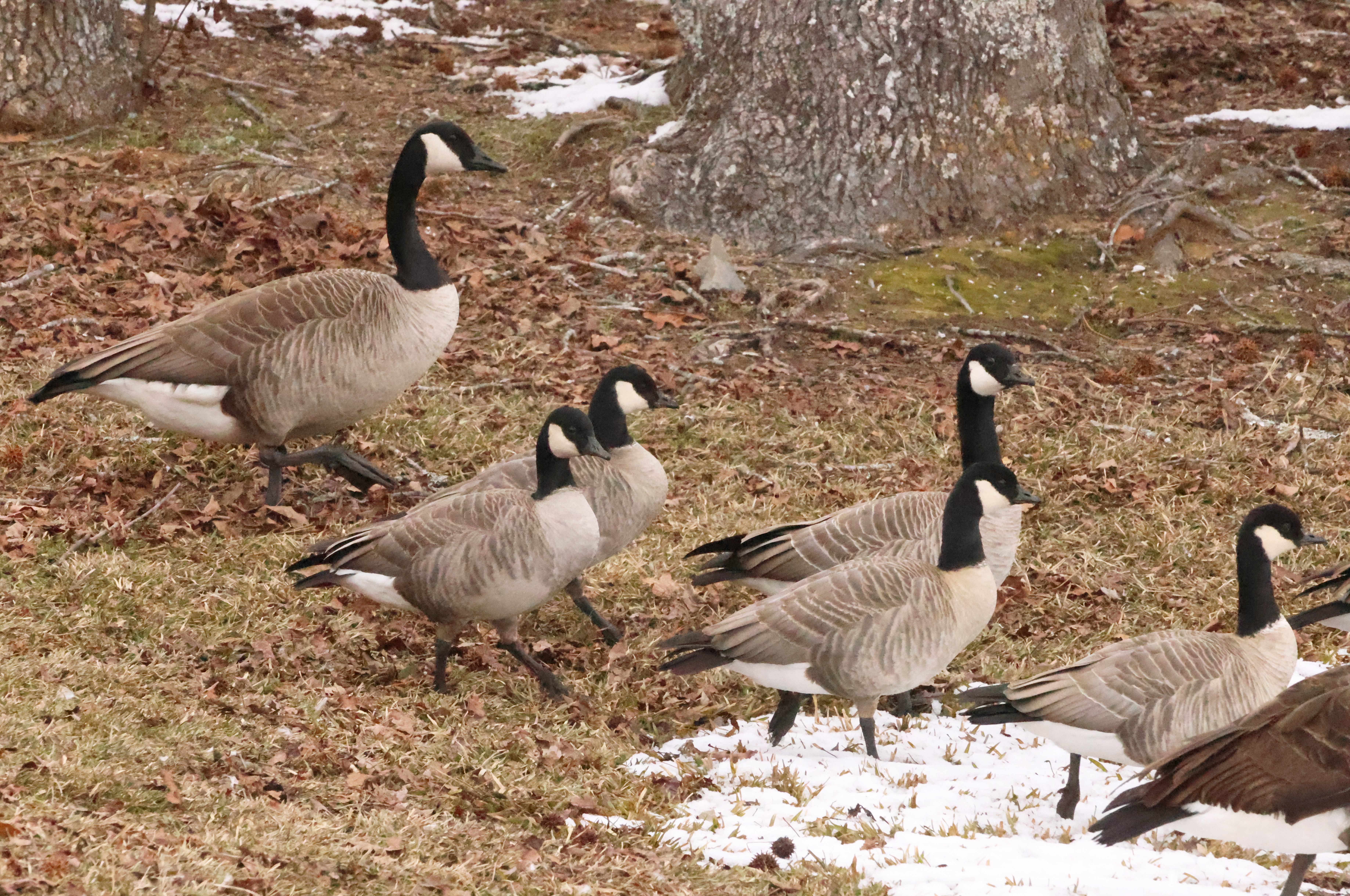
Cackling Geese

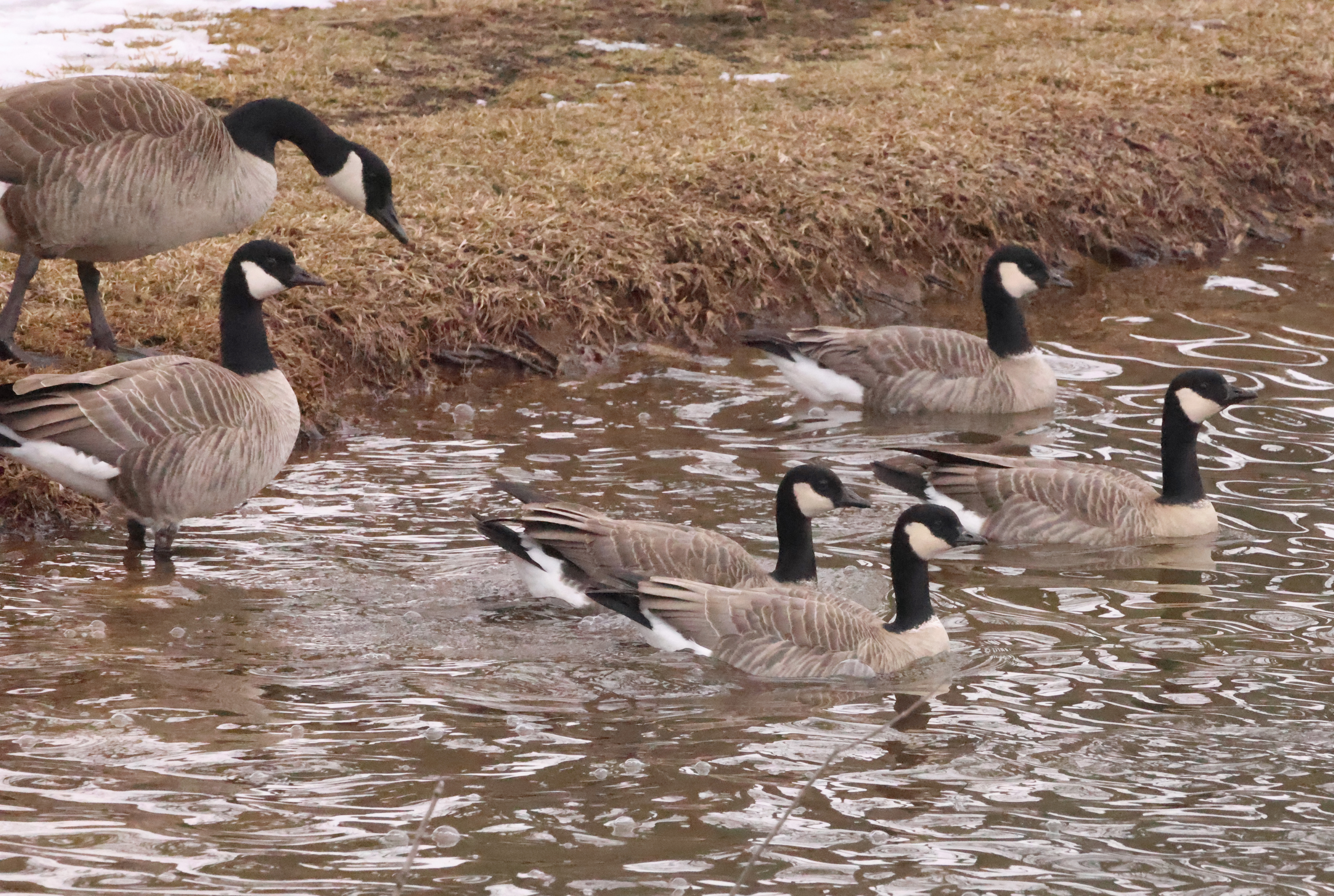
While I saw my first Cackling Goose several years ago, I didn’t actually have a photo of one – that is until today. There were six Cackling Geese mixed in with Canada Geese at Beaverfork Lake in Conway, Ark. Cackling Geese are similar to Canada Geese, but are half the size with a shorter neck, small bill and a steep forehead.

Cackling Geese breed in subarctic and arctic habitats in Canada and Alaska, and can be found in Arkansas during the winter months. But, they are still considered rare in the state. Not many have been spotted over the past few years. The six spotted today actually brought out several birders from Central Arkansas enticed also by reports of Common Mergansers and a Red-necked Grebe being found at the lake. Of the three reported rare birds, I only lacked photos of the Cackling Geese.

A rainy trip

Yesterday, we had the Arkansas Audubon Society of Central Arkansas’s monthly field trip. this month it was to the Joe Hogan State Fish Hatchery in Lonoke County.

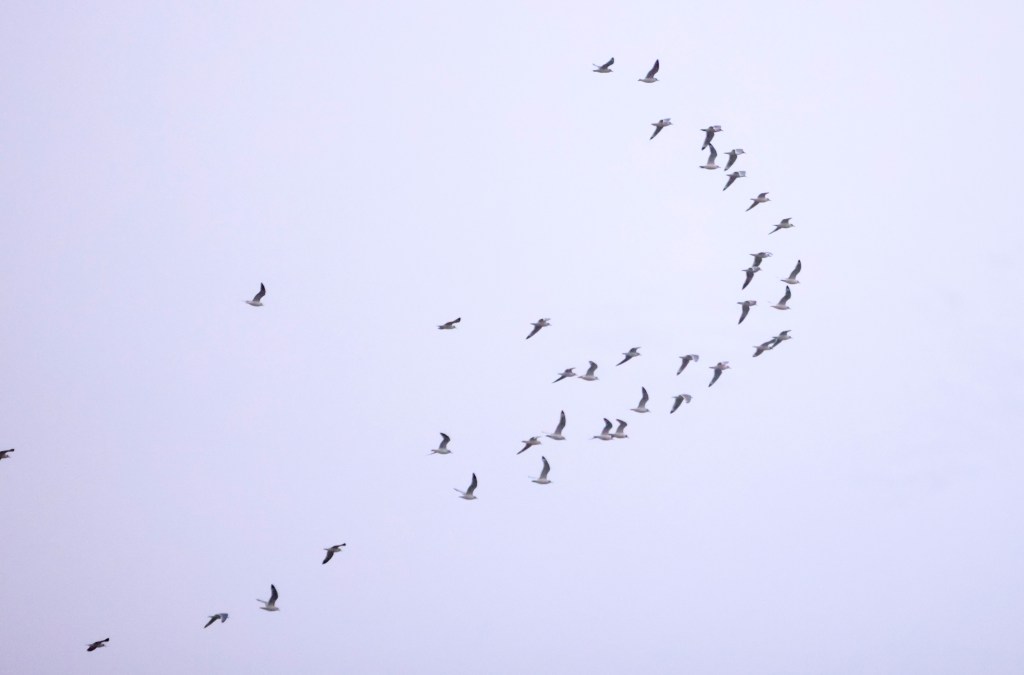
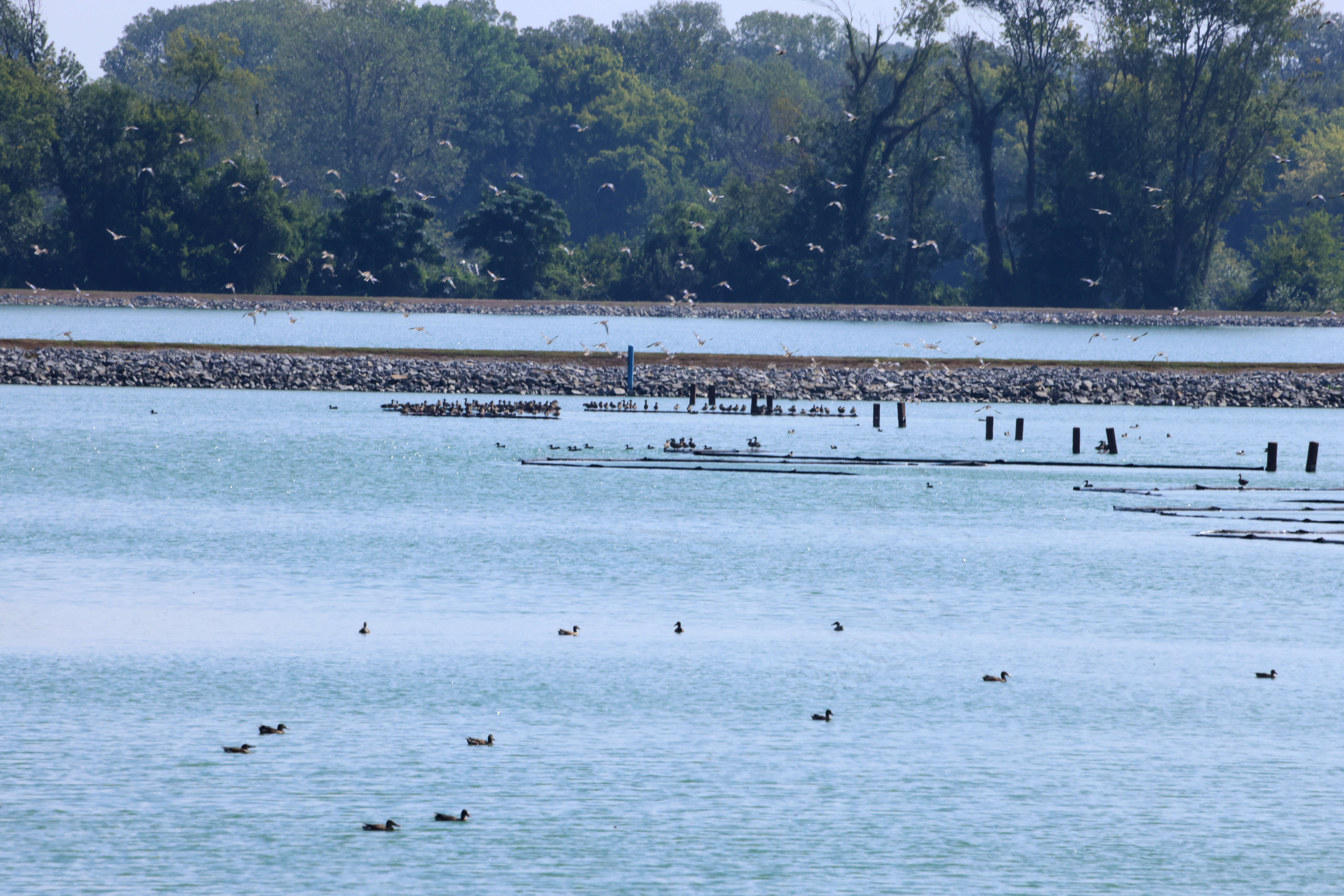
While we were greeted by Scissor-tailed Flycatchers and Bald Eagles, the greatest finds were Black-bellied Whistling Ducks and a large v of 100 Franklin’s Gulls flying over. It took us a while to identify the gulls – none of the trip’s 8 birders had seen that large of a group of Franklin’s before nor seen them fly in a v before.

As for the whistling ducks, they are always just a welcome sight. It was also the first time I’ve heard them whistling. A domestic mallard was hanging out with the whistling ducks.

Limpkin Spotting

It’s been the year of the Limpkins in Arkansas. They are being spotted across the state, including this one at Sunset Lake in Saline County. It was my first bird spotted on Saturday – also October Big Day. I love watching this gangly, brown-and-white shorebird. Saturday’s Limpkin – like the others – stayed busy looking for food.

Eared Grebes and more

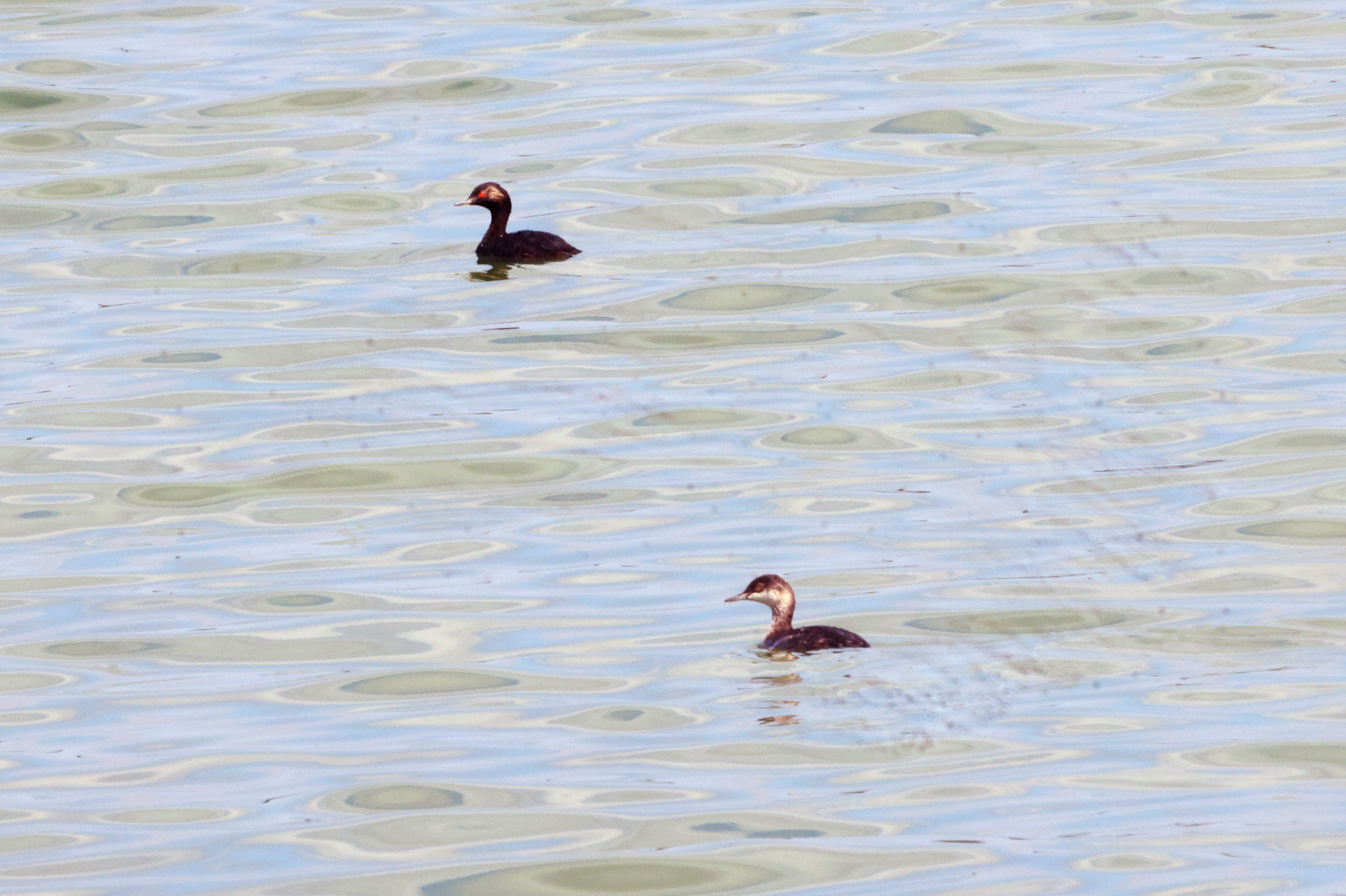
Eared Grebes are apparently the “most abundant grebe in the word,” according to All About Birds. Monday marked the first time I spotted not just one, but four at the Boyd Point Waste Treatment Plant in Pine Bluff. One still had its breeding plumage (black head and neck with golden feathers behind the eye, which shines in the light in the above photo). The other three are non breeding or immature.

While Arkansas just fits into the Eared Grebes migration range, the small waterbird is primarily found in the western half of the United States.
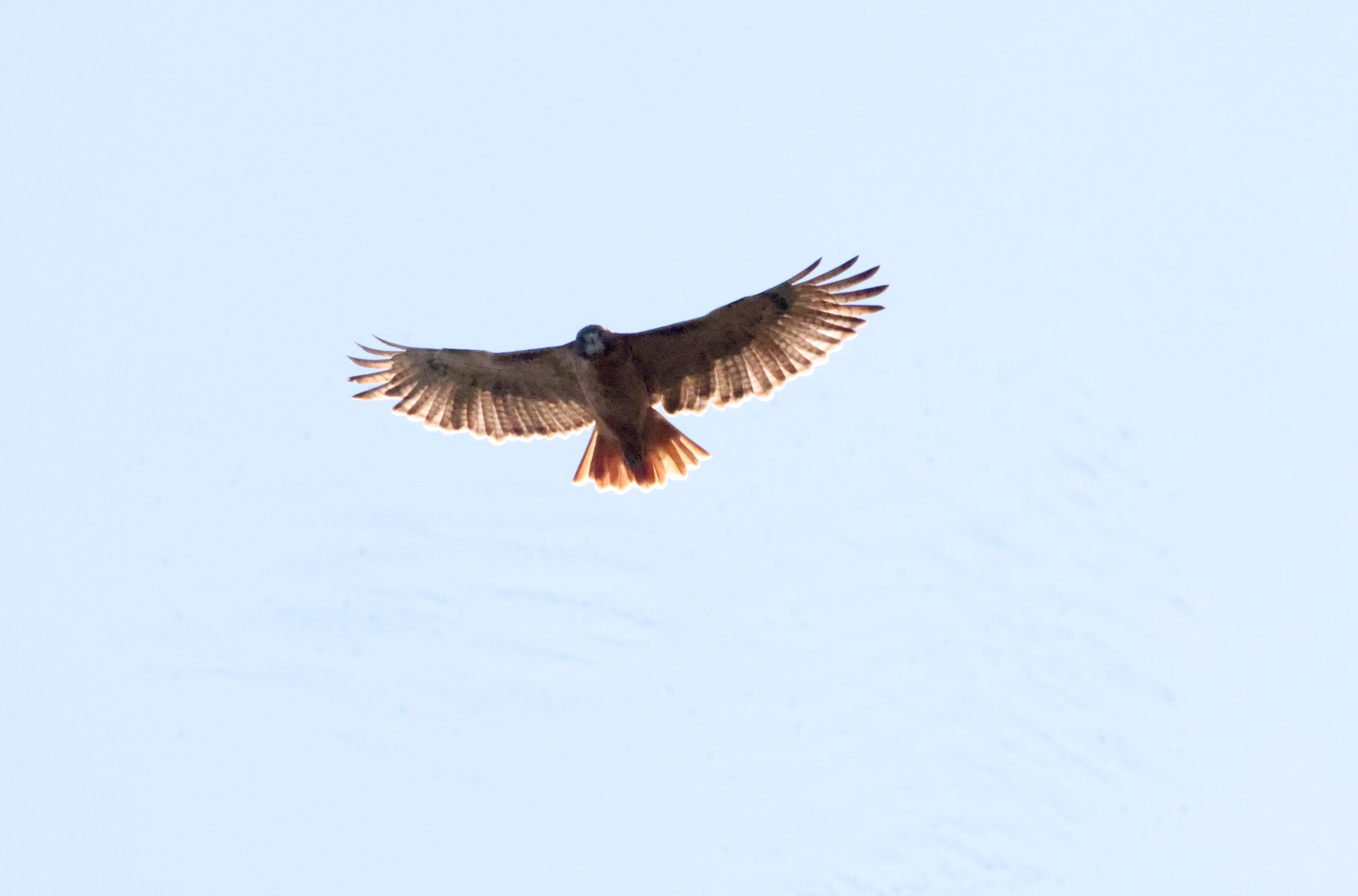
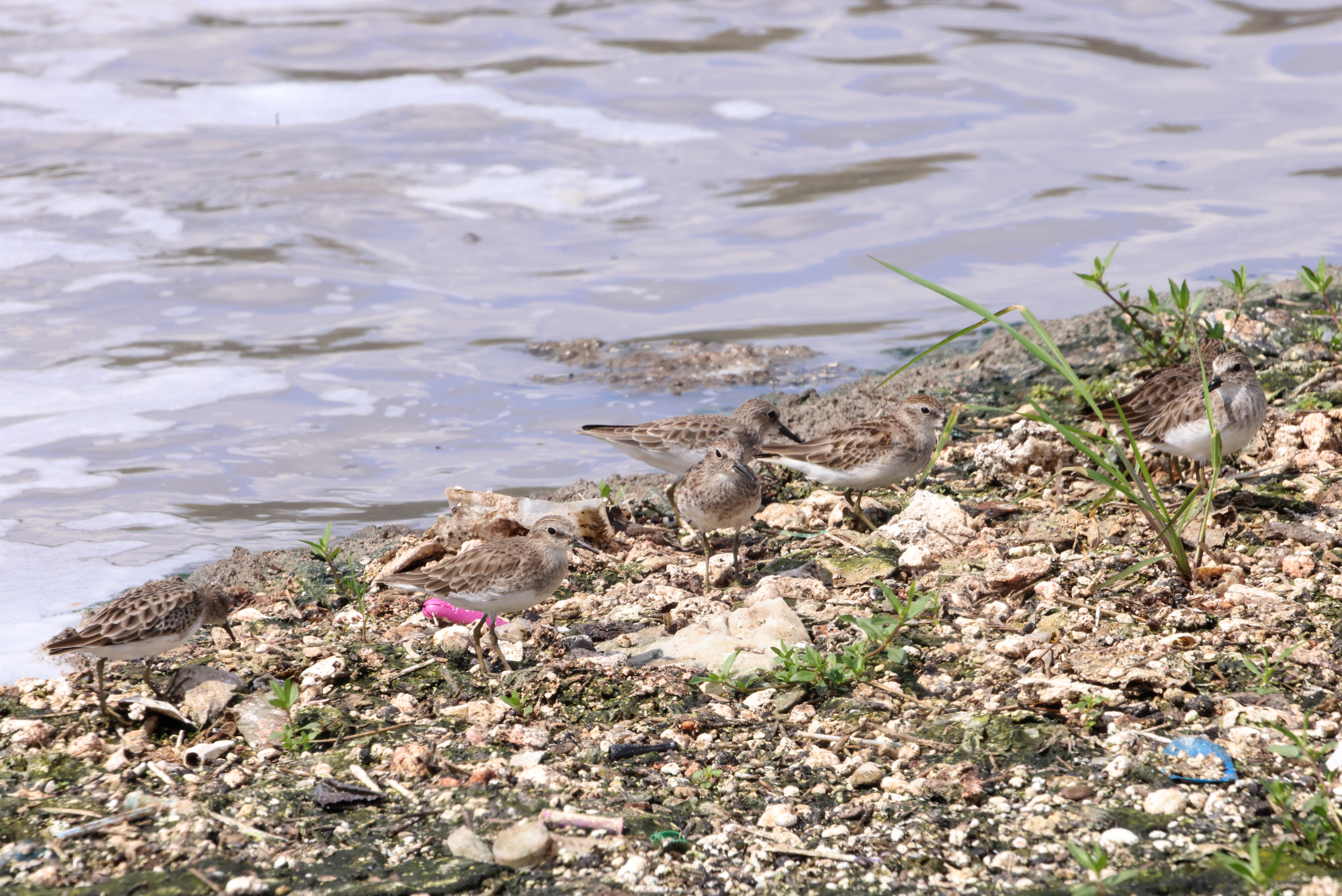
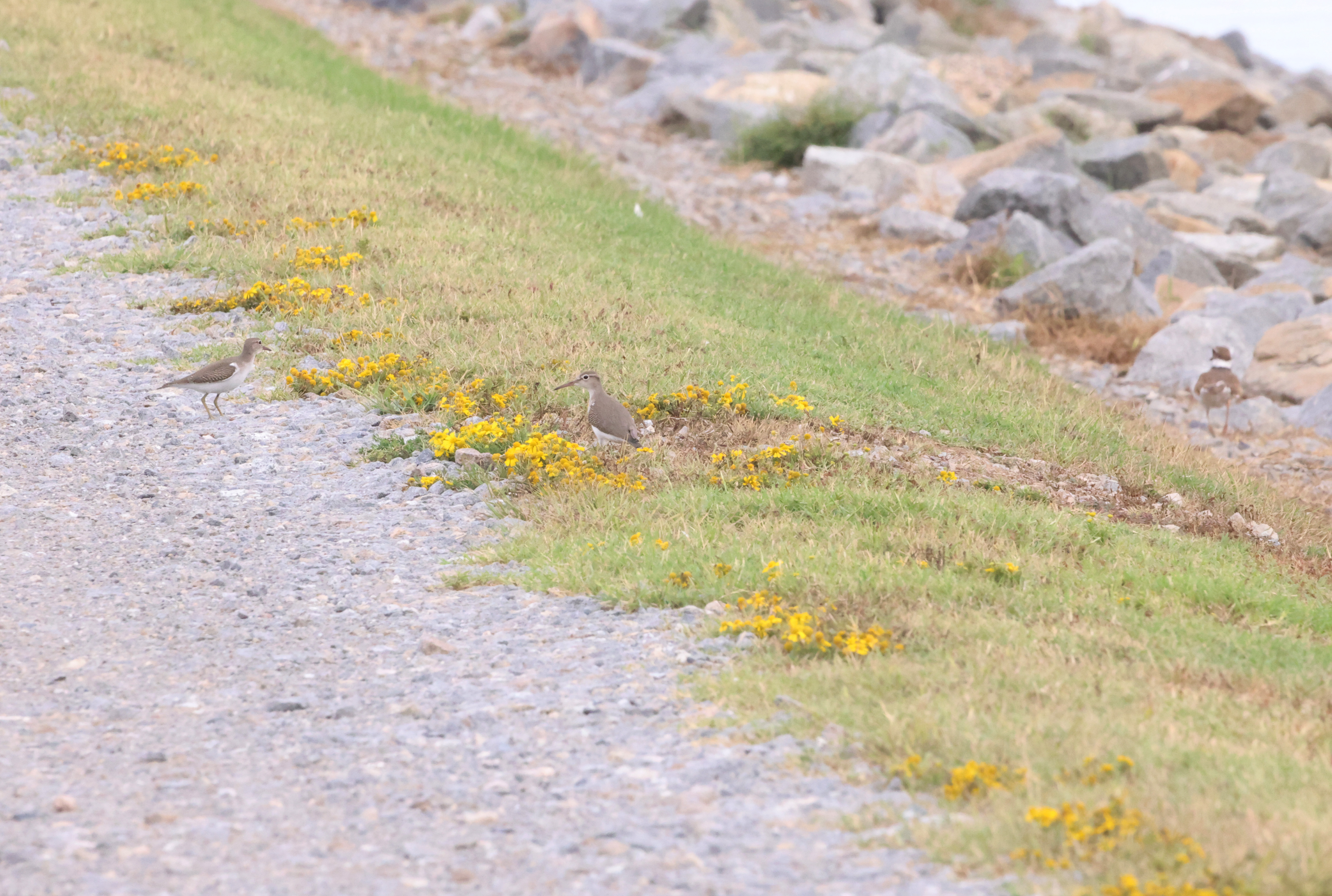
My visit to the Boyd Point WTP was excellent. I also saw:

Fall Migration

Black-throated Green Warbler

This past weekend, I stopped by Gillam Park in southeast Little Rock to see if I could spot in warblers passing through. I got lucky with a great look at a Black-throated Green Warbler – a long-distance migrant that’s headed across the Gulf of Mexico for the winter.

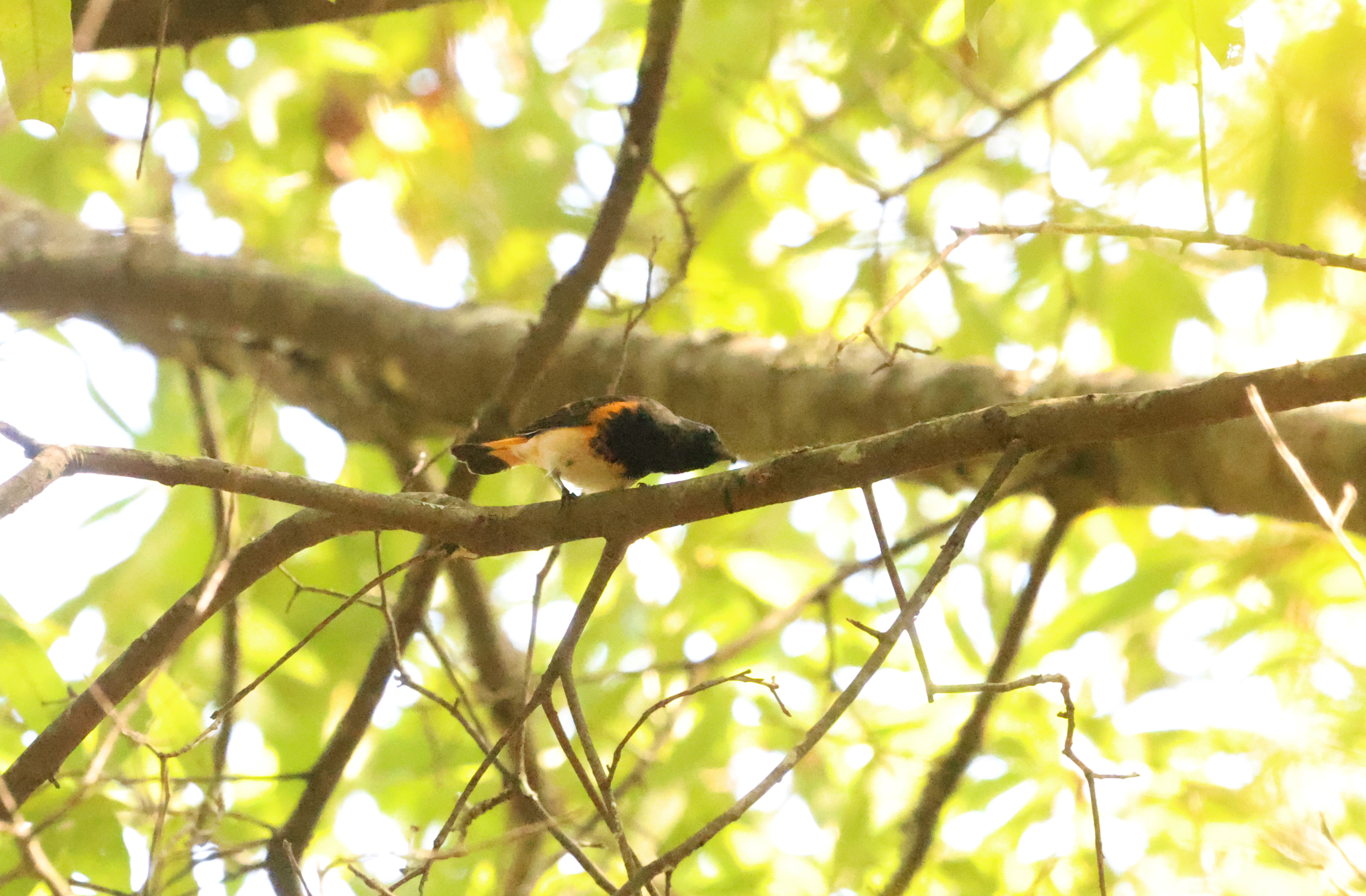
I also spotted an American Redstart that couldn’t sit still and more:

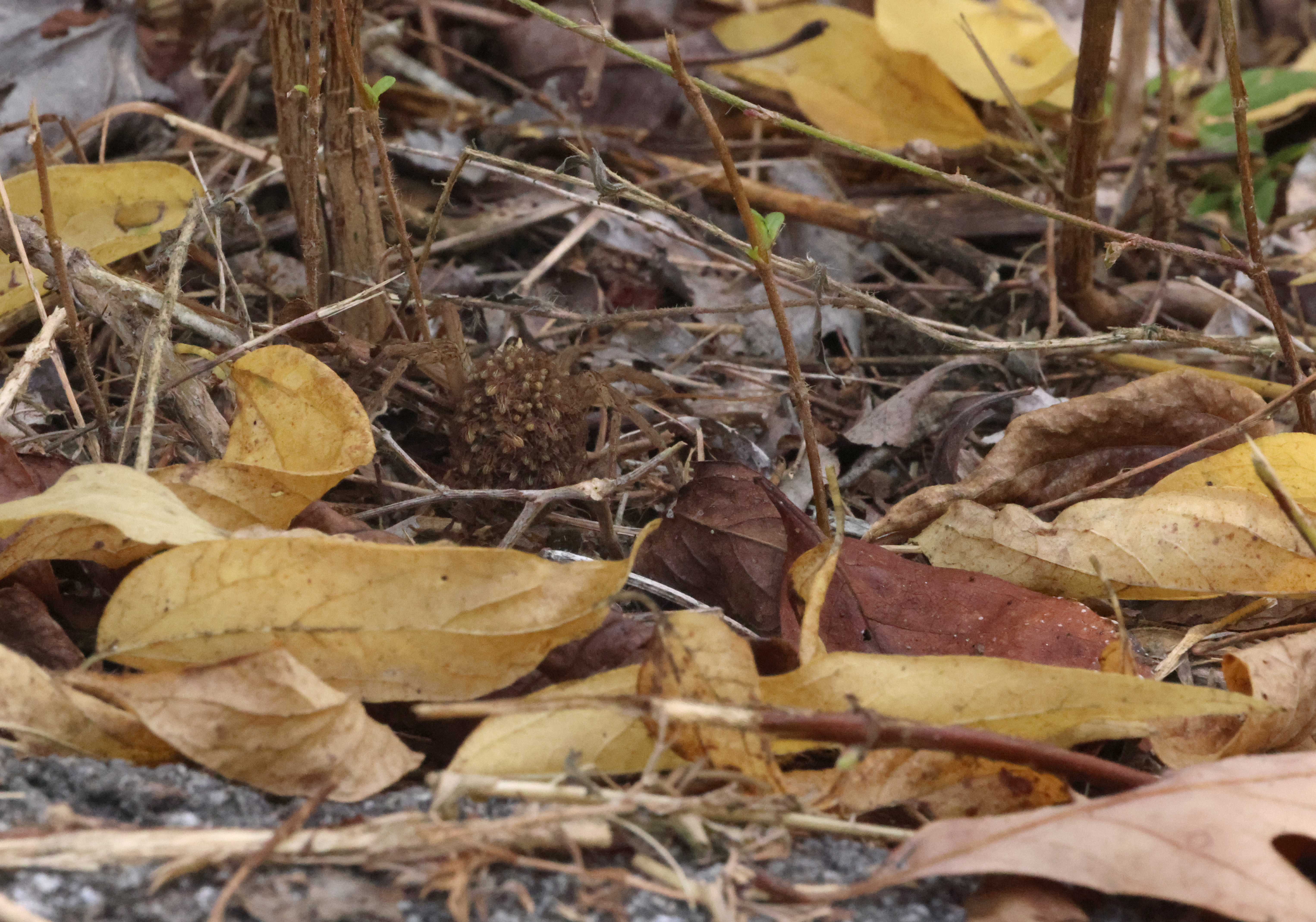
On a neat, but disturbing note: I spotted this wandering Wolf Spider carrying tons of babies. I’m afraid of spiders and typically to avoid them and any mention of them. I didn’t realize female Wolf Spiders carry their babies on their backs for several days after they are born to guard and tend to them. They may have more than 100 babies at a time.
Hummingbirds & Tree Sap

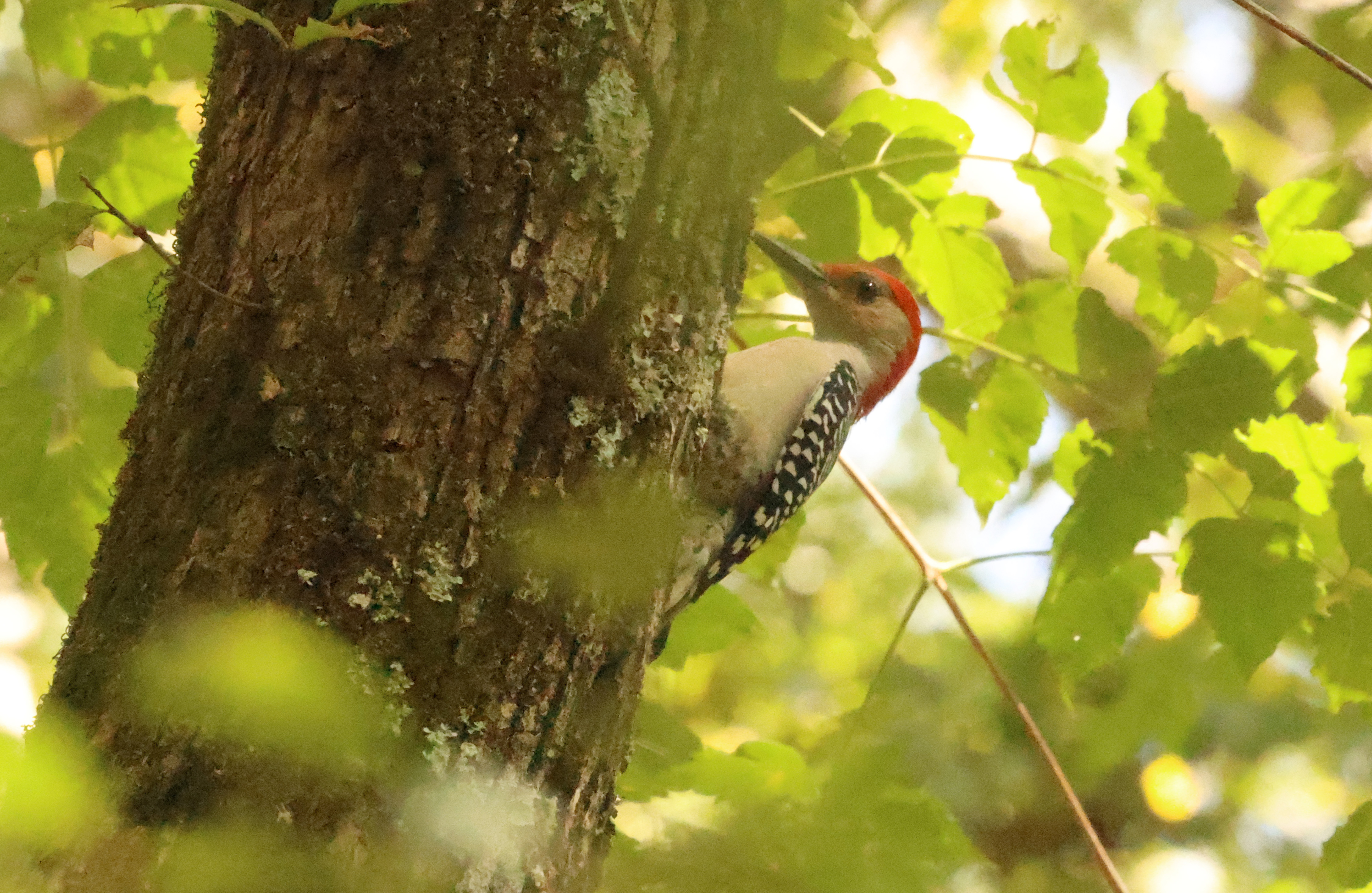
While Ruby-throated Hummingbirds typically feed on insects and nectar from flowers, another source of food is tree sap when it is available. Tree sap is similar in sugar content to the nectar hummingbirds take from flowers. Hummingbirds drink it from holes made by woodpeckers.

This is something I didn’t realize until recently. I was looking for shorebirds at Bald Knob National Wildlife Refuge, when I discovered three Ruby-throated Hummingbirds hovering around one particular spot on a nearby tree. It was pretty interesting to watch:

Find Waldo…I mean the Sabine’s Gull

The search has been on this week for Sabine’s Gulls after two of these gulls were found on Lake Dardanelle. One gull was sighted Tuesday, resulting in me and six others heading over to see if we could spot them. The couple who made the original sighting was gracious enough to let us visit their house and dock to look for the gull. But, we had no luck.

We all headed home. We then got the text: There was two and we needed to hurry back. We got lucky this second time.

Sabine’s Gulls are small seabirds. They nest in the arctic tundra and migrate along the United States’ West Coast. They winter mainly in tropical ocean waters. Despite them mainly being found near the ocean, it’s not unheard of sightings being reported throughout the U.S.’s mainland during migration season. According to All About Birds, one cool fact about this specie is that they will pretend to be injured to lead predators away from their nests. You see this tactic among shorebirds like the Killdeer but it’s actually rare among gulls.

Golden-winged Warbler

While the above photograph is of poor quality, it did give me the photograph proof I wanted to say I definitely saw my first Golden-winged Warbler on Sunday.

Golden-winged Warblers are small songbirds that are silvery gray with a slash of gold on the head and wings. They also have two white facial stripes. This one was hopping among the branches of a shrubby habitat at the north access of the Bell Slough Wildlife Management Area near Mayflower.

The world’s population of Golden-winged Warblers have declined sharply. According to AllAboutbirds.org, they now have one of the smallest populations of any bird not on the endangered species list. They are currently on the birds watch list – which lists bird species that are at risk of becoming threatened or endangered with conservation action.

Arkansas has Golden-wined Warblers during the migration seasons. They breed in the shrubby, young forest habitats of the Upper Midwest and Applalachians, and winter in the open woodlands and shade-coffee plantations of Central and South America.