Chilling in the fields …

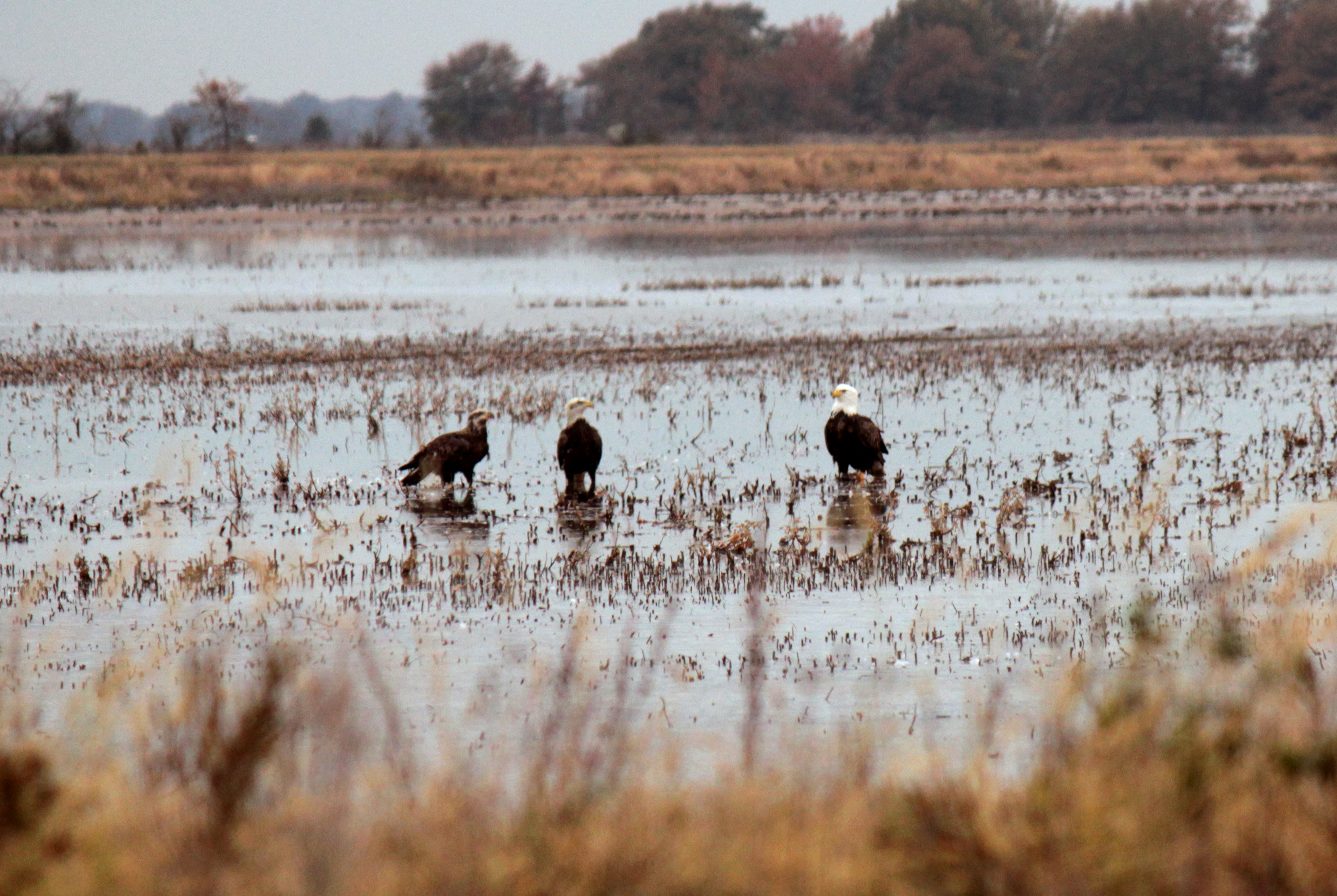
Bald Eagles

Right now is the perfect time to capture waterfowl in the flooded fields between Wynne and Stuttgart. I was headed back home one morning last week when I passed four birds (one flew away) sitting in a field. I grabbed my camera, grumbling that I needed new contacts and snapped a few pictures. Boy, was I surprised to zoom in on the pictures and learn that the birds were Bald Eagles, juveniles and adults. It basically made my week β€” yes, I’m easy to please! πŸ™‚

William J. Clinton Presidential Center and Park

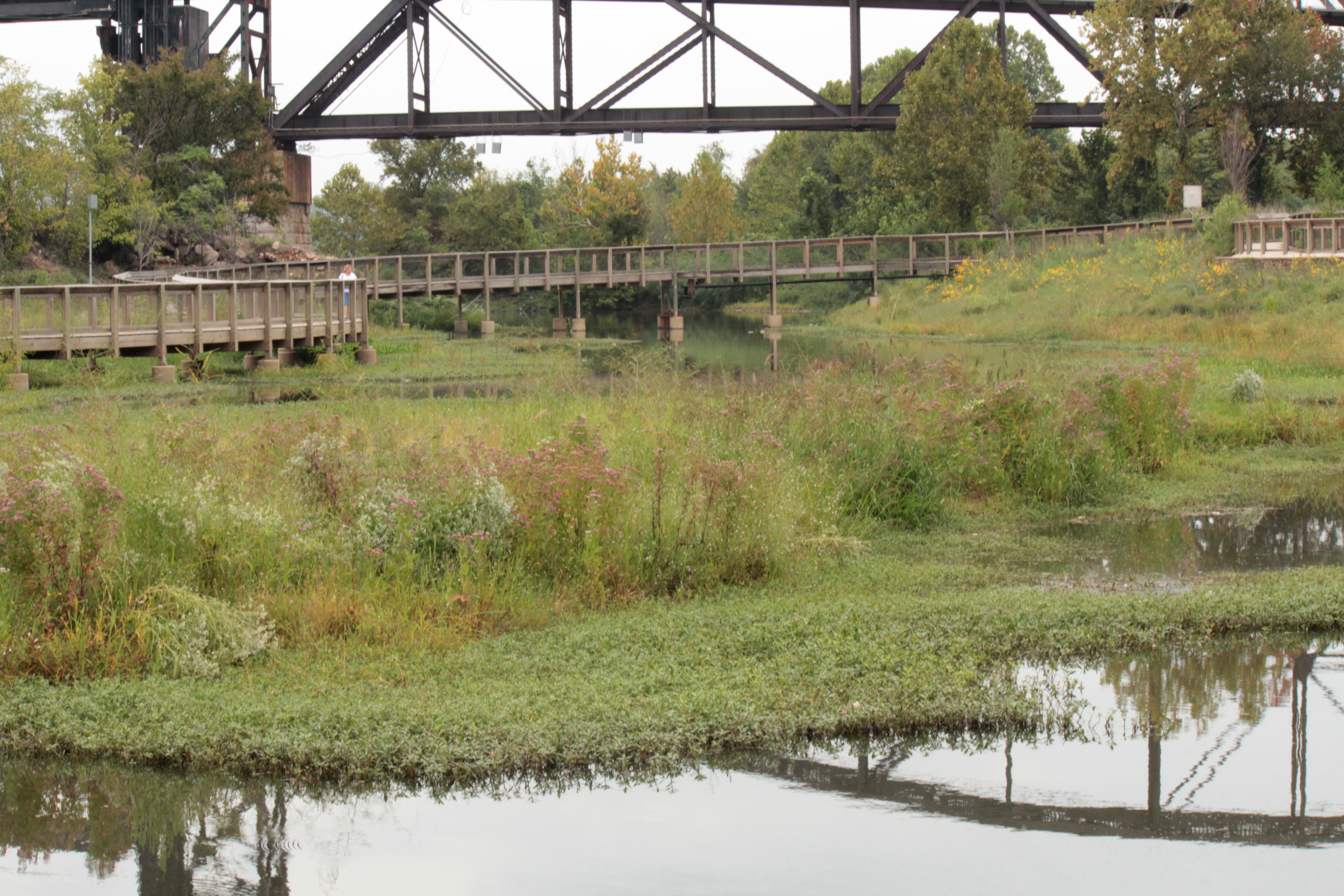
I ended a recent visit to Little Rock with a stop at the William J. Clinton Presidential Center and Park. The park is a later addition to the center, which opened in 2004. It was my first time to walk the park and I was pretty impressed.

The center and park are located next to the Arkansas River and includes a bridge that spans the river. Clinton Presidential Park Bridge, formerly known as the Rock Island Railroad Bridge, is a ramped pedestrian walkway and bicycle path that was completed in September 2011 and now closes the loop on the 15-mile Arkansas River Trail. The trail runs along the river’s banks on the both the north and south side. I was just a little too tired to walk the bridge on this visit, however, I hope to correct this soon.

The neat thing about the park is that includes the Bill Clark Wetlands project, a restored 13-acres wetland habitat that will eventually allow urban fishing. According to the center’s website, it’s designed to showcase wildlife and river life and is named for Clark because he was an “avid outdoorsman and strong business, civic, charitable and political leader in Arkansas for over three decades.” Here’s some pictures from my trip.

Mourning Dove who refused to move from its spot near the statue.

Bird Island

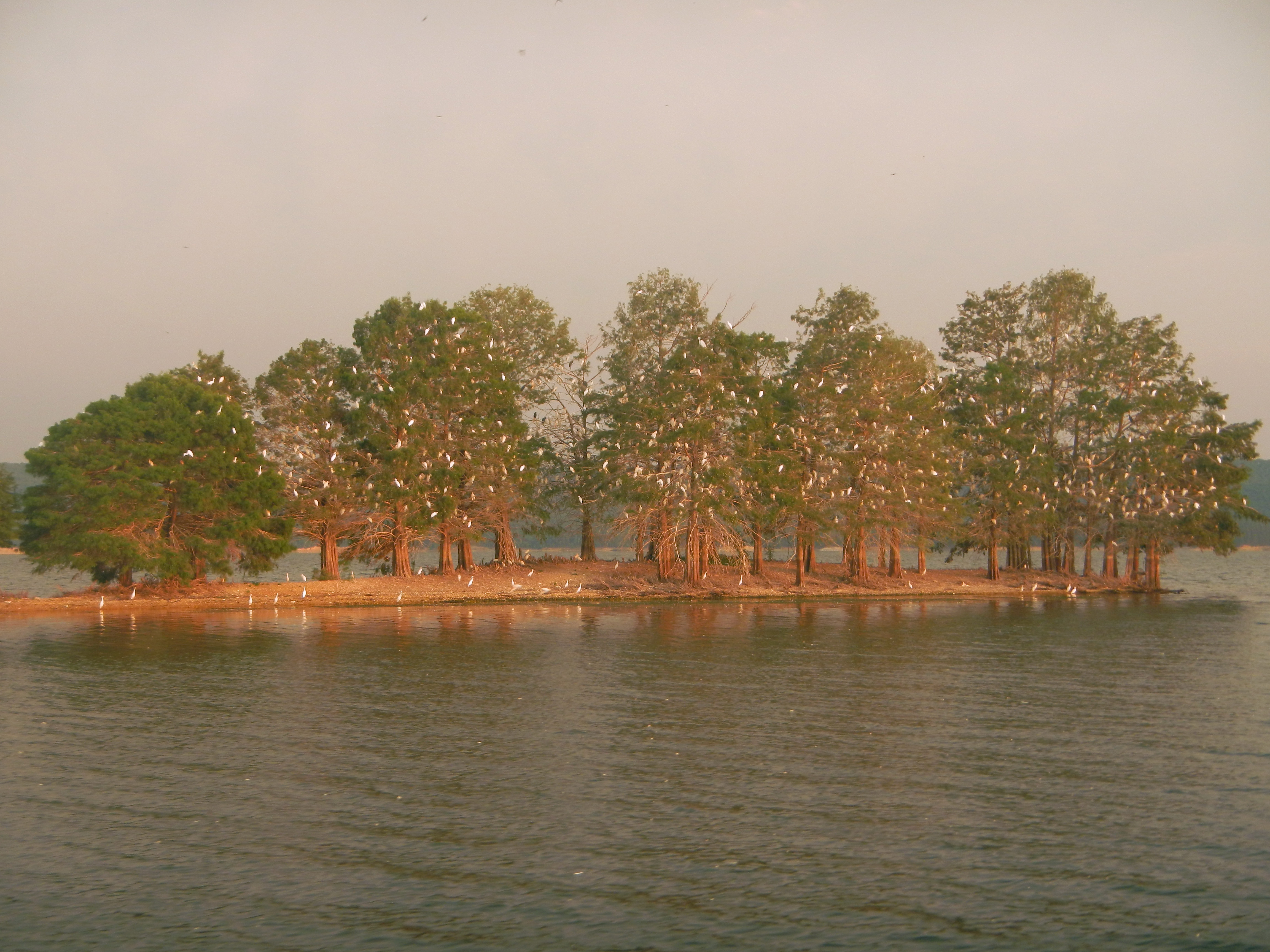
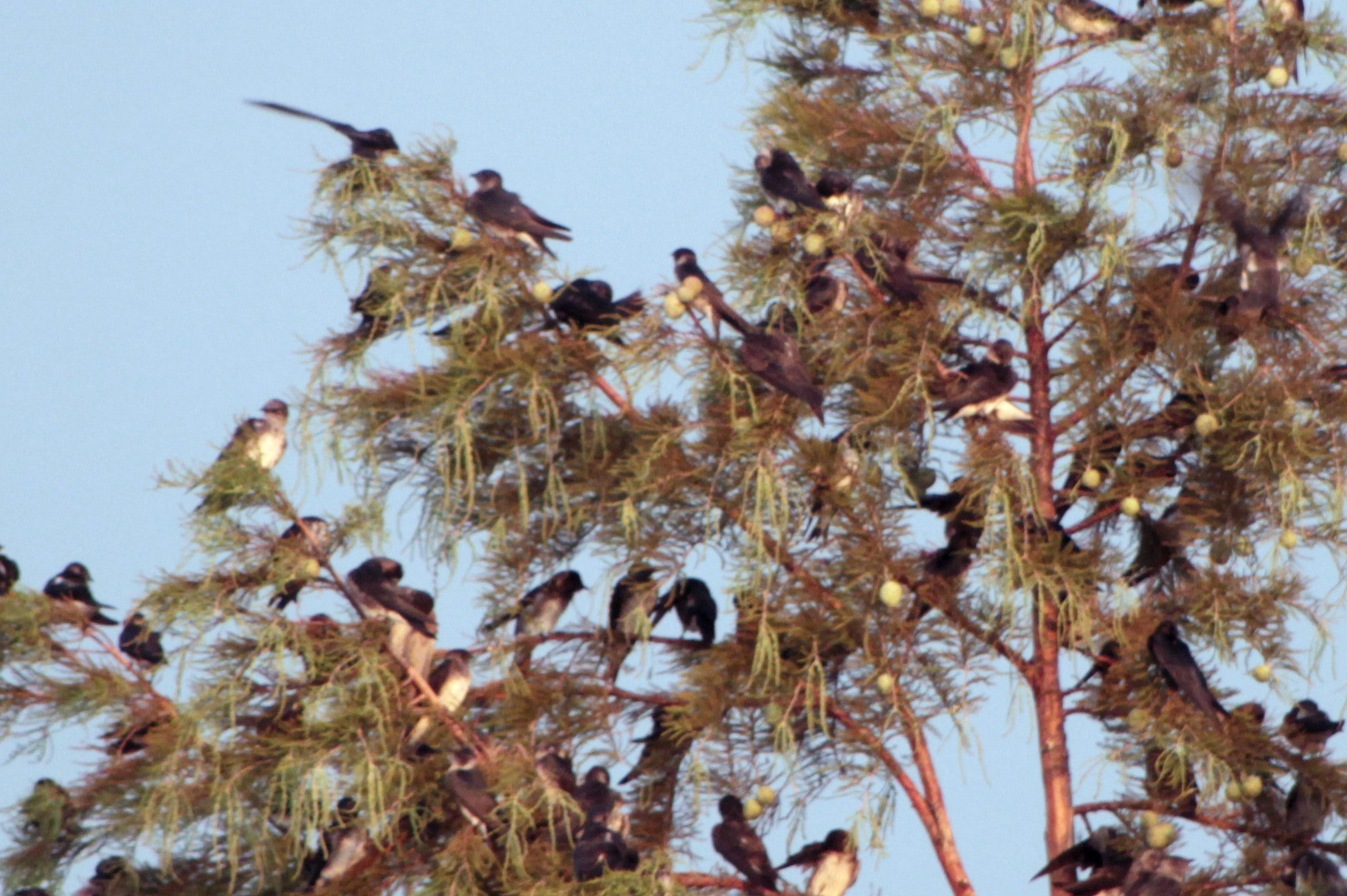
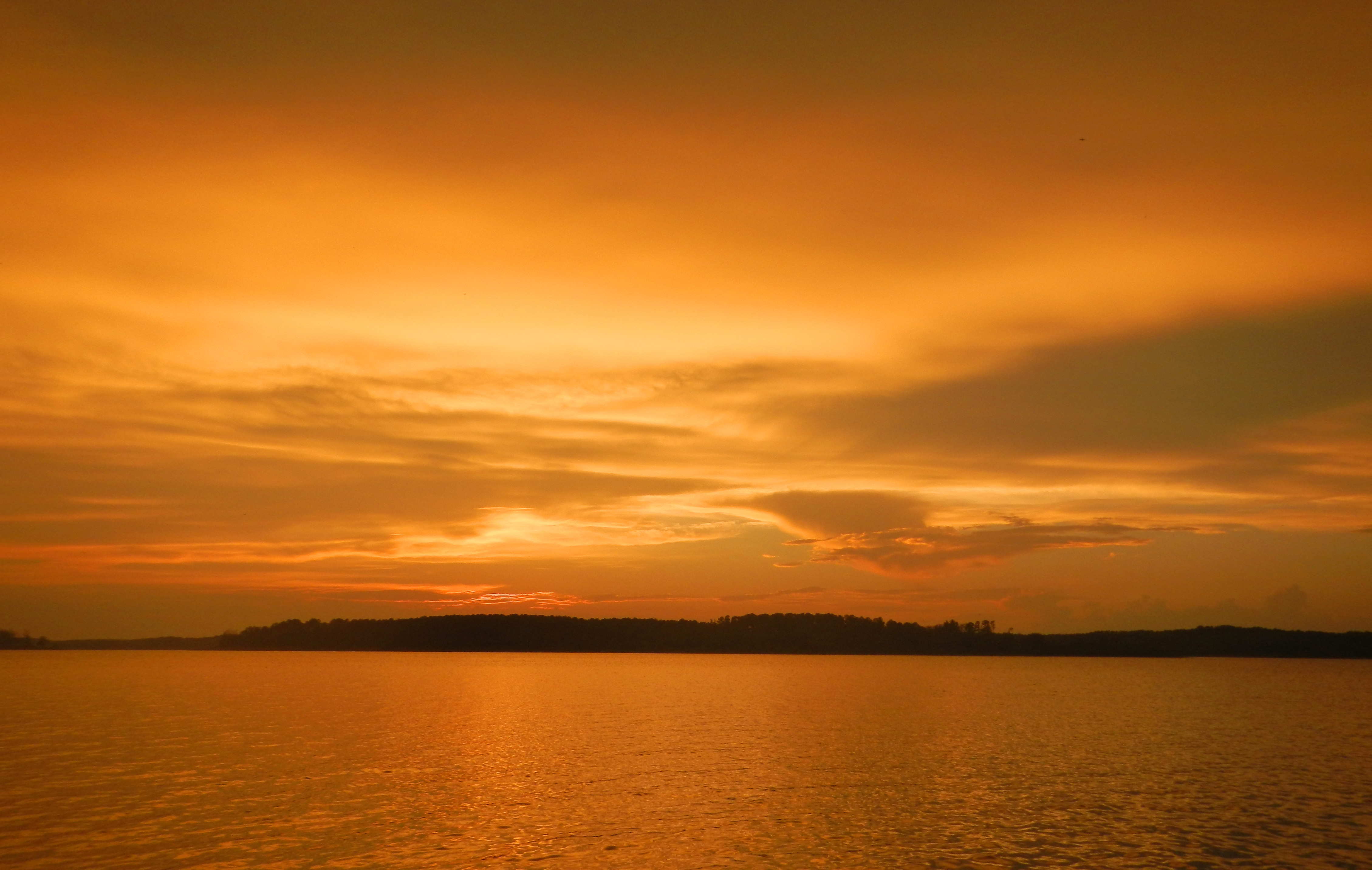
In August, I completed my first Bird Island sunset tour at Lake Ouachita near Hot Springs. I was in awe. There were literally hundreds of Purple Martins coming in to roost for the night.

Bird Island, designated an Important Bird Area by the Audubon Society, is Arkansas’ largest known pre-migratory Purple Martin roost. It is 1,260 feet long and about 100 feet at its widest point. According to Audubon Arkansas, an estimated 8,000-50,000 birds use the area between late July and early August.

Lake Ouachita State Park now offers Purple Martin boat tours, which has the boats circling the tiny island at sunset so viewers can watch the Purple Martins and other birds come in to roost.

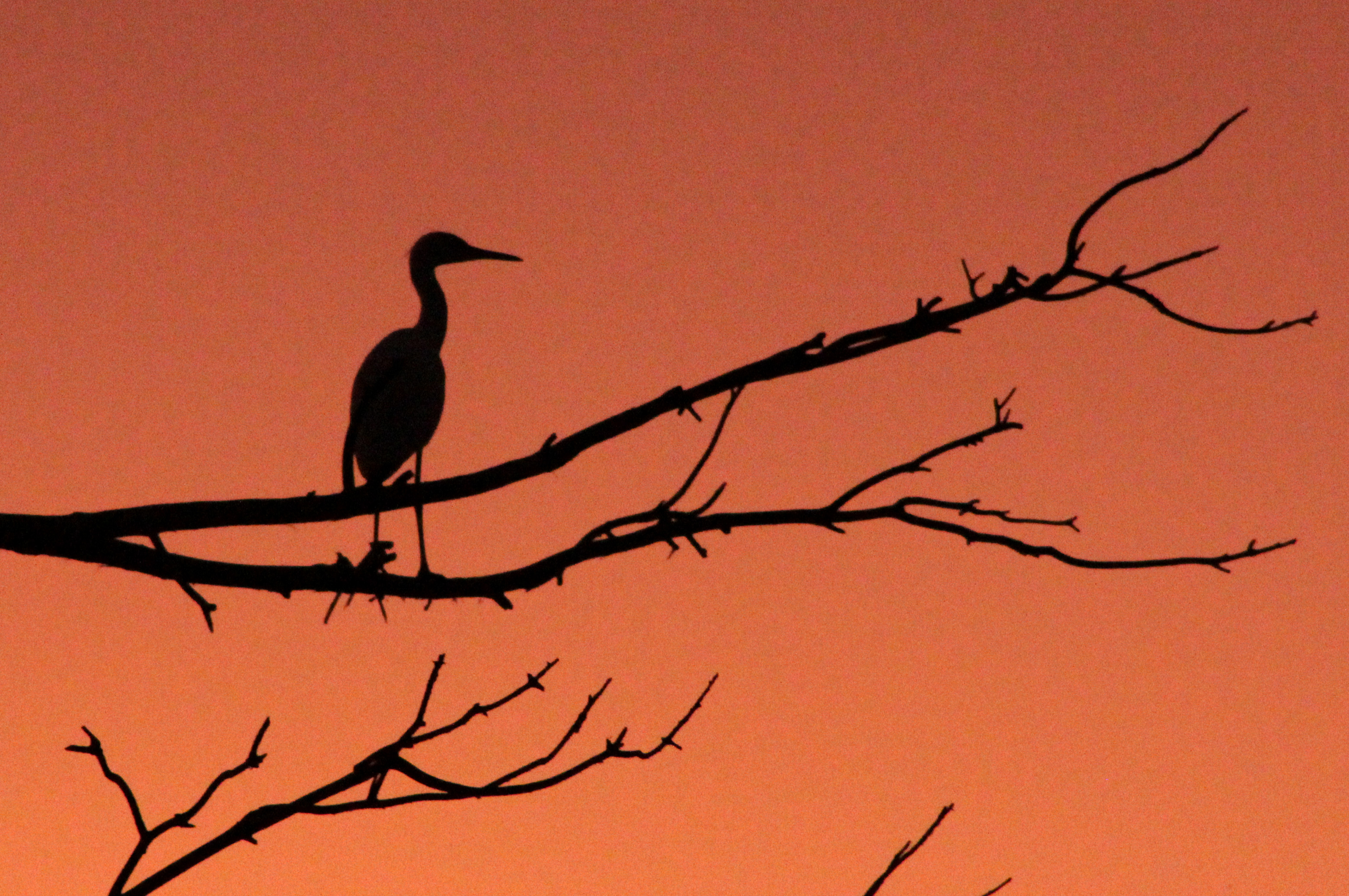
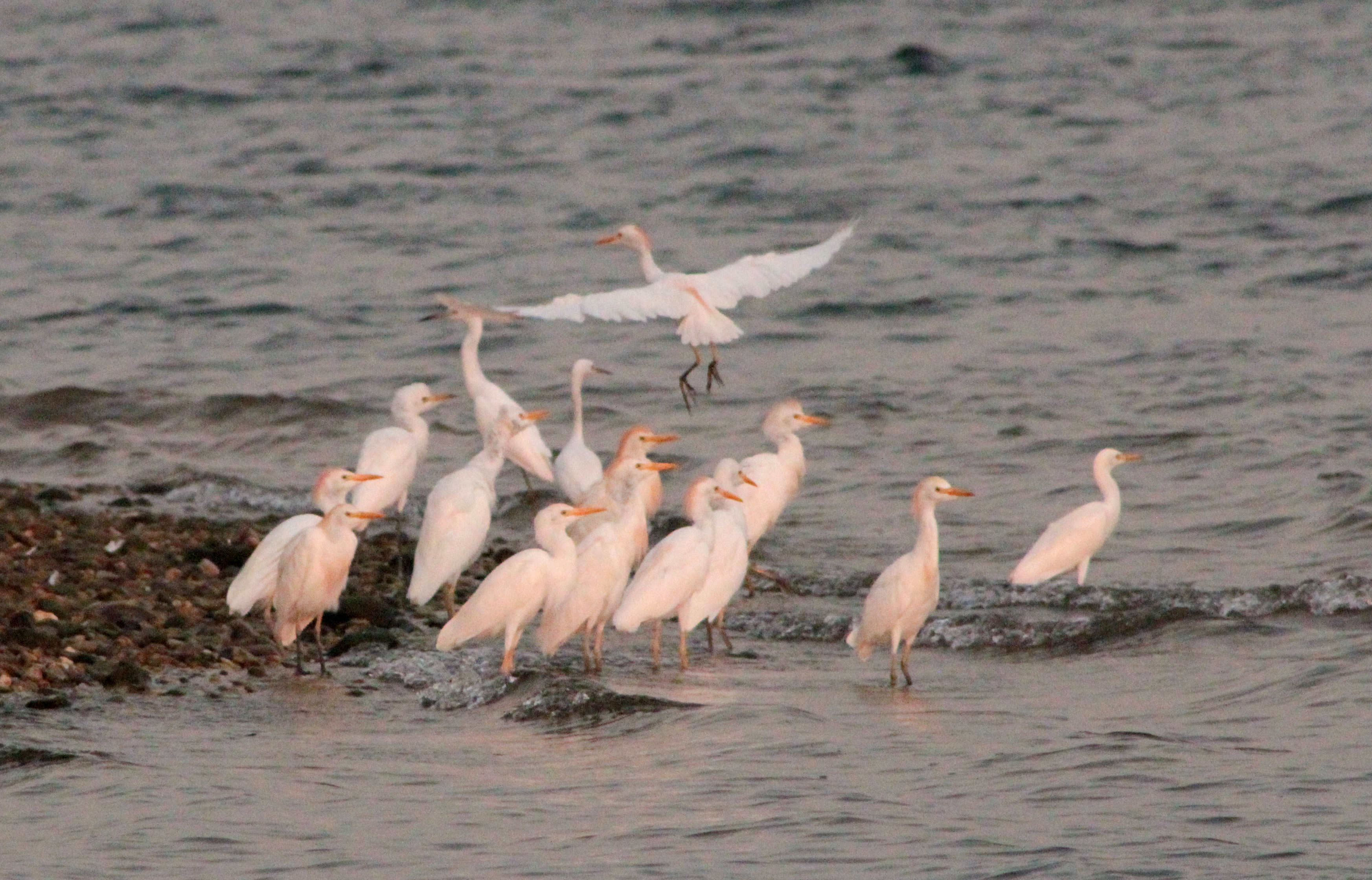
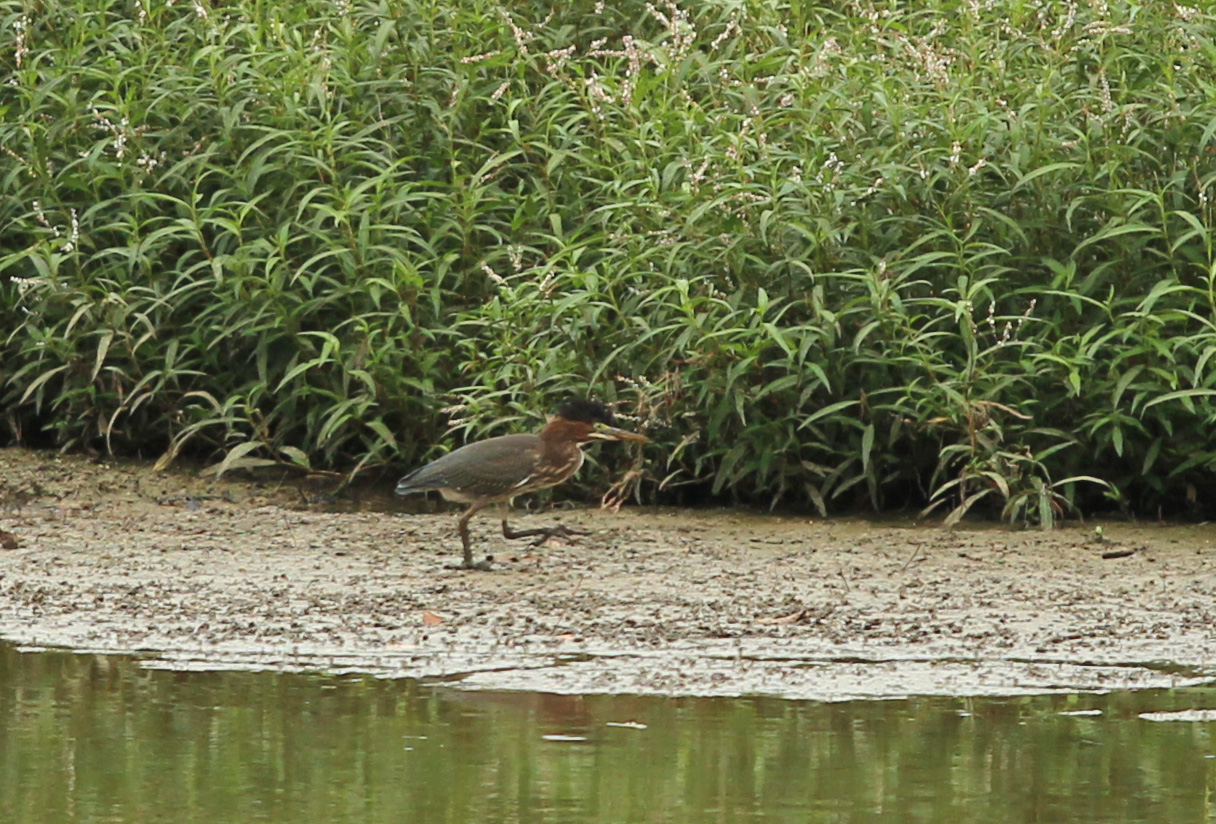
For my visit, one part of the island housed egrets and other larger birds, such asΒ  Little Blue Herons, Cattle Egrets and Great Egrets. The Purple Martins filled the trees and the skies covering the rest of the island. It was a nice way to end the evening β€” watching the birds glide across the water towards the island with a beautiful sky behind them.

Great Egrets with Purple Martins

Purple Martins
Purple Martins
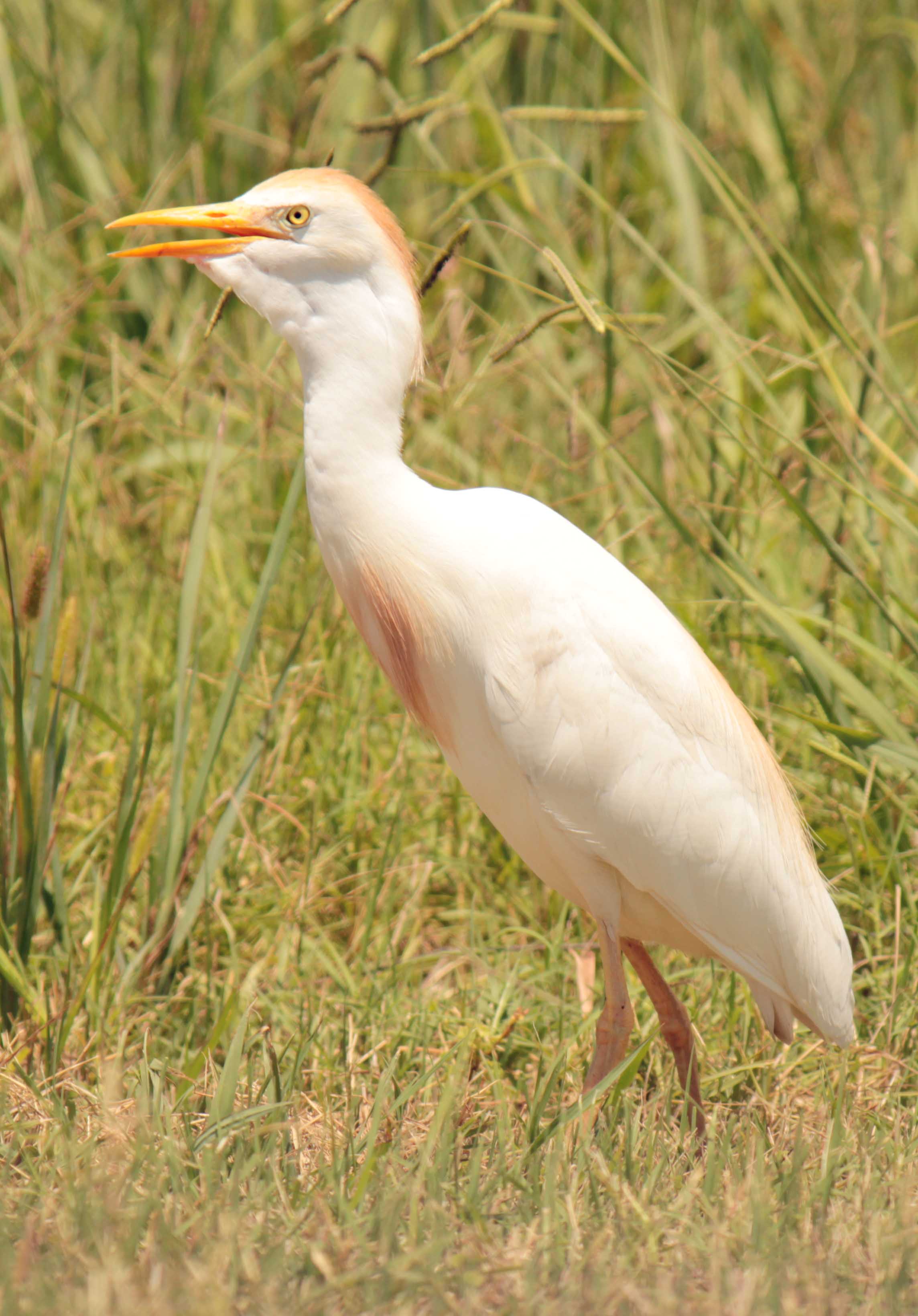
Cattle Egrets

Photo of Day: Cattle Egret

On April 23, 1952, three birders documented the first sighting of a cattle egret in North America. Today, the bird is a common sight in the fields, especially in Arkansas County. It’s a sight I took for granted until two days ago when an Arkansas park interpreter shared a 1953 story from Wild America discussing the “new find.”

The bandit

I’m not sure who was more surprised β€” this raccoon or I. We came across each other as I hiked to Cook’s Lake from the Potlatch Conservation Education Center in Casscoe. My first thought was “Is he alive? … IS HE STAPLED TO THE TREE?” The last thought is in response to how I first saw him (hint, it’s not the above picture but the below one).

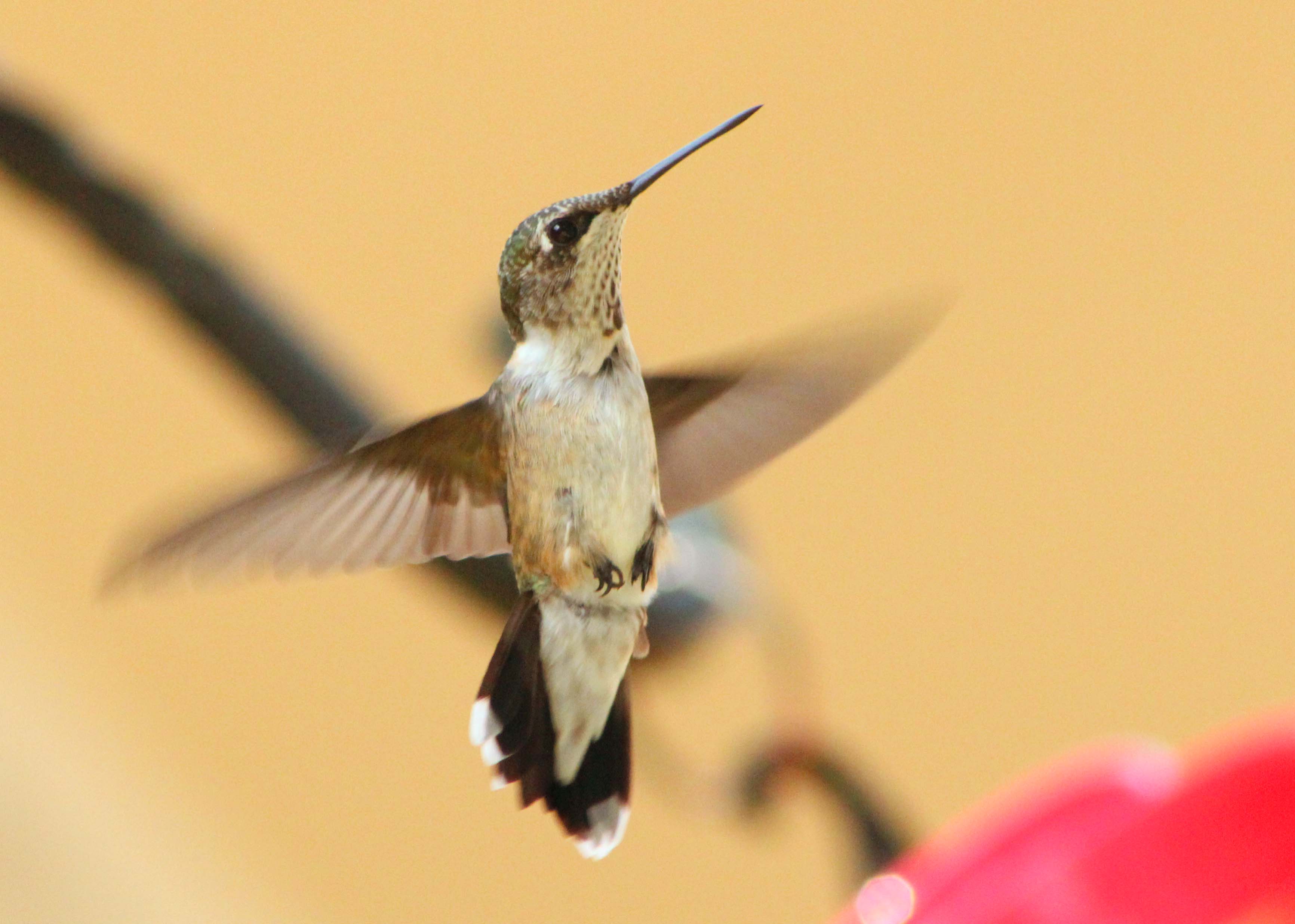
For some reason, I never thought about raccoons climbing. Honestly, I never really gave them much thought period. Still, I liked my little bandit. I visited the center to attend its last hummingbird program of the year. I was determined to get a few better pictures of the Ruby-Throated Hummingbird. I think I met my goal. πŸ™‚

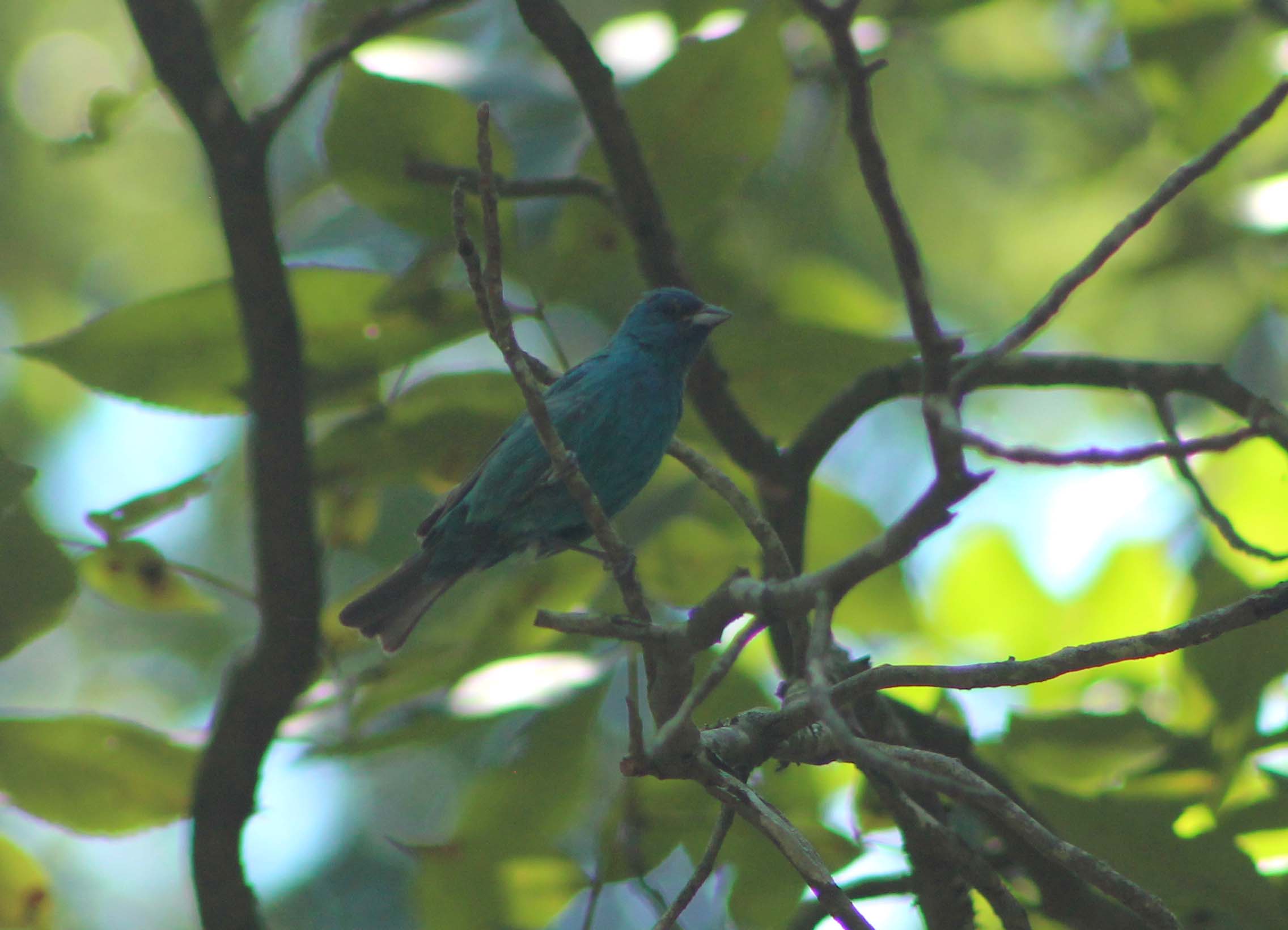
In addition to the hummingbirds, I even got a few more surprises: An immature male Indigo Bunting (first picture below) and a Red Spotted Purple butterfly.

A Brown Booby and a Mute Swan.


It’s been a while since I’ve been on here β€”Β this heat has kept me lazy and indoors. However, that’s slowly changing. Yesterday, I headed only an hour away to Lake Norrell, located just outside of Alexander in Saline County to photograph an unusual visitor.

According to the American Birding Association, Vickie and Pat Martin first photographed this new comer at their Lake Norrell home a week ago on Aug. 9 and sent the picture to a friend to help ID.

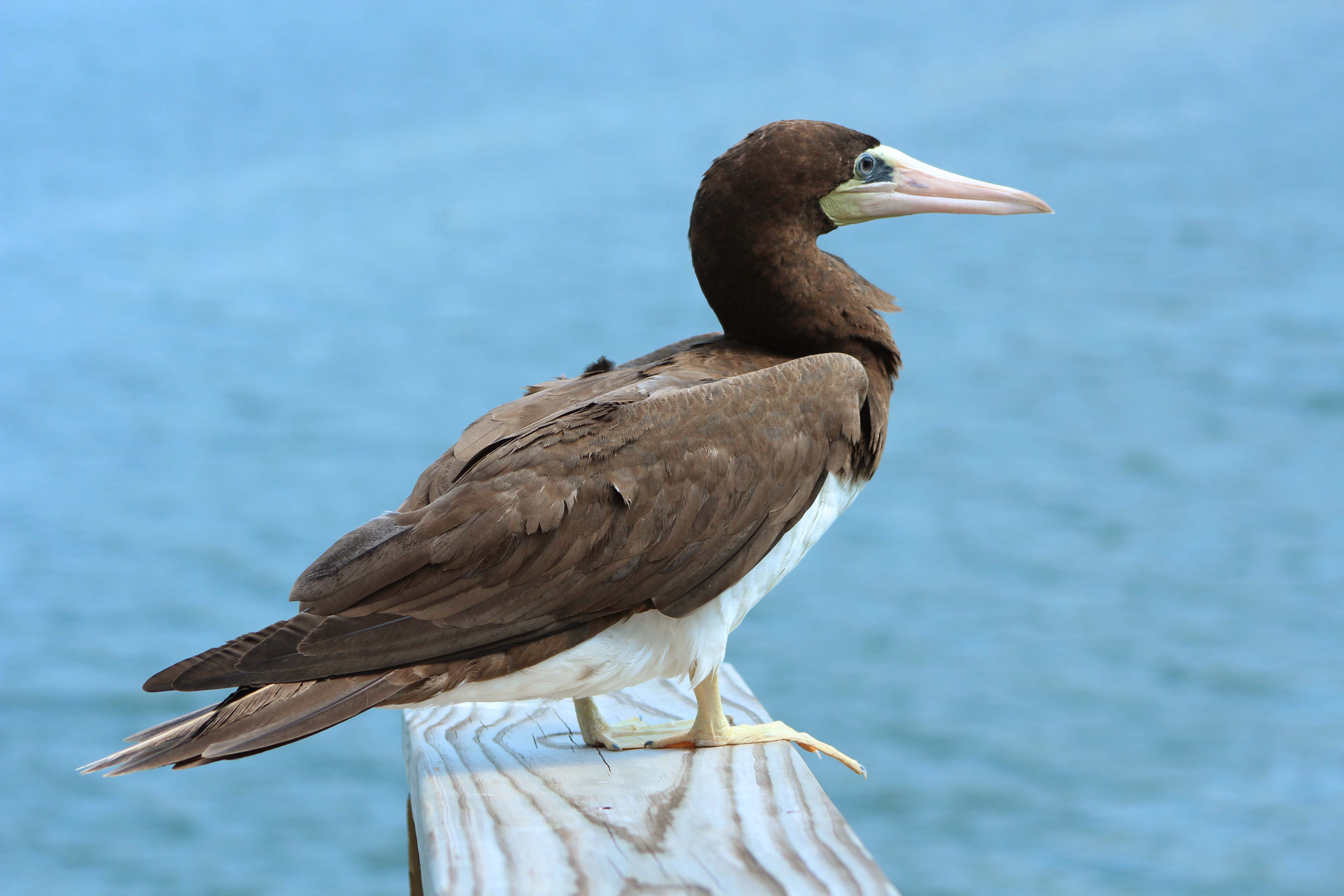
Who was it? An adult female Brown Booby, according to their friend, birder Dottie Boyles. It’s the first record of a Brown Booby in Arkansas (pending acceptance) and hundreds of birders had already flocked to Alexander by the time I arrived mid-afternoon Wednesday.

Lake Norrell is a municipal water supply lake for the City of Benton that is located on Bushy Creek, a North Fork Saline River tributary. The lake is released into surrounding streams as well to protect the Fat Pocketbook, a nearby endangered specie. The lake is surrounded by private property, although the city and Arkansas Game and Fish Commission has since provided public access in April 2000.

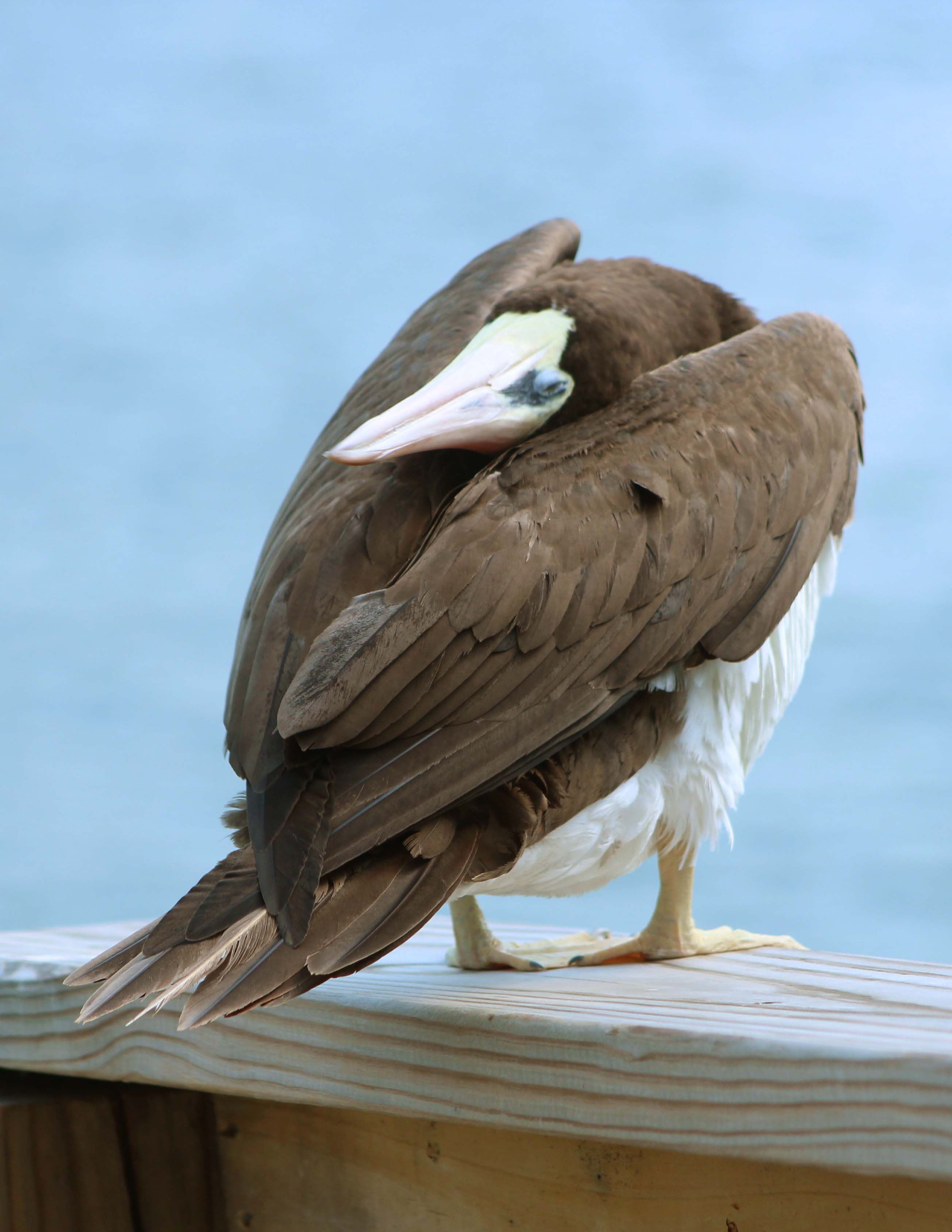
Presently, water levels are extremely low β€” at some points its down 15 feet. The low water level didn’t seem to bother this Brown Booby. She spent most of my visit preening.
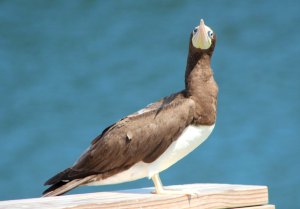
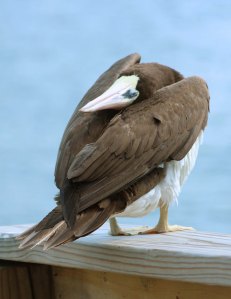
The All About Birds website describes the Brown Booby as a tropical waters seabird that ranges as far north as the Gulf of California, although it is rarely seen on both coasts of the United States.

A Lake Norrell couple (who had an awesome boat flag-see below) offered me a boat ride to see the bird as well as a detour to see a Mute Swan that first joined the lake’s duck and geese population earlier in the year. The swan appeared without its life-long mate.

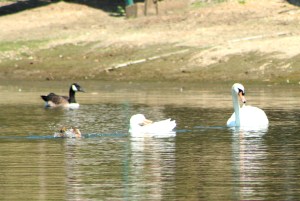
Mute swans are native to both northern and central Eurasia. They were introduced to North America to inhabit ponds in parks and estates, according to All About Birds. This swan’s aggressive behavior is already known among Lake Norrell’s residents as well as its fierce protectiveness of its’ surrounding goslings and ducklings.