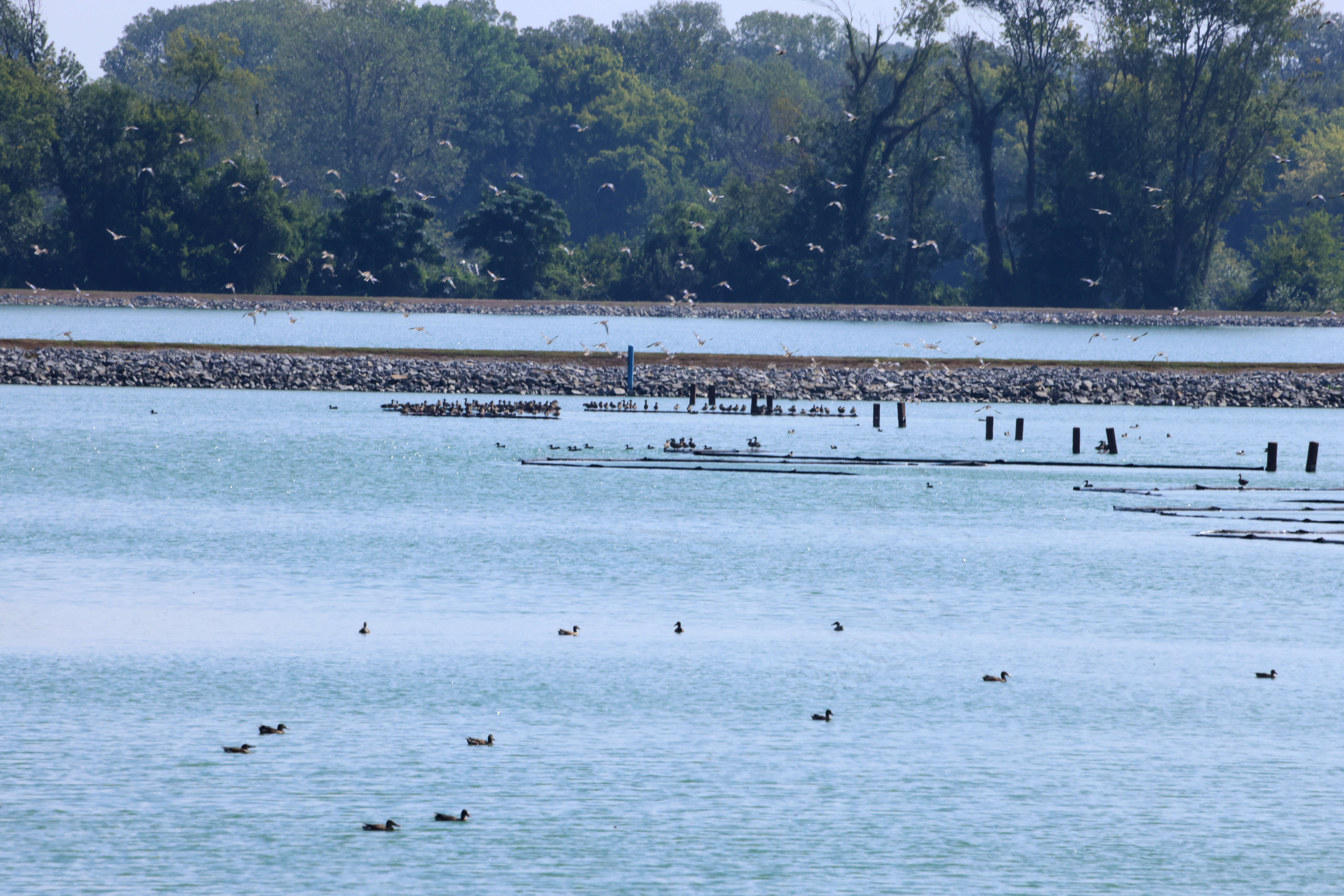
Yesterday, we had the Arkansas Audubon Society of Central Arkansas’s monthly field trip. this month it was to the Joe Hogan State Fish Hatchery in Lonoke County.
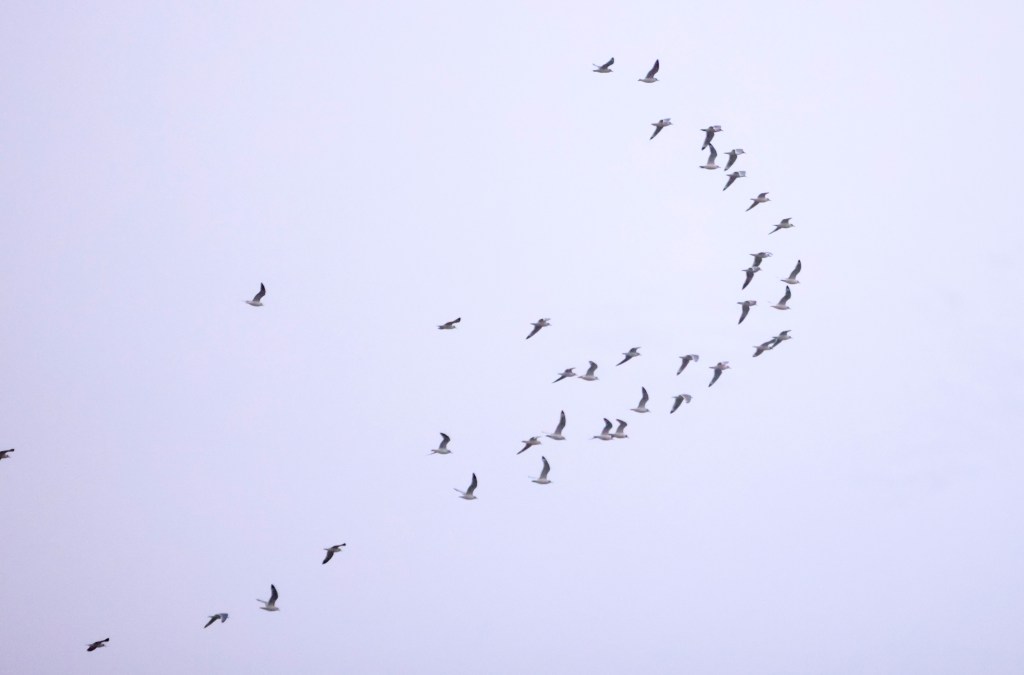
While we were greeted by Scissor-tailed Flycatchers and Bald Eagles, the greatest finds were Black-bellied Whistling Ducks and a large v of 100 Franklin’s Gulls flying over. It took us a while to identify the gulls – none of the trip’s 8 birders had seen that large of a group of Franklin’s before nor seen them fly in a v before.
As for the whistling ducks, they are always just a welcome sight. It was also the first time I’ve heard them whistling. A domestic mallard was hanging out with the whistling ducks.
It’s been the year of the Limpkins in Arkansas. They are being spotted across the state, including this one at Sunset Lake in Saline County. It was my first bird spotted on Saturday – also October Big Day. I love watching this gangly, brown-and-white shorebird. Saturday’s Limpkin – like the others – stayed busy looking for food.
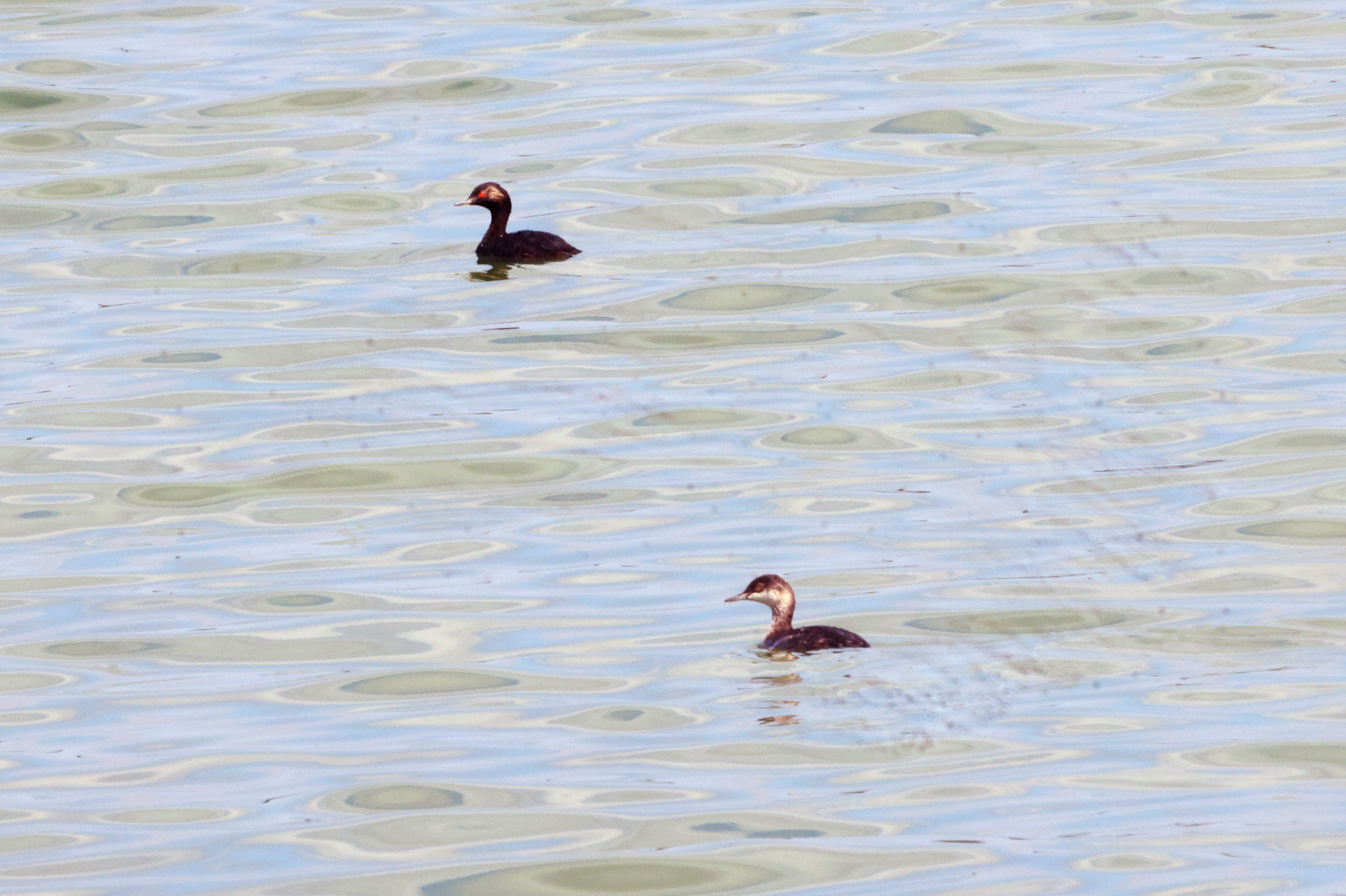
Eared Grebes are apparently the “most abundant grebe in the word,” according to All About Birds. Monday marked the first time I spotted not just one, but four at the Boyd Point Waste Treatment Plant in Pine Bluff. One still had its breeding plumage (black head and neck with golden feathers behind the eye, which shines in the light in the above photo). The other three are non breeding or immature.
While Arkansas just fits into the Eared Grebes migration range, the small waterbird is primarily found in the western half of the United States.
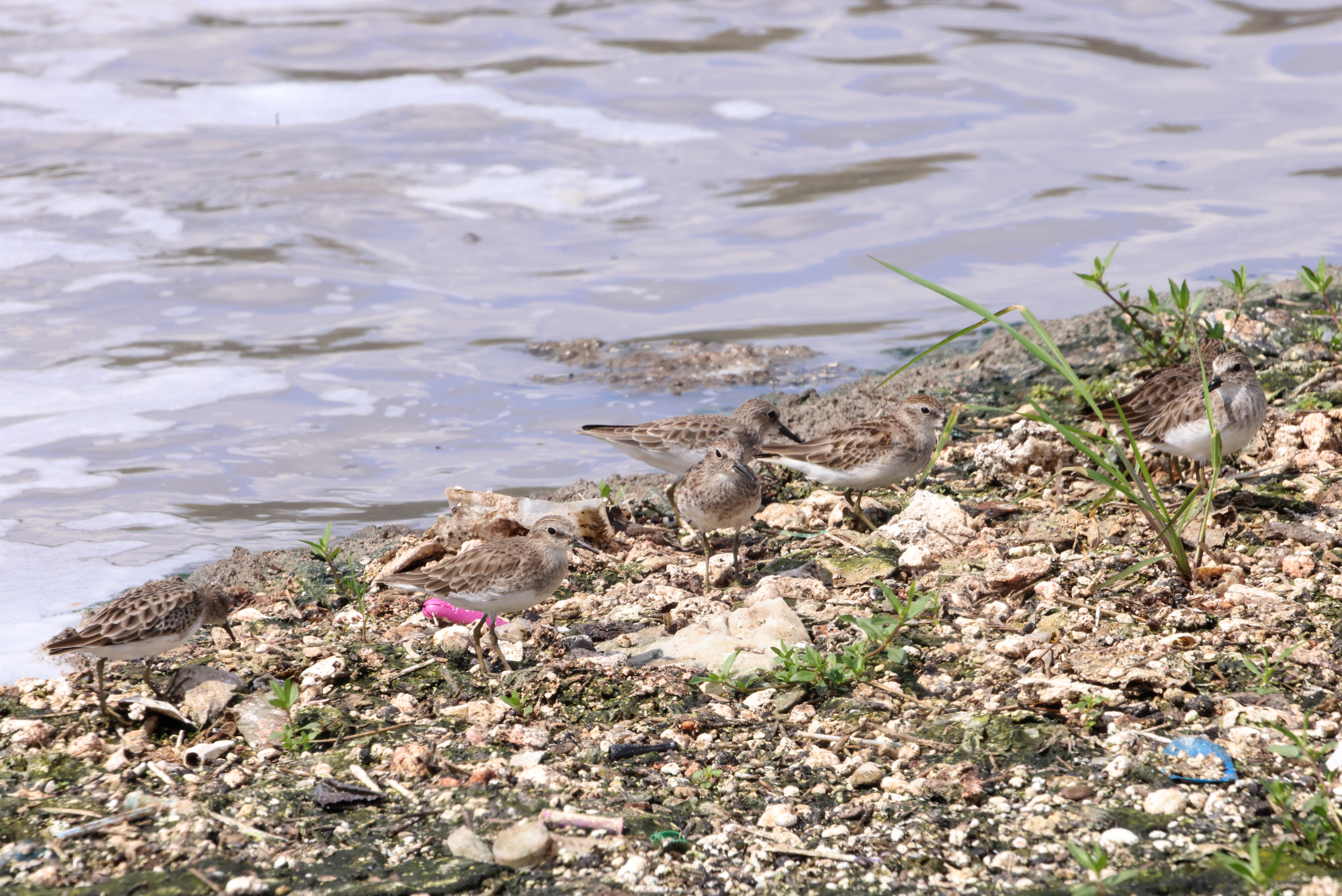
My visit to the Boyd Point WTP was excellent. I also saw:
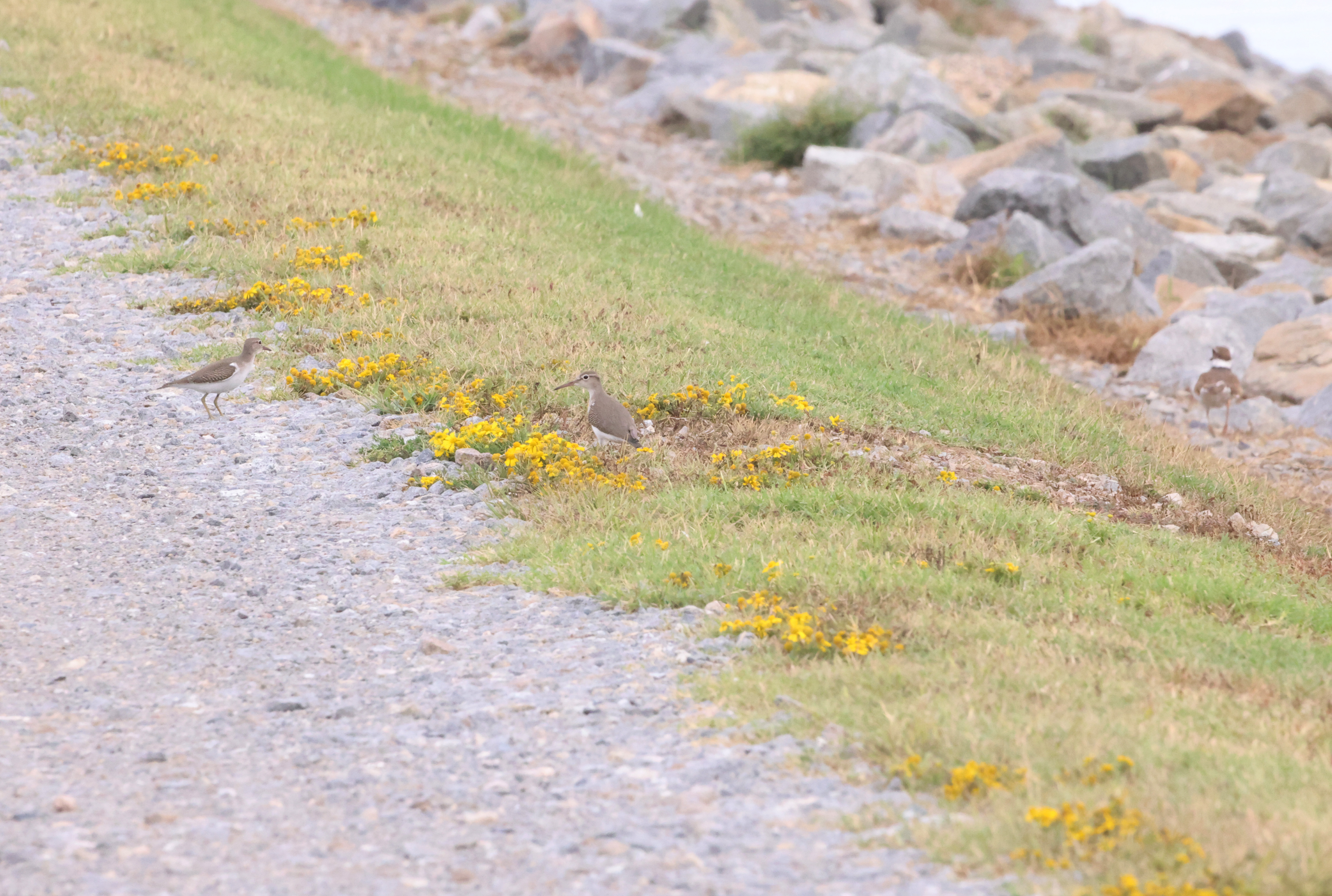
Least SandpiperEared GrebeKilldeer, Least SandpiperMLeast SandpiperLesser YellowlegsMallardNorthern ShovelerPectoral Sandpiper, Lesser YellowlegsSpotted SandpiperWhite Ibis
This past weekend, I stopped by Gillam Park in southeast Little Rock to see if I could spot in warblers passing through. I got lucky with a great look at a Black-throated Green Warbler – a long-distance migrant that’s headed across the Gulf of Mexico for the winter.
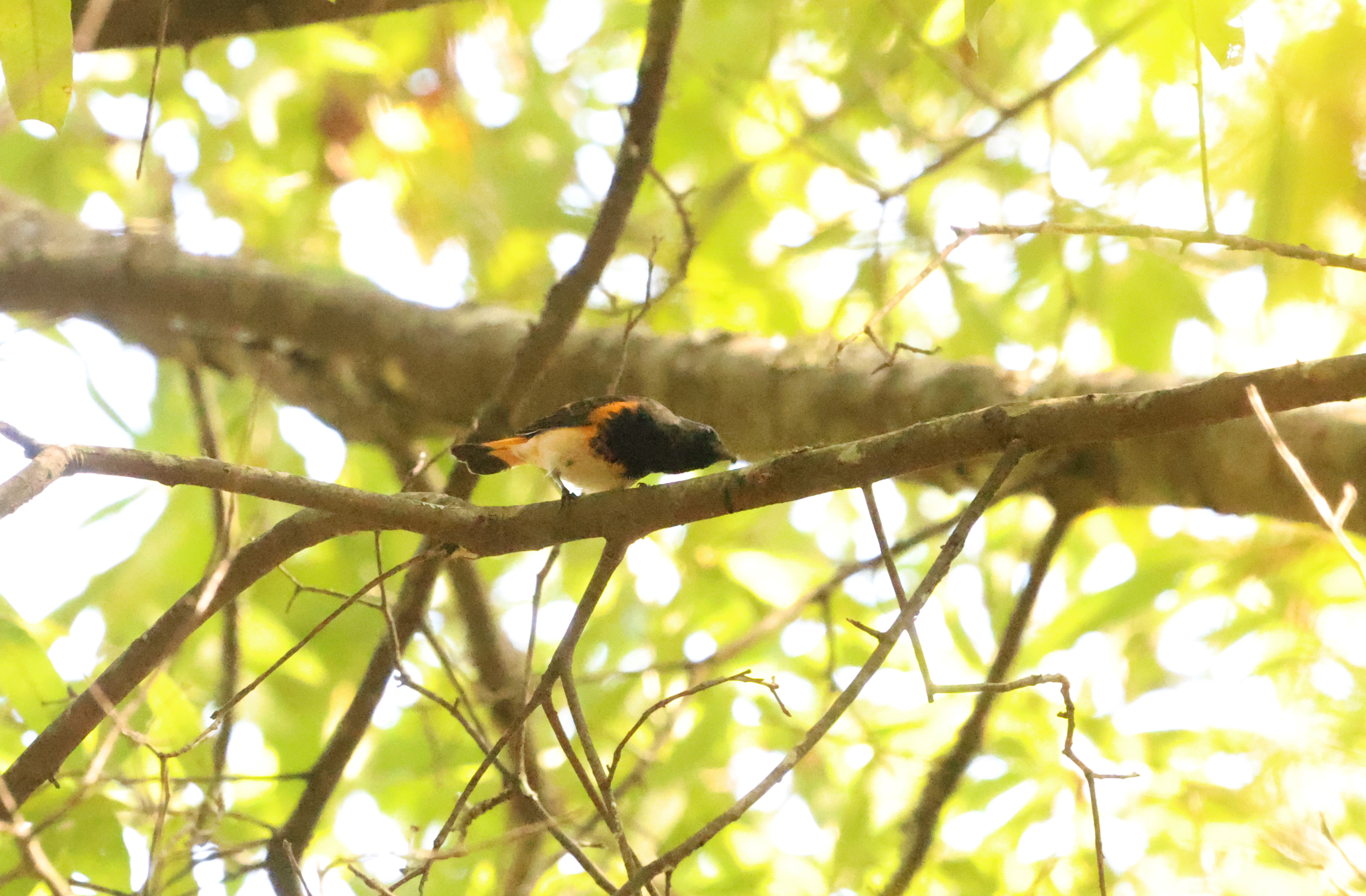
I also spotted an American Redstart that couldn’t sit still and more:
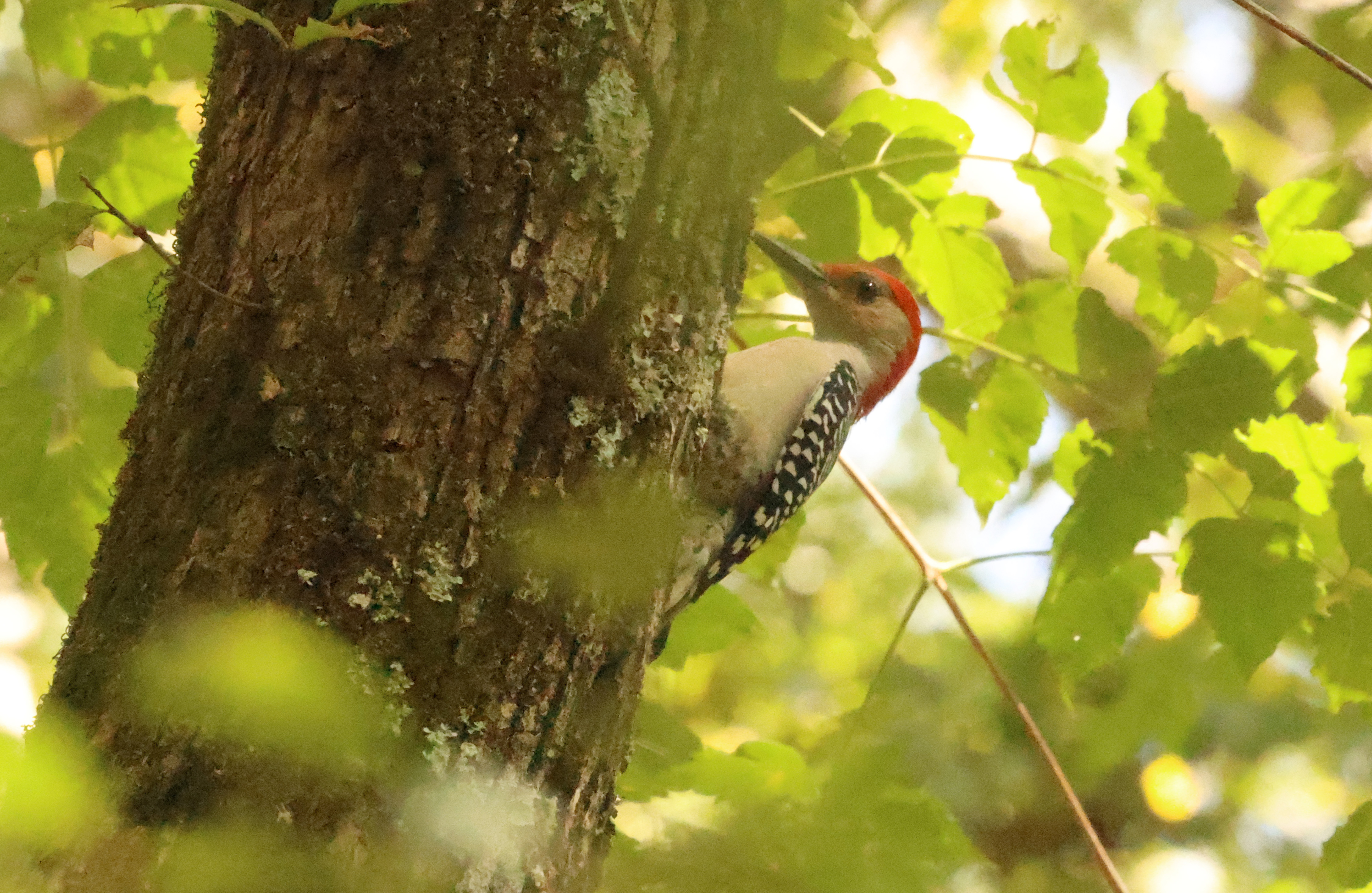
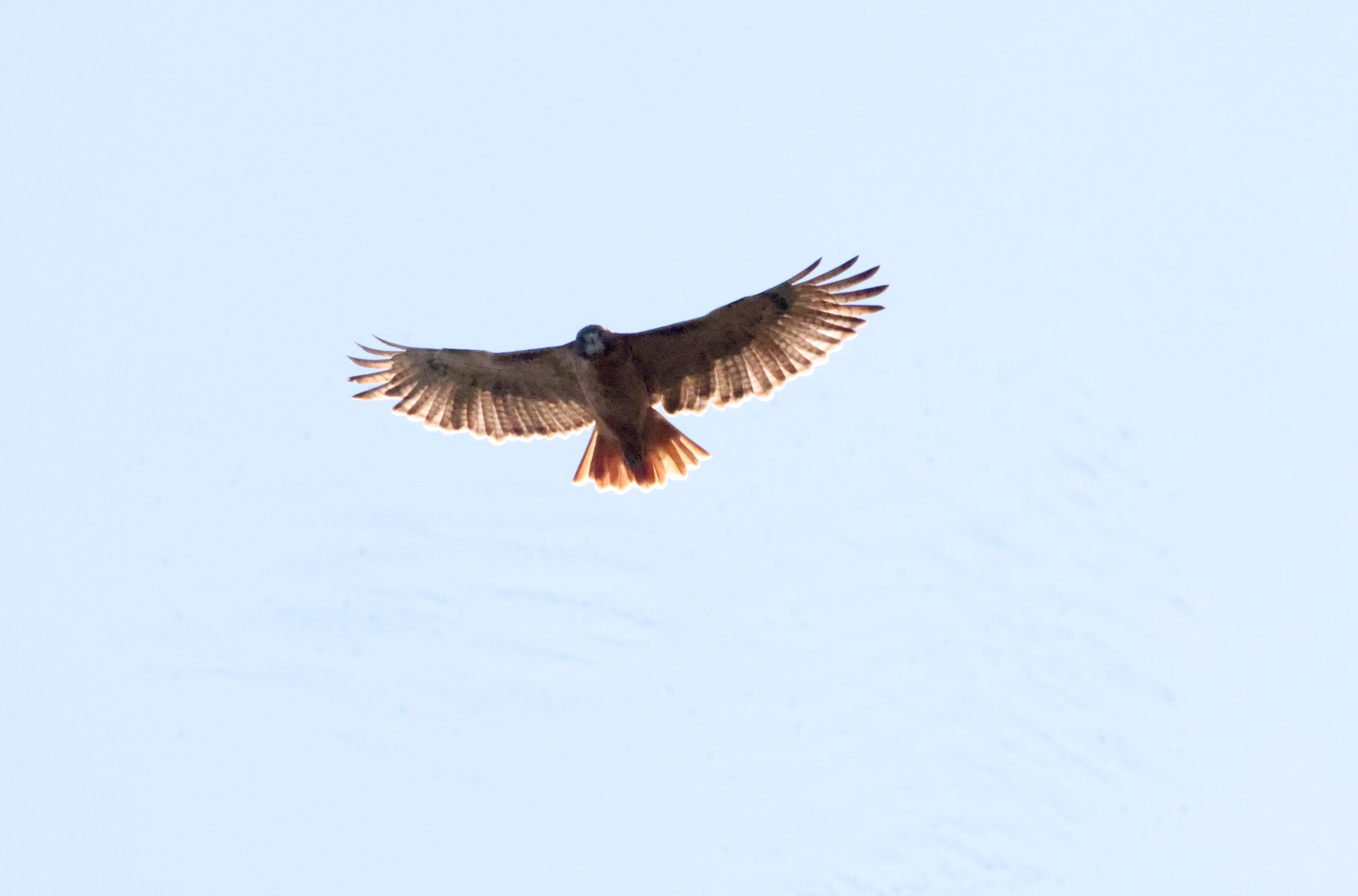
American RedstartRed-bellied WoodpeckerRed-shouldered HawkRed-tailed Hawk
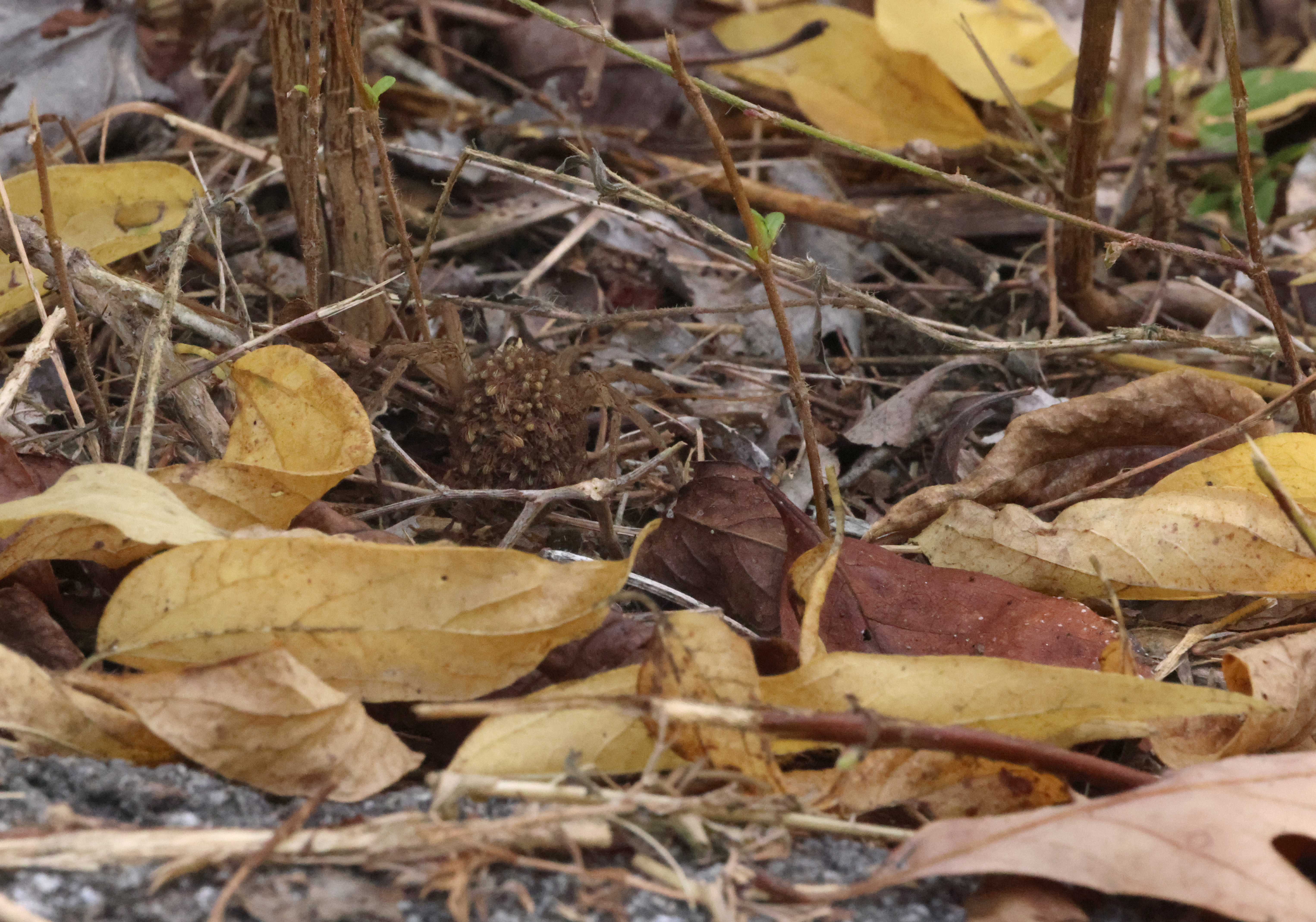
On a neat, but disturbing note: I spotted this wandering Wolf Spider carrying tons of babies. I’m afraid of spiders and typically to avoid them and any mention of them. I didn’t realize female Wolf Spiders carry their babies on their backs for several days after they are born to guard and tend to them. They may have more than 100 babies at a time.
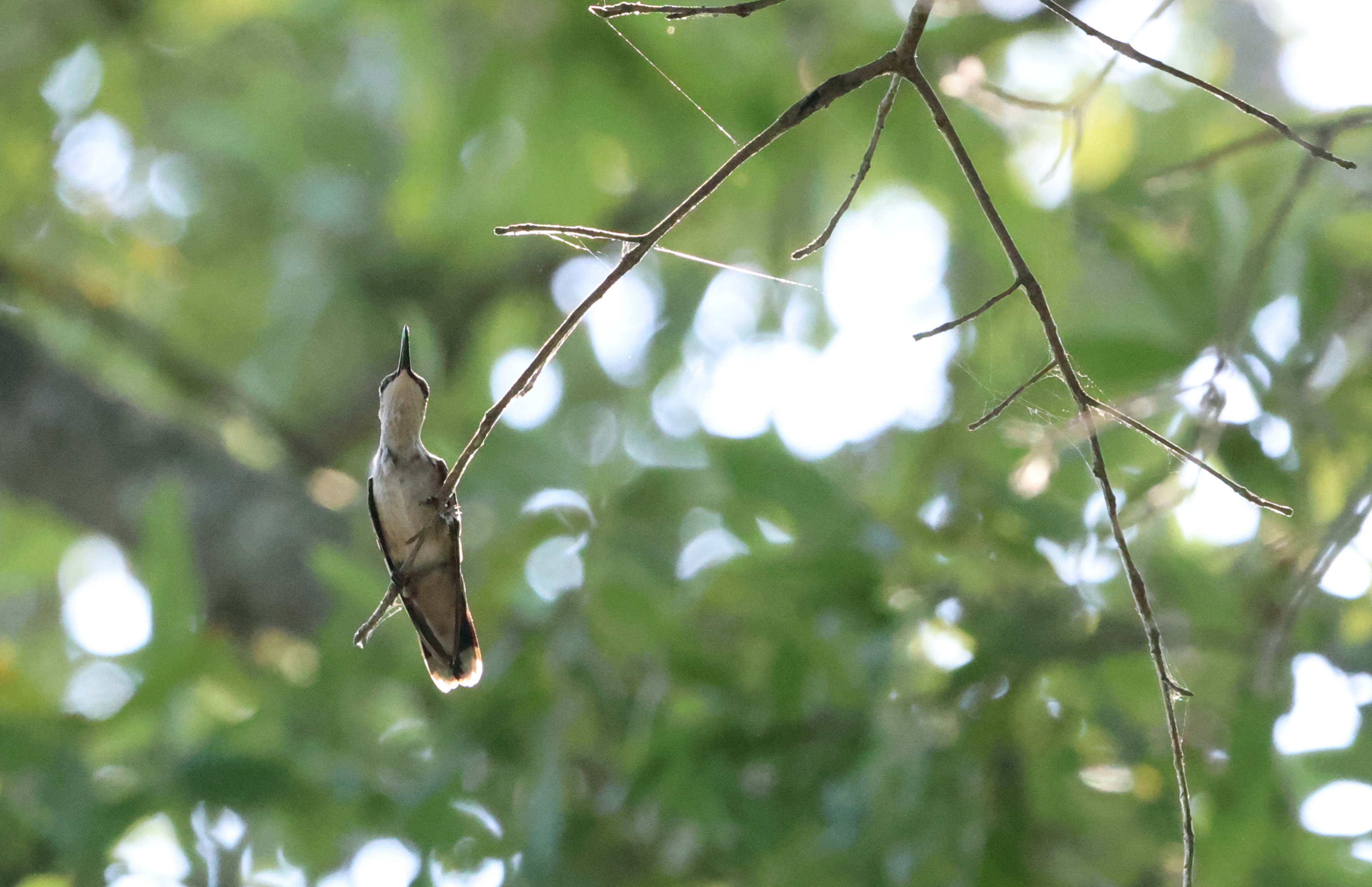
While Ruby-throated Hummingbirds typically feed on insects and nectar from flowers, another source of food is tree sap when it is available. Tree sap is similar in sugar content to the nectar hummingbirds take from flowers. Hummingbirds drink it from holes made by woodpeckers.
This is something I didn’t realize until recently. I was looking for shorebirds at Bald Knob National Wildlife Refuge, when I discovered three Ruby-throated Hummingbirds hovering around one particular spot on a nearby tree. It was pretty interesting to watch:
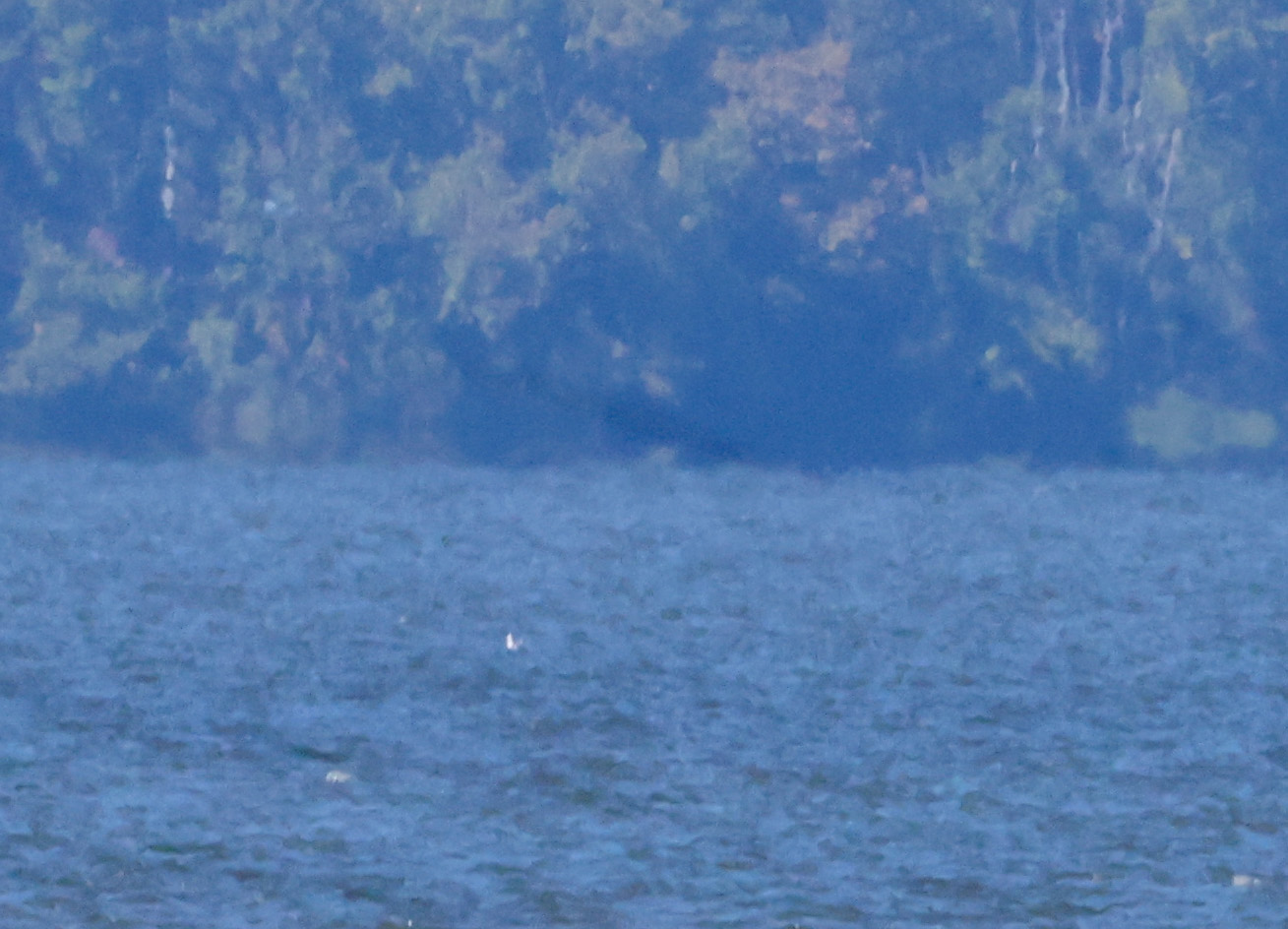
The search has been on this week for Sabine’s Gulls after two of these gulls were found on Lake Dardanelle. One gull was sighted Tuesday, resulting in me and six others heading over to see if we could spot them. The couple who made the original sighting was gracious enough to let us visit their house and dock to look for the gull. But, we had no luck.
We all headed home. We then got the text: There was two and we needed to hurry back. We got lucky this second time.
Sabine’s Gulls are small seabirds. They nest in the arctic tundra and migrate along the United States’ West Coast. They winter mainly in tropical ocean waters. Despite them mainly being found near the ocean, it’s not unheard of sightings being reported throughout the U.S.’s mainland during migration season. According to All About Birds, one cool fact about this specie is that they will pretend to be injured to lead predators away from their nests. You see this tactic among shorebirds like the Killdeer but it’s actually rare among gulls.
While the above photograph is of poor quality, it did give me the photograph proof I wanted to say I definitely saw my first Golden-winged Warbler on Sunday.
Golden-winged Warblers are small songbirds that are silvery gray with a slash of gold on the head and wings. They also have two white facial stripes. This one was hopping among the branches of a shrubby habitat at the north access of the Bell Slough Wildlife Management Area near Mayflower.
The world’s population of Golden-winged Warblers have declined sharply. According to AllAboutbirds.org, they now have one of the smallest populations of any bird not on the endangered species list. They are currently on the birds watch list – which lists bird species that are at risk of becoming threatened or endangered with conservation action.
Arkansas has Golden-wined Warblers during the migration seasons. They breed in the shrubby, young forest habitats of the Upper Midwest and Applalachians, and winter in the open woodlands and shade-coffee plantations of Central and South America.
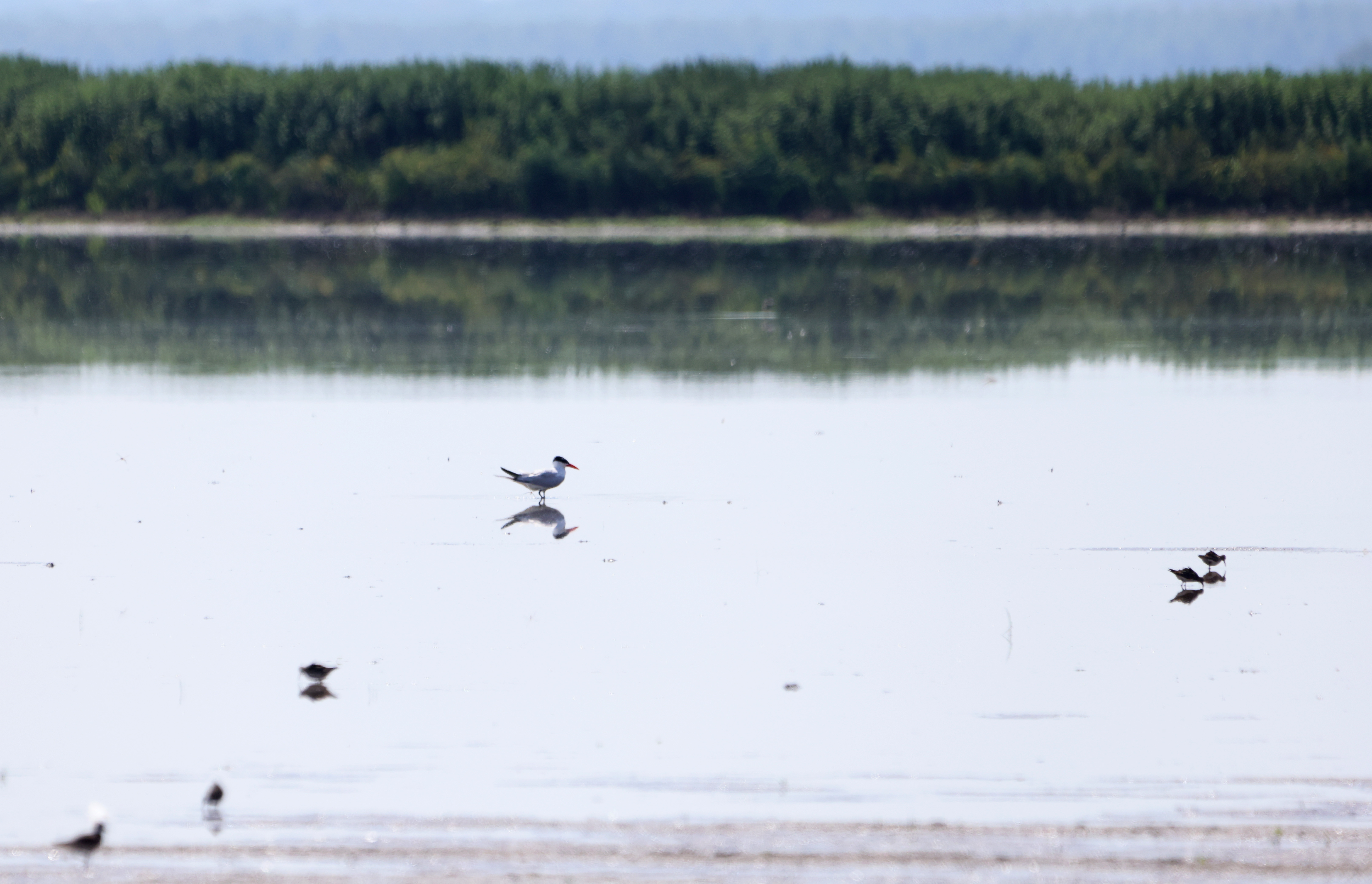
The Caspian Tern is the largest tern in the world, yet I almost missed the one pictured above that was standing in the middle of a field yesterday at the Bald Knob National Wildlife Refuge. Caspian Terns migrate through Arkansas yet sighting don’t happen every day. eBird reports they are “widespread but typically uncommon.” According to AllAboutBirds.org, the species is listed as endangered, threatened or special concern in several U.S. states. Partners in Flight estimates a global breeding population of 530,000 and rates the species a 10 out of 20 on the Continental Concern Score, indicating a species of low conservation concern. In Arkansas, eBird has 710 reports of Caspian Tern sightings over the years.
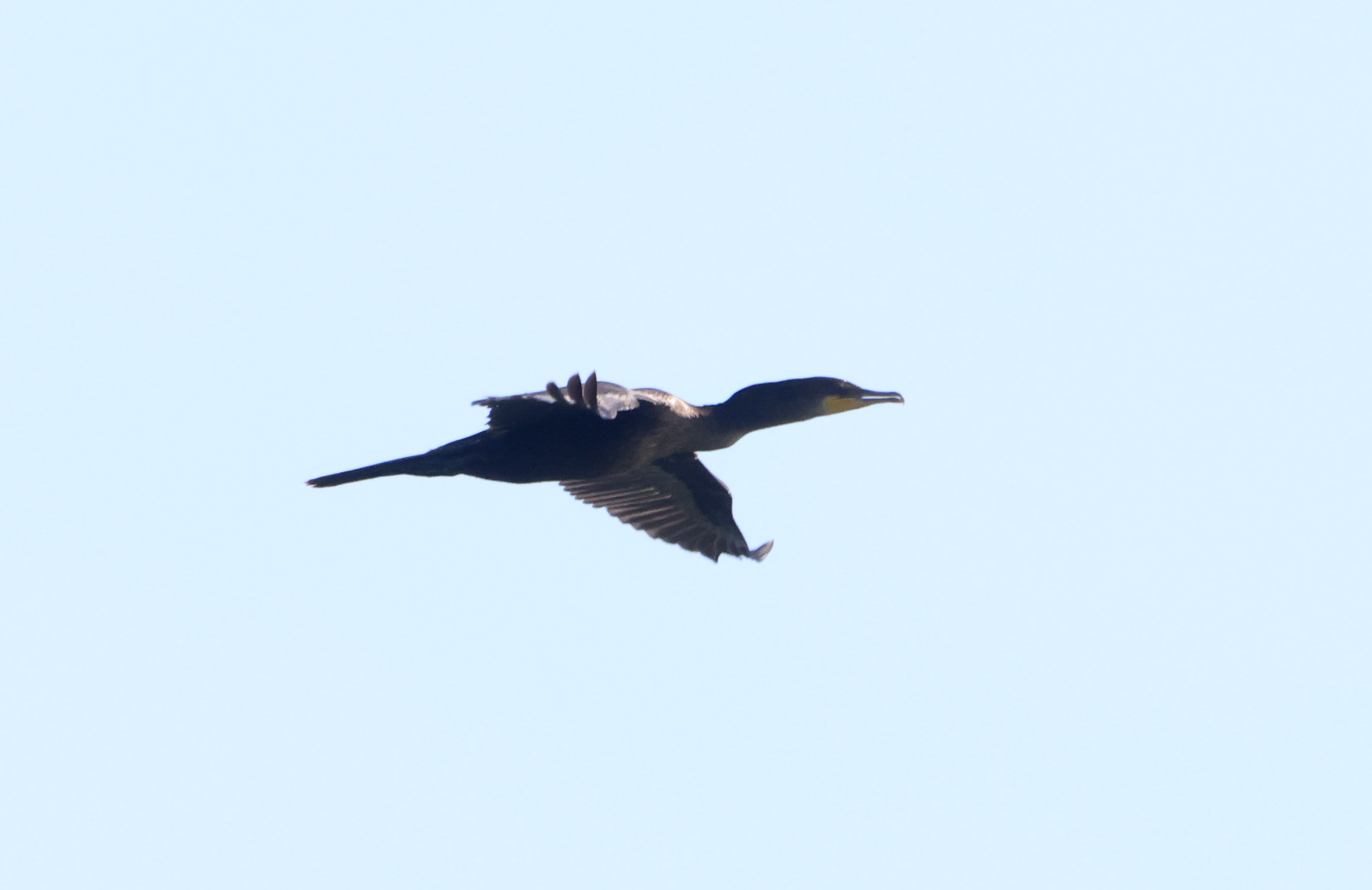
On Saturday, I joined friends to visit a fellow birder’s private land in Southeast Arkansas for a fun birding trip. I hoped to add to my life list and the trip didn’t disappoint. I finally got a great look at several Neotropic Cormorants.
Neotropic Cormorants look similar to the Double-crested Cormorant, but is smaller and longer-tailed. It’s often found in southern United States, the Caribbean and Latin America. After getting confirmation of the bird, I actually think I’ve seen it before but misidentified it.
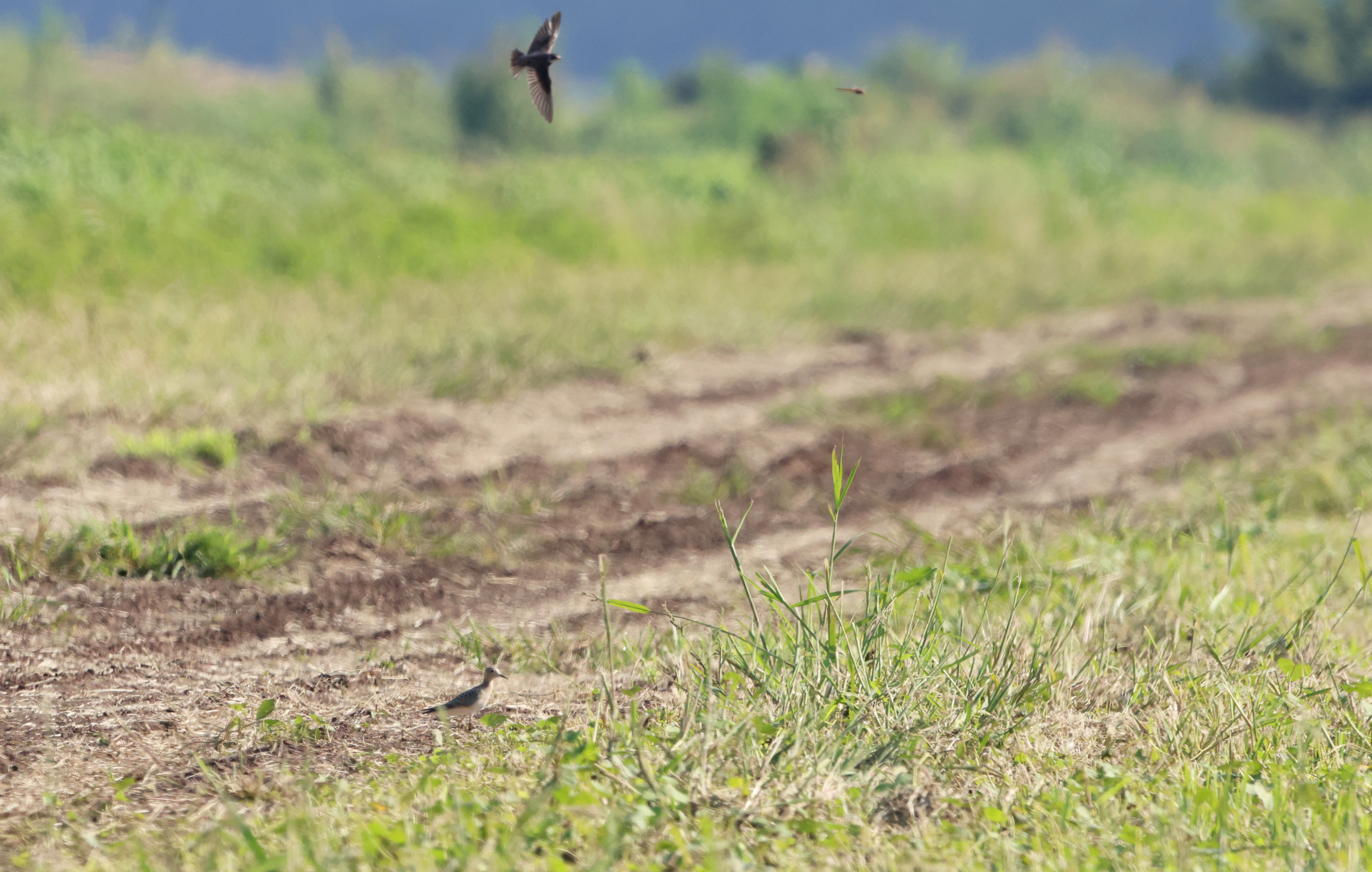
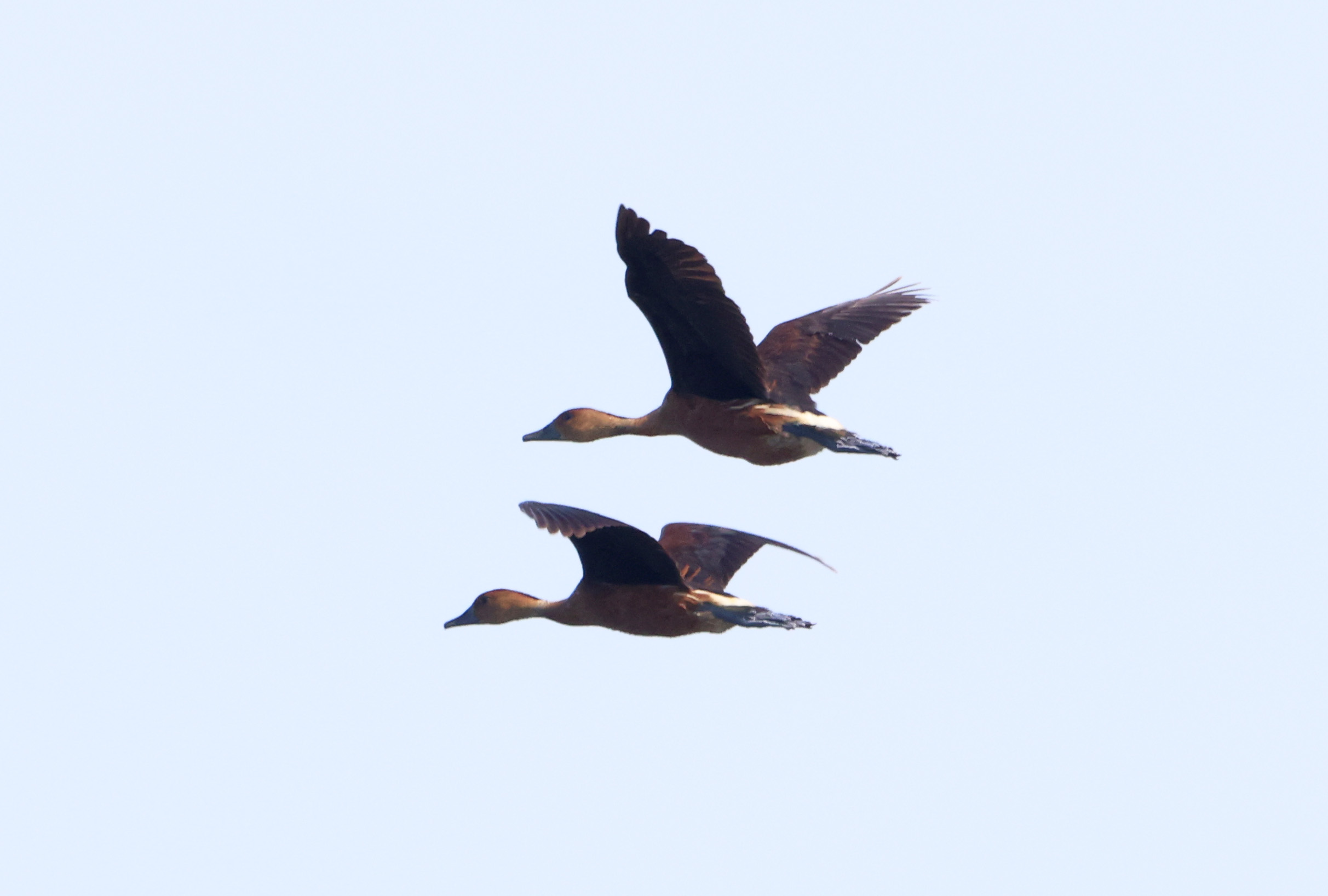
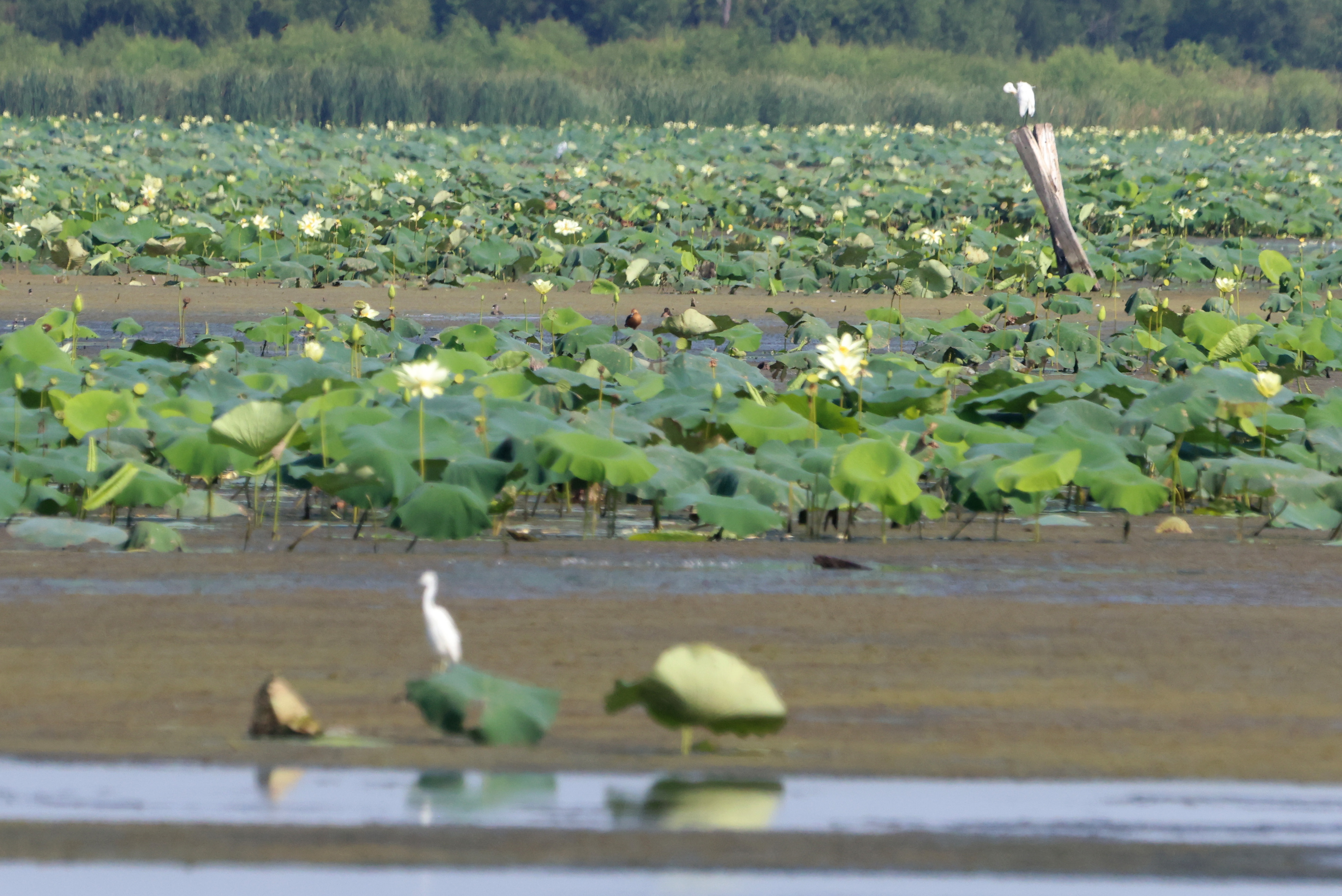
We spent just over an hour looking out over a marsh filled with Lilly pads and birds. Here’s a few other species we saw:
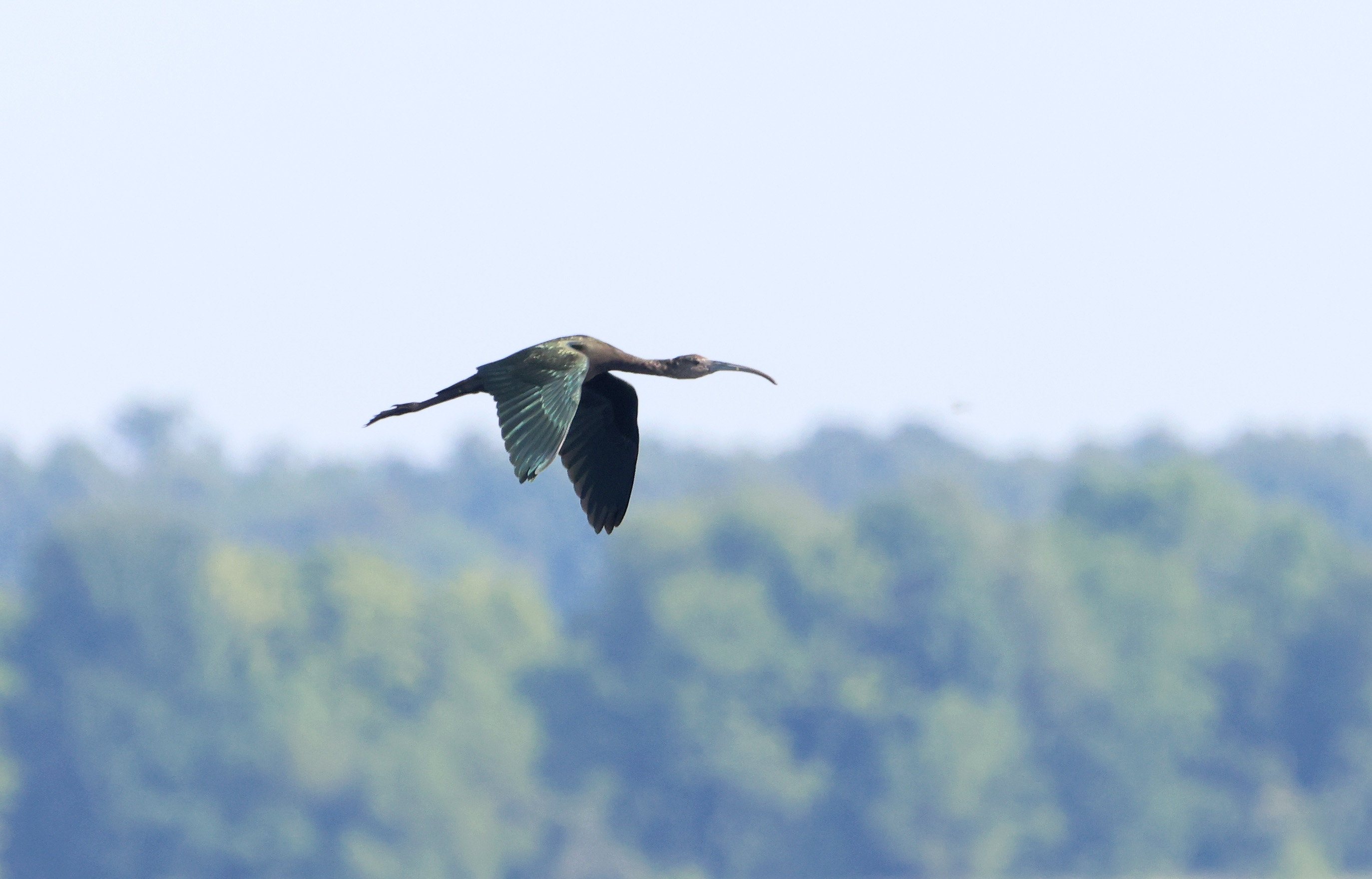
Bank Swallow, Buff-breasted SandpiperBlack-bellied Whistling DuckBlue-winged TealBuff-breasted SandpiperFulvous Whistling-DuckIbisPied-billed Grebe
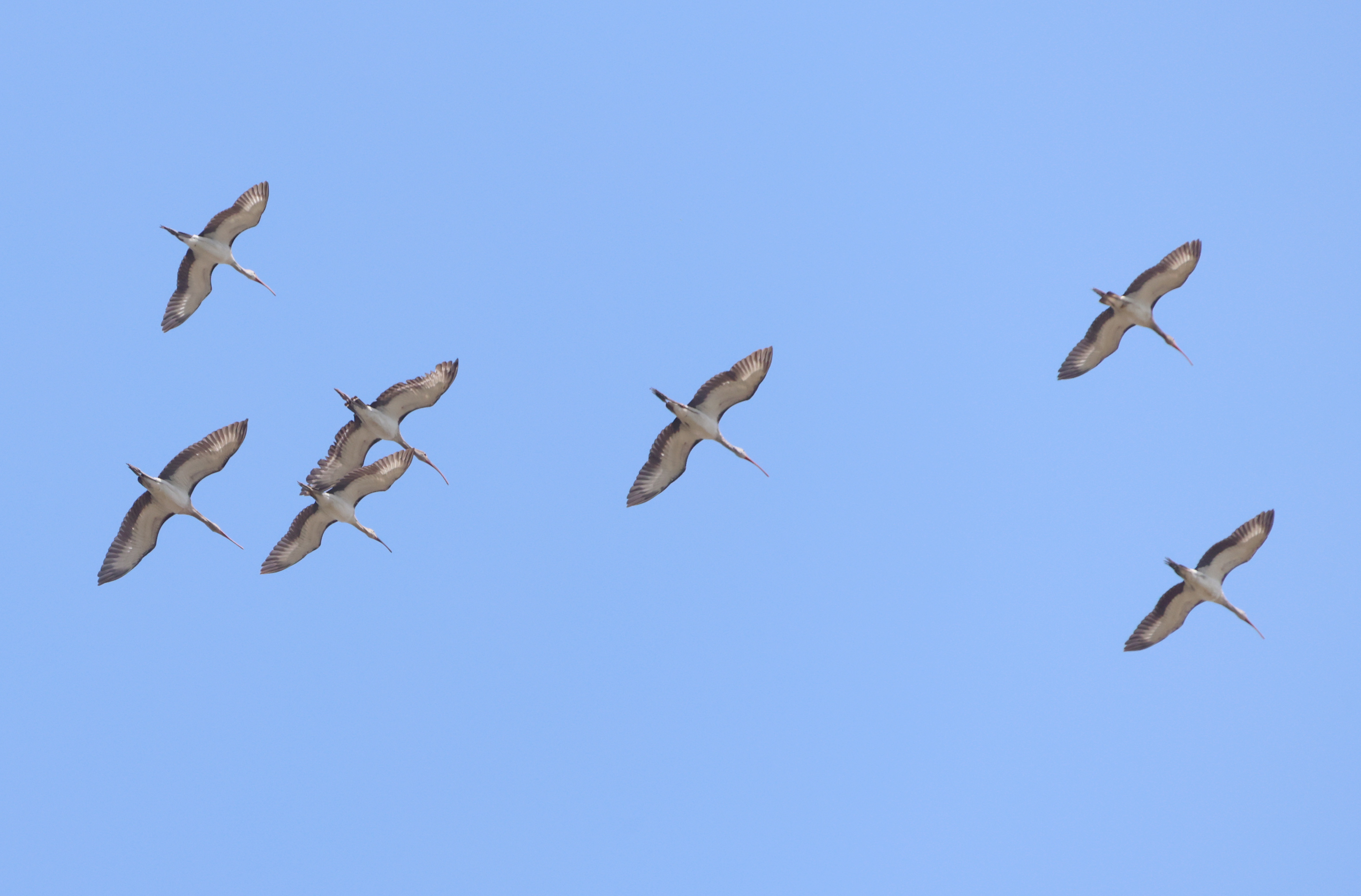
It was a fun but, it was hot and with few new birds spotted, we decided to move on. We drove along the levee by the Mississippi River to the McCallie Access in Desha County. We spotted 27 bird species including a Least Tern diving for food. We also got better looks of White Ibis flying overhead. That’s always a welcome sight.
We ended the day at Freddie Black Choctaw Island WMA Deer Research Area East Unit. It was here we finally heard then saw two Alder Flycatchers calling to each other – a first for me. Alder Flycatchers are heard to distinguish from other flycatchers. You need to hear their call as well to make the identification, which also throws me off. They migrate through Arkansas, and thrive in open settings such as bogs and beaver ponds, according to All About Birds.
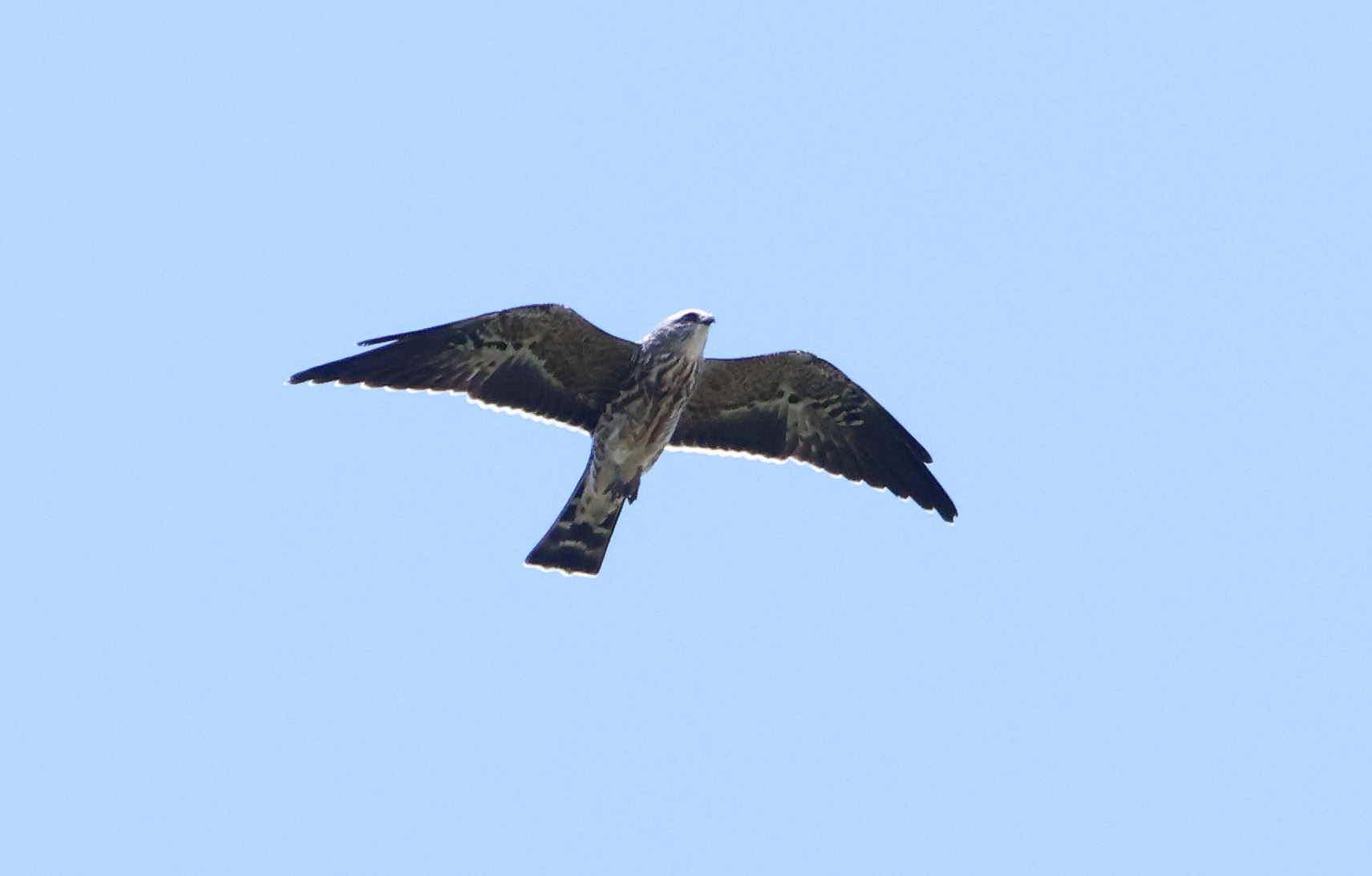
We also saw plenty of Mississippi Kites, which never gets old.
Alder FlycatcherMississippi Kite
To top off the day, we passed an immature Yellow-crowned Night-Heron as we headed home.
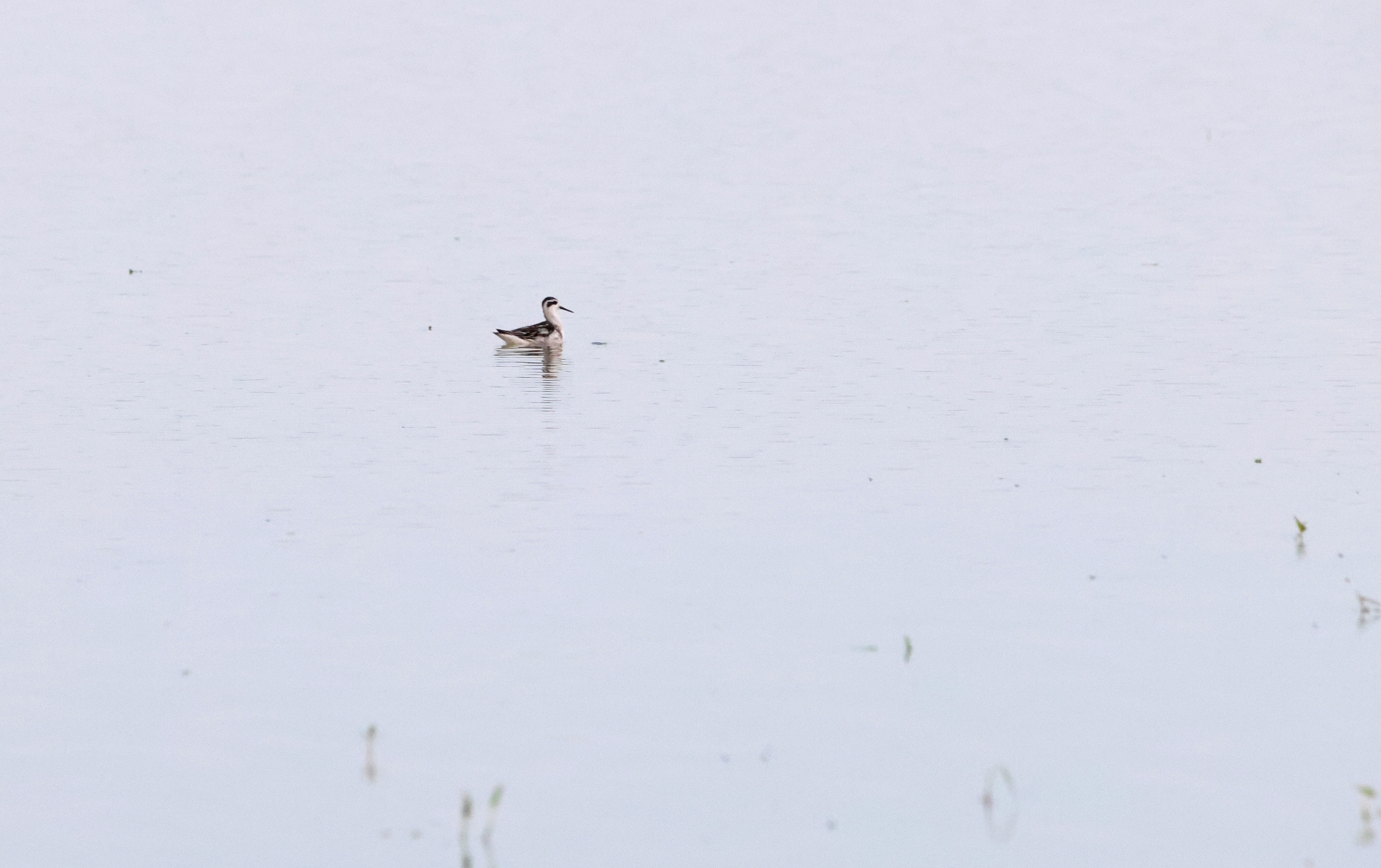
I photographed my first Red-necked Phalarope on Thursday at Bald Knob National Wildlife Refuge. This one was a non breeding adult/immature, which have a white body with a gray/black back. There is a black streak by the eye, and they have a black bill.
This small shorebird is typically found along the coast. According to AllAboutBirds.org, it’s at home on the open ocean and breeds on the Arctic tundra.
There are three types of phalaropes that show up in Arkansas. A more experienced birder explained to me that the Wilson’s Phalarope is the most common – it’s the one I’ve seen multiple times over the years. The Red Phalarope is the most unusual. The third type is the Red-necked Phalarope.
I previously worked as a news and sports photographer. Recently I have been enjoying wildlife photography. My approach toward bird photos is similar to sports photography. I attempt to capture mostly action and hopefully a unique perspective.





















 Memos for Me