Photos: Lorance Creek Natural Area
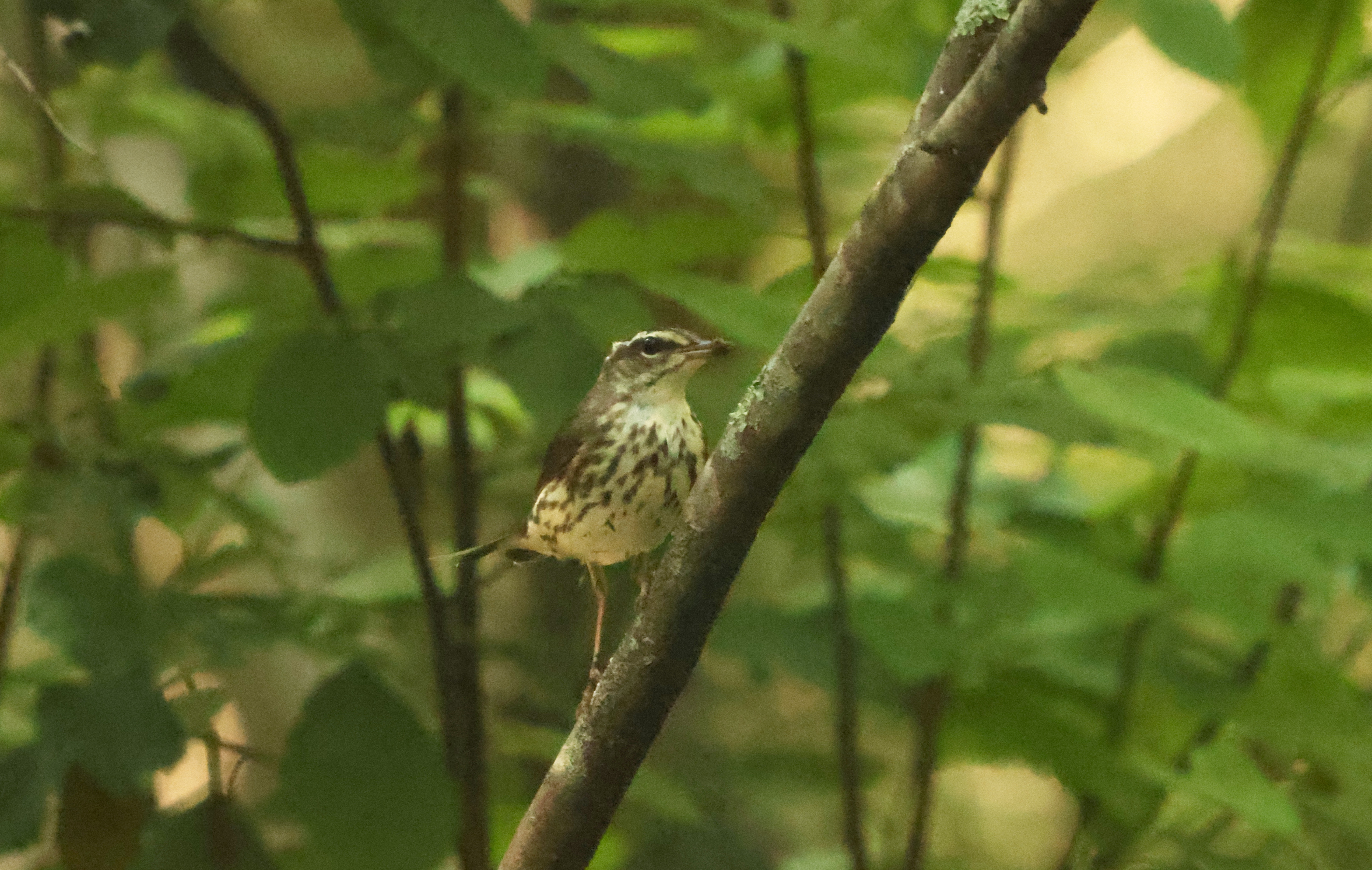
I’ve been on the hunt to spot and photograph a Louisiana Waterthrush, a member of the warbler family that stays close to moving water and is among the earliest migrating warblers.
I finally spotted my first Louisiana Waterthrush today at the Lorance Creek Natural Area. It was also my first trip to the this natural area, which has a .5 mile roundtrip trail that starts in an upland pine-oak forest and ends with a boardwalk through an open water tupelo-bald cypress forest. Added in 1990, Arkansas Heritage describes the natural area as primarily a shallow, groundwater-fed swamp that spreads out along both sides of Lorance Creek. It is situated at the transition zone between the sandy uplands of the Coastal Plain and the flat lowlands of the Mississippi Alluvial Plain.
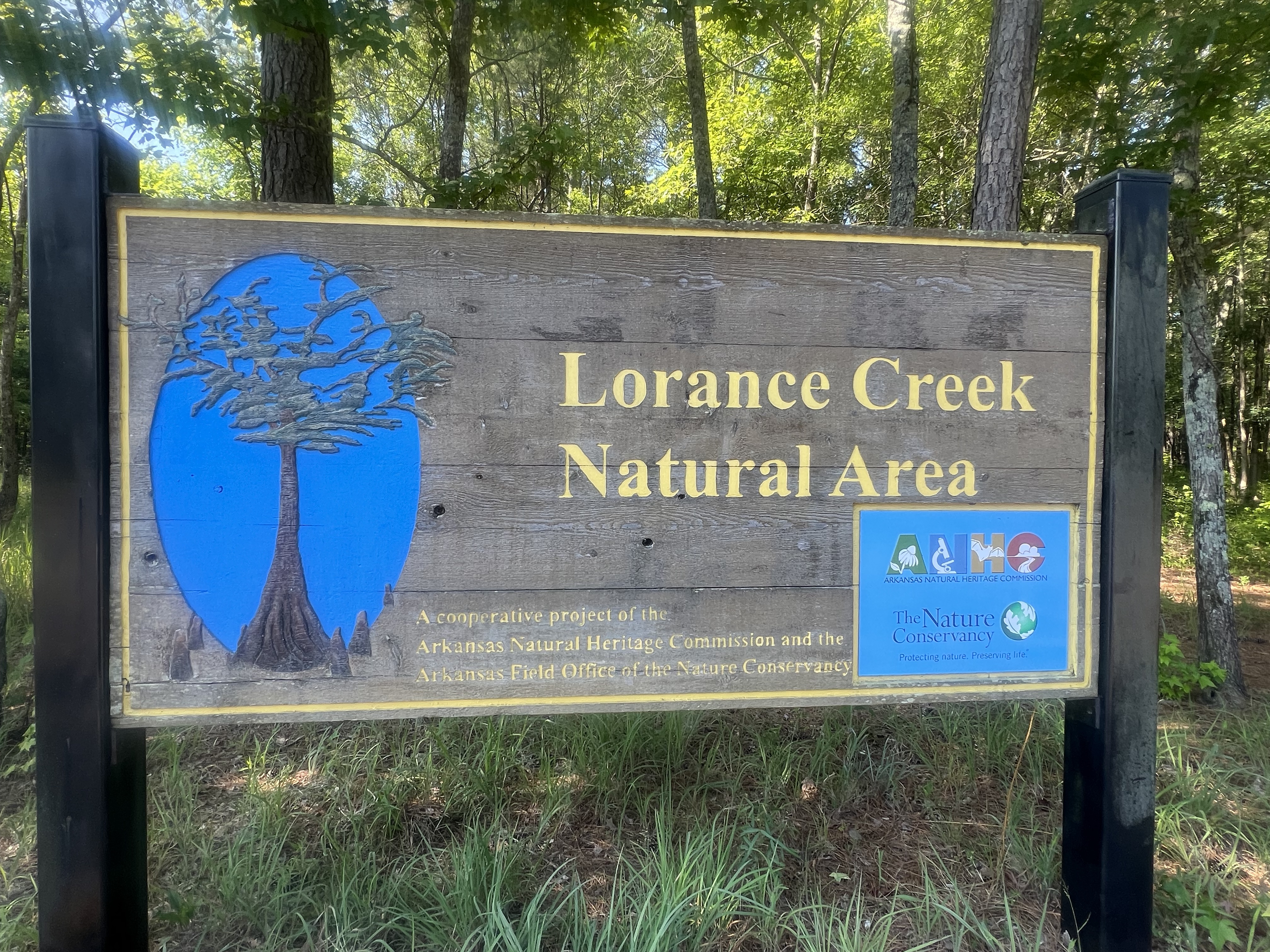


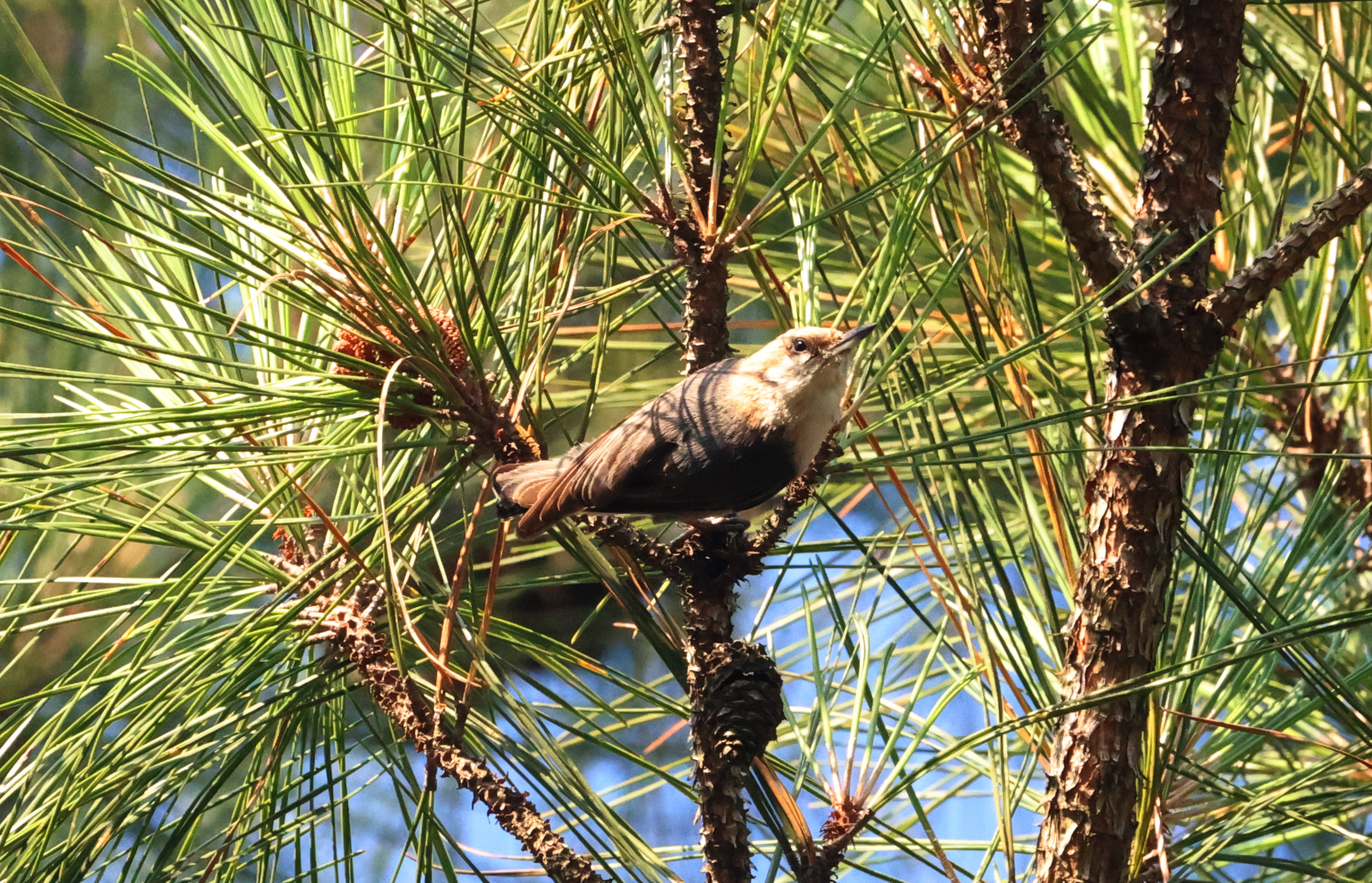
I got there at 7:51 a.m. and spent the next almost two hours searching for birds. I found 31 species and was actually greeted in the parking lot by a Black-and-White Warbler and a Brown-headed Nuthatch.

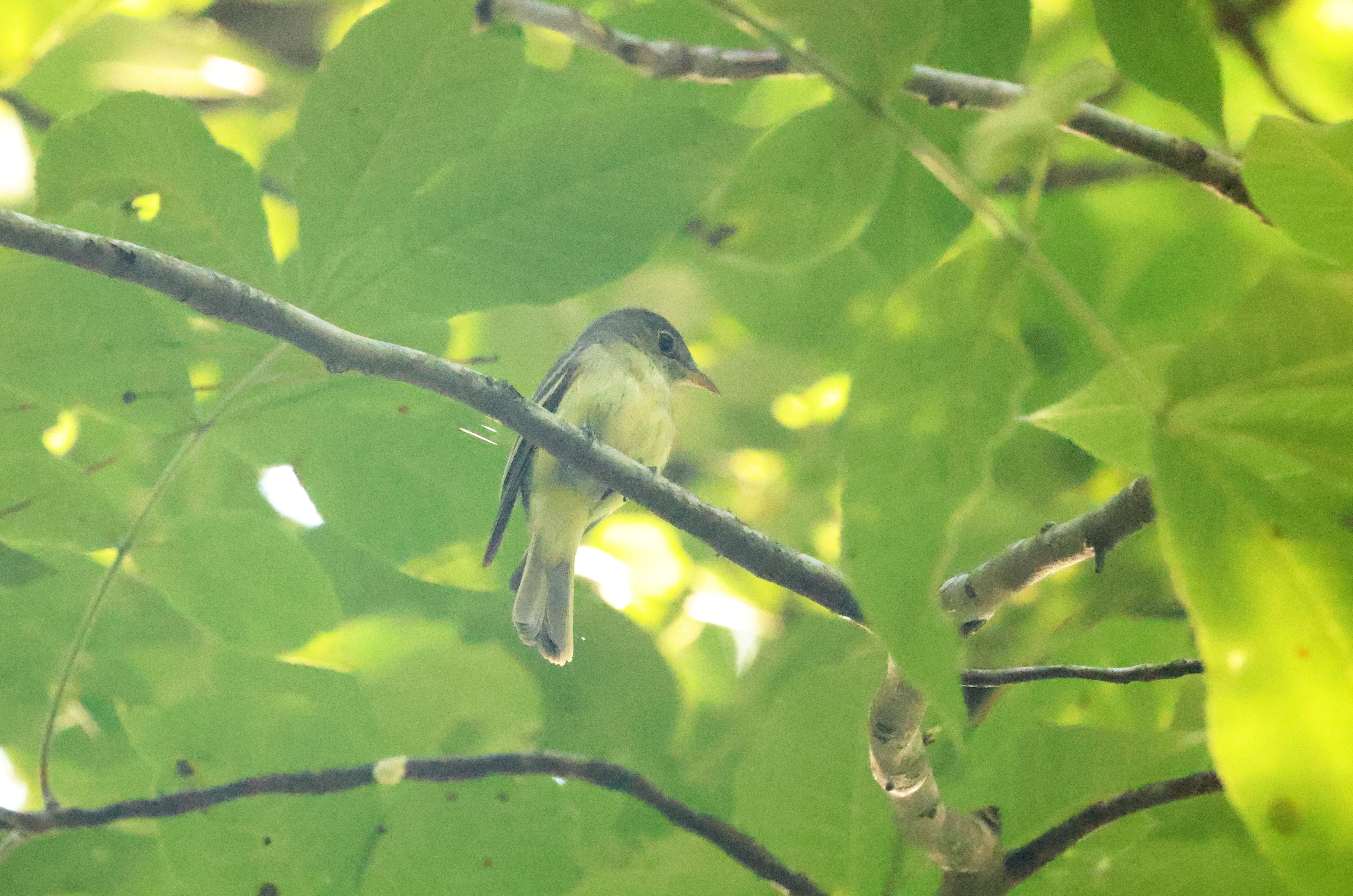
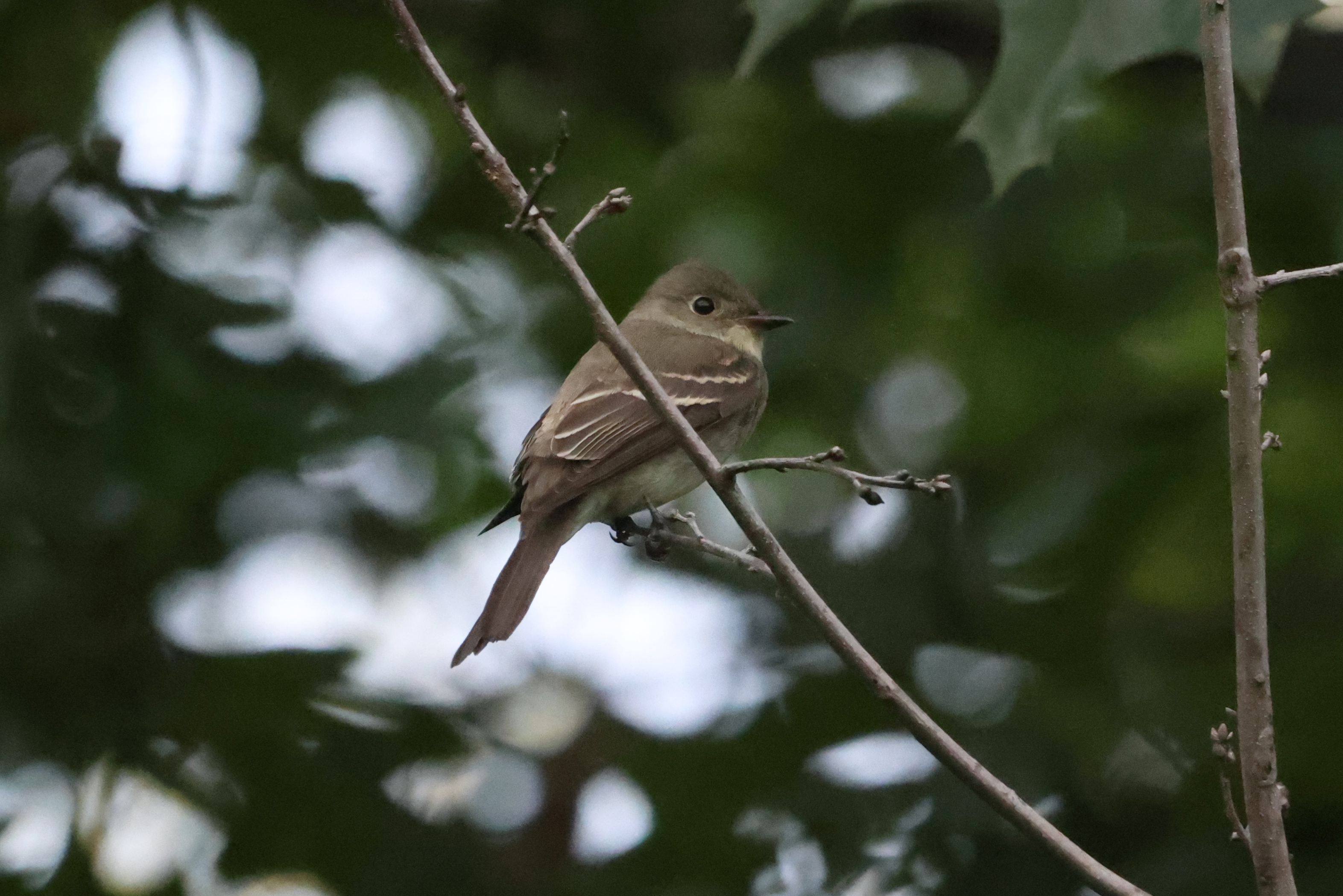
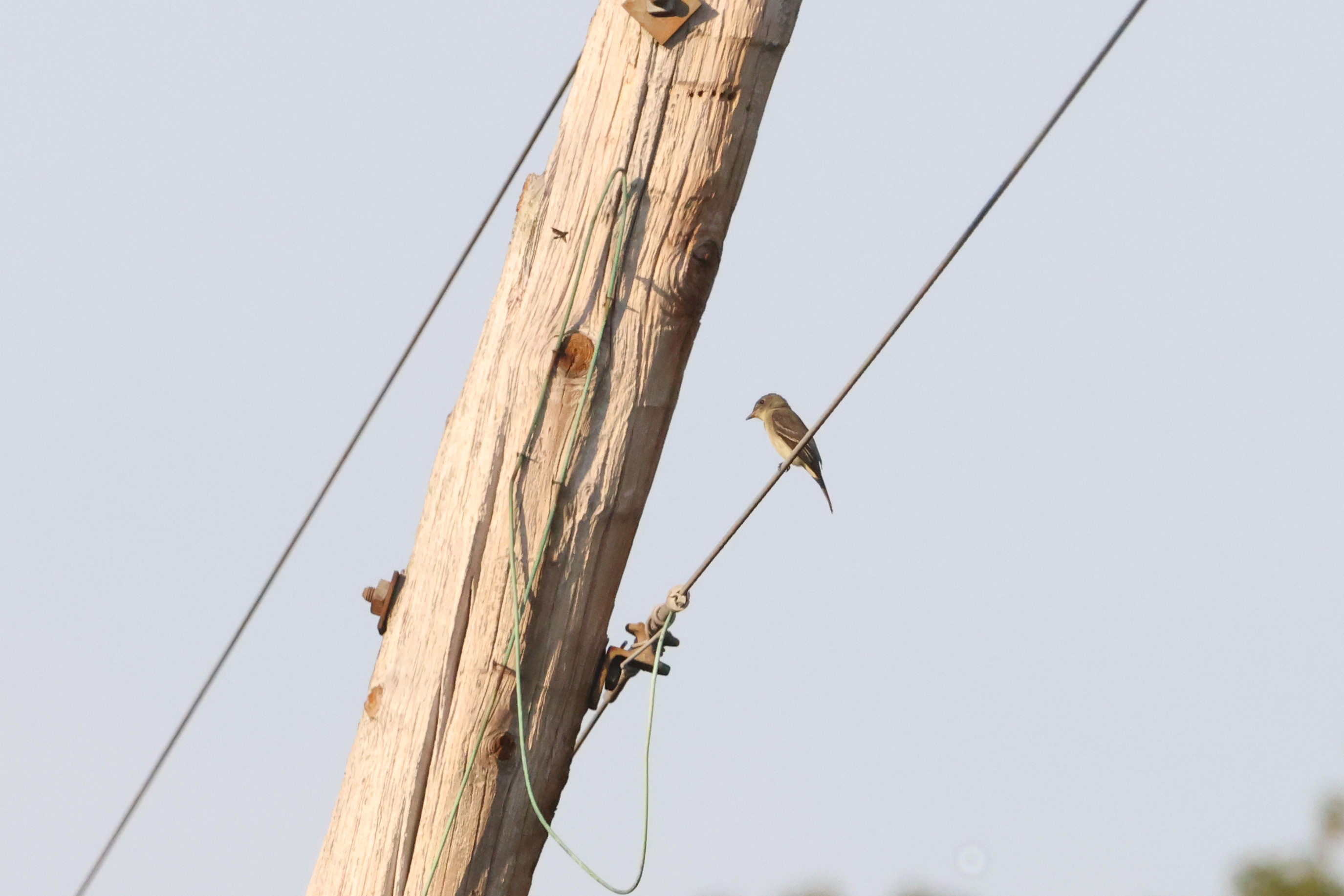
I’m looking forward to coming back later when migration picks back up to see What other warblers I can find. Until then, I’m happy with my sightings so far, which include an Acadian Flycatcher, Indigo Buntings and Prothonotary Warblers.


 Memos for Me