Bayou Meto WMA
March 7, 2012
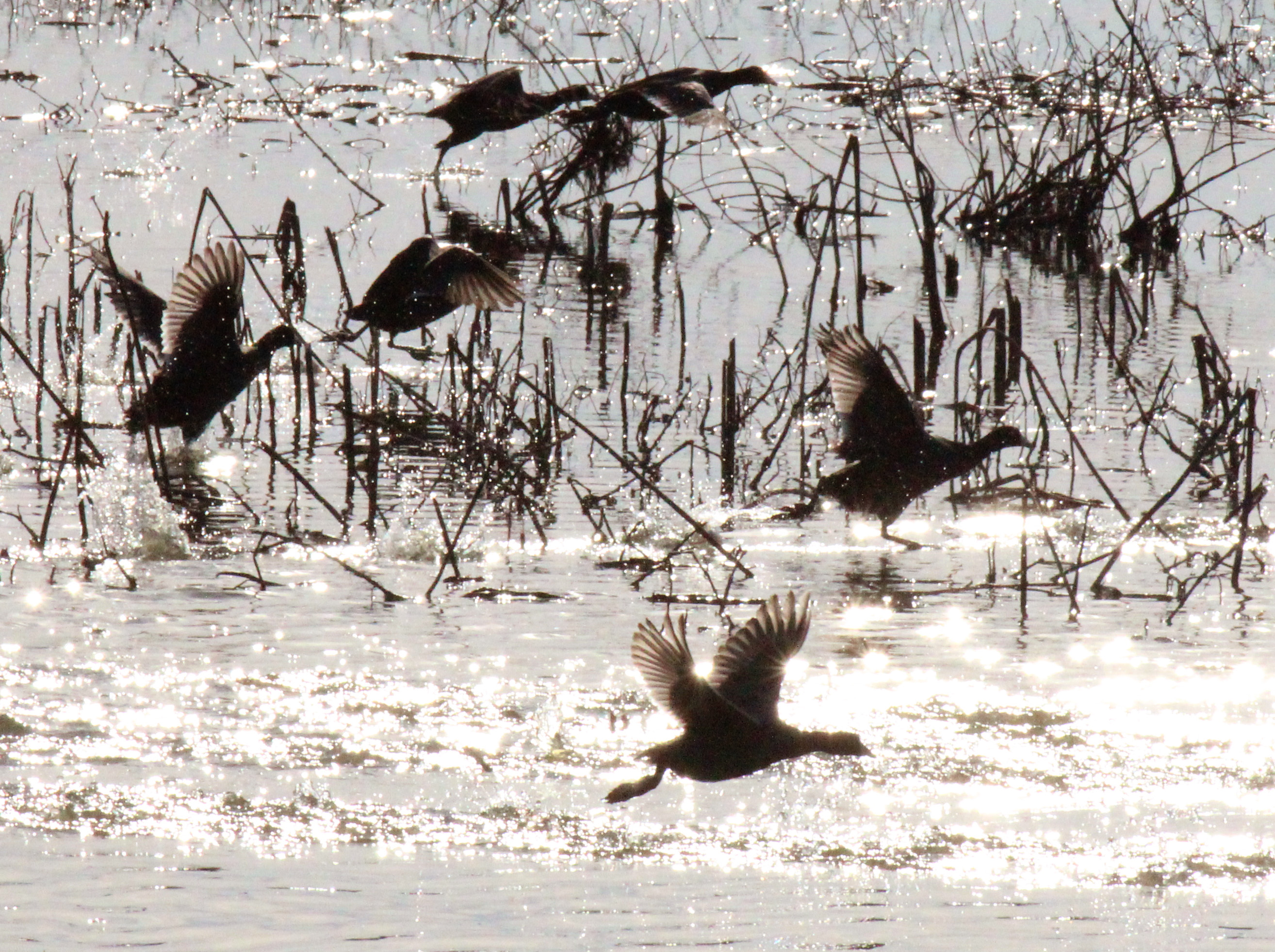
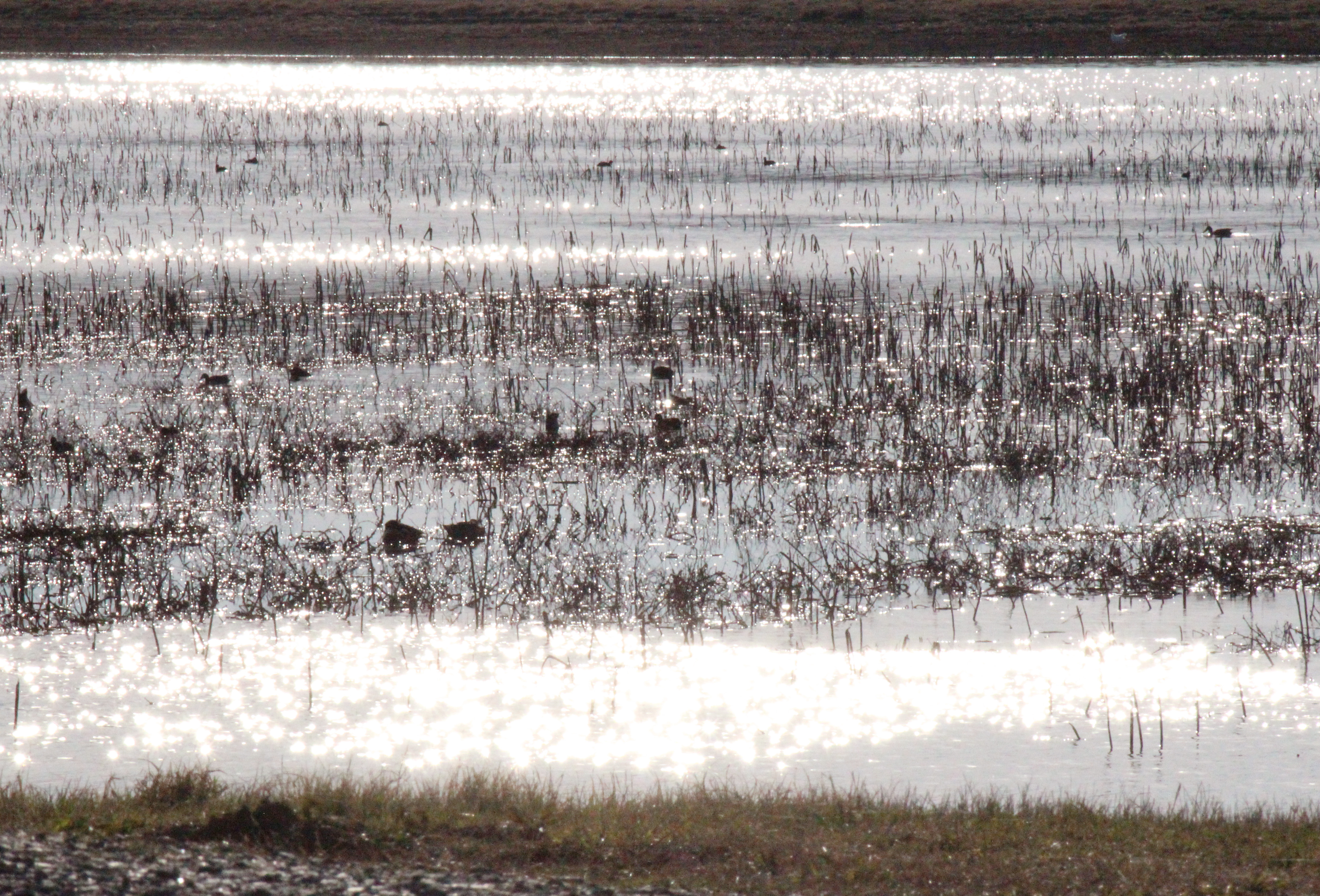
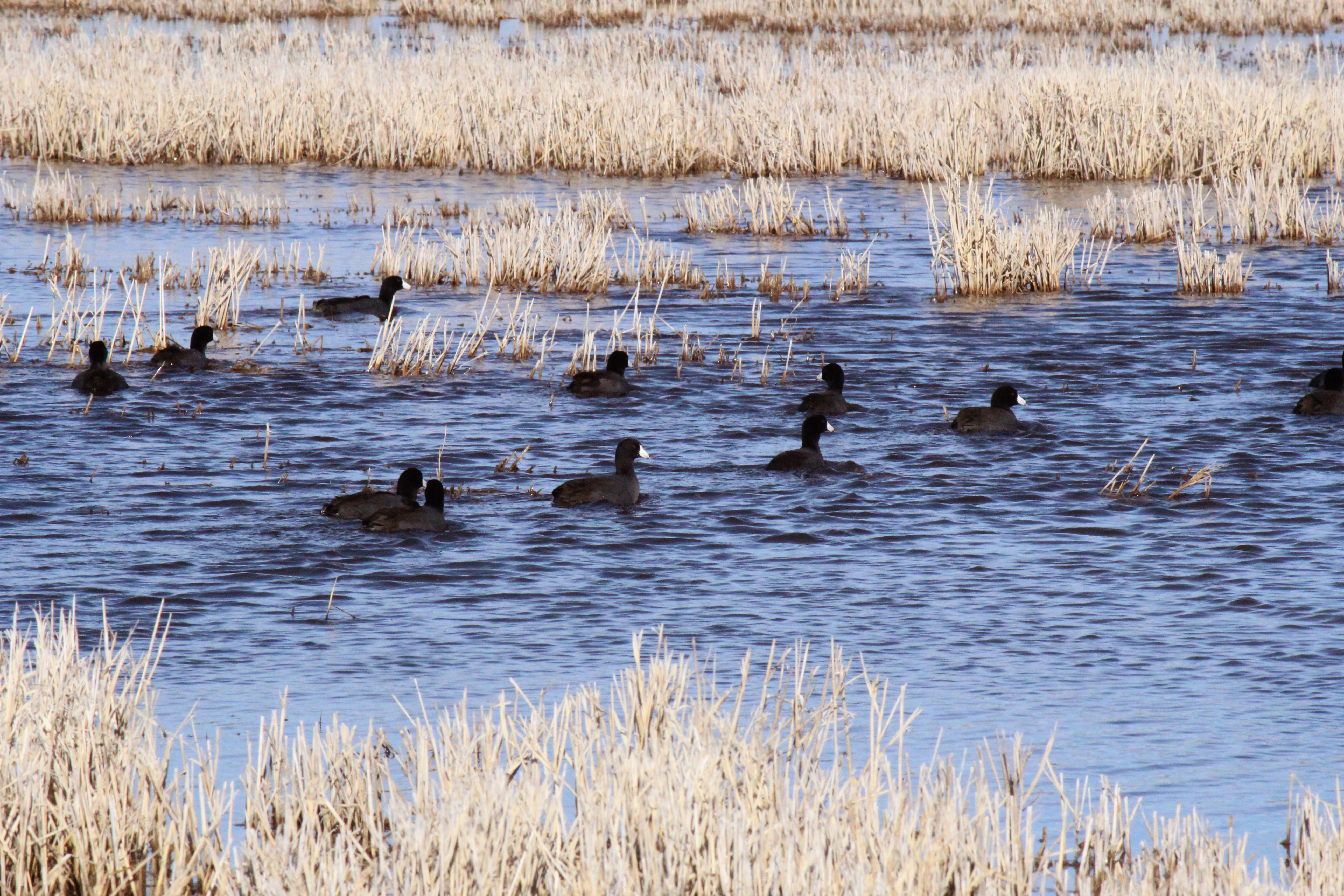
The Bayou Meto Brett Morgan Halowell Reservoir Waterfowl Rest Area is only 25 minutes from my house, however, this week marked the first time I have really visited it outside of work.
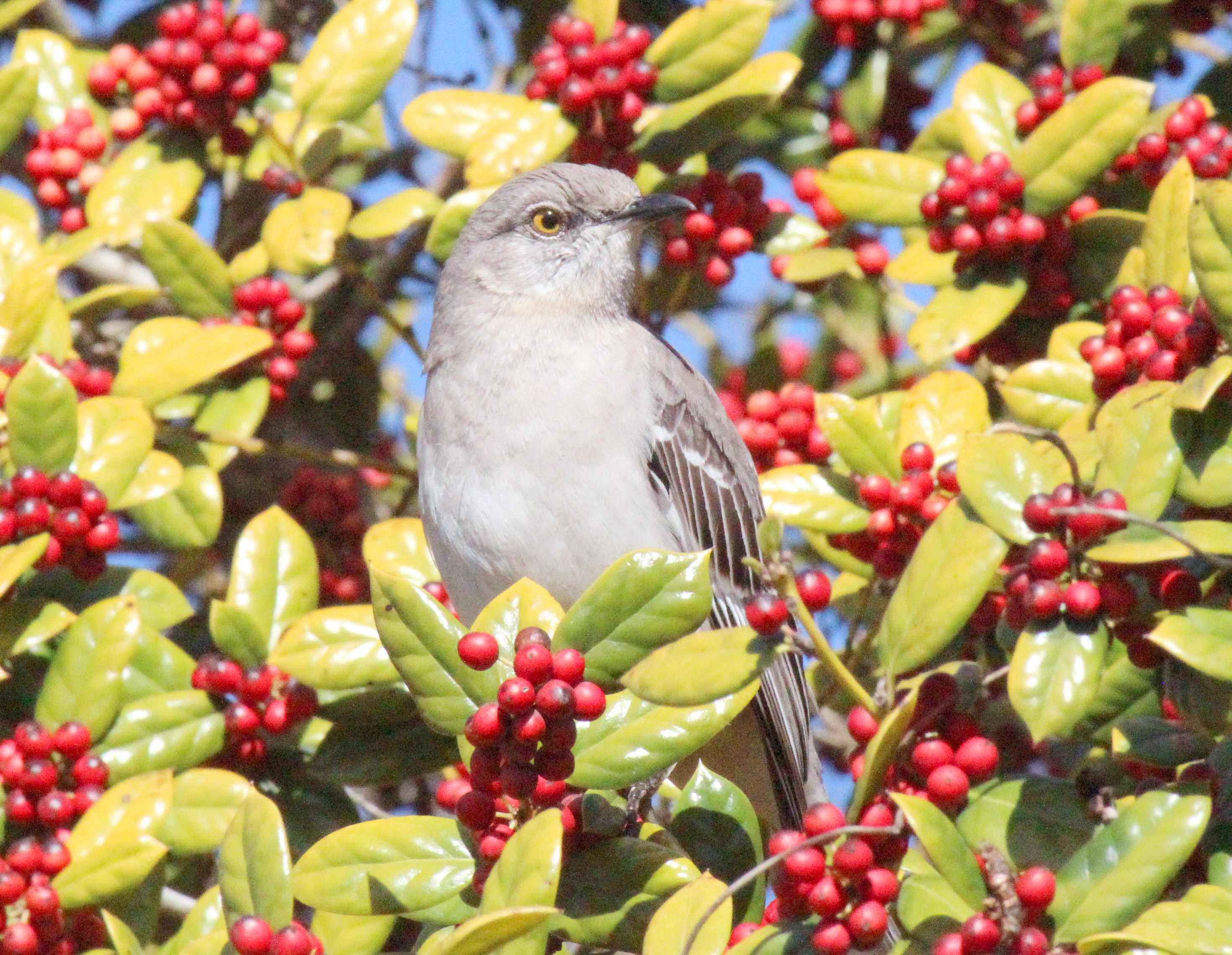
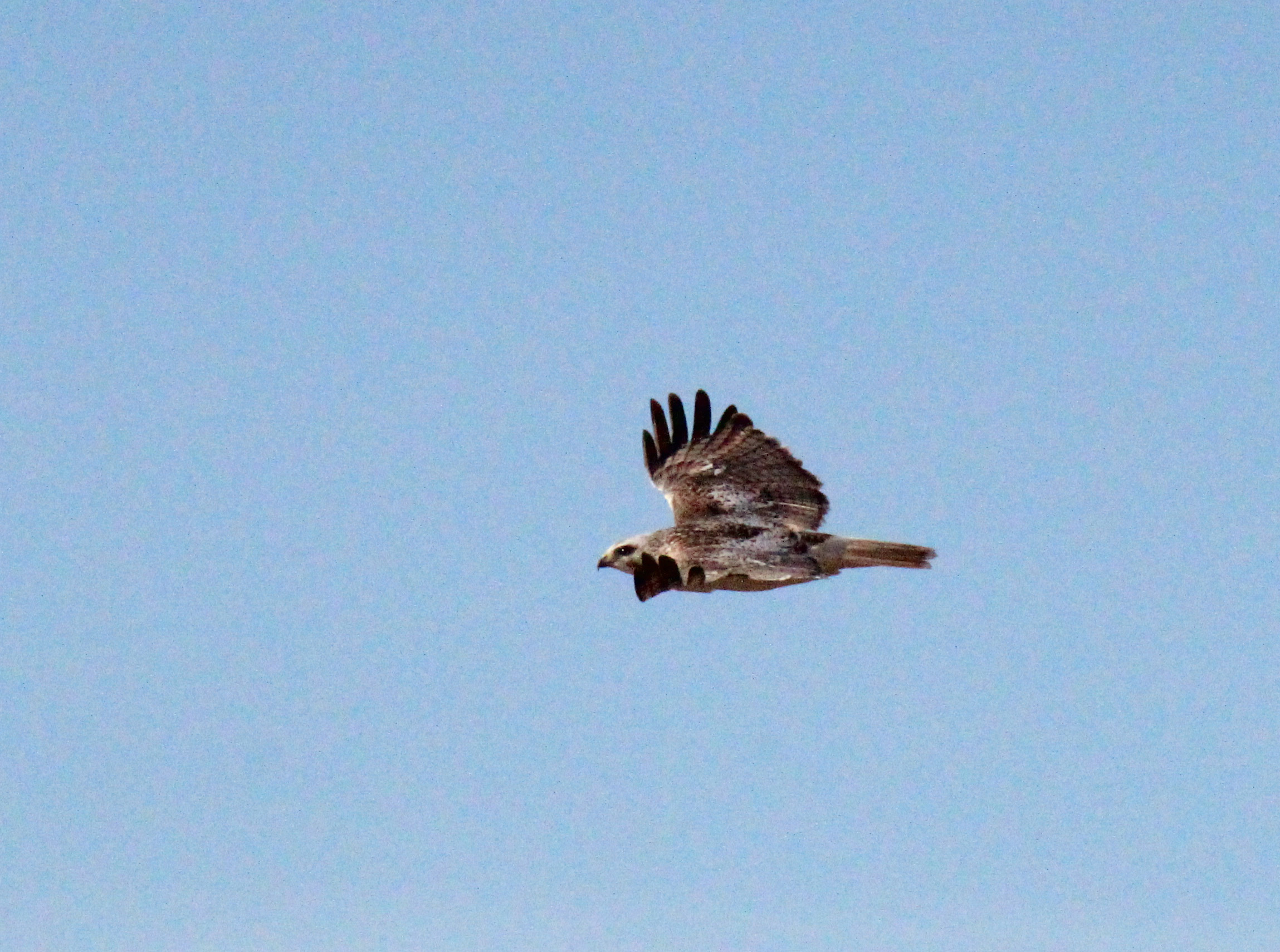


I was catching up on my favorite blogs one evening and got side tracked in thinking about the numerous things I would like to places I would like to visit. I’ve decided to keep track of my own “bucket list” so I can keep track of where life takes me.
♥♥♥
The Bayou Meto Brett Morgan Halowell Reservoir Waterfowl Rest Area is only 25 minutes from my house, however, this week marked the first time I have really visited it outside of work.
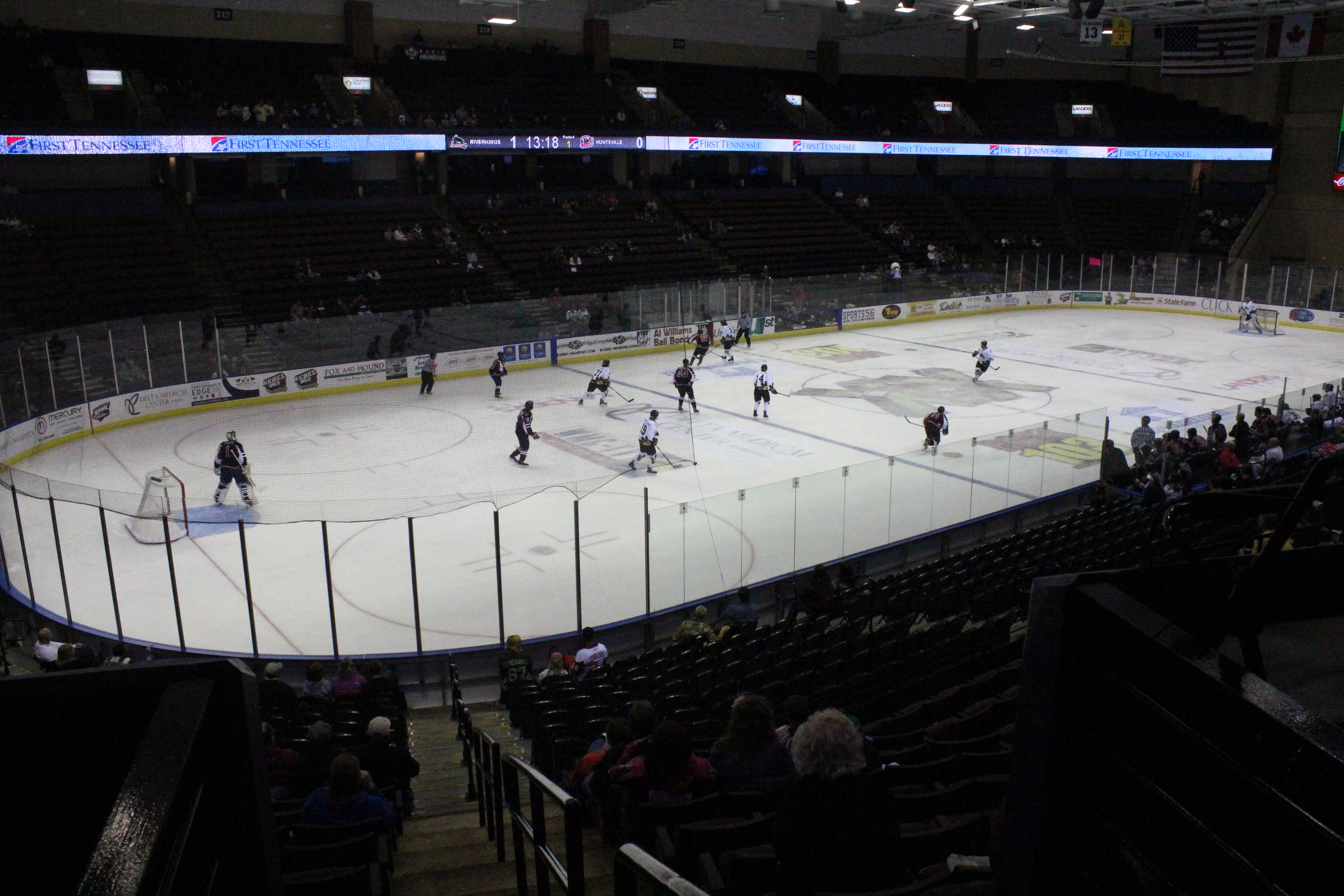
On Valentine’s Day, I attended my very first professional hockey game with friends. It was awesome, although I was slightly disappointed that there was only one fight.
I can now see how the game can become addicting to watch. My only regret is that I attended my first game so late in the season. I’m working to remedy the situation. Tonight, I’m headed back to Southhaven, Miss., to watch another match-up between the two teams.


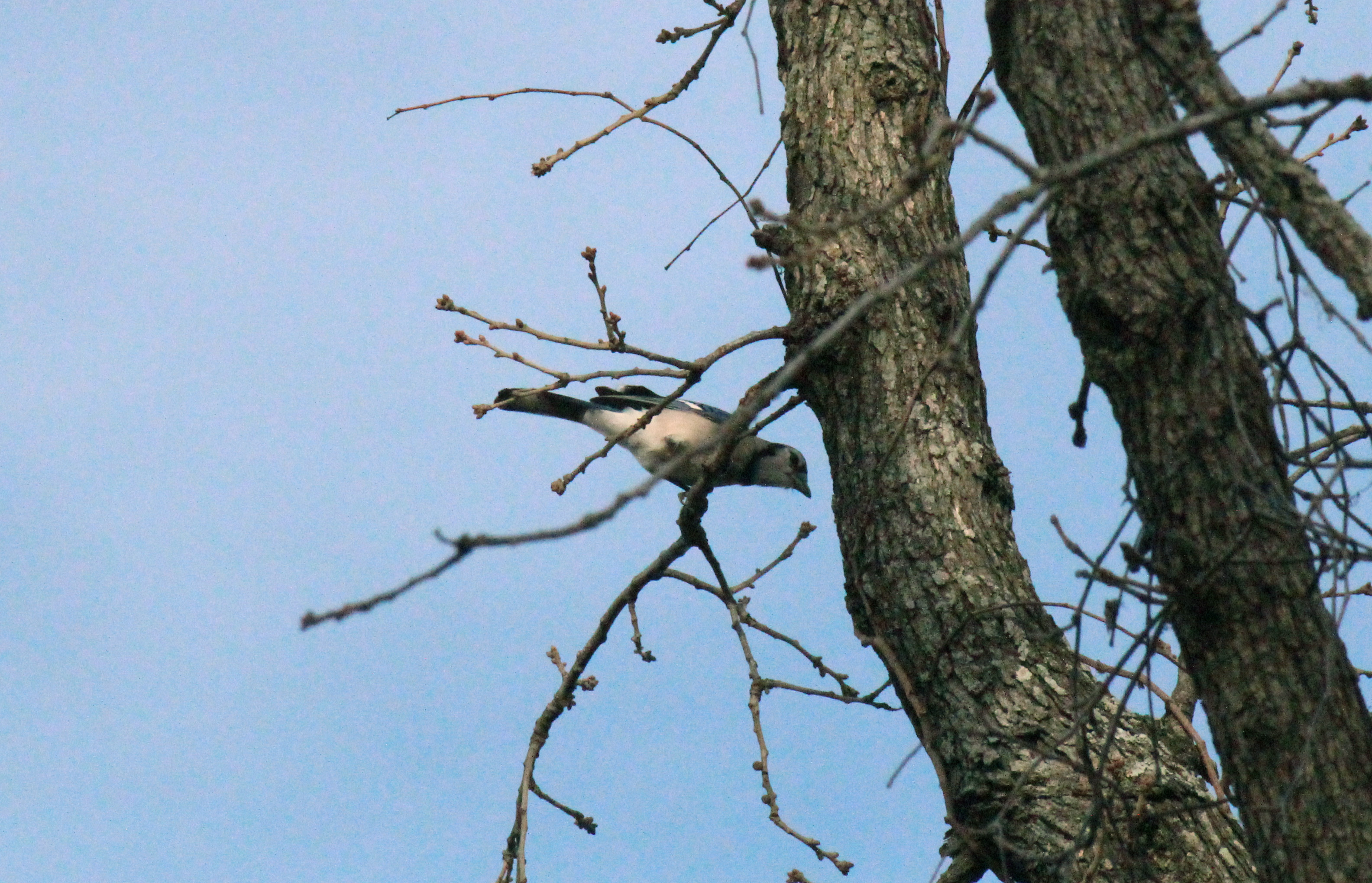
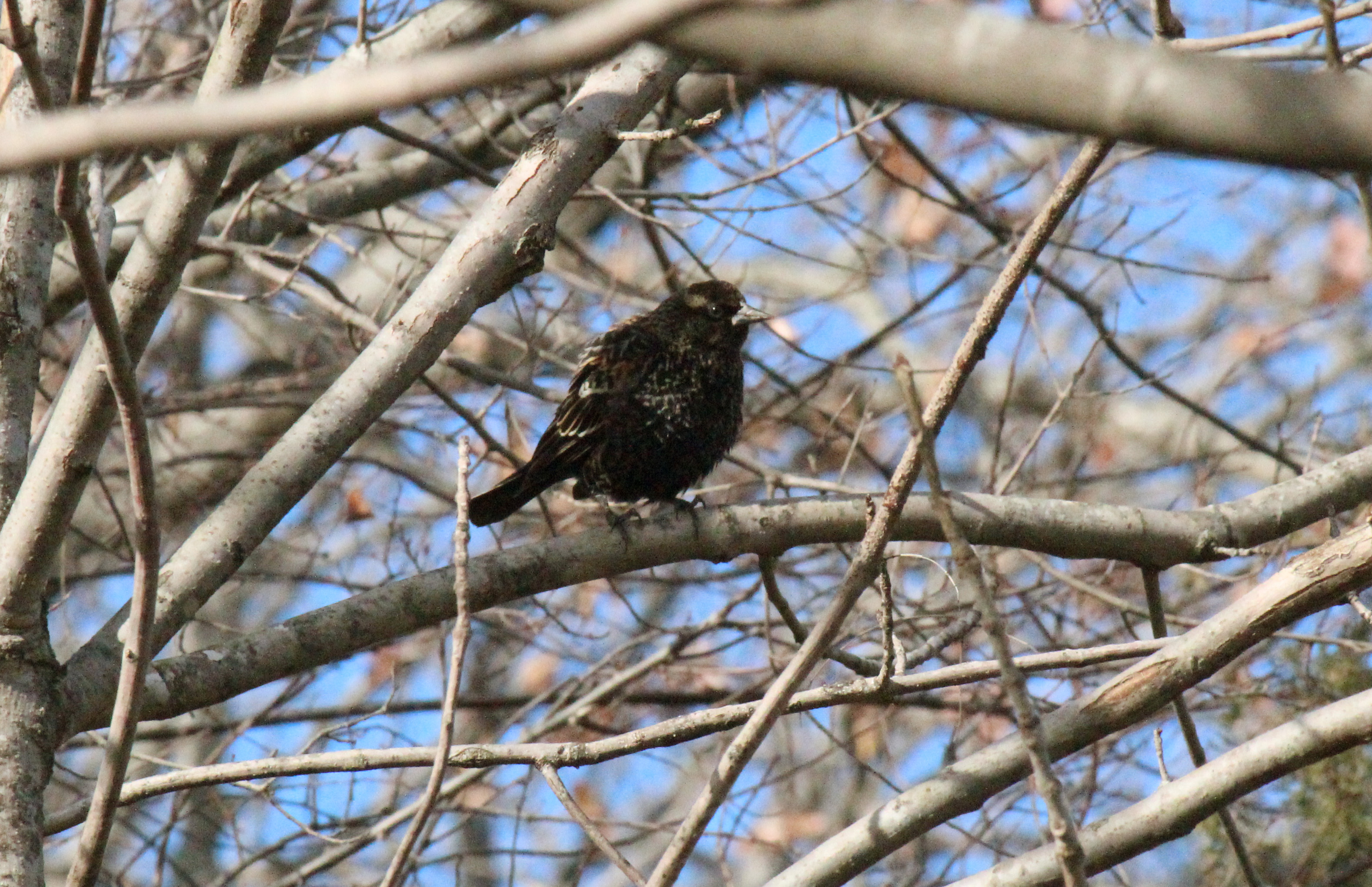
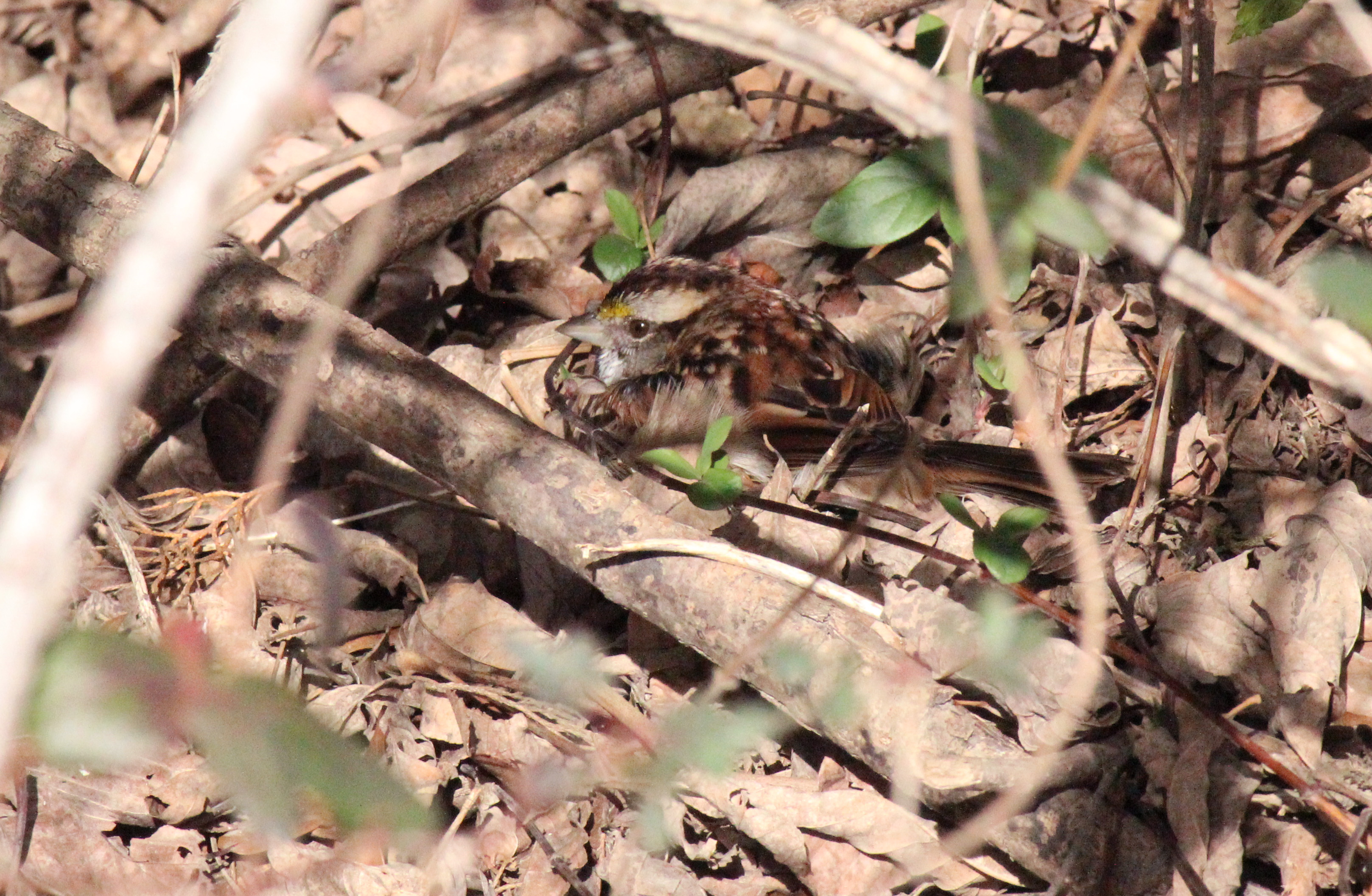
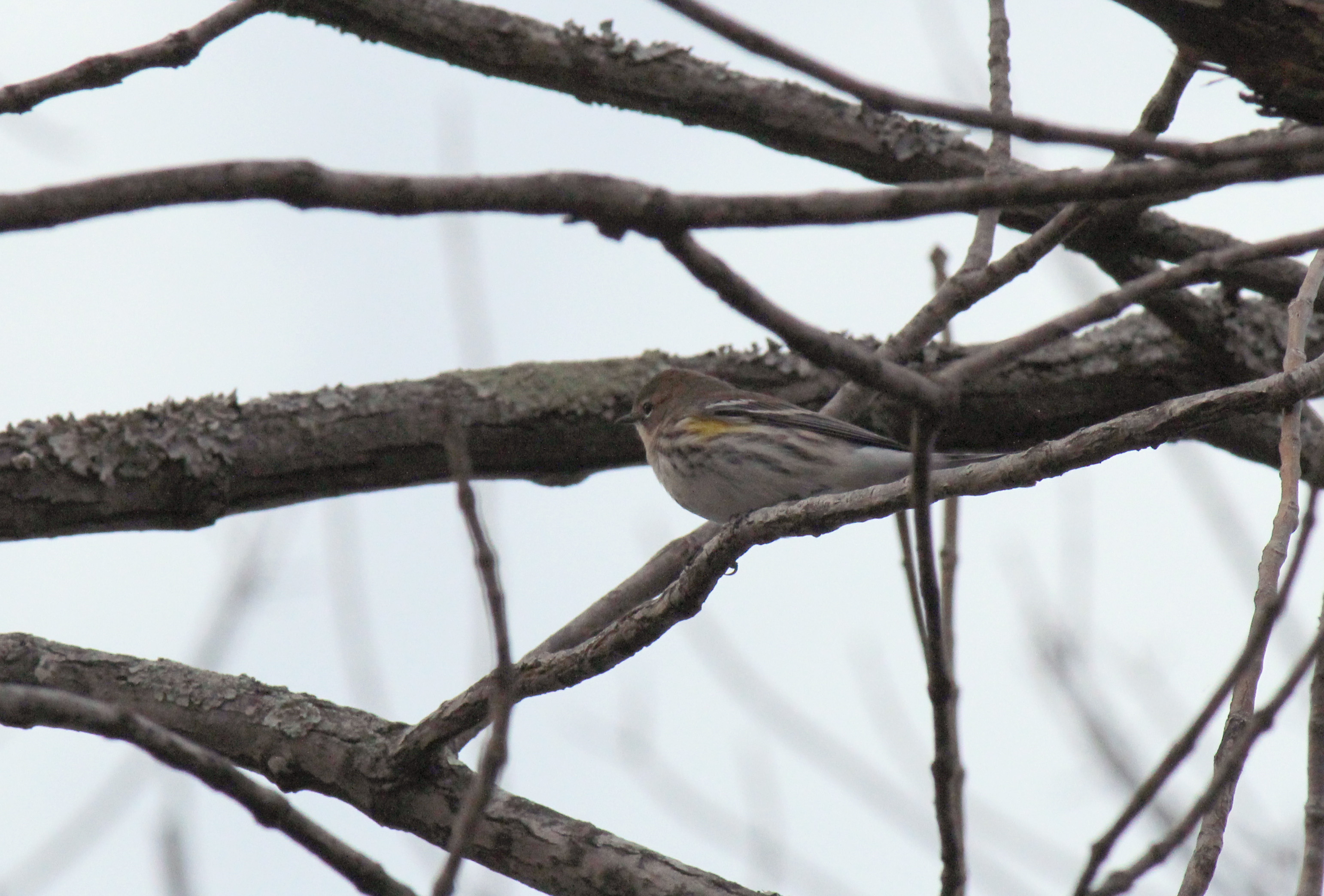
I’ve started organizing my photo archive, something I should have begun ages ago. I found many folders that I never posted so over the next few days I’ll post more pictures of past trips I’ve taken and birds I’ve seen during the past few months. Here are some birds I saw on Christmas Day while visiting my grandparents’ farm in Wynne.
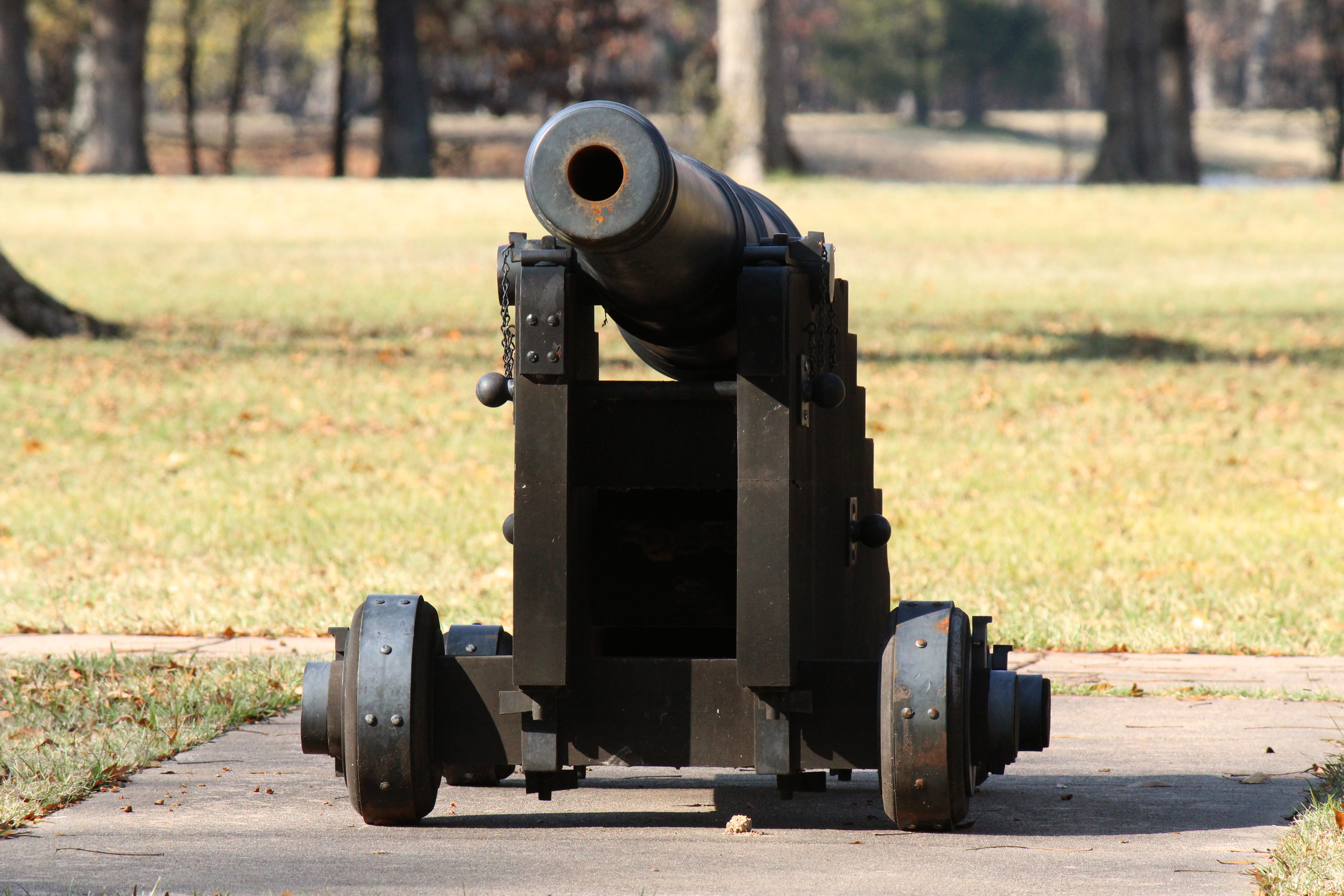
Gillett, Ark. — Spanish explorer Hernan de Soto passed through what is now known as Arkansas County in 1542 followed by French missionary and explorer Father Marquette nearly 160 years later.
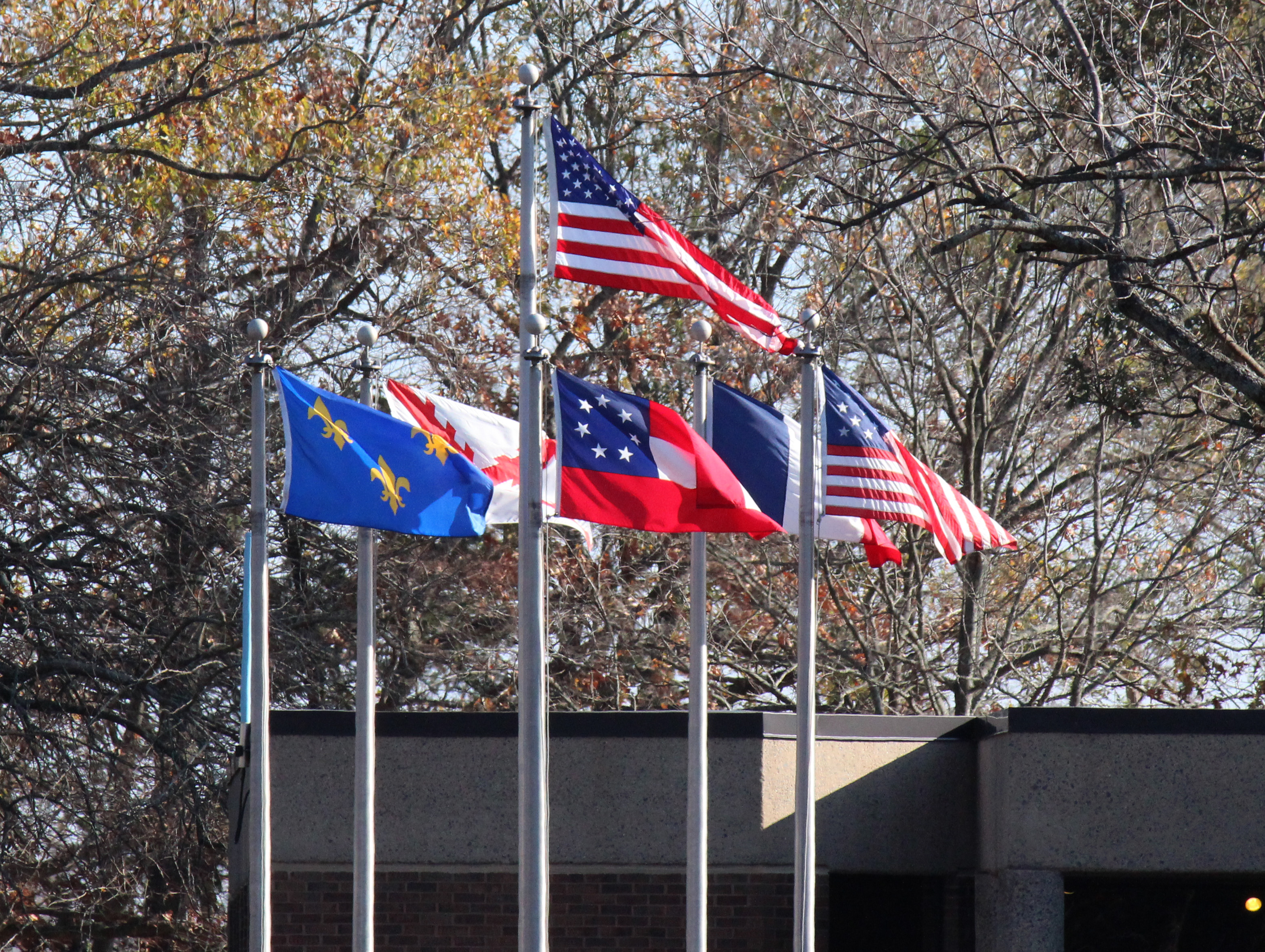
Later, five nations would all fly their flags within this same area. Frenchman Henri de Tonti founded the initial Arkansas Post in 1686 — the first European settlement in the lower Mississippi Vally (it predated New Orleans by 32 years). The area has since flown flags belonging to the French House of Bourbon, Castillian Spain, Republican Spain, Republican France, the United States and the Southern Confederacy.
Arkansas Post became a part of the United States in 1804 and, 15 years later, would become the Arkansas Territory capital. It wouldn’t last though. In 1821, the capital was moved to the newly founded city, Little Rock. Arkansas Post had about 1,000 residents at the height of its political importance in the 1820s and 1830s.
In January 1863, Union forces would capture the Confederate fort at Arkansas Post and destroy much of its town. The Arkansas Post is located along the Arkansas River and is now part of the national park system.
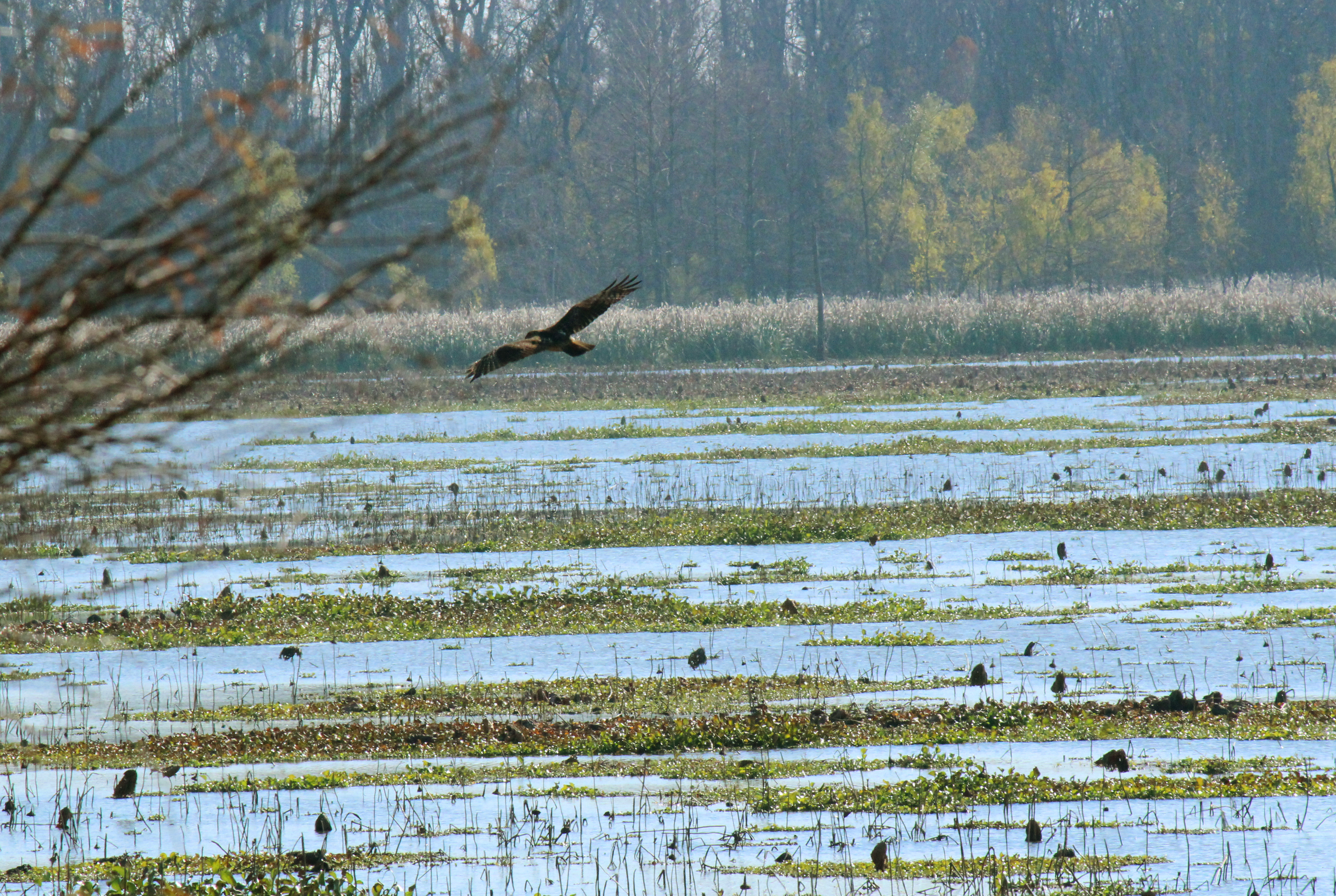


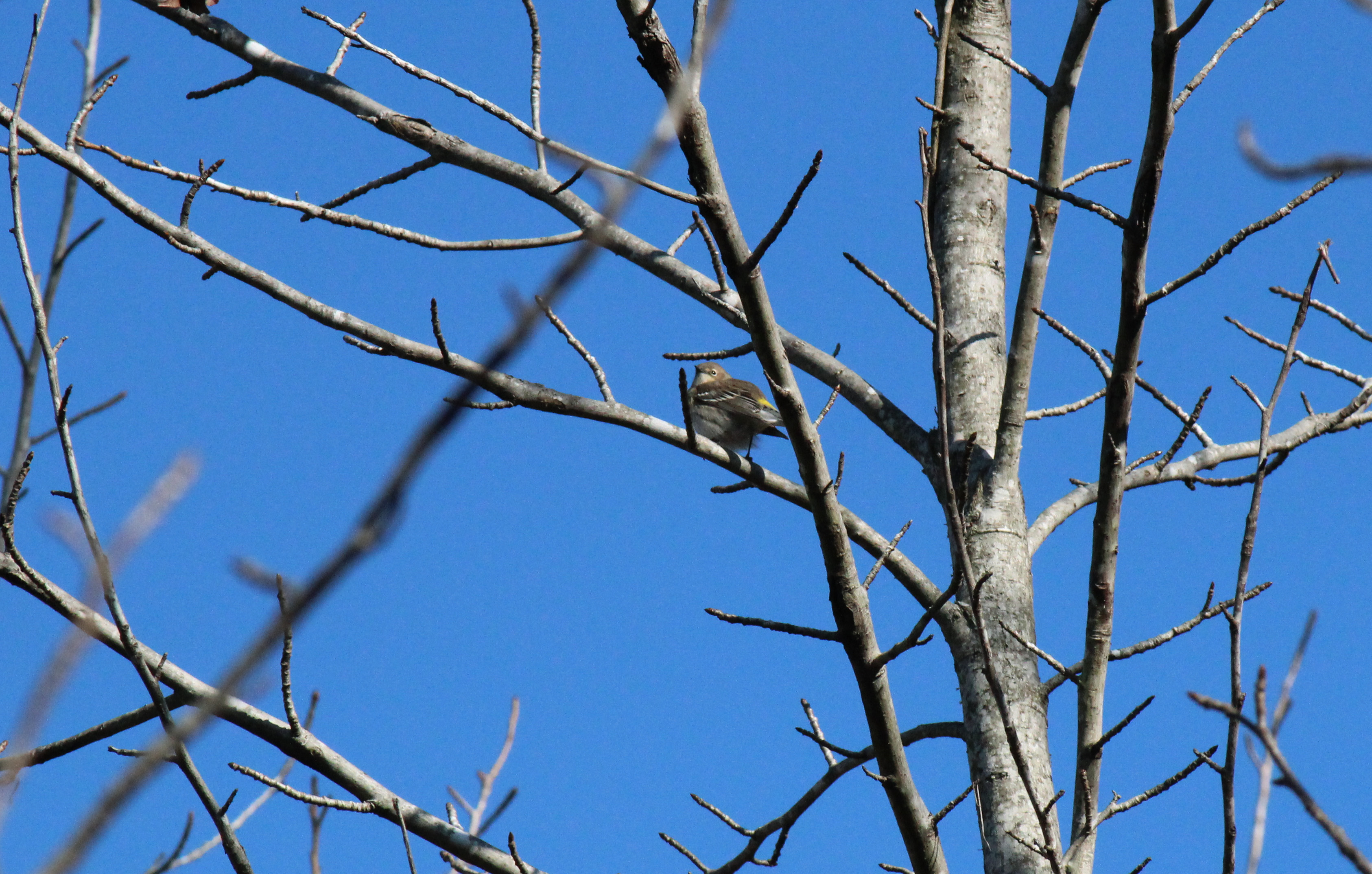

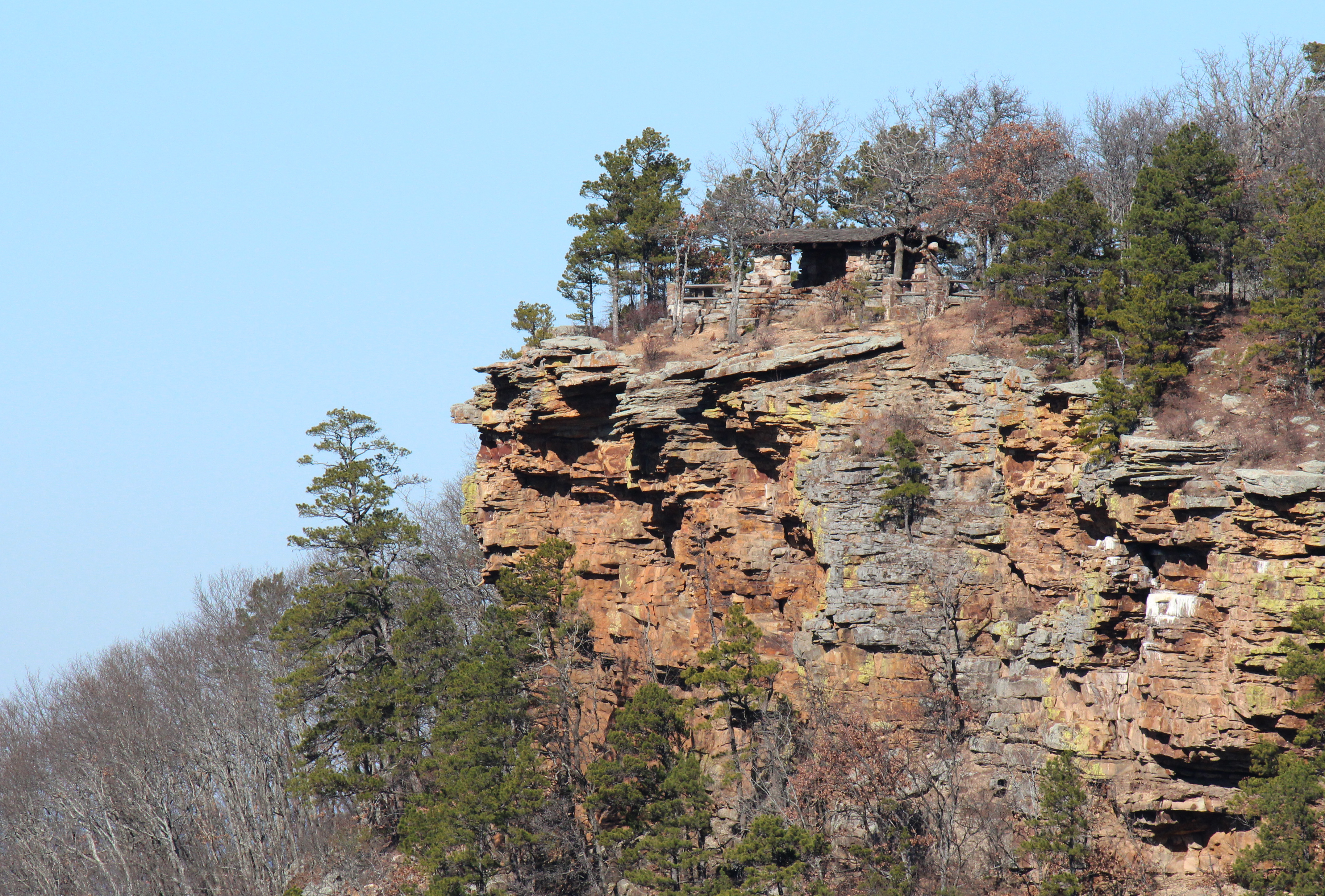
We stopped at a Petit Jean State Park overlook on our way back from Holla Bend National Wildlife Refuge. It’s gorgeous even during the height of winter.
Petit Jean, established in 1923, is the first state park in Arkansas. It covers 2,658 acres on Petit Jean Mountain between the Oark and Ouachita Mountain ranges in west-central Arkansas. It includes woods, ravines, streams, springs, amazing views and neat geological formations.
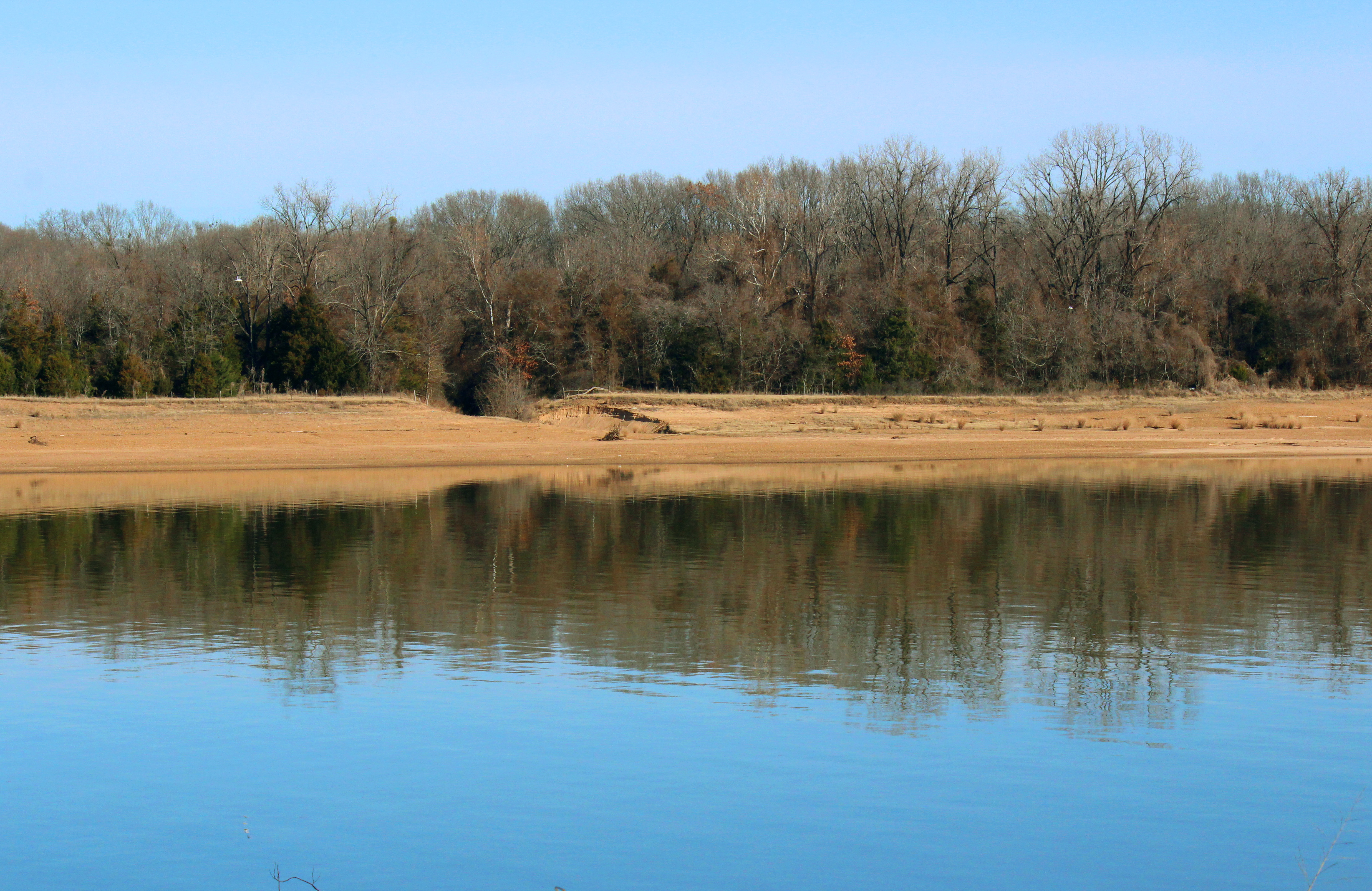
January is Eagle Awareness Month in Arkansas. To celebrate, I attended the Eagle Awareness Weekend at Petit Jean State Park. Bald Eagle numbers in the lower 48 states have now increased from 417 nesting pairs in 1967 to more than 10,000 nesting pairs in recent years. However, this still hasn’t helped me reach my goal of seeing an adult Bald Eagle.
The Bald Eagle gained federal protection in 1940 and its population was severely threatened by the widespread use of the pesticide DDT after World War II. DDT caused Bald eagles to lay eggs with weakened shells.
The U.S. Fish and Wildlife Service changed the Bald Eagle’s status from endangered to threatened in 1995. In 2007, the Bald Eagle was taken off the Federal List of Endangered and Threatened Wildlife and Plants.
 One of the two juvenile Bald Eagles spotted within feet of each other.
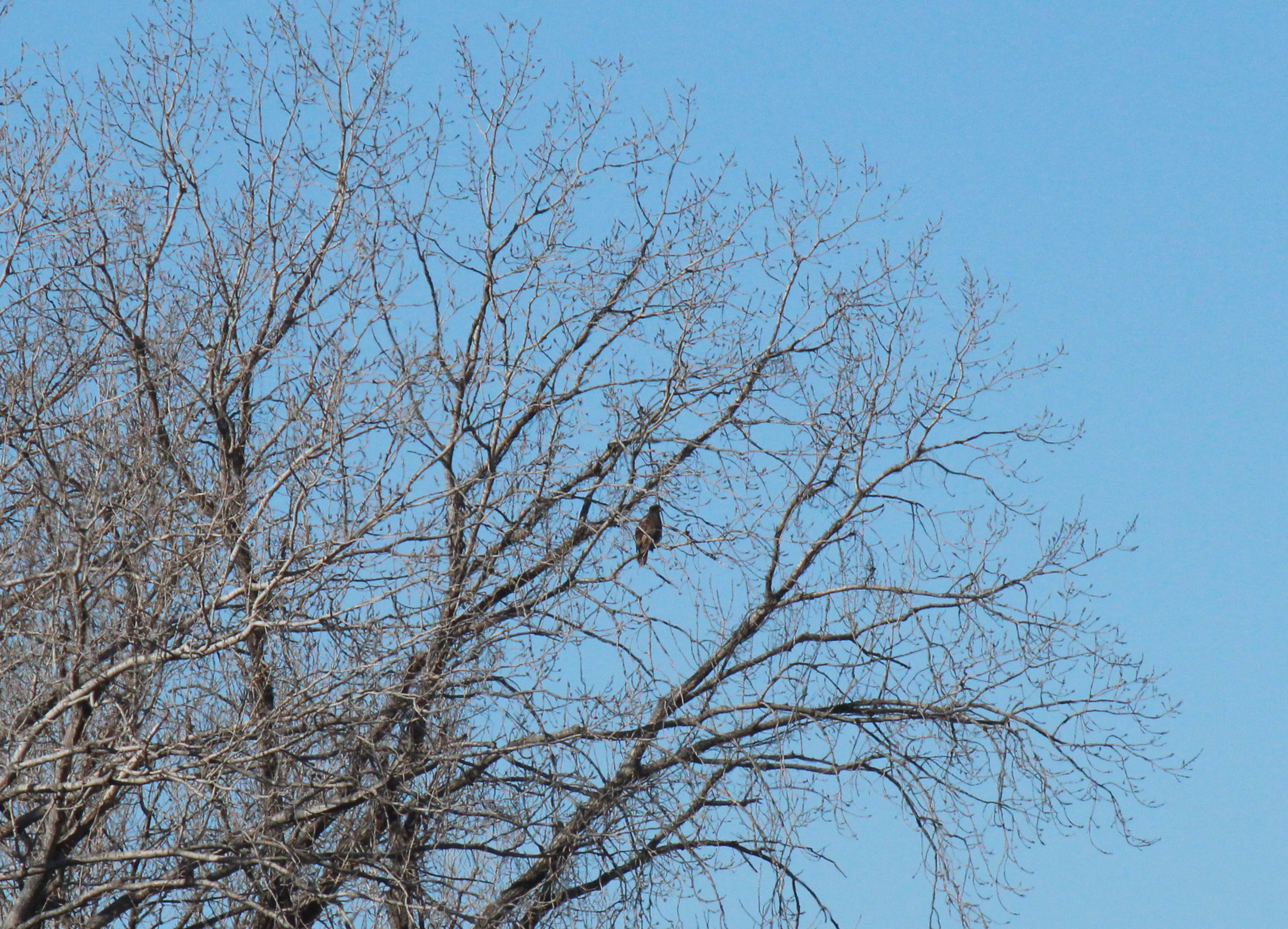 The second of two juvenile Bald Eagles that we saw. I was unable to get closer.
To accomplish my goal, Petit Jean park rangers took a group including my aunt and I to nearby Holla Bend National Wildlife Refuge, a 7,055 acre refuge that was established in 1957 as a result of a U.S. Army Corps of Engineers navigation and flood control project. Continue reading “Holla Bend eagle search”
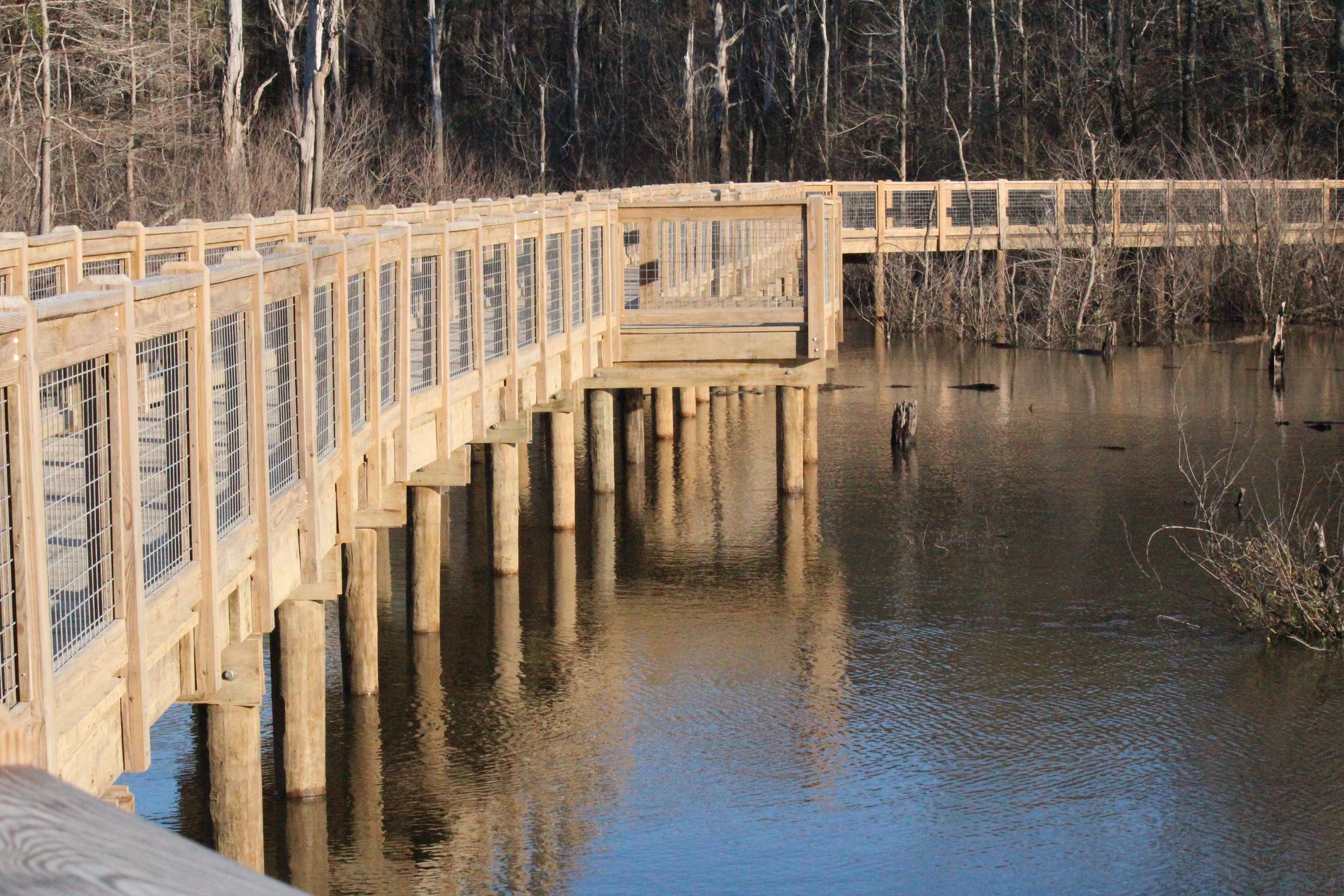
There’s been water underneath White River National Wildlife Refuge boardwalk within the past month. Recent rainfall had the White River above its 26-foot flood stage and flowing into the refuge. It’s back down now at 23.7 feet this morning. Here’s some pictures from my trip to see how flooded it was.


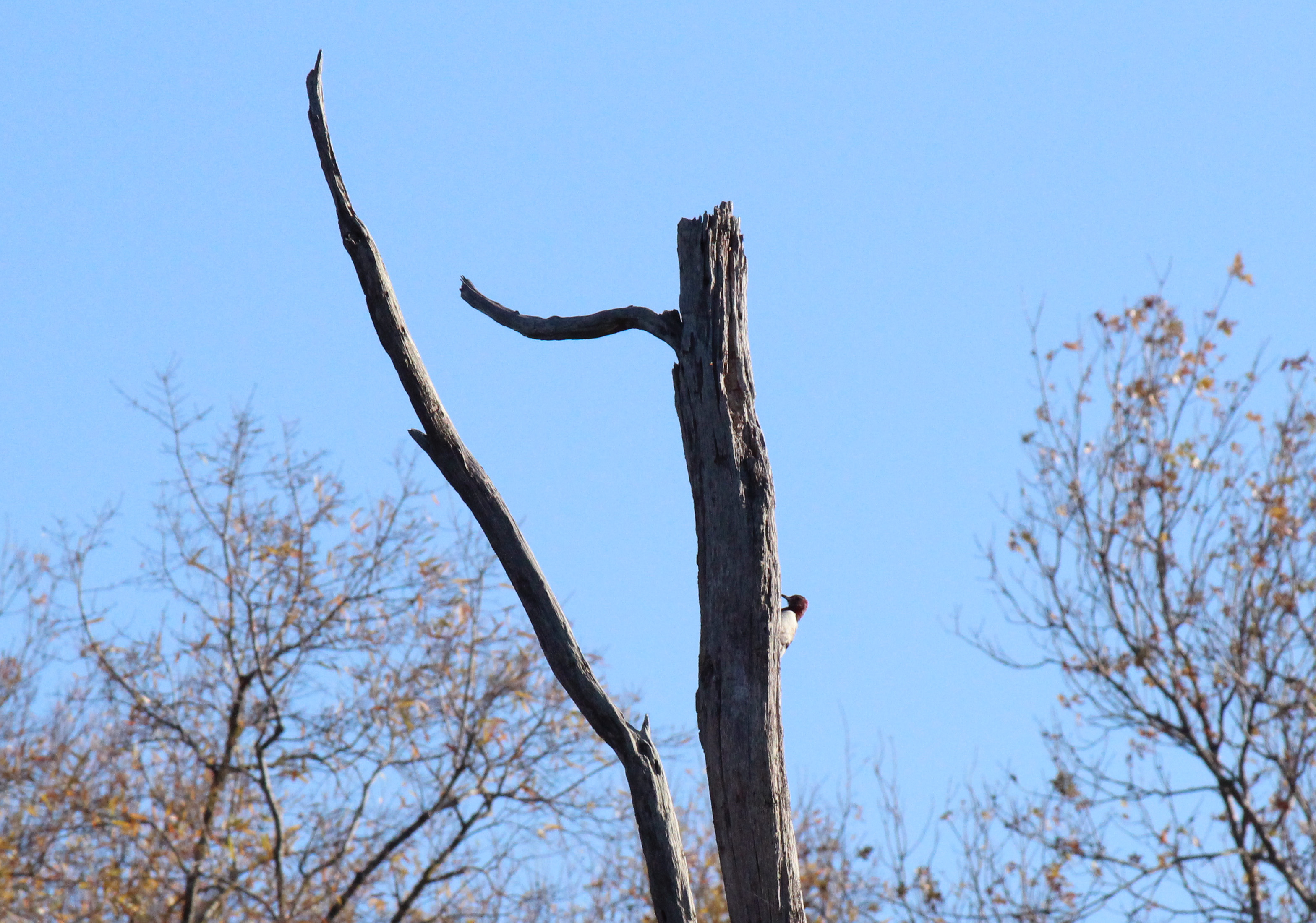
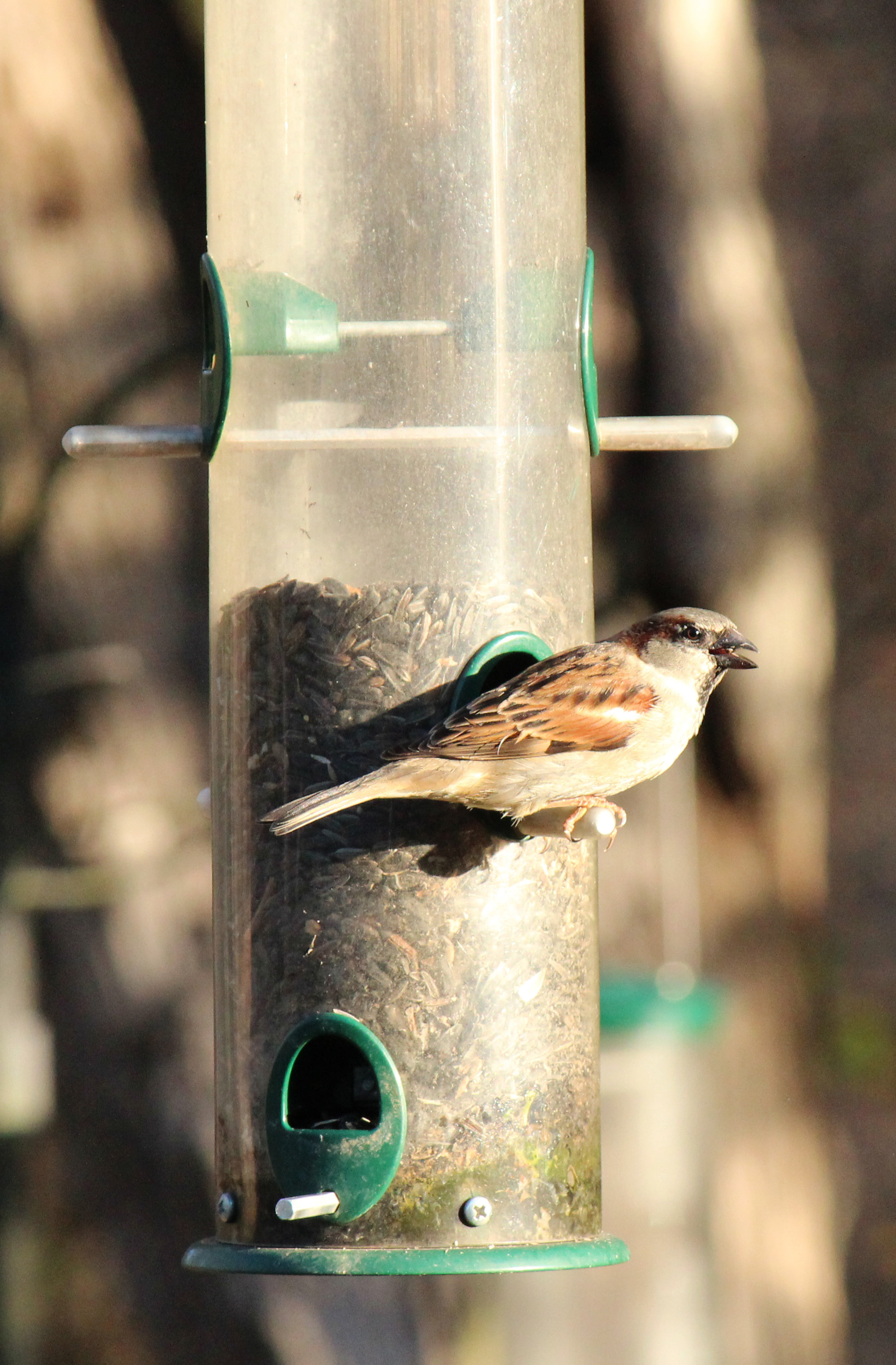
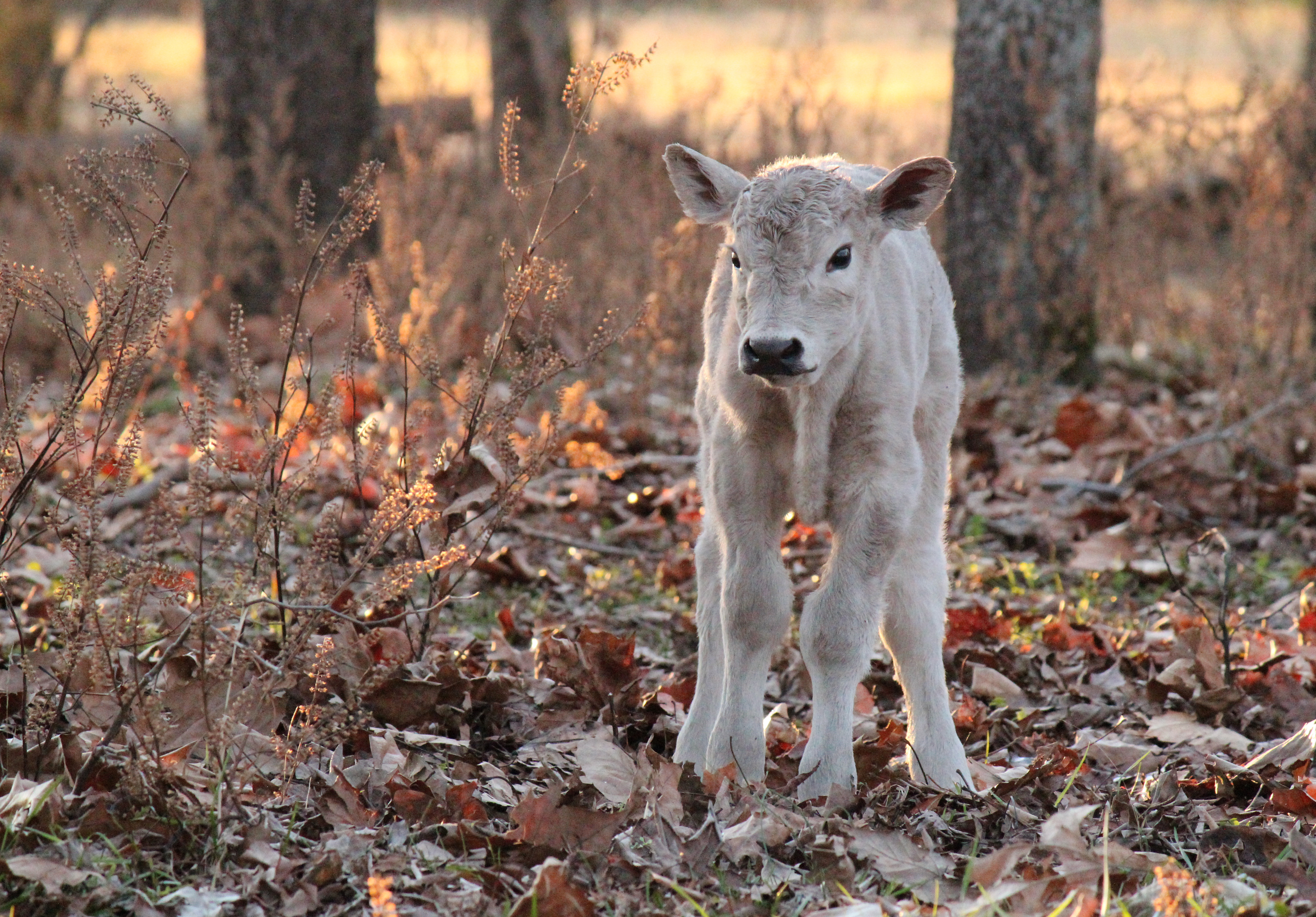
I spent my first afternoon of 2012 at my aunt and uncle’s farm in Jonesboro. My sister and I originally went to pick out some old doors my sister needs for a do-it-yourself project, but we soon spent the majority of our visit heading out to a back pasture to see a newborn calf.
We arrived about an hour after it was born. The calf is beautiful with a grey coat and is the fourth calf born this winter. The only disgusting part of it was watching the mother eat the placenta. It makes sense that the mother would eat it since it could lead predators to her newborn, but it was still a sight I would rather not have seen.
Still, the newborn calf was one of the reasons why Jan. 1st was a great day. It also helped that the weather was nice, I was able to enjoy an amazing home-cooked meal with my immediate family, and spend the afternoon visiting with family.

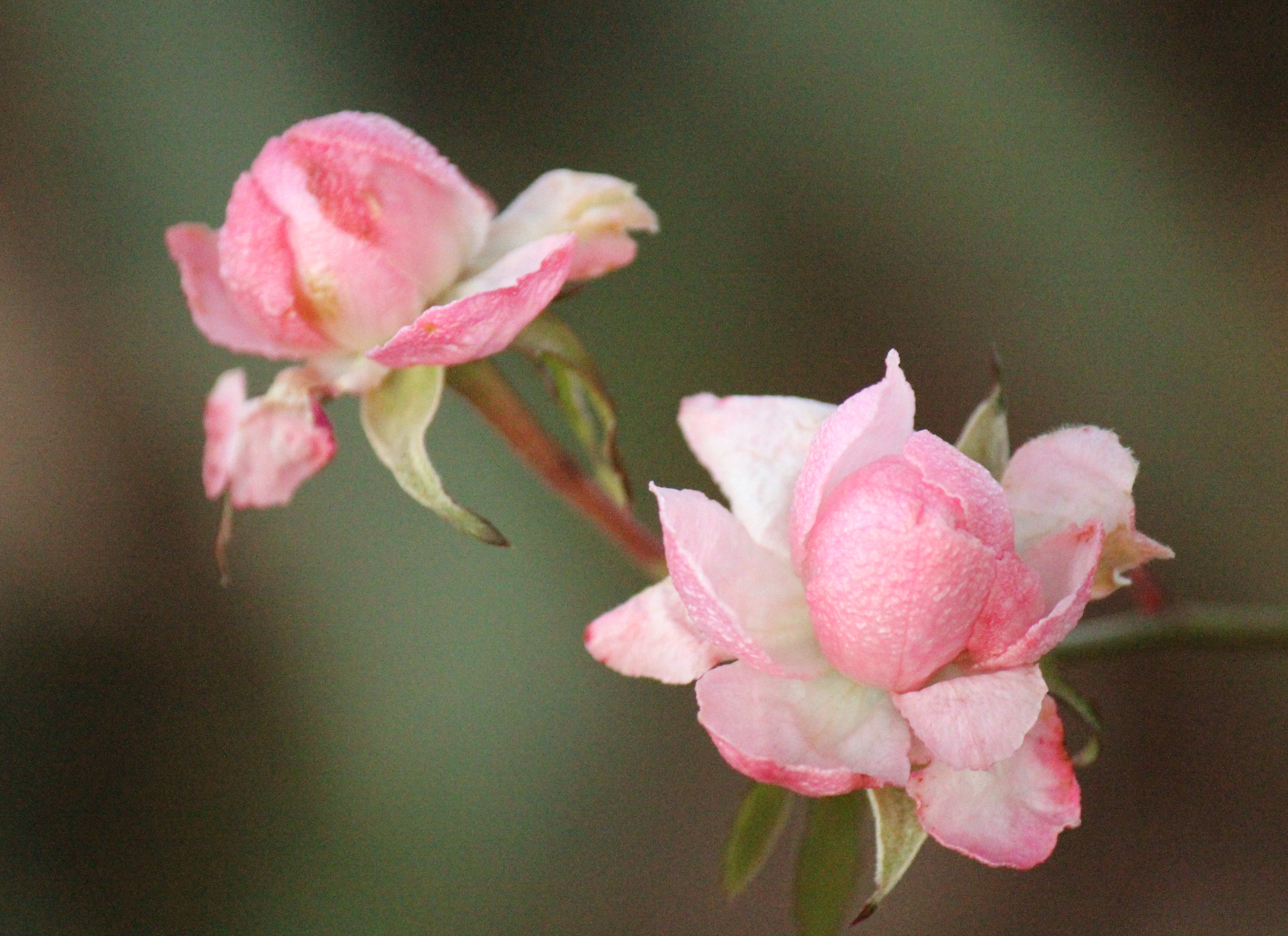
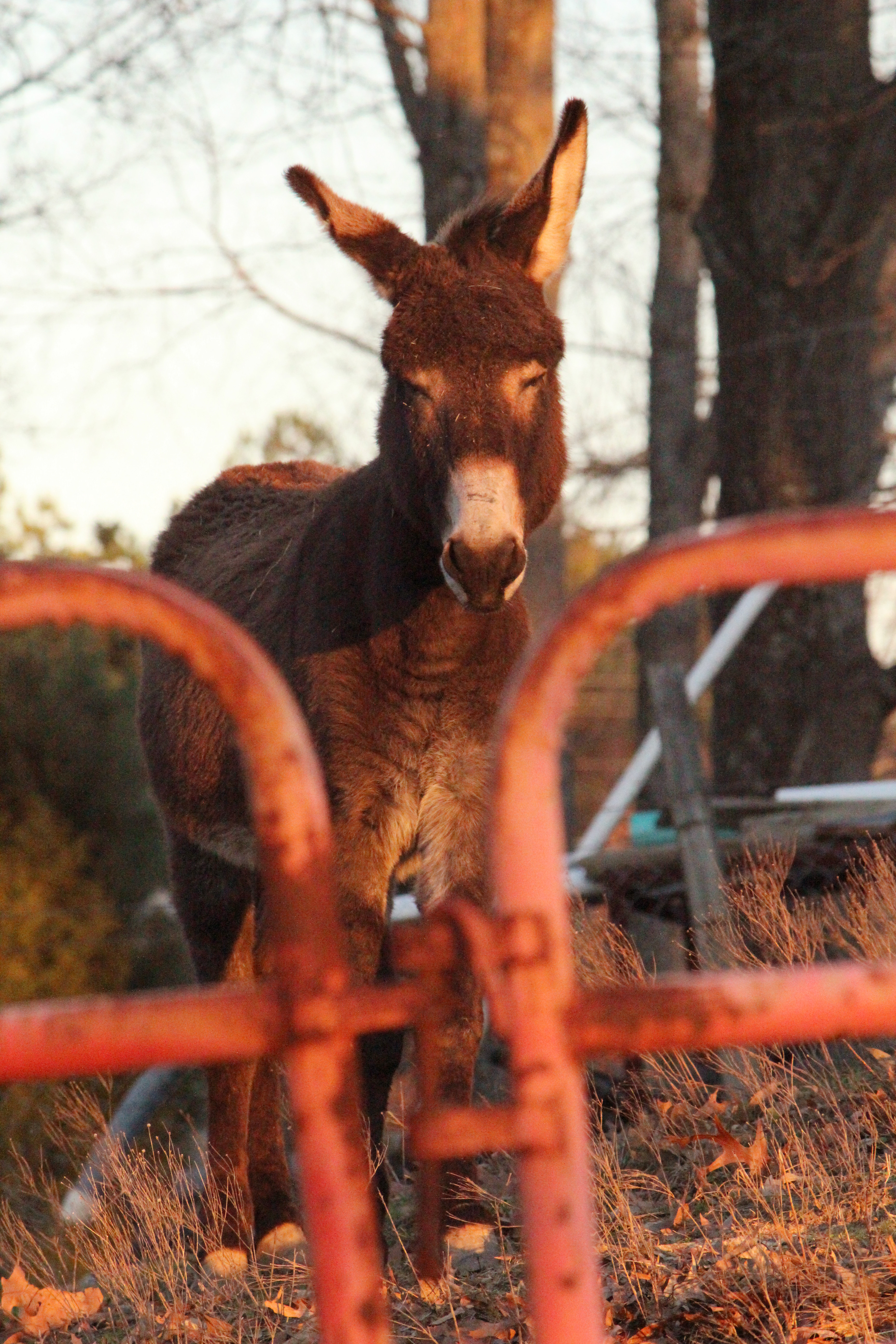

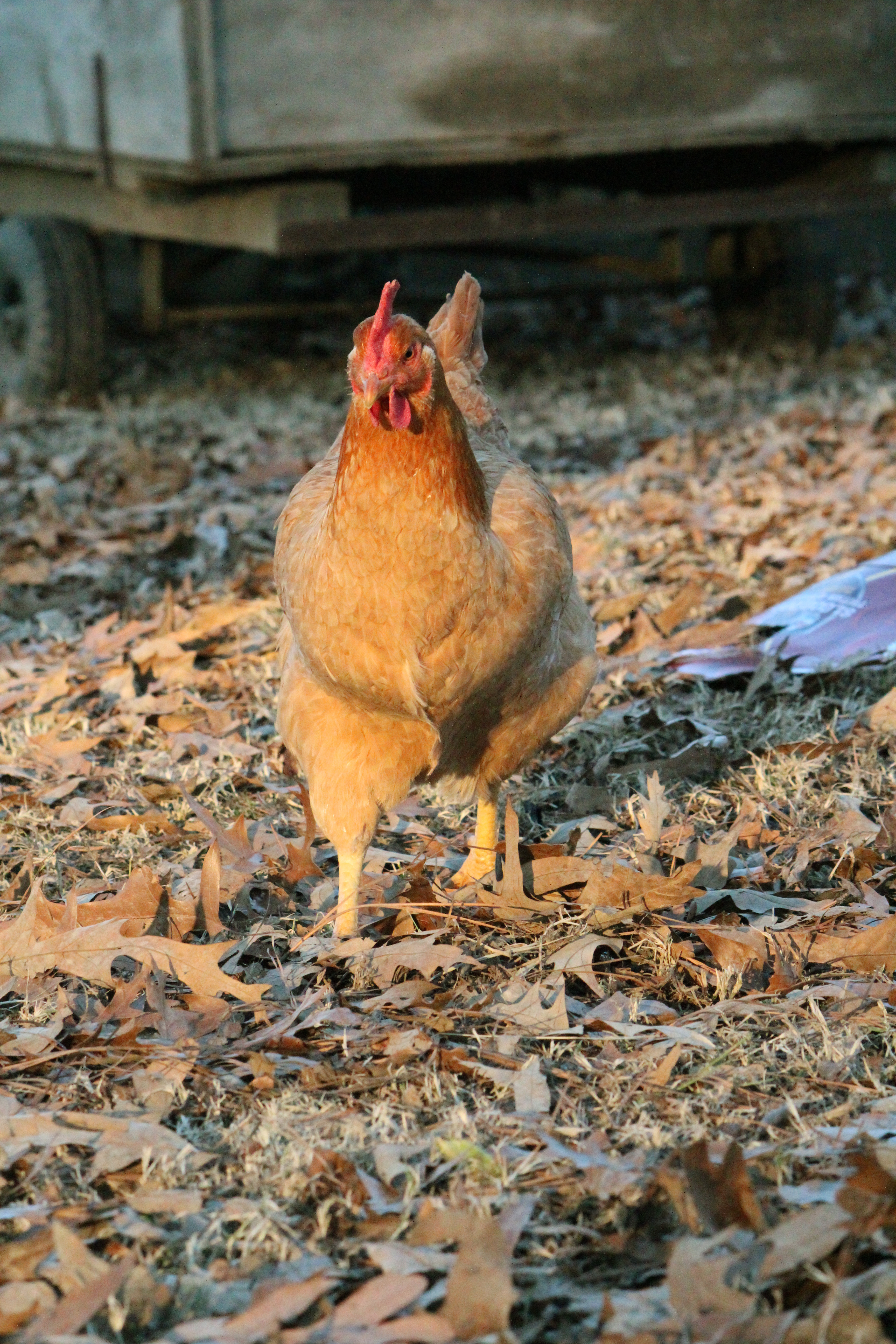
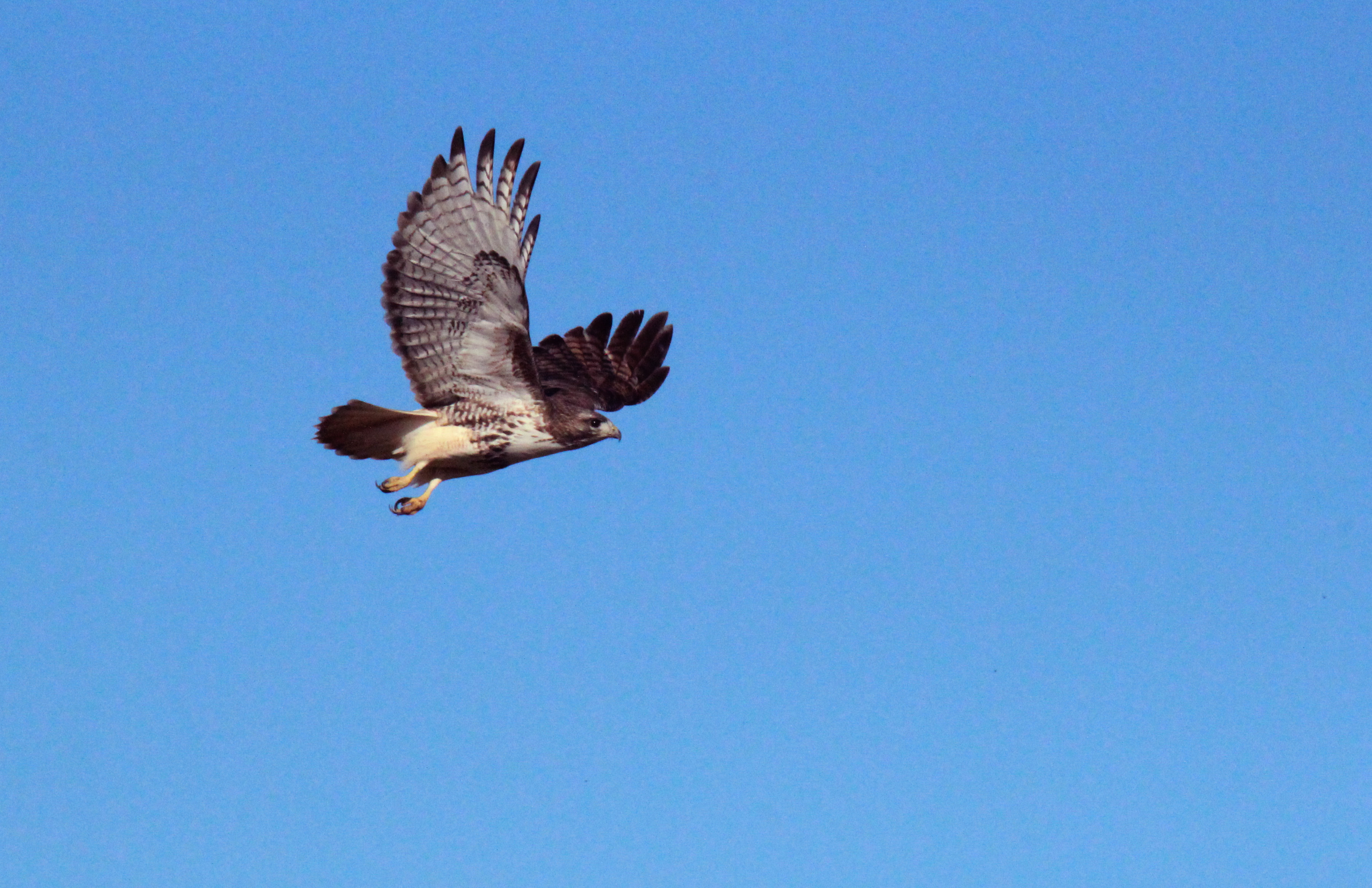
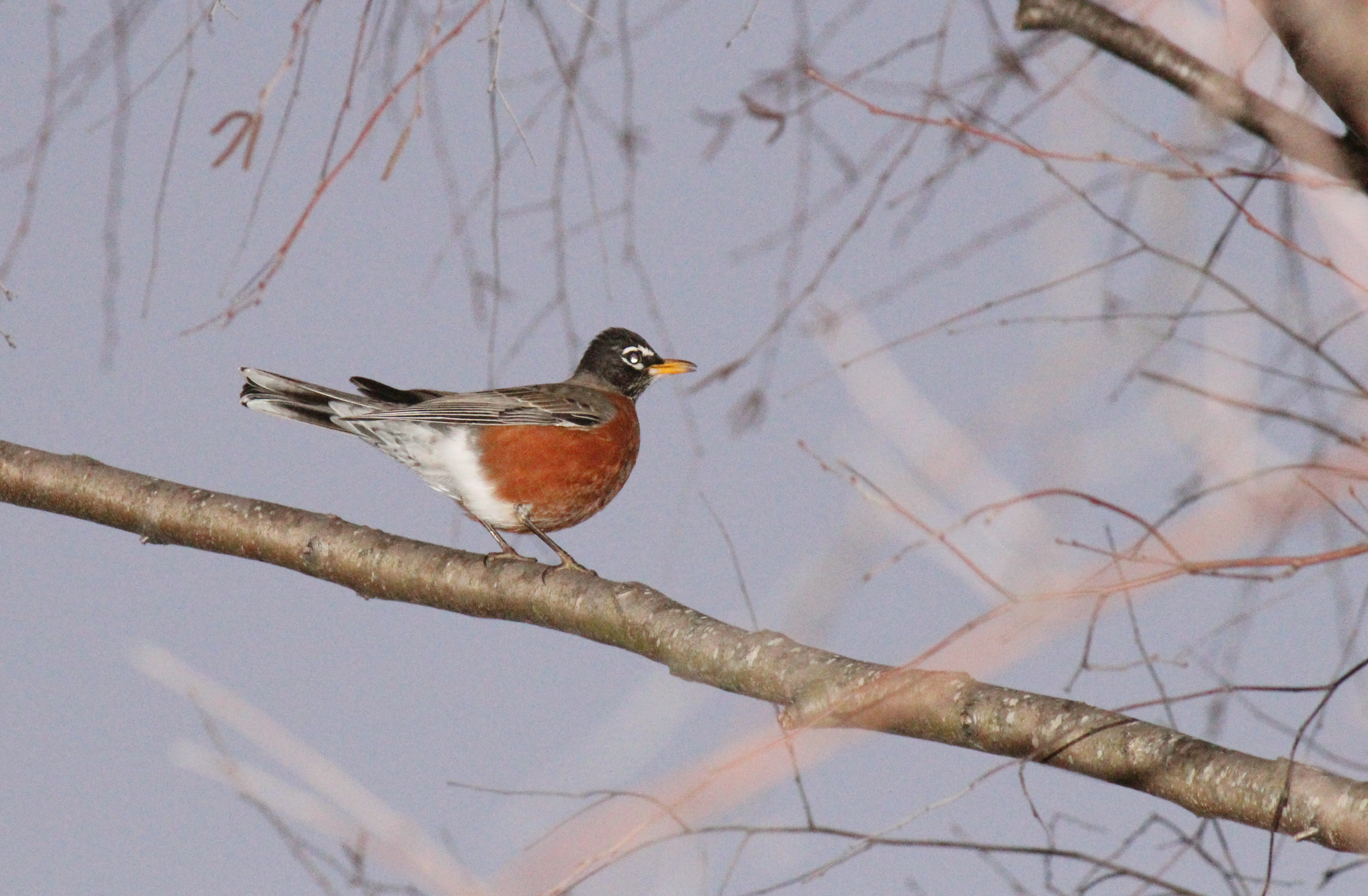
2011 ended and 2012 began with a bang. I was able to scratch off more birds off my list of those to see with the help of my family to identify some of the birds I saw. I’m slowly learning that identifying the birds I take pictures of is the hardest part of my new hobby. Hopefully, it’ll get easier as time goes by. Still, feel free to correct me if I do misidentify a bird.


My first experience with WordPress was a four-month blog I kept in early 2009 when I lived in Rockville, Maryland. I was interning at a non-profit organization through The Washington Center and I had agreed to keep a blog for my college newspaper (the ASU Herald at Arkansas State University in Jonesboro, Ark.).
I’ve always loved keeping travel journels, but this online version was 10-times better. It was way more organized, neat and easier to maintain then my previously written versions. Of course, I mainly contribute that to the fact that blogs are harder to lose than a physical journal.
I hated that I could not include these original blog entries when I first began this new travel blog — it just didn’t feel right. Today, I finally learned how to successfully export these blog posts (from my other—private—blog to this one). Hallelujah!
So, if you are one of the three subscribers (thank you by the way) I’m sorry if you get a whole lot of emails from this blog.
To see my first-ever blog post of the 2009 trip, click here. You can also view the overall 2009 experience of living, studying and interning in D.C. here.
Rediscovering Arkansas with a few detours.
We preserve, conserve, and study the native plants of Arkansas
Our Nicaraguan Journey
Rediscovering Arkansas with a few detours.
Think left & think right & think low & think high. Oh, the thinks you can think up if only you try!" -Dr. Seuss
I previously worked as a news and sports photographer. Recently I have been enjoying wildlife photography. My approach toward bird photos is similar to sports photography. I attempt to capture mostly action and hopefully a unique perspective.
Urbanites in the woods, doing all our own stunts.
WILD IN FLORIDA: Exploring and Photographing Florida's Threatened Ecosystems, Wildlife, and More
by Jo Woolf
Rediscovering Arkansas with a few detours.
Rediscovering Arkansas with a few detours.
Rediscovering Arkansas with a few detours.
 Memos for Me