Day 5: African Wildlife Safari

We slowly made our way from the Tarangire Safari Lodge toward the Ngorongoro Conservation Area. 

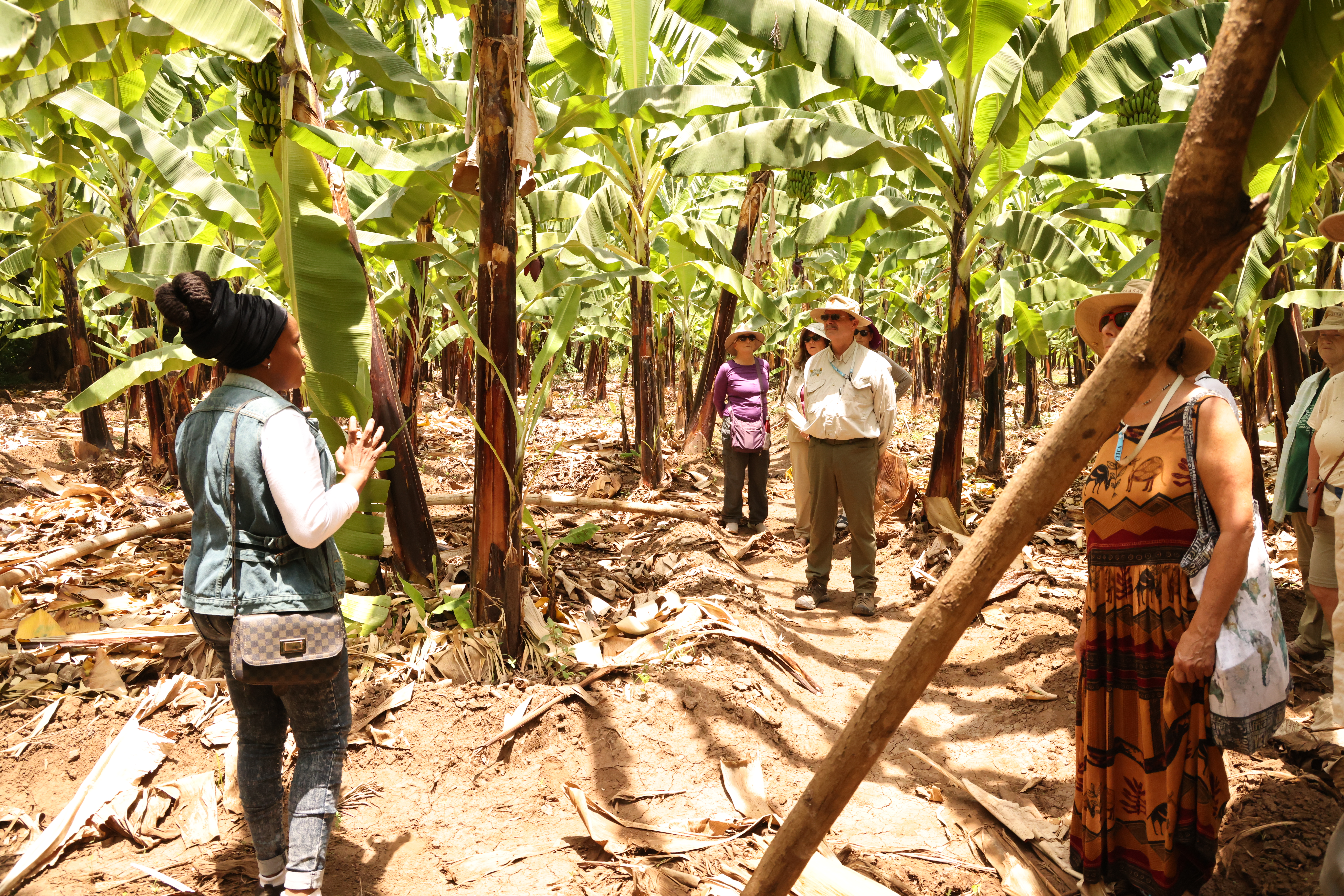
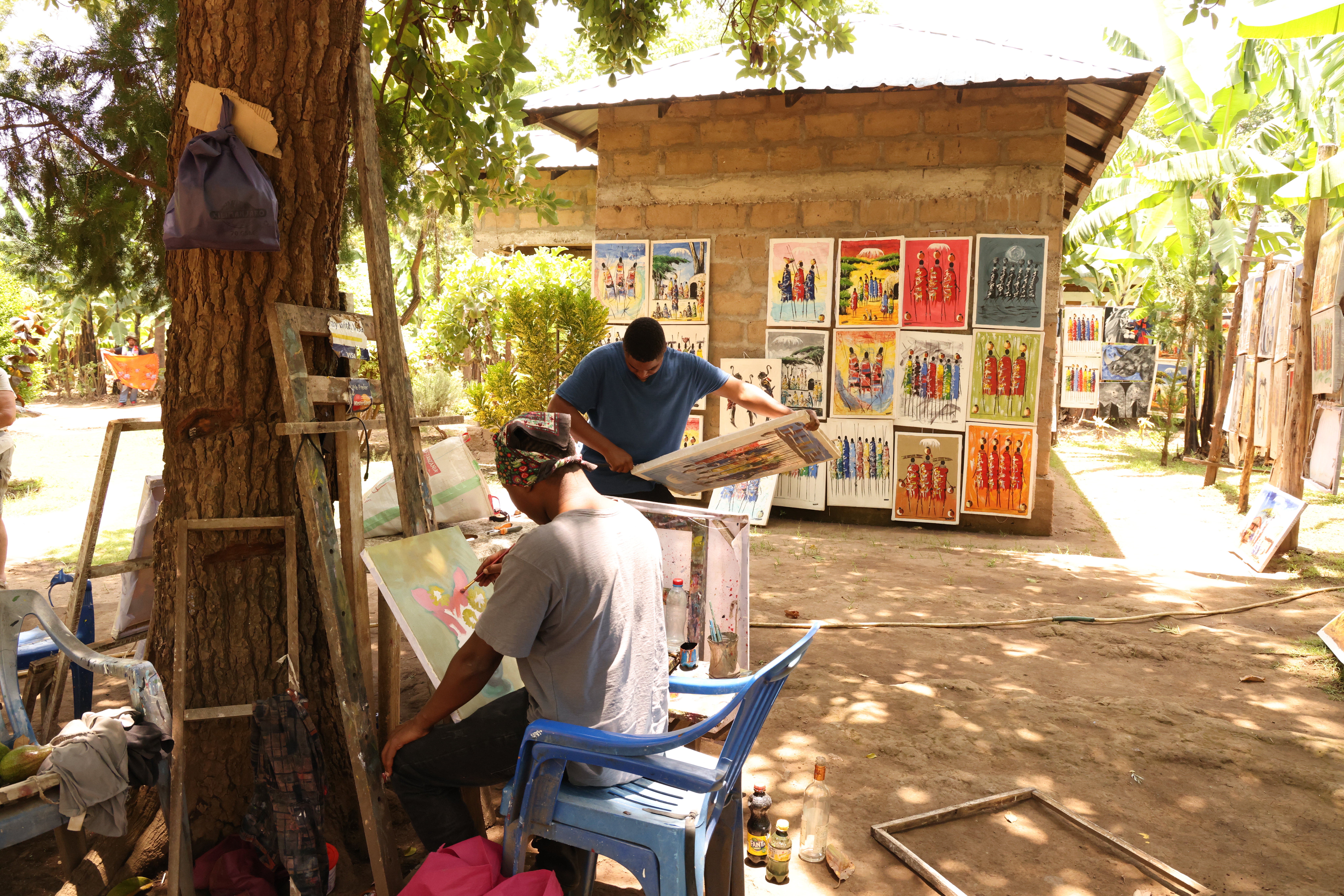
En route, we visited the Mao wa Abu village of about 18,000 people who represent all 120 tribes from Tanzania. A young married couple gave us a tour, including their banana plantation and the youth art project. We had lunch in the village before leaving. It was extremely interesting – I didn’t know there were so many varieties of bananas (the community grows more than 30 varieties) and I bought a painting of Maasai women that I love. However, there were men who approached as we loaded into our vehicles about buying random items from them and they did not like that we said no. They just griped about us and we were able to quickly drive off.

We finally arrived at the Ngorongoro Conservation Area, a UNESCO Mixed World Heritage Site. At the entrance, Gabi and James, our tour guides with #RegalAfricanSafaris (previously known as #MaasaiMagicSafaris), gave us a short presentation on the area during a break before entering the conservation area.

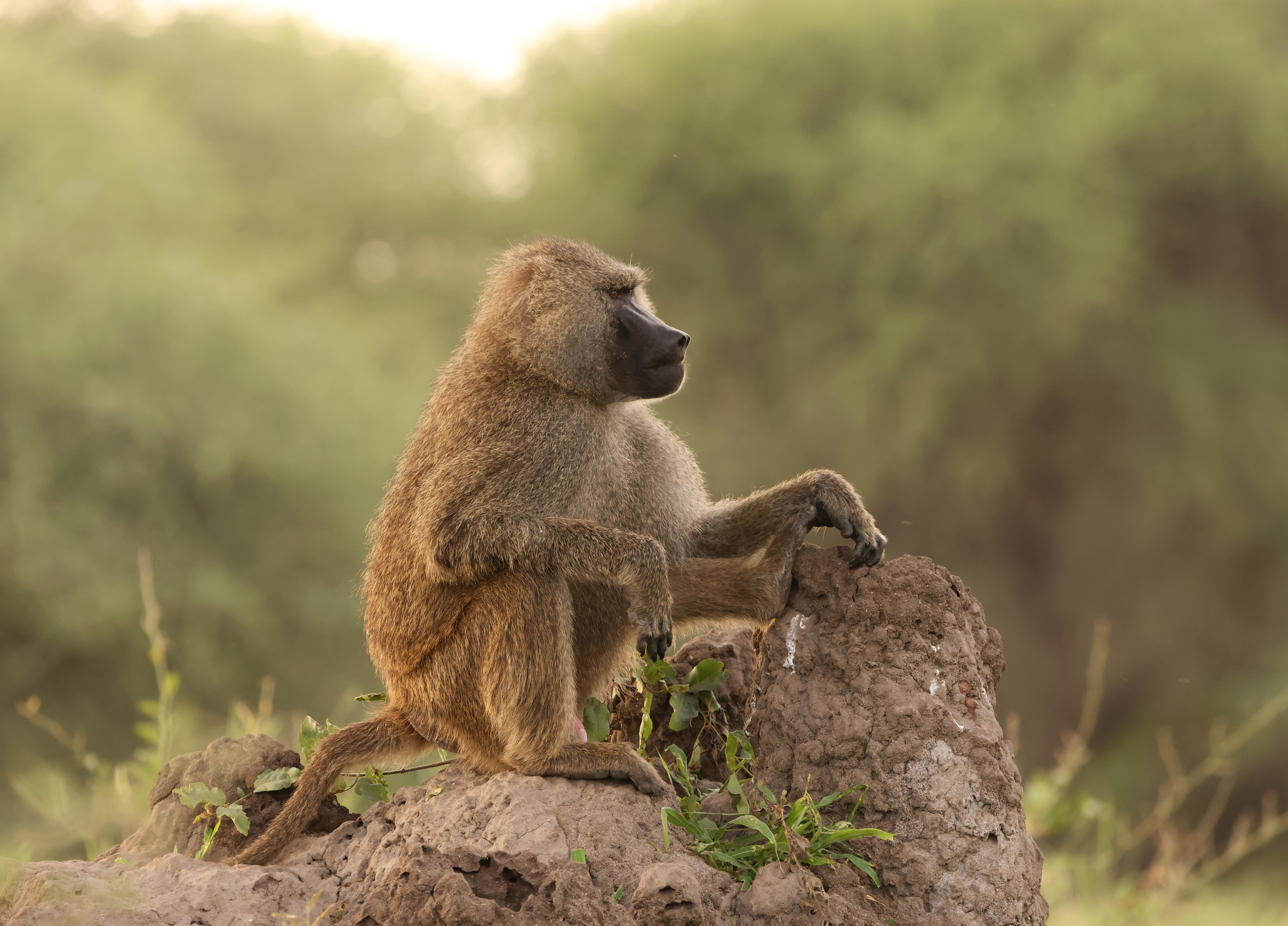
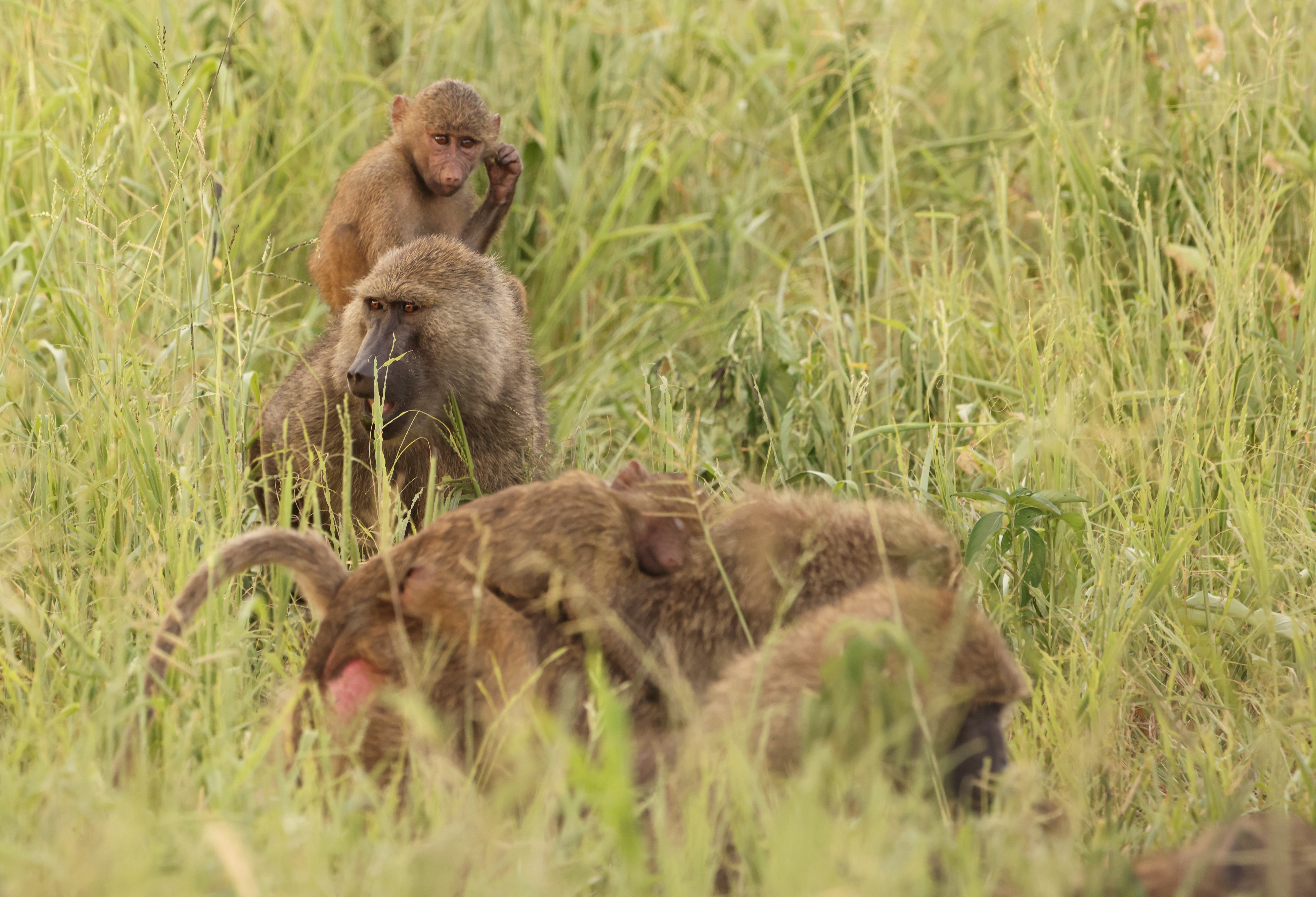
The real winners of the break were these naughty monkeys who stole my aunt’s bag of nuts and tauntedly finished them off while staring her down. They jumped into one vehicle, and stole a purse from another vehicle. While entertaining and frustrating at times, the experience reminded us to keep our doors looked and the windows up around these guys.

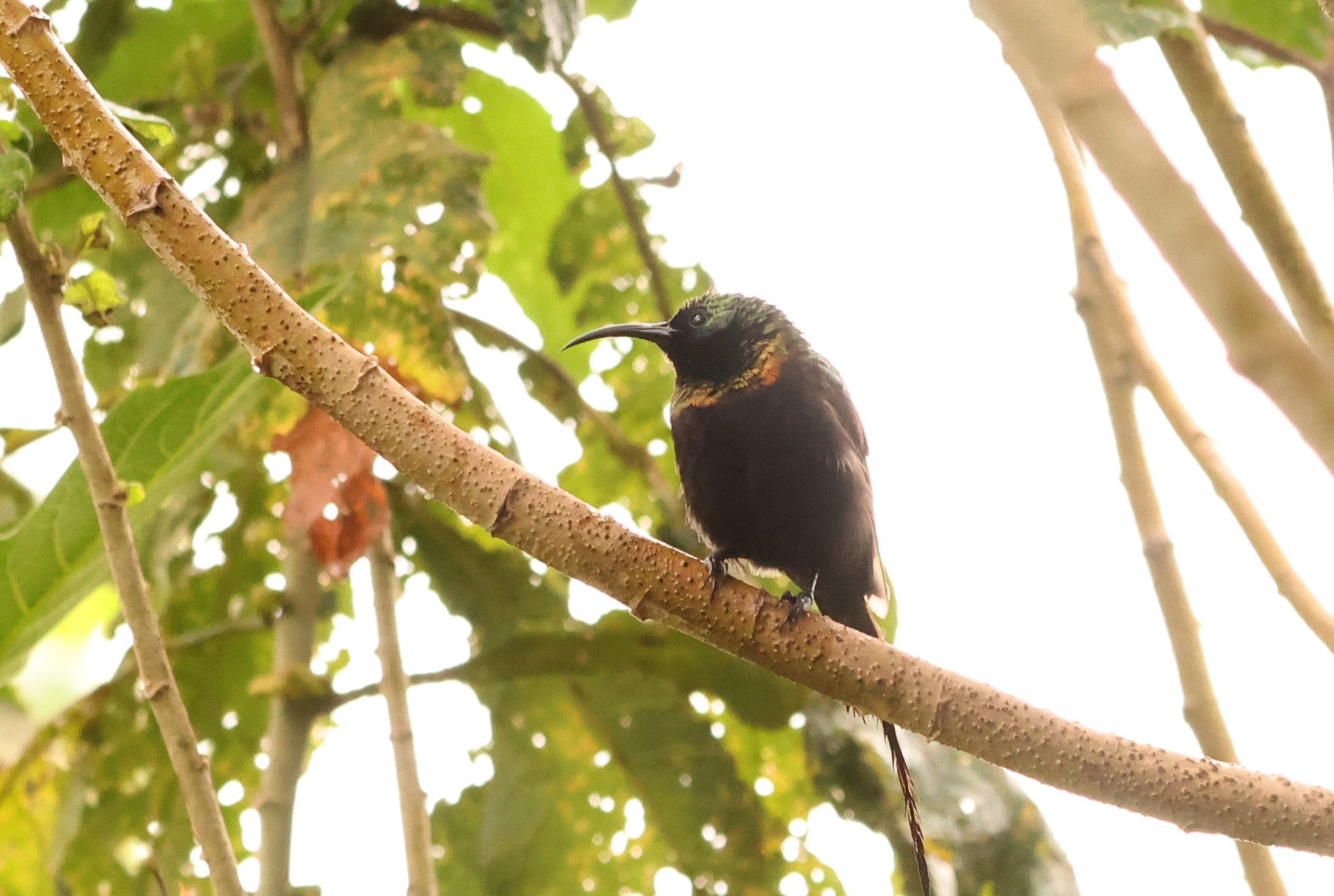
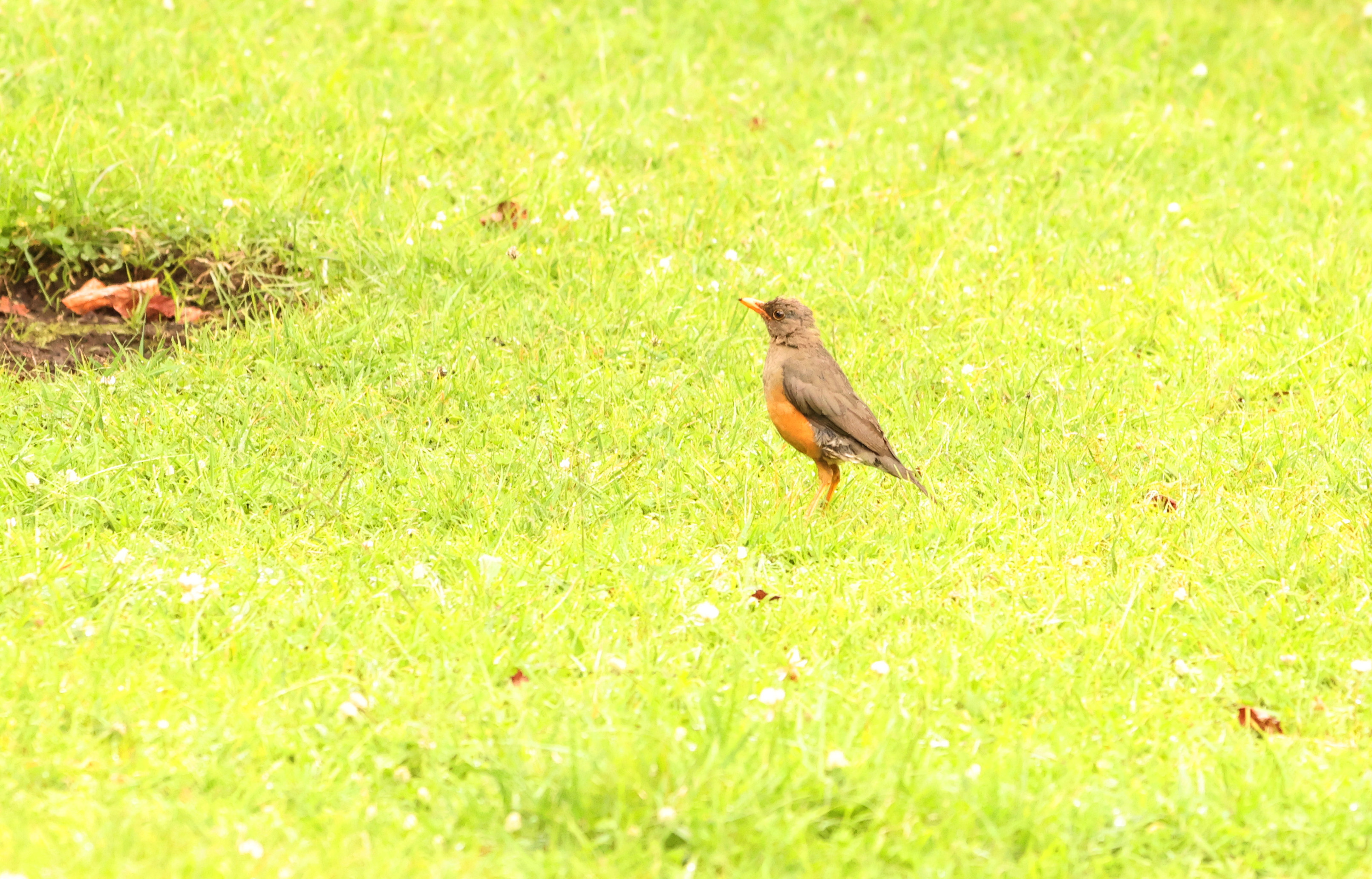
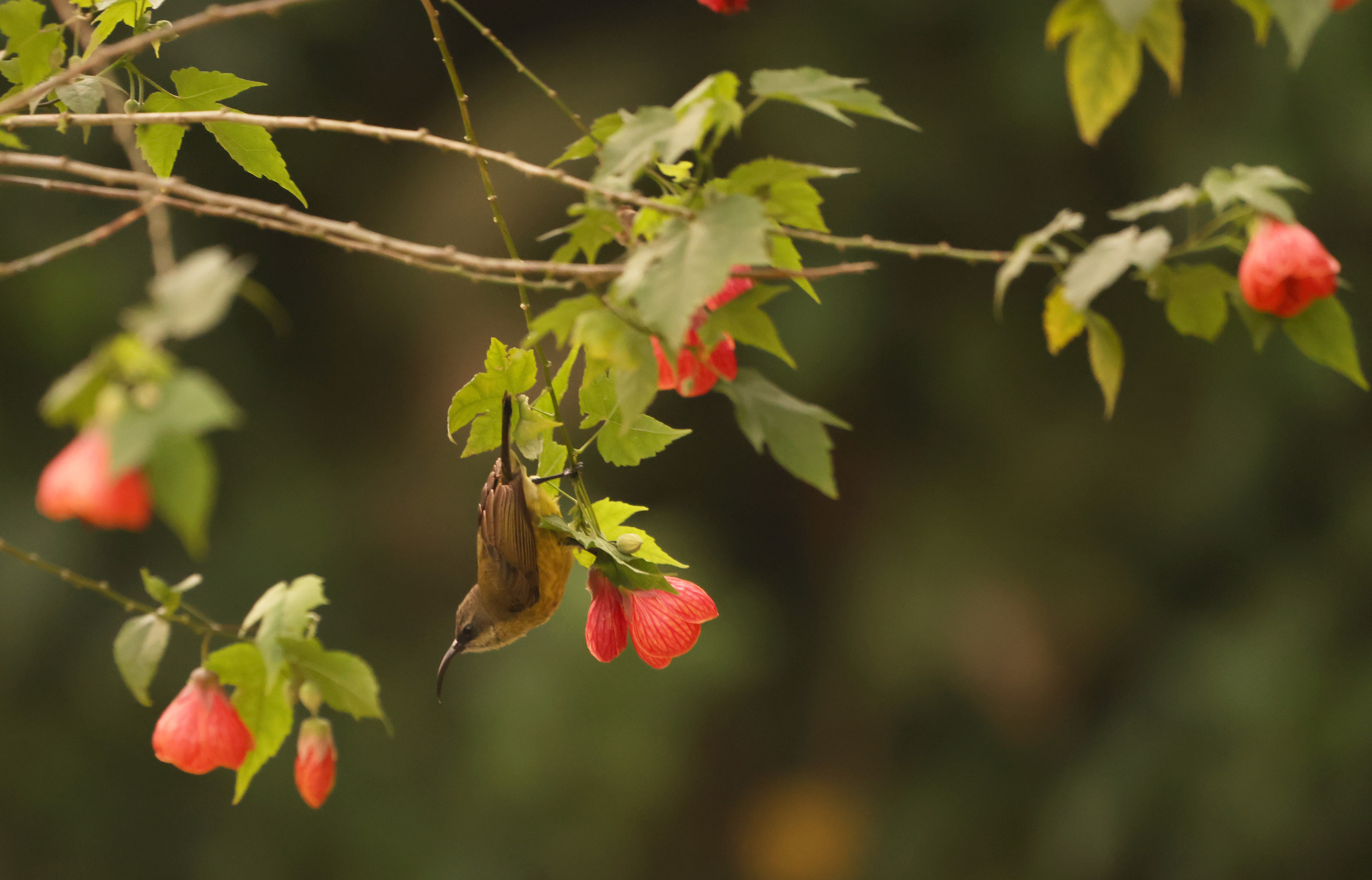
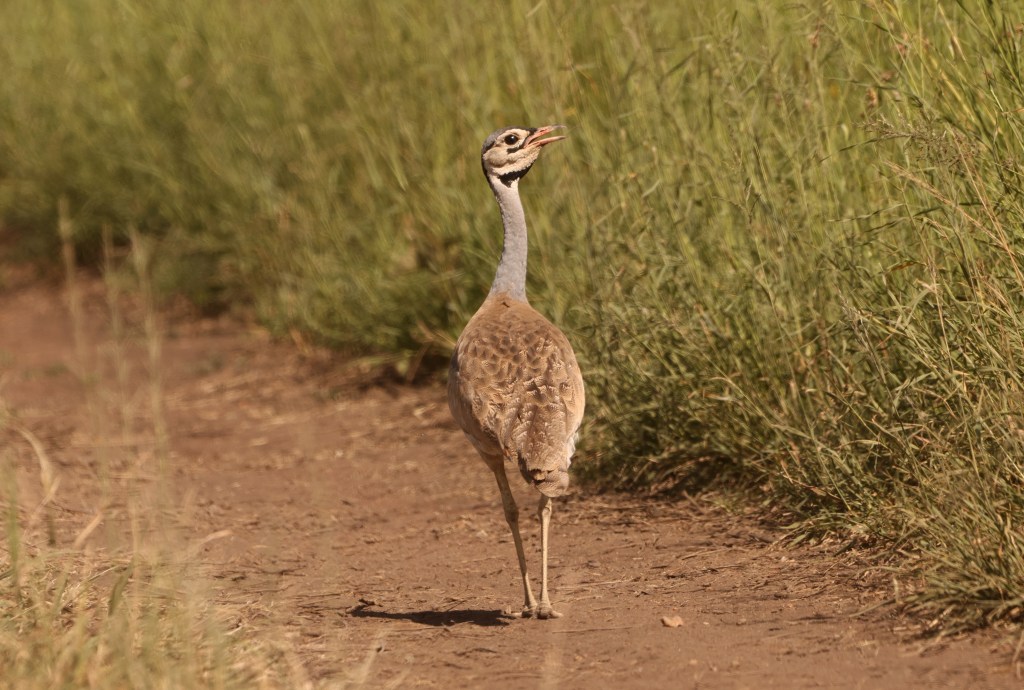
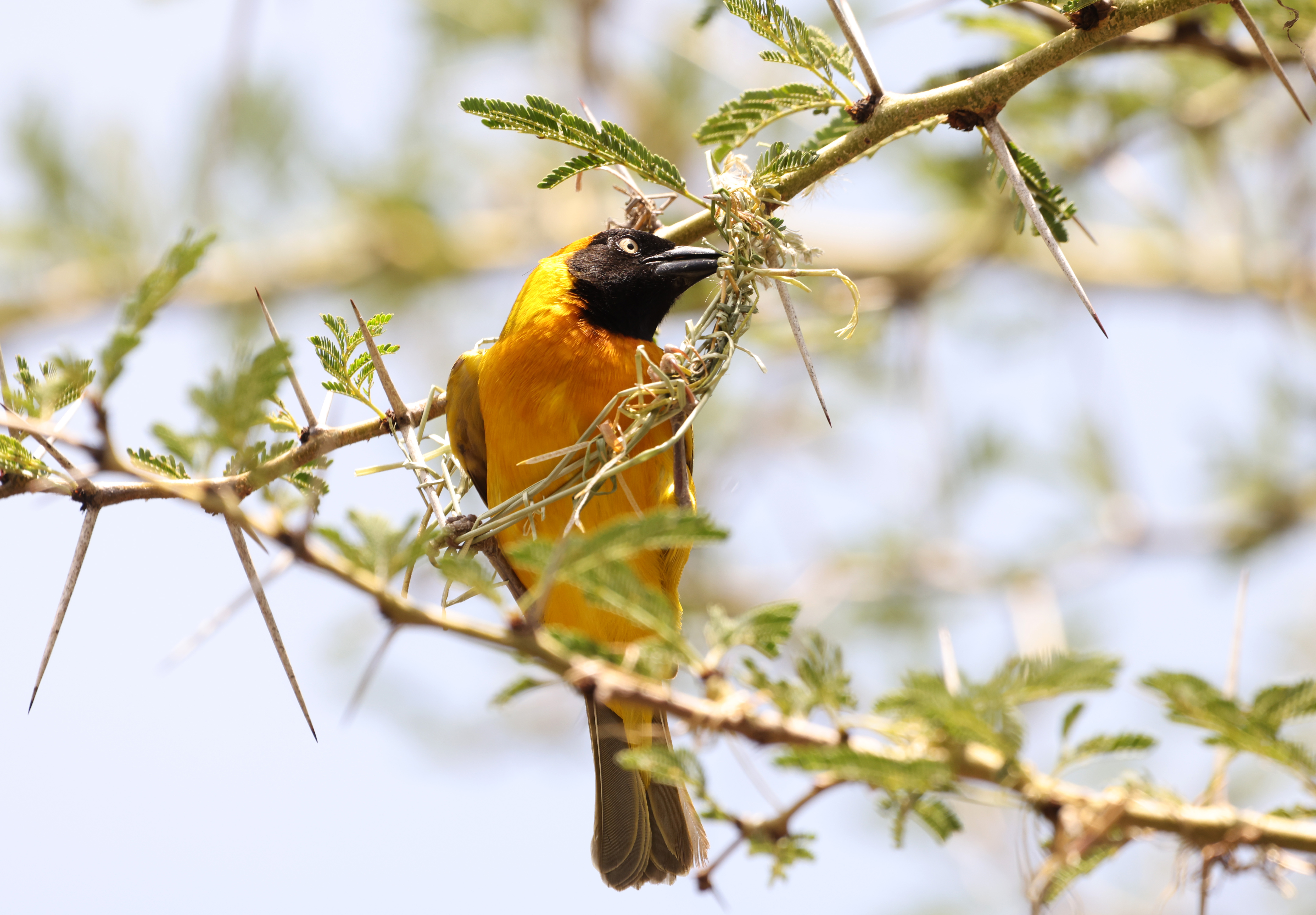
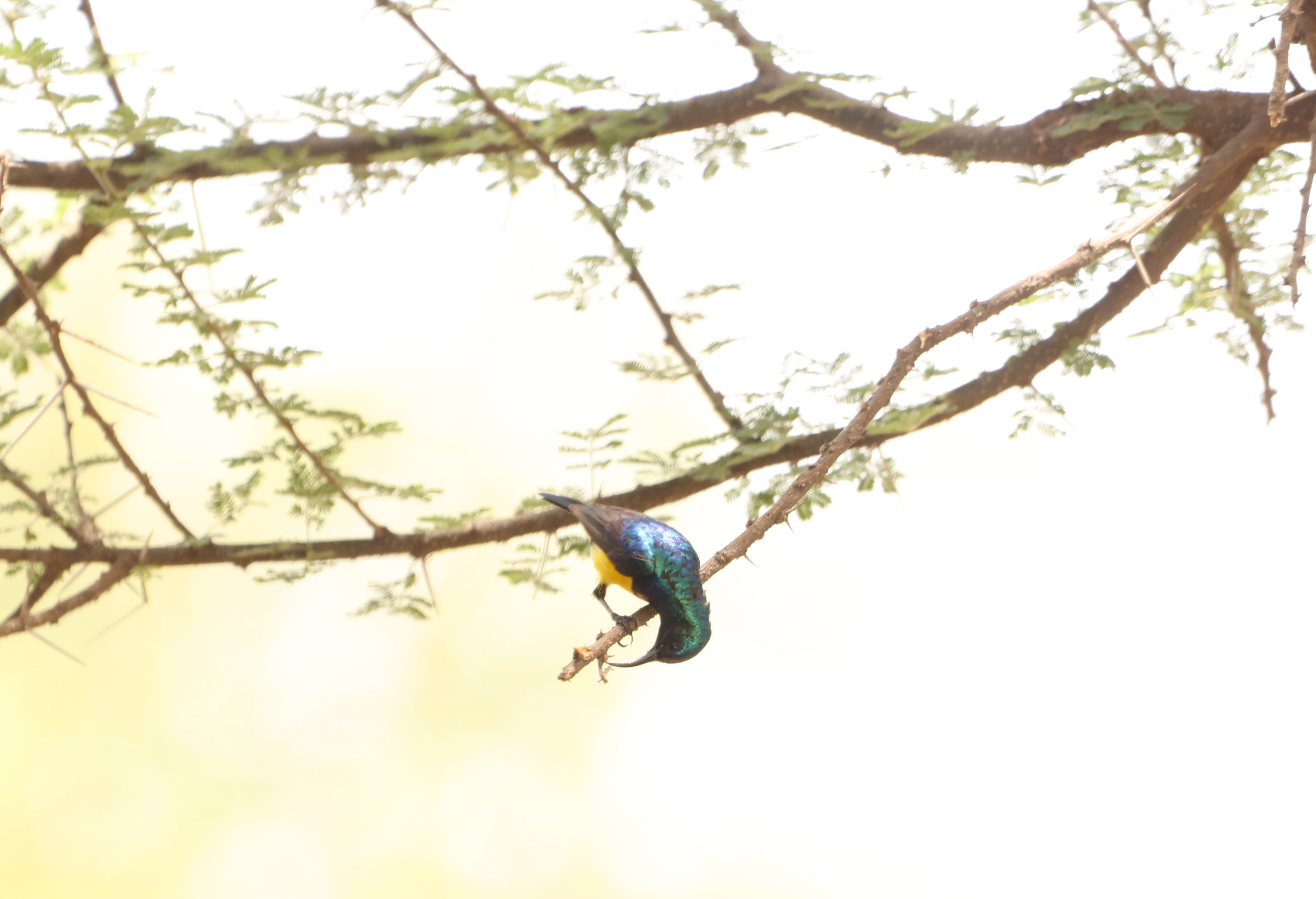
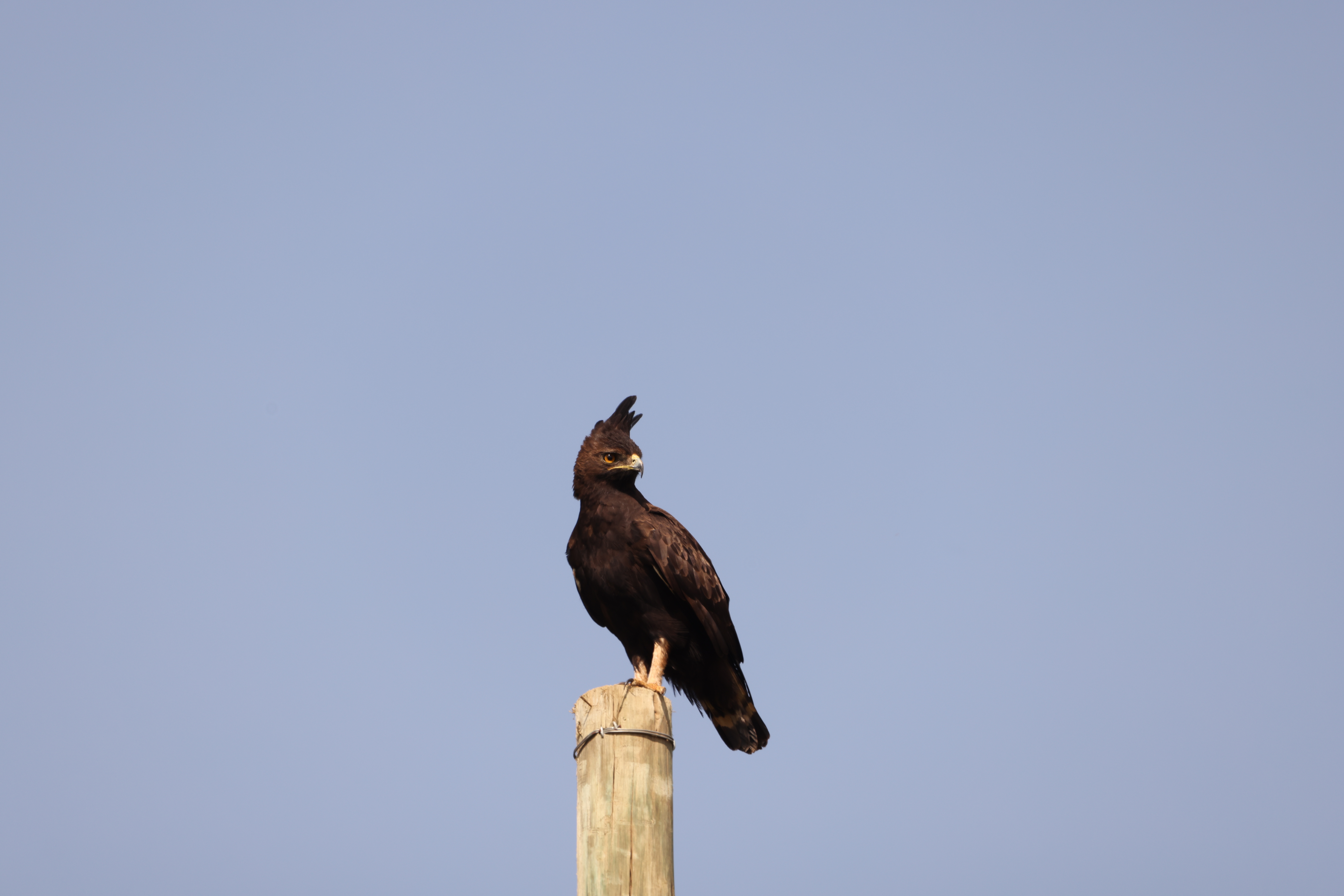
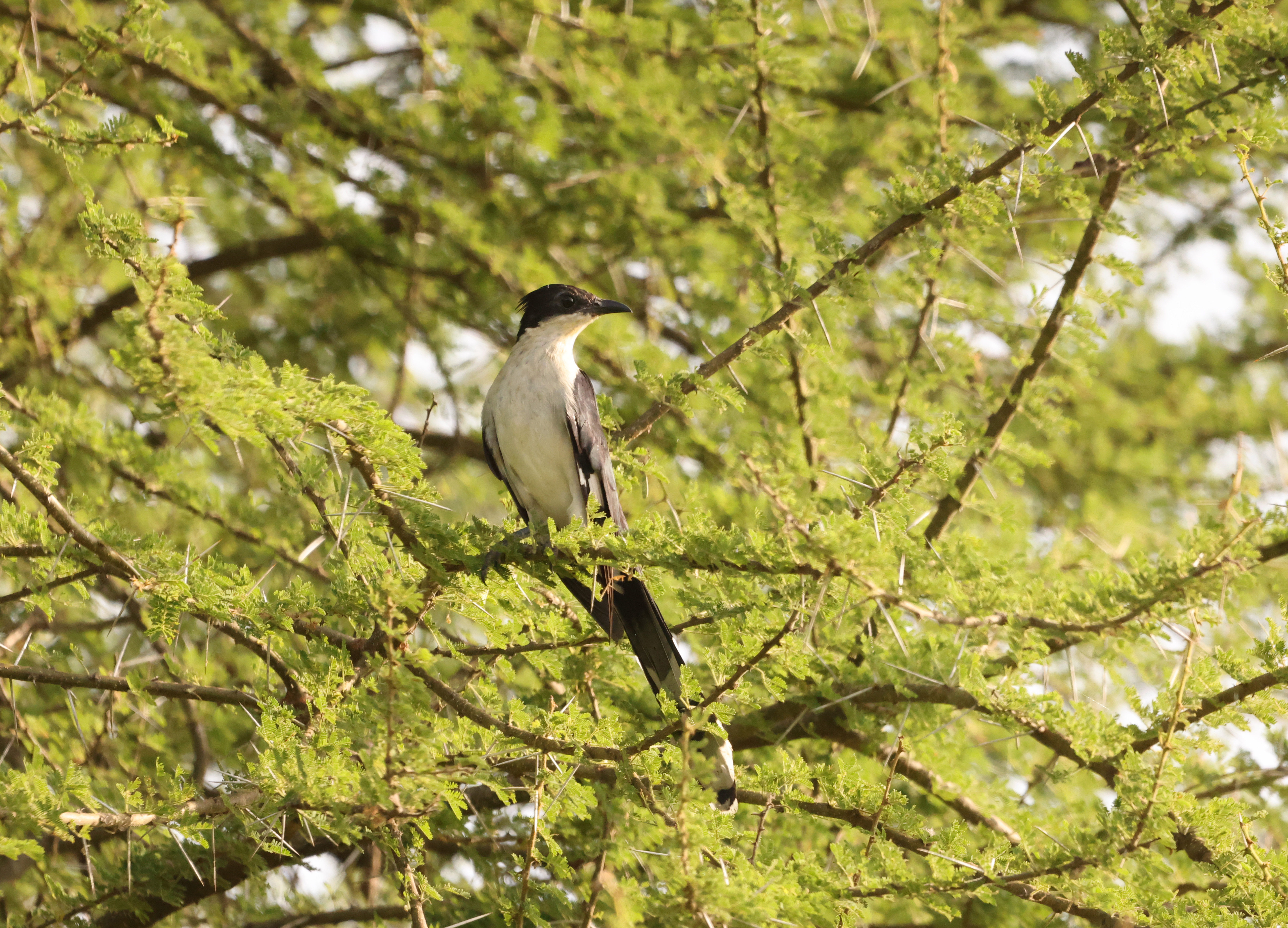
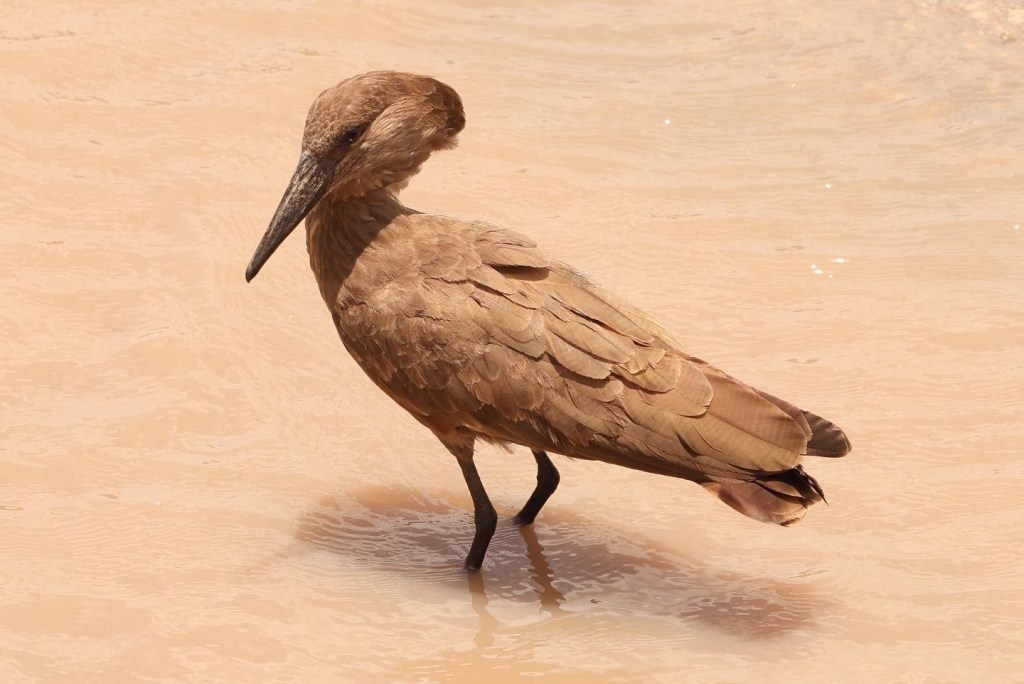
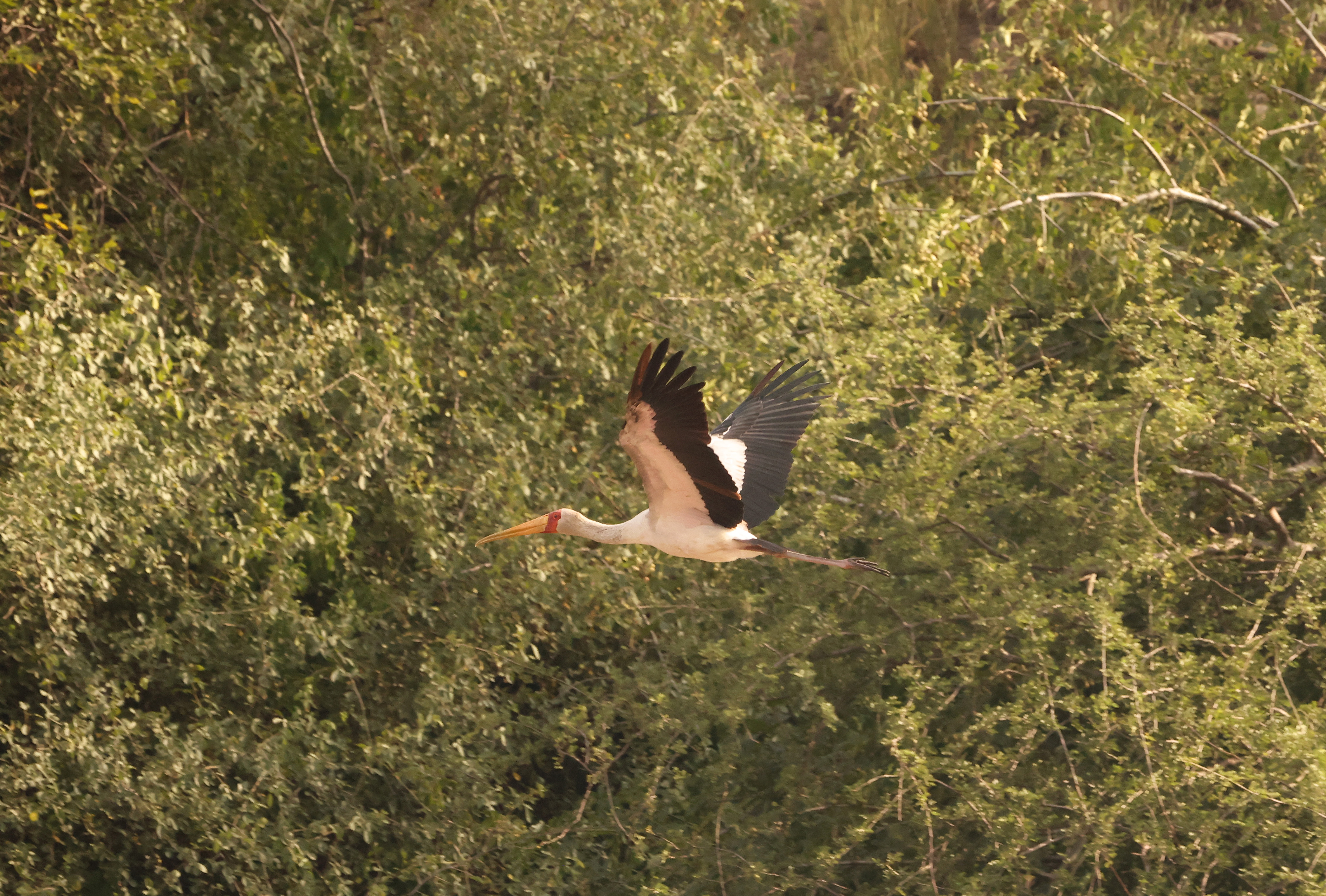
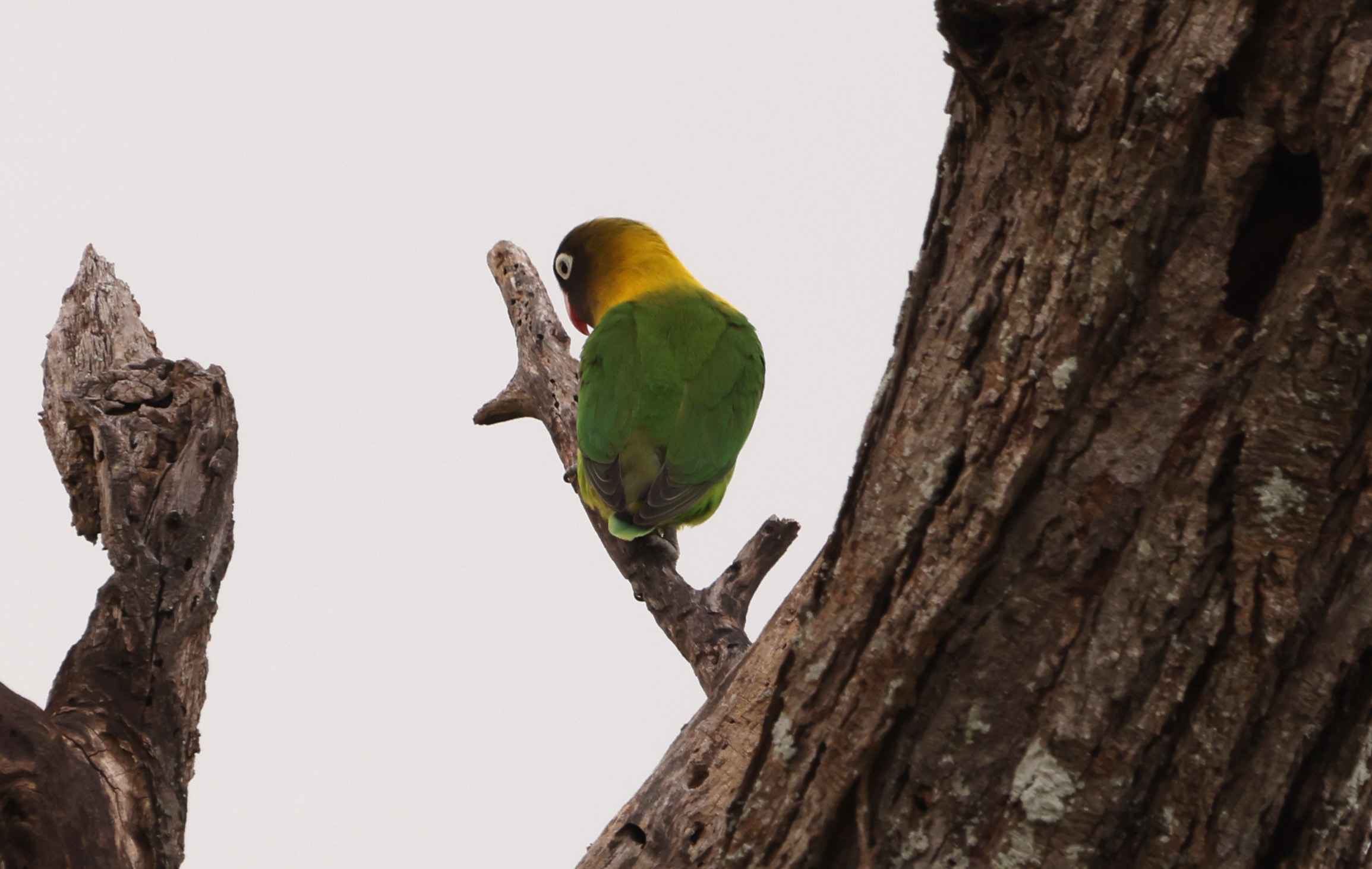
Then, there were the birds. I have no words about how amazing they are so I’ll just so you a few highlights.

Day 5: Our Lodging

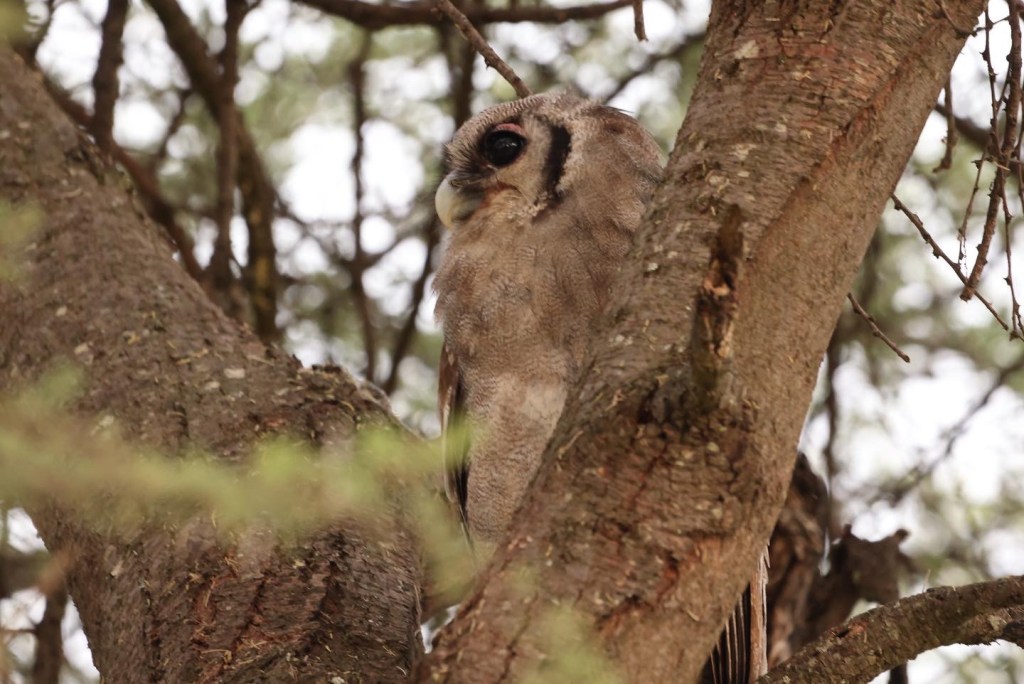
African Scops-Owl

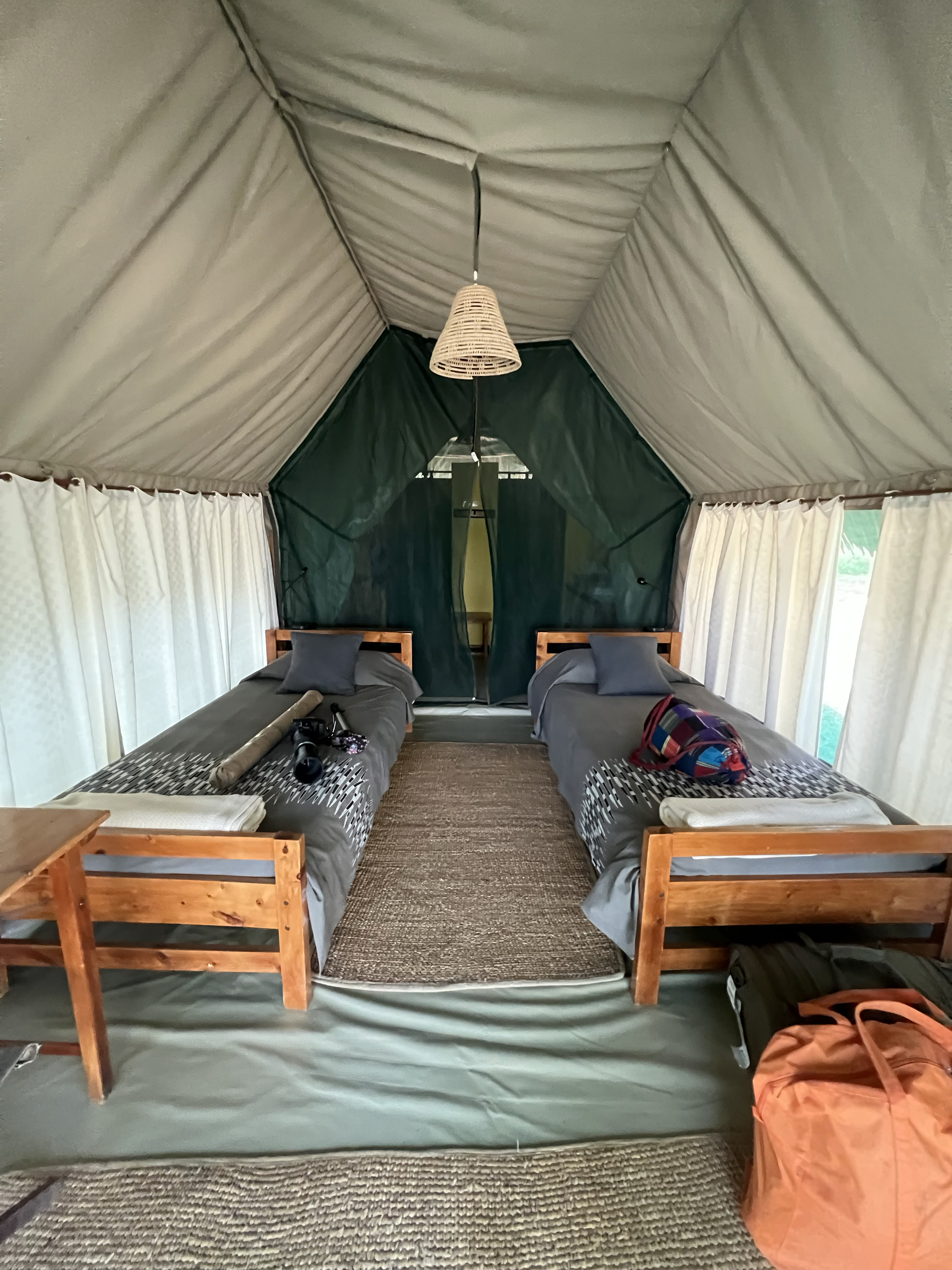
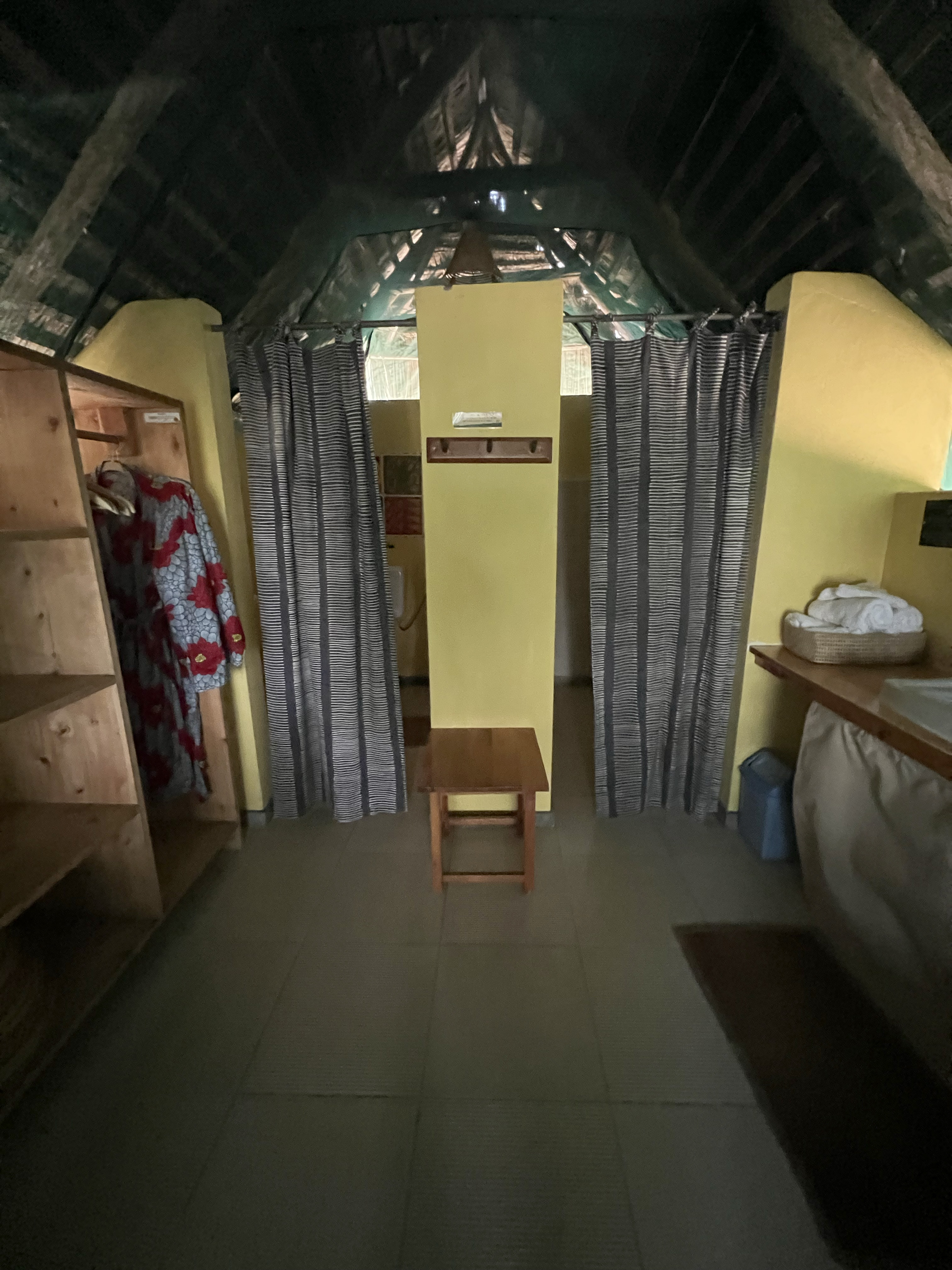
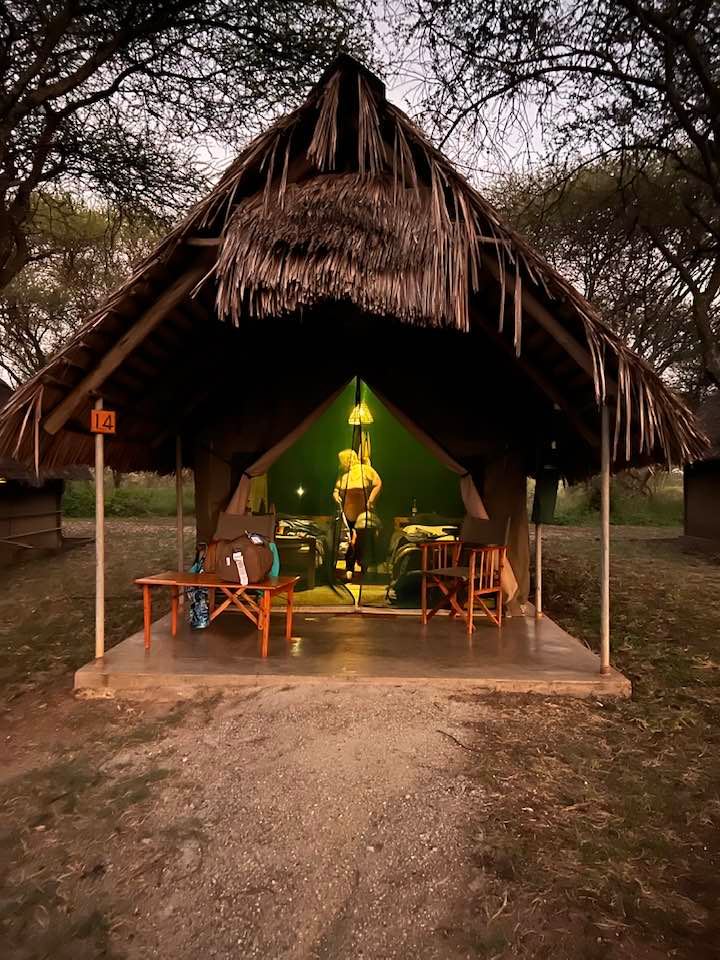
Day 5 began with us preparing to leave Tarangire Safari Lodge where we stayed the last two nights. It was basically glamping and I can definitely say I didn’t expect it to be this wonderful but it was.

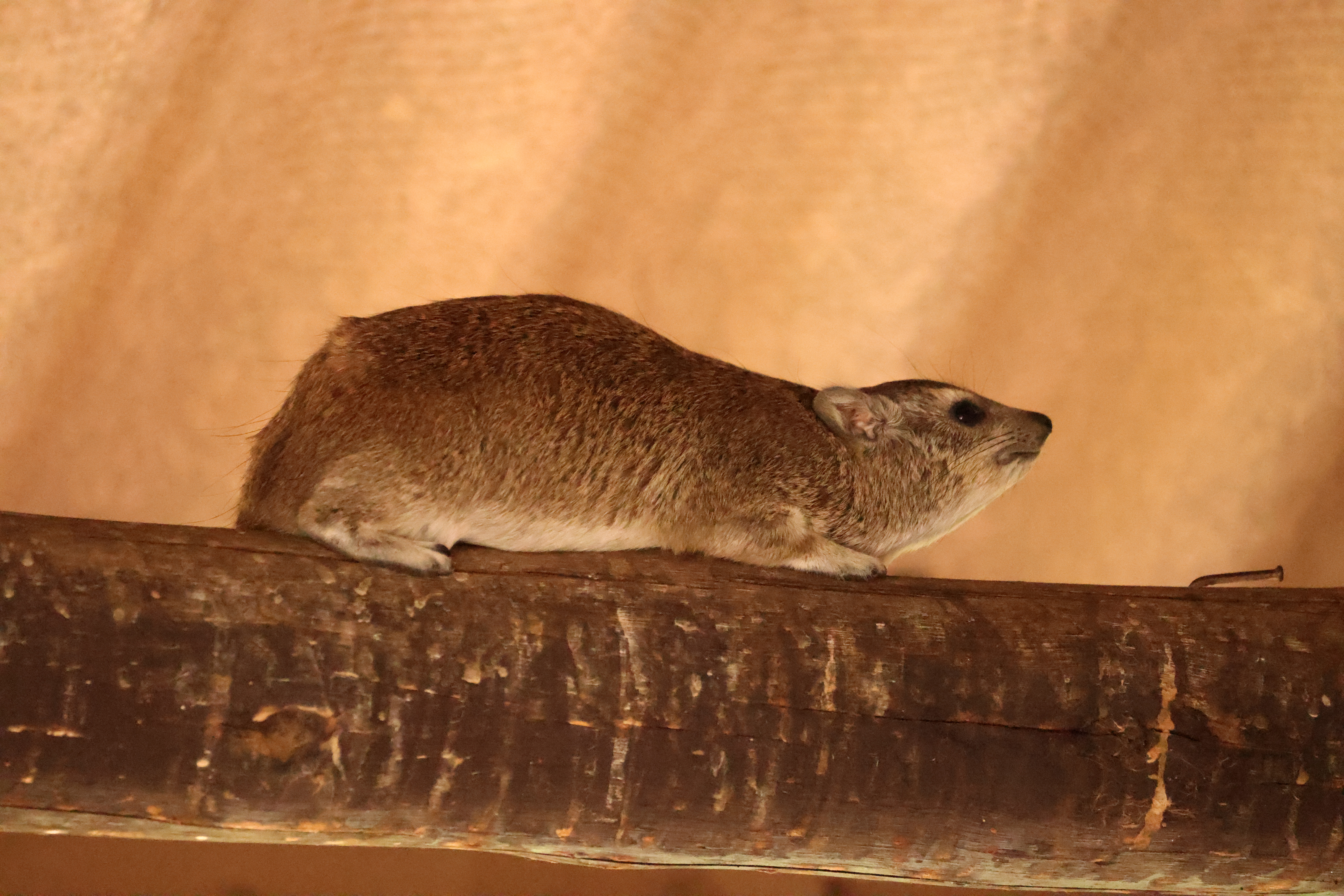
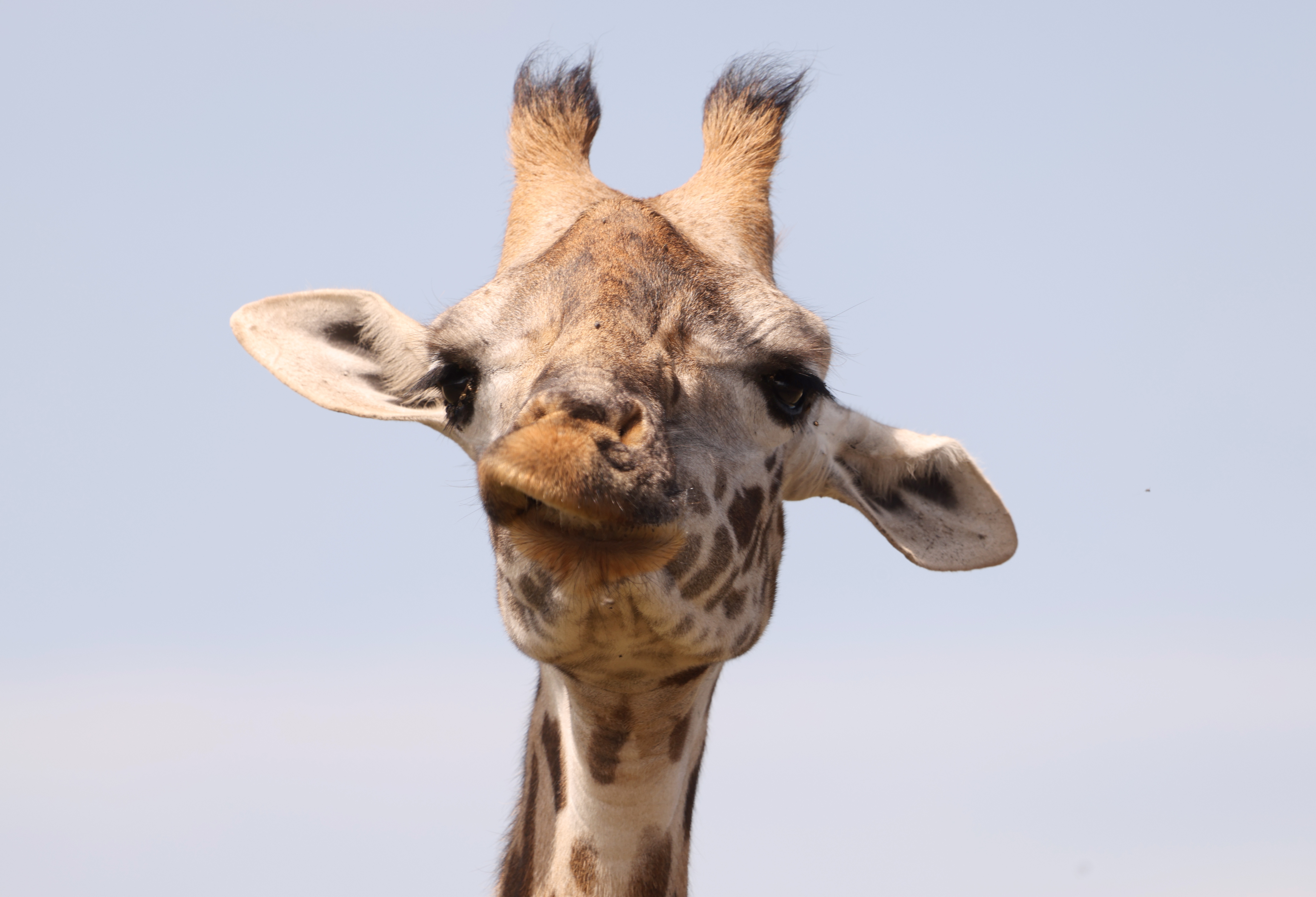
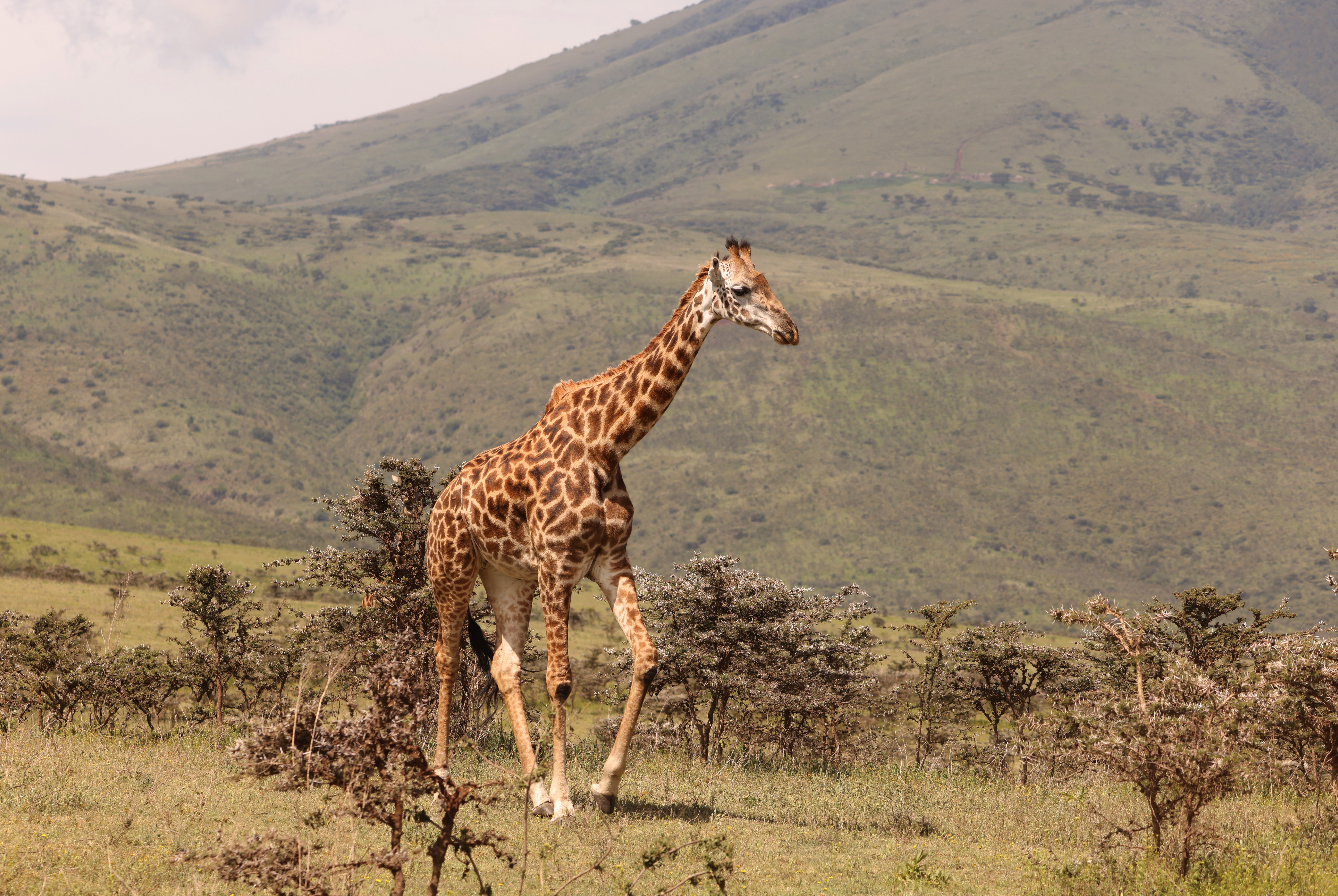
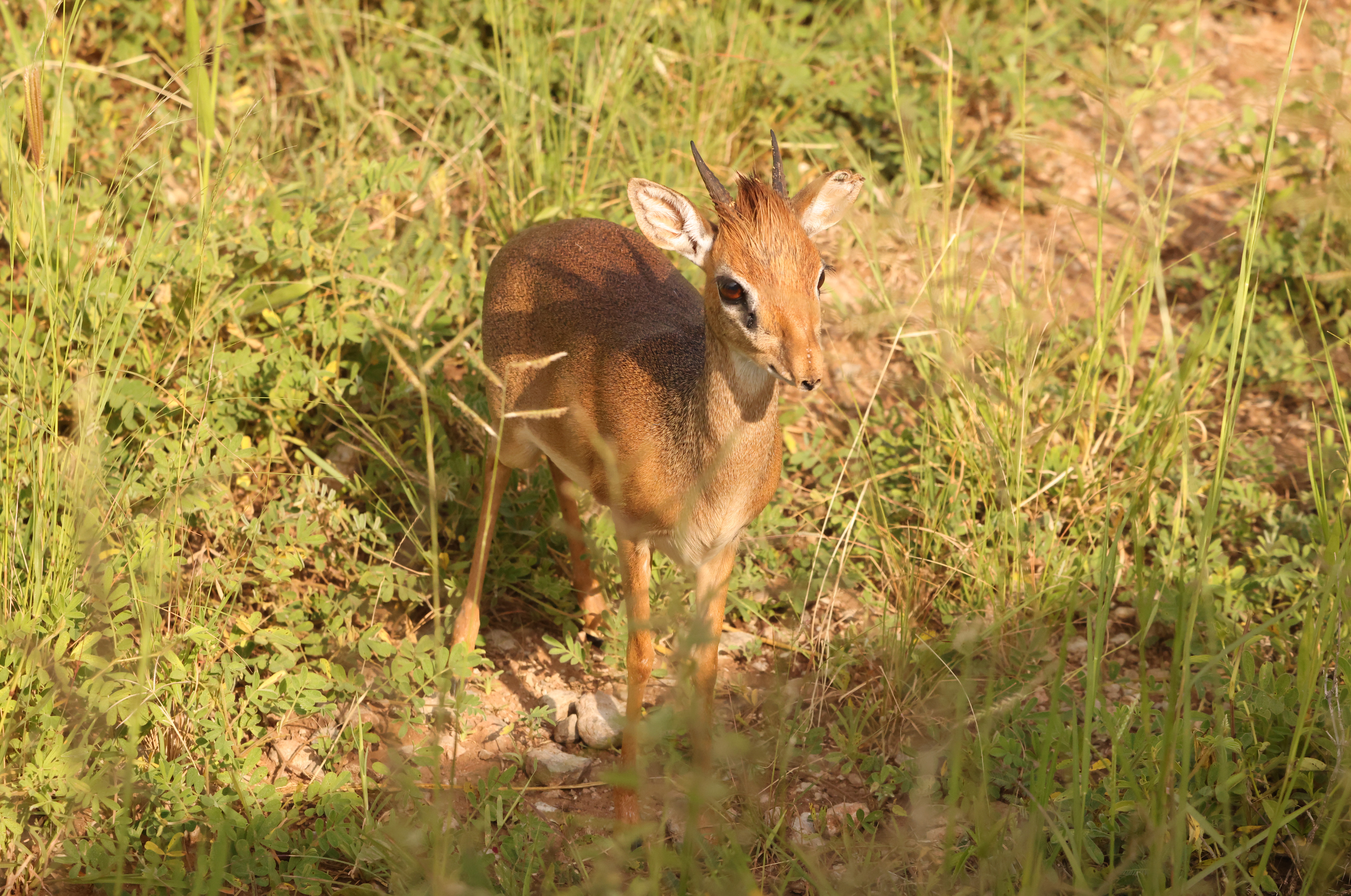
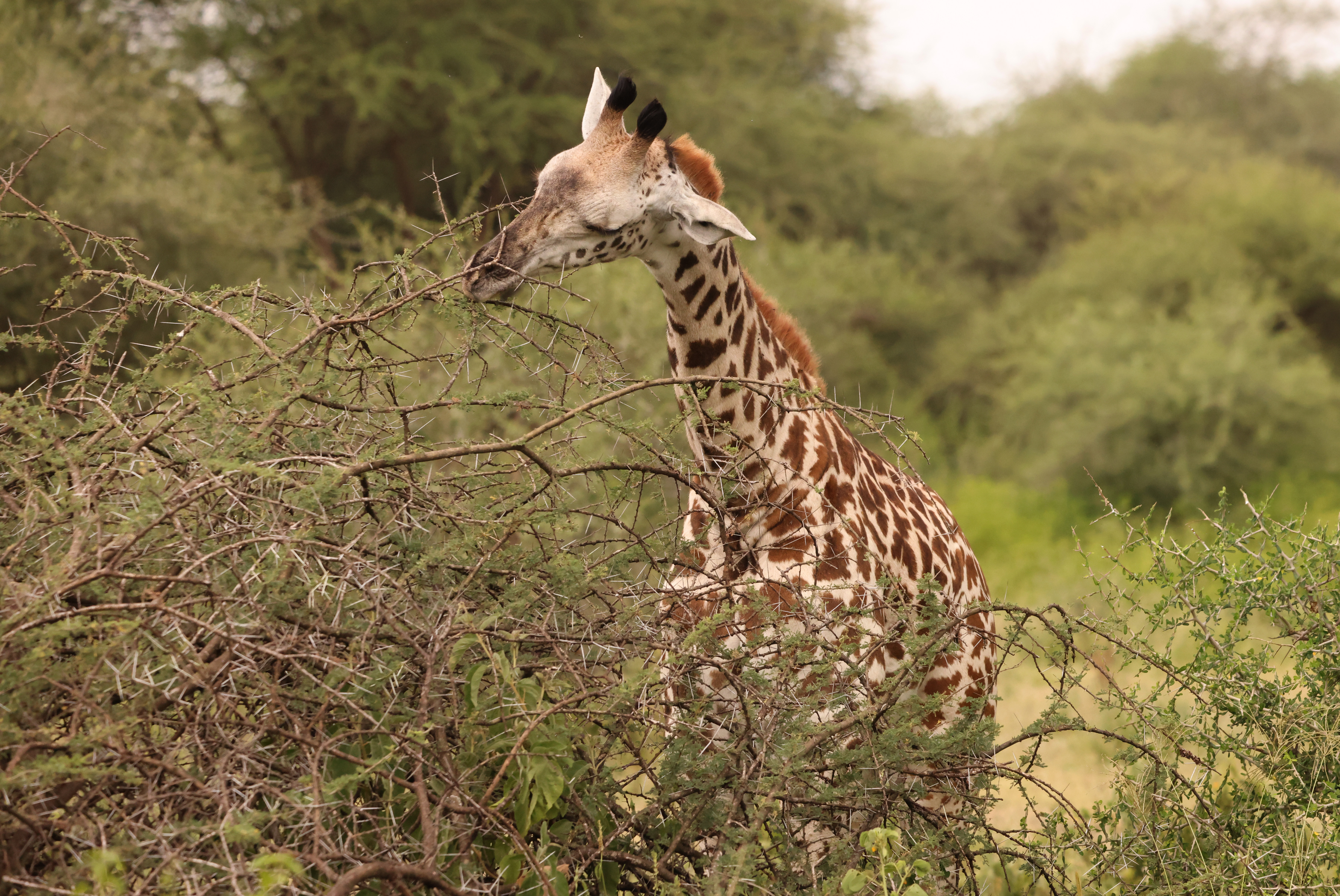
It was interesting that electricity was only on for certain hours each day, and we had to have a guide to go back to our cabin after dark due to presence of wild animals. And we definitely had visitors that included monkeys, Dik-diks and giraffes. Can you spot the giraffe in the below picture?

As we finished breakfast, one of the lodge workers asked if we’d seen the African Scops-Owl that sleeps in a tree just outside of the lodge’s front entrance. Naturally, I had to go find it and he was kind enough to point it out.  

Day 3: African Wildlife Safari

Day 3 began early as we left Arusha and headed to Tarangire National Park.

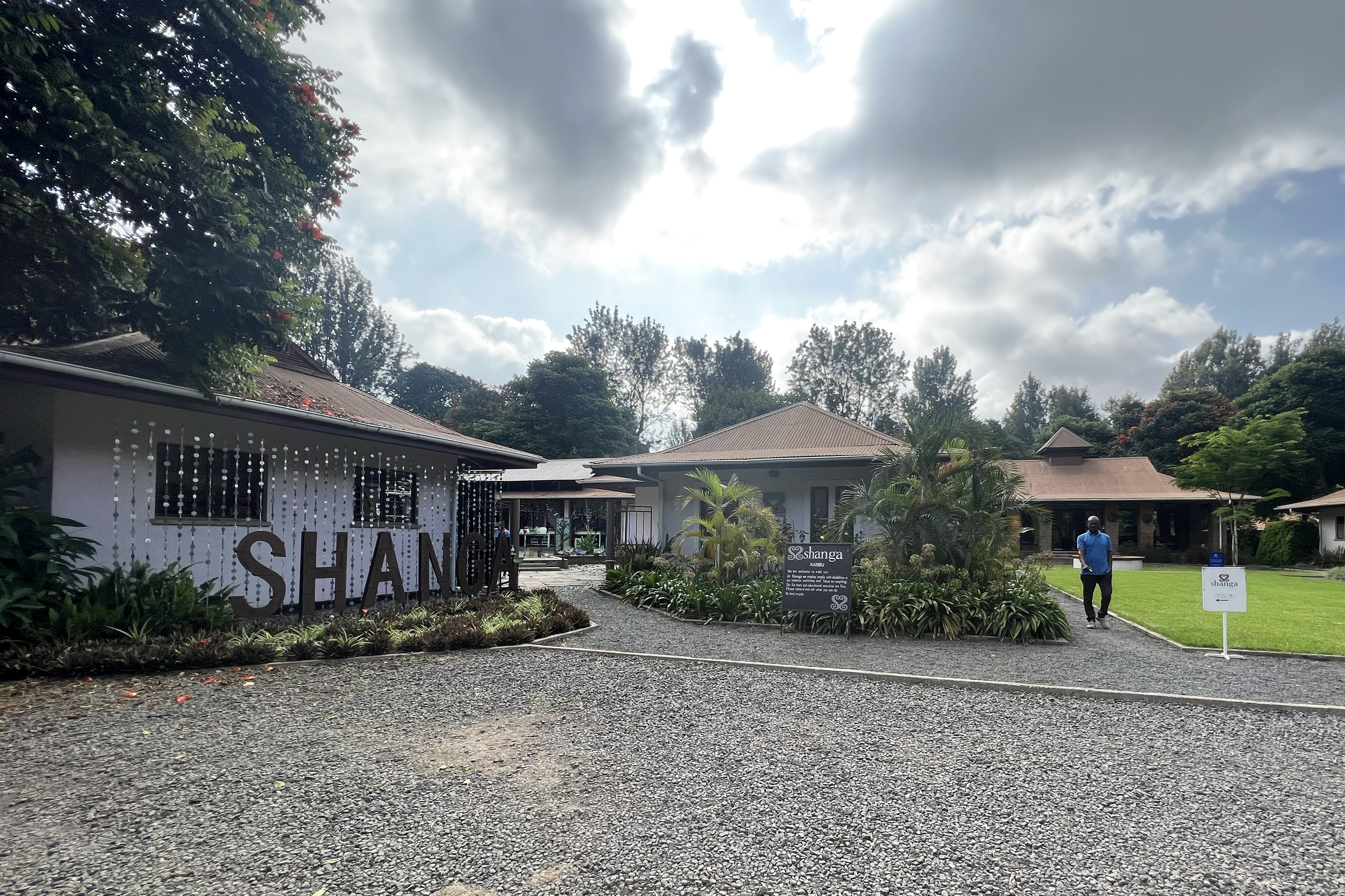
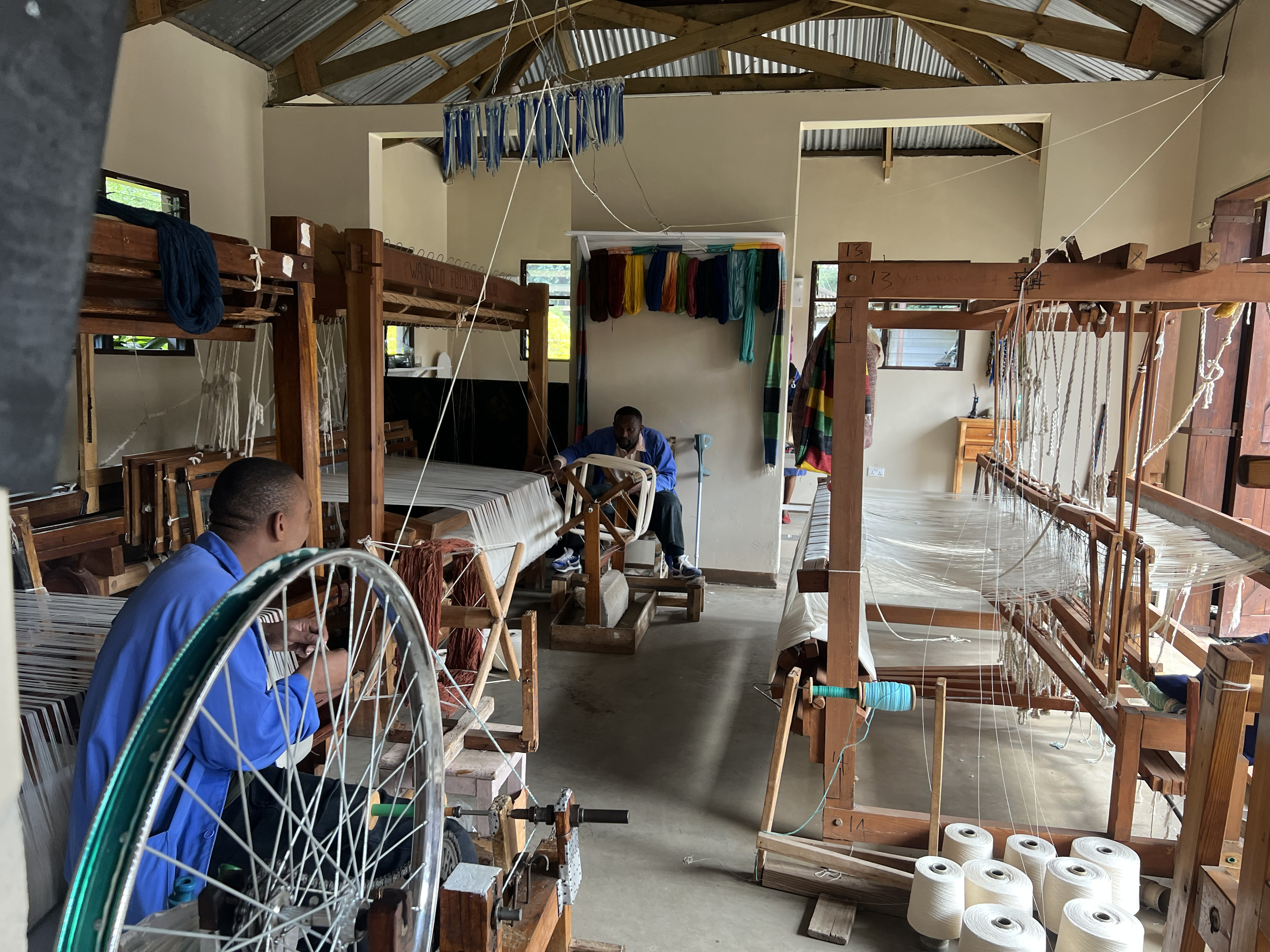
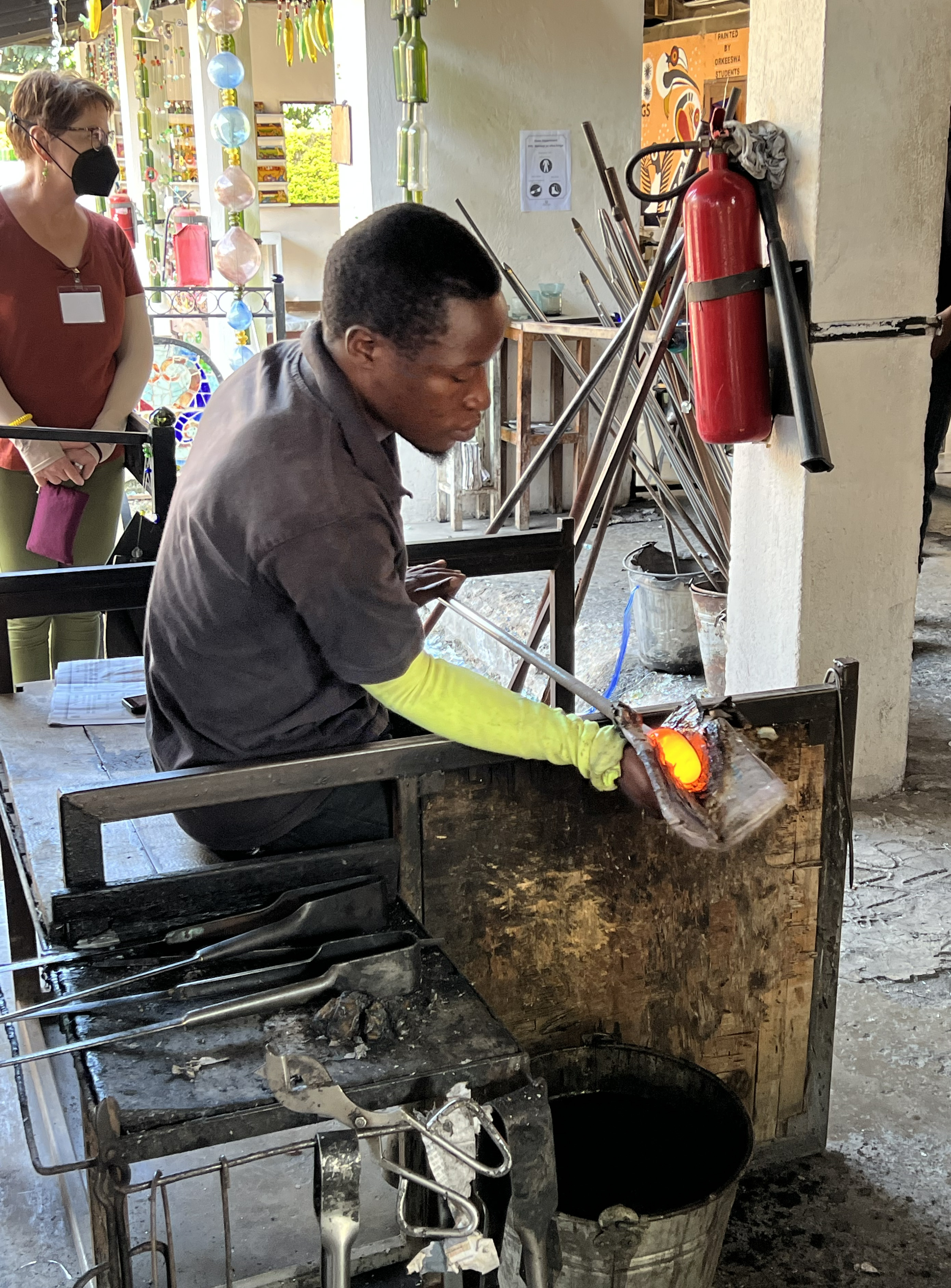
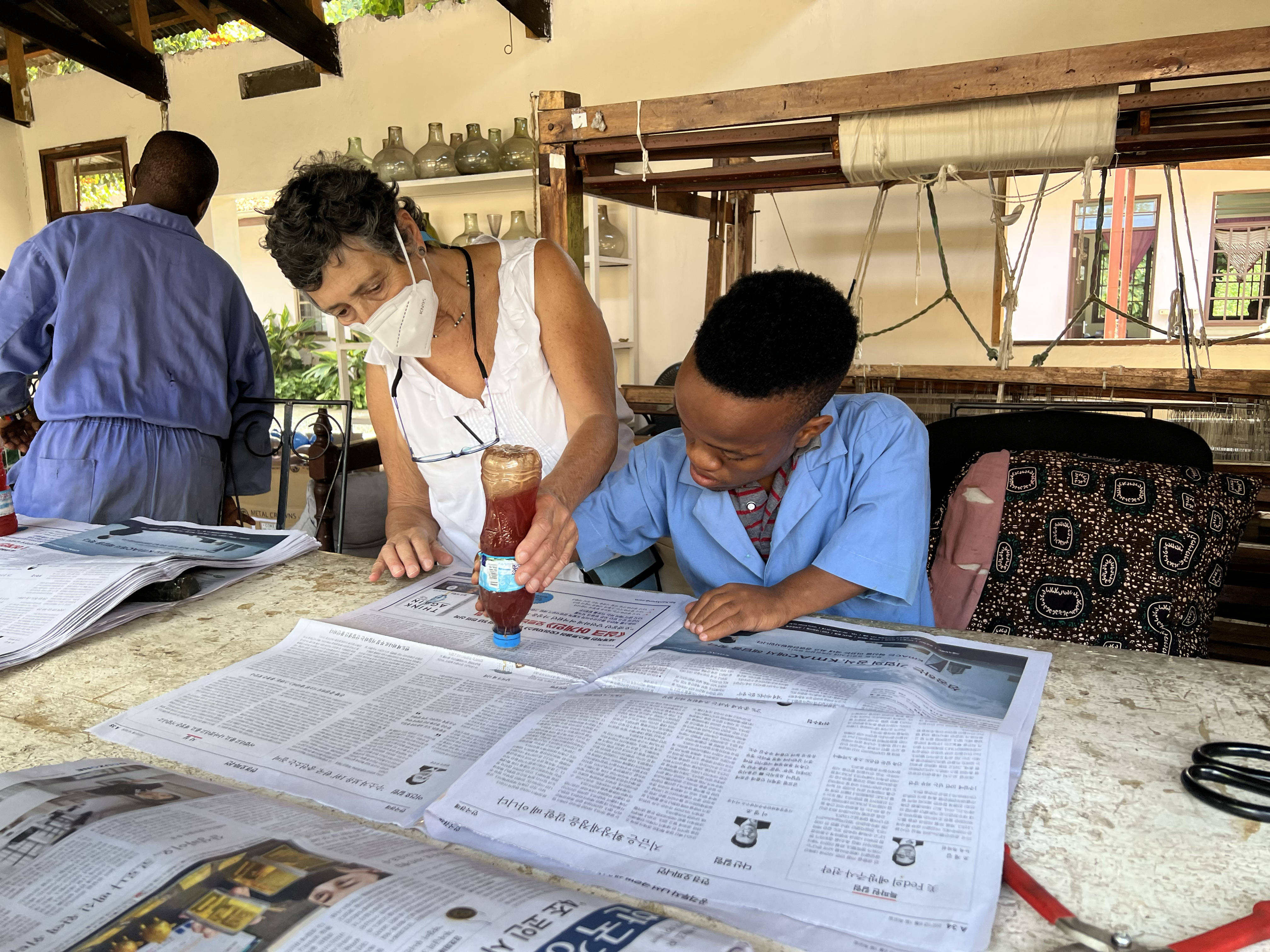
Our first stop on the road was at Shanga, a social enterprise in Arusha that employs people with disabilities to create handmade jewelry, glassware and home wares out of recycled materials. I bought several pieces of jewelry and other items there that I still enjoy today. The tour was very informative. I loved learning how they made the various items and the employees were friendly. They encouraged us to be hands-on in learning how they completed their work. Also, their final products were simply wonderful.

The journey itself from Arusha to Tarangire National Park was interesting. We passed groups of women headed to the airport to celebrate the return of an oppositional party leader after the courts threw out the criminal charges against him. 

We also made a quick stop to tour a meat auction where our tour guides said cattle went for $500 to $800. We also stopped to look out at another local market to observe it.

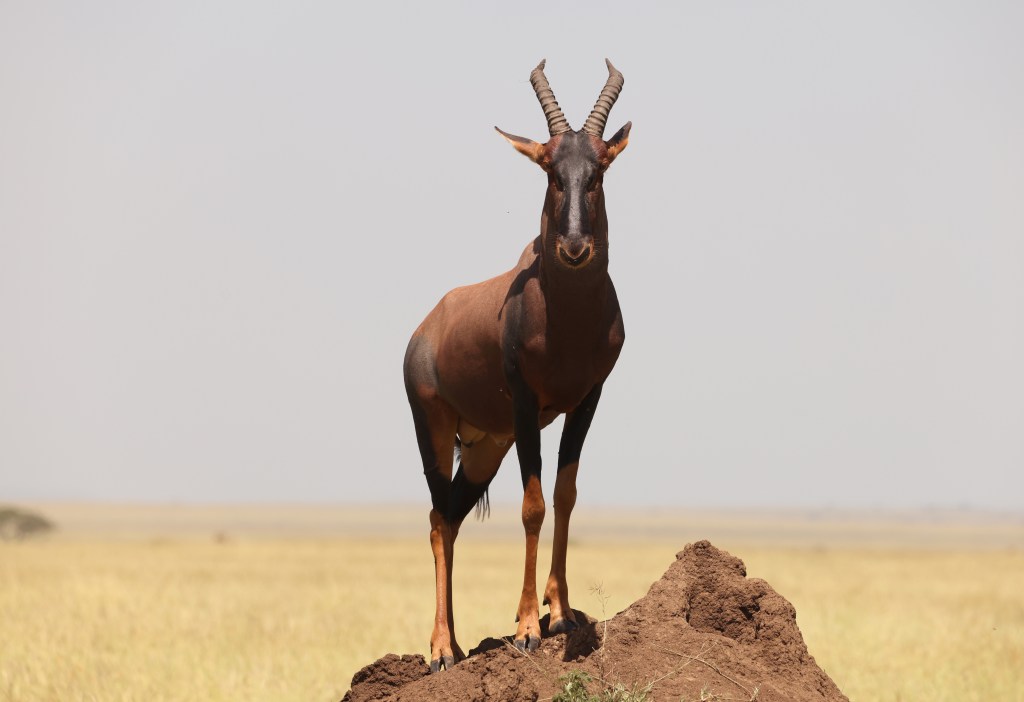
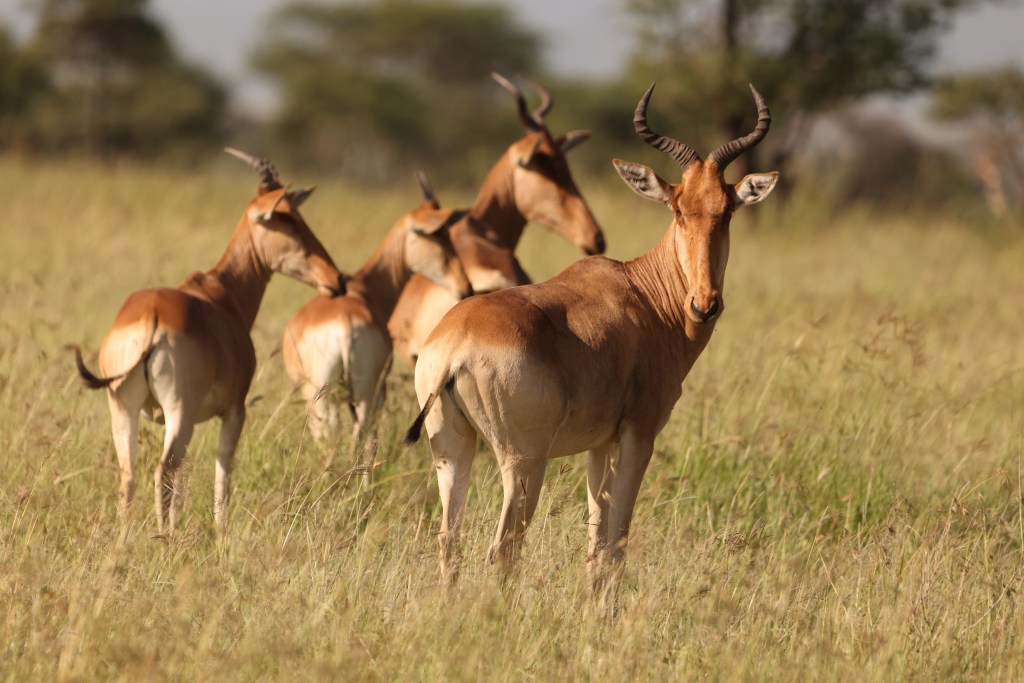
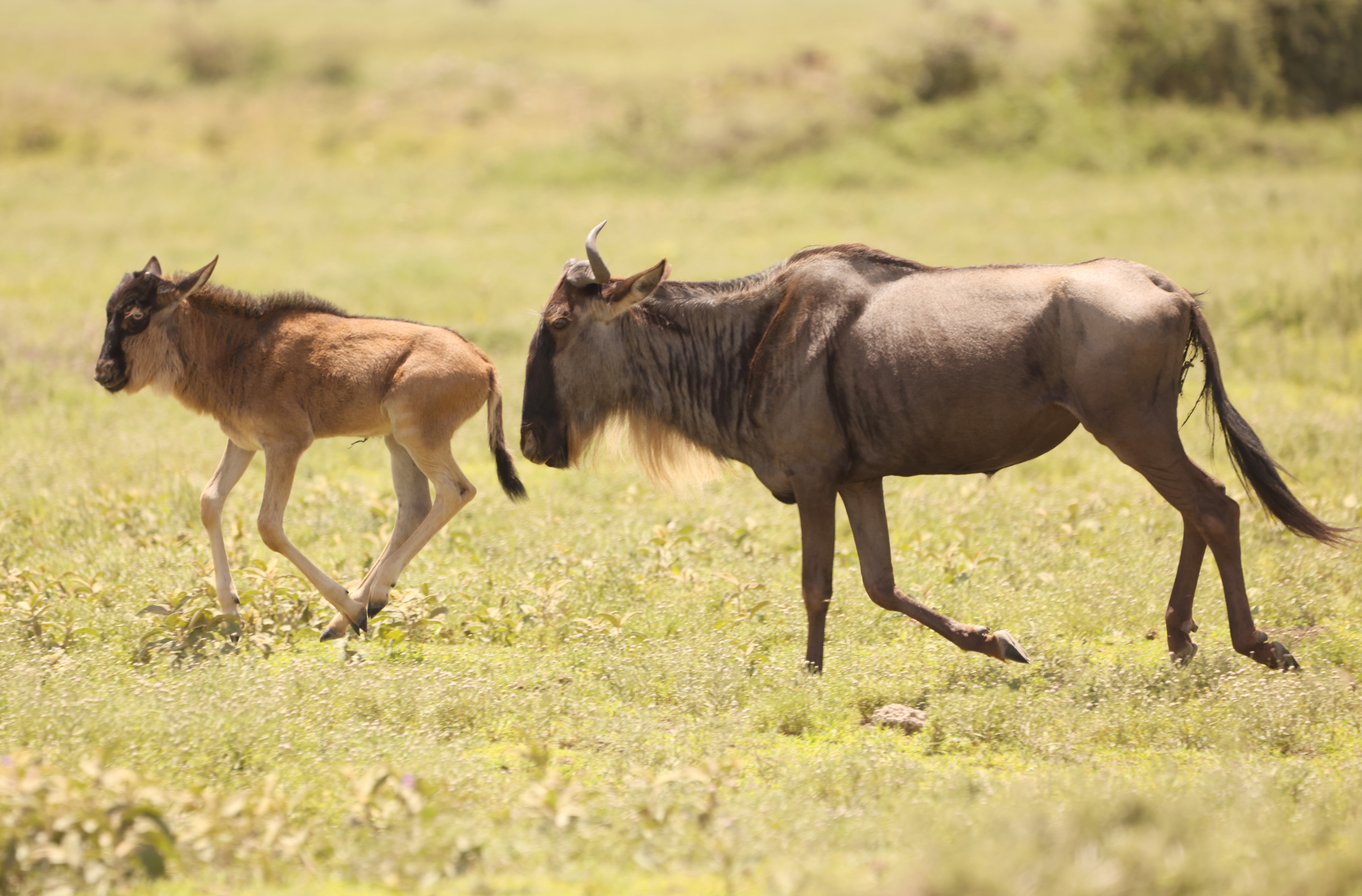
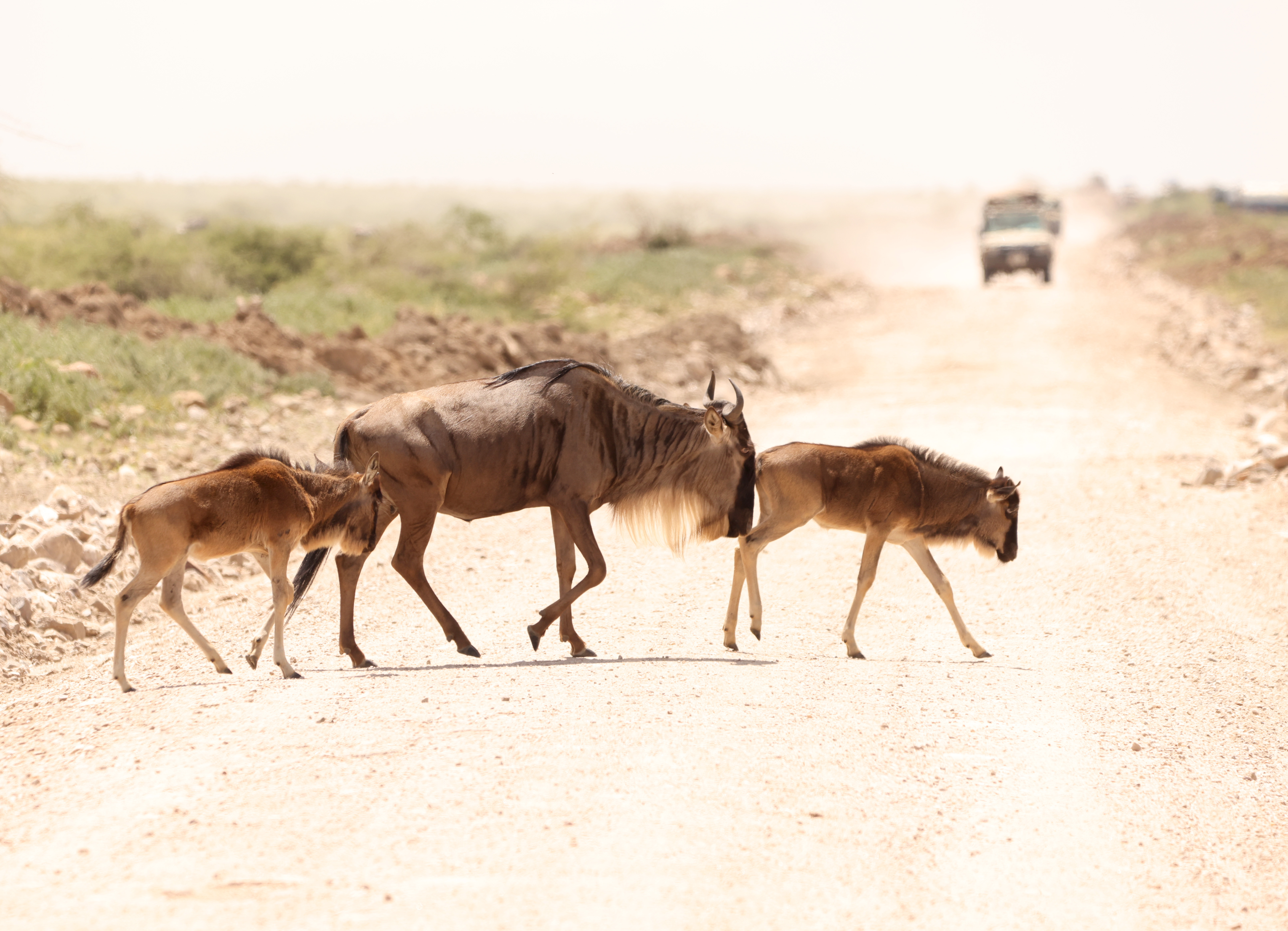
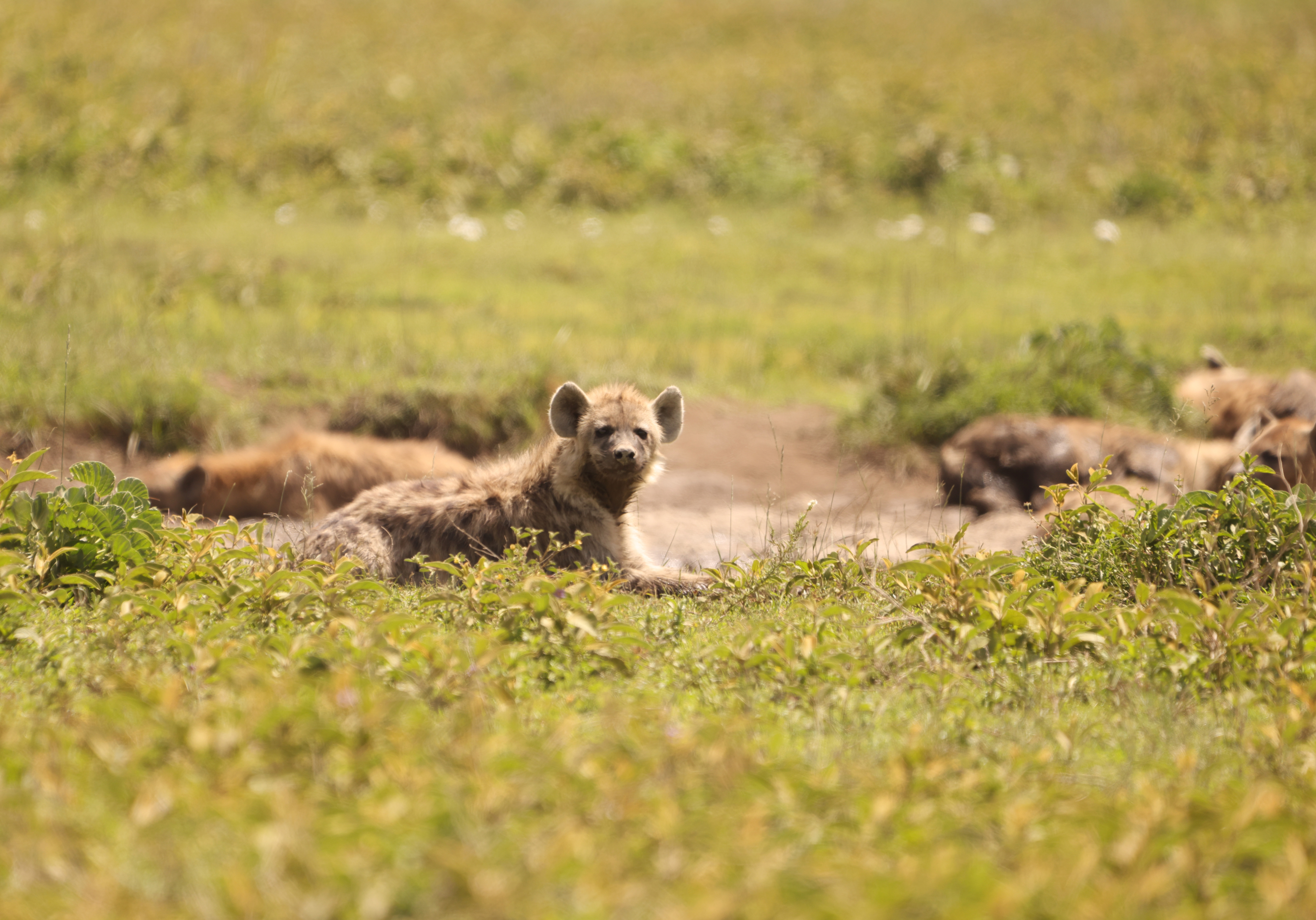
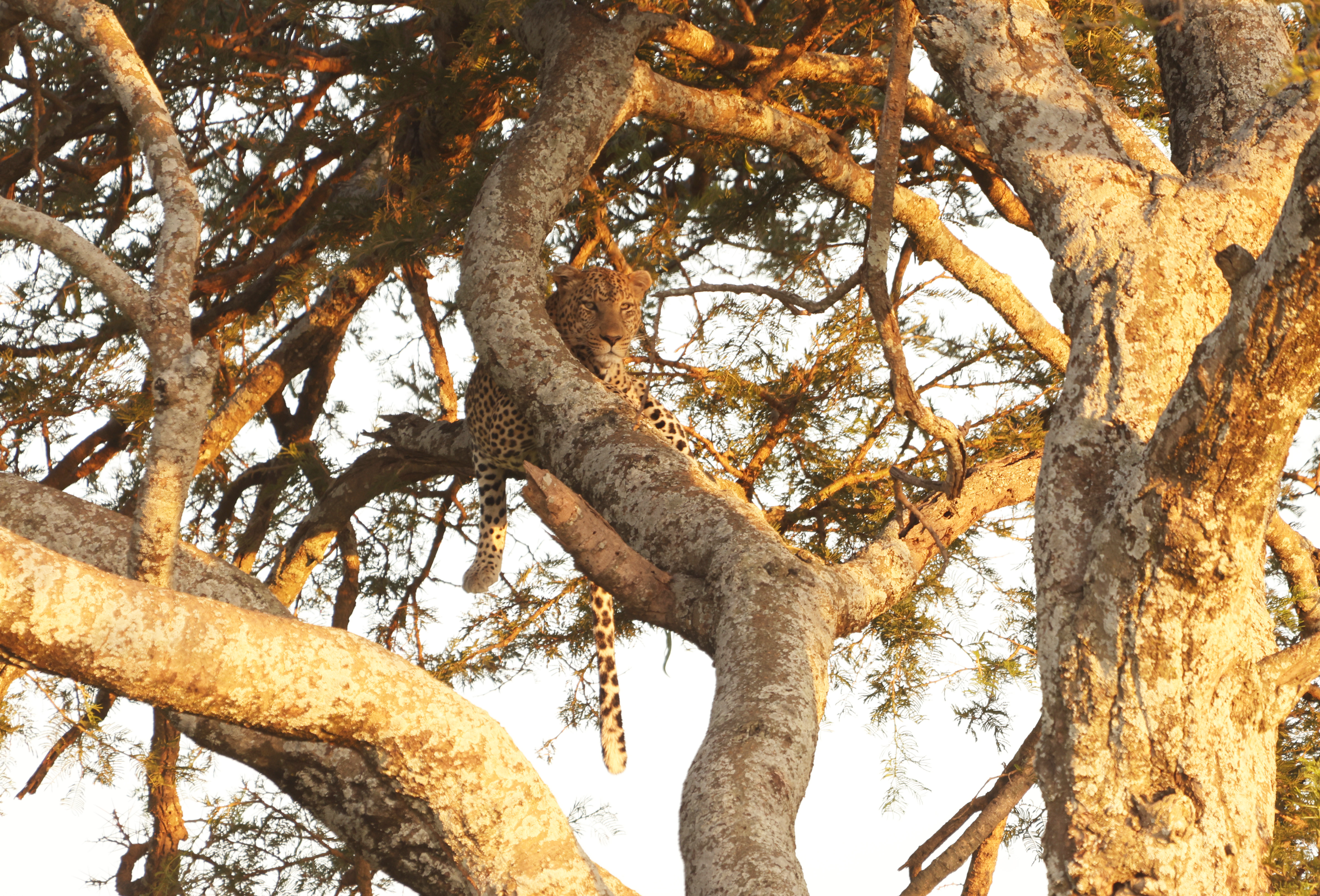
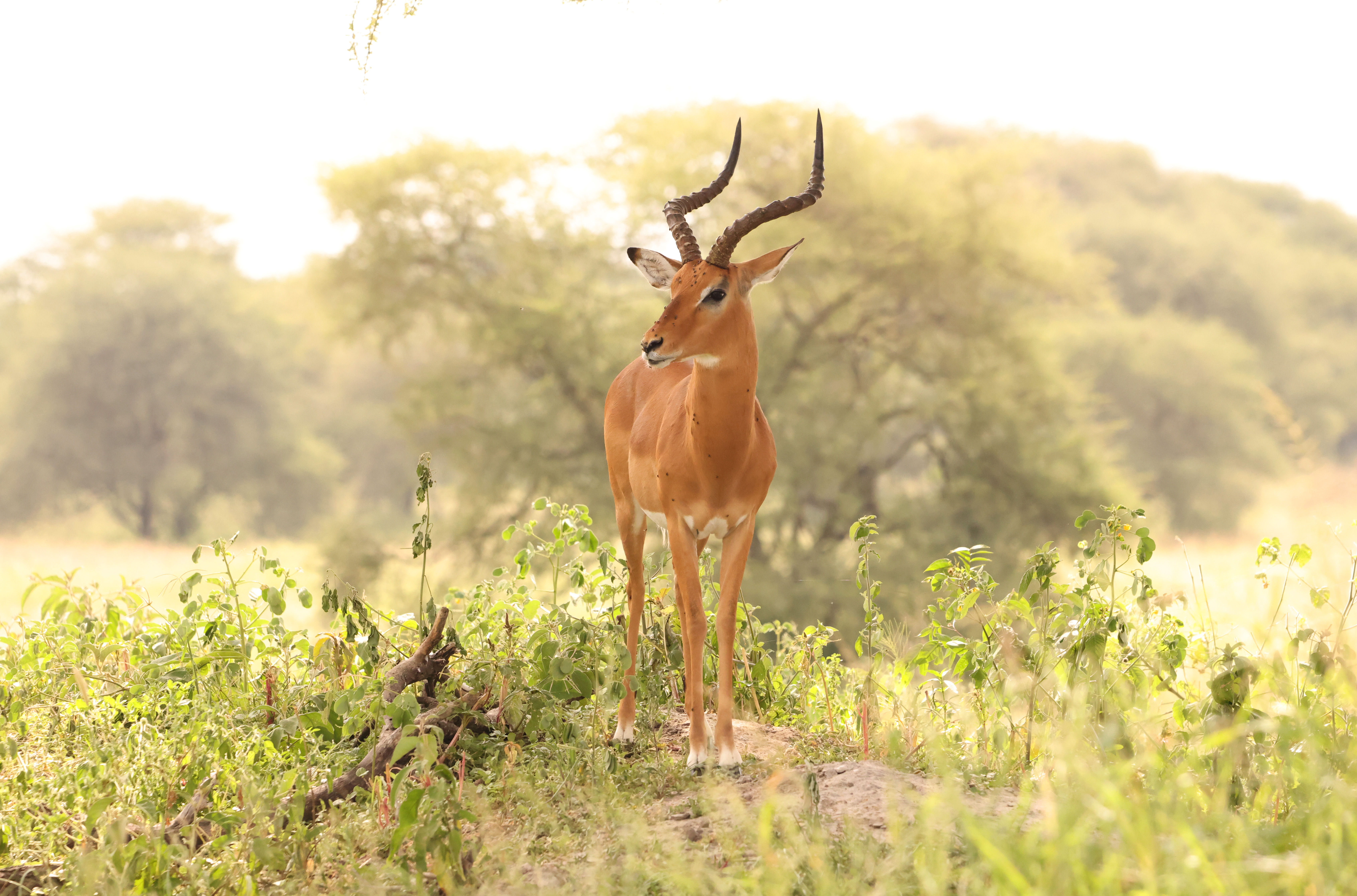
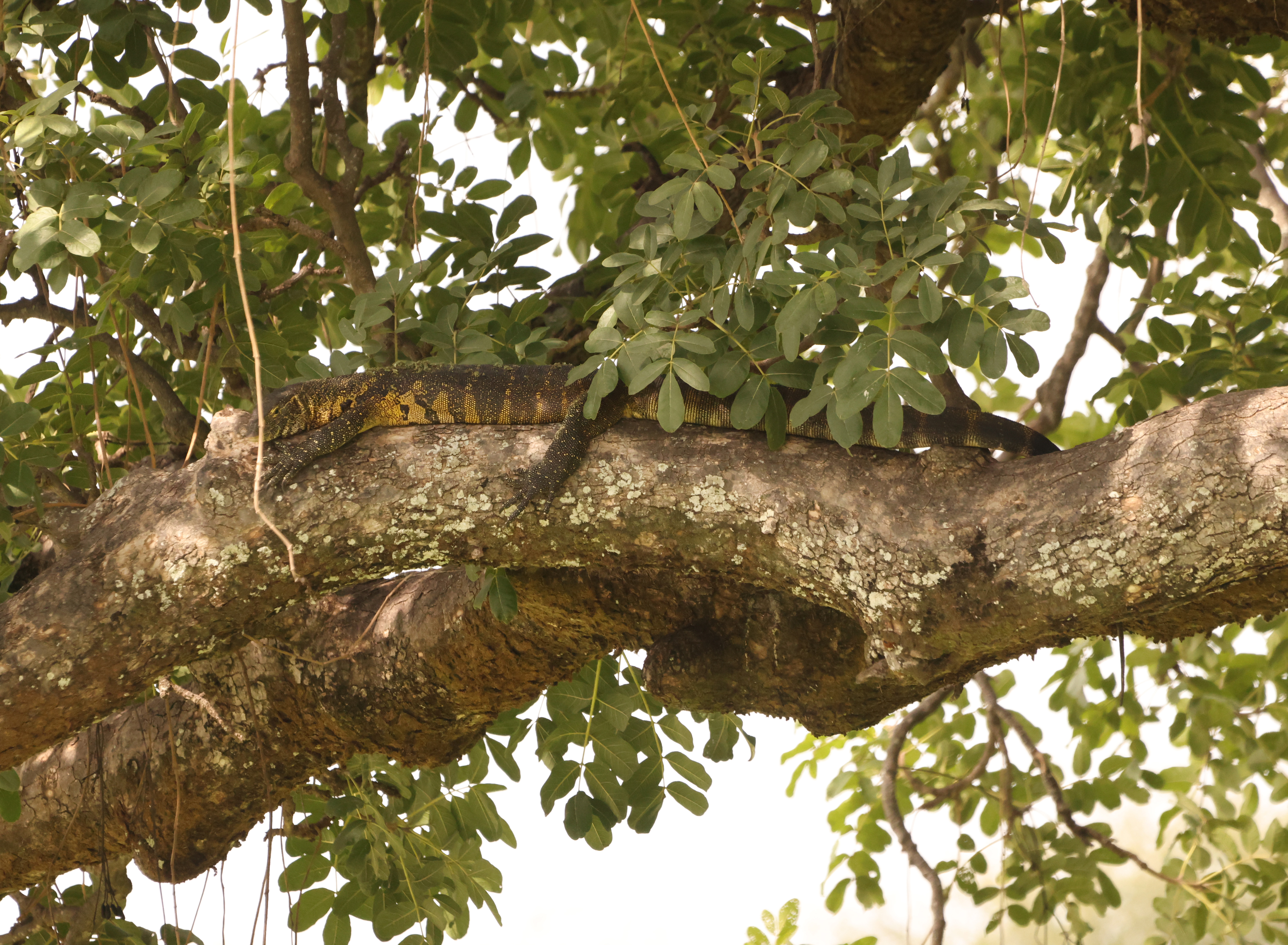
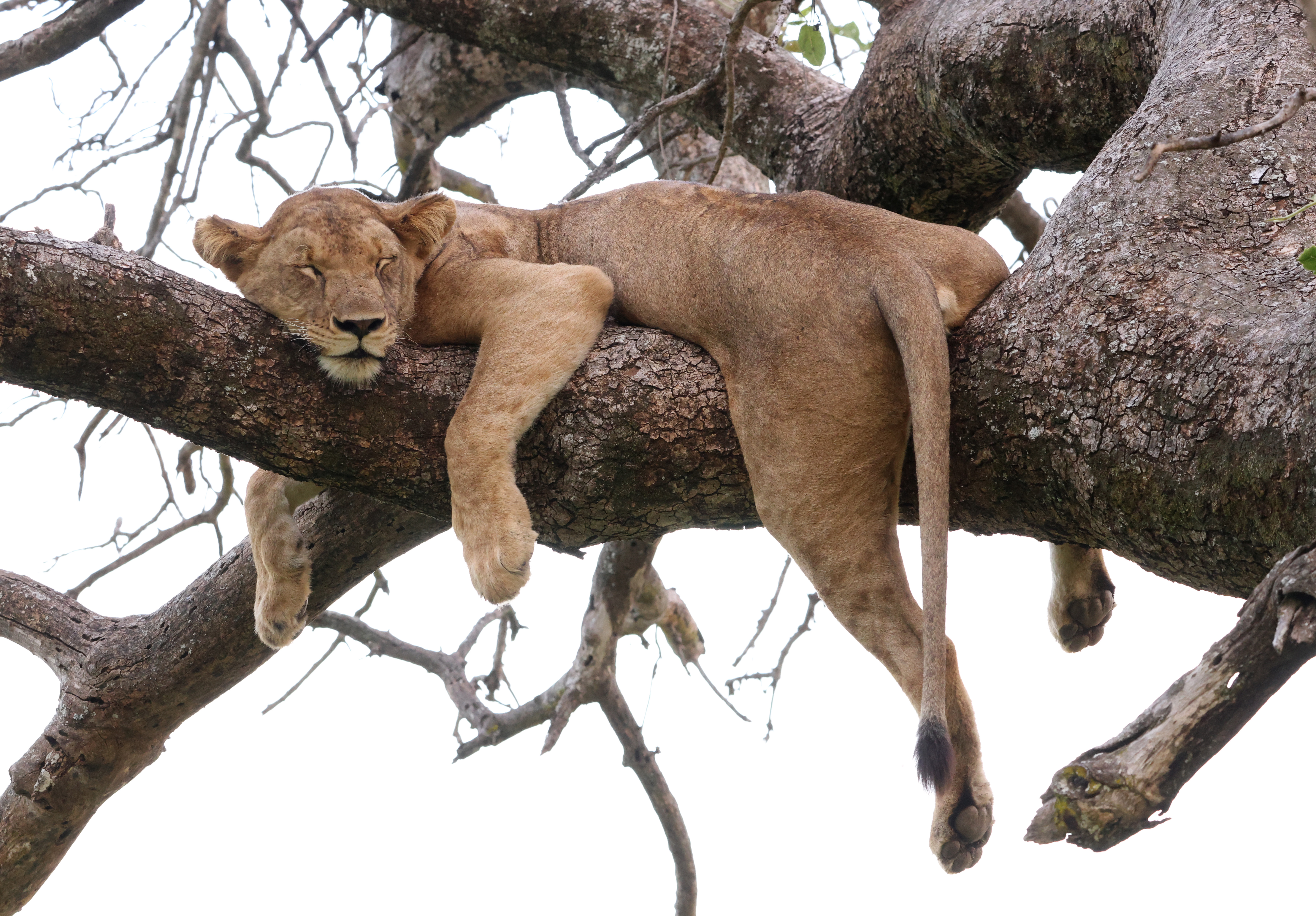
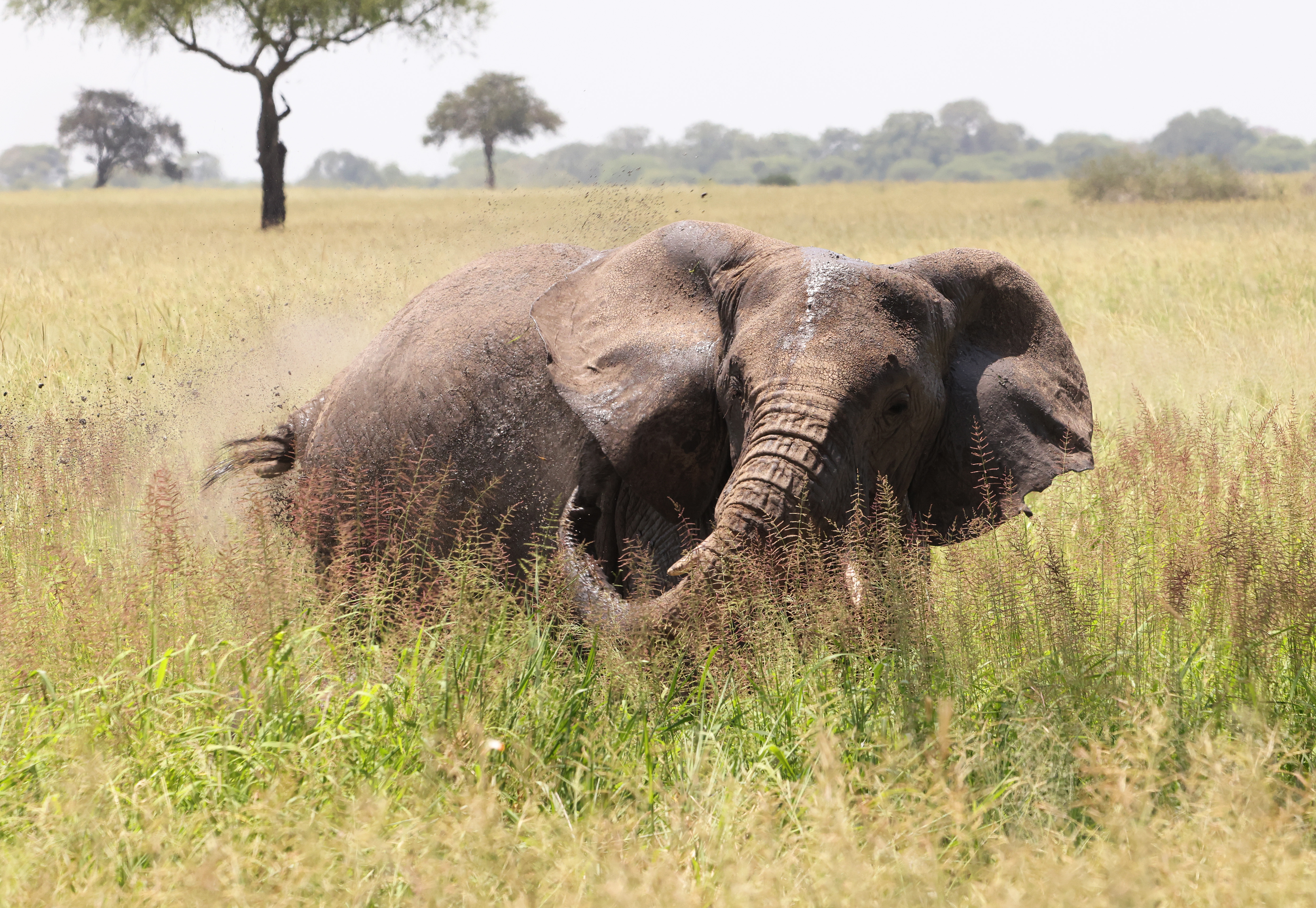
We began to see more wildlife as we neared, then entered Tarangire National Park. I absolutely loved this park.

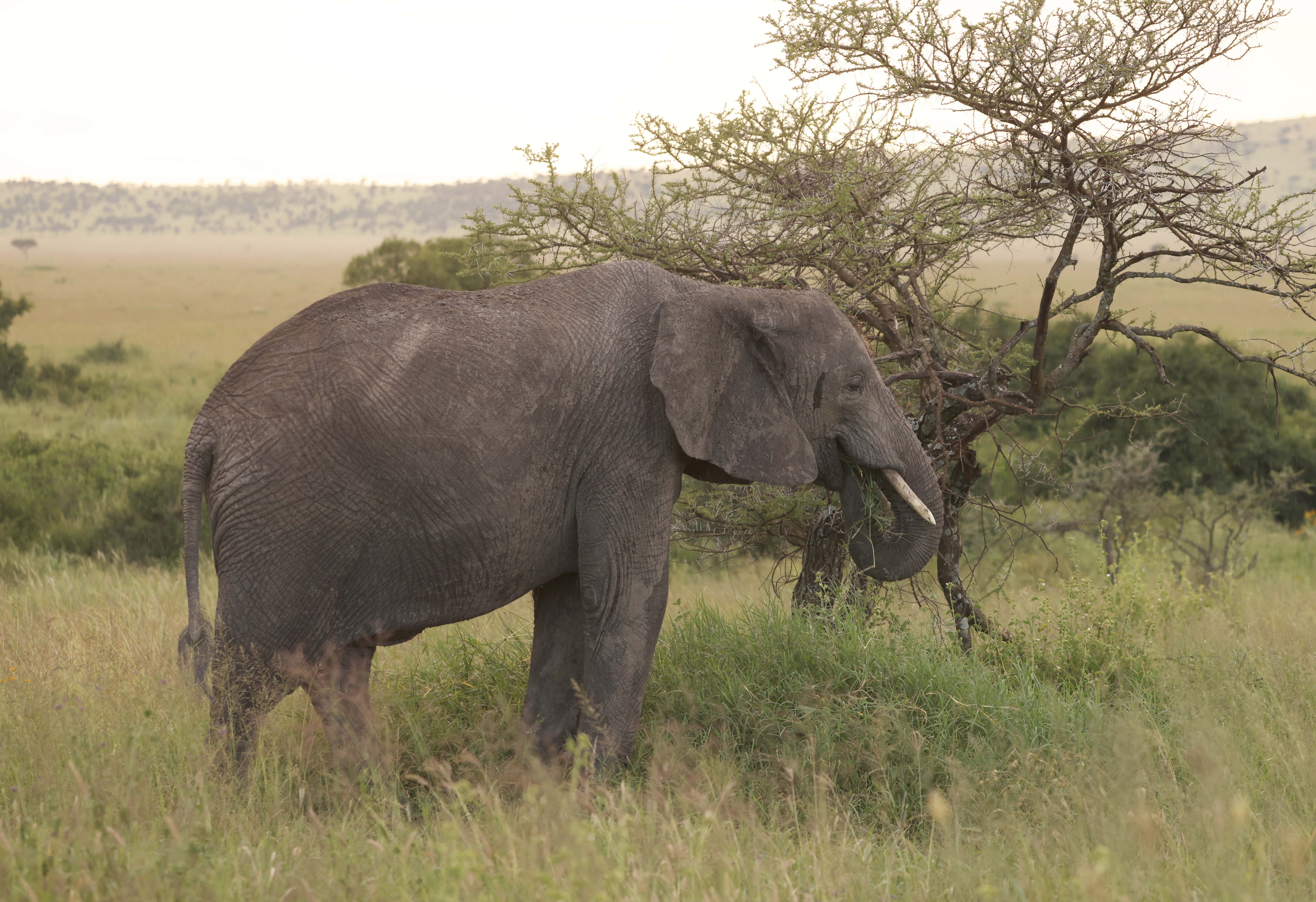
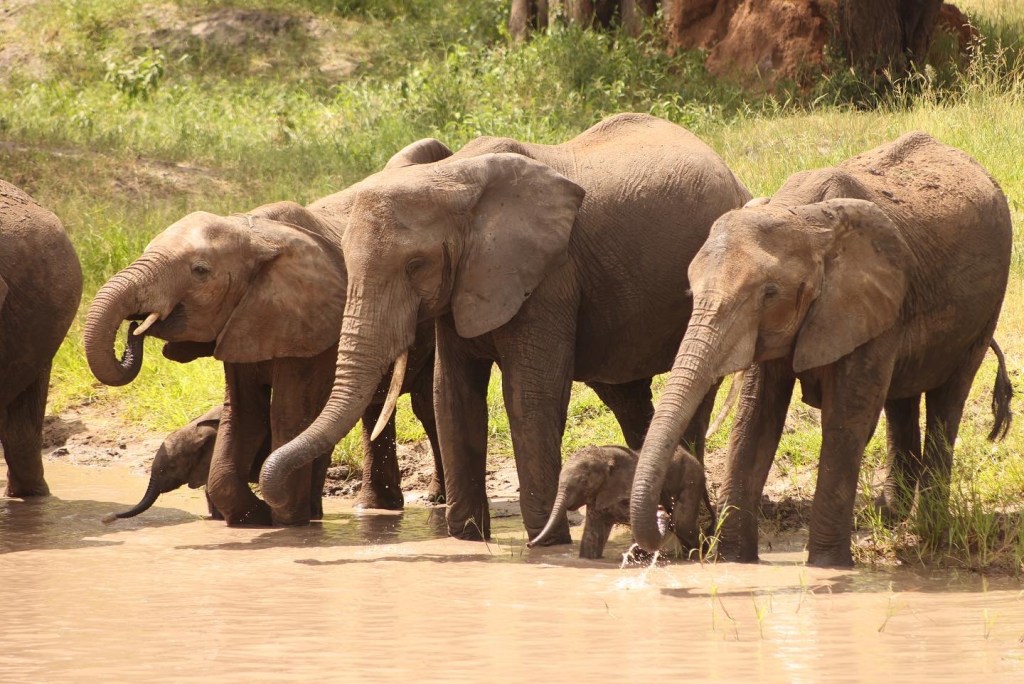
Tarangire is the third largest national park in Tanzania and is best known for its large herds of elephants. We quickly found on why.

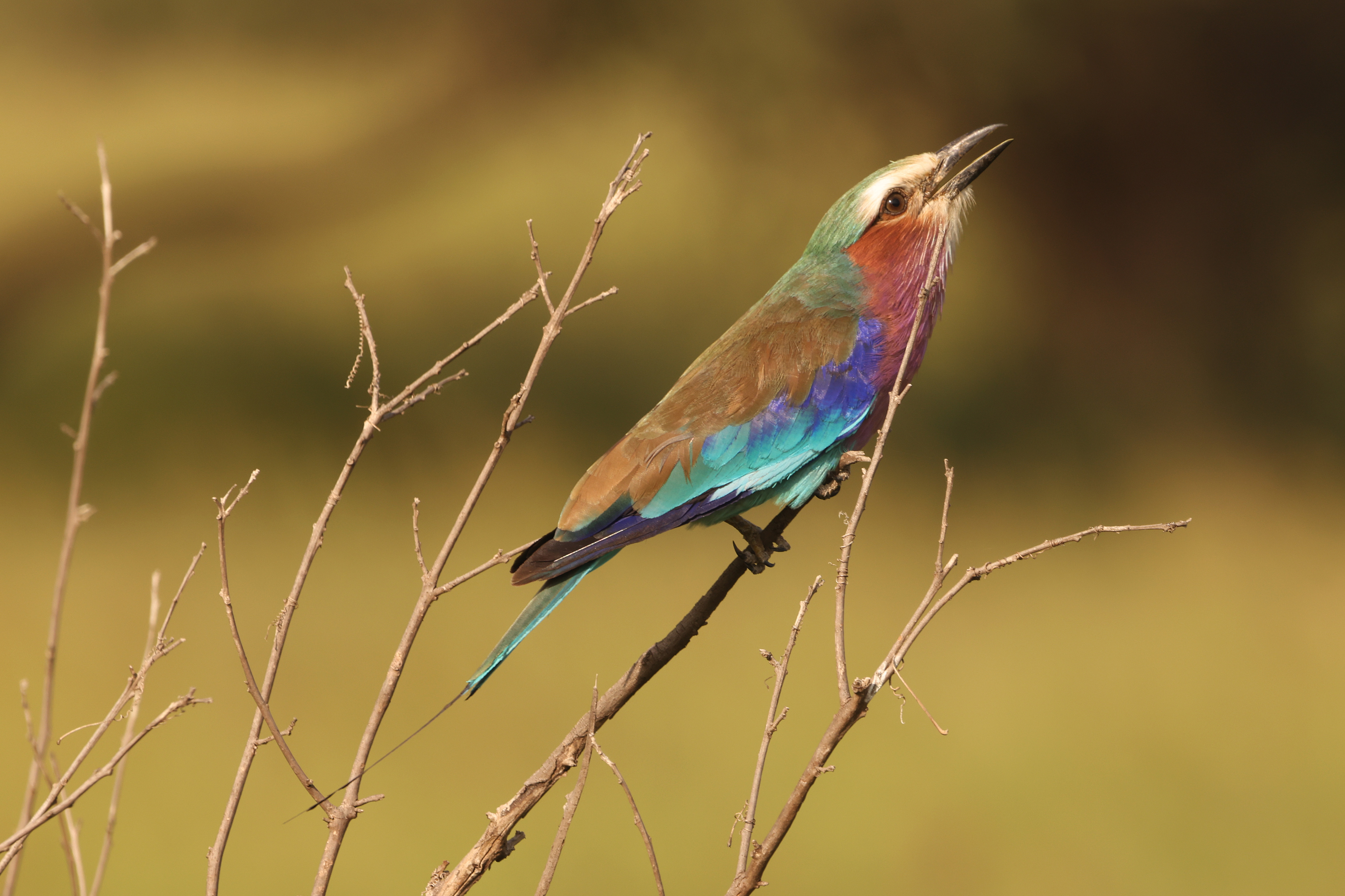
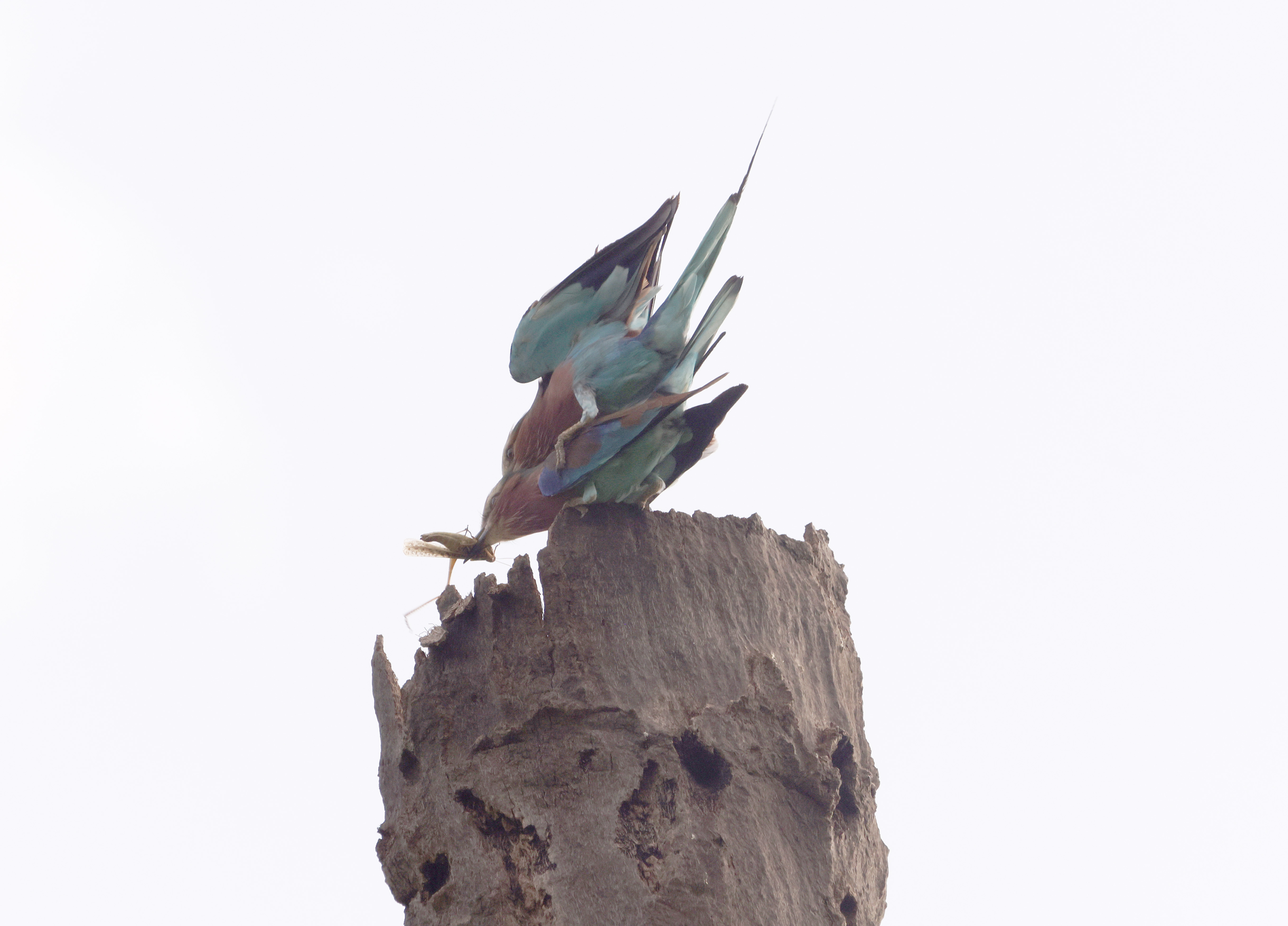
One animal I really wanted to see was the Lilac-breasted Roller. As I was preparing for my trip, a coworker (who lived in Africa and knew that I loved birds) told me her favorite bird in Africa was the Lilac-breasted Roller. She said it was the prettiest bird she had ever seen. When I arrived in Tanzania, I told my tour guides how I really wanted to see one and asked what my chances were? They just laughed and see I would definitely see the Lilac-breasted Roller. In fact, they said I would see the bird so often that I would get tired of it. They were right I would see the bird often, but I never got tired of it.

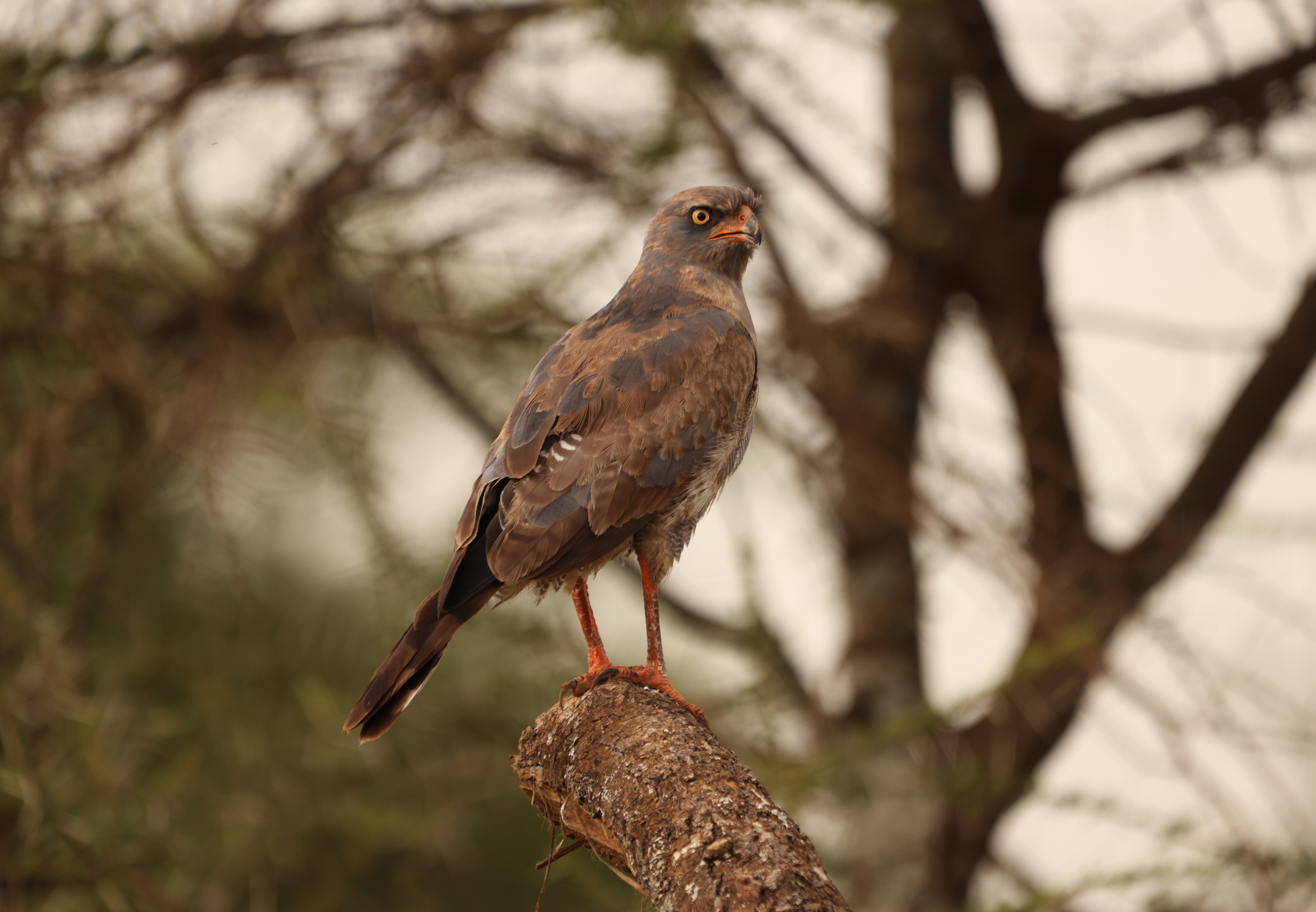
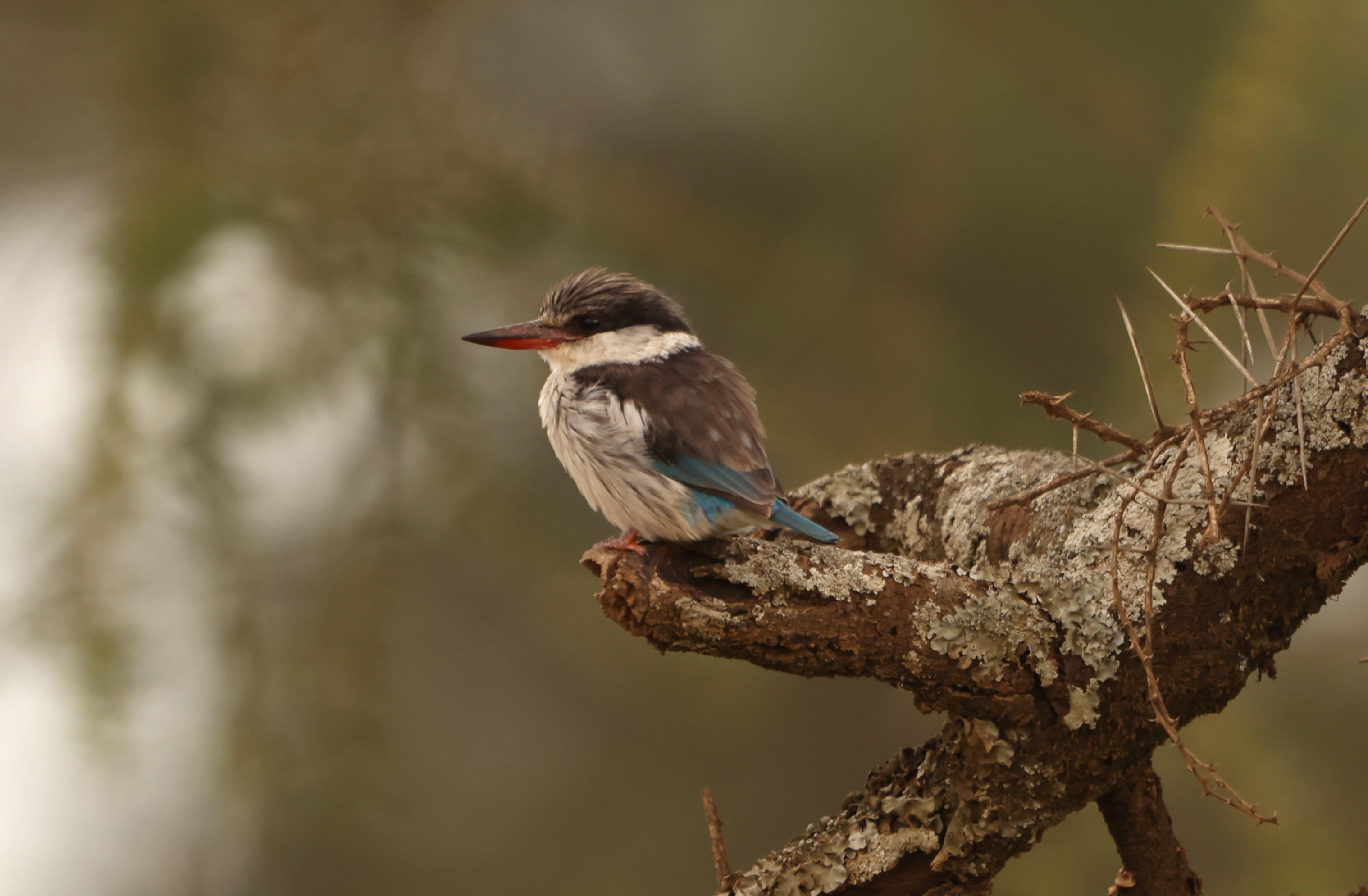
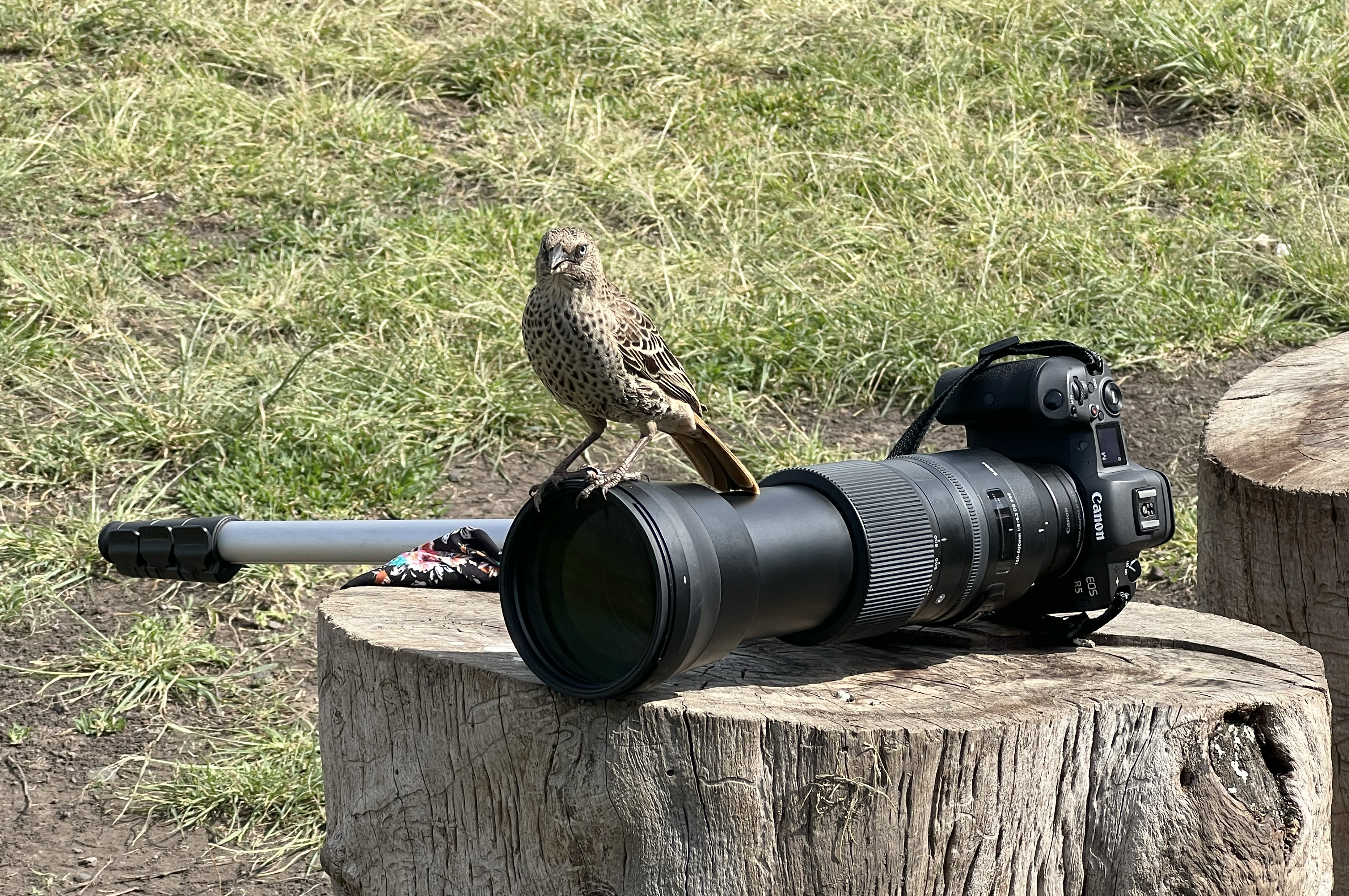
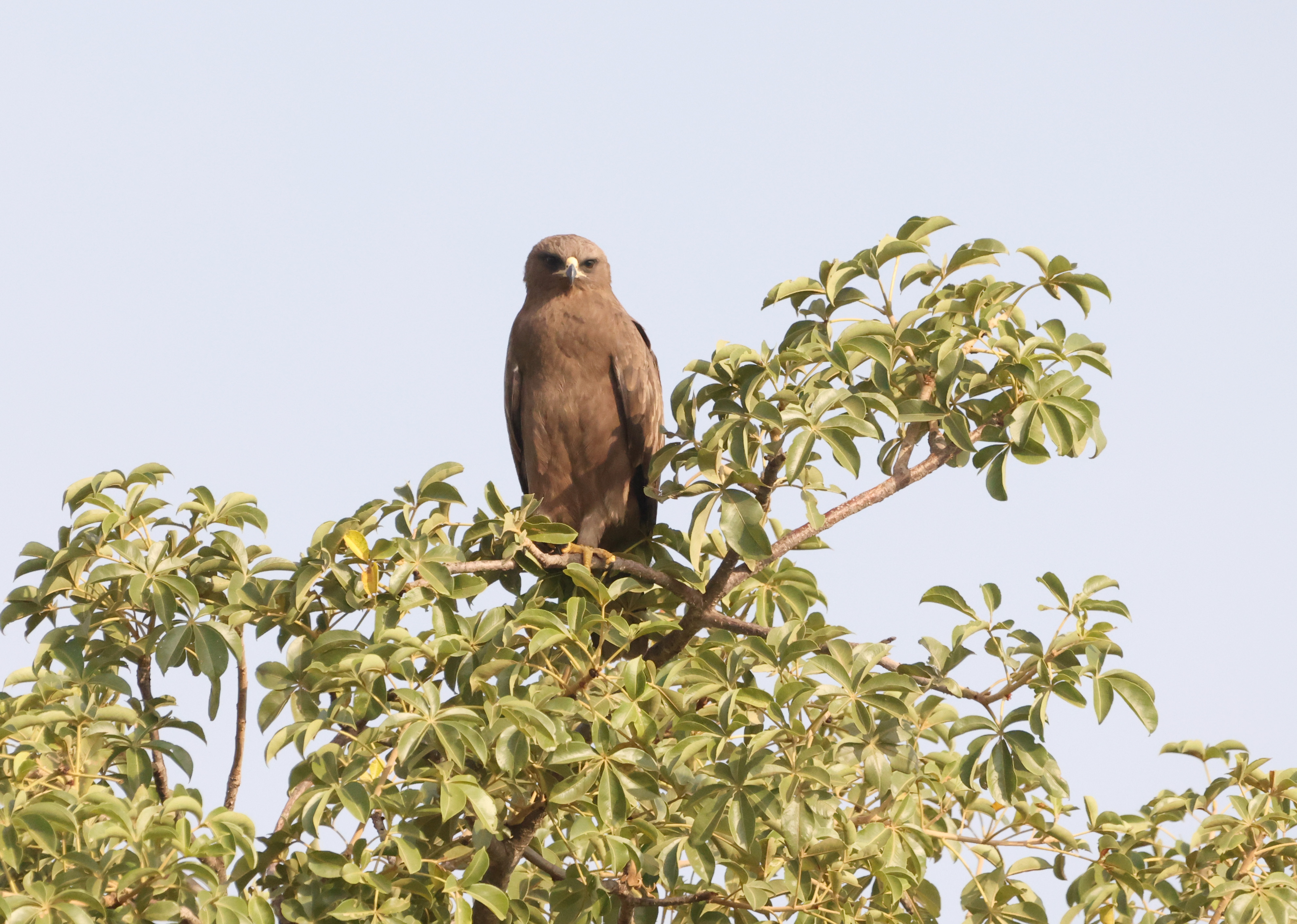
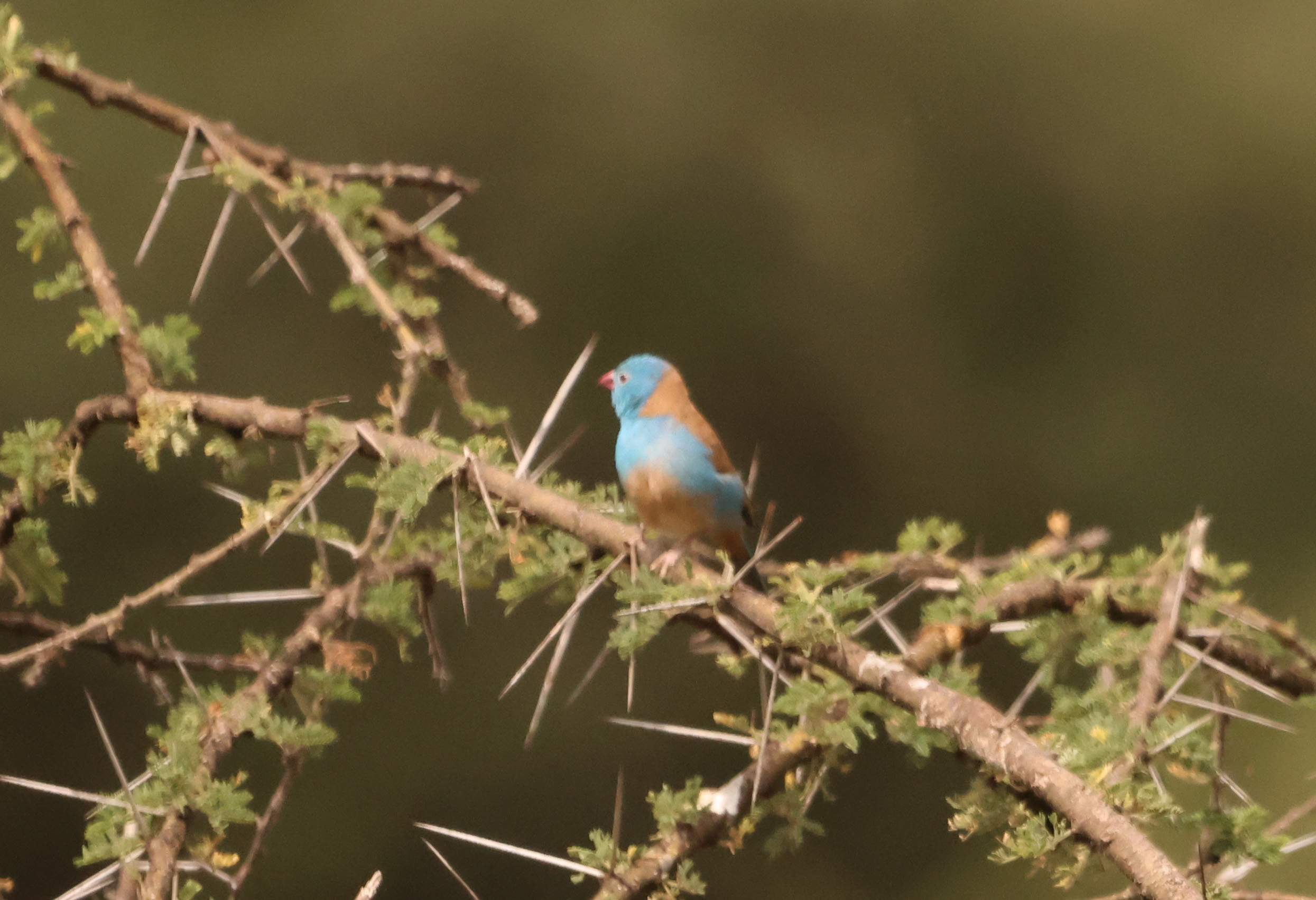
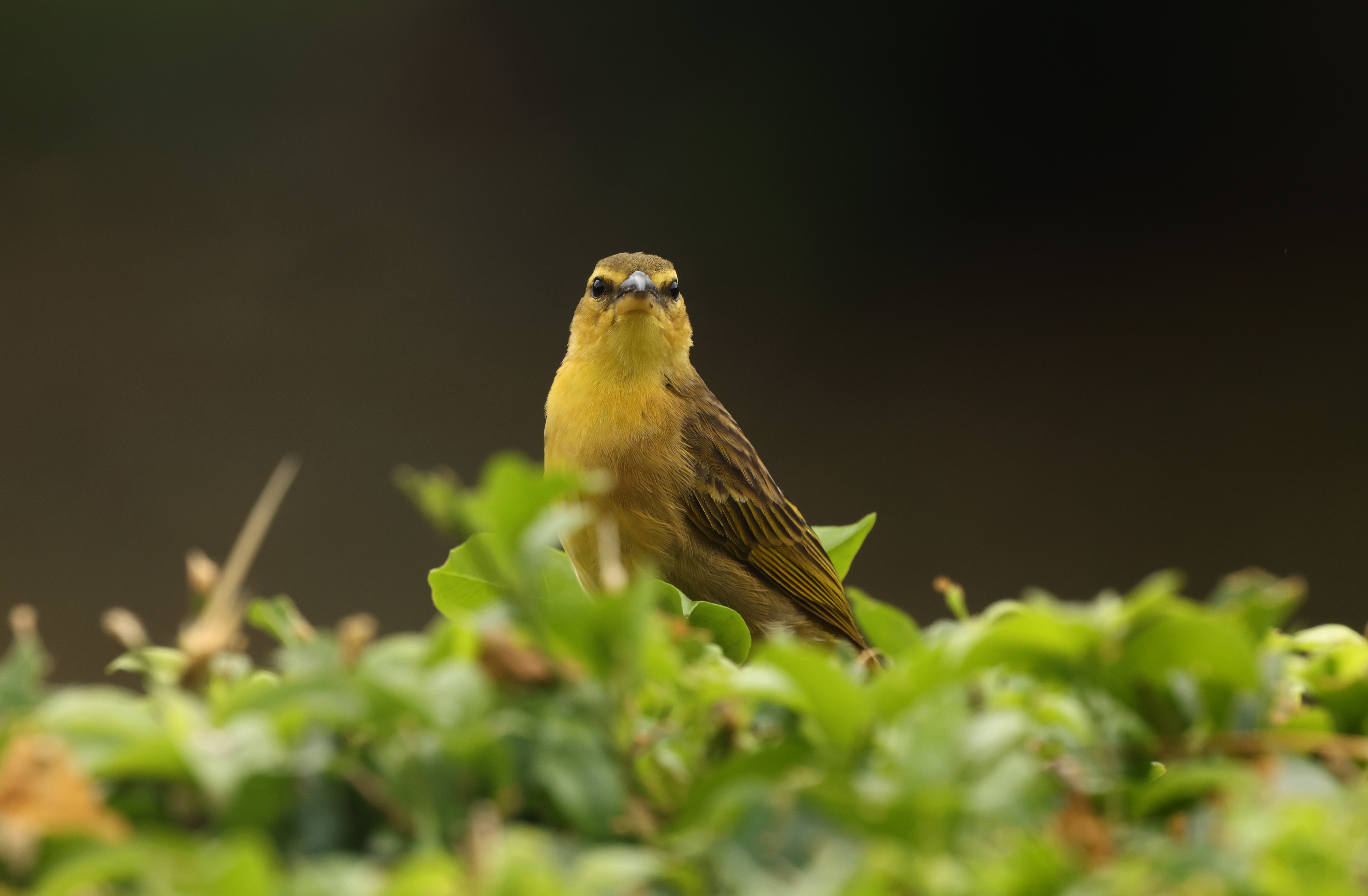
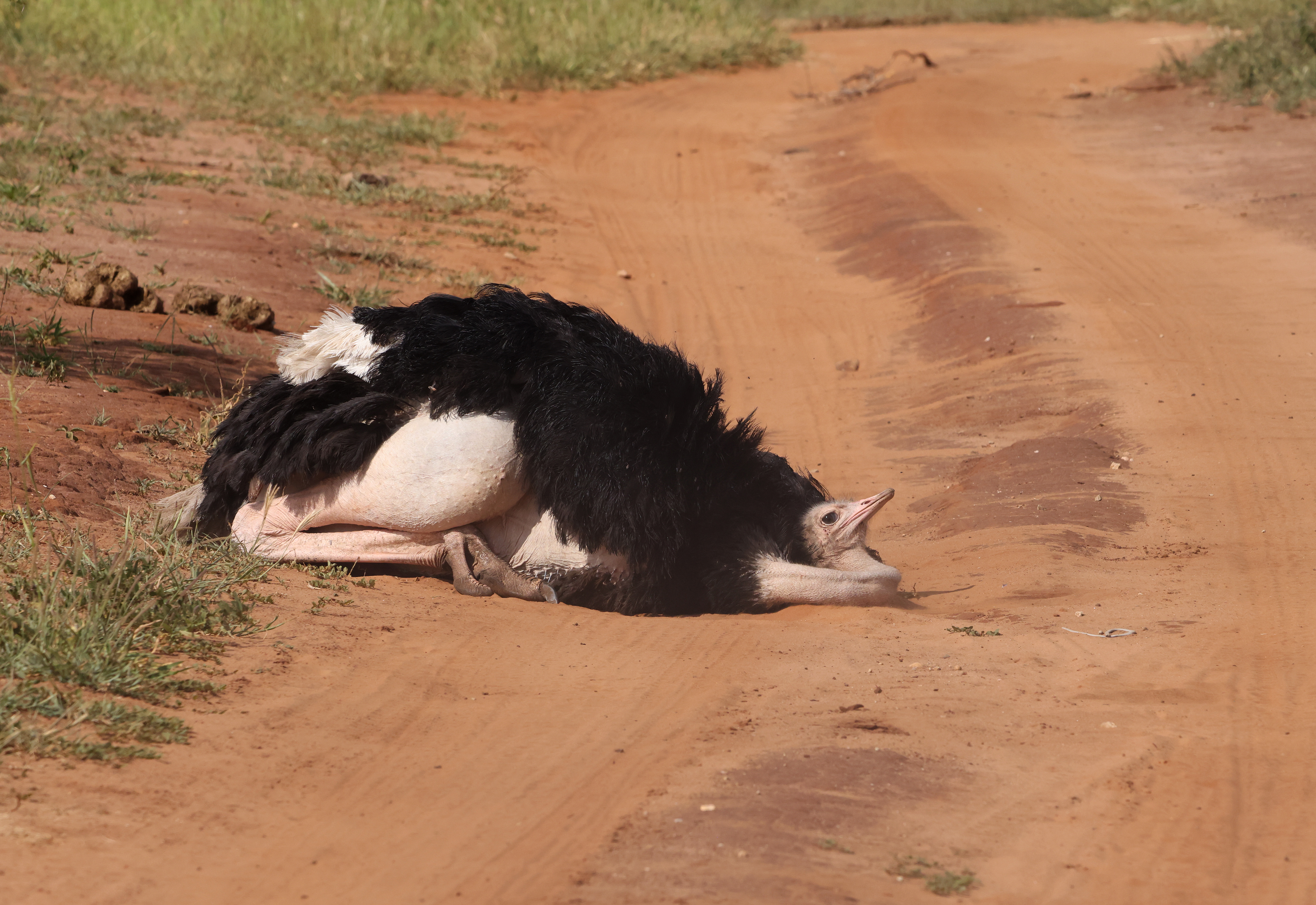
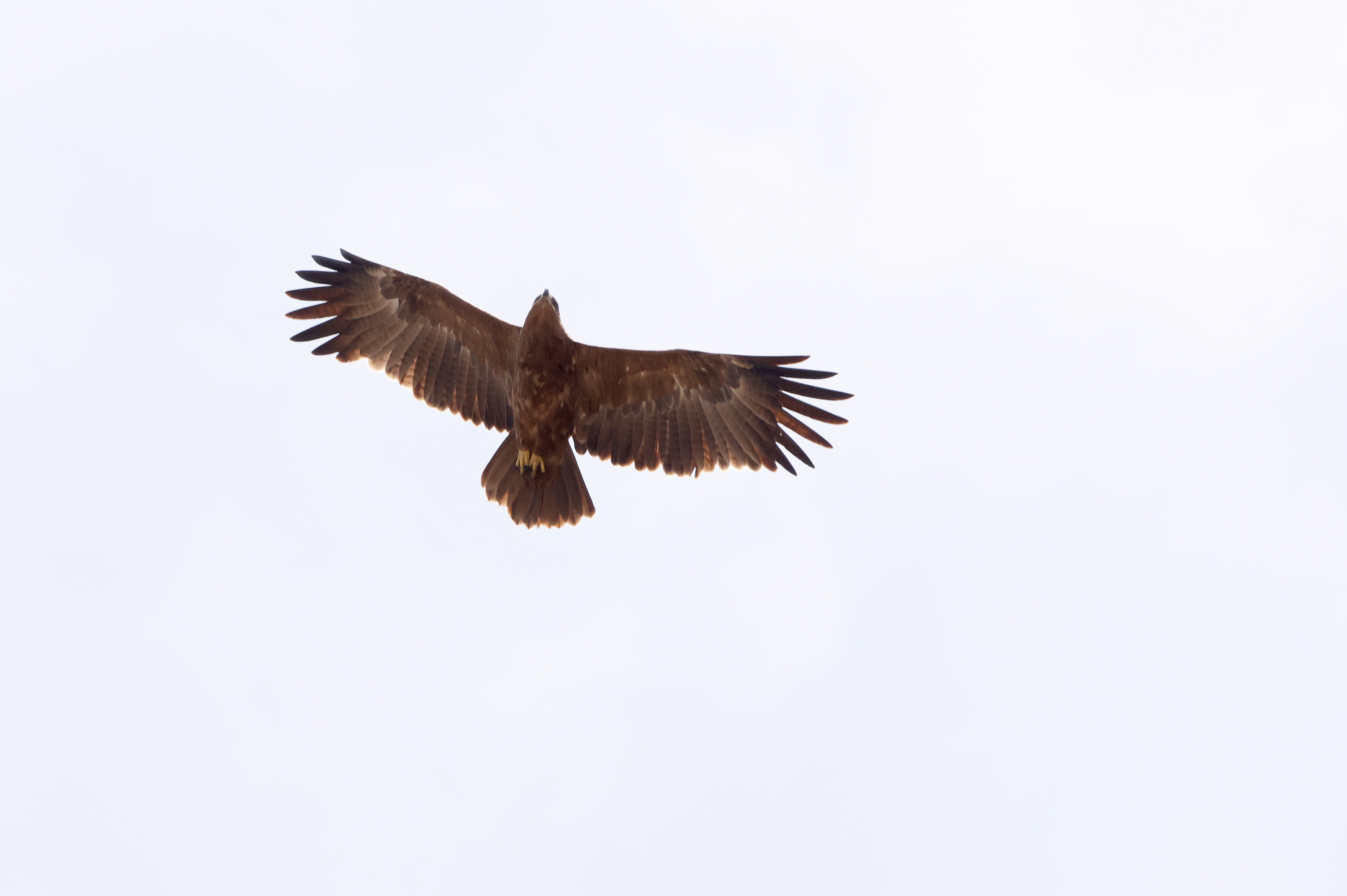
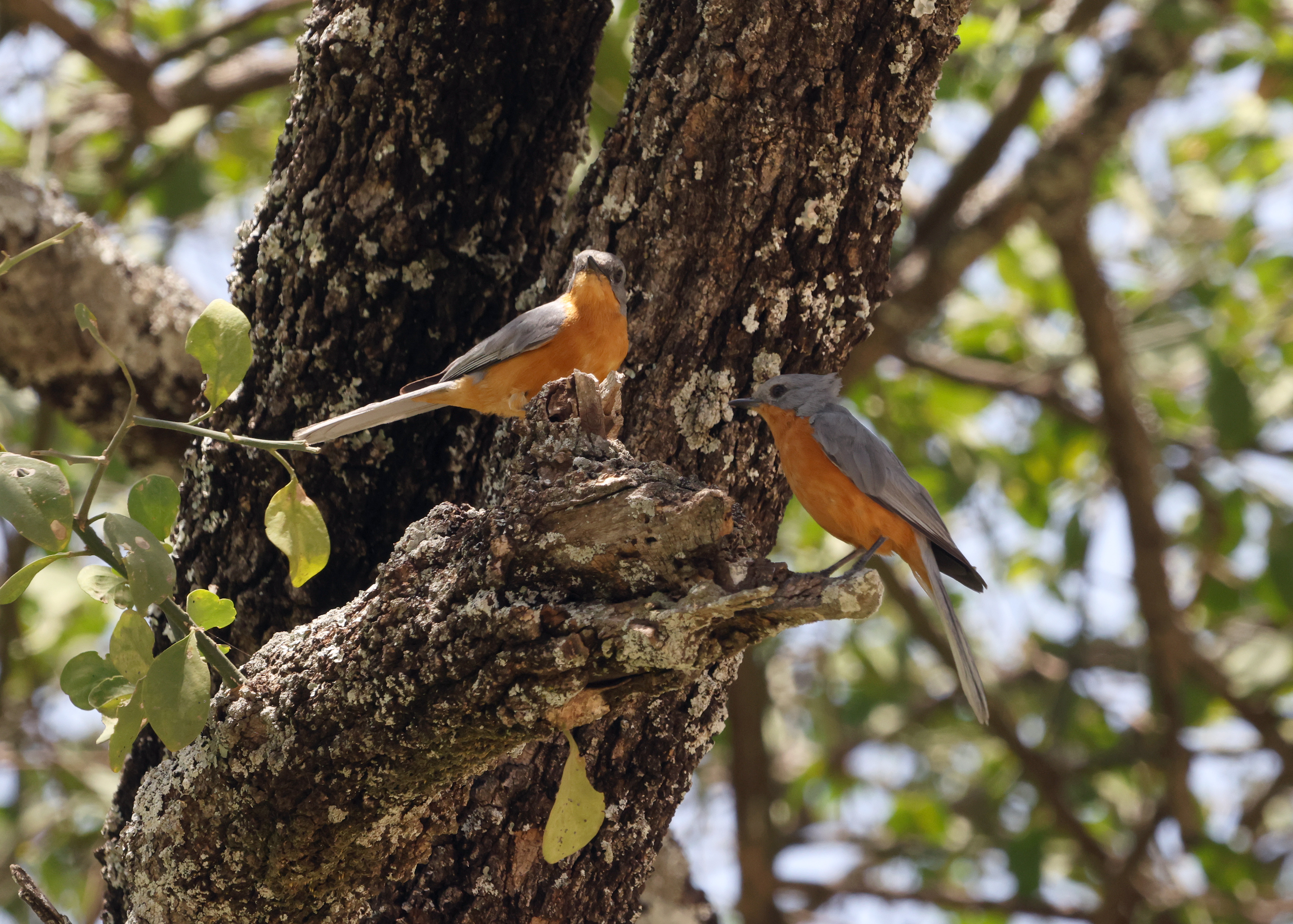
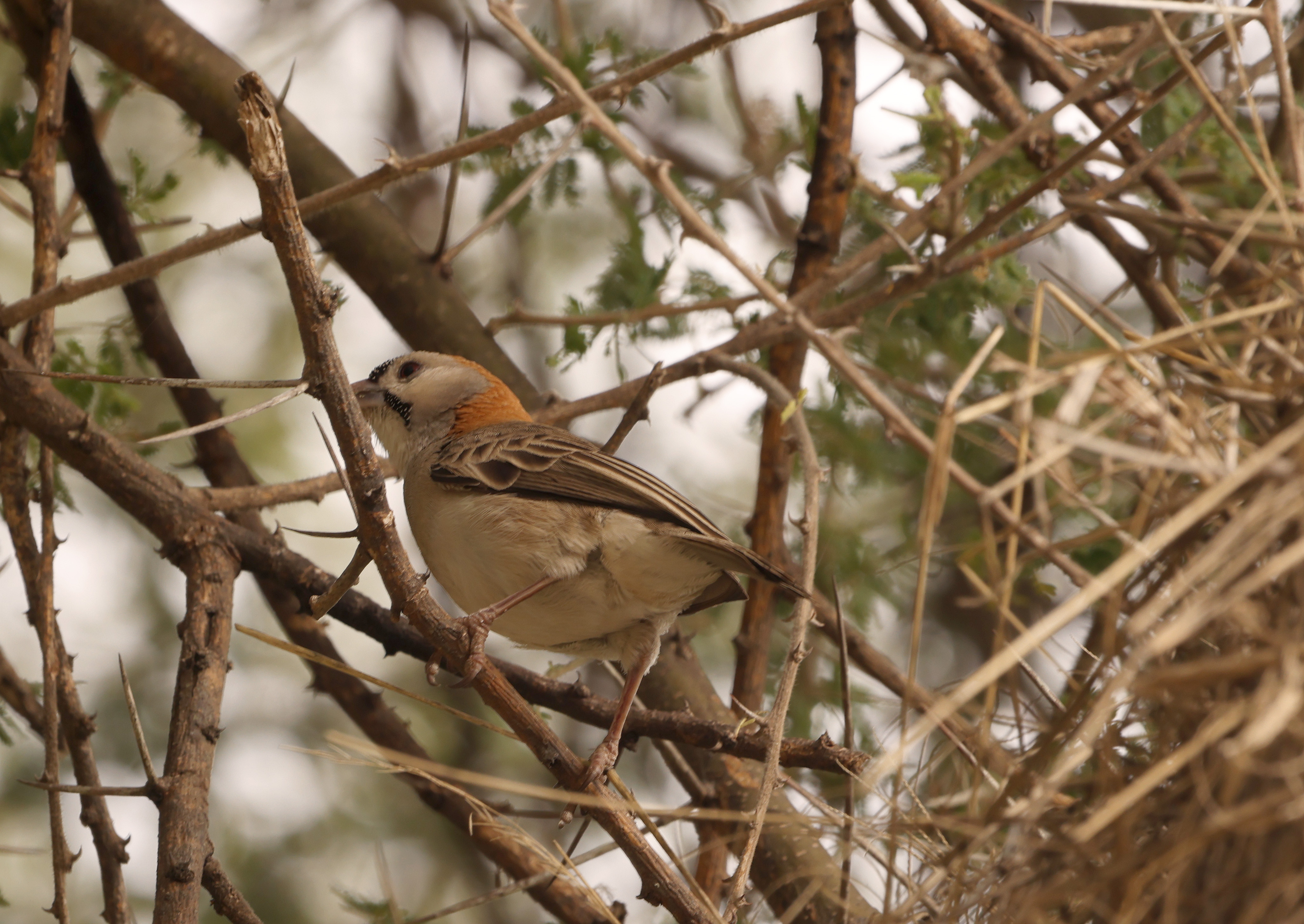
While the Lilac-breasted Roller was a highlight, the bird was not the only one seen. Below’s a highlight of the birds spotted that day.

Day 2: African Wildlife Safari

Day 2 was mostly a lazy day. We met for a hot breakfast at 7 a.m. and then spent the morning on the hotel grounds as we waited for the last four members of our 10-person group to arrive.

Once everyone arrived, we had lunch at the Cultural Heritage Center where we also listened to performers, shopped and toured its art gallery.

The rest of the afternoon/night was spent back at the hotel where several of us hung out on the hotel grounds to drink, chat and (at least for me) birdwatch.

Photos: Longspurs and Owls

Short-eared Owl

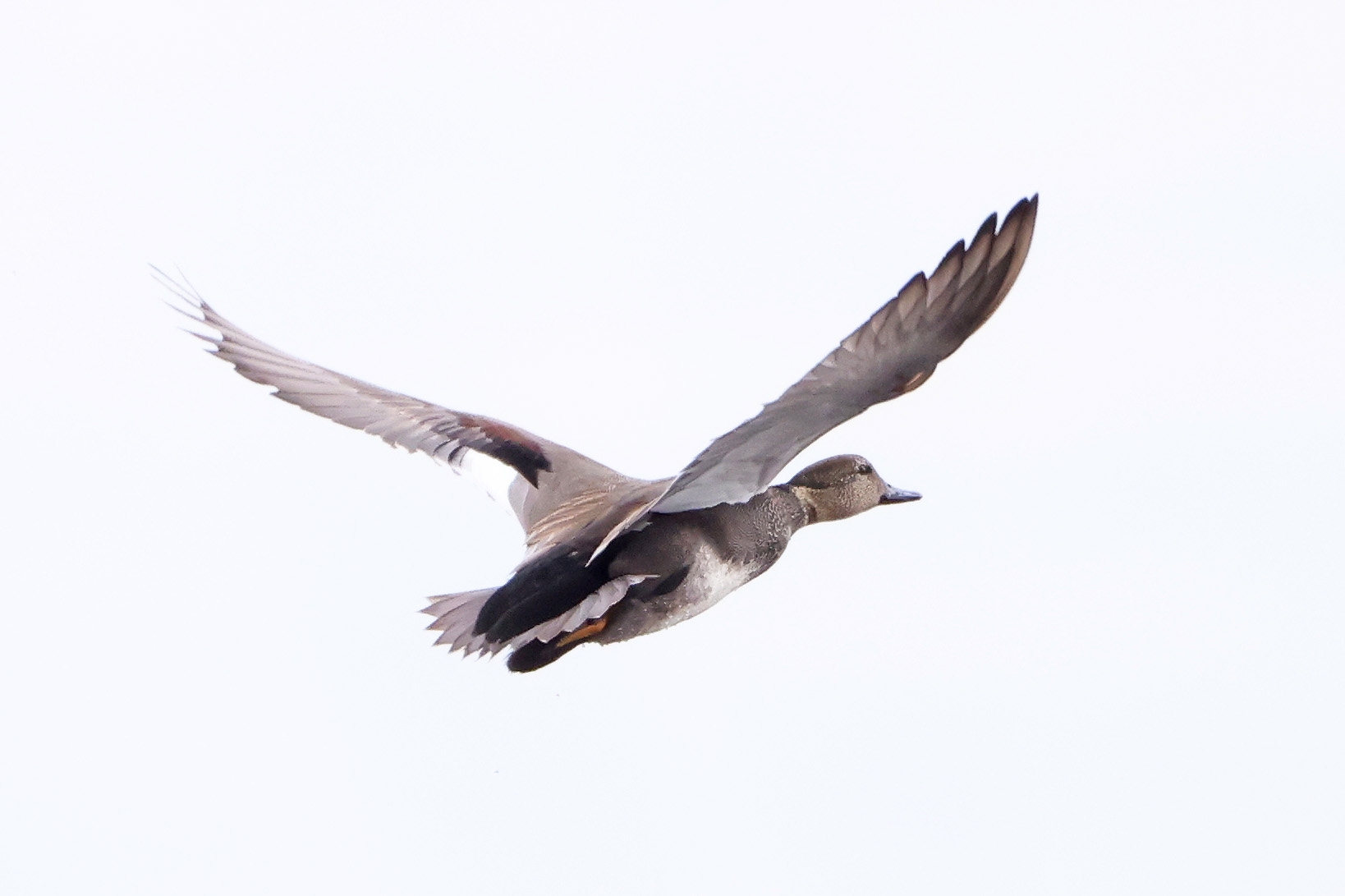
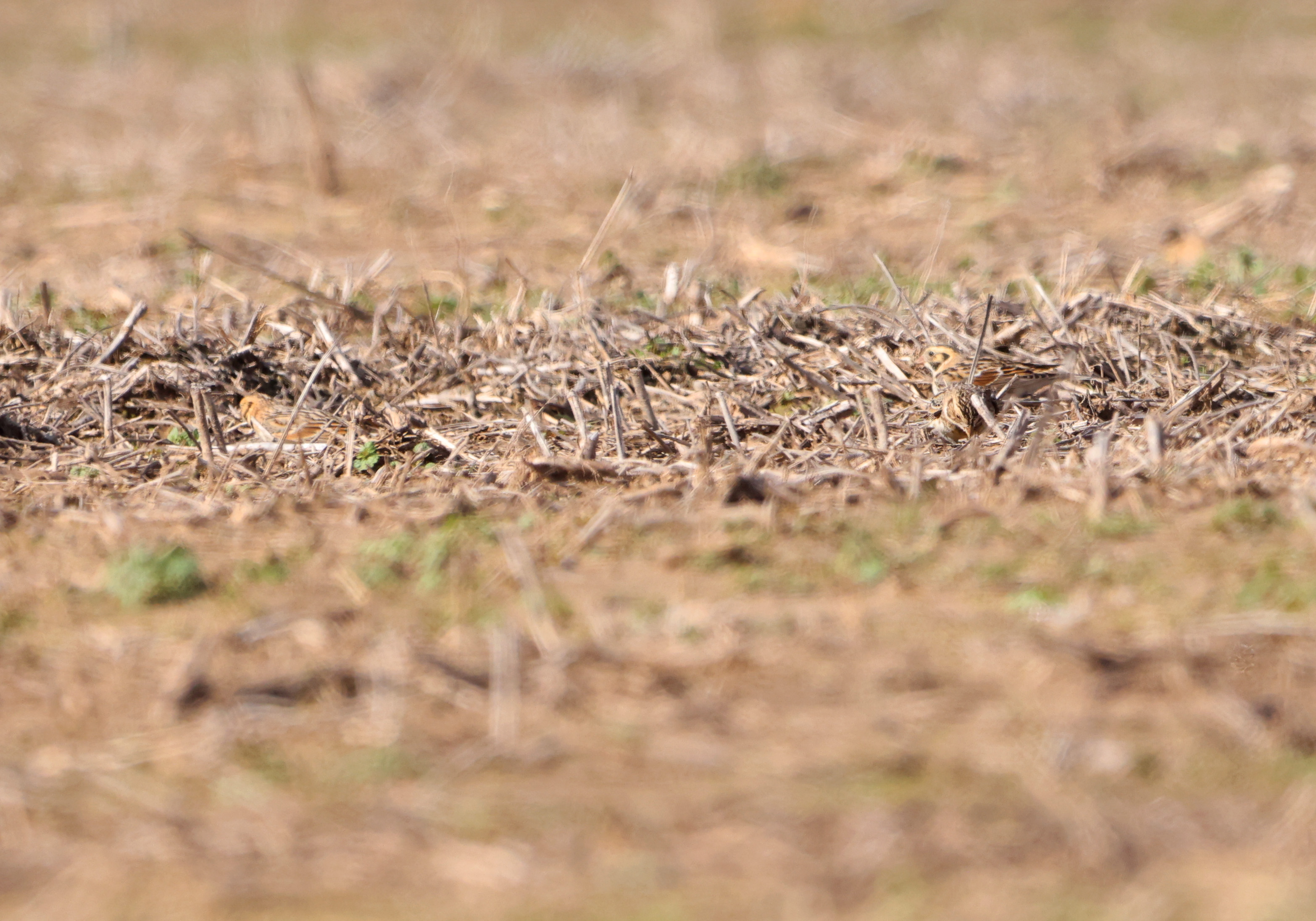
I visited the Stuttgart Municipal Airport recently with a group of birders with the hope of finding Short-eared Owls, Smith’s Longspurs, Lapland Longspurs and possibly even a Barn Owl. While we missed the Lapland Longspurs, we did get lucky on the bird front. Our checklist for the day included four Short-eared Owls, a juvenile Bald Eagle and 77 Smith’s Longspurs.

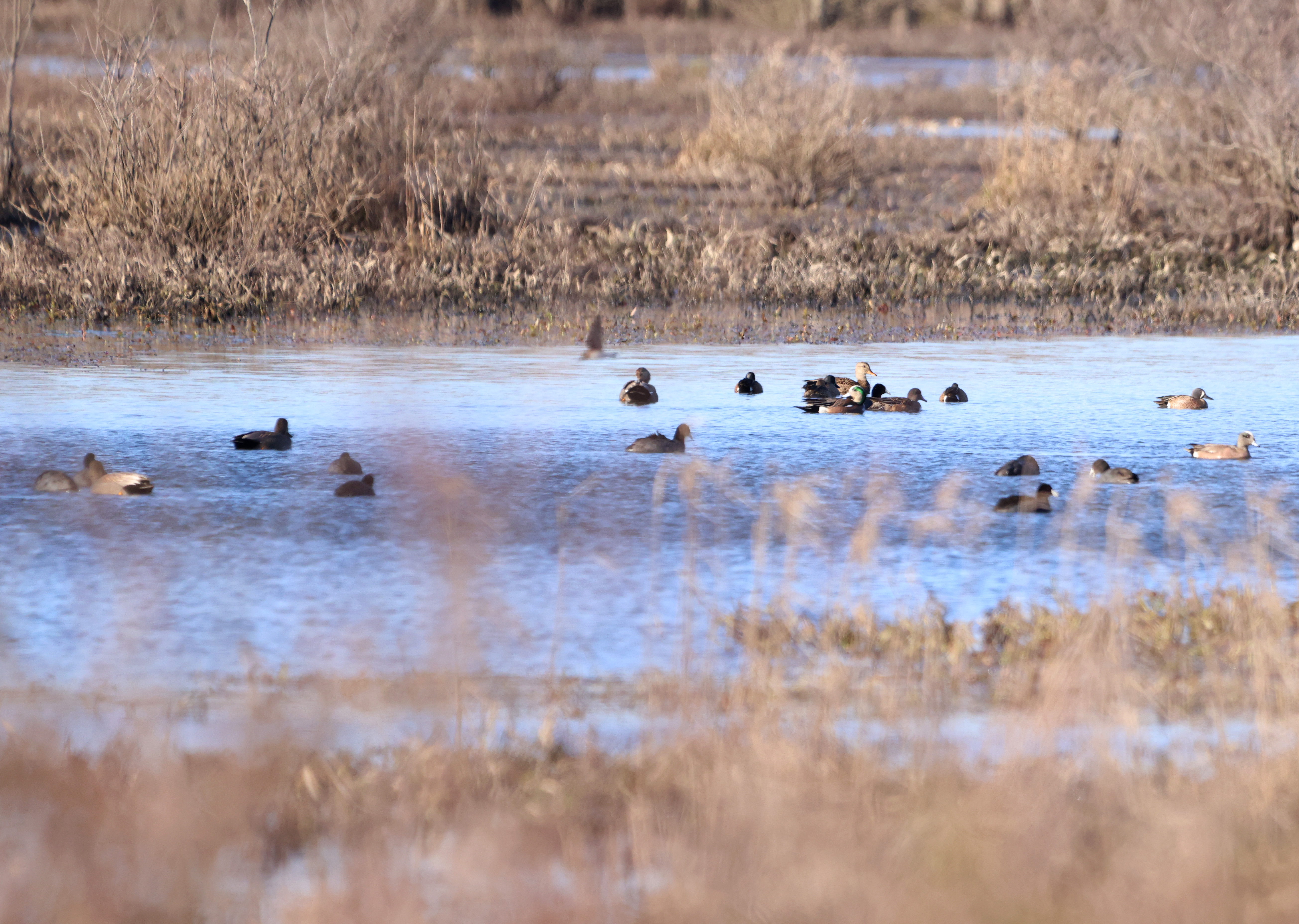
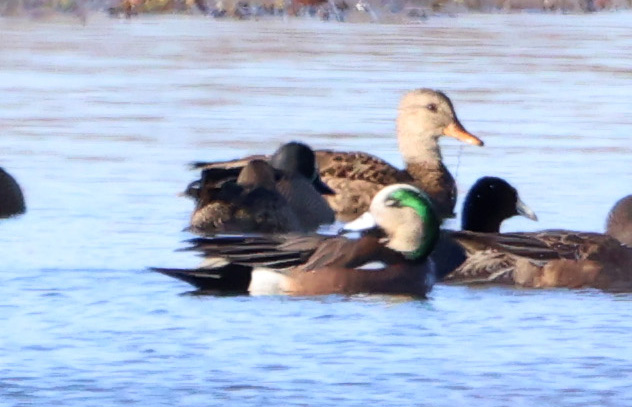
It actually turned out to be a great birding weekend. I traveled to Wynne to visit family and returned to Little Rock via Hwy. 64 through Bald Knob. The route had me stumbling across a birds such as the below Black Vulture, Fox Sparrow, Hooded Mergansers and Mallards. I even spotted a tree that had a hole that eerily looked like a face. What do you think – do you see the face?

Here’s a visual of the birds I saw:

Hooded Mergansers

Belted Kingfisher

The Belted Kingfisher was one of my aunt’s favorite birds. She always got excited when we spotted one and I now think of her every time I see one. On January 1, I passed this cooperative kingfisher sitting on a powerline almost eye level next to the bridge I was crossing. This time, I was the one who got excited to see it.

Belted Kingfishers can be found year-round in Arkansas. I typically find them close to water, whether that be a lake, a big ditch or even a swampy area with lots of big ditches nearby.

Lesser Black-backed Gull

I spent New Year’s Day participating in the Christmas Bird Count for Lake Dardanelle. It was my first time scouting my particular section, but it was fun, albeit foggy. My most exciting find: A Lesser Black-backed Gull. It was the only one spotted during the count, although the gull has been seen in the area for the past few days.

This particular gull is a first winter with its checkered brown and white body and black bill. AllAboutBirds.org reports that the Lesser Black-backed Gull is common in Eurasia and was once a great rarity in North America; however, it is now becoming relatively common as a winter guest along the eastern coastline even though nesting here has yet to be confirmed. Its range map includes Arkansas in its nonbreeding (scarce) zone. According to eBird, we’ve had a sighting every year since 2016 in the state.

A Short-billed Gull

Yesterday, a Short-billed Gull (previously called a Mew Gull until 2021) was spotted at Lake Dardanelle. It’s the small-ish gull standing alone near the middle of the photo with a slightly darker gray back, round head, yellow bill and dark eye.

This gull had birders in a tizzy today – the gull is typically found along the western coastline of the USA, and I’m told these gull rarely travel to the rest of the nation. I arrived at 10:30 a.m. to a flock of people with scopes looking for this sole gull in over 5,000 Ring-billed gulls (the other gulls in the photo). If you are thinking yikes – you said it. It was mind-numbing and basically impossible for me. Luckily, the original spotter was kind enough to spend most of the afternoon with me searching for it. He and his wife were actually the ones who spotted it for me.

Duck Hunt: Common Merganser

I traveled to Siloam Springs yesterday to find Common Mergansers that were reported on the Siloam Springs City Lake Park. The rare birds were spotted by the boat launch days before, and birders had reported them still being there each day. I quickly spotted them in the distance upon arrival but lost them when I drove around the lake to get a better look.

So, I decided to check out the rest of the city park. They have a pretty cool duck blind set up so people can quietly enter and watch the water birds. It was definitely worth the stop – I saw plenty of ducks, cormorants, sparrows, pied-billed grebes and the Common Mergansers. The Common Mergansers actually flew in and landed right in front of the blind, providing me a perfect look at them even without my camera.

The nonbreeding range for the Common Merganser just dips into the North-Northwest area of Arkansas, although we don’t see them often. eBird reports 356 observations of the species, although I suspect many of those are recent with this sighting. They’ve been spotted within the state from October to May.