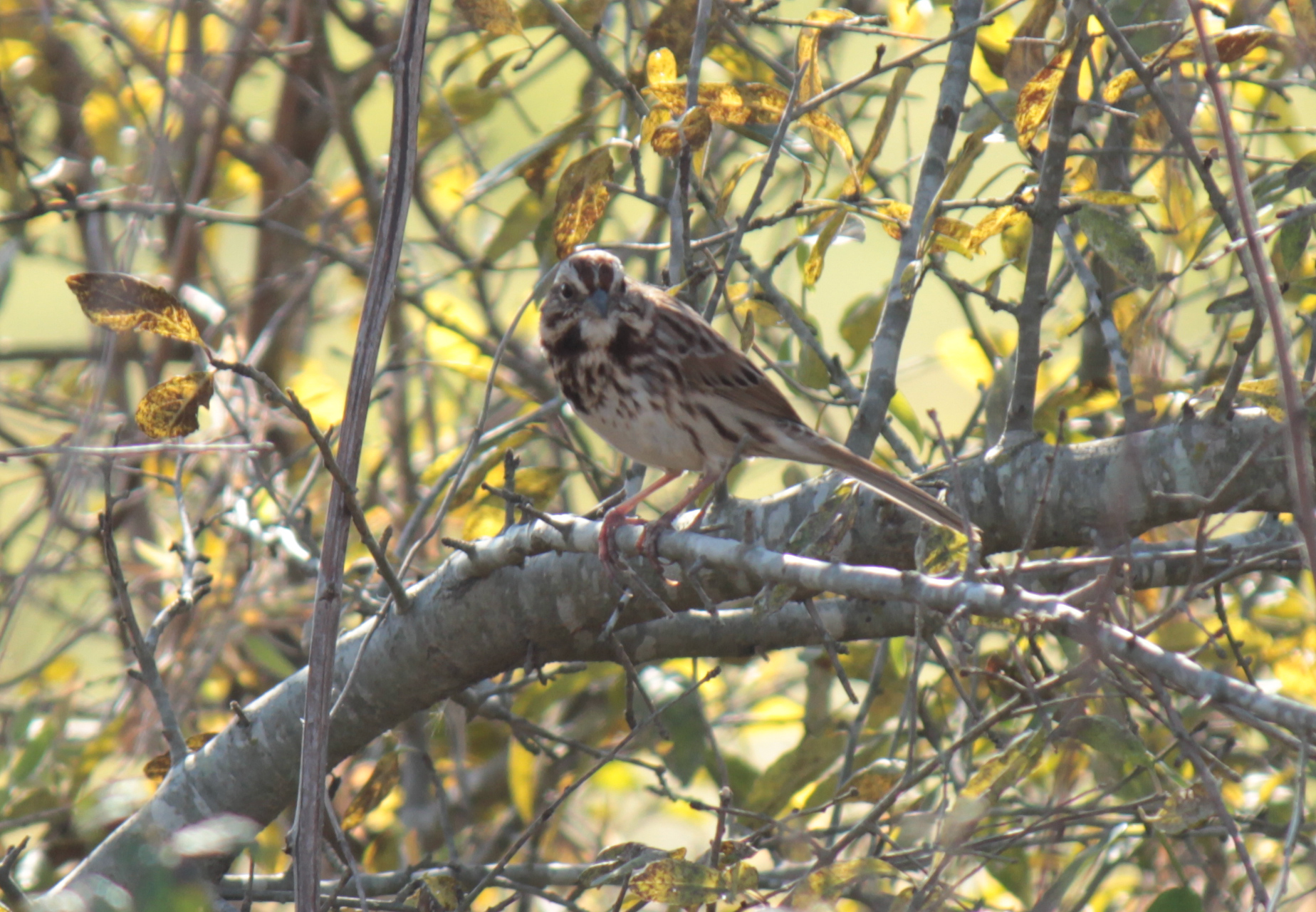
This Song Sparrow spent Tuesday morning sitting above a lake near the 9th hole of the Oak Hills Country Club in DeWitt. According to allaboutbirds.org, the Song Sparrow spends its winter months in Arkansas.
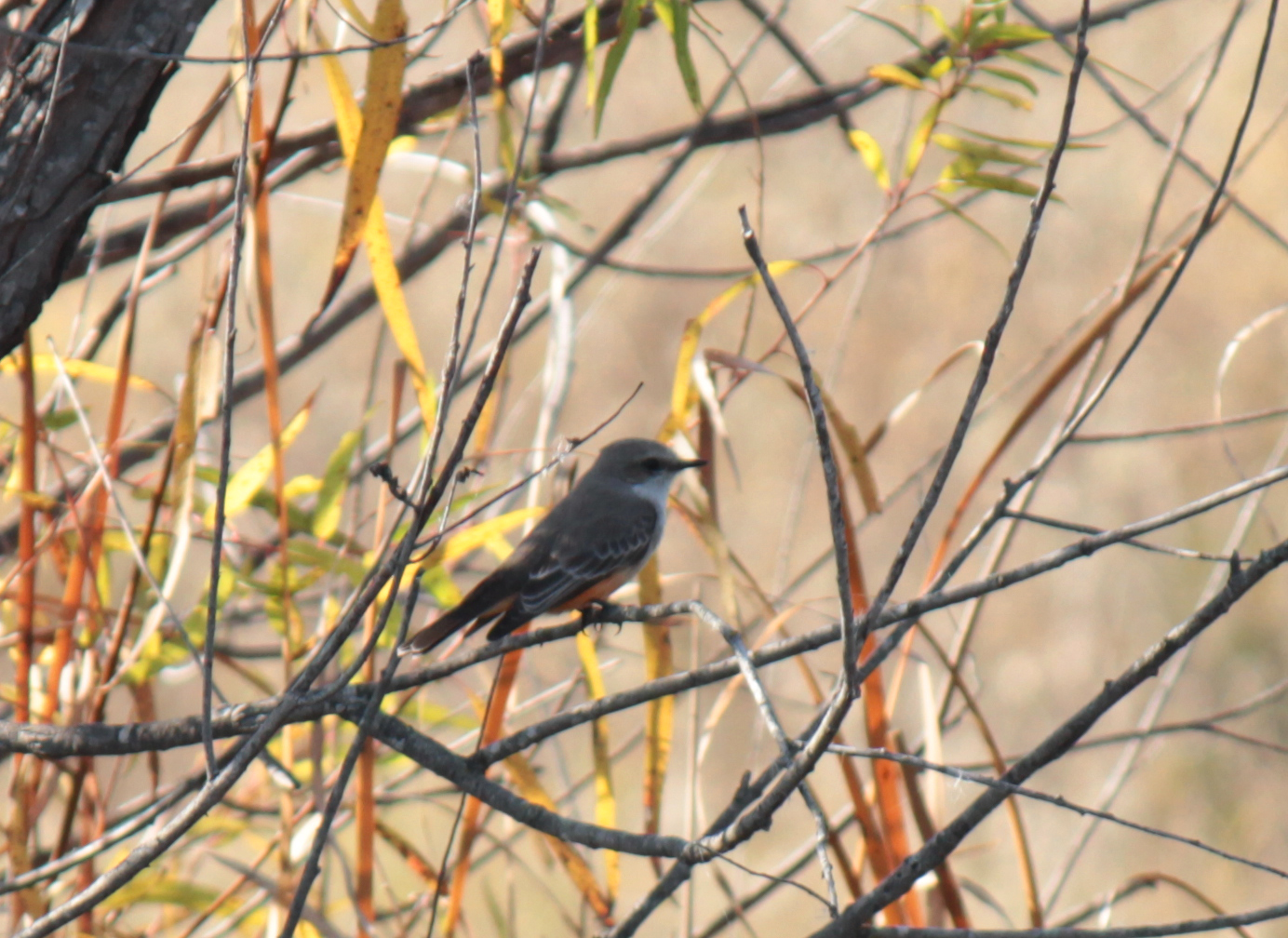
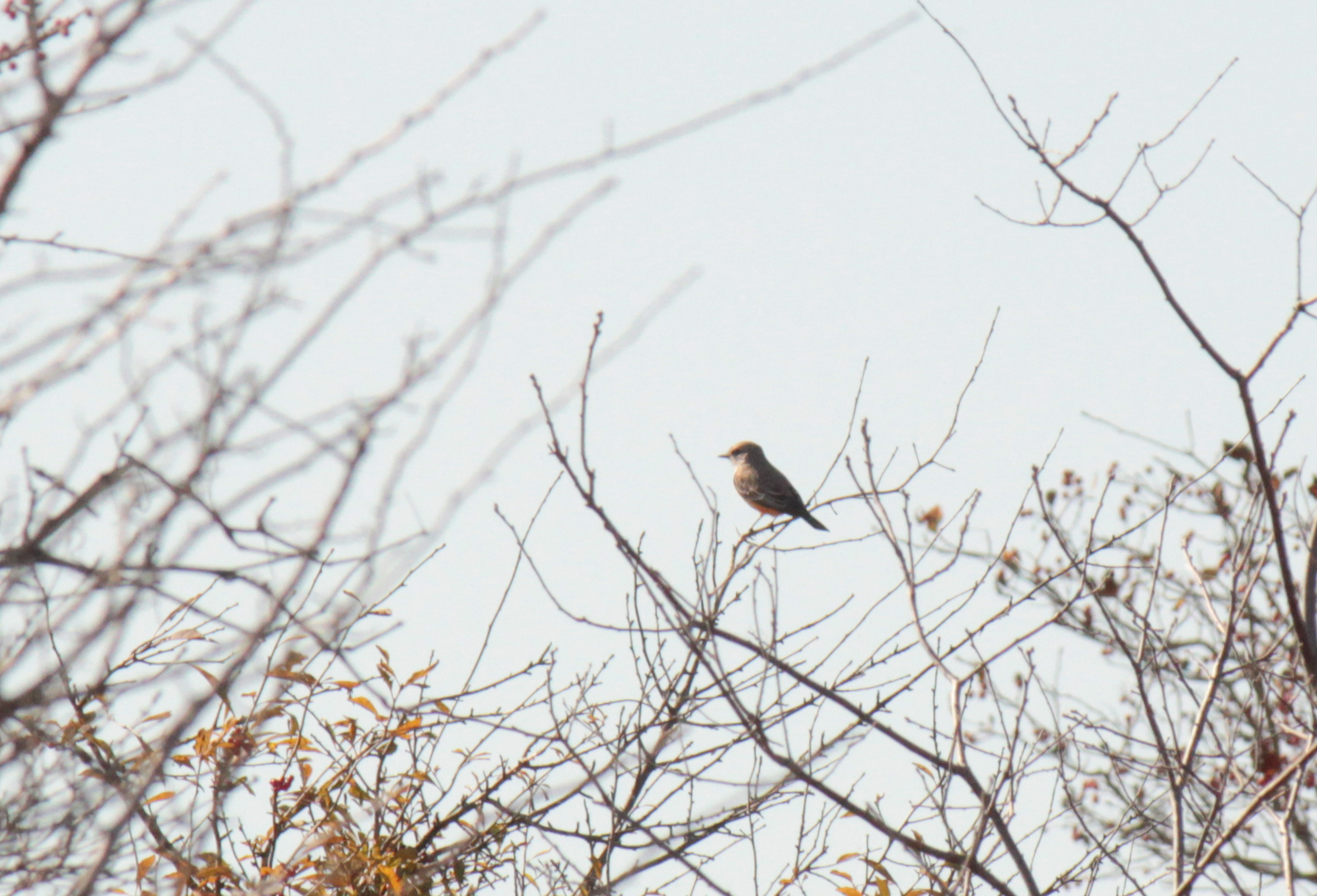
A rare bird to Arkansas has been spotted in Arkansas County. I met up with a fellow birder late this morning to go see the female Vermilion Flycatcher. The flycatcher is presently living on the 18th hole (which doubles as the 9th hole) at the Oak Hill Country Club in DeWitt.
Luckily, we found it although we weren’t too sure of ourselves at the time. Unfortunately, the pictures are kind of out-of-focused. Still here’s two more shots of the bird.
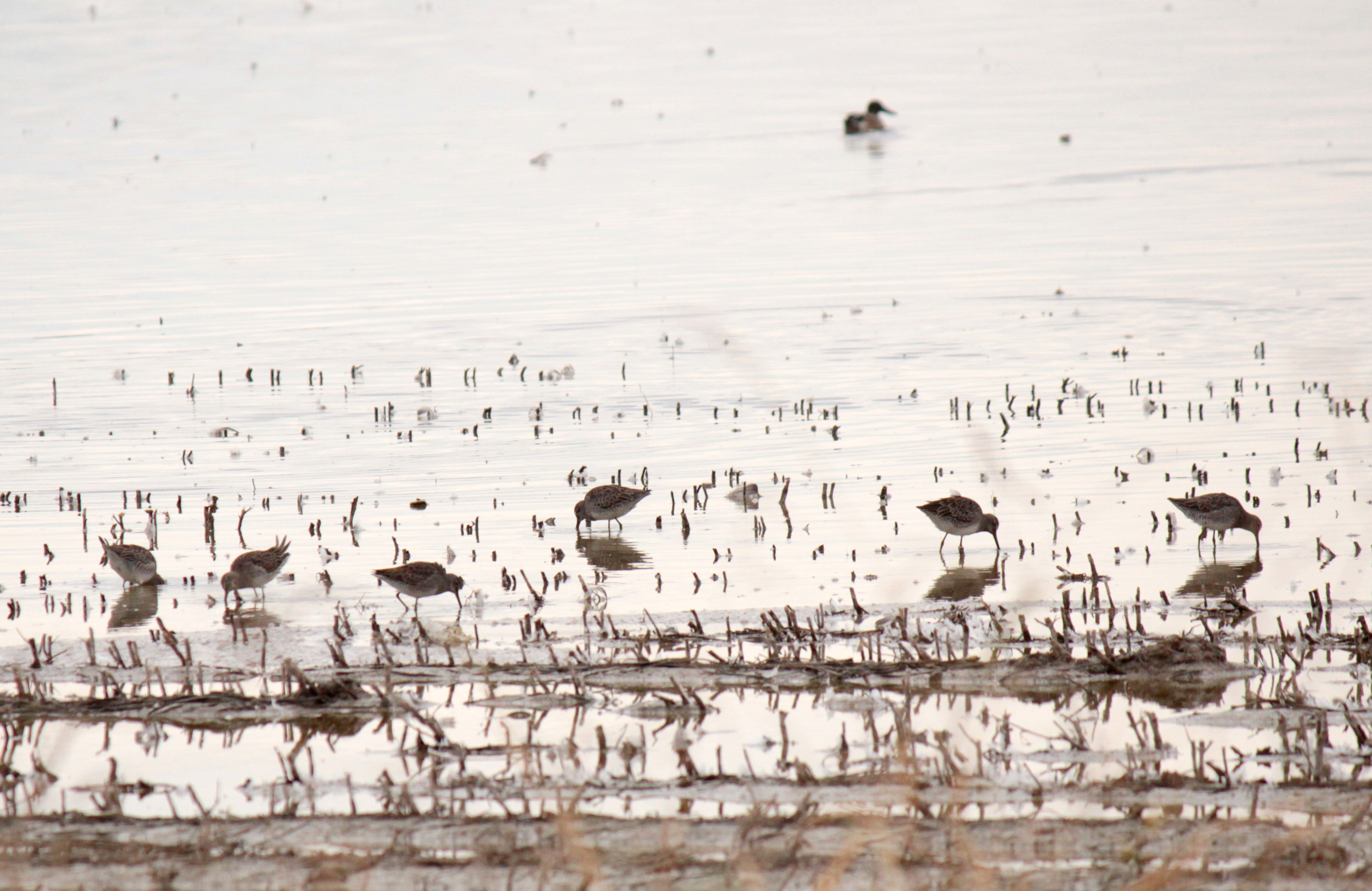
Short-Billed Dowitchers off of Hwy. 306 near Wynne
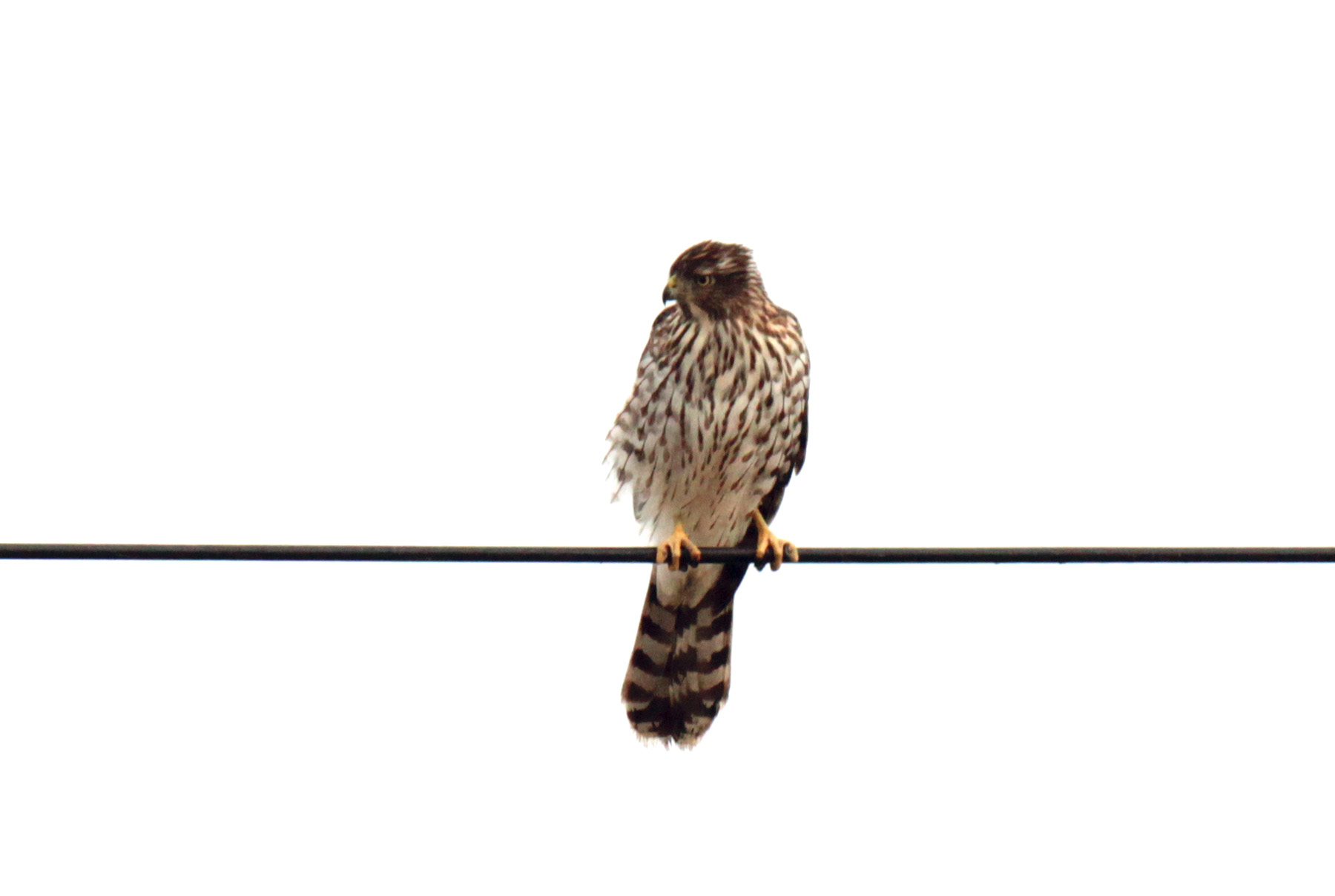
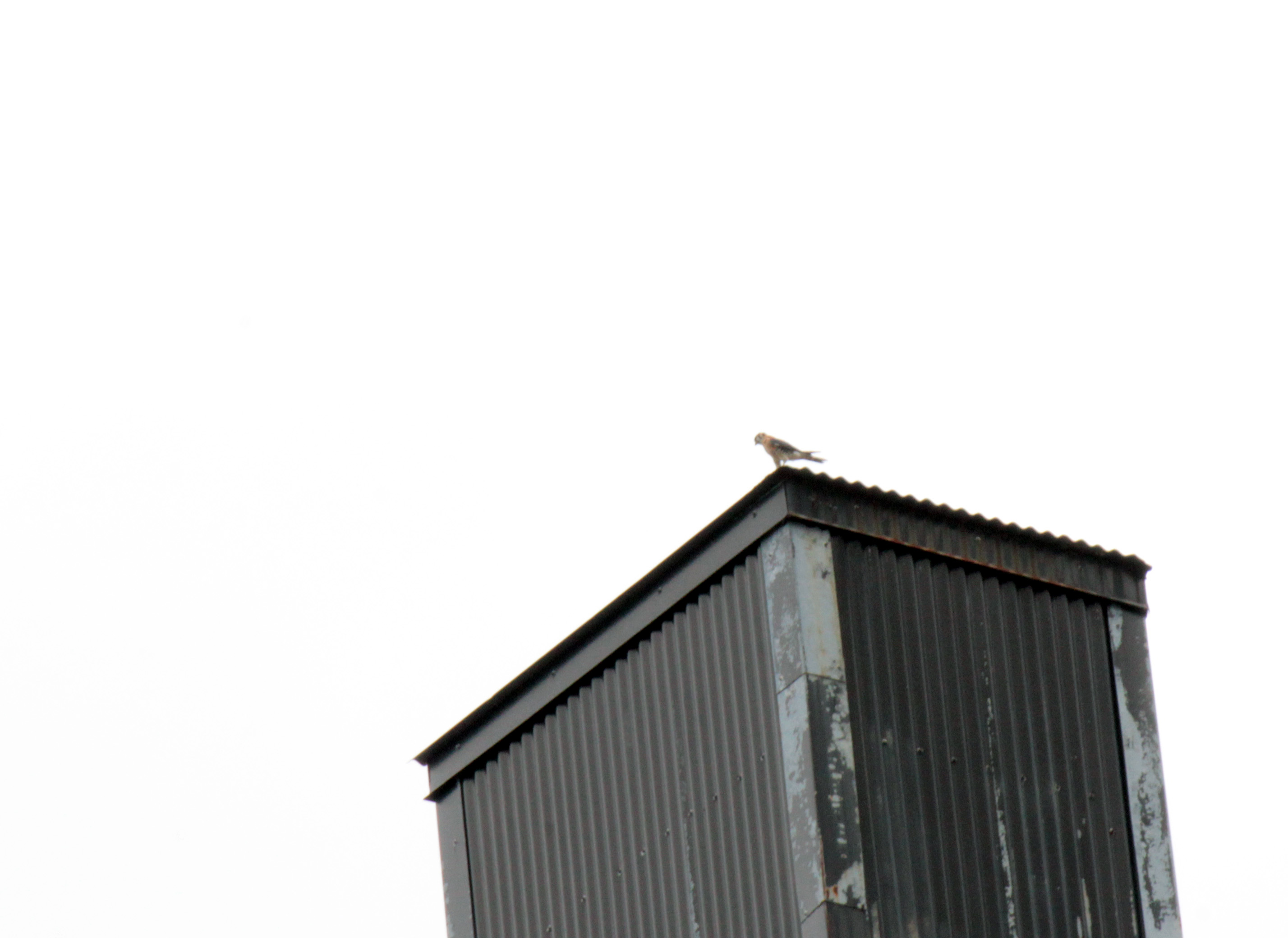
I shot this picture of Short-billed Dowitchers in a flooded field last Sunday. It was overshadowed when I went on to see Bald Eagles, mallards and Cooper’s Hawk in the following 48 hours. I began attempting to identify the Short-Billed Dowitchers this week and remembered I had similar looking birds in an Aug. 25 picture.
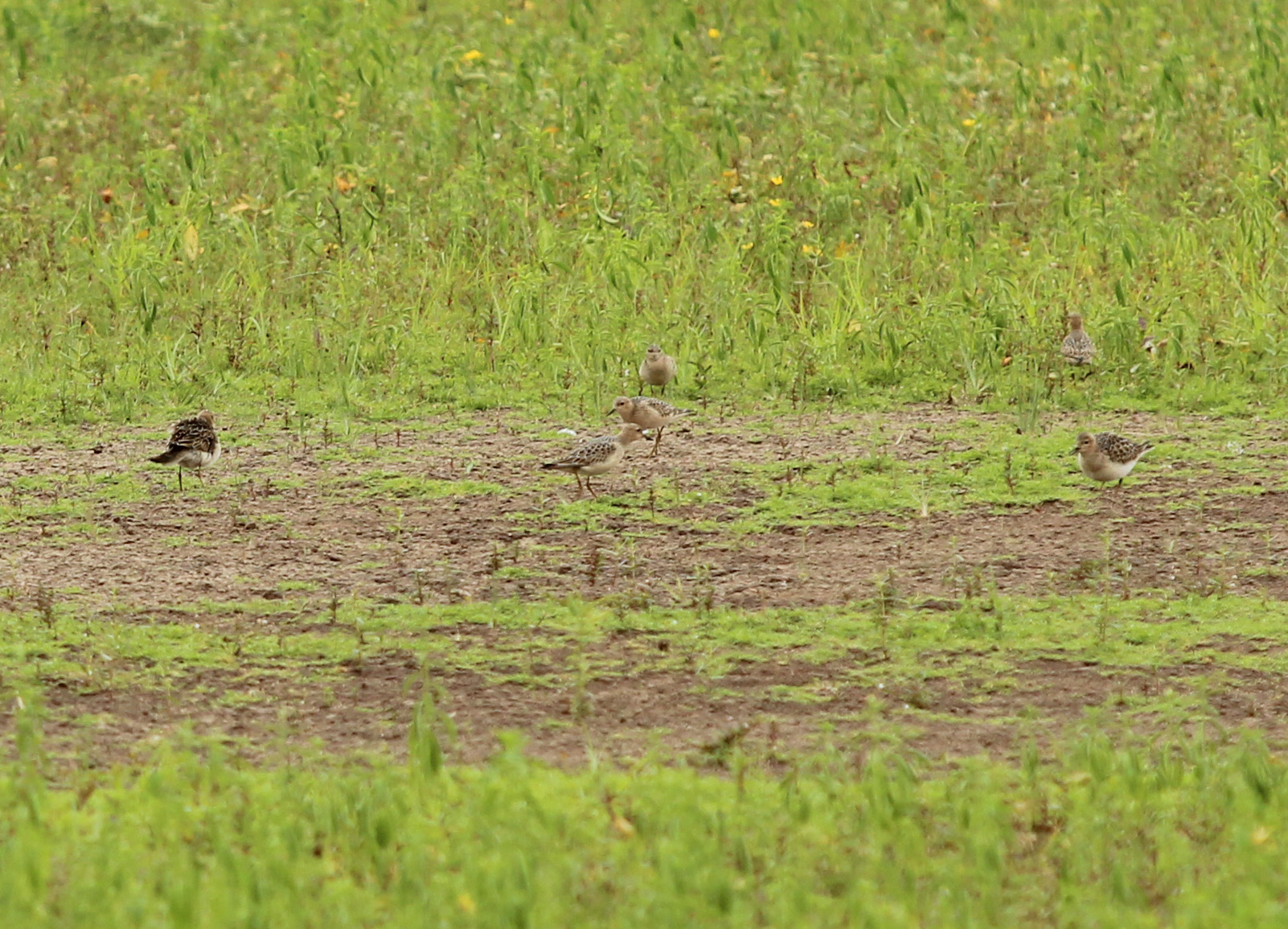
Silly me. I found the August picture and, well, the birds in both pictures really looked the same to me. They’re not, although I was somewhat right in my assessment that they were sandpipers. I successfully begged for help on the Arkansas Bird Listserv today to learn that the below picture is apparently of Buff-Breasted Sandpipers.
Buff-Breasted Sandpipers at the Bald Knob National Wildlife Refuge
Overall, I learned two key things today. The first is that I’m horrible at identifying birds if its not absolutely obvious (re: me thinking the birds in the above pictures were the same). The final fact is, well, I’ve photographed two new birds in Arkansas for my state bird list. Yay for me! 🙂
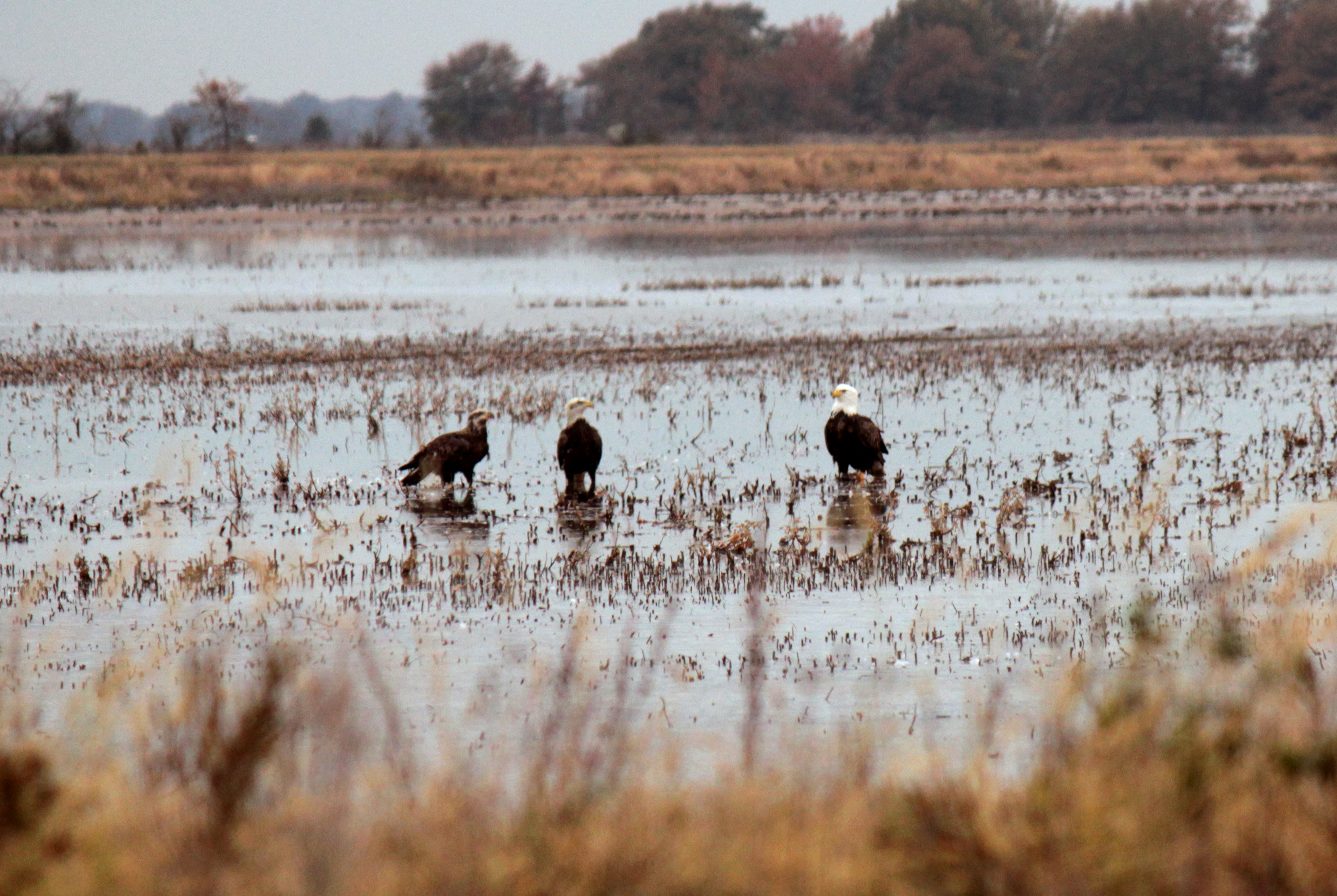
Right now is the perfect time to capture waterfowl in the flooded fields between Wynne and Stuttgart. I was headed back home one morning last week when I passed four birds (one flew away) sitting in a field. I grabbed my camera, grumbling that I needed new contacts and snapped a few pictures. Boy, was I surprised to zoom in on the pictures and learn that the birds were Bald Eagles, juveniles and adults. It basically made my week — yes, I’m easy to please! 🙂
I ended a recent visit to Little Rock with a stop at the William J. Clinton Presidential Center and Park. The park is a later addition to the center, which opened in 2004. It was my first time to walk the park and I was pretty impressed.
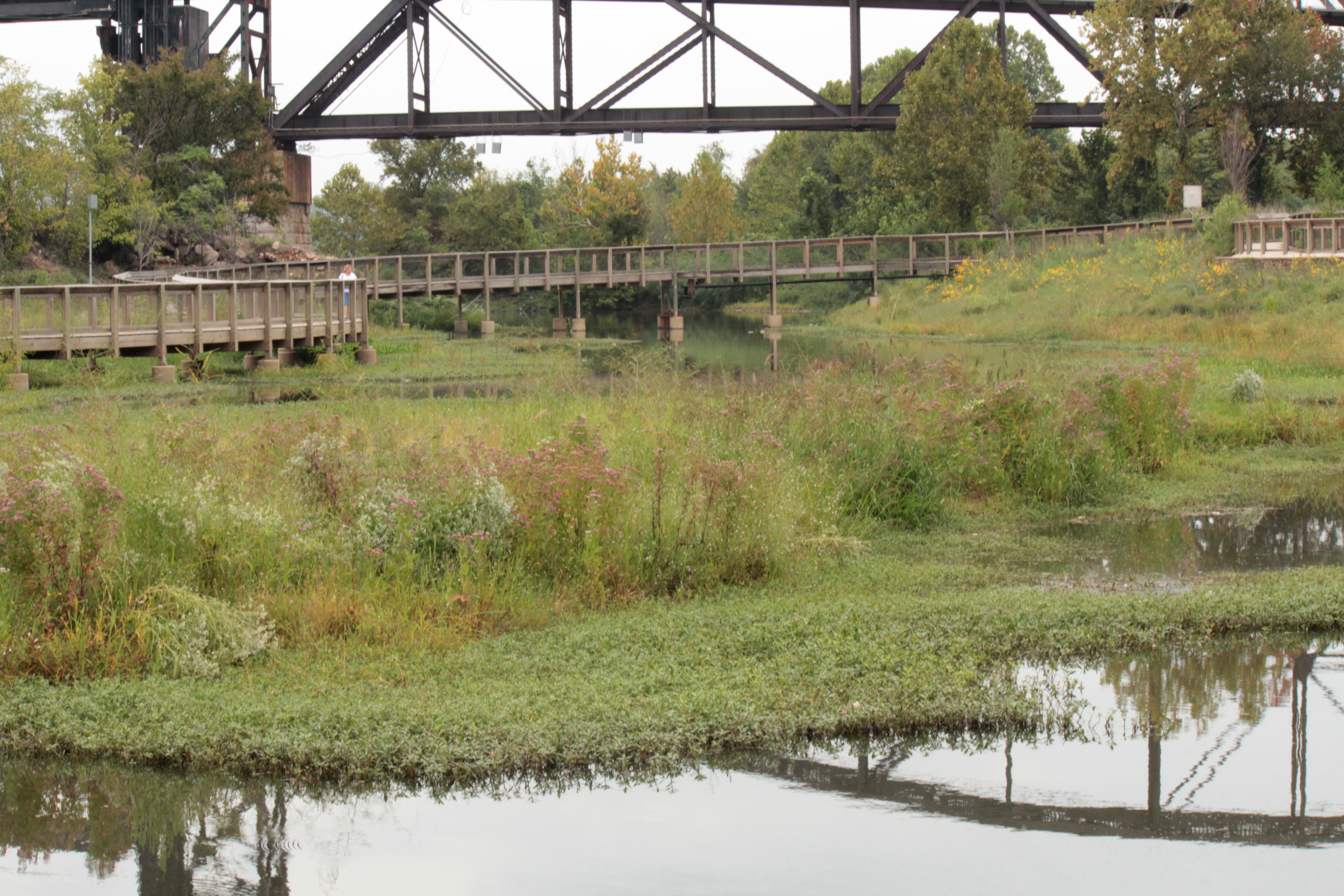
The center and park are located next to the Arkansas River and includes a bridge that spans the river. Clinton Presidential Park Bridge, formerly known as the Rock Island Railroad Bridge, is a ramped pedestrian walkway and bicycle path that was completed in September 2011 and now closes the loop on the 15-mile Arkansas River Trail. The trail runs along the river’s banks on the both the north and south side. I was just a little too tired to walk the bridge on this visit, however, I hope to correct this soon.
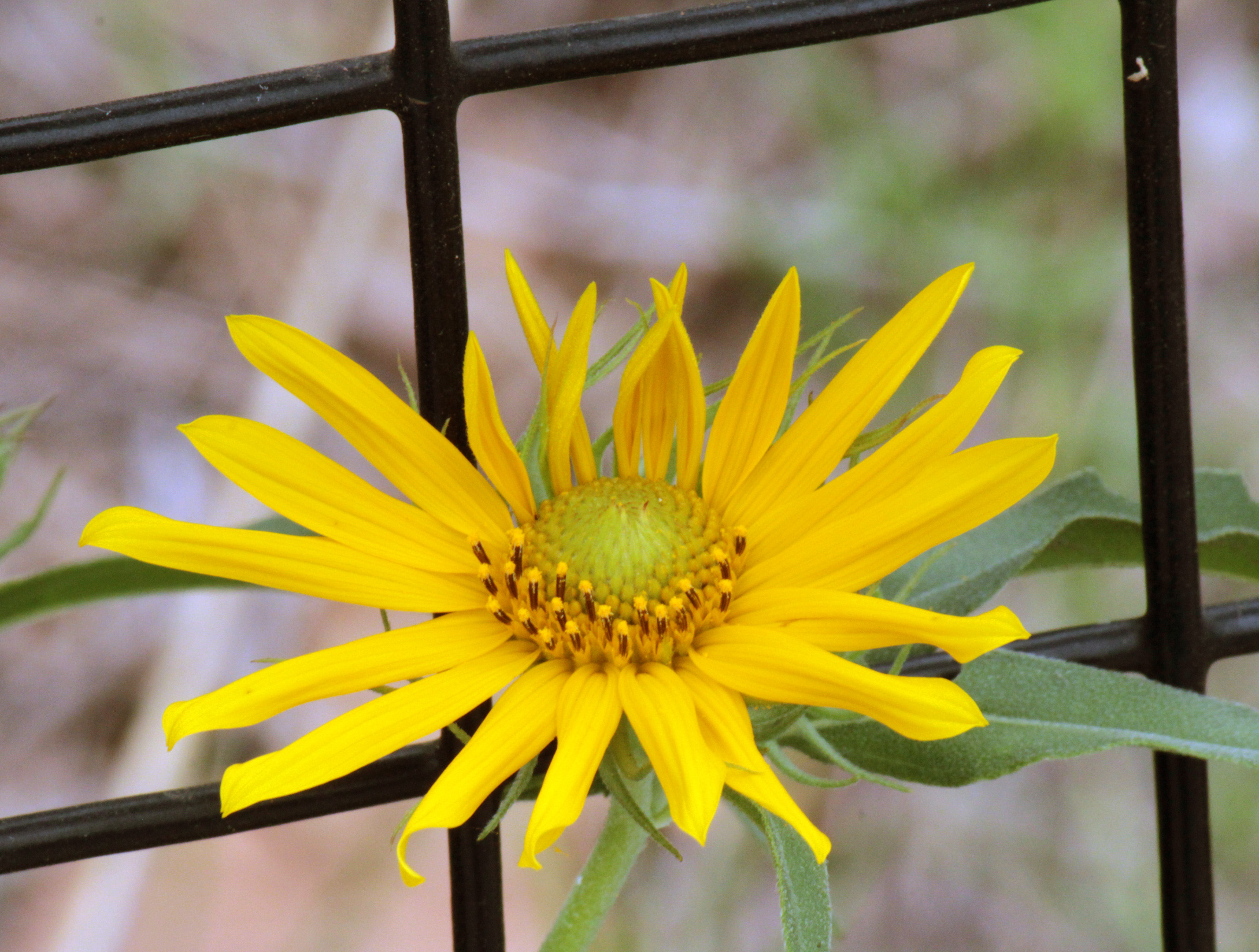
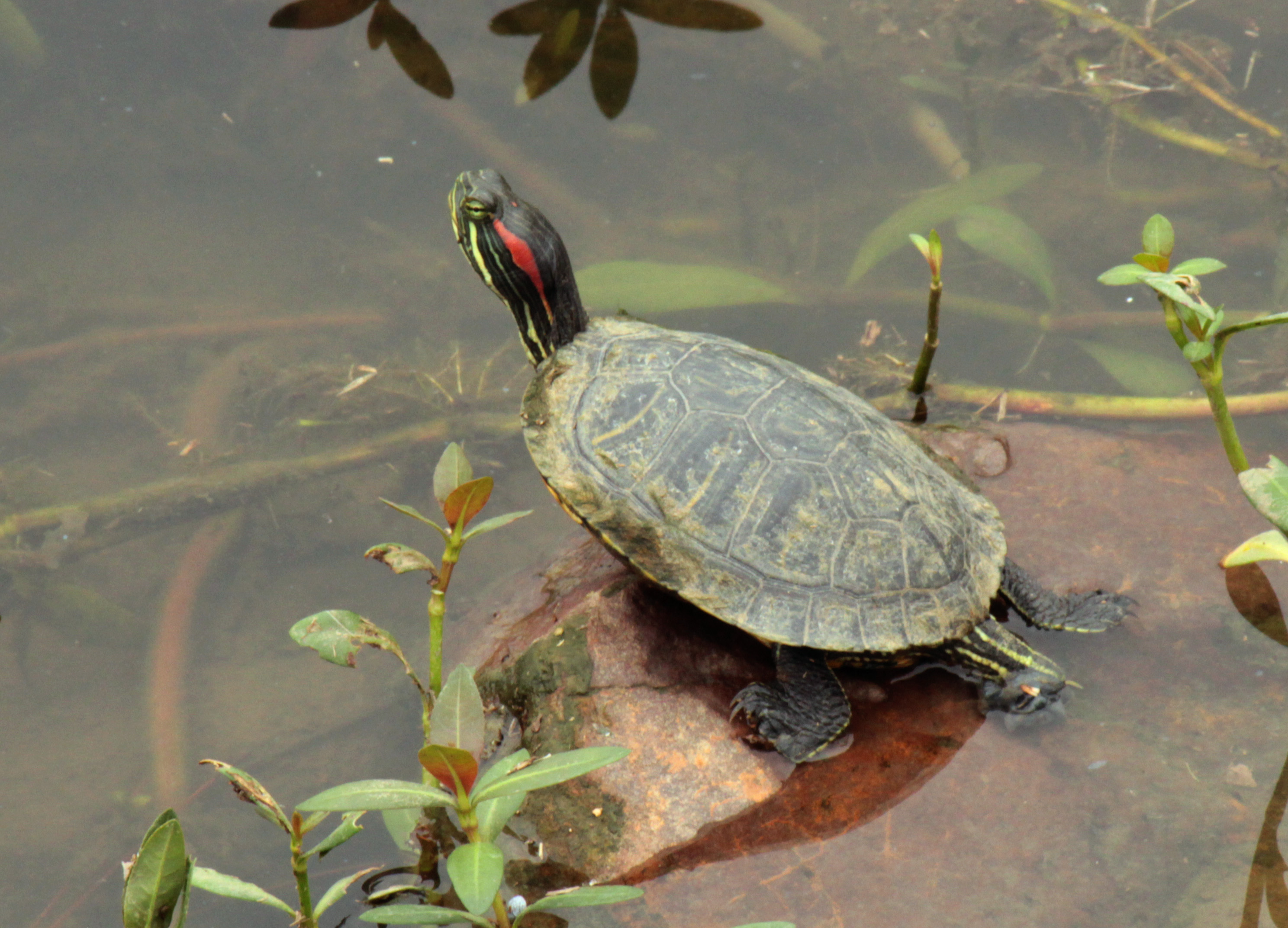
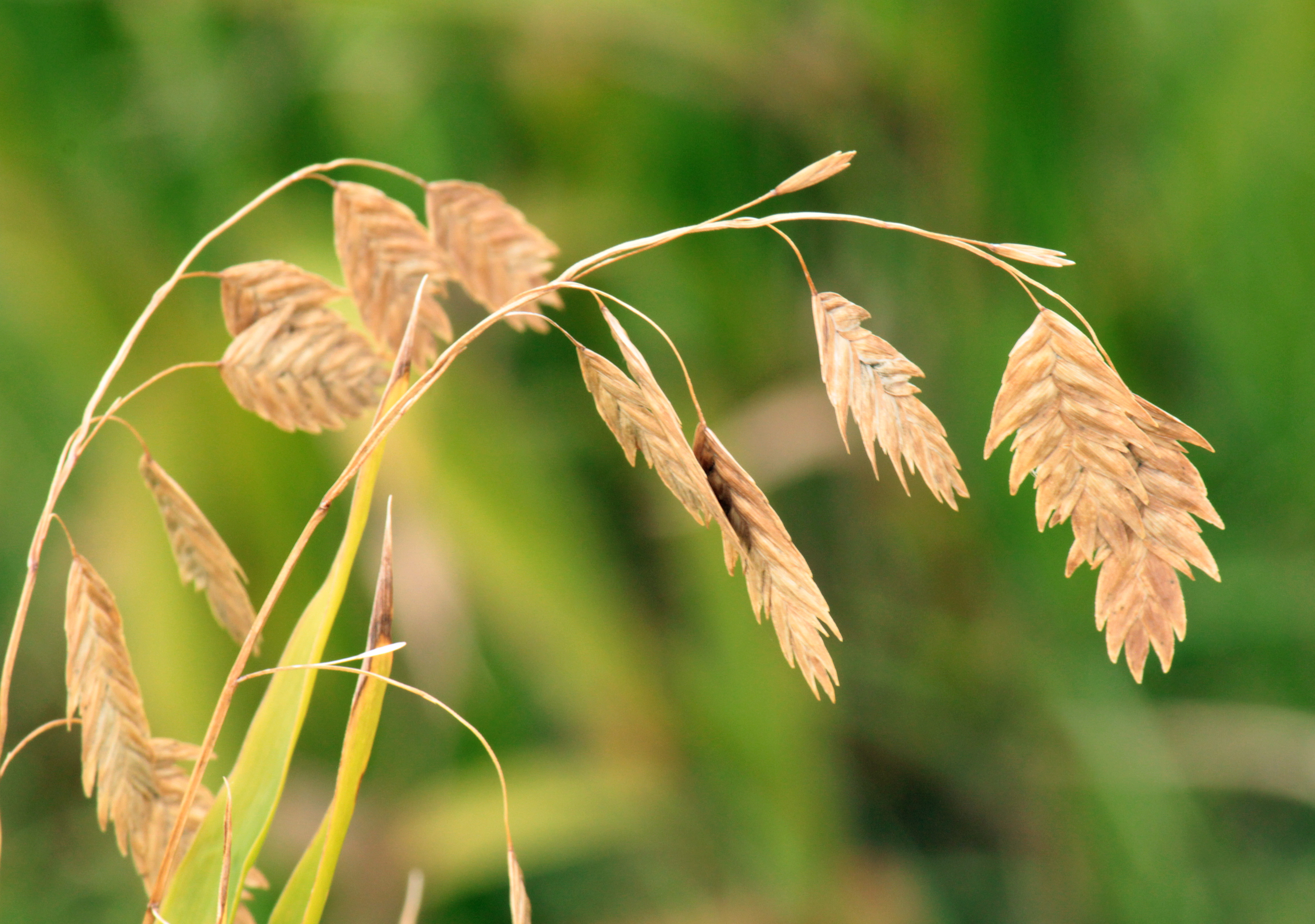
The neat thing about the park is that includes the Bill Clark Wetlands project, a restored 13-acres wetland habitat that will eventually allow urban fishing. According to the center’s website, it’s designed to showcase wildlife and river life and is named for Clark because he was an “avid outdoorsman and strong business, civic, charitable and political leader in Arkansas for over three decades.” Here’s some pictures from my trip.
Mourning Dove who refused to move from its spot near the statue.
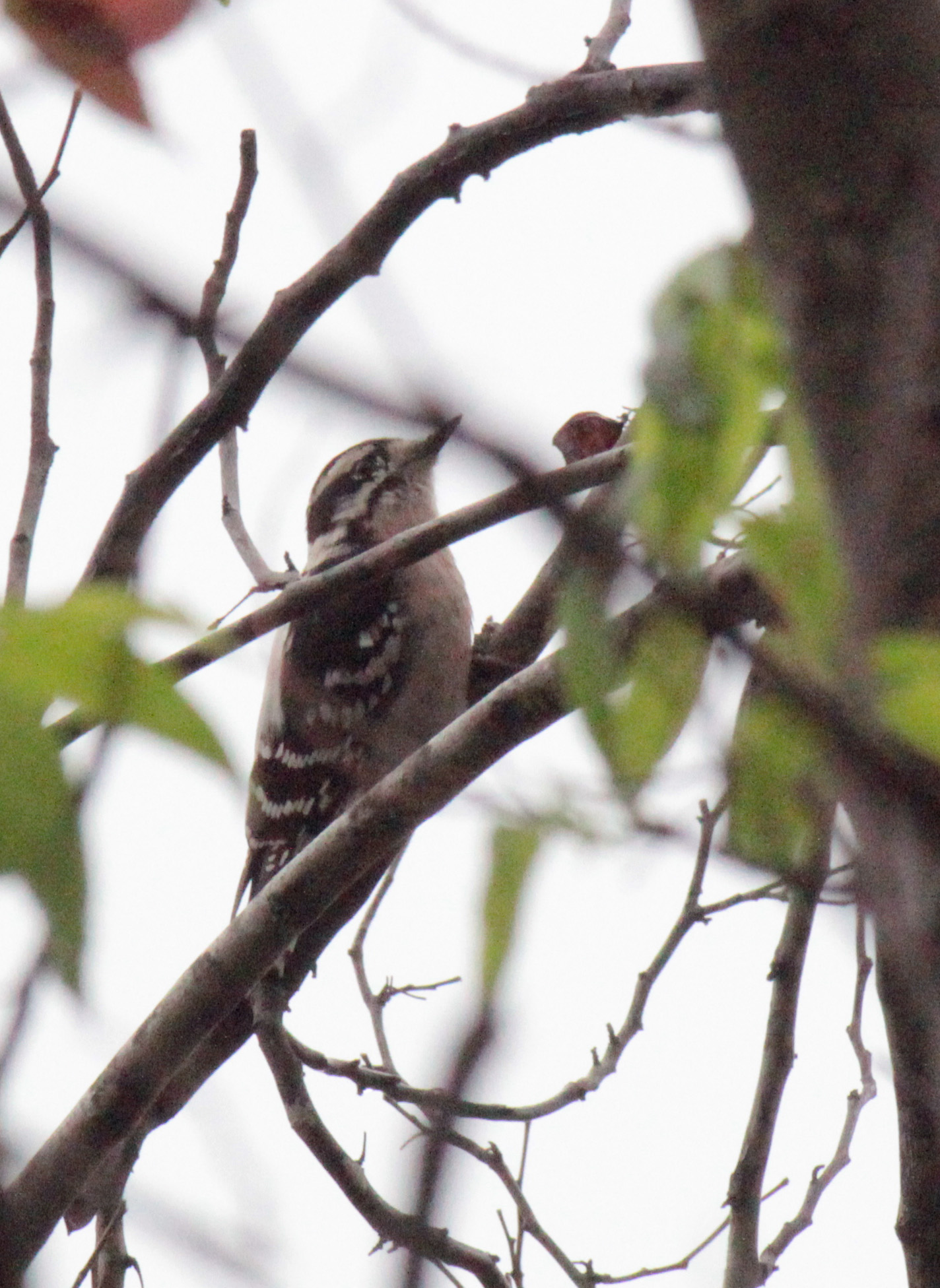
I finally saw my first Downy Woodpecker at my aunt’s house in Little Rock. OK, I might have seen it before but its hard to distinguish from the Hairy Woodpecker. Both are the only common woodpeckers to have vertical white strips on the back. They also have black and white wings with a comma-shaped black mark, although the mark is more obvious on the Hairy.
According to The Cornell Lab of Ornithology’s Project FeederWatch, the easiest way to tell which one you are looking at is by the size — the Downy has a short, about one-third long bill and is smaller at about 6.5″ long while the Hairy has a long, chisel-like bill about the size of its head and is about the size of a robin, 9-13″ long.
It also helps that Downys are more likely to be found in suburban areas. The Downys have weaker, squeakier calls with a slower drum than the Hairys, which have louder, more powerful calls and a faster drum.
I previously worked as a news and sports photographer. Recently I have been enjoying wildlife photography. My approach toward bird photos is similar to sports photography. I attempt to capture mostly action and hopefully a unique perspective.








 Memos for Me