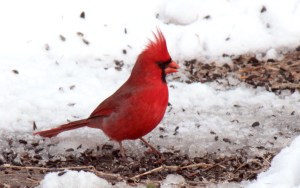
We had a white Christmas this year after all — even if the holiday was near over. I ended up sick so on Wednesday I was able to watch the cardinals flock to my yard.
They apparently had no trouble finding food despite the snow. Still, I’m keeping my feeders full just in case. 🙂
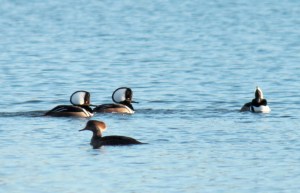
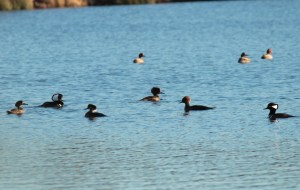
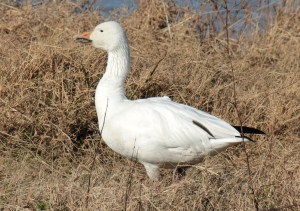
I absolutely love Hooded Mergansers. The ducks appear on my grandparents’ pond about Christmas time each year and I always have to head out to look at them. Here’s some more pictures of them and some other birds I saw around home. 🙂
Tonight’s moon had a gorgeous ring around it, separating it from the bright stars surrounding it. According to the local TV station, the moon ring is also called a “winter halo” and “is usually caused by ice crystals that form high in the upper atmosphere.”
Arkansas’ latest rare birds are 15 Red Crossbills that are making the Fayetteville Country Club their home. A fellow birder and I decided to head that way today to find them.
We luckily ran into two experienced birders at the country club who let us tag along with them. One was great at calling birds and we ended up finding a native Red- Breasted Nuthatch and a Brown Creeper.
Red-Breasted NuthatchBrown Creeper
We mainly stayed near pine trees since Red Crossbills (found in northern and western United States) love to cling to pine cones and extract the cones’ seeds. We were only there for a short while before, luckily, other birders at the course found them for us. In the past, other birders said they searched for two-to-three hours before finally discovering them.
Anyway, we joined a small group to look at the three Red Crossbills that were noisily eating away. It was so fascinating that none of us figured out that there were 12 more Red Crossbills in the tree next to us.
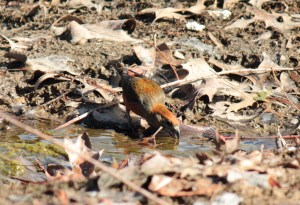
We finally figured it out when all 15 — seven males and eight females — flew to a nearby tree. It was actually a better location since the tree had no leaves. They flew to a third tree that was even better to photograph them in before finally diving down to the pond for a drink of water.
It was definitely a sight worth seeing except for when they finally flew off after taking a drink. I thought two Red Crossbills were going to take me out as they flew past. Luckily, they just missed my face.
We didn’t stay in Fayetteville afterwards. We drove straight back home with a detour to Lake Dardenelle. A couple, who has birded for more than 20 years, invited us to their cabin to see all the birds that flock to the lake.
And, boy, did we get lucky. The couple pulled out their scope and we were able to view (and unfortunately not get pictures of) a Western Grebe, a Pacific Loon and a Lesser Black-Backed Gull, all rare.
We were also able to view the more common species like a Horned Grebe, a Common Loon, a Pied-Billed Grebe, a Common Golden-Eye, Snow Geese, Ring-Billed Gulls and American Pelicans.
The only picture I was able to take was of the Ring-Billed Gulls.
In late November, I visited a DeWitt golf course to view my first Vermilion Flycatcher, a female that strayed from the species’ more common home in southwest United States. Today, I was lucky to view its counterpart, a male Vermilion Flycatcher in Stuttgart. It’s the second year for a male to be spotted at the Stuttgart Municipal Airport. He was easy to spot and it was like he was preening for us. What a beautiful bird! And while I was there I even saw two other types of birds!
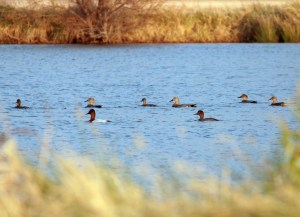
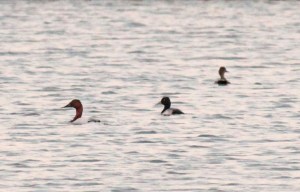
Canvasbacks and a Redhead Duck on my grandparents’ pond.
I wasn’t back home in Wynne long before my parents told me there were ducks on my grandparents’ pond. My grandparents live just a mile down the road from us so, of course, my parents had to drive down to show me.
It was pretty cool — I am pretty sure they are Canvasbacks and a Redhead in the above picture while the below picture has Redheads with a Lesser Scaup.
In 2013, Arkansas County will celebrate its 200th anniversary. It was named a county in 1813 by the Territorial Legislature of Missouri after an American Indian settlement, the Arkansas. Yes, it’s older than the state. According to arkansas.com, the Arkansas Territory was organized in 1819 and Arkansas was admitted to the Union as a state in 1836.
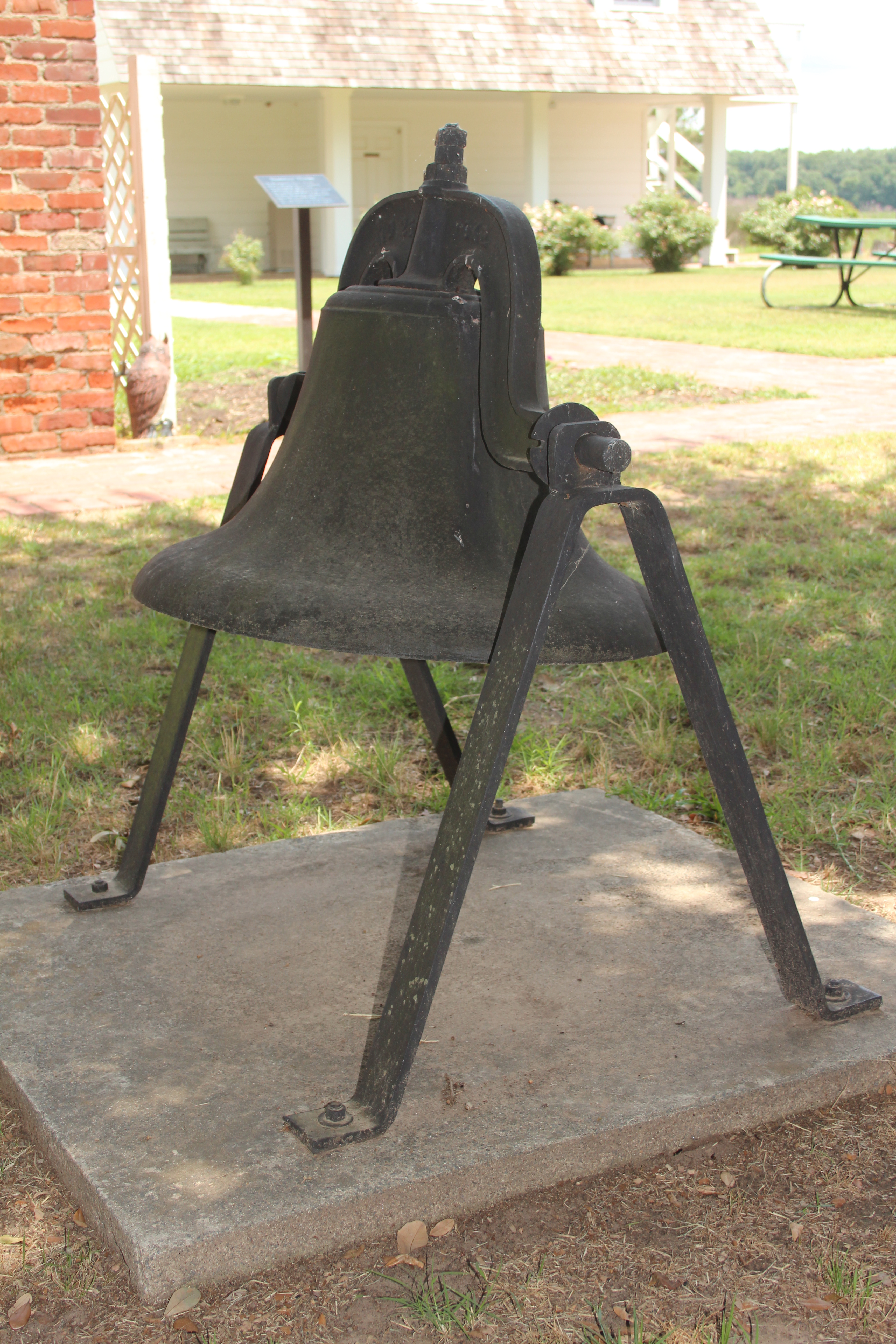
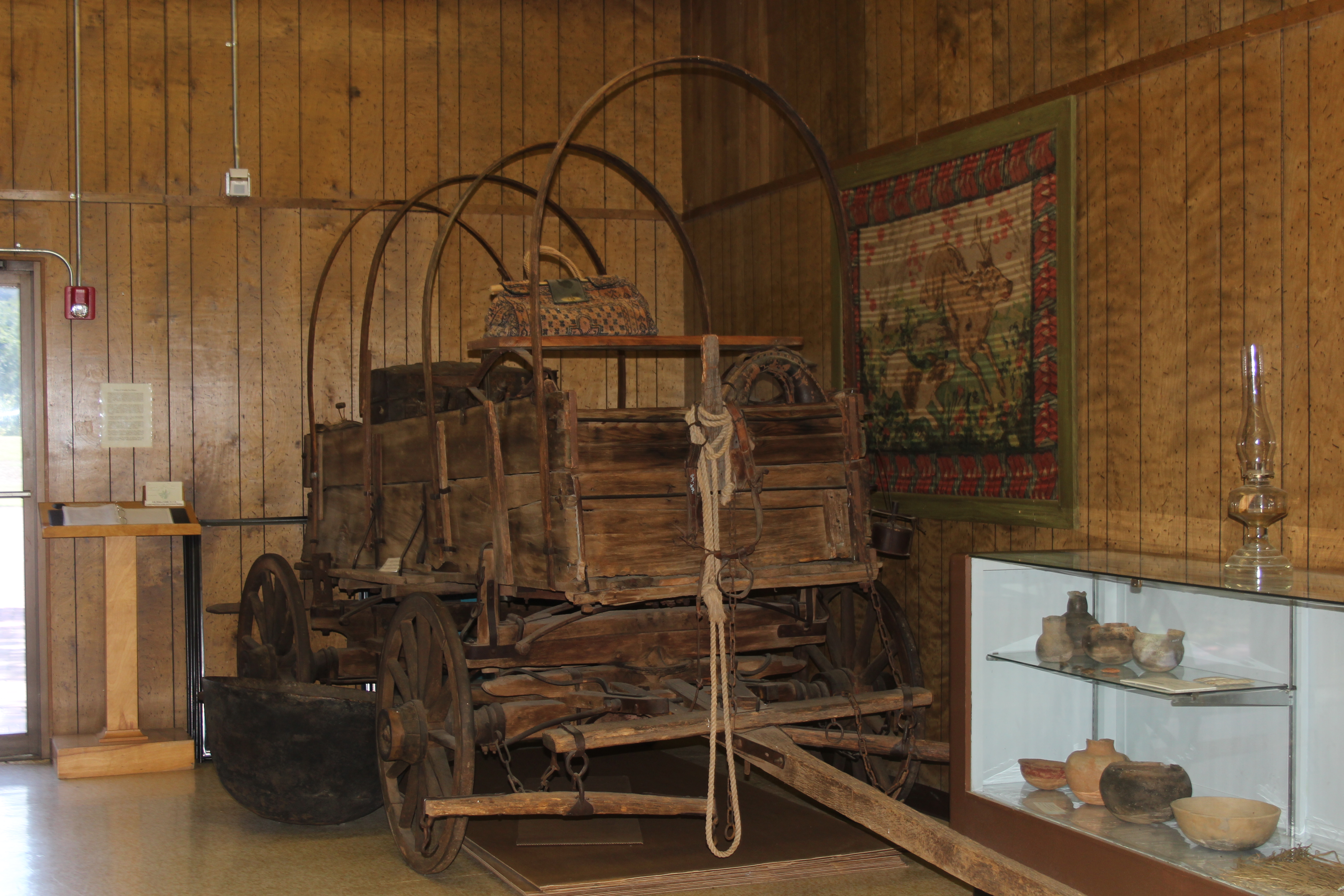
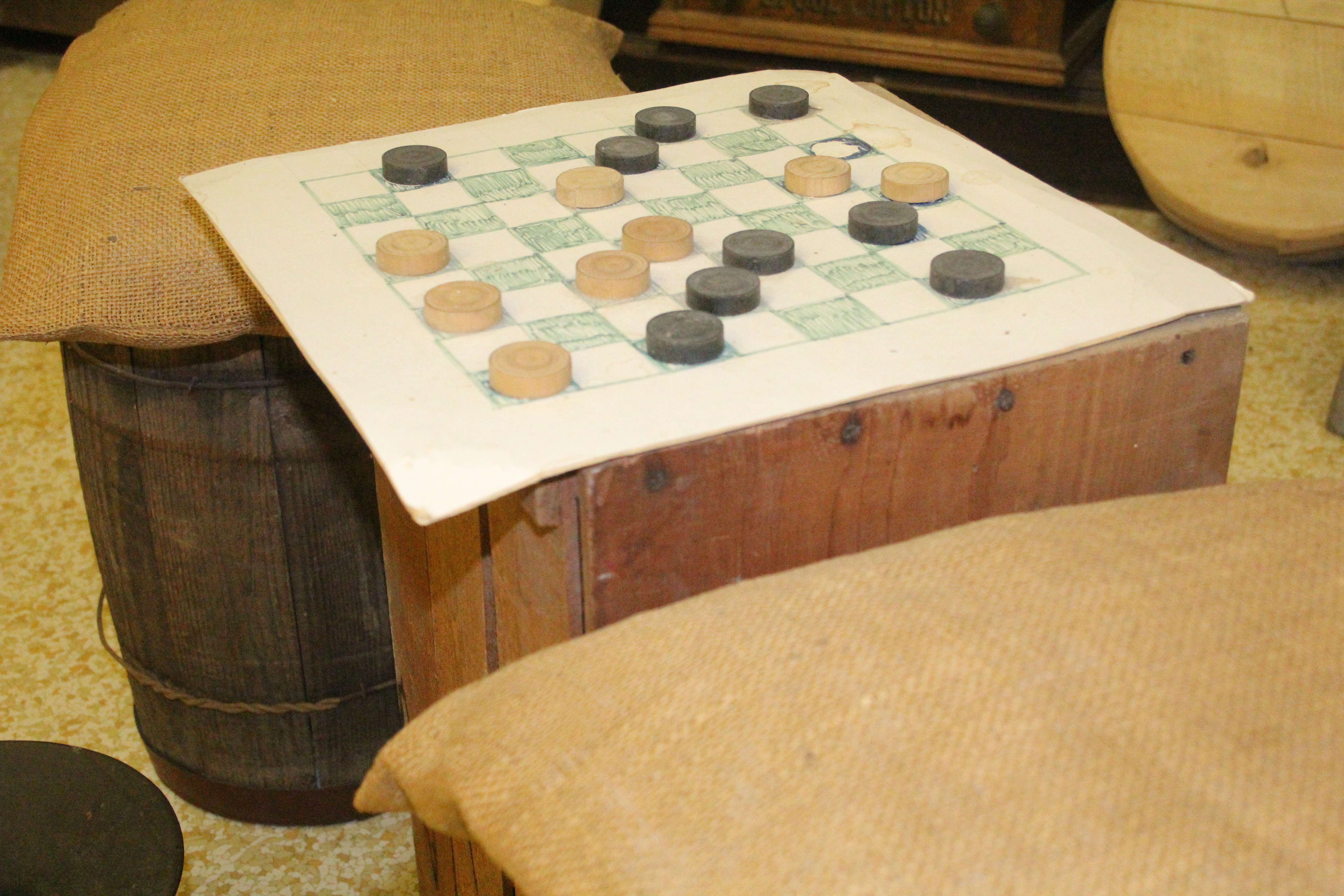
To celebrate, I decided to look back at pictures from my visit to the Arkansas Post Museum. This year marked my first visit to the museum, although I frequently visit the nearby Arkansas Post National Memorial. The museum, established in 1960, is the first county museum in Arkansas.
It focuses on the Arkansas Delta cultural and biological heritage with an emphasis on the Grand Prairie. I’m fascinated with the gallows — the iron piece was built in 1908 and stored in the Arkansas County Jail’s rafters in DeWitt to use as needed for capital punishment. It was never used since the electric chair was invented in 1913.
I also love the historical and cultural artifacts that the museum has displayed, especially the below dollhouse. The dollhouse was built in 1933 for Harriet Jane Carnes Bonner and is life-size. It even has the original toys and furniture as well as a fire place, electric lights and a screened porch.
Nearby are:
WWI clothing worn by an Arkansas County residentThe main house actually had three pianos/organs in a room. The pieces were gorgeous with great details.
The museum, as the above pictures show, is filled to the brim with fascinating objects relating to the county’s history. It’s worth stopping by to help kickoff the county’s anniversary with a lesson on its history.
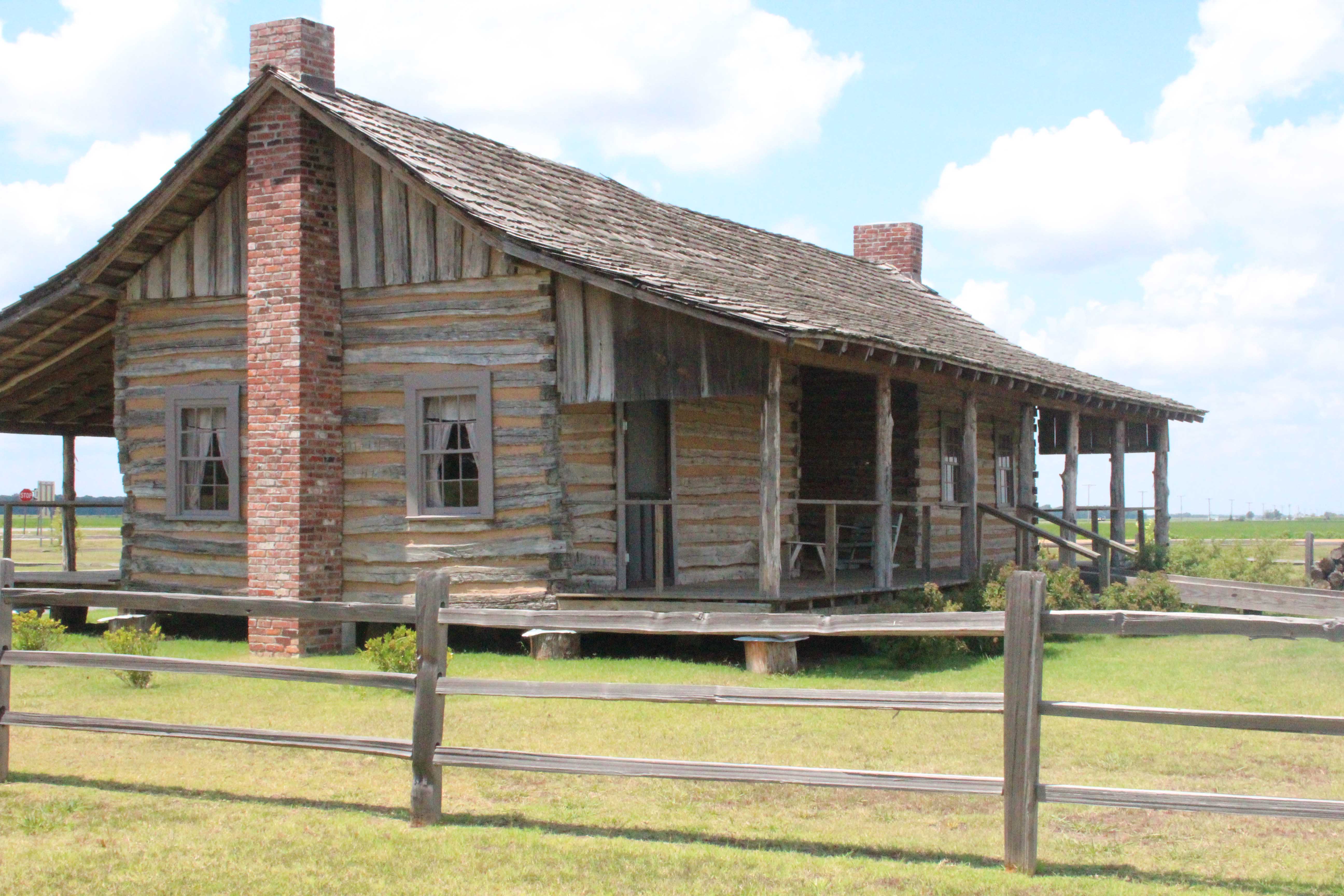
If you do go, don’t forget the Refeld-Hinman Log House! It was built for Amelia Haller Refield in 1877 and the widow actually went on to marry one of the men who helped build it. The house was eventually sold to Curtis Hinman in 1884 and was later restored in the 1930s to serve as the headquarters for the Arkansas Post State Park. The house was moved to the museum once the state park became a national memorial.
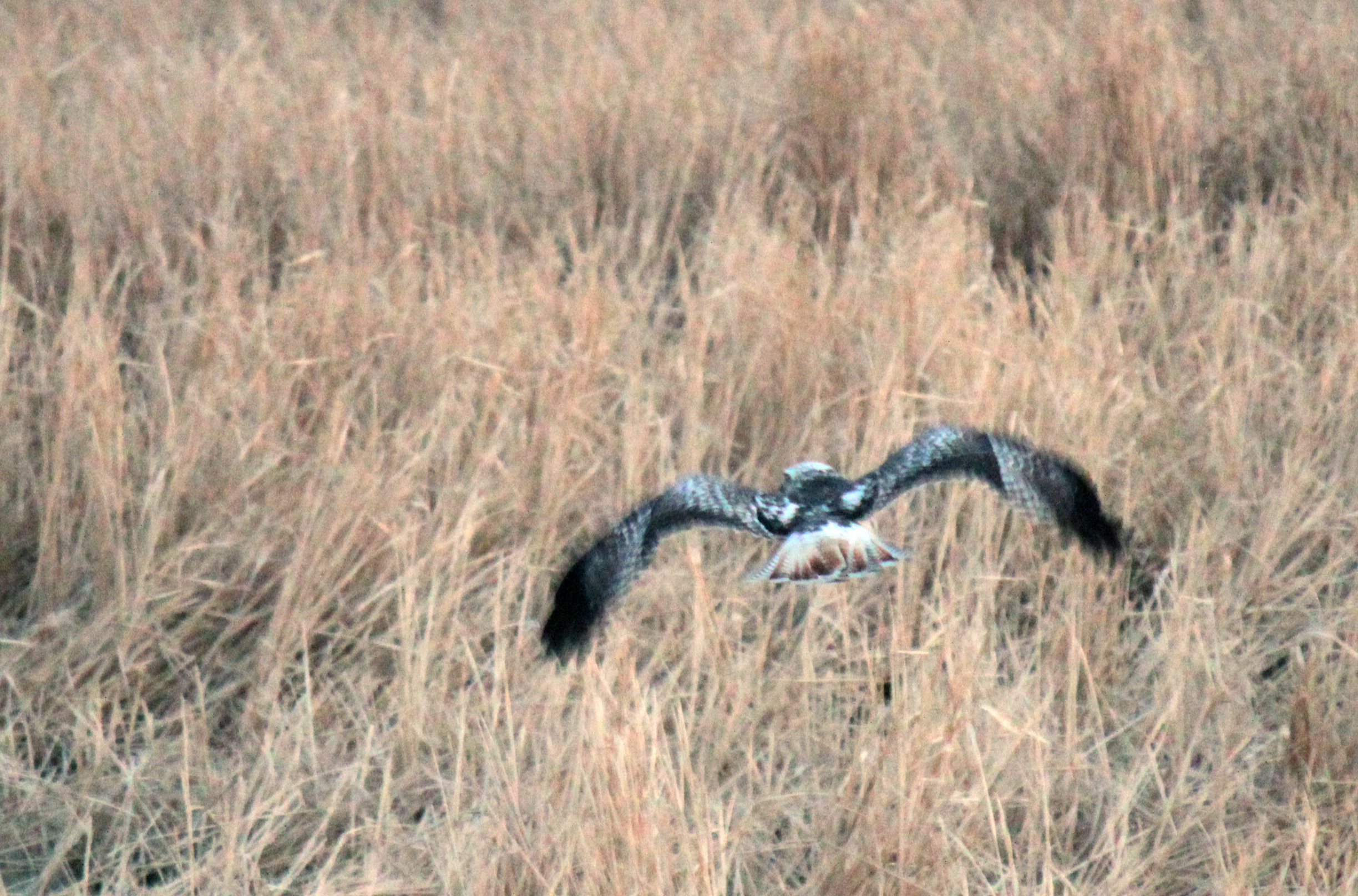
My parents joined me as I searched for the Ferruginous Hawk the Wednesday before Thanksgiving. I showed them pictures of the hawk taken by other Arkansas birders and we headed out to Newport. It was an interesting experience.
My Mom kept exclaiming “I can’t even find a Black Bird in the sky” while I kept saying “That’s OK, you’re looking for a hawk.” I had a hard time seeing the hawks before we passed them and, even when we saw them in time to stop, my Dad barely slowed down enough for a picture.
I can’t pronounce the name of the Ferruginous Hawk so I basically call it the “F” Hawk. I might need to come up with a new nickname since I feel like I’m cursing the hawk.
Despite these setbacks, we enjoyed the trip together and I did get pictures of one of the hawks we passed, a Krider’s Redtailed Hawk. It might not be the “F” Hawk, but it’s still a beautiful bird.
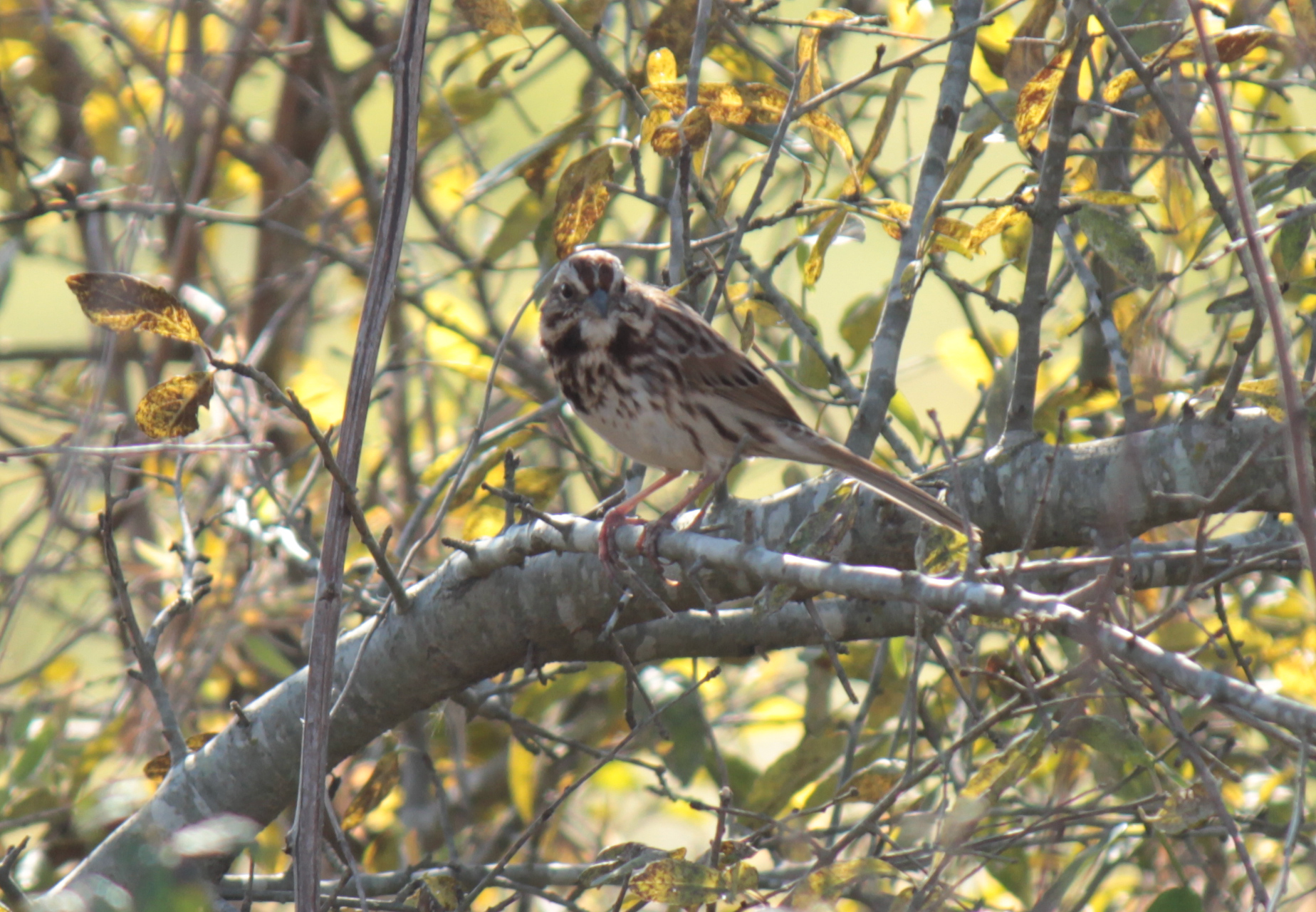
This Song Sparrow spent Tuesday morning sitting above a lake near the 9th hole of the Oak Hills Country Club in DeWitt. According to allaboutbirds.org, the Song Sparrow spends its winter months in Arkansas.
I previously worked as a news and sports photographer. Recently I have been enjoying wildlife photography. My approach toward bird photos is similar to sports photography. I attempt to capture mostly action and hopefully a unique perspective.













 Memos for Me