Butterflies & hummingbirds
October 14, 2019
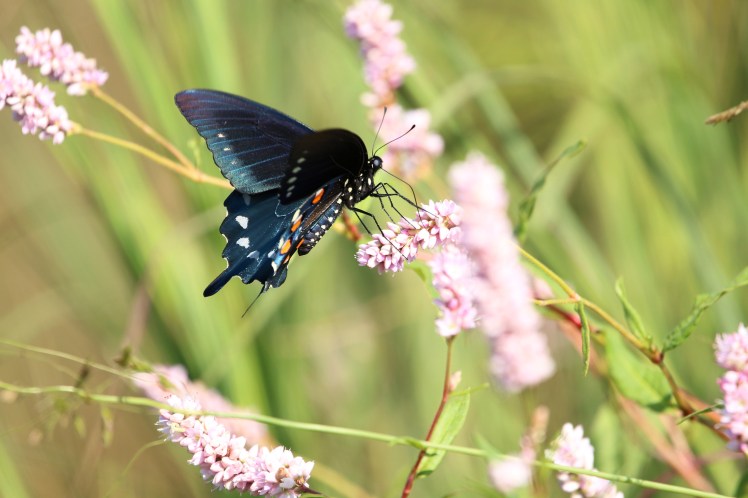
A few finds from a quick trip through Bald Knob National Wildlife Refuge.
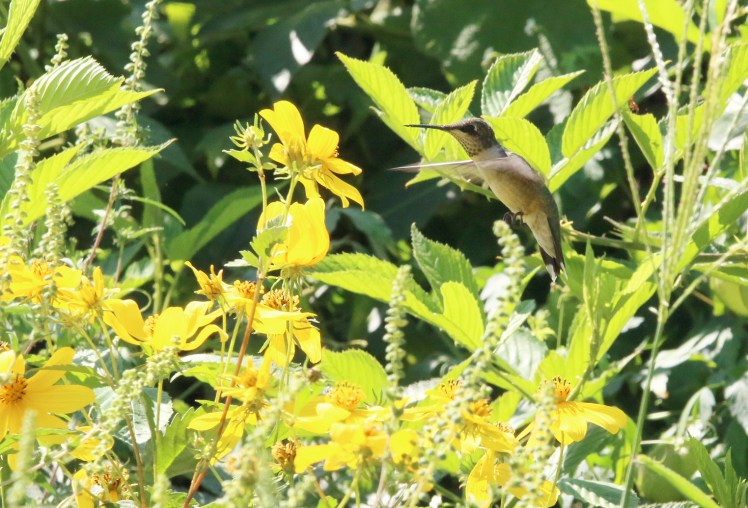

A few finds from a quick trip through Bald Knob National Wildlife Refuge.

For several weeks, a whooping crane has been spotted at Holla Bend National Wildlife Refuge. I finally got a chance to go find him – and while I didn’t get the best photo – I am excited to say I’ve now seen my first whooping crane in Arkansas. Yay!
Whooping cranes, one of North America’s largest birds, are endangered. According to the Audubon Society, they were once pretty widespread on the northern prairies; however, they went nearly extinct in the 1940s. Strict protection has since brought the whooping crane population to over 100. When one is spotted in Arkansas, the birding community gets pretty darn excited.

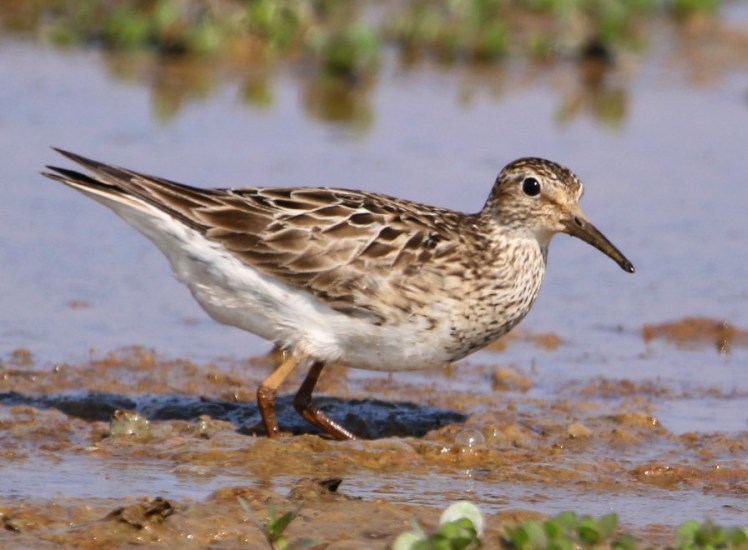
Recently, I found several firsts at Bald Knob National Wildlife Refuge: the above Pectoral Sandpiper and the below Least Flycatcher.
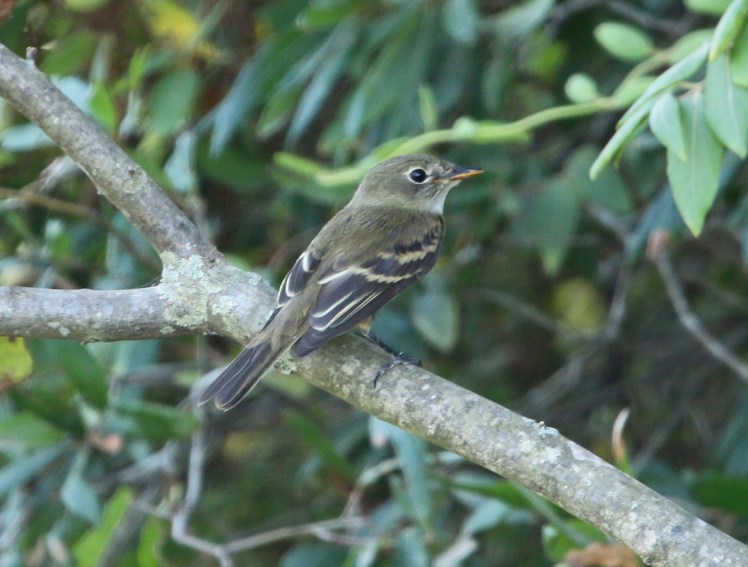
However, these weren’t my only finds. See more below. 🙂
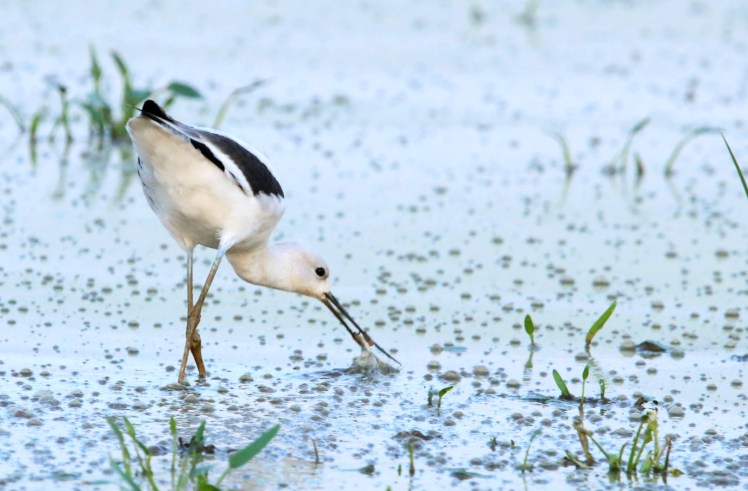
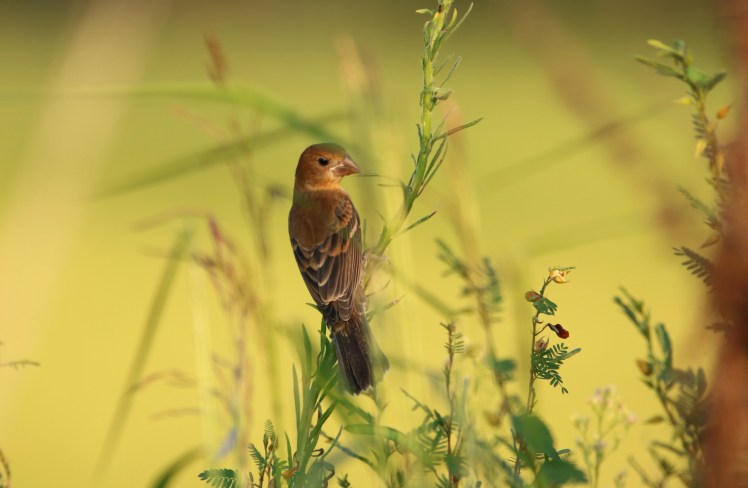
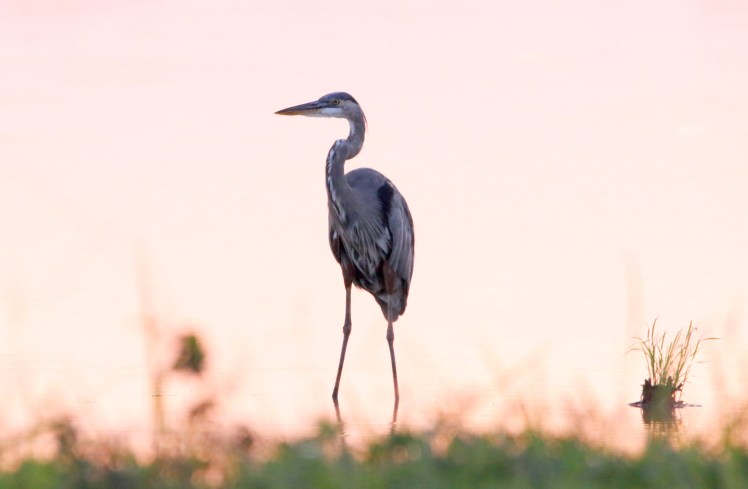
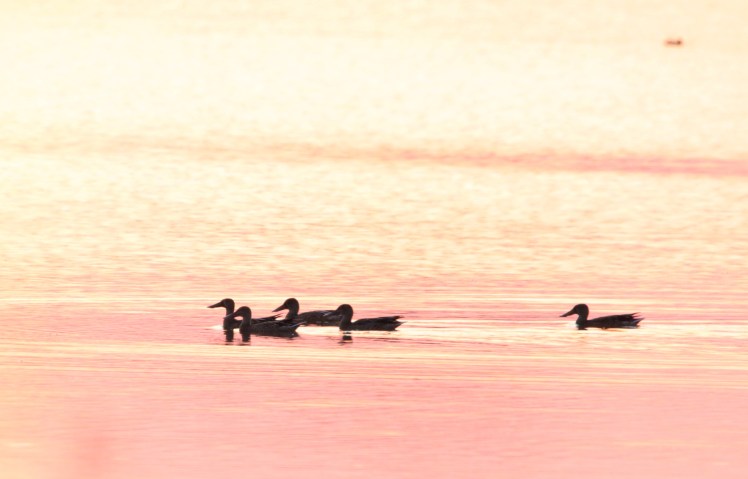

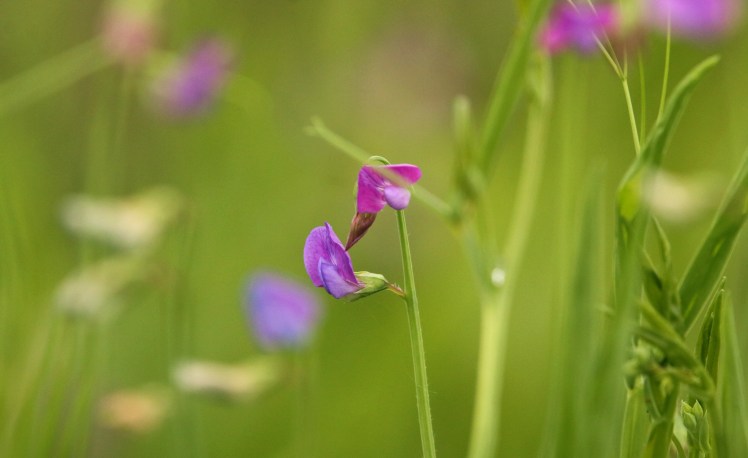
The good thing about visiting Bald Knob National Wildlife Refuge is that I can usually find something for each member of my party (which typically includes family members). For my aunt, that means flowers. So, you can imagine we were happy to find these flowers this past May.


I recently discovered the above Semipalmated Plover at Bald Knob National Wildlife Refuge. Here’s a few other birds found:


It seems Black-bellied Whistling Ducks (above) are the ducks this year. They were among the birds found during a recent rainy trip to Bald Knob National Wildlife Refuge. My most exciting find, though: Bobolinks.


(Click on the photo to see name of bird)
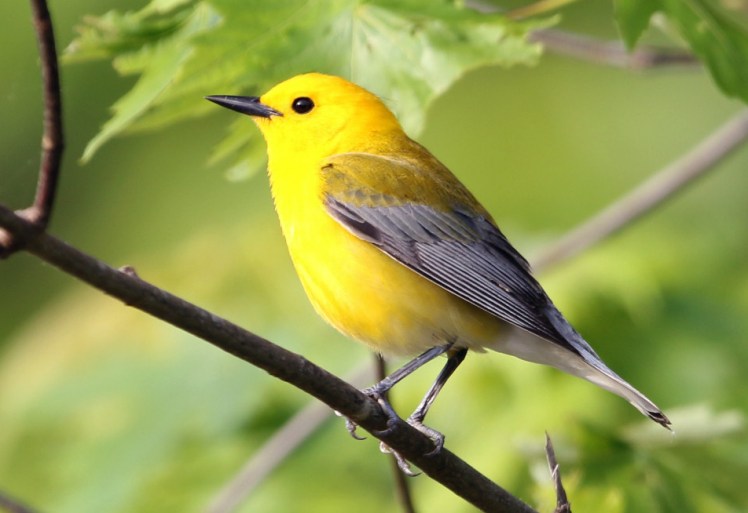
I visited the Bald Knob National Wildlife Refuge on April 28, and luckily got my first snapshots of a Prothonotary Warbler, Bobolink and Field Sparrow.


Photos: Killdeer (top, right), Field Sparrow (center right), Common Grackle (center, left), female Bobolink (bottom, left), and Barn Swallow (bottom, right).
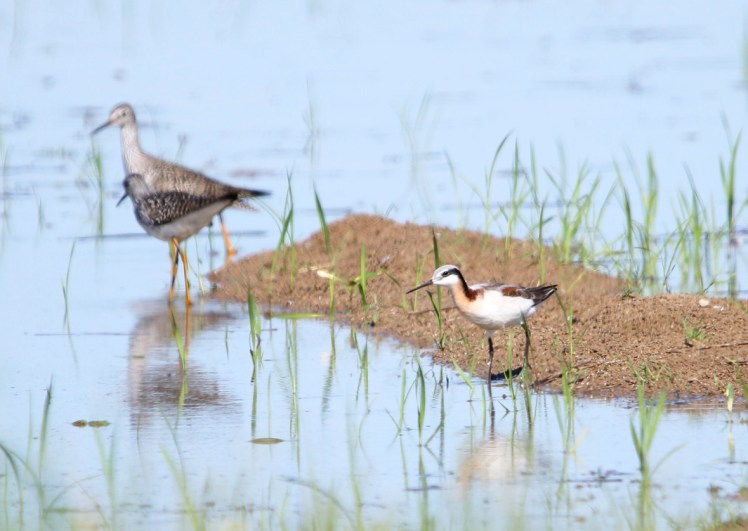
My latest find is a Wilson’s Phalarope at Bald Knob National Wildlife Refuge. Here’s a random, but neat fact about the Wilson’s Phalarope: AllAboutBirds.org reports that, unlike most birds, that female phalaropes leave their mates once they’ve laid eggs (they almost always lay exactly four eggs each time). The males end up raising the young while the females look for other males to mate with.
Here’s some other bird photos I took that I just like.
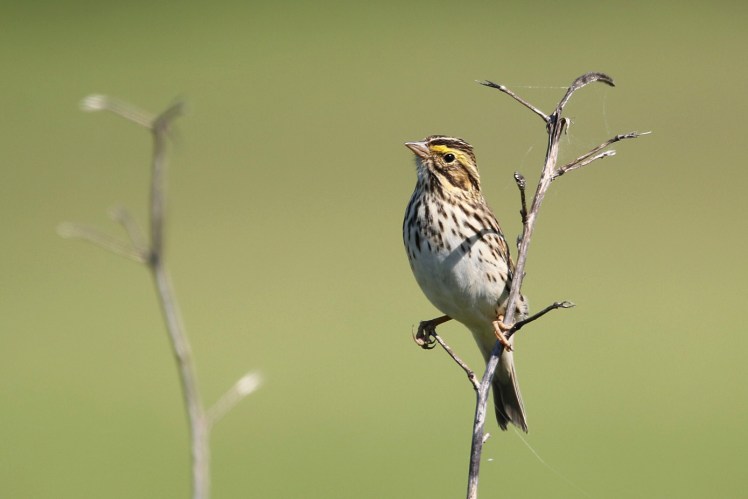
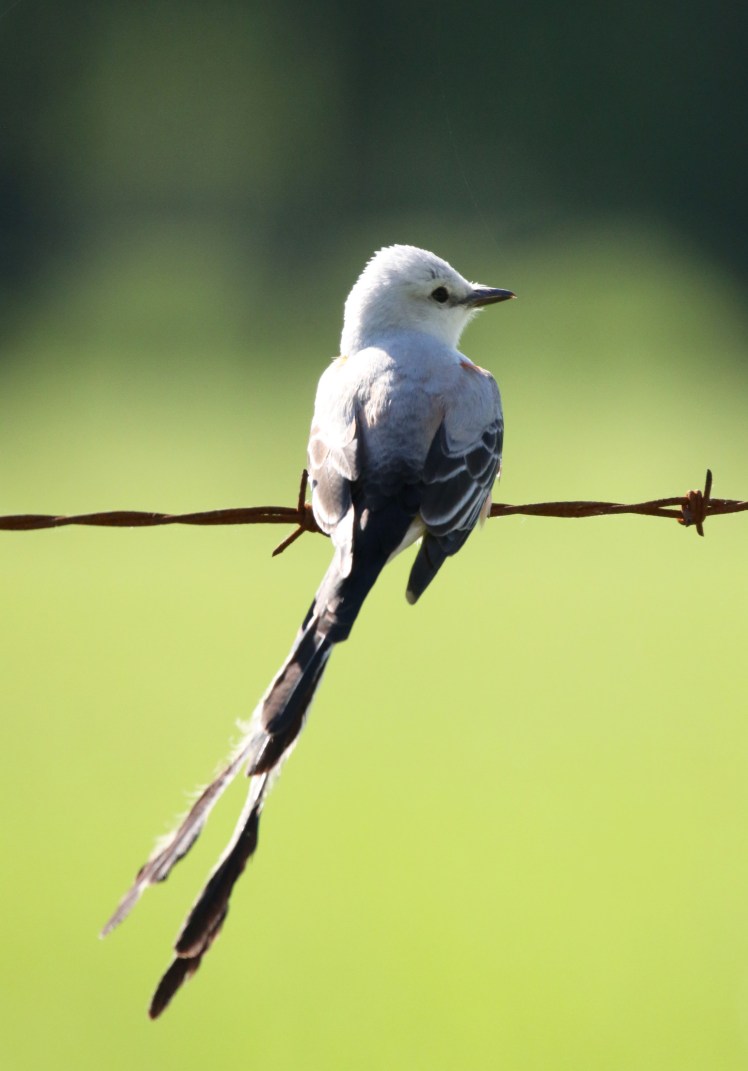

As I headed to Northeast Arkansas on Friday, I made a quick pitstop at the Bald Knob National Wildlife Refuge. High waters kept me on the south side of Huntsman Road near Safely Road, and limited time prevented me from entering on Coal Chute Road. Still, it was a fun trip – here’s some of what I found:
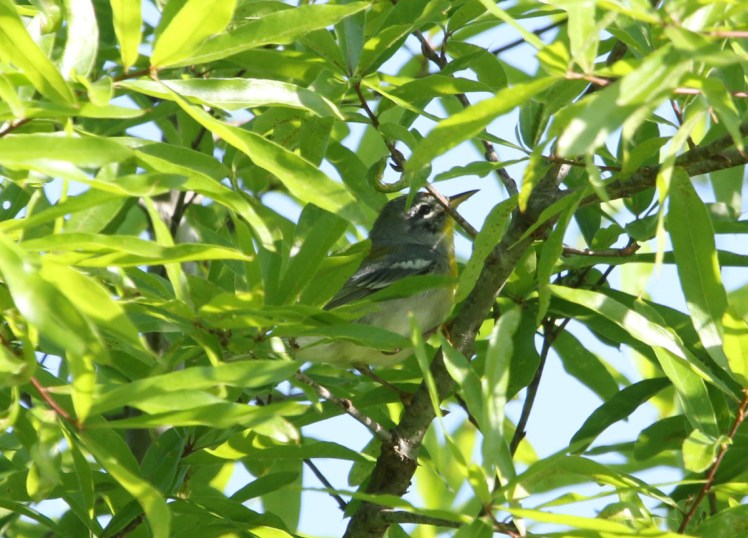


My grandma loves the I See the Moon lullaby – she frequently sings it if we are out driving at night. It’s now one of my favorite because of her and I catch myself singing it often. Especially tonight as I look at these photos.


Rediscovering Arkansas with a few detours.
We preserve, conserve, and study the native plants of Arkansas
Our Nicaraguan Journey
Rediscovering Arkansas with a few detours.
Think left & think right & think low & think high. Oh, the thinks you can think up if only you try!" -Dr. Seuss
I previously worked as a news and sports photographer. Recently I have been enjoying wildlife photography. My approach toward bird photos is similar to sports photography. I attempt to capture mostly action and hopefully a unique perspective.
Urbanites in the woods, doing all our own stunts.
WILD IN FLORIDA: Exploring and Photographing Florida's Threatened Ecosystems, Wildlife, and More
by Jo Woolf
Rediscovering Arkansas with a few detours.
Rediscovering Arkansas with a few detours.
Rediscovering Arkansas with a few detours.
 Memos for Me