Surf Scoter

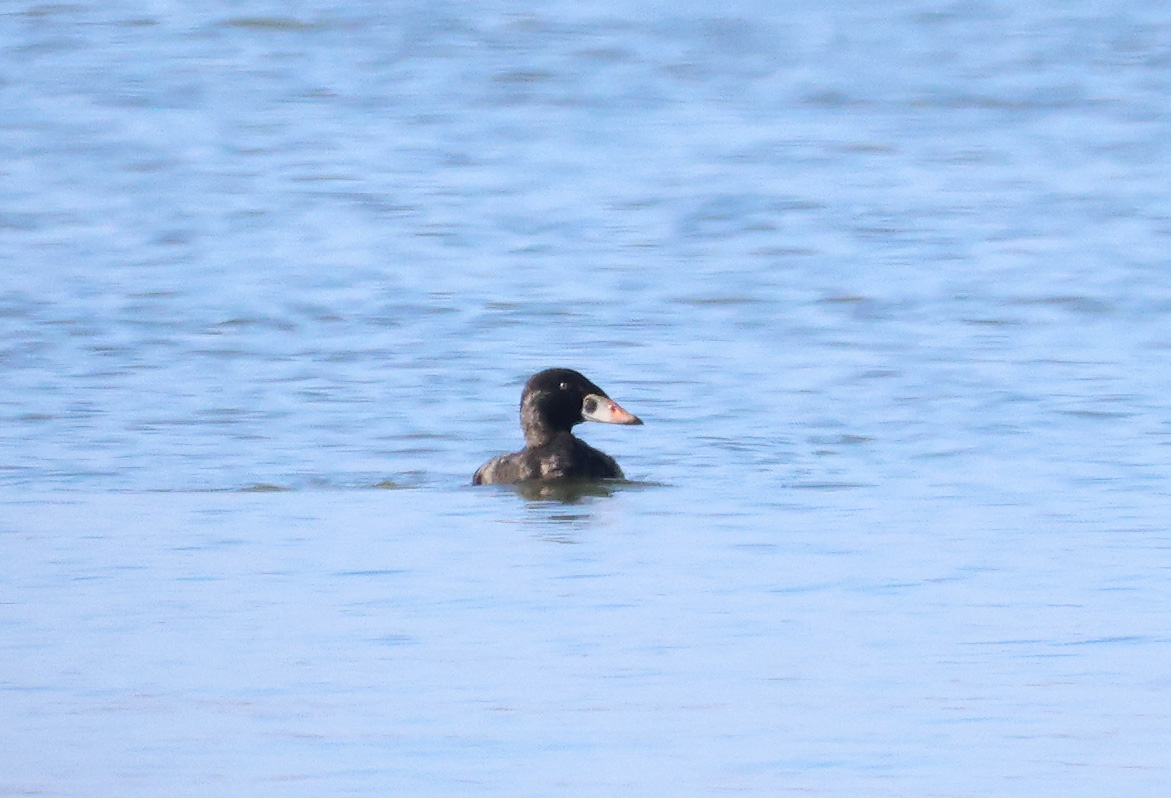
Scoters are stocky seaducks typically found in the far north of Europe, Asia, and North America. You wouldn’t expect to find one in Arkansas. Yet, every winter, we get rare sightings of three types of scoters: Black, White-Winged, and Surf.

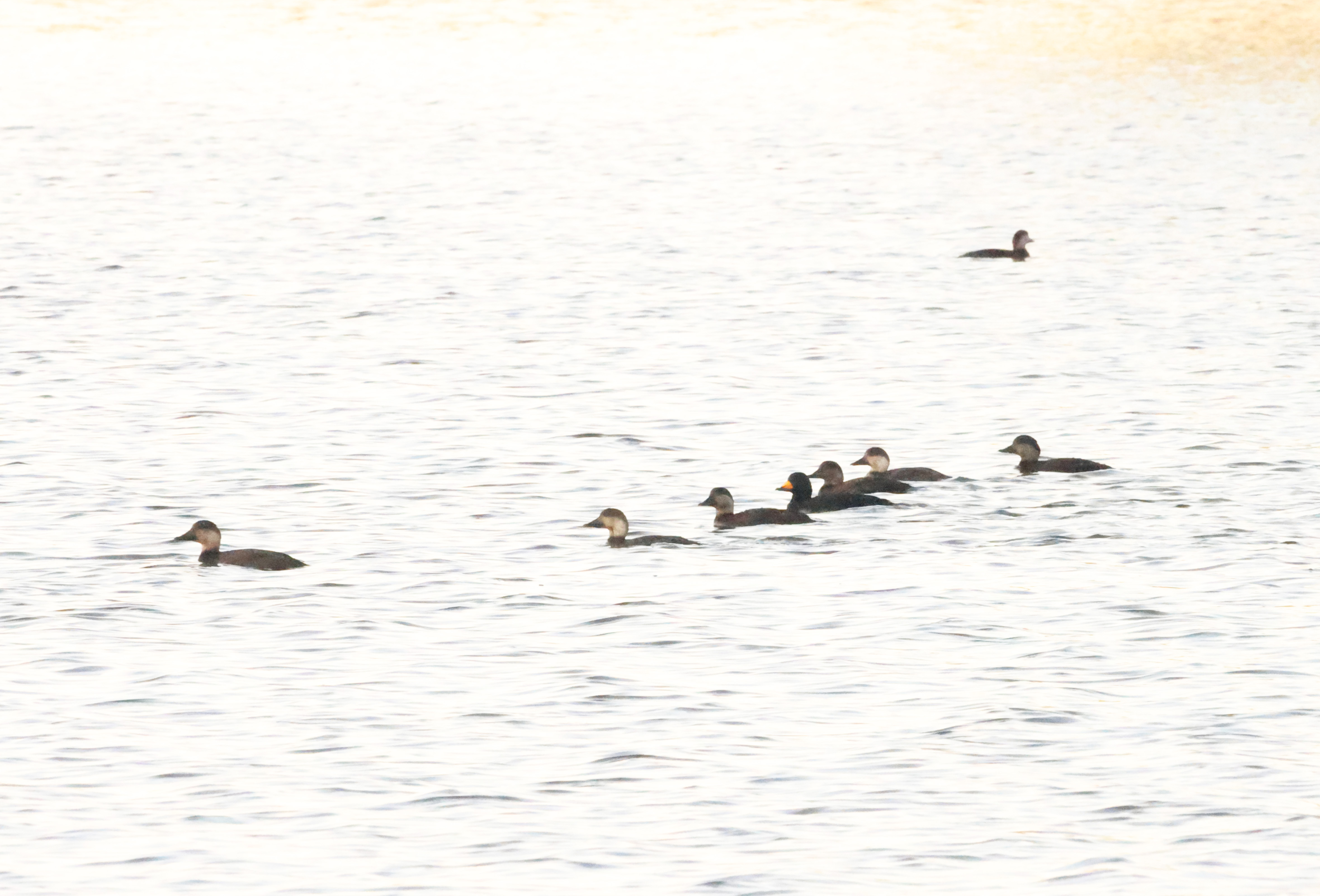
Earlier this week, I finally saw my first Surf Scoter. It means I’ve finally seen and photographed all three scoters within the state. I first photographed Black Scoters in November 2024, while I discovered a White-winged Scoter in Jonesboro in February 2014.
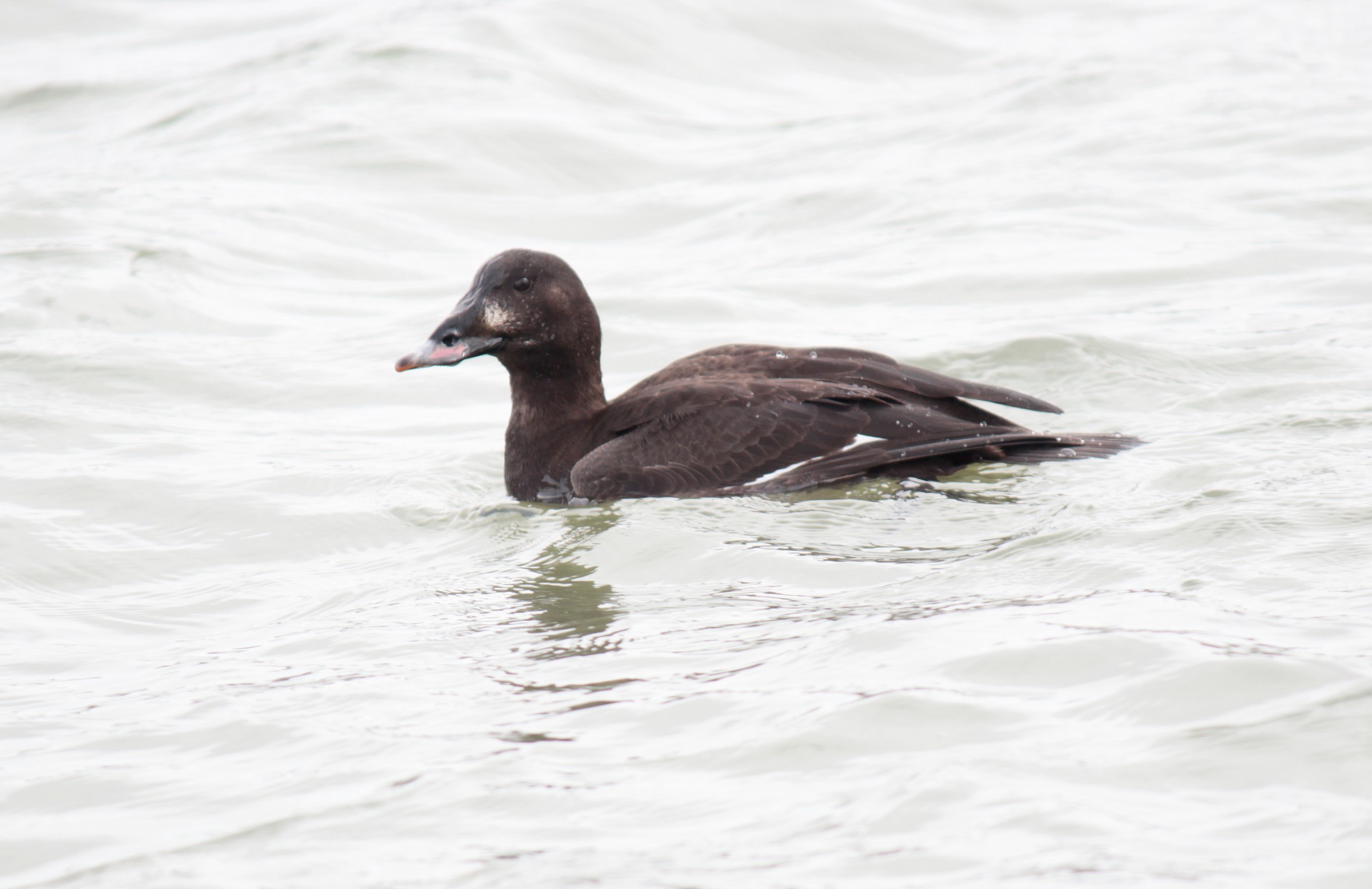
Surf Scoters have been on my bucket list of birds to spot for a while. Mainly because one was always spotted when I couldn’t get away. While there have been over 97 reported sightings of Surf Scoters in Arkansas since April 1966, typically, only one or two are spotted each winter.

This year seemed to follow the same pattern. The Surf Scoter pictured above was spotted before Christmas in Northwest Arkansas. Between work and personal obligations, I didn’t have the time to make the 2.5-hour one-way trip. Luckily, it was still there two weeks later when I was able to go.
California Gull

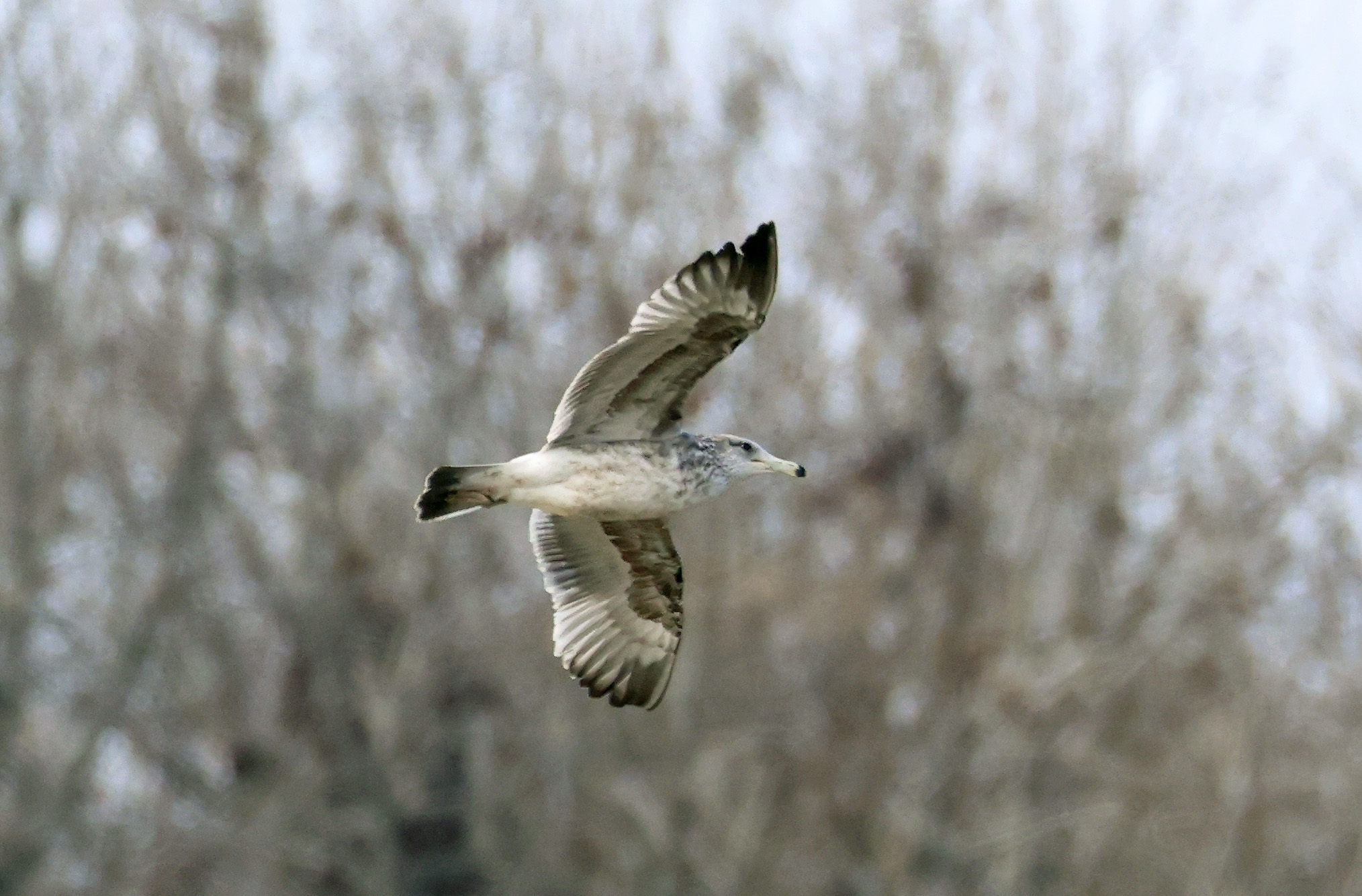
I didn’t expect to spend the morning of January 3, 2026, at the Crittenden County Landfill. But I did, and it paid off. I’ve now seen and photographed my first California Gull in Arkansas.

California Gulls are medium-sized gulls that are common inland and found across the western United States, with a range stretching from Canada to Mexico. This is the ninth reported sighting in Arkansas. While previous sightings have been at Lake Dardanelle, this year’s California Gull has been hanging out near the landfill. California Gulls are opportunistic and will eat anything they can catch or scavenge, including insects and garbage.
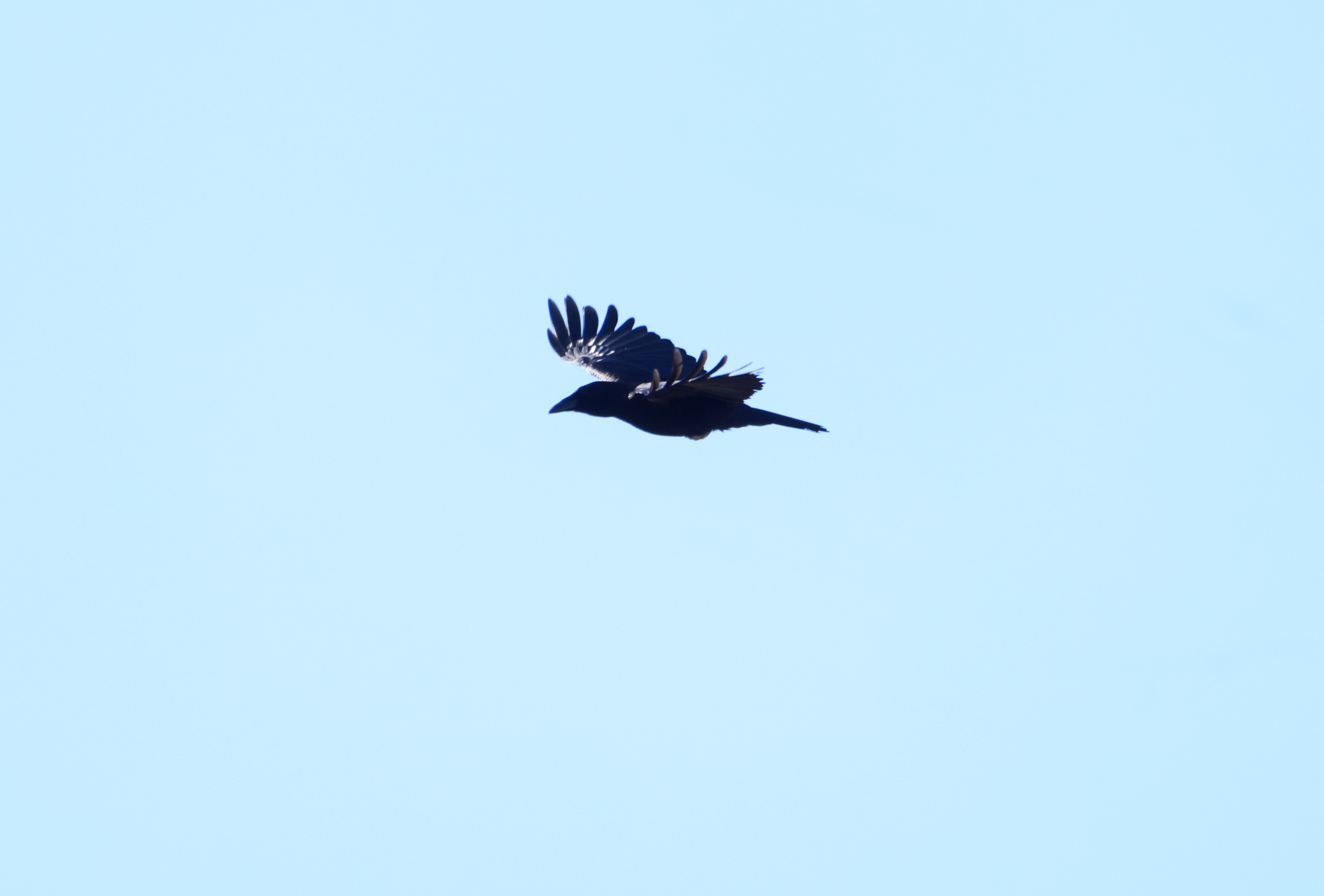
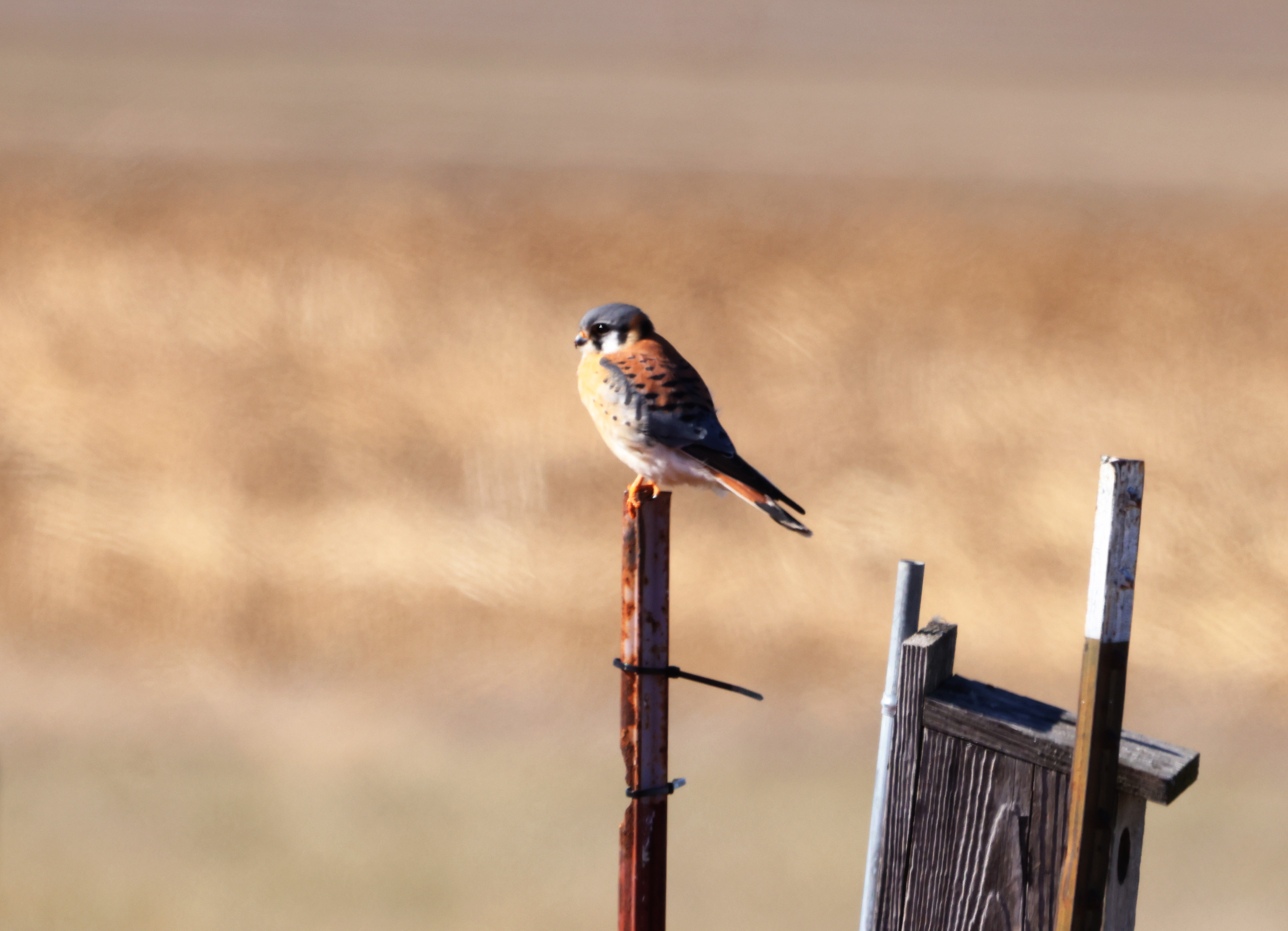
While the California Gull was a neat sighting, the search for it was not so much. I’ll admit gull searches make me grumpy. The California Gull was hidden among thousands of Ring-billed Gulls. What is the difference between a California Gull and a Ring-billed Gull? The Ring-billed Gull is slightly smaller and has a paler eye. Adult California Gulls also have a red spot on the lower bill (the Ring-billed Gull has black). However, this California Gull was a juvenile, so it had a darker brown hue on its feathers and a black spot on the bill. Fellow birders kept reminding me to look for a more tubular bill on the California Gull. This wouldn’t be so bad if there weren’t thousands of gulls to look through.

Luckily, I was with four other experienced birders who made the search more bearable.

Yellow-bellied Flycatcher

Yellow-bellied Flycatcher

Yesterday, I joined some bird-watching friends visiting Stone Prairie Wildlife Management Area near Mayflower. It was my first time hiking this WMA, which consists of 989 acres with seven miles of gravel roads. It is known for its restored prairies, savannas, and oak-hickory forests. It was previously part of Camp Robinson’s World War II-era field training area.

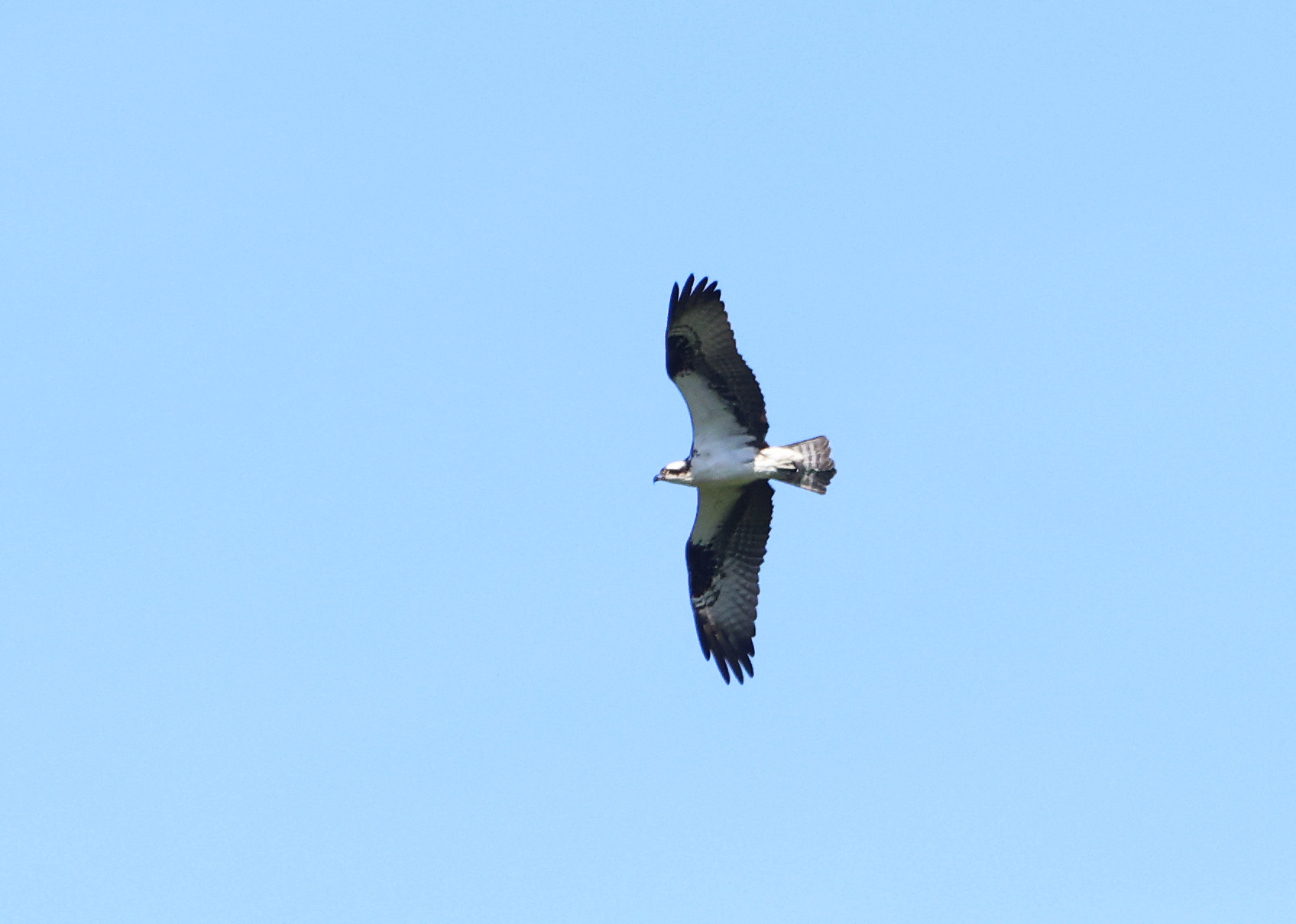
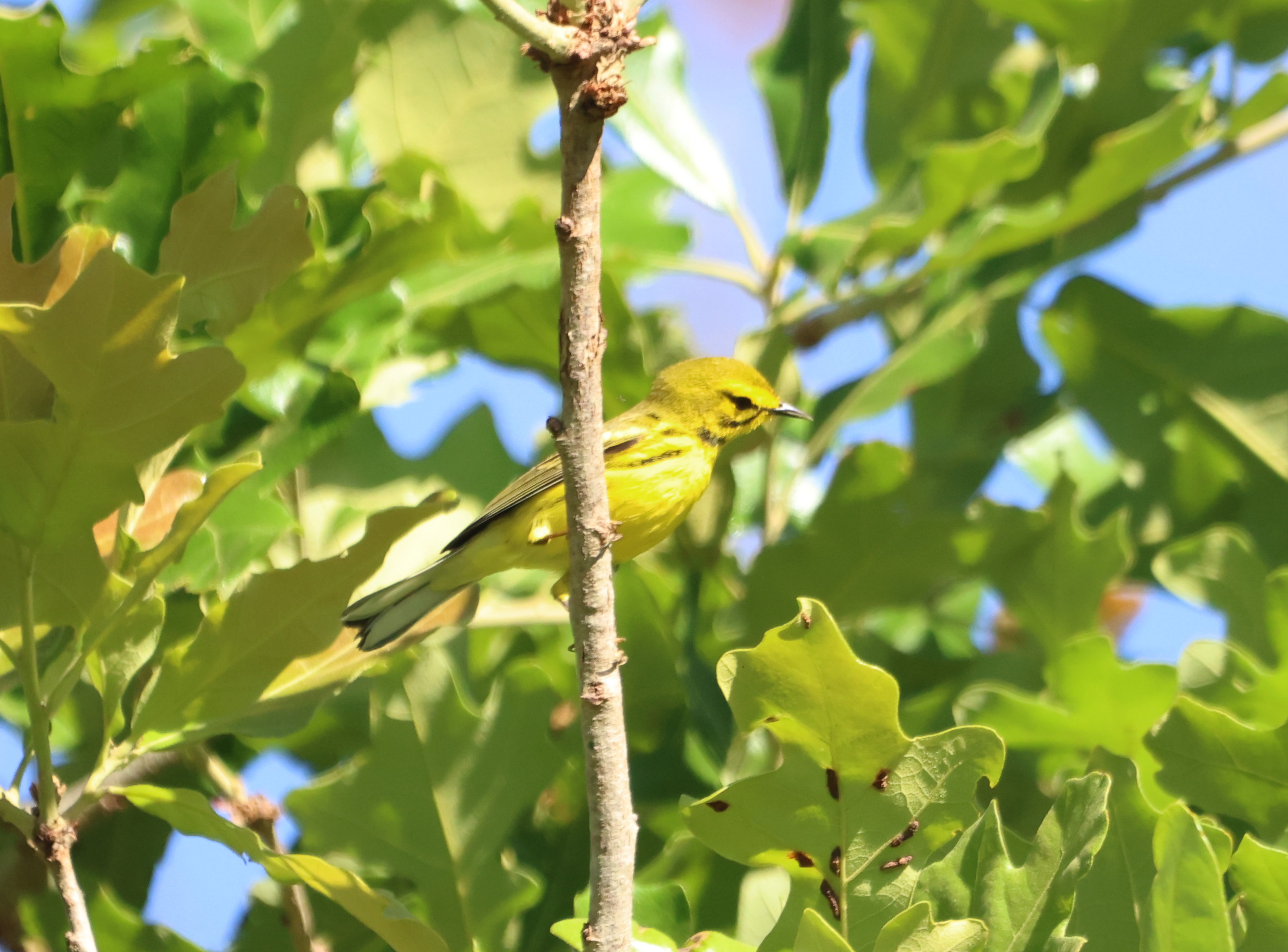
While it will likely never become my favorite WMA to visit, it was a peaceful walk that netted us sightings of several interesting birds, such as a Painted Bunting, Prairie Warblers, an Osprey, and a Broad-winged Hawk.

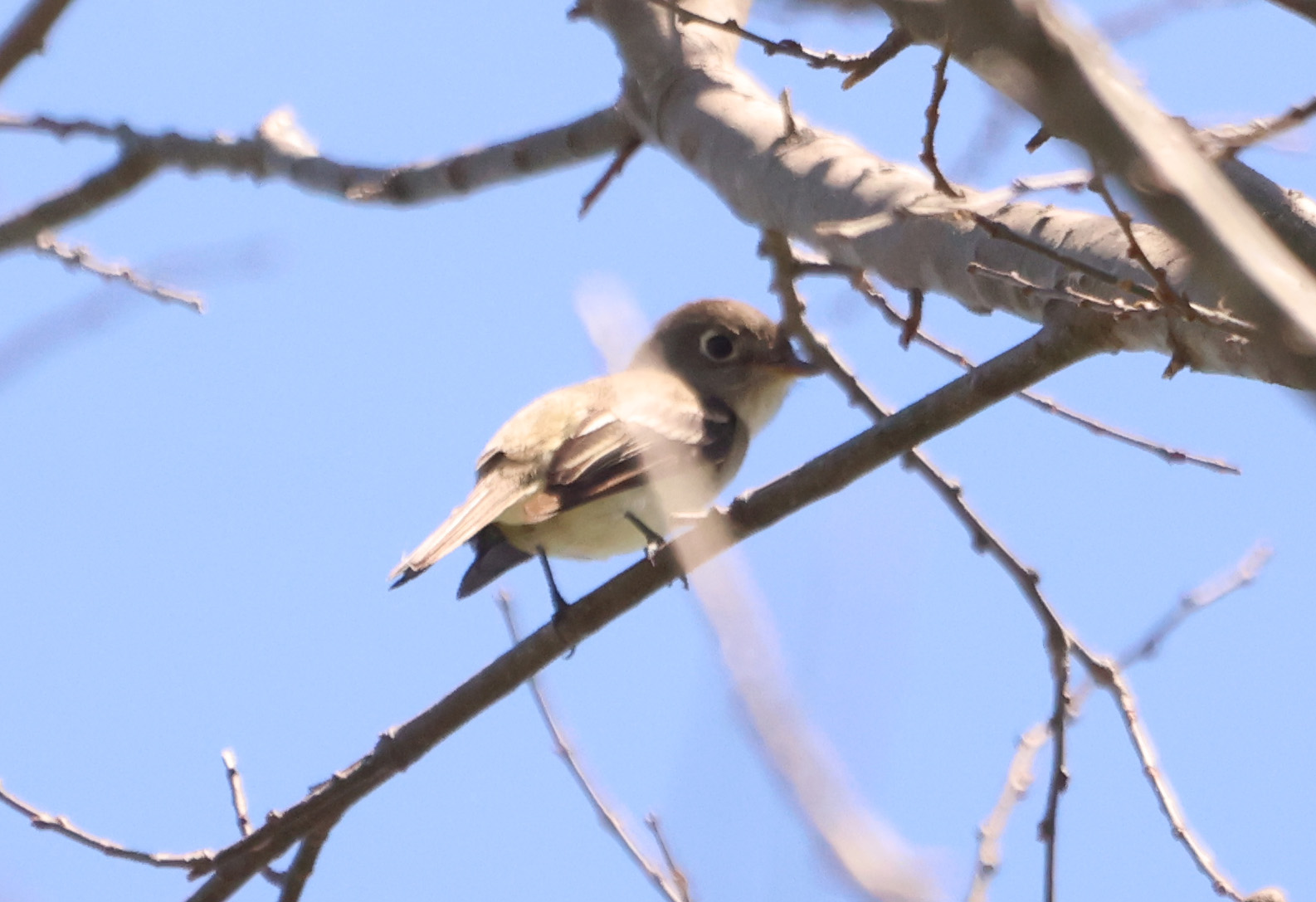
We later ventured across the road to the Camp Robinson WMA and Camp Robinson Special Use Area. I’m always excited to find Northern Bobwhites here, and we discovered my first Yellow-bellied Flycatcher (pictured above).

Flycatchers in the Empidonax genus are notoriously hard to identify, but the Yellow-bellied is one of the easier ones due to its yellowish underparts and bold eyering. It helped that two of the people in our group excel at identifying them. The Yellow-bellied Flycatcher migrates through Arkansas. While common, it was my first time seeing this flycatcher, so it was my bird of the day. That was saying something because we continued to hear and see an interesting assortment of birds, such as those below.

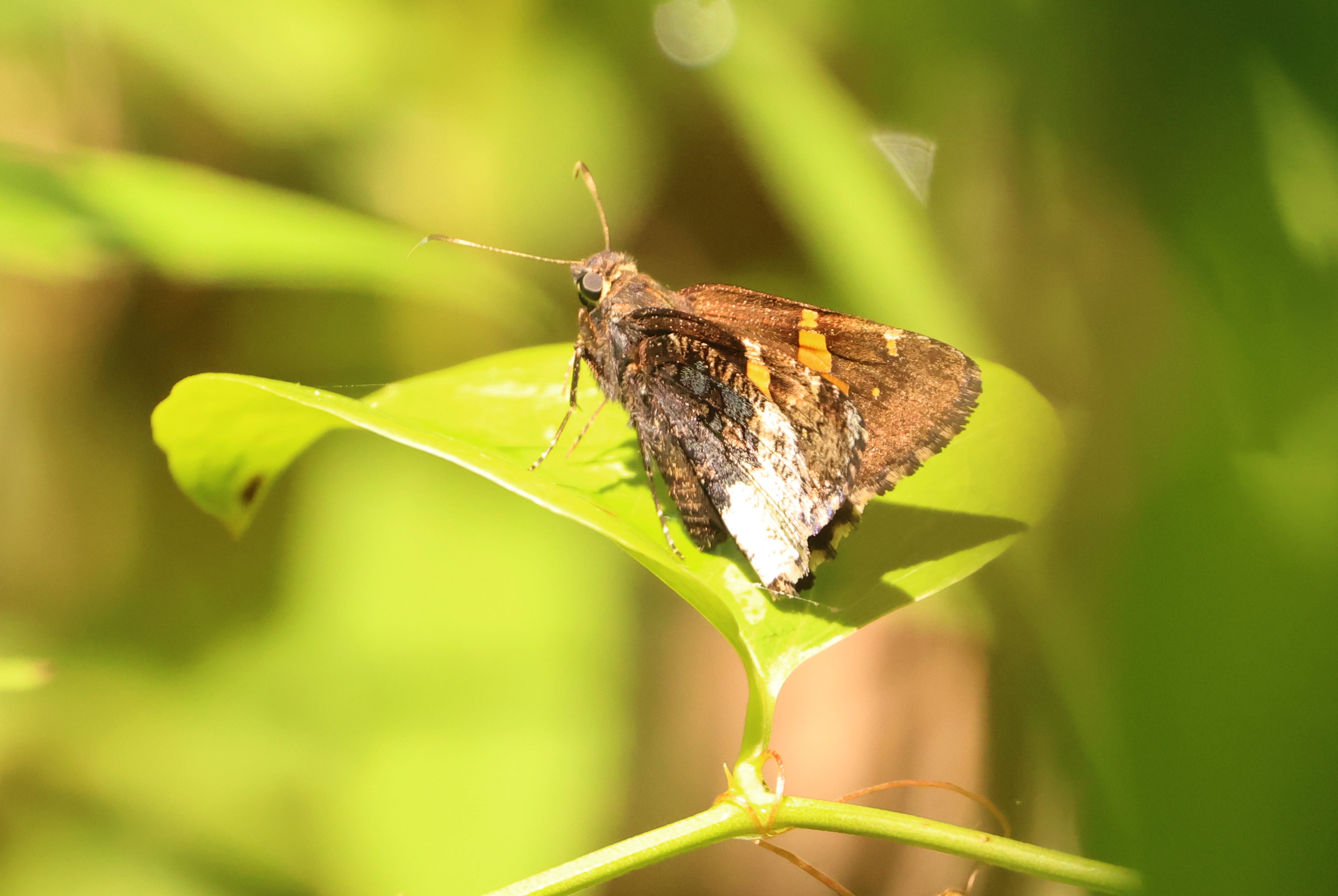
We also found the cutest Rough Greensnake and butterflies.

Marbled Godwits

I rarely visit Two Rivers Park in Little Rock. When I do, it’s usually to the side that is closest to Pinnacle Mountain. But, I made an exception yesterday after an eBird rare bird alert reported 9 Marbled Godwits at Two Rivers Park in a section closest to Two Rivers Park Bridge near I-430.

It wasn’t long before I spotted them. Marbled Godwits are large, speckled brown shorebirds with and long, slightly upturned bills that are yellow closest to the face and then turn black. The nine godwits were feeding in the water.

Marbled Godwits are typically found along the coast and breed in the northern Great Plains. There are smaller populations that breed along the southwest coast of James Bay in Canada and on the Alaska Peninsula. While rare to Arkansas, there are still 256 observations of them within the state over the years.

A Grebe in Question

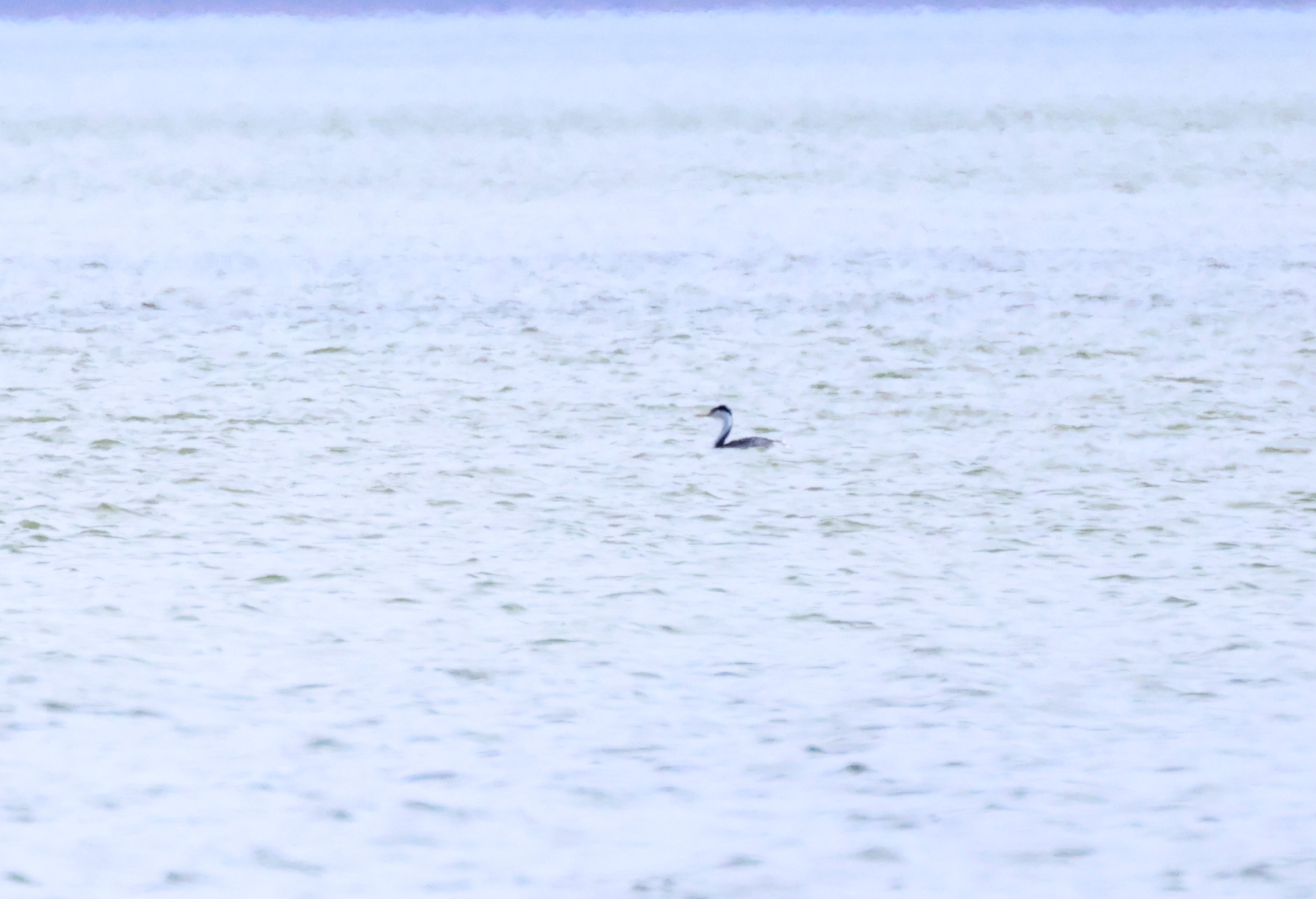
** UPDATE: The grebe has been recorded as a Clark’s Grebe – the first reported in Arkansas. **

On Monday, a fellow birder discovered a Western Grebe and Pacific Loon at Bufflehead Bay, which is part of Lake Maumelle on the outskirts of Little Rock.

While I have already seen both, I decided it’d be interesting to try and relocate them. I never found the Pacific Loon. But I eventually relocated the Western Grebe at a nearby yacht club.

I’ve now learned there is a debate happening on whether this grebe could actually be a Clark’s Grebe – which would be a first for Arkansas.

Clark’s Grebes have brighter yellow bills with a dark line along the top. The black cap of the Clark’s does not extend down to surround the eye, as it does on the Western, according to All About Birds.

Once considered the same grebe, the Clark’s and Western were separated into two different species in 19985 after scientists learned the two “rarely interbreed (despite sometimes living on the same lakes), make different calls, and have substantial DNA differences,” All About Birds reported.

For now, we’re treating the grebe as a Western. Western Grebes are still rare to Arkansas (typically found west of the state), but birdwatchers typically find one or two within the state each year.

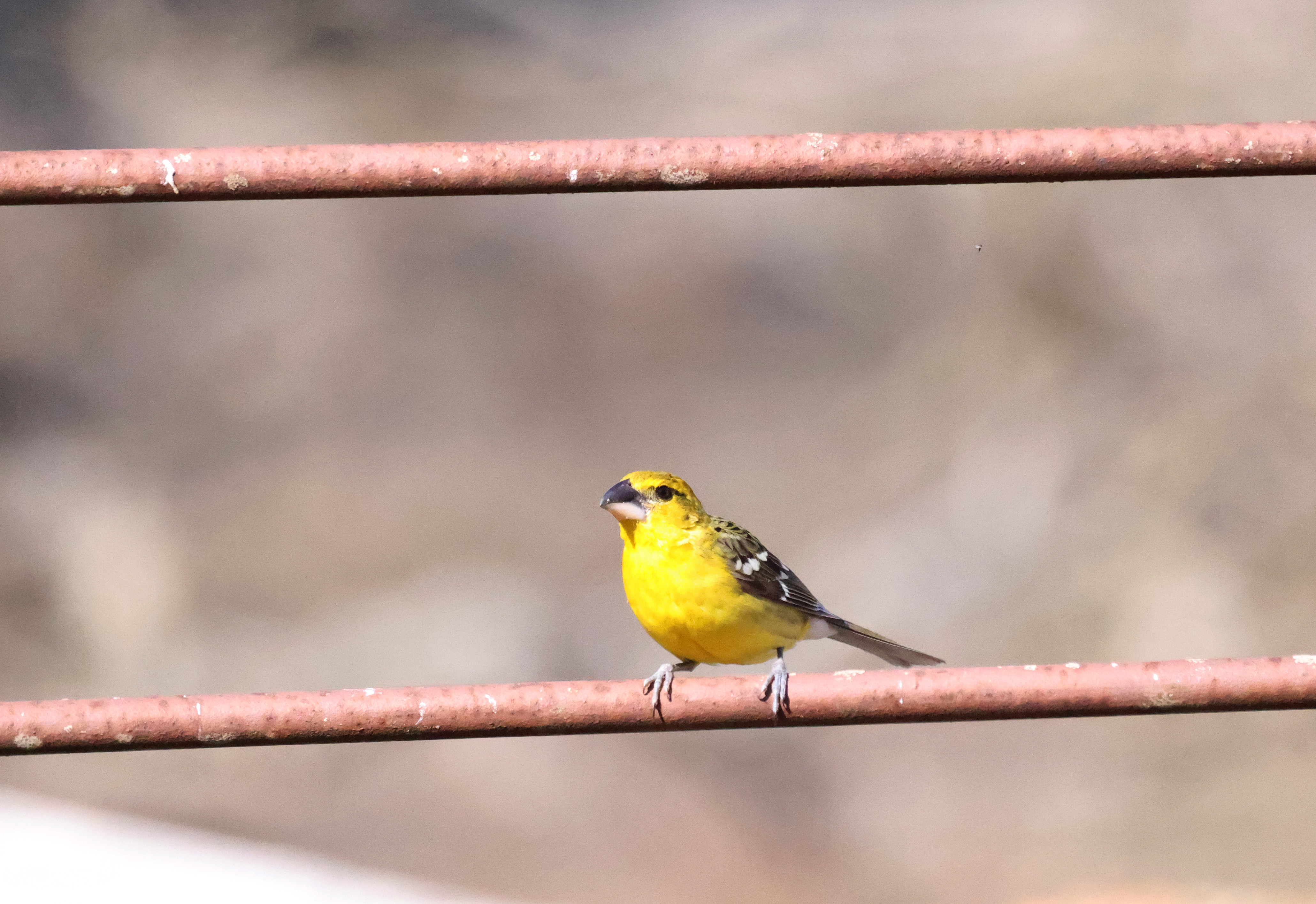
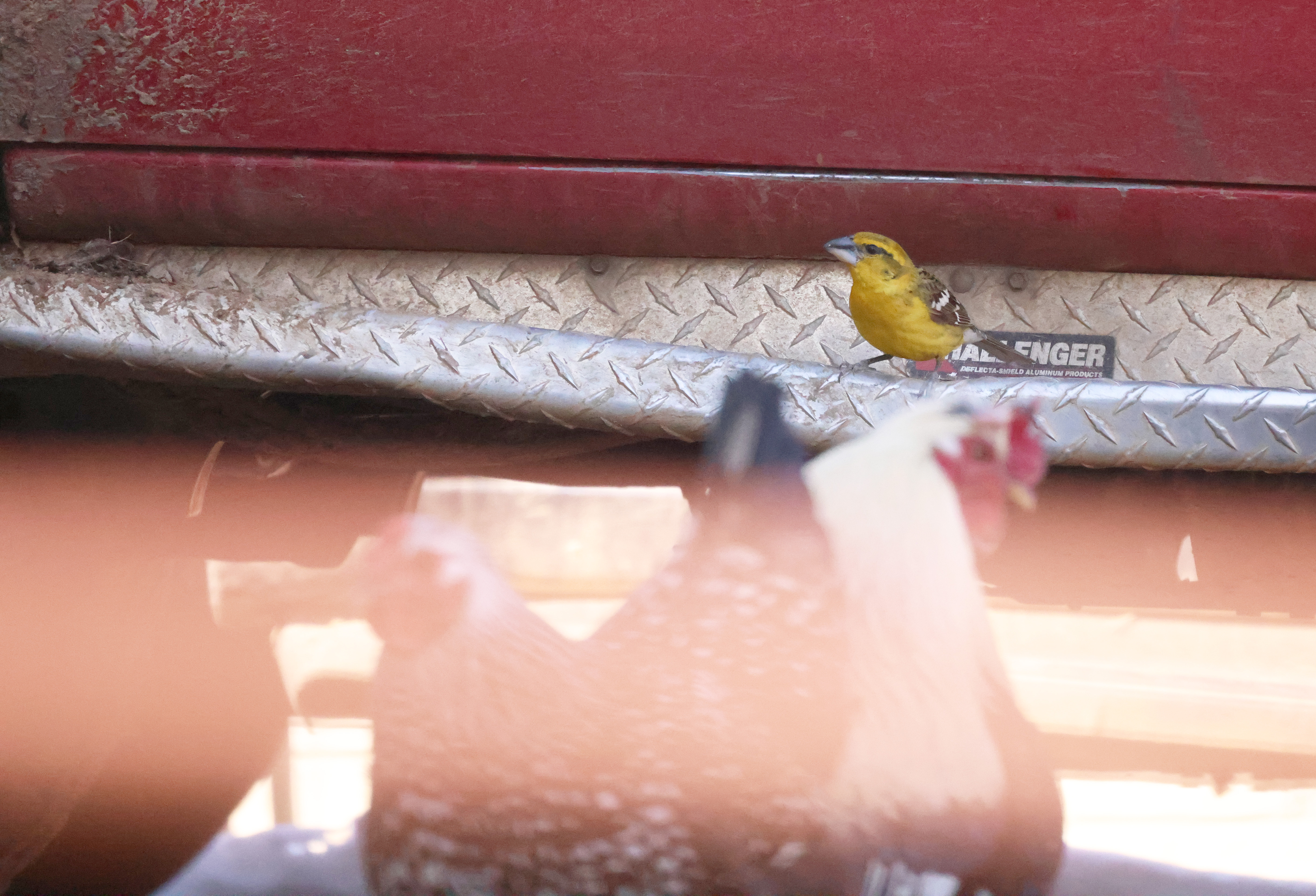
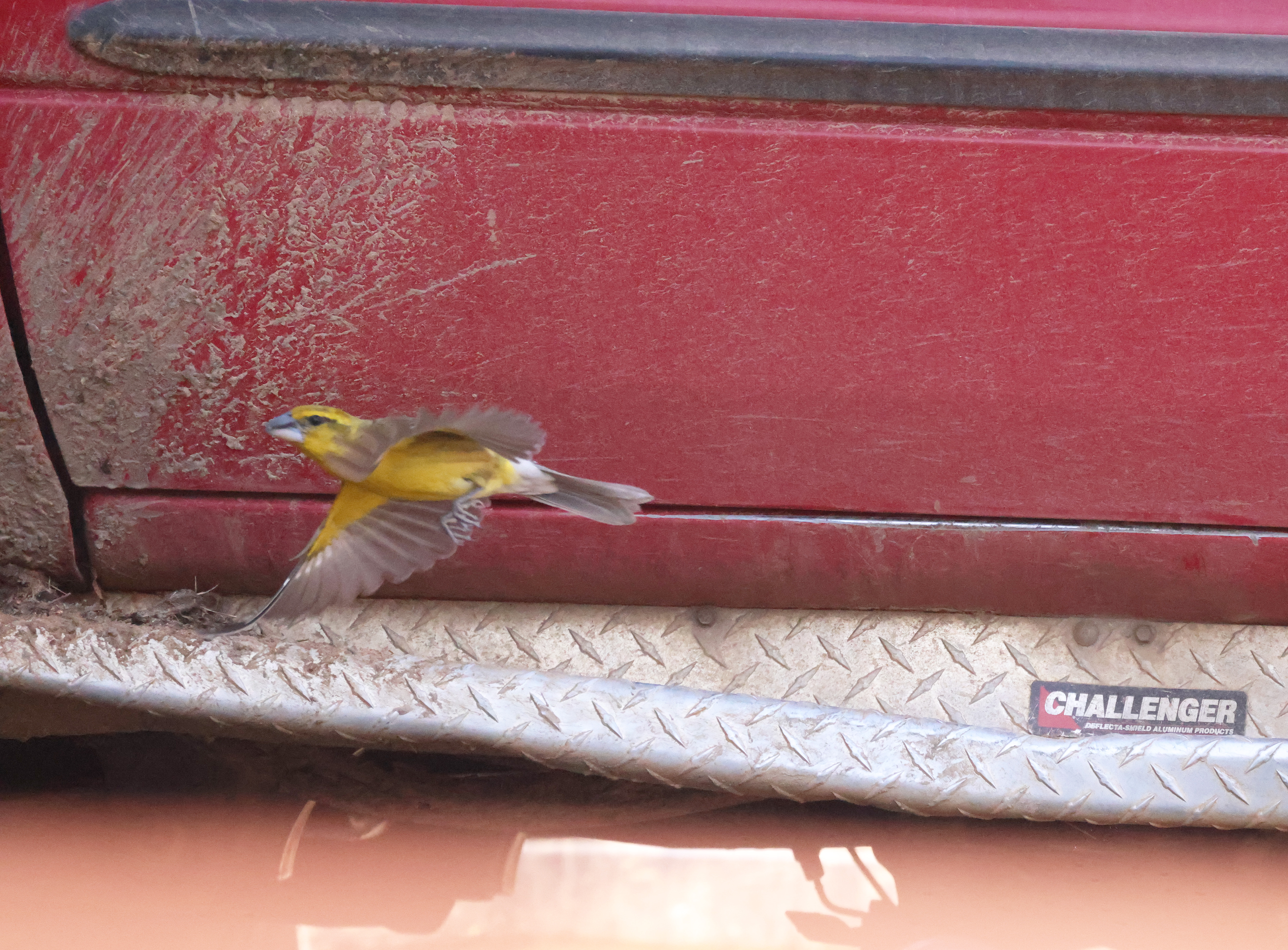
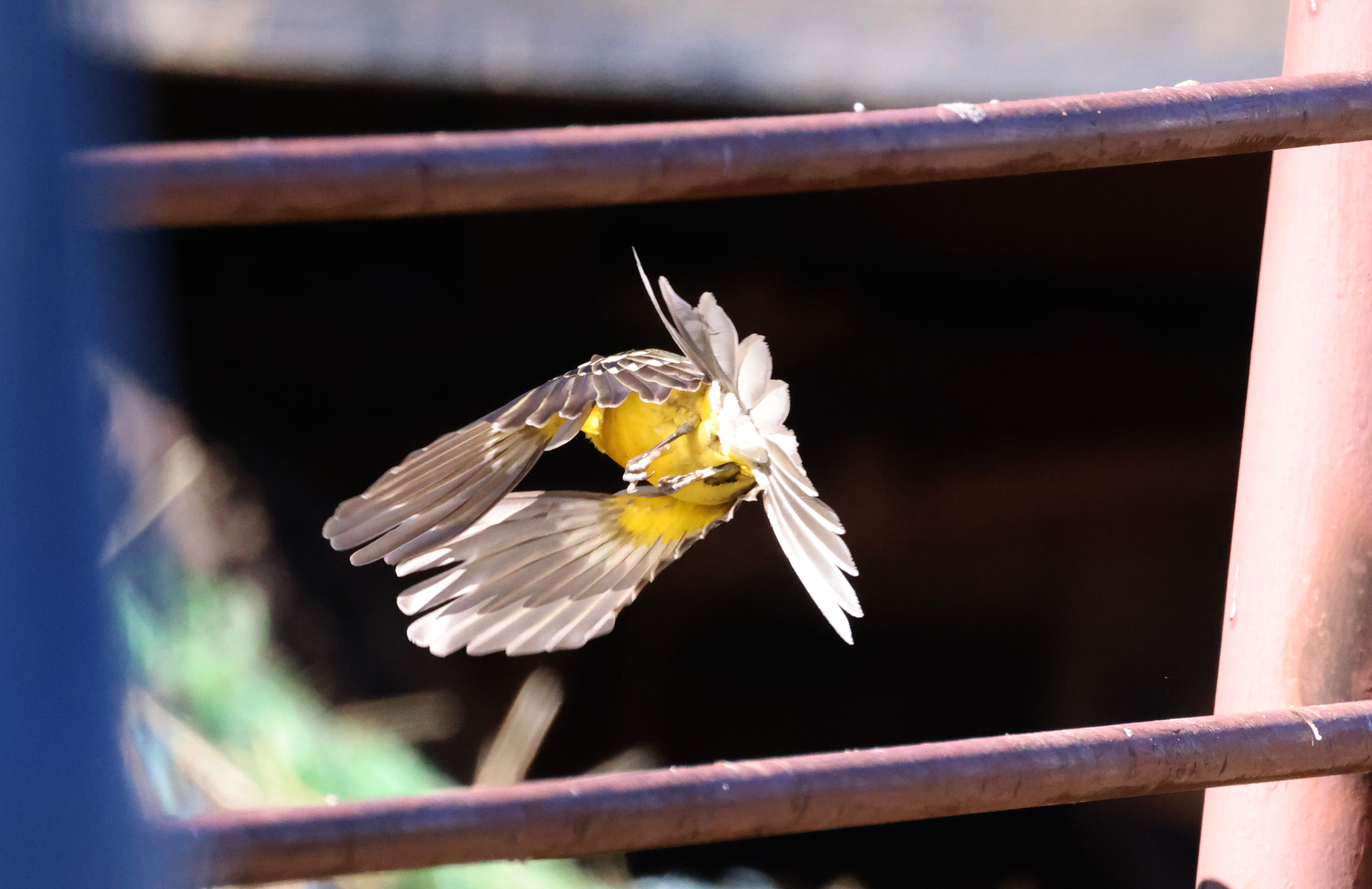
A “mega rare” Yellow Grosbeak

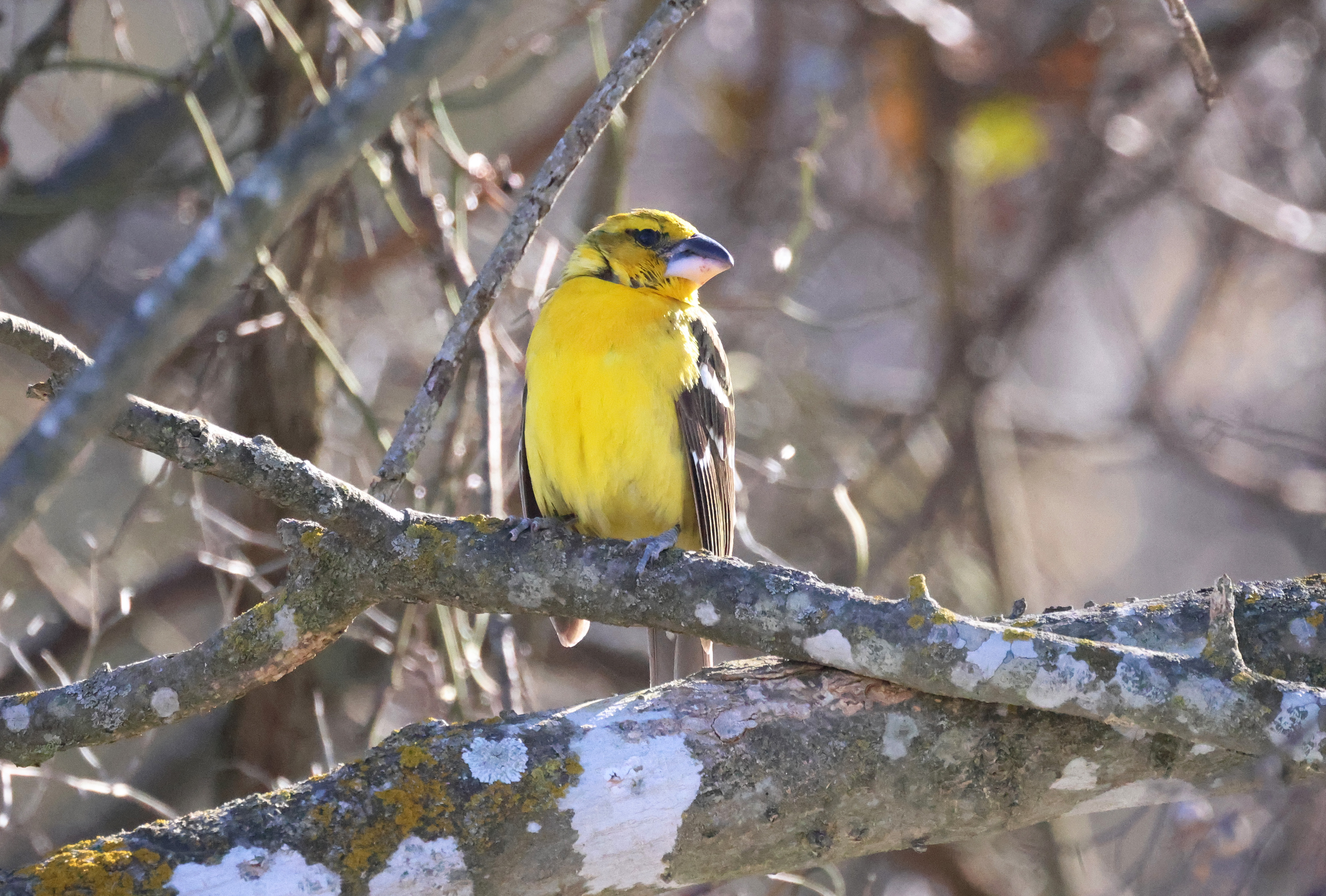
Earlier today, I traveled to Berryville to see the “mega rare” Yellow Grosbeak that has been visiting a feeder on a private ranch since February 17.

Yellow Grosbeaks are found in Mexico. As described by an eBird report, “it very rarely ends upon the United States and almost always in the Southwest. Having one show up in Arkansas is truly remarkable, with only one other comparable instance in Iowa in 1990.”

This grosbeak is bigger than the grosbeak species found in the United States, and has a very stout bill and white wing markings. Males have a rich golden yellow with black wings and tails with white spots (such as the one currently in Arkansas). Females are similar but with a more olive upper part.

While the sighting is confirmed and birders from other states are starting to arrive to see the Yellow Grosbeak, the sighting is still under review by the Arkansas Bird Records Committee. If approved, this would be the first new addition to Arkansas’s state bird list since 2022.

A Lesser Goldfinch

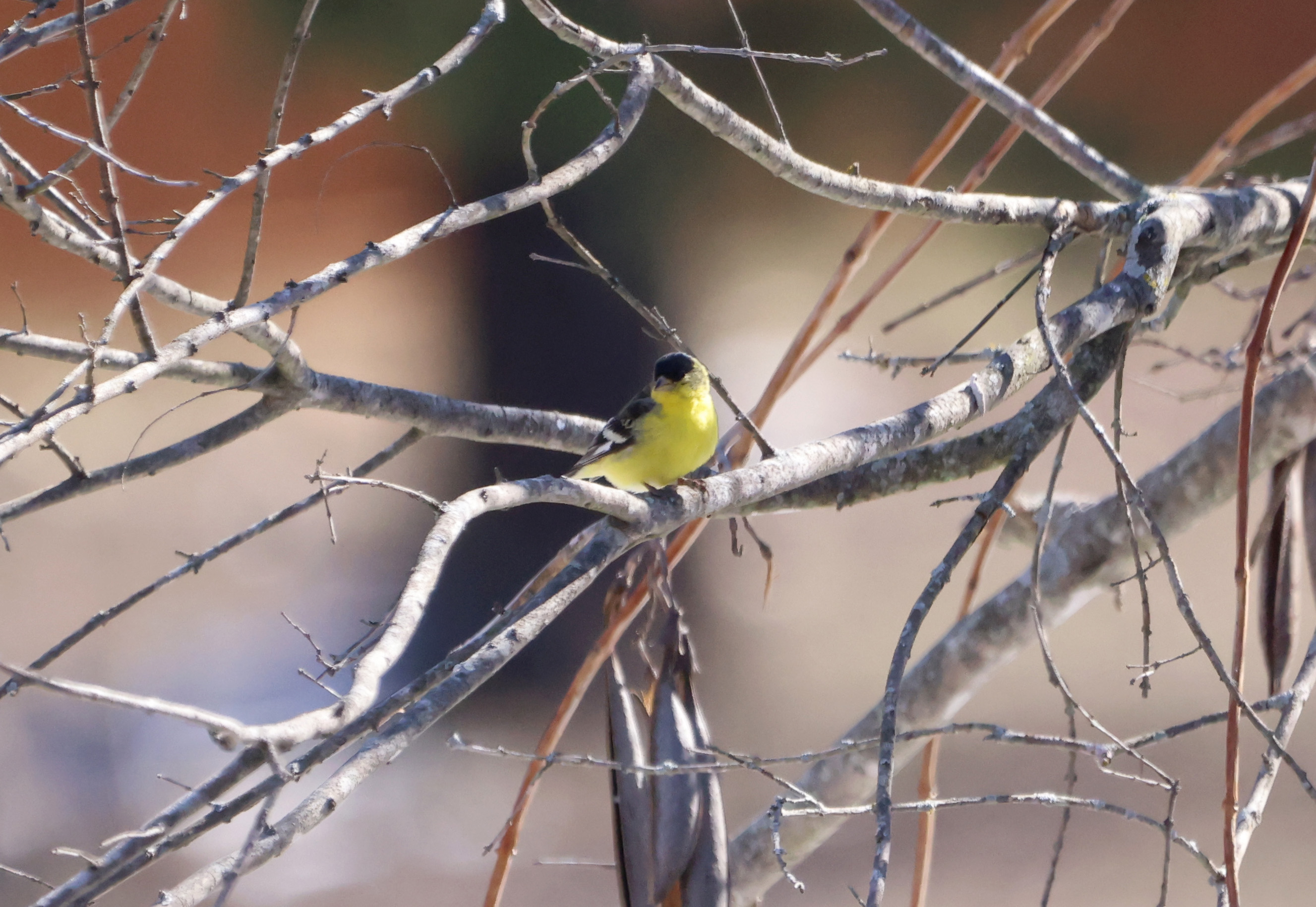
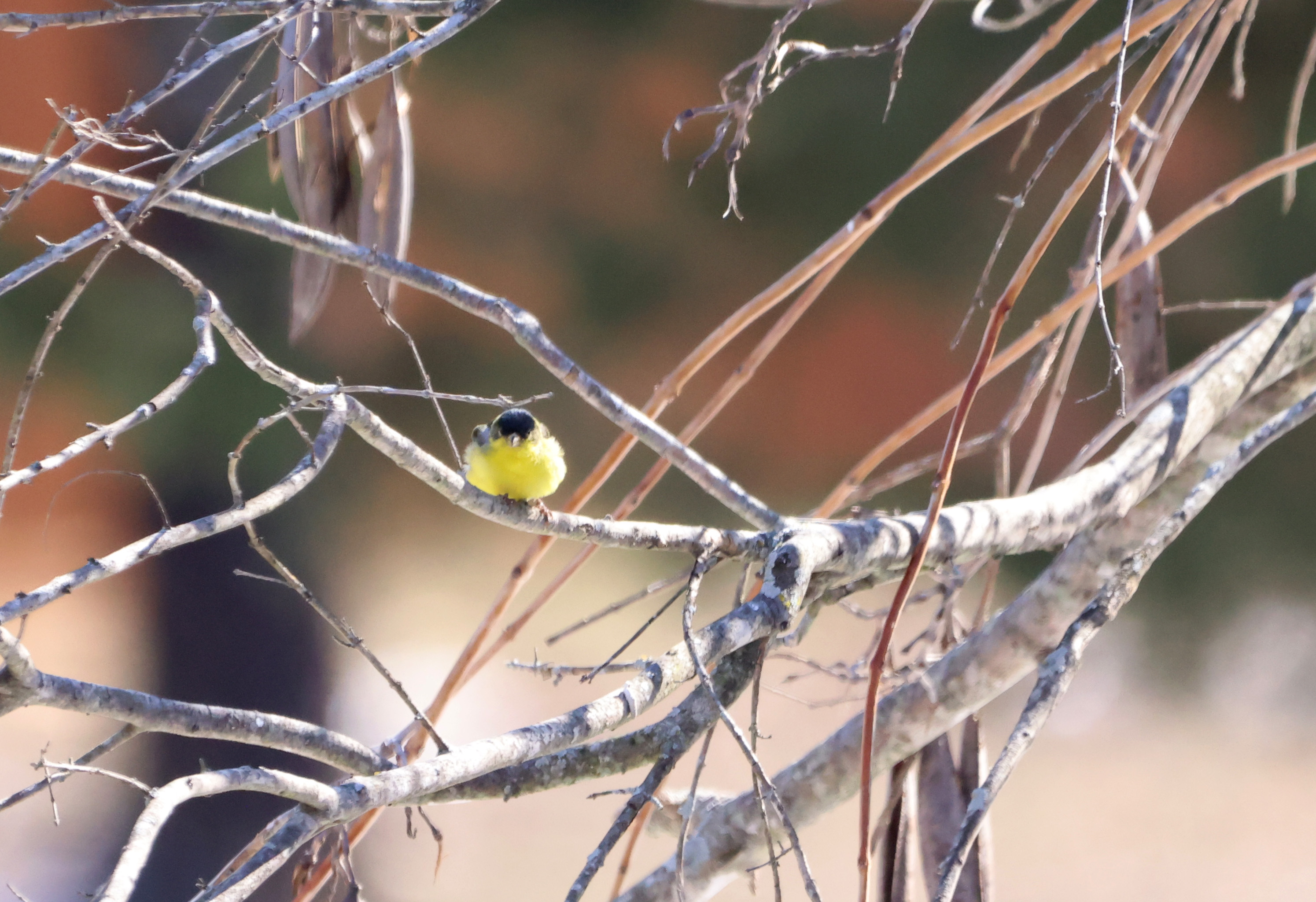
A friend and I traveled to Pope County on Friday to find a Lesser Goldfinch that’s been visiting a birder’s feeder for the past few days. It was a lifer for me.

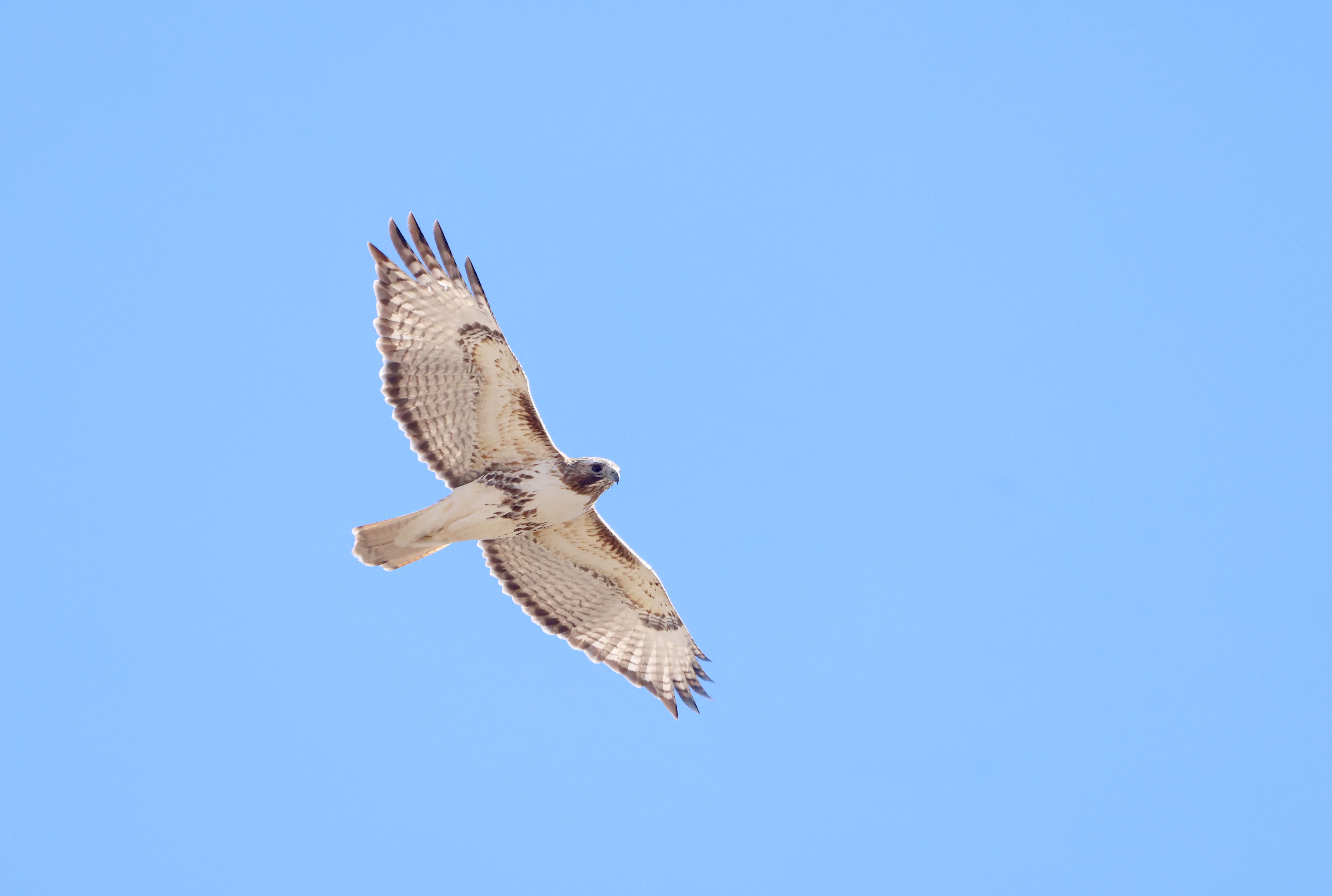
Lesser Goldfinches are rare to Arkansas, although some are found within the state each year. They are typically found in the western United States (most common in California and Texas). They are smaller than an American Goldfinch, typically have a darker back that can be olive green or black depending on its location, and have a fully black crown. The American Goldfinch has a partial black crown and a bright yellow back.

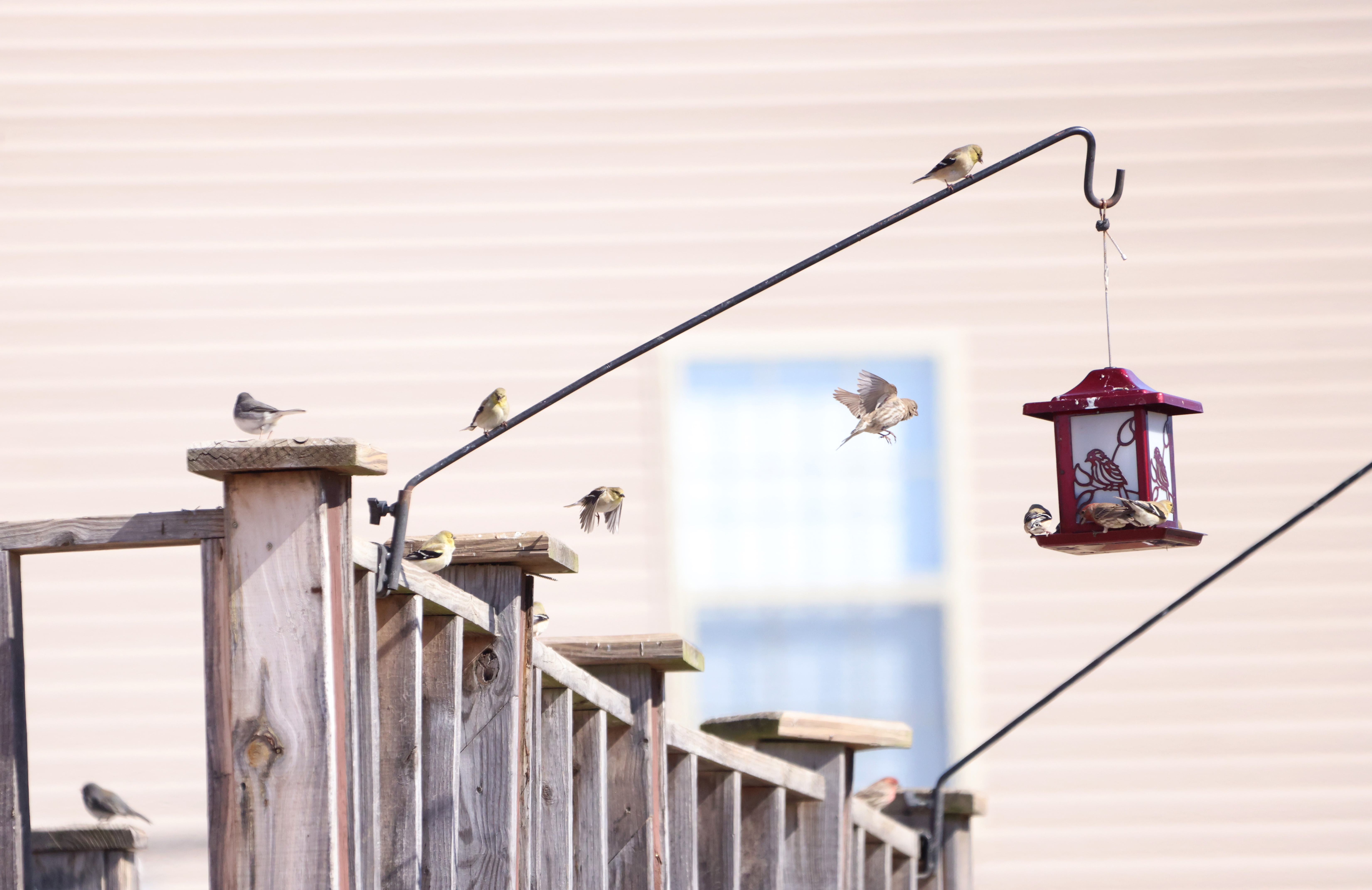
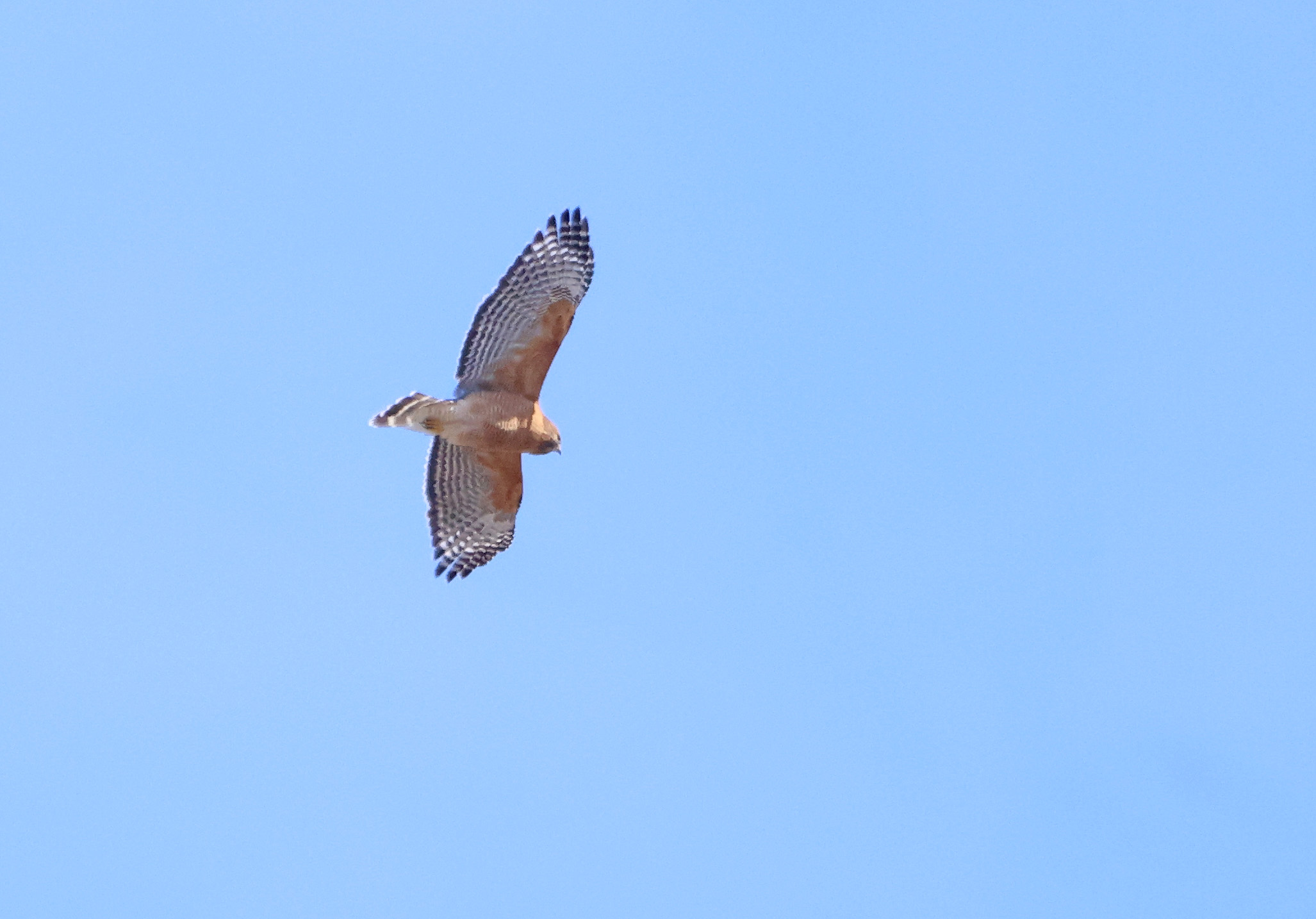
The Pope County bird mingled with American Goldfinches, Juncos, House Finches and Cardinals at the feeders, while various sparrows and mourning doves were below on the ground. They scattered at various points, such as when the below Red-shouldered Hawk flew by.

Chestnut-collared Longspur

A Chestnut-collared Longspur has been spotted in Fayetteville at the University of Arkansas Experimental Farm. We tried to find it Tuesday with no success. On Friday, we joined three other birders and saw it within minutes of meeting up with them. We were just asking them about when they last saw the bird, when my friend suddenly heard its call and we quickly located it flying around.

Chestnut-collared Longspurs are typically found west of Arkansas such as in the shortgrass prairies, rangelands and desert grasslands of Texas, Oklahoma and Kansas. The species is in conservation decline, with 80% of its population declining since the 1960s due to disturbed land, according to All About Birds.

The longspur in Fayetteville has been spotted first with Lapland Longspurs and now with Eastern Meadowlarks. It hasn’t strayed far from the spot among corn stubble it was first located in. When it’s flying, it’s easy to spot. It circles the field, calling. However, once it’s down in the grass, your chances of spotting it is slim to none.

But, we did get some good views of other birds while there.

Healing Springs Natural Area

American Tree Sparrow

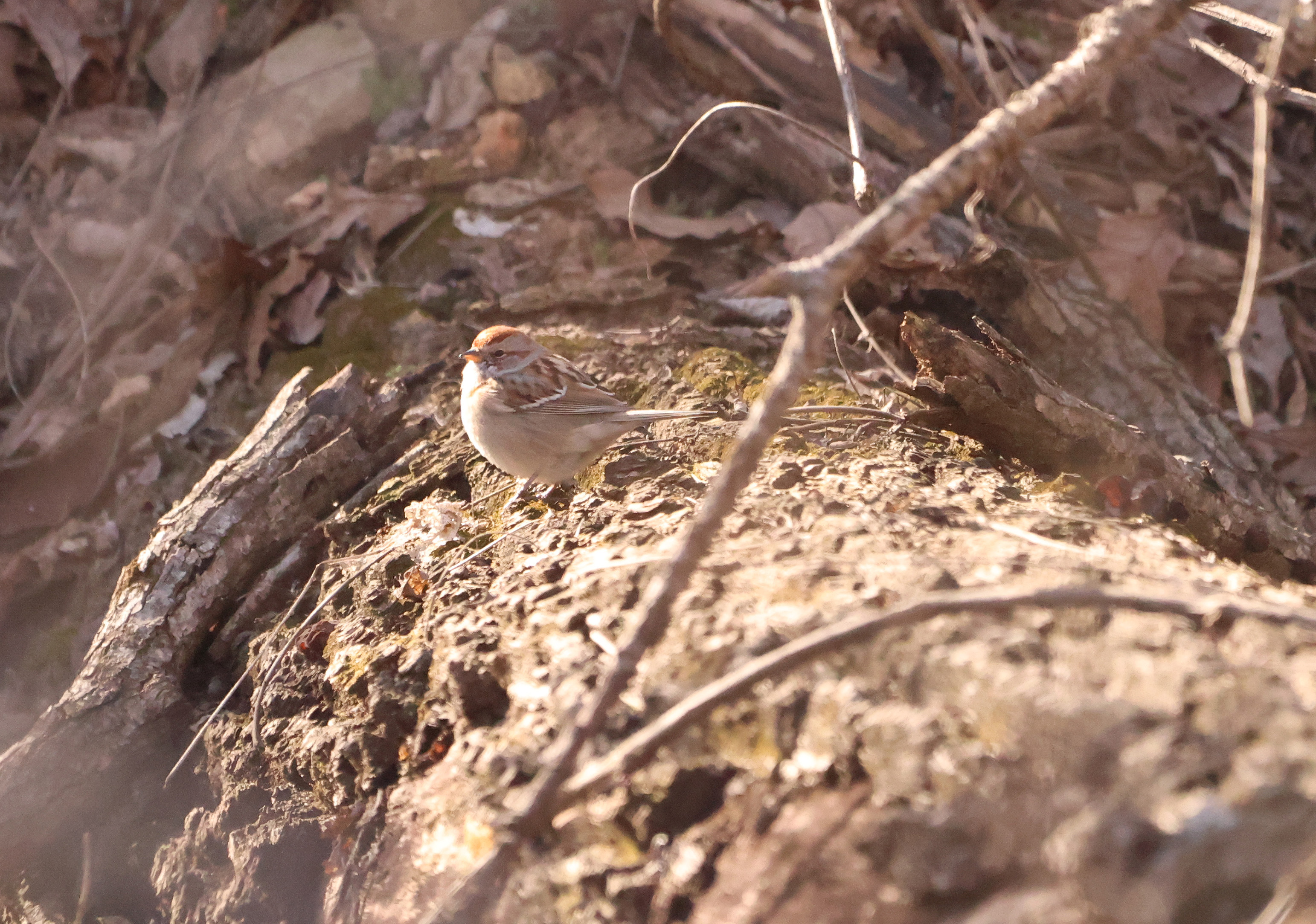
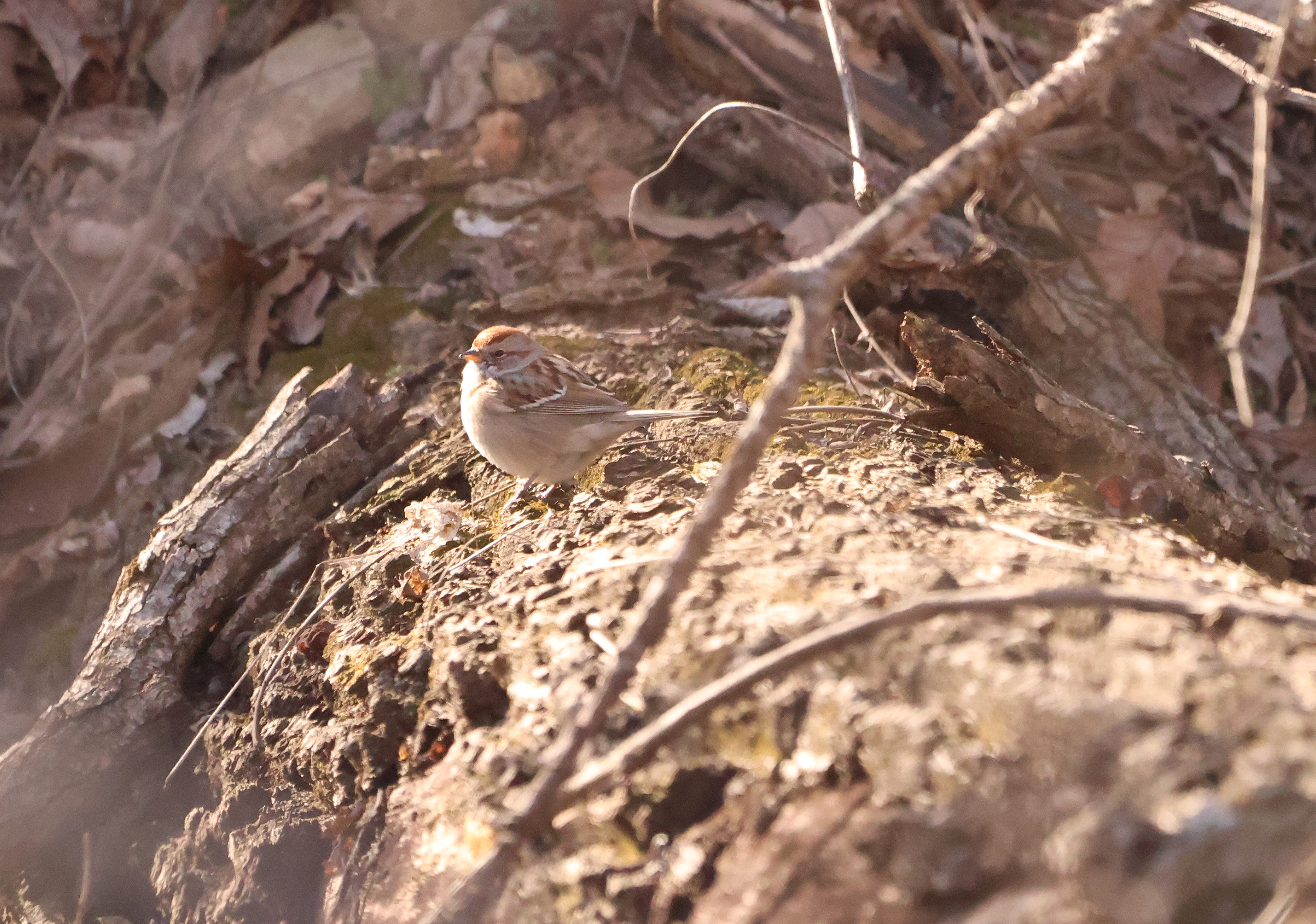
While in Northwest Arkansas on Tuesday, I decided to search for American Tree Sparrows. These small sparrows have gray faces with rusty caps and eyeline marks along with a bicolored bill.

While found each year in Arkansas, the American Tree Sparrow is not a common sparrow you find just anywhere within the state. Their population is in steep decline. It took us a bit, but we eventually ran across four of these sparrows as they steadily made their way through a brushy area. One neat fact I learned through All About Birds is the American Tree Sparrow has to eat 30% of its weight each day.

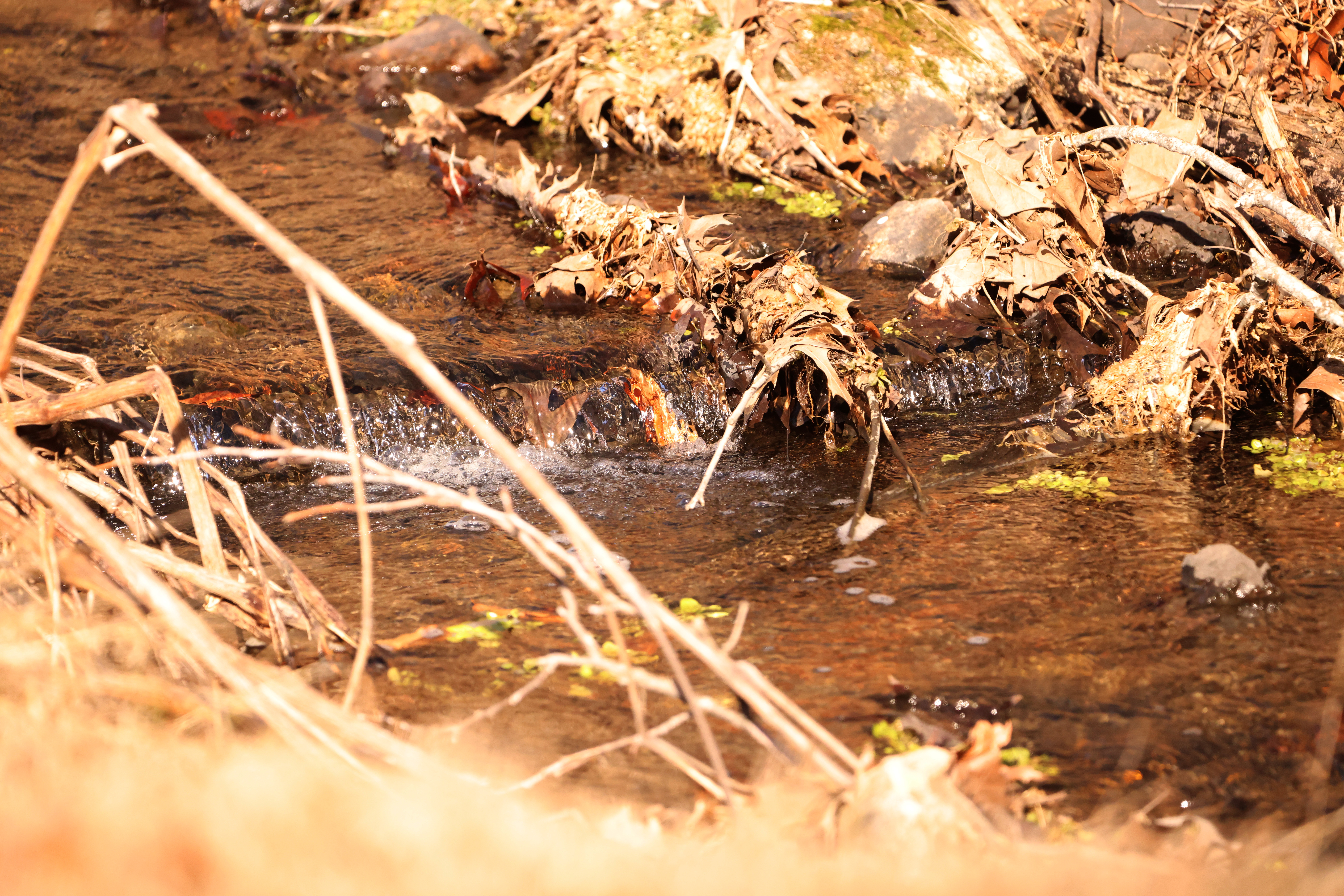
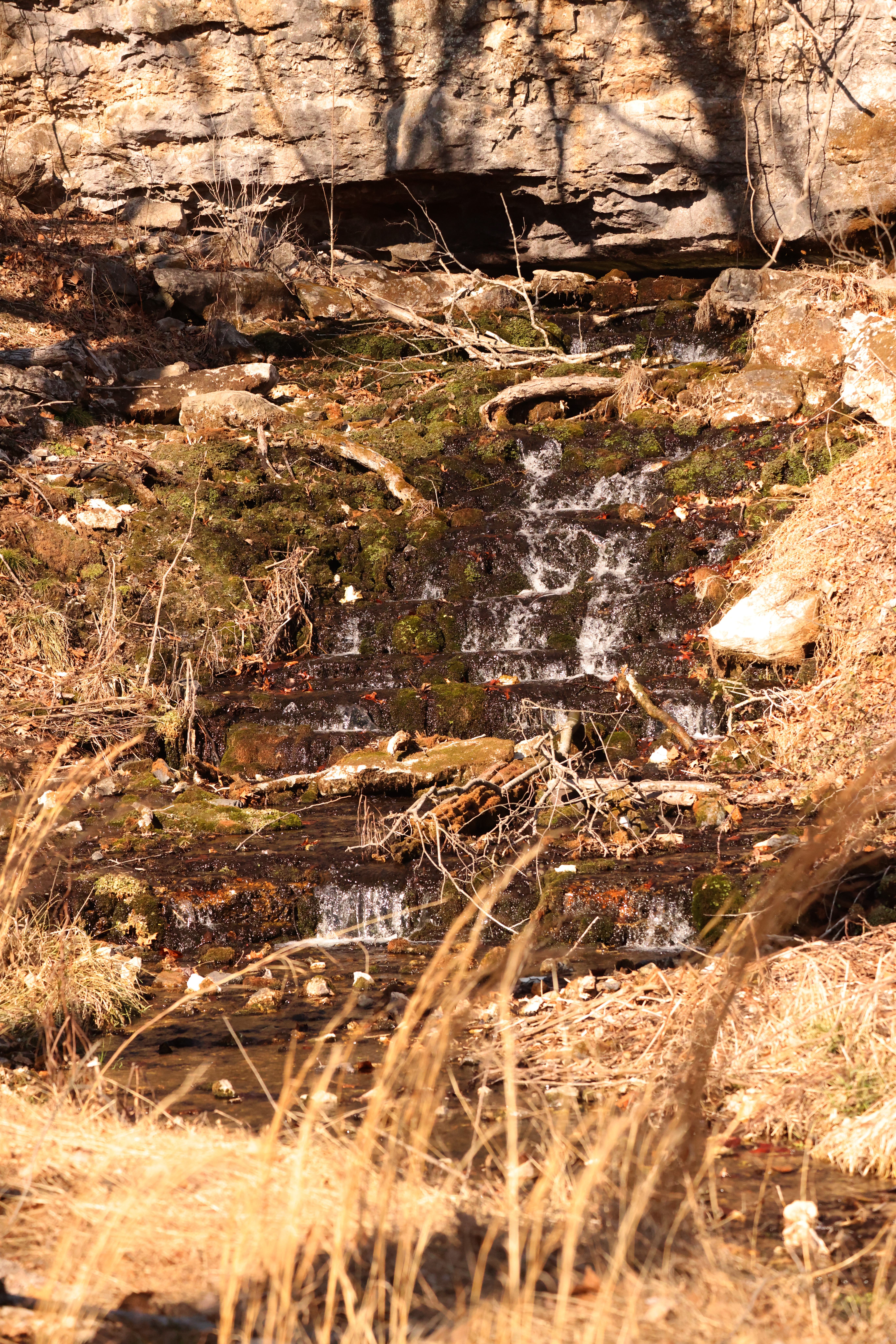
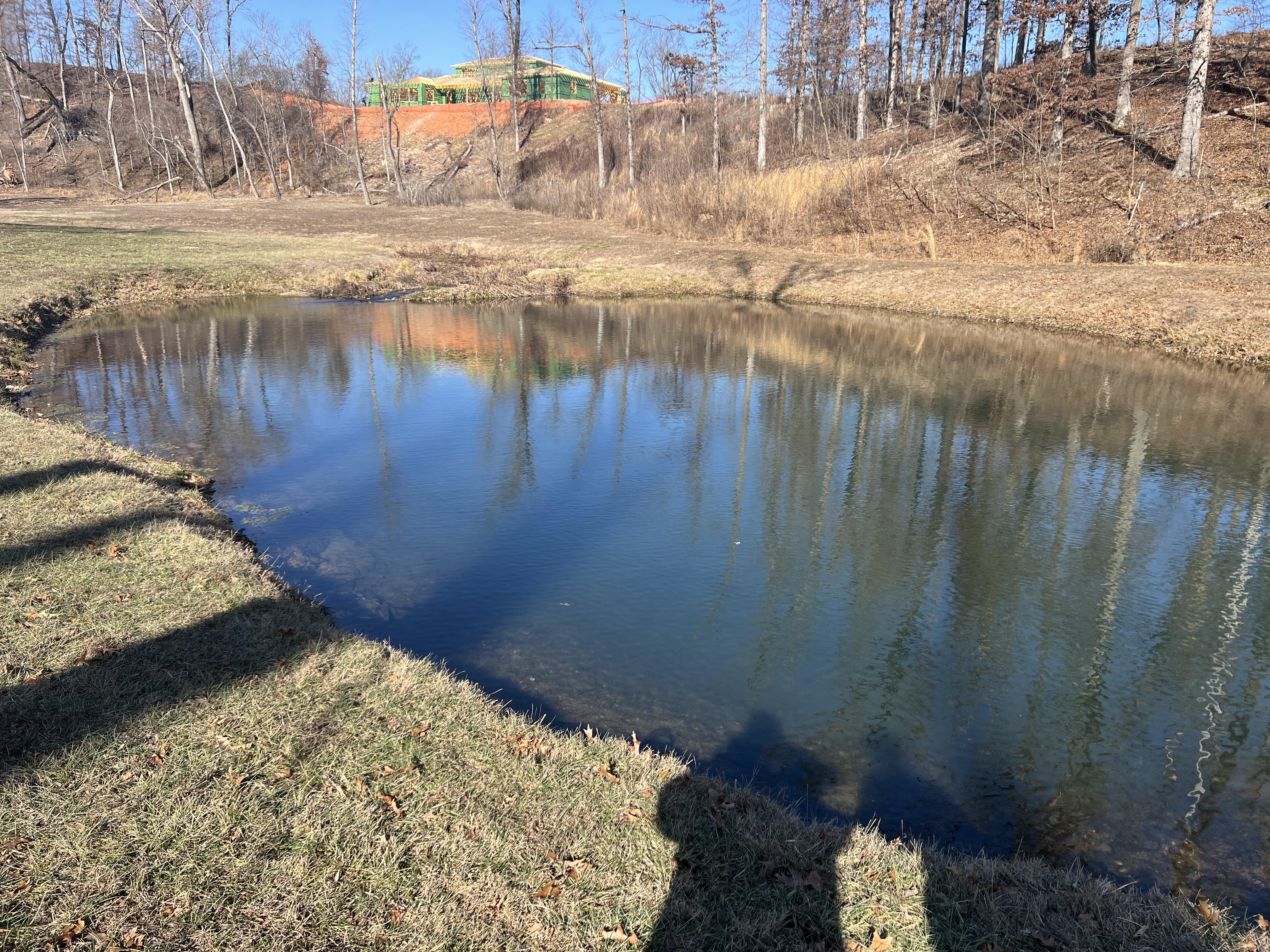
We found these sparrows – as well as lots of Eastern Bluebirds – at the Healing Springs Natural Area maintained by the Arkansas Natural Heritage Commission since 2020. I wasn’t sure what to expect from the natural area. It is located within the Ozark Highlands of the Springfield Plateau Ecoregion where Oak-hickory forests, oak-hickory-pine forests and, before the 19th century, savanna or tall grass prairies are common and maintained by fire. The small entrance to the natural area from the highway is just large enough to park about two vehicles. A locked gate and fence keeps people from driving into the natural area, which at first sight, contains several large fields that are being restored to native grassland and woodland habitat.

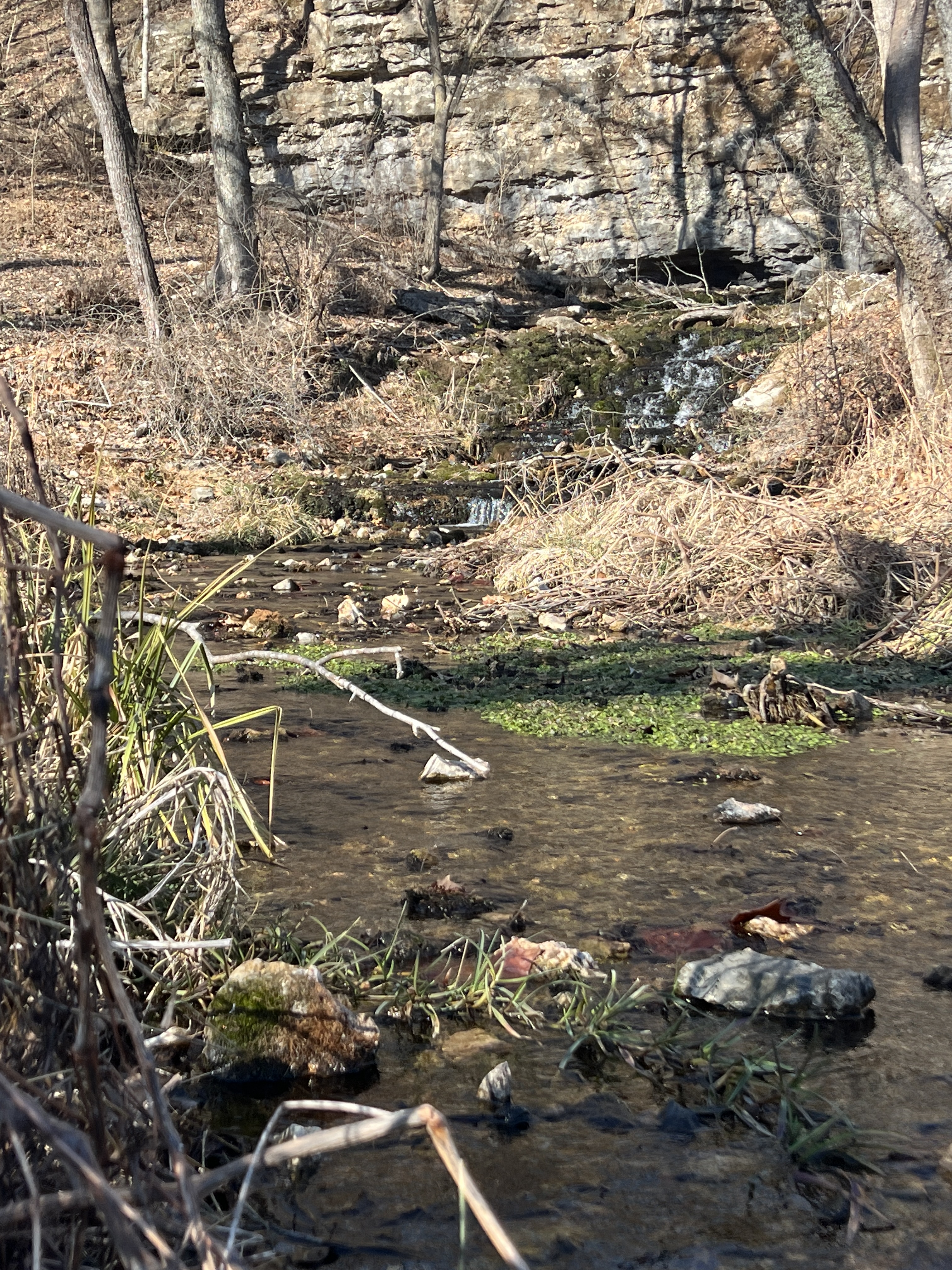
The natural area consists of several large fields separated by high fences with no gates so you can wander for nearly a mile to the springs and spring-fed streams at the back of the property. These springs and spring-fed streams support several fish and crayfish species of conservation concern, including the Arkansas Darter and Least Darter. Both are very rare to Arkansas and require a specific habitat type that is disappearing.

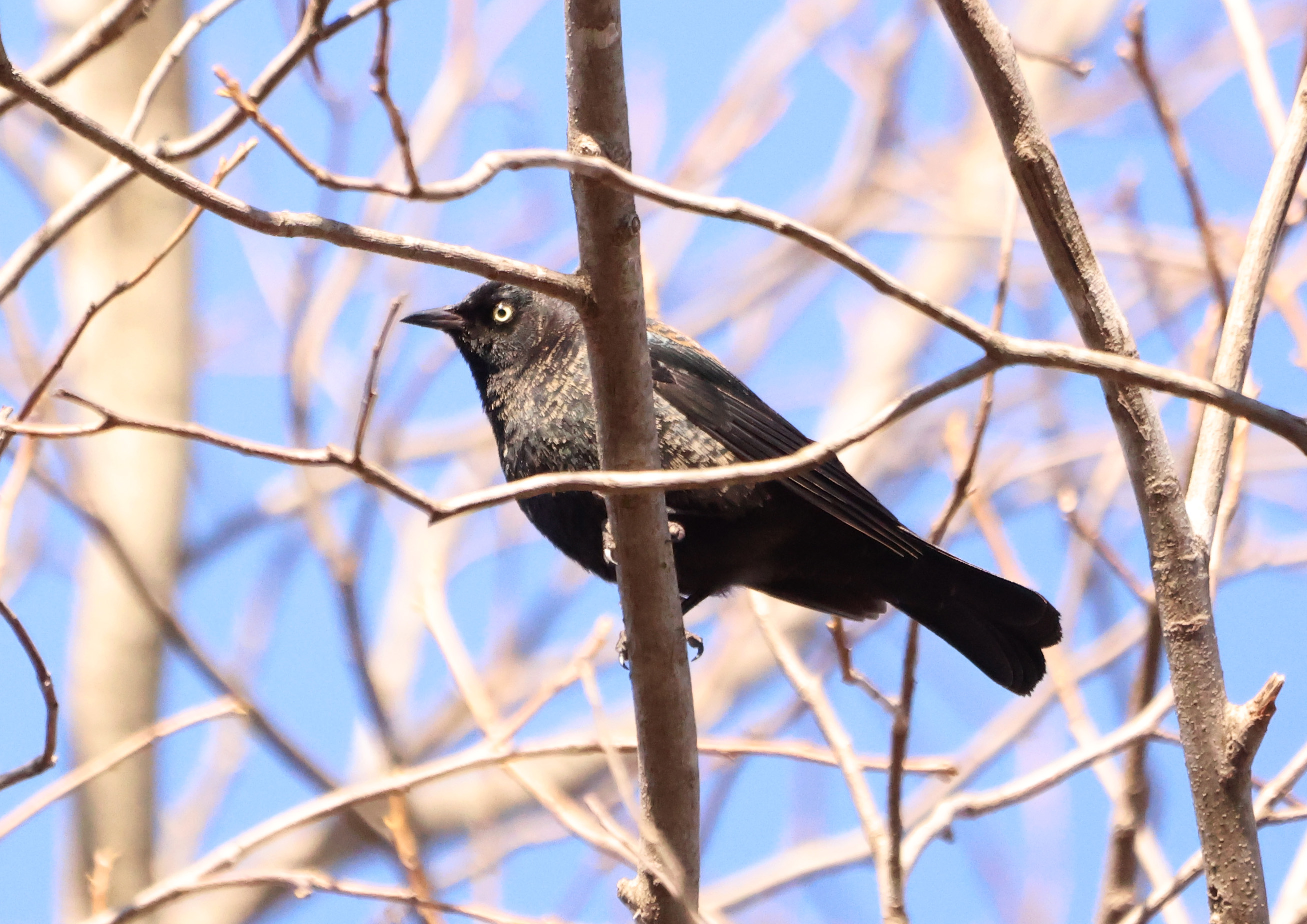
We couldn’t find a map of the property so we initially walked a wooded path the width of the natural area, before traveling further back into the natural area in search of the springs. We weren’t too impressed with the place until we got further back into the area where we began seeing white-tailed deer and an abundance of birds, including our target bird – the American Tree Sparrow. One surprise was the rusty blackbirds discovered in a tree near water.

Harris’s Sparrow

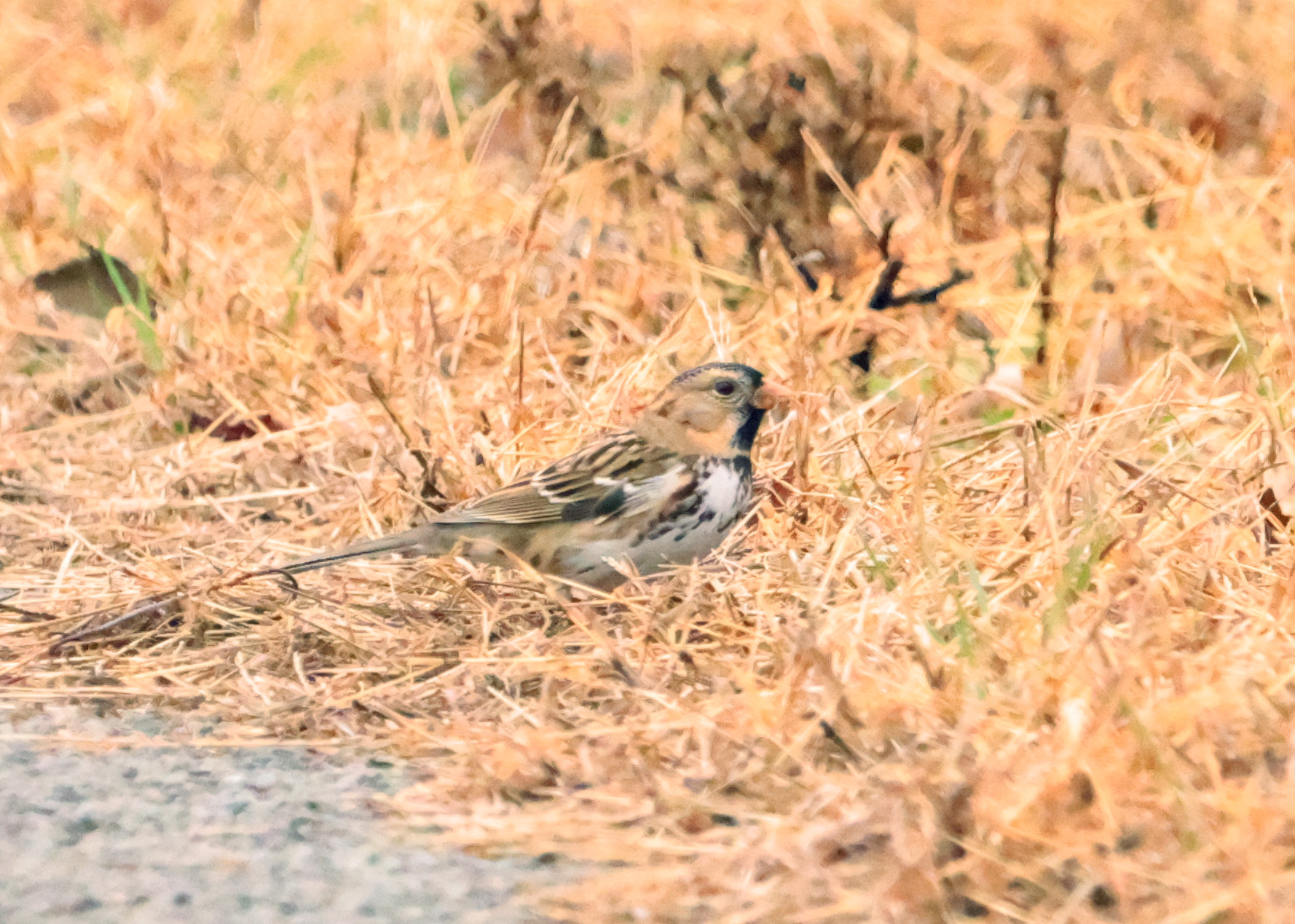
I’m fascinated with Harris’s Sparrows. They have a unique look (has a black bib and pink bill), and while common in Arkansas, they are not easy to find. At least for me.

I got my first look at one during the recent Lonoke County Christmas Bird Count. We were driving down a narrow country road when we spotted a flock of sparrows on the road and ditchway ahead of us. That flock included one lone Harris’s Sparrow.

The Harris’s Sparrow is North America’s largest sparrow except for towhees. AllAboutBirds.org reports that it is the only songbird that breeds in Canada and nowhere else in the world. It breeds in the tundra/boreal zones of northern Canada, while wintering from Nebraska to Texas and migrating through the central United States.