A Chestnut-collared Longspur has been spotted in Fayetteville at the University of Arkansas Experimental Farm. We tried to find it Tuesday with no success. On Friday, we joined three other birders and saw it within minutes of meeting up with them. We were just asking them about when they last saw the bird, when my friend suddenly heard its call and we quickly located it flying around.
Chestnut-collared Longspurs are typically found west of Arkansas such as in the shortgrass prairies, rangelands and desert grasslands of Texas, Oklahoma and Kansas. The species is in conservation decline, with 80% of its population declining since the 1960s due to disturbed land, according to All About Birds.
The longspur in Fayetteville has been spotted first with Lapland Longspurs and now with Eastern Meadowlarks. It hasn’t strayed far from the spot among corn stubble it was first located in. When it’s flying, it’s easy to spot. It circles the field, calling. However, once it’s down in the grass, your chances of spotting it is slim to none.
But, we did get some good views of other birds while there.
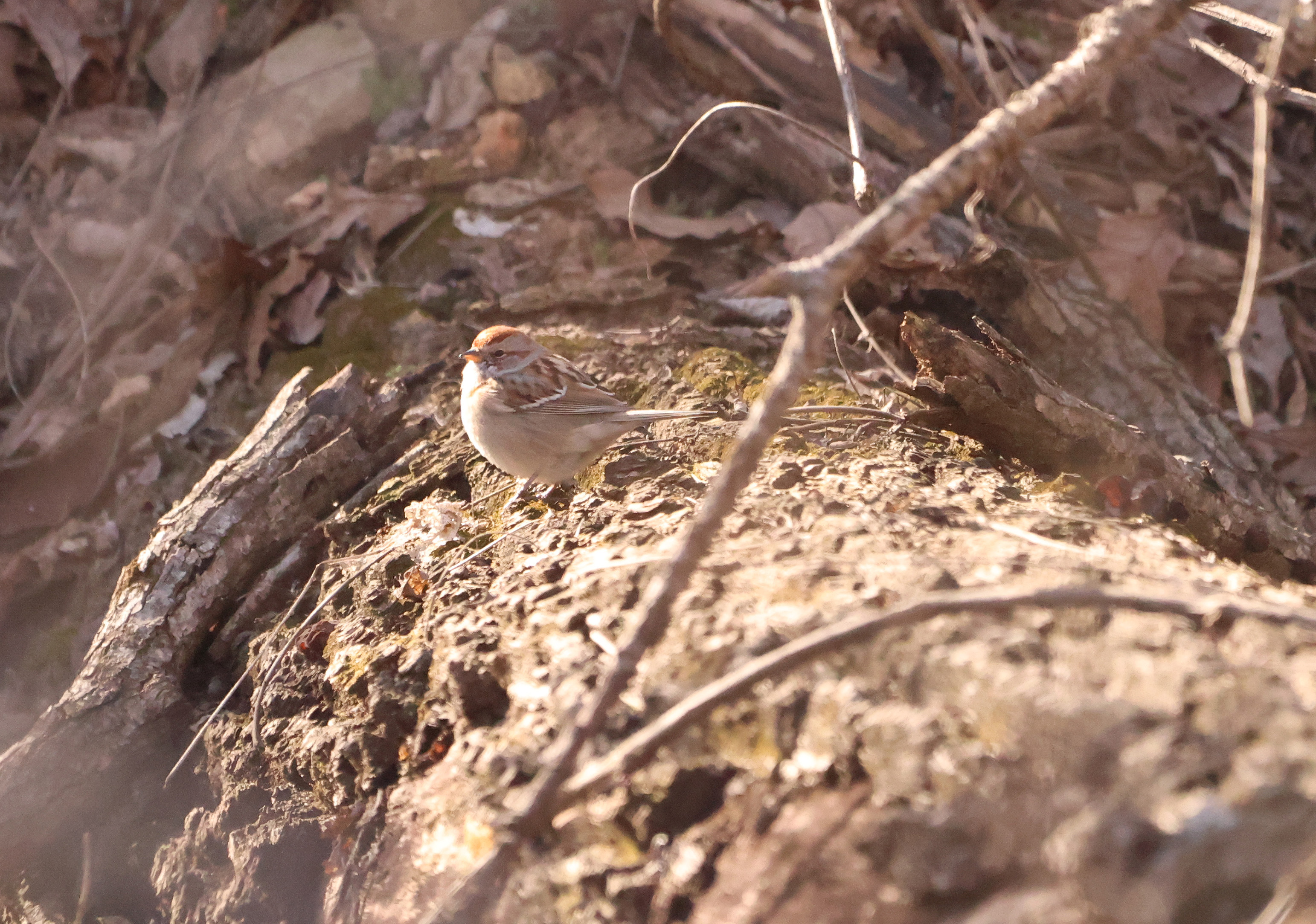
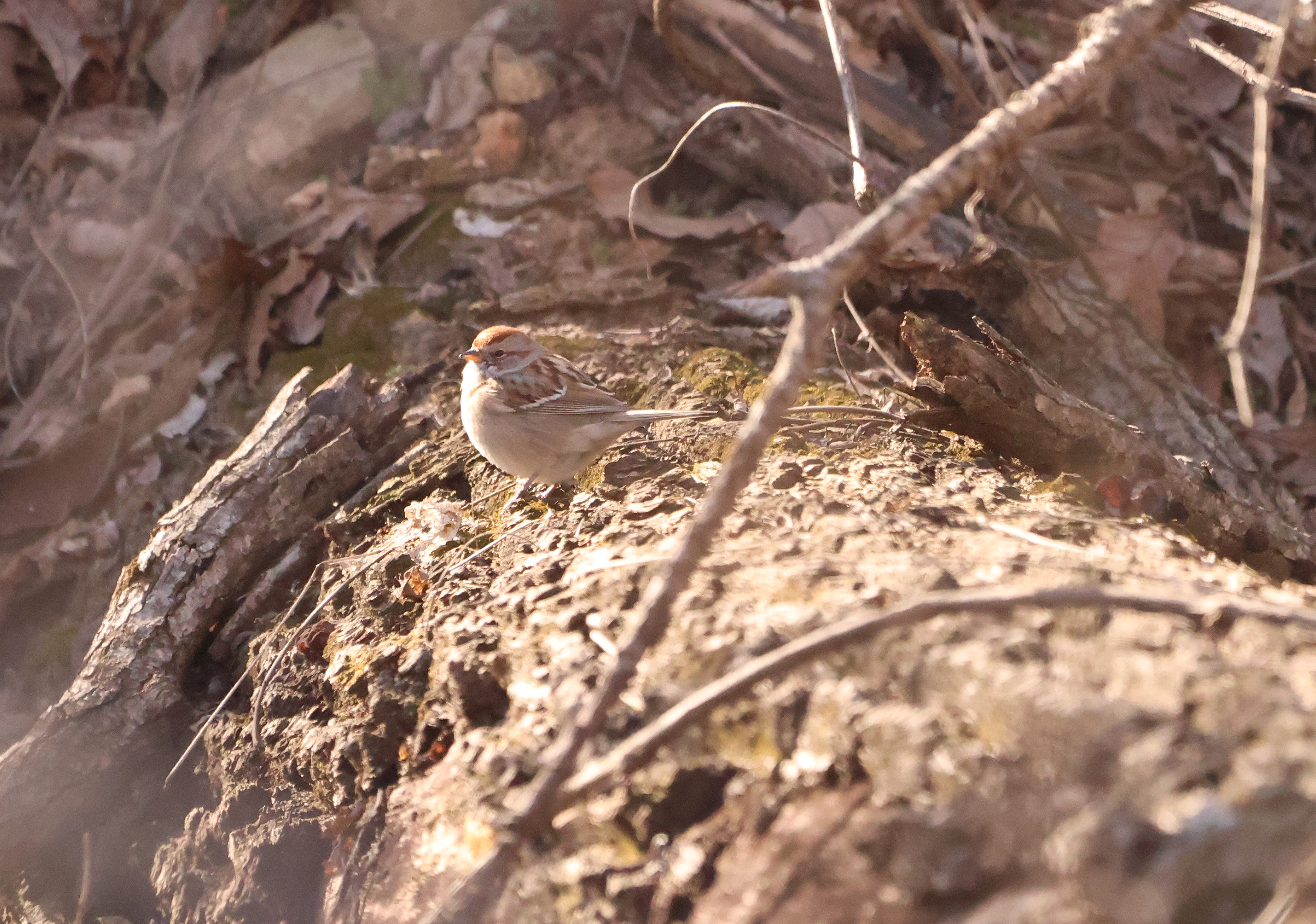
While in Northwest Arkansas on Tuesday, I decided to search for American Tree Sparrows. These small sparrows have gray faces with rusty caps and eyeline marks along with a bicolored bill.
While found each year in Arkansas, the American Tree Sparrow is not a common sparrow you find just anywhere within the state. Their population is in steep decline. It took us a bit, but we eventually ran across four of these sparrows as they steadily made their way through a brushy area. One neat fact I learned through All About Birds is the American Tree Sparrow has to eat 30% of its weight each day.
We found these sparrows – as well as lots of Eastern Bluebirds – at the Healing Springs Natural Area maintained by the Arkansas Natural Heritage Commission since 2020. I wasn’t sure what to expect from the natural area. It is located within the Ozark Highlands of the Springfield Plateau Ecoregion where Oak-hickory forests, oak-hickory-pine forests and, before the 19th century, savanna or tall grass prairies are common and maintained by fire. The small entrance to the natural area from the highway is just large enough to park about two vehicles. A locked gate and fence keeps people from driving into the natural area, which at first sight, contains several large fields that are being restored to native grassland and woodland habitat.
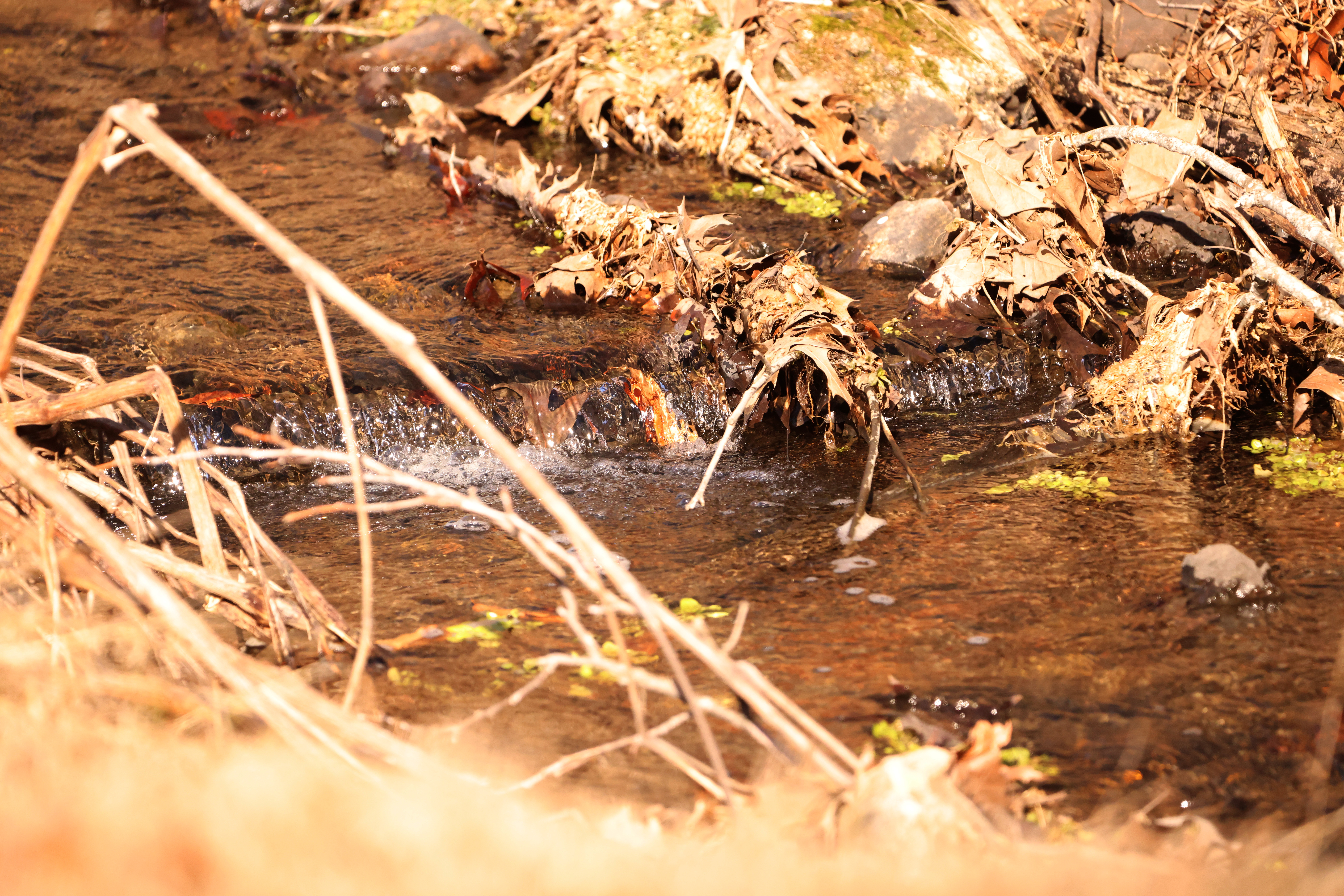
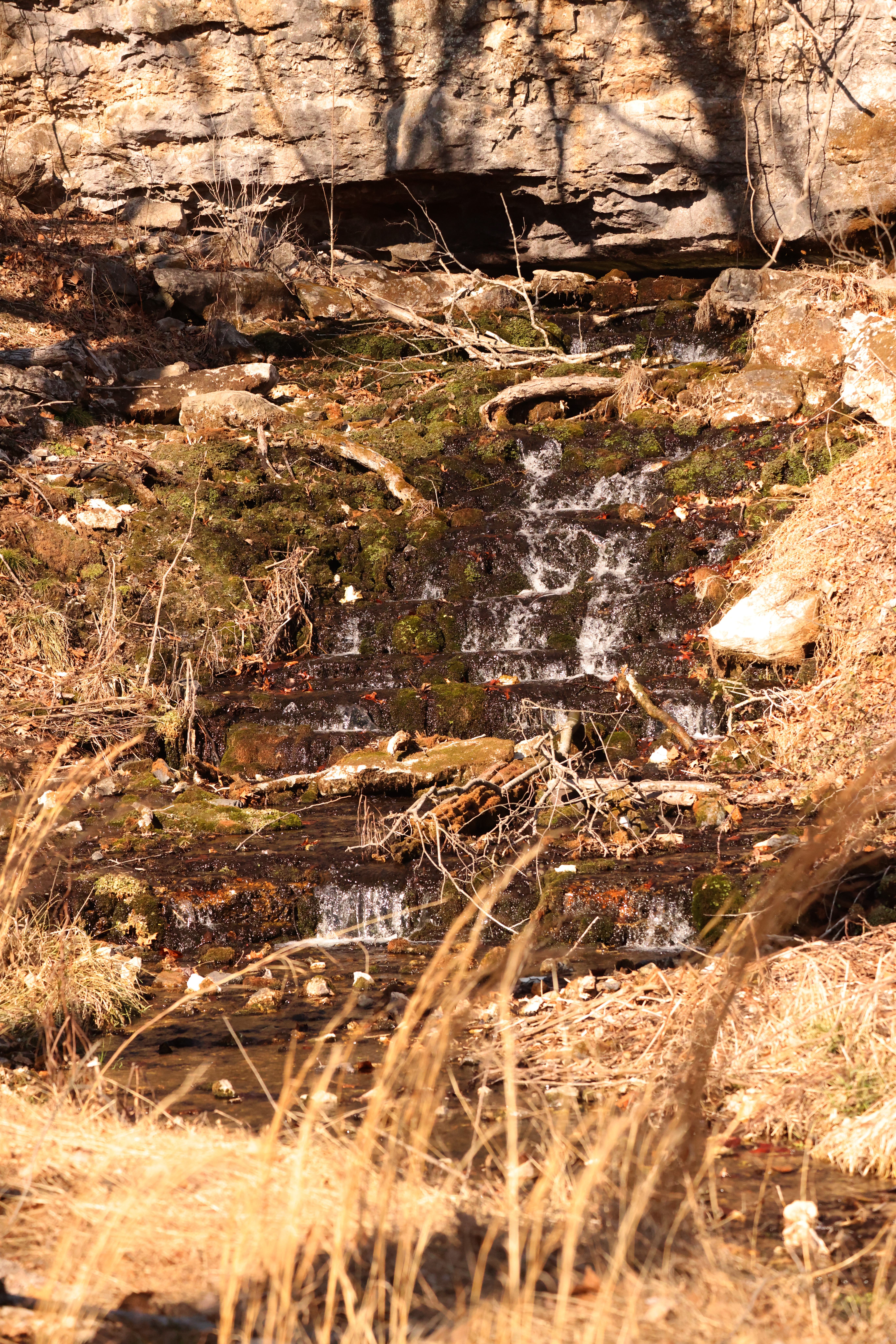
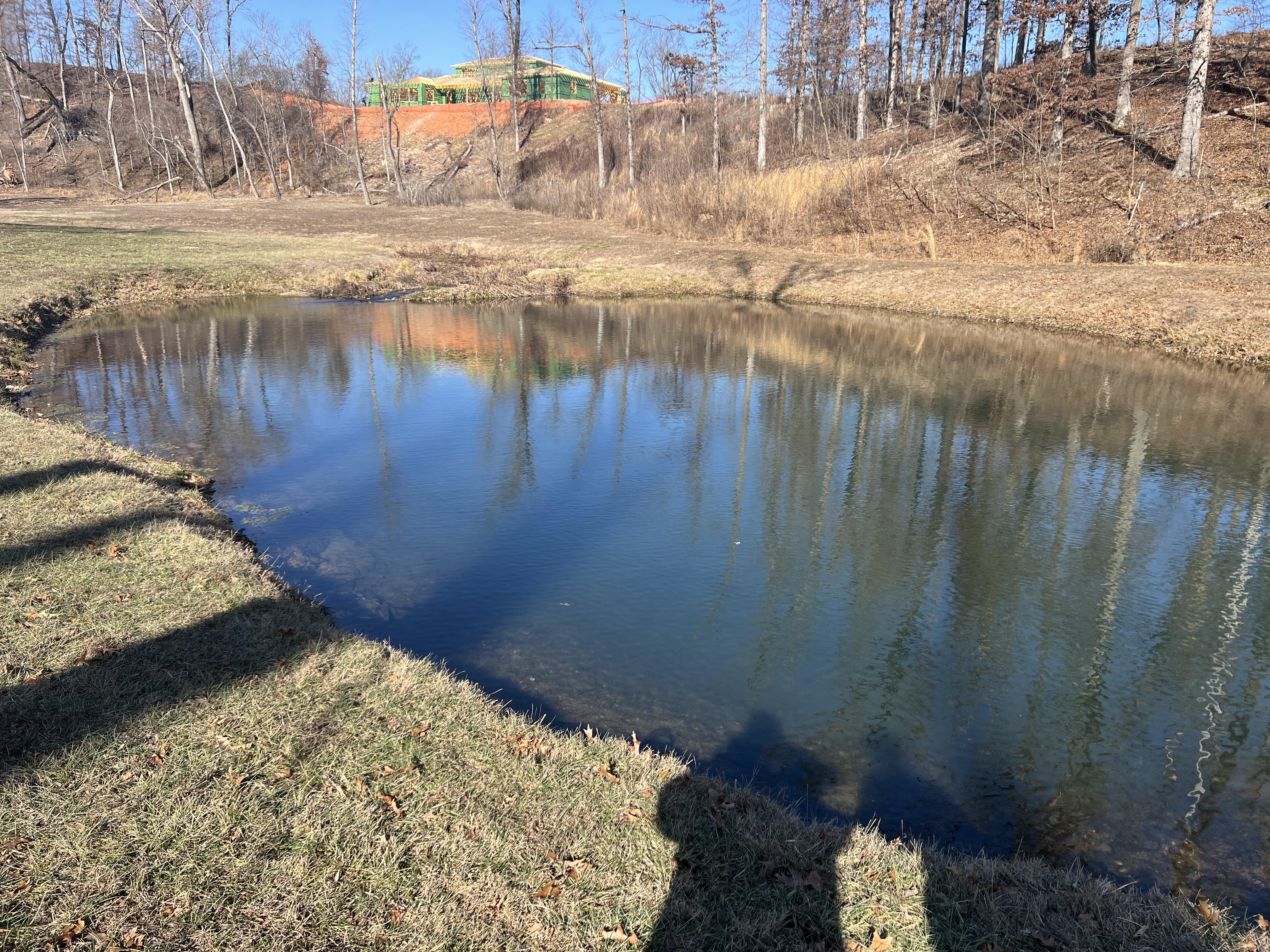
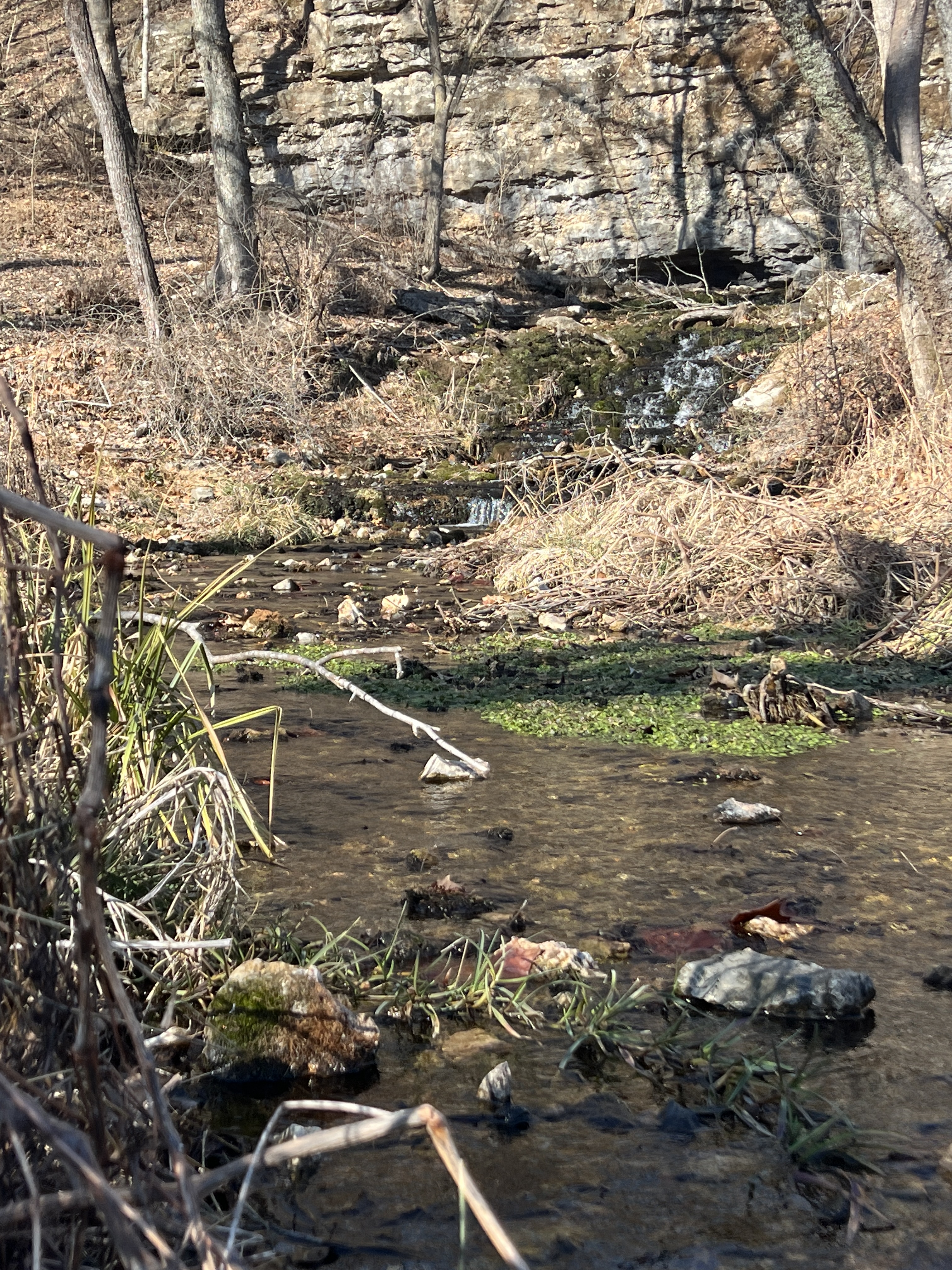
The natural area consists of several large fields separated by high fences with no gates so you can wander for nearly a mile to the springs and spring-fed streams at the back of the property. These springs and spring-fed streams support several fish and crayfish species of conservation concern, including the Arkansas Darter and Least Darter. Both are very rare to Arkansas and require a specific habitat type that is disappearing.
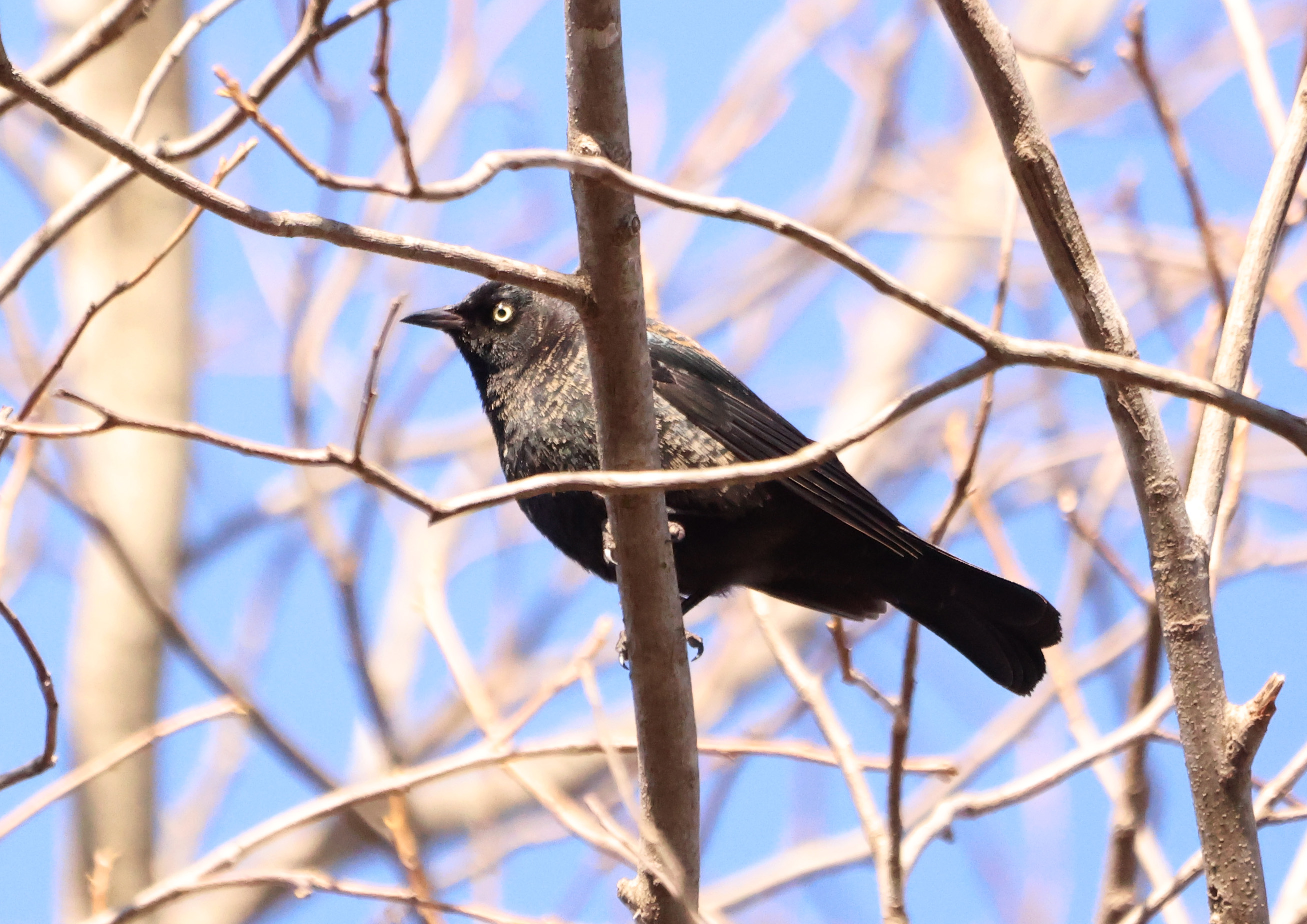
We couldn’t find a map of the property so we initially walked a wooded path the width of the natural area, before traveling further back into the natural area in search of the springs. We weren’t too impressed with the place until we got further back into the area where we began seeing white-tailed deer and an abundance of birds, including our target bird – the American Tree Sparrow. One surprise was the rusty blackbirds discovered in a tree near water.
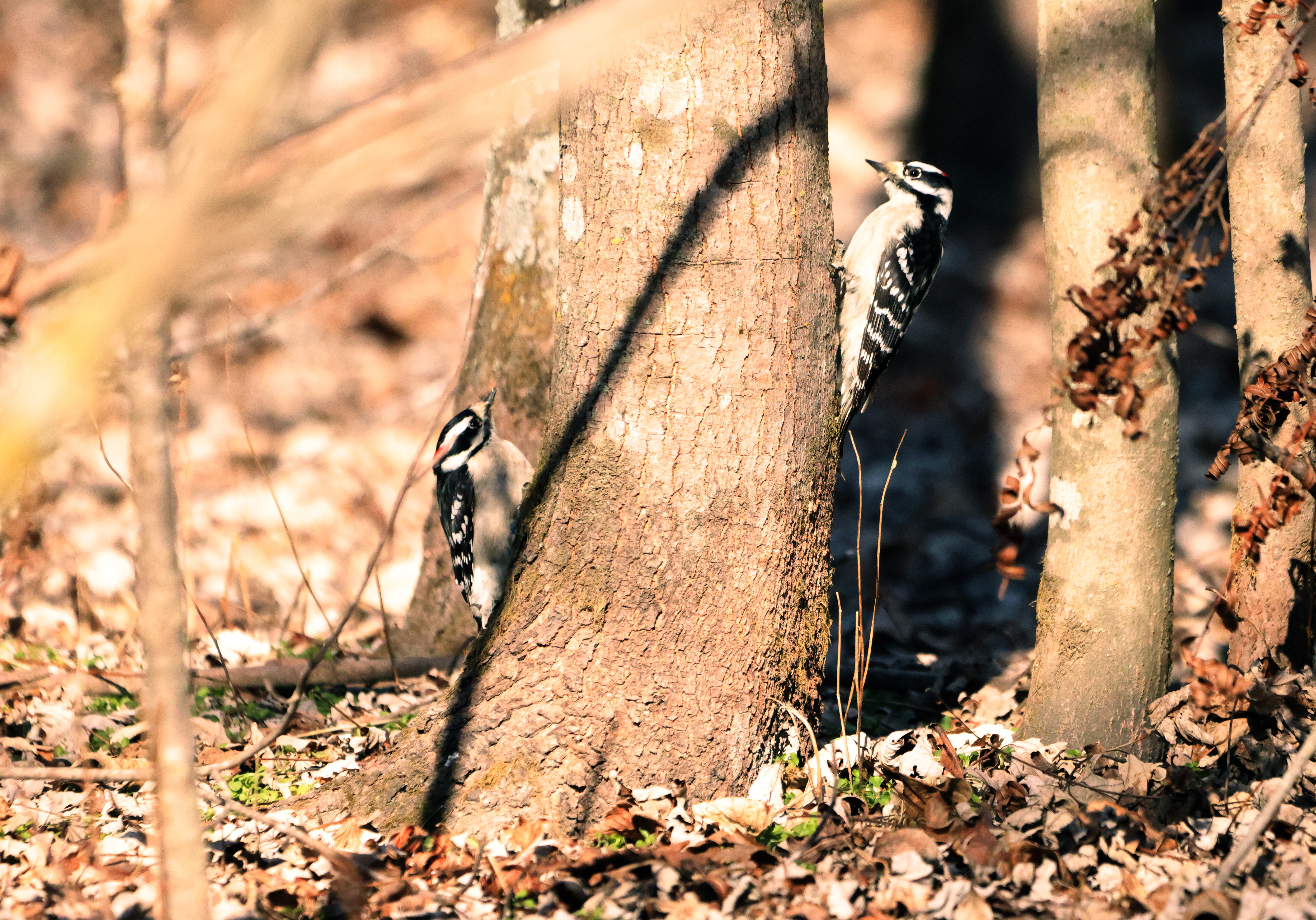
American Tree SparrowDowny WoodpeckerEastern BluebirdGolden-crowned KingletHairy WoodpeckerRusty Blackbird
I previously worked as a news and sports photographer. Recently I have been enjoying wildlife photography. My approach toward bird photos is similar to sports photography. I attempt to capture mostly action and hopefully a unique perspective.




 Memos for Me