I came across this burning tree during a recent visit to Wapanocca National Wildlife Refuge. The tree, found in a swampy area alongside the road, was likely struck by lightening.
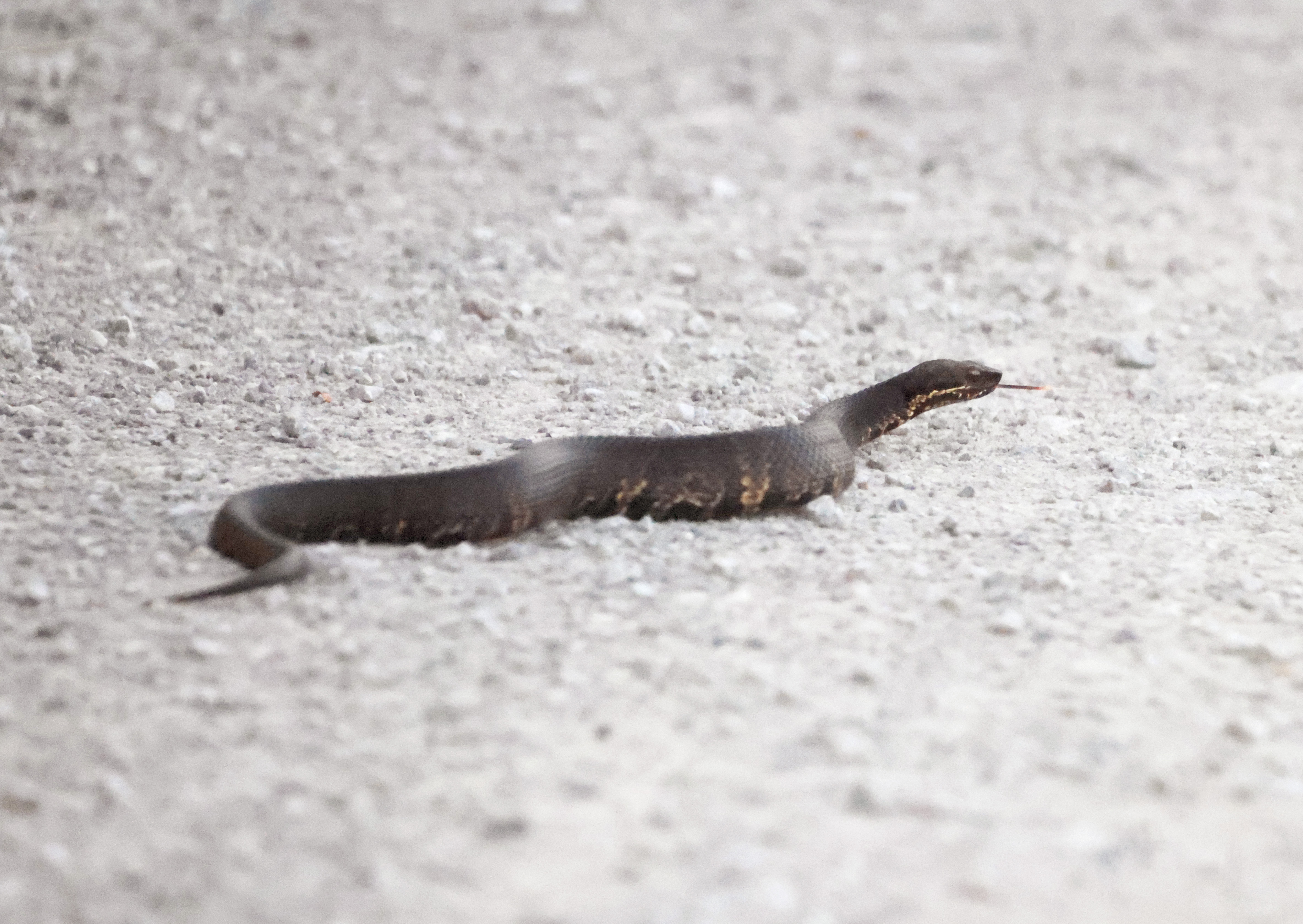
It was my first visit to Wapanocca in over a year. Here’s some of my more interesting non-bird finds:
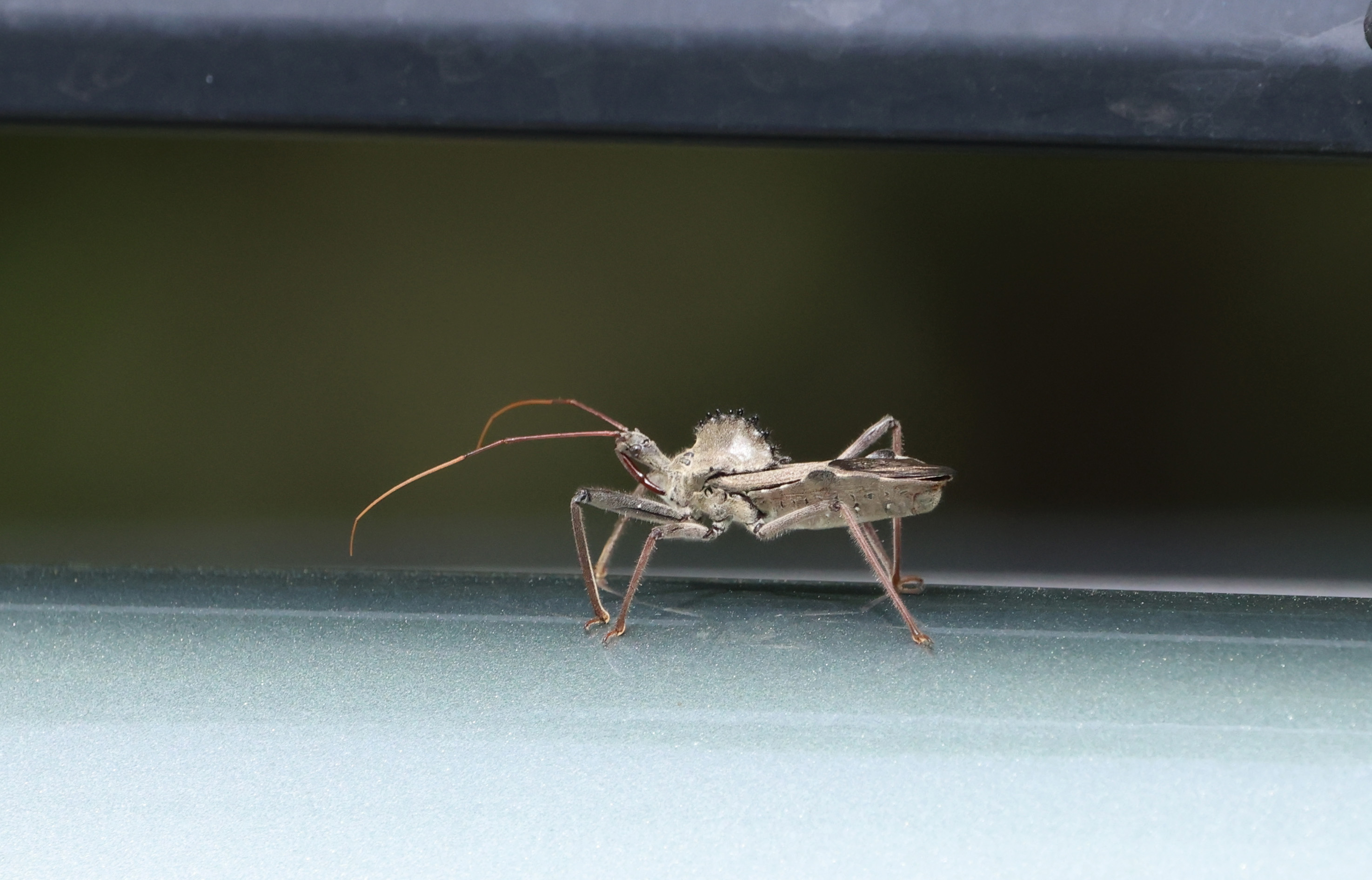
Eastern Musk TurtleNorth American Wheel Bug
While heading home, we found these worms/caterpillars crossing the road from one field to another. I’m still trying to figure out what they are.
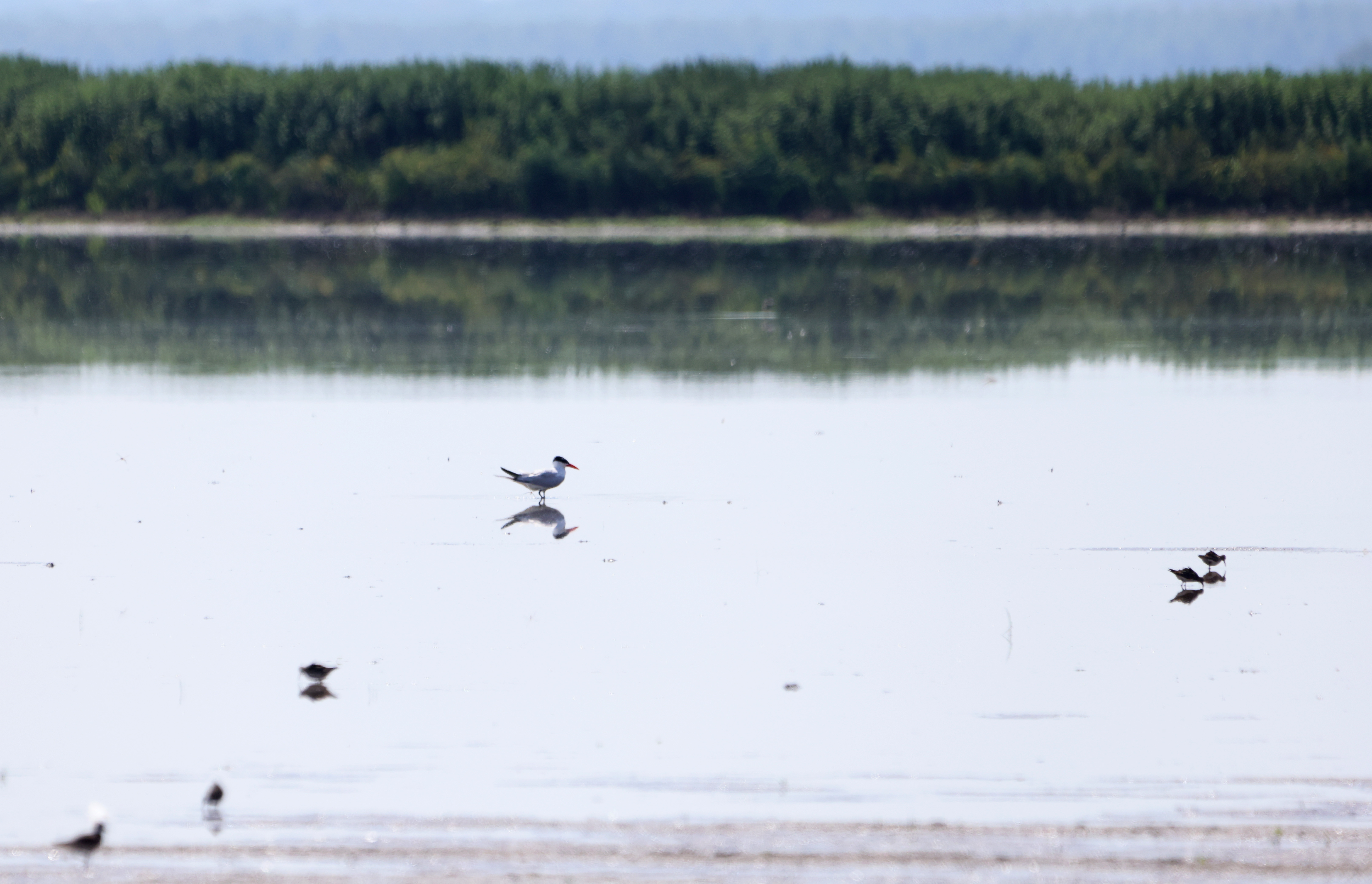
The Caspian Tern is the largest tern in the world, yet I almost missed the one pictured above that was standing in the middle of a field yesterday at the Bald Knob National Wildlife Refuge. Caspian Terns migrate through Arkansas yet sighting don’t happen every day. eBird reports they are “widespread but typically uncommon.” According to AllAboutBirds.org, the species is listed as endangered, threatened or special concern in several U.S. states. Partners in Flight estimates a global breeding population of 530,000 and rates the species a 10 out of 20 on the Continental Concern Score, indicating a species of low conservation concern. In Arkansas, eBird has 710 reports of Caspian Tern sightings over the years.
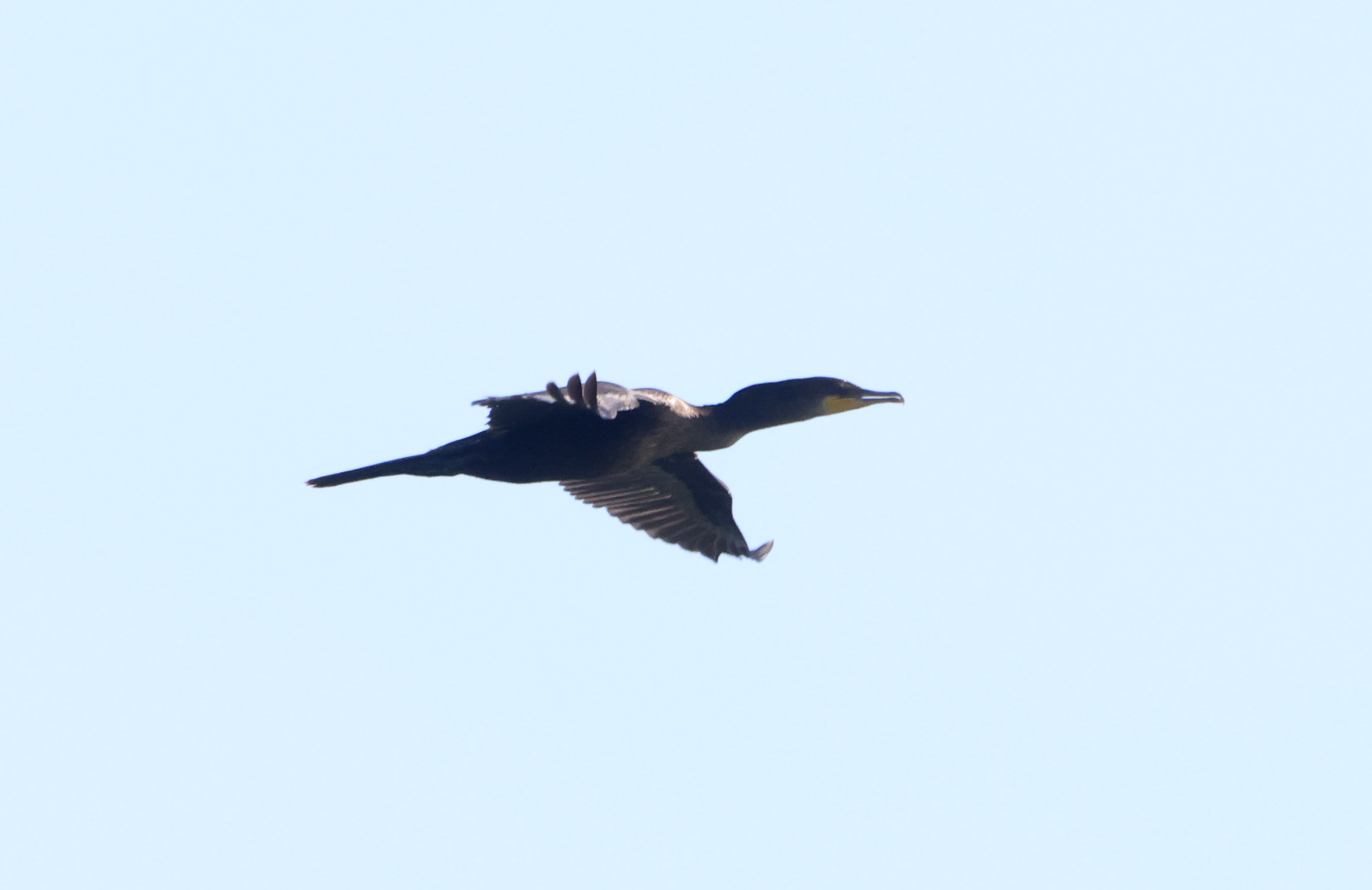
On Saturday, I joined friends to visit a fellow birder’s private land in Southeast Arkansas for a fun birding trip. I hoped to add to my life list and the trip didn’t disappoint. I finally got a great look at several Neotropic Cormorants.
Neotropic Cormorants look similar to the Double-crested Cormorant, but is smaller and longer-tailed. It’s often found in southern United States, the Caribbean and Latin America. After getting confirmation of the bird, I actually think I’ve seen it before but misidentified it.
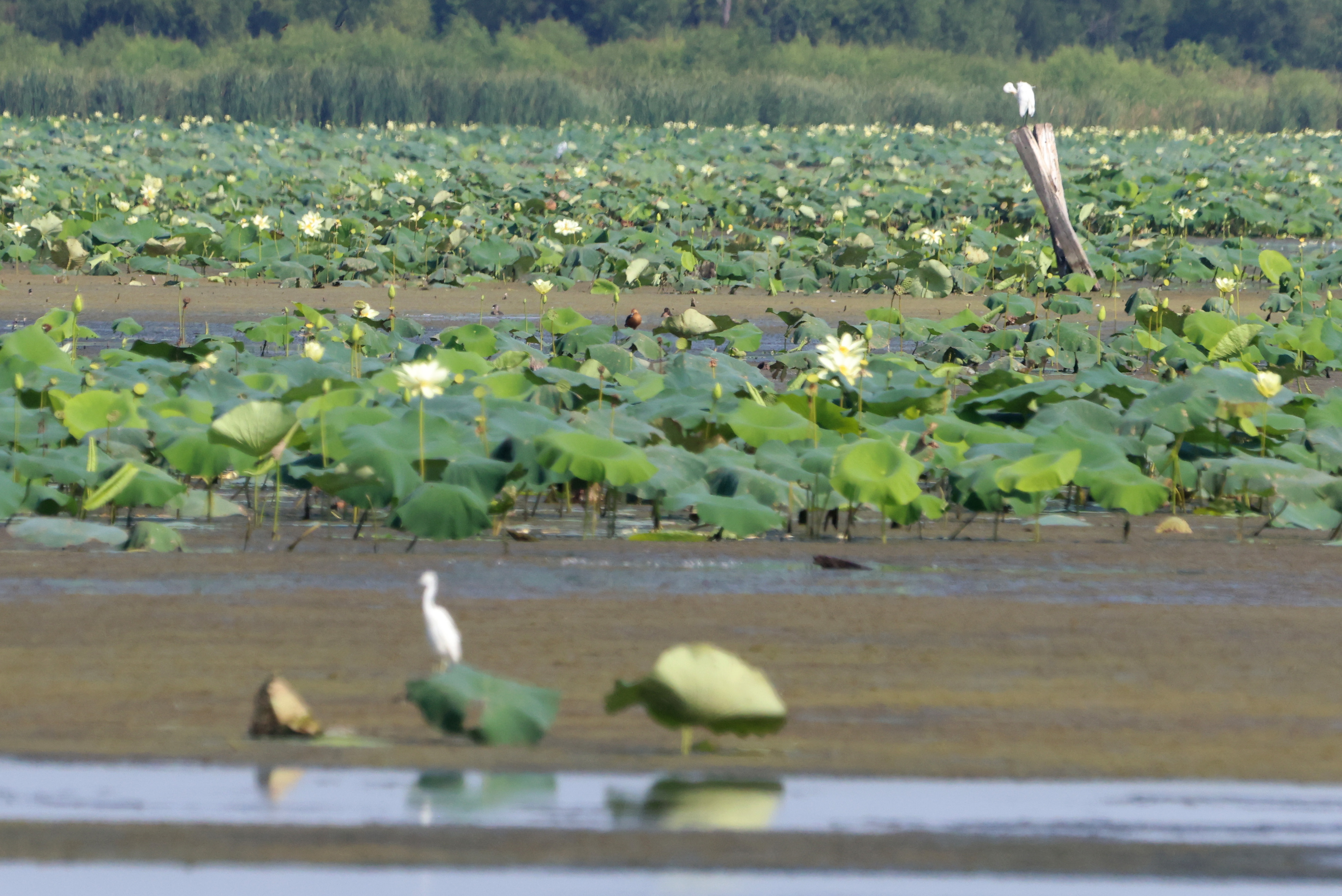
We spent just over an hour looking out over a marsh filled with Lilly pads and birds. Here’s a few other species we saw:
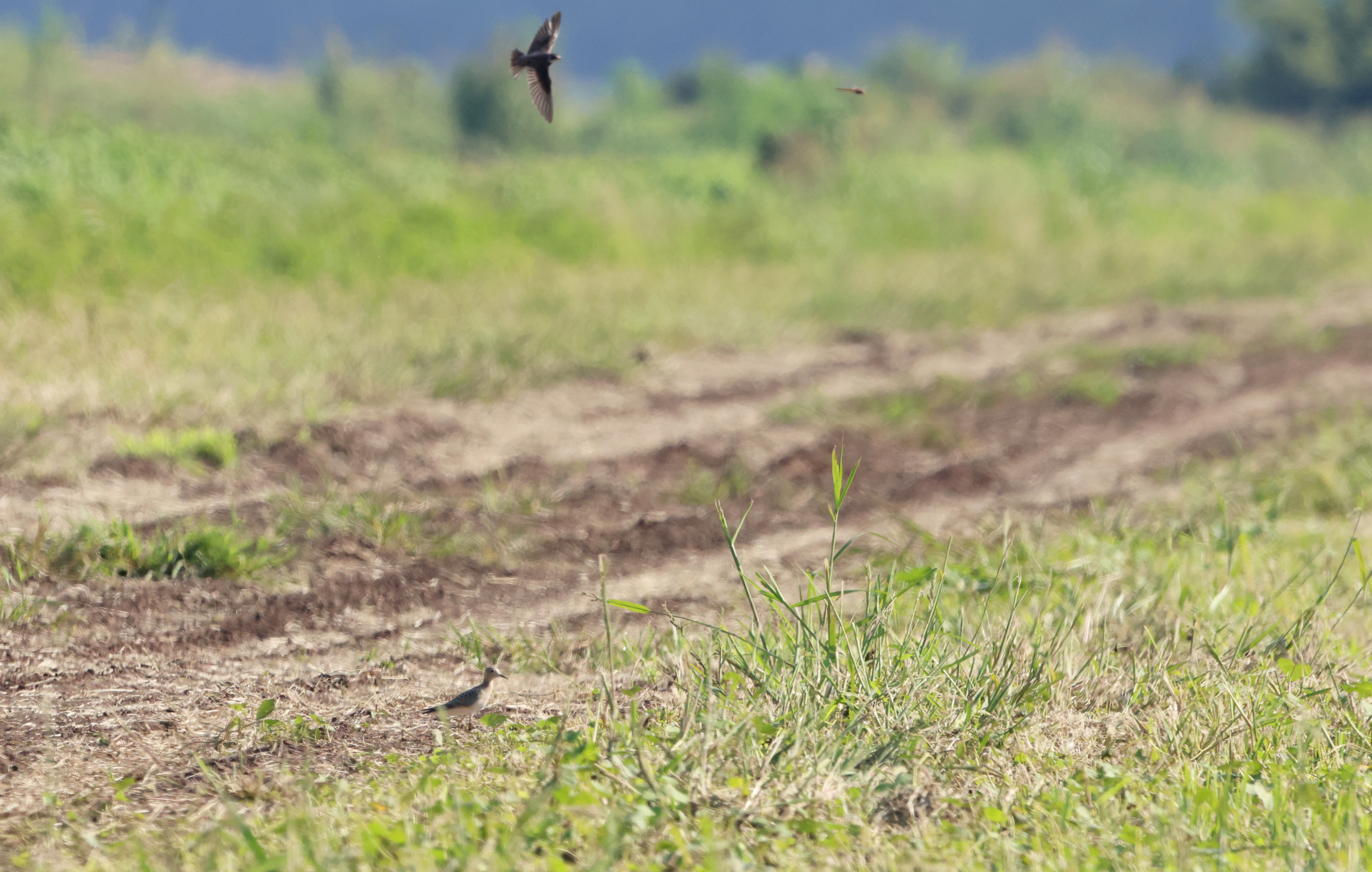
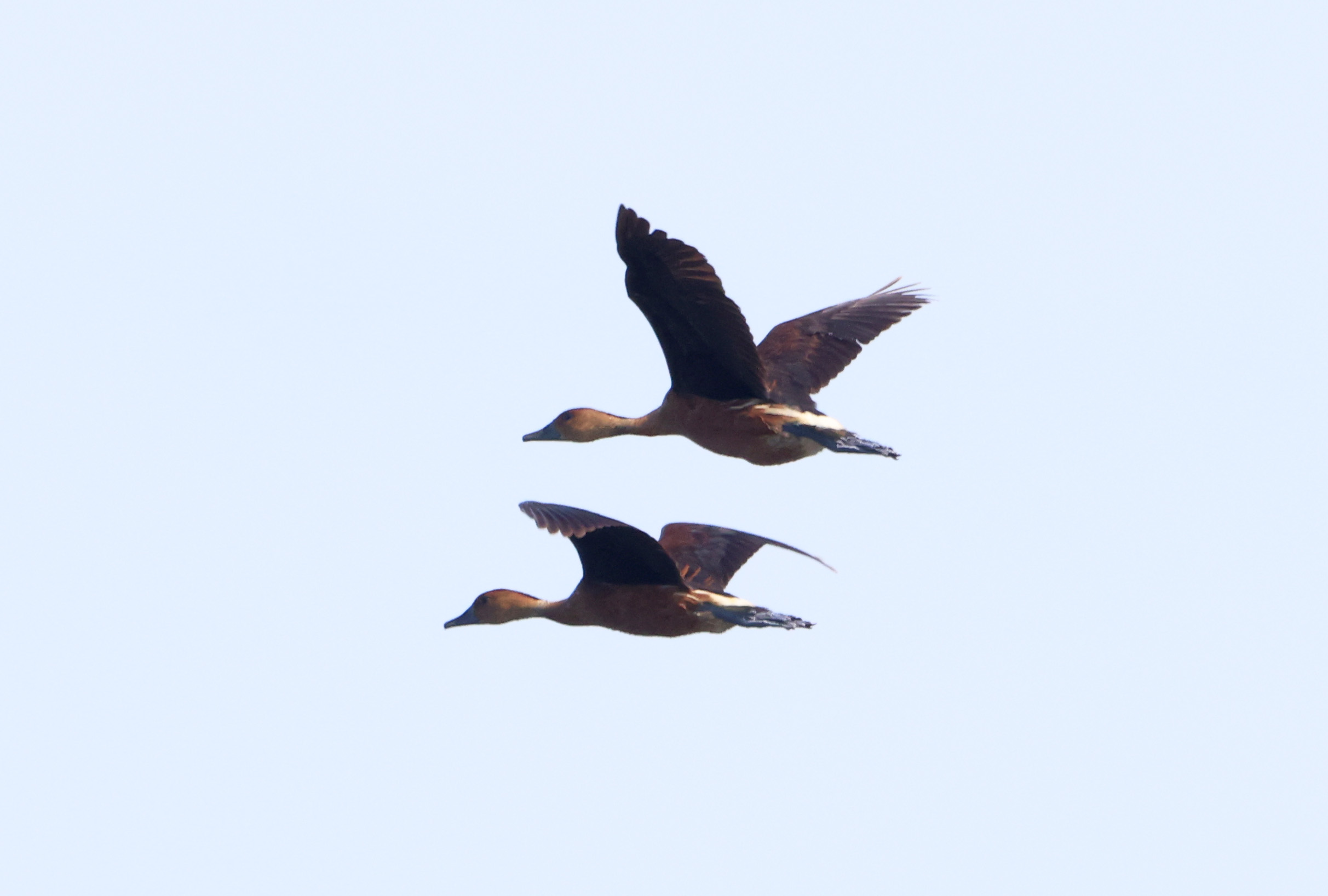
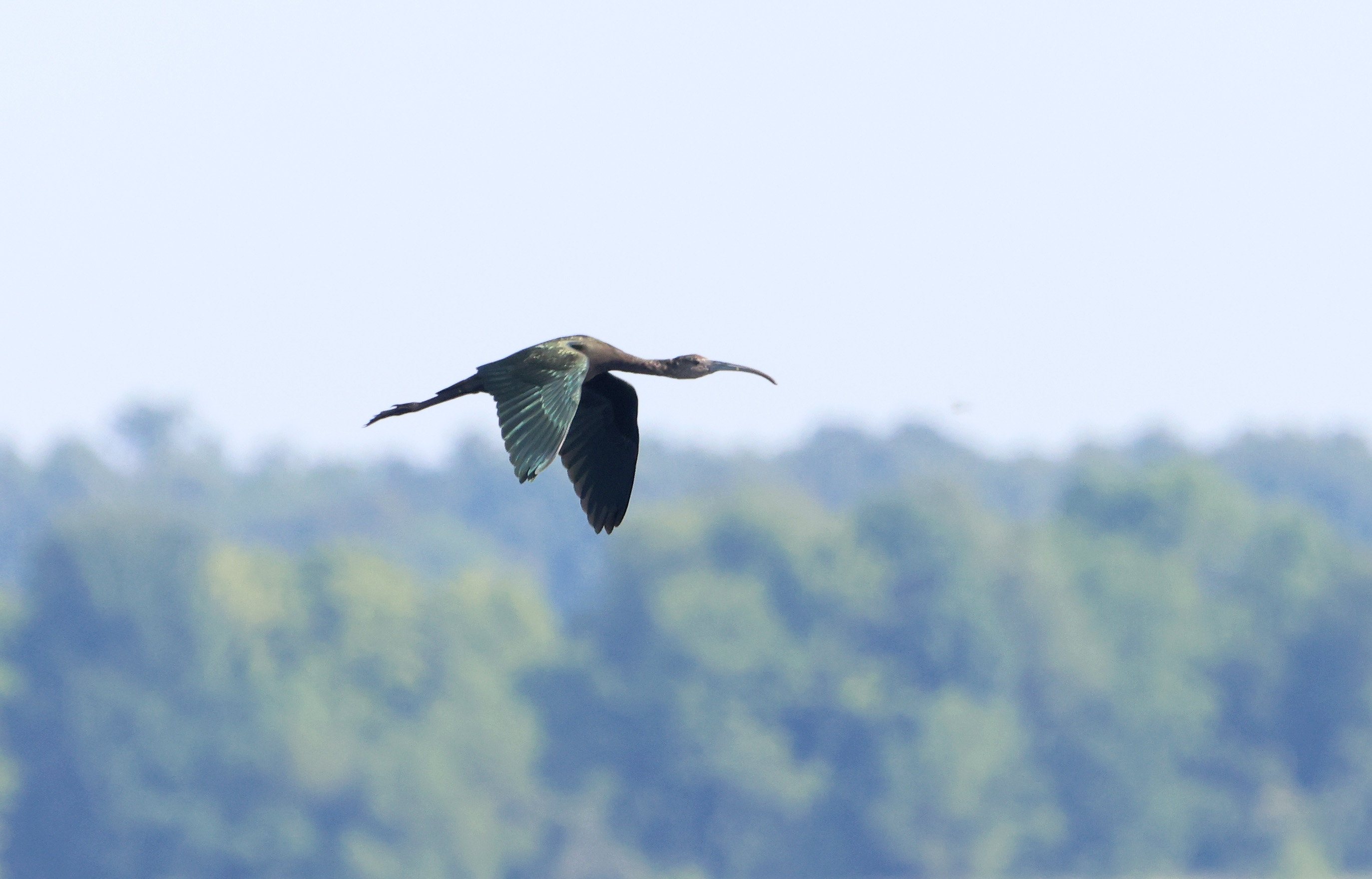
Bank Swallow, Buff-breasted SandpiperBlack-bellied Whistling DuckBlue-winged TealBuff-breasted SandpiperFulvous Whistling-DuckIbisPied-billed Grebe
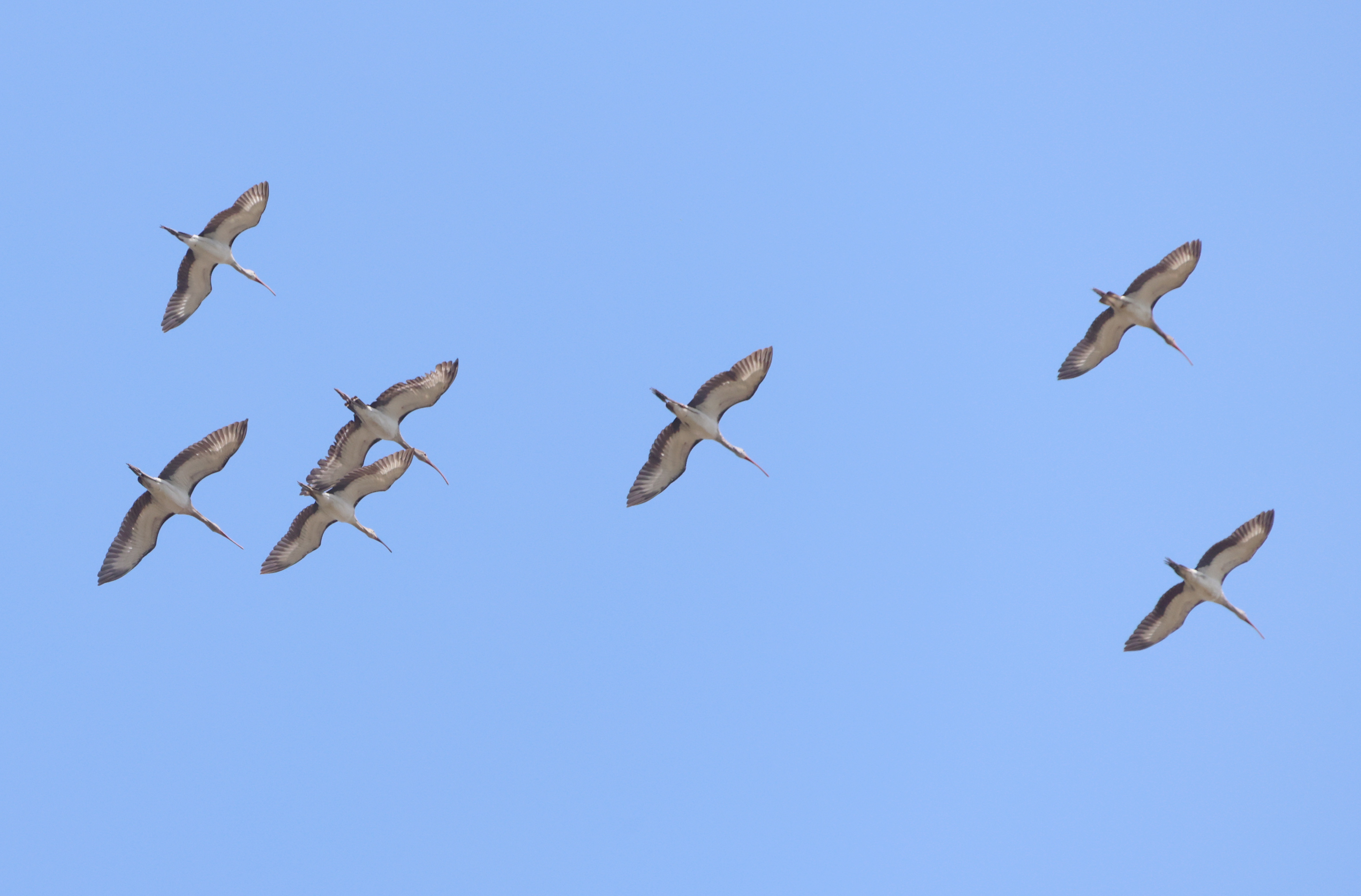
It was a fun but, it was hot and with few new birds spotted, we decided to move on. We drove along the levee by the Mississippi River to the McCallie Access in Desha County. We spotted 27 bird species including a Least Tern diving for food. We also got better looks of White Ibis flying overhead. That’s always a welcome sight.
We ended the day at Freddie Black Choctaw Island WMA Deer Research Area East Unit. It was here we finally heard then saw two Alder Flycatchers calling to each other – a first for me. Alder Flycatchers are heard to distinguish from other flycatchers. You need to hear their call as well to make the identification, which also throws me off. They migrate through Arkansas, and thrive in open settings such as bogs and beaver ponds, according to All About Birds.
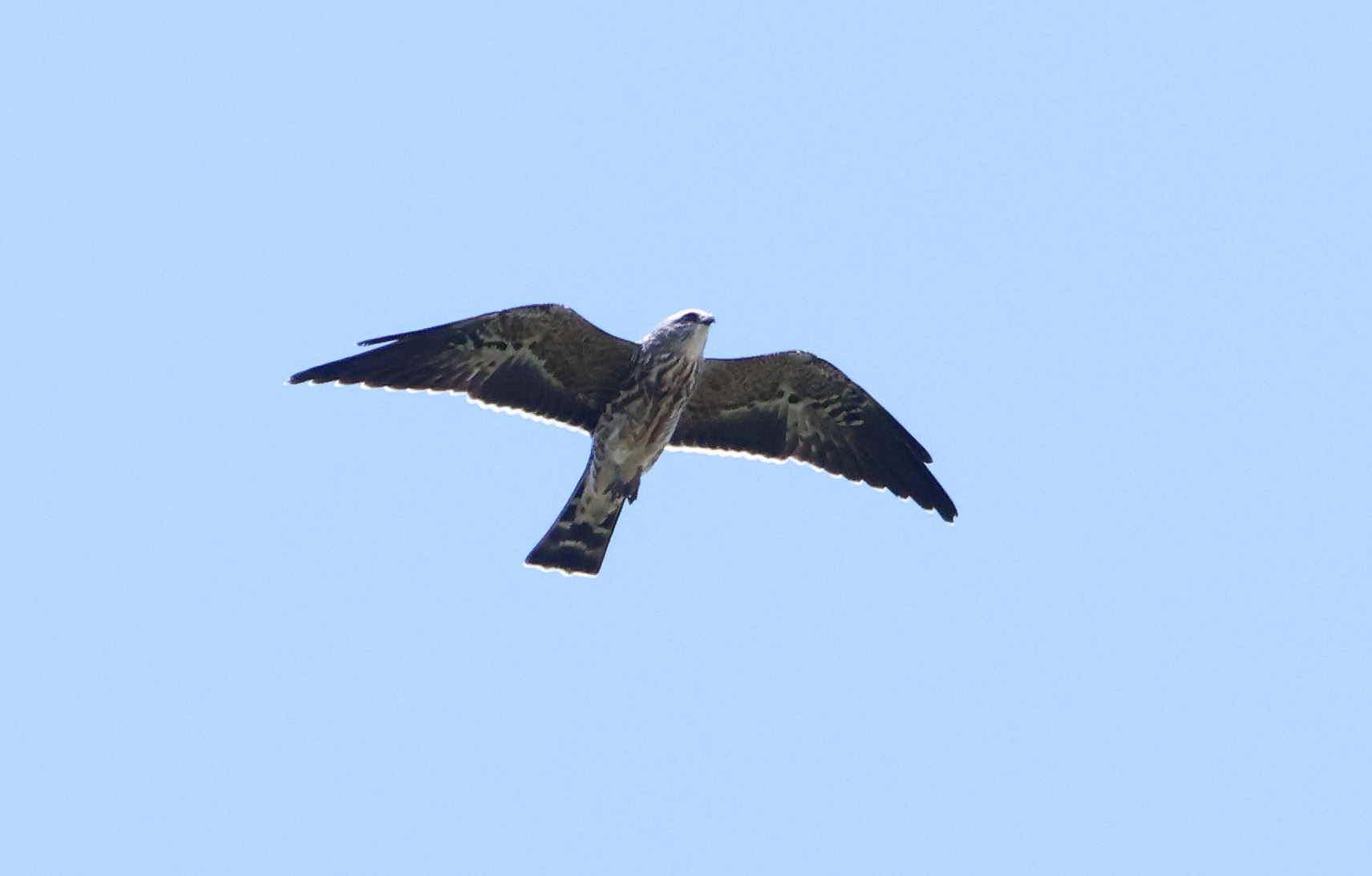
We also saw plenty of Mississippi Kites, which never gets old.
Alder FlycatcherMississippi Kite
To top off the day, we passed an immature Yellow-crowned Night-Heron as we headed home.
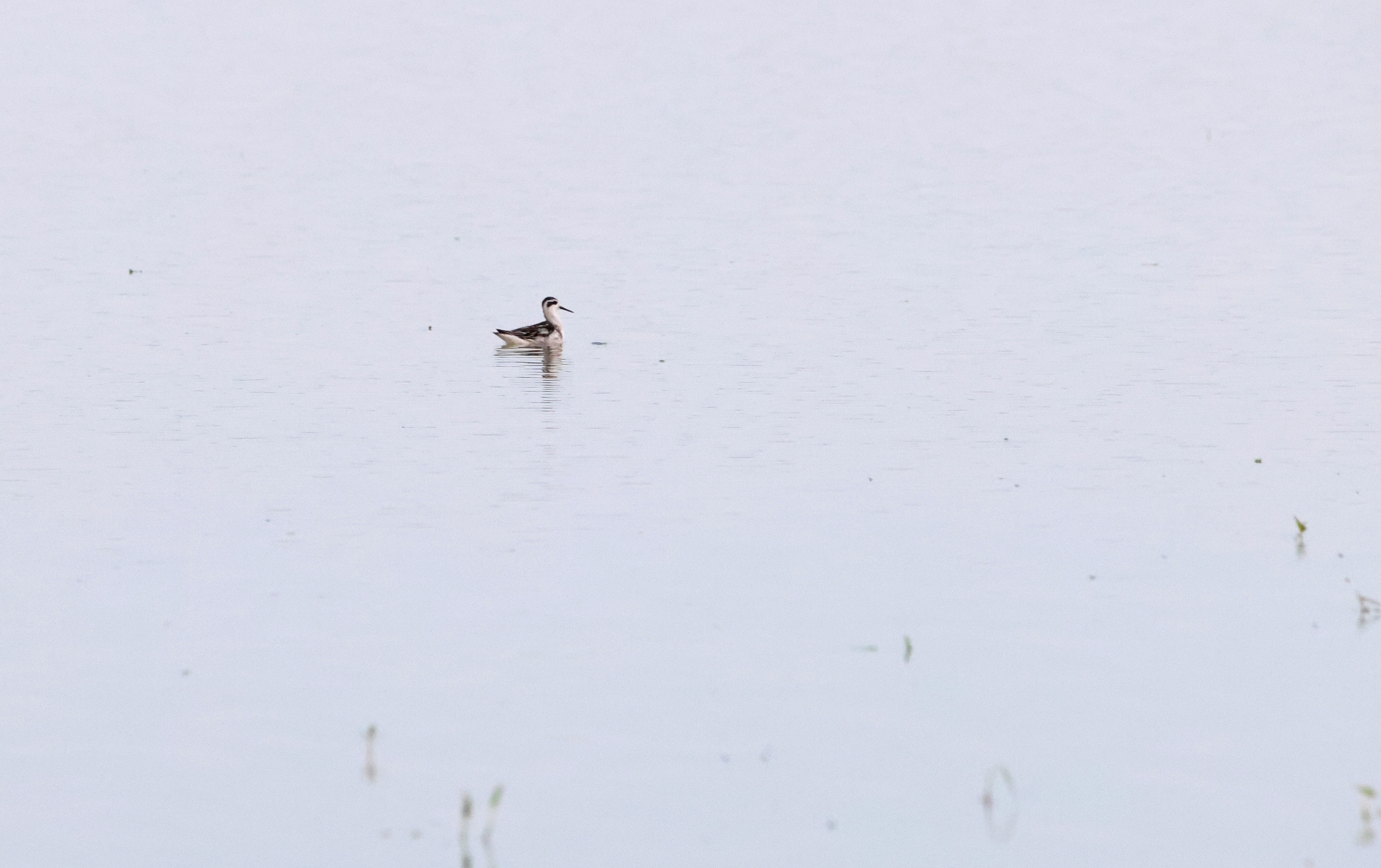
I photographed my first Red-necked Phalarope on Thursday at Bald Knob National Wildlife Refuge. This one was a non breeding adult/immature, which have a white body with a gray/black back. There is a black streak by the eye, and they have a black bill.
This small shorebird is typically found along the coast. According to AllAboutBirds.org, it’s at home on the open ocean and breeds on the Arctic tundra.
There are three types of phalaropes that show up in Arkansas. A more experienced birder explained to me that the Wilson’s Phalarope is the most common – it’s the one I’ve seen multiple times over the years. The Red Phalarope is the most unusual. The third type is the Red-necked Phalarope.
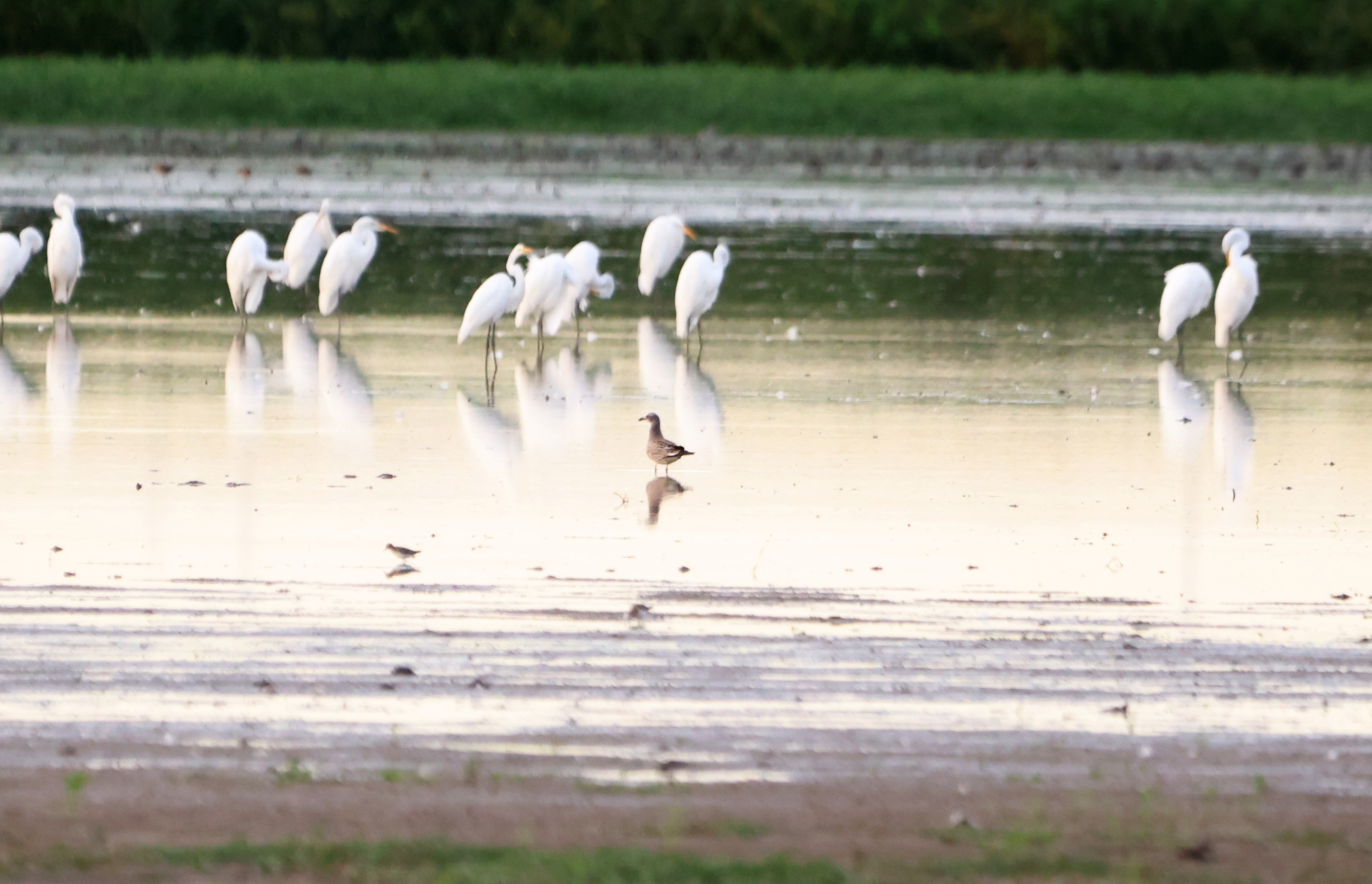
It’s been a busy few days at Bald Knob National Wildlife Refuge with more shorebirds – and other species – slowly starting to filter in. One of those newcomers was the above immature Laughing Gull. Laughing Gulls breed along the coast in eastern United States and migrate along the coast twiner in Central America or northern South America. The medium-sized gull not common in Arkansas.
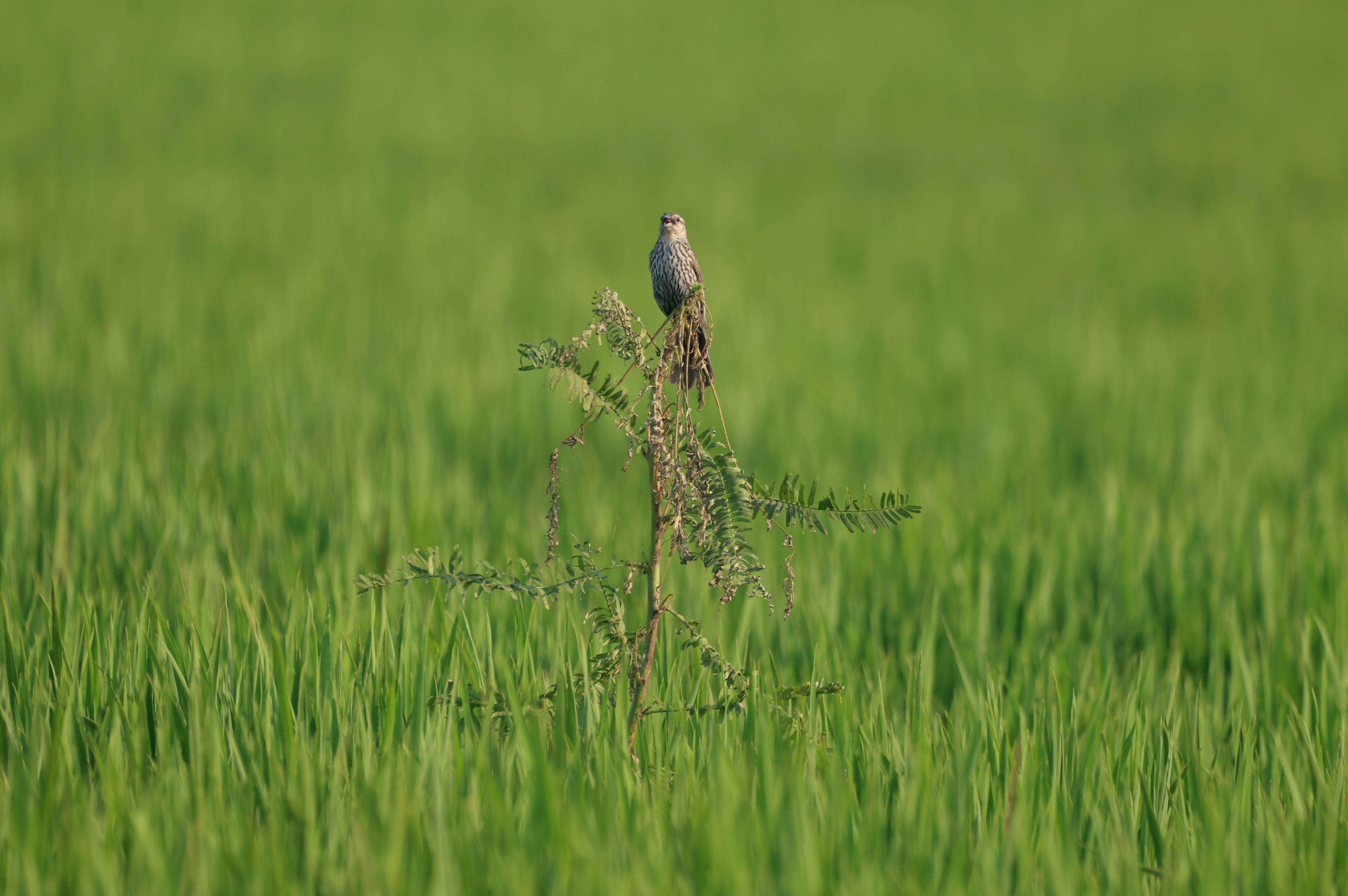
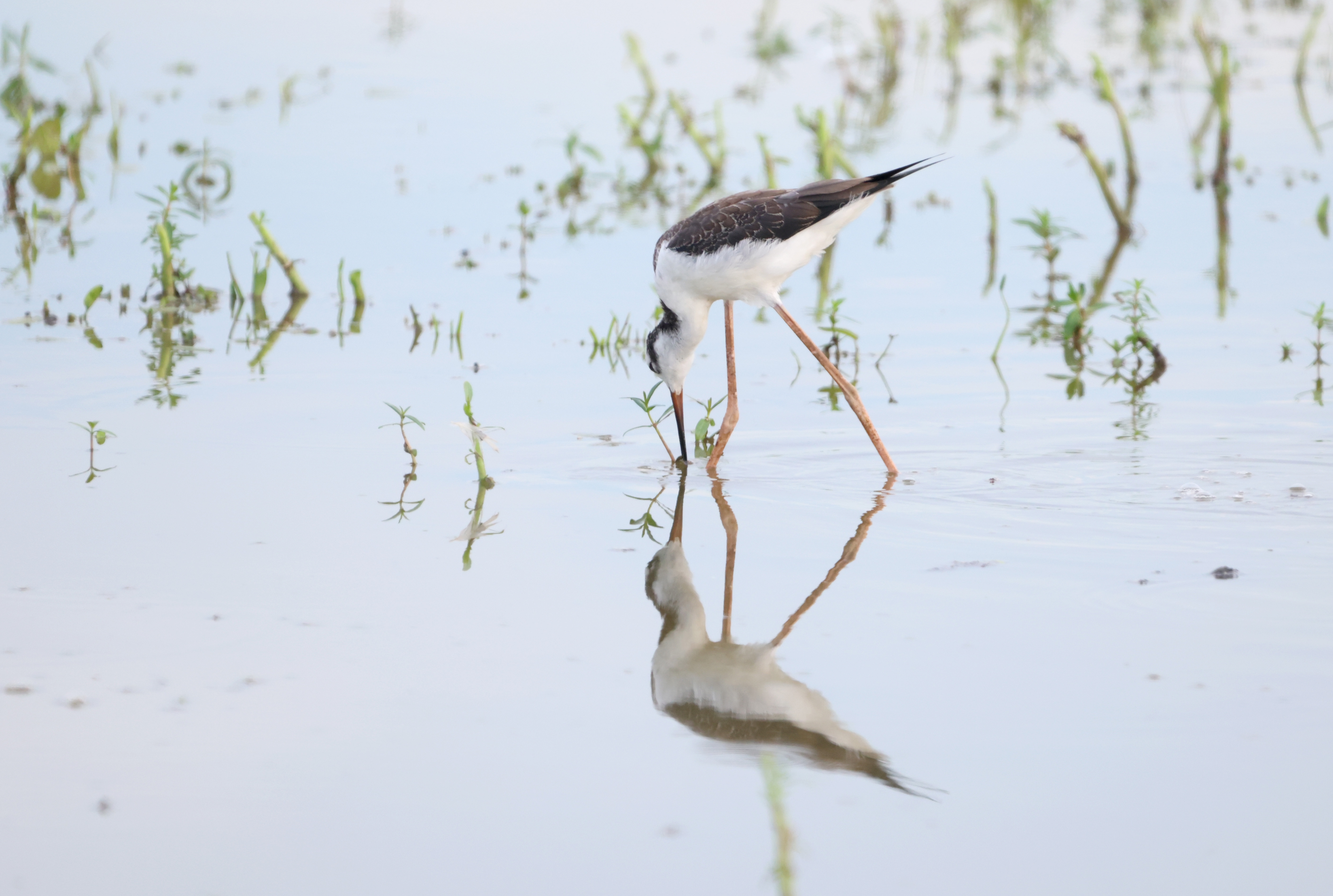
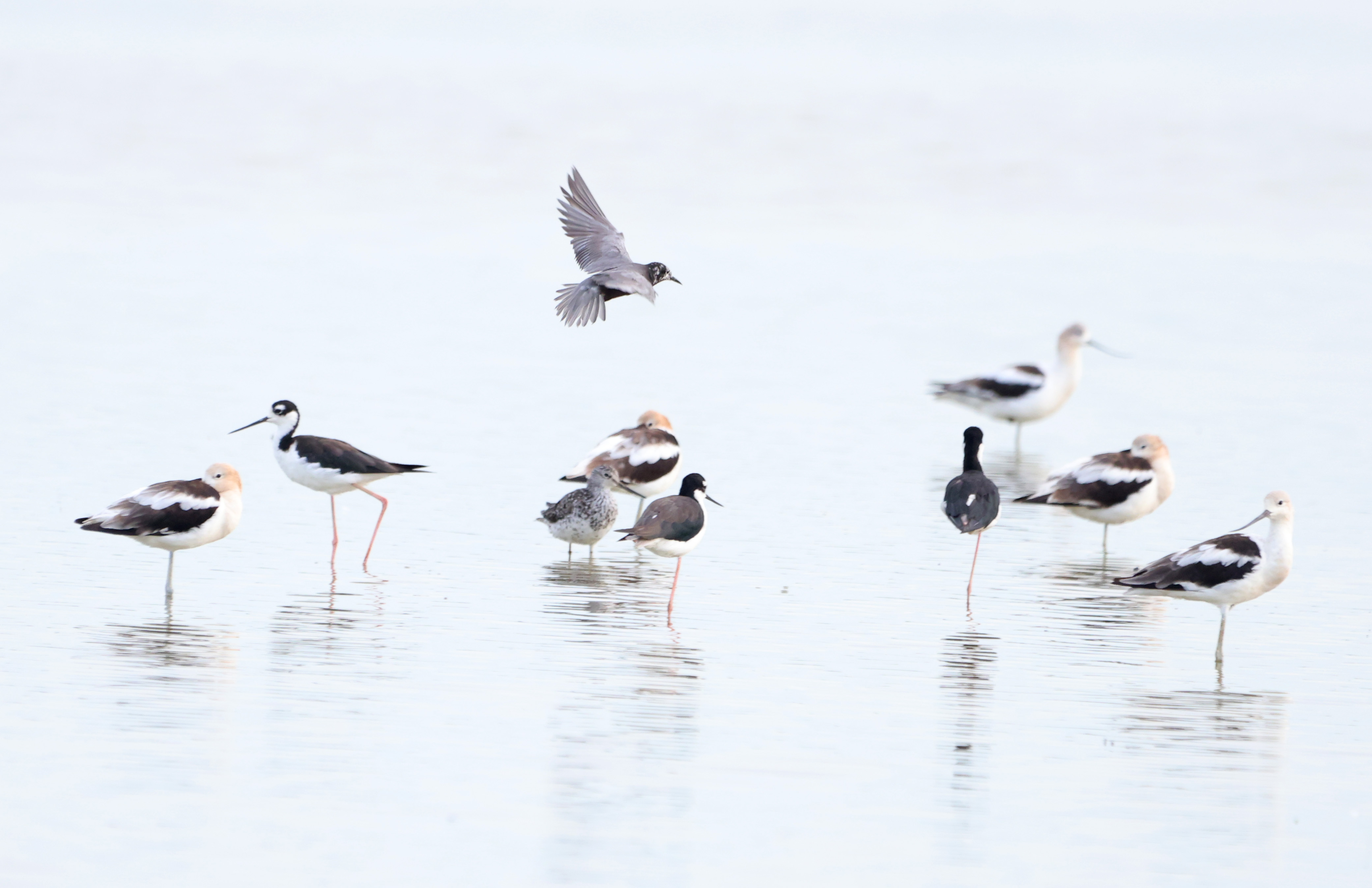
Here are a few other recent sightings at Bald Knob NWR:
I previously worked as a news and sports photographer. Recently I have been enjoying wildlife photography. My approach toward bird photos is similar to sports photography. I attempt to capture mostly action and hopefully a unique perspective.















 Memos for Me