The Struggles to Identify

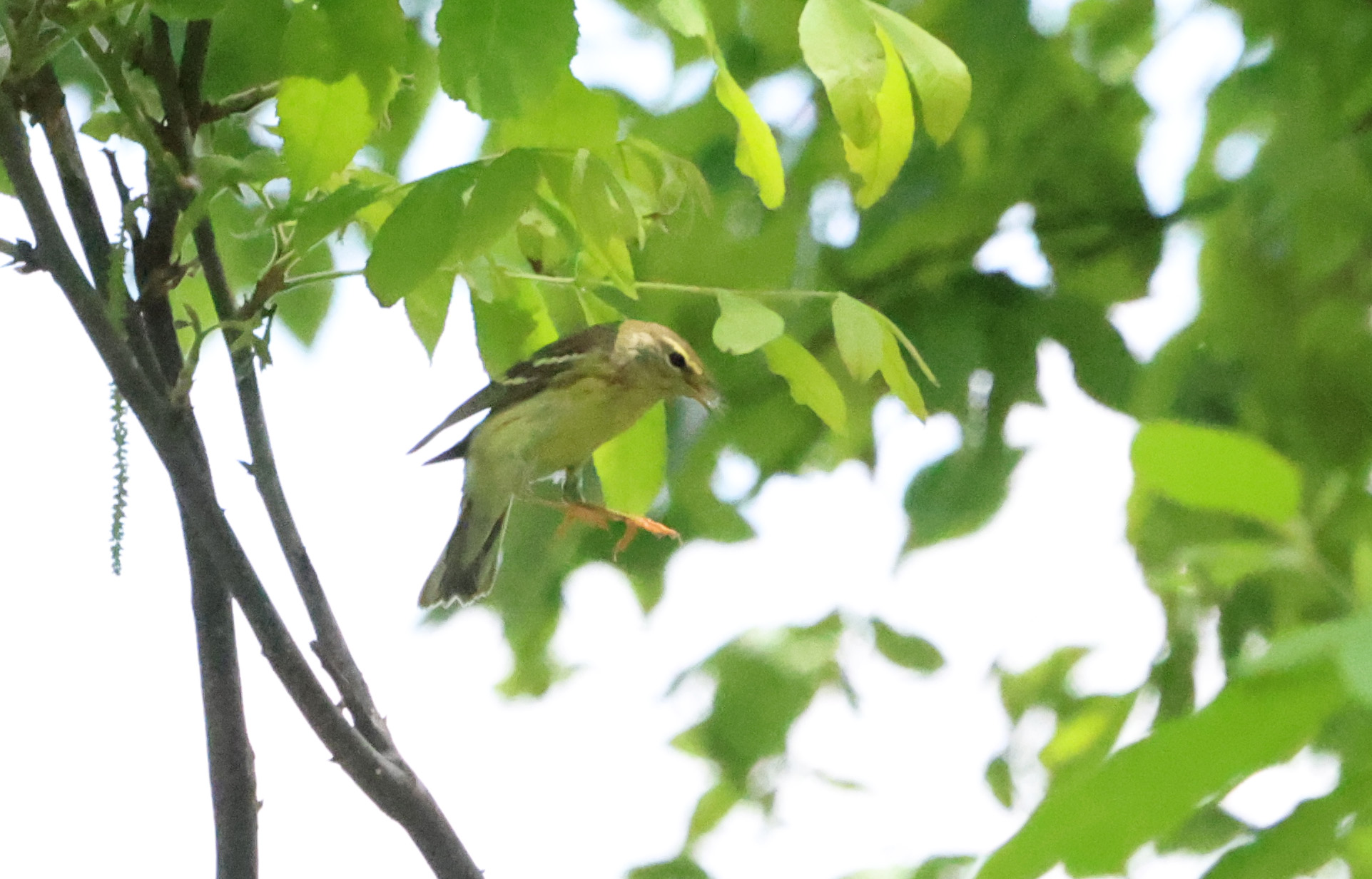
In mid-May, I joined a birding field trip to the David D. Terry Lock and Dam. It was really enjoyable – both in company and birds found. However, I’ve spent the days since trying to figure out the identity of two warblers photographed. I finally broke down and emailed another birder who’s been willing to help me with my identification with needed. While I was correct in identifying the above Bay-breasted Warbler, I learned my other mystery warbler was in fact a Blackpoll. I’m pretty excited to have seen both – especially since it appears I was the only one of the group to have seen them. I snapped the photos while we were looking at some other warblers.

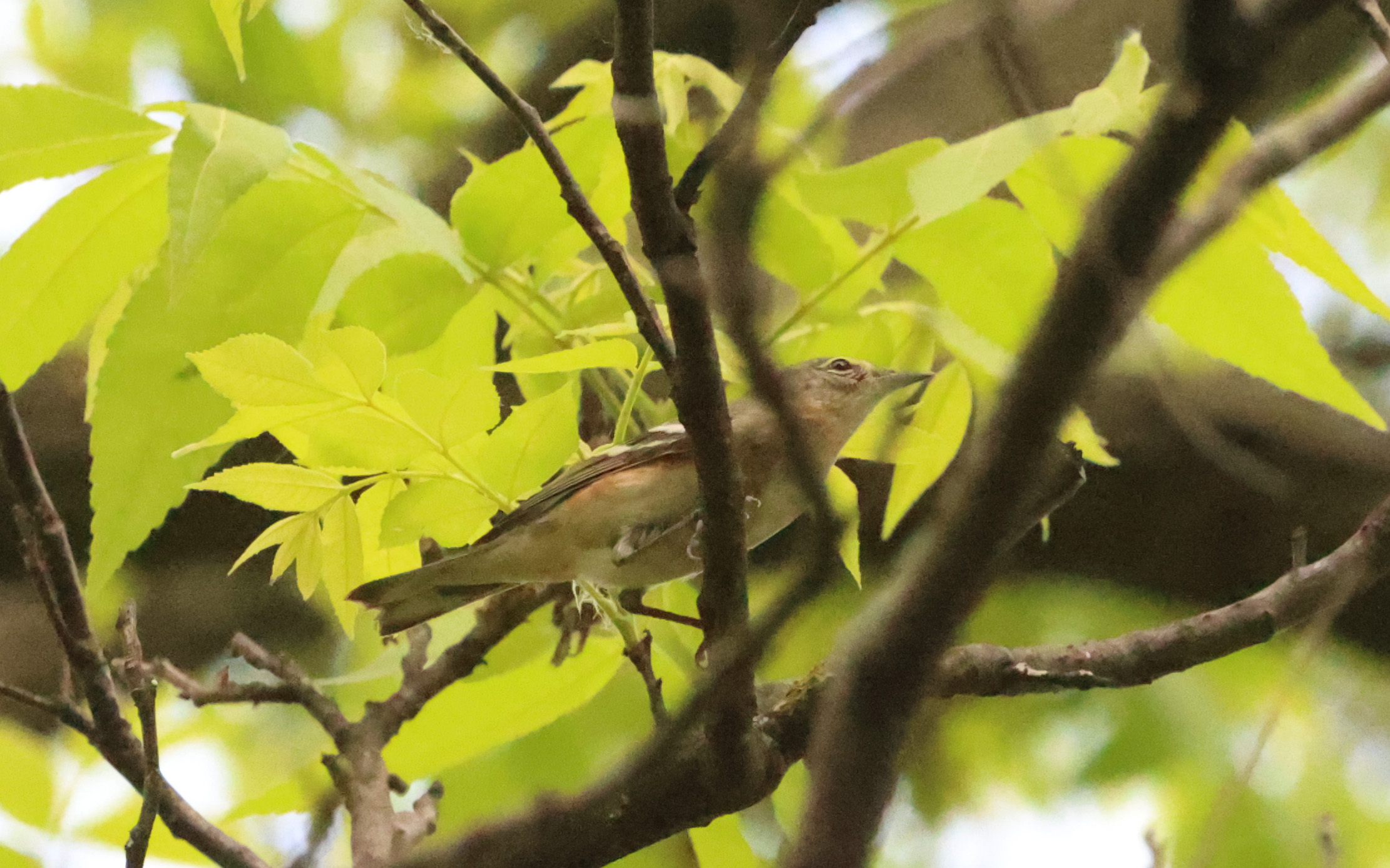
Both warbler species have been migrating through Arkansas for the past few weeks. The Bay-breasted Warbler winters in South America and breeds in northern Canada. According to All About Birds, the Blackpoll Warbler has the longest overwater journey of any songbird – nearly 1,800 miles nonstop over the Atlantic Ocean. It winters in South America and breeds in the boreal forests of Canada.
While common, the Blackpoll’s population is in a steep decline with reports indicating it has lost about 88% of its population in the last 40 years. The Bay-breasted Warbler is of low concern, conservation wise.




 Memos for Me