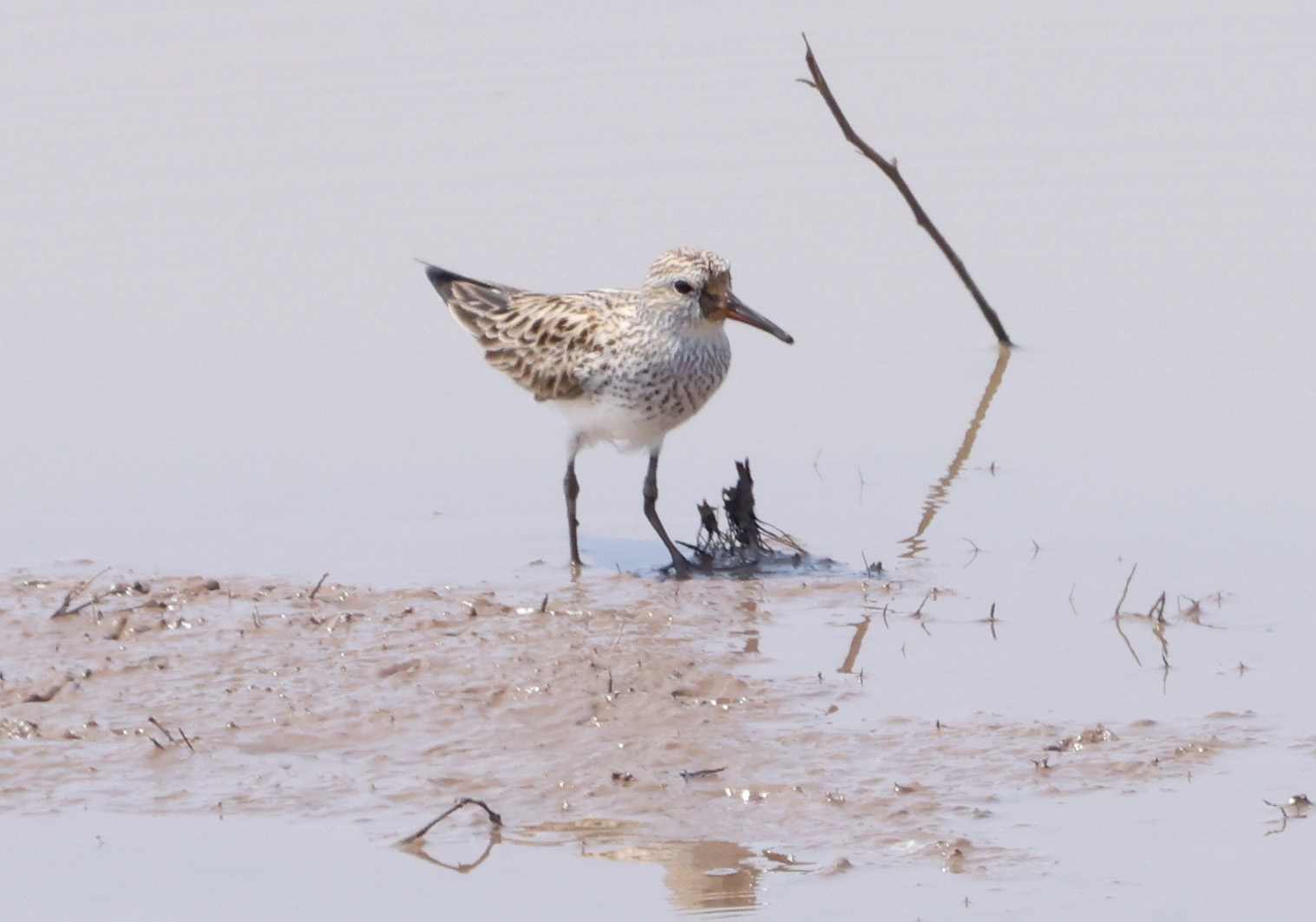
White-rumped Sandpiper

White-rumped Sandpipers are migrating through Arkansas right now on their journey from southern South America to their breeding grounds in the northern tundra of Canada and Alaska. According to All About Birds, they actually make one of the longest migrations of any North American bird, sometimes flying 2,500 miles without a rest. The trip takes about a month.

I’ve been seeing reports of this medium-sized shorebird on eBird and birder chat groups for weeks now, but Monday marked the first time I have seen one (or at least successfully identified what I saw). Their size and coloring actually allow them to blend in pretty well – at least when I’m searching for them.

The Struggles to Identify

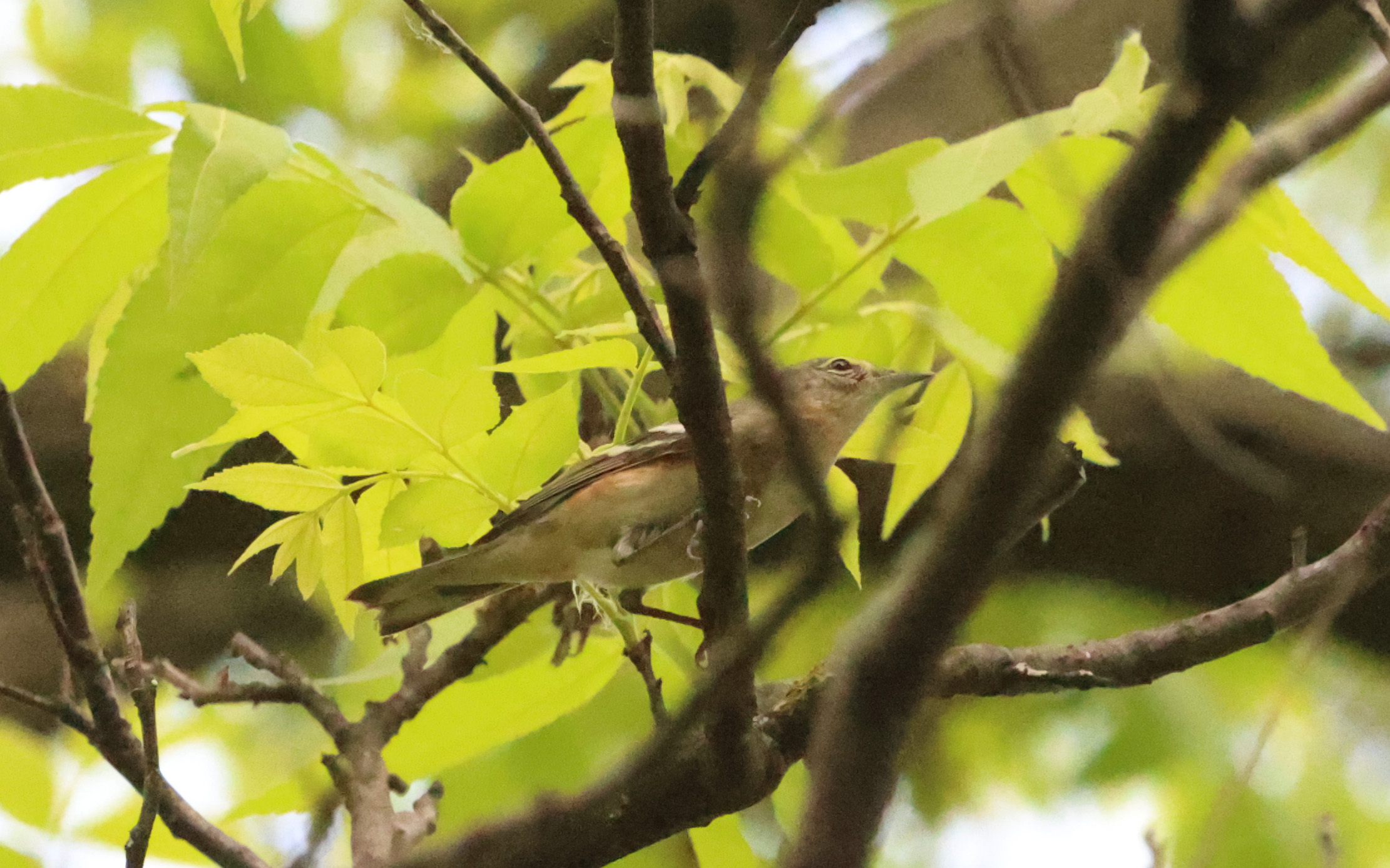
Bay-breasted Warbler

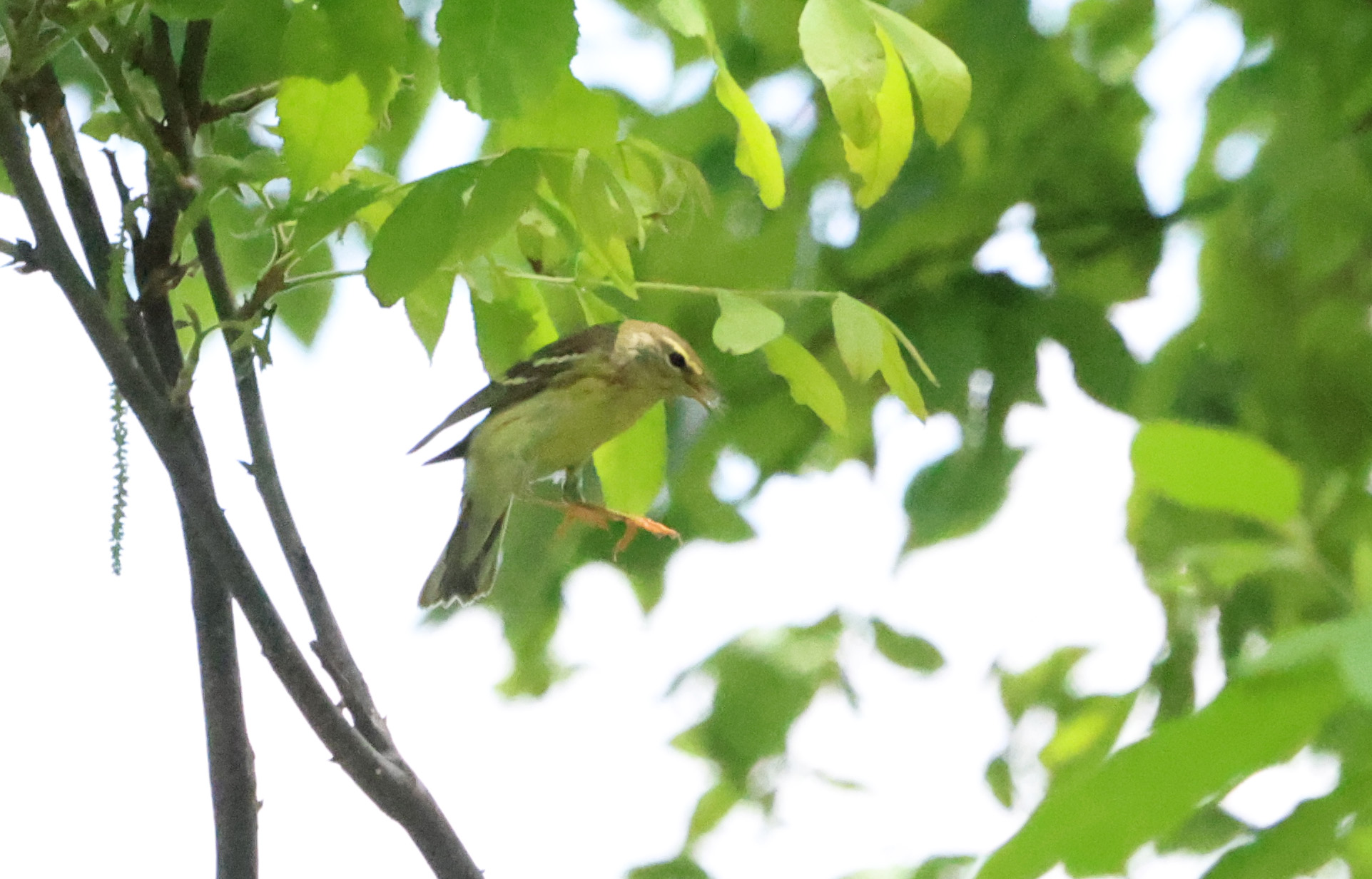
In mid-May, I joined a birding field trip to the David D. Terry Lock and Dam. It was really enjoyable – both in company and birds found. However, I’ve spent the days since trying to figure out the identity of two warblers photographed. I finally broke down and emailed another birder who’s been willing to help me with my identification with needed. While I was correct in identifying the above Bay-breasted Warbler, I learned my other mystery warbler was in fact a Blackpoll. I’m pretty excited to have seen both – especially since it appears I was the only one of the group to have seen them. I snapped the photos while we were looking at some other warblers.

Both warbler species have been migrating through Arkansas for the past few weeks. The Bay-breasted Warbler winters in South America and breeds in northern Canada. According to All About Birds, the Blackpoll Warbler has the longest overwater journey of any songbird – nearly 1,800 miles nonstop over the Atlantic Ocean. It winters in South America and breeds in the boreal forests of Canada.

While common, the Blackpoll’s population is in a steep decline with reports indicating it has lost about 88% of its population in the last 40 years. The Bay-breasted Warbler is of low concern, conservation wise.

Blackpoll Warbler

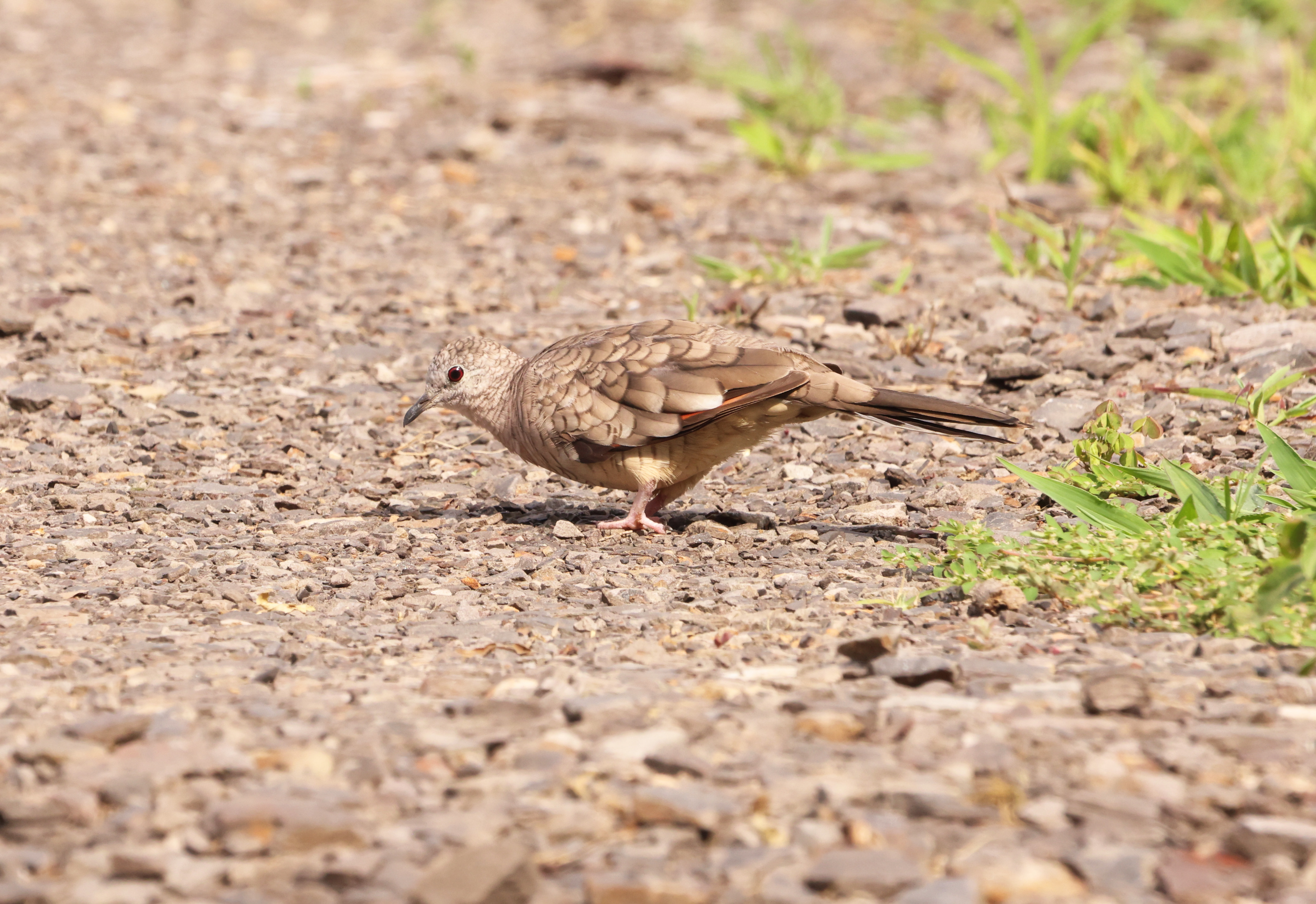
Photos: Inca Doves

I’ve seen Inca Doves in Costa Rica, but not in Arkansas. I chased reports of this rare dove in the state for years with no success to the point I stopped trying when I saw random reports of one being spotted.

However … I’ve been seeing reports of an Inca Dove being spotted at Lake Atkins in Pope County for over a week. I was piddling around the house Saturday when I saw a report of one being spotted at Lake Atkins roughly an hour before I saw the report. I couldn’t resist – and, well, I wanted out of the house.

At Lake Atkins, I slowly drove down the streets in the reported area for close to 30 minutes with no success (at least with an Inca Dove spotting). I was on my final loop and prepared to leave when two doves landed in the driveway I was passing. It was two Inca Doves.

Inca Doves are pretty common from the southwestern United States to far western Panama. There are reports of sightings within Arkansas each year. Inca Doves are ground doves with red eyes, a long tail and scaly-looking feathers. They blend in well with the gravel roads and lots I’ve always seen them walking on. One interesting tidbit: their call sounds like they are cooing “no hope.”

While searching for the Inca Doves, I also found:

Photos: Lorance Creek Natural Area

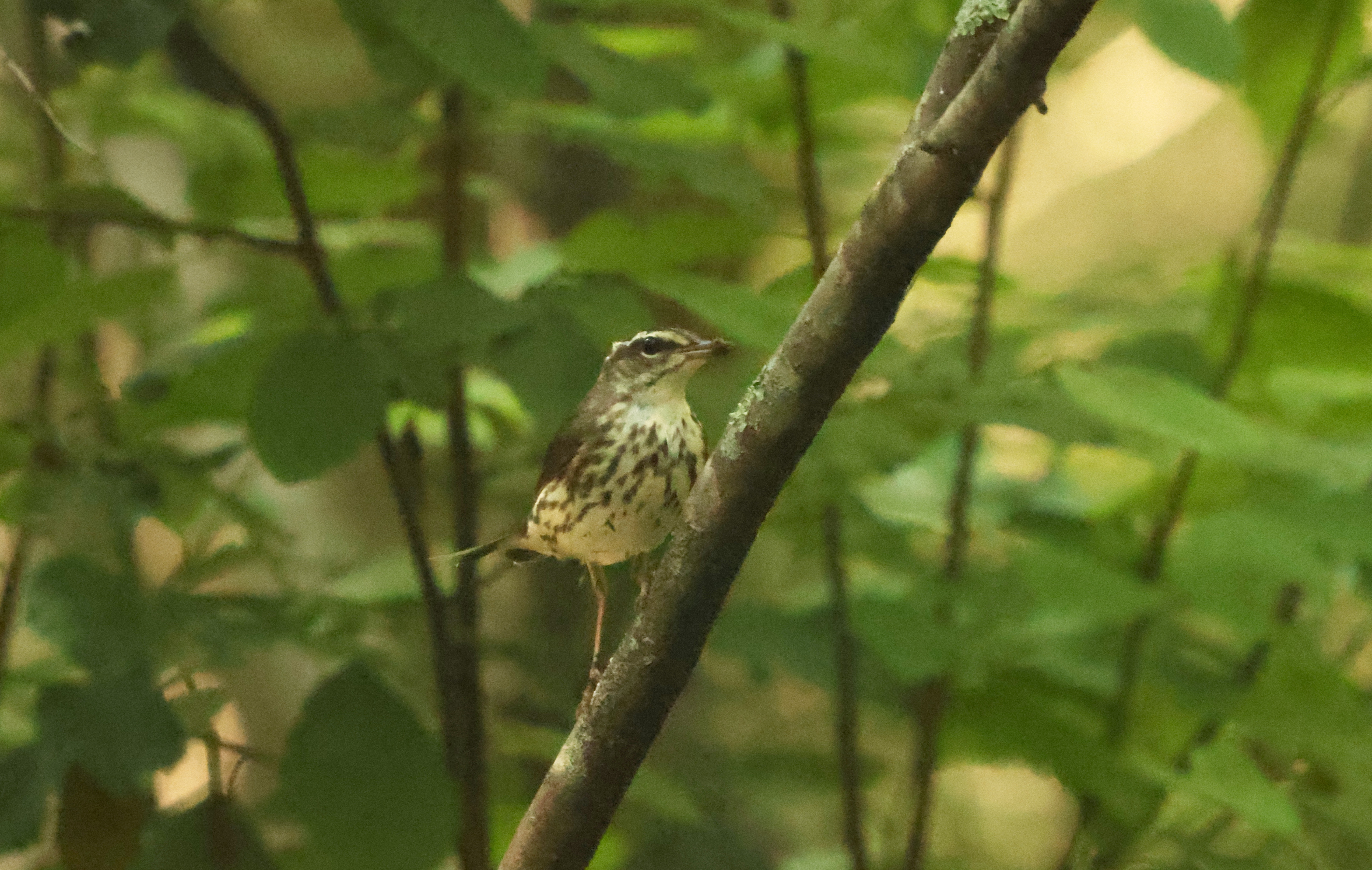
Louisiana Waterthrush

I’ve been on the hunt to spot and photograph a Louisiana Waterthrush, a member of the warbler family that stays close to moving water and is among the earliest migrating warblers.

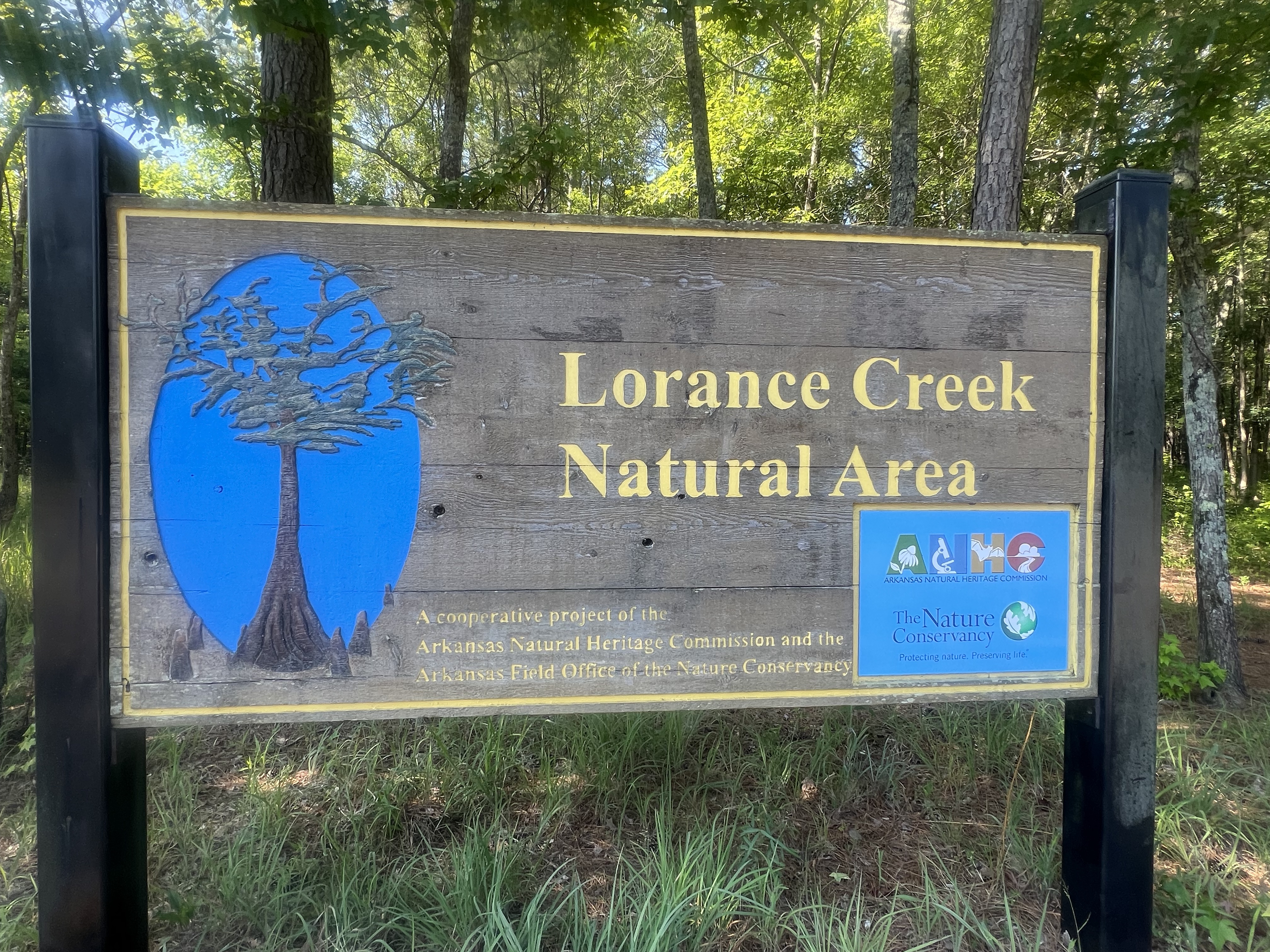
I finally spotted my first Louisiana Waterthrush today at the Lorance Creek Natural Area. It was also my first trip to the this natural area, which has a .5 mile roundtrip trail that starts in an upland pine-oak forest and ends with a boardwalk through an open water tupelo-bald cypress forest. Added in 1990, Arkansas Heritage describes the natural area as primarily a shallow, groundwater-fed swamp that spreads out along both sides of Lorance Creek. It is situated at the transition zone between the sandy uplands of the Coastal Plain and the flat lowlands of the Mississippi Alluvial Plain.

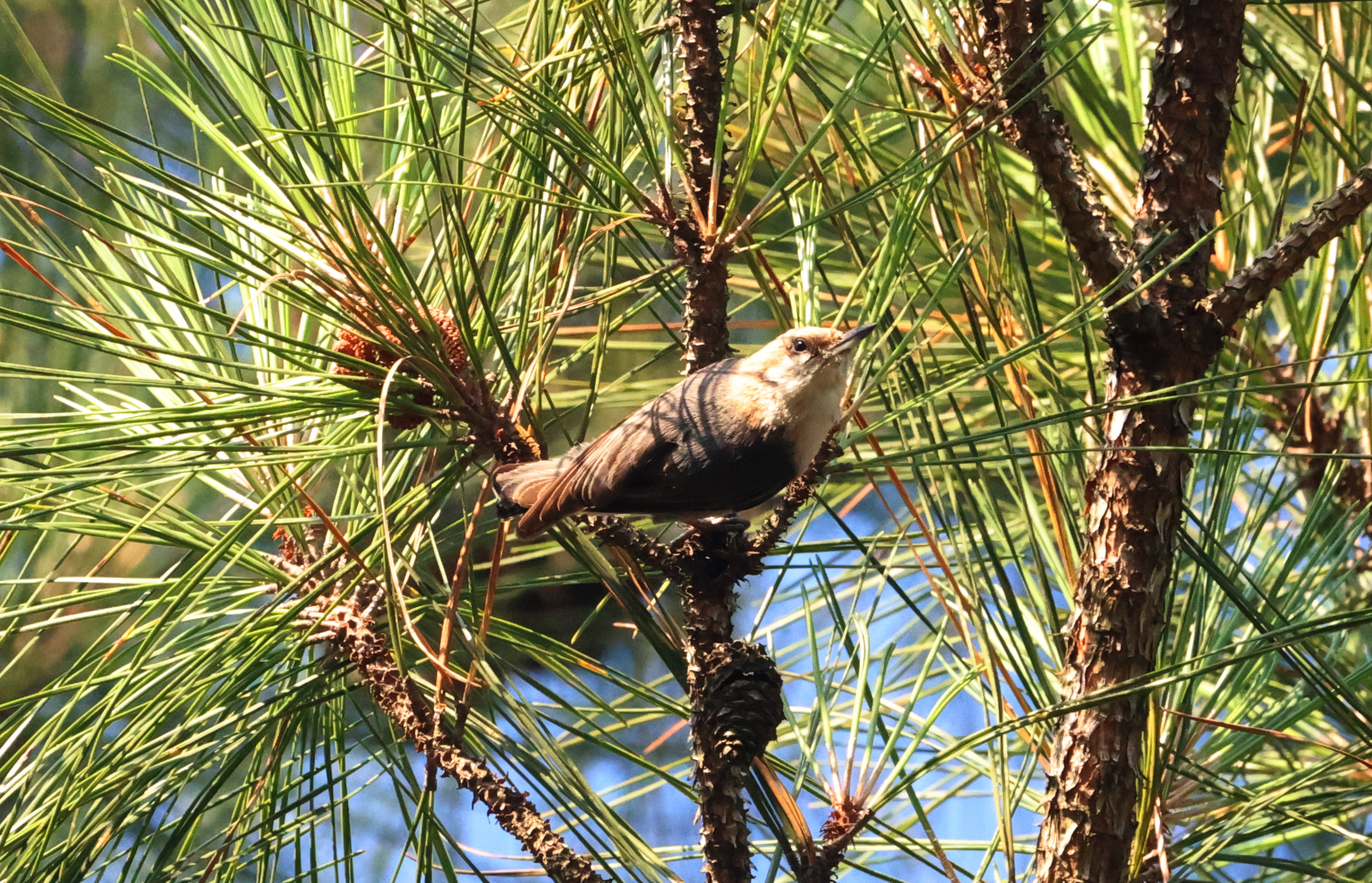
I got there at 7:51 a.m. and spent the next almost two hours searching for birds. I found 31 species and was actually greeted in the parking lot by a Black-and-White Warbler and a Brown-headed Nuthatch.

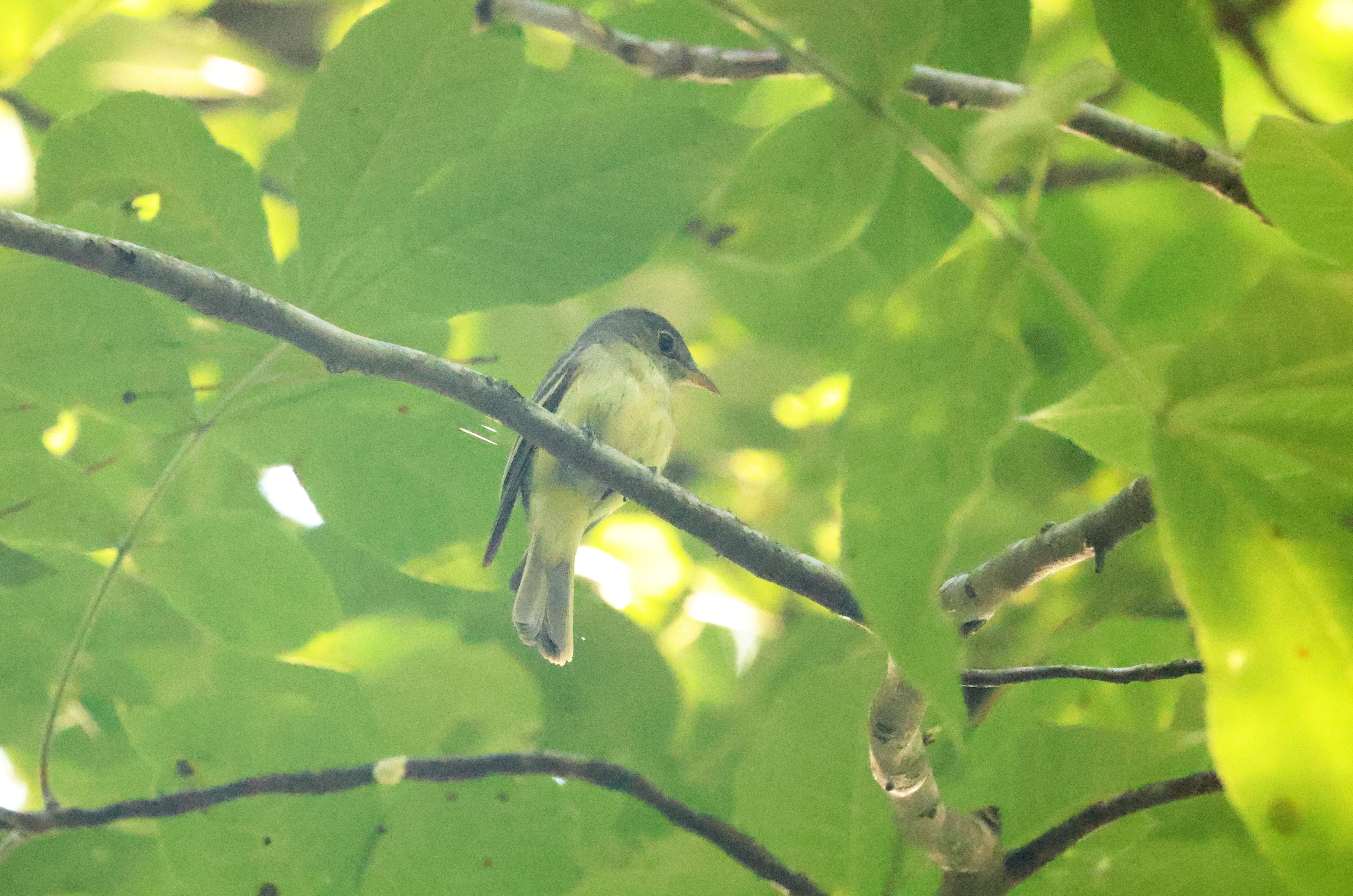
I’m looking forward to coming back later when migration picks back up to see What other warblers I can find. Until then, I’m happy with my sightings so far, which include an Acadian Flycatcher, Indigo Buntings and Prothonotary Warblers.

Acadian Flycatcher