Day 7: African Wildlife Safari
On March 11, 2022, we left for the plains of the Serengeti.

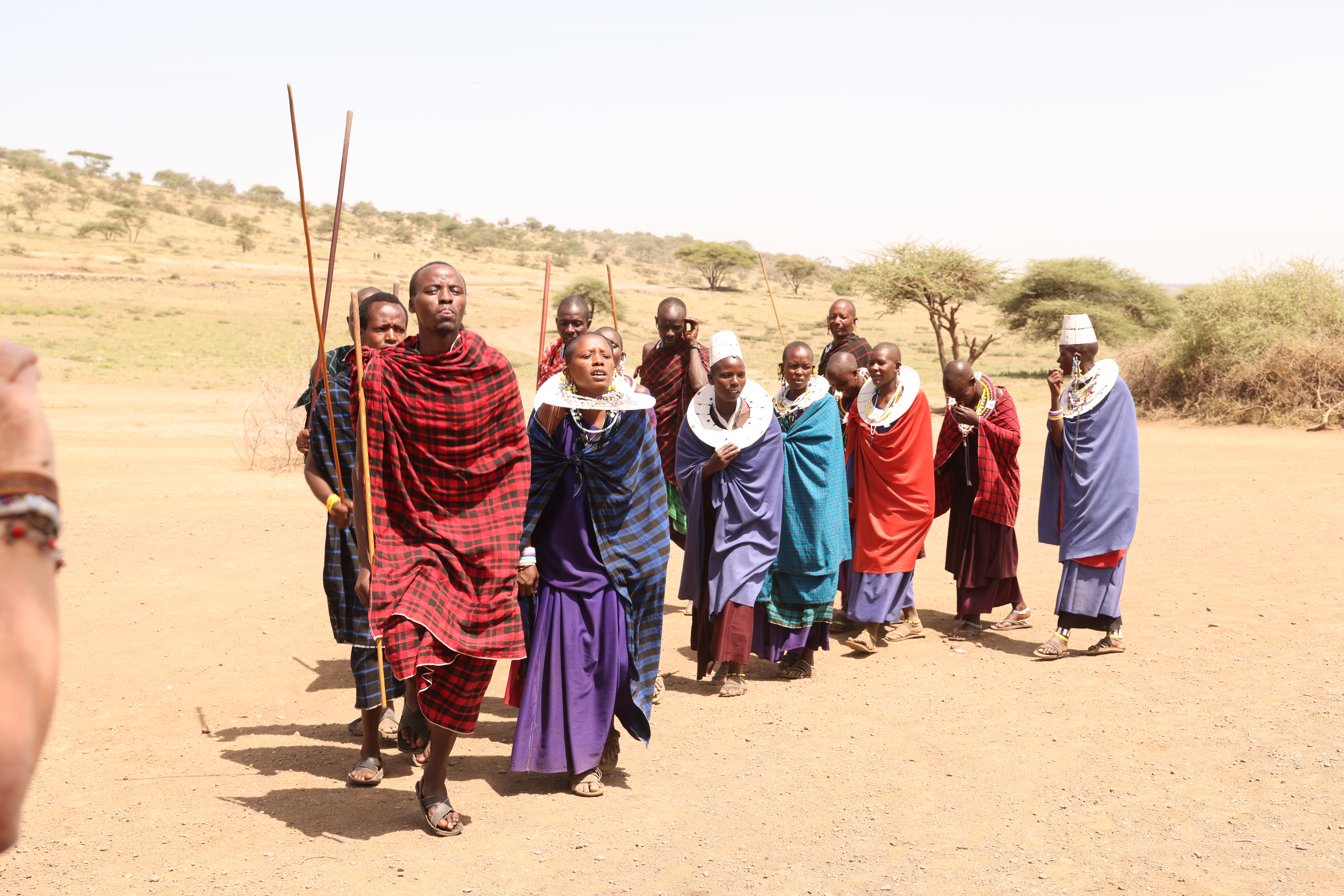
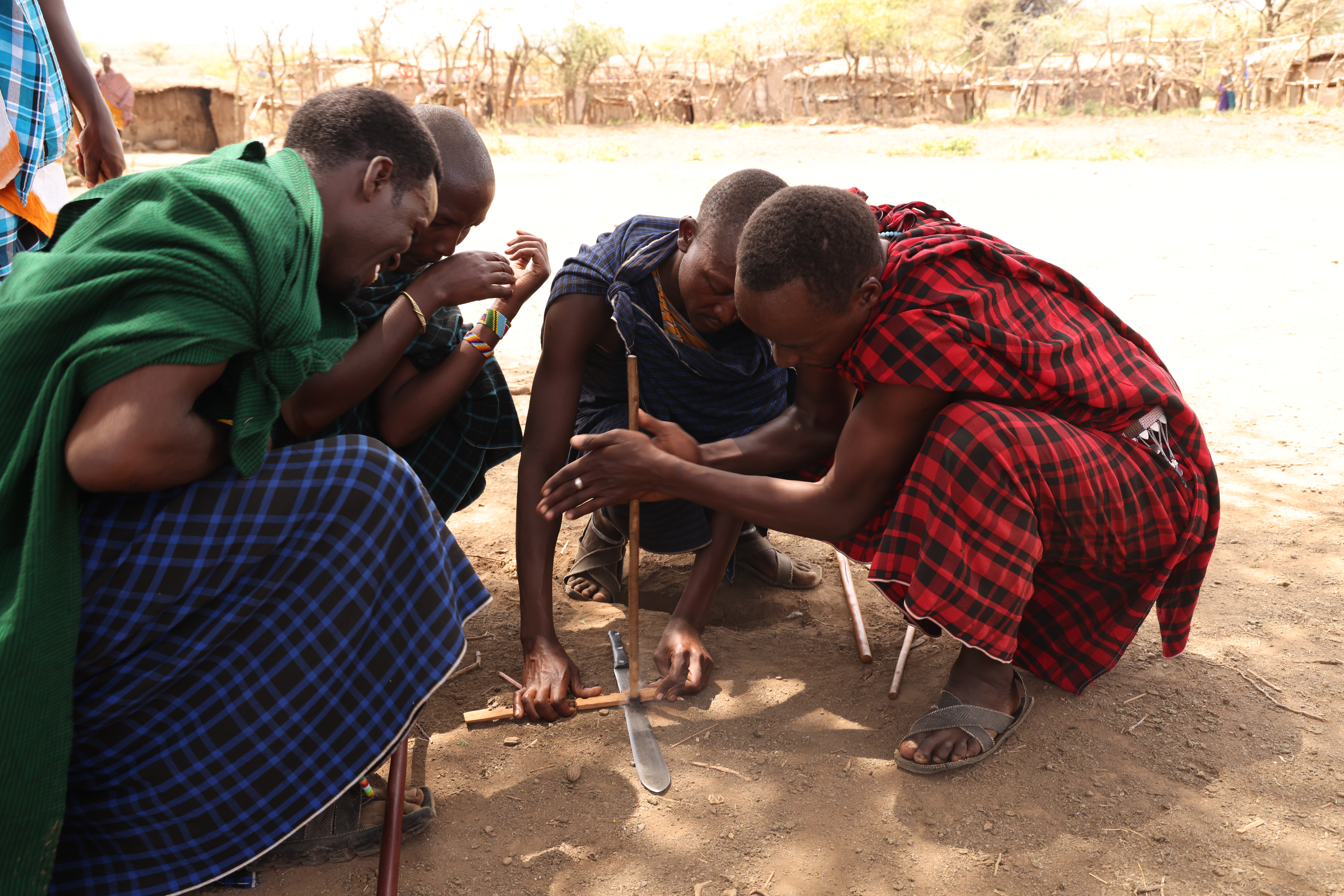
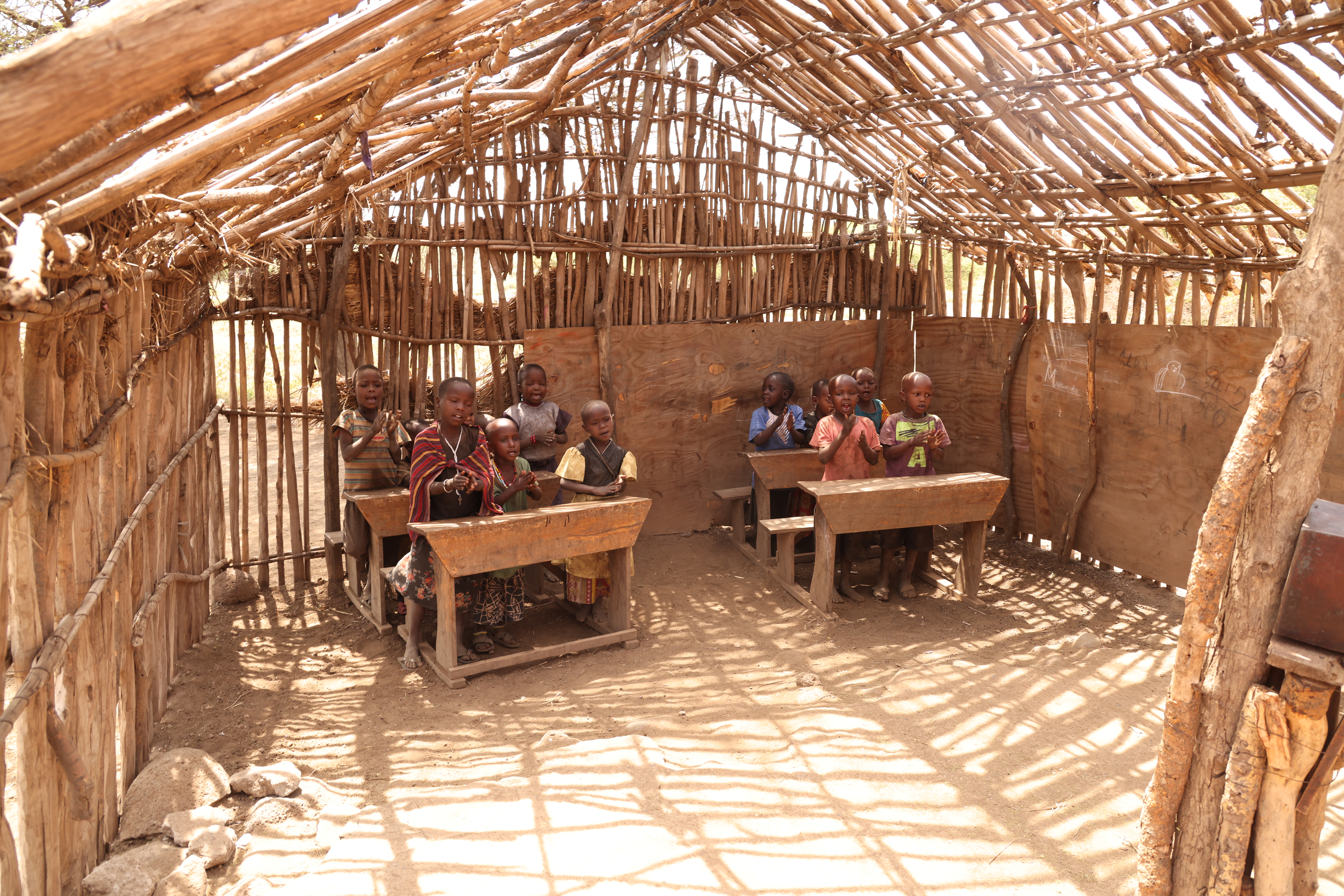
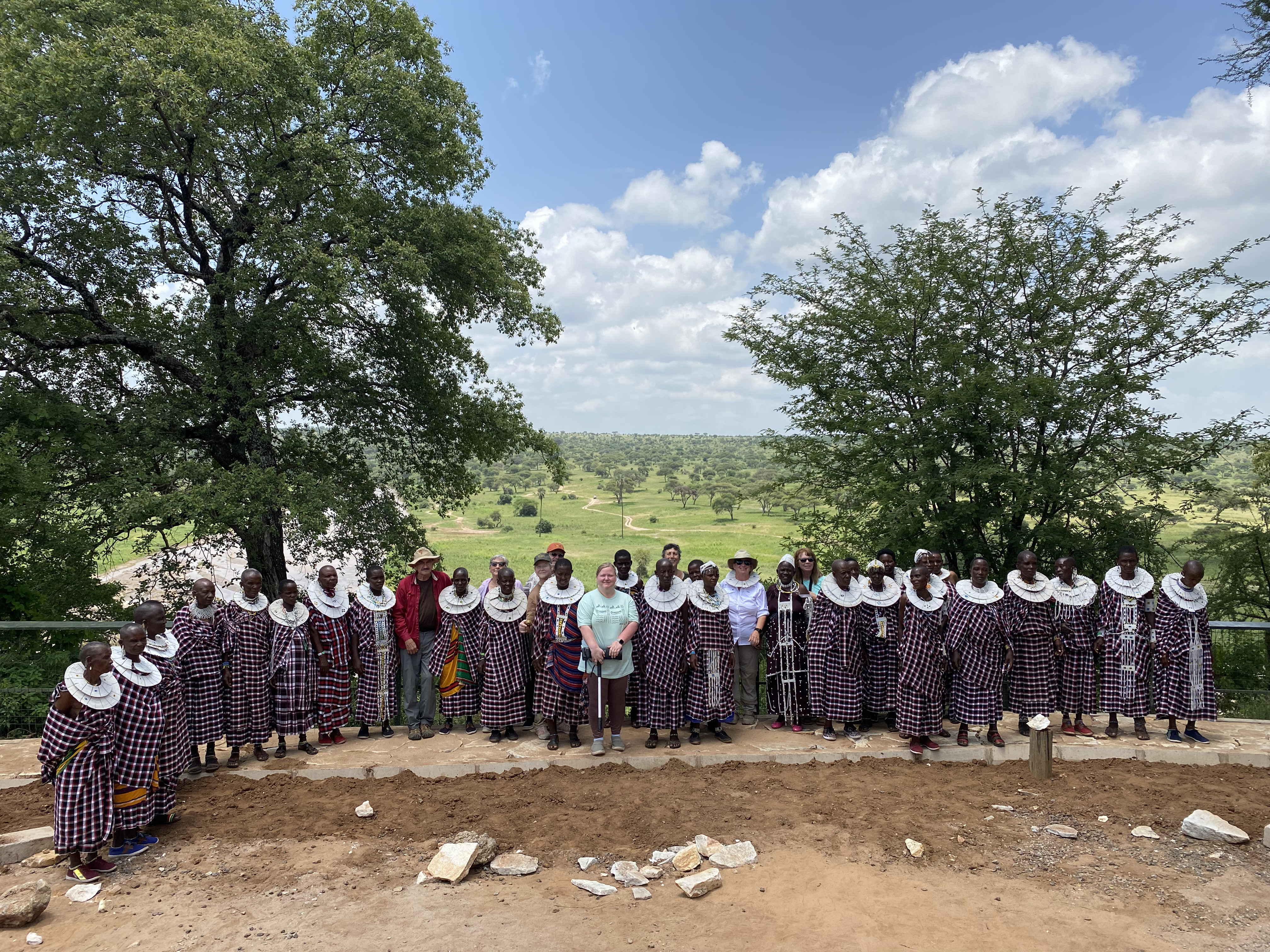
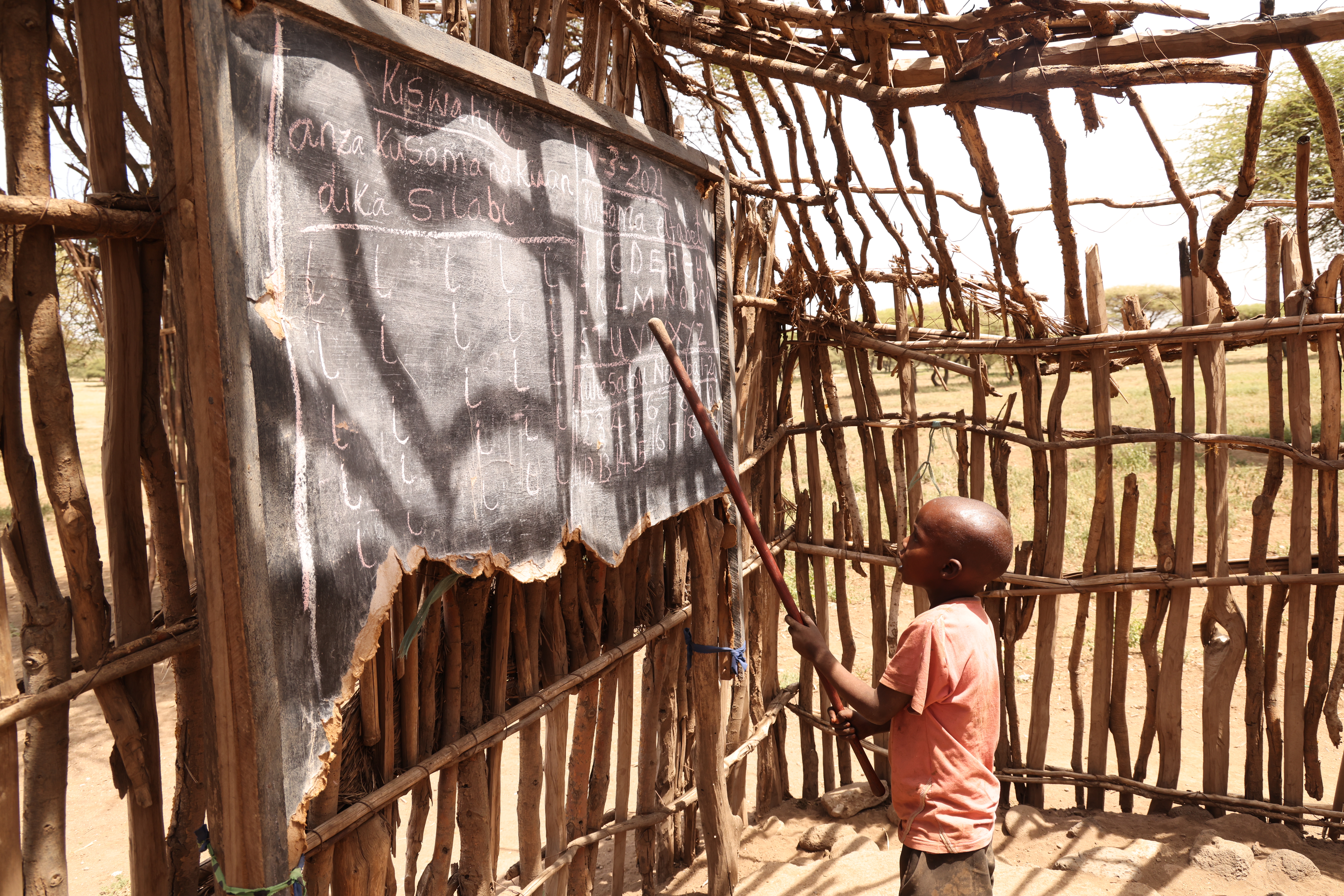
En route, our group separated with half going straight on to the Serengeti and the other half making two stops along the way. The first stop was a Maasai Village. The Maasai is one of the most famous tribes of Africa. They are semi-nomadic and are known to have lived predominantly on their livestock. During our visit, we were welcomed with a dance and given a tour of their school (they learn both English and Swahili). Then, each one of us received a guide who showed us their home, spoke to us about their lives and answered questions. 
We then visited Olduvai Gorge, also known as the Cradle of Mankind. About 30 miles wide and 295 feet deep, Olduvai Gorge was first discovered in 1911 by German neurologist Wilhelm Kattwinkel and, in 1959, paleoanthropologist Mary Leakey discovered the fossilized bone fragments of one of our earliest hominid ancestors. The gorge became a UNESCO World Heritage site in 1979. Today, the gorge contains some of the most important archaeological sites in the world, and is important because the earliest evidence of the existence of human ancestors have been found there.

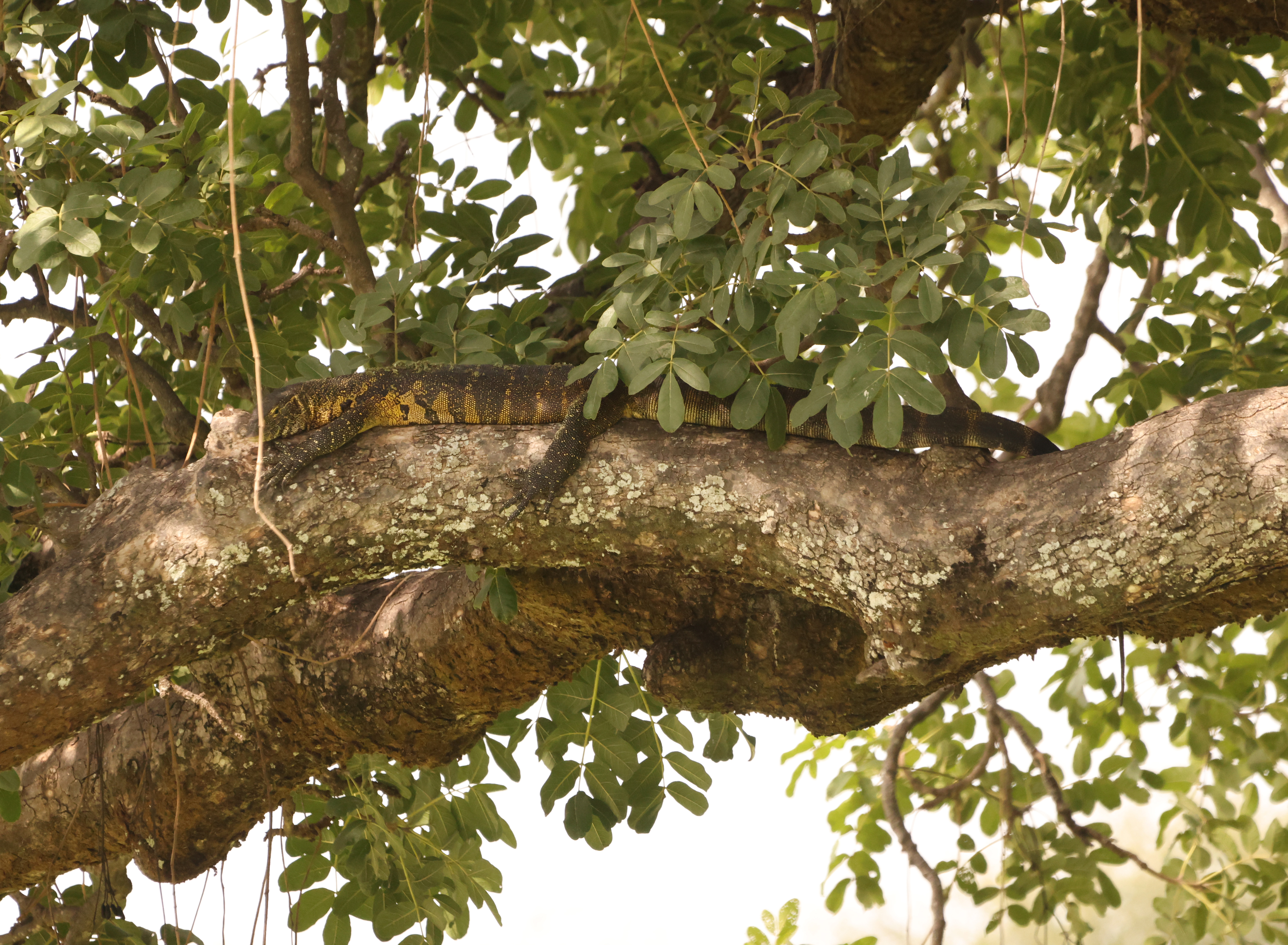
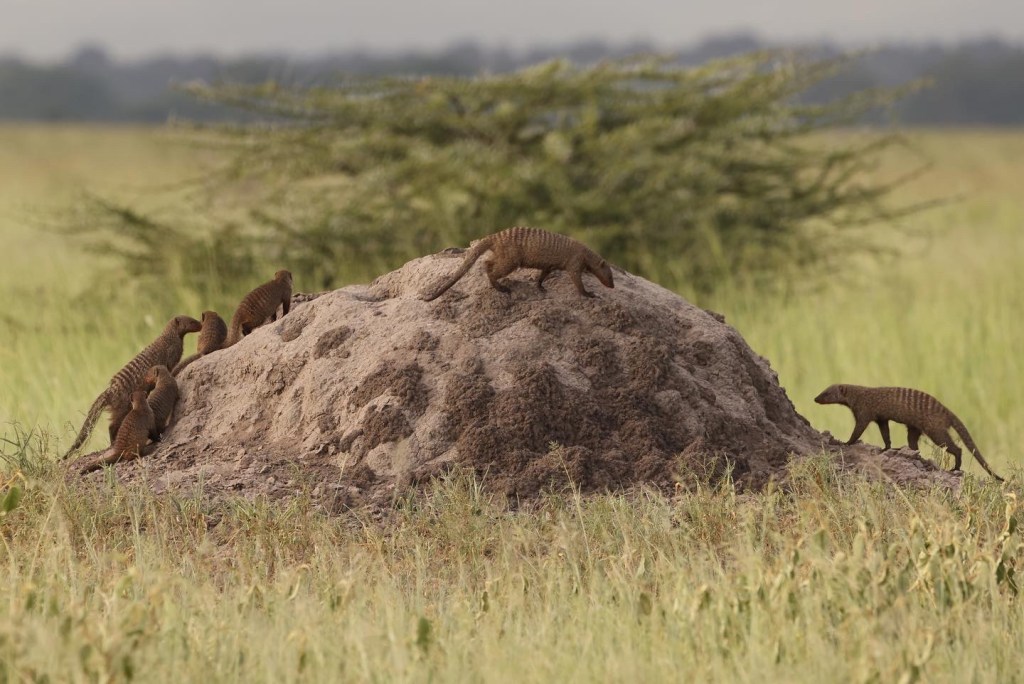
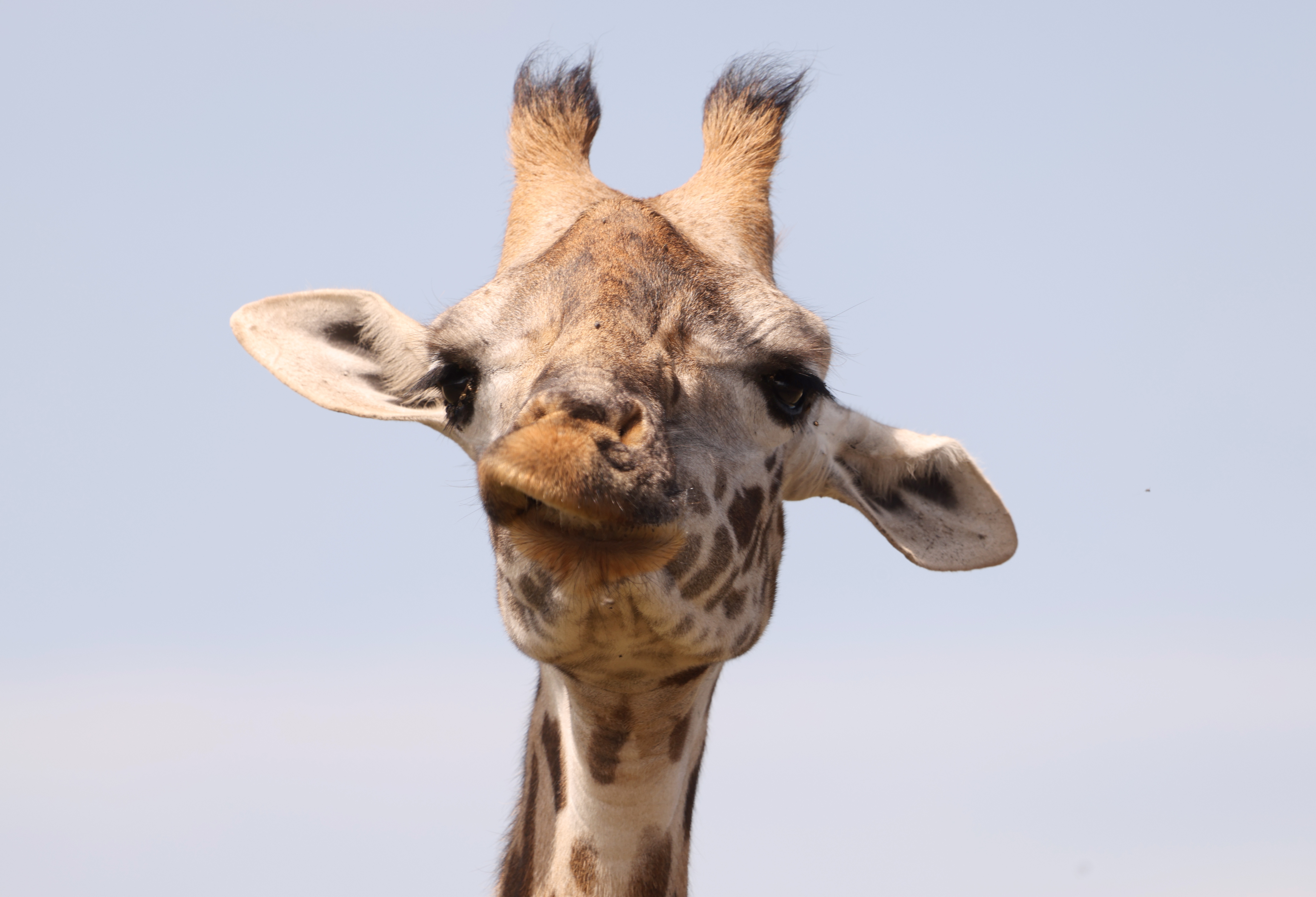
While I was fascinated by the history, I also enjoyed the amazing views and the cute wildlife found there.

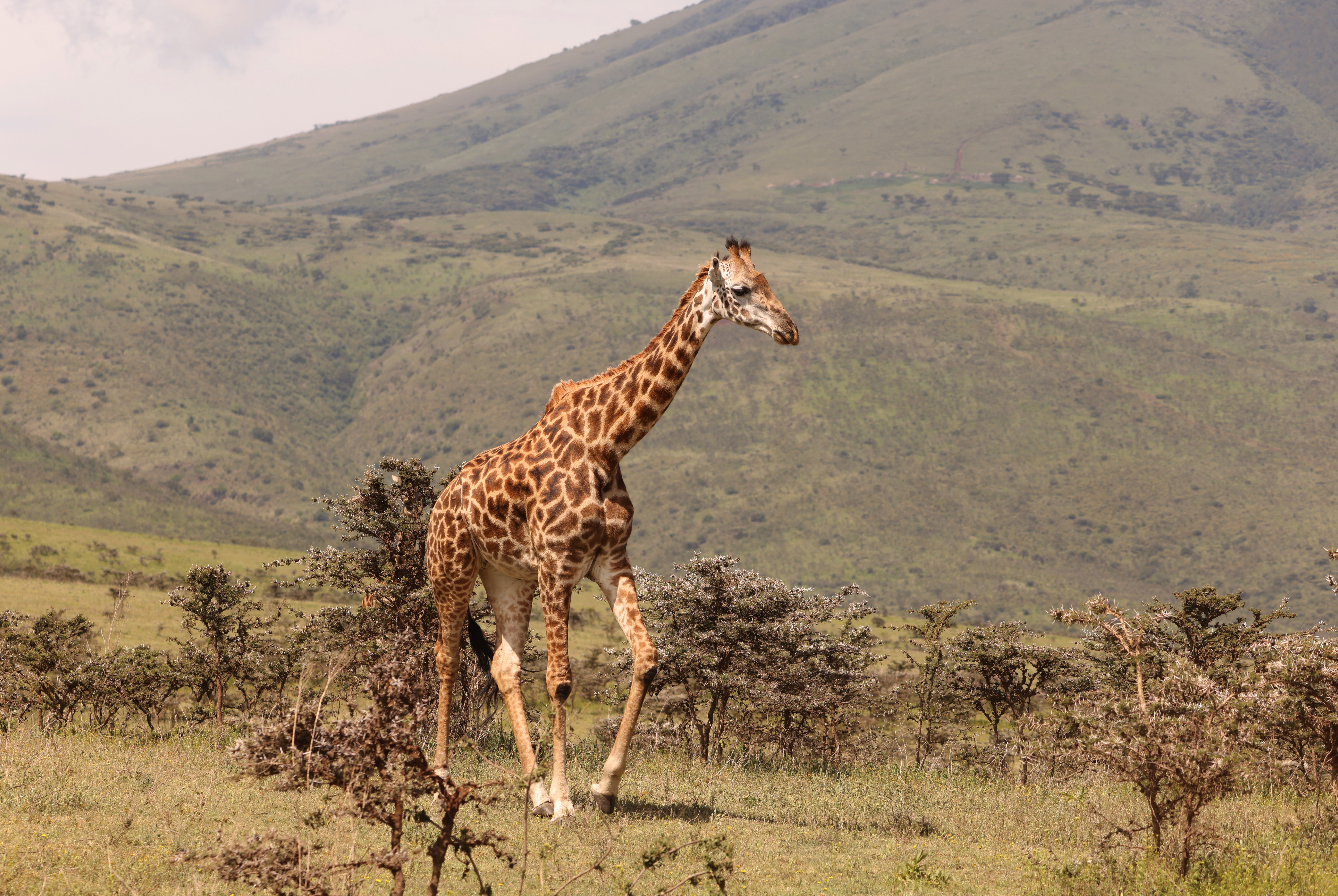
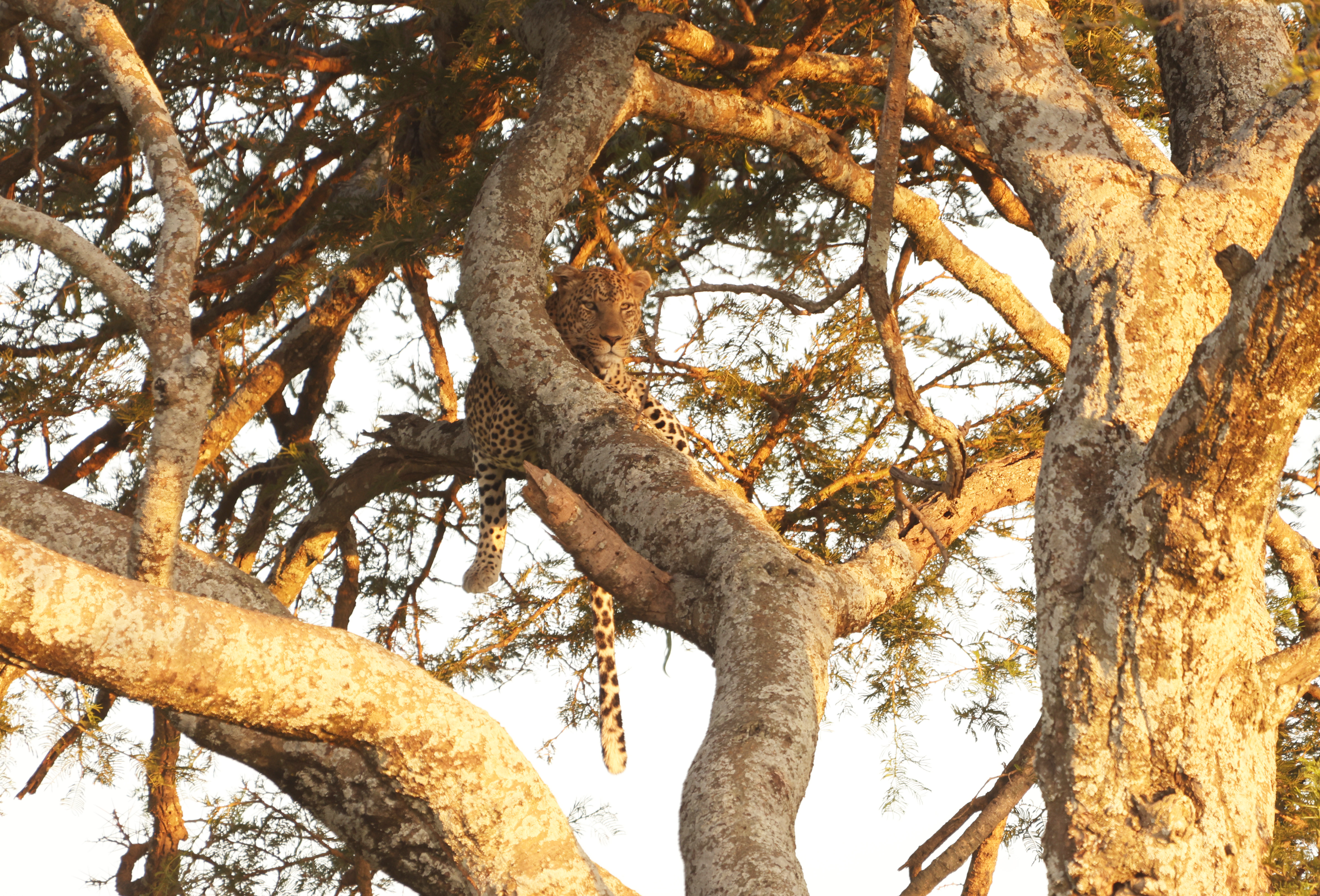
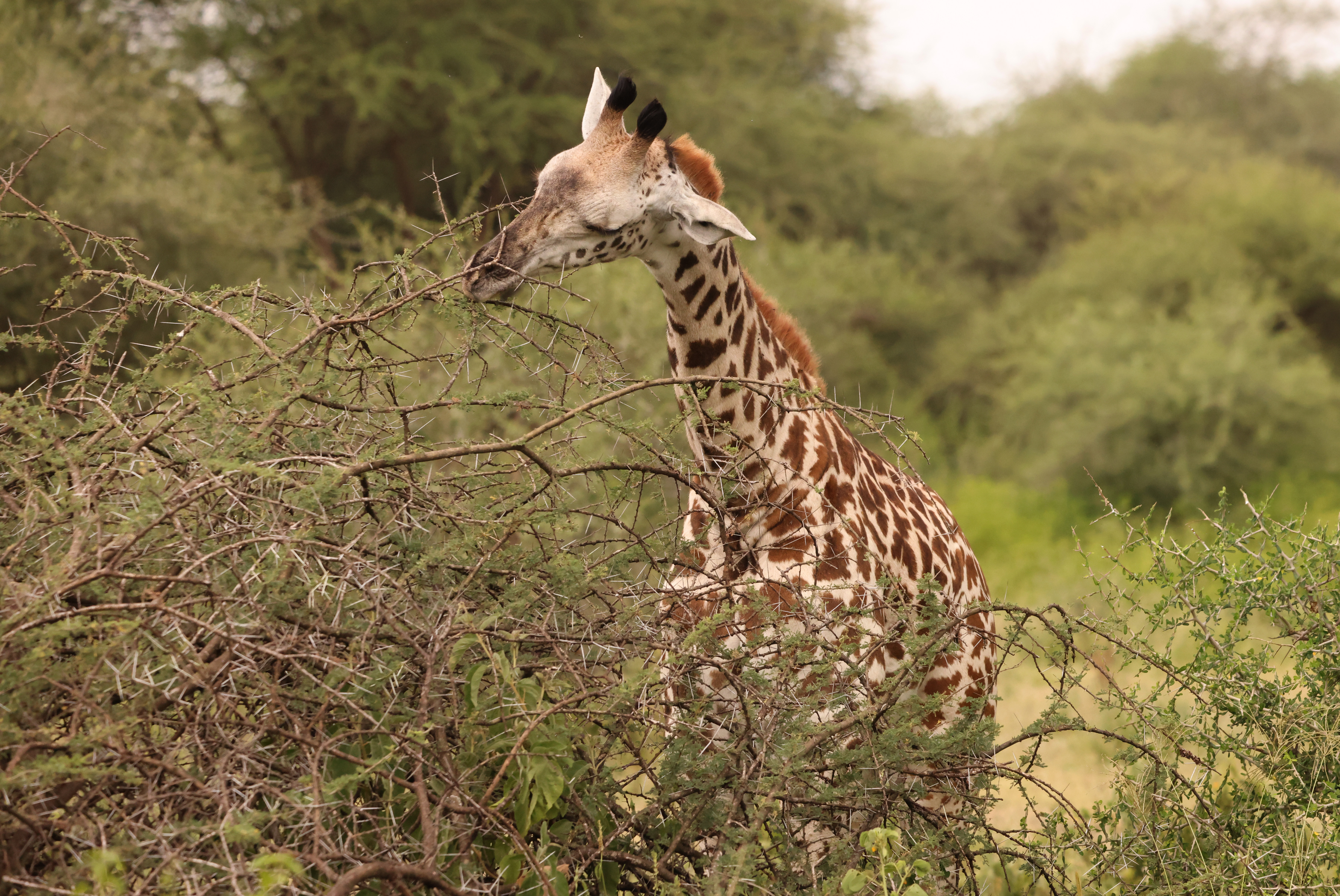
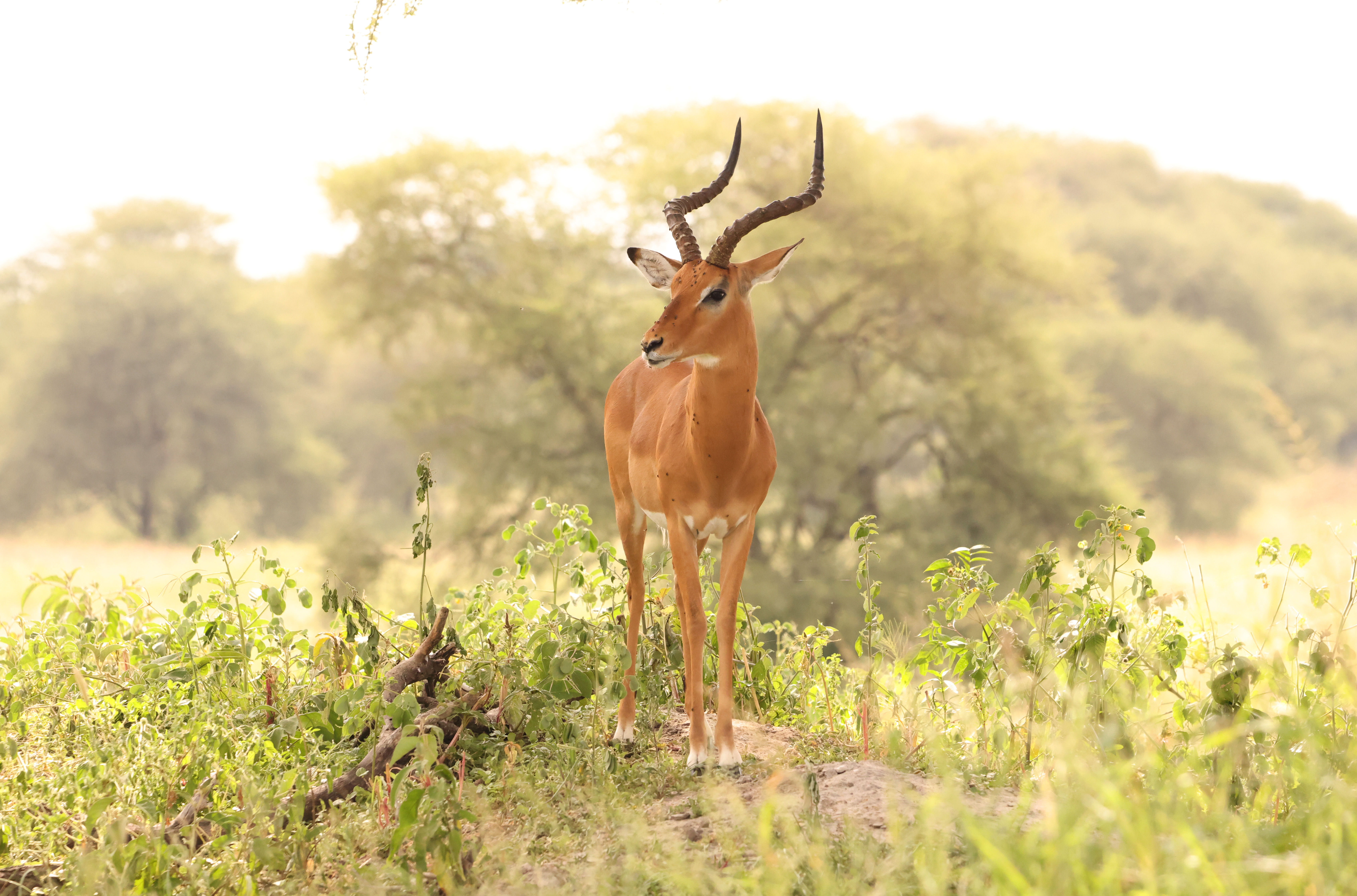
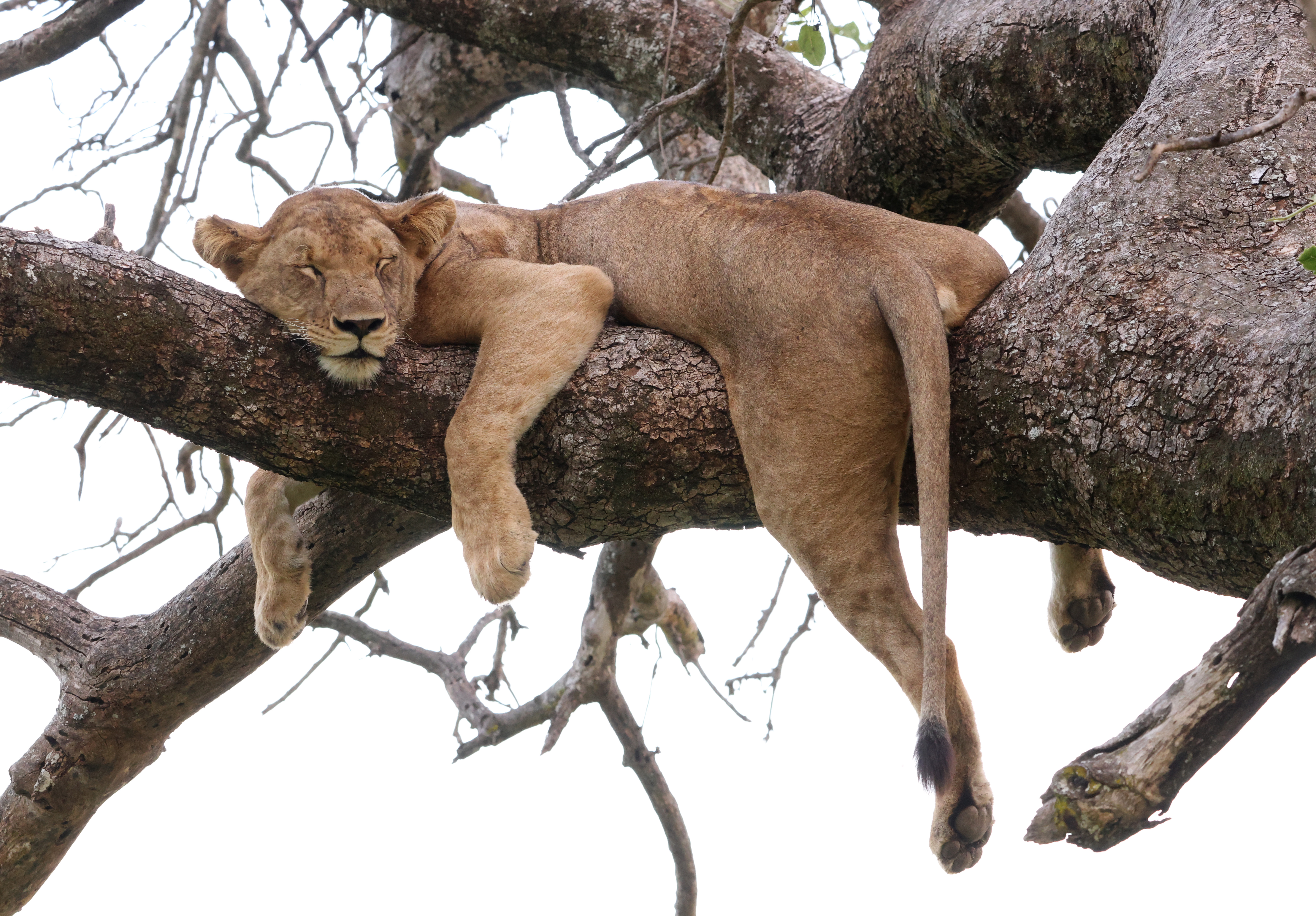
We finally made it to Serengeti and the wildlife did not disappoint. We even two cheetahs.
Day 6: African Wildlife Safari

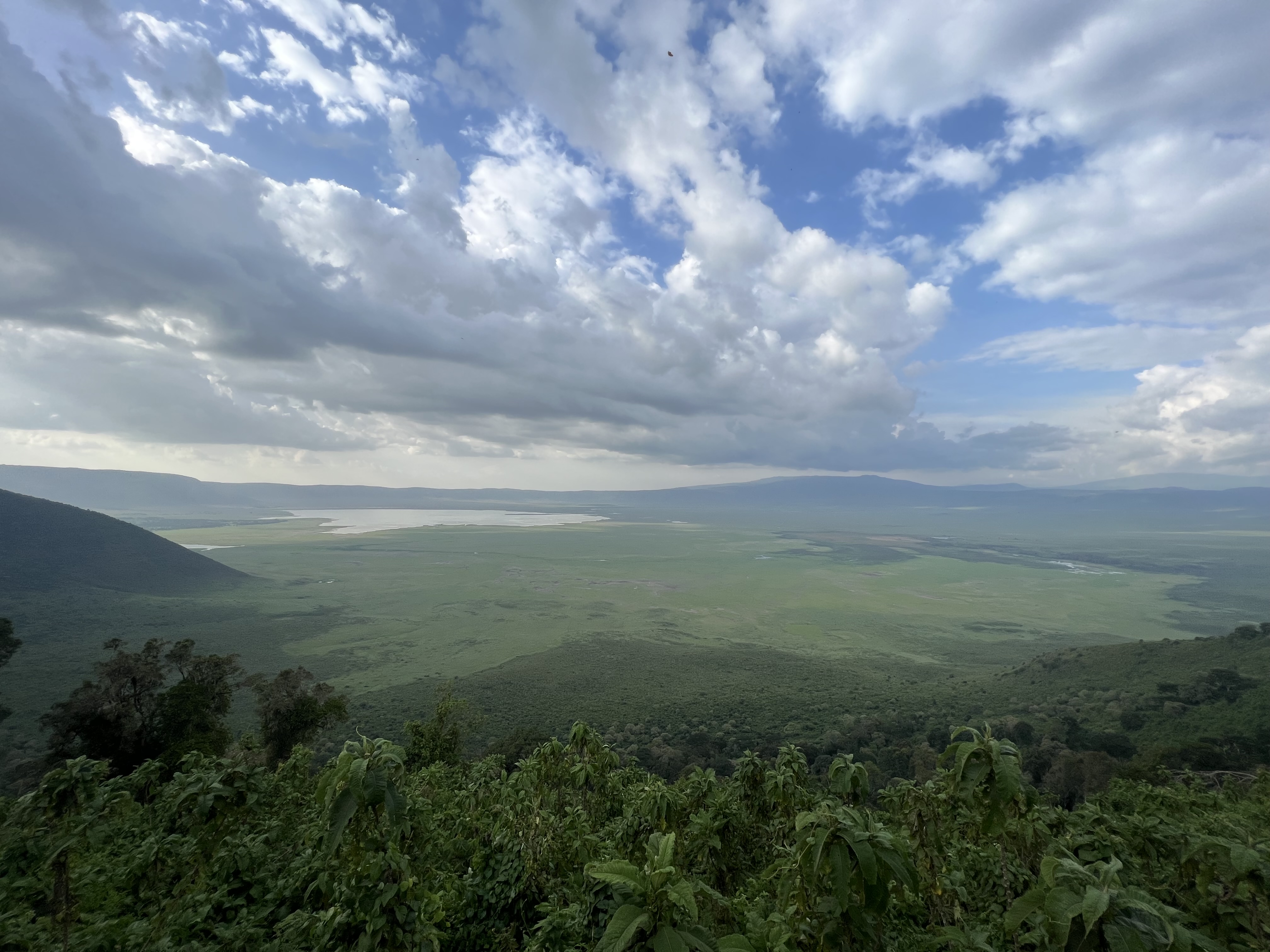
We spent the entire day in the Ngorongoro Crater. We left early to have breakfast by a lake in the crater, which we circled back to for lunch. The above Serval Cat was one of two we saw. This one ran across the road in front of us as we left, while another walked out of a bush only to be greeted by a table full of us eating. I don’t know which one – us or the cat – was surprised the most.

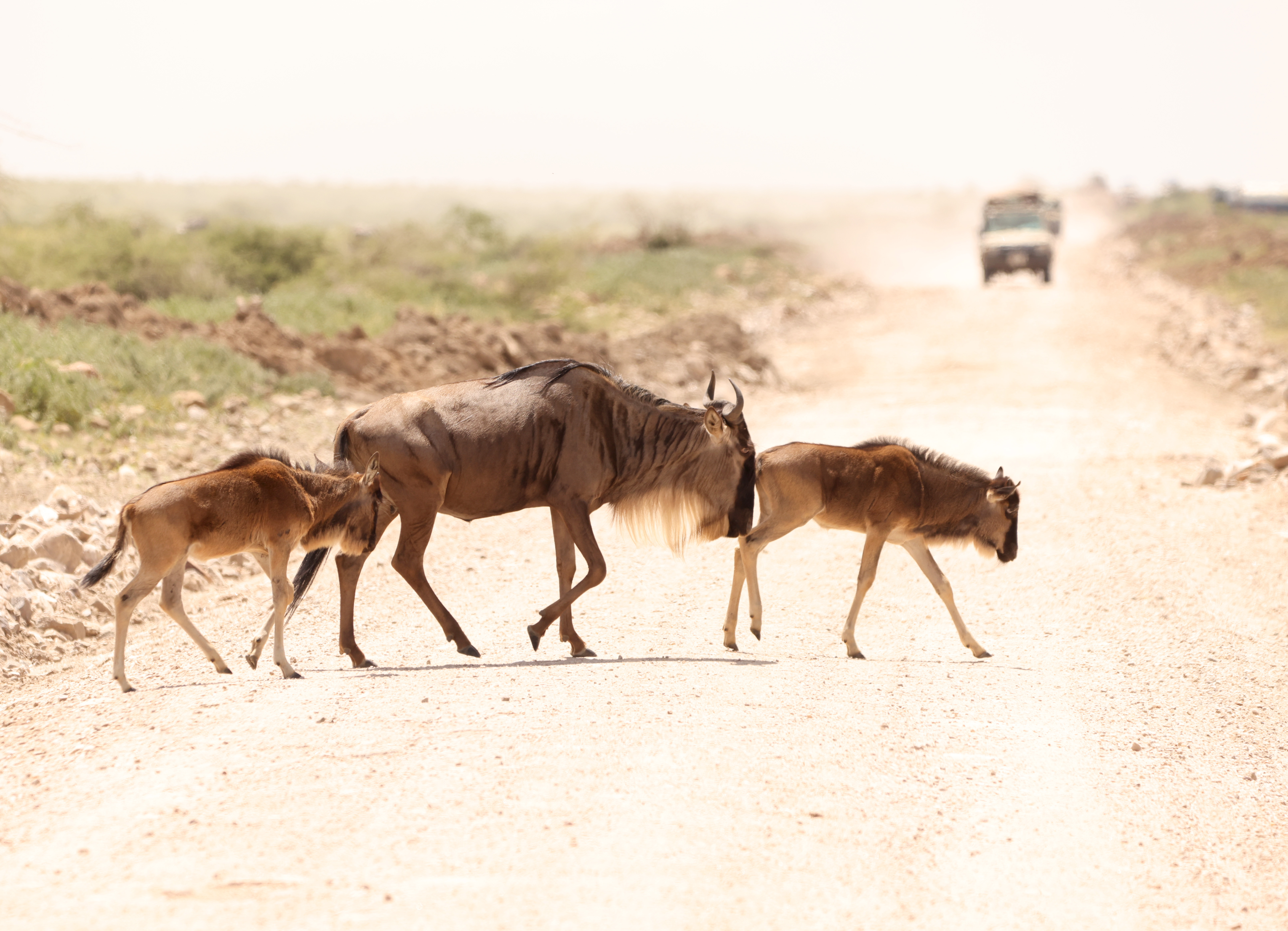
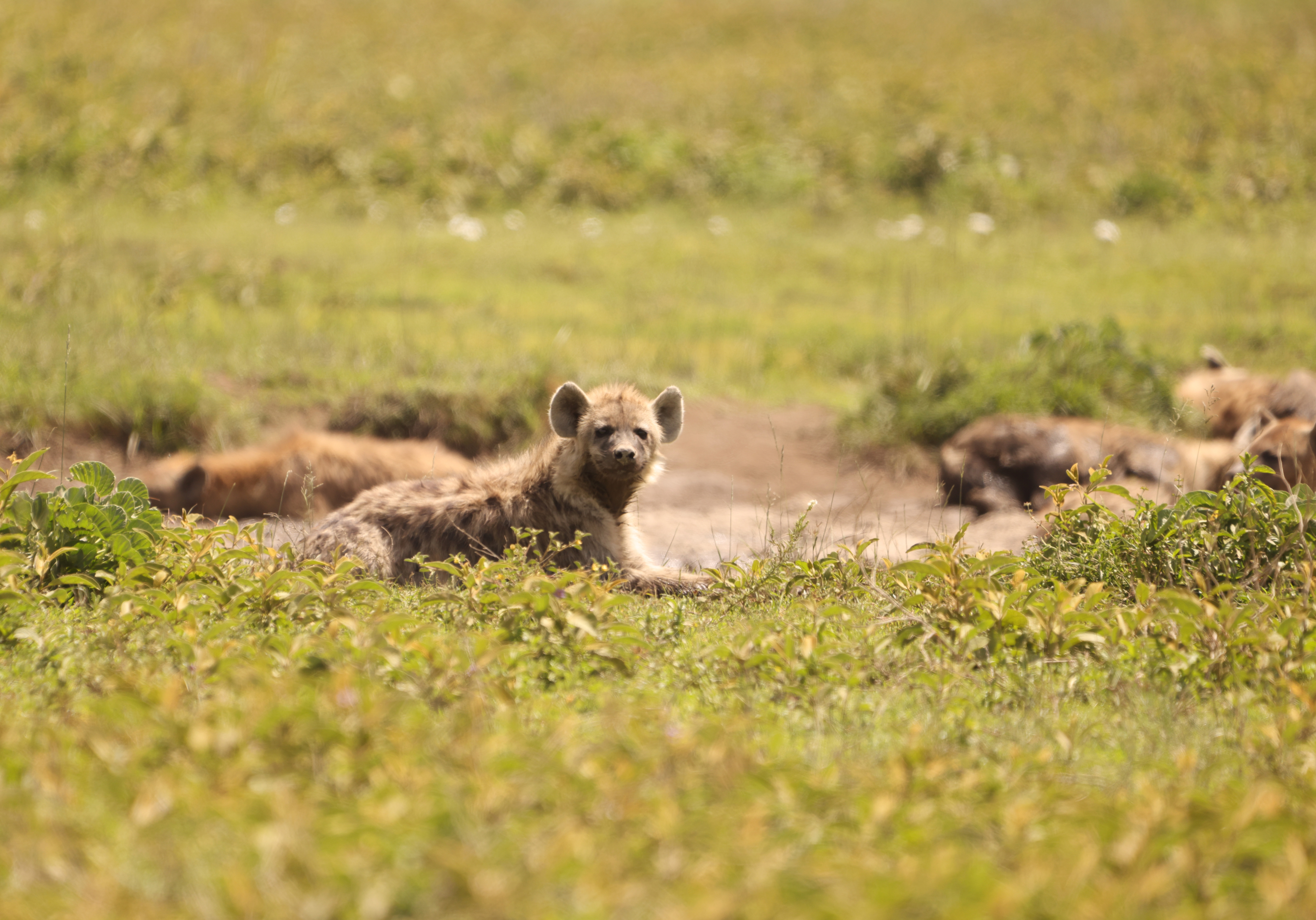
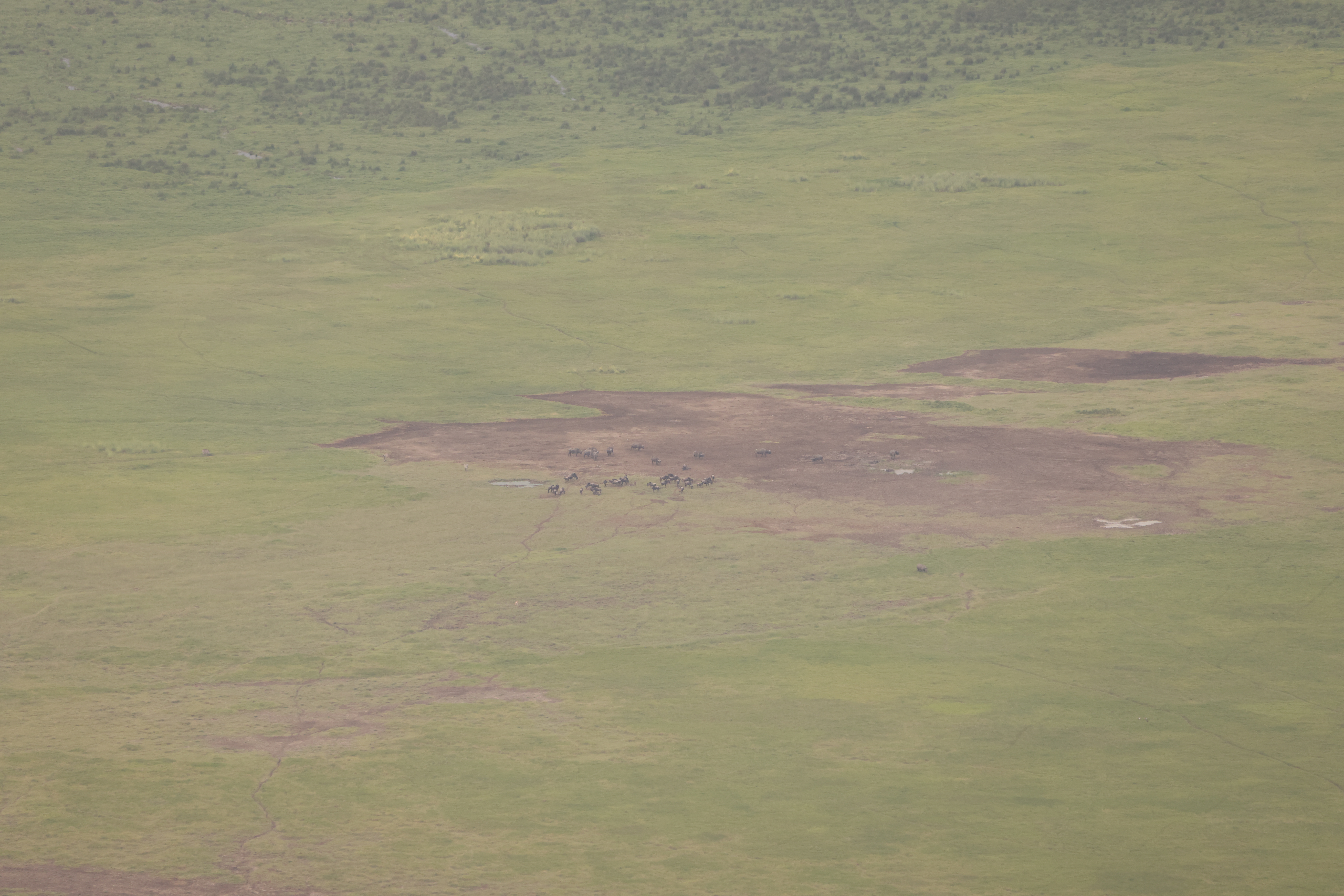
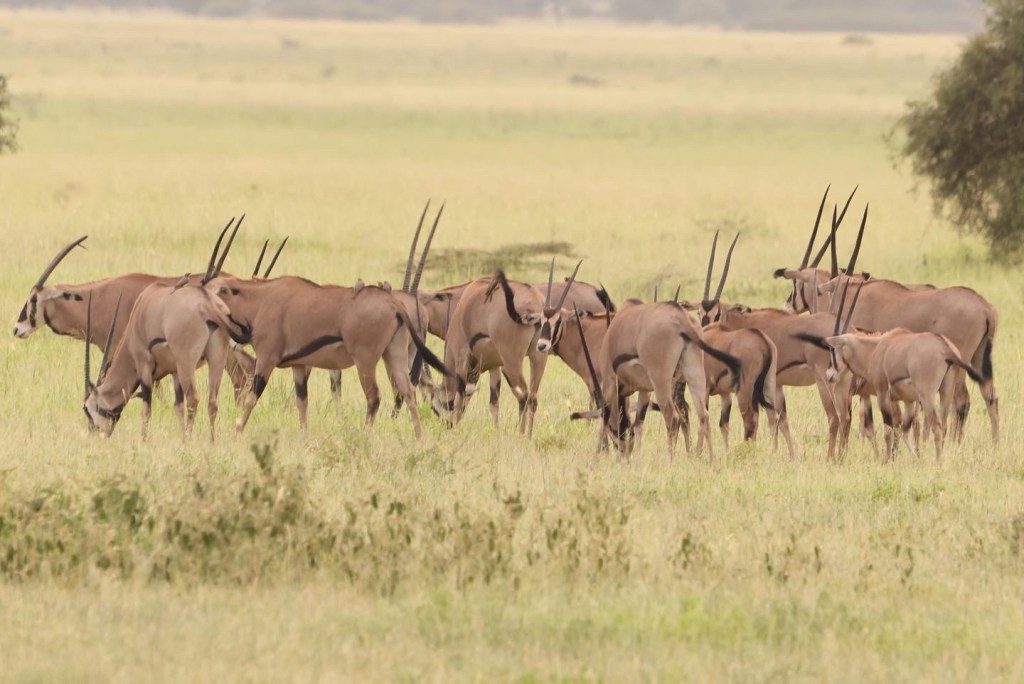
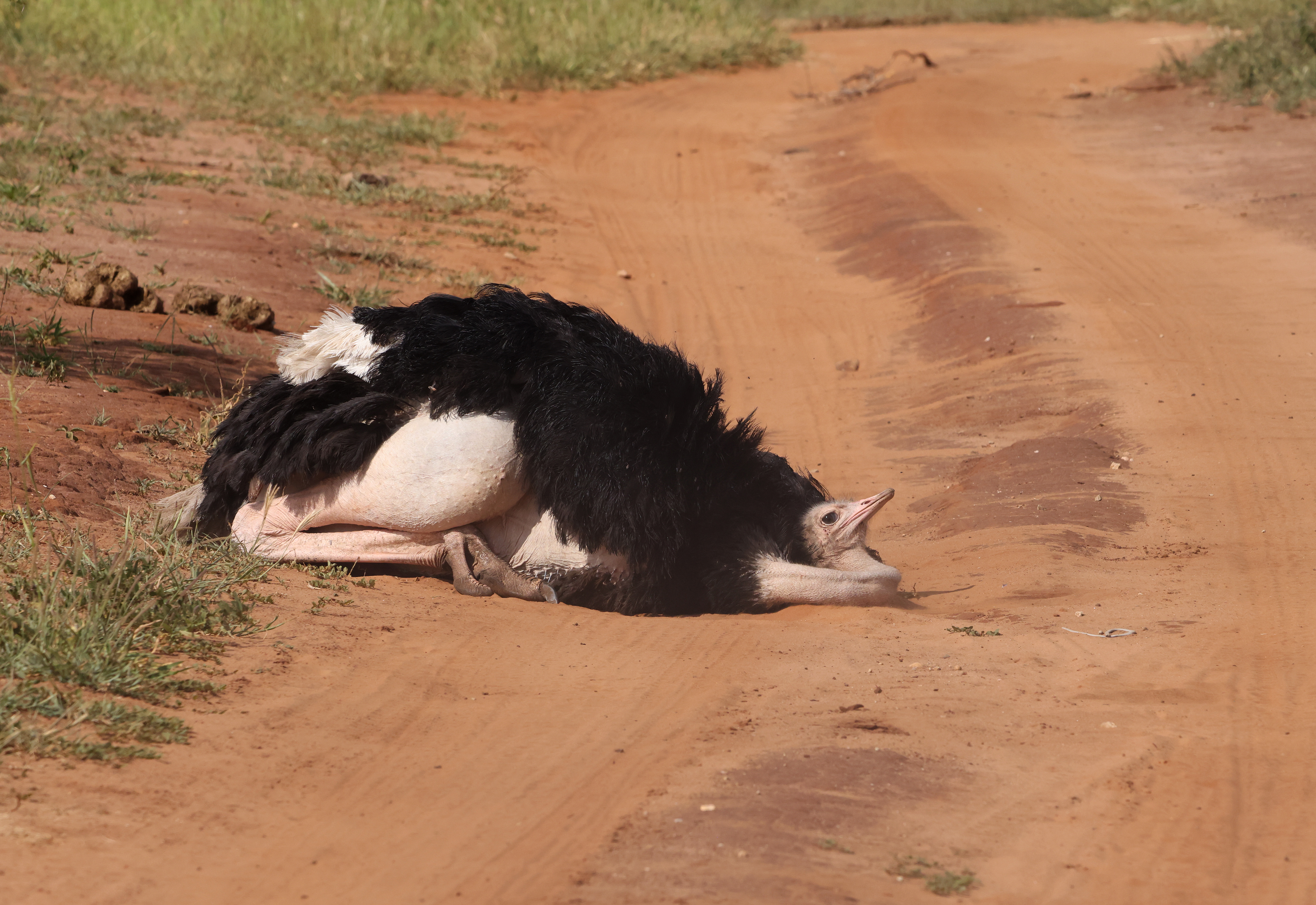
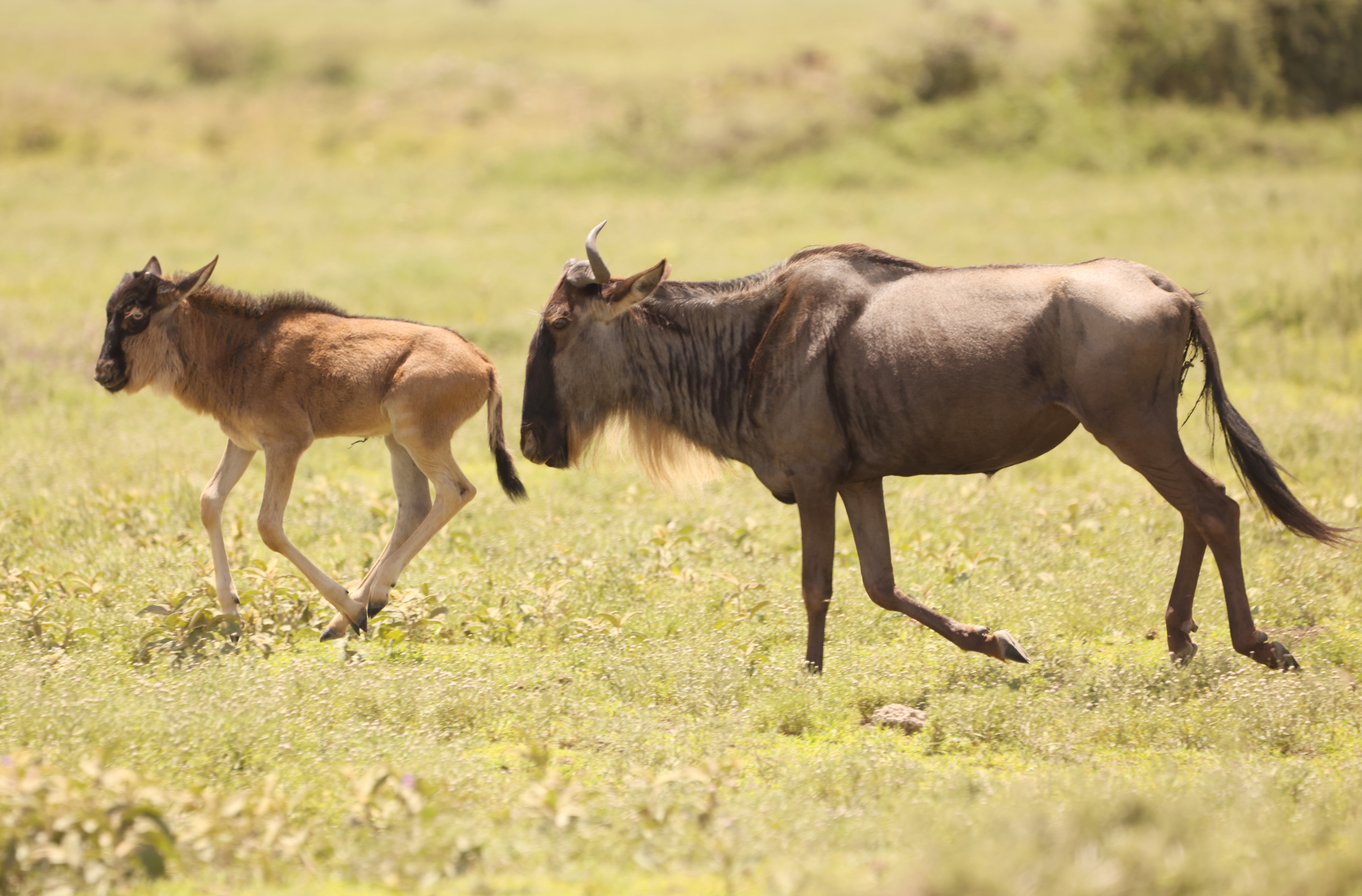
It was fascinating to see so many different types of wildlife – both prey and predator – living so close together. At one point, there was. lion resting nearby a pack of zebras and wildebeest and none seemed to concerned. We also saw a lot of rhinos, which I thought would be a little harder than it was. Gabi, our tour guide, said numbers have risen over the past few years, although he was still surprised at how easily we found them. Below are a few more of our wildlife sightings for the day.

Day 6: Buffalo vs. Hyena

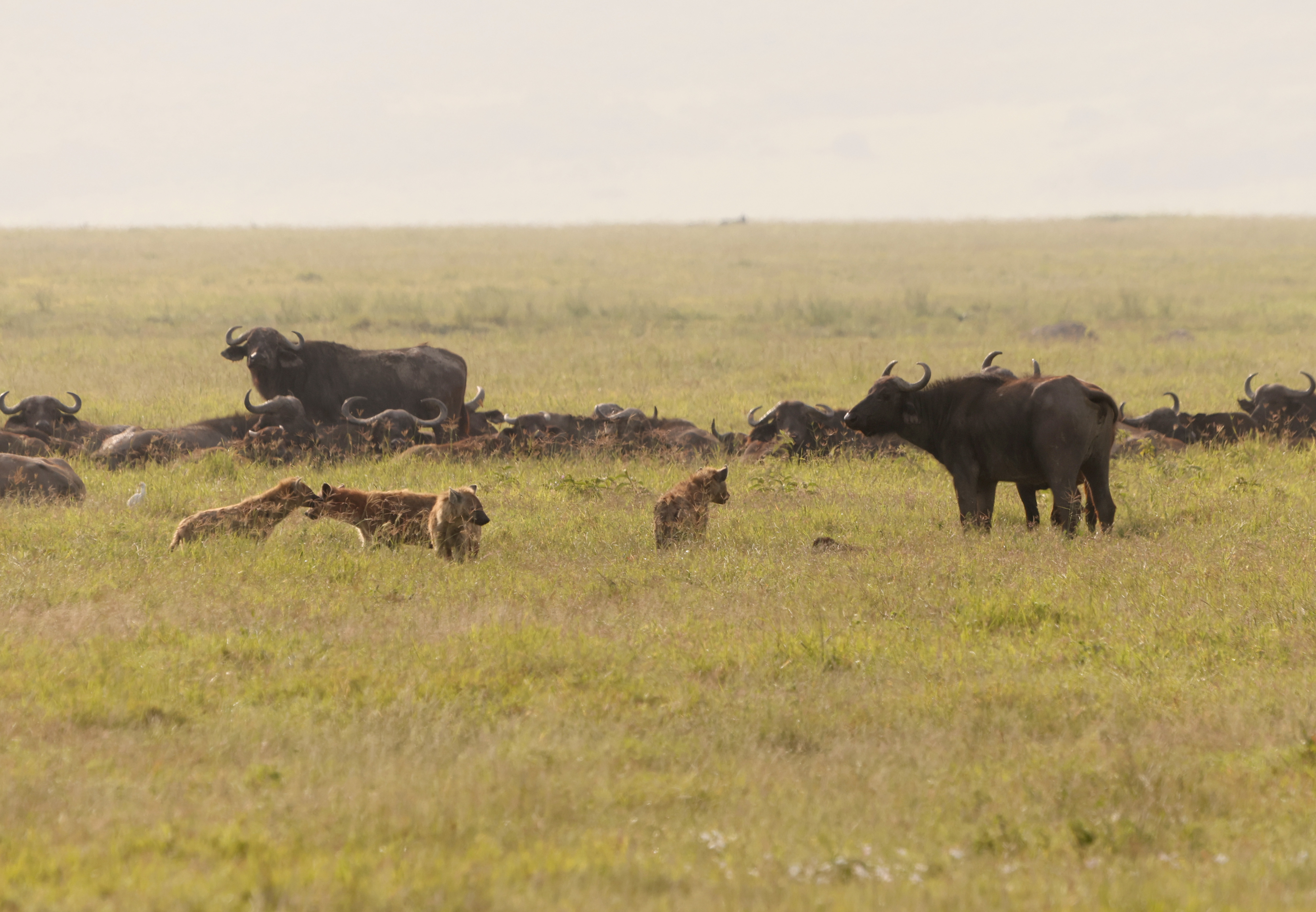
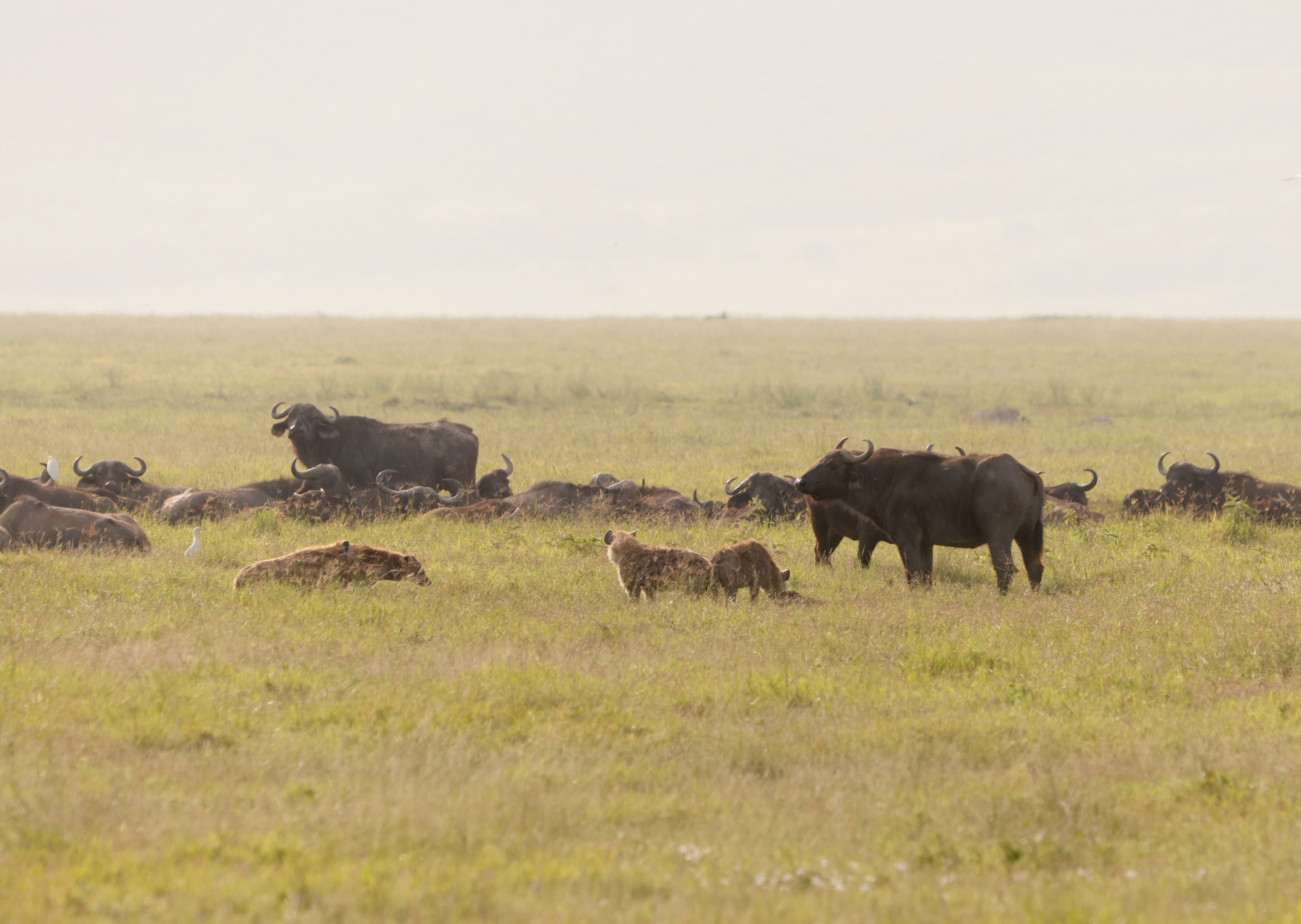
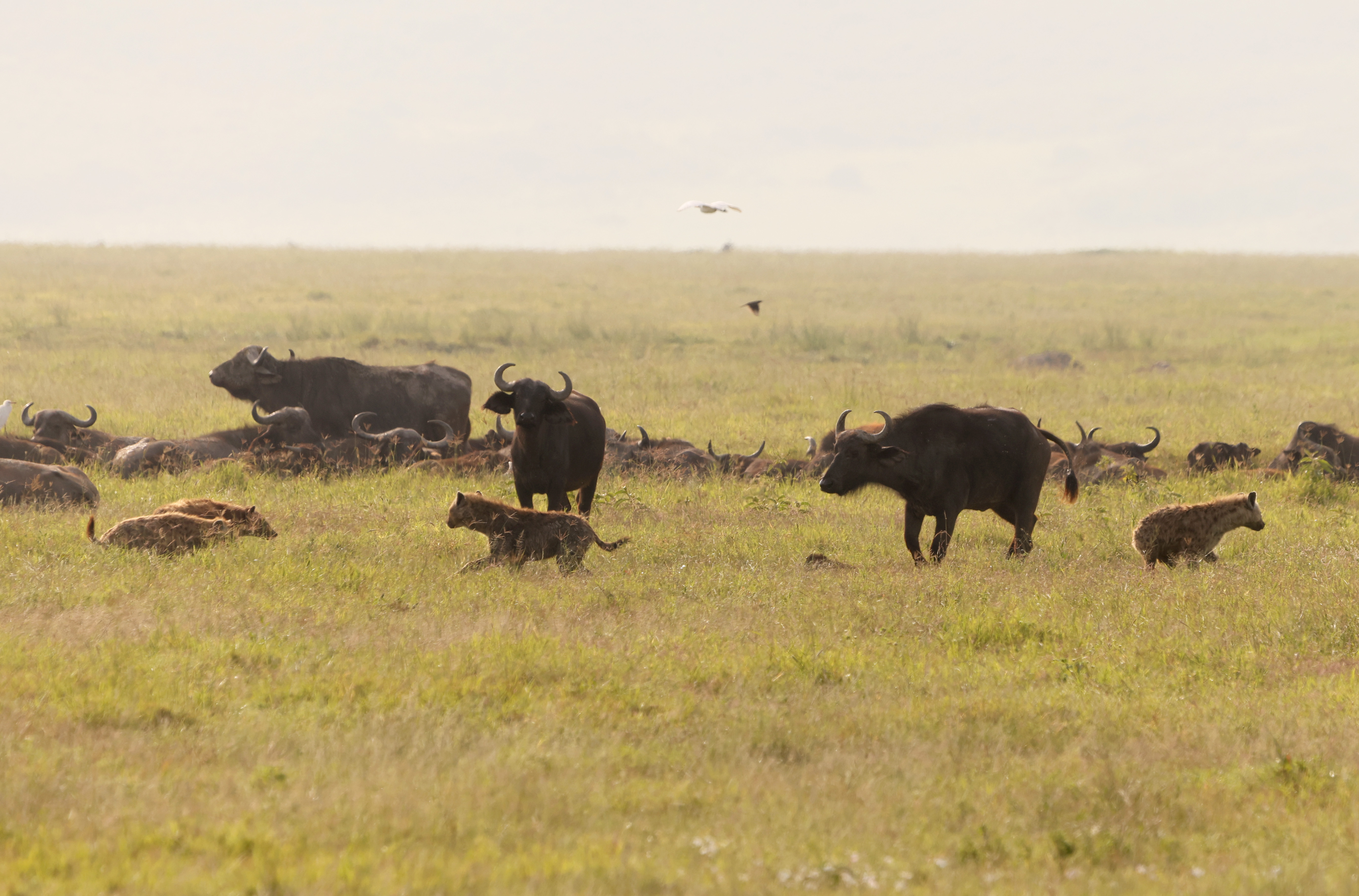
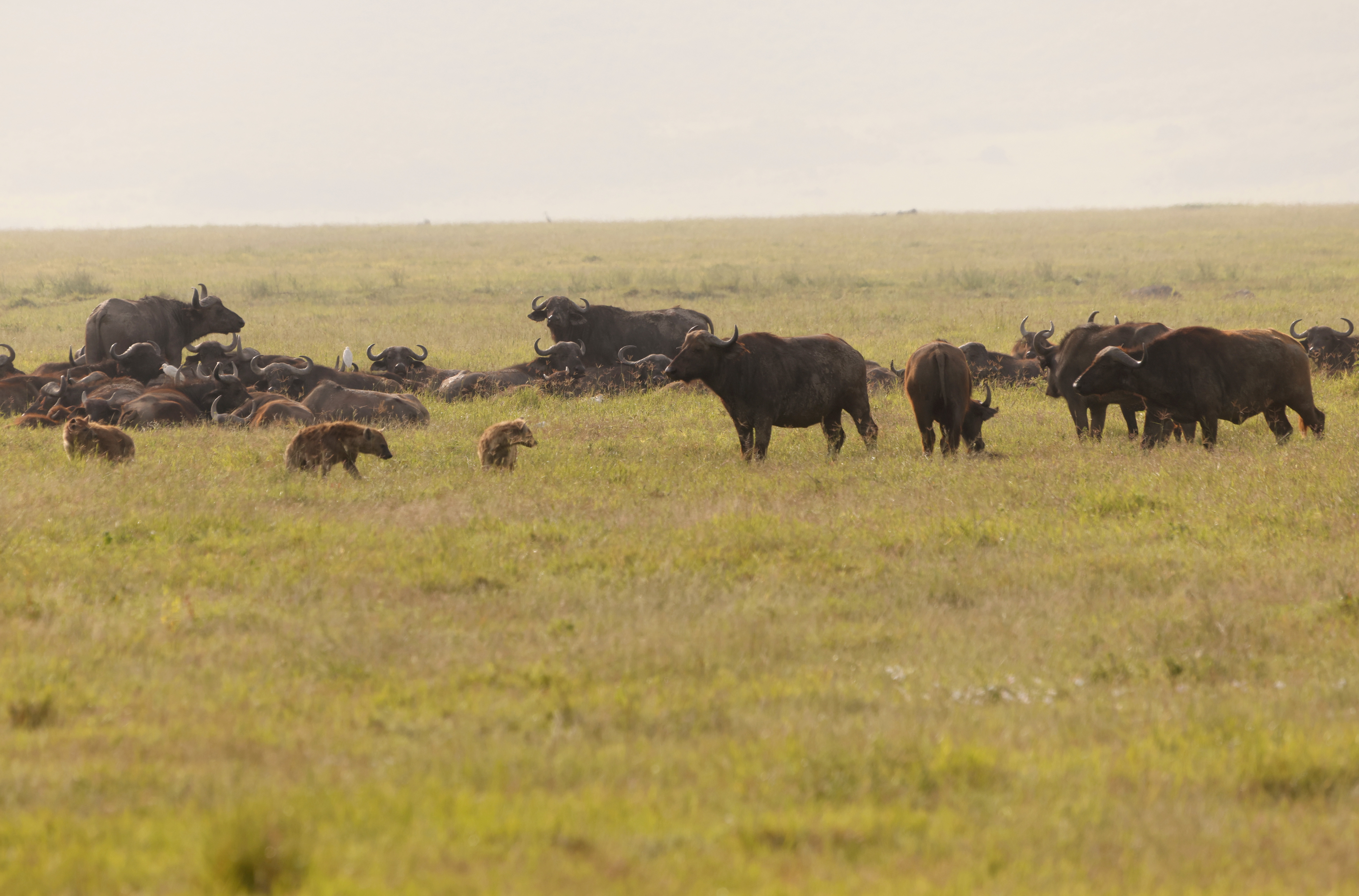
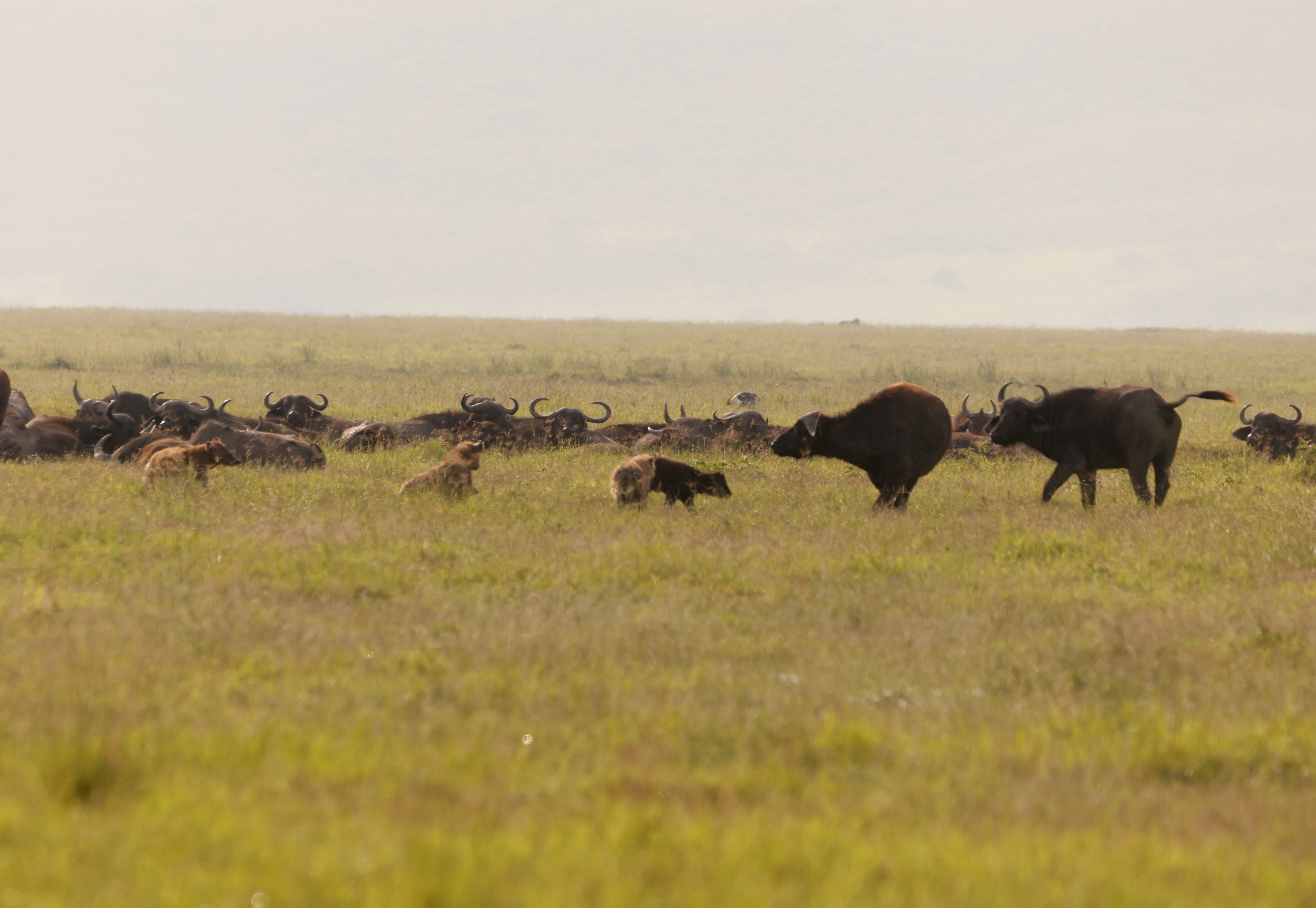
We witnessed a heck of a stand-off on Day 6 between a mother buffalo and hyenas in the Ngorongoro Crater.

We first noticed the hyenas nosing around a herd of buffalos. It was then we noticed the unmoving small brown mound that the hyenas seemed laser focused on. The baby’s mother alternated between standing guard, charging the hyenas back and then walking away, thus letting the hyenas closer.

At one point, we thought the hyenas would win. The mother was walking off and we saw a hyena bite and pull on the baby. It was heartbreaking until, suddenly, the mother came rushing back with others from the herd. They stood guard and, then, the baby slowly stood. I’ll admit we screamed at that point. It was a happy, but completely unexpected turn of events. 

The hyenas were, obviously, not happy and still tried to take the baby. But, other buffalo guided both mother and baby back into the herd and the hyenas slowly moved on.

Day 5: African Wildlife Safari

We slowly made our way from the Tarangire Safari Lodge toward the Ngorongoro Conservation Area. 

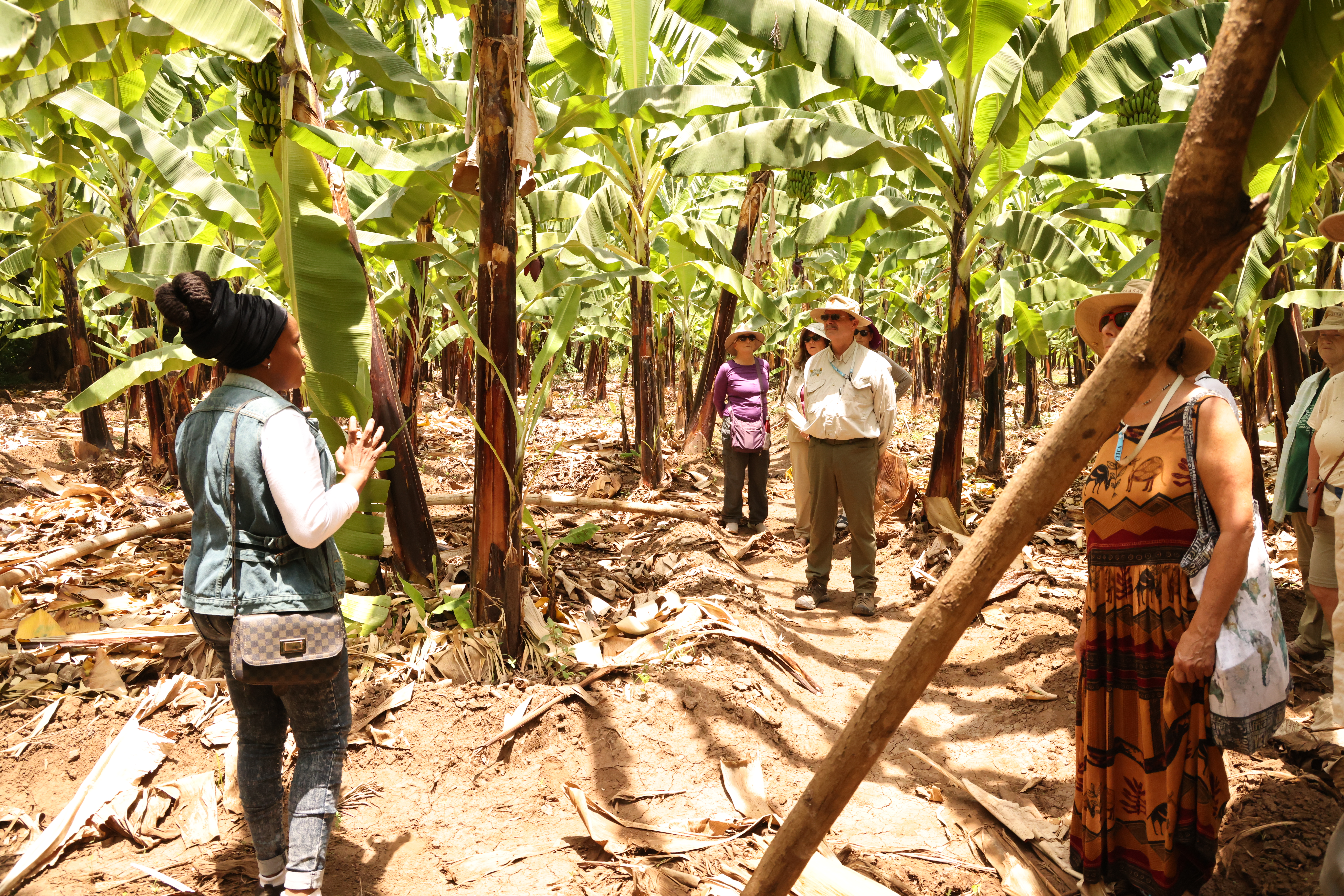
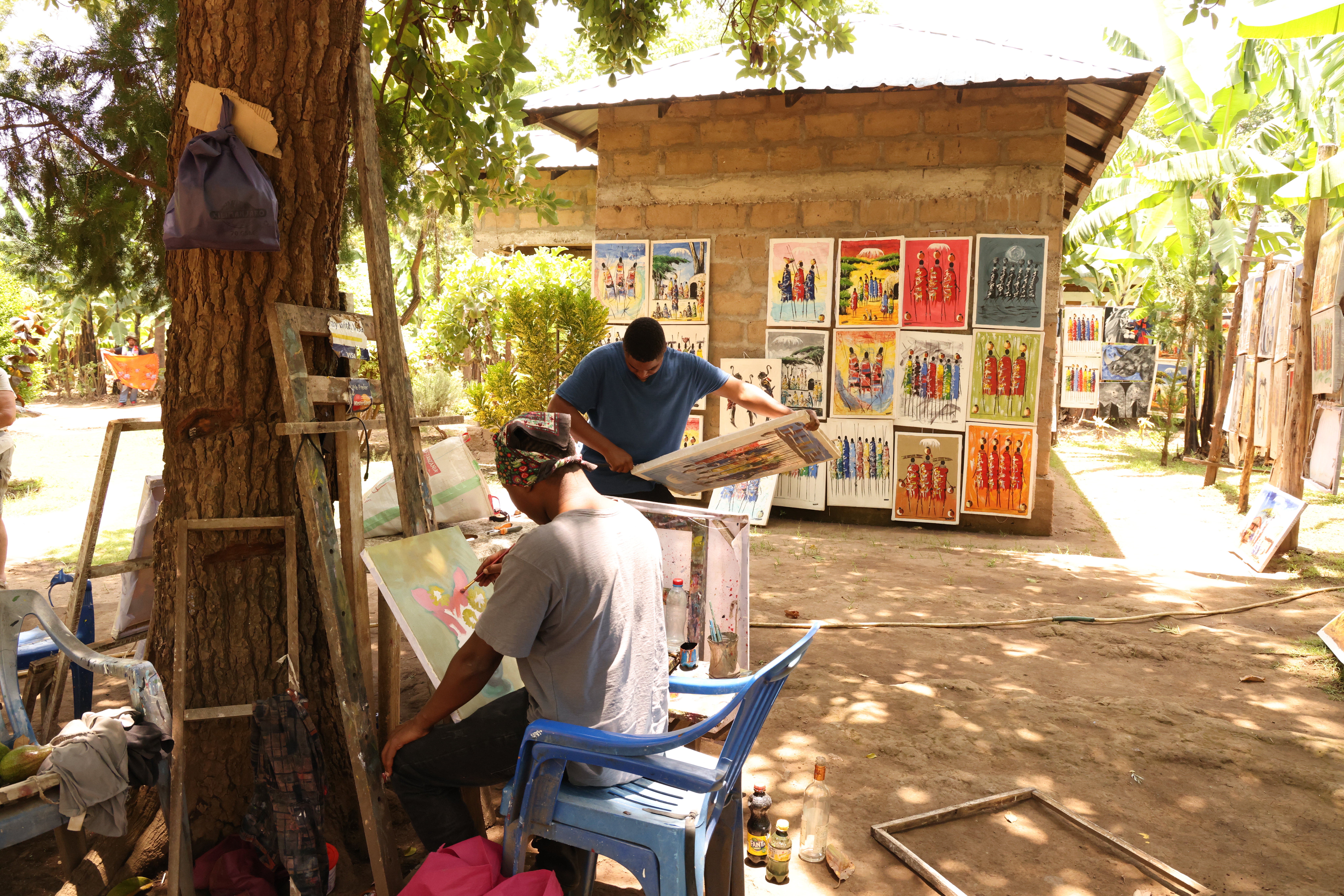
En route, we visited the Mao wa Abu village of about 18,000 people who represent all 120 tribes from Tanzania. A young married couple gave us a tour, including their banana plantation and the youth art project. We had lunch in the village before leaving. It was extremely interesting – I didn’t know there were so many varieties of bananas (the community grows more than 30 varieties) and I bought a painting of Maasai women that I love. However, there were men who approached as we loaded into our vehicles about buying random items from them and they did not like that we said no. They just griped about us and we were able to quickly drive off.

We finally arrived at the Ngorongoro Conservation Area, a UNESCO Mixed World Heritage Site. At the entrance, Gabi and James, our tour guides with #RegalAfricanSafaris (previously known as #MaasaiMagicSafaris), gave us a short presentation on the area during a break before entering the conservation area.

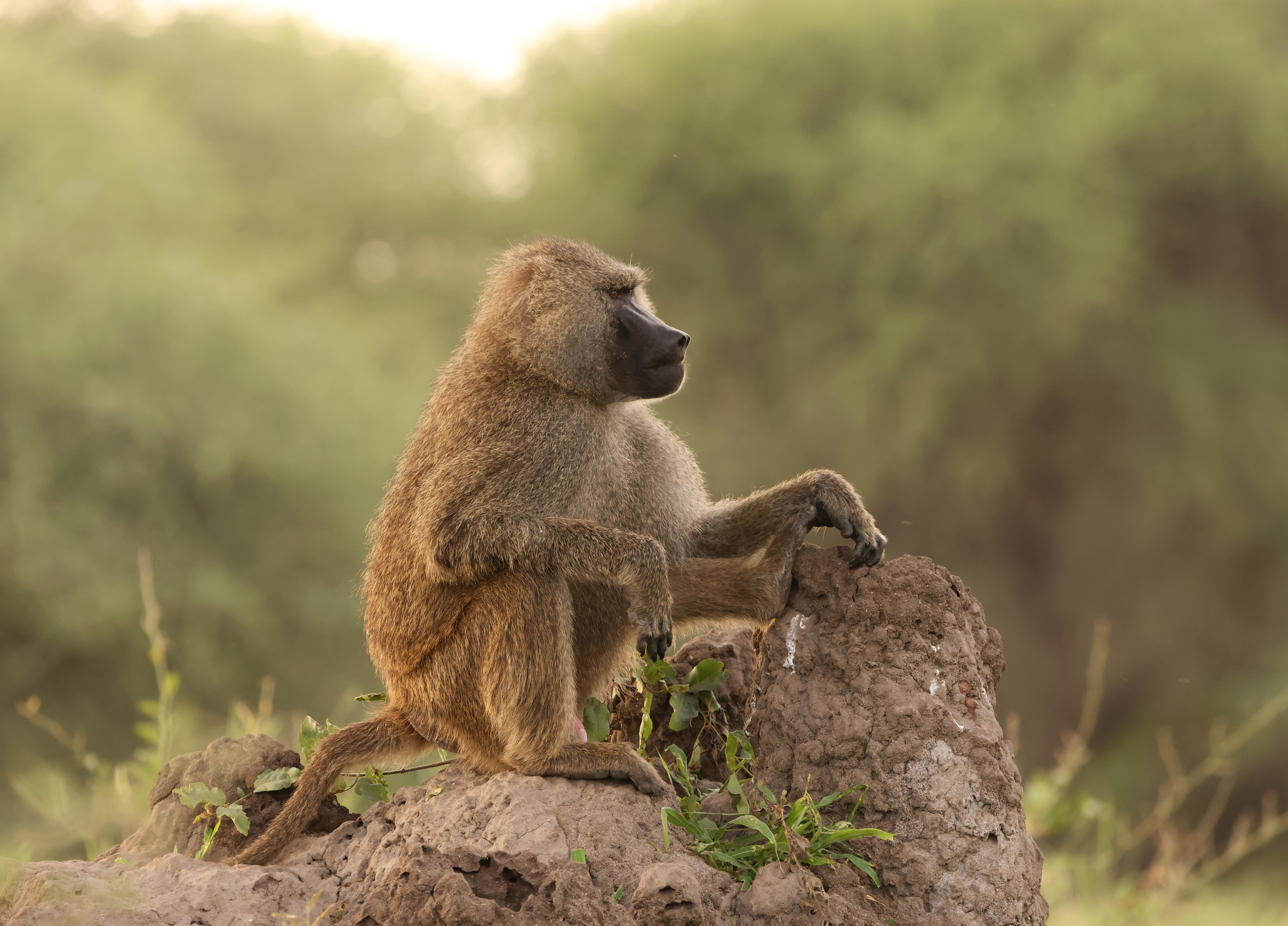
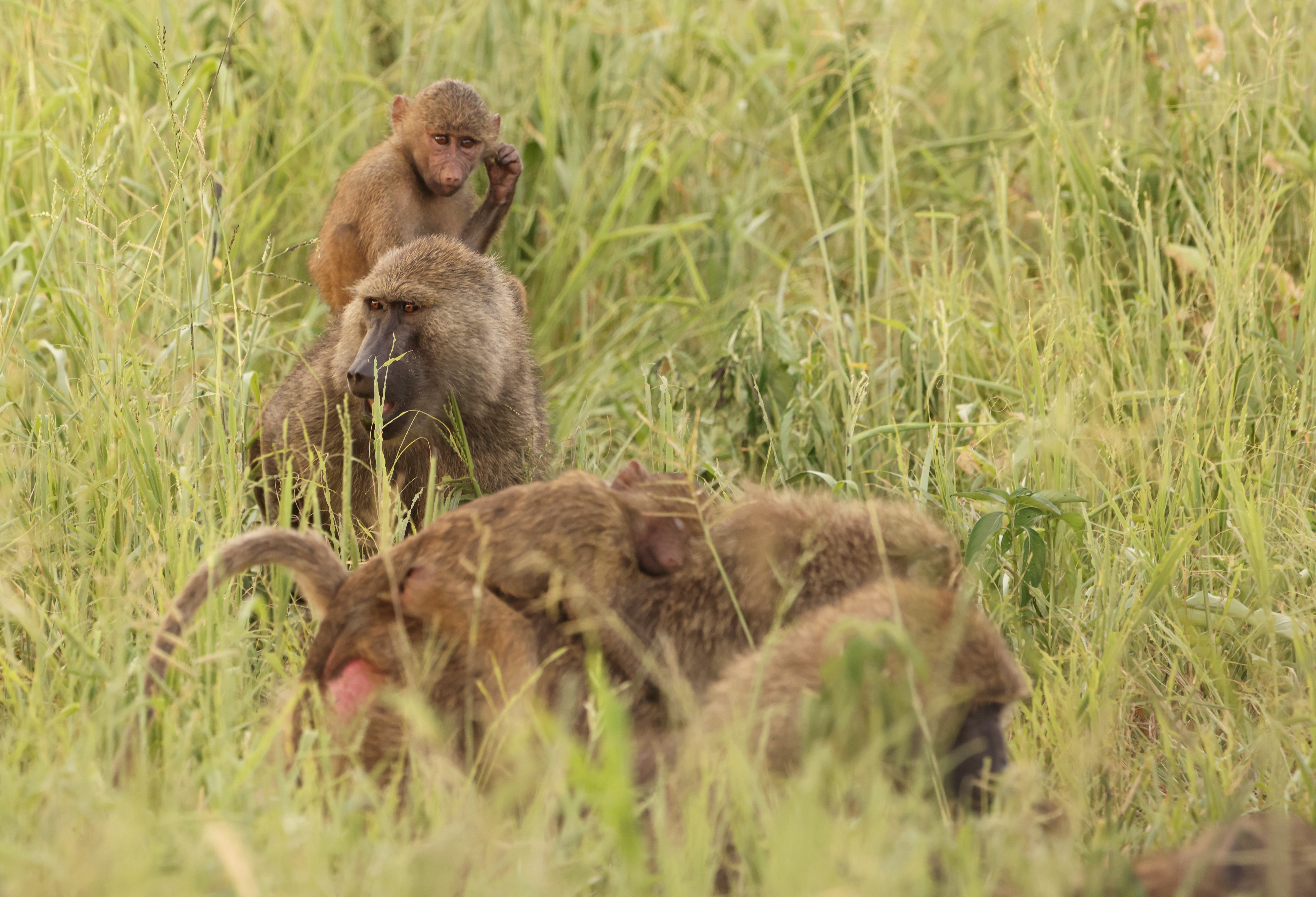
The real winners of the break were these naughty monkeys who stole my aunt’s bag of nuts and tauntedly finished them off while staring her down. They jumped into one vehicle, and stole a purse from another vehicle. While entertaining and frustrating at times, the experience reminded us to keep our doors looked and the windows up around these guys.

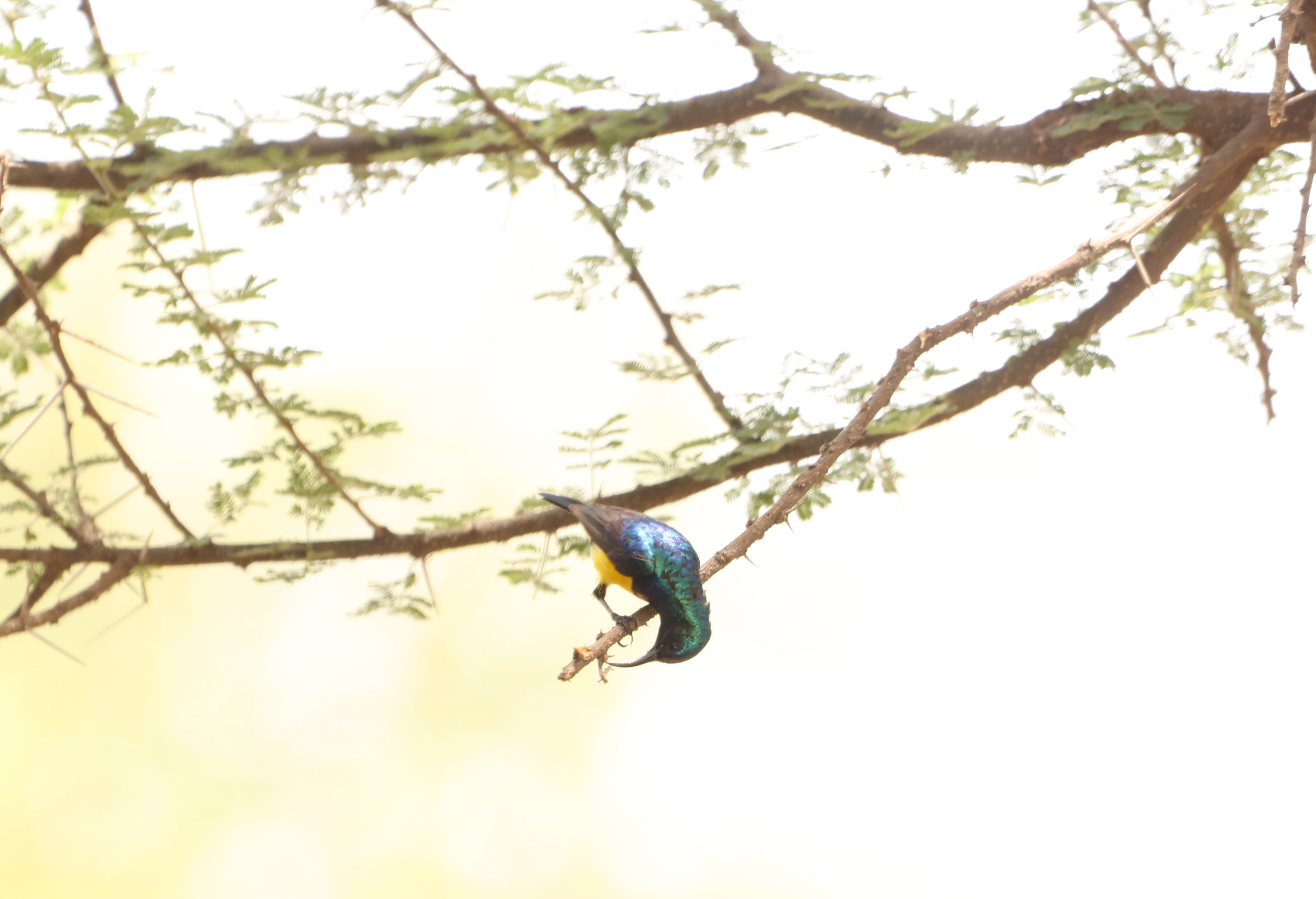
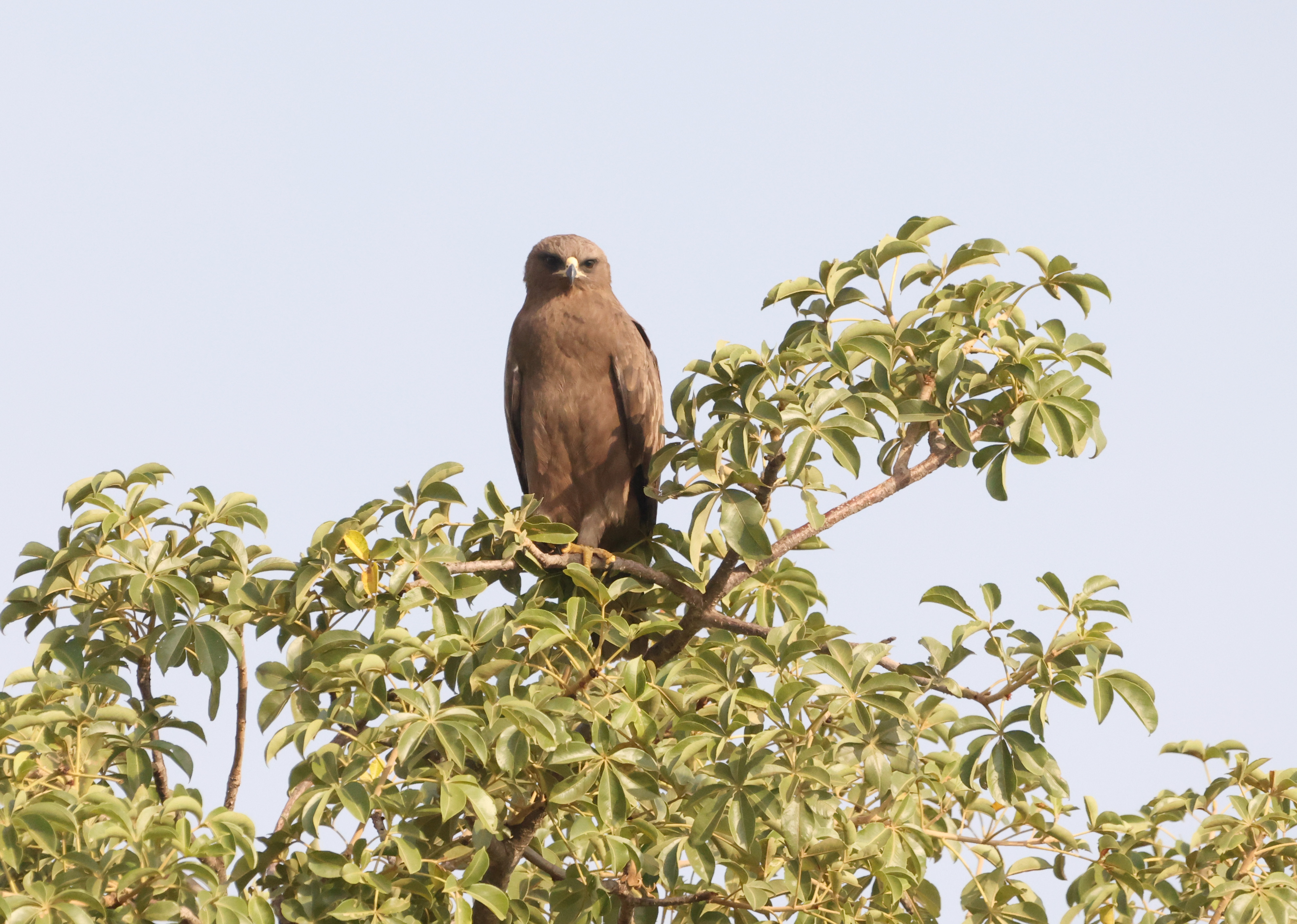
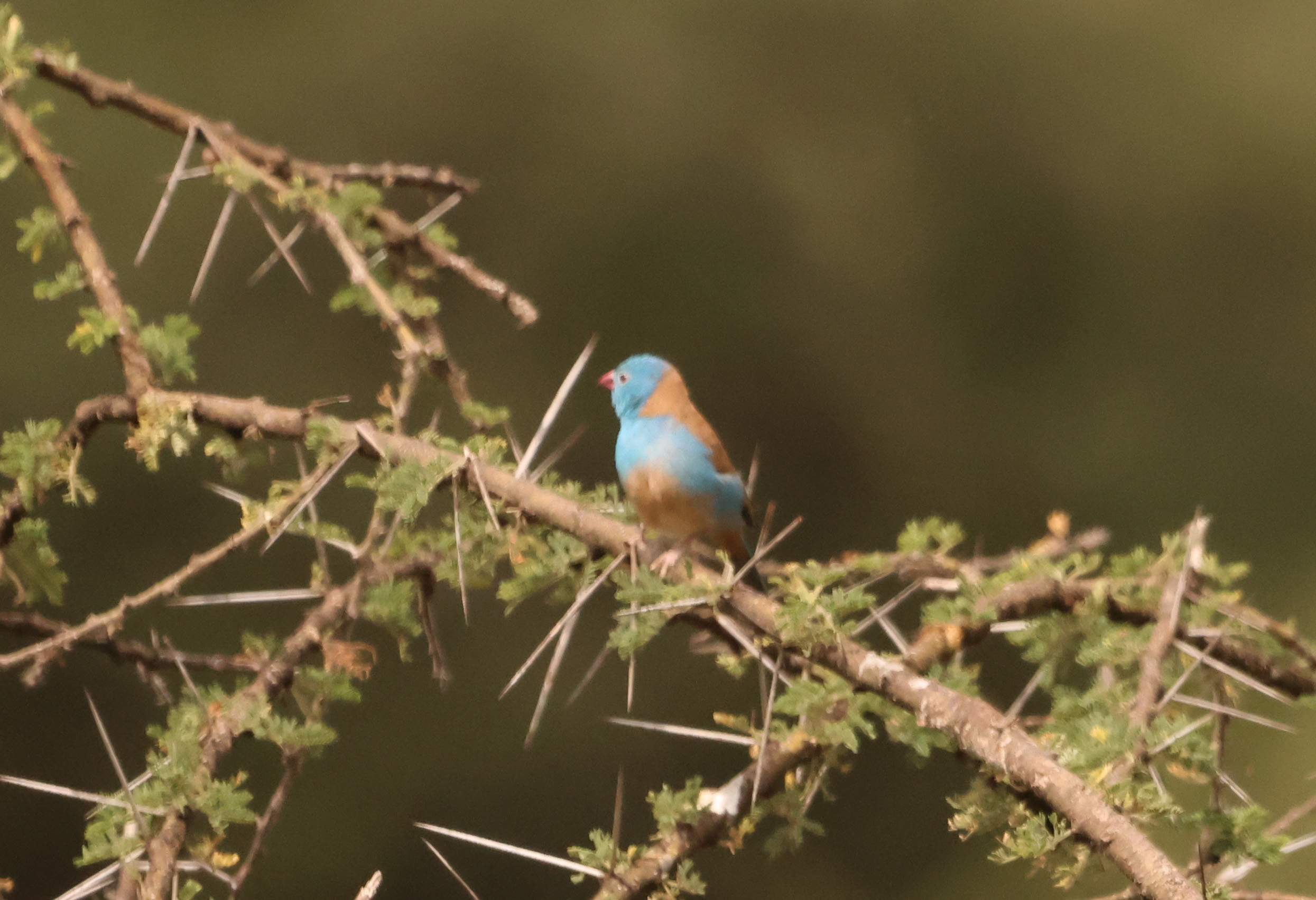
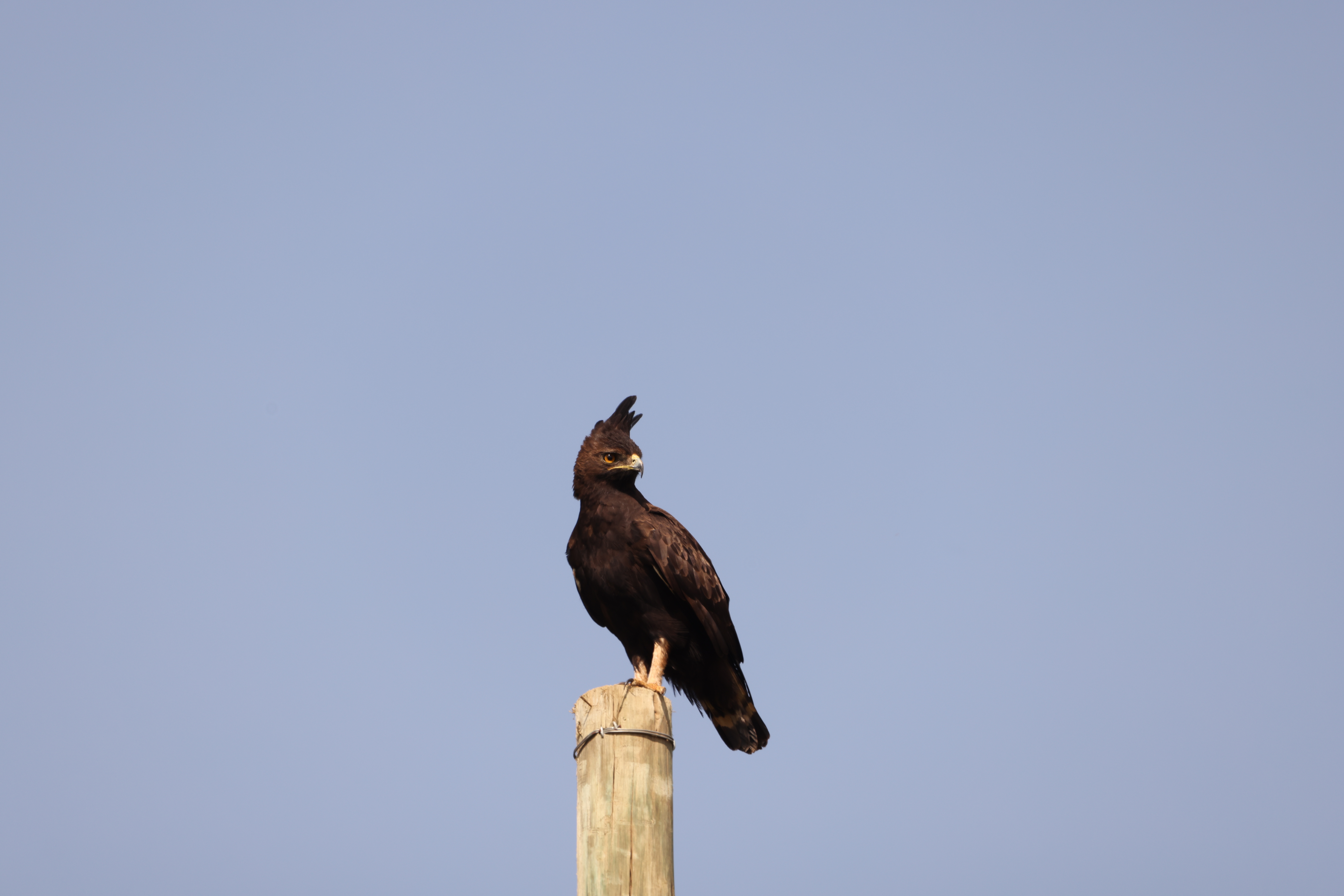
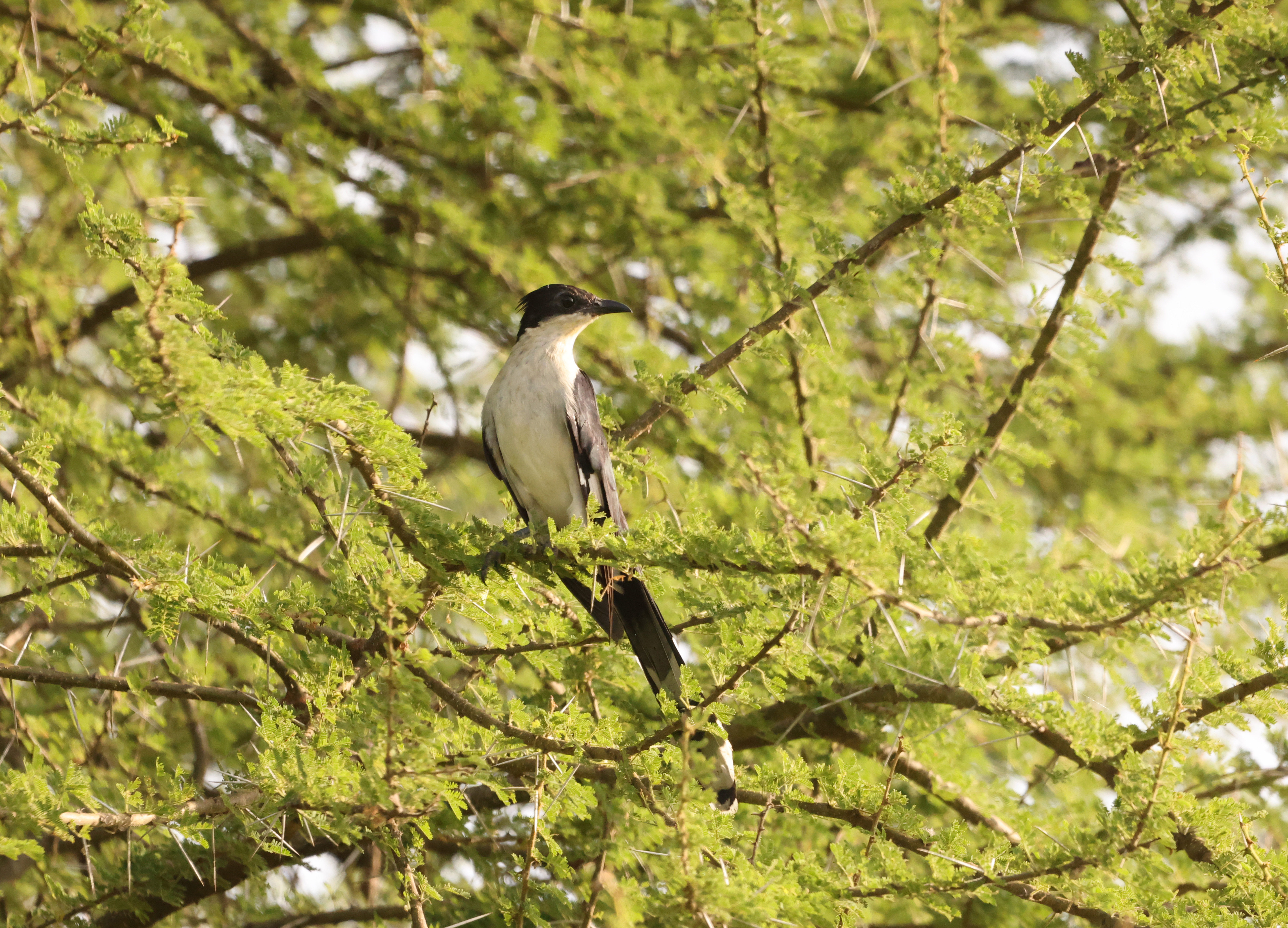
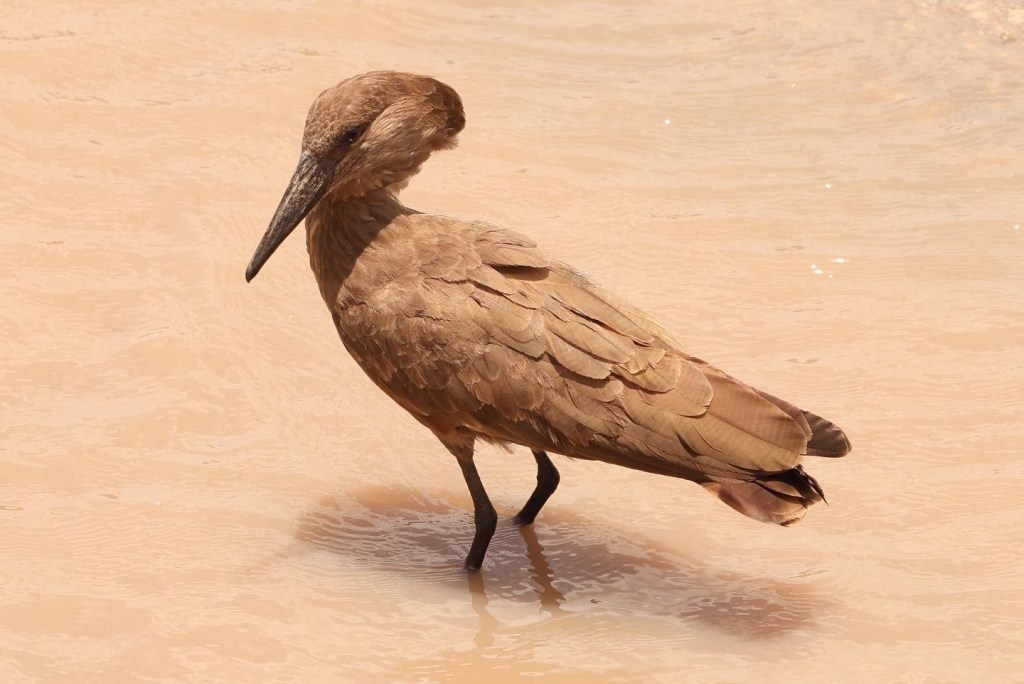
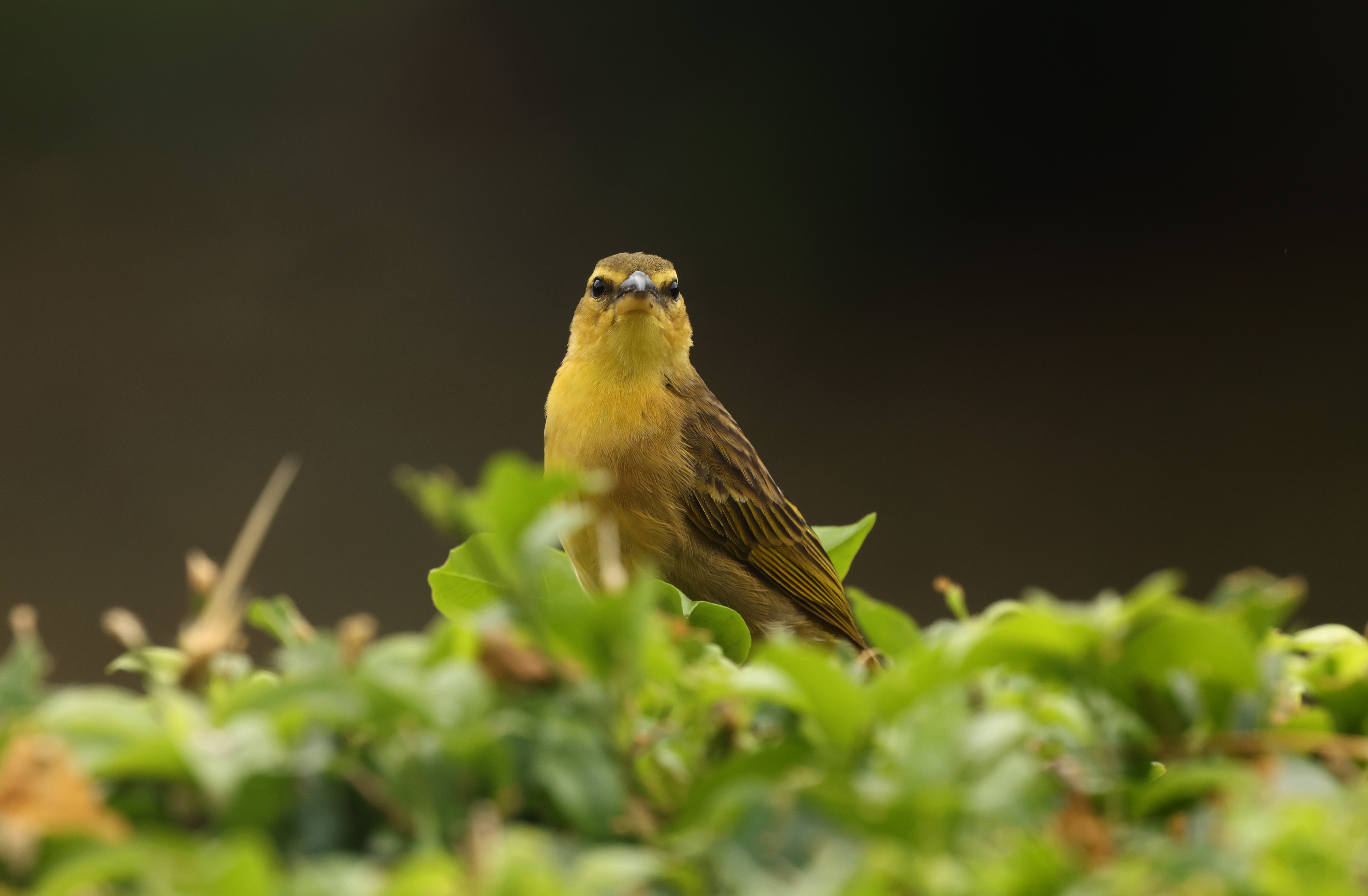
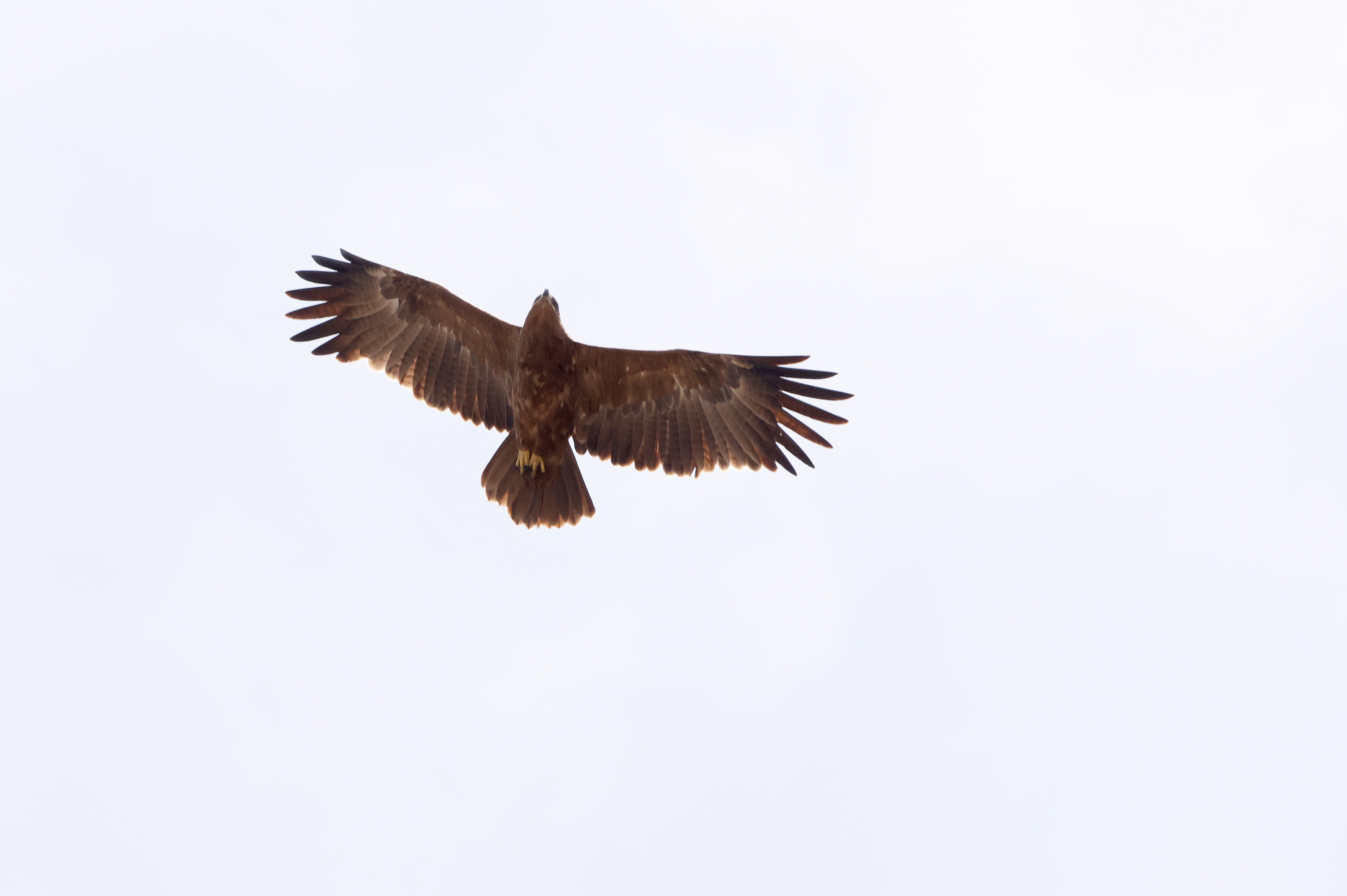
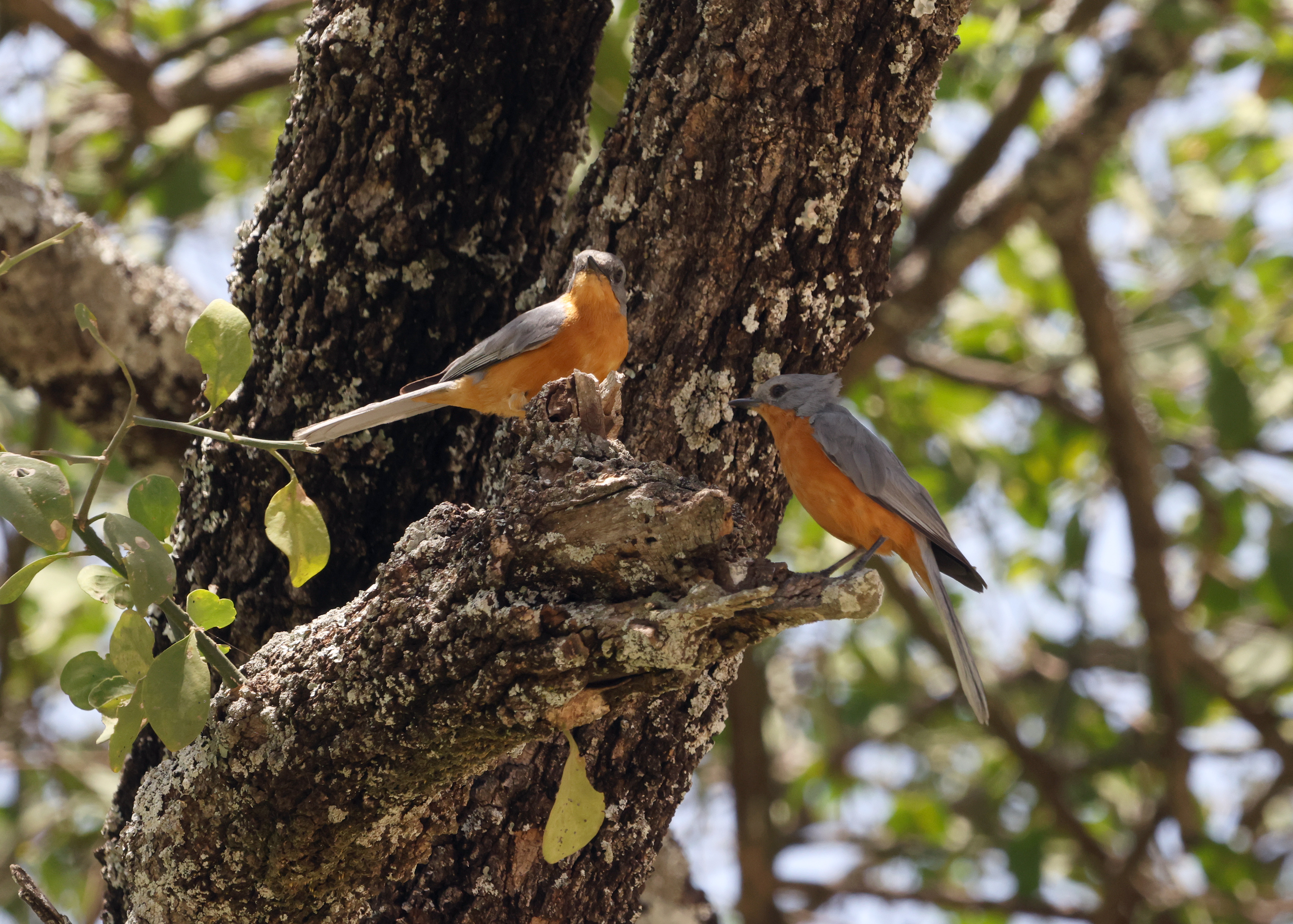
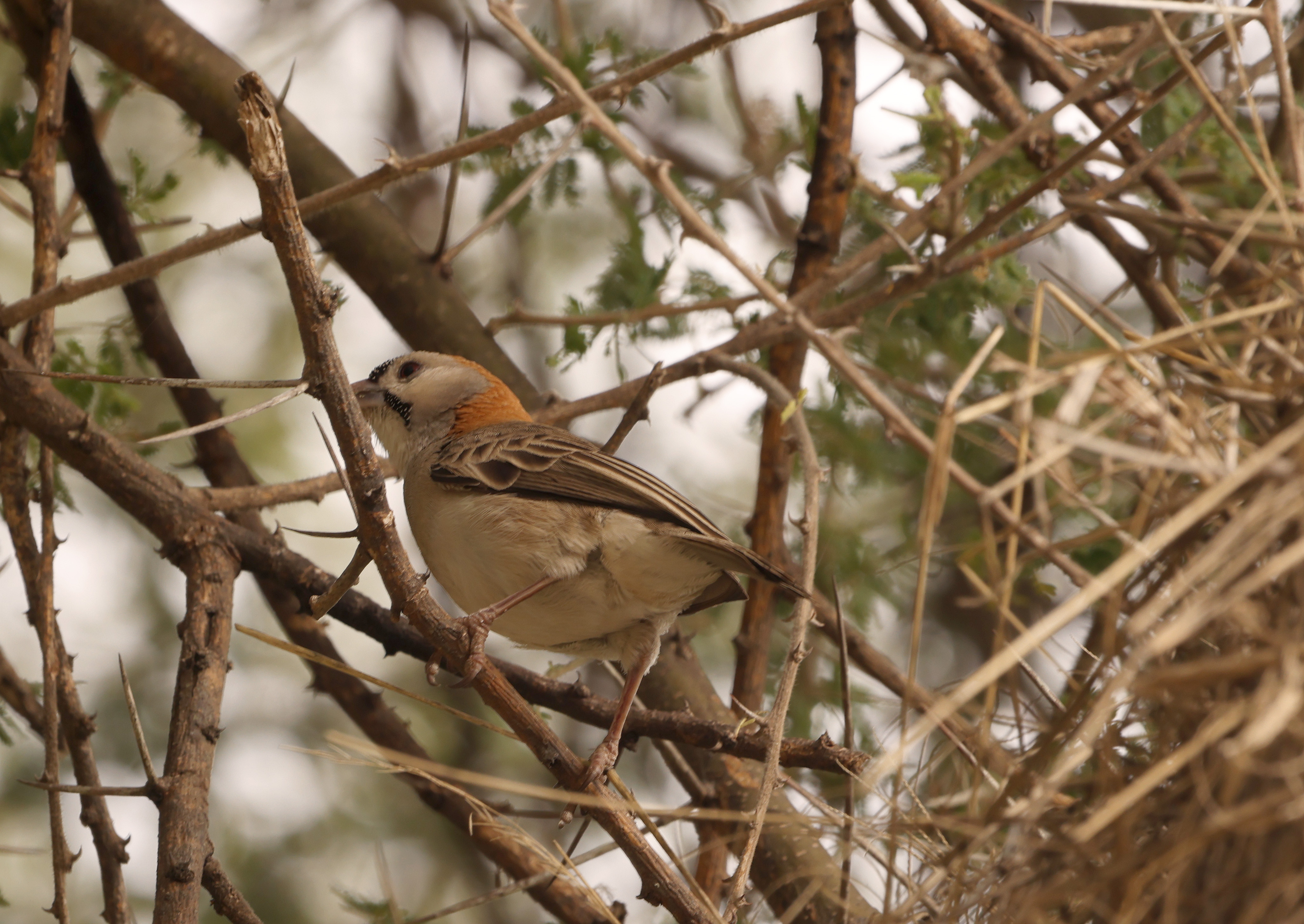
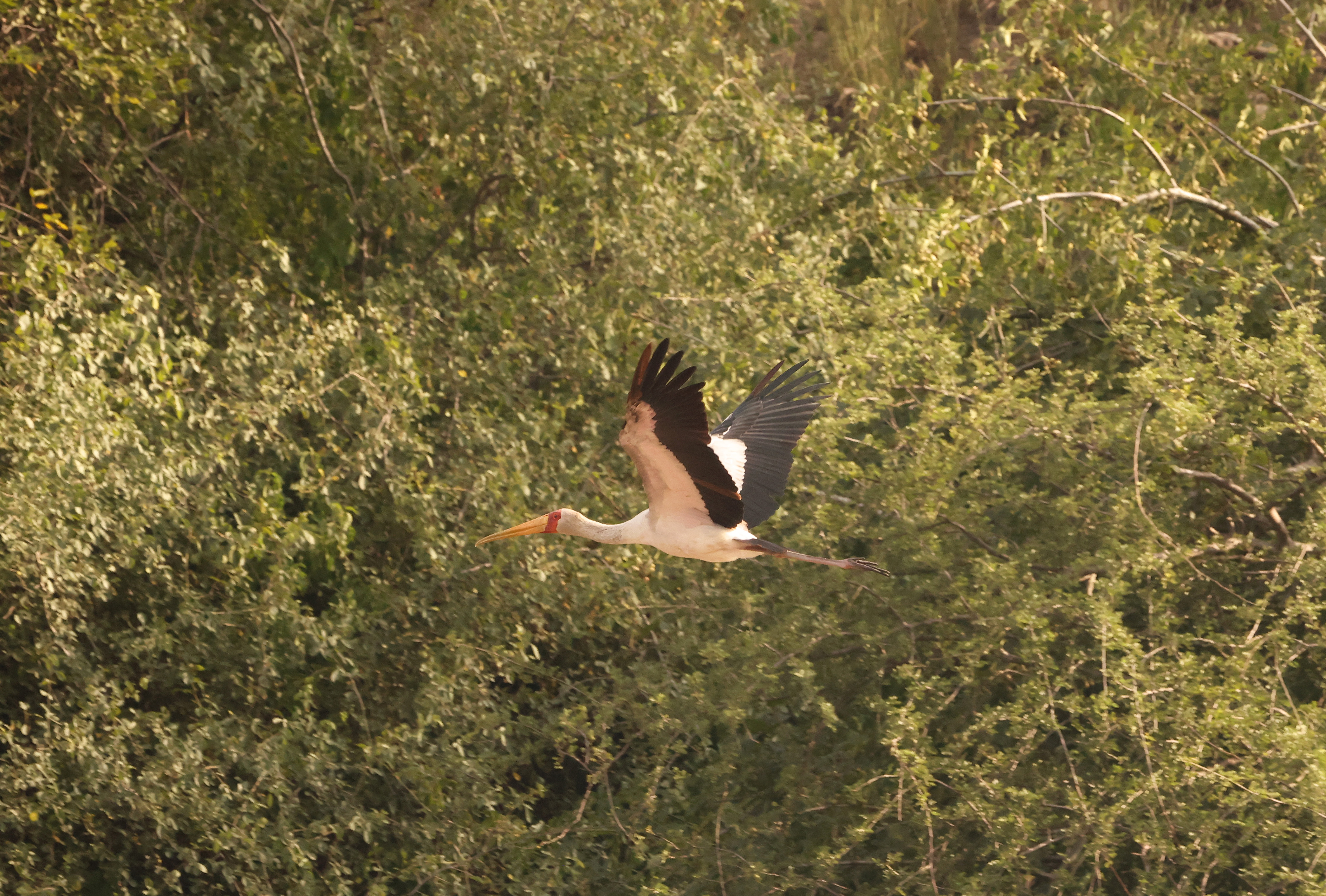
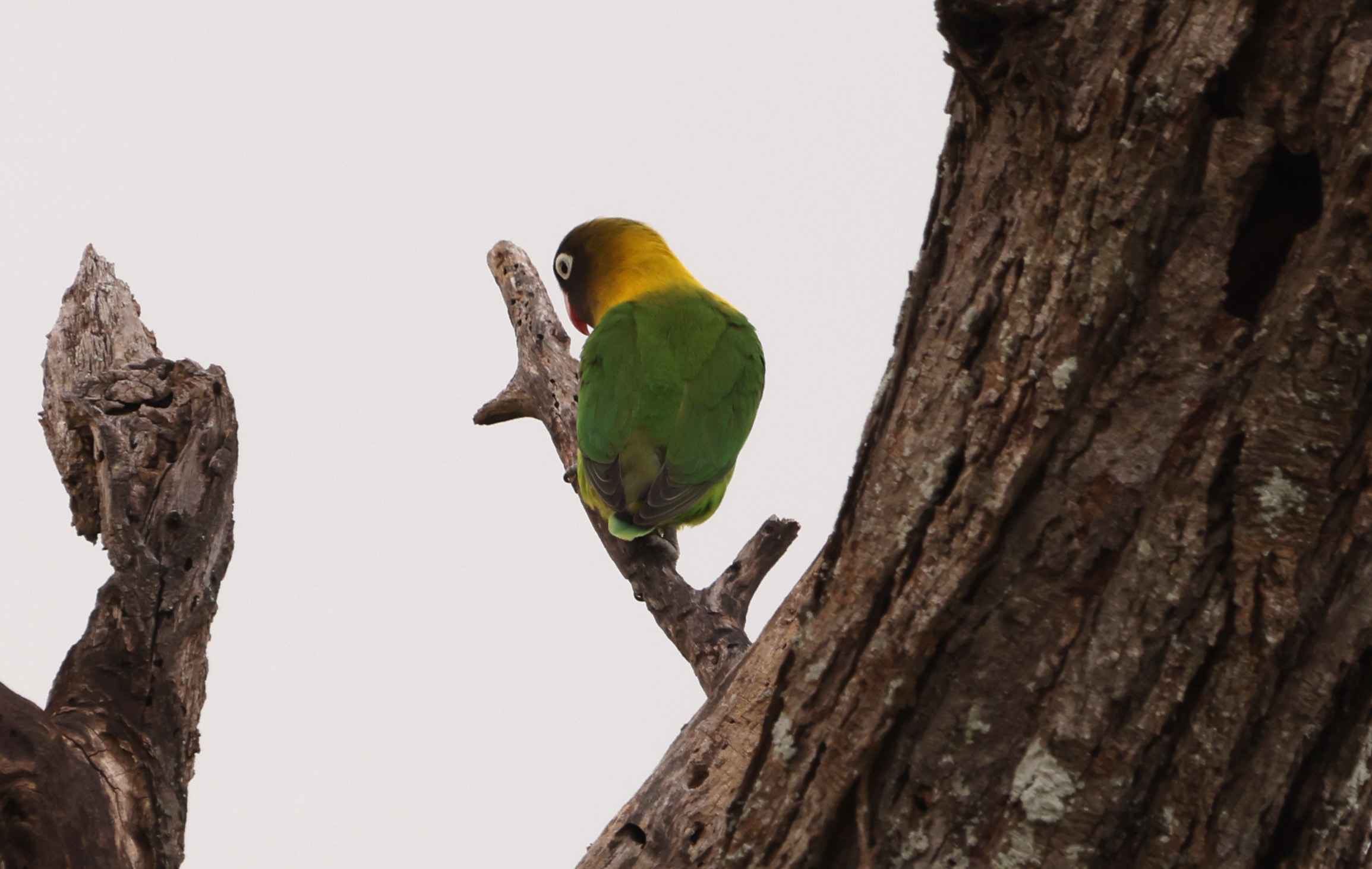
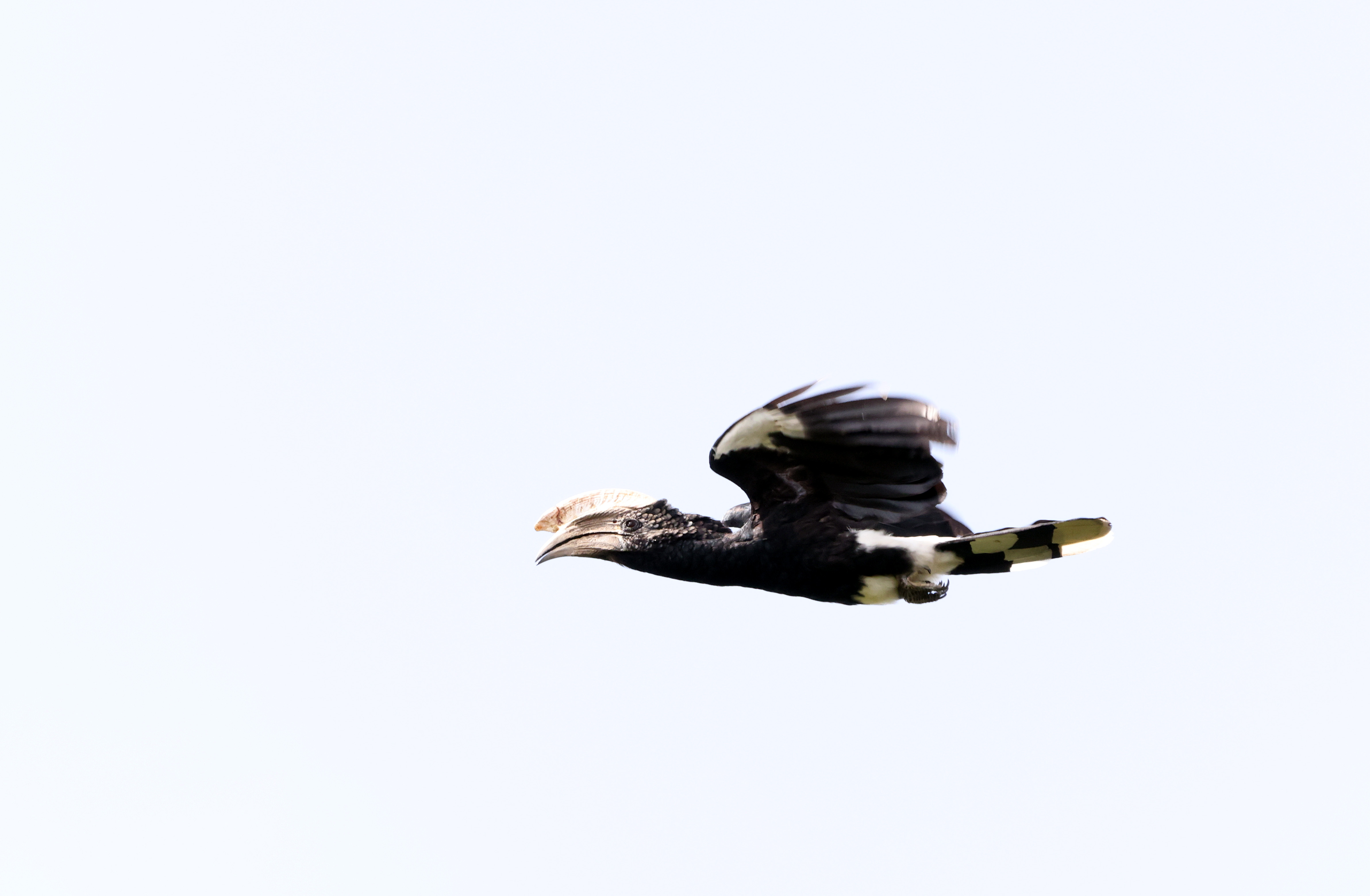
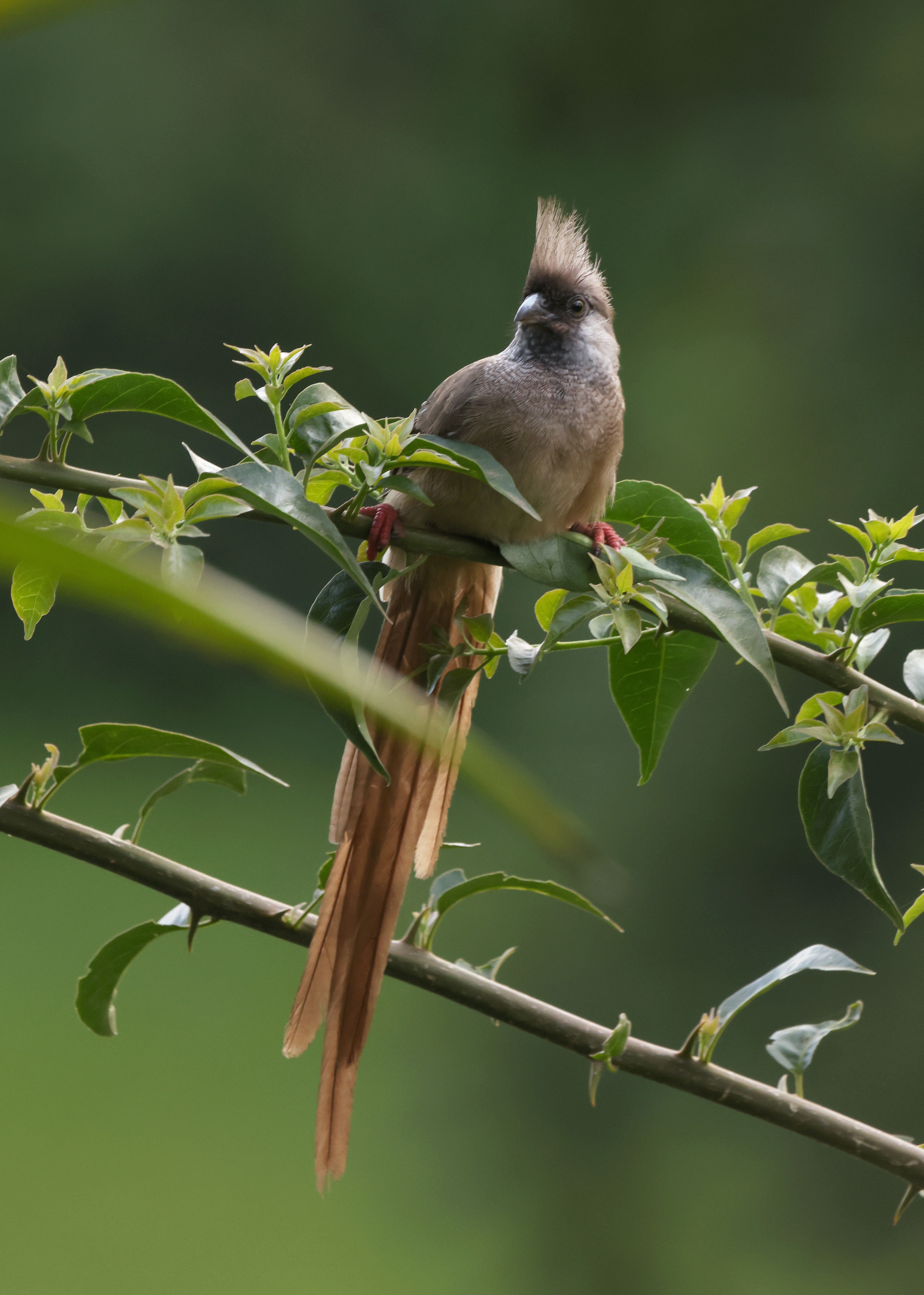
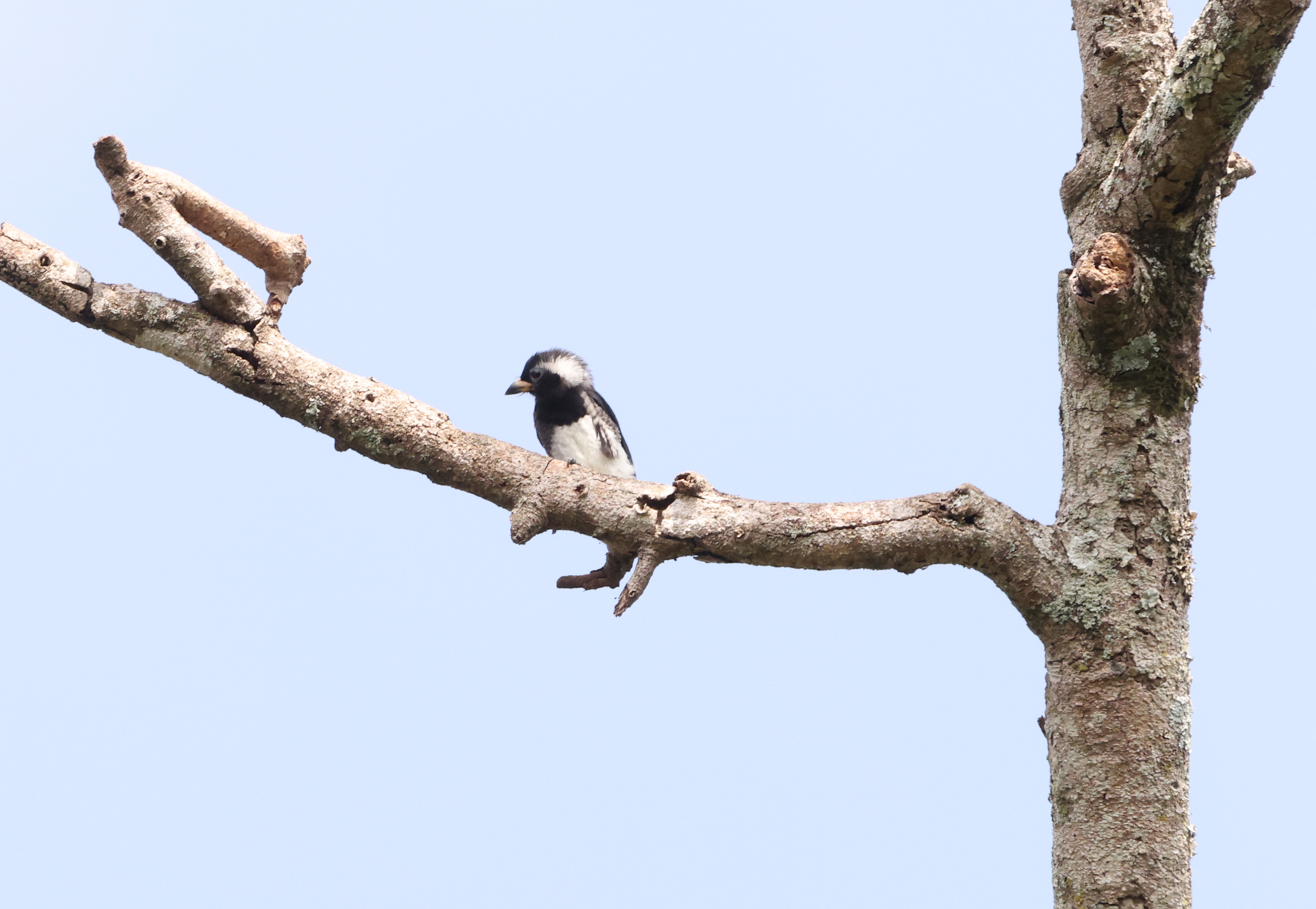
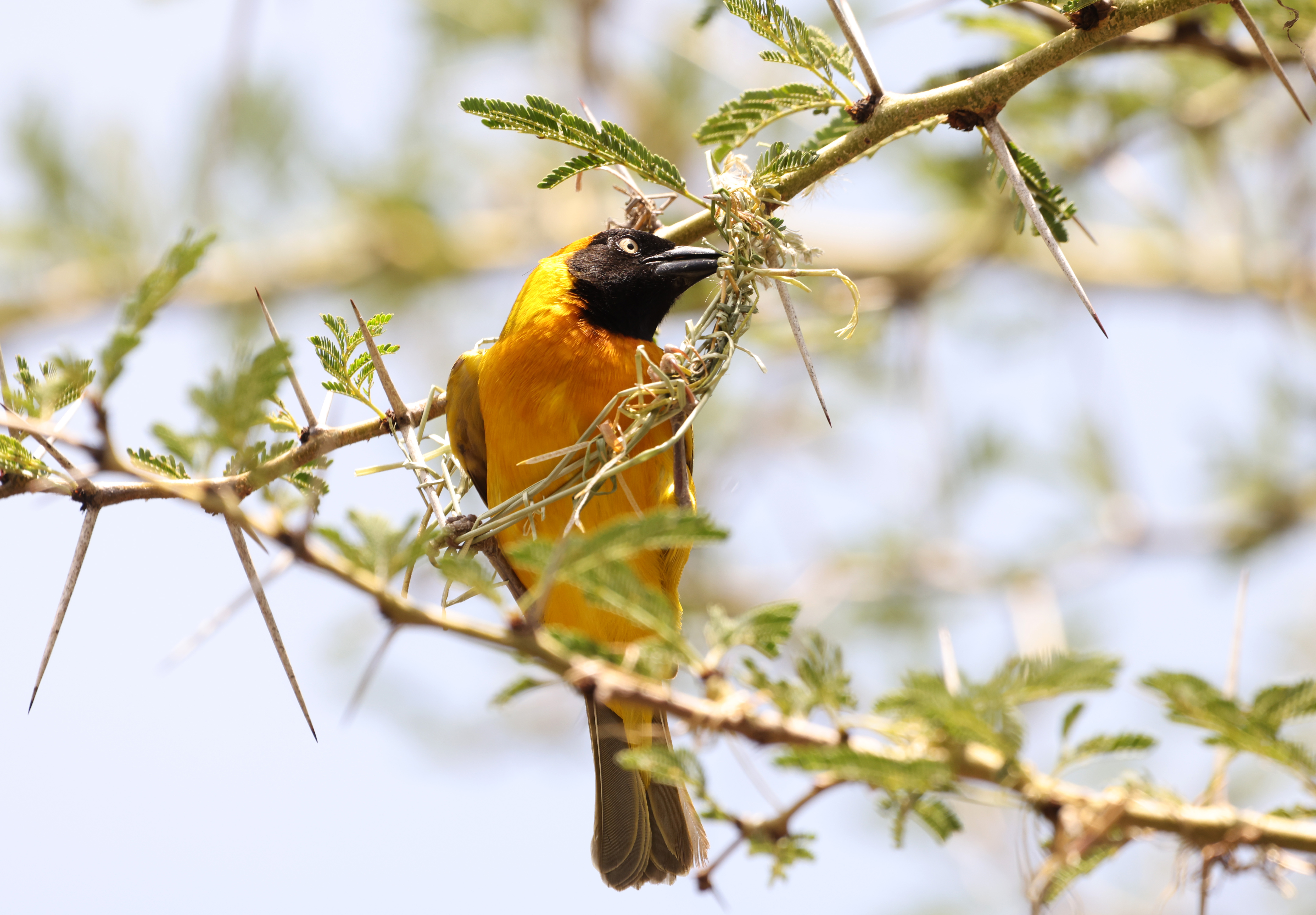
Then, there were the birds. I have no words about how amazing they are so I’ll just so you a few highlights.

Day 5: Our Lodging

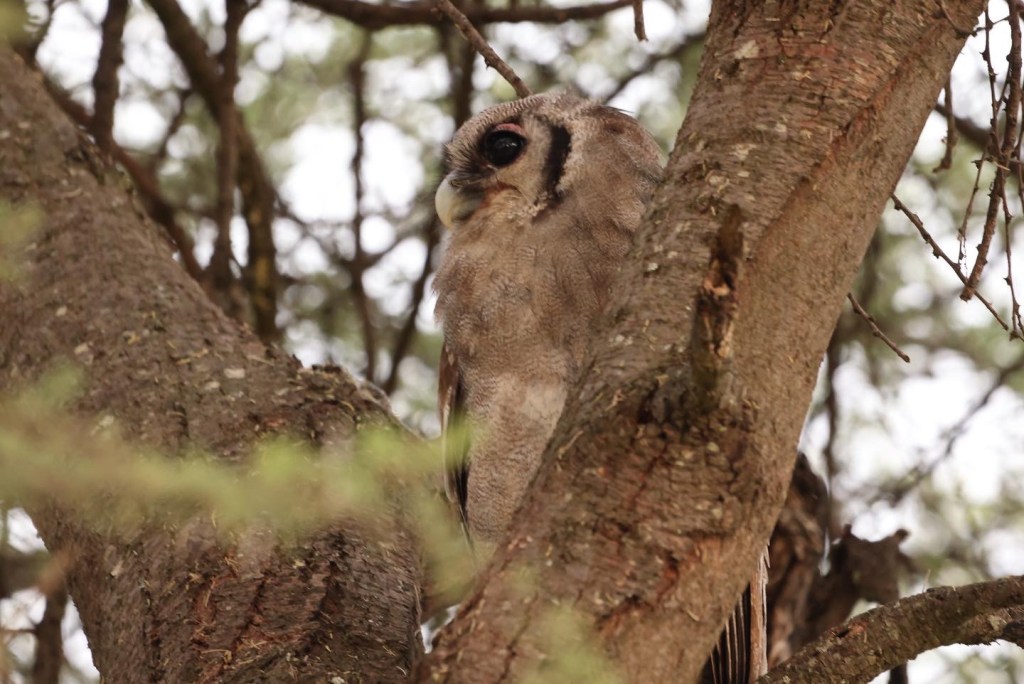
African Scops-Owl

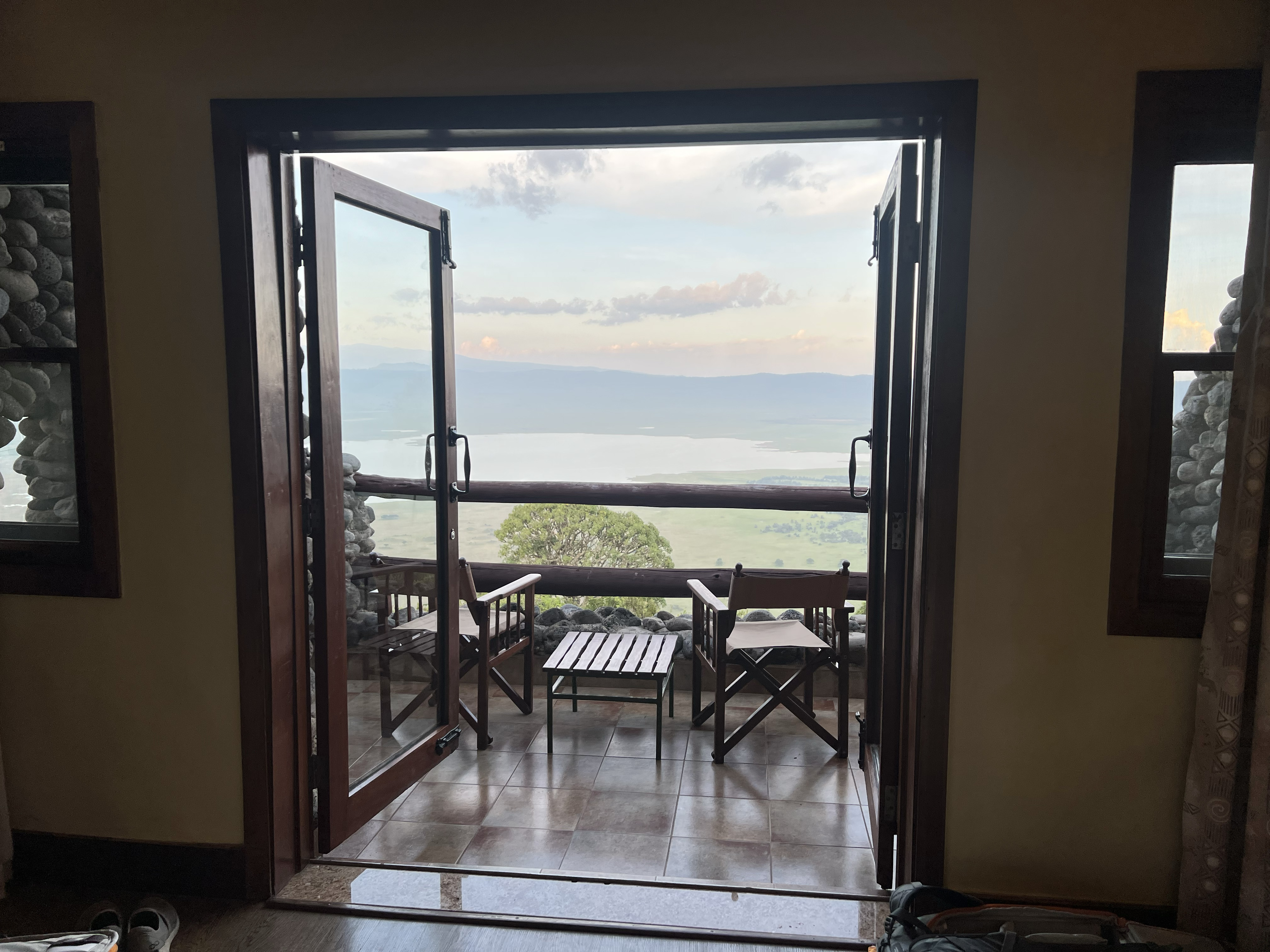
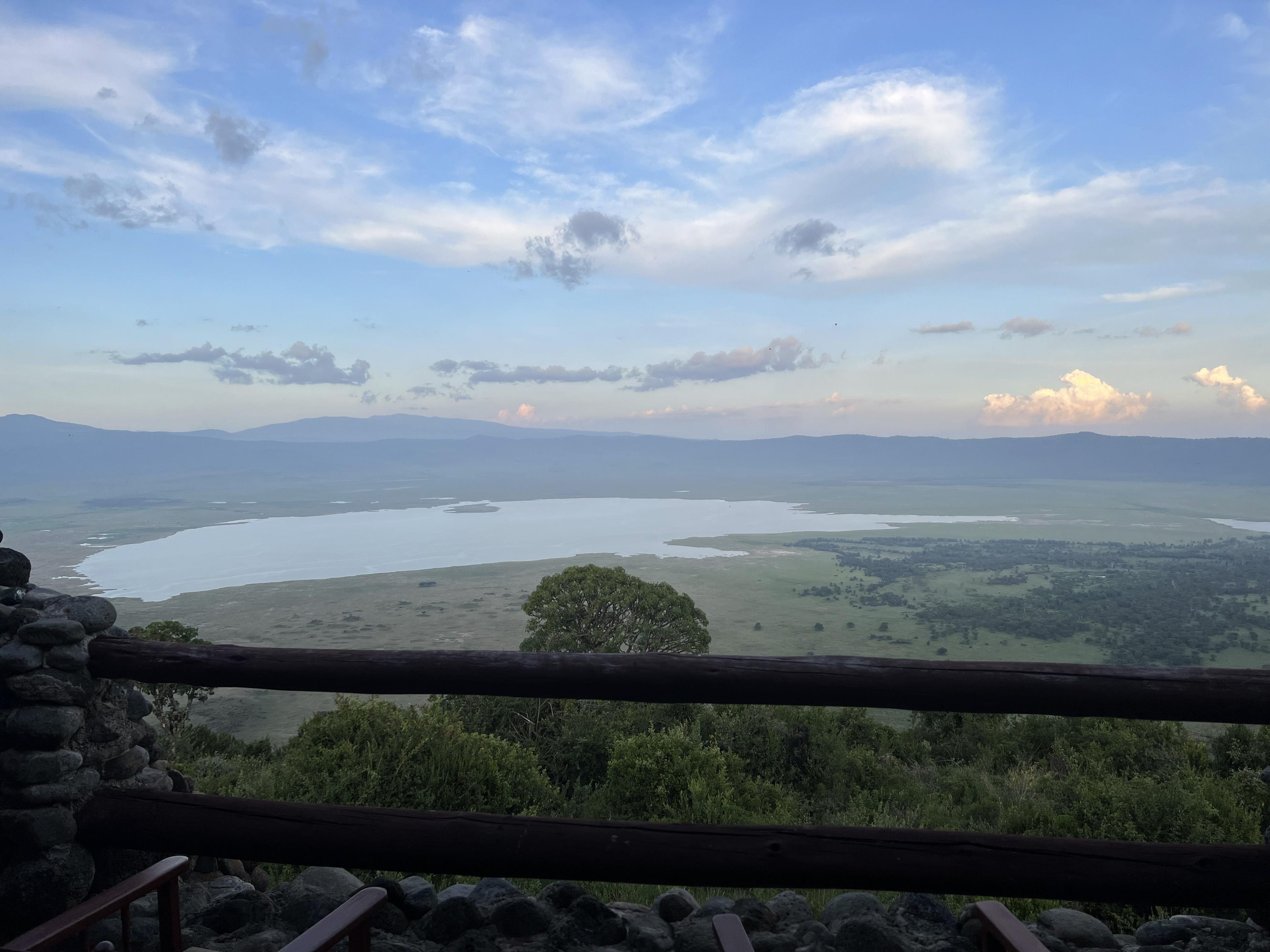
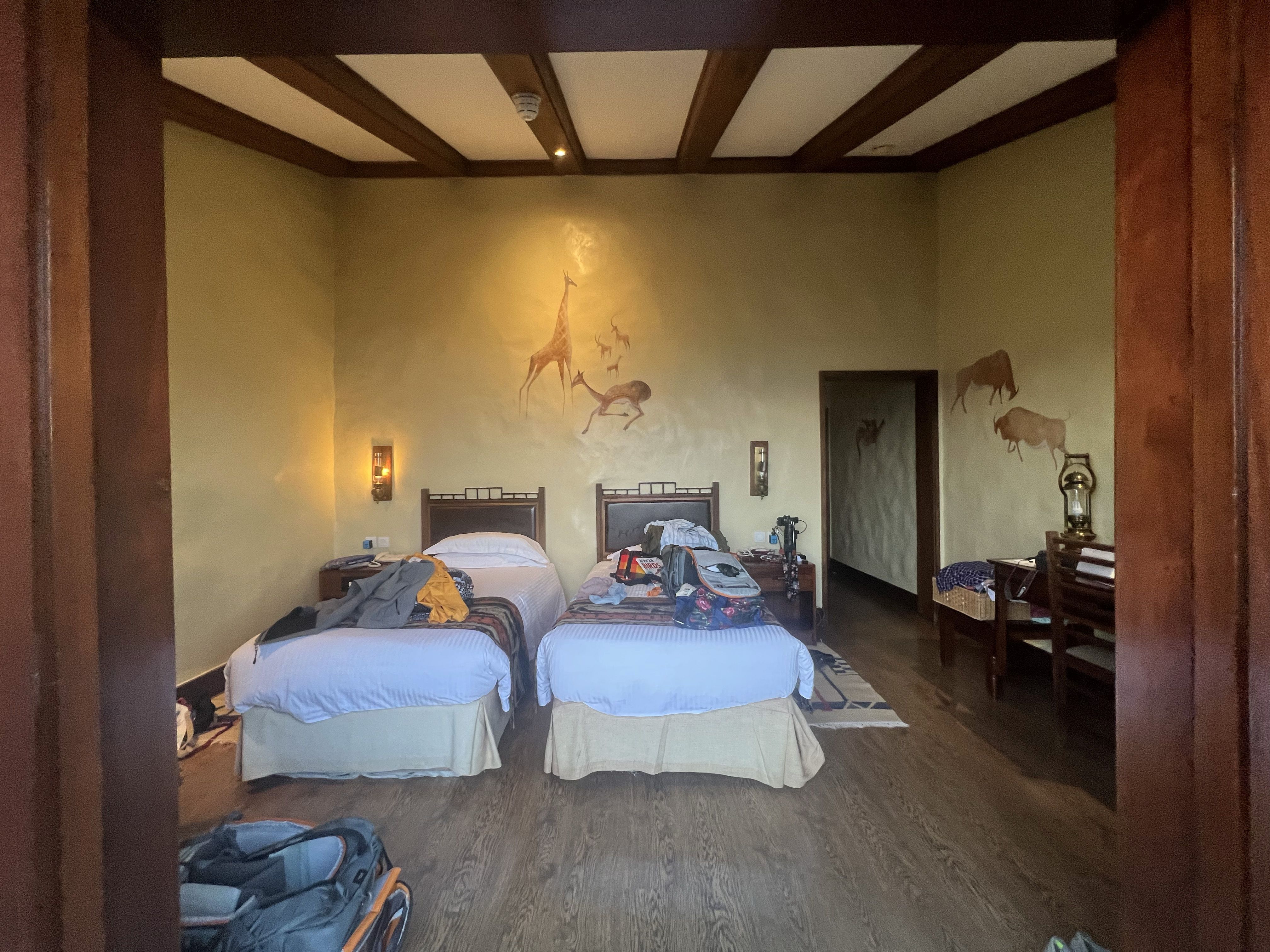
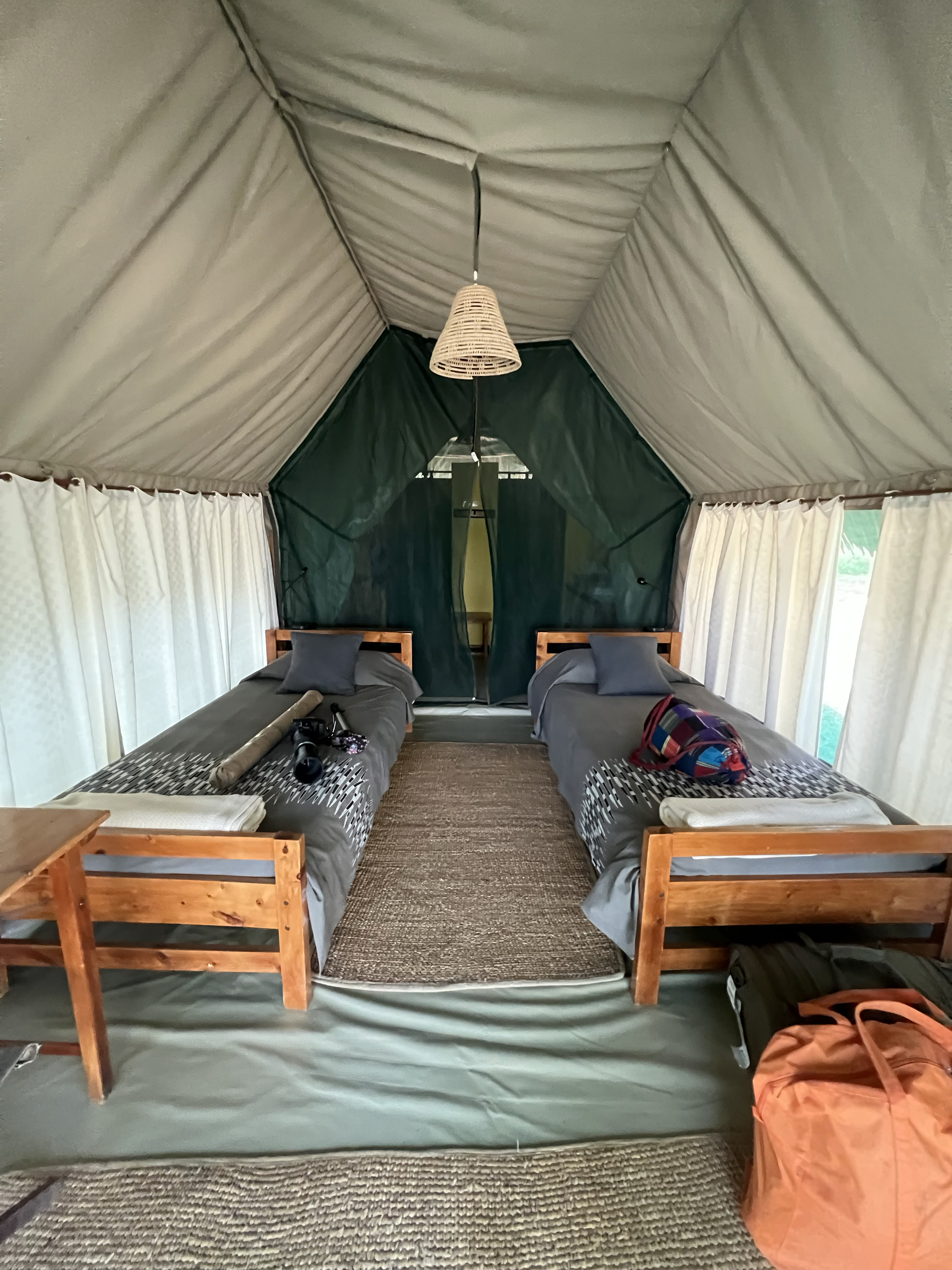
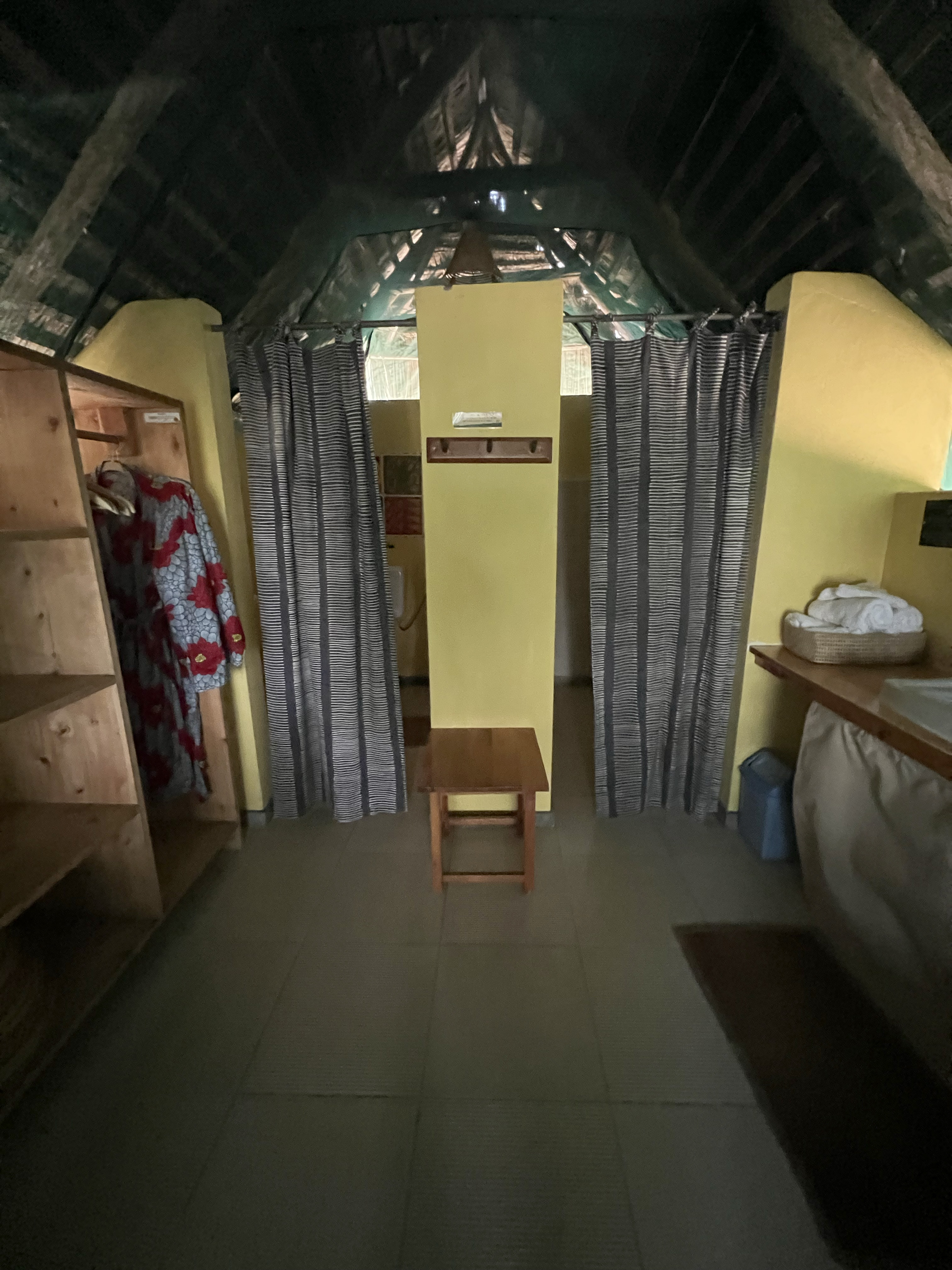
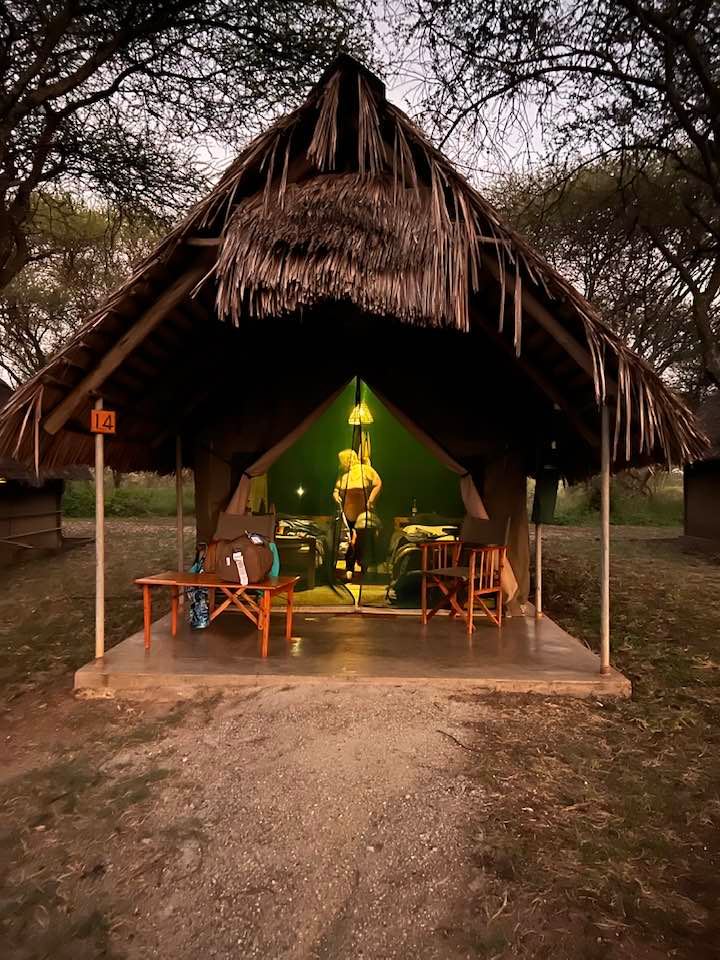
Day 5 began with us preparing to leave Tarangire Safari Lodge where we stayed the last two nights. It was basically glamping and I can definitely say I didn’t expect it to be this wonderful but it was.

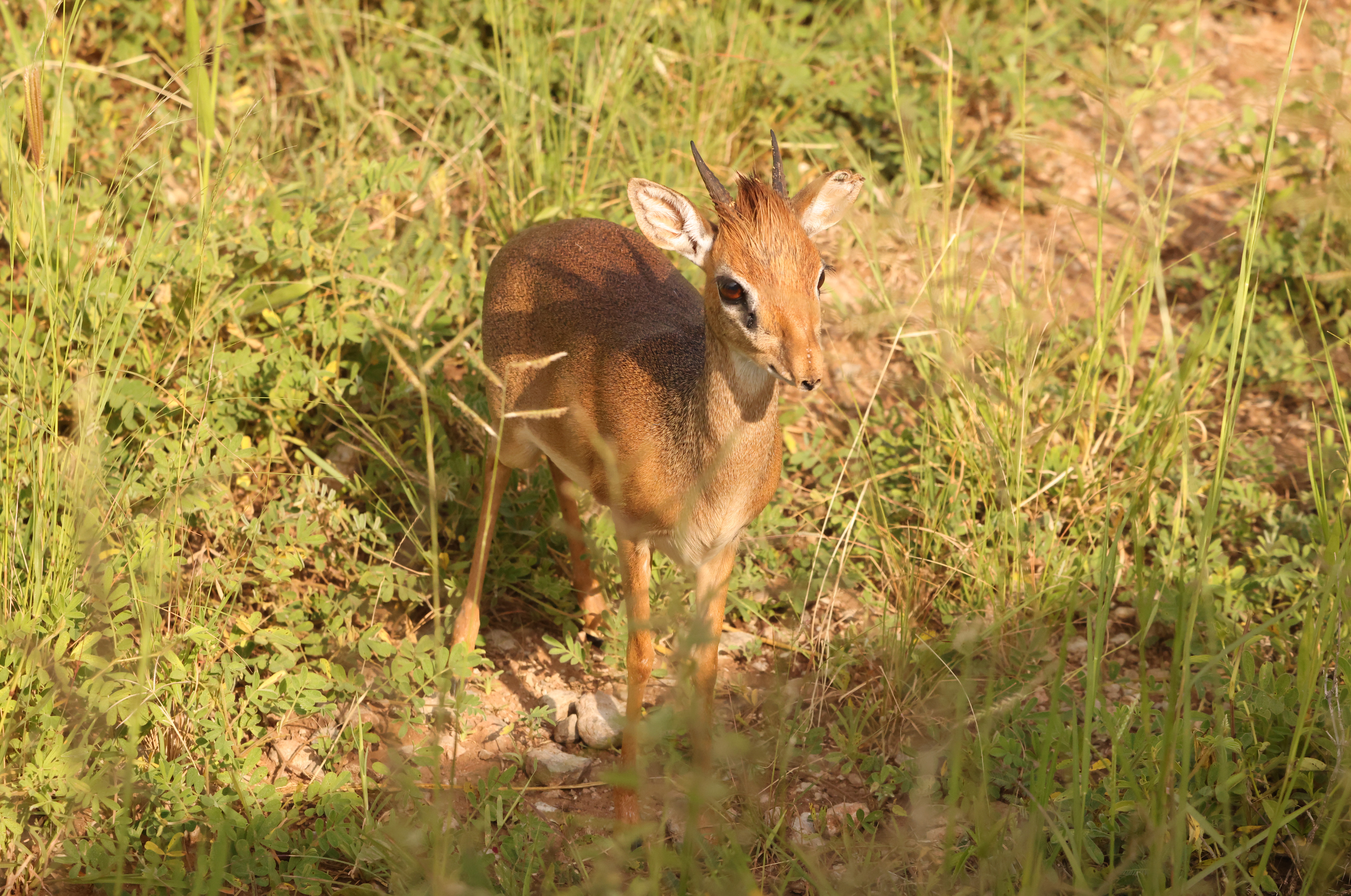
It was interesting that electricity was only on for certain hours each day, and we had to have a guide to go back to our cabin after dark due to presence of wild animals. And we definitely had visitors that included monkeys, Dik-diks and giraffes. Can you spot the giraffe in the below picture?

As we finished breakfast, one of the lodge workers asked if we’d seen the African Scops-Owl that sleeps in a tree just outside of the lodge’s front entrance. Naturally, I had to go find it and he was kind enough to point it out.  

Day 3: African Wildlife Safari

Day 3 began early as we left Arusha and headed to Tarangire National Park.

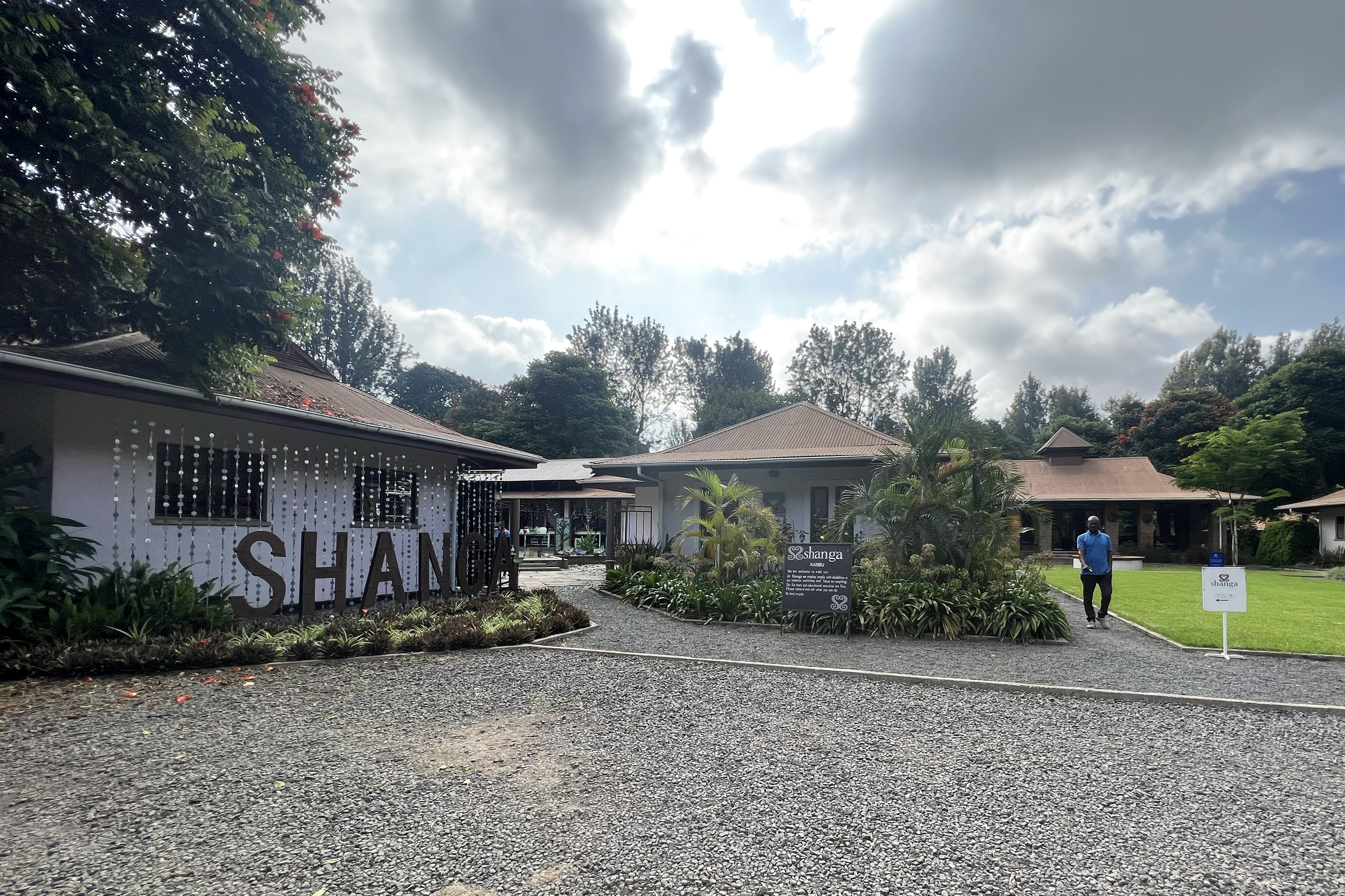
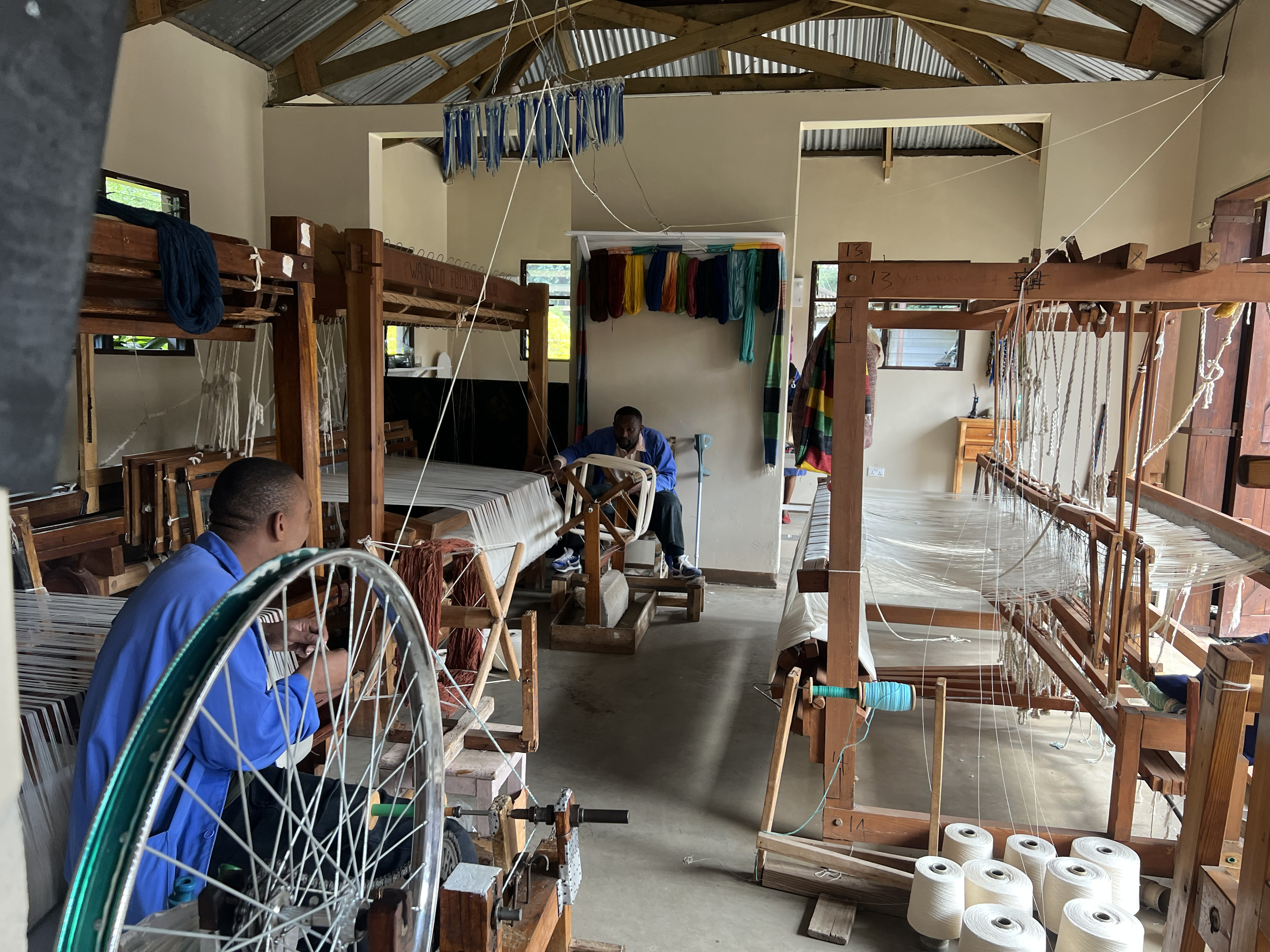
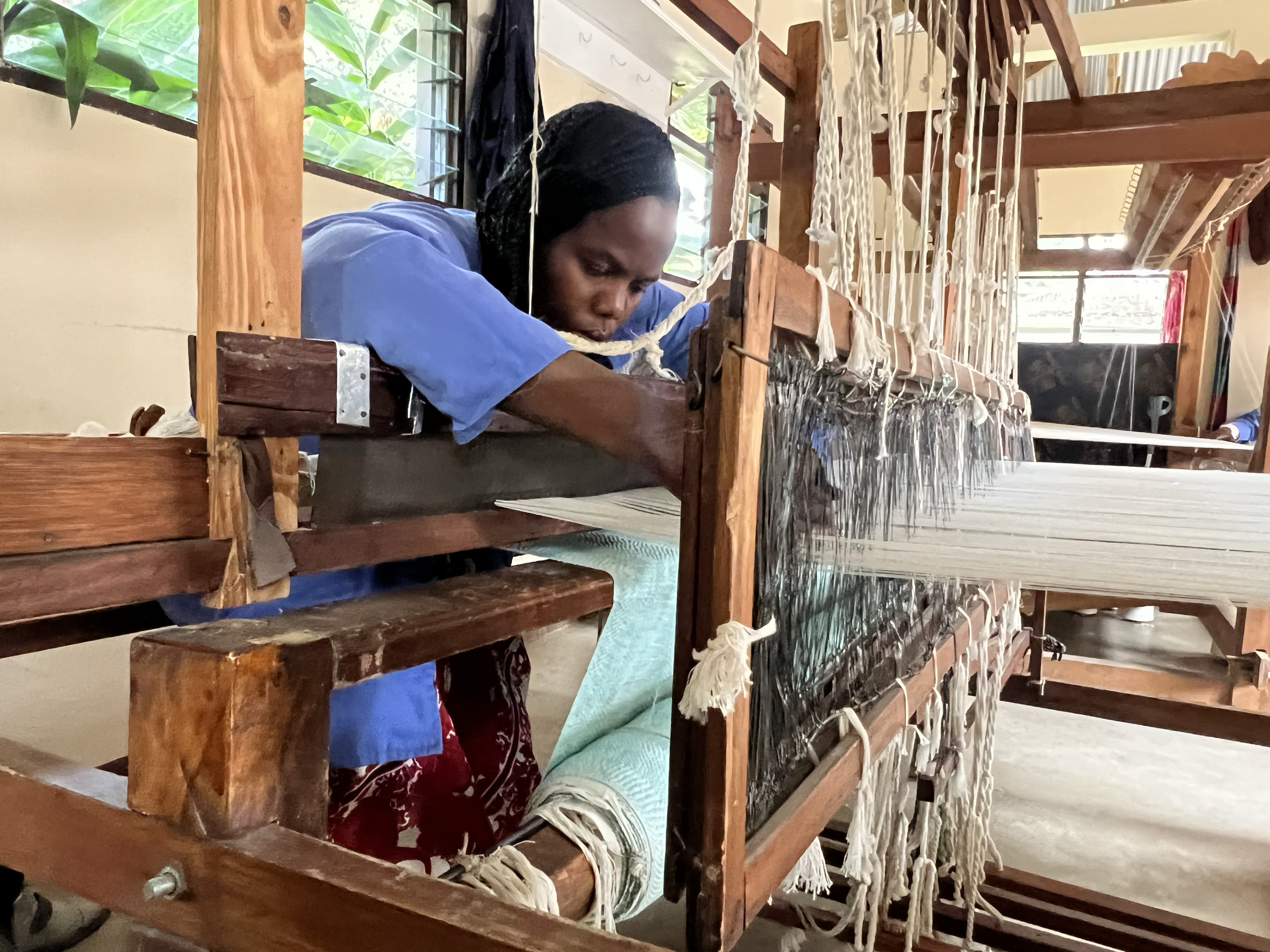
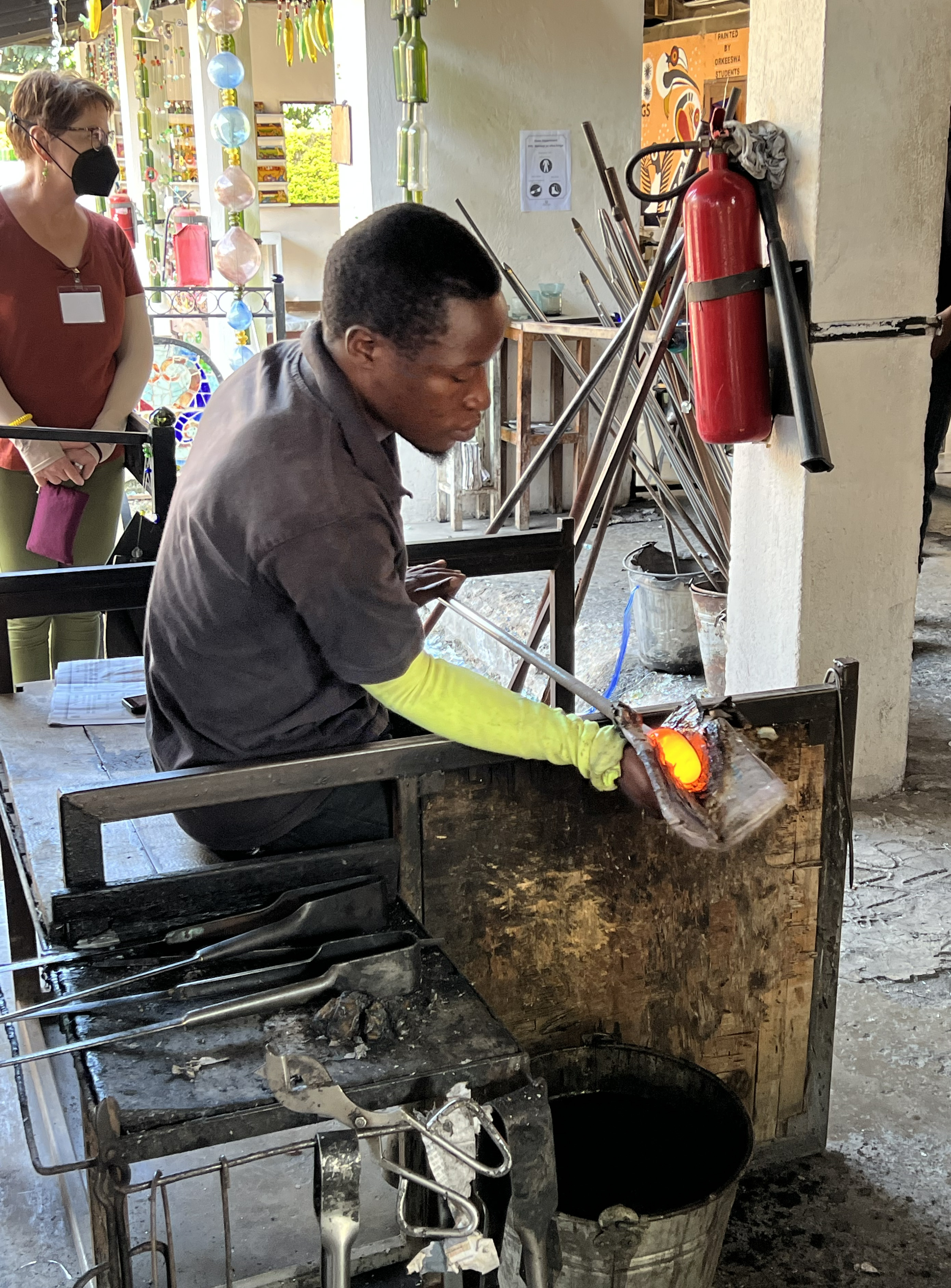
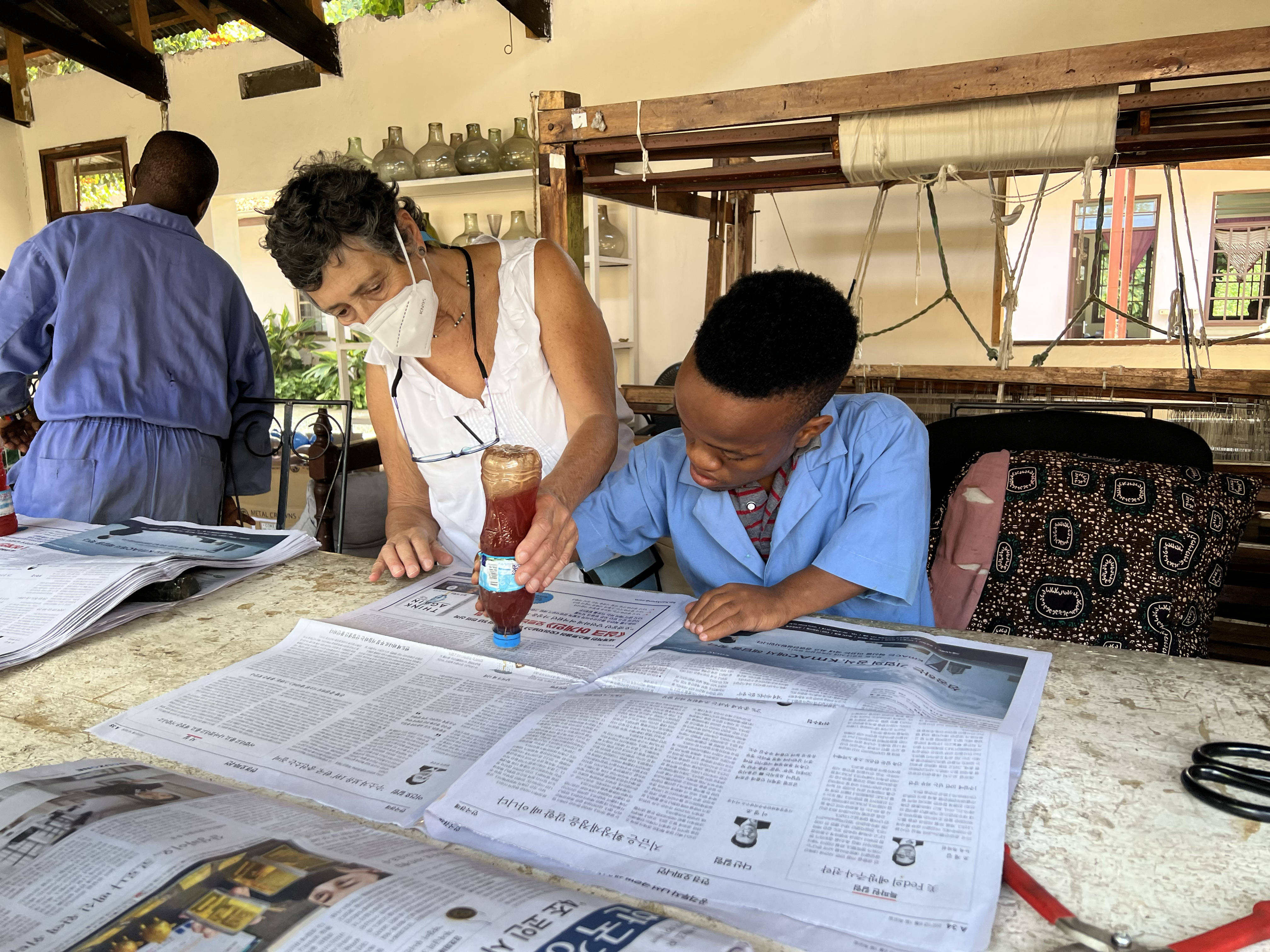
Our first stop on the road was at Shanga, a social enterprise in Arusha that employs people with disabilities to create handmade jewelry, glassware and home wares out of recycled materials. I bought several pieces of jewelry and other items there that I still enjoy today. The tour was very informative. I loved learning how they made the various items and the employees were friendly. They encouraged us to be hands-on in learning how they completed their work. Also, their final products were simply wonderful.

The journey itself from Arusha to Tarangire National Park was interesting. We passed groups of women headed to the airport to celebrate the return of an oppositional party leader after the courts threw out the criminal charges against him. 

We also made a quick stop to tour a meat auction where our tour guides said cattle went for $500 to $800. We also stopped to look out at another local market to observe it.

We began to see more wildlife as we neared, then entered Tarangire National Park. I absolutely loved this park.

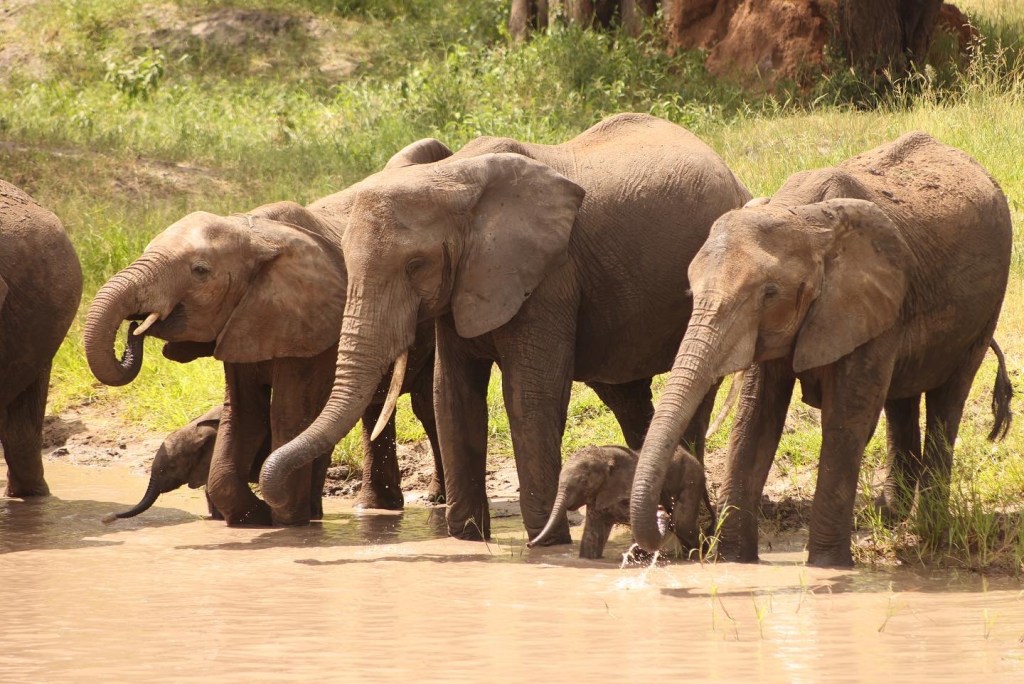
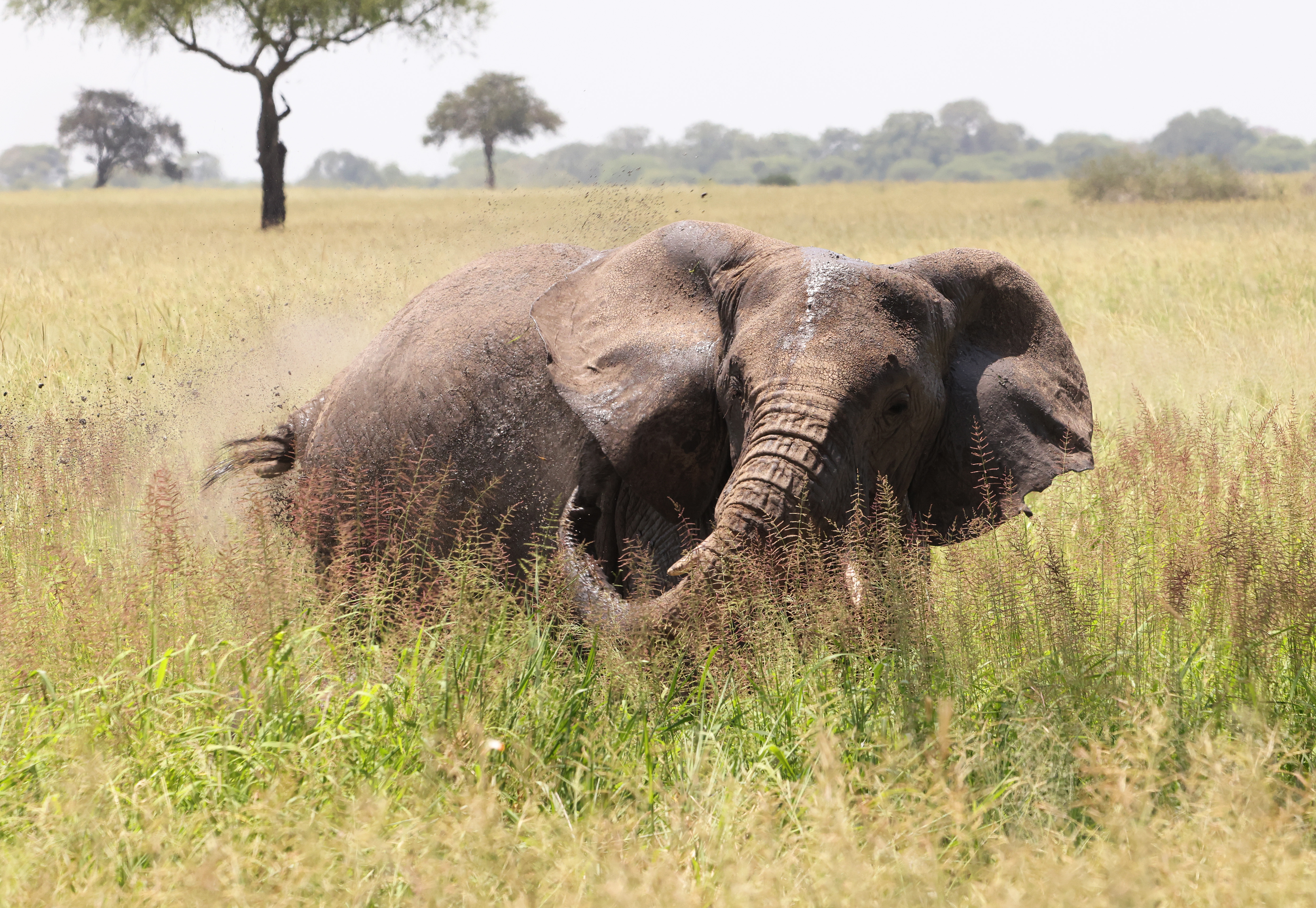
Tarangire is the third largest national park in Tanzania and is best known for its large herds of elephants. We quickly found on why.

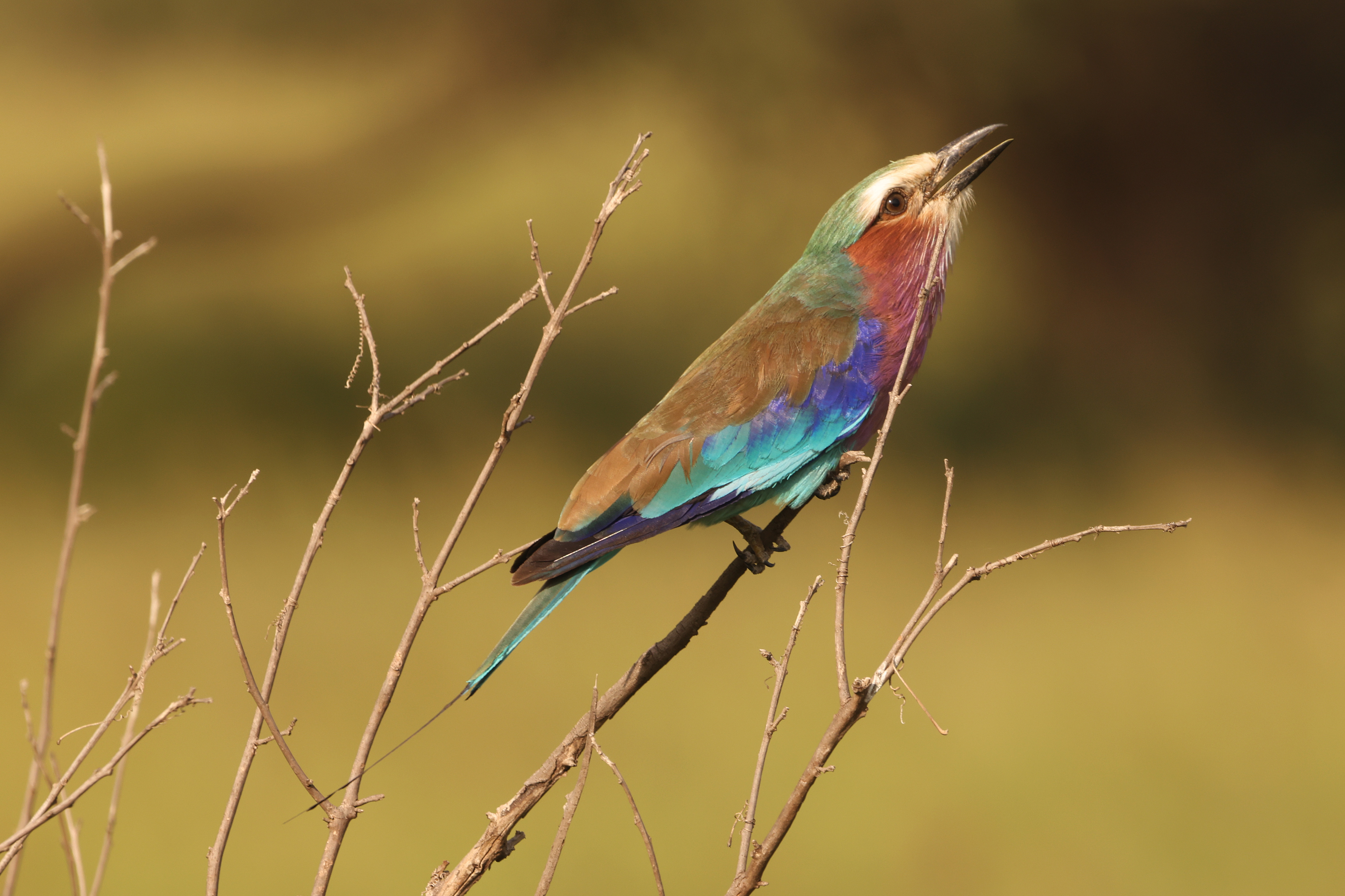
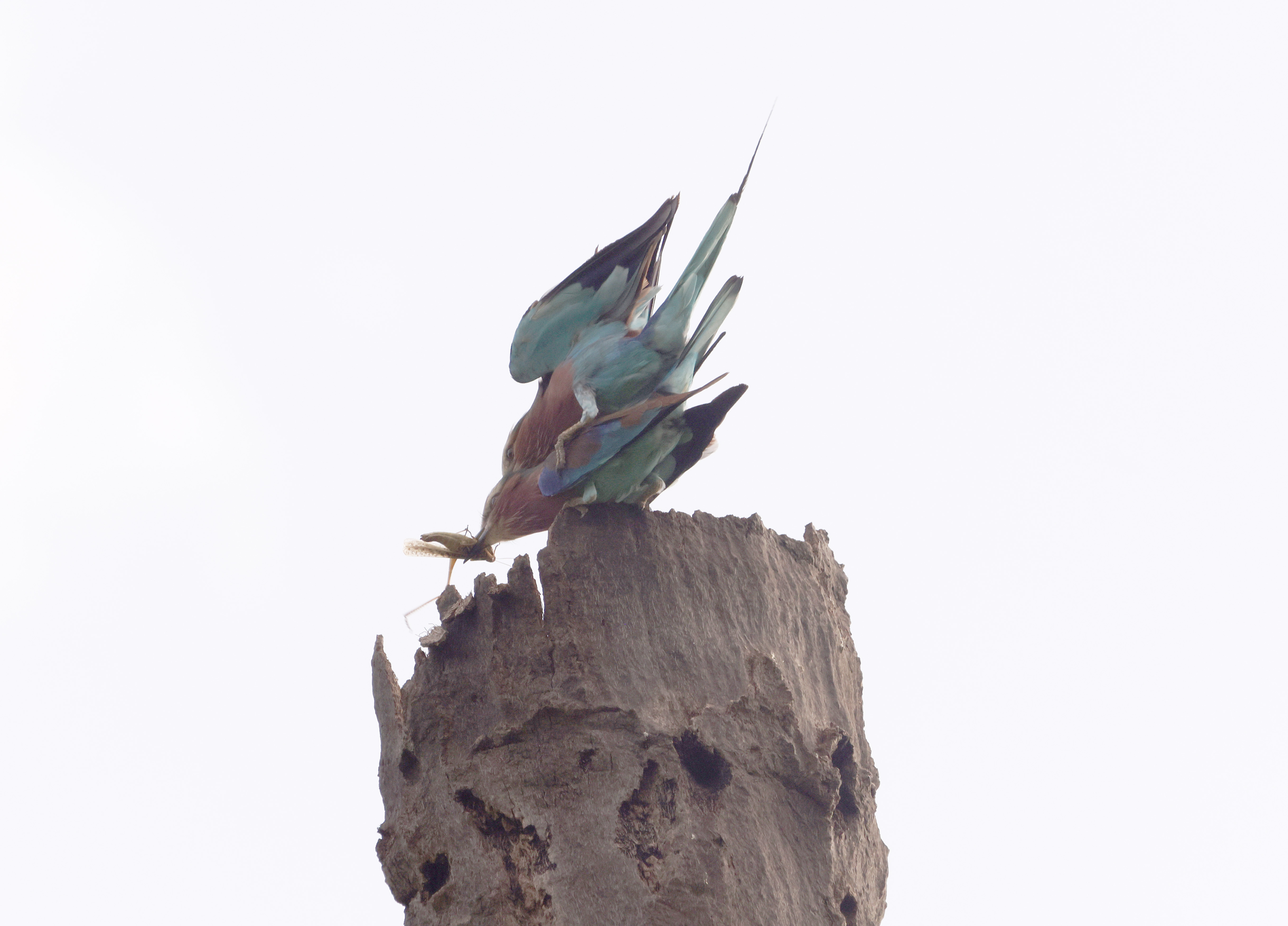
One animal I really wanted to see was the Lilac-breasted Roller. As I was preparing for my trip, a coworker (who lived in Africa and knew that I loved birds) told me her favorite bird in Africa was the Lilac-breasted Roller. She said it was the prettiest bird she had ever seen. When I arrived in Tanzania, I told my tour guides how I really wanted to see one and asked what my chances were? They just laughed and see I would definitely see the Lilac-breasted Roller. In fact, they said I would see the bird so often that I would get tired of it. They were right I would see the bird often, but I never got tired of it.

While the Lilac-breasted Roller was a highlight, the bird was not the only one seen. Below’s a highlight of the birds spotted that day.

Day 2: African Wildlife Safari

Day 2 was mostly a lazy day. We met for a hot breakfast at 7 a.m. and then spent the morning on the hotel grounds as we waited for the last four members of our 10-person group to arrive.

Once everyone arrived, we had lunch at the Cultural Heritage Center where we also listened to performers, shopped and toured its art gallery.

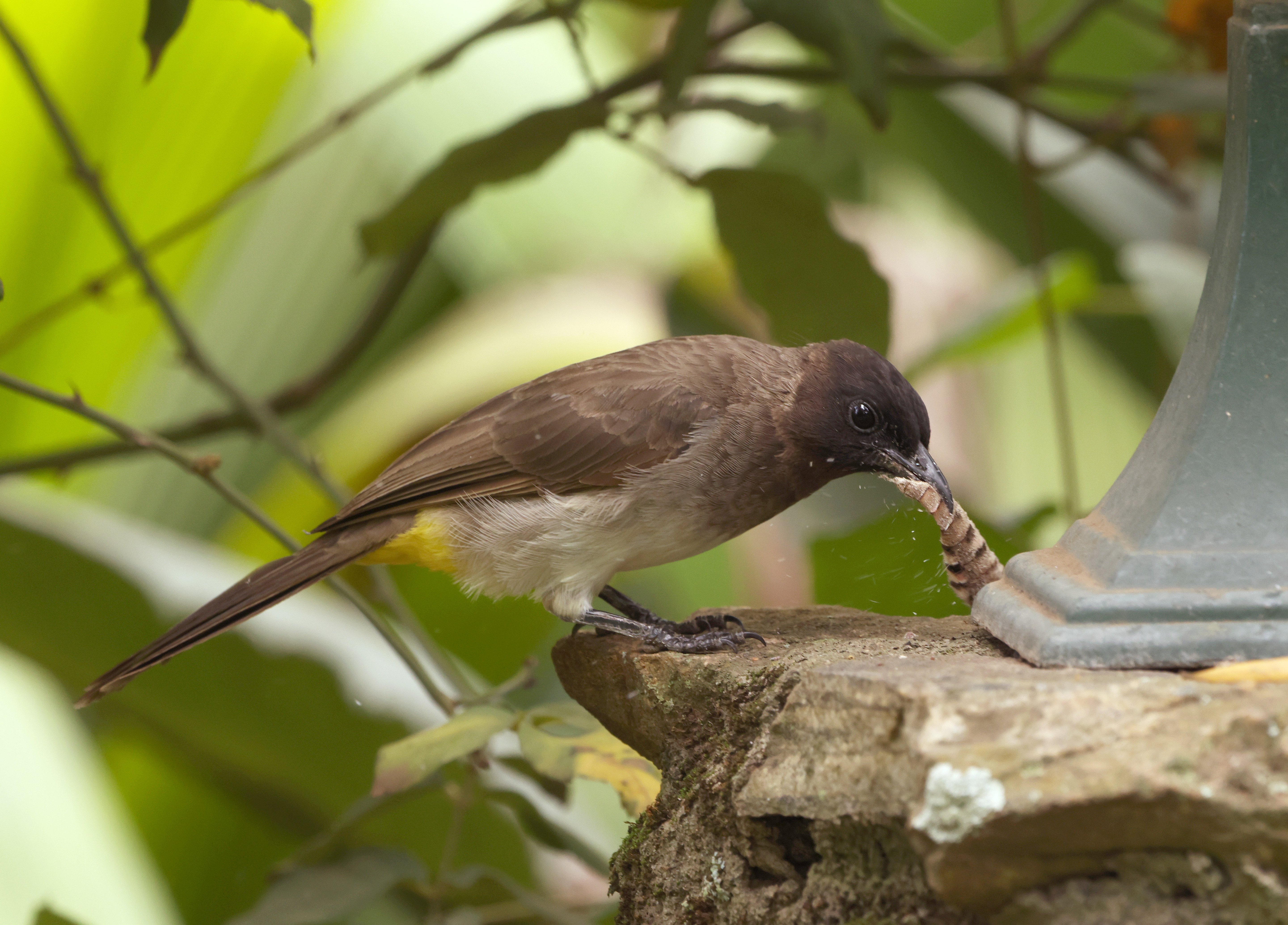
The rest of the afternoon/night was spent back at the hotel where several of us hung out on the hotel grounds to drink, chat and (at least for me) birdwatch.