Earlier today, friends asked me at separate times about what birds I’ve seen lately and what pictures I’ve taken lately because they haven’t seen me post anything on social media. Well…I had to say none lately, which is depressing. So, here’s a few I’ve found over the past few years.
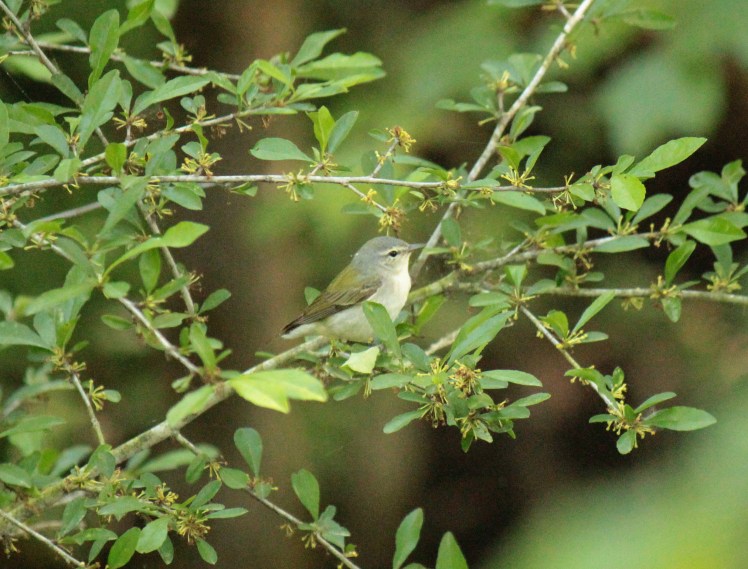
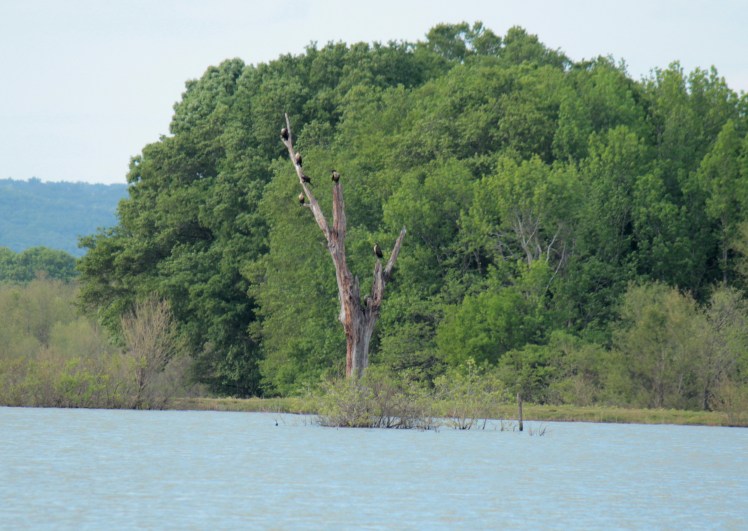
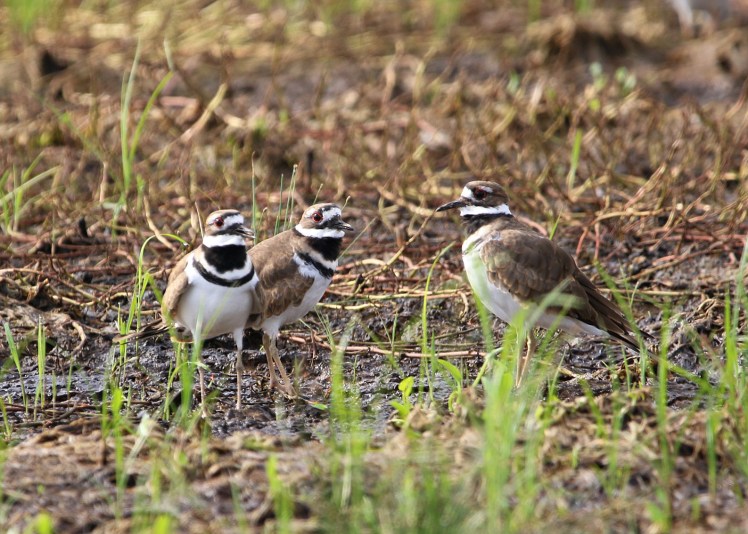
Virginia RailTennessee WarblerCommon YellowthroatLong-billed DowitcherAnhingasKilldeers
I was off work today (yay!), although my family still kept me busy most of the day. In my downtime, I continued going through photos on my computer to cut down the numbers. Here’s a few gems that I found and realized were not marked off my bird list as found.
Just FYI, the above one of a Saw-Whet Owl is my favorite. In 2015, I went to a banding workshop where a University of Arkansas student put out nets to catch and band Saw-Whet Owls. I was lucky – he caught and banded one the first night I went. I went to another banding workshop a few years later, although unfortunately no birds were caught that night. His work is pretty incredible. Saw whet owls are one of the smallest owl species in North America, and are one of the most common (and seldom seen) owls in forests across northern U.S. Arkansas is in the Saw-Whet Owl’s non-breeding range (although sightings are scarce). In Arkansas, only a dozen sightings were reported between 1959 and 2010 before the UA student and his professor captured and documented one in 2015.
Here’s some more finds from over the past few years:
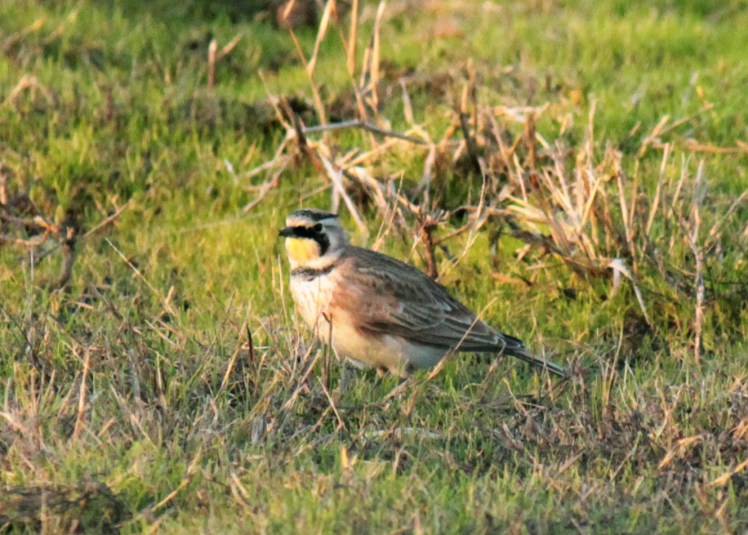
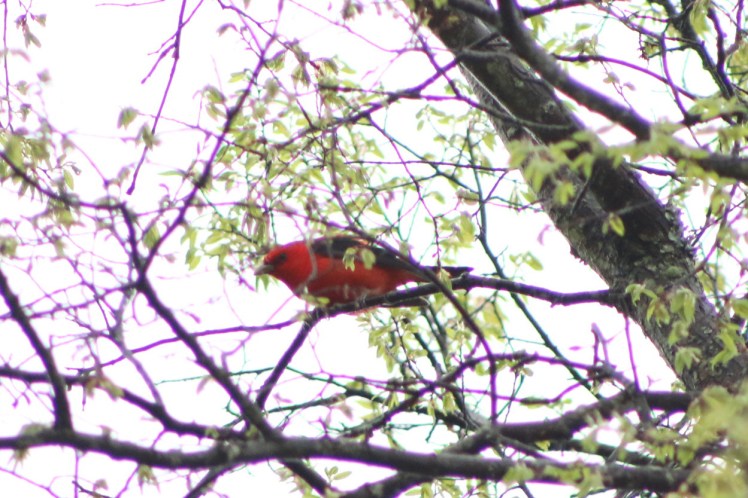
Horned Lark (Funny story – I was at my hometown’s Sonic with my parents one day when I looked out at the neighboring field and discovered Horned Larks all over the place. I was thrilled and it really tickled my Dad.Black-Crowned Night HeronScarlet Tanager
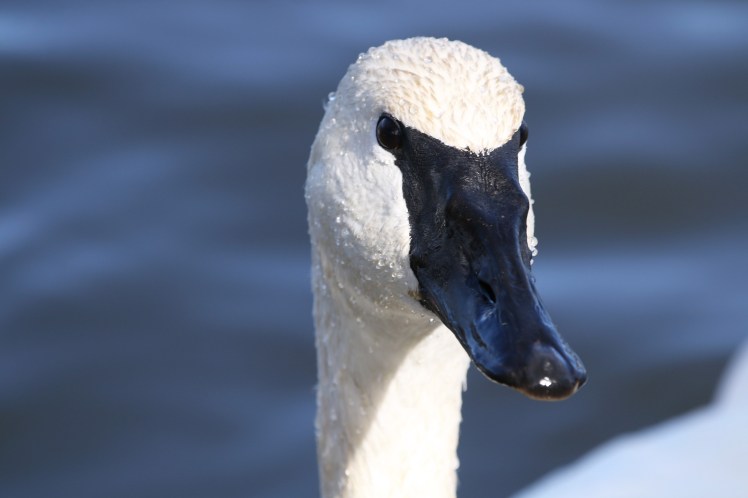
On Saturday, some family members and I traveled to Heber Springs to see the trumpeter swans at Magness Lake and two nearby lakes. It was a success – we saw roughly 200 or more! Trumpeter swans, once endangered, are the largest waterfowl species in North America, according toallaboutbirds.org.
All of the lakes we found trumpeter swans at are on private property. But, the property owners are kind enough to let people visit the lakes to see the swans and other ducks, geese, and birds that are there. Each lake had a gravel parking lot, and feeders or bags of corn out for people to feed the swans.
Magness Lake, itself, is owned and fully funded by the family of Larry Glenn and Patti Winemiller Eason. It is the easiest lake to find and the family has even placed out signs welcoming people to the lake as well as explaining the rules and history of the swans. According to the family, the swans were first reported in the area in winter 1992 and have since returned each year, bringing more each time. The original three swans have now grown to 200-300 swans visiting.
We wrapped up the trip with a stop at Peggy Sue’s Place for lunch. While they don’t accept debit/credit cards, they did serve a great meal! Of everyone’s lunches, I especially enjoyed the chicken fried steak, side salad, fried squash and all of the desserts!
Here are some another photo I like, as well as one of a Ross Goose.
I dove straight into 2020 with a birding trip to Lake Hamilton in Hot Springs. My goal was simple – knock off at least one bird from my “Birds still left to be found” list.
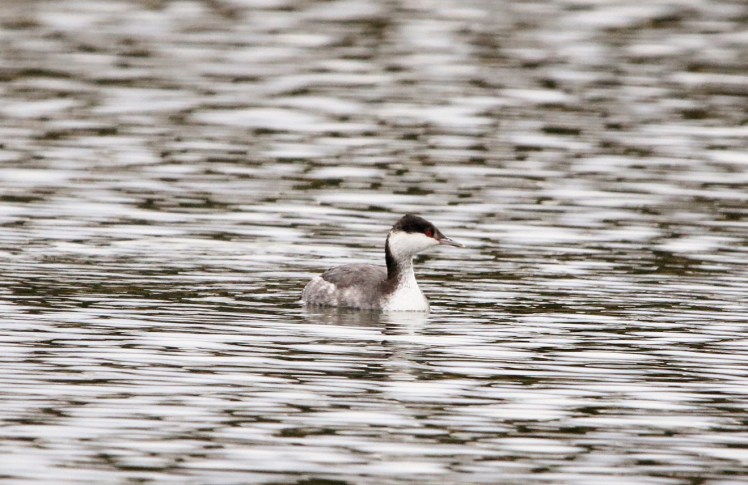
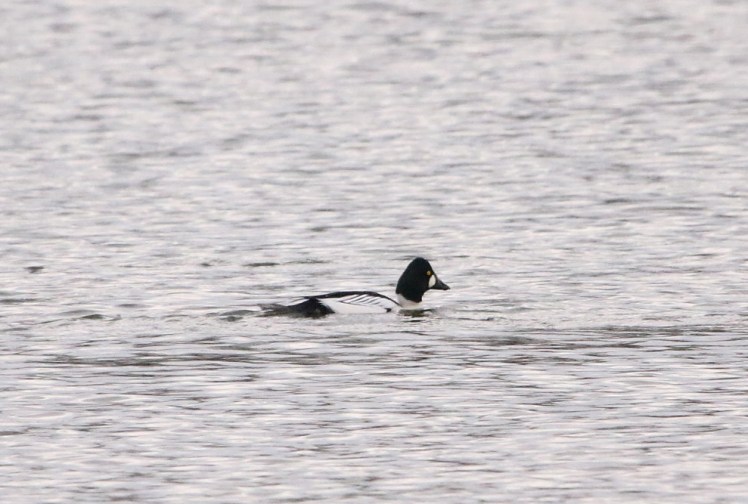
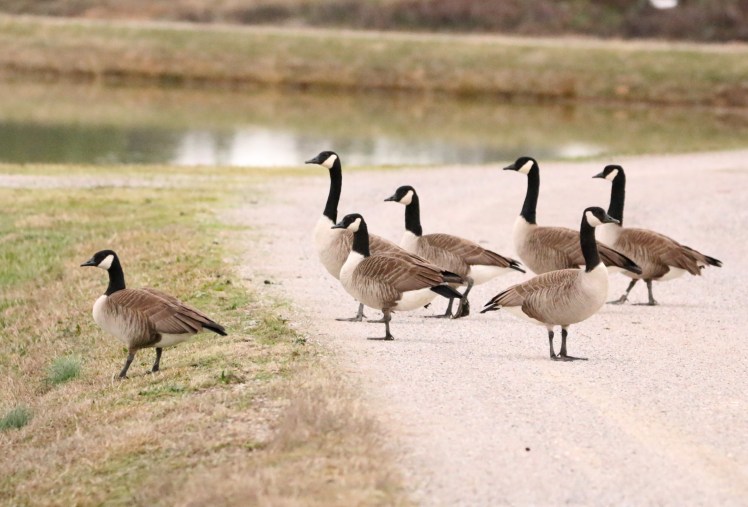
I succeeded with good looks of Cackling Geese, Horned Grebe and Common Goldeneye Ducks. Not bad for a quick Jan. 1 trip!
I previously worked as a news and sports photographer. Recently I have been enjoying wildlife photography. My approach toward bird photos is similar to sports photography. I attempt to capture mostly action and hopefully a unique perspective.








 Memos for Me