We kicked off the morning with a morning bird walk in a country road near Monteverde.
Boat-billed Flycatcher
Kell-billed Toucan
Northern Emerald Toucanet
Orange-bellied Trogon
Tropical Kingbird
Yellow-throated Euphonia
It was interesting: we were headed through Monteverde when suddenly our driver pulls over and says he’s found a sloth for us. Apparently, our driver is fascinated with sloths and he really did find one as he drove through town. It was a Hoffman’s Two-toed Sloth, which our tour guide said we were lucky to get a good photo of.
Hoffman’s Two-toed Sloth
We then headed over to Selvatura Park,a nature and adventure ecological park with over 850 acres of protected land. We toured the cloud forest via the park’s many suspension bridges that took us through and above the tree tops. Among the birds we saw were an adult male Three-wattled Bellbird and a Resplendent Quetzal that flew over us.
Three-wattled Bellbird artwork
Slaty-backed Nightingale Thrush
Silver-throated Tanager
Blue Morpho
Black-thighed Grosbeak
Black-faced Solitarie
juvenile Black Guan
I ate lunch in town at Amy’s cuisine, where I had a typical Costa Rican lunch, and then sat in on a bellbird conservation talk back at the hotel, and then ate once again at the restaurant.
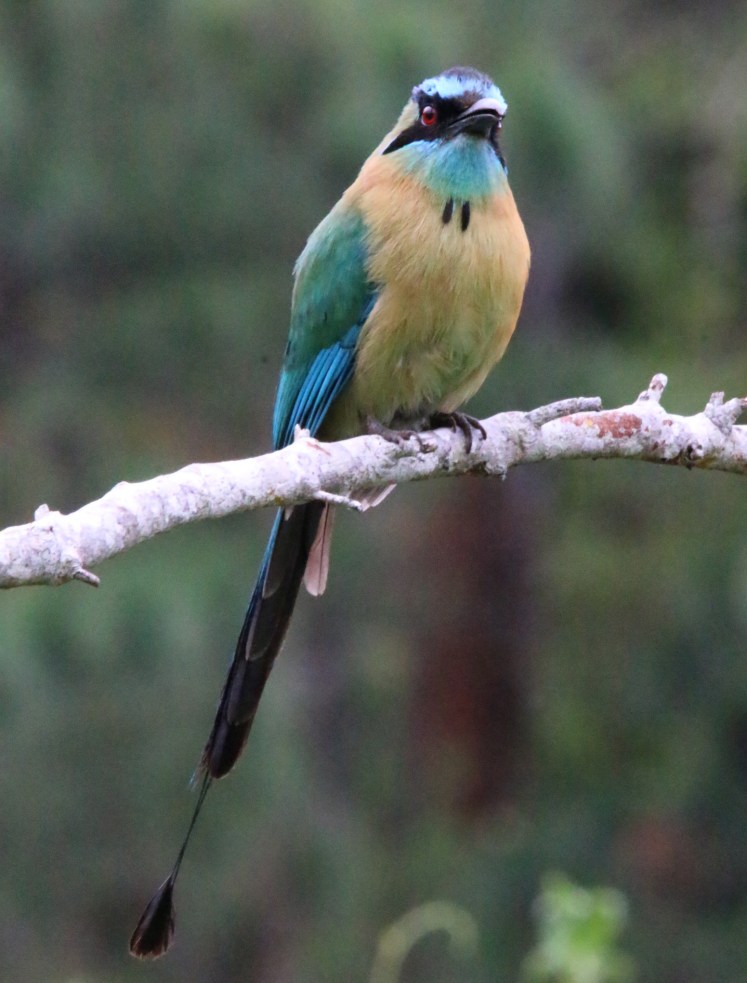
We started our day off with a morning hike with the goal of spotting the Three-wattled Bellbird. We did not see it, although a couple that stayed behind because they were sick later spotted it near the hotel’s lobby. We ate breakfast at the hotel’s restaurant. It overlooks the grounds, and we watched the below Lesson’s Motmot and Yellow-crowned Euphonia visit a tree just outside our window.
Lesson’s MotmotYellow-crowned Euphonia
After a quick breakfast, we then went straight to the Monteverde Cloud Forest Biological Preserve. The preserve was founded in 1972, and you want to arrive early to get assigned to the more popular trails. We arrived later than we had originally planned to so we were deferred to a less popular trail (although you still can’t go wrong on whatever trail you end up on).
Black Guan
Slate-throated Redstart
Throughout the whole hike, we were on a lookout for the Resplendent Quetzal, an endangered bird known for its colorful plumage and considered one of the most beautiful birds in the world. We were just about to leave the trail when we decided to walk up another side trail to an artificial nest set up by preserve staff. We got lucky – we found both a male and a female (which visited the nest). Another tour guide was sweet enough to take my phone and get a cell phone photo (below, top left) through his scope of the Resplendent Quetzal. We actually had a pair of sisters cry because they joined the group specifically to see this particular bird and they were so thrilled they got to see it.
Before we left the preserve, we stopped by their hummingbird/gift shop/cafe area where they had multiple hummingbird feeders set up for visitors to catch a closer glimpse of the various species of hummingbirds. I have to admit: this was my favorite part because hummingbirds are so darn beautiful and funny!
Green-crowned Brilliant
Lesser Violetear
Purple-throated Mountain Gem
Stripe-tailed Hummingbird
Bananaquit, Coppery-headed Emerald
Violet Sabrewing
Green Hermit
While traveling to our next stop for Finca Life Coffee Tour in Monteverde, we saw the below Masked Tityra on a telephone pole.
Masked Tityra
Once at the coffee farm, we ate lunch before touring the farm and sampling the coffee. It was definitely fascinating to learn how the family-managed farm operates.
While I loved hearing about the history of the coffee farm and how it operates, I also enjoyed the birds we found. We actually saw a male Three-wattled Bellbird! It sat in a tree calling near a Pale-billed Woodpecker. Near the end of the tour while looking at the coffee beans in the field, we discovered a male juvenile calling and a Montezuma Oropendola that completed a series of bows from a tree branch as part of its mating ceremony.
Three-wattled Bellbird
Pale-billed Woodpecker
Montezuma Oropendola
Three-wattled Bellbird (juvenile male)
Blue-vented Hummingbird
Tonight, we went on a guided night walk at Curi Cancha Reserve, which includes 205 acres of primary and secondary forest. Only a few folks from the group went on the night walk, and afterwards, we ended up eating together in town at a local bar before heading back to crash. It was a fun walk, but I was disappointed in the lack of diversity in the amount of species we found – mainly because I really wanted to see an owl. But, we did see multiple bats and the below snake was a cool find!
Solimar Ranch: Bare-throated Tiger Heron with a struggling Burrowing Python that eventually got away.
While I liked Hacienda Guachipelin, we had issues with some of the air conditioner units leaking causing several of us to wake up to water all over the place. I enjoyed the stay, but I was ready to move on. We pulled out this morning for the next stage of our trip.
While traveling to Monteverde, we stopped at the Solimar Ranch for lunch and a guided tour of the ranch and wetlands. The ranch is just south of the mouth of the Tempisque River. The owner/guide was impressive – he was great at spotting birds and you wanted to stay near him at all times! I loved watching the basilisks run across the top of the water and searching for the various birds, crocodiles and flowers. Up near the ranch house, there were gardens with tons of butterflies. While we ate, we watched a male and female Rose-throated Becards build their nest. The pair took turns entering the nest and frequently sat near or on the nest the whole time we were at the house.
Common Basilisk
Crocodile
Ferruginous Pygmy-Owl
Pacific Screech Owl
Jabiru
Laughing Falcon
Hoffman’s Woodpecker
Rose-throated Becard entering nest
Rose-throated Becard entering nest
Rufous-naped Wren
Turquoise-browed Motmot
Spot-breasted Oriole
Yellow-headed Caracara
One member of our group – a University of Arkansas grad student – had a neat find! He caught a boa constrictor that was in the process of catching a green iguana! Below is a video of him telling the story.
After Solimar Ranch, we made a pit stop in Abangares for gas (apparently, no one can be in the vehicle when you fill up so we all had to get out). We used this time to visit a souvenir store, and get sweets (mango milkshake) at Cafeteria Mi Finca. We also stopped at a roadside place – Cafeteria Horizonte – to take in the views.
Rufous-tailed Hummingbird
Swallow-tailed Kite
Macaw
Yellow-throated Toucan
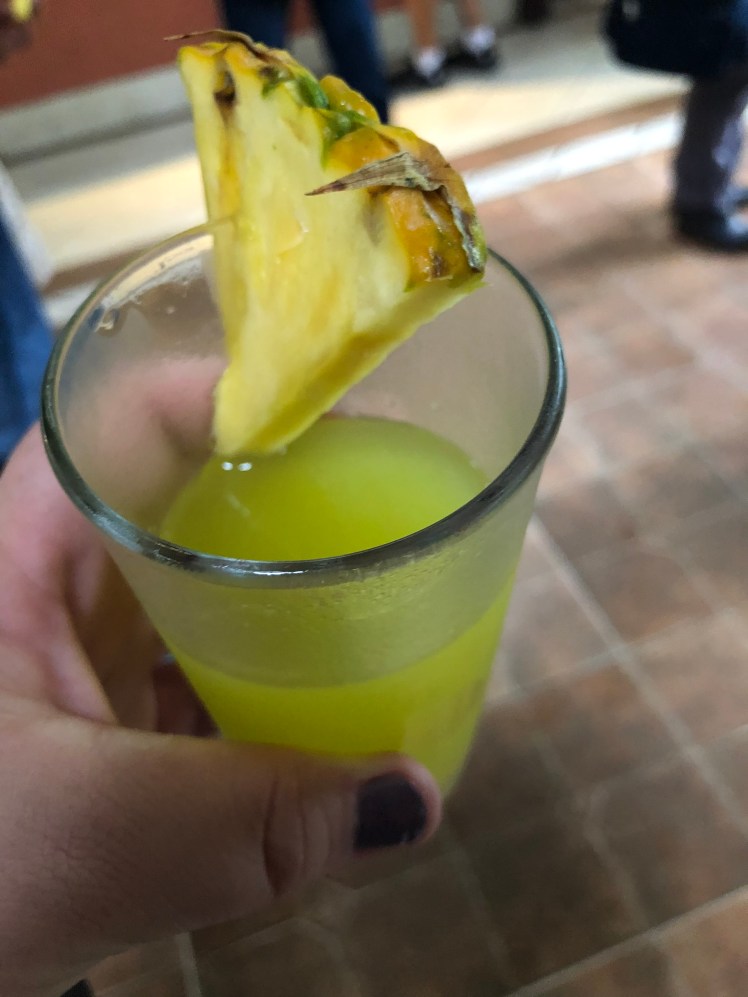
We eventually arrived at Senda Monteverde Hotel. I joined a group for dinner at its restaurant, which was so dang good even if the desert was too rich for me to finish. We were greeted by staff with drinks once again and our cabins are pretty amazing. There was a mix-up with our cabins, but it was quickly straightened up.
Today, we toured Rincon de la Vieja National Park and saw “Las Pailas,” the bubbling mud pits created by a nearby volcano. It was naturally still raining but it didn’t deter us.
White-throated Magpie-Jay
Once we got back to the hotel, I joined one other adult and three kids from my group for a horseback ride to Las Chorreras and Victoria Waterfalls. We had two other adults back out at the last minute because of nerves. My horse and I had a love/hate relationship and, taking a sliding ride uphill/downhill during the rain was slightly frightening at times. However, it was worth the trip. It was fun. It was also great getting in the last waterfall pictured below.
Three Pacific Screech Owls greeted us as we left the hotel this morning to start the day. Like yesterday, it was cloudy and rainy so we decided to head over to the Santa Rosa National Park, which became a historical landmark in 1971. It is the site of the Battle of Santa Rosa and where Costa Rican independence was won. We walked through parts of mature dry forest to search for birds. We even found howler monkeys hunkered down to wait out the rain.
Howler Monkey
Roadside Hawk being bombed by a White-lored Gnatcatcher
Elegant Trogon
Plain-capped Starthroat
Yellow-Naped Parrots
We wrapped up the day by visiting the hotel’s Volcanic Mud Hot Springs and dinner at a Curubandé restaurant where we tried various local dishes.
There are optional morning and night walks each day. I opted to go on tonight’s walk.
Well, I left today for my 2nd ever international birding trip!
The trip was organized by the Arkansas Audubon Society to raise money for its trust and to provide scholarships for students. I actually had several people with my group on my flights, which was nice. It made navigating the airport in Liberia, Costa Rica, a little easier. Once we met up with our tour guide and group, we stopped by El Jardin Liberia, a restaurant and souvenir store, for lunch before heading on to our first hotel: Hacienda Guachipelin in Rincon de la Vieja. We were greeted with drinks and musicians. We searched for birds as we wandered to our rooms, and later ate at the hotel’s restaurant.
It seems Black-bellied Whistling Ducks (above) are the ducks this year. They were among the birds found during a recent rainy trip to Bald Knob National Wildlife Refuge. My most exciting find, though: Bobolinks.
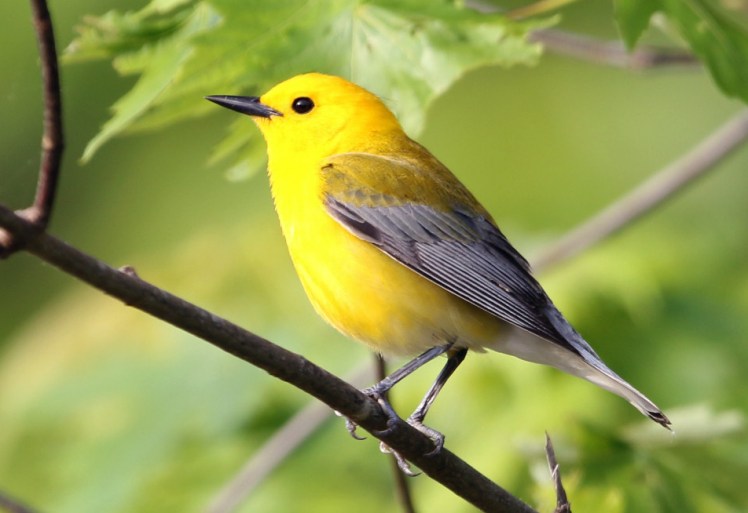
I visited the Bald Knob National Wildlife Refuge on April 28, and luckily got my first snapshots of a Prothonotary Warbler, Bobolink and Field Sparrow.
Photos: Killdeer (top, right), Field Sparrow (center right), Common Grackle (center, left), female Bobolink (bottom, left), and Barn Swallow (bottom, right).
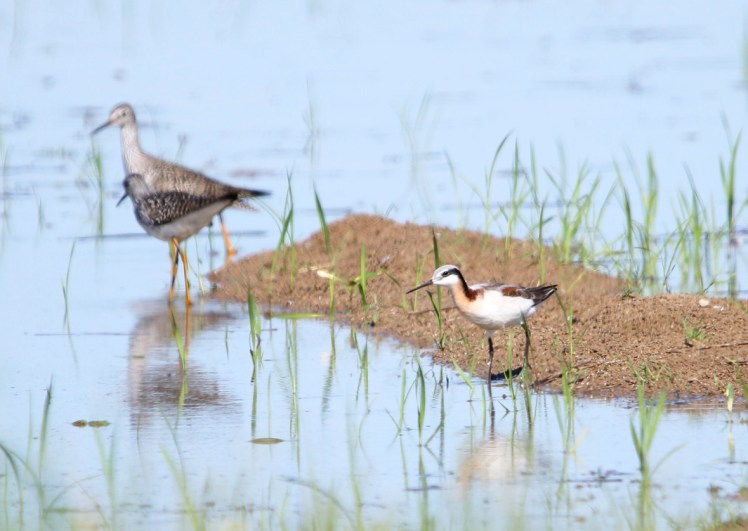
My latest find is a Wilson’s Phalarope at Bald Knob National Wildlife Refuge. Here’s a random, but neat fact about the Wilson’s Phalarope: AllAboutBirds.org reports that, unlike most birds, that female phalaropes leave their mates once they’ve laid eggs (they almost always lay exactly four eggs each time). The males end up raising the young while the females look for other males to mate with.
Here’s some other bird photos I took that I just like.
I previously worked as a news and sports photographer. Recently I have been enjoying wildlife photography. My approach toward bird photos is similar to sports photography. I attempt to capture mostly action and hopefully a unique perspective.










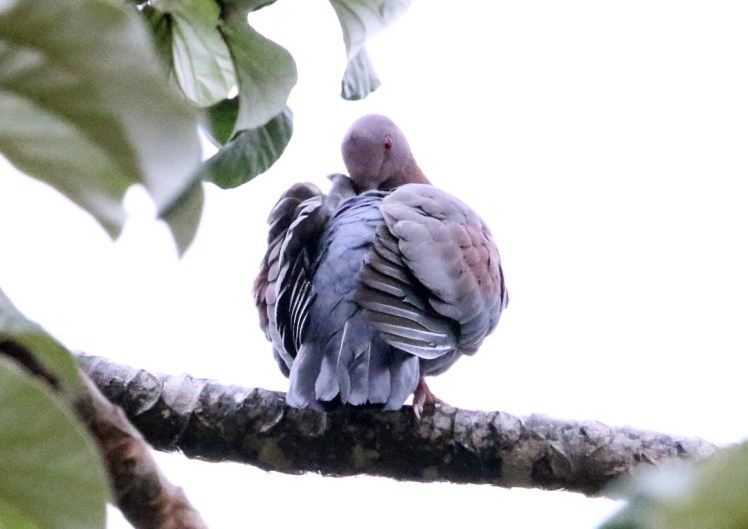 Red-billed Pigeon




 Memos for Me