Rare birds

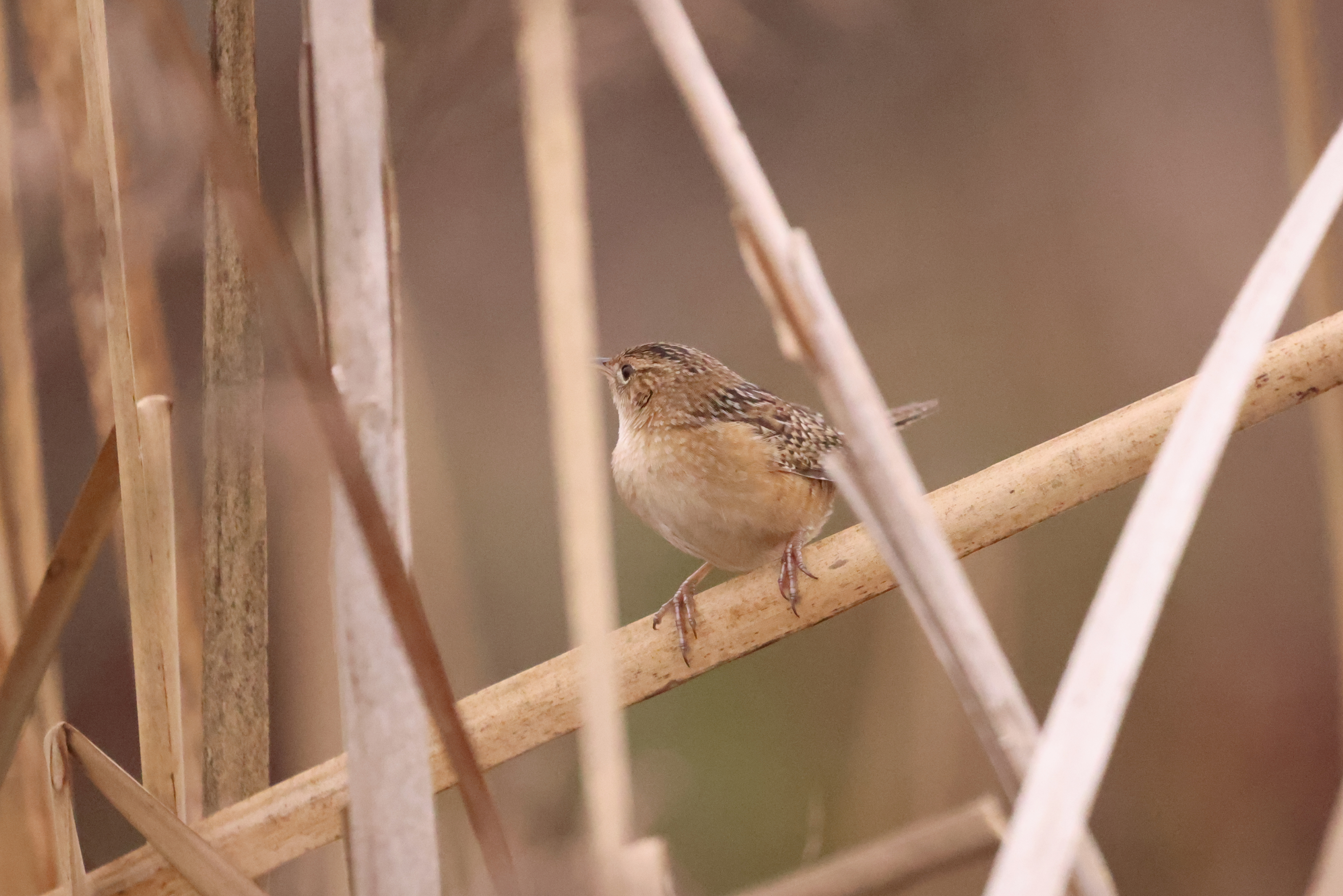
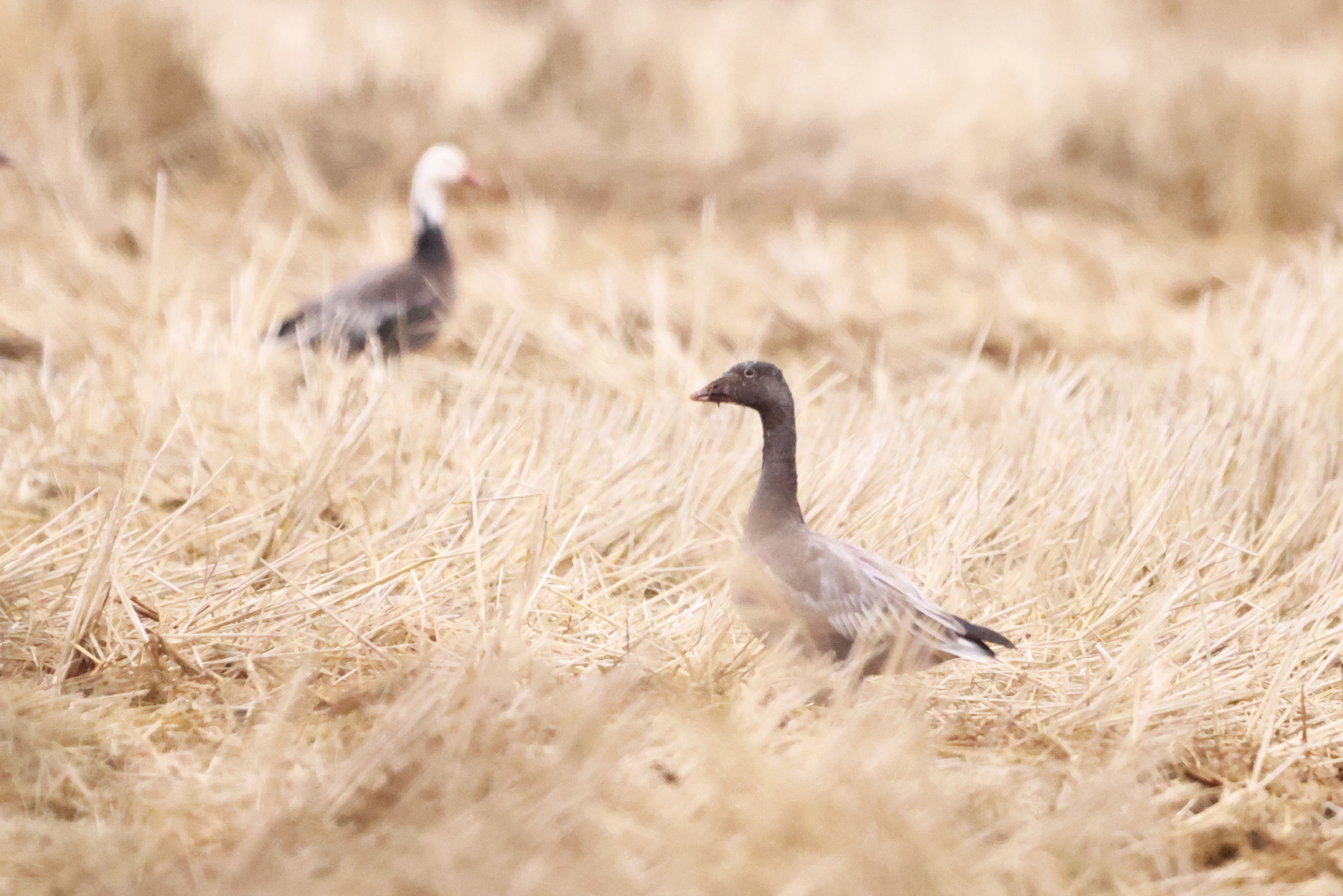
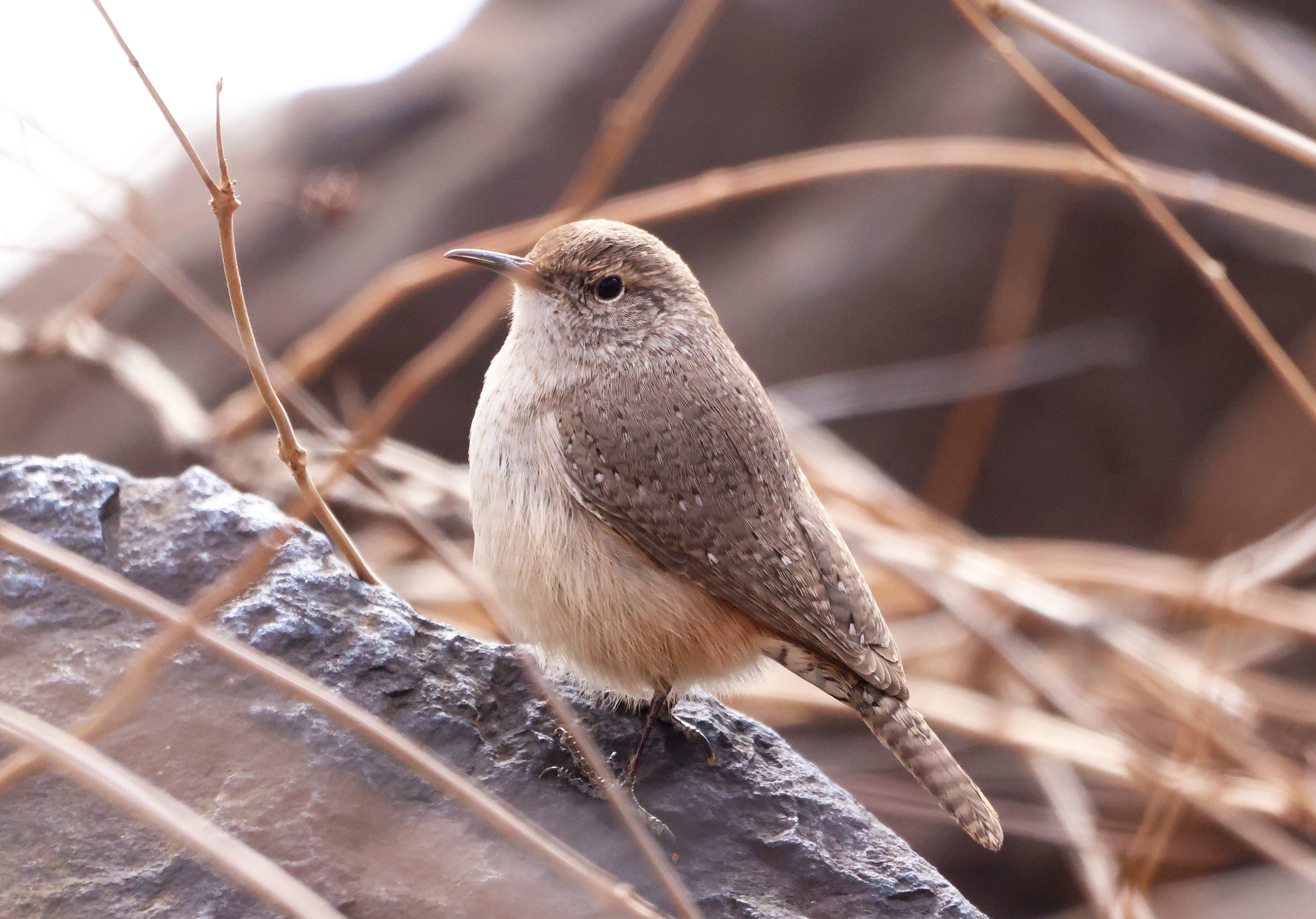
My goal is to find 300 bird species in Arkansas. I’m now so close. I’m at 298 spotted and 294 photographed. My recent finds include the adorable Rock Wren pictured above. It was first spotted at Blackwell Bridge in Conway County by a fisherman who said the wren hung around for weeks before he finally identified it. And the wren was friendly. The wren popped out of the rocks near me when I went to find it and gave me excellent look of it before it finally went back down to be hidden among the rocks and nearby weeds.
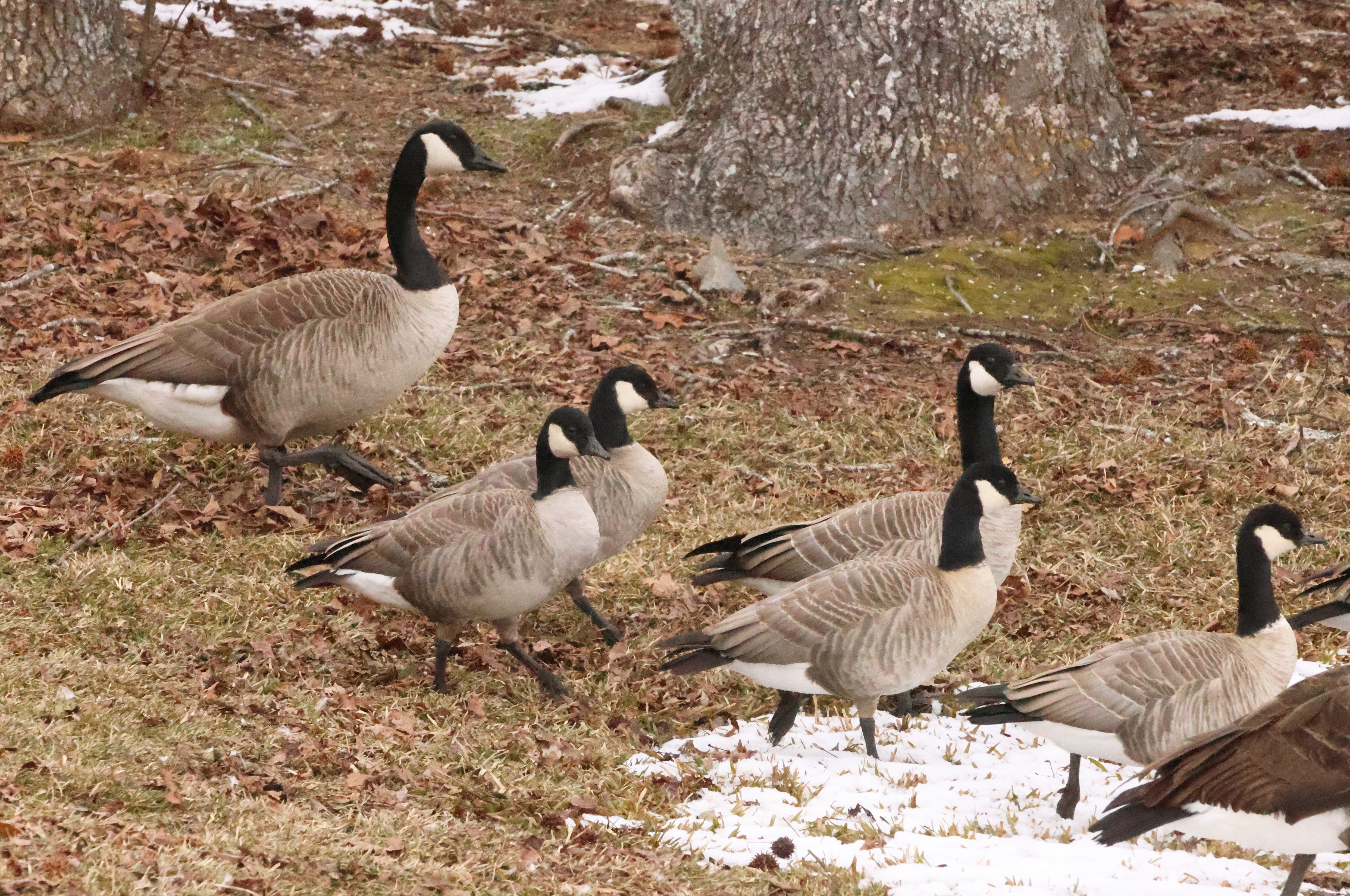
While I had previously seen a Cackling Goose (pictured above alongside the larger Canada Goose), this month marked the first time I was able to get a picture of one. The Cackling Goose looks like the Canada Goose but is smaller with a shorter neck and a smaller beak.

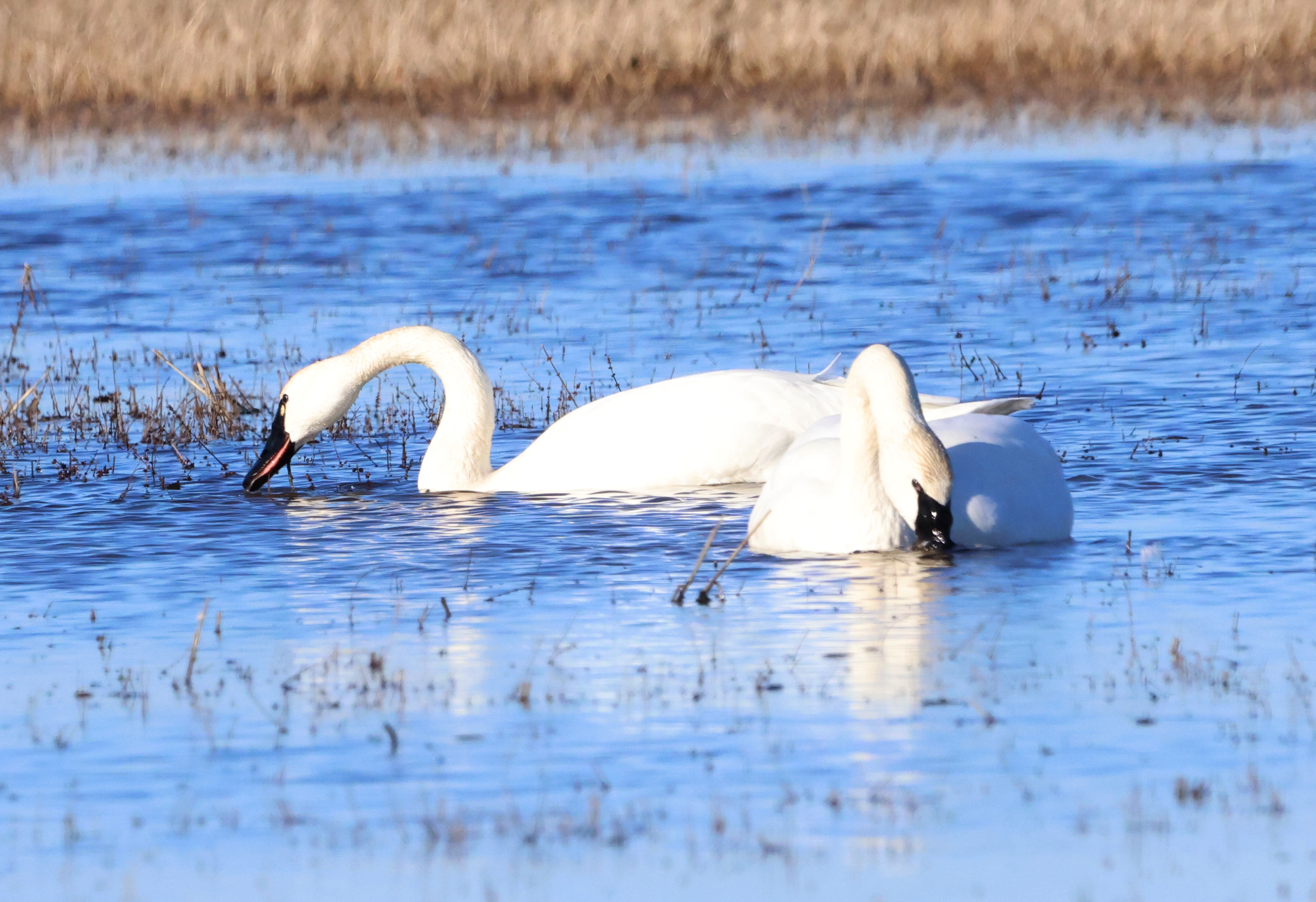
I also found the above Tundra Swan, which looks just like the Trumpeter Swan to its right with the exception of a yellow mark next to its eye.

Photos: Revisiting Old Stomping Grounds

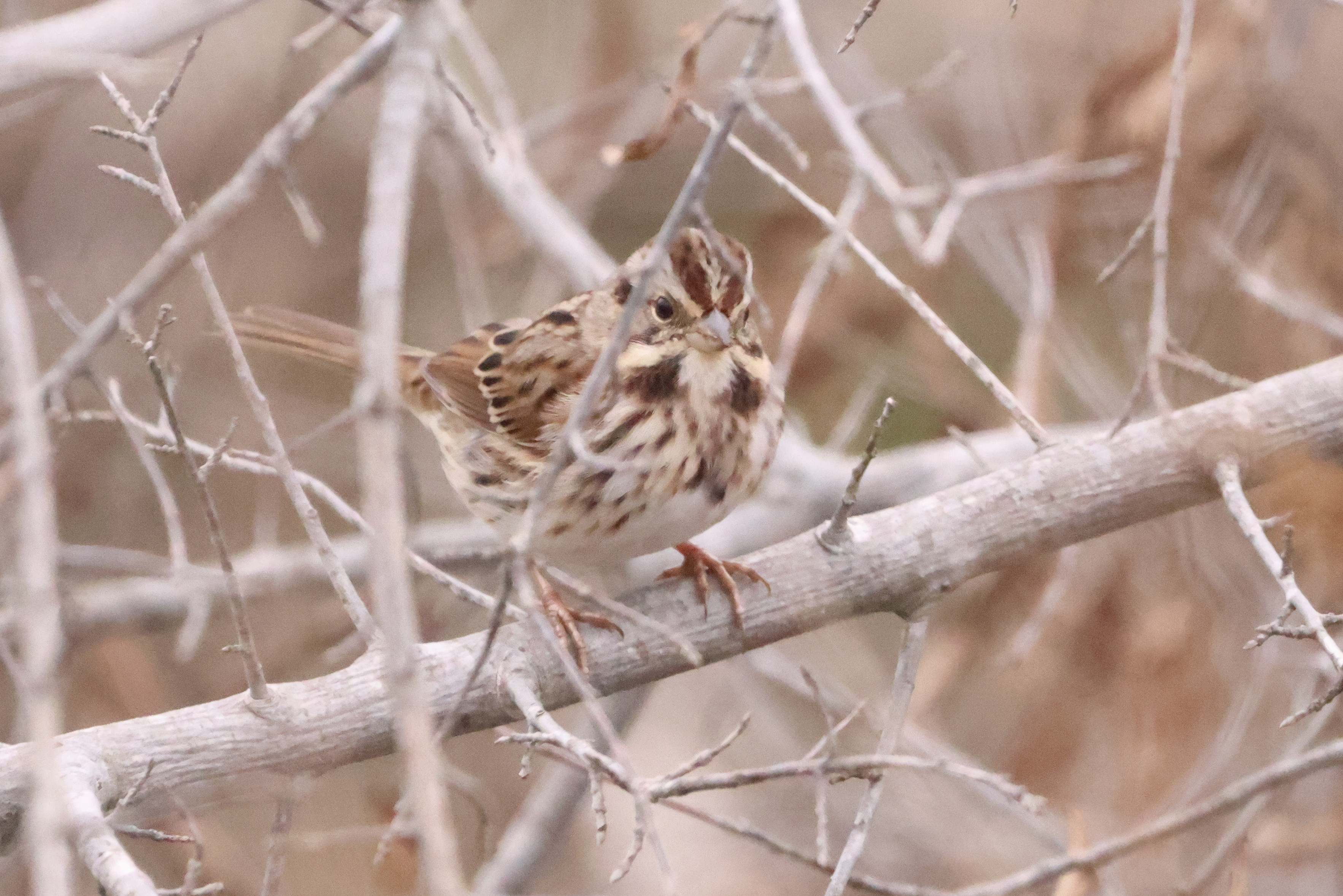
Vesper Sparrow

On Monday, I got up early to visit the Stuttgart Municipal Airport in hopes of seeing Barn Owls. I didn’t spot the Barn Owls by their known roost, but I did find this Vesper Sparrow that was singing from a hiding spot within tall brush. I was searching for a while before I got lucky: the sparrow flew up to a nearby power line where I was able to get a good look at it.

Vesper Sparrows are typically found in Arkansas from late September through mid-May, according to eBird. According to All About Birds, they are often hidden from sight in grasslands and fields. There are two unique features on the streaky brown sparrow: a thin white eyeing and flashes white tail feathers inflight. It also has a small chestnut patch on the shoulder.

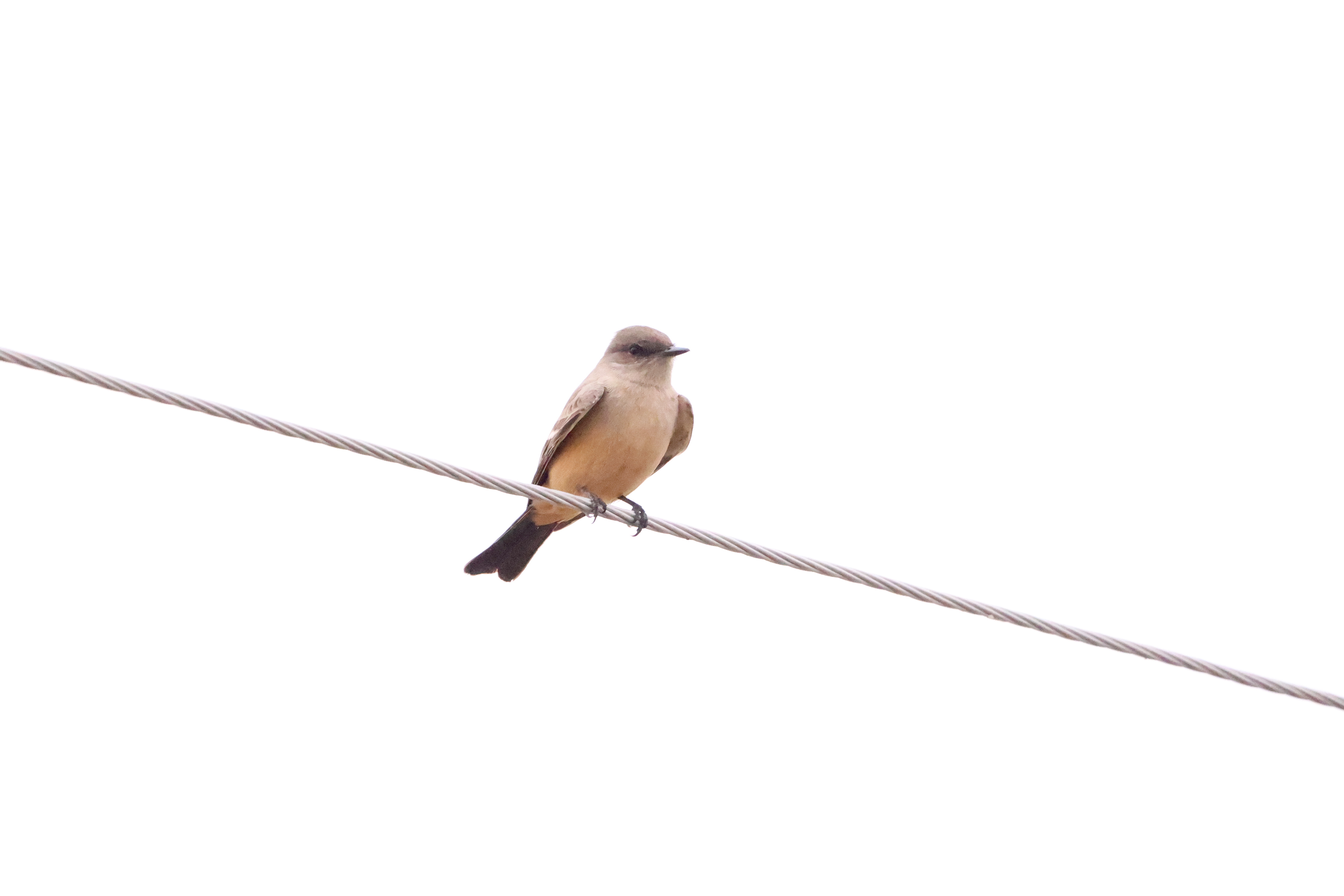
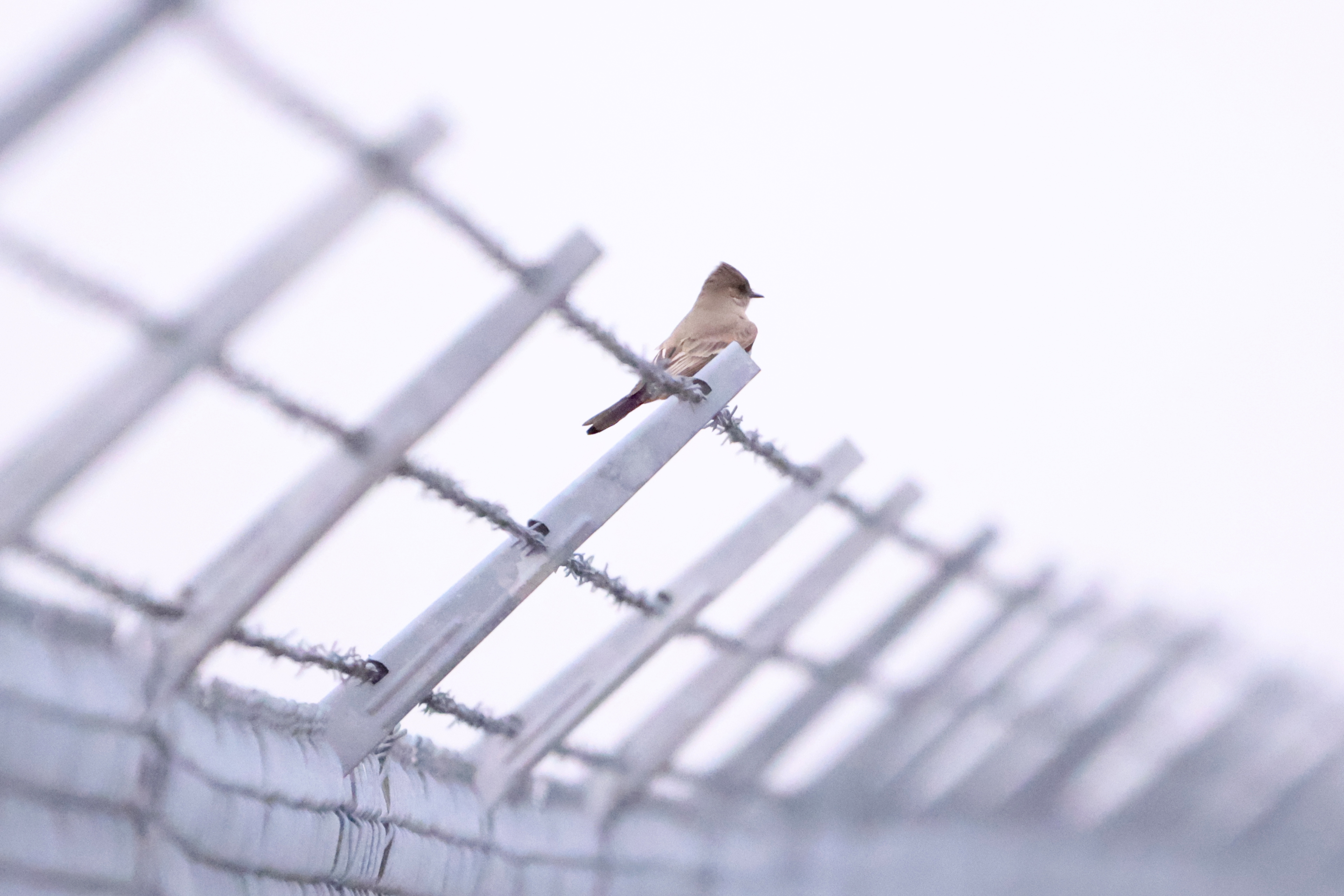
I also spotted a Say’s Phoebe, a rare find in Arkansas, although many have been spotted in the state recently. Another birder had spotted this bird at the airport a few days before me so I was curious to see if it was still hanging around. It was.

Say’s Phoebes are typically found more west of Arkansas. They differ from the common Eastern Phoebe in having a cinnamon-colored belly. Both phoebes are brownish gray above, although the Eastern Phoebe has a pale belly.

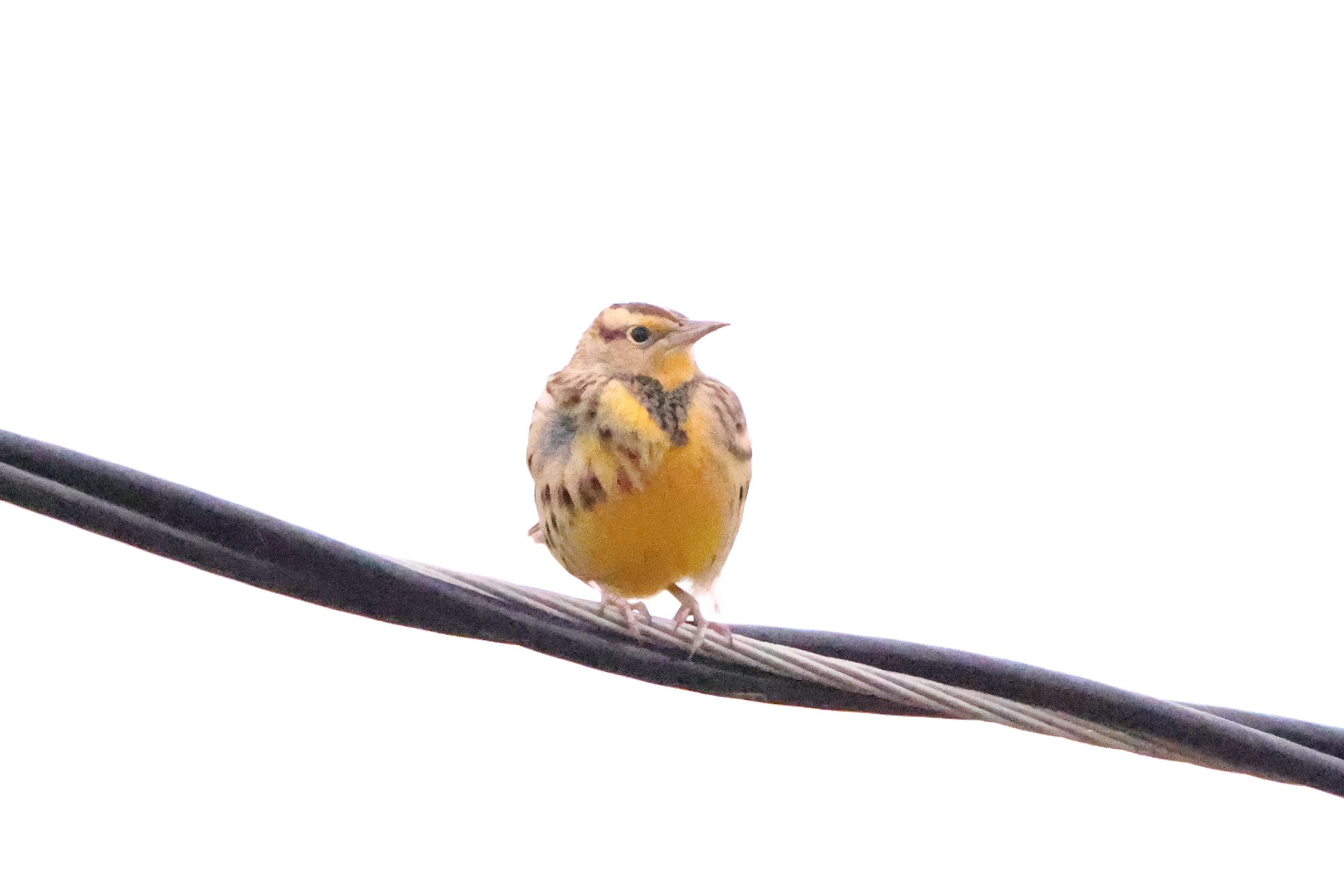
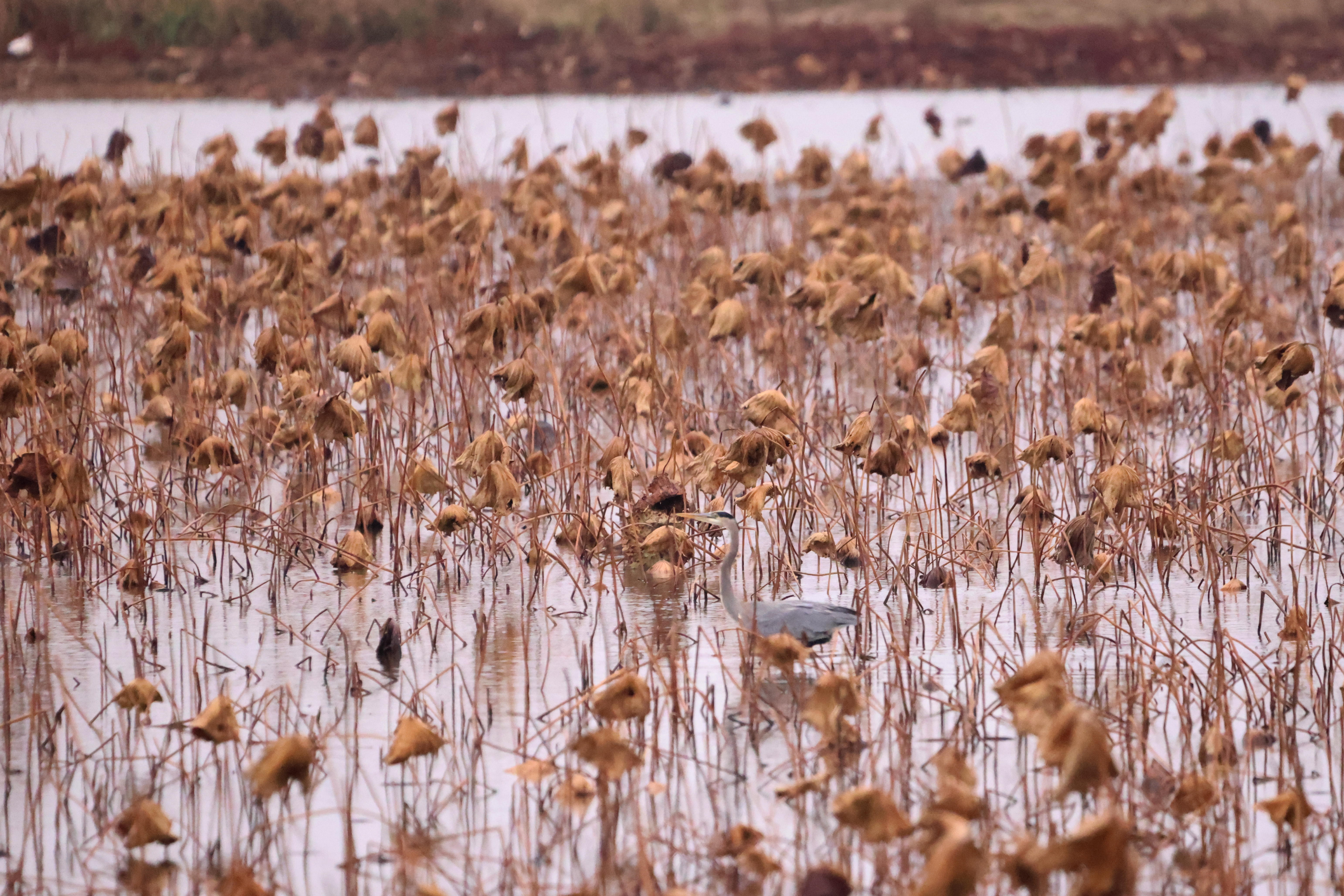
Besides visiting the airport, I also traveled to the nearby Bayo Meto Wildlife Management Area. Here are a few other birds I saw:

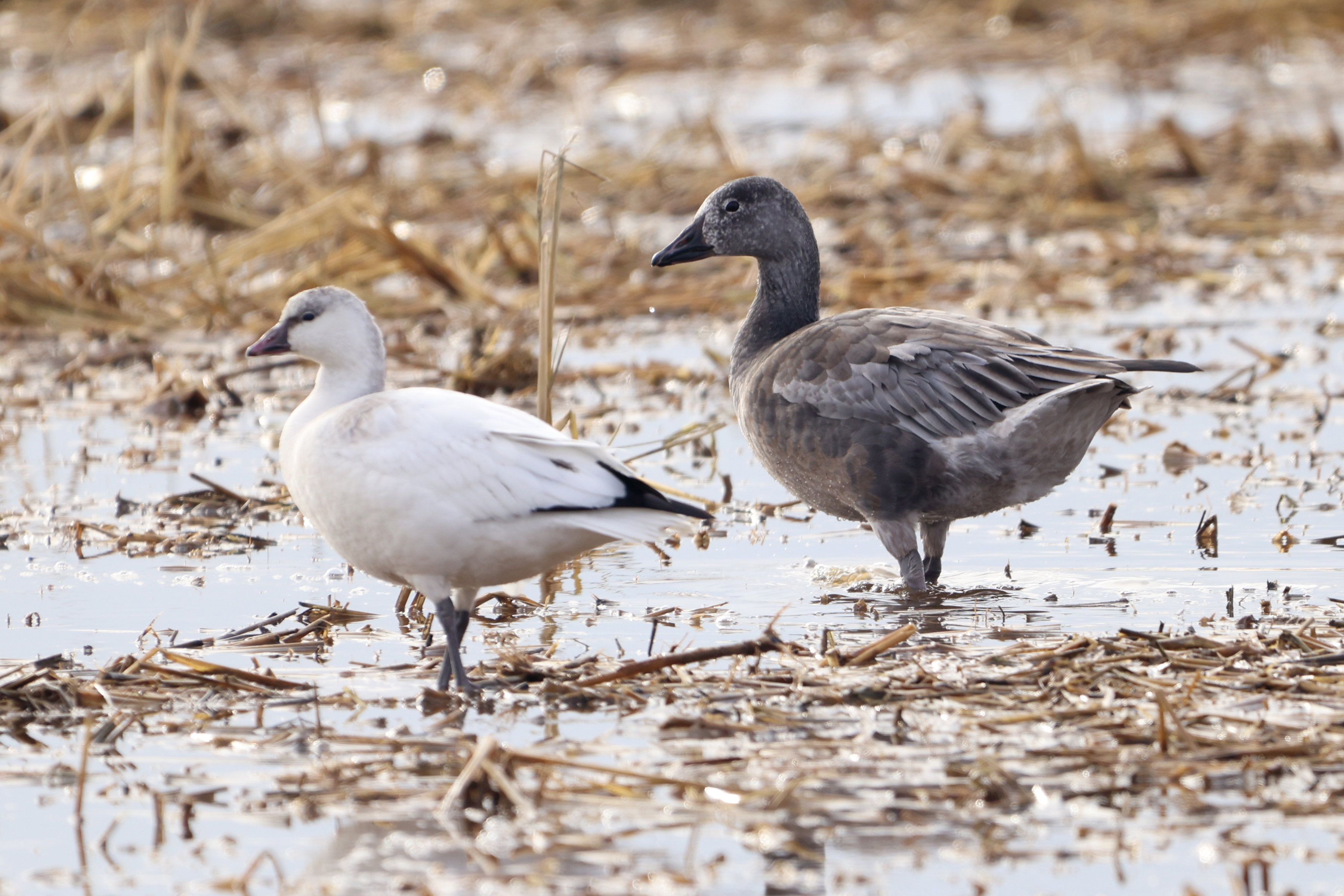
Ross Goose (left) and Snow Goose