Yesterday, we had the Arkansas Audubon Society of Central Arkansas’s monthly field trip. this month it was to the Joe Hogan State Fish Hatchery in Lonoke County.
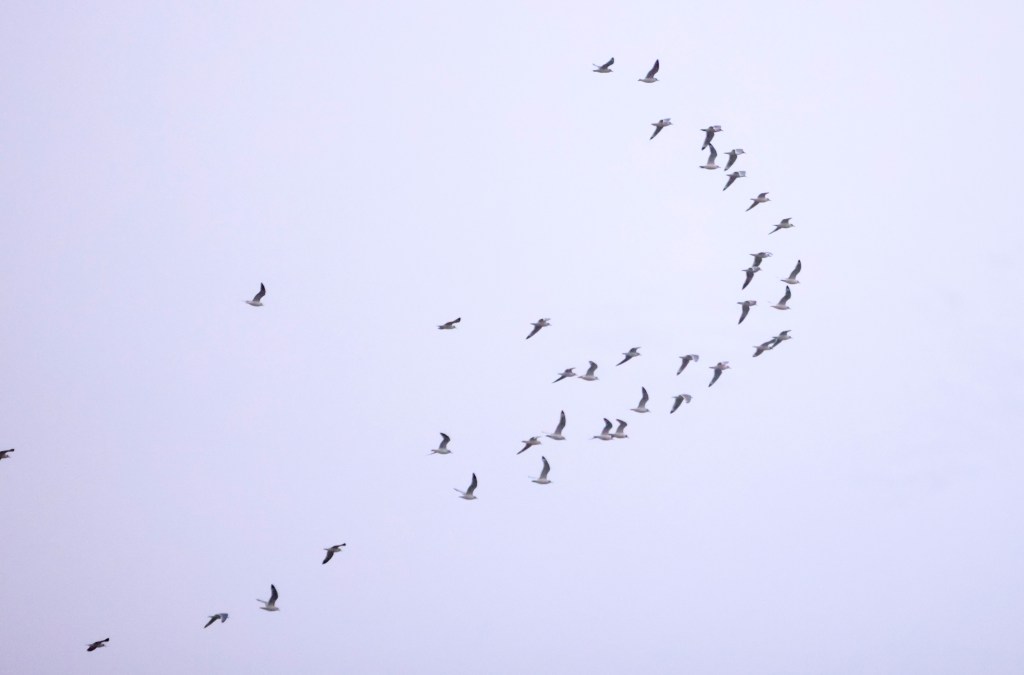
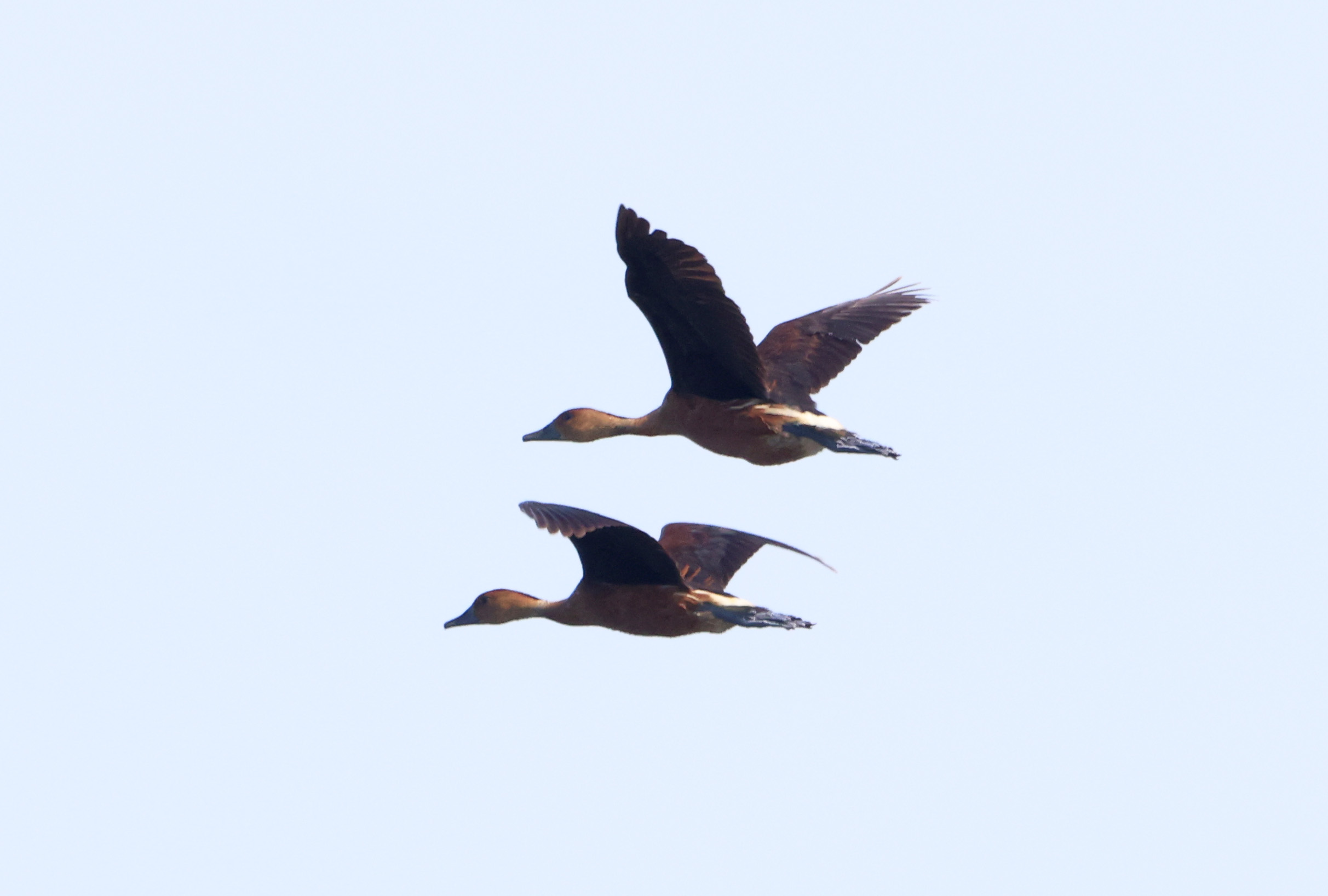
While we were greeted by Scissor-tailed Flycatchers and Bald Eagles, the greatest finds were Black-bellied Whistling Ducks and a large v of 100 Franklin’s Gulls flying over. It took us a while to identify the gulls – none of the trip’s 8 birders had seen that large of a group of Franklin’s before nor seen them fly in a v before.
As for the whistling ducks, they are always just a welcome sight. It was also the first time I’ve heard them whistling. A domestic mallard was hanging out with the whistling ducks.
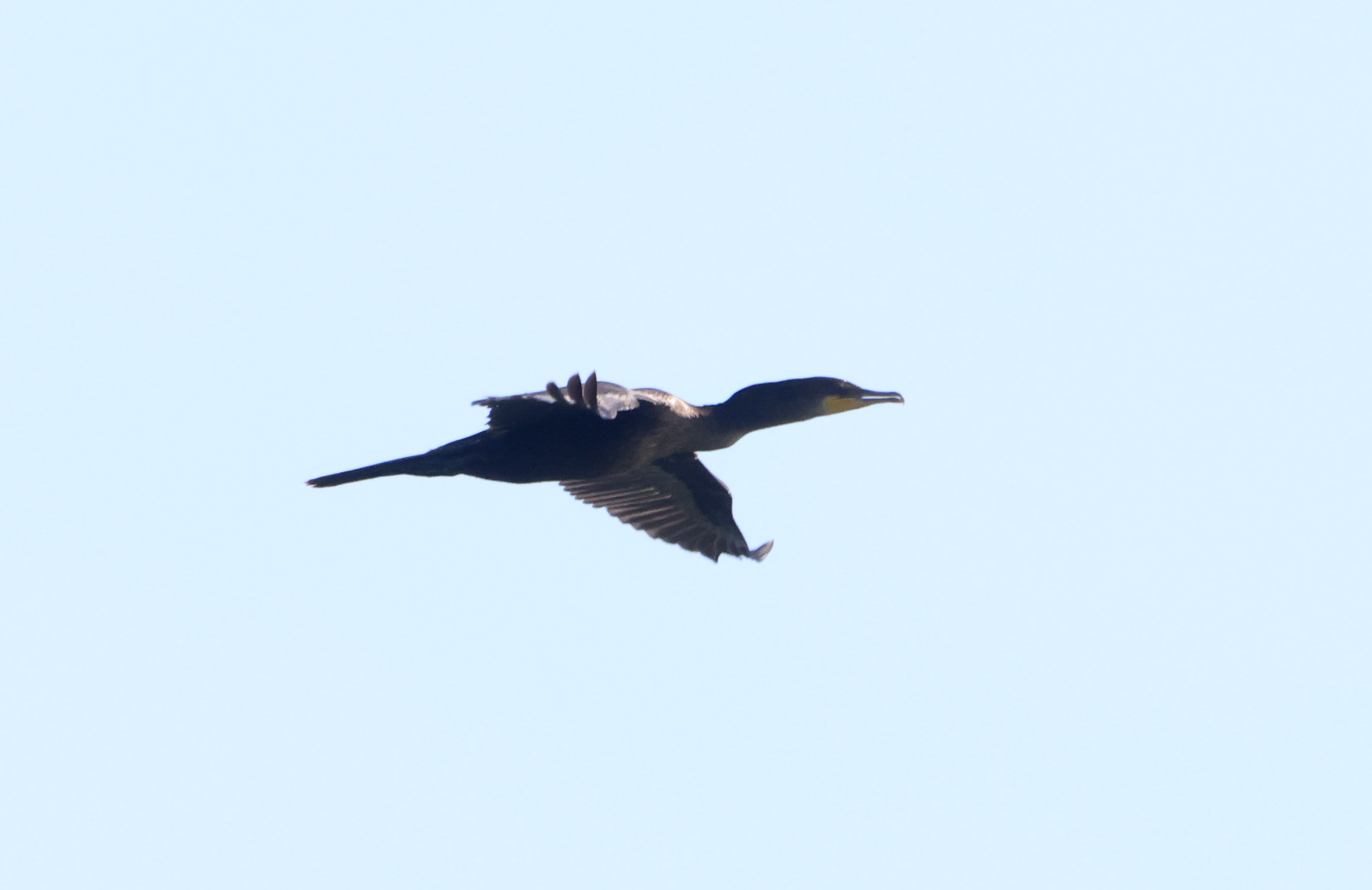
On Saturday, I joined friends to visit a fellow birder’s private land in Southeast Arkansas for a fun birding trip. I hoped to add to my life list and the trip didn’t disappoint. I finally got a great look at several Neotropic Cormorants.
Neotropic Cormorants look similar to the Double-crested Cormorant, but is smaller and longer-tailed. It’s often found in southern United States, the Caribbean and Latin America. After getting confirmation of the bird, I actually think I’ve seen it before but misidentified it.
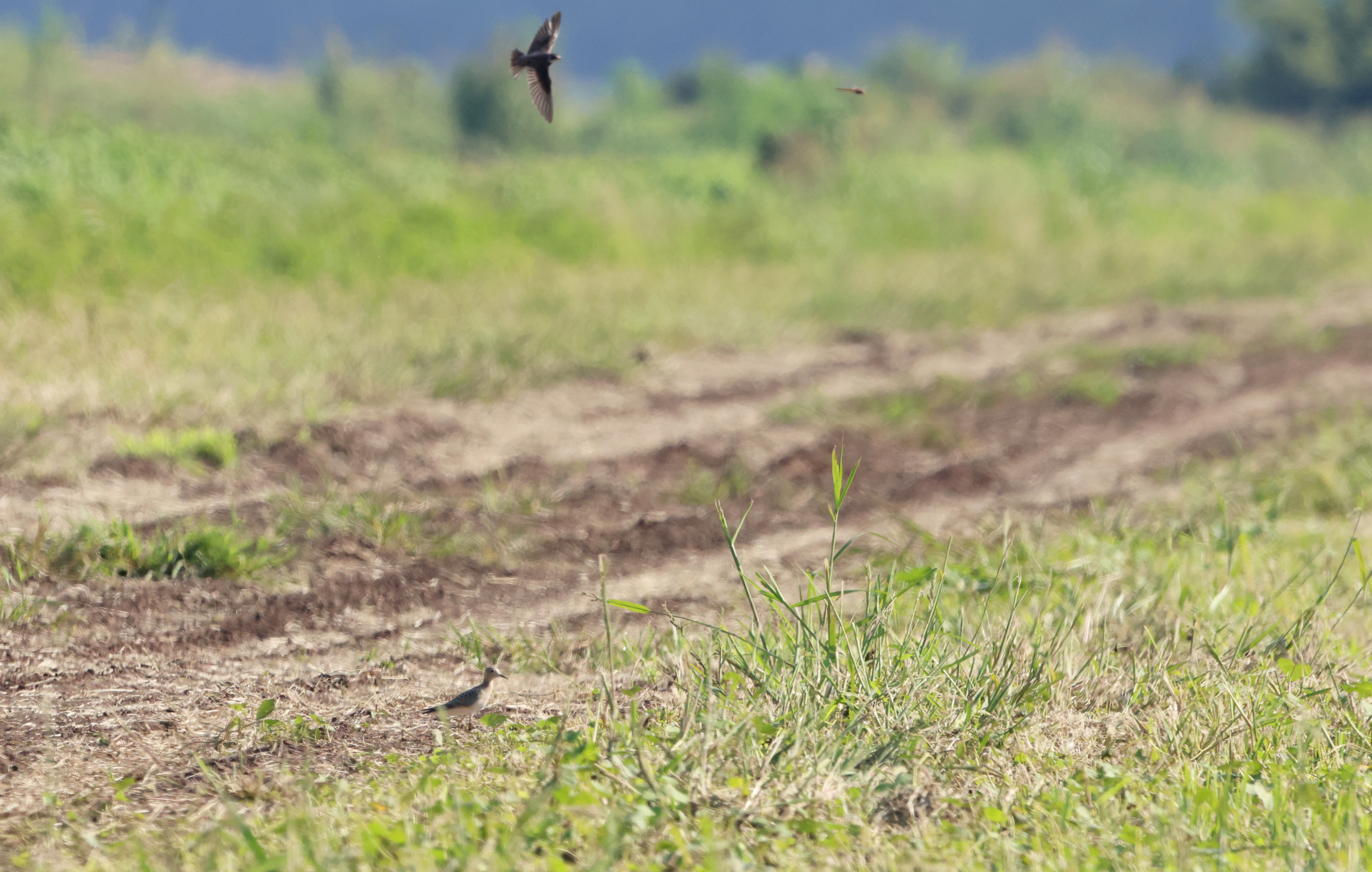
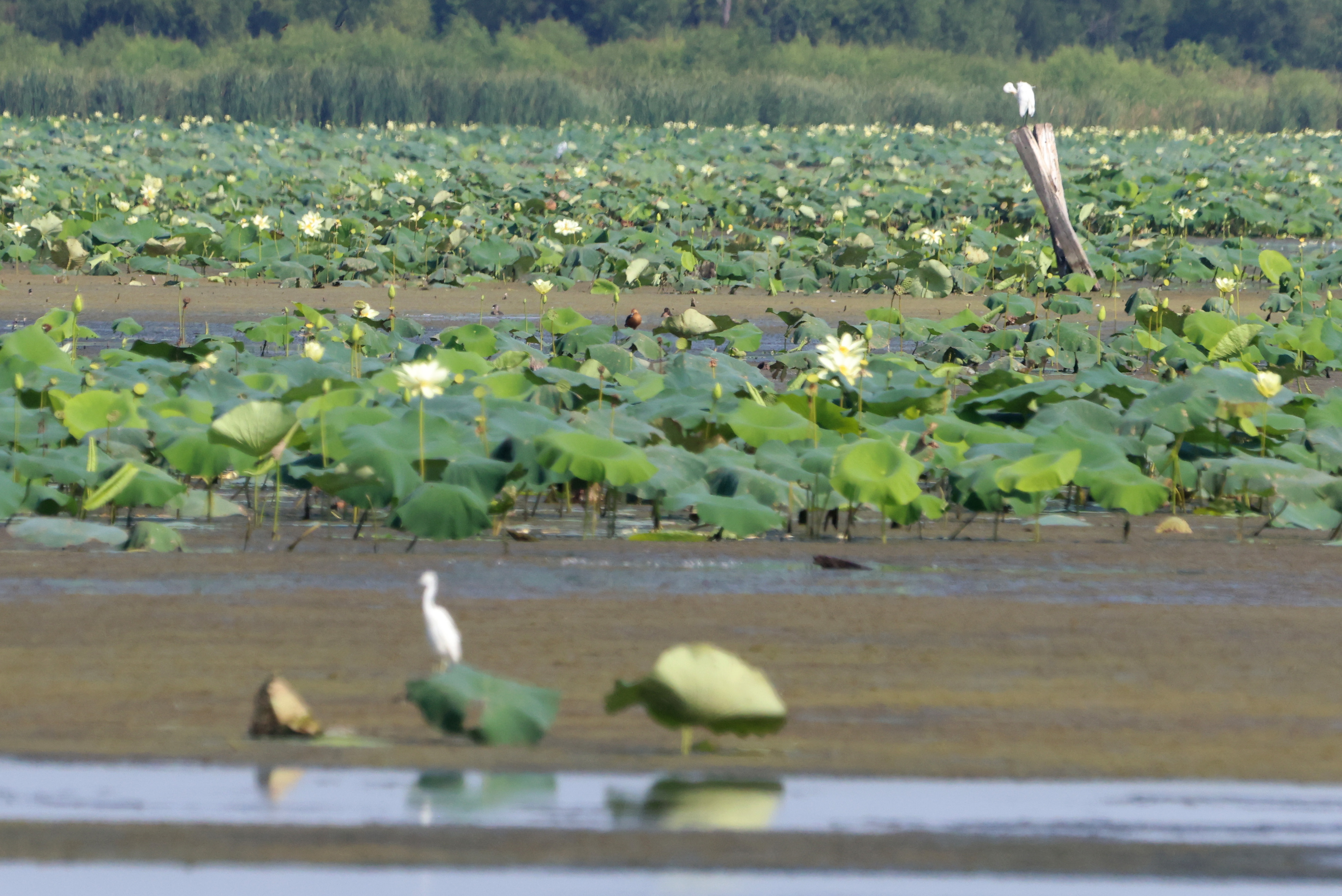
We spent just over an hour looking out over a marsh filled with Lilly pads and birds. Here’s a few other species we saw:
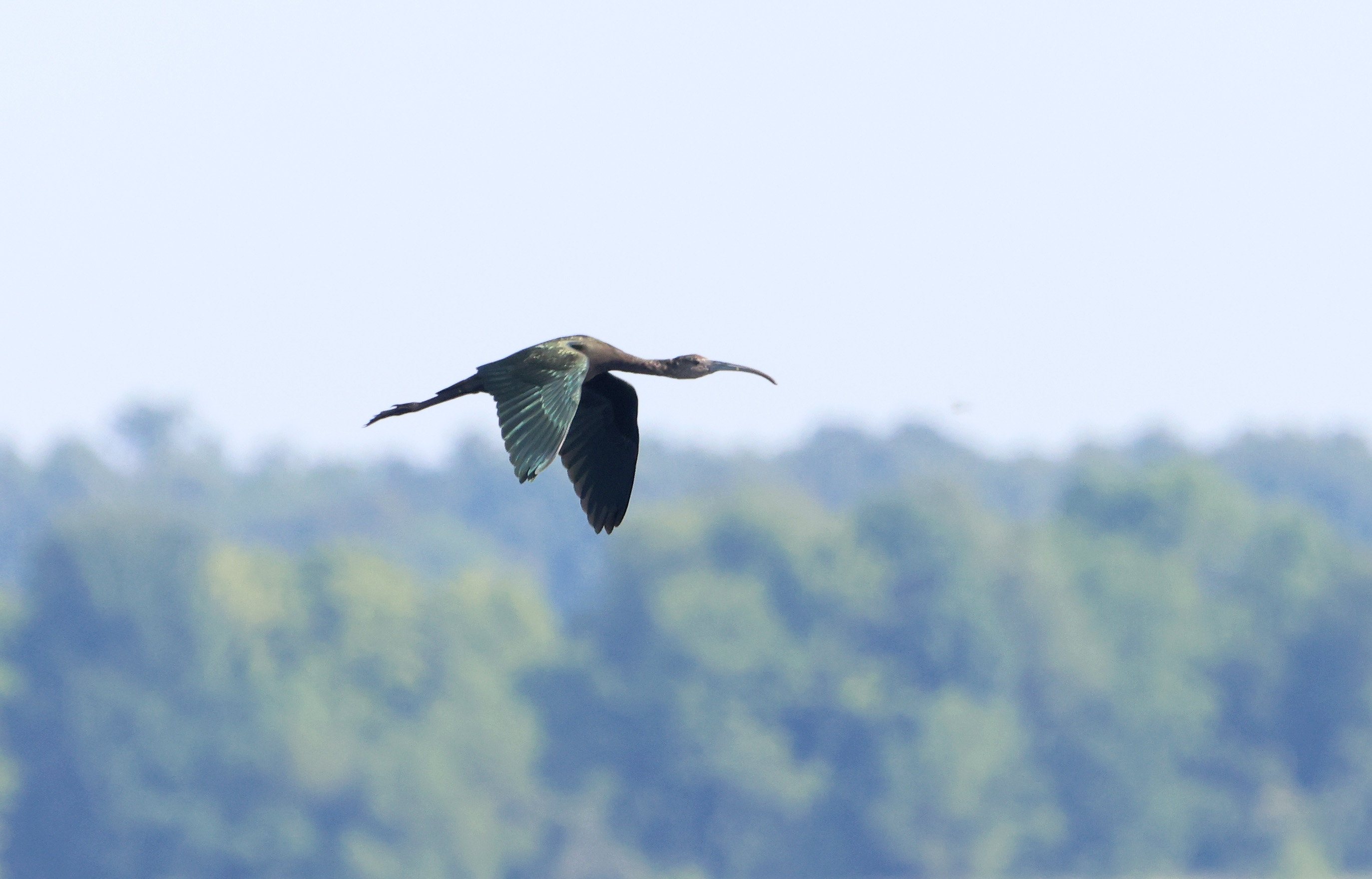
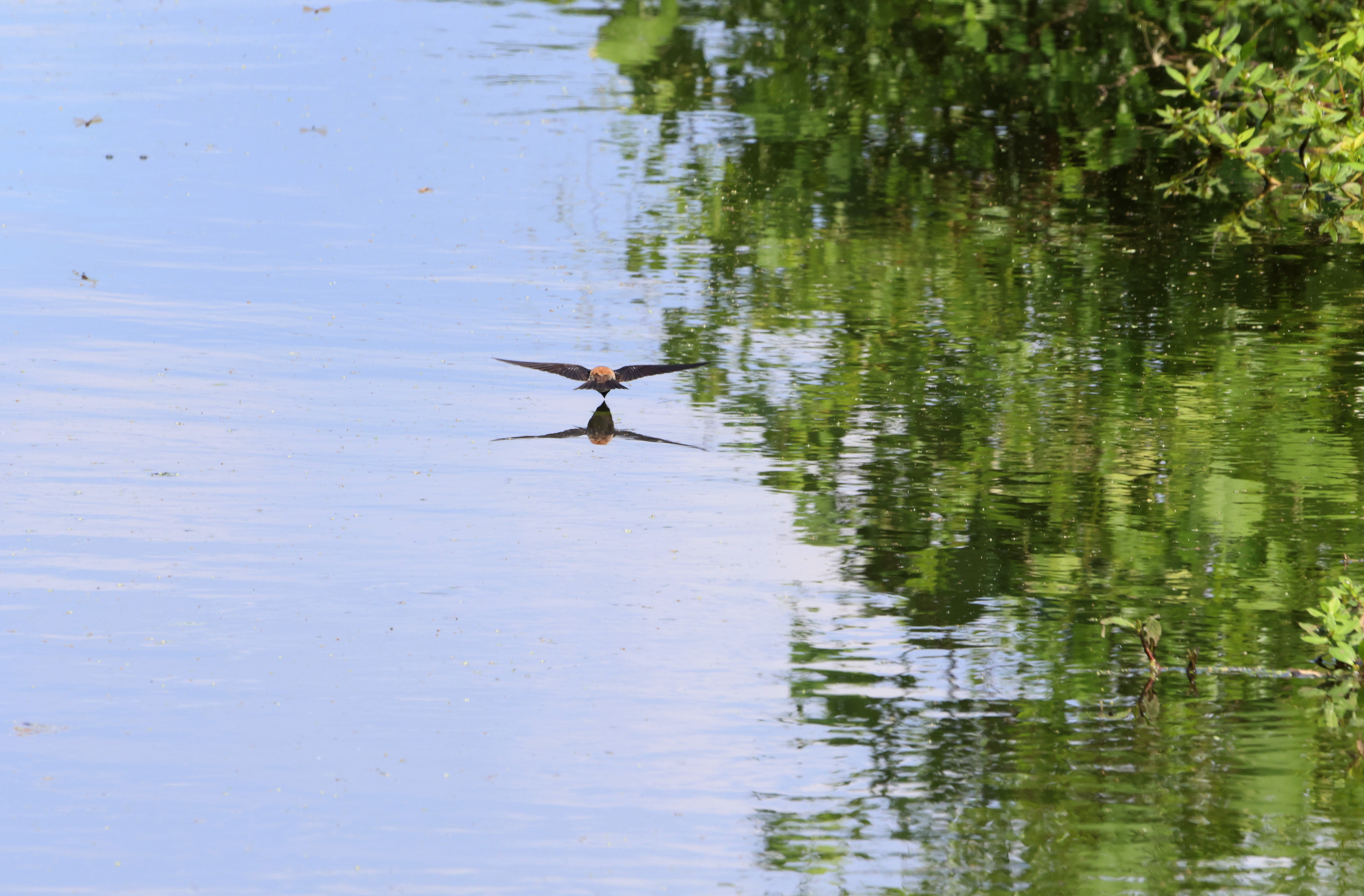
Bank Swallow, Buff-breasted SandpiperBlack-bellied Whistling DuckBlue-winged TealBuff-breasted SandpiperFulvous Whistling-DuckIbisPied-billed Grebe
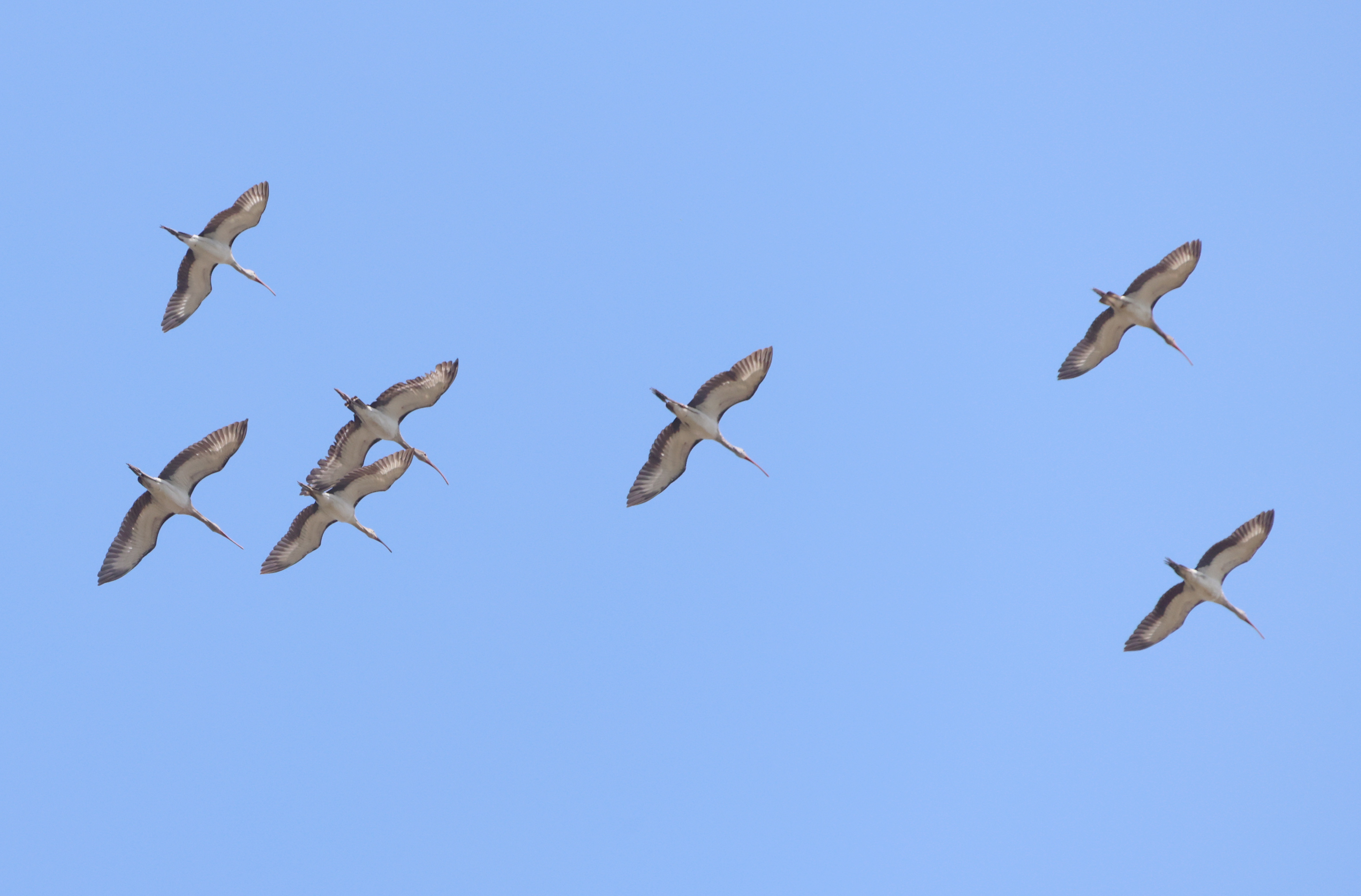
It was a fun but, it was hot and with few new birds spotted, we decided to move on. We drove along the levee by the Mississippi River to the McCallie Access in Desha County. We spotted 27 bird species including a Least Tern diving for food. We also got better looks of White Ibis flying overhead. That’s always a welcome sight.
We ended the day at Freddie Black Choctaw Island WMA Deer Research Area East Unit. It was here we finally heard then saw two Alder Flycatchers calling to each other – a first for me. Alder Flycatchers are heard to distinguish from other flycatchers. You need to hear their call as well to make the identification, which also throws me off. They migrate through Arkansas, and thrive in open settings such as bogs and beaver ponds, according to All About Birds.
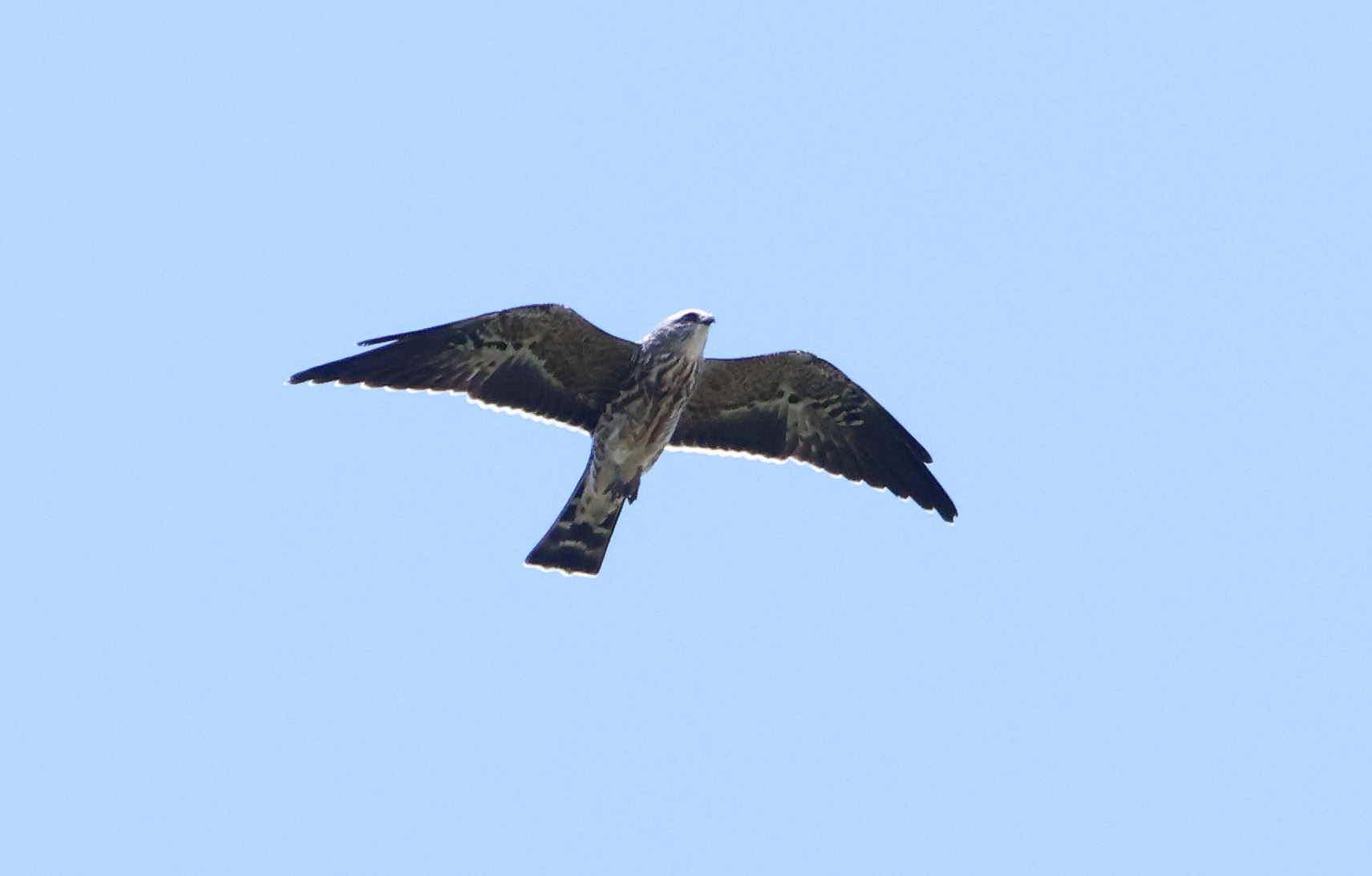
We also saw plenty of Mississippi Kites, which never gets old.
Alder FlycatcherMississippi Kite
To top off the day, we passed an immature Yellow-crowned Night-Heron as we headed home.
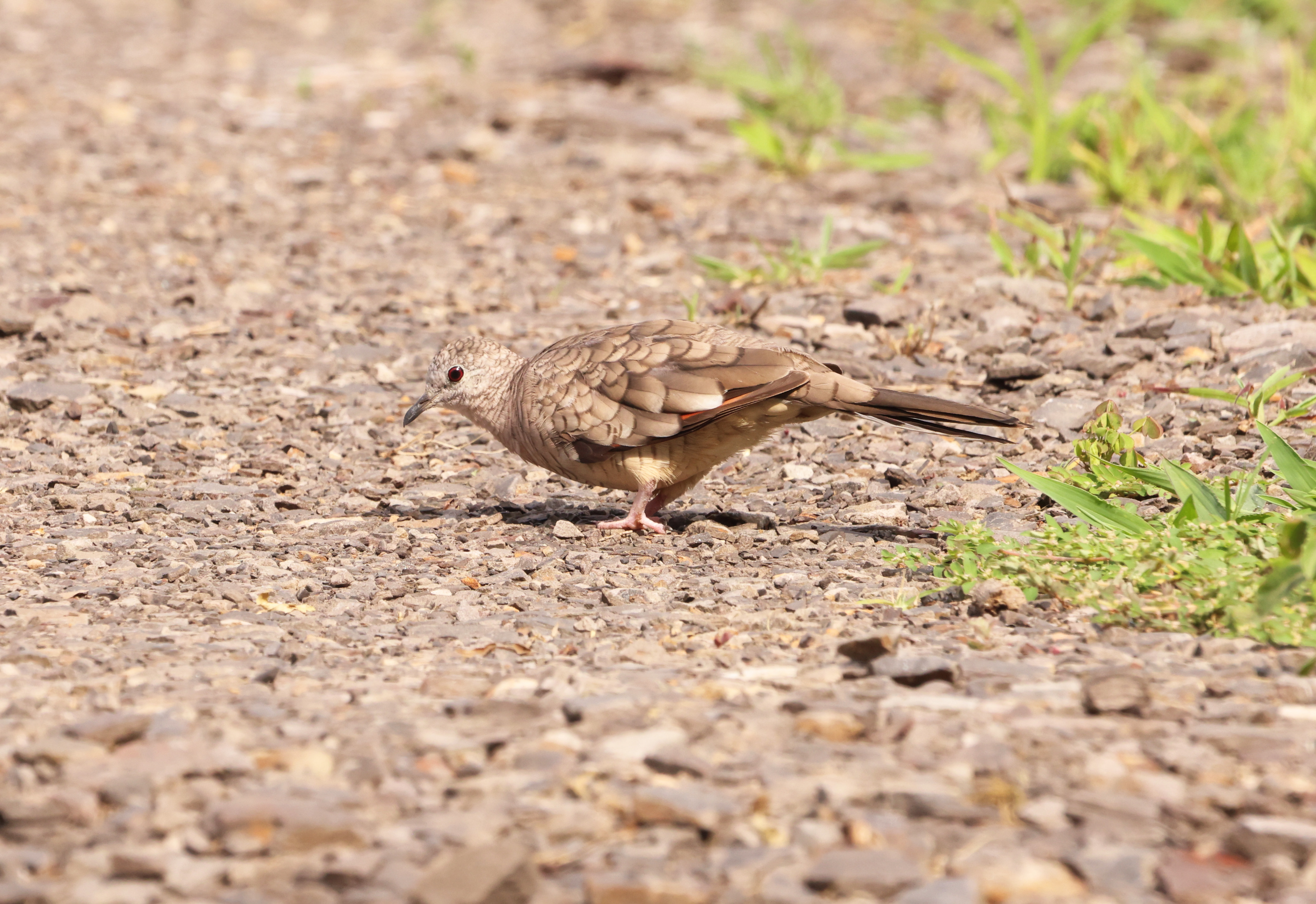
I’ve seen Inca Doves in Costa Rica, but not in Arkansas. I chased reports of this rare dove in the state for years with no success to the point I stopped trying when I saw random reports of one being spotted.
However … I’ve been seeing reports of an Inca Dove being spotted at Lake Atkins in Pope County for over a week. I was piddling around the house Saturday when I saw a report of one being spotted at Lake Atkins roughly an hour before I saw the report. I couldn’t resist – and, well, I wanted out of the house.
At Lake Atkins, I slowly drove down the streets in the reported area for close to 30 minutes with no success (at least with an Inca Dove spotting). I was on my final loop and prepared to leave when two doves landed in the driveway I was passing. It was two Inca Doves.
Inca Doves are pretty common from the southwestern United States to far western Panama. There are reports of sightings within Arkansas each year. Inca Doves are ground doves with red eyes, a long tail and scaly-looking feathers. They blend in well with the gravel roads and lots I’ve always seen them walking on. One interesting tidbit: their call sounds like they are cooing “no hope.”
I previously worked as a news and sports photographer. Recently I have been enjoying wildlife photography. My approach toward bird photos is similar to sports photography. I attempt to capture mostly action and hopefully a unique perspective.












 Memos for Me