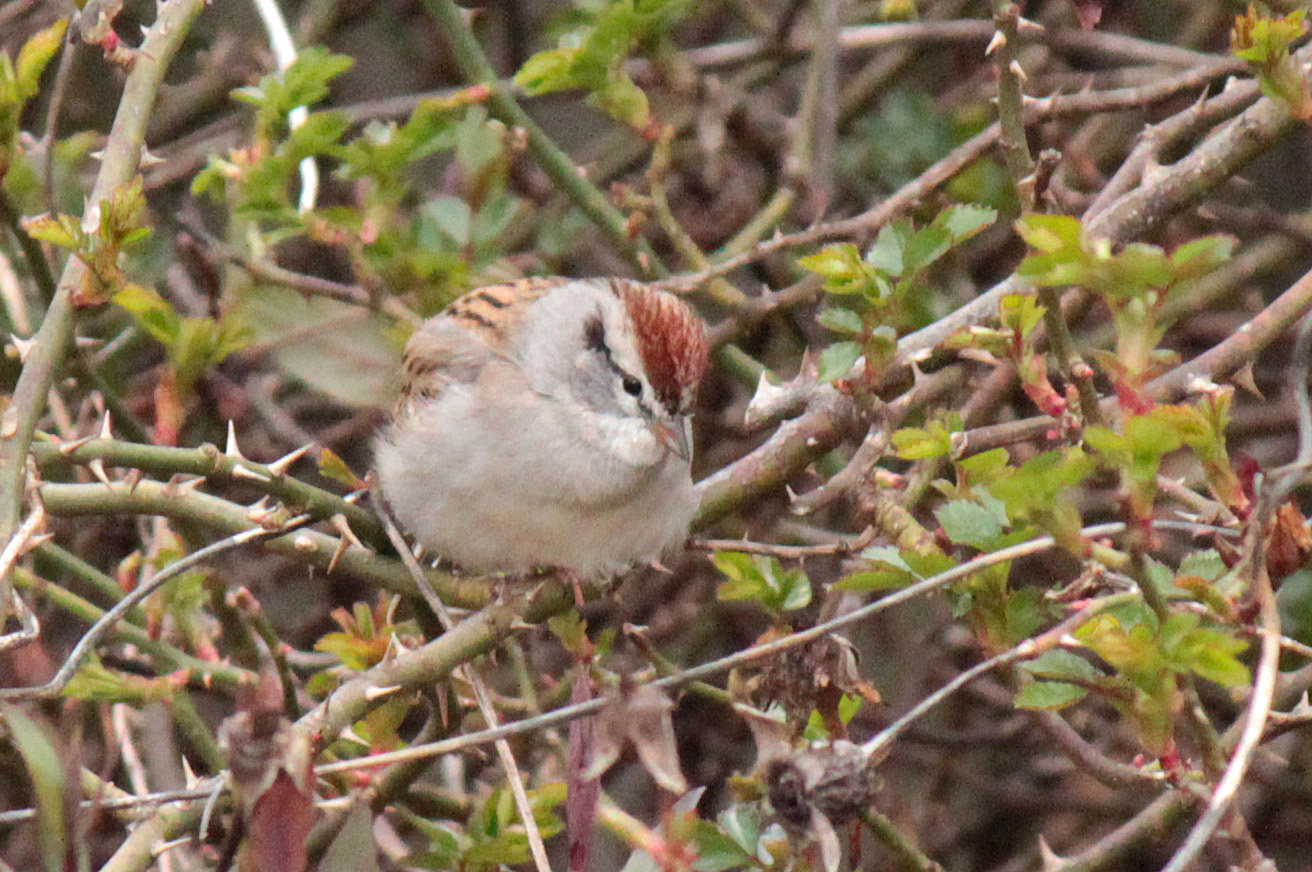
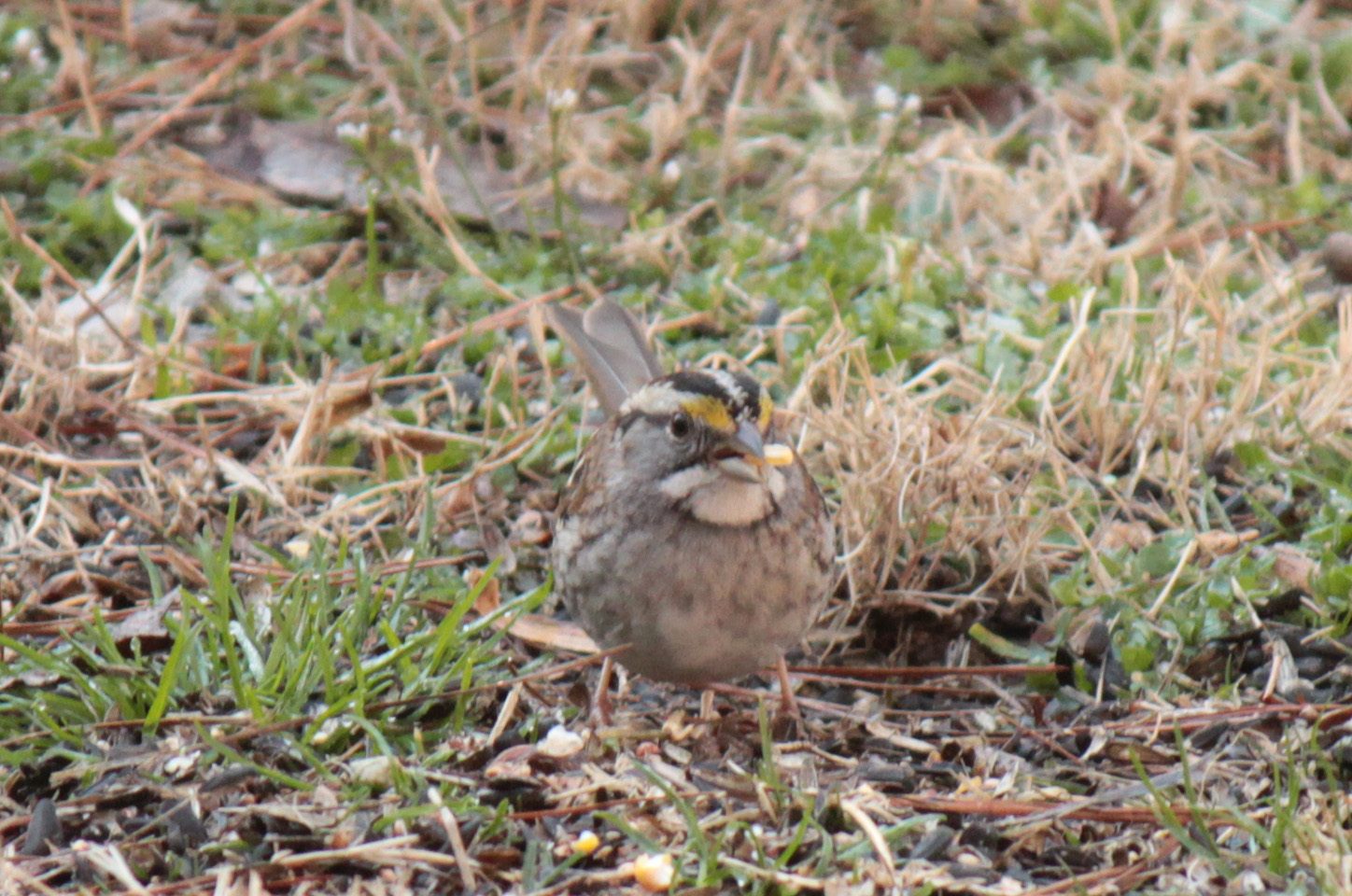
Photo of day: Chipping Sparrow
March 27, 2013

Overtime. It’s a great word, especially since it allowed me to get out of the office early Thursday afternoon. Izzie and I headed to the Bayou Meto Wildlife Management Area to see what we could find. We got pretty lucky — the highlight of the trip was a Barred Owl (above). It was my first time to see one and, I must admit, March is turning out to be a great month for spotting owls!
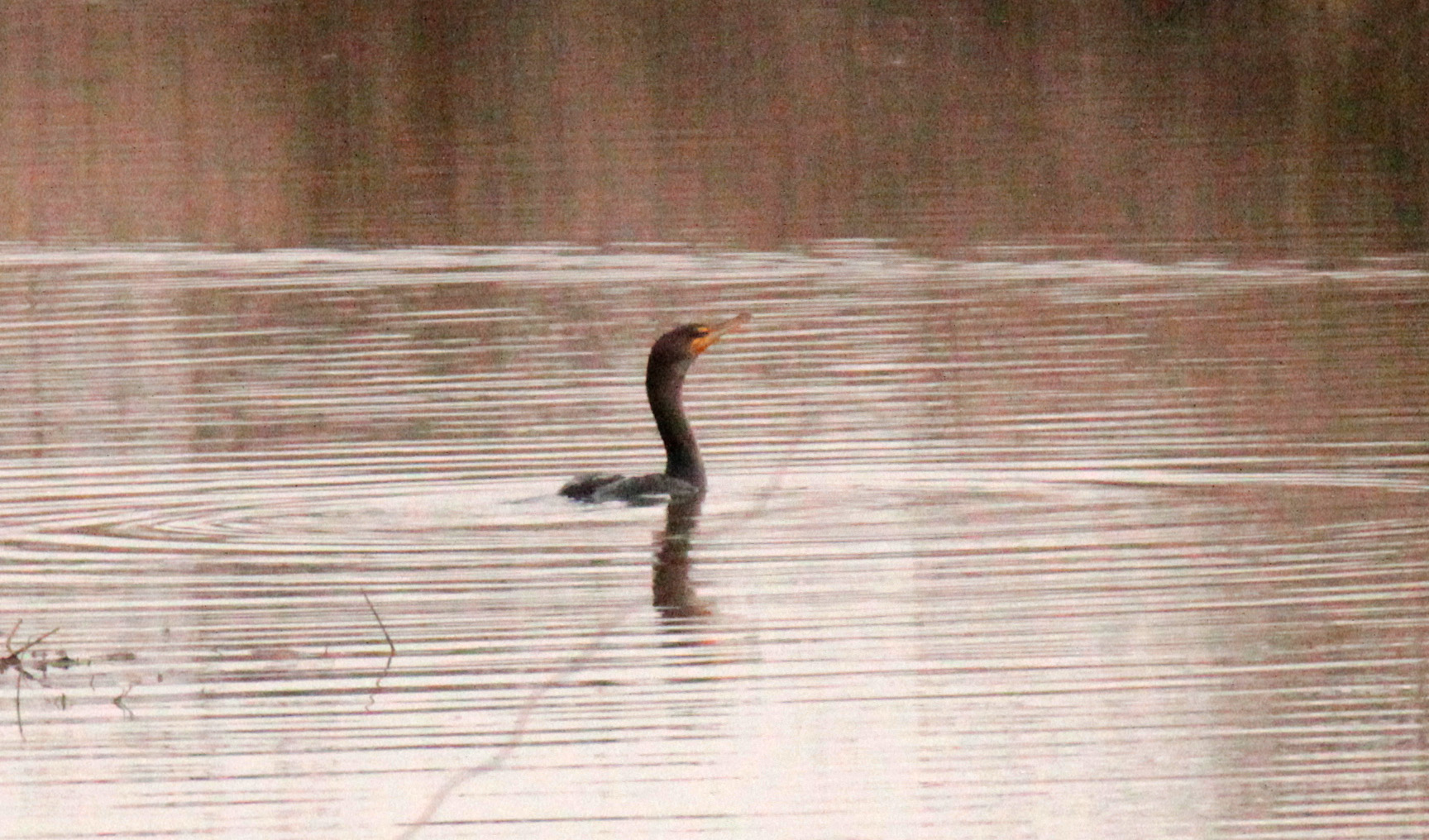
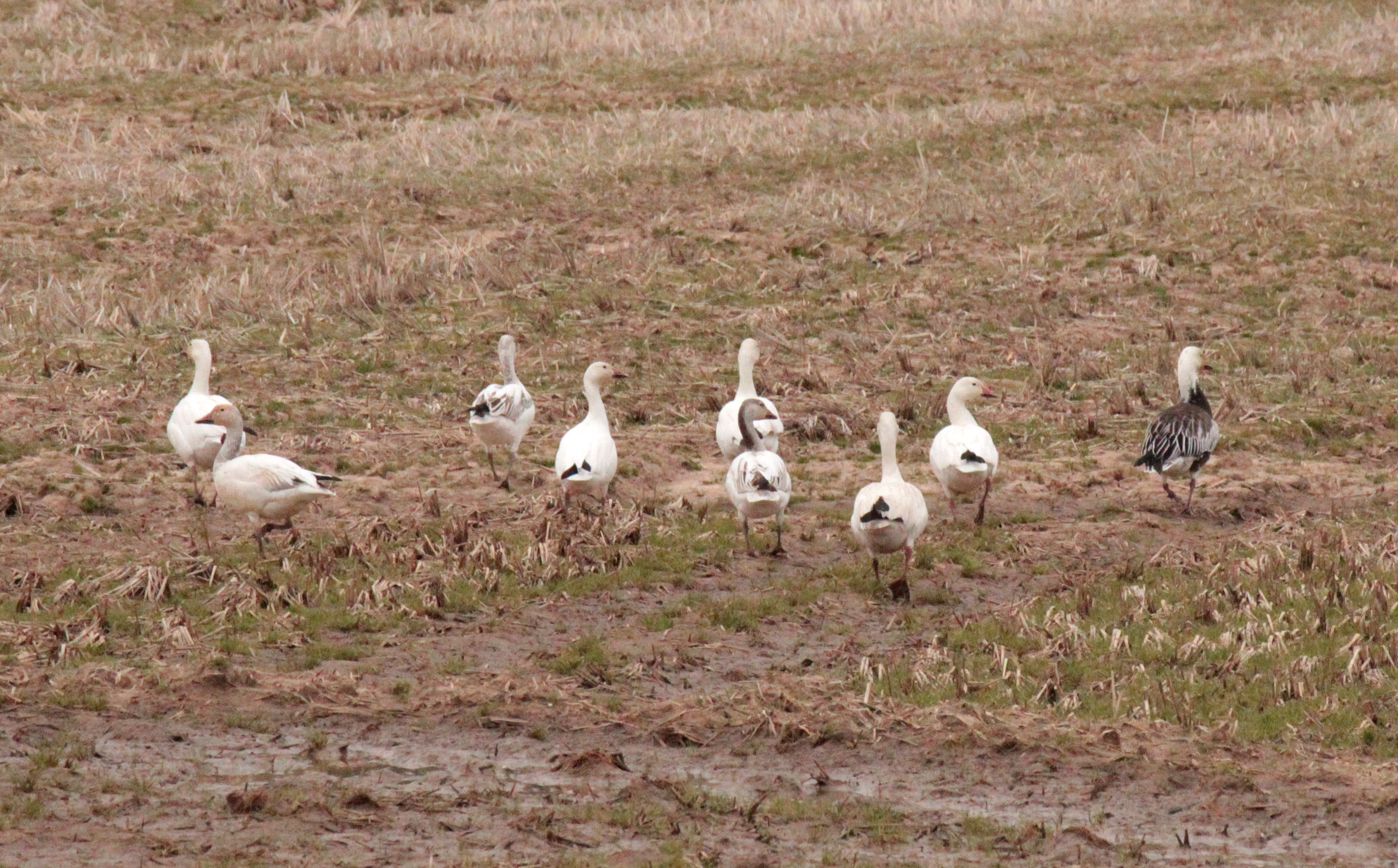
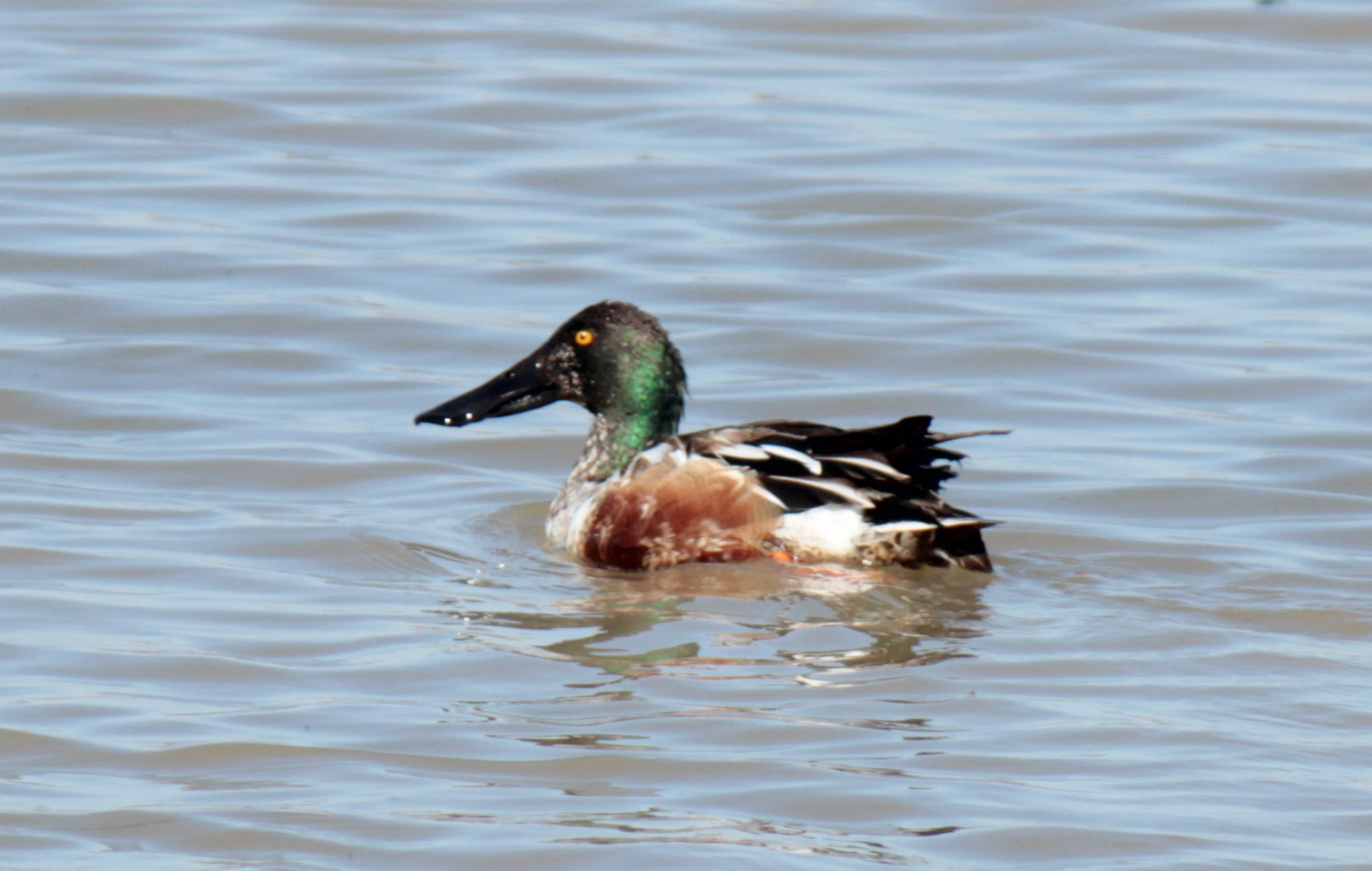
Besides the owl, we also spotted Blue-winged Teal, Double-crested Cormorants, snow geese, sparrows, Tufted Titmouse, Northern Cardinals and plenty of Wood Ducks. Here’s some pictures:



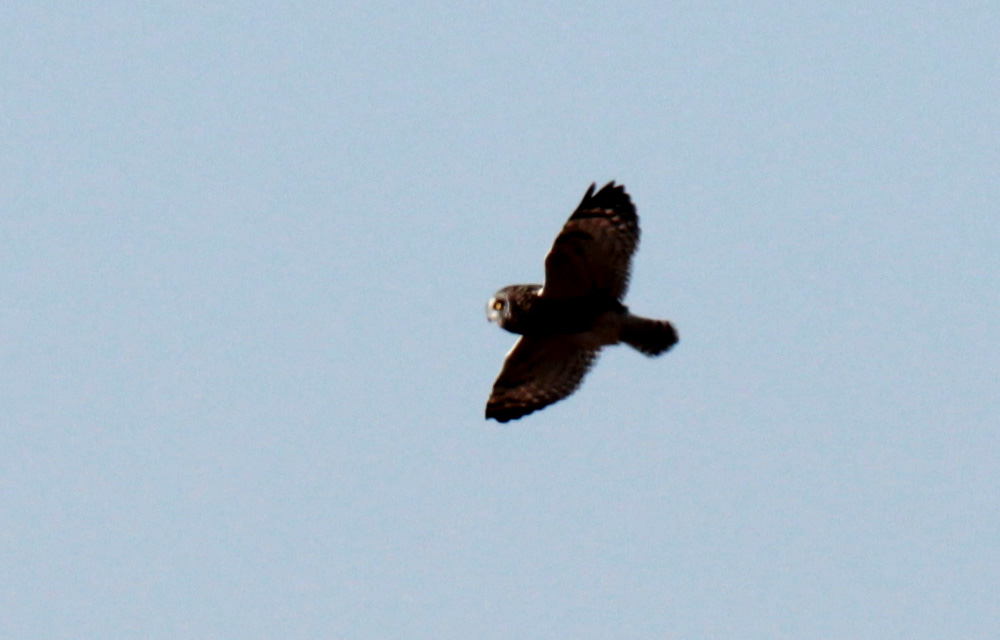 Short-eared Owl
The Great Horned Owl sighting left me so excited that I decided to try spotting a second owl: The Short-eared Owl. The common open grasslands bird is a winter resident of the Stuttgart Municipal Airport. Past trips yielded no results so I finally got my hands on a map of where exactly to look and headed back out.
The trip lasted less than an hour and was a complete success. First, the trip started off on a great note when I discovered an airport employee was back at work after a long bout of illness. After signing in, I immediately stepped out of the airport’s office to find Northern Harriers, Killdeer and Red-winged Blackbirds.
My next stroke of luck came when the below-pictured plane took off, stirring up the owls. I counted about eight in all. According to the National Audubon Society, Short-eared Owls are in serious decline over much of its range with the primary threat being the destruction and degradation of open habitat. I think the owls are fascinating because you can find them easily throughout the day.


The Stuttgart Municipal Airport was originally prime farmland the U.S. government bought for an air force training site during WWII. After the war, the property was handed over to the City of Stuttgart for use as a municipal airport. Today, the military still uses the airport for training exercises.
The airport also remains busy with agricultural-, business- and hunting-related flights as well as birders. Audubon Arkansas and the City of Stuttgart previously started a 252 acre prairie restoration project for grassland birds. There are now prescribed fires, non-native plant control and rubble removal to benefit 13 prairie bird species of great conservation need. According to Audubon Arkansas, the project “continues a landmark collaborative working towards the long-term goal of a 2,000-acre core of contiguous native grassland suitable for the reintroduction of the Greater Prairie-Chicken to Arkansas.”
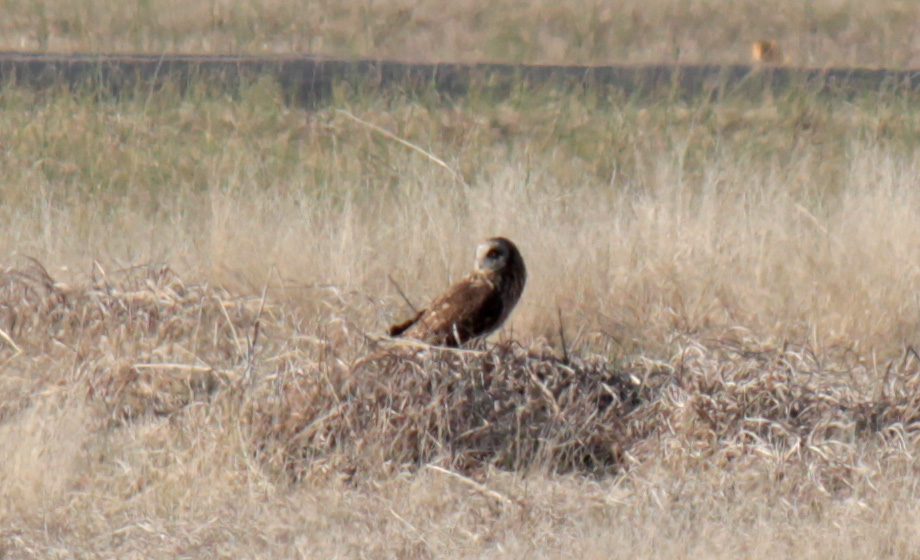

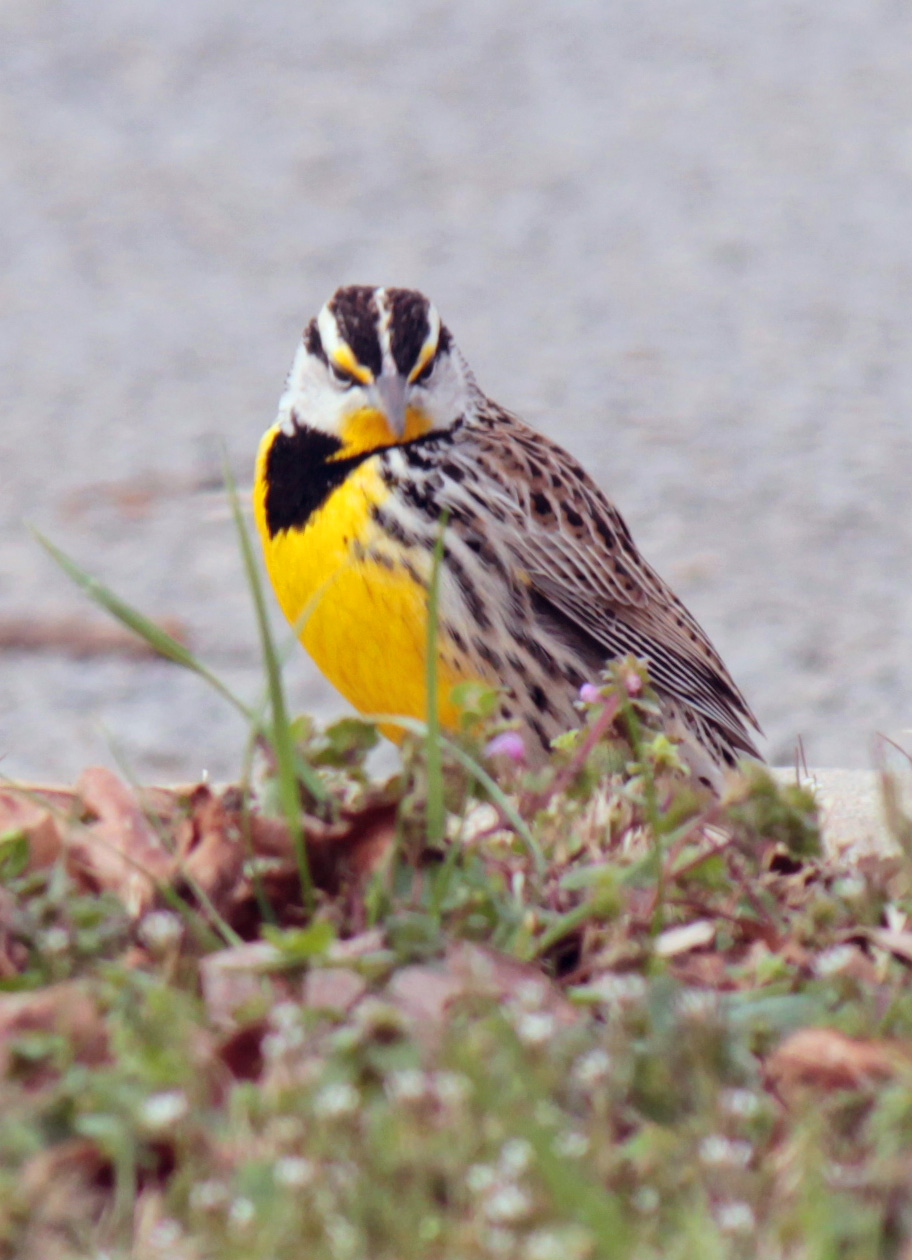
 I ended the visit sighting an eastern meadowlark and the above pictured Wilson’s Snipe.
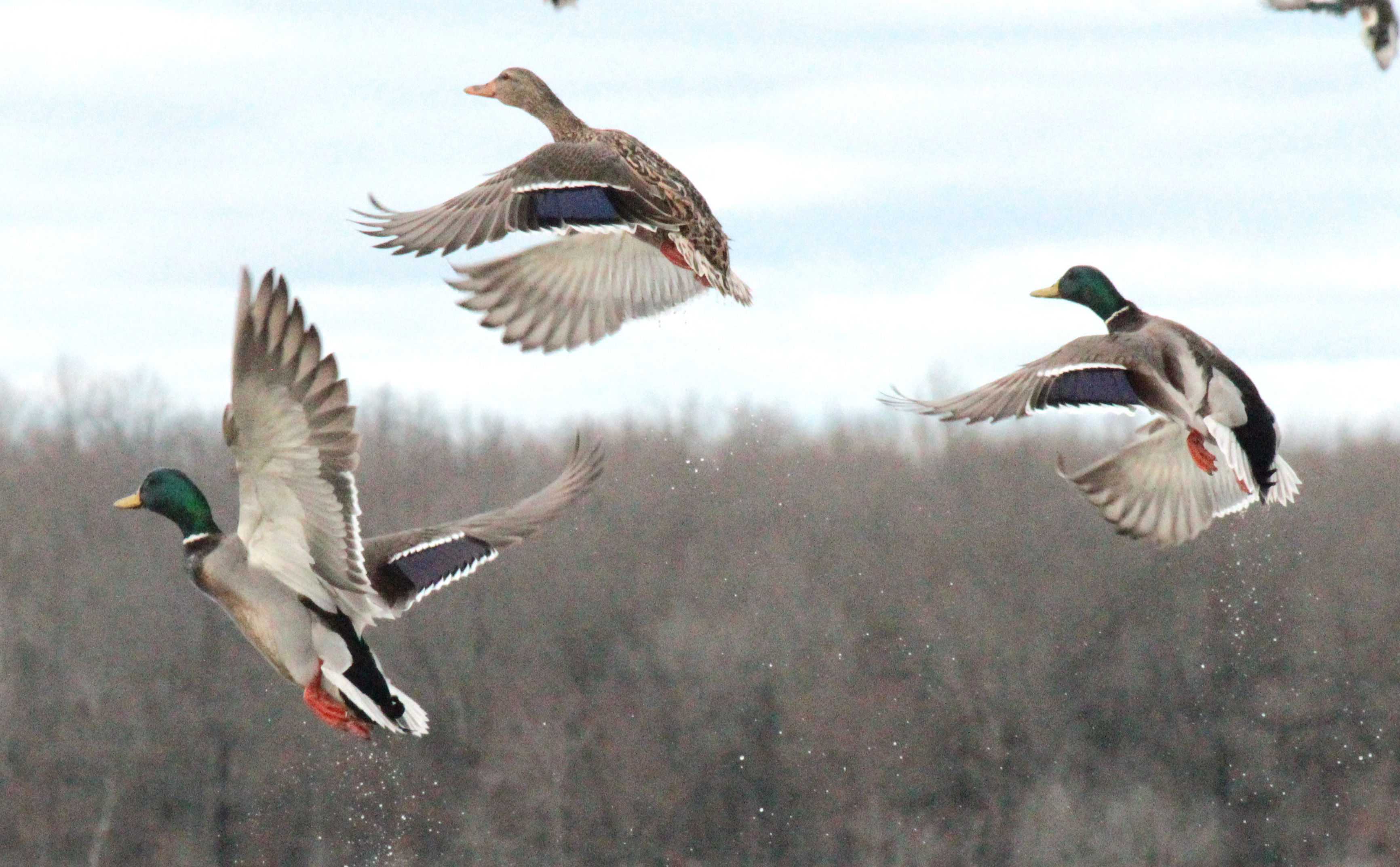
Canadian Geese and Mallards were the main birds we saw Sunday and this morning. They basically had the run of our hotel and restaurant parking lots (which surrounded a small pond).
Most of our time was spent with family. My great-aunt lived a full life, and I was surprised to learn that she moved to France with her husband and small son in the late 1940s.
Her husband was stationed near a small village, and her son said the French did not like Americans even at the end of WW2. When his father worked nights, people would come bang on their windows throughout the night to scare them.
My great-aunt would also keep a pistol under her pillow just in case. Still, they weren’t too afraid. Her son said he could remember fetching fresh bread for his mother.
This is the same lady who happened to be in town when I was born. She was my “grandmother” so she could visit my mother and hold me.
We ended up having three hours of free time after the visitation so we visited Fort Harrison State Park.
It was a nice break and the park was fantastic. I could definitely see me using it as often as possible if I lived here.
It also had family history since my great aunt and her family were stationed at Fort Harrison before it became a state park.
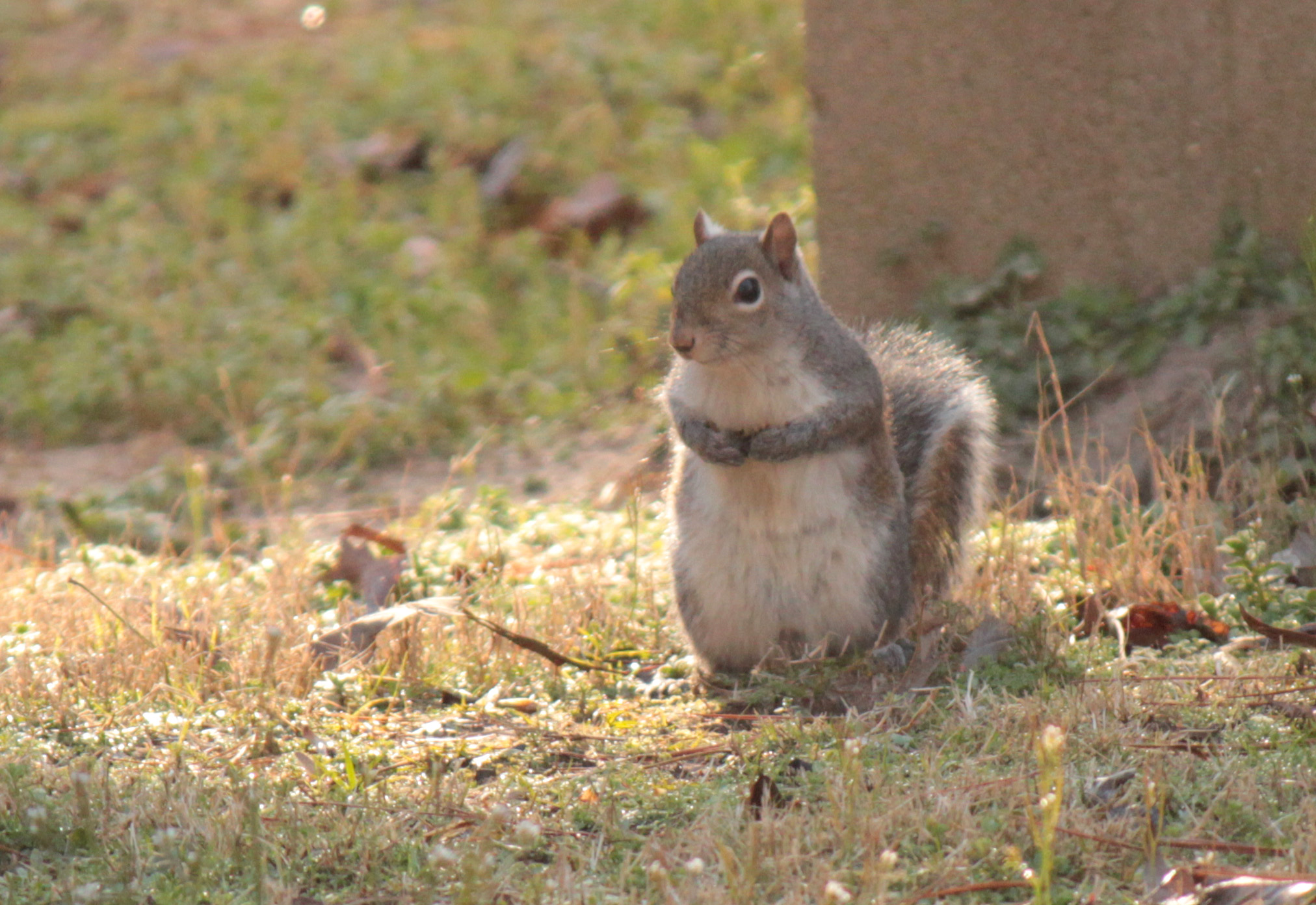
On Sunday, the birds and a super fat squirrel greeted us at the cemetery. It was funny to see the geese surround us. I mean literally surround our car while we were leaving. There were even three geese on the roofs watching us.

We’re now heading back to Arkansas. Just counting the hours until I can pick up my dog and be home out of the rain.

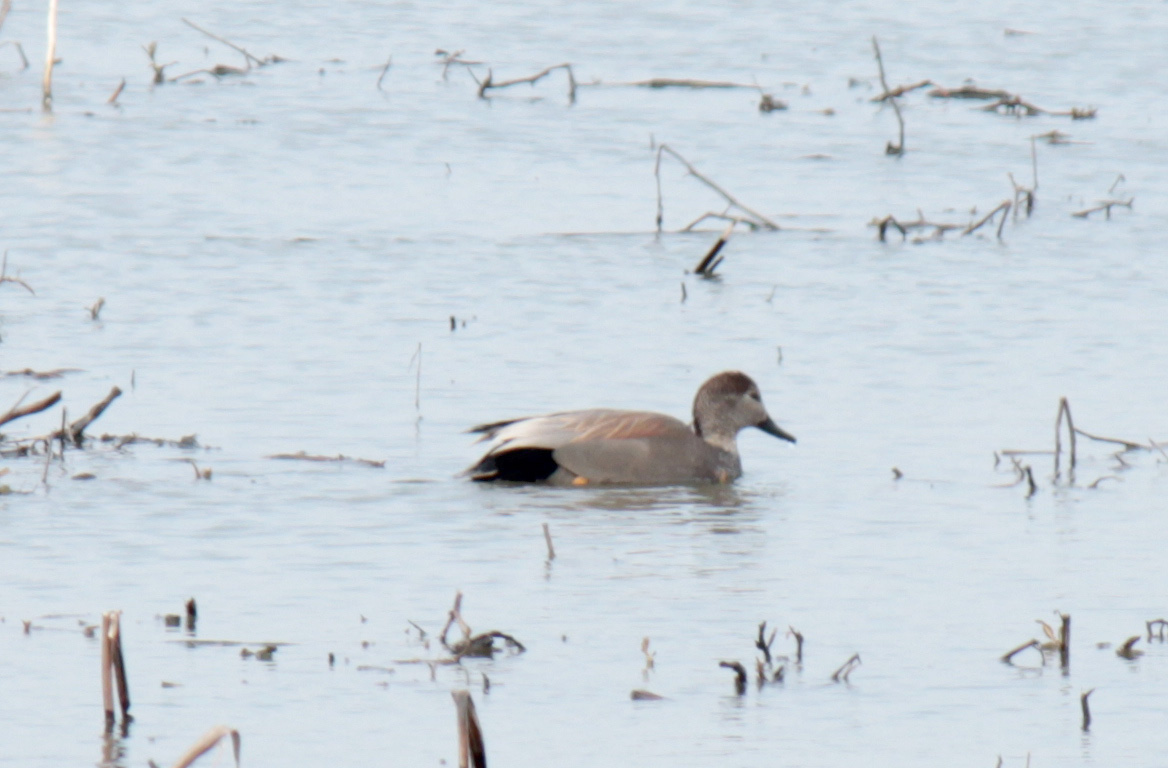
I’ve finally added two more ducks to my list of photographed birds. I headed to Bayou Meto Wildlife Management Area’s Halowell Reservoir earlier this month to see what was there and found both of the above Ruddy and Gadwall ducks. I was also in luck for plenty of other bird sightings as well.

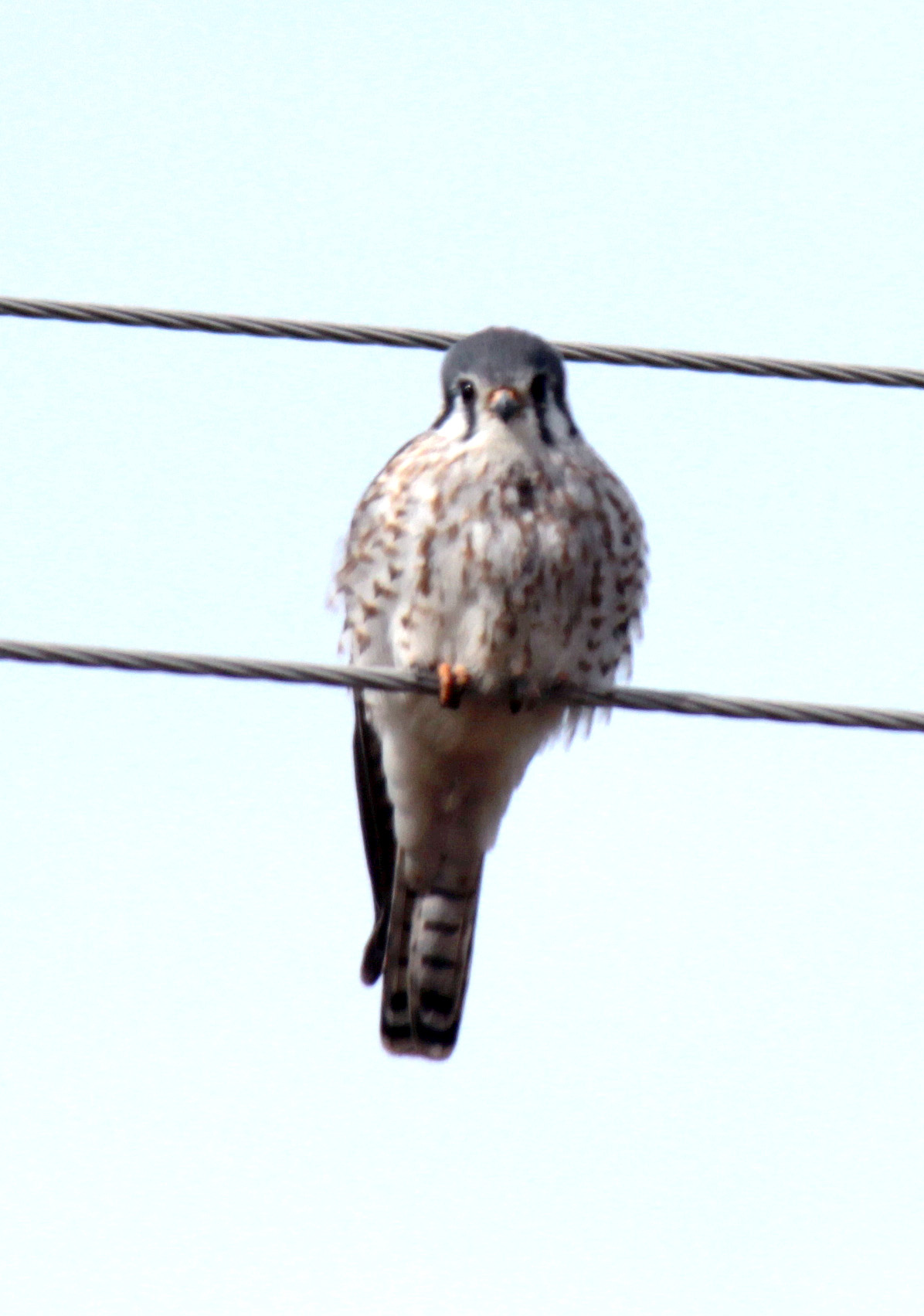



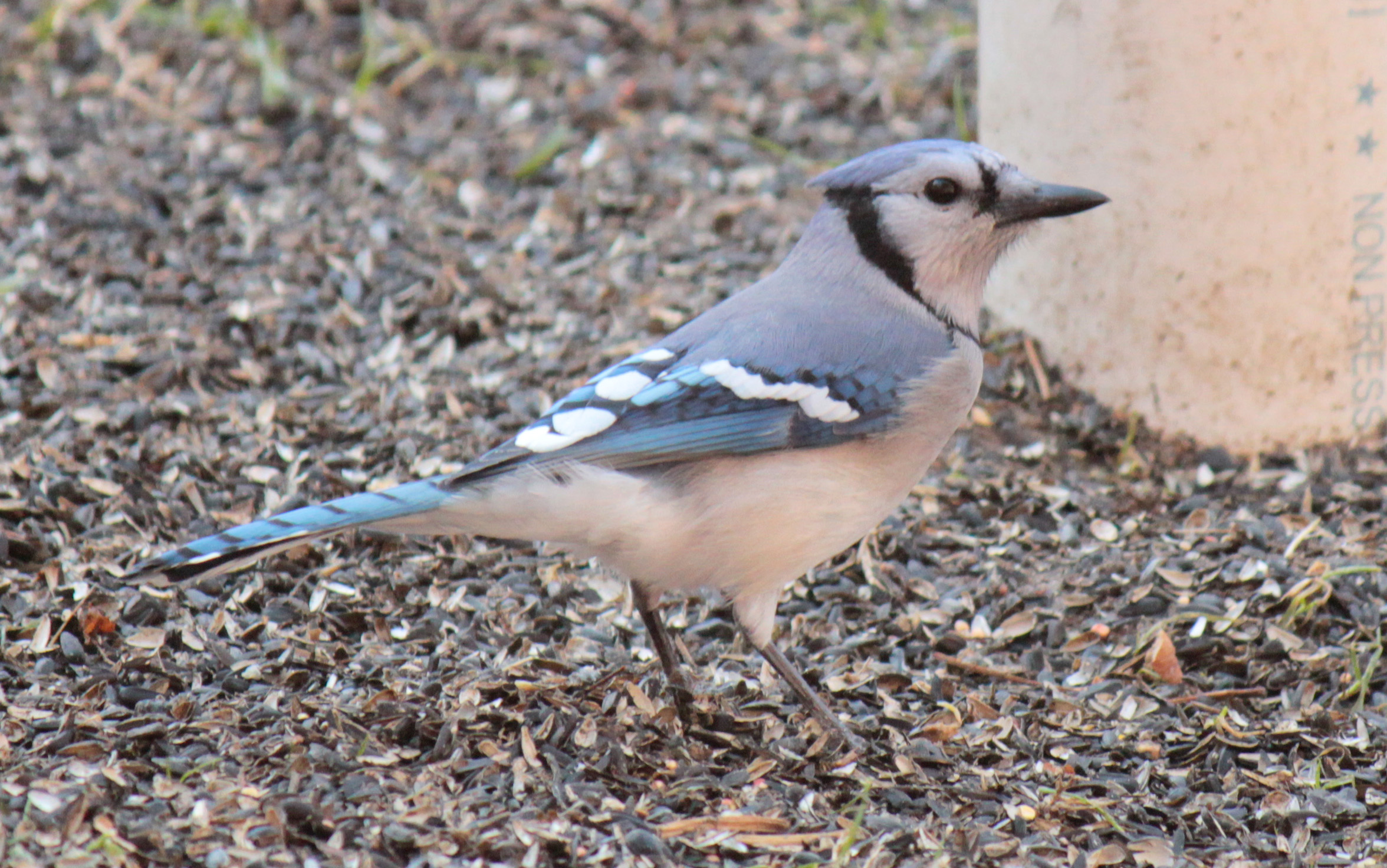
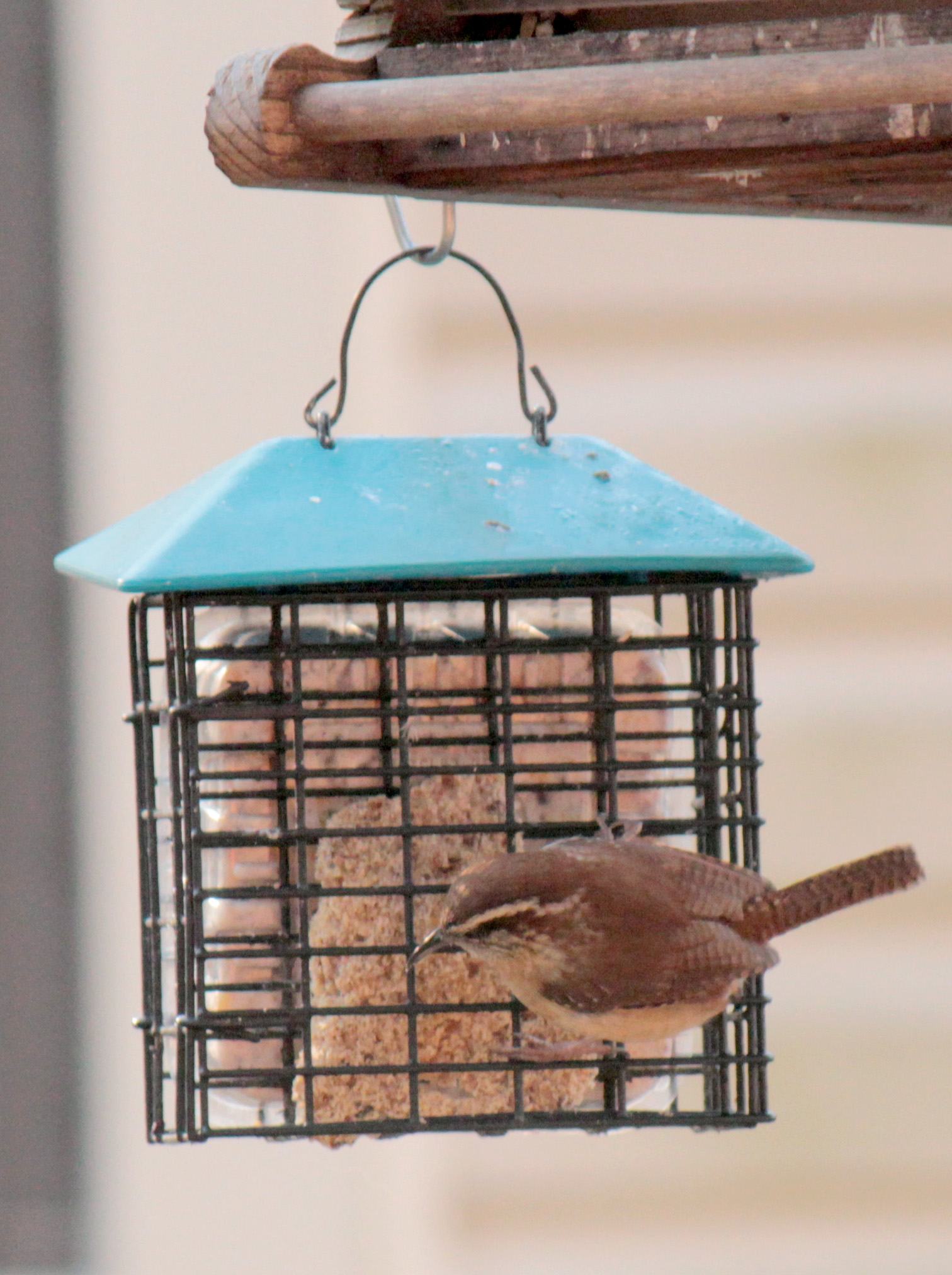


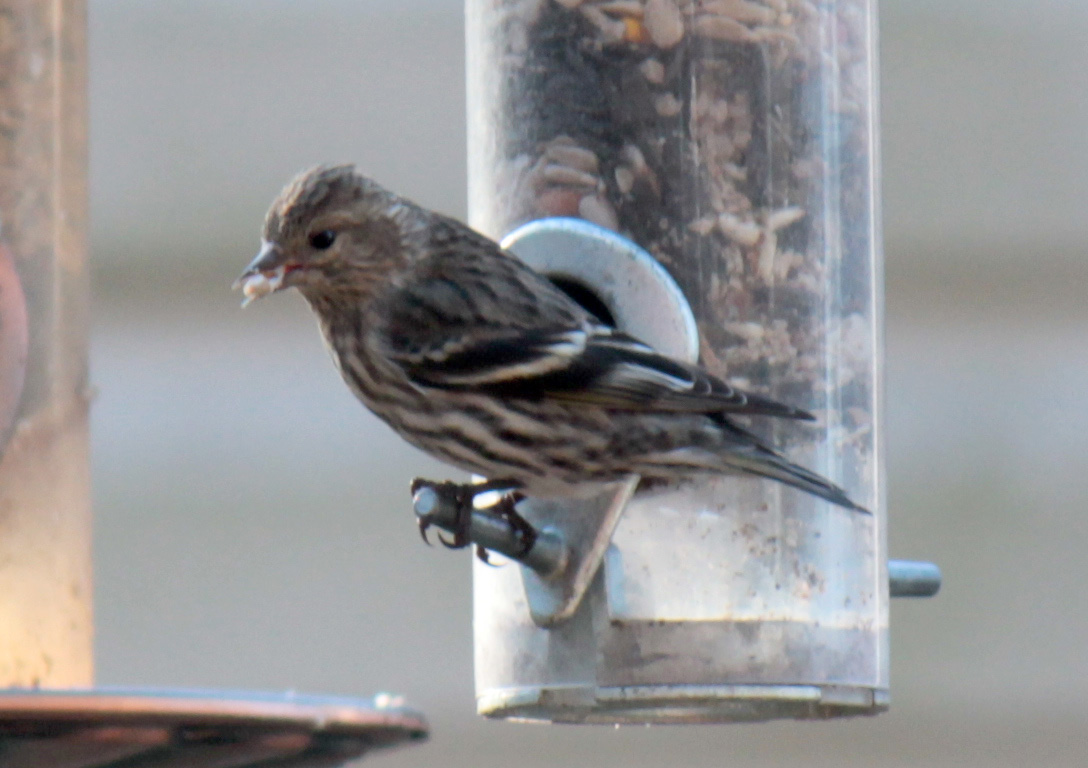




 Rock Pigeons I saw while passing through DeWitt.

I’m not sure who was more surprised — this raccoon or I. We came across each other as I hiked to Cook’s Lake from the Potlatch Conservation Education Center in Casscoe. My first thought was “Is he alive? … IS HE STAPLED TO THE TREE?” The last thought is in response to how I first saw him (hint, it’s not the above picture but the below one).

For some reason, I never thought about raccoons climbing. Honestly, I never really gave them much thought period. Still, I liked my little bandit. I visited the center to attend its last hummingbird program of the year. I was determined to get a few better pictures of the Ruby-Throated Hummingbird. I think I met my goal. 🙂

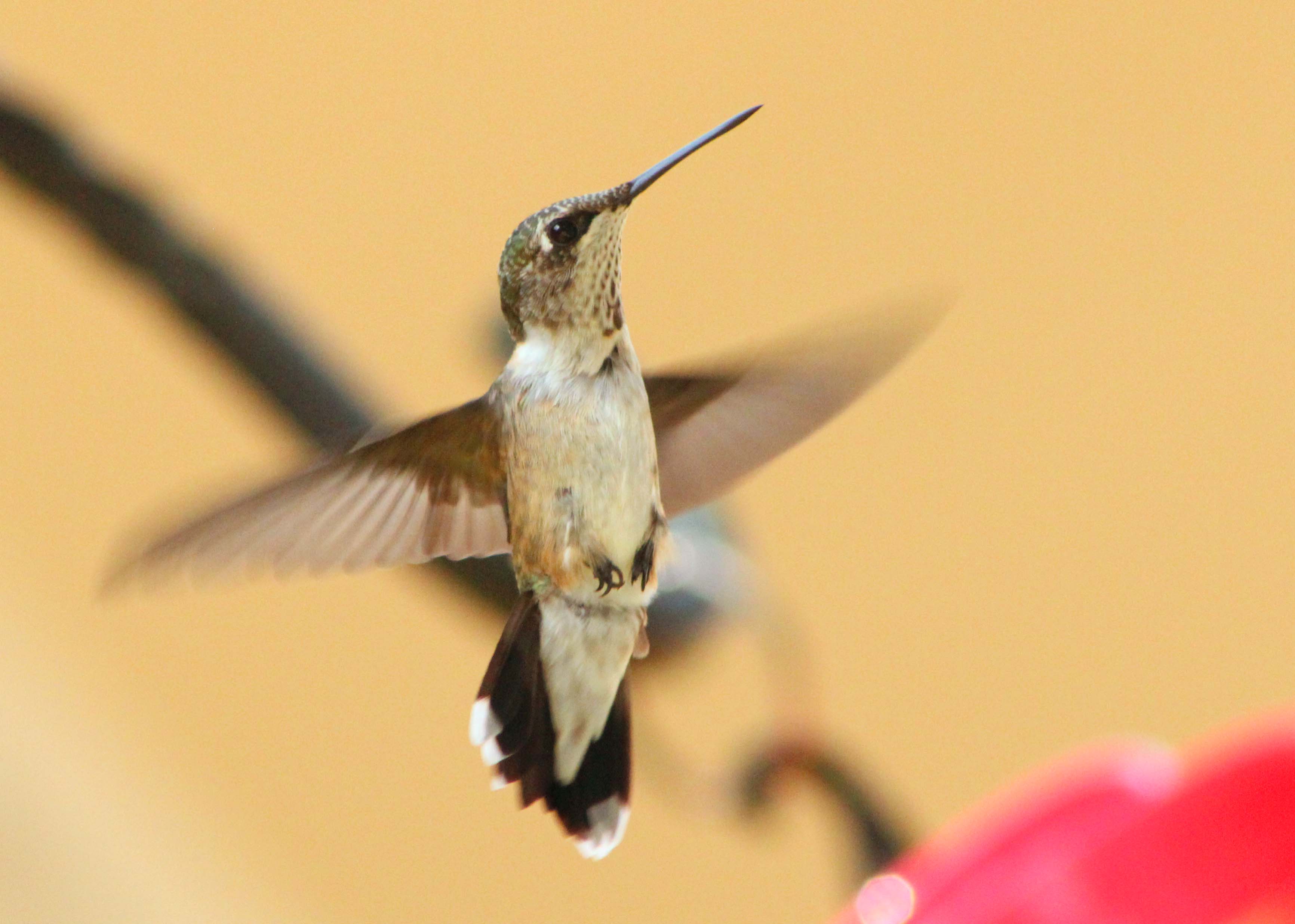

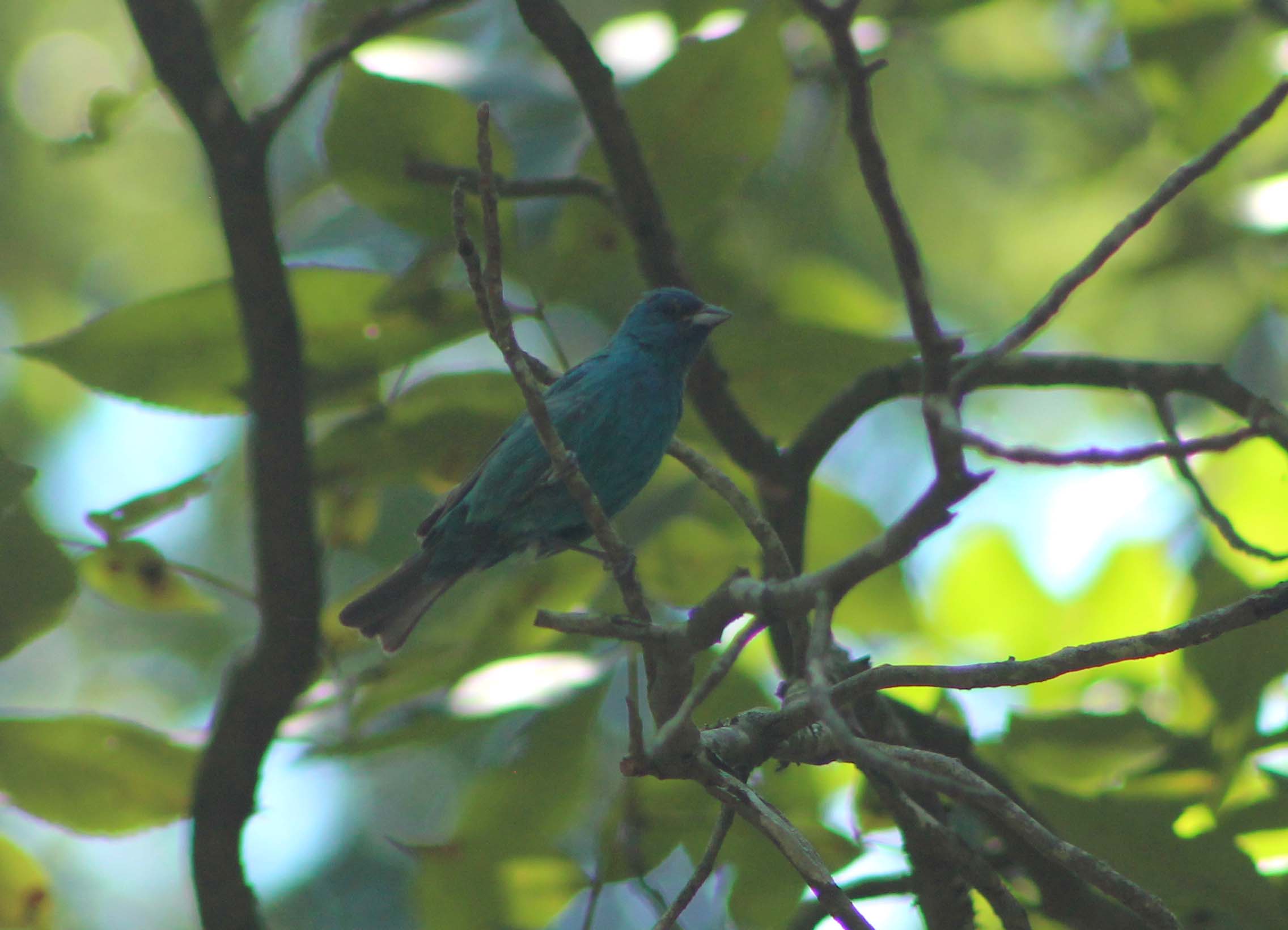
In addition to the hummingbirds, I even got a few more surprises: An immature male Indigo Bunting (first picture below) and a Red Spotted Purple butterfly.

It’s been a while since I’ve been on here — this heat has kept me lazy and indoors. However, that’s slowly changing. Yesterday, I headed only an hour away to Lake Norrell, located just outside of Alexander in Saline County to photograph an unusual visitor.
According to the American Birding Association, Vickie and Pat Martin first photographed this new comer at their Lake Norrell home a week ago on Aug. 9 and sent the picture to a friend to help ID.
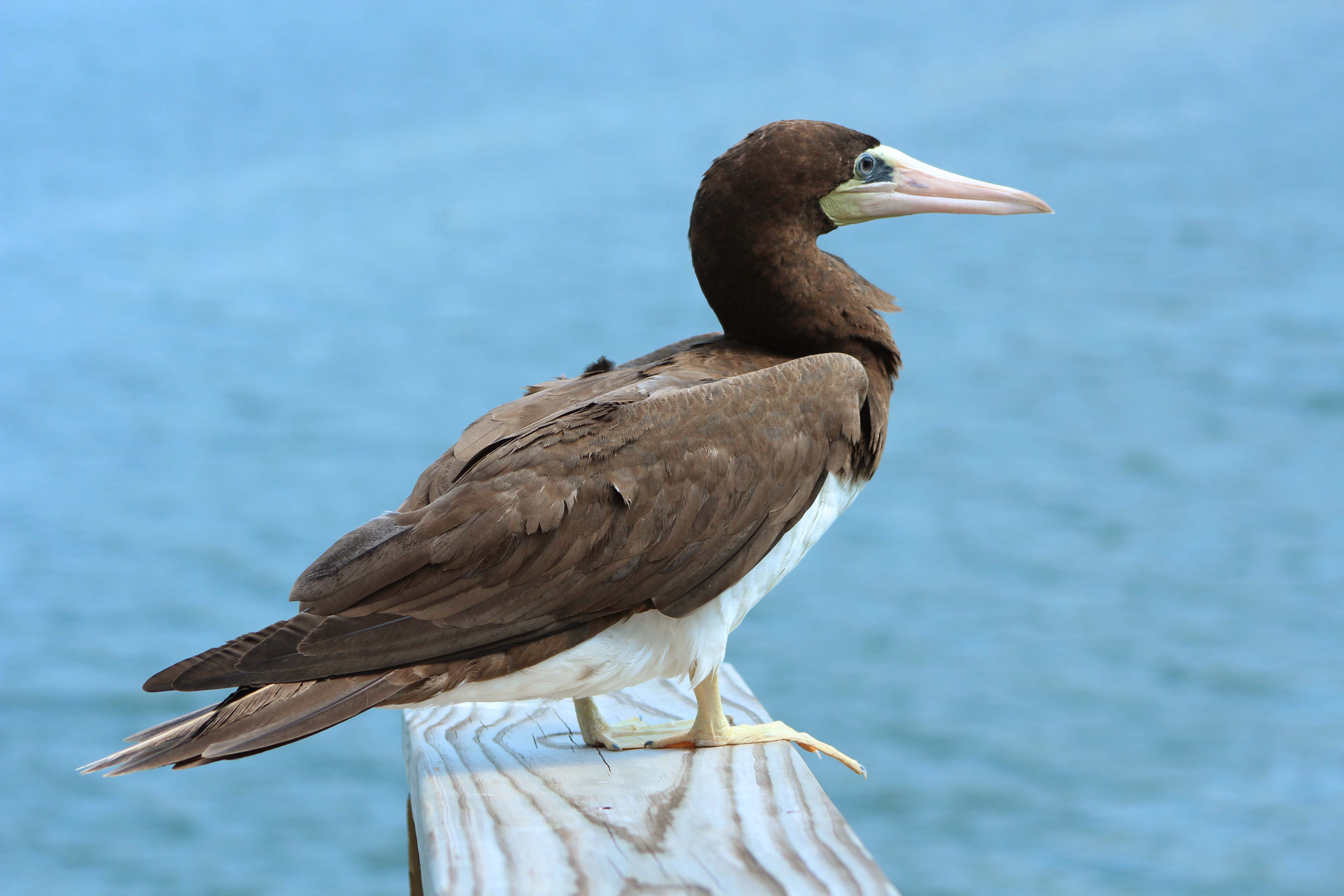
Who was it? An adult female Brown Booby, according to their friend, birder Dottie Boyles. It’s the first record of a Brown Booby in Arkansas (pending acceptance) and hundreds of birders had already flocked to Alexander by the time I arrived mid-afternoon Wednesday.
Lake Norrell is a municipal water supply lake for the City of Benton that is located on Bushy Creek, a North Fork Saline River tributary. The lake is released into surrounding streams as well to protect the Fat Pocketbook, a nearby endangered specie. The lake is surrounded by private property, although the city and Arkansas Game and Fish Commission has since provided public access in April 2000.
Presently, water levels are extremely low — at some points its down 15 feet. The low water level didn’t seem to bother this Brown Booby. She spent most of my visit preening.

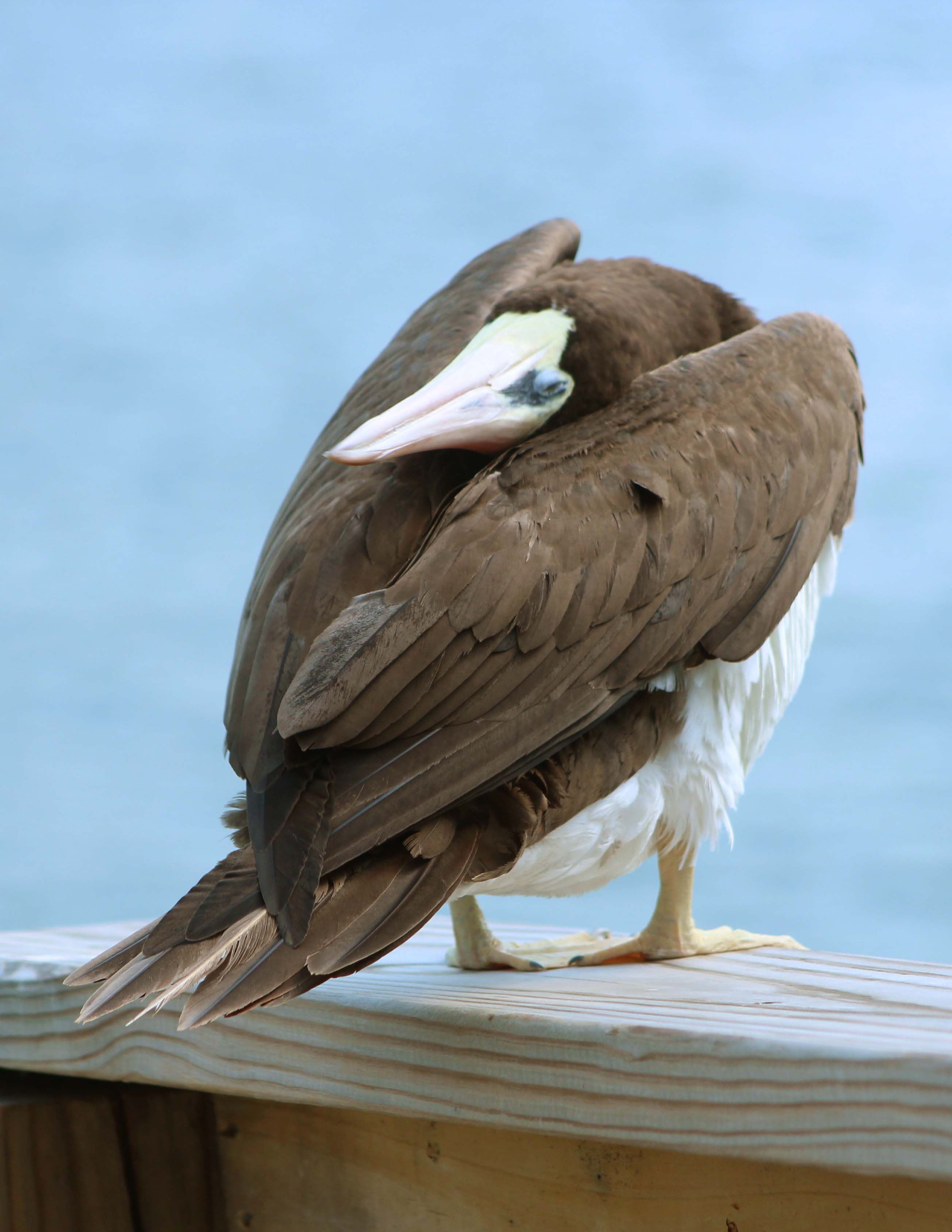
The All About Birds website describes the Brown Booby as a tropical waters seabird that ranges as far north as the Gulf of California, although it is rarely seen on both coasts of the United States.
A Lake Norrell couple (who had an awesome boat flag-see below) offered me a boat ride to see the bird as well as a detour to see a Mute Swan that first joined the lake’s duck and geese population earlier in the year. The swan appeared without its life-long mate.


Mute swans are native to both northern and central Eurasia. They were introduced to North America to inhabit ponds in parks and estates, according to All About Birds. This swan’s aggressive behavior is already known among Lake Norrell’s residents as well as its fierce protectiveness of its’ surrounding goslings and ducklings.
Rediscovering Arkansas with a few detours.
We preserve, conserve, and study the native plants of Arkansas
Our Nicaraguan Journey
Rediscovering Arkansas with a few detours.
Think left & think right & think low & think high. Oh, the thinks you can think up if only you try!" -Dr. Seuss
I previously worked as a news and sports photographer. Recently I have been enjoying wildlife photography. My approach toward bird photos is similar to sports photography. I attempt to capture mostly action and hopefully a unique perspective.
Urbanites in the woods, doing all our own stunts.
WILD IN FLORIDA: Exploring and Photographing Florida's Threatened Ecosystems, Wildlife, and More
by Jo Woolf
Rediscovering Arkansas with a few detours.
Rediscovering Arkansas with a few detours.
Rediscovering Arkansas with a few detours.
 Memos for Me