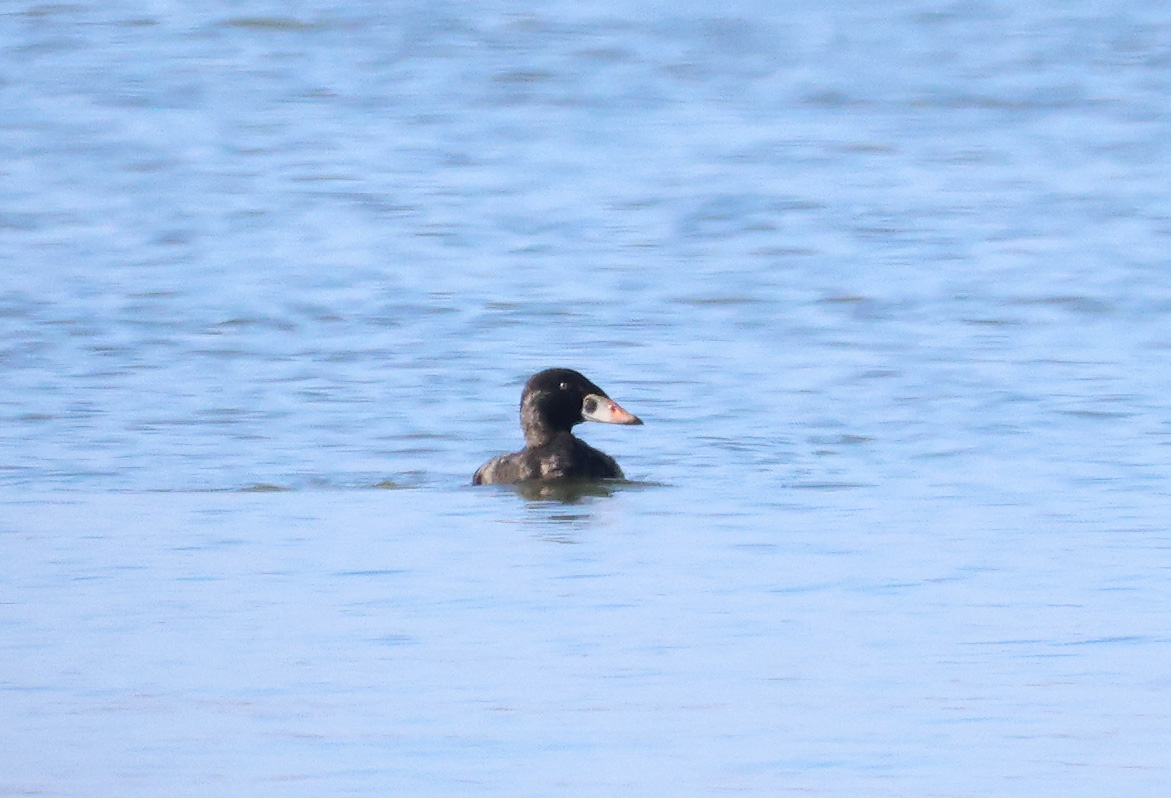
Surf Scoter

Scoters are stocky seaducks typically found in the far north of Europe, Asia, and North America. You wouldn’t expect to find one in Arkansas. Yet, every winter, we get rare sightings of three types of scoters: Black, White-Winged, and Surf.

Earlier this week, I finally saw my first Surf Scoter. It means I’ve finally seen and photographed all three scoters within the state. I first photographed Black Scoters in November 2024, while I discovered a White-winged Scoter in Jonesboro in February 2014.

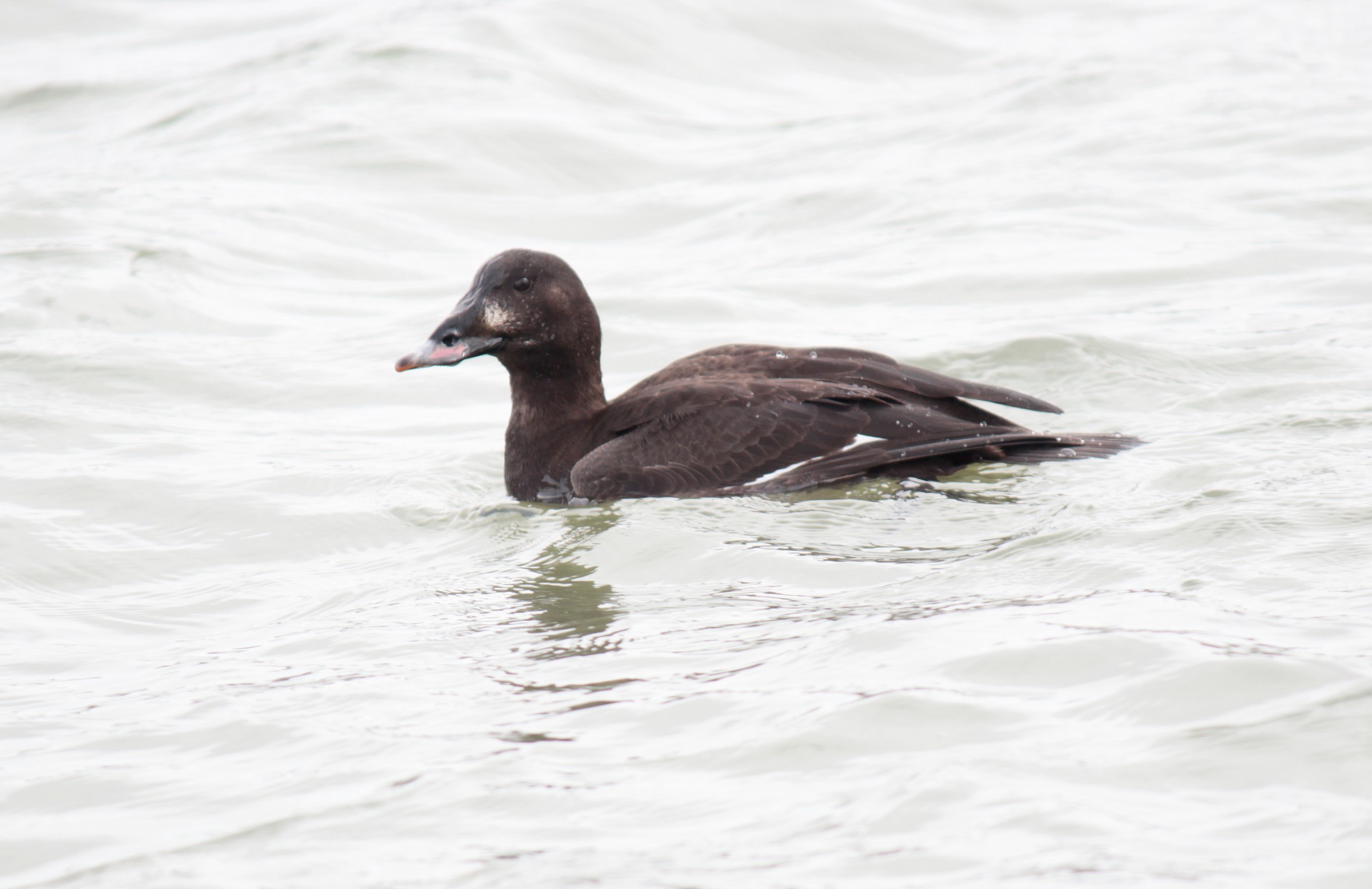
Surf Scoters have been on my bucket list of birds to spot for a while. Mainly because one was always spotted when I couldn’t get away. While there have been over 97 reported sightings of Surf Scoters in Arkansas since April 1966, typically, only one or two are spotted each winter.

This year seemed to follow the same pattern. The Surf Scoter pictured above was spotted before Christmas in Northwest Arkansas. Between work and personal obligations, I didn’t have the time to make the 2.5-hour one-way trip. Luckily, it was still there two weeks later when I was able to go.
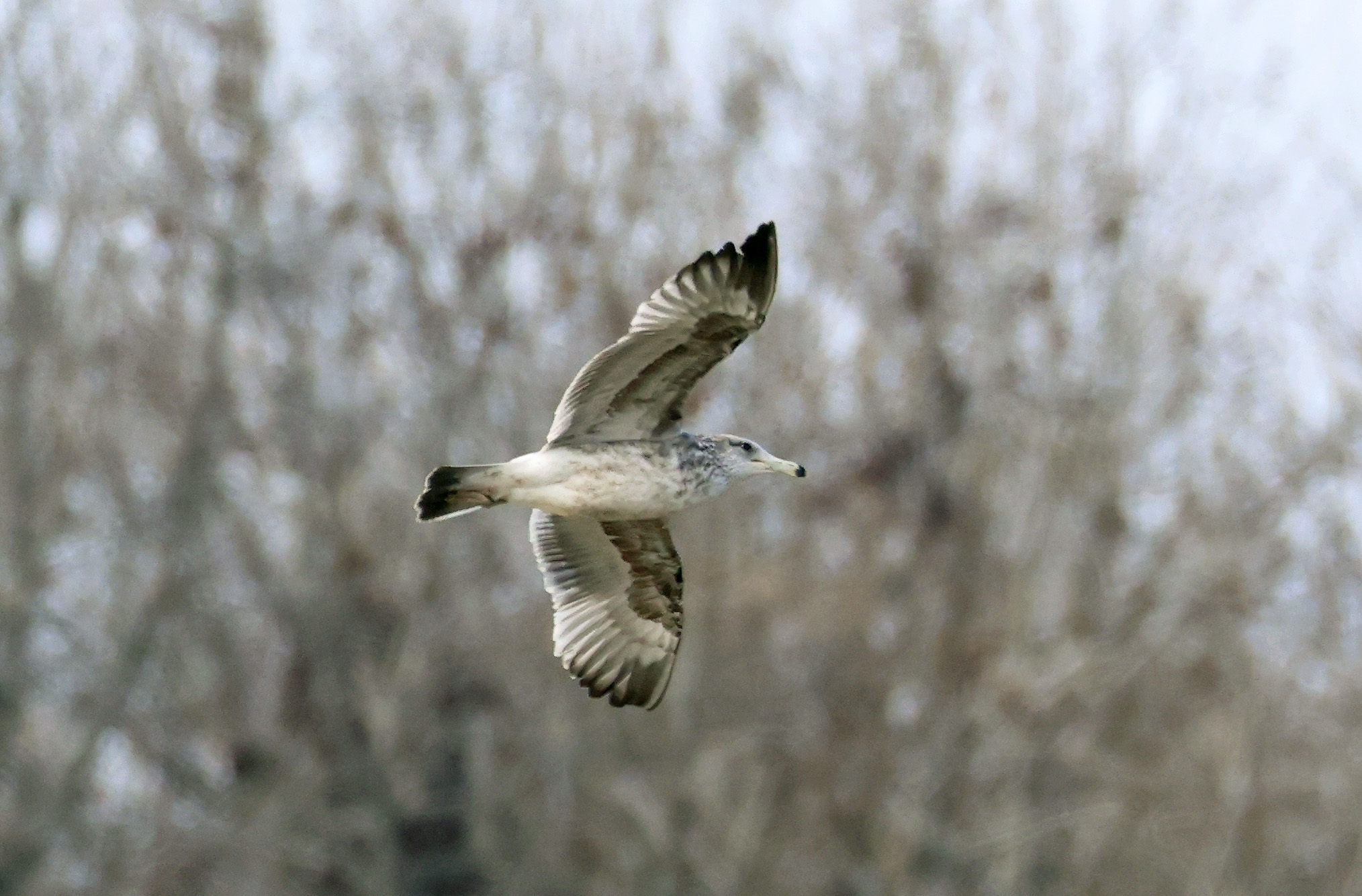
California Gull

I didn’t expect to spend the morning of January 3, 2026, at the Crittenden County Landfill. But I did, and it paid off. I’ve now seen and photographed my first California Gull in Arkansas.

California Gulls are medium-sized gulls that are common inland and found across the western United States, with a range stretching from Canada to Mexico. This is the ninth reported sighting in Arkansas. While previous sightings have been at Lake Dardanelle, this year’s California Gull has been hanging out near the landfill. California Gulls are opportunistic and will eat anything they can catch or scavenge, including insects and garbage.

While the California Gull was a neat sighting, the search for it was not so much. I’ll admit gull searches make me grumpy. The California Gull was hidden among thousands of Ring-billed Gulls. What is the difference between a California Gull and a Ring-billed Gull? The Ring-billed Gull is slightly smaller and has a paler eye. Adult California Gulls also have a red spot on the lower bill (the Ring-billed Gull has black). However, this California Gull was a juvenile, so it had a darker brown hue on its feathers and a black spot on the bill. Fellow birders kept reminding me to look for a more tubular bill on the California Gull. This wouldn’t be so bad if there weren’t thousands of gulls to look through.

Luckily, I was with four other experienced birders who made the search more bearable.